Hotels by Trip.com
Flights by Trip.com
Did you know that nearly a third of Peru’s population resides in its vibrant capital city, Lima? With over 10 million people calling it home, Lima is a bustling metropolis that often gets overlooked by travelers rushing to Machu. Picchu.
However, this cosmopolitan city deserves more than just a quick stopover. Lima offers a rich blend of history, culture, cuisine, and coastal beauty, making it a must-visit destination for any traveler.
From historic plazas to world-class restaurants, Lima has something for every type of traveler. Whether you’re a history buff, a foodie, or an adventure seeker, this dynamic city is sure to captivate you with its unique mix of pre-Columbian, colonial, and modern influences.
Discovering Lima’s Rich Heritage
Discover the rich cultural heritage of Lima, a city that seamlessly blends colonial and modern charm. As you explore the historic center, you’ll be surrounded by stunning examples of Spanish colonial architecture that have stood the test of time.
Plaza de Armas: The Historic Heart of Lima
The Plaza de Armas, also known as the Plaza Mayor, is the historic heart of Lima and a world heritage site. This vibrant square is surrounded by impressive buildings, including the Lima Cathedral and the Government Palace.
As you visit the Plaza de Armas, be sure to check out the Archbishop’s Palace, with its magnificent wooden balconies that represent some of the finest century-old colonial craftsmanship in the world.
San Francisco Convent and Catacombs
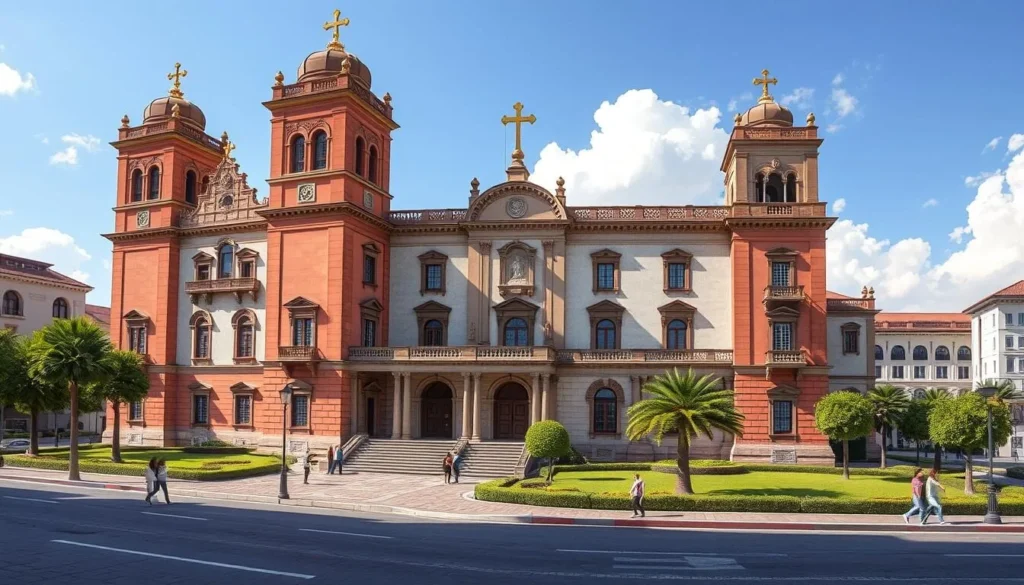
A visit to the San Francisco Convent and its famous catacombs is a must when exploring Lima’s rich heritage. The convent is a place of great historical significance, with beautiful Spanish tiles and cloistered courtyards that offer a peaceful escape from the bustling city.
As you tour the catacombs, you’ll see the remains of over 25,000 people arranged in eerie geometric patterns, a haunting reminder of the city’s rich history.

In Lima, you’ll discover a city that is deeply rooted in its history, yet vibrantly alive in the present. As you explore the city’s rich heritage, you’ll gain a deeper appreciation for the world cultural significance of this incredible place.
Exploring Lima’s Centro Histórico
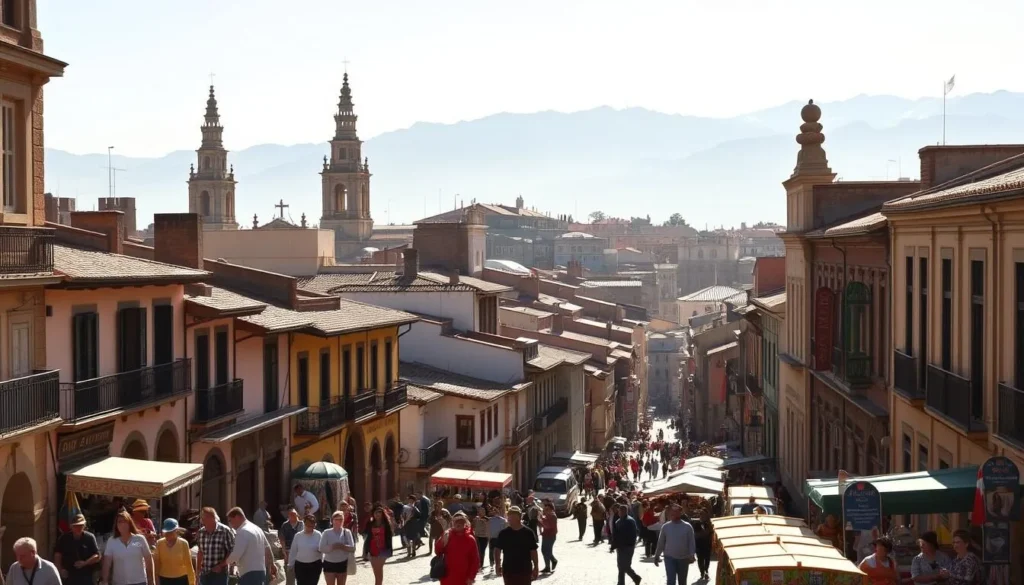
Centro Histórico, the oldest part of Lima, is a must-visit destination for anyone interested in history, culture, and architecture. As a UNESCO World Heritage site since 1988, it boasts well-preserved colonial buildings and beautiful balconies, making it a fascinating heritage site to explore.
✓ Check 30,000+ Local Sightseeing Tours Worldwide
Archbishop’s Palace and Government Palace
One of the key landmarks in Centro Histórico is the Archbishop’s Palace, known for its ornate façade and the museum inside, which houses religious artifacts from Peru’s colonial period. Nearby, the Government Palace (Palacio de Gobierno) offers insights into Peru’s political history, and if you time your visit right, you can witness the changing of the guard ceremony.
Jiron de la Union and Plaza San Martin
A stroll down Jiron de la Union, a pedestrian-friendly street, takes you from Plaza de Armas to the impressive Plaza San Martin. This vibrant street is lined with shops, cafes, and historic buildings, making it a great place to experience the local culture. At the end of the street, Plaza San Martin is another beautiful square in the historic area, named after Peru’s liberator José de San Martín. Be sure to visit the Gran Hotel Bolivar near Plaza San Martin, a historic hotel with elegant architecture where you can enjoy a traditional Pisco Sour.
As you wander through Lima’s Centro Histórico, you’ll appreciate the unique architectural styles that blend Spanish colonial influences with local Peruvian elements throughout the streets of the historic center, making this area a truly special place to visit.
Must-Visit Museums in Lima
The city of Lima boasts an impressive collection of museums that are a must-visit for any history buff or art enthusiast. These cultural institutions offer a deep dive into Peru’s rich heritage, showcasing a wide range of artifacts and artworks that span thousands of years.
Museo Larco: Pre-Columbian Art
Museo Larco is an interesting museum located in the Pueblo Libre neighborhood. Housed in an 18th-century mansion, it features one of the most impressive collections of pre-Columbian art in South America. As you explore the main collection, you’ll gain a better understanding of the complex history and culture of ancient Peruvian civilizations, including the Moche, Chimú, Nazca, and Inca.
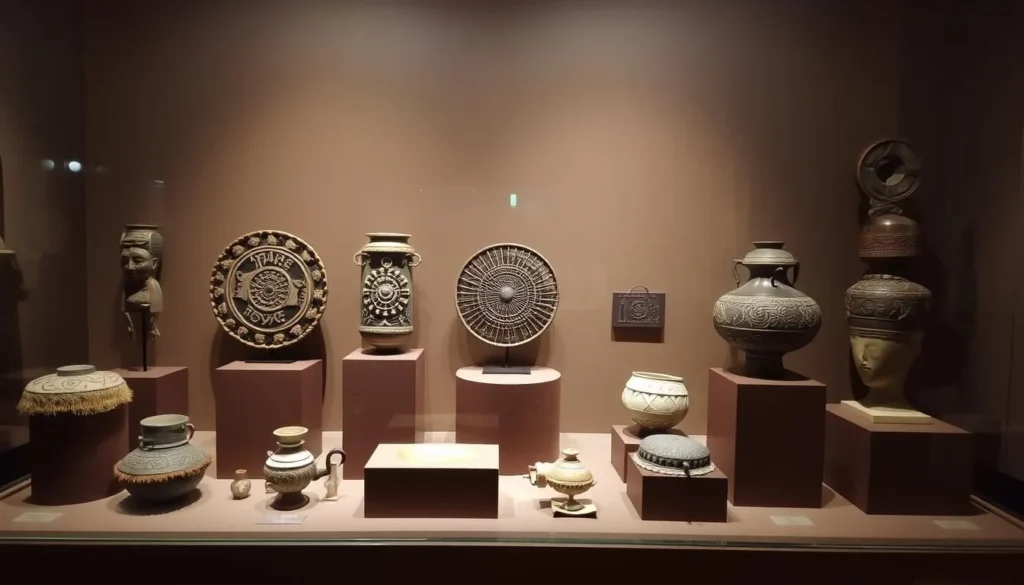
One of the museum’s highlights is its famous erotic pottery collection, displayed in a separate gallery. This unique exhibit offers insights into ancient Peruvian attitudes toward sexuality. After exploring the exhibits, take time to enjoy the beautiful gardens of Museo Larco, which are draped in Bougainvillea, and perhaps have a meal at the on-site Cafe del Museo.
Museo de la Nación and Other Cultural Institutions
In addition to Museo Larco, Lima is home to other significant cultural institutions. The Museo de la Nación, Lima’s largest state-run museum, boasts an extensive archaeological collection. Although it’s essential to check if it’s reopened after renovations, it’s definitely worth a visit. You should also explore the Museum of Art of Lima (MALI), housed in a gorgeous 19th-century palace with art collections spanning 3,000 years.
To fully appreciate the extensive collections and the insights they provide into Peru’s rich cultural heritage, plan to spend at least half a time day exploring these museums. This will give you a comprehensive understanding of the culture and history that have shaped Lima and Peru.
The Scenic Miraflores District
The Miraflores district is a must-visit when in Lima, offering a unique blend of culture and scenic beauty. As you explore this vibrant area, you’ll be treated to stunning views of the Pacific Ocean and a plethora of activities to enjoy.
Strolling Along the Malecón
One of the highlights of Miraflores is the Malecón, a six-mile stretch of parks and walkways along the cliffs overlooking the ocean. It’s perfect for jogging, biking, or simply enjoying the sea breeze. As you walk along the Malecón, you’ll be treated to breathtaking views of the Pacific Ocean and the surrounding landscape.
Parque del Amor and Larcomar
Another must-visit attraction in Miraflores is Parque del Amor (Love Park), inspired by Barcelona’s Park Güell. This beautiful park features the famous “El Beso” sculpture by Peruvian artist Victor Delfín, as well as colorful mosaic walls and a romantic atmosphere that makes it a popular spot for couples and photographers. Nearby, you’ll find Larcomar, an impressive cliffside shopping center with restaurants and stores offering panoramic ocean views.
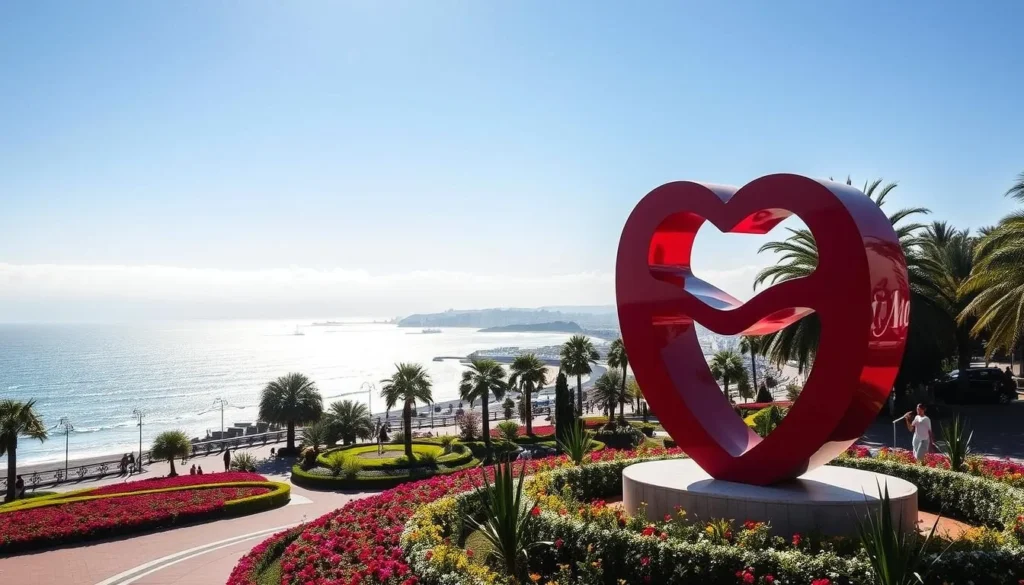
As you explore Miraflores, you’ll also want to stop by Kennedy Park (Parque Kennedy) in the heart of the district, known for its art vendors, food stalls, and colony of friendly cats. Timing your visit to the Malecón for sunset is highly recommended, as the views are particularly spectacular and many locals come out to enjoy the evening atmosphere.
Lima, Peru: Best Things to Do for Adventure Seekers
In Lima, Peru, you can indulge in a variety of heart-pounding adventures. The city offers a unique blend of thrilling activities that cater to different interests and adrenaline levels. Whether you’re looking to soar through the skies or ride the waves, Lima has something for every adventure seeker.
Paragliding Over the Pacific Coast
Experience the thrill of paragliding over Lima’s coastline, one of the best things to do for adventure seekers visiting the city. Take a tandem paragliding flight from the cliffs of Miraflores, where constant upwinds create perfect conditions year-round. You’ll marvel at the spectacular aerial views of Lima’s coastline and the vast Pacific Ocean as you soar above the Malecón.

Surfing and Water Activities
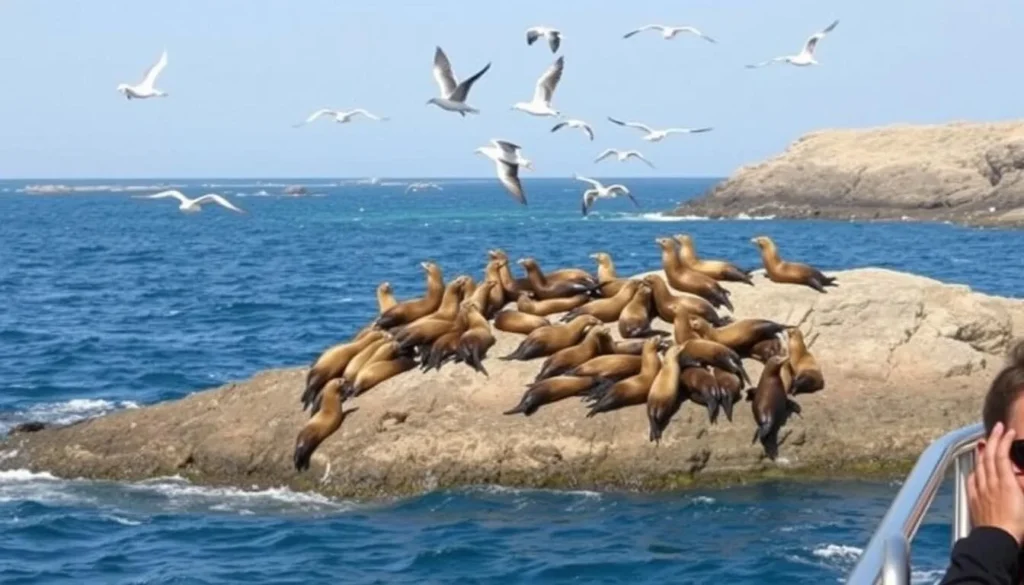
Lima’s coastline offers numerous opportunities for surfing and other water activities. Try surfing at beaches like Makaha or Waikiki in Miraflores, which offer good conditions for beginners and experienced surfers alike. You can also visit La Punta in Callao to take a boat trip to the Palomino Islands, where you can swim with wild sea lions in their natural habitat. Explore the beautiful coastal places around Lima, such as Punta Hermosa or Cerro Azul, for a more secluded surfing experience.
When engaging in these activities, be sure to book with reputable adventure tour companies that provide all necessary equipment and safety instructions. Plan your outdoor adventures on days with good weather to make the most of your experience and enjoy the stunning views of Lima’s coastline.
Ancient Ruins in the Modern City
As you wander through Lima, you’ll stumble upon ancient ruins that reveal the city’s fascinating past. Peru is renowned for its rich cultural heritage, with numerous impressive ruins scattered throughout the country.
Huaca Pucllana: A Pre-Incan Pyramid
Discover ancient ruins dating back to the 5th century right in the heart of modern Lima, making them a must-add to your list of things to see. Explore Huaca Pucllana, an impressive clay and adobe pyramid built by the Lima Culture around 500 CE, located right in the Miraflores district.
Take a guided tour of Huaca Pucllana to learn about the people who built it and climb to the top for panoramic views of the surrounding city. You can also dine at the upscale Huaca Pucllana Restaurant adjacent to the ruins for a unique experience of enjoying gourmet Peruvian cuisine with illuminated ancient ruins as your backdrop.
Pachacamac Archaeological Site
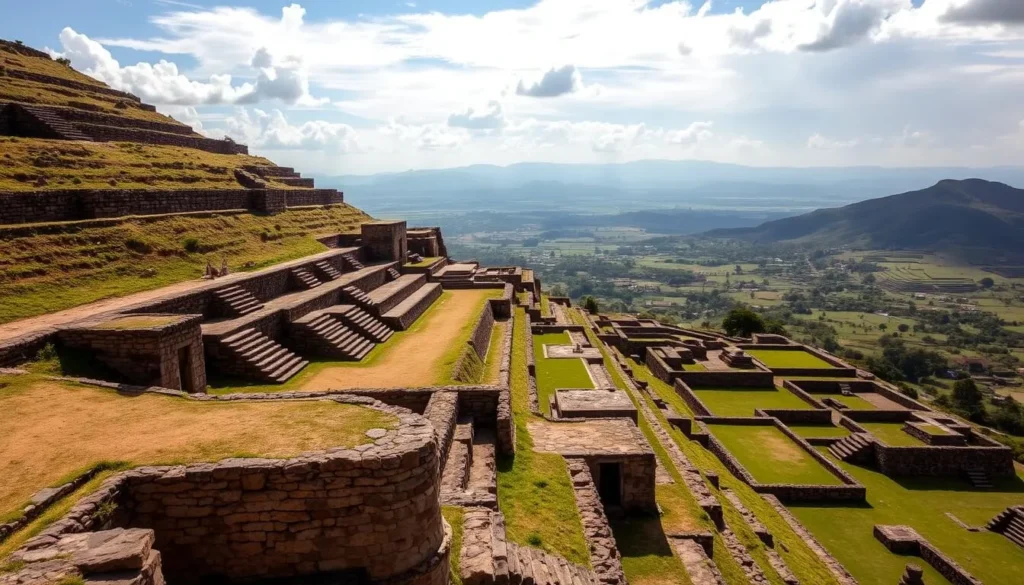
Visit Pachacamac Archaeological Site, a massive complex located 40 kilometers southeast of Lima that was an important religious center for over 1,000 years. Marvel at the Temple of the Sun and other structures at Pachacamac that showcase different architectural styles from various pre-Columbian cultures that inhabited the area over the century.
Understanding these ancient sites will give you a glimpse into the sophisticated world that existed long before European contact, connecting modern Lima to its pre-Hispanic past.
The Bohemian Charm of Barranco
Barranco, with its eclectic mix of art galleries, street murals, and trendy restaurants, is the perfect place to experience Lima’s bohemian culture. As you explore this charming oceanside district, you’ll discover a vibrant cultural scene that’s teeming with creativity and self-expression.
Art Galleries and Street Murals
Barranco is renowned for its impressive street art and murals, created by both local and international artists. You can wander through the district’s streets to discover these vibrant works of art, or visit art galleries like MATE, founded by photographer Mario Testino, and MAC, the Museum of Contemporary Art.
Another must-visit is Dédalo Arte y Artesanía, a store featuring a variety of Peruvian-made ceramics, textiles, and jewelry. Be sure to check out the hand-painted teapots and vases with colorful botanical and Indigenous motifs.
Barranco’s Nightlife and Dining Scene
As night falls, Barranco transforms into a lively nightlife hub. You can experience the district’s legendary nightlife at traditional bars like Juanito de Barranco, where you can enjoy live music and authentic Peruvian drinks. Try a Pisco Sour or Chilcano at one of the trendy bars while mingling with Lima’s creative community.
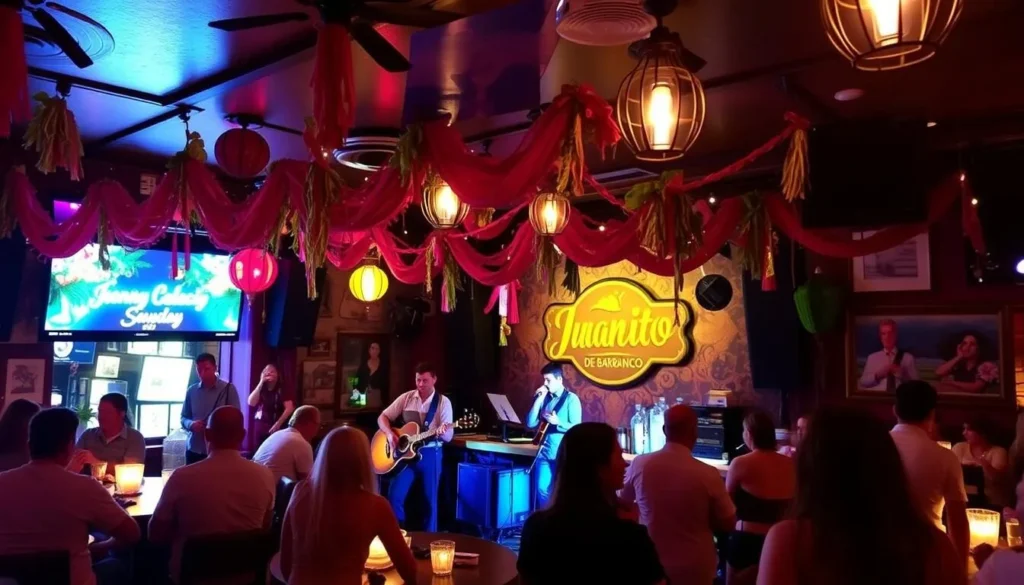
For dining, Barranco offers innovative restaurants like Isolina, serving traditional Peruvian comfort food, and Canta Rana, known for its excellent seafood. Before diving into the evening entertainment, visit Mirador Sousa for stunning sunset views over the Pacific Ocean.
Lima’s Culinary Excellence
Your culinary adventure in Lima is about to begin, with a plethora of options that showcase the city’s gastronomic excellence. Lima is renowned for its vibrant food scene, which is a melting pot of indigenous, Spanish, African, and Asian influences.
World-Class Restaurants and Gourmet Experiences
Lima is considered the gastronomic capital of South America, with restaurants like Central, Maido, and Astrid y Gastón ranked among the World’s 50 Best Restaurants. At Central, chef Virgilio Martínez showcases ingredients from different elevations across the country, offering an innovative Peruvian cuisine experience.
Maido is a must-visit for Nikkei cuisine, a fusion of Japanese and Peruvian flavors, where chef Mitsuharu Tsumura creates exceptional dishes. Astrid y Gastón, founded by Gastón Acurio, is a pioneer of modern Peruvian cuisine, helping put the country‘s food on the global map.

Traditional Peruvian Dishes to Try
No visit to Lima is complete without trying its traditional food, including ceviche, Peru’s national dish made from fresh raw seafood marinated in citrus juices. Renowned cevicherías like La Mar or El Mercado offer an authentic experience.
You should also try lomo saltado (stir-fried beef), causa (layered potato dish), and anticuchos (beef heart skewers), which reflect the multicultural influences on Peruvian cuisine. A food tour is a great way to sample a variety of dishes and learn about their history.
Don’t miss the opportunity to try a Pisco Sour, Peru’s national cocktail, made with Pisco (grape brandy), lime juice, egg white, and bitters, at one of Lima’s many bars or restaurants.
Magical Water Circuit and Parks
The Magical Water Circuit is an unforgettable experience that combines stunning water displays with Peruvian history and culture. Located in the Parque de la Reserva, this attraction is a must-visit when in Lima.
Circuito Mágico del Agua (Magic Water Circuit)
The Magic Water Circuit is one of Lima’s most popular attractions and the largest fountain complex in the world. You can attend the evening light and laser show, where water fountains become screens for projections depicting Peruvian culture and history. To secure a good viewing place, arrive early for the spectacular night show that begins at 7:15 pm and repeats hourly.
Kennedy Park and Other Green Spaces
In addition to the Magic Water Circuit, Lima has several other green spaces worth visiting. You can explore Kennedy Park in Miraflores, a central gathering place known for its art vendors, food stalls, and famous colony of friendly cats. You can also browse the artisan shops and markets around Kennedy Park to find unique Peruvian crafts and souvenirs. Other green spaces include El Olivar in San Isidro, a beautiful olive grove with trees dating back to colonial times.
To get to these attractions, you can find your way using public transportation, such as Bus 301, a convenient and budget-friendly option. Whether you’re looking for a place to relax or an exciting night out, Lima’s parks and green spaces have something to offer, making it a great capital city to visit.
Day Trips from Lima
The city of Lima is strategically located for taking day trips to some of South America’s most unique attractions. You can explore a variety of natural wonders and cultural heritage sites without having to travel far.
Ballestas Islands: The “Galapagos of Peru”
A day trip to the Ballestas Islands, often referred to as the “Galapagos of Peru,” is a must when visiting Lima. Here, you can observe sea lions, Humboldt penguins, and thousands of seabirds in their natural habitat. During the boat trip, you’ll also catch a glimpse of the mysterious Paracas Candelabra, a giant geoglyph etched into a hillside over 2,000 years ago.
Huacachina Oasis and Ica
For a different kind of adventure, head to Huacachina, a stunning desert oasis surrounded by massive sand dunes just a few hours from Lima. You can try sandboarding or take a thrilling dune buggy ride for an adrenaline-pumping desert experience.

Other exciting day trip options from Lima include visiting the Palomino Islands to swim with wild sea lions or exploring the ancient city of Caral, one of the oldest civilizations in the Americas. Most of these day trips require a full day due to the travel time, so it’s essential to plan accordingly.
Practical Tips for Visiting Lima
Getting the most out of your visit to Lima involves understanding the best times to visit, how to get around, and where to stay. Lima is a city that is always ready to be explored, with its mild climate making it a year-round destination.
Best Time to Visit and Getting Around
When planning your trip to Lima, consider that the dry season, from May to October, is often considered the best time to visit, despite the city’s characteristic coastal fog during this period. If you prefer clearer skies, the period between December and April might be more appealing, though it’s worth noting that this coincides with Peru’s rainy season in other parts of the country.
For getting around the city, the Metropolitano Bus Rapid Transit system is an affordable and efficient option, especially for trips between Miraflores and the historic center. You may also consider joining a tour of the historic center as an excellent introduction to the city.
Safety Tips and Accommodation Recommendations
When it comes to safety, be cautious with your valuables, especially in crowded tourist areas, and use official taxis or ride-sharing apps rather than hailing cabs on the street. For accommodations, consider staying in the Miraflores or Barranco districts, which offer a good balance of safety, amenities, and proximity to major attractions.
You can choose from a range of hotels like the luxury Belmond Miraflores Park, mid-range Radisson Decapolis, or budget-friendly hostels in Miraflores. It’s a good idea to list your priorities when selecting accommodations to ensure they meet your needs.

To make the most of your visit, plan to stay for at least 3-4 days to fully appreciate what Lima has to offer. Booking popular restaurants and tours in advance, especially during high season, can help avoid disappointment.
Conclusion
With its diverse neighborhoods and plethora of attractions, Lima is a city that will surprise and delight you. As you’ve seen, Lima offers a wide range of things to do, from exploring ancient ruins to savoring world-class cuisine. To truly experience all that Lima has to offer, you should plan to spend at least 3-4 days in this vibrant city.
One of the joys of visiting Lima is discovering the contrasts between its different neighborhoods. You can stroll through the historic center’s colonial architecture, enjoy the modern amenities of Miraflores, or soak up the artistic vibe of Barranco. As you explore these different areas, you’ll uncover the many layers of Lima, where pre-Columbian ruins exist alongside colonial churches and contemporary skyscrapers.
To make the most of your visit, consider creating a personalized list of must-visit places based on your interests, whether that’s food, history, art, or adventure. Lima serves as an excellent introduction to Peruvian culture, and it’s a great base for exploring other parts of the country. So, come with an open mind and a willingness to explore beyond the typical tourist path. We invite you to share your own Lima experiences and favorite things to do in the comments section below.