Hotels by Trip.com
Flights by Trip.com
Planning Your Journey to Peru
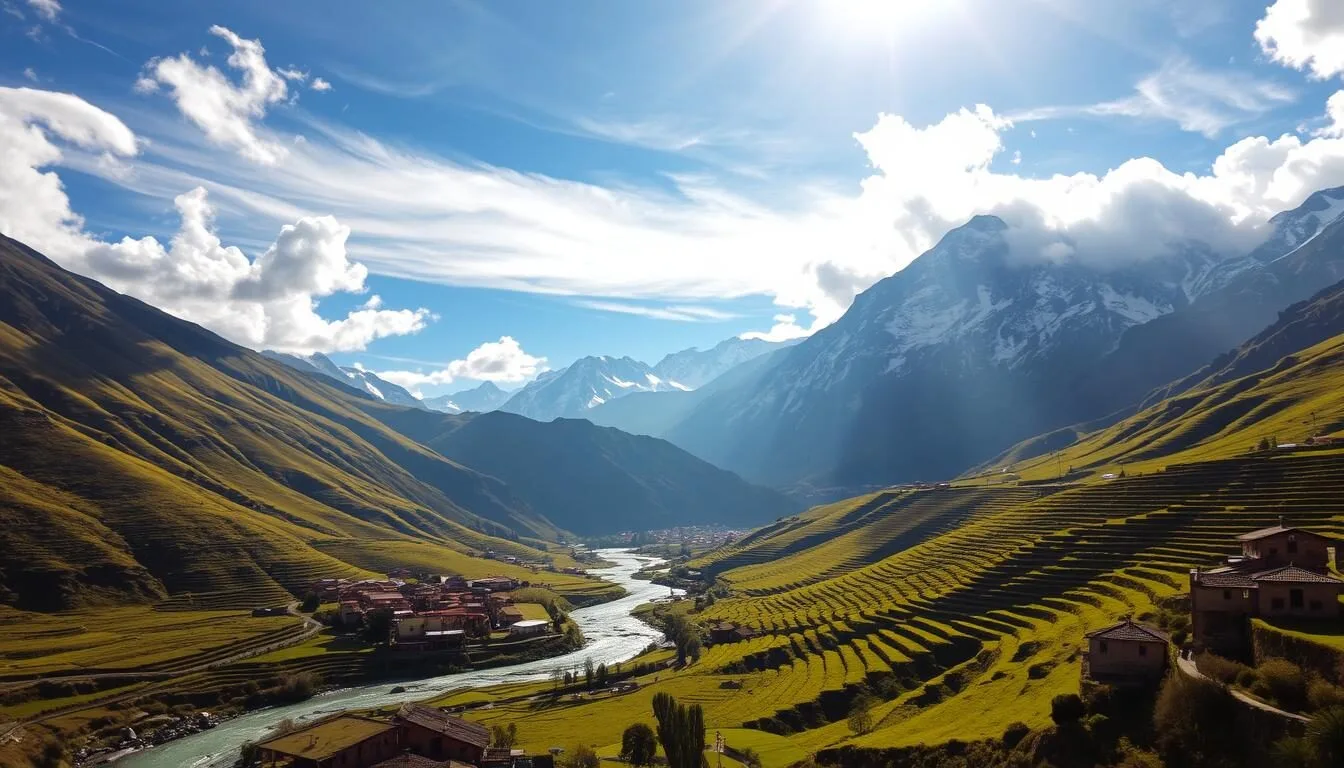
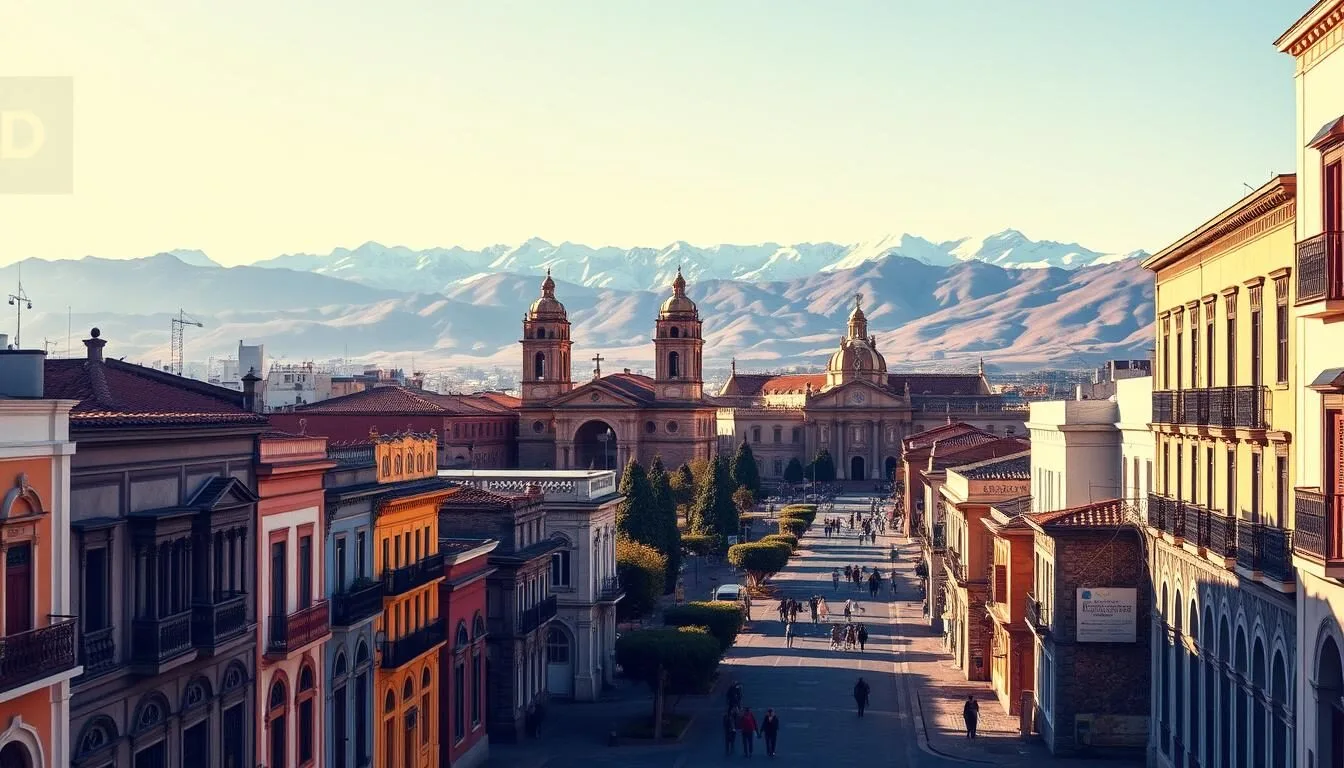
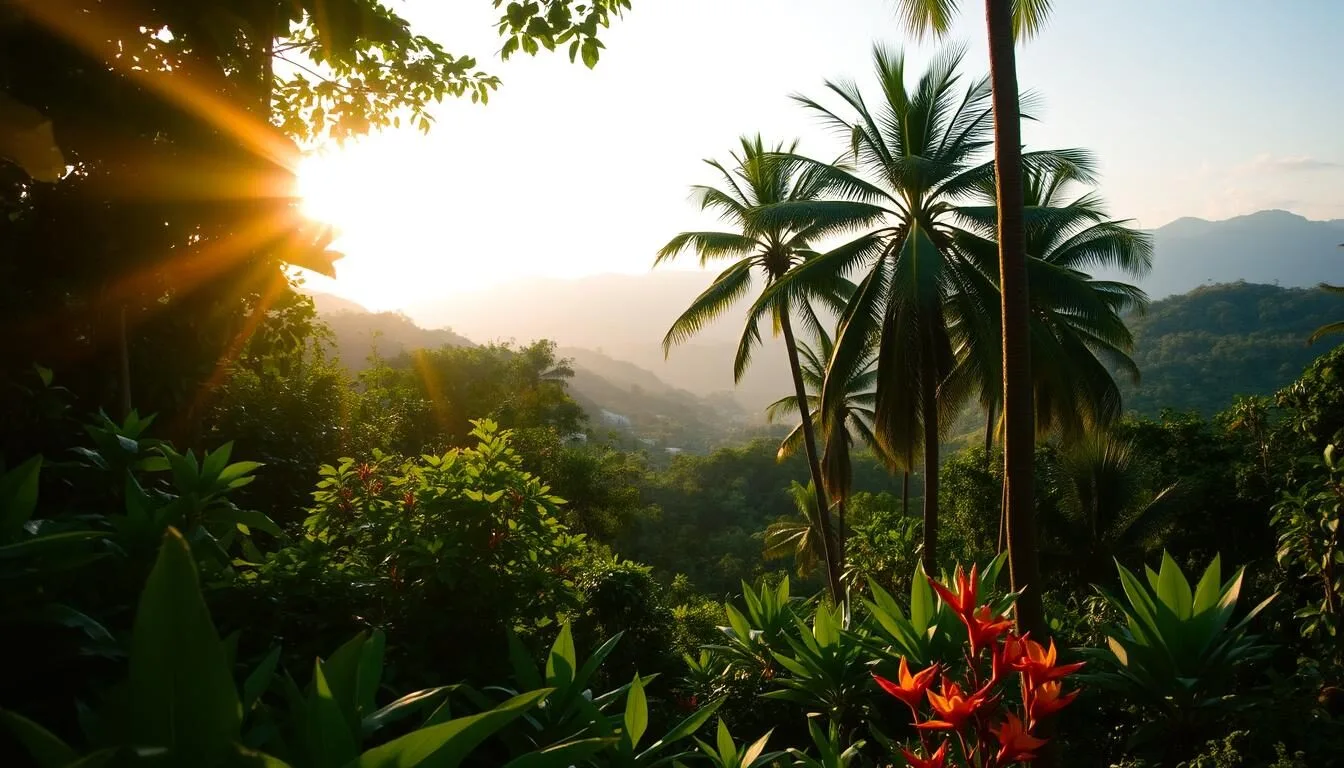
Peru’s diverse geography divides the country into three distinct regions: the arid coastal desert, the towering Andes mountains, and the lush Amazon rainforest. Each region offers unique experiences, from world-class surfing on the Pacific coast to ancient ruins in the highlands and incredible biodiversity in the jungle.
Most travelers begin their Peruvian adventure in Lima, the capital city, before heading to Cusco and the Sacred Valley to visit Machu Picchu. With proper planning, you can experience Peru’s incredible diversity even on a shorter trip of 7-10 days, though two weeks allows for a more comprehensive exploration.
Essential Peru Travel Documents
Most visitors from North America, Western Europe, and many other countries don’t need a visa to enter Peru for tourism. Upon arrival, you’ll typically receive a tourist entry stamp valid for up to 183 days. Your passport should be valid for at least six months beyond your planned departure date and have at least two free pages for stamps.
Important: Always check the latest entry requirements with your country’s Peruvian consulate before traveling, as regulations can change.
Best Time to Visit Peru
The ideal time to visit Peru depends largely on which regions you plan to explore. The country has two primary seasons that affect different areas in various ways:
Dry Season (May to October)
This is generally considered the best time to visit Peru, especially if you’re planning to trek or visit Machu Picchu and other highland attractions. The weather is sunny with clear blue skies, though nights can be quite cold in the mountains. This is the peak tourist season, particularly June through August, so expect more crowds and higher prices.
Rainy Season (November to April)
The wet season brings regular rainfall to the highlands and jungle regions. While this means fewer tourists and lower prices, it can also lead to muddy trails and occasional transportation disruptions. February typically sees the heaviest rainfall, and the Inca Trail is closed for maintenance this month. However, the coastal regions remain warm and mostly dry during this period.
| Region | Best Time to Visit | Weather Conditions | Tourist Crowds |
| Coast (Lima, Paracas) | December to March | Warm and sunny, 70-80°F (21-27°C) | Moderate |
| Highlands (Cusco, Machu Picchu) | May to October | Sunny days, cold nights, 60-70°F (15-21°C) | High (June-August) |
| Amazon (Iquitos, Puerto Maldonado) | May to October | Less rainfall, humid, 80-90°F (27-32°C) | Moderate |
Shoulder Seasons: April and November
For a good balance between favorable weather and fewer crowds, consider visiting during the shoulder months of April and November. During these transition periods, you can often enjoy relatively good weather with significantly fewer tourists at major attractions.
Getting to Peru
Most international travelers arrive in Peru through Jorge Chávez International Airport in Lima. Direct flights are available from major cities in North America, Europe, and other South American countries. Airlines like LATAM, American Airlines, United, Delta, and Avianca offer regular service to Lima.
Flying to Peru
Flight times to Lima vary depending on your departure city:
- From New York: approximately 7-8 hours
- From Los Angeles: approximately 8-9 hours
- From Miami: approximately 5-6 hours
- From London: approximately 12-13 hours
- From Madrid: approximately 11-12 hours
Arriving by Land
Peru shares borders with Ecuador, Colombia, Brazil, Bolivia, and Chile. Popular land crossings include:
- Ecuador to Peru via Huaquillas or Aguas Verdes
- Bolivia to Peru via Copacabana (near Lake Titicaca)
- Chile to Peru via Tacna-Arica
When entering Peru by land, ensure your passport is stamped with a Peruvian entry stamp at the local immigration office.
Check 30,000+ Local Sightseeing Tours Worldwide
✓ Numerous languages and currencies are available
Getting Around Peru
Peru is a large country with mountainous terrain, so planning your transportation is essential. Several options are available for getting around, each with its own advantages depending on your itinerary, budget, and time constraints.
Domestic Flights
For covering long distances efficiently, domestic flights are your best option. Airlines like LATAM, Sky Airlines, and Star Peru connect Lima with major destinations including Cusco, Arequipa, Iquitos, and Puerto Maldonado. Flights from Lima to Cusco take about 1.5 hours, compared to a 20+ hour bus journey. Book in advance for the best fares, especially during high season.
Buses
Peru’s extensive bus network is an economical way to travel between cities. Companies like Cruz del Sur, Peru Hop, and Oltursa offer comfortable services with various classes, from standard seats to fully-reclining “cama” beds for overnight journeys. The Peru Hop bus service is particularly popular among tourists, offering a flexible hop-on, hop-off system between Lima and Cusco with stops at major attractions.
Trains
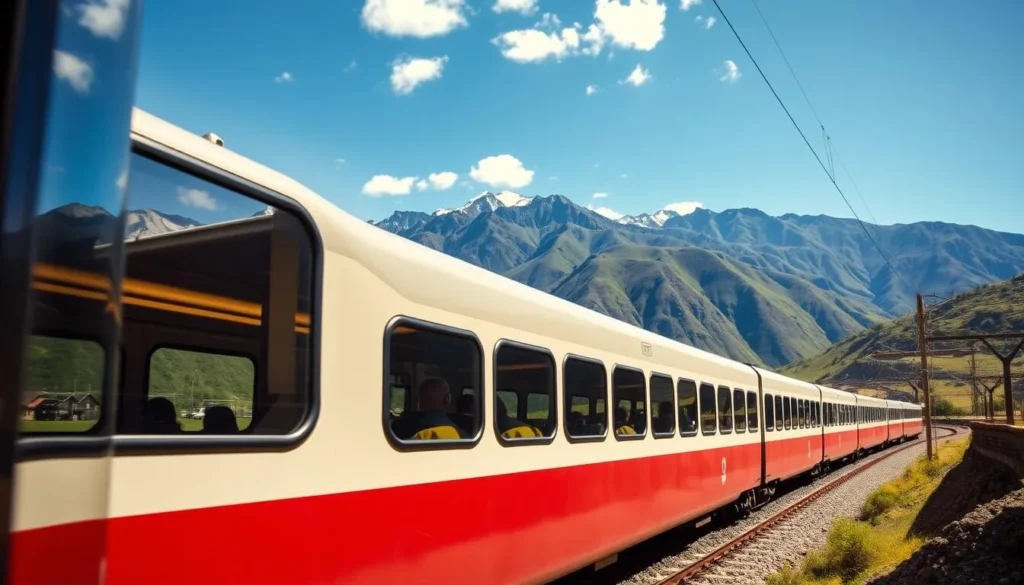
Train travel in Peru is limited but scenic. The most famous routes connect Cusco with Machu Picchu, operated by PeruRail and IncaRail. These journeys offer spectacular views of the Sacred Valley and are an experience in themselves. Another notable route is the luxury Belmond Andean Explorer, which travels between Cusco, Puno, and Arequipa.
Taxis and Ridesharing
Within cities, taxis are abundant and relatively inexpensive. In Lima, ride-sharing apps like Uber and Cabify provide a safer alternative to hailing taxis on the street. In smaller cities, registered taxi companies are recommended over street taxis for security reasons.
Travel Tip: For travel to Machu Picchu, you’ll need to take a train from either Ollantaytambo or Poroy to Aguas Calientes, followed by a bus up to the citadel itself. Book these tickets well in advance, especially during high season.
Where to Stay in Peru
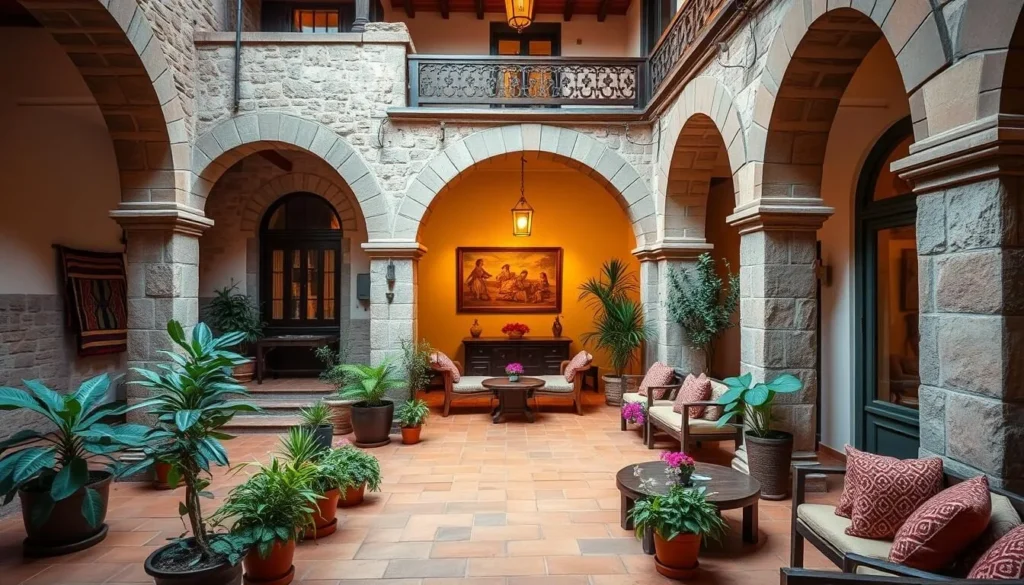
Peru offers accommodations for every budget and travel style, from luxury hotels in historic buildings to budget-friendly hostels and unique eco-lodges in the Amazon. Where you stay will greatly enhance your experience of this diverse country.
Lima
The capital offers the widest range of accommodations. Miraflores and Barranco are the safest and most tourist-friendly districts, with options ranging from international hotel chains to boutique properties and hostels. Miraflores offers ocean views and modern amenities, while Barranco provides a more bohemian atmosphere with colonial architecture.
Cusco
The former Inca capital features many hotels in beautifully restored colonial buildings, particularly around the historic center. The San Blas neighborhood offers charming boutique hotels with character. Consider staying at lower elevations initially if you’re concerned about altitude sickness, perhaps in the Sacred Valley before moving to Cusco.
Sacred Valley
Towns like Ollantaytambo and Urubamba offer a range of accommodations from luxury resorts to family-run guesthouses. Staying here provides a more relaxed atmosphere than Cusco and puts you closer to many important Inca sites. The valley is also at a lower elevation than Cusco, making it easier to acclimatize.
Unique Accommodation Experiences
Amazon Jungle Lodges
In Puerto Maldonado and Iquitos, eco-lodges offer immersive rainforest experiences with guided excursions. These range from basic accommodations to luxury lodges with amenities like private bungalows and gourmet dining using local ingredients.
Skylodge Adventure Suites
For the adventurous, these transparent capsules hang from the side of a mountain in the Sacred Valley, offering spectacular views and an unforgettable night’s sleep. Reaching them requires either climbing or hiking with ziplines.
Top Attractions and Things to Do in Peru
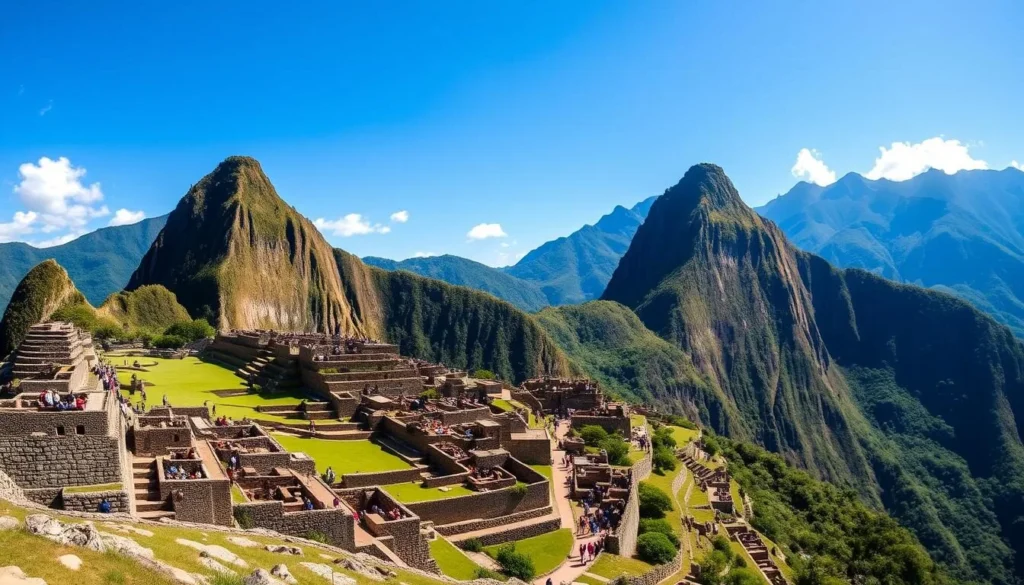
Machu Picchu and the Sacred Valley
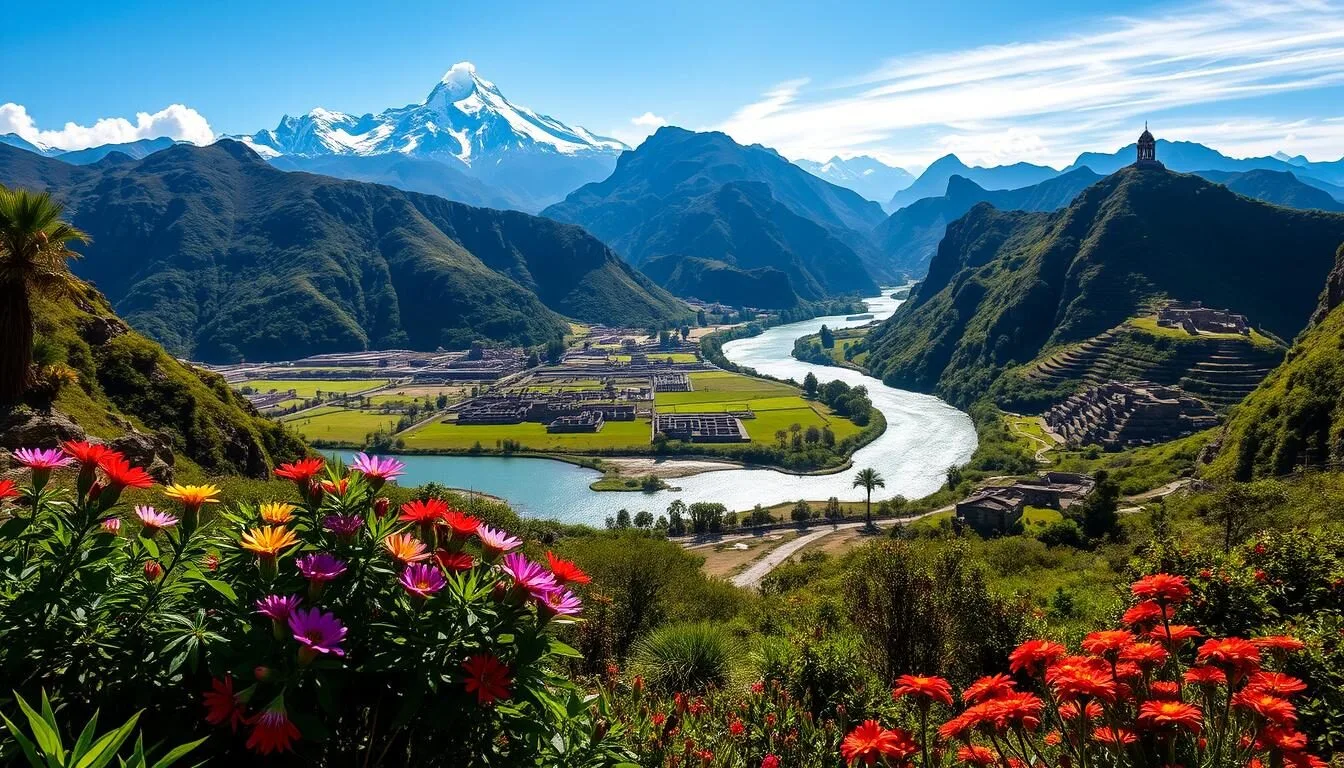
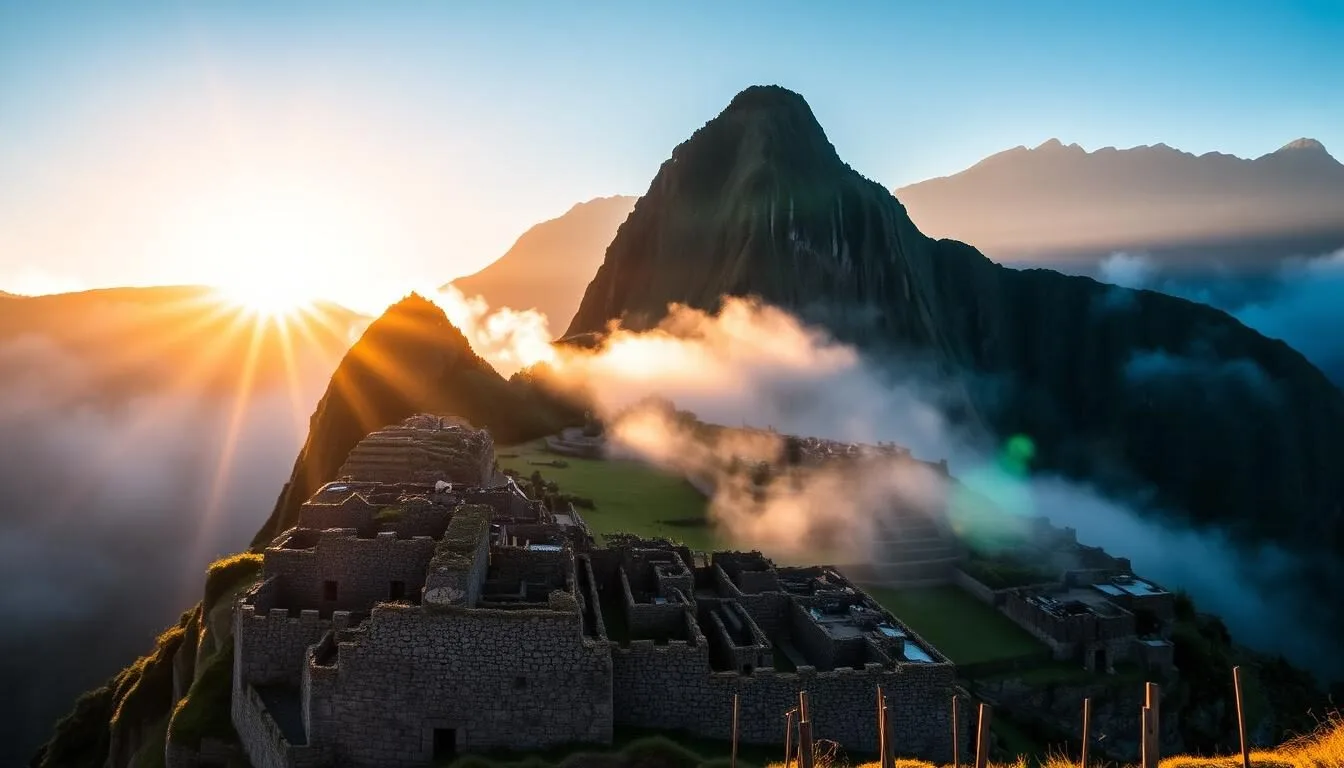
No trip to Peru is complete without visiting Machu Picchu, the iconic 15th-century Inca citadel perched high in the Andes. This UNESCO World Heritage site can be reached via the famous Inca Trail trek or by train from Cusco or Ollantaytambo. The surrounding Sacred Valley is dotted with impressive Inca ruins, traditional markets, and stunning landscapes.
Getting to Machu Picchu
- Inca Trail: The classic 4-day trek requires permits that sell out months in advance
- Alternative Treks: Salkantay, Lares, and Choquequirao treks offer different experiences
- Train: PeruRail and IncaRail operate services to Aguas Calientes
- Entry Tickets: Must be purchased in advance and include a specific entry time
Sacred Valley Highlights
- Pisac: Impressive ruins and a vibrant traditional market
- Ollantaytambo: Well-preserved Inca fortress and charming town
- Moray: Circular agricultural terraces used as an Inca laboratory
- Maras: Ancient salt pans still in use today
Cusco: The Ancient Inca Capital

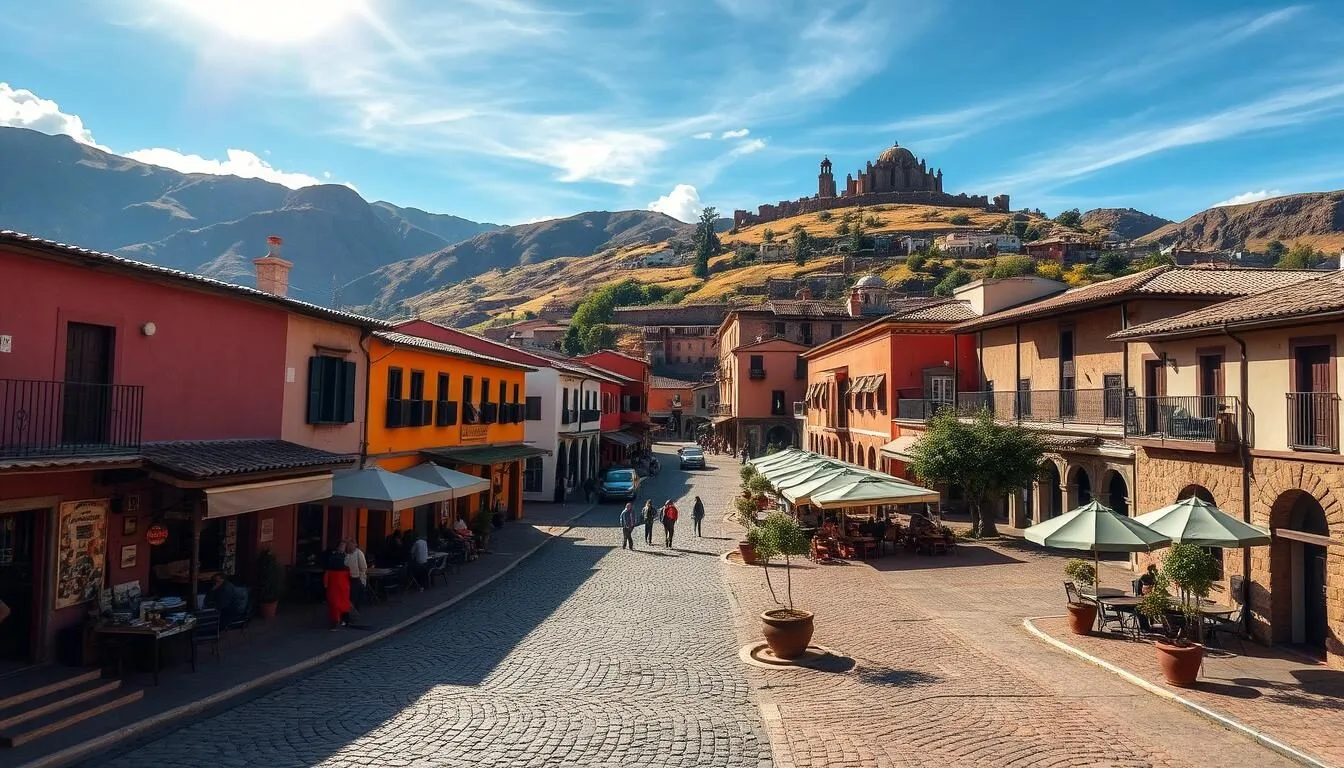
Once the capital of the Inca Empire, Cusco is now a fascinating blend of Inca and Spanish colonial architecture. The city serves as the gateway to Machu Picchu but deserves several days of exploration in its own right. Wander the cobblestone streets, visit impressive museums, and sample the excellent local cuisine.
- Plaza de Armas: The historic main square surrounded by colonial buildings
- Qorikancha: Once the most important temple in the Inca Empire, now partially overlaid by a colonial church
- San Blas: Bohemian neighborhood known for artisan workshops and charming cafes
- Sacsayhuamán: Massive Inca fortress complex overlooking the city
Lima: Culinary Capital of South America

Peru’s capital is a sprawling metropolis that has transformed into one of the world’s great culinary destinations. The city offers excellent museums, beautiful colonial architecture, and vibrant neighborhoods like Miraflores and Barranco. Plan to spend at least a couple of days here, especially if you’re a food enthusiast.
- Gastronomy: World-class restaurants like Central and Maido, plus excellent street food
- Larco Museum: Exceptional pre-Columbian art collection housed in an 18th-century mansion
- Huaca Pucllana: Ancient adobe pyramid in the middle of the Miraflores district
- Barranco: Bohemian district known for street art, galleries, and nightlife
Lake Titicaca
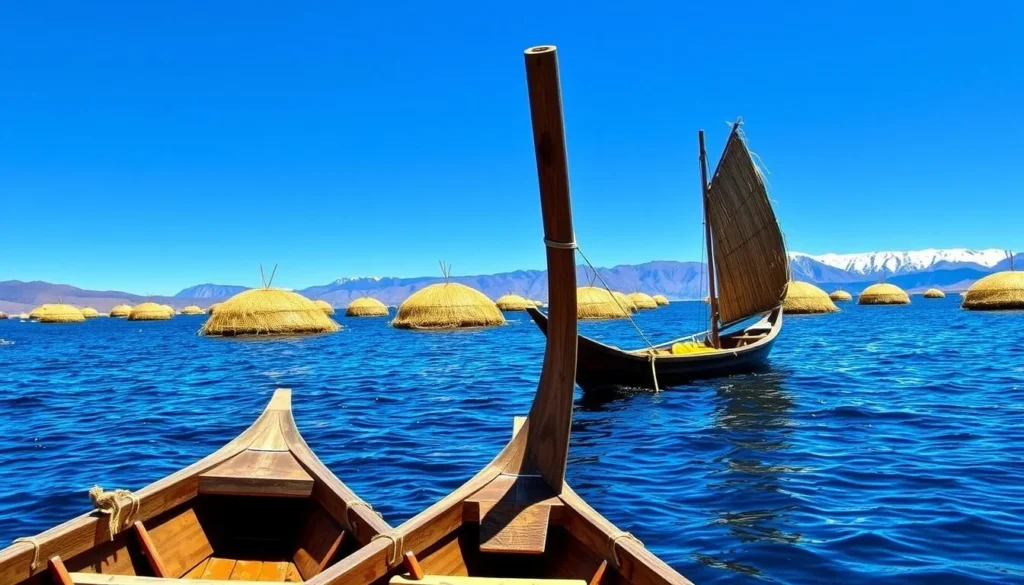
The world’s highest navigable lake straddles the border between Peru and Bolivia. On the Peruvian side, the city of Puno serves as the gateway to this magnificent body of water. The lake is famous for its unique floating islands made of totora reeds, home to the Uros people, as well as Taquile and Amantaní islands where traditional cultures thrive.
Amazon Rainforest
Peru contains the second-largest portion of the Amazon rainforest after Brazil. The two main gateways to the Peruvian Amazon are Iquitos in the north (accessible only by air or river) and Puerto Maldonado in the south. Both offer opportunities to experience incredible biodiversity through jungle lodges and guided excursions.
Arequipa and Colca Canyon
Peru’s second-largest city is known as the “White City” due to its distinctive buildings made from sillar, a white volcanic stone. Surrounded by three volcanoes, Arequipa offers colonial architecture, excellent food, and access to the spectacular Colca Canyon, one of the world’s deepest canyons and home to the majestic Andean condor.
Nazca Lines
These mysterious geoglyphs etched into the desert floor are best viewed from the air. Small planes depart from the town of Nazca, offering flights over the various figures, which include a hummingbird, monkey, spider, and many geometric shapes. Their purpose remains a subject of debate among archaeologists.
Outdoor Adventures in Peru
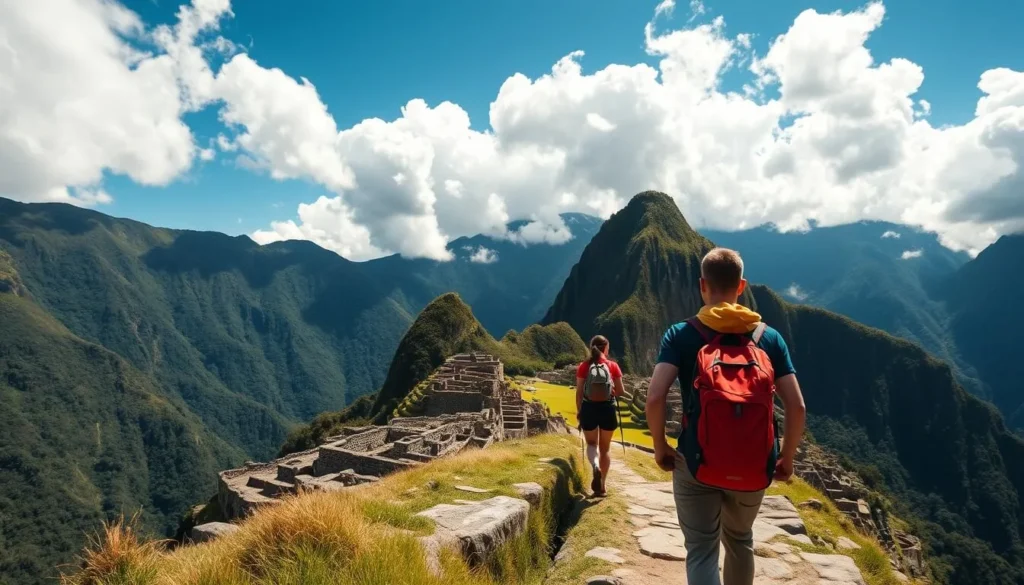
Peru is a paradise for outdoor enthusiasts, offering everything from world-class trekking to surfing, mountain biking, and wildlife watching. The country’s diverse landscapes provide the perfect backdrop for adventure in all its forms.
Trekking and Hiking
Peru offers some of South America’s most spectacular treks, with options ranging from day hikes to multi-day expeditions:
Inca Trail
The classic 4-day trek to Machu Picchu follows ancient Inca pathways through diverse ecosystems and past numerous archaeological sites. Permits are limited and sell out months in advance.
Salkantay Trek
This alternative route to Machu Picchu crosses the Salkantay Pass at 4,600m and descends through cloud forest. It’s considered more challenging than the Inca Trail but doesn’t require permits as far in advance.
Rainbow Mountain
This increasingly popular day trek from Cusco leads to the spectacularly colored Vinicunca mountain, whose mineral-striped appearance creates a natural rainbow effect. The trek reaches altitudes over 5,000m.
Colca Canyon Trek
Explore one of the world’s deepest canyons on a 2-3 day trek from Arequipa. The route descends to the canyon floor, visits traditional villages, and offers chances to spot Andean condors.
Huaraz and the Cordilleras
The mountain ranges near Huaraz offer Peru’s premier alpine trekking. Popular routes include the Santa Cruz Trek and Laguna 69, with the more challenging Huayhuash Circuit for experienced hikers.
Choquequirao
Often called “Machu Picchu’s sister city,” this remote Inca site receives far fewer visitors. The challenging 4-day round-trip trek rewards hikers with spectacular ruins and solitude.
Water Sports and Activities
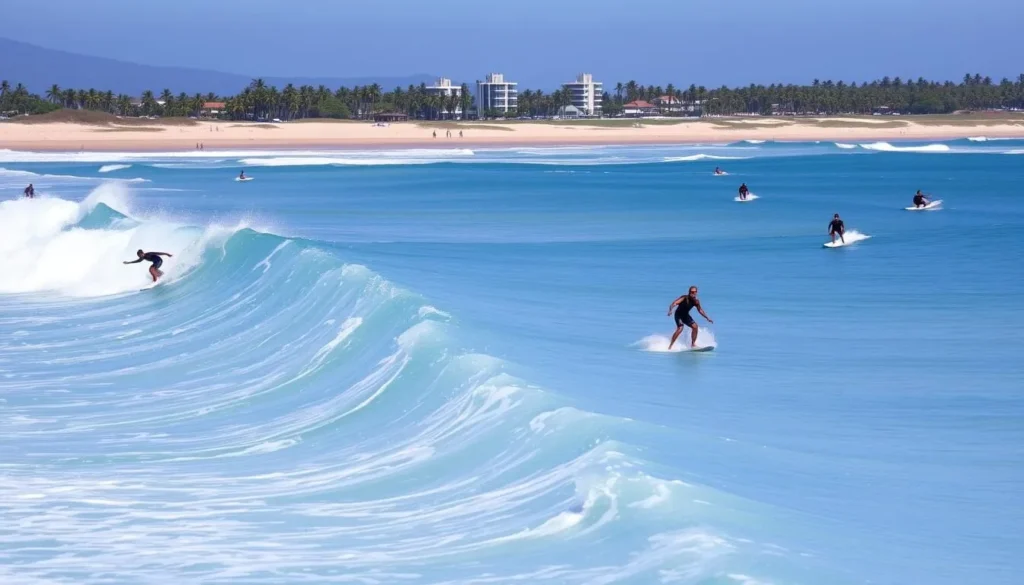
Peru’s long Pacific coastline and numerous rivers provide excellent opportunities for water sports:
- Surfing: Peru offers world-class waves, particularly in northern beaches like Máncora and Chicama, which boasts the world’s longest left-breaking wave
- White Water Rafting: The Urubamba River near Cusco and the Cotahuasi Canyon offer exciting rafting experiences for various skill levels
- Stand-Up Paddleboarding: Try SUP on Lake Titicaca or at coastal locations like Lima’s Miraflores bay
- Amazon River Cruises: Explore the world’s largest river system on multi-day cruises from Iquitos
Wildlife Watching
Peru’s incredible biodiversity makes it a premier destination for wildlife enthusiasts:
- Amazon Rainforest: Spot monkeys, sloths, caimans, and hundreds of bird species in reserves like Tambopata and Manu
- Ballestas Islands: Often called the “Poor Man’s Galapagos,” these islands near Paracas are home to sea lions, Humboldt penguins, and numerous seabirds
- Colca Canyon: One of the best places in South America to observe the majestic Andean condor
- Lake Titicaca: Watch for the rare Titicaca water frog and numerous bird species
Peruvian Cuisine: A Culinary Journey
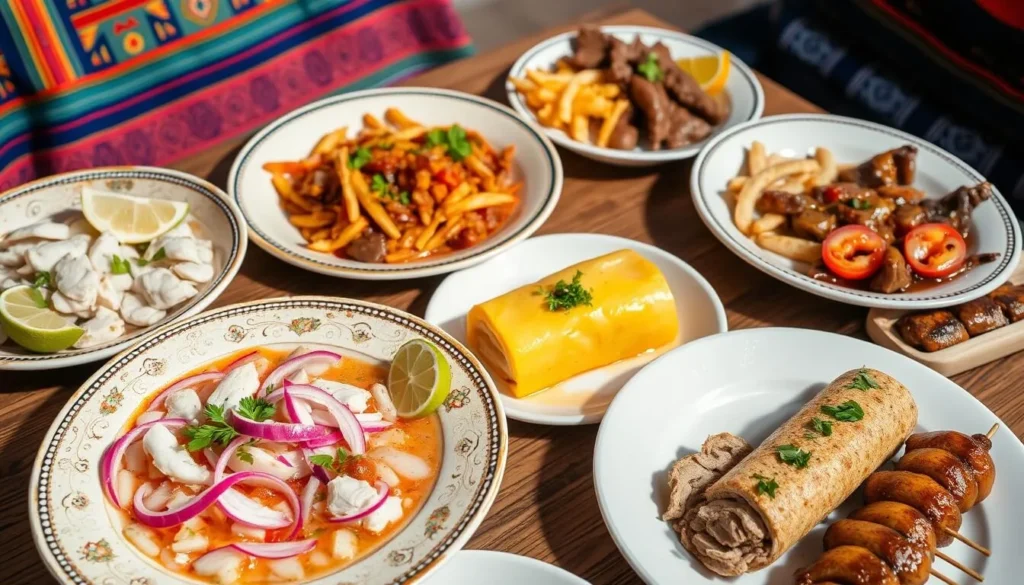
Peruvian cuisine has earned international acclaim, with Lima becoming a global culinary capital. The country’s diverse geography and cultural influences—indigenous, Spanish, African, Chinese, and Japanese—have created one of the world’s most exciting food scenes.
Must-Try Peruvian Dishes
Ceviche
Peru’s national dish consists of fresh raw fish marinated in lime juice with onions, chili peppers, and cilantro. The acidity “cooks” the fish, resulting in a refreshing, tangy dish typically served with sweet potato and corn.
Lomo Saltado
This popular stir-fry exemplifies Peru’s Chinese influence (known as “chifa”). It combines marinated beef strips with onions, tomatoes, and french fries, typically served over rice—a perfect example of Peru’s fusion cuisine.
Aji de Gallina
A comforting dish of shredded chicken in a creamy sauce made with yellow aji peppers, bread, milk, and walnuts. It’s typically served with rice, potatoes, black olives, and hard-boiled eggs.
Anticuchos
These popular street food skewers traditionally feature marinated beef heart, though other meats are also used. Grilled to perfection and served with potatoes and corn, they’re a must-try for adventurous eaters.
Causa
A cold appetizer made from layers of mashed yellow potatoes seasoned with lime and aji amarillo (yellow chili pepper), typically filled with avocado, chicken, or seafood salad.
Cuy
Guinea pig is a traditional Andean delicacy, typically roasted whole and served on special occasions in highland regions. While it may challenge Western sensibilities, it’s an important cultural dish worth trying.
Peruvian Drinks
No culinary exploration of Peru would be complete without sampling these traditional beverages:
- Pisco Sour: Peru’s national cocktail combines pisco (grape brandy), lime juice, egg white, simple syrup, and a dash of bitters
- Chicha Morada: A refreshing non-alcoholic drink made from purple corn, pineapple, cinnamon, clove, and sugar
- Inca Kola: A sweet, yellow soda that outsells Coca-Cola in Peru, with a unique flavor often compared to cream soda or bubblegum
- Mate de Coca: Coca leaf tea that helps alleviate altitude sickness in the highlands
Where to Eat
Peru offers dining experiences for every budget and preference:
- World-Class Restaurants: Lima is home to several restaurants on the World’s 50 Best list, including Central and Maido
- Local Markets: For authentic and affordable food, visit markets like San Pedro in Cusco or Surquillo in Lima
- Picanterías: Traditional family-run restaurants, especially in Arequipa, serving regional specialties
- Street Food: Try anticuchos, tamales, and empanadas from street vendors for a taste of local life
Foodie Tip: In Lima, take a food tour through neighborhoods like Miraflores or Barranco to sample a variety of dishes and learn about Peruvian culinary traditions from knowledgeable guides.
Cultural Experiences and Festivals

Peru’s rich cultural heritage is evident in its vibrant festivals, traditional arts, and living indigenous cultures. Immersing yourself in these aspects of Peruvian life will deepen your understanding and appreciation of this fascinating country.
Major Festivals
Peru celebrates numerous festivals throughout the year, blending indigenous traditions with Catholic influences:
- Inti Raymi (June 24): The Inca Festival of the Sun celebrated in Cusco with elaborate reenactments at Sacsayhuamán fortress
- Virgen de la Candelaria (February): One of South America’s largest festivals takes place in Puno, featuring over 200 dance groups and vibrant costumes
- Semana Santa (Holy Week): Observed throughout Peru but particularly impressive in Ayacucho, with religious processions and cultural events
- Corpus Christi (May/June): In Cusco, this Catholic feast features processions of 15 saints and virgins around the main square
Traditional Arts and Crafts
Peru has a rich tradition of handicrafts that make for meaningful souvenirs:
- Textiles: The Andean regions produce some of the world’s finest textiles, with complex patterns and vibrant colors. Visit weaving communities in the Sacred Valley to see traditional techniques
- Ceramics: From pre-Columbian inspired pieces to contemporary designs, Peruvian pottery is known for its craftsmanship
- Retablos: These colorful, portable altarpieces from Ayacucho depict religious scenes, daily life, or historical events in miniature
- Silver Jewelry: Peru has a long tradition of silversmithing, with designs often incorporating Andean symbols
Indigenous Communities
Peru is home to numerous indigenous groups, each with distinct traditions:
- Quechua: The descendants of the Incas primarily inhabit the Andean highlands and maintain many traditional practices
- Aymara: Primarily found around Lake Titicaca, known for their distinctive clothing and agricultural techniques
- Shipibo: An Amazonian group renowned for their intricate geometric designs in textiles and pottery
- Uros: Famous for their floating reed islands on Lake Titicaca, where they maintain a traditional lifestyle
Responsible Tourism Tip: When visiting indigenous communities, always show respect for local customs, ask permission before taking photographs, and support community-based tourism initiatives that directly benefit local people.
Practical Tips for Traveling in Peru

Health and Safety
Peru is generally safe for tourists, but it’s important to take standard precautions:
Altitude Sickness
Many of Peru’s top destinations, including Cusco (3,400m) and Lake Titicaca (3,800m), are at high elevations. To minimize the risk of altitude sickness:
- Spend a day or two acclimatizing before engaging in strenuous activities
- Stay hydrated and avoid alcohol initially
- Consider starting in the Sacred Valley (2,900m) before ascending to Cusco
- Try local remedies like coca tea, or ask your doctor about medications like acetazolamide
Safety Precautions
- Use registered taxis or ride-sharing apps rather than hailing cabs on the street
- Keep valuables secure, especially in crowded areas and on public transportation
- Be cautious when using ATMs and avoid displaying large amounts of cash
- In Lima, stick to safer neighborhoods like Miraflores, Barranco, and San Isidro
- Purchase comprehensive travel insurance that covers medical evacuation
Money Matters
The Peruvian currency is the Sol (PEN). While credit cards are widely accepted in cities and tourist areas, it’s advisable to carry cash for smaller establishments and rural areas.
- ATMs are readily available in cities and tourist towns
- Inform your bank of your travel plans to prevent card blocks
- Many places accept US dollars, but you’ll generally get better rates using soles
- Tipping is customary in restaurants (10%) and for guides and drivers
Communication
While Spanish is Peru’s official language, many people in the tourism industry speak English. In rural areas, indigenous languages like Quechua and Aymara are common.
- Learning basic Spanish phrases will enhance your experience
- Local SIM cards are inexpensive and provide good coverage in populated areas
- Free Wi-Fi is available in most hotels, cafes, and restaurants in urban areas
Packing Essentials
Due to Peru’s diverse climates, packing requires careful consideration:
- Layered clothing for variable temperatures, especially in the highlands
- Comfortable walking shoes or hiking boots for uneven terrain
- Sun protection (hat, sunglasses, high-SPF sunscreen)
- Insect repellent for jungle regions
- Medication for altitude sickness, stomach issues, and personal prescriptions
- Reusable water bottle with filter
Important: Never drink tap water in Peru. Bottled water is widely available, or use water purification tablets/filters.
Responsible Travel in Peru
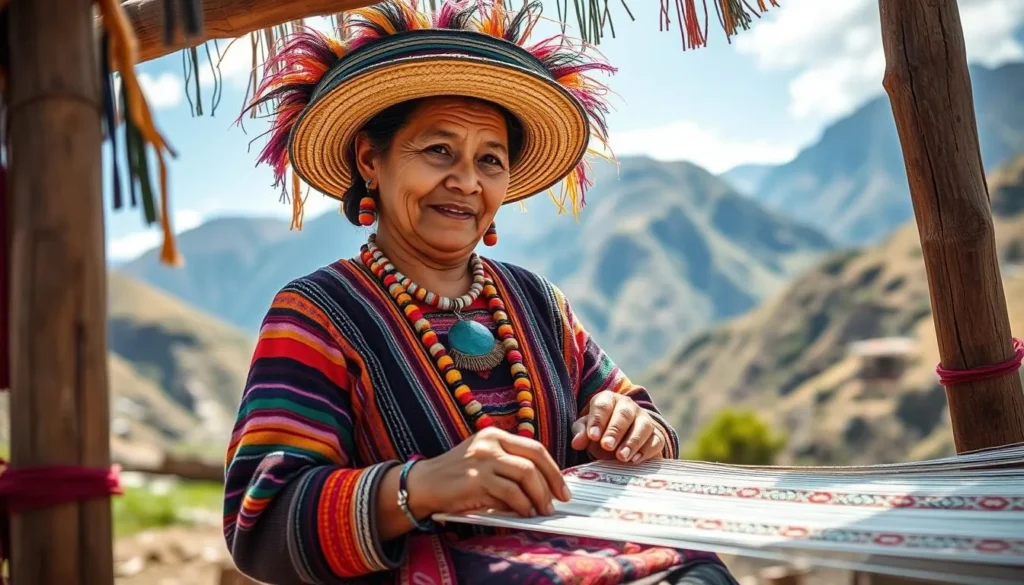
Traveling responsibly in Peru helps preserve its natural and cultural heritage while ensuring that tourism benefits local communities. Here are some ways to minimize your impact and maximize your positive contribution:
Environmental Responsibility
- Stay on marked trails when hiking to prevent erosion and damage to fragile ecosystems
- Use refillable water bottles with purification systems to reduce plastic waste
- Choose eco-friendly accommodations that implement sustainable practices
- Respect wildlife by maintaining appropriate distances and never feeding animals
- Pack out all trash when visiting natural areas, especially on treks
Cultural Respect
- Ask permission before photographing people, especially in indigenous communities
- Dress modestly when visiting religious sites and traditional communities
- Learn about and respect local customs and traditions
- Support authentic cultural experiences rather than contrived “tourist shows”
Economic Impact
- Purchase handicrafts directly from artisans when possible
- Choose locally-owned accommodations, restaurants, and tour operators
- Pay fair prices and avoid aggressive bargaining that devalues artisans’ work
- Consider visiting community-based tourism projects that directly benefit local people
Recommended Social Enterprises
These organizations combine tourism with positive social impact:
- Ccaccaccollo Women’s Weaving Co-op: Visit this community in the Sacred Valley to learn about traditional textile techniques and support women artisans
- Parwa Community Restaurant: This restaurant in the Sacred Valley reinvests profits into community development projects
- Inti Runakunaq Wasin: This youth center in Cusco provides support for children from disadvantaged backgrounds
Responsible Travel Tip: When choosing a tour operator for treks like the Inca Trail, inquire about their treatment of porters, environmental practices, and contributions to local communities.
Suggested Peru Itineraries
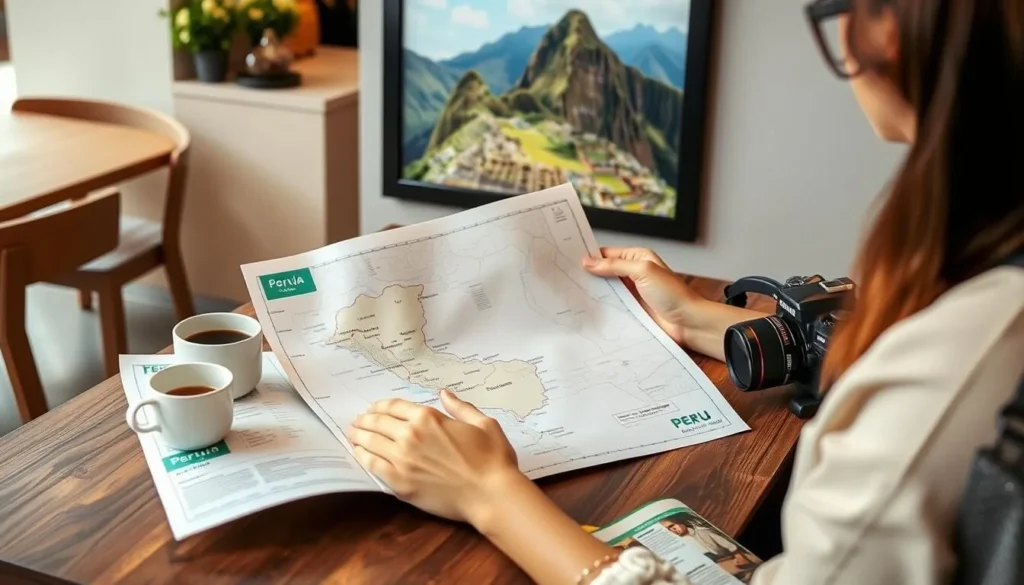
Whether you have one week or several, these itinerary suggestions will help you make the most of your time in Peru.
Classic Peru: 7-10 Days
Perfect for first-time visitors focusing on Peru’s most iconic destinations:
- Days 1-2: Lima – Explore the historic center, visit the Larco Museum, and enjoy the culinary scene in Miraflores and Barranco
- Days 3-4: Sacred Valley – Visit the ruins and market at Pisac, explore Ollantaytambo, and see the salt pans at Maras
- Day 5: Machu Picchu – Take the train to Aguas Calientes and spend a full day exploring the citadel
- Days 6-7: Cusco – Discover the historic center, visit nearby ruins like Sacsayhuamán, and enjoy the city’s restaurants and cafes
- Days 8-10 (Optional): Add Lake Titicaca or the Amazon rainforest from Puerto Maldonado
Southern Peru Circuit: 14 Days
This comprehensive itinerary covers Peru’s southern highlights:
- Days 1-2: Lima – City exploration and culinary experiences
- Days 3-4: Paracas and Huacachina – Visit the Ballestas Islands, Paracas National Reserve, and the desert oasis of Huacachina
- Day 5: Nazca – Fly over the mysterious Nazca Lines
- Days 6-7: Arequipa – Explore the White City and Santa Catalina Monastery
- Days 8-9: Colca Canyon – Trek or tour the canyon and watch for Andean condors
- Days 10-11: Lake Titicaca – Visit the floating Uros Islands and Taquile Island
- Days 12-14: Cusco and Machu Picchu – Explore the former Inca capital and its most famous citadel
Adventure Peru: 14 Days
For active travelers seeking outdoor experiences:
Check 30,000+ Local Sightseeing Tours Worldwide
✓ Numerous languages and currencies are available
- Days 1-2: Lima – Surfing at Miraflores beaches and city exploration
- Days 3-6: Huaraz – Acclimatize and trek to Laguna 69 and/or the Santa Cruz Trek
- Days 7-10: Cusco and Sacred Valley – Mountain biking, rafting on the Urubamba River, and exploring Inca ruins
- Days 11-14: Inca Trail to Machu Picchu – The classic 4-day trek to the lost city of the Incas
Conclusion
Peru offers an extraordinary blend of ancient history, breathtaking landscapes, vibrant culture, and world-class cuisine that few destinations can match. From the mystical heights of Machu Picchu to the biodiverse Amazon rainforest, the country rewards travelers with unforgettable experiences at every turn. Whether you’re trekking ancient pathways, sampling innovative cuisine in Lima, or connecting with traditional communities, Peru’s magic will leave an indelible impression on your heart and mind.
With proper planning and an open spirit of adventure, your journey through this remarkable country will yield memories to last a lifetime. The land of the Incas awaits—are you ready to discover its treasures?