Hotels by Trip.com
Flights by Trip.com
Did you know that Venezuela’s diverse geography creates a wide range of climates, from the Caribbean coast to the Andean mountains? This diversity makes it a paradise for travelers, but also requires careful planning to make the most of your travel experience.
Understanding the country’s distinct weather patterns is crucial for a successful trip. Venezuela experiences two main seasons: dry and rainy, which significantly impact travel conditions and overall experience throughout the year.
With its tropical climate, regional weather variations are significant. By determining the optimal times to visit, you can enhance your travel experience and enjoy the country’s stunning diversity, whether you’re interested in beach relaxation, mountain trekking, or wildlife viewing.
Understanding Venezuela’s Climate Patterns
Understanding the climate patterns in Venezuela is key to enjoying your travel experience to the fullest. Venezuela’s climate is influenced by its geographical diversity, which includes coastlines, mountains, and plains.
Tropical Climate Overview
Venezuela is generally characterized by a tropical climate, with temperature variations depending on the region. The country’s tropical climate means that it experiences a relatively warm weather year-round, but there are distinct seasonal variations.
Regional Weather Variations
The diverse topography of Venezuela creates distinct regional weather variations that significantly impact your travel experience. Different regions have unique climate conditions. For instance, the Caribbean coastal region enjoys warm temperatures year-round, while the Andean region is cooler due to its higher elevation.
| Region | Climate Characteristics | Best Season to Visit |
|---|---|---|
| Caribbean Coastal Region | Warm temperatures year-round, dry season from December to April | Dry Season (Dec to Apr) |
| Andean Region | Cooler temperatures, significant drop at night | Dry Season (Dec to Apr) |
| Central Plains (Los Llanos) | Dramatic seasonal contrast, arid in dry season, wetlands in rainy season | Rainy Season (May to Nov) |
Venezuela: Best Months for a Weather-Savvy Trip
When planning a trip to Venezuela, understanding the country’s climate is crucial for a memorable experience. The country’s diverse climate patterns make it essential to choose the right time for your visit.
Dry Season Advantages
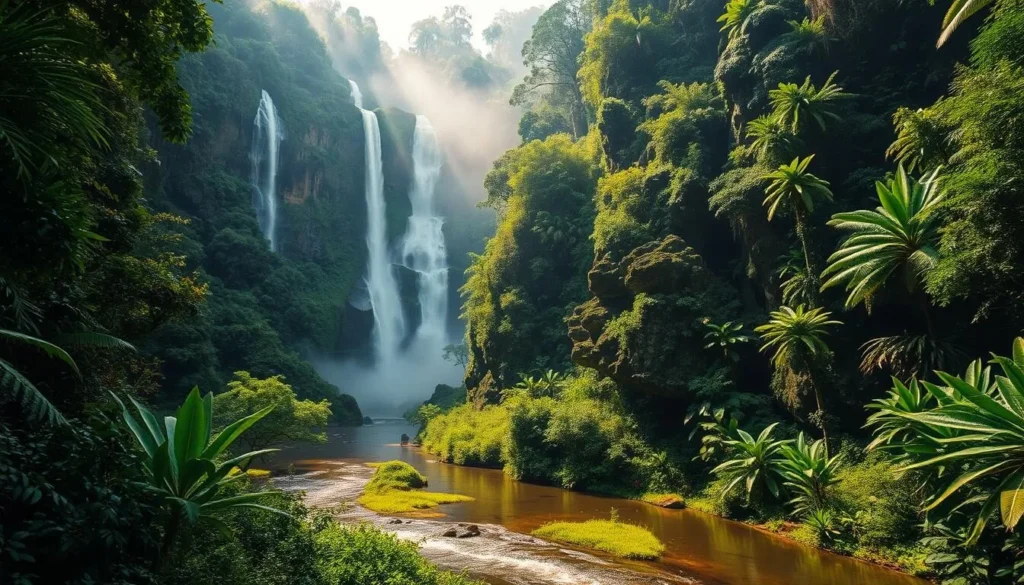
The dry season, which typically runs from December to April, offers ideal conditions for outdoor activities and sightseeing. During this period, you can enjoy Venezuela’s beautiful landscapes without the hindrance of rain. The dry season is perfect for exploring the country’s natural wonders, such as Angel Falls and the Gran Sabana.
Rainy Season Considerations
The wet season, from May to November, brings its own set of advantages. You’ll witness Venezuela’s landscapes at their most lush and vibrant, with waterfalls at maximum flow and vegetation at its greenest. Some benefits of traveling during the rainy season include lower accommodation rates and fewer tourists, making for a more authentic experience.
| Season | Months | Advantages |
|---|---|---|
| Dry | Dec to Apr | Ideal for outdoor activities and sightseeing |
| Wet | May to Nov | Lush landscapes, lower rates, and fewer tourists |
Peak Dry Season: December to February
The peak dry season in Venezuela, spanning from December to February, offers a unique blend of cultural experiences and favorable weather conditions. This period is characterized by dry and relatively cool weather, making it an ideal time to explore the country’s diverse landscapes and cultural heritage.
Weather Conditions and Temperatures
During these months, Venezuela experiences its driest and most pleasant weather. Temperatures are generally mild, ranging from 68°F to 82°F (20°C to 28°C) in most regions. The dry conditions make it an excellent time for outdoor activities such as hiking, sightseeing, and exploring the country’s natural beauty.
Holiday Celebrations and Tourist Crowds
This period coincides with major holiday celebrations, including Christmas, New Year, and Carnival in February. These events bring tourists and locals together, creating a vibrant atmosphere in popular destinations like Isla de Margarita, Mérida, and various national parks. You can experience the rich cultural heritage of Venezuela through its festivals, markets, and traditional events. Some key highlights include:
Check 30,000+ Local Sightseeing Tours Worldwide
✓ Numerous languages and currencies are available
- Vibrant cultural celebrations during Christmas and New Year, offering insights into Venezuelan traditions.
- Carnival festivities in February, particularly in coastal towns and cities, adding a festive atmosphere to your travel experience.
- Increased tours activities and transportation options due to the high demand during this peak season.
- The need for advance booking for accommodations and tours, especially for premium options and specialized activities.
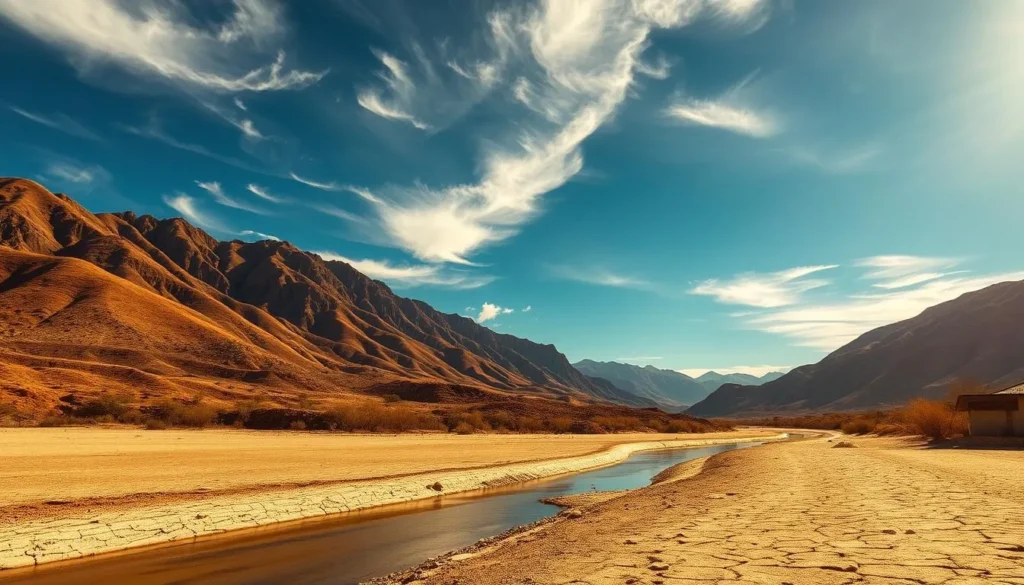
Late Dry Season: March to April
As the dry season progresses, March and April offer a unique blend of comfortable weather and cultural experiences in Venezuela. This period is characterized by rising temperatures, marking the end of the dry season.
Rising Temperatures and Last Dry Weeks
During March and April, temperatures begin to rise, signaling the conclusion of the dry season. It’s an ideal time for activities like hiking in the Andes and exploring the Gran Sabana, as the weather remains reliable. The comfortable evening temperatures also make it perfect for enjoying Venezuela’s vibrant nightlife.
Cultural Events and Activities
These months host several significant cultural events, enhancing your Venezuelan travel experience. Holy Week (Semana Santa) is one of the country’s most important cultural and religious celebrations, featuring processions and special events. You can also enjoy local food festivals celebrating regional cuisines, offering a taste of Venezuela’s rich cultural heritage. Additionally, tours activities focusing on colonial history and indigenous traditions operate at full capacity.
| Event/Activity | Description | Best Time |
|---|---|---|
| Holy Week (Semana Santa) | Cultural and religious celebrations | March or April |
| Local Food Festivals | Celebrating regional cuisines | March to April |
| Cultural Tours | Focusing on colonial history and indigenous traditions | March to April |

Early Rainy Season: May to July
With the onset of the rainy season, Venezuela’s natural beauty is revitalized, offering a unique experience for visitors. This period, spanning from May to July, marks a significant transformation in the country’s diverse landscapes.
Transitioning Weather Patterns
As the dry season ends, the weather patterns in Venezuela begin to shift. The early rainy season brings increased rainfall, gradually changing the landscape. This transition is characterized by rising humidity and more frequent rain showers.
Natural Phenomena and Wildlife Viewing
The early rainy season triggers remarkable natural phenomena throughout Venezuela, making it an exciting time for nature enthusiasts. Some of the best things to witness during this period include:
- The increase in volume at Angel Falls, gradually building toward its peak flow later in the rainy season.
- The transformation of Los Llanos into wetlands teeming with wildlife, creating ideal conditions for wildlife viewing.
- Increased bird activity, with many species entering breeding season, making ideal opportunities for birdwatching.
- The emergence of amphibians in rainforest regions, offering unique wildlife viewing experiences.

Late Rainy Season: August to October
August to October is a time of considerable rain in Venezuela, but it’s also a period rich in cultural heritage. This late rainy season brings both challenges and opportunities for tourists and locals alike.
Peak Rainfall and Hurricane Considerations
During this period, Venezuela experiences its peak rainfall, which can sometimes lead to hurricane warnings. It’s essential for travelers to stay informed about weather conditions to plan their activities accordingly.
August Festivals Despite the Rain
Despite the rain, August hosts several significant cultural festivals that attract both locals and adventurous tourists. Some of these include:
- The Feria de la Chinita in Maracaibo, showcasing Venezuela’s religious traditions.
- Indigenous cultural celebrations in the Amazon region and the Orinoco Delta.
- Local harvest festivals offering insights into rural Venezuelan life.
| Festival | Location | Significance |
|---|---|---|
| Feria de la Chinita | Maracaibo | Religious traditions |
| Indigenous Celebrations | Amazon region and Orinoco Delta | Cultural heritage |
| Local Harvest Festivals | Agricultural regions | Rural Venezuelan life |
This time of year offers unique cultural experiences, making it a valuable period to visit Venezuela for those interested in its rich cultural landscape.
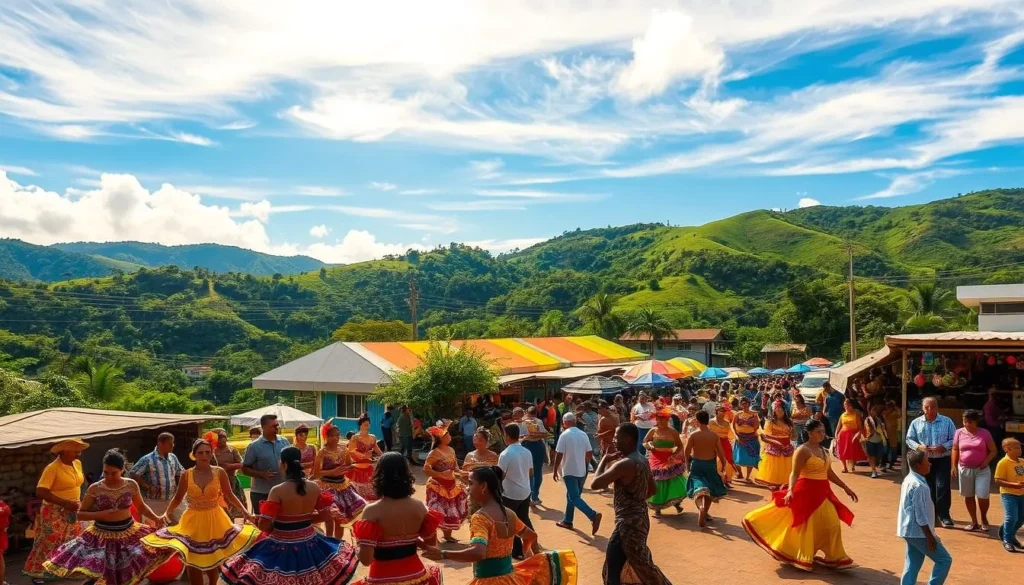
Shoulder Season: November
If you’re looking for a more relaxed pace, November is an ideal time to visit Venezuela before the peak tourist season begins. The country is transitioning from the wet to dry season, making it an attractive time for travelers who want to avoid the crowds.
Transitioning from Wet to Dry
November marks the beginning of the dry season in Venezuela, with the weather gradually improving as the month progresses. The improving weather conditions create ideal circumstances for outdoor activities and exploring the country’s natural beauty. You can expect fewer rainy days and more sunshine, making it a great time to visit popular attractions.
Benefits of Visiting Before Peak Season
Visiting Venezuela in November offers several advantages. You’ll benefit from lower accommodation rates and better availability before the holiday price increases that typically begin in December. Popular attractions and national parks are less crowded, allowing for more peaceful experiences and better photography opportunities. Tour operators and guides often have more availability, providing more personalized attention and sometimes more flexible itineraries.
| Benefits | Description |
|---|---|
| Lower Accommodation Rates | Enjoy reduced prices before the peak season |
| Fewer Crowds | Explore popular attractions without the peak season crowds |
| Personalized Service | Benefit from more personalized attention from tour operators and guides |
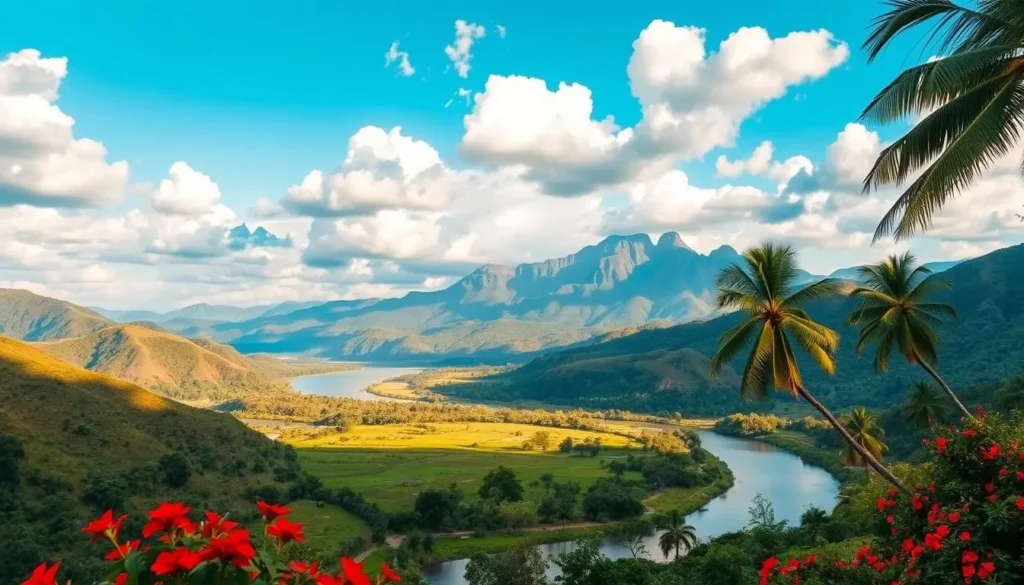
November is making ideal for value-conscious travelers, offering the best balance of good weather, lower prices, and reduced crowds. It’s the best time to visit Venezuela for those who prioritize authentic experiences and value over guaranteed perfect weather every day.
Exploring Venezuela’s Caribbean Coast
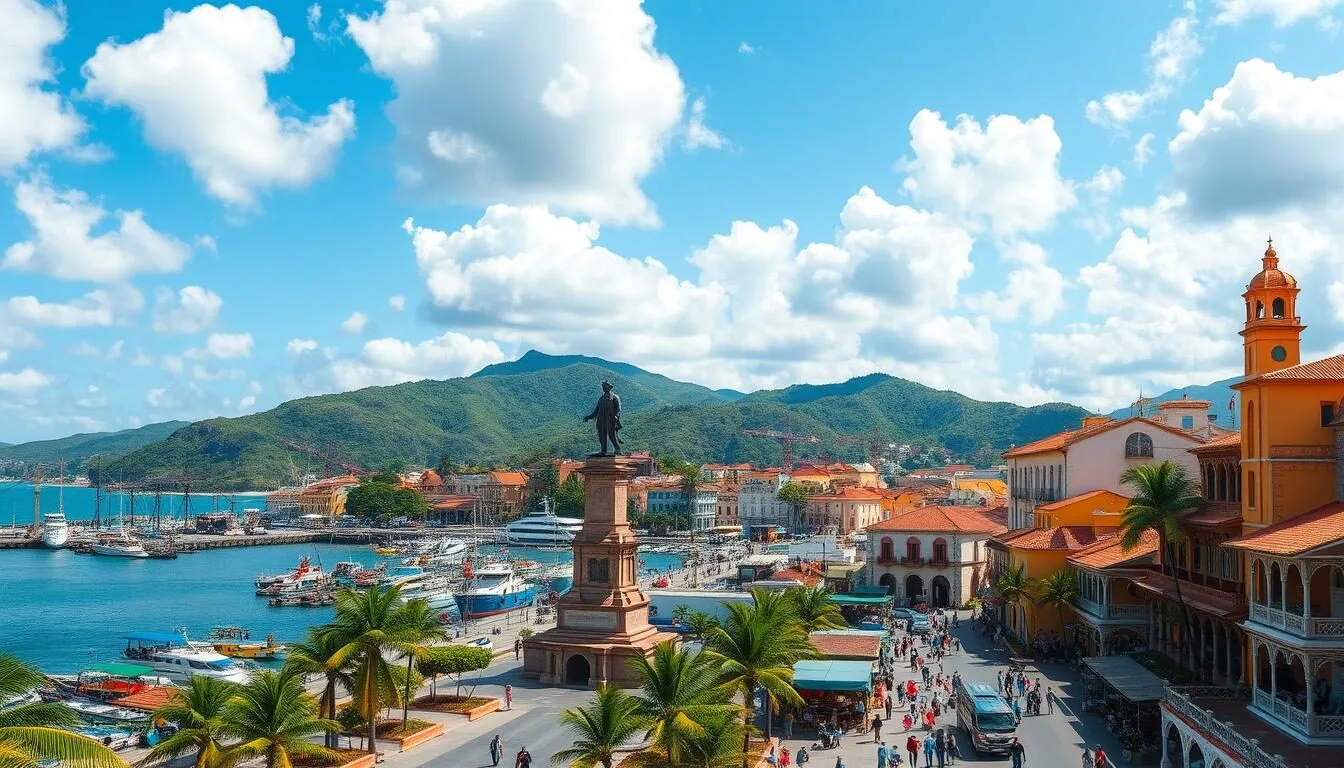
Venezuela’s Caribbean coast is a treasure trove of experiences waiting to be discovered. With its stunning beaches, vibrant culture, and diverse activities, it’s an ideal destination for travelers.
Isla de Margarita Weather Patterns
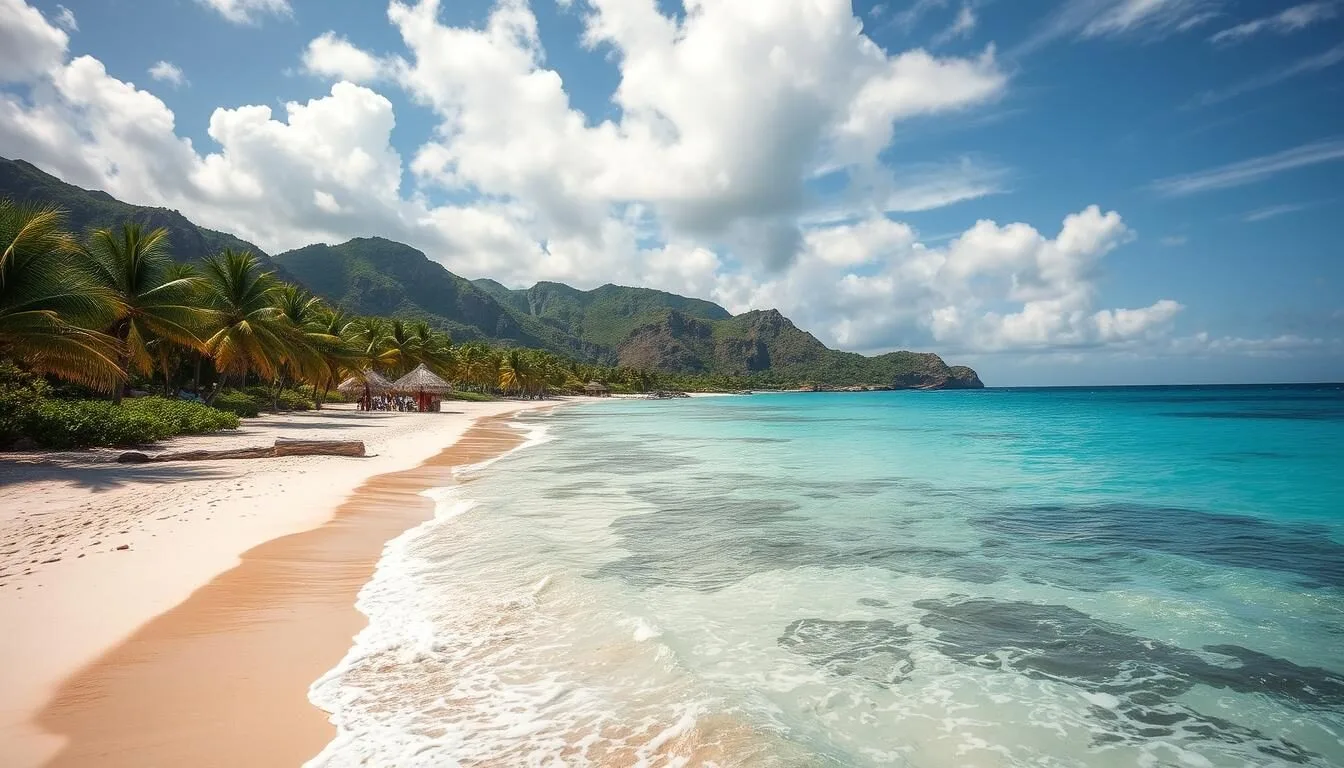
Isla de Margarita enjoys great temperatures and magnificent white sandy beaches, making it a paradise on earth. The best time to visit is during the dry season, from December to April, when the weather is optimal for outdoor activities.
Coastal Activities by Season
The Caribbean coast offers various activities influenced by seasonal weather conditions. During the dry season (December-April), water sports like snorkeling, diving, and sailing are ideal due to clear visibility and calmer seas. Beach activities peak in January and February, with comfortable temperatures and minimal rainfall. The shoulder months (November and May) offer good value with fewer crowds. Even during the wet season, morning water activities are viable, and cultural tours along with fresh seafood experiences are available year-round.
Andes Mountains: Seasonal Considerations
If you’re planning to hike in Mérida, Venezuela, understanding the seasonal considerations is crucial. The Andes Mountains offer a diverse range of outdoor activities, making it an ideal destination for adventure seekers.
Mérida and the Sierra Nevada Climate
The Sierra Nevada climate in Mérida is characterized by a dry season from December to April, making ideal conditions for hiking and other mountain activities. During this time, the weather is generally dry and sunny, with clear skies and comfortable temperatures.
Best Months for Mountain Activities
The best months for mountain activities in Mérida are January through March, with reliable dry weather and excellent visibility. You can enjoy activities like hiking, mountain biking, and paragliding during this time. December and April are also good options, but be aware that December can be crowded due to holidays, and April may see occasional pre-rainy season showers.
The dry season offers unique opportunities for photography enthusiasts, with clear morning light and dramatic Andean landscapes. Overall, the best time to visit Mérida’s highlands is during the dry season, when the weather is stable and the scenery is at its most breathtaking.
The Gran Sabana and Roraima: Weather Planning
The Gran Sabana and Roraima offer breathtaking landscapes, but understanding the weather is key to a successful adventure. The region’s unique climate is characterized by its highland location.
Unique Climate of Venezuela’s Highlands
The highlands of Venezuela, including the Gran Sabana and Roraima, have a distinct climate that differs significantly from the country’s lower-lying areas. The dry season offers the best conditions for trekking and exploration. The tepuis, including Roraima, generate their own microclimate, which can lead to unpredictable weather patterns.
Optimal Trekking Windows
The best months for trekking Mount Roraima are from December to March, when the dry season minimizes rainfall. January and February are particularly favorable, offering clear views from the summit. While the shoulder months (November and April) can be viable alternatives with fewer visitors, they come with a higher risk of rain.
Los Llanos: Seasonal Wildlife Viewing
As the seasons change, Los Llanos transforms into a different world for wildlife viewing, full of surprises. This vast plains region of Venezuela is home to a diverse array of wildlife, and the changing seasons offer unique opportunities to observe animals in their natural habitats.
Wet vs. Dry Season Wildlife Experiences
The dry season, from December to April, is considered the best time for wildlife viewing in Los Llanos. During this period, animals congregate around water sources, making them easier to spot. In contrast, the wet season brings a different set of experiences, with the flooded plains creating a dramatic landscape and unique opportunities to see wildlife in a lush, vibrant environment.
Photography Considerations by Season
Wildlife photography in Los Llanos requires different approaches depending on the season. The dry season offers clear shots and optimal light conditions, particularly in January and February. During the wet season, photographers must contend with higher humidity and more challenging access, but the dramatic landscapes and unique perspectives make it worthwhile. Capturing the rich cultural aspects of llanero life is possible year-round, adding another layer to your photography experience.
Packing Tips for Different Venezuelan Seasons
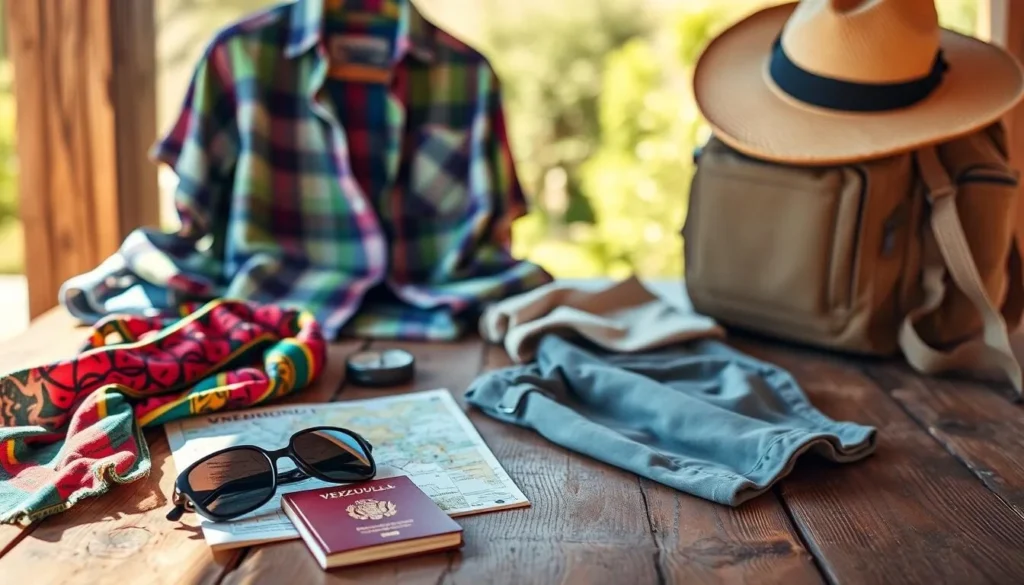
To make the most of your Venezuelan adventure, it’s essential to pack according to the season. Venezuela’s diverse climate means that the right gear can make all the difference in your travel experience.
Dry Season Essentials
During the dry season, prioritize lightweight, breathable clothing and sun protection. Comfortable walking shoes and layers for cooler evenings are also recommended.
Rainy Season Must-Haves
For the rainy season, pack a lightweight rain jacket or poncho, quick-dry clothing, and waterproof footwear. Don’t forget humidity-management items and a compact travel umbrella to keep you dry during unexpected rain showers.
| Season | Essential Items |
|---|---|
| Dry Season | Lightweight clothing, sun protection, comfortable shoes |
| Rainy Season | Rain jacket, quick-dry clothing, waterproof footwear, humidity-management items |
By packing the right gear for the season, you can enjoy a more comfortable and stress-free travel experience in Venezuela, even during the wet season, which spans several months. This preparation allows you to appreciate the beauty of Venezuela with fewer tourist crowds.
Weather-Savvy Travel Tips for Venezuela
Understanding and adapting to Venezuela’s weather can enhance your travel experience. Being prepared for the climate conditions can make a significant difference in your trip.
Monitoring Weather Forecasts
Staying informed about the weather is crucial, especially during the variable months from May to November. You should check forecasts regularly to plan your activities accordingly.
- Utilize reliable weather apps and websites for up-to-date forecasts.
- Consider consulting with locals or your hotel for weather insights.
Building Flexibility into Your Itinerary
Flexibility is key to a successful trip to Venezuela, particularly during the rainy season. By building buffer days into your plan, you can accommodate any weather-related changes.
| Activity | Best Time | Alternative |
|---|---|---|
| Outdoor Adventures | Morning | Museums or Indoor Activities |
| Beach Visits | Late Dry Season | Cultural Events or Local Tours |
Conclusion: Making the Most of Your Venezuelan Adventure
With its rich cultural heritage and breathtaking natural beauty, Venezuela is a destination that promises unforgettable experiences throughout the year. The best time to visit depends on your priorities: December through April offers the most reliable weather, while May through November provides lush landscapes and fewer crowds. By embracing Venezuela’s seasonal rhythms, you can enhance your travel experience, whether you’re exploring the Caribbean coast, Andean highlands, vast plains, or table mountains. A weather-savvy approach to planning ensures a rewarding adventure. Venezuela’s remarkable biodiversity and dramatic landscapes shine in different ways across the seasons, making it ideal for adventurous spirits.