

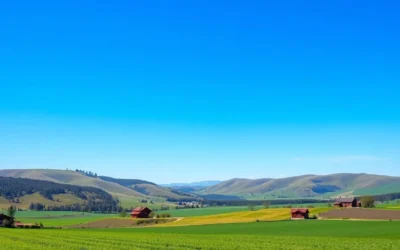
Home to Europe’s deepest canyon at 1,920 meters (6,300 ft) and over 30 distinct ethnic groups speaking unique languages, Dagestan remains one of Russia’s most fascinating yet least-visited regions. This mountainous republic along the Caspian Sea offers a striking blend of natural wonders, ancient villages, and rich cultural traditions that have remained largely unchanged for centuries. Often called “the land of mountains,” Dagestan delivers experiences you simply won’t find elsewhere in Russia—or perhaps anywhere else in the world.
Getting There & Planning Your Journey
The main gateway to Dagestan is through its capital city, Makhachkala. The Makhachkala International Airport (MCX) receives flights from Moscow, St. Petersburg, and other major Russian cities. For international travelers, the most convenient route is flying to Moscow first, then connecting to Makhachkala.
Alternatively, you can reach Makhachkala via Istanbul, which offers direct flights to the capital—often the fastest international connection. The flight time from Moscow is approximately 2.5 hours, while from Istanbul it’s about 3 hours.
For those already in Russia, the train is another option. Russian Railways operates services from Moscow to Makhachkala, though the journey takes around 40 hours. If you’re traveling from neighboring Caucasus regions, shared taxis and minibuses are common.
Most visitors will need a Russian tourist visa. Citizens of many countries can apply online for an e-visa valid for up to 16 days. For longer stays, apply for a traditional tourist visa through a Russian consulate in your home country.
Best Time to Visit & Weather Tips
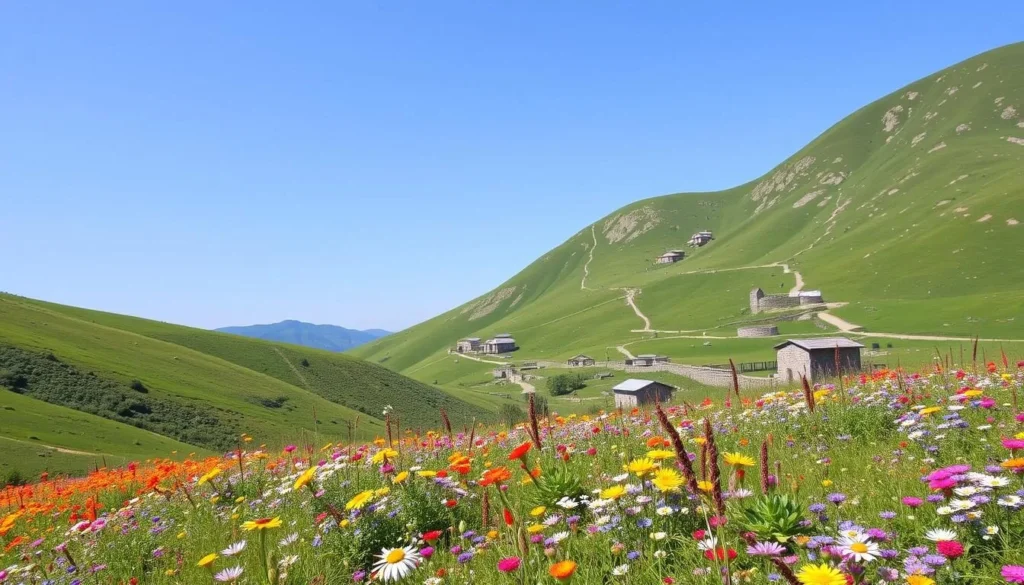
Dagestan enjoys a Mediterranean-like climate with generally dry, warm weather similar to Croatia or Italy. Each season offers unique advantages for visitors:
Recommended Seasons:
- April-May (Spring): Nature awakens with lush greenery and carpets of wildflowers covering the mountains. Temperatures range from 15-25°C (59-77°F), perfect for hiking and photography.
- June-August (Summer): Ideal beach weather with the Caspian Sea reaching a pleasant 25°C (77°F). Mountain areas remain cooler and comfortable for exploration. Daytime temperatures in Makhachkala typically reach 28-32°C (82-90°F).
- September-October (Fall): The mild autumn offers ideal travel weather with comfortable temperatures and fewer tourists. The mountain foliage turns golden, creating spectacular landscapes.
Seasons to Consider Carefully:
- November: The first snow covers mountain peaks, creating dramatic views. Temperatures drop to 5-15°C (41-59°F), but you’ll have most attractions to yourself.
- February-March (Late Winter): Perfect for capturing snow-covered Caucasus peaks and frozen waterfalls. Temperatures range from 0-10°C (32-50°F), requiring warm clothing.
- December-January: Many tourism services close during these months, and mountain roads can be difficult to navigate due to snow.
Pack layers regardless of when you visit, as mountain temperatures can drop significantly in the evenings, even during summer months.
Getting Around Locally

Navigating Dagestan’s mountainous terrain requires some planning. Here are your best options:
- Guided Tours: The most hassle-free option, especially for first-time visitors. Local tour operators offer packages ranging from day trips to week-long excursions, handling all transportation logistics.
- Self-Drive Rentals: For independent travelers, 4×4 vehicle rentals are available in Makhachkala. A high-clearance vehicle is essential for mountain roads, which can be narrow and unpaved in remote areas.
- Public Transportation: Marshrutkas (shared minibuses) connect major towns and villages, though schedules can be irregular in remote areas. They’re inexpensive but may not reach all tourist destinations.
- Taxis: Available in cities and larger towns. Negotiate the fare before departure, as meters are rarely used. For day trips, you can arrange for a driver to wait while you explore.
Many of Dagestan’s most impressive attractions require some hiking to access. Ghost villages like Gamsutl involve steep climbs, so bring appropriate footwear and be prepared for walking.
Note that road signs are primarily in Russian and local languages. Having a translation app or basic Russian phrases will help tremendously with navigation.
Where to Stay
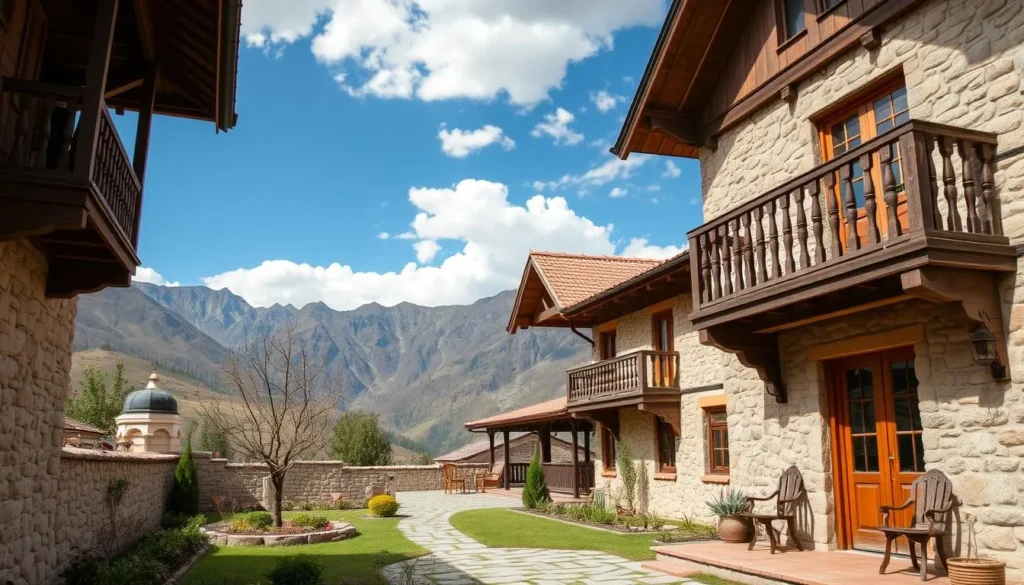
Accommodation in Dagestan ranges from modern hotels in cities to traditional guesthouses in mountain villages:
City Hotels
Makhachkala offers the widest selection of modern hotels, from international chains to local establishments. Prices range from 2,500-7,000 rubles ($25-70) per night. Most provide standard amenities including Wi-Fi, air conditioning, and on-site restaurants.
Traditional Guesthouses
For an authentic experience, stay in a traditional guesthouse in villages like Chokh, Gunib, or Kubachi. These family-run accommodations offer homemade meals and cultural immersion. Expect to pay 1,500-3,000 rubles ($15-30) per night, often including breakfast.
Eco-Lodges & Glamping
Several eco-lodges have opened in scenic locations, offering comfortable stays in natural settings. Some provide glamping options with stunning views of canyons or mountains. Prices range from 3,000-5,000 rubles ($30-50) per night depending on amenities.
Booking in advance is recommended, especially during summer months and for village accommodations with limited capacity. Many smaller guesthouses don’t appear on international booking platforms, so consider using Russian sites like Booking.com.ru or contacting them directly.
When staying in mountain villages, be prepared for more basic facilities. While most accommodations offer clean, comfortable rooms, amenities like hot water might be limited or available only at certain times.
Dining & Local Cuisine

Dagestani cuisine reflects the region’s diverse cultural heritage, with each ethnic group contributing unique dishes. The food emphasizes fresh, locally-sourced ingredients and hearty flavors perfect for the mountain climate.
Must-Try Dishes:
- Khinkal: The national dish consisting of boiled dough pieces served with meat (usually lamb or beef) and garlic sauce. Each district has its own variation.
- Chudu: Thin flatbreads filled with various ingredients like cheese, meat, potatoes, or wild mountain herbs.
- Kurze: Small dumplings filled with meat and herbs, similar to manti.
- Urbech: A nutritious paste made from ground nuts or seeds, often served with honey for breakfast.
- Mountain Cheese: Various types of sheep and cow cheese produced in highland villages using traditional methods.
- Shashlik: Marinated meat skewers grilled over open flames, typically served with fresh herbs and vegetables.
In mountain villages, meals are often served family-style with multiple dishes shared among guests. When invited to a local home, expect generous hospitality—refusing food can be considered impolite.
Restaurants in Makhachkala offer both traditional Dagestani cuisine and international options. For the most authentic experience, seek out small family-run establishments in villages, where recipes have been passed down through generations.
While Dagestan is predominantly Muslim, alcohol is available in most restaurants and stores in urban areas. In more conservative villages, alcohol might not be served.
Attractions, Sightseeing & Activities

Historical Sites
- Derbent & Naryn-Kala Fortress: Founded in the 5th century, Derbent is Russia’s oldest city. The UNESCO-listed Naryn-Kala fortress features massive 6th-century walls extending to the Caspian Sea, earning it the nickname “Caspian Gates.”
- Gamsutl Ghost Village: Often called “Dagestan’s Machu Picchu,” this abandoned settlement clings dramatically to a mountainside. The stone buildings seem to grow out of the rock itself, creating a hauntingly beautiful landscape.
- Kubachi Village: Famous for its master silversmiths who have practiced their craft for centuries. Visit workshops to see artisans creating intricate silver jewelry and decorative items using traditional techniques.
Natural Wonders

- Sulak Canyon: Europe’s deepest canyon at 1,920 meters (6,300 ft), offering breathtaking views. Boat tours navigate the narrow passages between towering cliffs with turquoise waters below.
- Sarykum Sand Dune: Europe’s largest sand dune, mysteriously located between mountains and sea. This unique ecosystem hosts rare plants and animals not found elsewhere in the region.
- Karadakh Gorge: Known as the “Gate of Wonders,” this narrow passage between vertical rock walls creates an otherworldly atmosphere, especially when sunlight filters through the narrow opening above.
- Tobot Waterfall: Near Khunzakh village, this 70-meter (230 ft) waterfall cascades dramatically over a cliff edge, creating a spectacular scene especially after rainfall or during spring melt.
Unique Experiences

- Lun-Class Ekranoplan: This Soviet-era “Caspian Sea Monster” is a unique aircraft-ship hybrid now resting on a beach near Derbent. The massive military vehicle was designed to fly just meters above water surfaces.
- Traditional Crafts Workshops: Try your hand at traditional Dagestani crafts in villages like Untsukul (known for wood and metal inlay work) or Balkhar (famous for pottery).
- Caspian Sea Beaches: Enjoy the warm waters of the Caspian Sea from May through September. The northern beaches near Makhachkala offer sandy shores and swimming opportunities.
Museums, Cultural Spots & Festivals

Museums & Cultural Institutions
- National Museum of Dagestan: Located in Makhachkala, this comprehensive museum showcases the republic’s rich history, from ancient artifacts to ethnographic displays representing the diverse cultures of Dagestan.
- Gamzatov Museum: Dedicated to Rasul Gamzatov, Dagestan’s most famous poet, this museum in Makhachkala displays his personal belongings, manuscripts, and information about his literary contributions.
- Ethnographic Museum in Gunib: Exhibits traditional household items, clothing, and crafts from various Dagestani ethnic groups, offering insight into mountain village life.
Religious Sites
- Juma Mosque of Makhachkala: The second-largest mosque in Russia, inspired by Istanbul’s Blue Mosque, featuring 57 domes and two minarets. The interior showcases beautiful Islamic calligraphy and design.
- Ancient Mosques of Derbent: Including the 8th-century Juma Mosque, considered the oldest mosque in Russia and one of the oldest in the world.
- Shrine of the Seven Sleepers: A sacred cave near Buynaksk associated with the Quranic story of youths who slept for centuries, now an important pilgrimage site.
Festivals & Cultural Events

- Festival of Traditional Culture and Crafts: Usually held in July-August in various locations, showcasing traditional music, dance, and craftsmanship from all Dagestani ethnic groups.
- Sharvili Epic Festival: Celebrating the Lezgin national hero Sharvili with music, poetry readings, and theatrical performances, typically held in July.
- Caspian Sea Day: Celebrated on August 12th with beach activities, environmental awareness events, and cultural performances in coastal areas.
- Eid celebrations: Both Eid al-Fitr and Eid al-Adha are major holidays in Dagestan, marked by special prayers, family gatherings, and festive meals.
Nature & Outdoor Experiences

Dagestan’s diverse landscapes offer countless opportunities for outdoor enthusiasts:
Hiking & Trekking
- Shalbuzdag Mountain: A traditional pilgrimage site reaching 4,142 meters (13,589 ft). The challenging climb rewards hikers with spectacular views across the Caucasus.
- Gunib Plateau: Offers more accessible hiking trails with historical significance as the last stronghold of Imam Shamil’s resistance against Russian forces in the 19th century.
- Seven Brothers Ridge: A dramatic mountain formation near Makhachkala with moderate hiking trails and panoramic views of surrounding landscapes.
Water Activities

- Caspian Sea Swimming: The warm waters are perfect for swimming from late May through September, with water temperatures reaching 25°C (77°F) in summer.
- Sulak Canyon Boat Tours: Exhilarating boat rides through the narrow sections of the canyon, offering unique perspectives of the towering cliffs.
- Fishing: The Caspian Sea and mountain rivers offer excellent fishing opportunities, with local guides available to show you the best spots.
Wildlife & Nature Reserves
- Dagestan Nature Reserve: Protecting diverse ecosystems from coastal wetlands to high mountain zones, home to rare species including Caucasian tur (mountain goat), bezoar ibex, and numerous bird species.
- Samur Forest: The northernmost subtropical forest in Europe, located along the border with Azerbaijan, offering bird watching and nature walks.
- Sarykum Dune Reserve: Besides the impressive sand dune, this protected area hosts unique desert flora and fauna, including several species of lizards and snakes found nowhere else in Russia.
When exploring natural areas, remember to respect the environment by staying on marked trails and carrying out all trash. Some protected areas require permits or guided access, so check requirements in advance.
Safety, Etiquette & Local Customs

Dagestan today is generally safe for travelers, having moved well beyond the regional instability of the 1990s and early 2000s. However, as with any destination, being informed about local customs enhances both safety and cultural appreciation.
Safety Considerations
- Register with your country’s embassy or consulate when arriving in Russia.
- Carry photocopies of your passport and visa, keeping originals in a secure location.
- When hiking in remote areas, inform your accommodation of your plans and expected return time.
- Use registered taxis or transportation arranged through your accommodation rather than flagging vehicles on the street.
- Mountain weather can change rapidly—check forecasts and bring appropriate clothing even for day trips.
Cultural Etiquette
- Dagestan is predominantly Muslim, so dress modestly, especially when visiting villages and religious sites. Women should cover shoulders and knees, and bring a scarf for mosque visits.
- Remove shoes when entering homes and some religious buildings.
- If invited to a home, bringing a small gift (sweets, fruit) is appreciated. Accepting offered food and tea is considered polite.
- Ask permission before photographing people, especially in more traditional villages.
- Learning a few basic Russian or local language phrases is greatly appreciated by locals.
Local Customs
- Hospitality is central to Dagestani culture. Locals often invite visitors for tea or meals—these genuine interactions can be highlights of your trip.
- Respect for elders is important. In traditional settings, elders speak first and are given the most comfortable seating.
- Handshakes are common greetings between men. Between men and women, follow the woman’s lead—some may prefer not to shake hands for religious reasons.
- Many villages have specific traditions and customs. When in doubt, observe locals or politely ask about appropriate behavior.
Visitor Comments About Dagestan
“The hospitality we experienced in Dagestan was unlike anywhere else I’ve traveled. In one mountain village, a family insisted we join them for dinner despite having just met us on the street. The combination of dramatic landscapes and genuine human connections made this trip unforgettable.”
“Sulak Canyon completely blew me away—it’s hard to believe such an impressive natural wonder isn’t more famous worldwide. The boat ride through the canyon was exhilarating, and the traditional food in nearby villages was delicious. Dagestan deserves to be on every adventurous traveler’s bucket list.”
“As someone who’s visited over 50 countries, I can honestly say Dagestan offered some of the most authentic cultural experiences I’ve had. The ancient villages, especially Gamsutl, felt like stepping back in time. What surprised me most was how safe and welcomed I felt throughout my journey.”
Additional Nearby Destinations
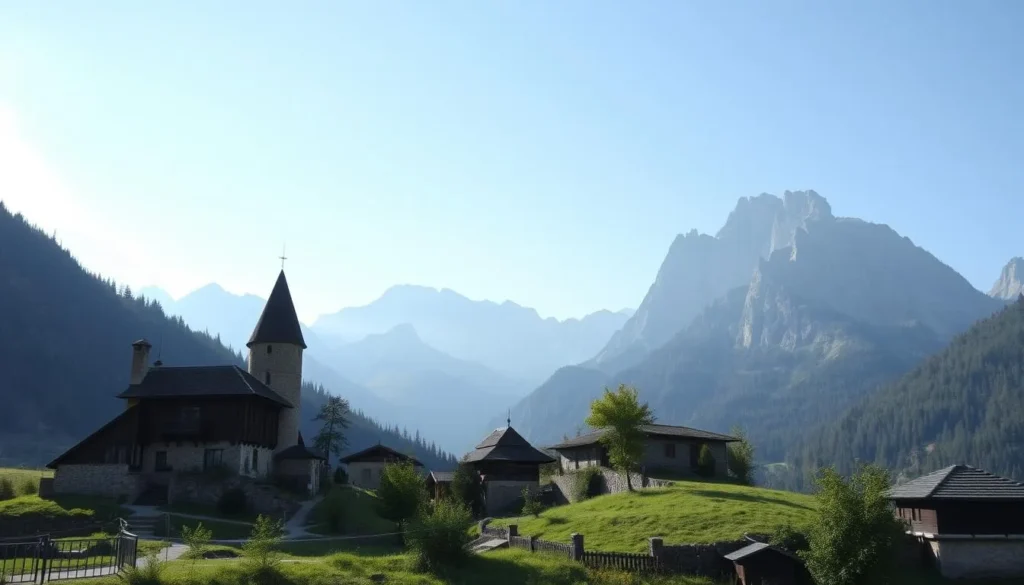
While exploring Dagestan, consider these nearby destinations that complement your Caucasus journey:
Chechnya
Just west of Dagestan, Chechnya offers impressive mountain scenery, the modern city of Grozny with its magnificent “Heart of Chechnya” mosque, and traditional villages in the Argun Valley. The Kezenoy-Am lake, the largest high-mountain lake in the North Caucasus at 170 hectares (420 acres), features stunning turquoise waters.
North Ossetia-Alania
Known for its dramatic mountain landscapes, ancient towers, and the “City of the Dead” necropolis at Dargavs. The region offers excellent hiking, including routes to the Midagrabin Waterfalls and the scenic Tsey Valley with its ancient sacred fir tree.
Azerbaijan
Bordering southern Dagestan, Azerbaijan’s northern regions offer mountain villages, ancient mosques, and the UNESCO-listed old town of Baku on the Caspian Sea. The contrasting landscapes range from lush mountains to semi-desert areas with mud volcanoes.
Each of these destinations has its own distinct culture and natural attractions, making the greater Caucasus region worthy of an extended exploration. Border crossings may require additional visas and planning, so research requirements in advance.
Practical Travel Tips
Communication
- Major Russian mobile operators (MTS, Beeline, Megafon) provide good coverage in cities and larger towns. Purchase a local SIM card in Makhachkala for affordable data and calls.
- Download offline maps, translation apps, and phrasebooks before your trip, as internet connectivity can be limited in mountain areas.
- Basic Russian phrases are helpful, though many younger people in cities speak some English.
Money
- The Russian ruble is the only accepted currency. ATMs are readily available in cities but can be scarce in remote areas.
- Carry some cash, especially when visiting mountain villages where card payments may not be accepted.
- Inform your bank of your travel plans to prevent cards from being blocked for suspicious activity.
Health & Medicine
- Bring a basic first aid kit, personal medications, and remedies for stomach issues.
- Tap water quality varies; bottled water is recommended, especially for visitors.
- Medical facilities in Makhachkala are adequate for basic care, but comprehensive travel insurance with evacuation coverage is strongly recommended.
Packing Essentials
- Comfortable hiking shoes for exploring mountain villages and natural attractions
- Modest clothing that covers shoulders and knees, especially for women
- Headscarf for women visiting mosques and traditional villages
- Sunscreen and hat for protection, particularly at higher altitudes
- Power adapter for Russian outlets (Type C and F)
The Mountain Paradise Awaits
Dagestan offers a rare combination of untouched natural wonders, living ancient traditions, and genuine hospitality that’s increasingly hard to find in our globalized world. From the depths of Sulak Canyon to the heights of abandoned mountain villages, from master craftsmen preserving centuries-old techniques to the warm welcome of local families, this corner of Russia promises experiences that will stay with you long after you return home. The “Land of Mountains” may require a bit more effort to reach than mainstream destinations, but those who make the journey are rewarded with authentic adventures and connections that define truly meaningful travel. As Dagestan gradually opens to international tourism, now is the perfect time to discover its treasures while they remain wonderfully unspoiled.
The above is subject to change.
Check back often to TRAVEL.COM for the latest travel tips and deals.


0 Comments