

Did you know that tucked away in southern Russia lies Europe’s only region where Buddhism is the predominant religion? The Republic of Kalmykia offers a fascinating blend of Tibetan Buddhist traditions and Russian steppe culture that feels worlds away from typical European destinations. This unique autonomous republic is home to golden temples, vast grasslands, and a culture deeply rooted in its nomadic past.
With colorful prayer flags fluttering in the wind, magnificent Buddhist temples that rival those in Asia, and hospitable locals eager to share their traditions, Kalmykia presents an off-the-beaten-path adventure for travelers seeking authentic cultural experiences. Let’s explore the best things this hidden gem has to offer.
Getting There & Planning Your Journey
Reaching Kalmykia requires some planning, as it’s not on most standard Russian tourist routes. The republic is located in the southern European part of Russia, bordered by Dagestan, Stavropol Krai, Rostov Oblast, and Volgograd Oblast.
By Air
The closest airports to Kalmykia are:
- Elista Airport (ESL) – The capital’s small airport has limited flights, primarily connecting to Moscow
- Stavropol Shpakovskoye Airport (STW) – About 270 km (168 miles) from Elista
- Volgograd International Airport (VOG) – Approximately 290 km (180 miles) from Elista
- Astrakhan Airport (ASF) – Around 310 km (193 miles) from Elista
By Land
Many travelers reach Kalmykia by bus or car:
- From Moscow: Long-distance buses take approximately 18-20 hours
- From Volgograd: Buses run daily, journey takes about 4-5 hours
- From Astrakhan: Regular bus service, approximately 5 hours
- From Stavropol: Bus connections available, journey takes about 5-6 hours
For the most flexibility, consider renting a car from one of the neighboring larger cities. The roads are generally in good condition, though some rural routes may be less maintained.

Best Time to Visit Kalmykia
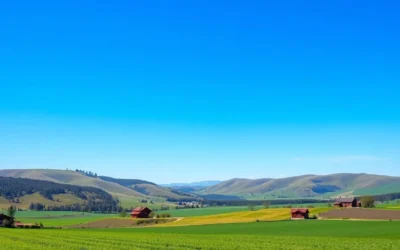
Kalmykia has a continental climate with hot summers and cold winters. The region is known for its strong winds and relatively low precipitation.
Recommended Seasons
- Late Spring (May-June): Comfortable temperatures between 18-25°C (64-77°F), steppe wildflowers in bloom
- Early Autumn (September-October): Pleasant weather with temperatures around 15-22°C (59-72°F), fewer tourists
- Summer (July-August): Warmest period with temperatures reaching 30-35°C (86-95°F), ideal for visiting the lotus fields near Lagan
Seasons to Avoid
- Winter (December-February): Cold temperatures ranging from -5 to -15°C (23 to 5°F), strong winds, and occasional snowfall make sightseeing challenging
- Early Spring (March-April): Unpredictable weather with mud from melting snow can make travel difficult
Cultural Festivals
Consider timing your visit with these cultural events:
- Zul (December): Kalmyk New Year celebration
- Tsagan Sar (February): White Month festival marking the beginning of spring
- Urusa (May-June): Traditional summer festival with horse racing and wrestling competitions

Getting Around Locally
Navigating within Kalmykia, especially its capital Elista, is relatively straightforward though options are somewhat limited.
Public Transportation
- Marshrutkas (Minibuses): The primary form of public transport in Elista, these numbered minibuses follow set routes and cost around 25-30 rubles per ride
- Taxis: Readily available in Elista and other towns, use apps like Yandex Taxi for reliable service and fair prices
- Intercity Buses: Connect Elista with other settlements in Kalmykia, departing from the main bus station
Car Rental
Renting a car gives you the freedom to explore remote areas like the Black Lands Nature Reserve or the Lonely Poplar. Limited rental options exist in Elista itself, so arranging a rental from larger neighboring cities is often easier.
Bicycle Rental
Elista is compact enough to explore by bicycle. Some guesthouses offer bicycle rentals, providing an eco-friendly way to see the city’s attractions.
Where to Stay
Accommodation options in Kalmykia are concentrated primarily in Elista, with limited choices in smaller towns and villages.
Elista
- City Chess Hotel: Located in the famous Chess City complex, this 3-star hotel offers comfortable rooms and is within walking distance of several attractions
- Hotel Uralan: Centrally located hotel with modern amenities and traditional Kalmyk design elements
- Hotel Elista: Budget-friendly option near the bus station with basic but clean rooms
- Guesthouse Kalmykia: Family-run guesthouse offering authentic Kalmyk hospitality and home-cooked meals
Outside Elista
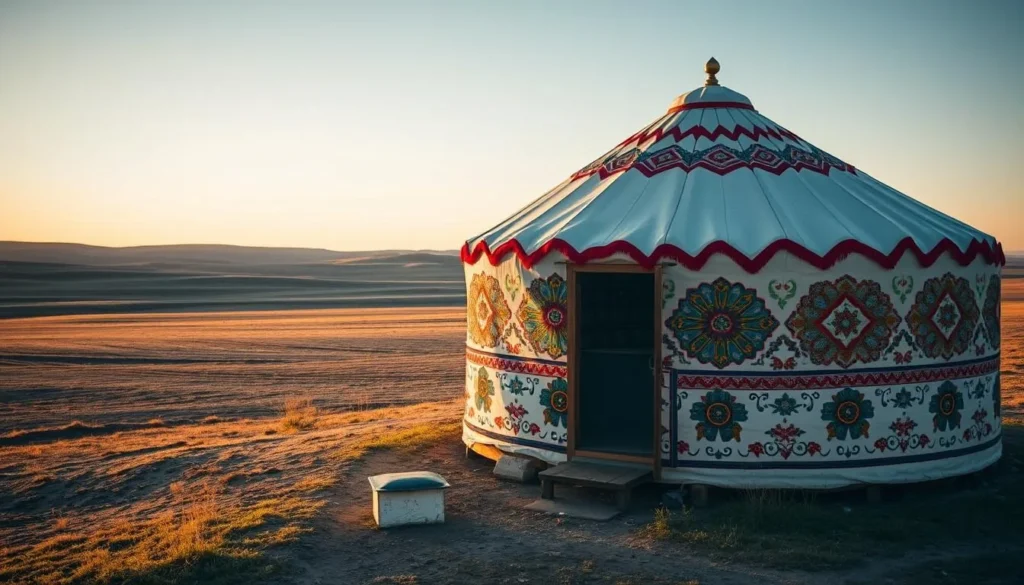
- Yurt Camps: For an authentic experience, several tour operators offer overnight stays in traditional yurts in the steppe
- Lagan Guesthouses: Simple accommodations available in this Caspian coastal town
- Adyk Ethno Village: Traditional yurt accommodations with cultural programs
Booking accommodation in advance is highly recommended, especially during summer months and festival periods. Many smaller establishments may not be listed on international booking platforms, so contacting them directly by phone may be necessary.
Dining & Local Cuisine
Kalmyk cuisine reflects the republic’s nomadic heritage, with an emphasis on meat, dairy products, and hearty dishes designed to sustain people in the harsh steppe environment.
Must-Try Dishes
- Bortsg: Fried bread similar to donuts, often served with tea
- Dotur: A traditional soup made from sheep’s intestines and rice
- Makhan Sheltagan: Meat dumplings in broth
- Kyur: Dried meat that can be stored for long periods
- Kalmyk Tea: A unique salty milk tea with butter and spices
- Berk: A meat pie with a flaky crust
Where to Eat in Elista
- Cafe Kalmykia: Authentic local cuisine in a central location
- Restaurant Legenda: Upscale dining with both Kalmyk and European dishes
- Cafe Buuza: Specializes in Kalmyk and Buryat dumplings
- Grill House: For those seeking familiar international options
Many restaurants offer set menus that allow you to sample various traditional dishes. Look for places frequented by locals for the most authentic experience.

Attractions, Sightseeing & Activities
Kalmykia offers a unique blend of Buddhist religious sites, cultural attractions, and natural landscapes that can’t be found elsewhere in Europe.
Top Attractions in Elista
Golden Temple of Buddha Shakyamuni
The largest Buddhist temple in Europe and Kalmykia’s most iconic landmark. This magnificent structure, completed in 2005, houses a 9-meter-tall Buddha statue covered in gold leaf. The temple complex includes 17 pagodas and numerous prayer drums that visitors can rotate clockwise while making wishes. Photography is permitted outside but prohibited inside the main temple hall.

Seven Days Pagoda
Located in Lenin Square, this 15-meter pagoda contains a large rotating prayer drum believed to purify and grant wishes. The pagoda is beautifully illuminated in the evening, making it a popular spot for evening strolls.
Golden Gate (Altn Bosch)
A 15-meter-tall sacred arch decorated with 28 paintings depicting Kalmyk history and culture. Walking through the gate is said to set one on the “white path” of righteousness.
Chess City
Built in 1998 to host the 33rd World Chess Olympiad, this unique neighborhood features chess-themed buildings, sculptures, and a small museum dedicated to the game. The district was inspired by Kalmykia’s former president Kirsan Ilyumzhinov, who was also president of FIDE (World Chess Federation).

Religious and Memorial Sites
Old Hurul (Syakyusn-Syume)
Located on the outskirts of Elista, this temple was built in 1996 after the site was consecrated by the Dalai Lama. The white temple stands in stark contrast to the surrounding steppe landscape.
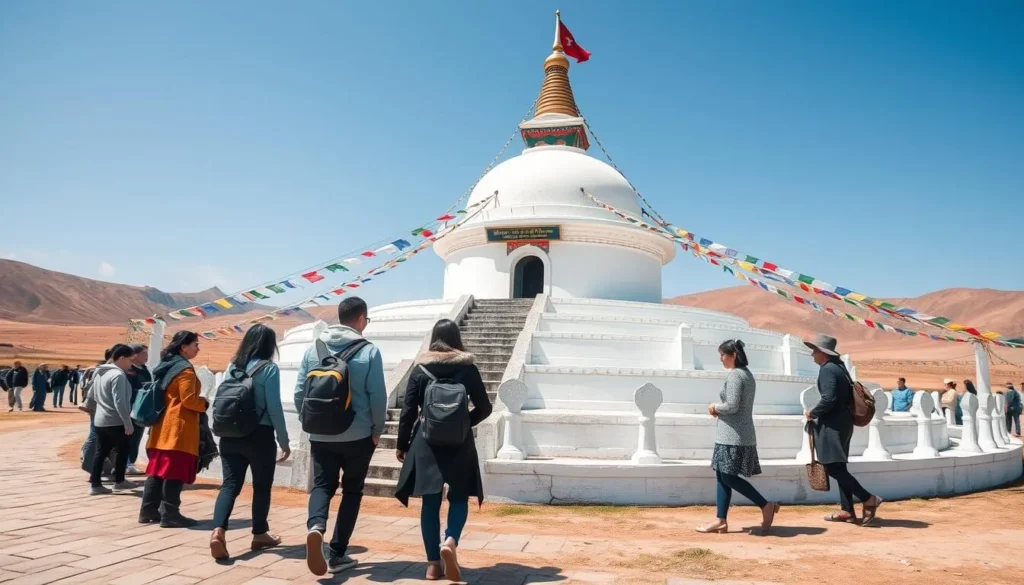
Stupa of Enlightenment
Unlike most Buddhist stupas, this one contains a small meditation room inside. The walls feature beautiful Buddhist paintings in the Karma Gadri style.
“Exodus and Return” Memorial
A powerful monument commemorating the 1943 deportation of the Kalmyk people to Siberia. The memorial includes a museum housed in an original railway carriage used during the deportations.

Museums, Cultural Spots & Festivals
Museums
- National Museum of Kalmykia: Houses exhibits on Kalmyk history, culture, wildlife, and traditional costumes. The museum offers guided tours that provide valuable context about the republic’s unique heritage.
- Museum of Nomadic Peoples: An interactive open-air museum featuring traditional yurts where visitors can learn about nomadic culture, try on national costumes, and even practice archery.
- Chess Museum: Located in Chess City, this small museum displays chess sets from around the world and memorabilia from famous tournaments held in Elista.
Cultural Experiences
- Buddhist Prayer Services: Visitors can observe daily prayer rituals at the Golden Temple of Buddha Shakyamuni.
- Traditional Music Performances: The Kalmyk State Concert Hall regularly hosts performances of traditional music featuring the dombra (a stringed instrument) and throat singing.
- Kalmyk Tea Ceremony: Several cultural centers offer demonstrations of the traditional tea preparation process.
Major Festivals
- Zul (December): The Kalmyk New Year features special prayer services, family gatherings, and traditional foods.
- Tsagan Sar (February): The White Month celebration marks the beginning of spring with cultural performances, sports competitions, and feasting.
- Urusa (May-June): This summer festival includes horse racing, wrestling, archery competitions, and performances of the Kalmyk epic “Dzhangar.”
- City Day (September): Elista’s birthday celebration features parades, concerts, and food fairs.

Nature & Outdoor Experiences
Beyond its cultural attractions, Kalmykia offers unique natural landscapes that provide opportunities for eco-tourism and outdoor adventures.
Black Lands Nature Reserve
This UNESCO Biosphere Reserve covers approximately 121,900 hectares (301,200 acres) and was established to protect the endangered saiga antelope and other steppe wildlife. The reserve is divided into two sections: the Stepnoy area for saiga protection and the Manych-Gudilo wetlands for migratory birds. Visits must be arranged through the reserve administration office in Komsomolskoye village.

The Lonely Poplar
A sacred lone tree planted in the 19th century by a Buddhist monk who brought the seed from Tibet. Now surrounded by prayer flags and stupas, this solitary tree in the vast steppe has become an important spiritual site and was named Russia’s “Tree of the Year” in 2019.
Singing Sands
Near the village of Adyk, visitors can experience the unusual phenomenon of “singing sands” – dunes that produce organ-like sounds when the wind passes over them or when walking on their surface.
Lake Manych-Gudilo
This salt lake covering 34,400 hectares (85,000 acres) is an important bird habitat and part of the Ramsar Convention on Wetlands of International Importance. Over 190 bird species can be observed here, including flamingos during migration seasons.
Pink Lakes
The Mekletinskoye salt lake turns pink in spring due to algae pigmentation, creating a surreal landscape similar to more famous pink lakes around the world.

Lotus Fields
Near the town of Lagan in the Volga Delta, vast fields of sacred lotus flowers bloom in July and August, creating a spectacular natural display. Small boat tours are available to navigate through the flowering fields.

Safety, Etiquette & Local Customs
Safety Tips
- Kalmykia is generally safe for tourists, with low crime rates compared to larger Russian cities
- Carry a copy of your passport and visa at all times, as random document checks can occur
- Register your stay with local authorities if staying longer than 7 days (usually handled by hotels)
- Be prepared for limited English speakers outside major tourist sites; a translation app can be helpful
- Carry sufficient cash, as card payments may not be accepted in smaller establishments
Cultural Etiquette
- Temple Visits: Remove shoes before entering Buddhist temples, dress modestly (no shorts, short skirts, or sleeveless tops), and avoid taking photographs inside unless explicitly permitted
- Prayer Wheels: Always rotate prayer wheels clockwise (never counterclockwise)
- Stupas: Walk around stupas in a clockwise direction as a sign of respect
- Buddha Statues: Never climb on or touch Buddha statues, and avoid pointing your feet toward them
- Kalmyk Tea: When offered traditional tea, accept with both hands as a sign of respect
Local Customs
Kalmyks are known for their hospitality. If invited into a home, consider bringing a small gift. Traditional greetings often include the phrase “Mendvt” (Hello). Elders are highly respected in Kalmyk culture, so showing deference to older people is appreciated.
Visitor Comments About Kalmykia
“I’ve traveled extensively through Russia but nothing prepared me for the unique cultural experience of Kalmykia. The Golden Temple rivals anything I’ve seen in Asia, and the warmth of the local people made me feel welcome everywhere. Don’t miss the traditional tea ceremony – the salty butter tea is an acquired taste but an essential part of understanding the culture!”
“As a Buddhist practitioner, visiting Europe’s only Buddhist region was a spiritual highlight. The temples are relatively new but built with incredible attention to traditional details. The steppe landscape has a haunting beauty, especially at sunset. I recommend hiring a local guide to fully appreciate the historical and cultural context of what you’re seeing.”
“Kalmykia was the most unexpected highlight of our Russia trip. We originally planned just an overnight stop but ended up staying three days. Chess City is quirky and fascinating, and watching the sunset over the steppe from the Lonely Poplar was magical. The food takes some getting used to, but the bortsg (fried bread) is delicious with honey!”
Additional Nearby Destinations
While in Kalmykia, consider exploring these nearby destinations to enhance your journey:
Astrakhan
Located about 310 km (193 miles) east of Elista, this historic city on the Volga River delta features a beautiful kremlin, excellent fishing opportunities, and a unique blend of Russian and Central Asian cultures.
Volgograd
Approximately 290 km (180 miles) north of Elista, this city (formerly Stalingrad) is known for its monumental WWII memorials, including the impressive Mamayev Kurgan complex with the 85-meter (279 ft) “The Motherland Calls” statue.
Stavropol
About 270 km (168 miles) southwest of Elista, this city serves as a gateway to the North Caucasus region and offers pleasant parks, museums, and historic architecture.
Dagestan
For more adventurous travelers, the diverse republic of Dagestan lies to the southeast, offering spectacular mountain landscapes, ancient villages, and rich cultural traditions.
Practical Travel Tips
Visa Information
Most foreign visitors require a visa to enter Russia. Apply well in advance through the Russian embassy or consulate in your home country. Some nationalities may be eligible for e-visas for short visits to certain regions.
Currency
The Russian ruble (₽) is the official currency. ATMs are available in Elista and larger towns, but it’s advisable to carry cash when traveling to remote areas. Major hotels may accept credit cards, but smaller establishments often don’t.
Language
Russian is widely spoken throughout Kalmykia. The Kalmyk language, related to Mongolian, is also spoken, particularly among older generations. English is limited outside tourist areas, so having a translation app or basic Russian phrasebook is helpful.
Internet & Communication
Mobile coverage is good in cities and towns but may be limited in remote areas. Major Russian mobile operators (MTS, Beeline, Megafon) provide service in Kalmykia. Many hotels and cafes offer free Wi-Fi.
Health & Insurance
Travel insurance with medical coverage is essential. Medical facilities in Elista are basic, with more advanced care available in larger cities like Volgograd or Astrakhan. Bring any necessary medications, as specific brands may not be available locally.

Discover Europe’s Buddhist Heartland
The Republic of Kalmykia offers a truly unique travel experience that combines the spiritual depth of Buddhist culture with the raw beauty of the Russian steppe. From the gleaming golden temples of Elista to the vast protected landscapes where endangered saiga antelopes roam, this little-known region provides authentic encounters far from the typical European tourist trail.
Whether you’re rotating prayer wheels at the Seven Days Pagoda, sipping salty tea with local families, or watching the sunset paint the endless grasslands in gold, Kalmykia will leave you with memories unlike any other destination on the continent. This fascinating blend of European, Russian, and Asian influences creates a cultural tapestry that rewards curious travelers willing to venture beyond the familiar.
As the locals might say when bidding farewell: “Xarha ügä” – until we meet again in the land where Europe meets Buddhism.
The above is subject to change.
Check back often to TRAVEL.COM for the latest travel tips and deals.


0 Comments