
Hotels by Trip.com
Flights by Trip.com
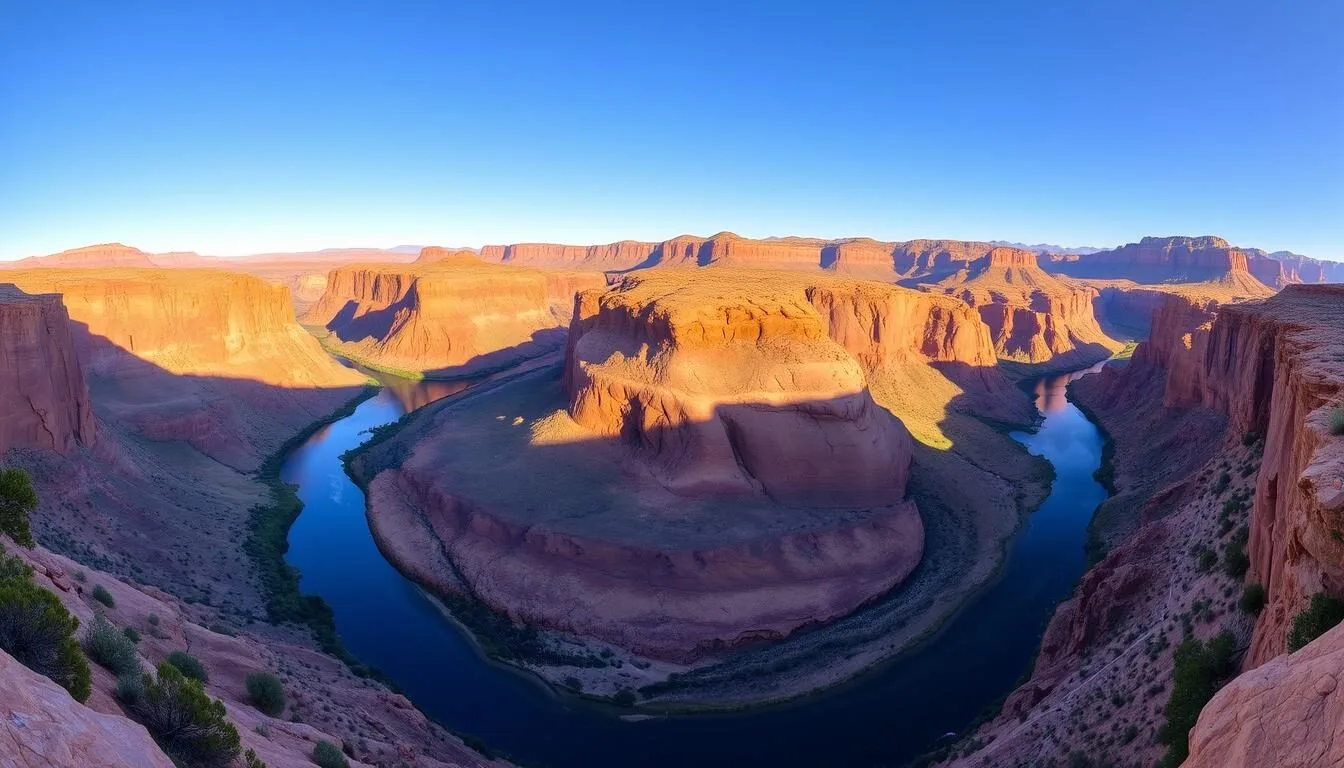
Nestled in Arizona’s rugged wilderness, the Salt River Canyon boasts a remarkable 2,000-foot (610 m) depth—nearly half as deep as the Grand Canyon yet visited by less than 1% of the tourists. This hidden gem, often called “Arizona’s Other Grand Canyon,” offers a pristine wilderness experience with class III and IV rapids, ancient Native American history, and diverse ecosystems that support over 200 species of wildlife including the famous Salt River wild horses.
Getting There & Planning Your Journey
The Salt River Canyon is located in the Tonto National Forest, approximately 180 km (112 miles) northeast of Phoenix. Most visitors access the canyon via US Highway 60, which crosses the Salt River and provides spectacular views of the canyon from several overlooks.
Closest Airports
- Phoenix Sky Harbor International Airport (PHX) – 180 km (112 miles)
- Tucson International Airport (TUS) – 225 km (140 miles)
- Flagstaff Pulliam Airport (FLG) – 235 km (146 miles)
From Phoenix, take US-60 East toward Globe. The drive takes approximately 2 hours and winds through stunning desert landscapes before descending into the canyon. For those coming from Tucson, take AZ-77 North to Globe, then US-60 East to the canyon, a journey of about 2.5 hours.
When planning your trip, remember that a Tonto National Forest recreational pass ($8 per vehicle) is required to explore the area. These can be purchased at nearby gas stations, convenience stores, or ranger stations.
Best Time to Visit & Weather Tips
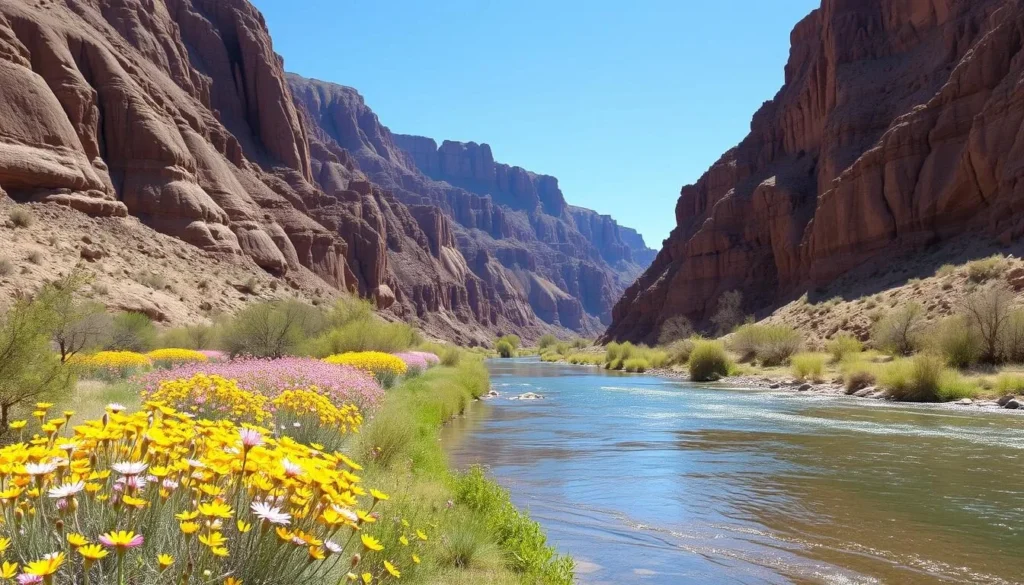
The Salt River Canyon experiences distinct seasons, each offering unique advantages for visitors. Understanding the weather patterns will help you plan the perfect trip.
Recommended Seasons
- Spring (March-May): The ideal time to visit, with temperatures ranging from 18-29°C (65-85°F). Spring brings wildflower blooms, optimal water levels for rafting, and increased wildlife activity. This is also when the famous Salt River wild horses are most frequently spotted.
- Fall (September-November): Another excellent time with pleasant temperatures of 15-26°C (60-80°F), fewer crowds, and beautiful autumn colors in the canyon’s vegetation.
Seasons to Avoid or Exercise Caution
- Summer (June-August): Temperatures regularly exceed 38°C (100°F), making outdoor activities challenging. If visiting in summer, plan activities for early morning or evening and bring plenty of water.
- Winter (December-February): While temperatures are mild at 10-18°C (50-65°F), water levels may be too low for rafting. Some trails and roads may be temporarily closed after rainfall.
The whitewater rafting season typically runs from March through May, when snowmelt creates optimal water flow. For wildlife viewing, early mornings and late afternoons offer the best opportunities year-round.
Getting Around Locally
Navigating the Salt River Canyon area requires some planning, as public transportation is limited and many attractions are spread out across the Tonto National Forest.
Transportation Options
- Personal Vehicle: The most practical way to explore the area. A standard car is sufficient for accessing main viewpoints along US-60, but a high-clearance vehicle is recommended for exploring unpaved forest roads.
- Shuttle Services: During rafting season (March-May), rafting companies offer shuttle services between put-in and take-out points along the river.
- Guided Tours: Several companies offer guided tours that include transportation to and from major cities like Phoenix and Globe.
The main recreation sites along the Lower Salt River include Water Users, Blue Point, Goldfield, Coon Bluff, Phon D Sutton, and Granite Reef. Each has parking facilities and access to different sections of the river. For independent exploration, having two vehicles is often necessary—one parked at your starting point and another at your ending point—particularly for activities like tubing or kayaking.
Where to Stay
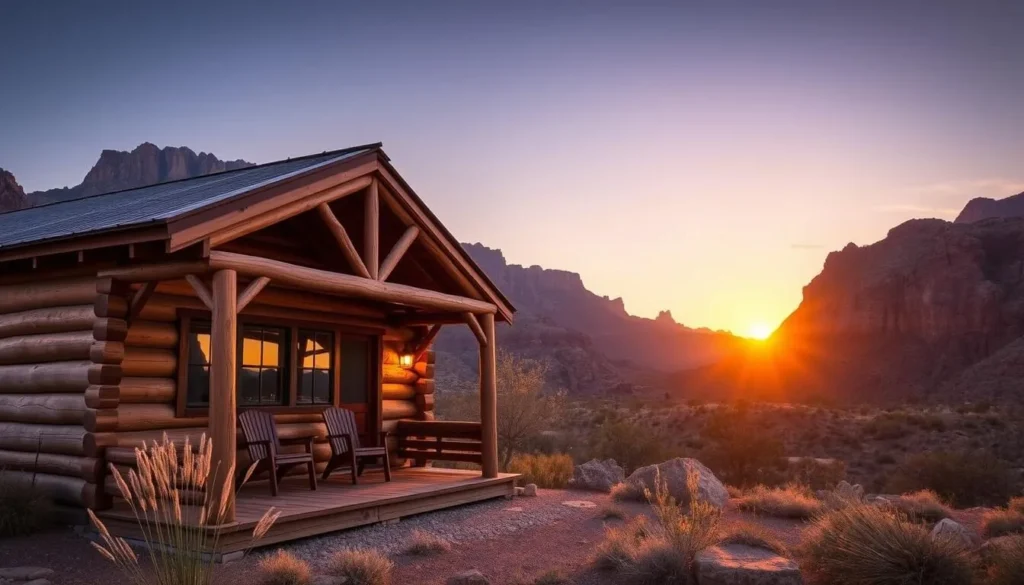
While accommodations directly in the Salt River Canyon are limited, several options exist in the surrounding areas to suit different preferences and budgets.
Lodging Options
In and Near the Canyon
- Saguaro Lake Guest Ranch: Located between Saguaro Lake and the Lower Salt River, this historic ranch offers rustic cabins, dining facilities, and easy access to activities like kayaking and horseback riding.
- Apache Gold Casino Resort: About 30 minutes from the canyon in San Carlos, offering comfortable rooms, dining options, and entertainment.
Nearby Towns
- Globe: 45 minutes from the canyon with several hotels, motels, and B&Bs.
- Show Low: About an hour north with additional accommodation options.
- Mesa/Phoenix: For those who prefer more amenities and don’t mind a longer drive (1.5-2 hours).
Camping Options
- Coon Bluff Campground: Located along the Lower Salt River, offering primitive camping (seasonal availability).
- Lost Dutchman State Park: About 20 minutes from the Lower Salt River, with developed campgrounds and stunning views of the Superstition Mountains.
- Canyon Lake Campground: Near Saguaro Lake with facilities for both tent and RV camping.
- Backcountry Camping: Available along trails like Butcher Jones Trail, with secluded spots right on the water (Tonto National Forest permit required).
For the most immersive experience, consider camping at Coon Bluff when available. The sounds of the flowing river and opportunity to see wildlife, including the wild horses at dawn and dusk, create unforgettable memories.
Dining & Local Cuisine
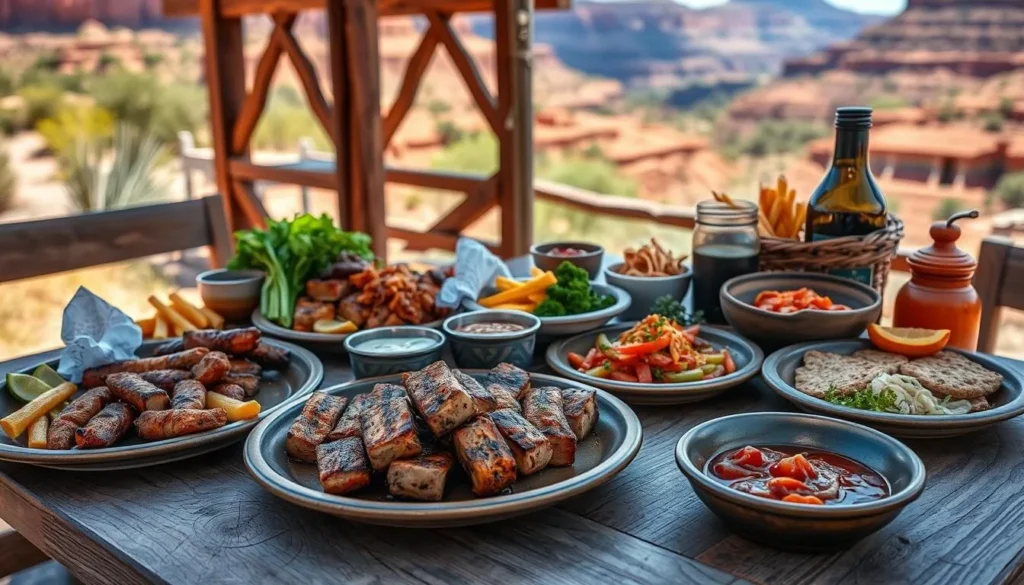
Dining options within the immediate Salt River Canyon area are limited, so planning ahead for meals is essential. However, the surrounding region offers some delicious options featuring Southwestern cuisine and local specialties.
Dining Options
- Saguaro Lake Guest Ranch Restaurant: Offers hearty meals with Southwestern flavors in a rustic setting near the Lower Salt River.
- Apache Gold Casino Resort Restaurants: Several dining options from casual to upscale about 30 minutes from the canyon.
- Globe-Miami Area: Home to several local eateries including the historic Drift Inn Saloon and El Rey Cafe for authentic Mexican cuisine.
Local Specialties
- Apache Fry Bread: A traditional Native American dish often topped with honey, powdered sugar, or savory ingredients.
- Green Chile Stew: A regional favorite featuring roasted green chiles, meat, and potatoes.
- Prickly Pear Products: Look for locally-made jams, candies, and beverages made from this desert cactus fruit.
Many visitors opt to bring picnic supplies or coolers with food and drinks, especially when planning a day of rafting, tubing, or hiking. Several grocery stores in Globe and surrounding communities offer provisions for self-catering. When packing food for river activities, remember to bring secure containers to prevent littering in this pristine wilderness area.
Attractions, Sightseeing & Activities
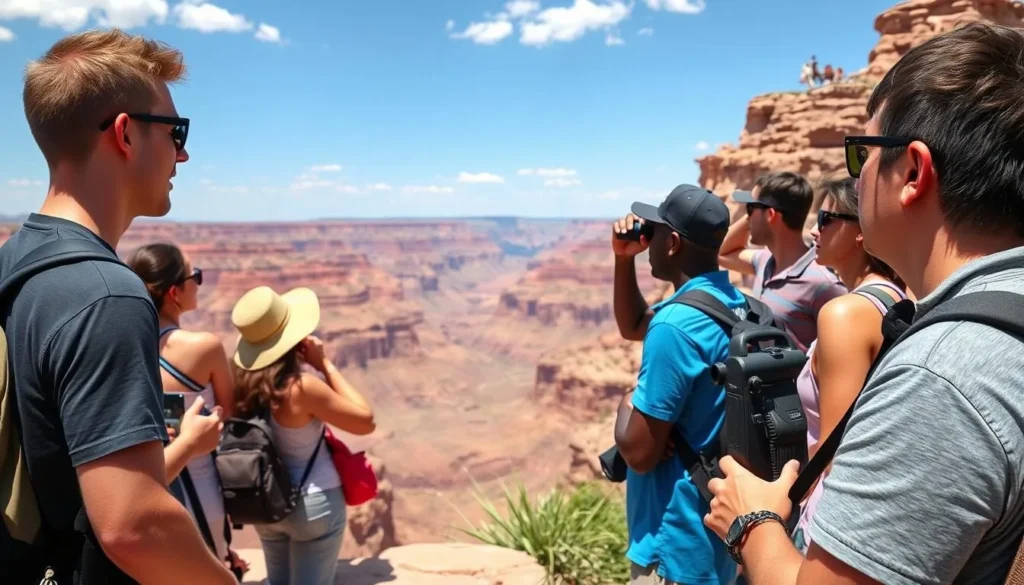
The Salt River Canyon offers a wealth of attractions and activities for nature lovers, adventure seekers, and those interested in Native American culture and history.
✓ Check 30,000+ Local Sightseeing Tours Worldwide
Top Attractions
- Salt River Canyon Scenic Drive: US-60 provides spectacular views as it winds through the canyon. Several overlooks offer perfect photo opportunities of the dramatic landscape.
- Salt River Wild Horses: One of the most beloved attractions, these free-roaming horses can often be spotted along an 18-mile stretch of the Lower Salt River, particularly near Coon Bluff, Granite Reef, and Phon D. Sutton recreation areas.
- Tonto National Monument: Located about an hour from the canyon, featuring well-preserved cliff dwellings built by the Salado people between 1250 and 1450 CE.
Popular Activities
Water Activities
- Whitewater Rafting: The Upper Salt River offers world-class rafting with Class III and IV rapids, best experienced from March to May.
- Tubing: A favorite summer activity on the Lower Salt River, offering a relaxing float through beautiful desert scenery.
- Kayaking/Paddleboarding: Explore the calmer sections of the river or nearby Saguaro Lake at your own pace.
Land Activities
- Hiking: Trails like Butcher Jones, EJ Peak, and Gateway Canyon offer varying difficulty levels and stunning views.
- Wildlife Photography: Opportunities abound to photograph wild horses, bighorn sheep, bald eagles, and other desert wildlife.
- Scenic Drives: Beyond US-60, several forest roads offer access to remote viewpoints and natural areas.
For first-time visitors, combining a morning scenic drive with stops at overlooks, followed by an afternoon wildlife watching excursion near Coon Bluff, provides an excellent introduction to the canyon’s diverse attractions.
Museums, Cultural Spots & Festivals
The Salt River Canyon area is rich in Native American heritage, primarily Apache and Salado cultures. Several museums and cultural sites offer insights into the region’s fascinating history.
Museums & Cultural Sites
- San Carlos Apache Cultural Center: Located in Peridot on the San Carlos Apache Reservation, showcasing Apache history, art, and culture through exhibits and demonstrations.
- Besh-Ba-Gowah Archaeological Park: In Globe, featuring excavated ruins of a Salado pueblo occupied between 1225 and 1400 CE.
- Bullion Plaza Cultural Center & Museum: In Miami, highlighting the mining history of the region alongside Native American exhibits.
- Tonto National Monument Visitor Center: Offers exhibits on the Salado people who built cliff dwellings in the area.
Annual Events & Festivals
- San Carlos Apache Tribal Fair & Rodeo: Held annually in November, featuring traditional dances, rodeo events, and Apache crafts.
- Globe-Miami Festival of the Arts: A spring celebration showcasing local artists, musicians, and cultural performances.
- Apache Jii Festival: Celebrating Apache culture with traditional food, music, and dance (typically held in October).
When visiting cultural sites on tribal lands, remember that photography may be restricted in certain areas, and some ceremonies are not open to the public. Always show respect for local customs and traditions.
Sports, Nature & Outdoor Experiences
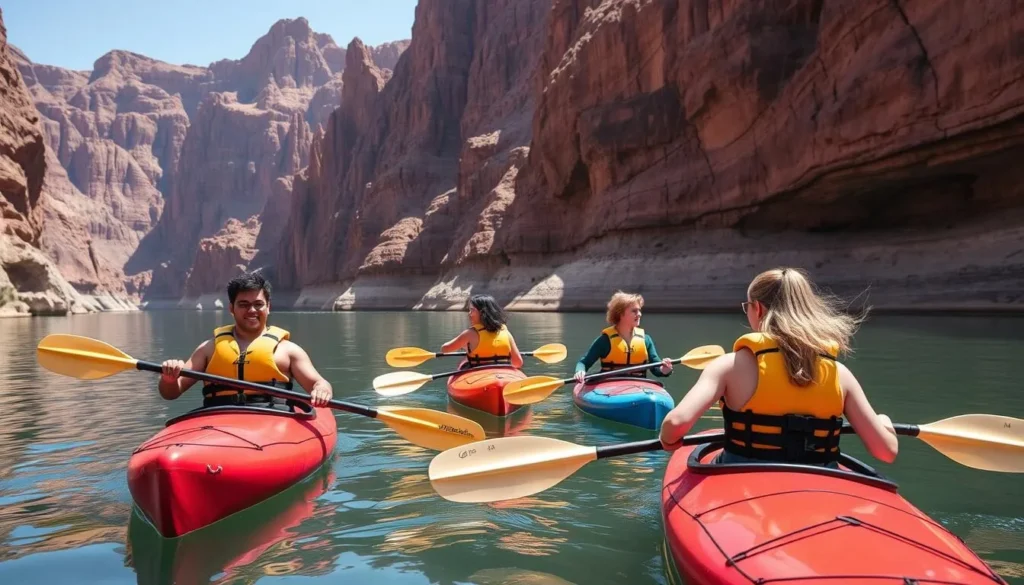
The Salt River Canyon is an outdoor enthusiast’s paradise, offering activities for every interest and skill level amidst stunning natural beauty.
Water Sports
- Whitewater Rafting: The Upper Salt River features 20 named rapids over a 52 km (32 mile) stretch. Companies like Arizona Rafting offer guided trips ranging from half-day to five-day expeditions.
- Kayaking: Both whitewater and flatwater options are available. The Lower Salt River offers gentler conditions ideal for beginners.
- Stand-Up Paddleboarding: Popular on calmer sections of the river and on Saguaro Lake, offering a unique perspective of the canyon.
- Fishing: The Salt River is home to smallmouth bass, catfish, and trout in certain sections. Fishing spots include Phon D. Sutton and Granite Reef recreation areas.
Land Activities
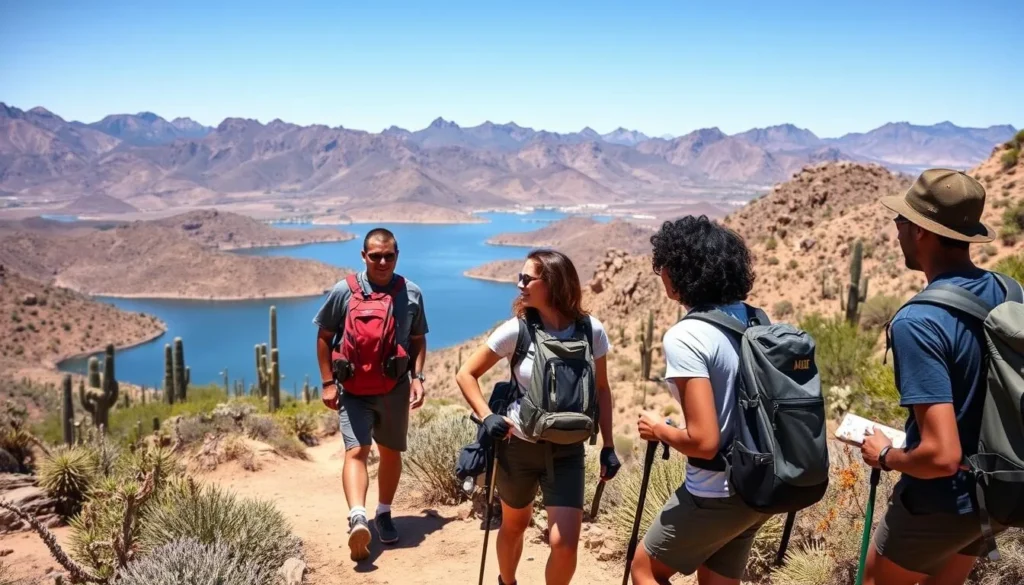
- Hiking: Notable trails include:
- Butcher Jones Trail (9.3 km/5.8 miles round trip) – Offers spectacular views of Saguaro Lake
- EJ Peak (3.5 km/2.2 miles round trip) – A short hike with panoramic vistas
- Gateway Canyon Trail (seasonal) – Requires crossing the river, best attempted in winter when water levels are lower
- Mountain Biking: The HAWES trail system near the Salt River offers trails for various skill levels, maintained by the Hawes Trail Alliance.
- Horseback Riding: Guided rides available through Saguaro Lake Guest Ranch, including river crossings and desert terrain.
Wildlife Viewing
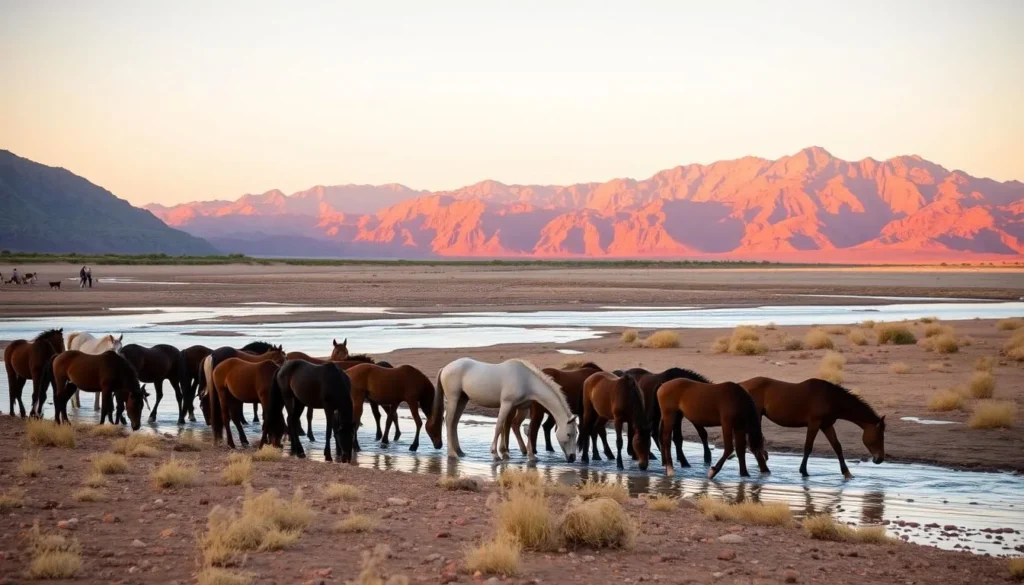
- Salt River Wild Horses: Best spotted early morning or late afternoon near water access points.
- Birdwatching: The area hosts over 200 bird species, including bald eagles, great blue herons, and various hawks.
- Desert Wildlife: Keep an eye out for bighorn sheep, coyotes, javelina, and desert reptiles.
For the best wildlife viewing experience, visit Coon Bluff at sunrise or sunset. Bring binoculars and a camera with a zoom lens, and remember to maintain a respectful distance from all wildlife, especially the protected wild horses.
Safety, Etiquette & Local Customs
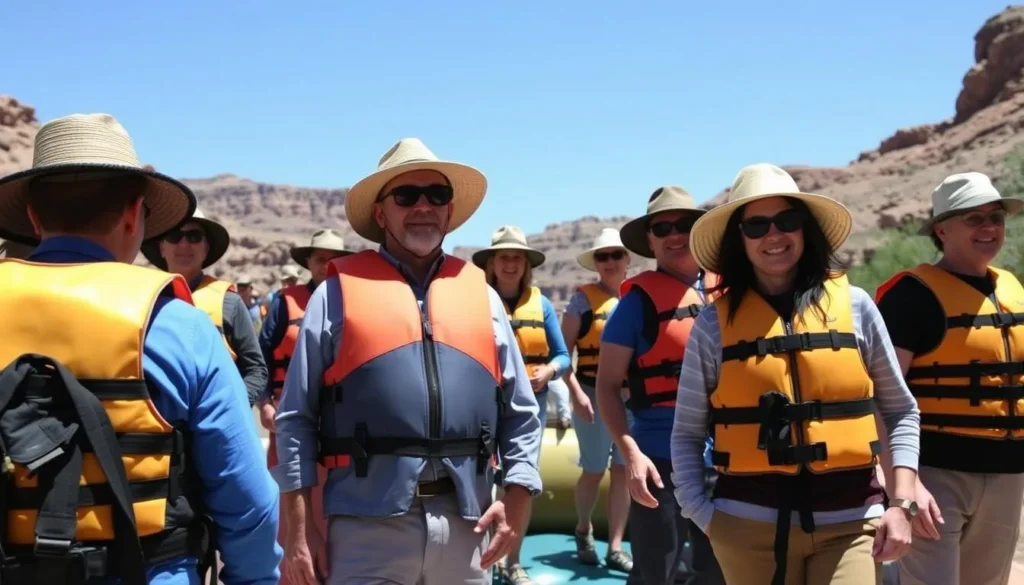
Ensuring a safe and respectful visit to Salt River Canyon requires preparation and awareness of both natural hazards and cultural considerations.
Safety Tips
- Water Safety: Always wear a life jacket when on the river, even in calm sections. Water conditions can change rapidly, especially during monsoon season (July-September).
- Heat Precautions: Summer temperatures regularly exceed 38°C (100°F). Bring plenty of water (at least 4 liters/1 gallon per person per day), wear sun protection, and plan strenuous activities for early morning or evening.
- Wildlife Awareness: Keep a safe distance from all wildlife, including the Salt River wild horses. Never feed or approach them.
- Navigation: Cell service is limited in many parts of the canyon. Bring physical maps and inform someone of your plans when hiking or exploring remote areas.
Etiquette & Customs
- Leave No Trace: Pack out all trash and leave natural and cultural features as you found them.
- Tribal Land Respect: Portions of the area border the San Carlos Apache Reservation. Always obtain proper permits before entering tribal lands and respect all posted restrictions.
- Cultural Sensitivity: Archaeological sites in the region are protected. Never remove artifacts or disturb these important cultural resources.
- Photography: When photographing on or near tribal lands, be aware that some ceremonies and sites may prohibit photography. Always ask permission before photographing tribal members.
The Salt River and surrounding lands hold deep cultural significance for the Apache people. Approaching your visit with respect for both the natural environment and cultural heritage ensures a positive experience for all.
Visitor Comments About Salt River Canyon
“The Salt River Canyon completely surprised me with its dramatic beauty and lack of crowds. We spent three days exploring hiking trails and watching the wild horses at dawn. The moment when a family of horses crossed the river at sunset was magical—worth the entire trip. Don’t miss Butcher Jones Trail for the best views of the canyon meeting Saguaro Lake.”
“As Australians visiting Arizona, we were looking for experiences beyond the Grand Canyon. The Salt River Canyon delivered! We took a guided rafting trip in April—the perfect combination of exciting rapids and stunning scenery. Our guide shared fascinating stories about Apache history and pointed out wildlife we would have missed on our own. The wild horses were the highlight—absolutely magnificent creatures.”
“I’ve traveled extensively throughout the American Southwest, and Salt River Canyon remains one of my favorite discoveries. The contrast between the red rock formations and the blue-green river is spectacular. For photographers, I recommend Coon Bluff at sunrise when the light illuminates the canyon walls. The area feels wonderfully uncrowded compared to other Arizona attractions.”
Additional Nearby Destinations
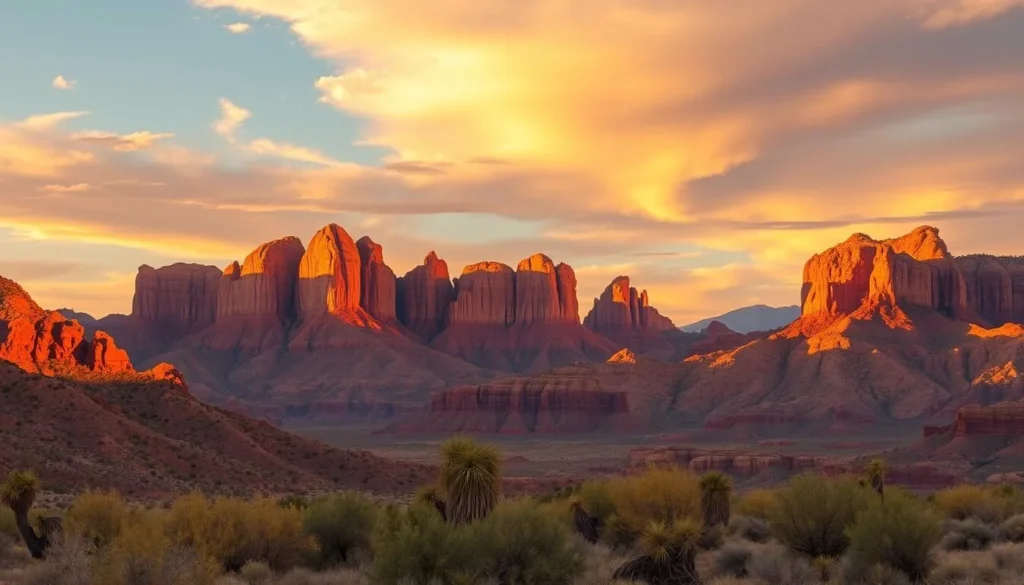
While Salt River Canyon offers plenty to explore, several fascinating destinations within a short drive can enhance your Arizona adventure.
Within 1 Hour
- Saguaro Lake: A 4.9 square km (1,200-acre) reservoir offering boating, fishing, and the Desert Belle Tour Boat for scenic cruises.
- Lost Dutchman State Park: Located in the Superstition Mountains, featuring hiking trails and legendary tales of lost gold.
- Globe-Miami Historic District: Mining towns with well-preserved turn-of-the-century architecture and local museums.
Within 2 Hours
- Tonto National Monument: Well-preserved cliff dwellings built by the Salado people between 1250 and 1450 CE.
- Petrified Forest National Park: Famous for its large deposits of petrified wood and the colorful Painted Desert.
- Apache Lake: Another scenic reservoir on the Salt River with camping, fishing, and boating opportunities.
Combining Salt River Canyon with these nearby attractions creates a comprehensive Arizona experience showcasing the state’s diverse landscapes, from river canyons and desert mountains to ancient cultural sites.
Practical Travel Tips
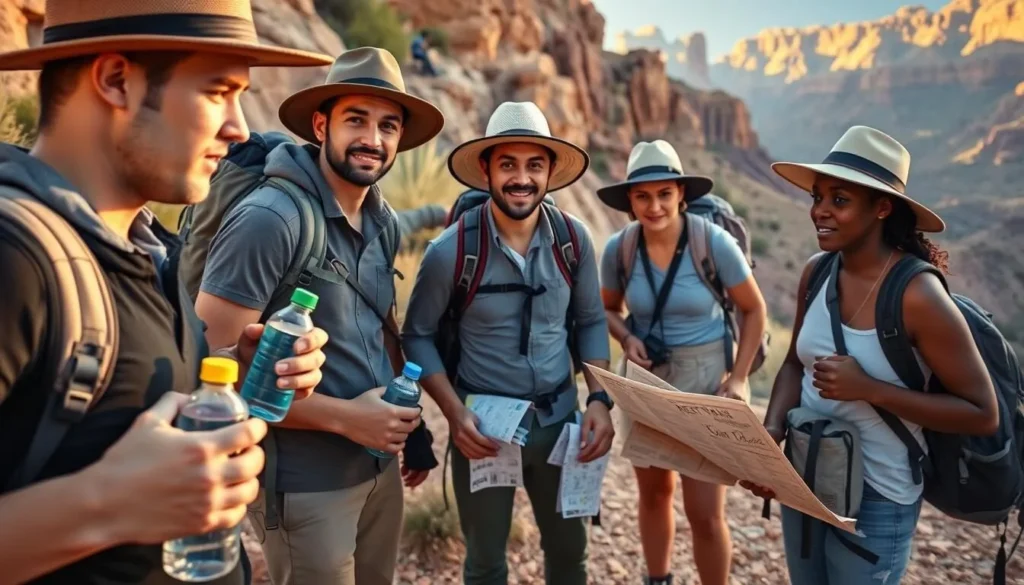
These practical tips will help you make the most of your Salt River Canyon adventure while staying comfortable and prepared.
Essential Gear
- Water Containers: Bring more water than you think you’ll need—at least 4 liters (1 gallon) per person per day.
- Sun Protection: Wide-brimmed hat, sunglasses, and high-SPF sunscreen are non-negotiable in this desert environment.
- Footwear: Sturdy water shoes for river activities and hiking boots with ankle support for trails.
- Dry Bags: Waterproof storage for electronics, keys, and valuables during water activities.
- Binoculars: Enhance wildlife viewing, especially for spotting wild horses and birds.
Planning Advice
- Permits: Purchase your Tonto National Forest recreation pass ($8) before arriving at recreation sites.
- Reservations: Book rafting trips and accommodations well in advance, especially during peak season (March-May).
- Vehicle Considerations: Keep your gas tank filled as service stations are limited in the area. Consider a high-clearance vehicle if exploring beyond main roads.
- Connectivity: Download offline maps and guides as cell service is spotty throughout the canyon.
- Two-Vehicle System: For river activities like tubing or kayaking, arrange to have vehicles at both your entry and exit points.
The Salt River Canyon area is relatively remote, with limited services. The nearest medical facilities are in Globe, approximately 45 minutes away. Carrying a basic first aid kit is recommended for all activities.
Your Canyon Adventure Awaits
The Salt River Canyon offers a rare combination of breathtaking natural beauty, thrilling adventures, and cultural richness without the crowds of Arizona’s more famous destinations. Whether you’re riding the rapids of the Upper Salt River, watching wild horses drink at dawn, or hiking to panoramic vistas, this hidden gem rewards those willing to venture beyond the typical tourist path. The canyon’s dramatic landscapes, diverse ecosystems, and rich Native American heritage create an experience that stays with visitors long after they’ve returned home. As you plan your journey to this remarkable wilderness, remember that the most memorable adventures often happen in the places less traveled—and Salt River Canyon is waiting to prove just that.
Related Posts

Patagonia-Sonoita Creek Preserve, Arizona: Best Things to Do – Top Picks
Yuma Territorial Prison State Historic Park, Arizona: Best Things to Do – Top Picks
Windsor Beach (Lake Havasu State Park), Arizona: Best Things to Do – Top Picks

White Pocket, Arizona: Best Things to Do – Top Picks

White Mountains, Arizona: Best Things to Do – Top Picks
Walnut Canyon National Monument, Arizona: Best Things to Do – Top Picks
Coming Soon: Clickable Maps