
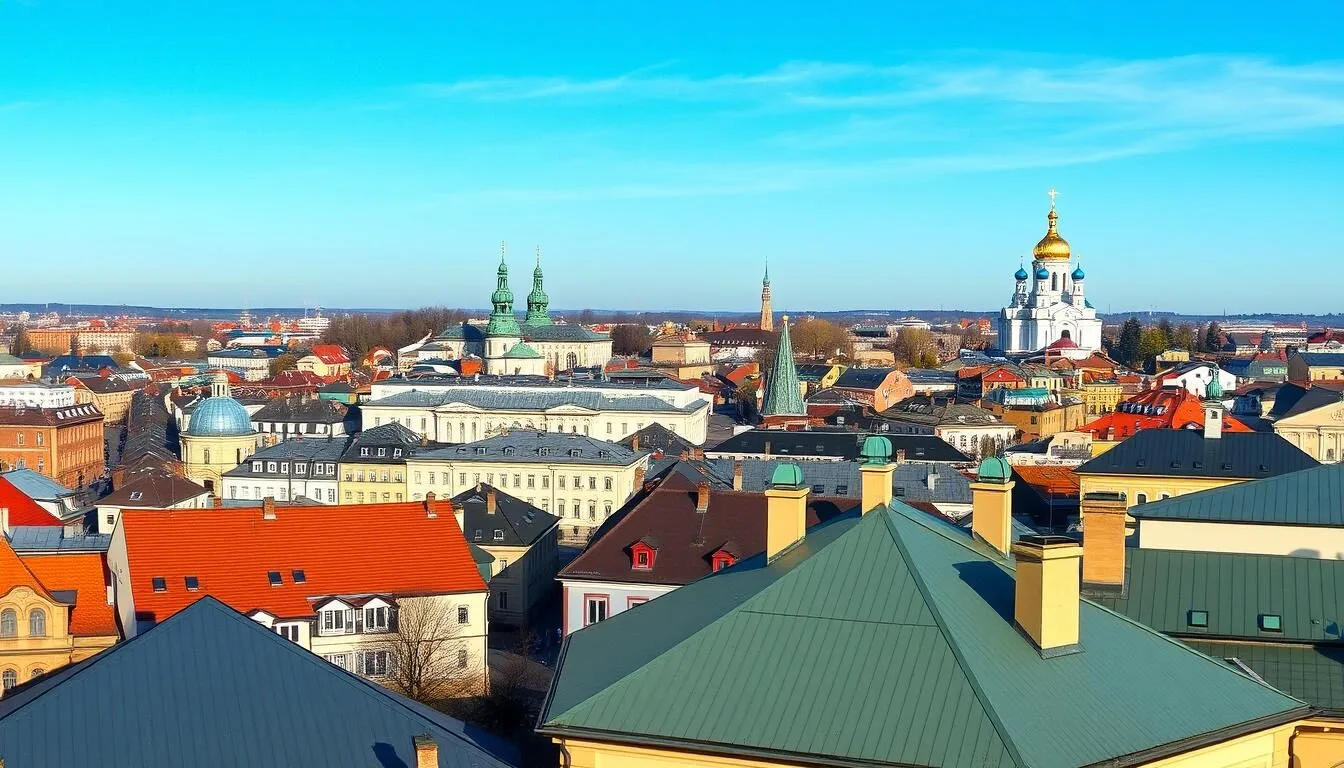
Did you know that Smolensk’s fortress wall once stretched over 6.5 kilometers with 38 towers, making it one of the most formidable defensive structures in medieval Europe? This ancient Russian region, with its capital city mentioned in chronicles as early as the 9th century, has withstood countless invasions throughout its 1,100+ year history, earning its reputation as the “Shield of Russia.” Today, Smolensk Oblast offers visitors a fascinating blend of military history, stunning architecture, and authentic Russian culture that remains refreshingly untouched by mass tourism.
Getting There & Planning Your Journey
Smolensk Oblast is conveniently located about 400 km (248 miles) west of Moscow, making it an accessible destination for travelers. The closest major airports are in Moscow, with Sheremetyevo International Airport (SVO) and Domodedovo International Airport (DME) offering the most international connections.
From Moscow, the most convenient way to reach Smolensk is by train. The Lastochka high-speed trains depart regularly from Moscow’s Belorussky Railway Station and reach Smolensk in approximately 4 hours and 50 minutes. Trains also connect Smolensk with Minsk, Belarus, with a journey time of about 5 hours.
When planning your journey, consider spending at least two full days in Smolensk city to properly explore its historical sites and absorb the atmosphere of this ancient Russian city. Many travelers combine Smolensk Oblast with visits to Moscow or St. Petersburg as part of a broader Russian itinerary.
Best Time to Visit & Weather Tips
Recommended Seasons
Late Spring (May-June)
Temperatures range from 15-22°C (59-72°F) with blooming gardens and comfortable conditions for exploring the fortress walls and outdoor attractions.
Summer (July-August)
The warmest months with temperatures averaging 22-25°C (72-77°F). Perfect for outdoor activities and festivals, though occasional rain showers occur.
Early Autumn (September-early October)
A beautiful time with temperatures between 10-18°C (50-64°F) and stunning fall colors in the region’s parks and gardens.
Seasons to Avoid
Winter (December-February) brings temperatures from -10 to -5°C (14-23°F) with snow and limited daylight. Late autumn (November) and early spring (March-April) can be muddy and gray.
Pack layers regardless of when you visit, as weather can change quickly. Summer visitors should bring light rain gear, while spring and autumn travelers should include a warm jacket for cooler evenings.
Getting Around Locally

Smolensk Oblast is relatively compact, with many attractions concentrated in and around the historic centers of its towns, making it ideal for exploration on foot. The public transportation system includes:
- Trolleybuses and regular buses that cover most areas of interest
- Marshrutkas (minibuses) that follow set routes but can stop on request
- Taxis, which are affordable and readily available
For visitors staying a few days, consider purchasing a transport card from kiosks near major stops. The historic center of Smolensk city is walkable, with the fortress wall serving as a natural pathway between many attractions. Be prepared for some hills, particularly around the Assumption Cathedral area.
Note that GPS services may occasionally be unreliable in some parts of the region, so it’s wise to download offline maps before your visit. Most signage is in Russian only, so learning a few Cyrillic letters can be helpful for navigation.
Where to Stay
Smolensk Oblast offers a range of accommodation options to suit different budgets and preferences. For the best experience, consider staying near the city center of Smolensk, which puts you within walking distance of major attractions.
Recommended Lodging Options
Historic Boutique Hotels
The Pestrikov Hotel stands out as a beautifully restored 18th-century building near the fortress wall, offering elegant rooms and excellent service. Expect to pay 4,000-7,000₽ ($45-80) per night.
Mid-range Options
Several comfortable hotels are located along Bolshaya Sovetskaya Street and near the train station, with prices ranging from 2,500-4,000₽ ($30-45) per night, often including breakfast.
Budget Accommodations
Hostels and guesthouses can be found throughout the city, with beds starting from 800₽ ($10) per night. These often provide shared kitchen facilities and local insights from staff.
Most accommodations in Smolensk offer free Wi-Fi, though connection speeds may vary. It’s advisable to book in advance, especially during summer months and around Russian holidays when availability can be limited.
Dining & Local Cuisine

Smolensk Oblast’s culinary scene offers authentic Russian flavors with some unique local specialties. Food prices are generally lower than in Moscow or St. Petersburg, making it an excellent place to explore Russian cuisine.
Must-Try Local Specialties
- Lapun – Smolensk’s version of syrniki (cottage cheese pancakes), typically served with sour cream and jam
- Candied fruits – A traditional Smolensk treat once served to Catherine the Great, with cherry being particularly renowned
- Smolensk pryaniki – Spiced honey cakes with various fillings
- Oblepikha chai – Sea buckthorn tea, a warming local beverage
Recommended Dining Spots
Russky Dvor
Located in Blonye Garden, this restaurant offers an immersive Russian dining experience with traditional decor and authentic dishes. Perfect for trying lapun and other local specialties.
San-Zhak
A polished restaurant offering European-Russian fusion cuisine in an elegant setting. Their business lunch offers excellent value on weekdays.
For budget-friendly options, look for stolovayas (cafeterias) which offer simple Russian meals at very reasonable prices. Most restaurants in the city center have menus with English translations, though this becomes less common in outlying areas.
Attractions, Sightseeing & Activities
Top Historical Sites
Smolensk Fortress Wall
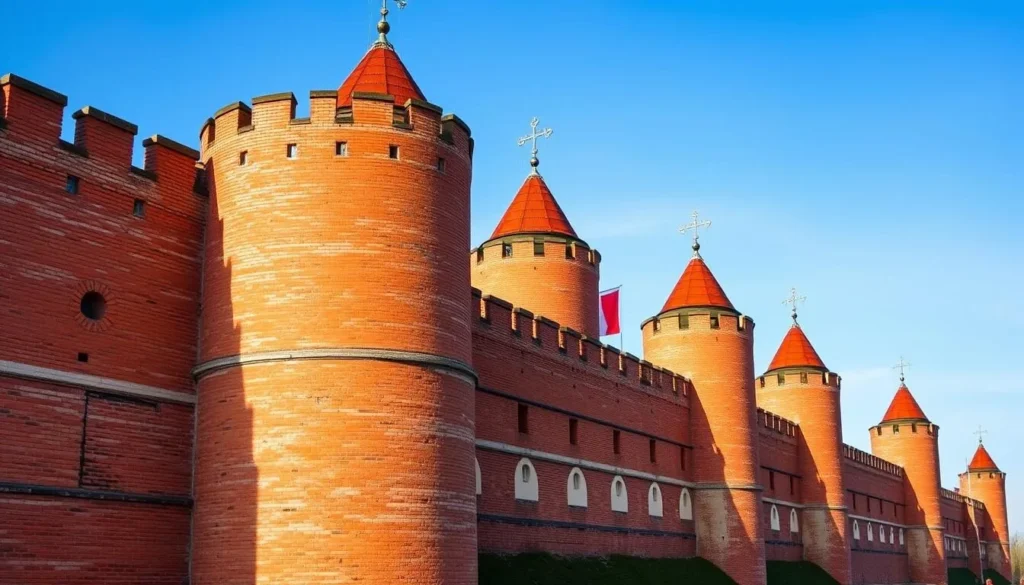
This impressive 16th-17th century defensive structure once encircled the entire city with 38 towers. Today, 18 towers and about 3.5 km of wall remain, offering a fascinating glimpse into Russia’s military history. Don’t miss the Thunder Tower, which houses the “Smolensk – Shield of Russia” museum.
Assumption Cathedral
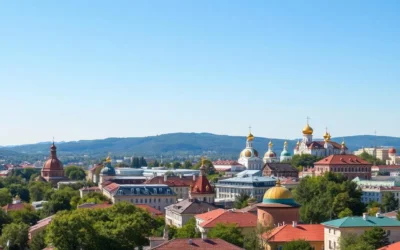
Perched majestically on Cathedral Hill, this stunning 17th-century cathedral features distinctive blue domes visible throughout the city. Its impressive iconostasis so captivated Napoleon that he ordered his troops to protect it during the 1812 invasion.
“Grateful Russia – Heroes of 1812” Monument
This symbolic monument depicts two eagles protecting their nest from a warrior climbing a rock, representing Russia’s defense against Napoleon’s invasion. Located in the Square of Memory of Heroes, it’s one of the region’s most recognizable landmarks.
Parks and Recreation

Lopatinsky Garden
The central city park covering 10 hectares (24.7 acres), perfect for leisurely strolls and people-watching. The park has an interesting history, once being the site of a Royal Bastion built by the Poles.
Blonye Garden (Mikhail Glinka’s Park)
A charming park established in 1830, featuring a sculpture of a Deer and a monument to composer Mikhail Glinka. The light and music fountain makes it especially pleasant on summer evenings.
For those with more time, the Dnieper River embankment offers a pleasant walking route with good views of the city. Recently renovated for the city’s 1150th anniversary, it features multiple levels connected by passages, with benches and playgrounds.
Museums, Cultural Spots & Festivals
Must-Visit Museums

Art Gallery
Housed in the 19th-century Alexander Real School building, this gallery showcases impressive collections of Russian and Western European art, including works by Repin, Aivazovsky, and Roerich.
Smolensk Flax Museum
The first museum in Russia dedicated to flax cultivation, housed in the Nikolskaya Tower of the fortress wall. Exhibits include traditional tools, costumes, and embroidery that showcase this important local craft.
Museum of Sculpture S.T. Konenkov
Dedicated to the renowned sculptor who was born in the Smolensk region, this museum displays 80 works on religious, revolutionary, and everyday themes in a picturesque 19th-century mansion.
Cultural Events
Smolensk Oblast hosts several festivals throughout the year that offer insights into local culture:
- City Day (September) – Celebrating Smolensk’s founding with concerts, parades, and fireworks
- Glinka Music Festival (May-June) – Honoring the famous composer born in the Smolensk region
- Patriotic War of 1812 Commemorations (August-September) – Historical reenactments and exhibitions
The Drama Theater named after A.S. Griboyedov, founded in 1780, offers performances in both large (885 seats) and small (60 seats) halls. While performances are in Russian, the visual aspects of productions can be enjoyed by all visitors.
Nature & Outdoor Experiences

While Smolensk Oblast may not be known as an outdoor adventure destination, the region and its surroundings offer several opportunities to enjoy nature and outdoor activities.
Natural Areas
Dnieper River
The historic river that flows through Smolensk offers pleasant walking paths along its banks. In summer, locals enjoy fishing and swimming in designated areas. The recently renovated embankment provides excellent views of the city.
Smolensk Lakeland National Park
Located about 35 km (22 miles) from the city, this beautiful area features numerous lakes, forests, and hiking trails. It’s perfect for day trips and offers a refreshing contrast to urban sightseeing.
Seasonal Activities
- Summer: Hiking, cycling along the fortress walls, boat rentals on city ponds
- Winter: Ice skating at seasonal rinks, cross-country skiing in nearby forests
- Spring/Autumn: Bird watching, photography walks capturing seasonal colors
For those interested in sports, the Central Stadium hosts local football matches, while several fitness centers offer day passes for visitors. The hills around the city provide good terrain for urban hiking, with the path along the fortress walls being particularly popular.
Safety, Etiquette & Local Customs

Smolensk Oblast is generally a safe region for tourists, with standard precautions recommended as in any urban area. Petty crime is uncommon, but visitors should remain vigilant in crowded areas and on public transportation.
Cultural Etiquette
- Religious Sites: When visiting Orthodox churches like the Assumption Cathedral, women should cover their heads and wear skirts (often available to borrow at entrances). Men should remove hats and avoid shorts.
- Photography: Always ask permission before photographing locals. Some museums charge a small fee for photography privileges.
- Language: While English is not widely spoken, younger residents and those in the tourism industry may have basic knowledge. Learning a few Russian phrases is appreciated.
- Dining: Tipping around 10% is customary in restaurants if service is not included.
Practical Safety Tips
Carry a copy of your passport and visa while keeping originals in your hotel safe. Winter visitors should be cautious of ice on sidewalks and falling icicles from buildings. The emergency number in Russia is 112, with operators who may speak English.
As in many Russian cities, it’s advisable to dress conservatively, particularly when visiting official buildings or religious sites. Russians tend to dress smartly even for casual outings.
Visitor Comments About Smolensk Oblast
“I was amazed by how untouched by mass tourism Smolensk feels. The fortress walls are impressive, and climbing to the Assumption Cathedral rewards you with spectacular views. Don’t miss trying lapun with sour cream – absolutely delicious!”
“As someone interested in military history, Smolensk was a revelation. The ‘Smolensk – Shield of Russia’ museum in the Thunder Tower provided fascinating insights into the city’s defensive role throughout Russian history. The locals were friendly despite our language barrier.”
“We spent three days in Smolensk and could have stayed longer. The Art Gallery was unexpectedly impressive with works by major Russian artists. The Pestrikov Hotel was a highlight – beautiful historic building with modern comforts at a fraction of Moscow prices.”
Additional Nearby Destinations
Gnezdovo Archaeological Complex
Located just 13 km (8 miles) west of Smolensk, this is one of the largest Viking Age archaeological sites in Europe, with over 3,000 burial mounds dating from the 9th-11th centuries. It was a major trading post on the route “from the Varangians to the Greeks.”
Talashkino
This former estate of Princess Maria Tenisheva, 18 km (11 miles) from Smolensk, was once a center for the revival of Russian folk arts and crafts. Visit the Church of the Holy Spirit with its unique design and the museum showcasing traditional crafts.
Vyazma
A historic town 175 km (109 miles) east of Smolensk with beautiful churches, including the Church of the Hodegetria (17th century) and the Arkhangelskoe Estate nearby, which offers insights into Russian aristocratic life.
Smolensk Oblast Map
Practical Travel Tips
Essential Information
Money
The Russian ruble (₽) is the local currency. ATMs are widely available in the city center. Credit cards are accepted at most hotels and larger restaurants, but smaller establishments may be cash-only.
Connectivity
Wi-Fi is available in most accommodations and cafes. Consider purchasing a local SIM card for data access, as GPS services can be unreliable in some areas.
Opening Hours
Most museums operate from 10:00 to 18:00 and are closed on Mondays. Churches are generally open daily from 09:00 to 17:00, though times may vary during services.
Travel Planning
- A Russian visa is required for most international visitors. Apply well in advance of your trip.
- Consider downloading offline maps and a Russian translation app before arrival.
- Two full days is the minimum recommended stay to appreciate Smolensk’s highlights.
- The Tourist Information Center near the Gromovaya Tower provides maps and guidance in several languages.
Smolensk Oblast is significantly more affordable than Moscow or St. Petersburg, with meals, accommodations, and attractions costing 30-50% less. This makes it an excellent addition to a Russian itinerary for travelers looking to experience authentic Russian culture while stretching their budget.
Embrace the Untold Story of Russia’s Western Frontier
Smolensk Oblast offers a rare glimpse into Russia’s rich history without the crowds that flock to more famous destinations. From its imposing fortress walls that have witnessed centuries of invasions to its magnificent Assumption Cathedral that even Napoleon couldn’t help but admire, this region rewards curious travelers with authentic experiences and unexpected discoveries. Whether you’re tracing the footsteps of historical figures along ancient defensive walls, savoring traditional lapun in a fairy-tale Russian café, or admiring masterpieces in the surprisingly excellent Art Gallery, Smolensk Oblast delivers a genuine Russian experience that feels both timeless and refreshingly off the beaten path. As you plan your Russian adventure, consider giving this resilient frontier region the time it deserves – Smolensk’s stories of courage, creativity, and cultural heritage are waiting to be explored.
The above is subject to change.
Check back often to TRAVEL.COM for the latest travel tips and deals.



0 Comments