Hotels by Trip.com
Flights by Trip.com
Did you know that Laiwangi Wanggameti National Park preserves Sumba Island’s last remaining primary rainforest? This hidden gem in East Nusa Tenggara province spans over 47,000 hectares and houses some of Indonesia’s most unique biodiversity, including 215 bird species with several found nowhere else on Earth. As one of Indonesia’s least-visited national parks, it offers adventurous travelers a rare glimpse into pristine ecosystems and authentic cultural experiences far from the tourist crowds.
The pristine rainforest canopy of Laiwangi Wanggameti National Park
Getting There & Planning Your Journey
Reaching Laiwangi Wanggameti National Park requires some planning, as it’s located in a remote part of East Sumba. The journey begins with a flight to Waingapu, the main city in East Sumba. From Jakarta or Bali (Denpasar), you can catch connecting flights to Umbu Mehang Kunda Airport in Waingapu.
From Waingapu, you’ll need to arrange transportation to the national park. The journey takes approximately 2.5-3 hours by car, depending on which entrance you’re heading to. Consider hiring a local driver familiar with the area, as roads can be challenging and signage limited.
Map of Laiwangi Wanggameti National Park and travel routes from Waingapu
Best Time to Visit & Weather Tips
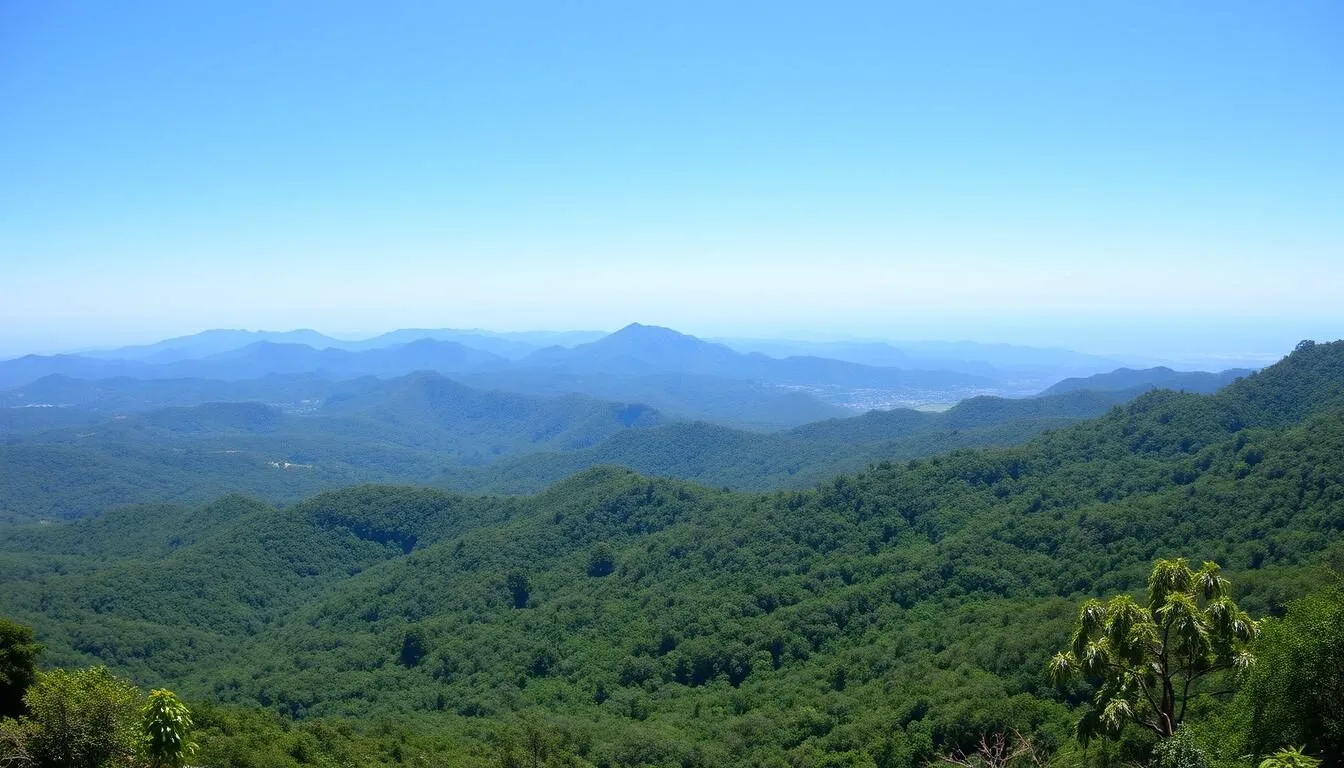
The ideal time to visit Laiwangi Wanggameti National Park is during the dry season, which typically runs from March to June and October to December. During these months, trails are more accessible, and wildlife viewing opportunities are optimal.

The park’s landscape during the ideal visiting season (March-June)
Dry Season (March-June, October-December)
- Lower rainfall and humidity
- Better trail conditions for hiking
- Clearer views of landscapes
- Increased wildlife activity
- Easier river crossings
Wet Season (January-February, July-September)
- Lush, vibrant vegetation
- Flowing waterfalls at peak volume
- Fewer visitors
- Challenging trail conditions
- Some areas may be inaccessible
The park’s elevation ranges from sea level to over 800 meters, creating varied microclimates. Pack layers, as temperatures can be cooler in the higher elevations, especially in the early mornings and evenings. Don’t forget rain gear even during the dry season, as short showers can occur year-round in this tropical environment.
Getting Around Locally
Navigating Laiwangi Wanggameti National Park requires local guidance. The park doesn’t have a developed tourist infrastructure, so hiring a knowledgeable local guide is essential for both safety and enriching your experience.
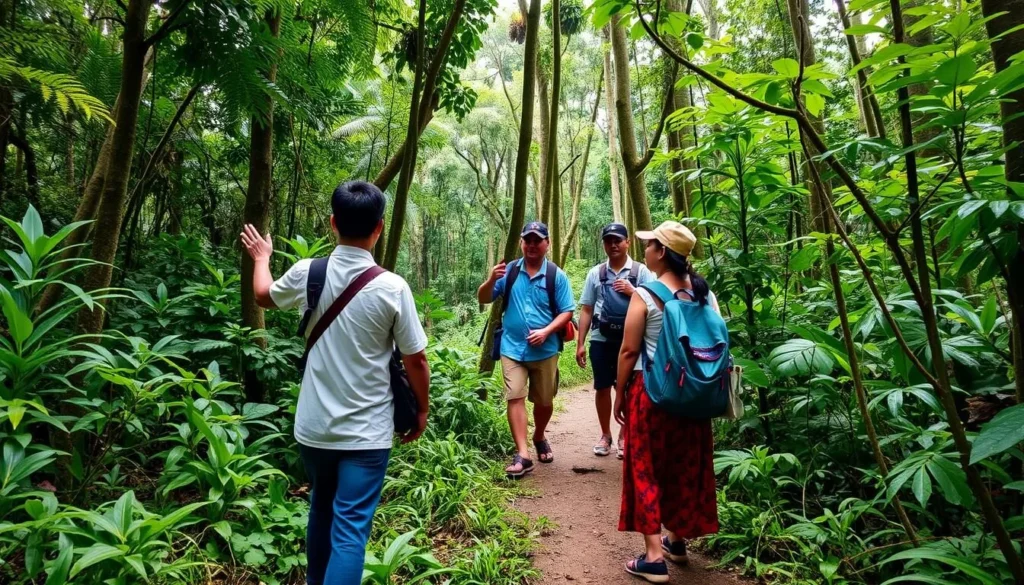
Local guides are essential for navigating the park’s trails safely
Natural life and ancestral legacy work together to produce a unified beauty in Laiwangi Wanggameti National Park.
Most exploration within the park is done on foot via hiking trails that vary in difficulty. Some areas can be reached by 4WD vehicles, but many of the most rewarding spots require trekking. Trails are often unmarked, reinforcing the importance of local guidance.
Where to Stay
Accommodation options near Laiwangi Wanggameti National Park are limited but authentic. There are no hotels within the park itself, but several options exist in surrounding communities and in Waingapu.
Homestays
Several villages near the park offer basic homestay accommodations managed by local families. These provide an immersive cultural experience and typically include home-cooked meals featuring local cuisine.
Waingapu Hotels
For more conventional accommodations, stay in Waingapu (2.5-3 hours from the park) where you’ll find several hotels and guesthouses with standard amenities like air conditioning and private bathrooms.
Eco-Lodges
A few eco-lodges have been developed near the park boundaries, offering a balance between comfort and proximity to nature with sustainable practices and local architecture.

Traditional Sumbanese homestay accommodation near the national park
Pro Tip: Book accommodations well in advance, especially during peak season (June-August), as options are limited. Consider arranging your stay through a local tour operator who can coordinate both accommodations and park visits.
Dining & Local Cuisine
Culinary options around Laiwangi Wanggameti National Park are limited but authentic. Most meals will be provided by your homestay or arranged by your guide. The local cuisine features fresh ingredients sourced from the surrounding forests and farms.

Traditional Sumbanese cuisine featuring local ingredients
Popular Local Dishes
- Jagung Titi – Pounded corn mixed with grated coconut and spices
- Ikan Bakar – Grilled fish caught from local rivers, often served with sambal
- Sayur Pakis – Fern tips stir-fried with garlic and chili
- Katemak – Vegetable stew with corn and beans
- Se’i – Smoked meat, usually pork or beef
- Pisang Goreng – Fried bananas, a popular snack
When preparing for day trips into the park, ask your accommodation to prepare packed lunches. Bring plenty of water and snacks, as there are no food vendors within the park boundaries. In Waingapu, you’ll find more dining options, including small restaurants serving Indonesian staples and seafood.
Attractions, Sightseeing & Activities
Laiwangi Wanggameti National Park offers a wealth of natural attractions and activities for nature enthusiasts and adventure seekers. The park’s diverse ecosystems provide numerous opportunities for exploration and discovery.
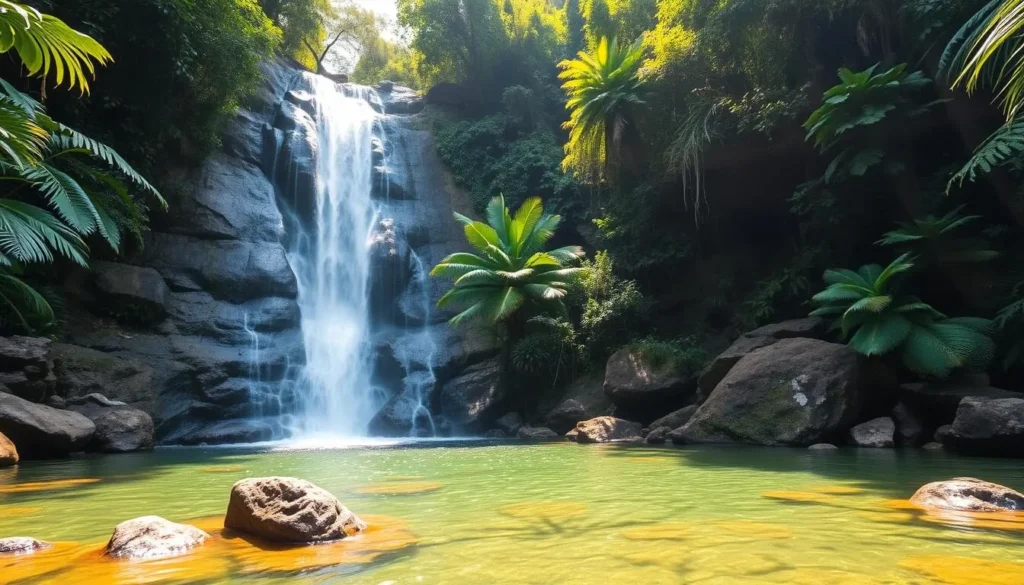
The stunning Wanggameti Waterfall, one of the park’s highlights
Top Natural Attractions
Wanggameti Waterfall
A spectacular 100-meter high limestone waterfall surrounded by pristine forest. The cascading waters create a refreshing natural pool perfect for a cooling dip after a hike.
Laputi Lake
A sacred lake with striking blue waters, home to the legendary sacred eel named Apu. Local traditions hold that this ancestral eel guards the spring and brings good fortune to respectful visitors.
Mount Wanggameti
The highest point on Sumba Island, offering panoramic views of the surrounding landscape. The mountain is home to rare elfin forest ecosystems found nowhere else on the island.
Popular Activities
- Birdwatching – Spot endemic species like the Sumba Hornbill, Sumba Boobook, and the endangered Citron-crested Cockatoo
- Hiking – Explore numerous trails through diverse ecosystems, from lowland forests to mountain ridges
- Wildlife Photography – Capture images of rare and endemic species in their natural habitat
- Waterfall Visits – Discover multiple cascades throughout the park, each with unique features
- Cultural Encounters – Visit nearby traditional villages to learn about Sumbanese customs and traditions
- Butterfly Watching – Observe 43+ butterfly species, including three endemic to Nusa Tenggara
Cultural Spots & Local Traditions
The areas surrounding Laiwangi Wanggameti National Park are rich in cultural heritage, with traditional Sumbanese communities maintaining their ancestral practices. The relationship between these communities and the forest is deeply intertwined.
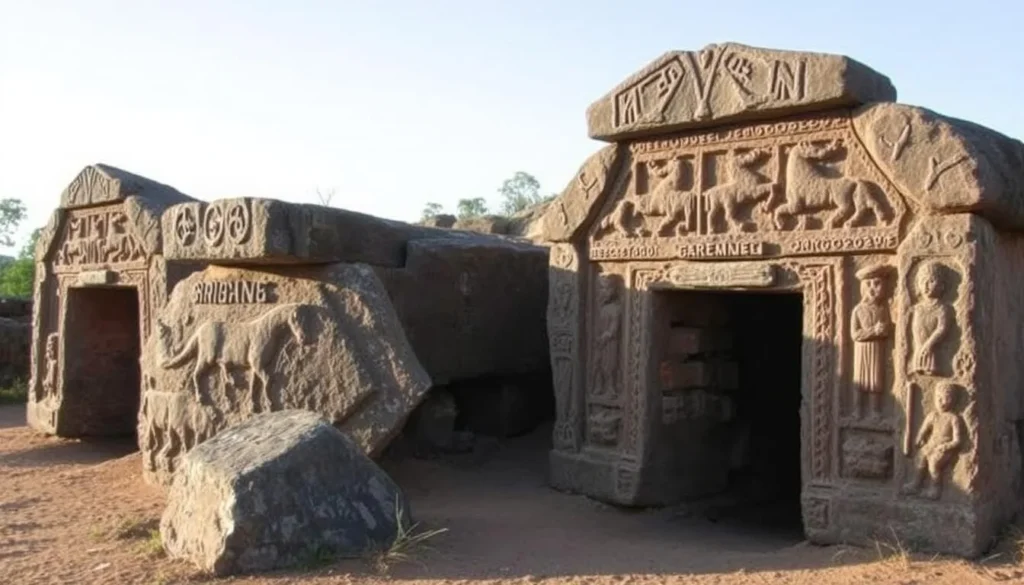
Ancient megalithic tombs with traditional carvings near the national park
Cultural Highlights
Megalithic Tombs
Around the park, you’ll find ancient stone tombs carved with symbolic motifs of horses, buffalo, and human figures. These elaborate structures indicate the social status of those buried within and represent important cultural artifacts.
Traditional Villages
Visit nearby traditional villages where homes feature distinctive high-peaked thatched roofs. Many communities maintain traditional social structures divided into aristocrats (Maramba), commoners (Kabihu), and others (Ata).
Local Traditions
The Sumbanese people practice unique traditions that reflect their deep connection to the natural world. One notable ceremony is “Urata Pogo Wasu,” a ritual to determine which trees should be harvested, demonstrating their commitment to sustainable forest management.
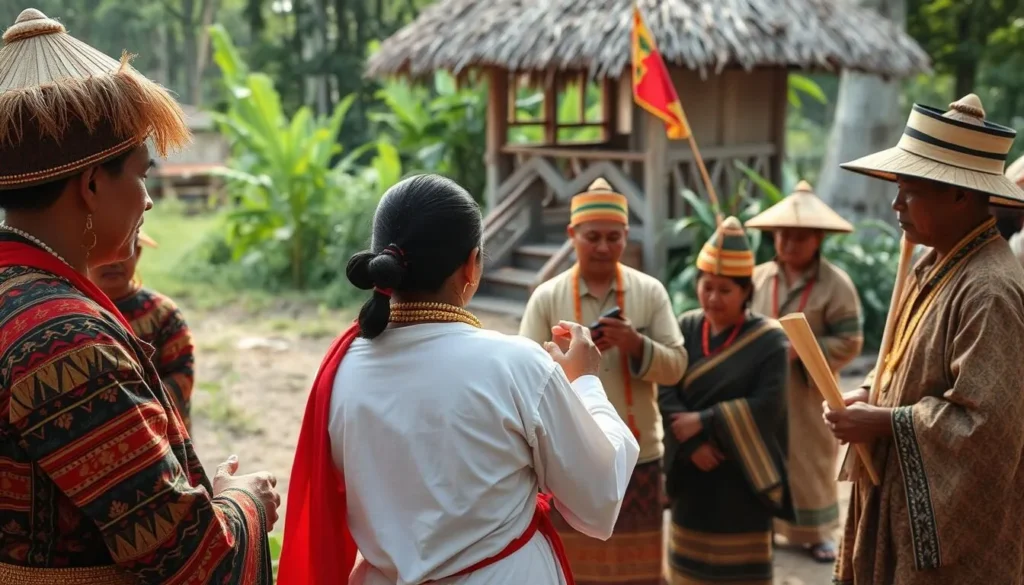
Traditional Sumbanese ceremony showcasing local cultural practices
The Marapu belief system, an ancestral religion, remains influential in the region. Sacred sites within and around the park hold spiritual significance for local communities. When visiting these areas, always show respect and follow your guide’s instructions regarding appropriate behavior.
Nature & Wildlife Experiences
Laiwangi Wanggameti National Park is a biodiversity hotspot, protecting some of Sumba’s most precious ecosystems and endangered species. The park’s varied habitats support an impressive array of flora and fauna, many of which are endemic to the island.
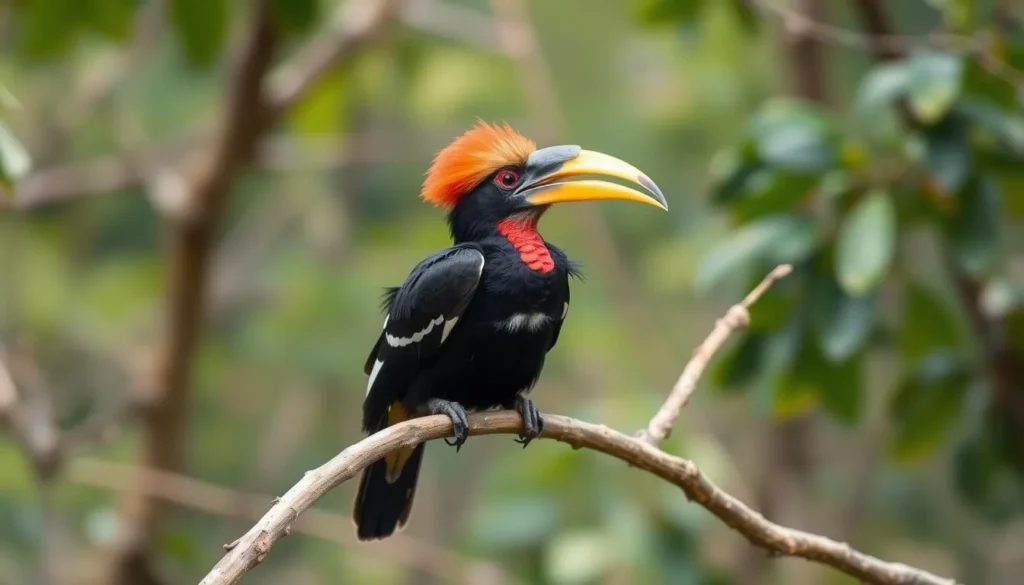
The rare endemic Sumba Hornbill, one of the park’s treasured bird species
Notable Wildlife
Birds
The park is home to 215 bird species, including several endemic to Sumba such as the Sumba Hornbill, Sumba Buttonquail, Red-naped Fruit-dove, and the critically endangered Citron-crested Cockatoo.
Mammals & Reptiles
Look for Long-tailed Macaques, Wild Boar, Asian Water Monitors, and Timor Pythons. The park’s diverse habitats support numerous reptile species adapted to the island’s unique conditions.
Butterflies & Insects
Discover 43+ butterfly species, including three endemic to Nusa Tenggara: Troides haliphron, Elimnias amoena, and Sumalia chilo. The forest teems with fascinating insect life.
Plant Diversity
The park preserves remarkable plant diversity, with over 70 documented species. At elevations above 800 meters, you’ll find unique plant communities including Jambu Hutan, Pulai, Taduk, Beringin (Banyan trees), Walnut, Melinjo, and various pandan species. The rare elfin forest ecosystem on Mount Wanggameti represents one of the last intact examples of this habitat type on Sumba.
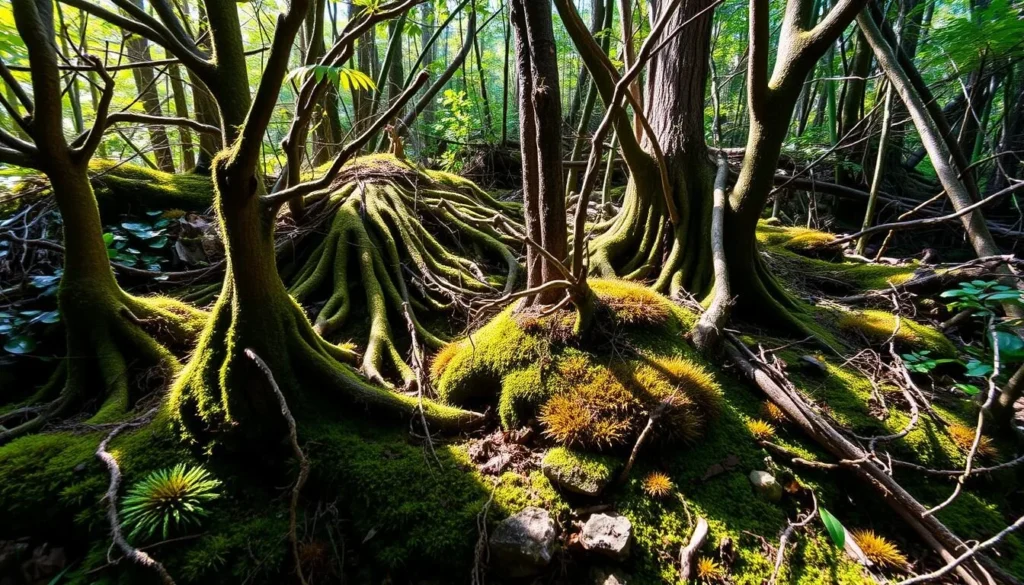
The unique elfin forest ecosystem on Mount Wanggameti
Wildlife Viewing Tip: Early mornings and late afternoons offer the best opportunities for wildlife sightings. Move quietly, wear earth-toned clothing, and bring binoculars for optimal bird and wildlife viewing experiences.
Safety, Etiquette & Local Customs
Visiting Laiwangi Wanggameti National Park requires preparation and respect for both nature and local customs. Following these guidelines will help ensure a safe and culturally sensitive experience.
Safety Considerations
- Always hire a local guide familiar with the terrain and wildlife
- Bring sufficient water, food, and first aid supplies
- Wear appropriate footwear for hiking on uneven, sometimes muddy trails
- Apply insect repellent to protect against mosquitoes and other insects
- Check weather forecasts and avoid hiking during heavy rainfall
- Inform someone of your itinerary before entering remote areas
- Carry a fully charged mobile phone, though reception may be limited
- Consider travel insurance that covers remote area evacuation
Cultural Etiquette
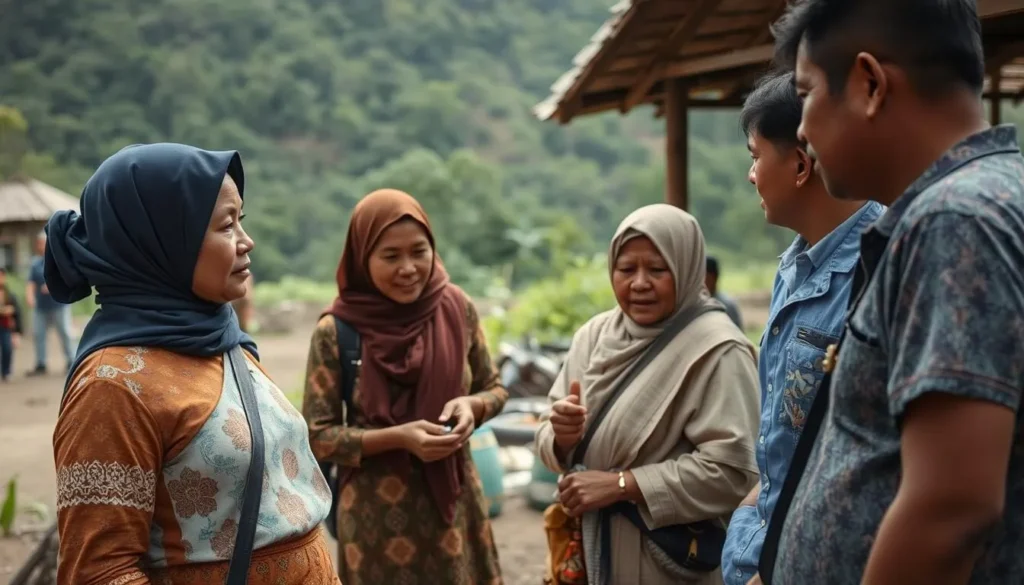
Respectful cultural exchange with local Sumbanese communities
- Dress modestly, especially when visiting villages (shoulders and knees covered)
- Ask permission before photographing people or cultural sites
- Remove shoes when entering traditional homes
- Accept offered food or drink as a gesture of goodwill
- Learn basic Indonesian greetings to show respect
- Follow local guides’ instructions regarding sacred sites
- Bring small gifts like tea or coffee when visiting villages
- Respect traditional hierarchies and customs
Important: Many areas within and around the park hold spiritual significance for local communities. Never remove objects from sacred sites, and always ask your guide about appropriate behavior when visiting culturally sensitive locations.
Practical Travel Tips
Make the most of your visit to Laiwangi Wanggameti National Park with these essential practical tips that will help you prepare for this off-the-beaten-path destination.
What to Pack
- Lightweight, quick-dry clothing
- Sturdy hiking boots with good traction
- Rain jacket or poncho
- Hat and sunscreen
- Insect repellent
- Binoculars for wildlife viewing
- Reusable water bottle
- Basic first aid kit
Communication
- Cell service is limited within the park
- Download offline maps before your trip
- Learn basic Indonesian phrases
- Arrange guides and transportation in advance
- Inform your accommodation of your daily plans
- Consider bringing a portable power bank
Money Matters
- Bring sufficient cash (Indonesian Rupiah)
- No ATMs near the park
- Negotiate guide fees in advance
- Budget for unexpected expenses
- Small denominations for village purchases
- Keep money in waterproof container

Proper preparation is essential for exploring the park’s trails
Park Permits & Guides
Visitors to Laiwangi Wanggameti National Park need to obtain permits, which can be arranged through your guide or tour operator. The park office is located in Waingapu at Jl. Adam Malik Km 5, Kambajawa. For the most current information, you can contact them at laiwangi5@gmail.com.
Hiring a knowledgeable local guide is not just recommended but essential for navigating the park safely and responsibly. Guides can typically be arranged through your accommodation or by contacting local tour operators in Waingapu.
Conclusion
Laiwangi Wanggameti National Park offers intrepid travelers a rare opportunity to experience one of Indonesia’s last pristine wilderness areas. From endemic wildlife and breathtaking waterfalls to rich cultural traditions, this hidden gem rewards those willing to venture off the beaten path.
The park’s remarkable biodiversity, sacred landscapes, and connection to traditional Sumbanese culture create an unforgettable destination for nature enthusiasts and adventure seekers. By visiting with respect and preparation, you’ll not only create lasting memories but also contribute to the conservation of this extraordinary ecosystem.
As the local saying goes, “Natural life and ancestral legacy work together to produce a unified beauty” – nowhere is this more evident than in the misty mountains and ancient forests of Laiwangi Wanggameti National Park.