Did you know that Mount Gede Pangrango National Park shelters over 250 bird species, representing more than 50% of all bird species found on the island of Java? This verdant paradise, located just 50km from Jakarta, is one of Indonesia’s oldest and best-preserved national parks, centered around two majestic volcanoes – active Mount Gede (2,958m) and dormant Mount Pangrango (3,019m). Even the famous naturalist Alfred Russel Wallace was so captivated by its beauty that he called his visit “by far the most interesting incident in my visit to Java.”
Getting There & Planning Your Journey
Mount Gede Pangrango National Park is conveniently located in West Java, making it accessible from major cities like Jakarta and Bandung. The park has three main entrance gates: Cibodas (most popular), Gunung Putri, and Selabintana.
From Jakarta
The most direct route is to reach Cibodas or Gunung Putri gate, which are approximately 60km from Jakarta. You have several transportation options:
- By car: Take the Jagorawi Toll Road and exit at Puncak, Bogor. Continue driving to Cibodas (about 2 hours, depending on traffic).
- By train: Take the KRL train from Jakarta Kota Station to Bogor Station (IDR 6,000), then an angkot to Terminal Barangsiang, followed by an Elf minibus to Pasar Cipanas (IDR 25,000), and finally a Cibodas-Rarahan angkot.
- By bus: From Terminal Kampung Rambutan in Jakarta, take a bus to Terminal Ciawi, then an Elf to Pasar Cipanas, followed by a Cibodas-Rarahan angkot.
From Bandung
Visitors from Bandung can take a bus from Terminal Leuwi Panjang to Terminal Rawa Bango in Cianjur (IDR 60,000-70,000), then an angkot to Panembong, followed by an Elf to Pasar Cipanas, and finally a Cibodas-Rarahan angkot. The journey takes about 2.5-3 hours.
Best Time to Visit & Weather Tips
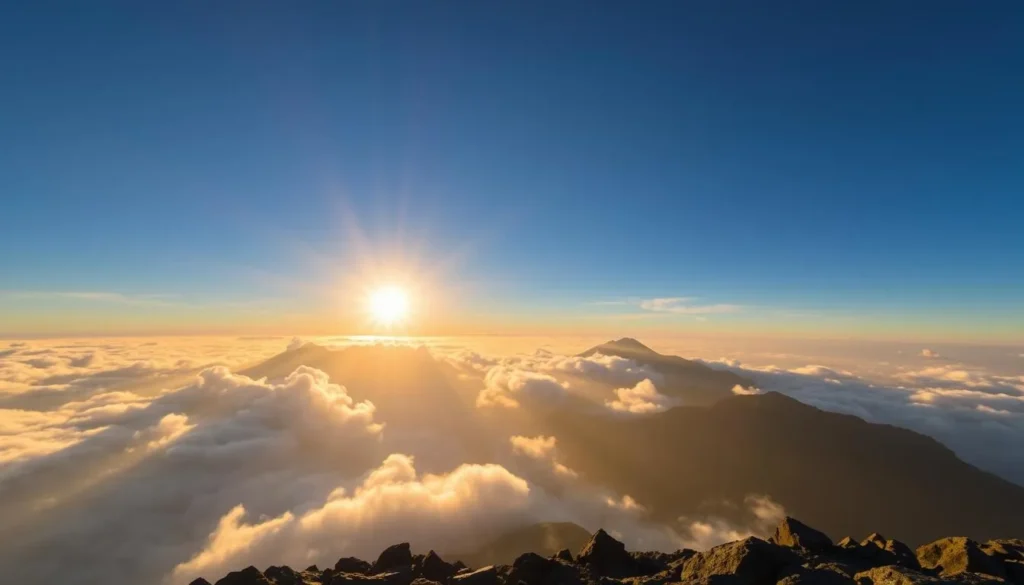
The ideal time to visit Mount Gede Pangrango National Park is during the dry season from May to September. During these months, the weather is more predictable, trails are in better condition, and visibility is excellent for photography and wildlife spotting.
Weather Patterns
The park has a humid tropical climate with temperatures decreasing by approximately 0.6°C per 100m of elevation (up to 2000m). At 1400m elevation, temperatures typically range from 10°C to 26.8°C, while near the peaks during dry season, temperatures hover between 8.4°C and 9.7°C.
Pro Tip: December to January sees maximum precipitation, while June to August experiences minimum rainfall. If you’re planning a summit trek, starting very early (around 2-3 AM) allows you to reach the peak for sunrise, which offers the clearest views before clouds form later in the day.
Be aware that August is when trails are typically closed for maintenance, so check park announcements before planning your trip during this month. Also note that traffic to Puncak Bogor can be extremely heavy on weekends, so consider weekday visits if possible.
Getting Around Locally
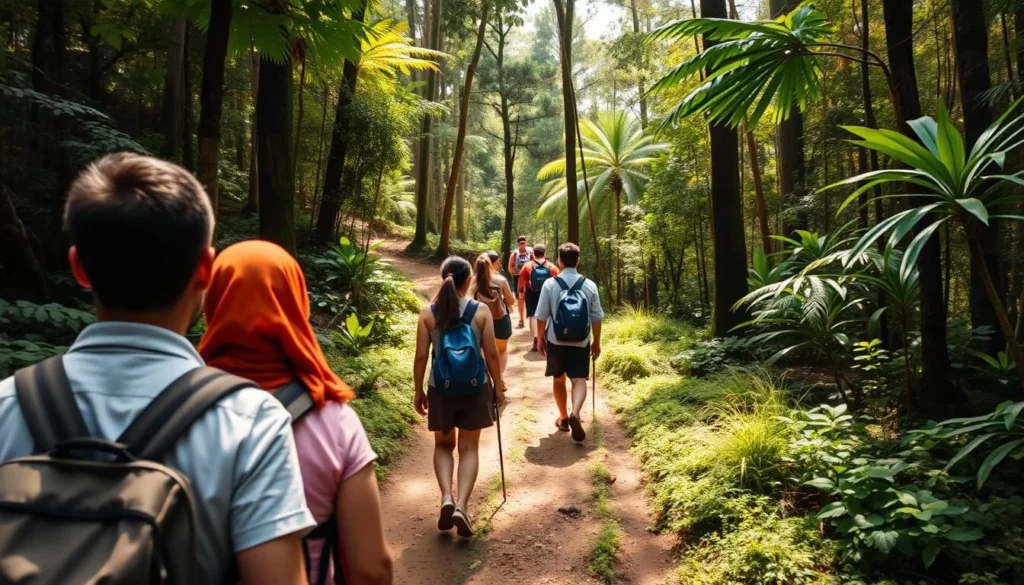
Once you’ve arrived at the national park, getting around depends on which activities you plan to do. The park is primarily explored on foot via well-maintained trails, though some areas near the entrances can be accessed by local transport.
Transportation Options
- Angkot: These small public minivans operate around the park entrances and nearby towns.
- Ojek: Motorcycle taxis are available if angkots aren’t running, especially useful for short distances.
- Guided Tours: Many visitors opt for guided tours that include transportation to different areas within the park.
Where to Stay
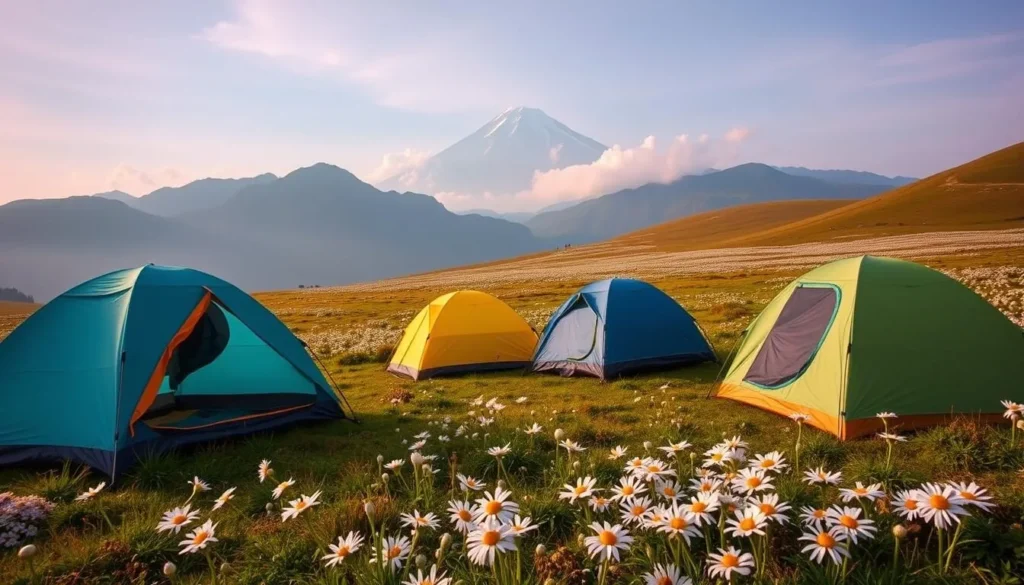
Accommodation options for Mount Gede Pangrango National Park range from camping within the park to staying at nearby hotels and guesthouses. Your choice depends on your adventure style and comfort preferences.
Camping Within the Park
For the authentic mountain experience, camping is popular and there are several designated camping grounds:
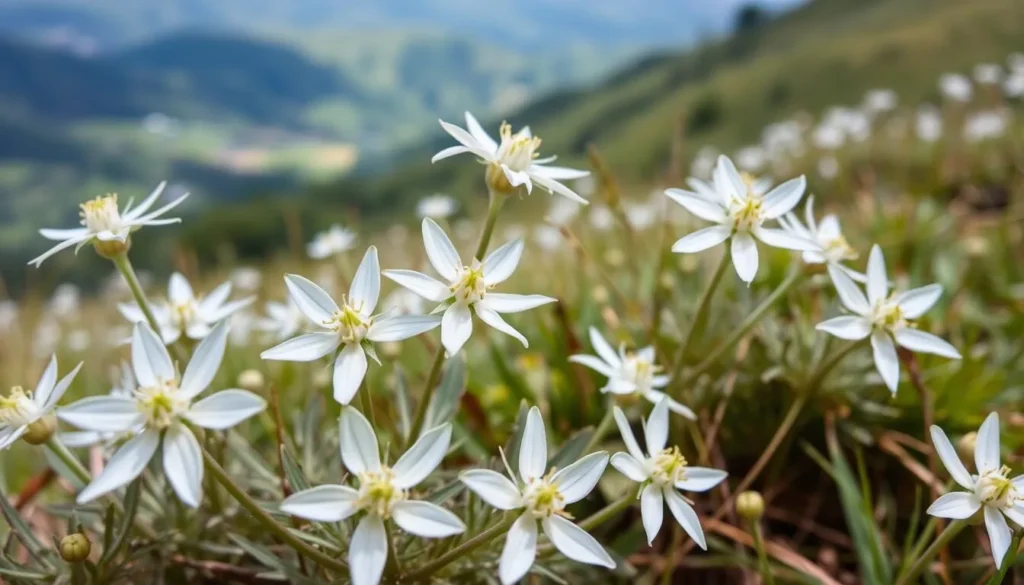
- Alun-Alun Suryakencana: A beautiful 50-hectare meadow covered with edelweiss flowers, this is a favorite camping spot at 2,750m elevation.
- Kandang Badak: Located at the saddle connecting Mount Gede and Pangrango, this area has water sources and can accommodate dozens of tents.
- Bumi Perkemahan Barubolang: A 2-hectare camping ground in the northern part of the park that can accommodate up to 200 people.
- Bobojong Camping Ground: A hidden gem featuring a field of Javan Edelweiss and a nearby waterfall.
Nearby Accommodations
If you prefer more comfortable lodging, there are options in the surrounding areas:
- Geulis: Several guesthouses and hotels with hot showers, perfect for before or after your trek.
- Cipanas: Known for its hot springs, this area offers various accommodation options from budget to luxury.
- Wisma Sarongge: A newly built inn near Sarongge Camping Ground for those who want to stay close to nature without camping.
Dining & Local Cuisine
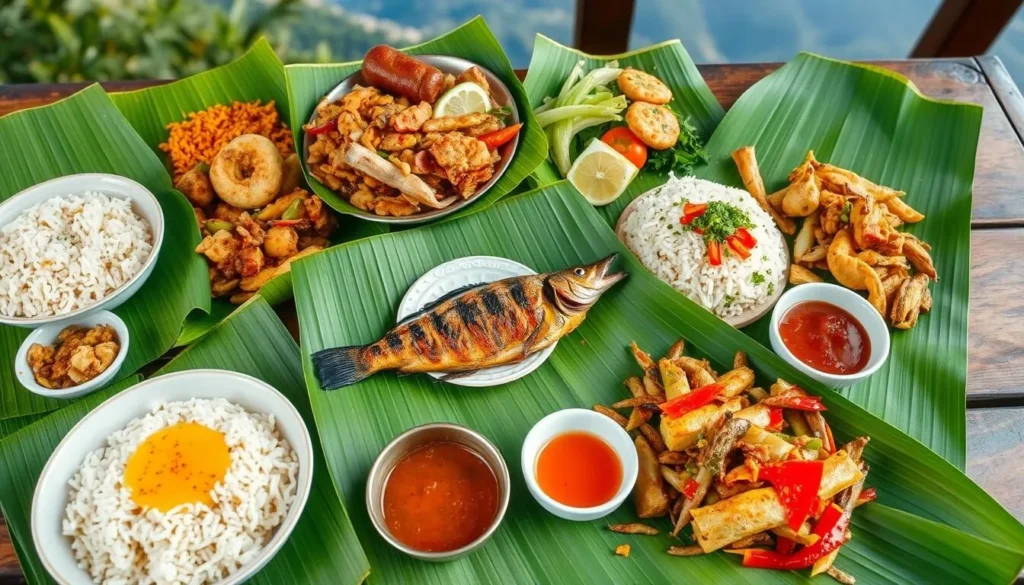
The areas surrounding Mount Gede Pangrango offer delicious Sundanese cuisine, known for its fresh ingredients and vibrant flavors. While food options within the park itself are limited, the nearby towns provide plenty of culinary experiences.
What to Eat
Sundanese cuisine from West Java is characterized by fresh vegetables, sambal (chili paste), and various cooking methods that preserve the natural flavors of ingredients. Some local specialties to try include:
- Karedok: A fresh vegetable salad with peanut sauce dressing.
- Nasi Liwet: Rice cooked in coconut milk with various side dishes.
- Pepes Ikan: Fish wrapped in banana leaves and steamed with herbs and spices.
- Sate Maranggi: Marinated and grilled beef or chicken skewers.
Dining Tips
When trekking in the park, you’ll need to bring your own food supplies. Most guided tours include meals prepared by porters at camping sites. For day trips, pack sufficient snacks, water, and energy foods. In the towns of Cipanas and Cibodas near the park entrances, you’ll find various warungs (small eateries) and restaurants serving local cuisine at reasonable prices.
Trekker’s Tip: When camping overnight, porters can prepare hot meals if you book a guided tour. The experience of enjoying a warm, freshly cooked meal under the stars at Alun-Alun Suryakencana or Kandang Badak is unforgettable!
Attractions, Sightseeing & Activities
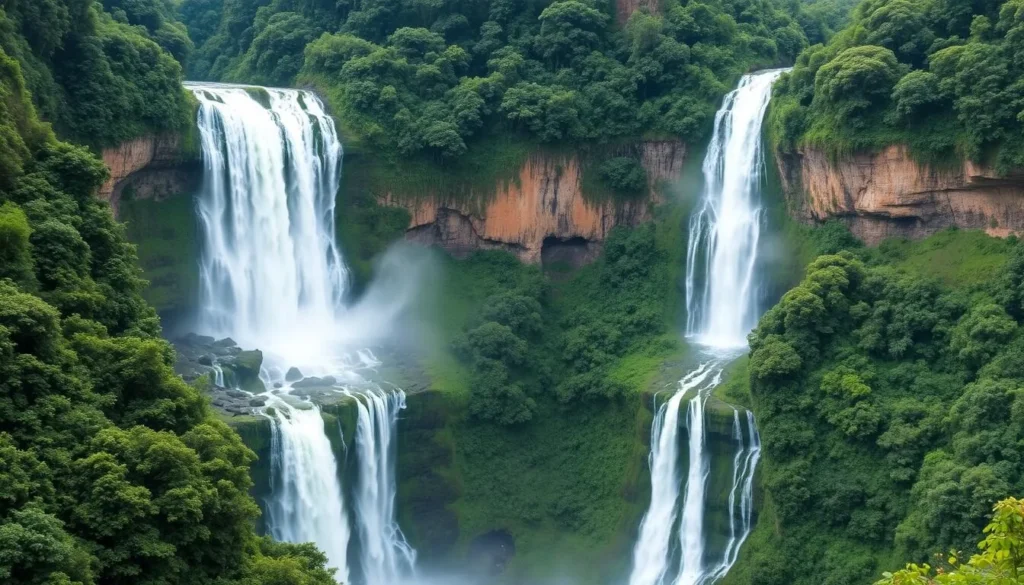
Mount Gede Pangrango National Park offers a wealth of natural attractions and activities for visitors of all interests. From challenging summit treks to leisurely nature walks, the park provides diverse experiences against the backdrop of stunning landscapes.
Must-See Natural Attractions
- Cibeureum Waterfall: A magnificent 50-meter high waterfall accessible via a relatively easy trek from Cibodas gate.
- Telaga Biru (Blue Lake): A small lake with distinctive blue water caused by sulfur content, located on the popular Cibodas route.
- Alun-Alun Suryakencana: A beautiful highland meadow covered with edelweiss flowers, offering spectacular views and a popular camping spot.
- Hot Springs: Natural hot springs where you can soak and relax, especially welcome after a challenging hike.
- Situ Gunung: A serene lake within the national park offering boat rides and peaceful surroundings.
Popular Activities
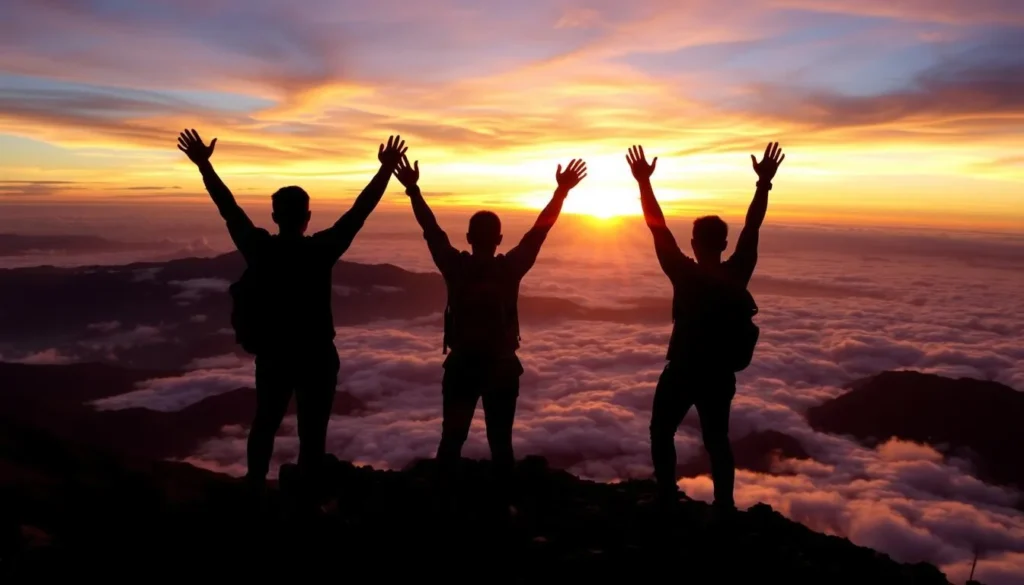
- Summit Trekking: Challenging hikes to the summits of Mount Gede (2,958m) and Mount Pangrango (3,019m), offering breathtaking views and a sense of accomplishment.
- Camping: Overnight stays at designated camping grounds surrounded by nature’s tranquility.
- Bird Watching: With over 250 bird species, the park is a haven for bird enthusiasts.
- Photography: Countless opportunities to capture stunning landscapes, wildlife, and rare plants.
- Wildlife Observation: Chance to spot endemic species like the Javan Gibbon, Javan Langur, and various other mammals and reptiles.
Cultural Spots & Natural Heritage
While Mount Gede Pangrango National Park is primarily known for its natural beauty, it also holds cultural and historical significance. The park has been a site of scientific exploration since the colonial era and continues to be an important area for conservation and research.
Historical Significance
The trails on the southeastern slopes were discovered by Sir Thomas Raffles in 1811, while the earliest recorded summit climb was by C.G.C. Reinwardt in 1819. The famous naturalist Alfred Russel Wallace, co-discoverer of the theory of evolution by natural selection, was deeply impressed by the park’s beauty and uniqueness during his visit to Java.
Biodiversity Heritage
The park is a biodiversity hotspot with remarkable flora and fauna:
- Flora: Over 1,000 plant species thrive here, including approximately 900 flowering plant varieties, 250 fern species, and 123 moss types. Notable species include the largest Rasamala tree (150cm diameter, 40m height) near Cibodas, and unique plants like Nepenthes gymnamphora (pitcher plants) and Strobilanthus cernua, which flowers only once every nine years.
- Fauna: The park hosts approximately 110 mammal species, including rare and endemic creatures like the Javan Gibbon (Hylobates moloch), Javan Langur (Trachypithecus auratus), and Javan Leopard (Panthera pardus). The diverse ecosystem also supports around 300 insect types, 75 reptile species, and 20 varieties of frogs.
Conservation Efforts
Originally established as Cagar Alam Cibodas in 1889, the area eventually became Balai Besar Taman Nasional Gunung Gede Pangrango in February 2007. Today, the park serves as a crucial conservation area for Java’s threatened species and ecosystems, with ongoing research and protection efforts.
Trekking Routes & Outdoor Adventures
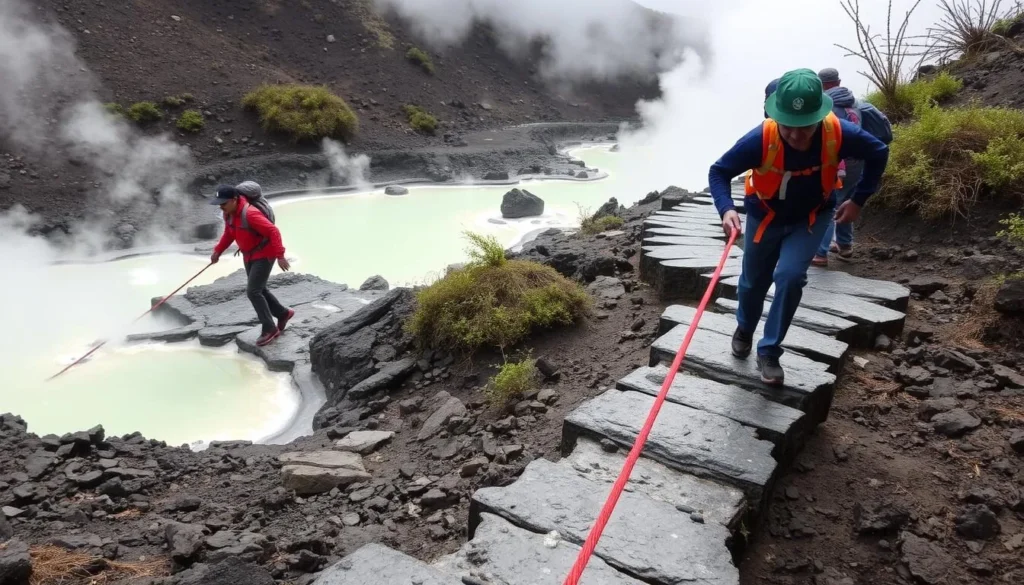
Mount Gede Pangrango National Park offers several trekking routes of varying difficulty, each with its own unique attractions and challenges. Whether you’re a seasoned hiker or a casual nature lover, there’s a trail suited to your experience level.
Main Trekking Routes
1. Cibodas Route (Most Popular)
This is the most popular route due to its accessibility and scenic attractions:
- Distance: Approximately 9km to Mount Gede summit
- Duration: 7-8 hours to summit (one way)
- Highlights: Telaga Biru, Cibeureum Waterfall, hot springs, Kandang Badak
- Difficulty: Moderate to challenging
The journey typically includes stops at Telaga Biru (30 minutes from the entrance), followed by a trek through swamp areas on concrete paths. After passing hot springs (be careful on this extreme section with steep ravines), you’ll reach Kandang Batu and eventually Kandang Badak, a perfect camping spot with water sources.
2. Gunung Putri Route
This route offers the shortest distance but is more challenging:
- Distance: Shorter than other routes
- Duration: 6-7 hours to Alun-Alun Suryakencana
- Highlights: Red soil trails, Alun-Alun Suryakencana with edelweiss
- Difficulty: Challenging due to steep trails and limited water sources
The trail passes through five posts: Pos Informasi, Pos Legok Leunca, Pos Buntut Lutung, Pos Simpang Maleber, and Pos Alun-alun Surya Kencana Timur. From Alun-Alun Suryakencana, Mount Gede summit is about 1 hour away, while Mount Pangrango takes about 3 hours.
3. Selabintana Route
The longest and least popular route:
- Distance: Approximately 14.5km to Mount Gede summit
- Duration: 8-12 hours (one way)
- Highlights: Dense forests, quieter trails
- Difficulty: Challenging due to length, muddy conditions, and leeches
This route has three main posts: Cigeber, Cileutik (with water sources and camping options), and Simpang Gumuruh. The trail is often muddy with many leeches, making it less favorable for most hikers.
Important: Foreign tourists must be accompanied by a local guide when hiking in Mount Gede Pangrango National Park. Hiking permits (SIMAKSI) can be booked up to 2 weeks in advance, and the maximum number of daily visitors is limited to 600.
Safety, Etiquette & Local Customs
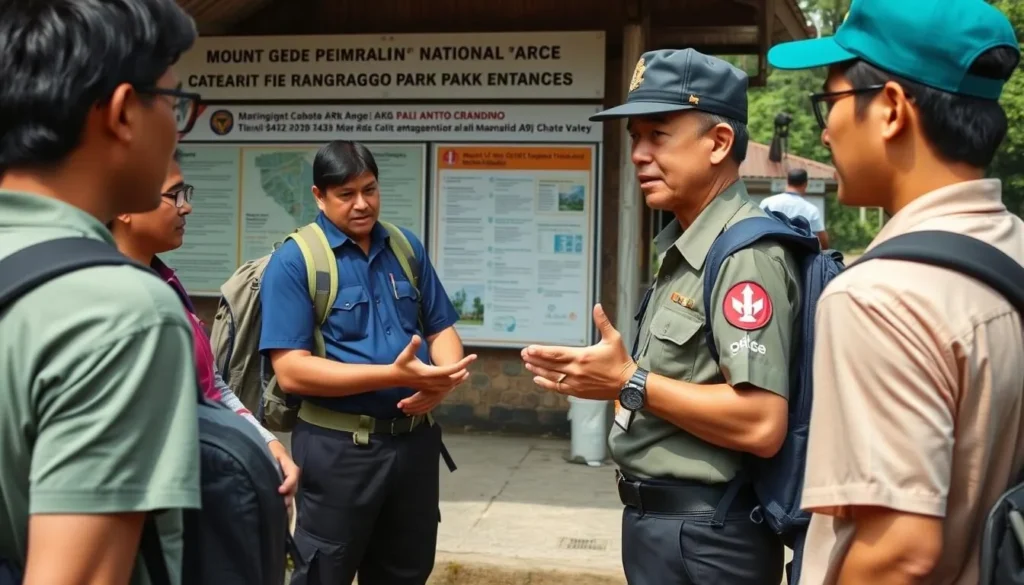
Safety should be your top priority when visiting Mount Gede Pangrango National Park, especially if you’re planning to trek to the summits or camp overnight. Following proper etiquette also helps preserve this natural treasure for future generations.
Safety Guidelines
- Always use certified guides: They ensure your safety and help preserve the park. Foreign tourists are required to be accompanied by local guides.
- Check weather conditions: Avoid trekking during heavy rain as trails can become dangerous.
- Bring appropriate gear: Proper hiking boots, warm clothing (temperatures can drop to 8°C near the summit), rain protection, and sufficient water and food.
- Stay on designated trails: This prevents getting lost and protects fragile ecosystems.
- Inform others of your plans: Let someone know your itinerary and expected return time.
- Be aware of volcanic activity: While Mount Gede is currently dormant, it’s still an active volcano with the last eruption in 1957.
Park Etiquette
- Leave no trace: Pack out all trash and leave natural objects where you find them.
- Respect wildlife: Observe animals from a distance and never feed them.
- Protect plants: Don’t pick flowers or damage vegetation, especially protected species like the Javan Edelweiss.
- Camp only in designated areas: Use established campsites to minimize impact.
- Keep noise levels down: Respect other visitors and wildlife by keeping voices and music low.
Local Customs
The area around Mount Gede Pangrango is predominantly Sundanese, with rich cultural traditions. When interacting with local communities:
- Greet people with a smile and “Selamat pagi” (good morning) or “Selamat siang” (good day).
- Dress modestly, especially when visiting villages or religious sites.
- Ask permission before taking photos of people.
- Remove shoes when entering someone’s home.
Practical Travel Tips
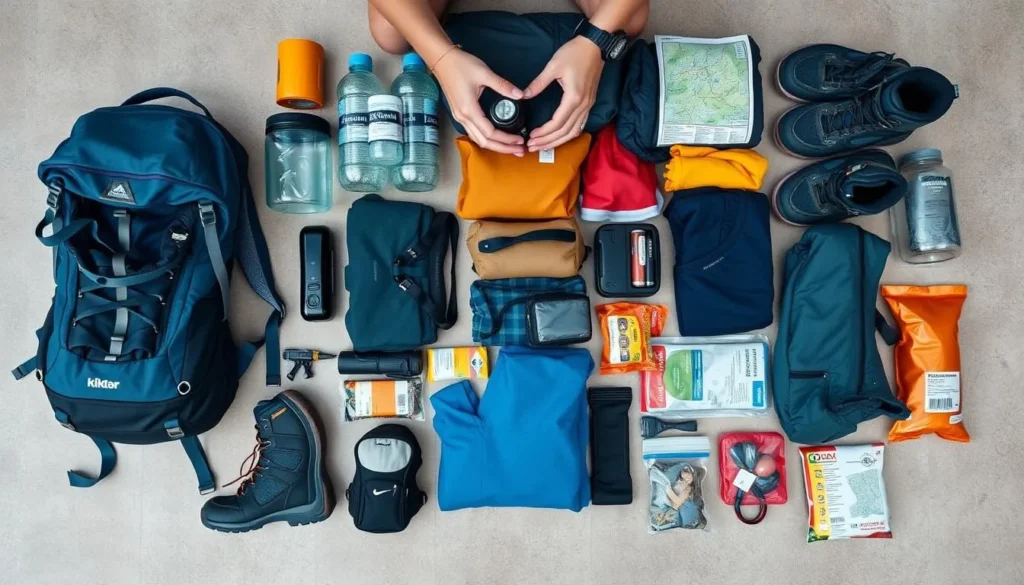
Proper preparation can make the difference between an enjoyable adventure and a challenging ordeal. Here are some practical tips to help you make the most of your visit to Mount Gede Pangrango National Park.
What to Pack
- Trekking Essentials: Comfortable hiking boots, backpack, trekking poles for steep sections.
- Clothing: Layered clothing (temperatures vary greatly), waterproof jacket, hat, gloves for summit areas.
- Camping Gear: Tent, sleeping bag rated for cold temperatures, sleeping pad, headlamp.
- Food and Water: At least 2 liters of water per day, energy-rich snacks, easy-to-prepare meals for overnight trips.
- First Aid: Basic kit including bandages, antiseptic, pain relievers, personal medications.
- Other Essentials: Sunscreen, insect repellent, toilet paper, hand sanitizer, garbage bags to pack out trash.
Permits and Regulations
All visitors to Mount Gede Pangrango National Park need to obtain a SIMAKSI (entry permit). These can be booked up to 2 weeks in advance and are limited to 600 visitors per day. The printed online booking form must be exchanged for the official SIMAKSI at the registration post.
Booking Tip: During peak season (holidays and weekends), permits can sell out quickly. Book as early as possible to secure your preferred dates.
Connectivity and Facilities
Mobile phone coverage is generally available at the park entrances and some lower elevation areas but becomes unreliable as you ascend. There are basic toilet facilities at main rest points along the popular trails, but they are rustic. Information centers at the main gates provide maps and guidance.
Money Matters
Bring sufficient cash as ATMs are not available within the park. Most small vendors and guides only accept cash. Entrance fees and guide services must be paid in Indonesian Rupiah (IDR).
Ready for Your Mount Gede Pangrango Adventure?
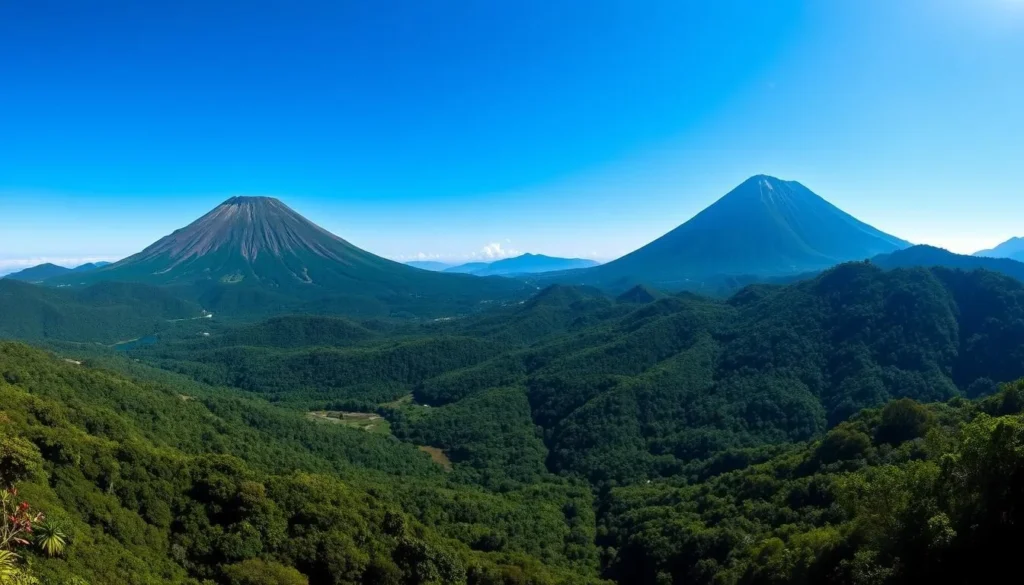
Mount Gede Pangrango National Park offers a perfect blend of adventure, natural beauty, and biodiversity that makes it one of Indonesia’s most precious natural treasures. Whether you’re challenging yourself with a summit trek, marveling at the diverse wildlife, or simply enjoying the serenity of ancient forests, this park delivers unforgettable experiences.
From the misty heights of Mount Pangrango to the steaming crater of Mount Gede, from the thundering Cibeureum Waterfall to the tranquil Telaga Biru, every corner of this park tells a story of Java’s natural heritage. As you plan your journey, remember that the true value of this destination lies not just in conquering its peaks, but in connecting with one of Indonesia’s most pristine ecosystems.
Pack your gear, secure your permits, and prepare for an adventure that will challenge your body and refresh your spirit. The mountains are calling – will you answer?