
Hotels by Trip.com
Flights by Trip.com
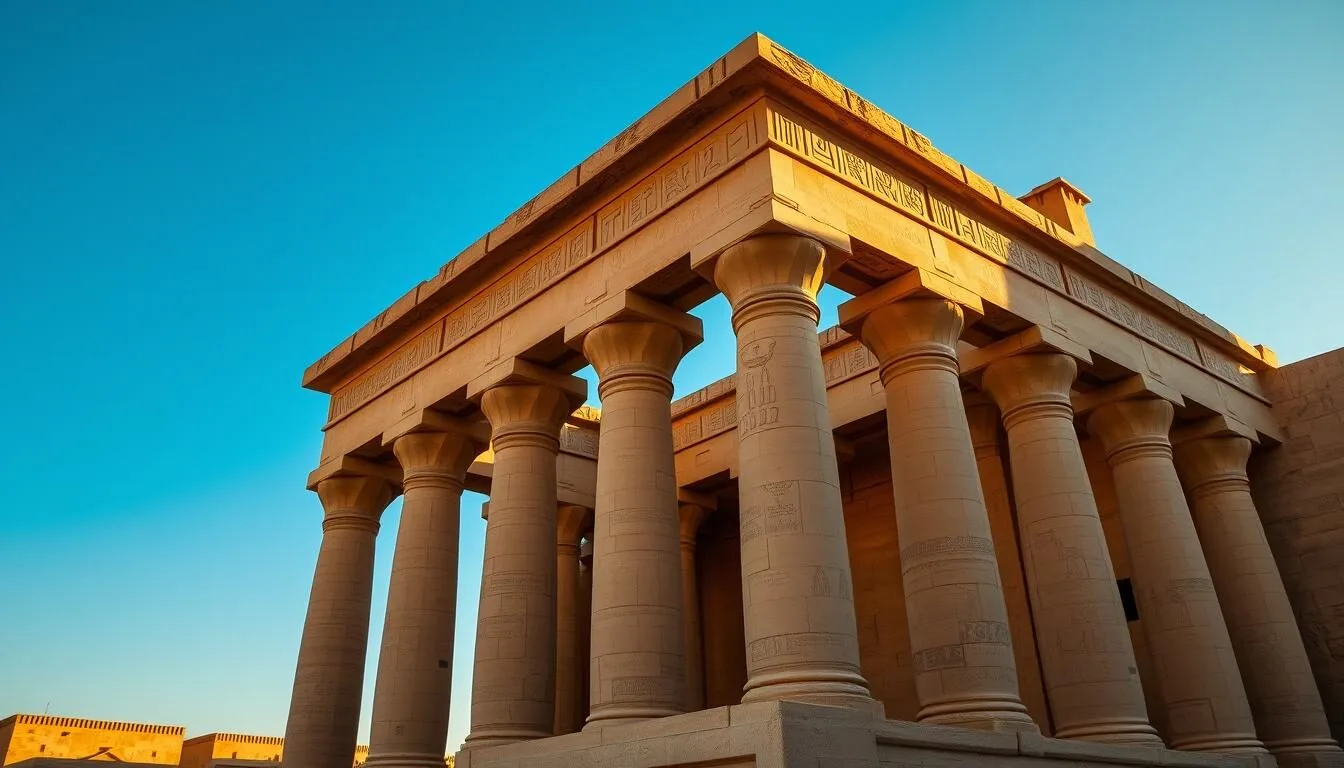
Did you know that the Temple of Hathor at Dendera houses one of the only complete ancient Egyptian celestial maps ever discovered? The famous Dendera Zodiac, now preserved in the Louvre Museum, represents a rare astronomical ceiling that once adorned this magnificent temple. Dating back to the late Ptolemaic period, this remarkable site remains one of Egypt’s best-preserved ancient complexes, yet receives just a fraction of visitors compared to more famous destinations like Luxor and Giza.
Getting There & Planning Your Journey
Located approximately 60 km north of Luxor on the west bank of the Nile, Dendera is somewhat off the beaten tourist path, which contributes to its peaceful atmosphere. The closest major airport is Luxor International Airport, which receives both domestic flights from Cairo (1-hour flight) and some international connections.
From Luxor to Dendera
The most convenient way to reach Dendera is by hiring a private car or joining an organized day tour from Luxor. The journey takes about 1.5 hours each way on a decent road. Some Nile cruises also include Dendera in their itineraries, stopping at the nearby town of Qena where passengers can take a short 4 km ride to the temple complex.
From Cairo to Dendera
If coming directly from Cairo, you have several options:
- Fly to Luxor (1 hour) then travel by road to Dendera (1.5 hours)
- Take an overnight train to Qena (9-10 hours) then a short taxi ride
- Join a specialized Nile cruise that includes Dendera in its itinerary
For the most rewarding experience, consider allocating at least half a day to explore the temple complex thoroughly. Many visitors combine Dendera with nearby Abydos Temple for a full-day excursion from Luxor.
Best Time to Visit & Weather Tips
Dendera, like much of Upper Egypt, experiences extremely hot summers and mild winters. Timing your visit correctly can significantly impact your comfort and enjoyment of this remarkable site.
Recommended Months to Visit
- October to November: Perfect weather with temperatures ranging from 20-30°C (68-86°F), fewer crowds, and clear skies
- February to April: Pleasant temperatures between 18-32°C (64-90°F) with low humidity and good visibility
- December to January: Cooler temperatures of 15-24°C (59-75°F), ideal for exploring, though nights can be chilly
Months to Avoid
- June to September: Extreme heat with temperatures regularly exceeding 40°C (104°F), making outdoor exploration uncomfortable
- May: Increasingly hot with occasional khamsin winds that can bring dust storms
For the best lighting conditions inside the temple, consider visiting in the morning when sunlight illuminates the hypostyle hall and brings the colorful reliefs to life. The site opens at 7:00 AM, and arriving early helps you avoid both the heat and any tour groups that typically arrive mid-morning.

Getting Around Locally
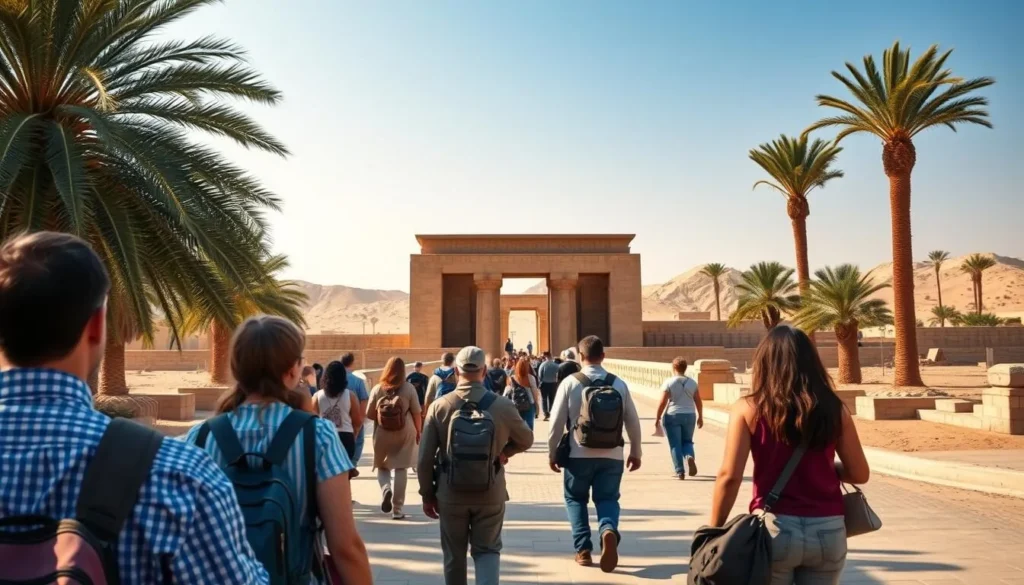
The Dendera Temple Complex covers approximately 40,000 square meters (10 acres) and requires a fair amount of walking. Once you arrive at the site, all exploration is done on foot.
Within the Temple Complex
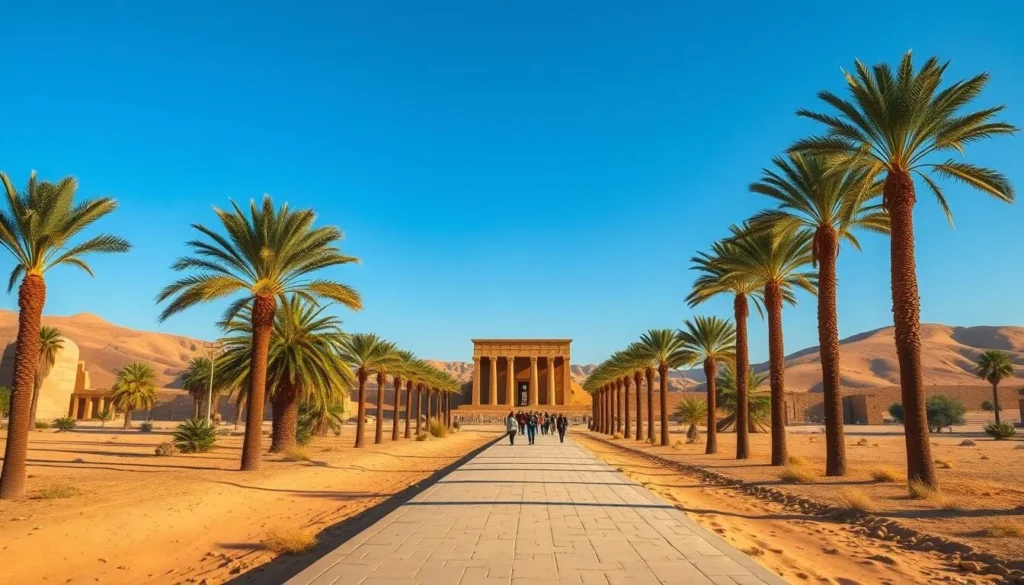
The complex is well laid out with a clear path leading from the entrance through various structures. The main Temple of Hathor is the centerpiece, but don’t miss the smaller structures like the birth house (mammisi), sacred lake, and sanatorium. Comfortable walking shoes are essential as you’ll be navigating uneven surfaces, steps, and occasionally narrow passages.
Local Transportation Options
If staying in nearby Qena rather than making a day trip from Luxor, local transportation options include:
- Taxis: Readily available in Qena and can be hired for the short trip to Dendera
- Microbuses: Local shared vans run between Qena and the village of Dendera
- Bicycle rentals: Available in Qena for the adventurous traveler
Most visitors spend 2-3 hours exploring the temple complex. There are no restaurants inside, so bring water and snacks if needed. Restroom facilities are available near the entrance.
Where to Stay
While Dendera itself doesn’t offer accommodations, there are several options in the surrounding area depending on your preference and budget.
Luxor (Recommended)
Most visitors choose to stay in Luxor and make a day trip to Dendera. Luxor offers a wide range of accommodations:
Check 30,000+ Local Sightseeing Tours Worldwide
✓ Numerous languages and currencies are available
- Luxury: Several 5-star hotels along the Nile with stunning river views and excellent amenities
- Mid-range: Comfortable hotels in the city center, many with rooftop terraces overlooking the Nile
- Budget: Numerous guesthouses and hostels catering to backpackers and budget travelers
Qena
The closest city to Dendera has limited but adequate accommodation options:
- Mid-range: A few business hotels catering primarily to Egyptian travelers
- Budget: Simple local hotels with basic amenities
Nile Cruises
Many Nile cruises include Dendera in their itinerary, offering the unique experience of traveling the river while having comfortable accommodations on board. These range from luxury vessels with all amenities to more modest cruise boats.
For the most convenient experience, staying in Luxor provides the best balance of comfort, dining options, and easy access to Dendera via organized tours or private transportation.
Dining & Local Cuisine
While there are no restaurants within the Dendera Temple Complex itself, you’ll find several dining options in the surrounding areas.
Near Dendera
The village of Dendera offers a few simple local eateries where you can sample authentic Egyptian cuisine:
- Koshary shops: Try Egypt’s national dish – a hearty mix of rice, lentils, pasta, and tomato sauce
- Falafel stands: Known locally as ta’ameya, Egyptian falafel is made with fava beans rather than chickpeas
- Small cafes: Offering tea, coffee, and basic sandwiches
In Qena
The nearby city of Qena has more substantial dining options:
- Local restaurants serving traditional Egyptian dishes like molokhia (jute leaf stew), stuffed pigeons, and grilled meats
- Riverside cafes offering beautiful Nile views
Luxor Dining
If you’re based in Luxor, you’ll have access to a wide variety of restaurants:
- International cuisine at hotel restaurants
- Authentic Egyptian eateries in the city center
- Nile-view restaurants offering dinner with a spectacular backdrop
Many day tours to Dendera include a packed lunch or a stop at a local restaurant. If arranging your own transportation, consider bringing water and snacks, especially if visiting during the warmer months.

Attractions, Sightseeing & Activities
The Dendera Temple Complex offers a wealth of fascinating structures and artistic treasures. Here are the must-see highlights during your visit:
Temple of Hathor
The crown jewel of Dendera, this remarkably preserved temple dedicated to the goddess Hathor features:
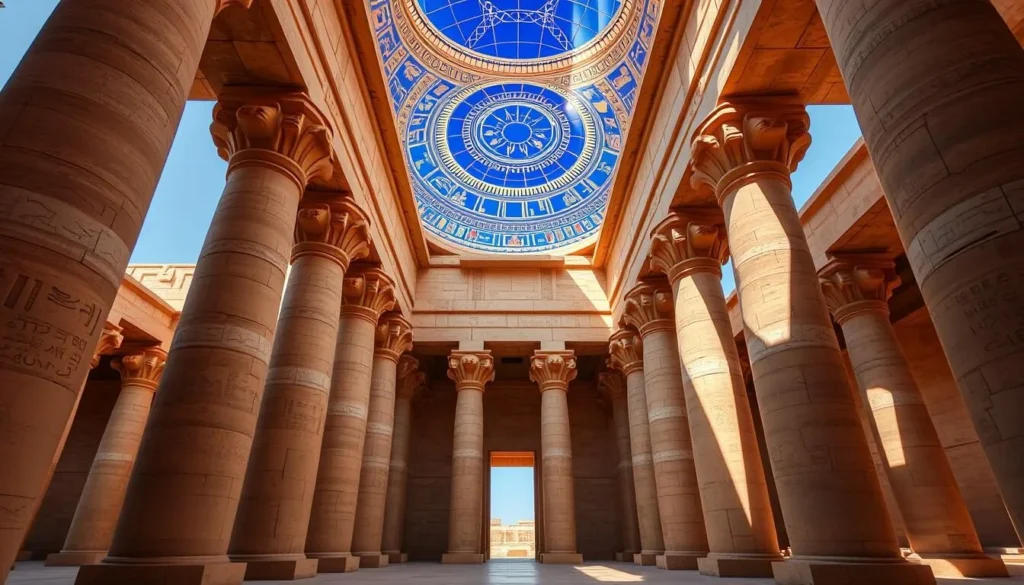
- Grand Entrance: Six massive columns with Hathor-headed capitals
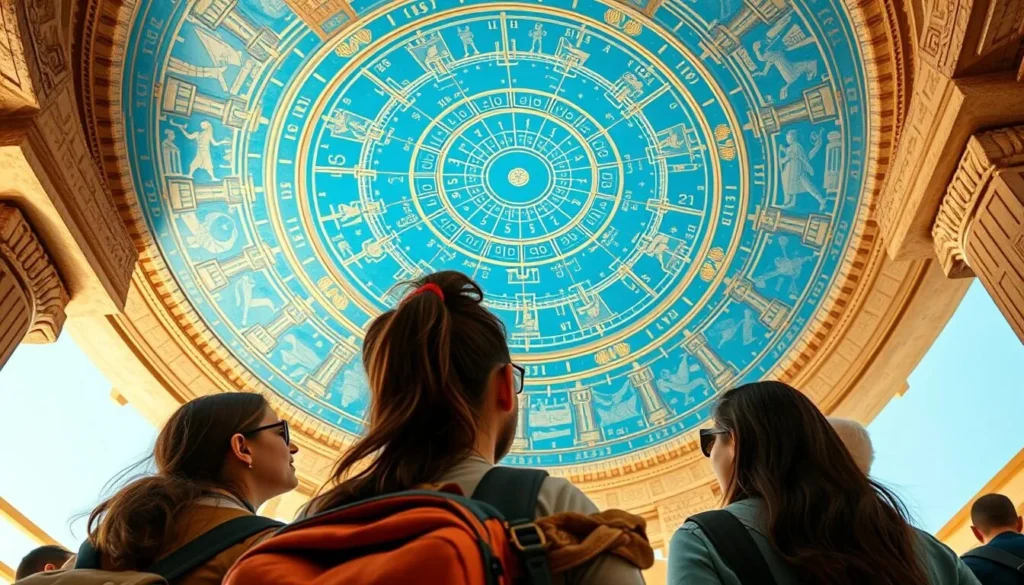
- First Hypostyle Hall: 18 towering columns with intricate carvings and a stunning blue astronomical ceiling
- Second Hypostyle Hall: Where the statue of Hathor was kept during festivals
- Sanctuary: The temple’s holy of holies with beautiful reliefs
- Crypts: Underground chambers with some of the most vivid and well-preserved carvings
- The Dendera Light: A controversial relief some interpret as depicting an ancient electric light bulb
Roof Chapels and Astronomical Ceiling
Don’t miss the opportunity to climb to the roof of the Temple of Hathor where you’ll find:
- Chapels dedicated to Osiris with scenes of his death and resurrection
- A replica of the famous Dendera Zodiac (original in the Louvre)
- Stunning views of the surrounding landscape
Other Notable Structures
- Roman Mammisi: A birth house built during Emperor Trajan’s reign
- Sacred Lake: A ceremonial pool used for purification rituals
- Sanatorium: An ancient healing center where patients sought cures
- Coptic Basilica: Ruins of a 5th-century Christian church
- Mammisi of Nectanebo II: The oldest surviving structure in the complex
Allow at least 2-3 hours to properly explore these fascinating structures. Consider hiring a knowledgeable guide to fully appreciate the historical and religious significance of the intricate carvings and hieroglyphics.
Museums, Cultural Spots & Festivals
While the Dendera Temple Complex is the main attraction in the area, there are additional cultural experiences to enhance your visit.
On-Site Museum
A small museum at the Dendera Temple Complex displays artifacts discovered during excavations, including:
- Statues and sculptural fragments
- Ritual objects and temple implements
- Informative displays about the temple’s history and restoration
Nearby Cultural Attractions
If you have extra time in the region, consider visiting:
- Abydos Temple: Often combined with Dendera for a full-day excursion, this temple is known for the remarkable Abydos King List and beautiful reliefs
- Qena Museum: Houses local artifacts and provides context for the region’s history
- Traditional Pottery Workshops: Qena is famous for its distinctive pottery tradition
Local Festivals
If your visit coincides with these events, they offer unique cultural insights:
- Moulid of Sheikh Abdel Rahim El-Qenawi: A traditional Sufi festival held annually in Qena
- Ancient Egyptian Astronomy Day: Occasionally held at Dendera to celebrate its astronomical significance
For a deeper understanding of ancient Egyptian religion and mythology, the Temple of Hathor at Dendera provides one of the most comprehensive visual encyclopedias of divine iconography in Egypt. The detailed reliefs depict rituals, offerings, and mythological scenes that offer fascinating insights into ancient Egyptian spiritual beliefs.

Sports, Nature & Outdoor Experiences
While Dendera is primarily known for its archaeological significance, the surrounding area offers several opportunities to experience the natural beauty of the Nile Valley.
Nile River Experiences
The proximity of Dendera to the Nile River provides opportunities for:
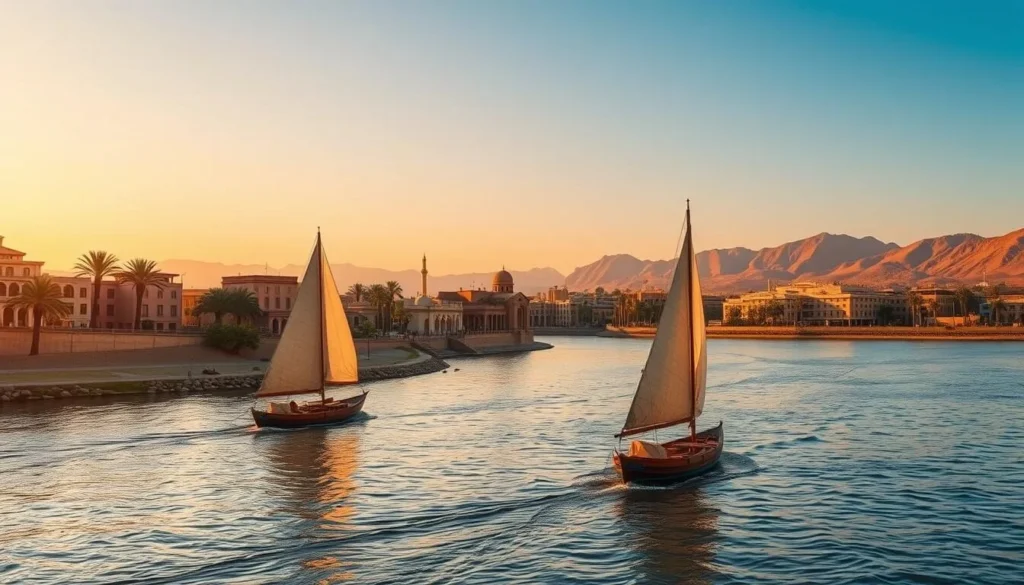
- Felucca Rides: Traditional sailboat excursions offering peaceful views of the riverbanks
- Sunset Boat Tours: Particularly beautiful as the sun sets behind the western desert
- Fishing Excursions: Join local fishermen for an authentic experience
Desert Adventures
The eastern desert near Dendera offers:
- Guided desert safaris by 4×4 vehicle
- Camel treks along ancient desert routes
- Stargazing opportunities in the clear desert sky
Agricultural Landscapes
The fertile lands surrounding the Nile near Dendera showcase traditional Egyptian agriculture:
- Walking tours through date palm groves
- Visits to local farms to see traditional irrigation methods
- Seasonal harvesting activities depending on the time of year
The contrast between the lush green Nile Valley and the stark desert beyond creates a dramatic landscape that has defined Egyptian civilization for millennia. Taking time to experience this natural setting provides valuable context for understanding the ancient temple complex and its relationship to the surrounding environment.

Safety, Etiquette & Local Customs
Visiting Dendera is generally safe and straightforward, but being aware of local customs and practical considerations will enhance your experience.
Safety Considerations
- Sun Protection: The Egyptian sun is intense, especially in summer. Wear a hat, sunglasses, and sunscreen
- Hydration: Bring plenty of water, particularly during warmer months
- Footwear: Comfortable, closed shoes are recommended for navigating uneven surfaces
- Valuables: Keep valuables secure and be aware of your surroundings
Cultural Etiquette
- Dress Code: While not as strict as in mosques, modest dress is appreciated (shoulders and knees covered)
- Photography: Photography is permitted in most areas, but some crypts may have restrictions
- Tipping: Small tips (baksheesh) are customary for services such as washroom attendants or guides
- Bargaining: Expected when shopping at local markets or hiring taxis
Local Interactions
- Learning a few Arabic phrases like “shukran” (thank you) is always appreciated
- Ask permission before photographing local people
- Respect religious and cultural sensitivities
The temple guardians (ghaffirs) may offer to show you special features or take you to restricted areas for a tip. While these unofficial guides can provide interesting insights, be clear about any fees beforehand and remember that some areas may be restricted for conservation reasons.
Visitor Comments About Dendera
“Dendera Temple was the highlight of my Egypt trip. The colors preserved on the ceiling are absolutely stunning—vibrant blues and reds that look like they were painted yesterday, not thousands of years ago. The lack of crowds compared to Luxor made the experience so much more intimate and magical. Don’t miss the roof chapels for amazing views across the desert!”
“We almost skipped Dendera because it required an extra day trip from Luxor, but I’m so glad we didn’t! The temple is massive and incredibly well-preserved. The famous ‘Dendera Light’ relief was fascinating to see in person after reading about it. Hiring a knowledgeable guide made all the difference in understanding the complex symbolism and history. Worth every minute of the journey.”
“The Temple of Hathor at Dendera offers something rare in Egypt—the chance to explore ancient spaces without crowds. I was able to spend time appreciating the intricate carvings and even had entire chambers to myself at times. The underground crypts with their vivid reliefs were particularly impressive. If you’re interested in ancient Egyptian art and religion, this site is unmissable.”
Practical Travel Tips
Make the most of your visit to Dendera with these helpful suggestions:
Entrance & Tickets
- Opening Hours: 7:00 AM to 5:00 PM daily
- Entrance Fee: Approximately 120 EGP (about $7 USD) for adults
- Student Discount: 50% discount with valid international student ID
- Camera Fee: Additional fee for professional cameras (not smartphones)
Making the Most of Your Visit
- Guided Tours: Consider hiring an Egyptologist guide for deeper insights
- Timing: Arrive early morning for the best lighting and fewer crowds
- Duration: Allow 2-3 hours to properly explore the complex
- Essentials: Bring water, sun protection, and wear comfortable shoes
Practical Arrangements
- ATMs: Limited in the area; bring sufficient cash from Luxor or Qena
- Mobile Coverage: Generally good, but may be spotty inside thick-walled areas
- Restrooms: Available near the entrance but basic; bring tissues
- Souvenirs: Small shops near the entrance sell replicas and books
If arranging your own transportation rather than joining a tour, negotiate the waiting time with your driver in advance. Most visitors spend 2-3 hours at the site, and having reliable transportation back to Luxor or Qena is essential as taxis are not readily available at the temple entrance.
The Timeless Wonder of Dendera
Dendera offers a rare opportunity to step back in time and experience ancient Egypt in its most vivid form. Unlike more famous sites that can be overwhelmed with tourists, this magnificent temple complex allows for a more intimate connection with Egypt’s fascinating past. The remarkably preserved colors, intricate carvings, and architectural grandeur of the Temple of Hathor provide a window into the artistic and spiritual achievements of an extraordinary civilization.
Whether you’re marveling at the astronomical ceiling, exploring mysterious crypts, or simply soaking in the atmosphere of this sacred place, Dendera rewards visitors with authentic insights and unforgettable experiences. As you plan your Egyptian adventure, consider making the journey to this off-the-beaten-path gem—it may well become the highlight of your trip, just as it has for countless travelers who have discovered its wonders.
Related Posts
Valley of the Kings, Egypt: Best Things to Do – Top Picks

Siwa Oasis, Egypt: Best Things to Do – Top Picks
White Desert National Park, Egypt: Best Things to Do – Top Picks
Luxor, Egypt: Best Things to Do – Top Picks
Safaga, Egypt: Best Things to Do – Top Picks

Sharm El-Sheikh, Egypt: Best Things to Do – Top Picks
Coming Soon: Clickable Maps