
Hotels by Trip.com
Flights by Trip.com
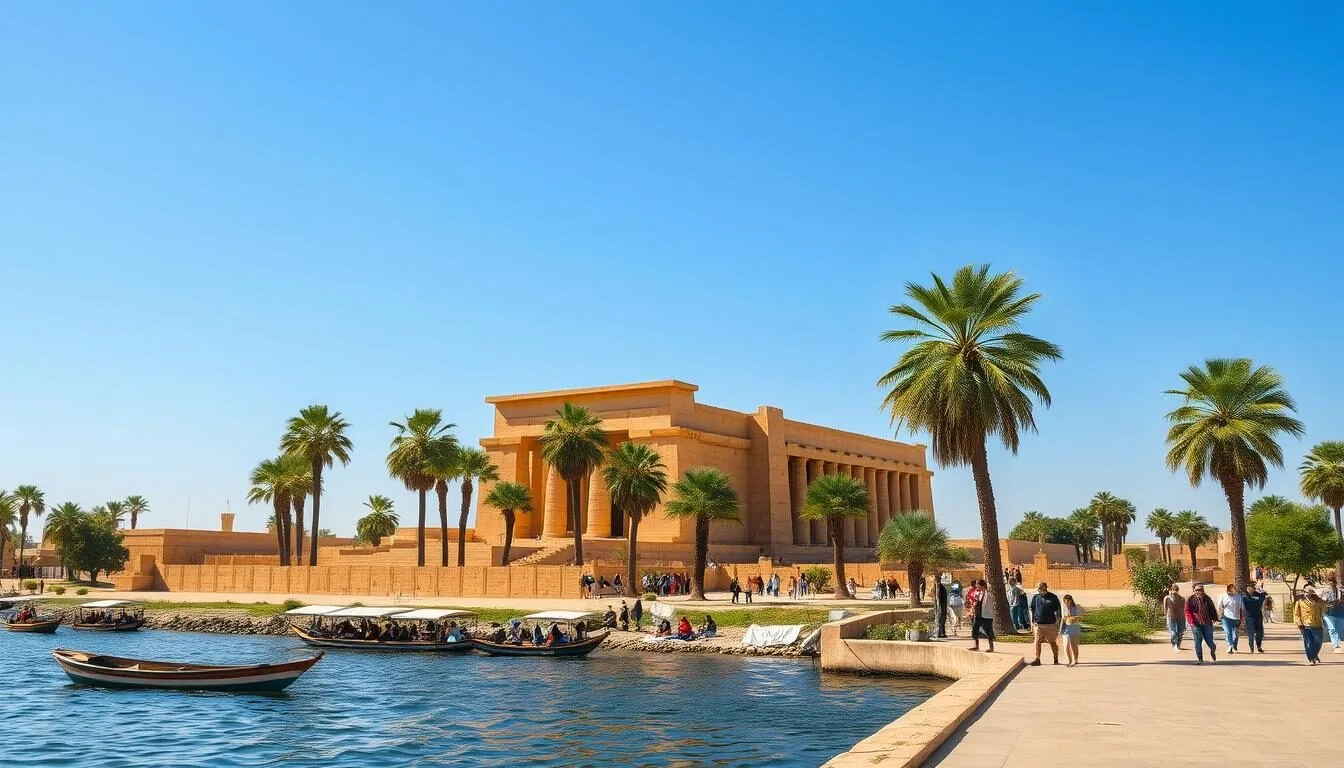
Did you know Kom Ombo is home to one of the world’s only double temples, dedicated simultaneously to two different gods – the crocodile god Sobek and the falcon god Horus? This architectural marvel stands as a testament to ancient Egyptian ingenuity, with its perfectly symmetrical design featuring twin entrances, halls, and sanctuaries. As you explore this remarkable town along the Nile, you’ll discover a destination where history comes alive through magnificent temples, fascinating museums, and the timeless rhythm of river life that has sustained Egyptian civilization for millennia.
Getting There & Planning Your Journey
Kom Ombo is located approximately 65 km (40 miles) north of Aswan in Upper Egypt, making it an accessible stop on most Nile journeys. The closest major airports are Aswan International Airport, 65 km (40 miles) to the south, and Luxor International Airport, 165 km (102 miles) to the north.
Most travelers visit Kom Ombo as part of a Nile cruise, which is the most convenient and atmospheric way to experience this historic site. Cruises typically stop for a few hours, allowing sufficient time to explore the temple complex and museum.
If traveling independently, you can reach Kom Ombo by hiring a private car or taxi from either Aswan or Luxor. The journey from Aswan takes approximately one hour, while from Luxor it’s a longer trip of about three hours. Some travelers also opt for organized day tours from these cities, which typically include transportation and a guide.
When planning your visit, consider allowing at least 2-3 hours to properly explore the temple complex and the adjacent Crocodile Museum. Most Nile cruises include Kom Ombo on itineraries that also feature Edfu, Luxor, and Aswan, creating a comprehensive journey through ancient Egypt’s most significant sites.
Best Time to Visit Kom Ombo
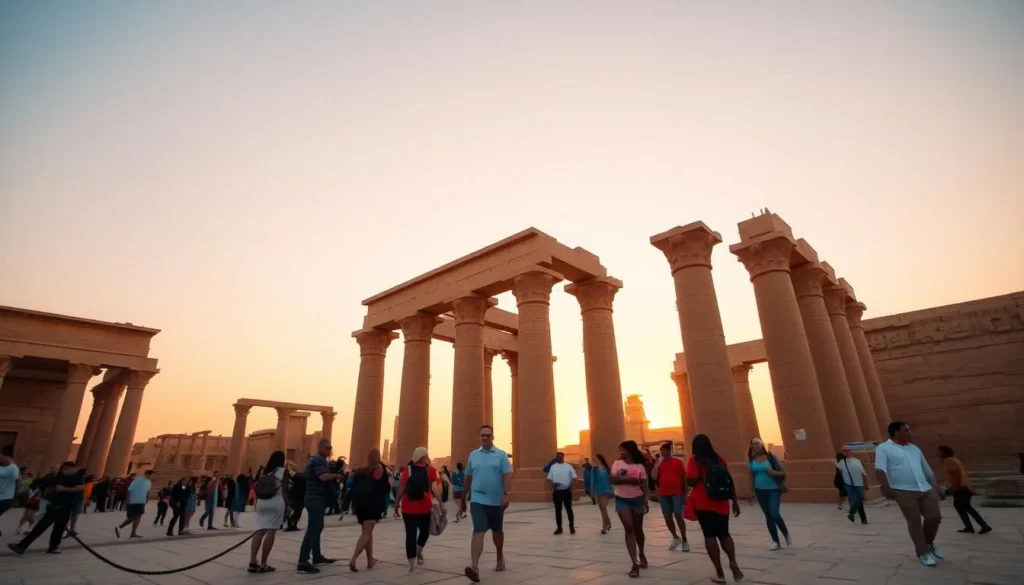
The ideal time to visit Kom Ombo is between October and April when temperatures are pleasantly mild, ranging from 20°C to 30°C (68°F to 86°F) during the day. This comfortable weather makes exploring the open-air temple complex much more enjoyable.
Avoid visiting during the summer months of June through August when temperatures can soar above 40°C (104°F), making outdoor exploration uncomfortable and potentially dangerous. The stone structures absorb heat throughout the day, creating an even more intense experience.
Many visitors find that evening visits offer a magical experience, as the temple is beautifully illuminated after sunset. The golden lighting creates a dramatic atmosphere that enhances the ancient carvings and architectural details. If possible, time your visit to coincide with sunset for spectacular photo opportunities as the temple glows in the warm light.
March and November are particularly pleasant months to visit, offering ideal temperatures and fewer crowds than the peak winter season. If you’re planning a Nile cruise, these shoulder months often provide the best balance of good weather and value.
Getting Around Locally
Kom Ombo is a relatively small town, and the main attraction—the temple complex—is compact enough to explore on foot. The temple site itself is walkable, with the main structures and the Crocodile Museum located within the same compound.
If you’re arriving via Nile cruise, your boat will typically dock very close to the temple, requiring just a short walk to reach the entrance. For those staying in nearby Aswan or arriving independently, taxis are readily available for transportation to and from the temple.
Within the temple complex, comfortable walking shoes are essential as you’ll be navigating uneven stone surfaces and steps. The site is generally accessible, though some areas may present challenges for visitors with mobility limitations.
Local guides are available at the entrance and can provide valuable historical context and point out easily missed details. Many visitors find that hiring a guide enhances their understanding of the temple’s unique features and historical significance.
✓ Check 30,000+ Local Sightseeing Tours Worldwide
Where to Stay
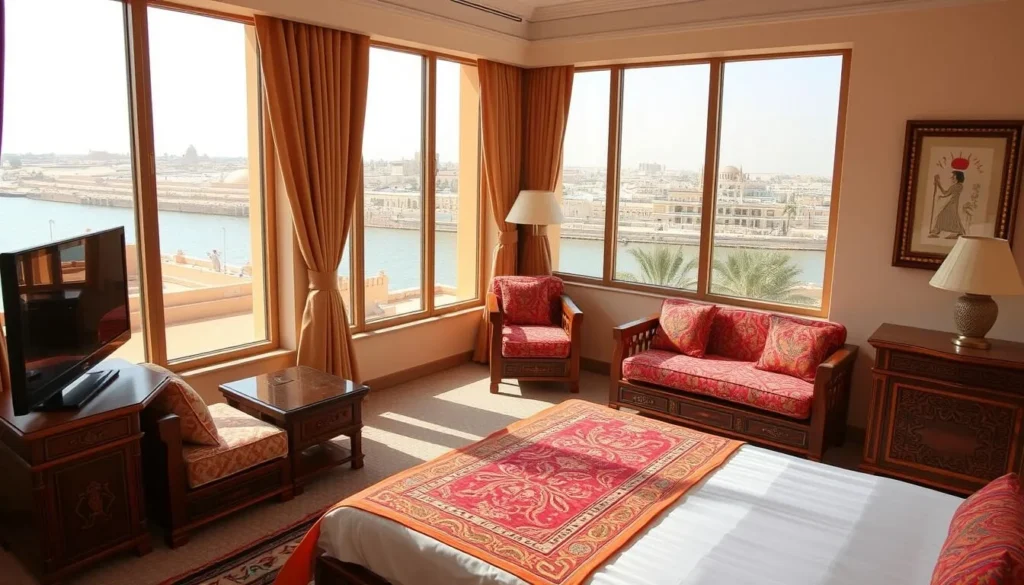
While Kom Ombo itself has limited accommodation options, most visitors stay either on their Nile cruise boats or in nearby Aswan, which offers a wide range of hotels to suit all budgets. If you’re determined to stay close to the temple, there are a few basic guesthouses in Kom Ombo town, though these offer limited amenities.
For those seeking luxury accommodations, the best option is to stay on a high-end Nile cruise vessel. These floating hotels provide comfortable rooms with river views, quality dining, and the convenience of waking up directly at your destination. Many cruises time their stops at Kom Ombo for evening visits, allowing you to experience the illuminated temple.
Mid-range travelers will find excellent value in Aswan’s hotels, many of which offer Nile views and swimming pools. From Aswan, day trips to Kom Ombo are easily arranged. Budget travelers can find simple guesthouses and hostels in Aswan that serve as good bases for exploring the region.
If you’re planning an extended stay in the area to explore multiple sites along the Nile, consider splitting your time between Luxor and Aswan, making day trips to Kom Ombo and other temples along the way.
Dining & Local Cuisine
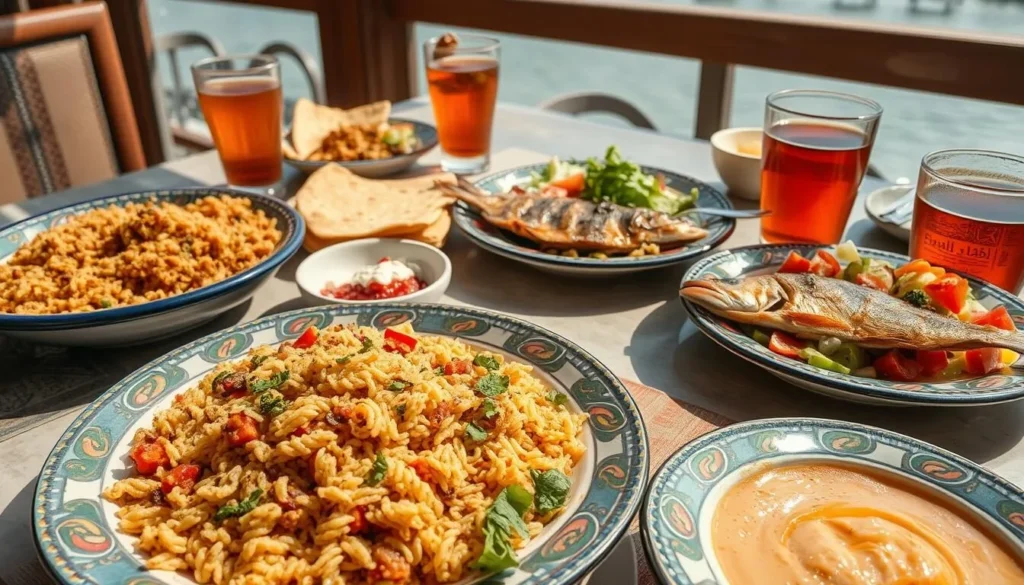
Dining options in Kom Ombo town are limited but authentic. You’ll find several small, family-run restaurants near the temple offering traditional Egyptian cuisine. These modest establishments serve delicious local specialties like koshari (a mixture of rice, lentils, and macaroni topped with spiced tomato sauce), ful medames (stewed fava beans), and freshly caught fish from the Nile.
Most Nile cruises include all meals, serving a mix of Egyptian and international cuisine. The quality varies depending on the cruise operator, but many offer excellent dining experiences with the opportunity to sample local specialties prepared to international standards.
For a unique dining experience, some cruises organize special Egyptian-themed dinners, where you can enjoy traditional foods while dressed in galabeyas (traditional Egyptian garments) and enjoying local music and entertainment.
Don’t miss trying karkade (hibiscus tea), a refreshing sweet-tart beverage that’s particularly popular in Upper Egypt. It can be served hot or cold and is believed to have health benefits. Fresh fruit juices, particularly sugar cane juice, are also widely available and make for a refreshing treat in the Egyptian heat.
If you have dietary restrictions, it’s advisable to communicate these clearly when ordering. Vegetarian options are generally available, though vegan and gluten-free choices may be more limited outside of high-end establishments.
Attractions, Sightseeing & Activities

The Temple of Kom Ombo
The magnificent Temple of Kom Ombo is undoubtedly the town’s main attraction. This unique double temple was constructed during the Ptolemaic dynasty (180-47 BCE) and is dedicated to two gods: Sobek, the crocodile god of fertility, and Horus the Elder (Haroeris), the falcon-headed sky god.
What makes this temple truly remarkable is its perfectly symmetrical design, with two parallel sanctuaries, halls, and entrances—one side dedicated to each god. As you explore, notice how the temple is divided along its central axis, with matching features on both sides.
Key features to look for include:
- The Courtyard of Augustus with its 16 columns
- The hypostyle halls with their elaborately carved columns
- The famous relief depicting ancient surgical instruments
- The Nilometer used to measure the Nile’s flood levels
- The sacred well where crocodiles were once kept
The temple’s location on a bend of the Nile River adds to its picturesque setting, especially at sunset when the golden light illuminates the sandstone structures.
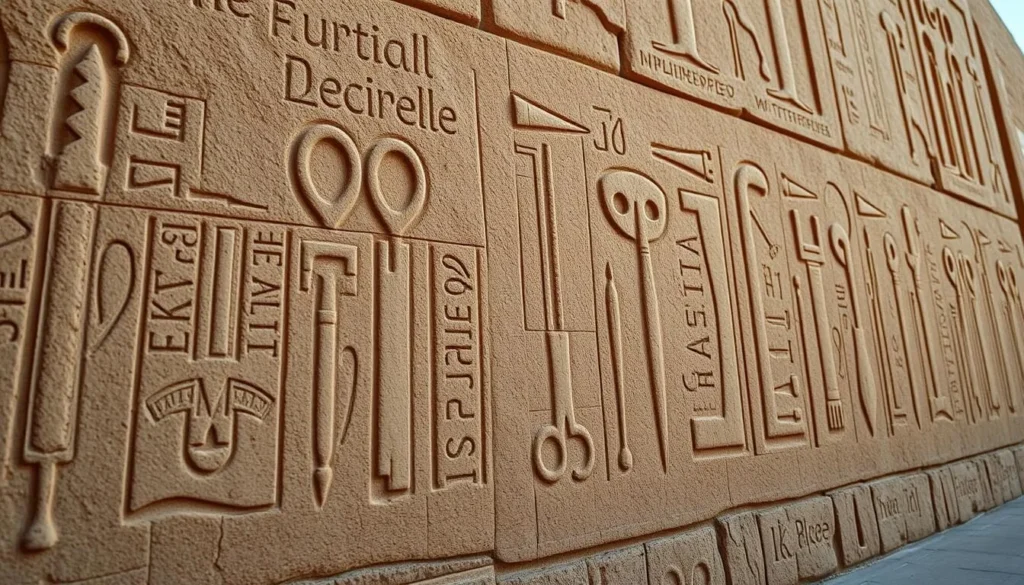
The Crocodile Museum
Adjacent to the temple is the fascinating Crocodile Museum, which houses a collection of mummified crocodiles discovered in the area. These preserved specimens offer tangible evidence of the ancient Egyptians’ reverence for Sobek and provide insight into the mummification practices applied to sacred animals.
The museum also displays artifacts related to the worship of Sobek and the role of crocodiles in ancient Egyptian religion. Informative displays explain the complex relationship between the Egyptians and these fearsome Nile predators, which were both respected and feared.
Nile River Experiences
The Nile River itself offers several enjoyable activities. Consider taking a short felucca (traditional sailboat) ride to experience the river as the ancients did. These peaceful journeys provide excellent views of the temple from the water and opportunities to observe local river life.
Birdwatching along the Nile can be rewarding, with species like egrets, herons, and kingfishers frequently spotted. The riverbanks also offer glimpses into rural Egyptian life, with farmers tending their fields using methods that have changed little over the centuries.
Museums, Cultural Spots & Festivals
Beyond the main temple and Crocodile Museum, cultural experiences in Kom Ombo are limited but authentic. The town itself offers a glimpse into everyday life in rural Egypt, with local markets and traditional crafts.
If your visit coincides with local festivals, you might witness traditional celebrations that have been observed for generations. Islamic holidays follow the lunar calendar and vary each year, while Coptic Christian festivals follow a different calendar. These events often feature special foods, music, and community gatherings.
For a more comprehensive museum experience, consider extending your journey to Aswan, where the Nubian Museum offers excellent exhibits on the ancient Nubian civilization that once flourished in this region. Alternatively, Luxor’s museums provide in-depth exploration of ancient Egyptian history and artifacts.
Traditional music and dance performances are sometimes arranged for visitors, particularly on Nile cruises. These performances showcase the rich cultural heritage of Upper Egypt, with distinctive musical styles and dance forms that have evolved over centuries.
Sports, Nature & Outdoor Experiences
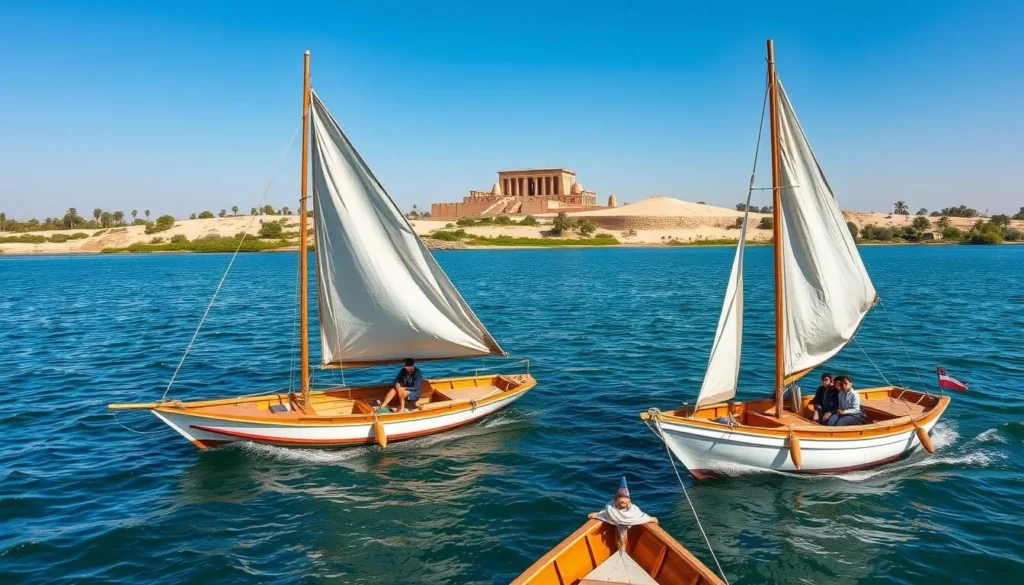
The natural landscape around Kom Ombo offers several outdoor activities for nature enthusiasts. The Nile River is the focal point for most outdoor experiences, providing opportunities for boat trips, fishing, and wildlife observation.
Sailing on a traditional felucca is a peaceful way to experience the Nile. These graceful boats with their distinctive triangular sails have been used on the river for thousands of years. Short excursions can be arranged locally, offering a chance to see the temple from a different perspective and enjoy the cooling river breezes.
Birdwatching is particularly rewarding along this stretch of the Nile, with numerous species making their homes along the fertile riverbanks. Bring binoculars to spot egrets, herons, kingfishers, and if you’re lucky, the colorful bee-eaters that nest in the riverbanks.
The agricultural lands surrounding Kom Ombo are lush and productive, supporting crops of sugar cane, corn, and various vegetables. Walking tours of these areas can be arranged, providing insight into traditional farming methods that have sustained communities along the Nile for millennia.
For those interested in desert landscapes, the Eastern Desert begins not far from the fertile Nile Valley. Day trips can be arranged to explore the stark beauty of these arid regions, which contrast dramatically with the green ribbon of life along the river.
Safety, Etiquette & Local Customs
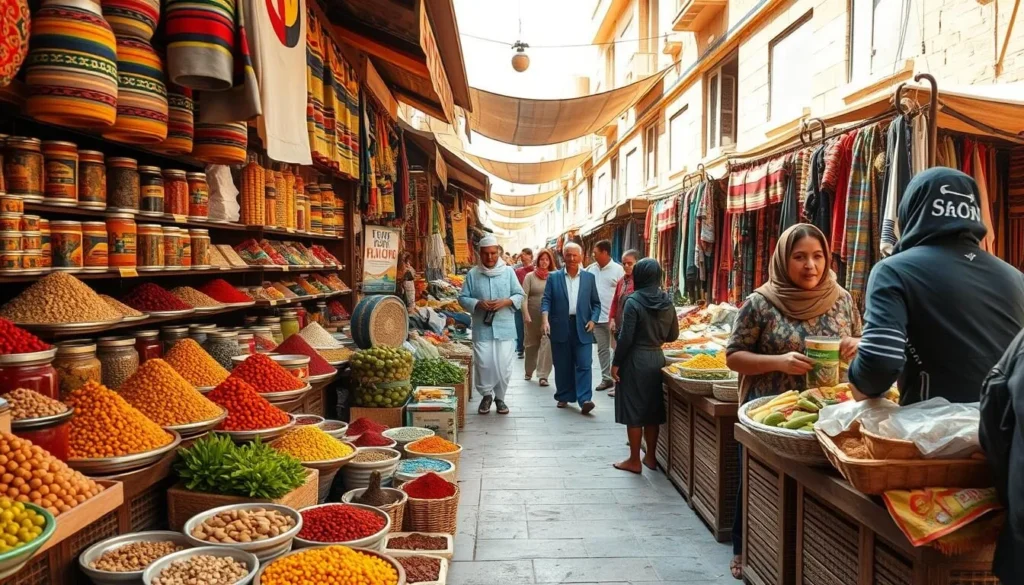
Kom Ombo is generally a safe destination for travelers, with locals accustomed to tourism and often friendly toward visitors. However, as with any travel destination, it’s wise to take basic precautions to ensure a smooth experience.
Dress modestly when visiting temples and local communities. While not as strict as in some parts of Egypt, covering shoulders and knees is appreciated, especially for women. This shows respect for local customs and helps avoid unwanted attention.
Photography is generally permitted at the temple, though some areas may have restrictions. Always ask before photographing local people, especially women and children. Some locals may request a small tip for photos.
Bargaining is expected in markets and with taxi drivers, but should be conducted with good humor and respect. Start at about half the initial asking price and work toward a mutually acceptable figure. Remember that what might seem like a small amount to you could be significant to locals.
Tipping (known as “baksheesh”) is customary in Egypt. Small tips are appreciated for services like guiding, carrying bags, or providing information. Tour guides and cruise staff typically expect more substantial tips, which are often a significant part of their income.
Be aware that the temple area attracts vendors selling souvenirs, who can sometimes be persistent. A polite but firm “La shukran” (No thank you) is usually respected if you’re not interested.
Drink only bottled water and ensure food is freshly prepared and thoroughly cooked to avoid stomach issues. Hand sanitizer is useful to carry, as soap may not always be available in public facilities.
Visitor Comments About Kom Ombo
“The double temple at Kom Ombo was the highlight of our Nile cruise. Seeing the ancient surgical instruments carved in stone was fascinating—it shows how advanced Egyptian medicine was thousands of years ago. Don’t miss the Crocodile Museum with its mummified specimens. The evening lighting makes the temple absolutely magical.”
“We visited Kom Ombo during our Nile journey and were amazed by the perfect symmetry of the temple. Having a guide really enhanced our experience, explaining the significance of the two gods and pointing out details we would have missed. The sunset view from the temple overlooking the Nile is something I’ll never forget.”
“As someone interested in ancient medicine, the surgical instrument relief at Kom Ombo was incredible to see in person. The temple itself is smaller than Karnak or Luxor, but its unique dual design makes it special. We arrived in the late afternoon when the crowds were thinner and the light was perfect for photography. Definitely worth the stop on our Nile cruise.”
Practical Travel Tips
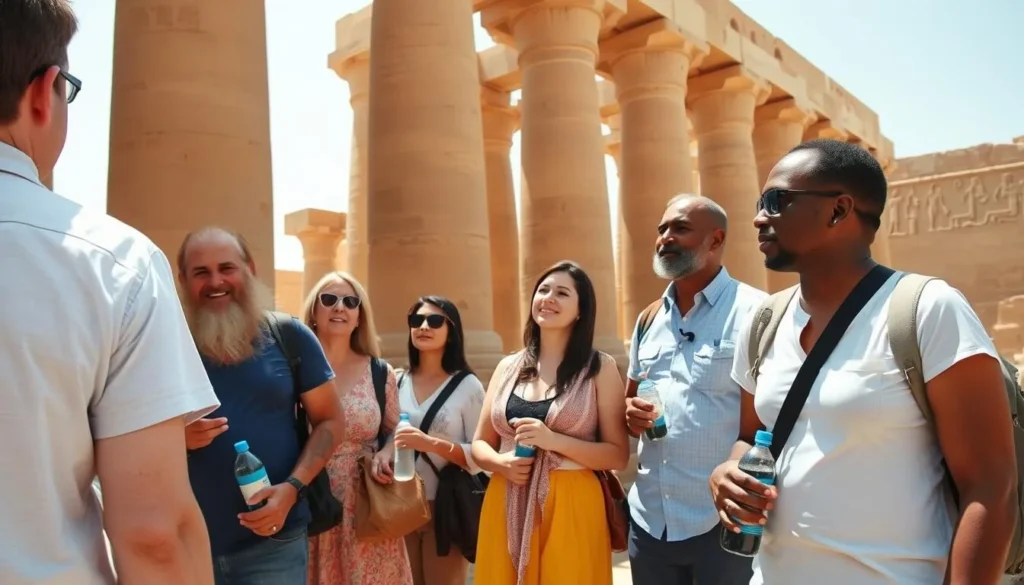
Essential Items to Pack
- Comfortable walking shoes with good grip for uneven temple surfaces
- Sun protection: hat, sunglasses, and high-SPF sunscreen
- Light, breathable clothing that covers shoulders and knees
- A light jacket or windbreaker for evening visits, especially in winter months
- Bottled water (though this can be purchased locally)
- Small Egyptian currency (Egyptian Pounds) for tips, small purchases, and toilet facilities
- Camera with extra batteries and memory cards
Temple Visit Tips
Arrive early morning or late afternoon to avoid the midday heat and the largest crowds. Many Nile cruises arrive in groups, so timing your visit between these waves can provide a more peaceful experience.
Consider hiring a knowledgeable guide to fully appreciate the historical and cultural significance of the temple. Guides can be arranged through your cruise, hotel, or found at the temple entrance.
The entrance fee for Kom Ombo Temple typically includes access to the Crocodile Museum, which is well worth visiting. Keep your ticket handy as it may be checked at both venues.
Allow approximately 1-2 hours to fully explore the temple complex and museum without rushing. Photography is generally permitted throughout the site, though flash may be restricted in some areas to protect the ancient carvings.
Health Considerations
The heat in Upper Egypt can be intense, particularly from May through September. Stay hydrated, pace yourself, and seek shade regularly. Heat exhaustion is a real risk, especially for those not accustomed to desert climates.
Bring any necessary medications with you, as pharmacies in smaller towns may have limited supplies. A basic first-aid kit with remedies for common travel ailments is advisable.
Use insect repellent, especially if visiting around sunset when mosquitoes are most active near the river. While the risk of mosquito-borne diseases is relatively low in this area, protection is still recommended.
Your Ancient Adventure Awaits
Kom Ombo offers a unique window into ancient Egypt’s fascinating religious practices and architectural achievements. The remarkable double temple, with its perfect symmetry and dedication to two distinct gods, stands as a testament to the ingenuity and spiritual complexity of this ancient civilization. As you walk through the same corridors where priests once performed sacred rituals, you’ll feel a tangible connection to a world that existed more than two millennia ago.
Whether you’re marveling at the surgical instrument reliefs that reveal advanced medical knowledge, examining mummified crocodiles that once embodied the god Sobek, or simply watching the sunset paint the ancient stones in golden hues, Kom Ombo delivers an unforgettable experience. This special place along the timeless Nile River continues to captivate visitors just as it has for thousands of years, revealing new secrets and inspiring wonder with each visit.
Related Posts
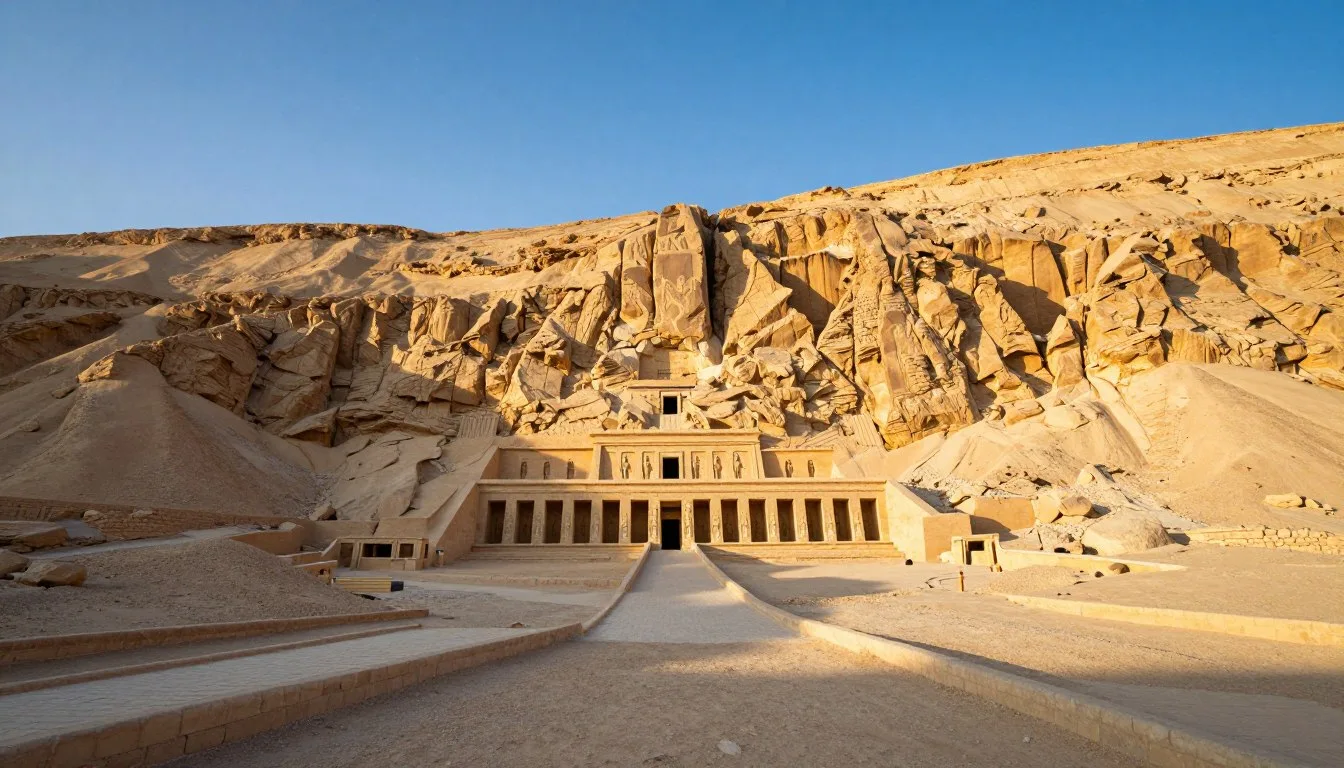
Valley of the Kings, Egypt: Best Things to Do – Top Picks

Siwa Oasis, Egypt: Best Things to Do – Top Picks

White Desert National Park, Egypt: Best Things to Do – Top Picks
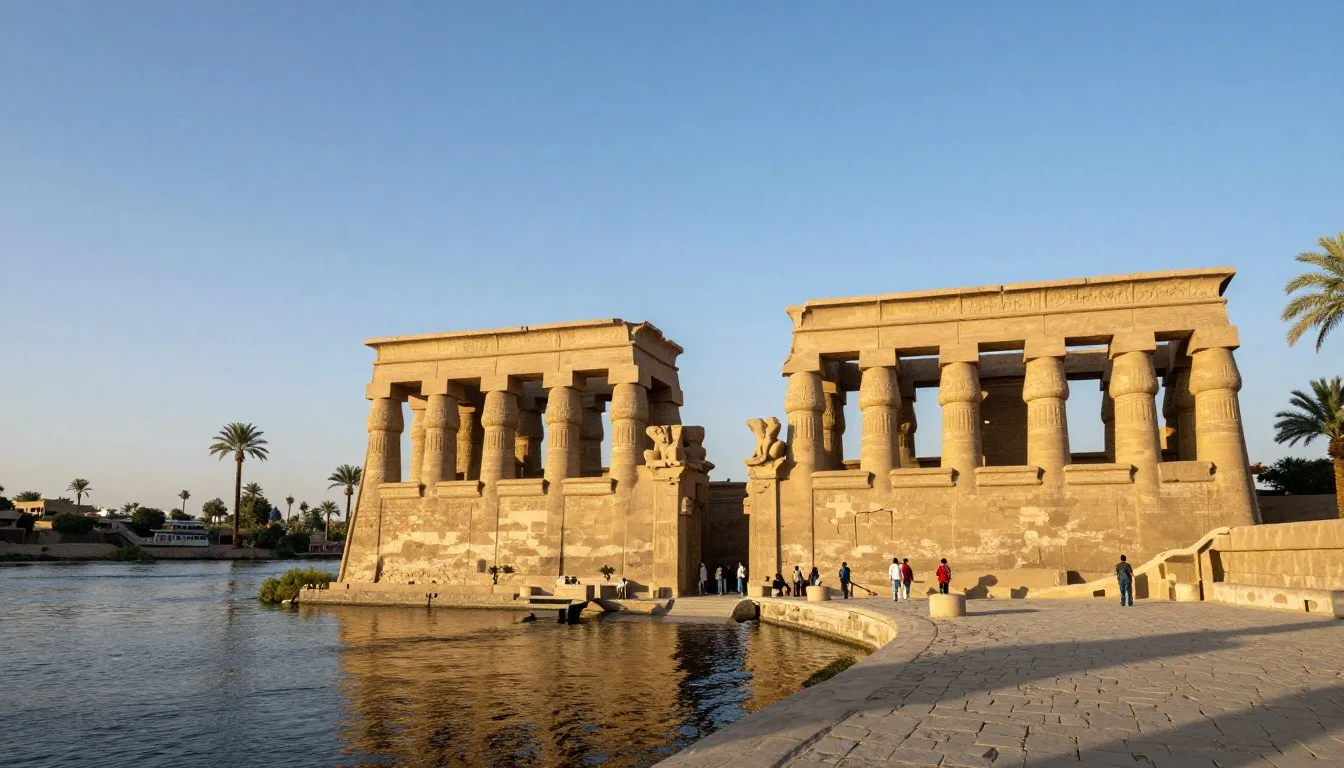
Luxor, Egypt: Best Things to Do – Top Picks
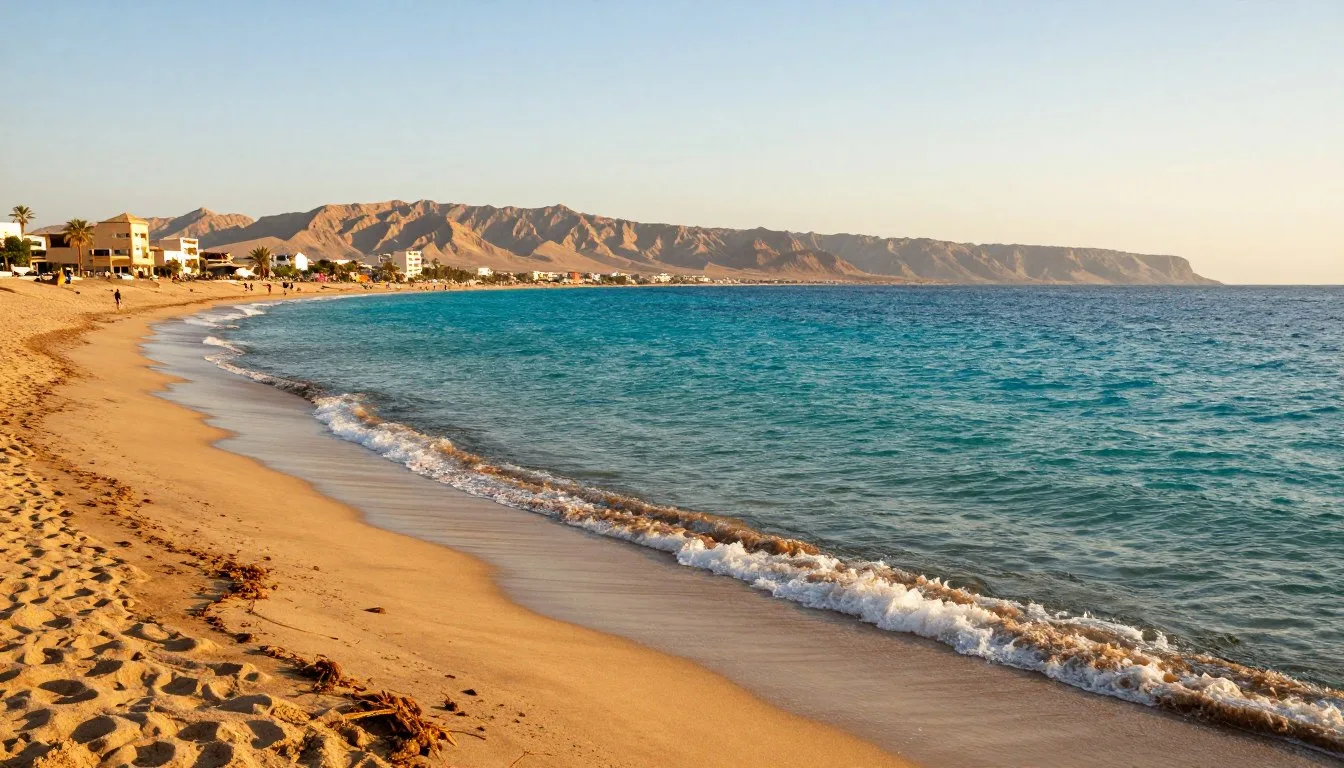
Safaga, Egypt: Best Things to Do – Top Picks

Sharm El-Sheikh, Egypt: Best Things to Do – Top Picks
Coming Soon: Clickable Maps