

Did you know that Kabale, often called the “Switzerland of Africa,” is home to Lake Bunyonyi, the second deepest lake in Africa at approximately 900 meters deep? This stunning region in southwestern Uganda offers travelers a perfect blend of breathtaking landscapes, unique wildlife encounters, and rich cultural experiences that remain largely undiscovered by mass tourism. From tracking endangered mountain gorillas to canoeing across mist-covered lakes surrounded by terraced hills, Kabale provides adventures that will create memories lasting a lifetime.
Getting There & Planning Your Journey
Reaching Kabale requires some planning, but the journey is well worth the effort. The closest international airport is Entebbe International Airport (EBB) near Kampala, Uganda’s capital. From there, you have several options to reach Kabale:
By Road
The most common way to reach Kabale is by road from Kampala, a journey of approximately 420 km (260 miles). The drive takes about 8-9 hours on mostly paved roads. You can:
- Take a public bus from Kampala (most affordable option)
- Hire a private driver/guide (most comfortable option)
- Rent a car and drive yourself (for experienced drivers only)
By Air
For those with limited time, domestic flights operate from Entebbe to Kisoro Airport, which is about 75 km (47 miles) from Kabale. From Kisoro, you’ll need to arrange ground transportation to complete your journey to Kabale.
Best Time to Visit & Weather Tips

Kabale enjoys a mild climate year-round due to its high elevation (approximately 1,900 meters or 6,200 feet above sea level), earning it the nickname “Switzerland of Africa.” The temperatures typically range between 10-23°C (50-73°F), making it pleasantly cool compared to other parts of Uganda.
Recommended Months to Visit
Dry Seasons (Best Overall)
- June to August – Perfect for gorilla trekking and outdoor activities
- December to February – Excellent visibility for photography and hiking
Months to Avoid
- April to May – Heavy rains make trails muddy and difficult
- October to November – Short rainy season with unpredictable weather
Traveler Tip: Even during dry seasons, Kabale’s weather can change quickly due to its mountainous terrain. Pack layers, including a light rain jacket, regardless of when you visit.
Getting Around Locally

Navigating Kabale and its surrounding attractions requires some planning. Here are the best ways to get around:
Within Kabale Town
- Boda Bodas (Motorcycle Taxis) – The most common and affordable way to travel short distances
- Special Hire Taxis – More comfortable than bodas but more expensive
- Walking – Kabale town center is compact and walkable
Exploring Lake Bunyonyi
- Boat Services – Regular motorboat services connect the mainland to various islands
- Canoes – Traditional dugout canoes offer a more authentic experience
- Private Boat Hire – Available for customized island-hopping tours
Visiting National Parks
For trips to Bwindi Impenetrable National Park or other distant attractions, it’s best to arrange transportation through your accommodation or a tour operator. Most gorilla trekking packages include transportation from Kabale.
Where to Stay
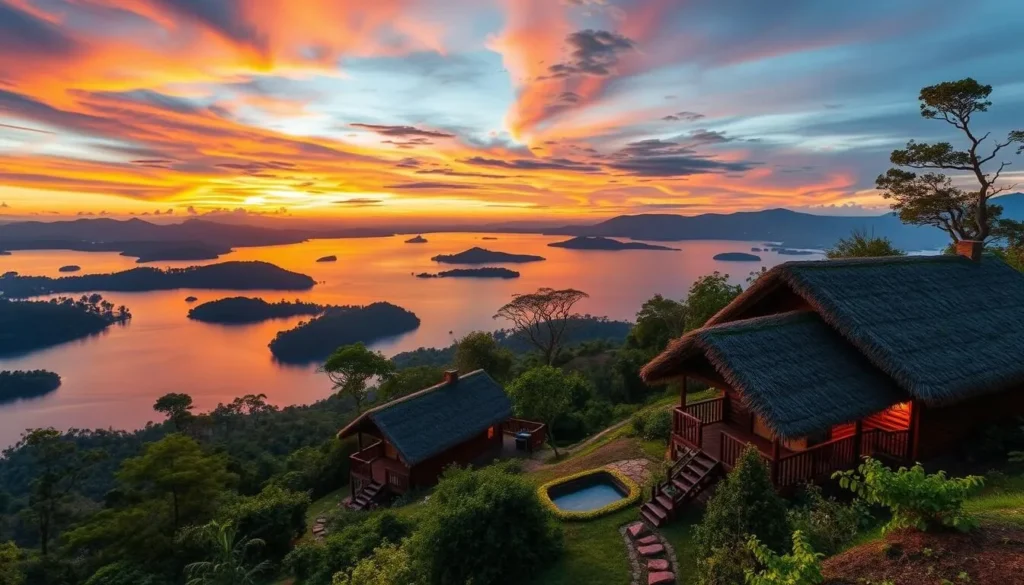
Kabale offers a range of accommodation options to suit every budget and preference. Most visitors choose to stay either in Kabale town or around Lake Bunyonyi, which is about 25 minutes from town.
Kabale Town Accommodations
- White Horse Inn – A historic hotel with colonial charm and beautiful gardens
- Kabale Backpackers – Budget-friendly option with dormitories and private rooms
- Skyblue Hotel – Mid-range option with comfortable rooms and restaurant
Lake Bunyonyi Accommodations
- Arcadia Lodges – Luxury option with stunning panoramic views of the lake
- Bunyonyi Overland Resort – Popular mid-range option with lakeside cottages
- Bushara Island Camp – Eco-friendly island retreat with various accommodation types
- Bird Nest Resort – Comfortable lakeside hotel with a swimming pool
Dining & Local Cuisine

Kabale’s culinary scene offers a delightful mix of traditional Ugandan dishes and international options. Here’s what to expect:
Local Specialties
- Crayfish – Lake Bunyonyi is famous for its delicious crayfish, often served in stews or grilled
- Matoke – Mashed plantains, a staple food in Uganda
- Luwombo – Meat or fish steamed in banana leaves
- Rolex – A popular street food made of chapati wrapped around an egg omelette
Where to Eat
In Kabale Town
- Skyblue Restaurant – Serves both local and international cuisine
- White Horse Inn Restaurant – Classic dining with colonial ambiance
- Kabale Central Market – For fresh fruits and local snacks
Around Lake Bunyonyi
- Arcadia Restaurant – Fine dining with lake views
- Bunyonyi Overland Resort Restaurant – Casual dining with international options
- Byoona Amagara – Eco-friendly restaurant with vegetarian options
Foodie Tip: Don’t miss trying fresh fish from Lake Bunyonyi, prepared with local herbs and spices. It’s a culinary highlight of the region!
Attractions, Sightseeing & Activities

Lake Bunyonyi
Often called the “Place of Many Little Birds,” Lake Bunyonyi is one of Kabale’s crown jewels. This stunning lake with 29 islands offers numerous activities:
- Island Hopping – Visit islands like Punishment Island (Akampene) with its fascinating history
- Canoeing – Traditional dugout canoes offer a peaceful way to explore
- Swimming – Unlike many African lakes, Bunyonyi is bilharzia-free and safe for swimming
- Boat Tours – Guided tours provide insights into local history and culture

Bwindi Impenetrable National Park
Located about 1-2 hours from Kabale, Bwindi is home to nearly half of the world’s remaining mountain gorillas and offers the region’s most sought-after experience:
- Gorilla Trekking – An unforgettable adventure tracking these gentle giants in their natural habitat
- Gorilla Habituation Experience – Spend four hours with gorillas being habituated to human presence
- Forest Walks – Guided nature walks to discover the park’s incredible biodiversity
Mgahinga Gorilla National Park
Uganda’s smallest national park offers unique experiences:
- Golden Monkey Tracking – Track these rare and playful primates
- Volcano Hiking – Climb one of the three extinct volcanoes in the park
- Batwa Trail – Learn about the indigenous Batwa people’s forest traditions
Museums, Cultural Spots & Festivals
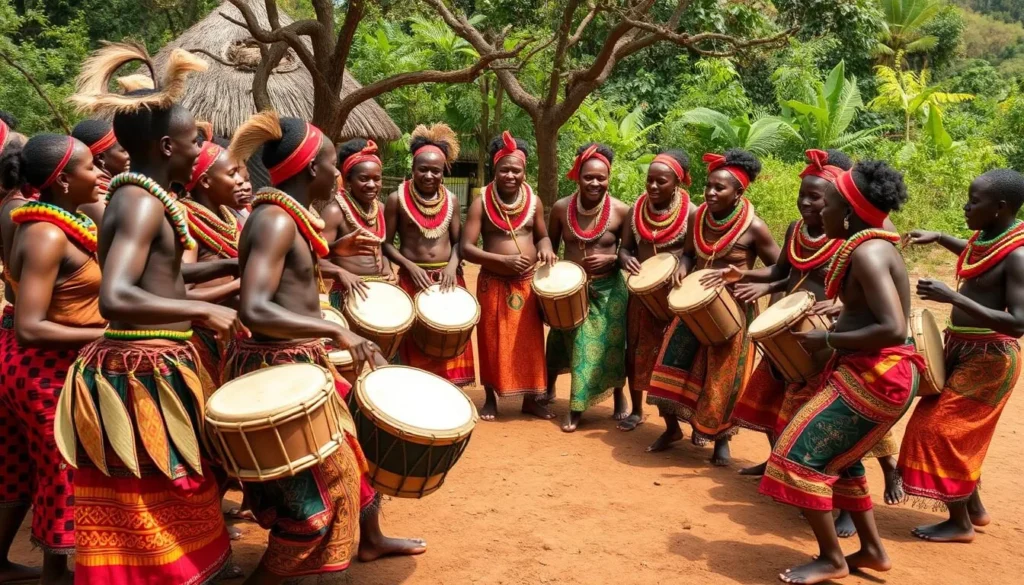
Cultural Experiences
- Batwa Cultural Experience – Interactive tours led by the indigenous Batwa people, demonstrating their traditional forest life
- Community Walks – Guided walks through local villages to learn about daily life and traditions
- Kabale Central Market – Immerse yourself in local life at this bustling market
Museums and Historical Sites
- Bwama Island – Home to a former leprosy treatment center established in the 1920s
- Kabale Museum – Small museum showcasing the region’s history and culture
- Punishment Island (Akampene) – Historical site with a dark past where unmarried pregnant girls were abandoned
Festivals and Events
While Kabale doesn’t host many large festivals, you might encounter:
- Batwa Cultural Performances – Regular cultural shows at various lodges and cultural centers
- Uganda Martyrs Day (June 3) – Celebrated throughout Uganda, including Kabale
- Independence Day (October 9) – National celebrations with local events
Sports, Nature & Outdoor Experiences

Outdoor Activities
- Hiking – Explore the terraced hills around Kabale and Lake Bunyonyi
- Birdwatching – Over 200 bird species can be spotted in the region
- Mountain Biking – Trails around Lake Bunyonyi offer exciting rides
- Zip Lining – Available at some resorts around Lake Bunyonyi
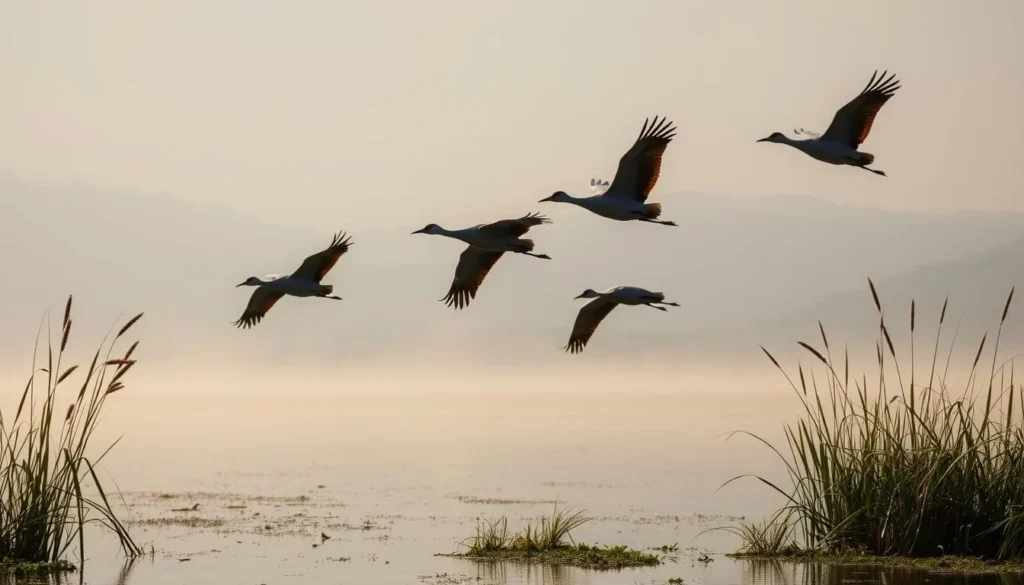
Nature Spots
- Echuya Forest Reserve – Home to rare bamboo forests and endemic bird species
- Kisiizi Falls – Beautiful waterfall about 1.5 hours from Kabale
- Lake Mutanda – Scenic lake surrounded by volcanic mountains
Safety, Etiquette & Local Customs
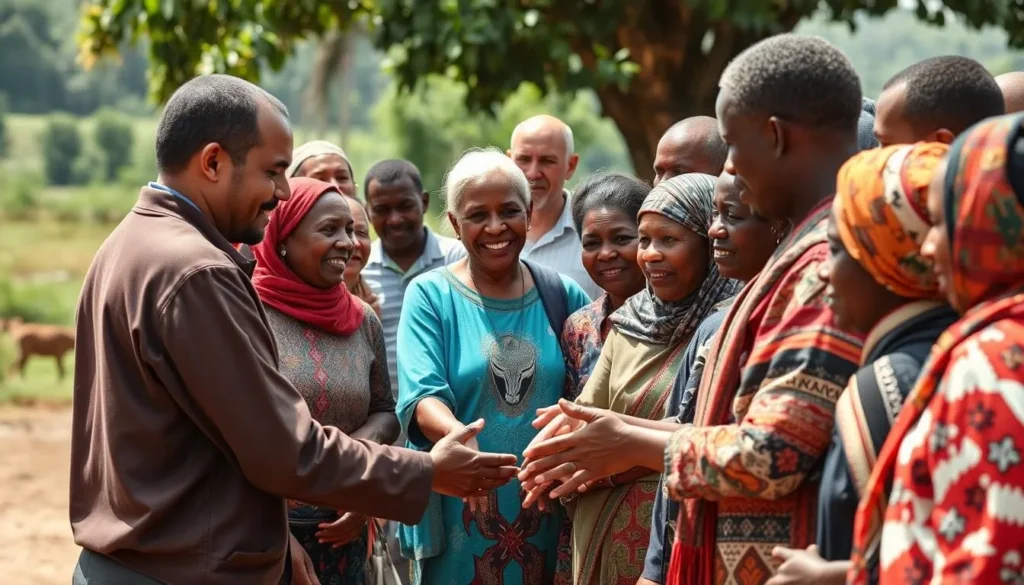
Safety Tips
- Health Precautions – Malaria is present in Uganda, so take appropriate prophylaxis and use insect repellent
- Water Safety – Drink only bottled or purified water
- Valuables – Keep valuables secure, especially in crowded areas
- Wildlife – Always follow guide instructions during wildlife encounters
Local Etiquette
- Greetings – Ugandans value greetings; a handshake and “Hello, how are you?” go a long way
- Photography – Always ask permission before photographing people
- Dress Code – Dress modestly, especially when visiting rural communities
- Bargaining – Haggling is expected in markets but should be done respectfully
Cultural Tip: When visiting Batwa communities or other cultural experiences, show respect by listening attentively and asking permission before taking photos. Small gifts like school supplies for children are appreciated but not expected.
Visitor Comments About Kabale
“Lake Bunyonyi was the highlight of our Uganda trip. The canoe ride at sunrise was magical, with mist rising from the water and birds everywhere. Don’t miss the island tour to learn about the fascinating local history.”
“Gorilla trekking from Kabale was life-changing. The hike was challenging but seeing these magnificent creatures in their natural habitat was worth every step. Our guide’s knowledge made the experience even more special.”
“We spent three days around Kabale and wished we had planned for more. The cool climate was refreshing, the scenery breathtaking, and the local people incredibly welcoming. The Batwa cultural experience was educational and moving.”
Practical Travel Tips
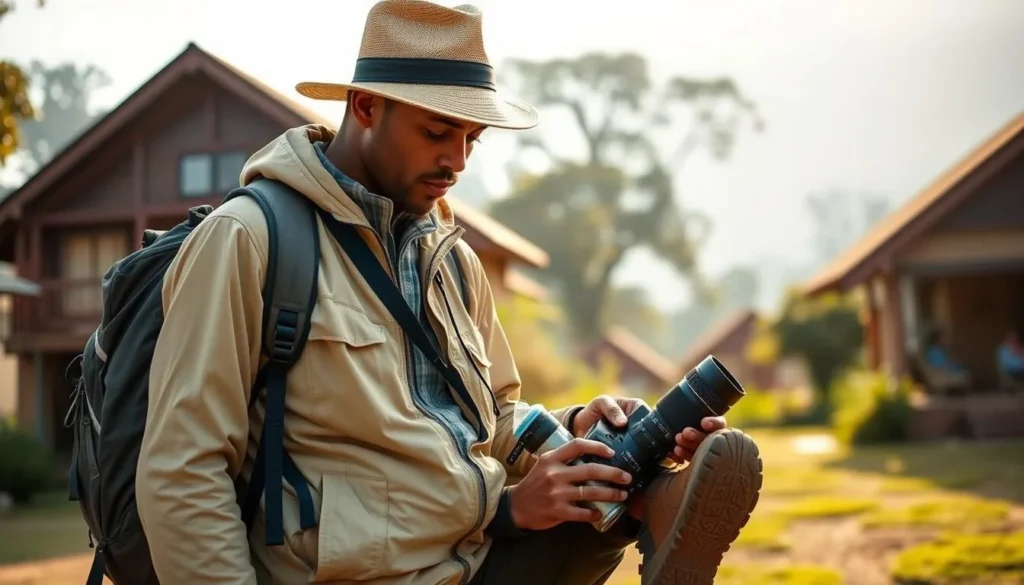
Essential Information
- Currency – Ugandan Shilling (UGX), though some places accept USD
- Language – English is widely spoken, especially in tourism areas
- Electricity – 240V, UK-style three-pin plugs
- Internet – Available in most accommodations but can be slow
Packing Essentials
- Clothing – Layers for cool mornings and evenings
- Hiking Boots – Essential for gorilla trekking and nature walks
- Rain Jacket – Weather can change quickly in mountainous areas
- Insect Repellent – Especially important during evening activities
- Binoculars – Great for birdwatching and wildlife spotting
Visa Information
Most visitors require a visa to enter Uganda. E-visas can be obtained online before travel through the official government portal. The East Africa Tourist Visa is a good option if you’re also visiting Rwanda or Kenya.
Gorilla Permit Tip: Gorilla trekking permits cost $700 USD per person and should be booked months in advance, especially during peak season. Your tour operator can help secure these permits.
Embrace the Magic of Kabale’s Highlands
Kabale offers travelers a rare combination of breathtaking natural beauty, unforgettable wildlife encounters, and authentic cultural experiences. From the mist-covered islands of Lake Bunyonyi to the dense forests of Bwindi where mountain gorillas roam, this region of Uganda rewards those willing to venture off the beaten path. Whether you’re seeking adventure, tranquility, or cultural immersion, Kabale’s rolling hills and friendly communities welcome you with open arms. As you plan your journey to the “Switzerland of Africa,” remember that the memories you’ll create here will last far longer than the photographs you’ll take. The magic of Kabale isn’t just in its landscapes—it’s in the connections you’ll make with its people, wildlife, and perhaps even with yourself.
The above is subject to change.
Check back often to TRAVEL.COM for the latest travel tips and deals.


0 Comments