
Hotels by Trip.com
Flights by Trip.com
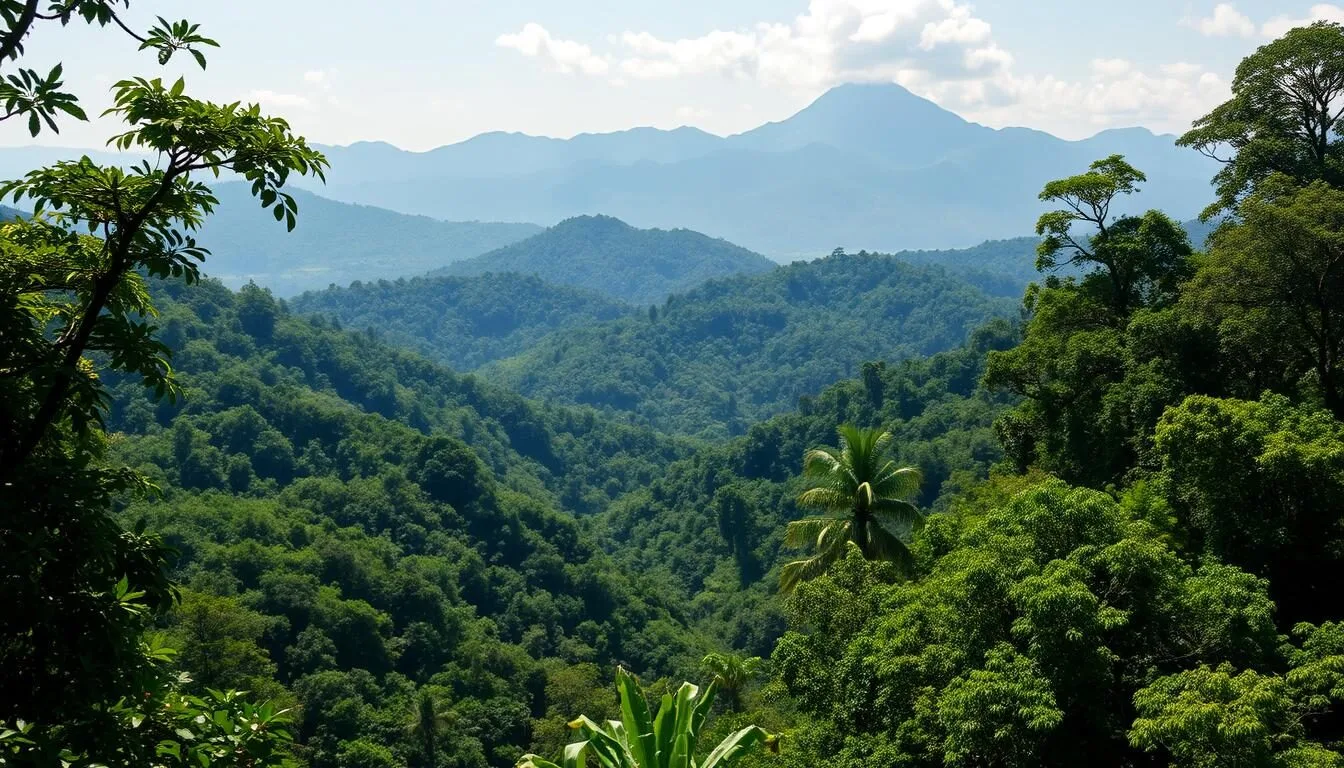
Did you know that Semuliki National Park is home to Uganda’s only true tropical rainforest, with some tree species dating back over 25,000 years to the last Ice Age? This 220 km² (85 mi²) hidden gem in western Uganda offers a fascinating glimpse into an ancient ecosystem that once spanned across the entire African continent. As an extension of the Congo Basin’s Ituri Forest, Semuliki harbors unique flora and fauna found nowhere else in East Africa, making it a paradise for nature enthusiasts and adventure seekers alike.
Getting There & Planning Your Journey
Reaching Semuliki National Park requires some planning, but the journey is well worth the effort. The park is located in western Uganda’s Bundibugyo district, approximately 375 km (233 mi) from Kampala.
Closest Airports
- Kasese Airport: The closest domestic airport, about 65 km (40 mi) from the park
- Entebbe International Airport: Uganda’s main international gateway, approximately 375 km (233 mi) from Semuliki
By Road
Most visitors reach Semuliki by road, with two main routes from Kampala:
- Shorter route: Kampala → Fort Portal via Mubende (4-5 hours) → Semuliki (1-2 hours)
- Scenic route: Kampala → Masaka → Mbarara → Kasese → Fort Portal → Semuliki (7-8 hours)
The longer route offers opportunities to visit other attractions like Queen Elizabeth National Park and Lake Mburo along the way.
Best Time to Visit Semuliki National Park
Semuliki National Park is open year-round, but timing your visit can significantly impact your experience. The park experiences a tropical climate with temperatures averaging 26°C (80°F) throughout the year.
| Season | Months | Conditions | Recommendation |
| Dry Season (Best) | June-August, December-February | Less rainfall, easier navigation, better wildlife viewing | Highly Recommended |
| Short Rains | March-May | Moderate rainfall, lush vegetation, some trail difficulties | Good for bird watching |
| Heavy Rains (Avoid) | September-November | Heavy rainfall, flooding, difficult trail conditions | Not Recommended |
During the wet seasons, some sections of the park may become flooded as rivers fill to capacity. A 4×4 vehicle is essential during these periods, and some trails may be impassable. The dry seasons offer the best conditions for hiking, wildlife viewing, and visiting the hot springs.
Getting Around Locally
Navigating Semuliki National Park requires proper planning and local guidance. The park’s unique terrain demands specific transportation approaches:
Transportation Options
- 4×4 Vehicles: Essential for navigating the park’s often challenging terrain, especially during wet seasons
- Guided Tours: The most convenient option, with tour operators providing transportation from Fort Portal or Bundibugyo
- Public Transport: Limited options to the park entrance; take a taxi from Fort Portal to Bundibugyo and stop at the Sempaya gate
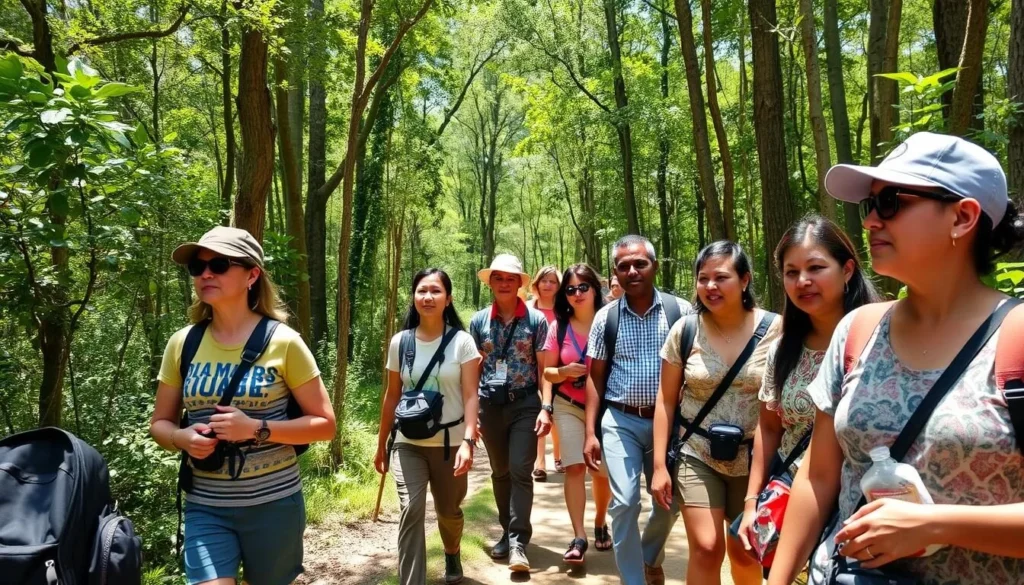
Within the park, all activities are conducted on foot with Uganda Wildlife Authority (UWA) guides. These knowledgeable guides are essential for navigation and provide valuable insights about the park’s unique ecosystem.
Where to Stay
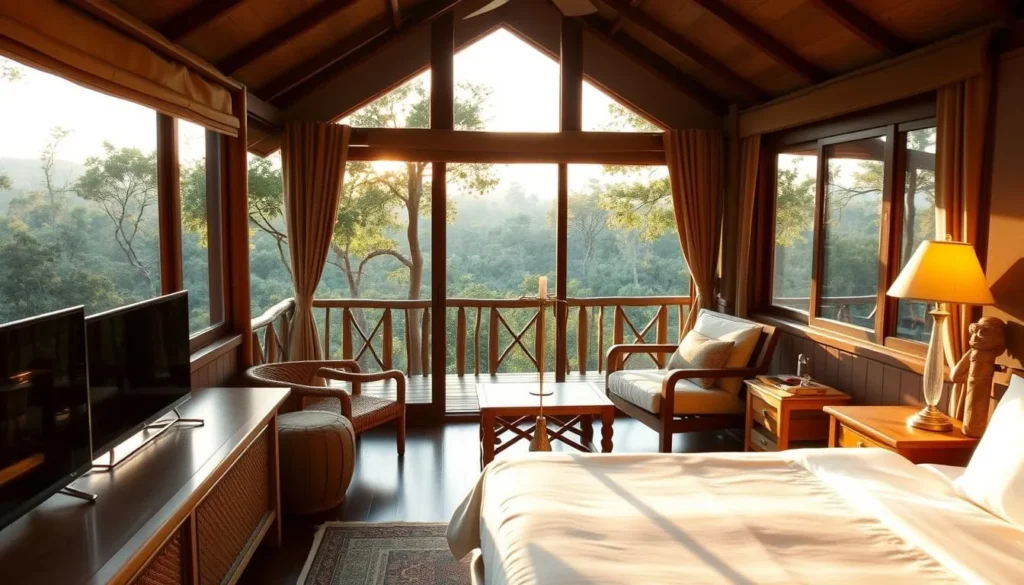
Accommodation options around Semuliki National Park range from basic to luxury, catering to different budgets and preferences. Most lodging is located outside the park in nearby towns or within the adjacent Semuliki Wildlife Reserve.
Luxury Options
- Semuliki Safari Lodge: Located in the Semuliki Wildlife Reserve, this upscale lodge offers luxury tents with private bathrooms, a swimming pool, and excellent dining options
- Ntoroko Game Lodge: Situated near Lake Albert with beautiful views, featuring comfortable rooms with modern amenities
Mid-range Options
- Kirimia Guesthouse: Located 10 km from the Sempaya gate, offering clean, self-contained rooms with meal service available
- Hotel Vanilla: A budget-friendly option in Bundibugyo town with clean rooms and a restaurant
Budget Options
- UWA Bandas and Campsites: Basic accommodation provided by Uganda Wildlife Authority near the park headquarters, with camping facilities for those bringing their own equipment
It’s advisable to book accommodation in advance, especially during peak tourist seasons, as options are limited in this remote area.
Dining & Local Cuisine
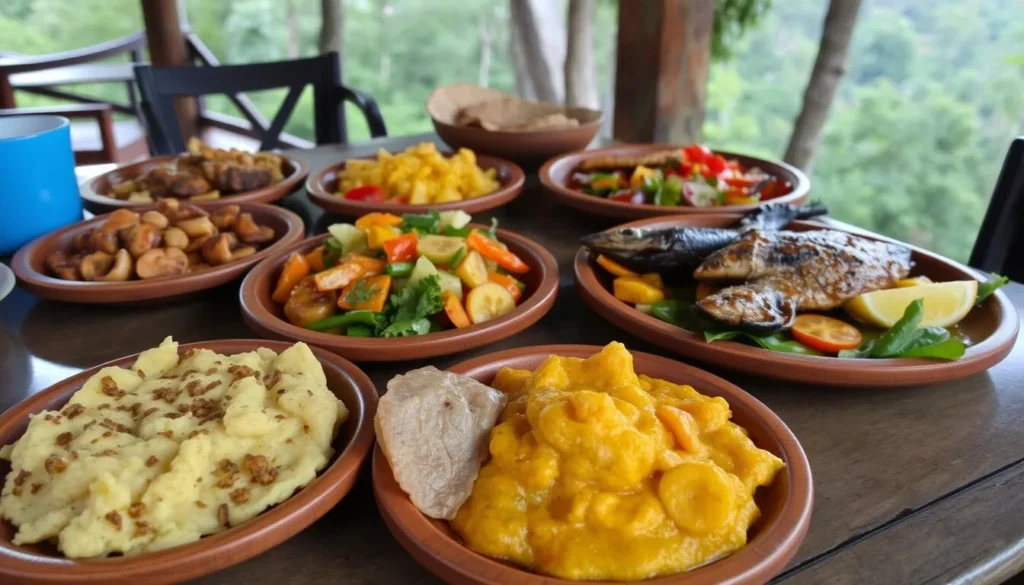
Dining options around Semuliki National Park are somewhat limited but offer a taste of authentic Ugandan cuisine. Most visitors enjoy meals at their accommodation, as standalone restaurants are scarce in this remote region.
Local Specialties
- Matoke: Steamed and mashed green plantains, a staple food in western Uganda
- Groundnut Sauce: A rich peanut-based sauce often served with matoke or rice
- Fresh Fish: Tilapia and Nile perch from nearby Lake Albert
- Cassava and Sweet Potatoes: Common side dishes prepared in various ways
- Tropical Fruits: Fresh bananas, pineapples, and mangoes grown locally
Dining Tips
Most lodges and guesthouses offer full-board options, which is recommended given the limited dining alternatives. If staying at UWA bandas or campsites, you’ll need to bring your own food supplies or arrange meals in advance. The nearby towns of Bundibugyo and Fort Portal have small restaurants and markets where you can purchase provisions.
When exploring the park, pack sufficient water and snacks for day trips, as there are no food facilities within the park itself.
Check 30,000+ Local Sightseeing Tours Worldwide
✓ Numerous languages and currencies are available
Attractions, Sightseeing & Activities
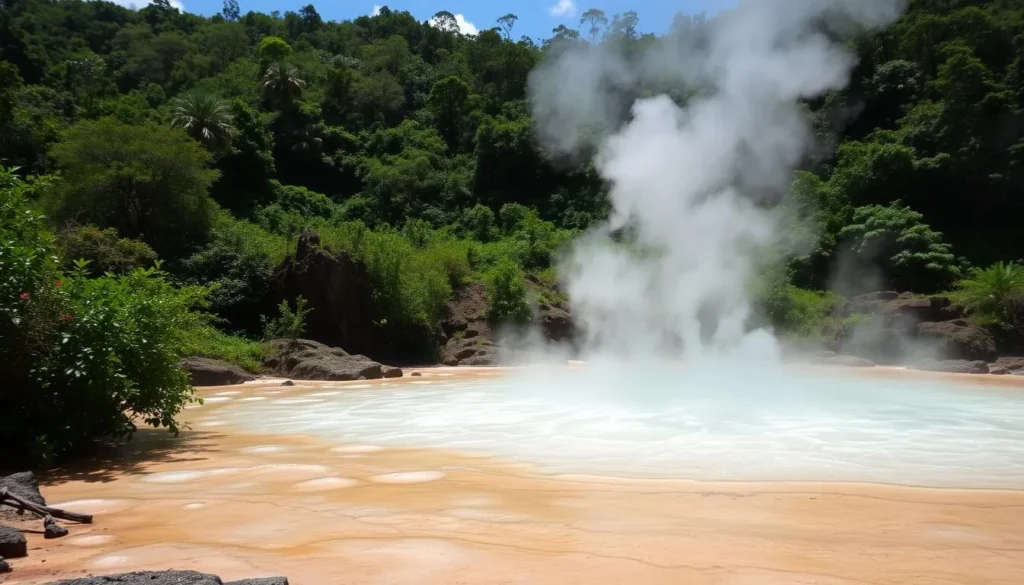
Semuliki National Park offers a diverse range of attractions and activities that showcase its unique biodiversity and natural wonders. From geothermal features to rich wildlife, there’s something for every nature enthusiast.
Sempaya Hot Springs
The park’s most famous attraction is the Sempaya Hot Springs, consisting of two main geothermal features:
- Male Hot Spring (Bintente): A dramatic geyser that shoots boiling water up to 2 meters high, visible from a kilometer away
- Female Hot Spring (Nyasimbi): A hot water pool with bubbling water reaching temperatures of over 100°C (212°F)
Visitors can boil eggs and plantains in these natural hot springs—a unique experience that takes about 10 minutes. Local folklore attributes spiritual significance to these springs, adding cultural interest to the natural wonder.
Wildlife Viewing
Semuliki is home to over 60 mammal species, including:
- Forest elephants and buffalo
- Leopards and various duiker species
- Hippos and crocodiles along the Semuliki River
- Eight primate species including chimpanzees, black-and-white colobus, and red-tailed monkeys
Birding Paradise
With over 441 recorded bird species (about 40% of Uganda’s total), Semuliki is a birder’s paradise. Many species here are found nowhere else in East Africa, including the:
- Congo Serpent Eagle
- Black Dwarf Hornbill
- Yellow-throated Nicator
- Piping Hornbill
- Nkulengu Rail
Top Activities in Semuliki National Park
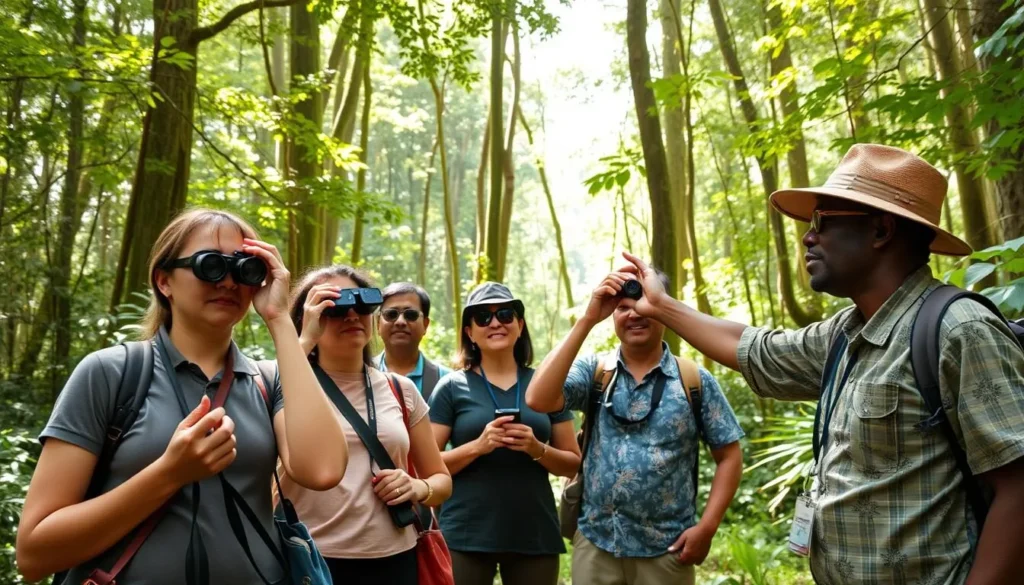
1. Forest and Nature Walks
Explore Semuliki’s lush rainforest on established trails with knowledgeable guides:
- Sempaya Nature Trail (8 km): Most popular trail leading to the hot springs
- Red Monkey Track (11 km): Excellent for spotting primates, especially the rare DeBrazza’s monkey
- Kirumia Trail (13 km): A challenging trail crossing through the heart of the forest to the Semuliki River
2. Chimpanzee Tracking
Join researchers to track habituated chimpanzee communities in the forest. While sightings aren’t guaranteed due to the chimps’ mobility, the experience offers fascinating insights into their behavior and habitat. Permits cost $30 for international visitors.
3. Boat Cruises on Semuliki River
Take a boat ride along the Semuliki River to spot waterbirds, hippos, and crocodiles. The river eventually flows into Lake Albert, offering beautiful scenery and excellent photography opportunities.
4. Butterfly Watching
Semuliki hosts 305 butterfly species, with 35 endemic varieties. Look for colorful species like the Graphium antheus and the large swallowtail butterfly along the Sempaya trail.
5. Cultural Visits
Engage with local communities living around the park:
- Batwa Pygmies: Forest hunter-gatherers with ancient traditions
- Bakonjo and Bamba: Agricultural communities cultivating the slopes of the Rwenzori Mountains
- Batuku: Pastoralists living in the northern section of the park
These visits offer insights into traditional lifestyles, cultural performances, and local crafts.
Cultural Experiences
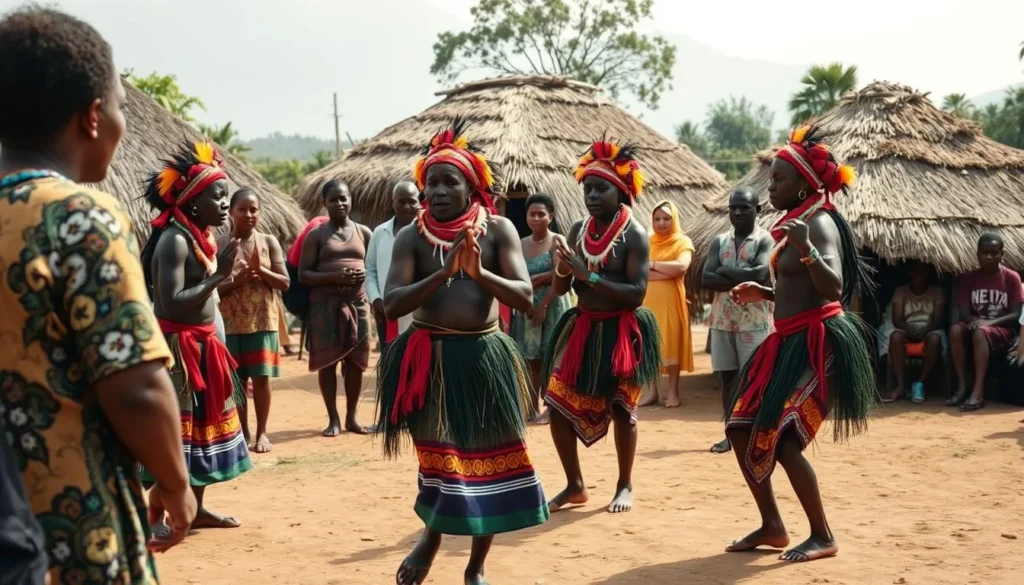
The area surrounding Semuliki National Park is rich in cultural heritage, with four indigenous tribes maintaining their traditional ways of life. Engaging with these communities adds a meaningful dimension to your Semuliki experience.
The Batwa Experience
The Batwa pygmies, original forest dwellers, offer visitors a glimpse into their traditional forest-based lifestyle:
- Traditional hunting demonstrations using nets and spears
- Medicinal plant identification and usage
- Fire-making techniques using traditional methods
- Cultural dances and storytelling sessions
Many Batwa have been relocated from the forest in recent decades, making these cultural exchanges important for preserving their heritage.
Local Festivals and Events
While there aren’t regular scheduled festivals in the immediate area, occasional cultural celebrations in nearby communities showcase traditional music, dance, and food. Ask your accommodation or guide about any events happening during your visit.
Craft Demonstrations
Local communities produce various handicrafts that visitors can observe being made and purchase:
- Basket weaving using local materials
- Traditional pottery
- Woodcarving and tool making
- Bark cloth production (a UNESCO-recognized cultural heritage)
These cultural experiences are typically arranged through your accommodation or tour operator, with a portion of proceeds supporting community development initiatives.
Nature & Outdoor Experiences
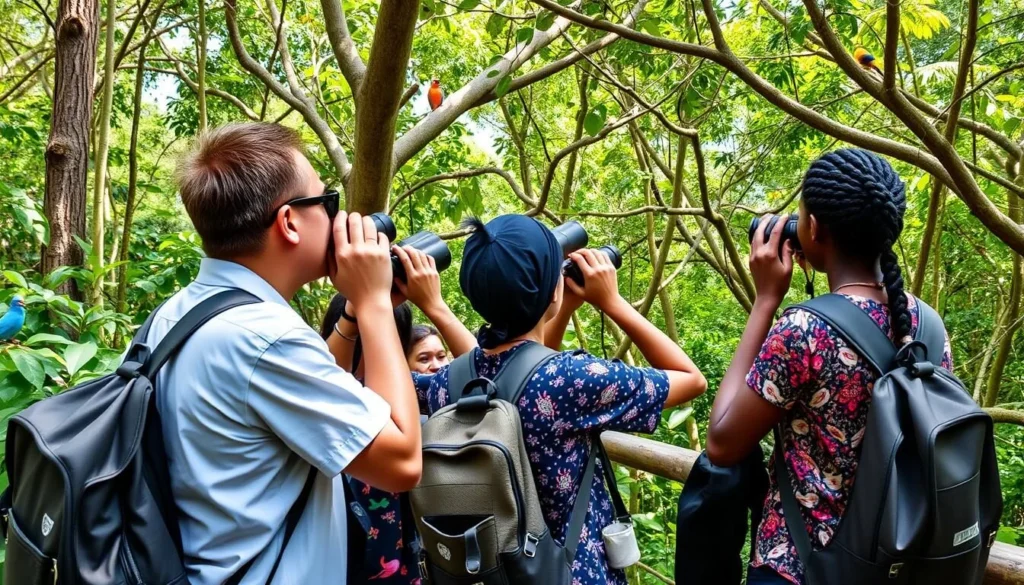
Semuliki National Park offers exceptional opportunities for nature enthusiasts to experience one of Africa’s most biodiverse ecosystems. The park’s unique location at the eastern edge of the great Congo Basin forest creates a haven for rare species.
Exceptional Birding
Semuliki is considered one of East Africa’s premier birding destinations with 441 recorded species:
- Best spots include the Kirumia Trail and around the hot springs
- Morning hours (6-10 AM) and late afternoon (4-6:30 PM) offer peak activity
- Specialized birding guides can be arranged through UWA
- Notable species include the Shoebill Stork, Great Blue Turaco, and Yellow-throated Cuckoo
Botanical Exploration
The park contains over 336 tree species, many found nowhere else in East Africa:
- Ancient tree species dating back to the Pleistocene era
- Medicinal plants used by local communities
- Unique adaptations to the hot, humid forest environment
Photography Opportunities
Semuliki offers exceptional photography subjects:
- The dramatic Sempaya Hot Springs with their billowing steam
- Colorful bird species in natural settings
- Atmospheric forest scenes with filtered light
- Primates in their natural habitat
- Cultural portraits (with permission) of local communities
For serious nature photographers, early morning starts are essential to capture the best light and wildlife activity. Waterproof camera protection is recommended, especially during the wetter months.
Safety, Etiquette & Local Customs
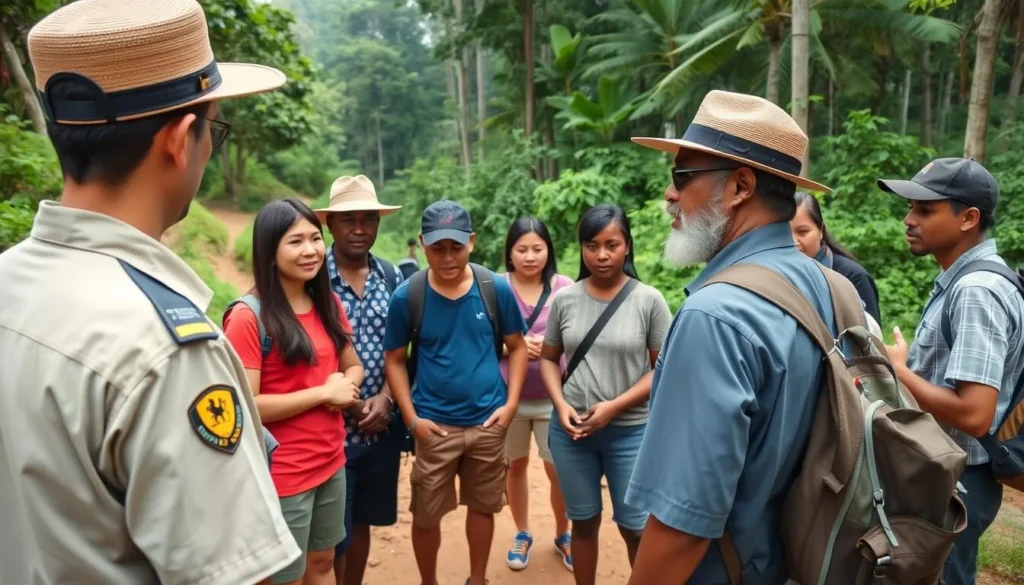
Ensuring a safe and respectful visit to Semuliki National Park requires awareness of both safety considerations and cultural sensitivities.
Health and Safety
- Malaria Prevention: The park is in a malaria-endemic area. Take appropriate prophylaxis, use insect repellent, and wear long sleeves and pants, especially in the evenings
- Hydration: Carry sufficient water for all activities; the humid climate can lead to rapid dehydration
- Wildlife Safety: Always maintain a safe distance from wildlife and follow guide instructions
- Hot Springs Caution: The Sempaya Hot Springs reach boiling temperatures; stay on designated viewing platforms
- Trail Safety: Wear appropriate footwear for forest trails and never hike without a guide
Cultural Etiquette
When interacting with local communities around Semuliki:
- Ask permission before taking photographs of people
- Dress modestly when visiting villages (shoulders and knees covered)
- Greet people with a handshake and a smile
- Learn a few basic phrases in the local language (Swahili or Luganda)
- If bringing gifts, consider useful items like school supplies rather than candy
Environmental Responsibility
- Stay on designated trails to minimize habitat disturbance
- Carry out all trash and dispose of it properly
- Do not collect plant specimens or other natural souvenirs
- Keep noise levels low to avoid disturbing wildlife
- Follow all park regulations provided by your guide
Visitor Comments About Semuliki National Park
Practical Travel Tips
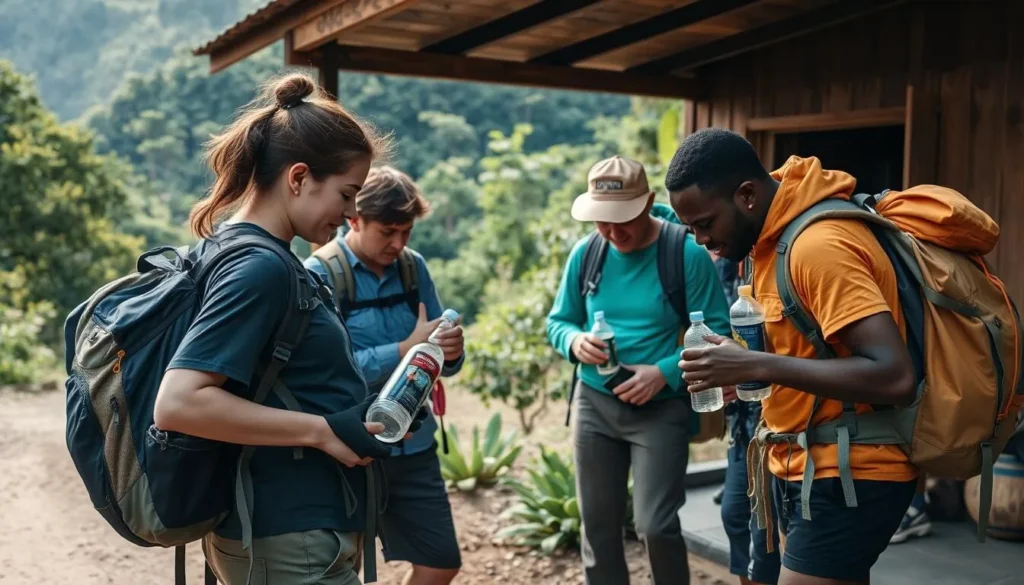
What to Pack
- Clothing: Lightweight, quick-drying clothes in neutral colors; long sleeves and pants for protection
- Footwear: Sturdy, waterproof hiking boots with good ankle support
- Rain Gear: Waterproof jacket and bag cover, even in dry seasons
- Sun Protection: Hat, sunglasses, and high-SPF sunscreen
- Insect Repellent: Products containing DEET or picaridin
- Binoculars: Essential for wildlife and bird watching
- Camera Equipment: Zoom lens, spare batteries, and waterproof protection
Communication
Mobile network coverage is limited within the park. Major providers like MTN and Airtel have some coverage near park headquarters and the Sempaya gate. Consider downloading offline maps and guides before your visit.
Money Matters
- Carry sufficient cash (Uganda Shillings) as there are no ATMs near the park
- Park fees can be paid at the gate (credit cards accepted at park headquarters)
- Budget for guide tips (recommended: $5-10 per day)
- Most accommodations accept USD for payment but at less favorable rates
Park Fees (as of 2023)
- Foreign Non-residents: $40 per person
- Foreign Residents: $30 per person
- East African Citizens: 30,000 UGX per person
- Vehicle Entry: $20 for foreign-registered vehicles
Your African Adventure Awaits
Semuliki National Park offers a rare glimpse into an ancient African ecosystem that has largely disappeared elsewhere on the continent. From the mesmerizing Sempaya Hot Springs to the extraordinary biodiversity of its Congo Basin forest, this hidden gem rewards travelers willing to venture off Uganda’s more beaten tourist paths. Whether you’re a dedicated birder seeking rare species, a wildlife enthusiast hoping to spot forest elephants and chimpanzees, or simply a curious traveler looking to experience something truly unique, Semuliki delivers unforgettable experiences in a pristine natural setting. As you plan your journey to this remarkable destination, remember that the effort to reach Semuliki is part of the adventure—one that culminates in discovering a piece of Africa that few travelers ever experience.
Related Posts
Ziwa Rhino Sanctuary, Uganda: Best Things to Do – Top Picks

Ssese Islands (Lake Victoria), Uganda: Best Things to Do – Top Picks
Source of the Nile (Jinja), Uganda: Best Things to Do – Top Picks
Sipi Falls, Uganda: Best Things to Do – Top Picks
Sezibwa Falls, Uganda: Best Things to Do – Top Picks
Rwenzori Mountains National Park, Uganda: Best Things to Do – Top Picks
Coming Soon: Clickable Maps