Hotels by Trip.com
Flights by Trip.com
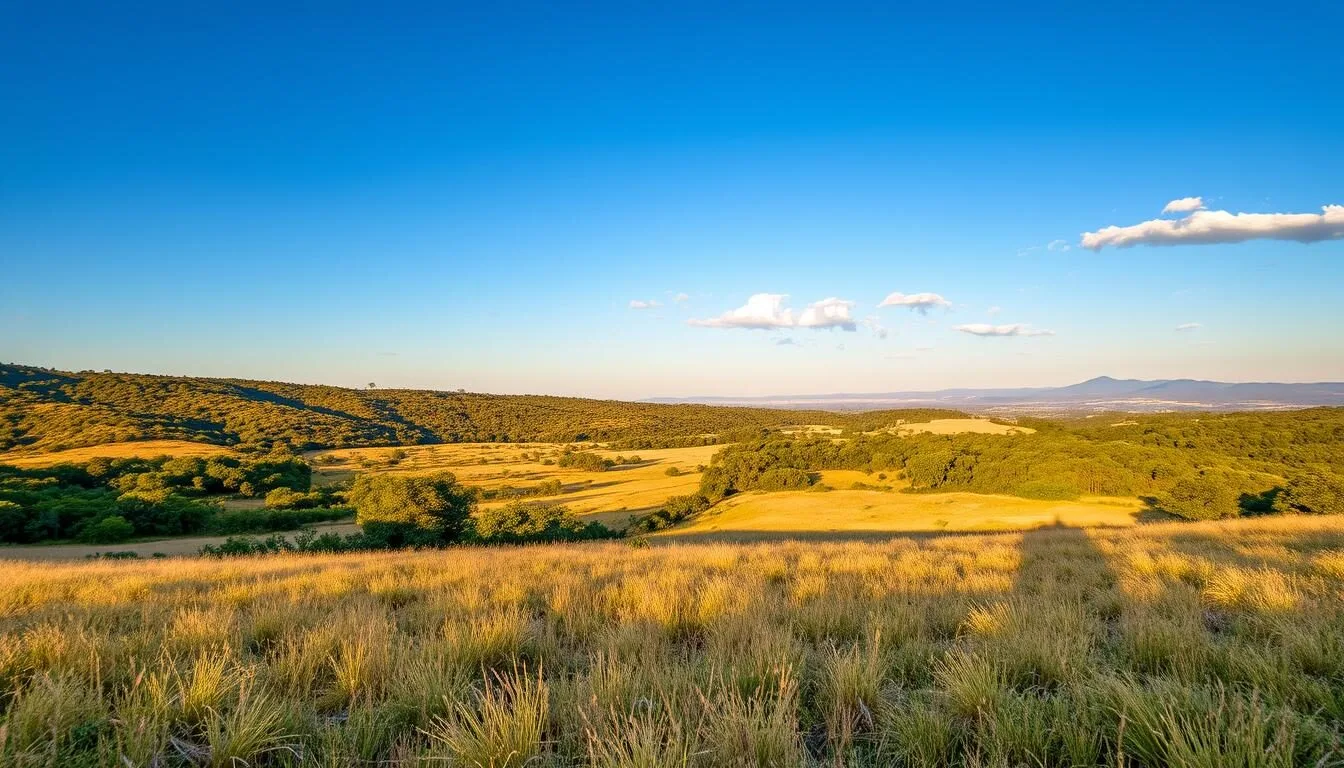
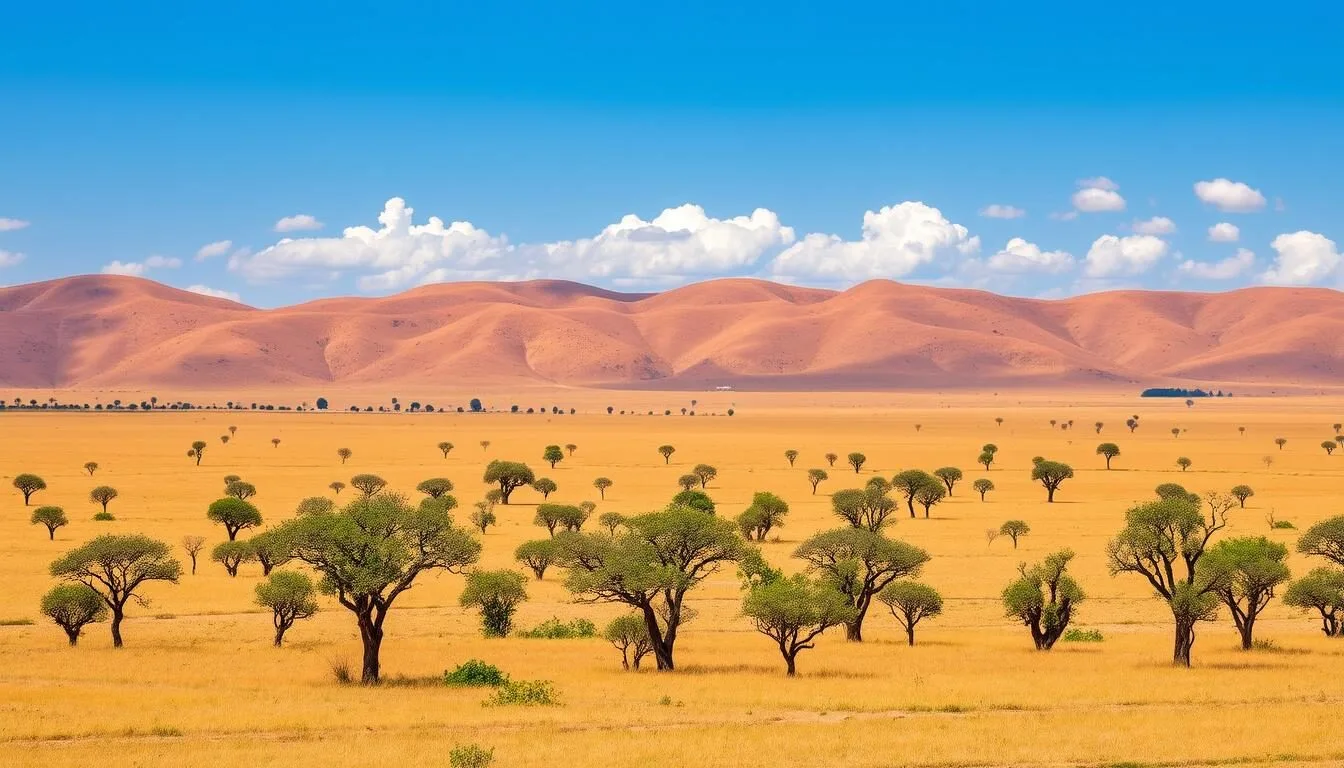
Did you know Lake Mburo National Park is Uganda’s smallest savannah park yet boasts the highest concentration of leopards in the country? This 370 km² hidden gem offers an incredible wildlife experience just a 4-hour drive from Kampala, making it the most accessible national park from Uganda’s capital city. Despite its compact size, Lake Mburo delivers an extraordinary safari experience with its diverse ecosystems, from acacia-dotted savannahs to wetlands and forests.
Getting There & Planning Your Journey
Lake Mburo National Park is located in western Uganda, spanning the districts of Mbarara, Isingiro, and Kiruhura. The park is approximately 260 km from Kampala, requiring about a 3-4 hour drive on well-maintained roads.
Nearest Airports
- Entebbe International Airport (EBB) – The main international gateway to Uganda, located near Kampala
- Mbarara Airport – A smaller domestic airport closer to the park
Most visitors arrive via Entebbe International Airport and then travel by road to Lake Mburo. The journey takes you through beautiful countryside and offers a chance to see rural Uganda.
Transportation Options
You’ll need a 4×4 vehicle to properly explore Lake Mburo National Park, especially during the rainy season when roads can become muddy. Options include:
- Hiring a tour operator with a vehicle and driver/guide
- Renting a 4×4 vehicle and self-driving (recommended only if you’re comfortable with African roads)
- Public transportation to nearby towns, then arranging local transport to the park (budget option but less convenient)
Best Time to Visit & Weather Tips

Lake Mburo National Park can be visited year-round, but certain seasons offer better wildlife viewing and more comfortable conditions.
Recommended Seasons to Visit
Dry Seasons (Best for Wildlife Viewing)
- June to September – Long dry season with excellent game viewing
- December to February – Short dry season, also excellent for wildlife
During dry seasons, animals gather around water sources, making them easier to spot. Trails are also more accessible for game drives and walking safaris.
Wet Seasons (Best for Birding & Lush Scenery)
- March to May – Long rainy season
- October to November – Short rainy season
The park transforms into a vibrant green landscape during rainy seasons. Bird watching is exceptional as migratory species arrive, but some trails may become difficult to navigate.
Seasons to Avoid
April tends to be the rainiest month, which can make game drives challenging due to muddy roads. If you’re primarily interested in wildlife viewing, this might not be the ideal time to visit.
Temperature & Climate
Lake Mburo has a mild climate year-round:
- Average daytime temperatures: 23-27°C (73-80°F)
- Average nighttime temperatures: 15-18°C (59-64°F)
- Humidity levels are moderate, making it comfortable for outdoor activities
Pro Tip: Pack lightweight, neutral-colored clothing for daytime activities, but bring a light jacket or sweater for early morning game drives when temperatures can be cooler.
Check 30,000+ Local Sightseeing Tours Worldwide
✓ Numerous languages and currencies are available
Getting Around Locally

Exploring Lake Mburo National Park requires some planning, as the terrain varies from open savannah to woodland and wetlands.
Game Drives
The most popular way to explore Lake Mburo is through game drives along the park’s network of tracks. The best game viewing areas include:
- Research Track – Known for impala, zebra, and buffalo sightings
- Zebra Track – Great for spotting zebras and other plains game
- Impala Track – Excellent for viewing impala herds
- Warukiri Track – Offers diverse wildlife sightings
Guided Walking Safaris
Lake Mburo is one of the few Ugandan parks where you can explore on foot with a ranger guide. Walking safaris allow you to experience the park’s ecosystem up close and personal.
Boat Trips
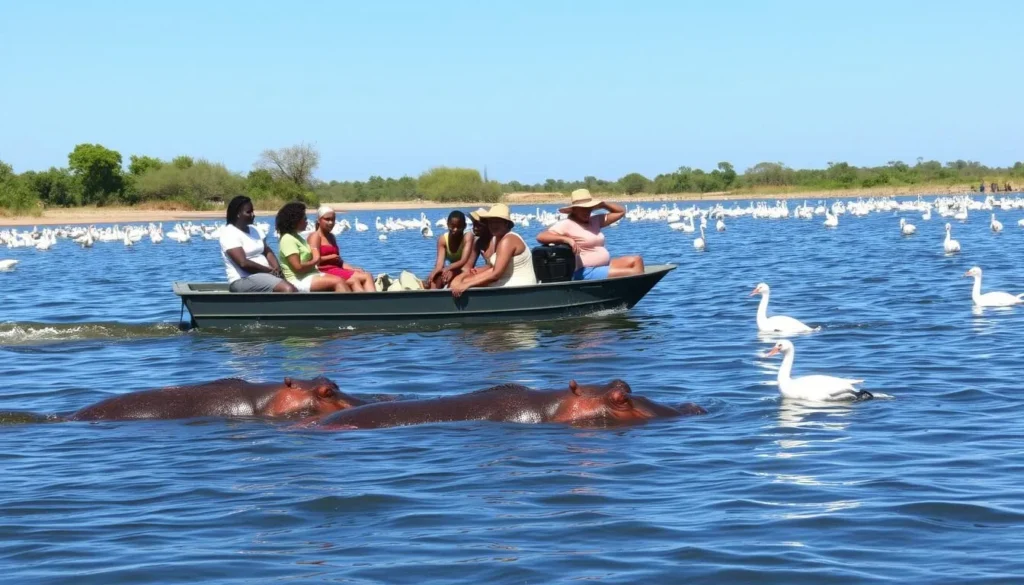
Boat trips on Lake Mburo depart from the jetty near Rwonyo Rest Camp and offer excellent opportunities to view hippos, crocodiles, and waterbirds.
Where to Stay
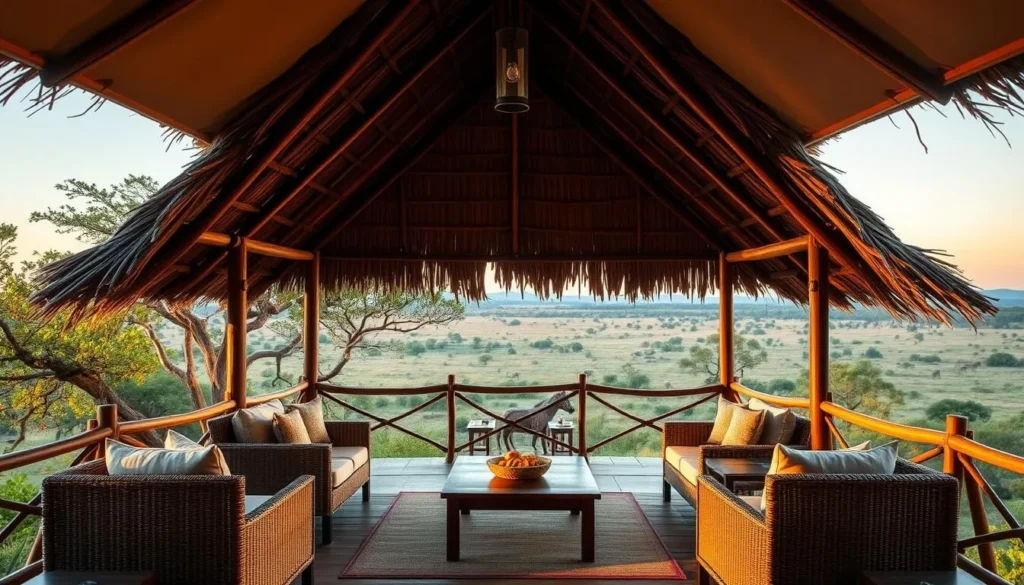
Lake Mburo National Park offers a range of accommodation options to suit different budgets and preferences, from luxury lodges to budget-friendly campsites.
Luxury Lodges
- Mihingo Lodge – Perched on a rocky outcrop with stunning views, offering luxury tented rooms, a swimming pool, and excellent service
- Lake Mburo Safari Lodge – Comfortable cottages with panoramic views of the park and lake
Mid-Range Options
- Mantana Tented Camp – Authentic safari experience with comfortable tented accommodation
- Eagle’s Nest – Charming lodge with good views and reasonable prices
Budget Accommodation
- Rwonyo Rest Camp – Uganda Wildlife Authority’s budget accommodation with bandas and camping facilities
- Leopard Rest Camp – Basic but clean accommodation near the park entrance
Dining & Local Cuisine
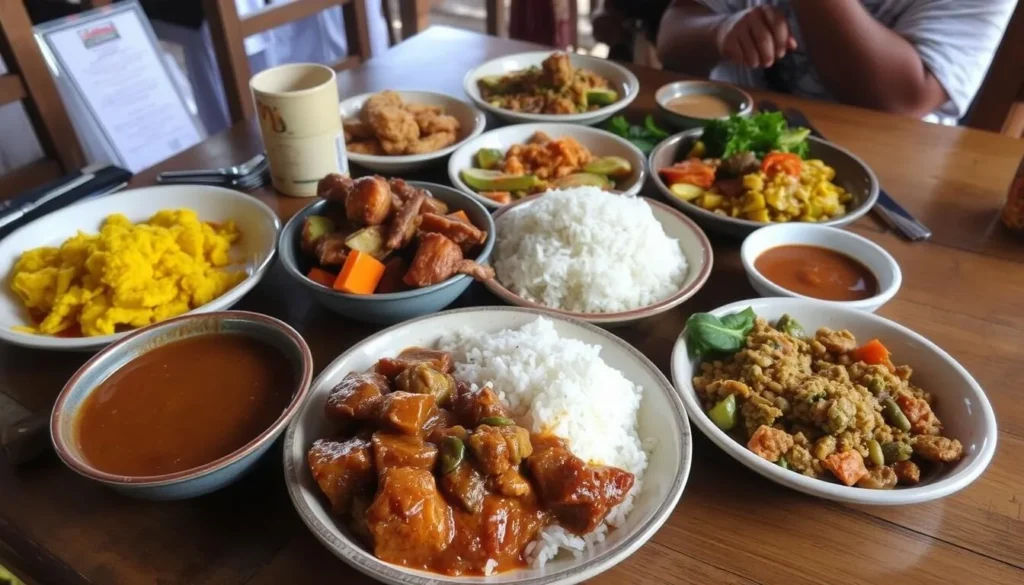
Most visitors to Lake Mburo National Park dine at their accommodation, as standalone restaurants are limited within and around the park. Lodges and camps typically offer:
- Full-board packages including breakfast, lunch, and dinner
- Packed lunches for full-day game drives
- A mix of international cuisine and Ugandan specialties
Local Ugandan Dishes to Try
- Matoke – Mashed plantains, a staple food in Uganda
- Luwombo – Meat or chicken steamed in banana leaves
- Posho – Maize flour porridge, often served with stews
- Groundnut sauce – Peanut-based sauce served with various dishes
- Rolex – A popular Ugandan street food made of chapati and eggs
Dining Tip: Most lodges can accommodate special dietary requirements with advance notice. Be sure to inform your accommodation or tour operator about any food allergies or preferences before your arrival.
Attractions, Sightseeing & Activities
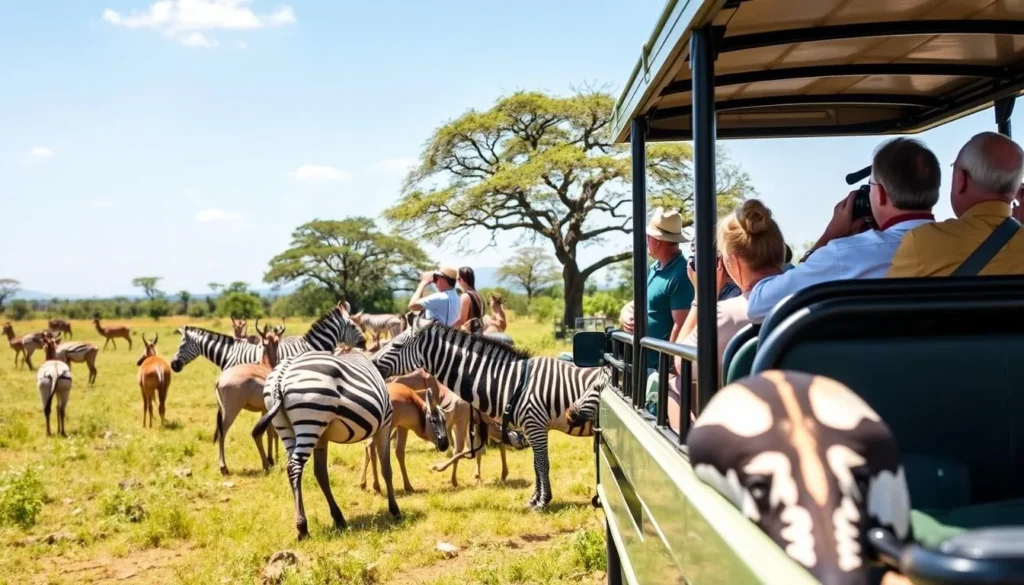
Lake Mburo National Park offers a diverse range of activities that allow visitors to experience its unique ecosystem and wildlife. Here are the top things to do during your visit:
1. Game Drives
Both day and night game drives are available in Lake Mburo National Park. Early morning (6:30 AM) and late afternoon (4:00 PM) drives offer the best wildlife viewing opportunities. You’ll have chances to spot zebras, giraffes, buffaloes, impalas, warthogs, and if you’re lucky, leopards and hyenas.
Night Game Drives: Lake Mburo is one of the few parks in Uganda that offers night game drives, giving you the chance to spot nocturnal animals like leopards and hyenas. These drives typically start between 6:30-7:00 PM and last 2-3 hours.
2. Boat Safaris on Lake Mburo
A boat cruise on Lake Mburo is one of the must-do activities in the park. These 90-minute trips offer excellent opportunities to view hippos, crocodiles, and various waterbirds including African fish eagles, pied kingfishers, and herons. Boat trips depart every 2 hours between 8:00 AM and 4:00 PM, with an additional departure at 5:30 PM.
3. Guided Nature Walks
Explore Lake Mburo on foot with an armed ranger guide. Walking safaris offer a unique perspective on the park’s ecosystem and allow you to get closer to nature. Popular walking routes include the path to the salt lick viewing platform and trails around Rwonyo Rest Camp. Morning walks start at 6:30 AM and typically last about 2 hours.
4. Horseback Safaris
For a truly unique experience, try a horseback safari through Lake Mburo National Park. This activity allows you to get remarkably close to wildlife like zebras and buffaloes, which are more relaxed around horses than vehicles. Mihingo Lodge operates these safaris, with options ranging from 30-minute introductory rides to half-day excursions with picnic breakfasts.
Sports, Nature & Outdoor Experiences
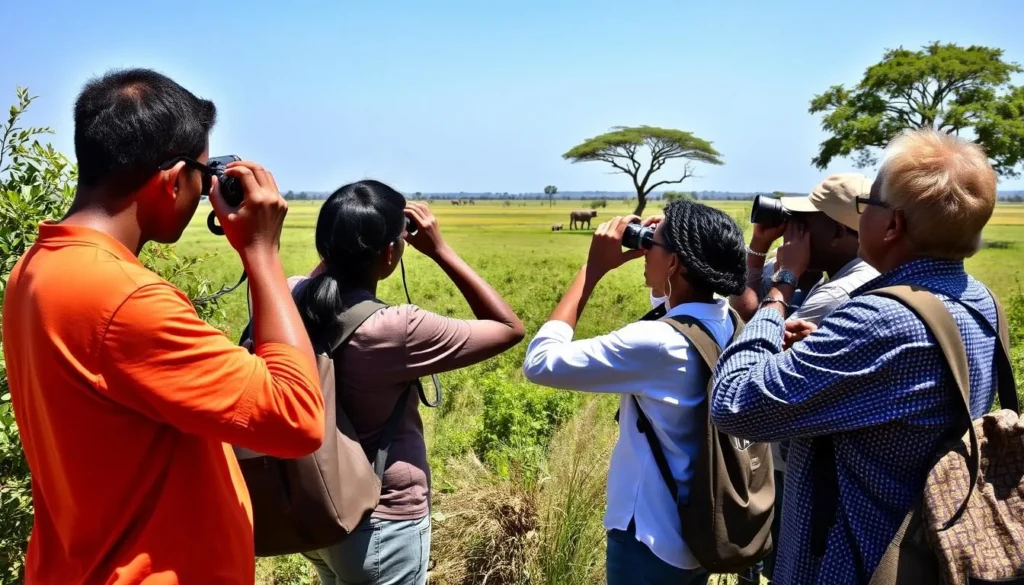
1. Birdwatching
Lake Mburo National Park is a birder’s paradise with over 350 bird species. Key spots for birdwatching include:
- The lake shores and swamps for waterbirds like the African finfoot and papyrus gonolek
- Rubanga Forest for forest specialists like the Narina trogon
- Acacia woodlands for species like the red-faced barbet and black-collared barbet
Early morning and late afternoon offer the best birdwatching opportunities.
2. Mountain Biking
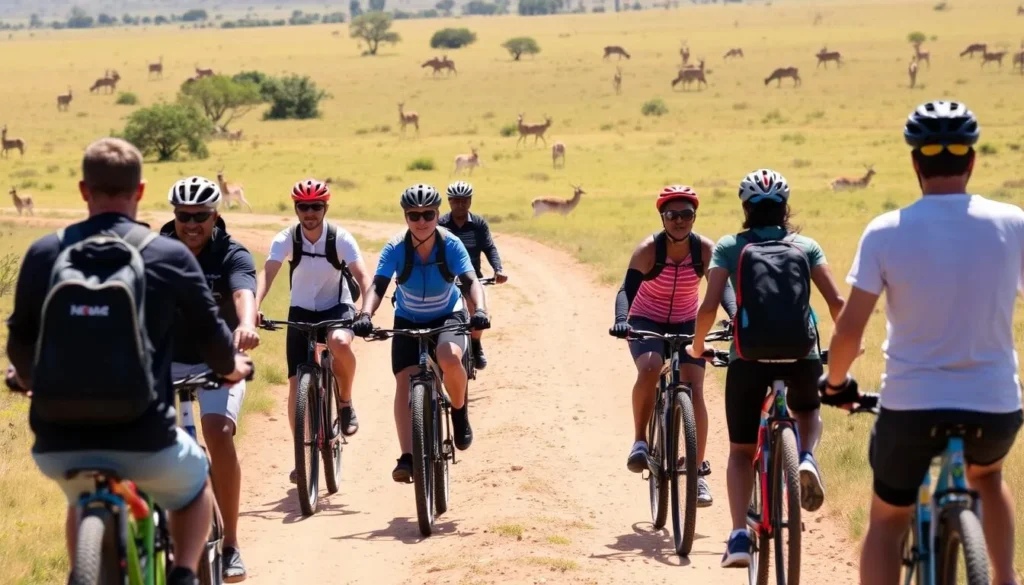
Explore Lake Mburo National Park on two wheels with guided cycling tours. These tours follow flat valley bottoms where wildlife is abundant and visibility is good. Trails range from 1-hour rides to longer expeditions, and all cyclists are accompanied by a guide for safety.
3. Sport Fishing
Try your hand at sport fishing on Lake Mburo, where you can catch tilapia and other fish species. The designated fishing spot is at Mazinga, and visitors need to bring their own fishing gear or arrange for equipment rental through their lodge or tour operator. Fishing permits cost US$15 per person.
Cultural Experiences & Local Interactions

Ankole Cultural Experiences
The areas surrounding Lake Mburo National Park are home to the Banyankole people, known for their traditional cattle-keeping culture. Cultural experiences include:
- Ankole Long-Horned Cattle Experience – Learn about the cultural significance of these magnificent animals, participate in milking, and observe traditional butter-making techniques
- Village Walks – Visit local homesteads to learn about traditional Banyankole life
- Traditional Cattle Watering – Observe and participate in traditional cattle watering practices at Rwenjeru campsite
Igongo Cultural Centre and Museum
Located near the park, this cultural center offers insights into the fascinating history of the Ankole Kingdom and other traditional societies of western Uganda. Exhibits cover:
- The development of currency in Uganda
- Traditional Ankole and Bakiga dress
- Musical instruments and agricultural practices
- History of the Ankole kingdom and its rulers
The cultural center also features displays about Queen Kitami Kya Nyawera, whose murder led to the establishment of the Nyabingi cult near Lake Bunyonyi.
Safety, Etiquette & Local Customs
Park Rules and Safety:
- Always follow ranger instructions and stay in your vehicle except at designated areas
- Maintain a safe distance from wildlife – they are wild animals
- Do not feed any animals
- Avoid loud noises that might disturb wildlife
- Carry sufficient water and sun protection
- Inform park authorities or your lodge about your activities and expected return times
Health Precautions
- Consult your doctor about malaria prophylaxis before traveling
- Use insect repellent, especially during dawn and dusk
- Drink only bottled or purified water
- Carry a basic first aid kit
Cultural Etiquette
- Ask permission before photographing local people
- Dress modestly, especially when visiting local communities
- Greet people with a handshake and a smile
- Learn a few basic phrases in the local language (Runyankole)
Tipping Guide: Tipping is customary in Uganda’s tourism industry. Consider tipping your guide $10-20 per day, park rangers $5-10 for special activities, and lodge staff $2-5 per day in a communal tip box.
Visitor Comments About Lake Mburo National Park
“Lake Mburo was the perfect introduction to Uganda’s wildlife. We saw zebras, giraffes, and even a leopard during our night drive! The horseback safari was a highlight – getting so close to the animals without disturbing them was magical. Don’t miss the boat trip on the lake for amazing hippo sightings.”
“As an avid birdwatcher, Lake Mburo exceeded my expectations. In just two days, I spotted over 120 species including the elusive African finfoot. The guides were incredibly knowledgeable, and the landscape diversity makes it a perfect birding destination. The accommodations at Mihingo Lodge were also exceptional.”
“We almost skipped Lake Mburo in favor of larger parks, but I’m so glad we didn’t! It’s smaller size actually makes it more intimate and less crowded. We had amazing wildlife encounters, and the cultural experience with the Ankole cattle keepers was fascinating. Perfect for families with its accessibility from Kampala.”
Practical Travel Tips
Park Fees
Lake Mburo National Park entrance fees (per person per day):
- Foreign Non-Residents: US$40
- Foreign Residents: US$30
- East African Citizens: UGX 20,000
Activity fees:
- Day Game Drive: US$20 (Foreign), UGX 20,000 (East African)
- Night Game Drive: US$30 (Foreign), UGX 50,000 (East African)
- Boat Cruise: US$30 (Foreign), UGX 30,000 (East African)
- Nature Walk: US$15 (Foreign), UGX 10,000 (East African)
What to Pack
- Neutral-colored clothing (avoid bright colors and camouflage)
- Long-sleeved shirts and pants for protection from sun and insects
- Hat, sunglasses, and sunscreen
- Insect repellent
- Binoculars for wildlife viewing
- Camera with zoom lens
- Light rain jacket (even in dry season)
- Comfortable walking shoes or hiking boots
Communication: Mobile network coverage is available in most parts of the park, though it may be spotty in some areas. Most lodges offer Wi-Fi, though connection speeds can be slow.
Your Unforgettable Uganda Adventure Awaits
Lake Mburo National Park may be Uganda’s smallest savannah park, but it delivers an outsized safari experience. From thrilling wildlife encounters to unique activities like horseback safaris and cultural immersions, this accessible gem offers the perfect introduction to Uganda’s natural wonders. Whether you’re breaking up a longer journey, adding it to a comprehensive Uganda itinerary, or making it your primary destination, Lake Mburo’s diverse landscapes and activities promise memories that will last a lifetime. Pack your binoculars, camera, and sense of adventure – Lake Mburo is calling!