Hotels by Trip.com
Flights by Trip.com
Did you know that Lake Opeta is home to Uganda’s only endemic bird species, the Fox’s Weaver? This hidden gem in eastern Uganda represents one of the last pristine wetland systems in the country, offering a sanctuary to over 160 bird species and rare wildlife. Despite being one of Uganda’s smallest lakes, it stands as a globally recognized Ramsar site of international importance, connecting the arid Karamoja region with the wetter central-eastern parts of the country.
Getting There & Planning Your Journey
Lake Opeta is located in eastern Uganda, approximately 25 kilometers northeast of Kumi Town in the Teso sub-region. The journey from Kampala to the lake takes about 5-6 hours by road, covering roughly 300 km (186 miles).
Closest Airports
The nearest international airport is Entebbe International Airport (EBB) near Kampala. From there, you’ll need to travel by road to reach Lake Opeta. Consider booking your well in advance, especially during peak tourist seasons.
Road Travel
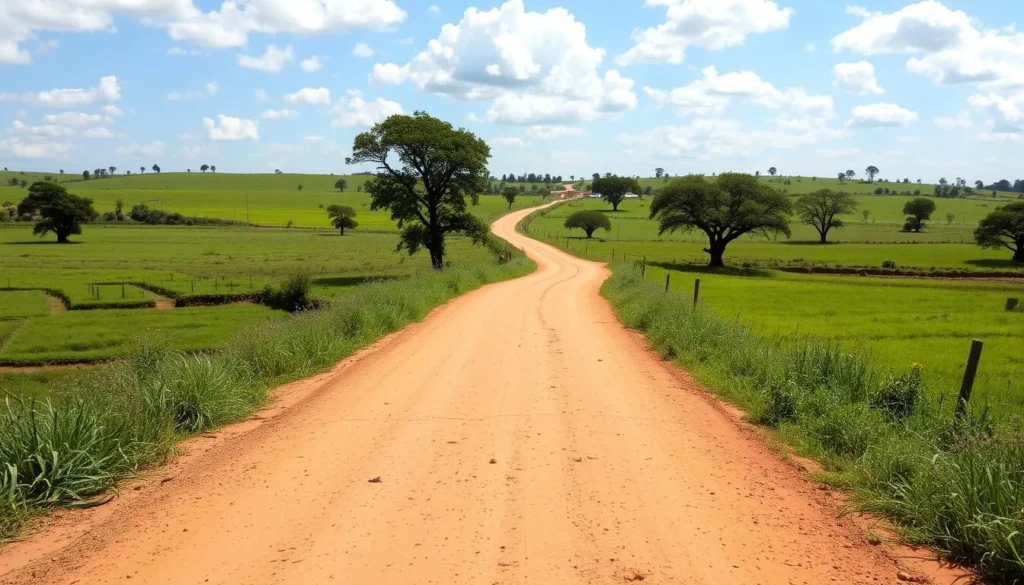
The most direct route is taking the Kampala-Jinja-Mbale road and then continuing to the Teso region. The final stretch involves turning right a few kilometers past Katakwi village and driving about 50 km through the villages of Toroma and Magora to reach the lake.
Best Time to Visit & Weather Tips
Lake Opeta can be visited year-round, but your experience will vary significantly depending on when you go. The region experiences two rainy seasons and two dry seasons annually.
| Season | Months | Conditions | Recommendation |
| Dry Season (Recommended) | December-February, June-August | Lower water levels, more navigable paths | Ideal for birding and wildlife viewing |
| Rainy Season | March-May, September-November | Higher rainfall, muddy trails, more active birds | Good for birding but challenging access |
What to Pack
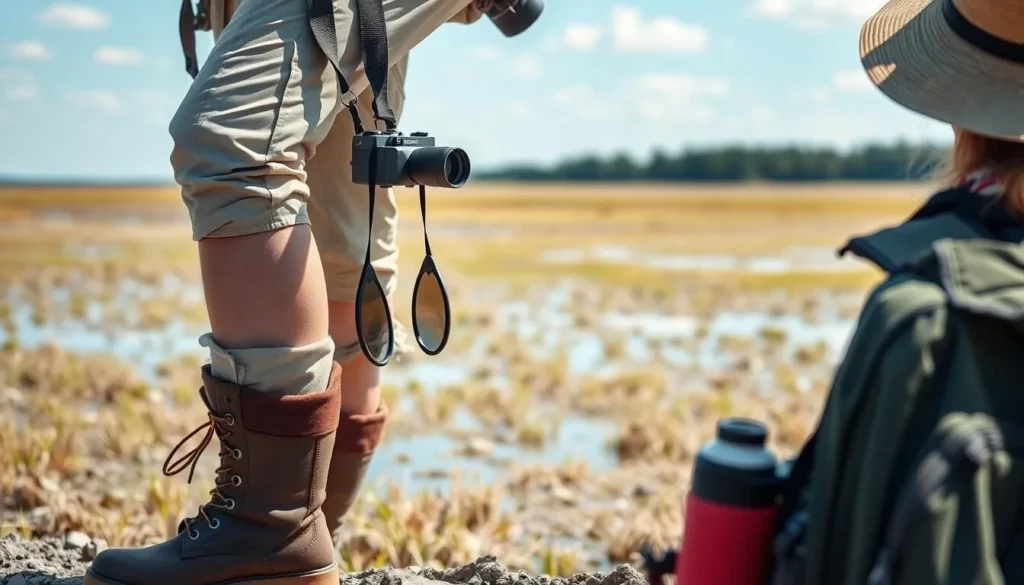
- Waterproof hiking boots (essential for navigating muddy trails)
- Lightweight, breathable clothing
- Rain jacket or poncho (even during dry seasons)
- Sun protection (hat, sunscreen, sunglasses)
- Binoculars for bird watching
- Insect repellent
- Portable water bottle and snacks
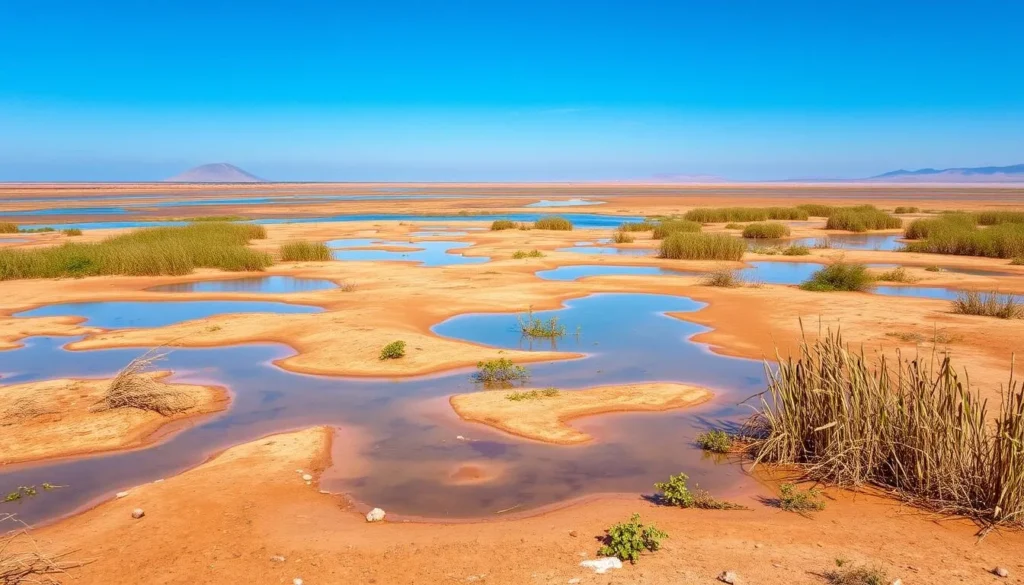
During the dry season (December-February and June-August), temperatures typically range from 22°C to 30°C (72°F to 86°F). The reduced water levels make paths more navigable and increase your chances of spotting wildlife, including the elusive Shoebill Stork.
Getting Around Locally
Navigating the Lake Opeta area requires some planning due to its remote location and challenging terrain. Here are your best options for exploring this pristine wetland:
Boat Rides
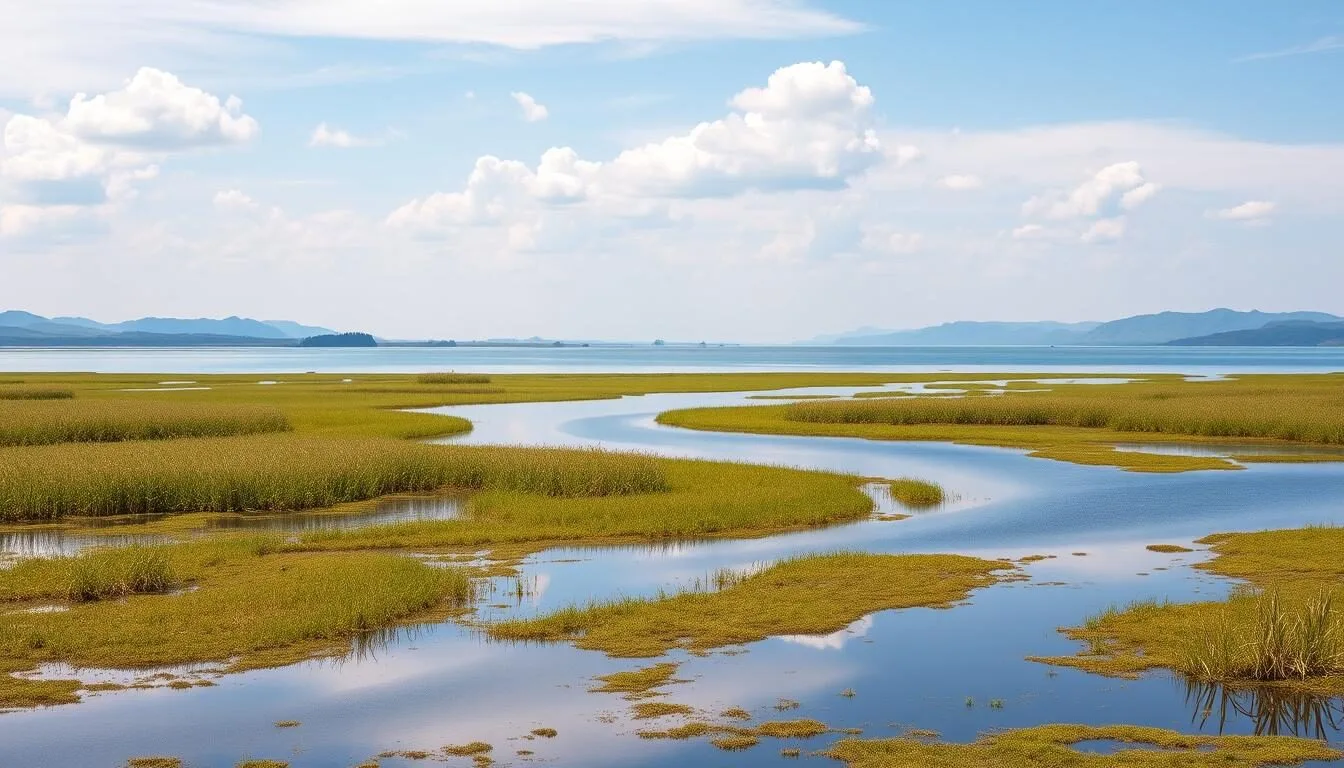
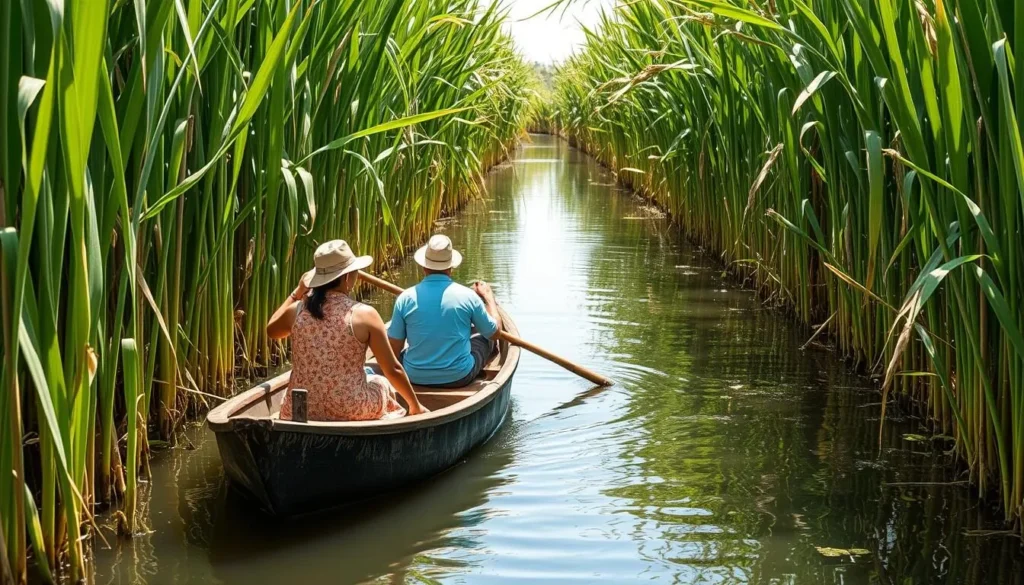
The most effective way to experience Lake Opeta is by boat. Local guides operate small boats that can navigate through the papyrus marshes following narrow water channels. These boat rides are essential for birding expeditions and provide the best opportunity to spot the Fox’s Weaver and Shoebill Stork.
Guided Tours
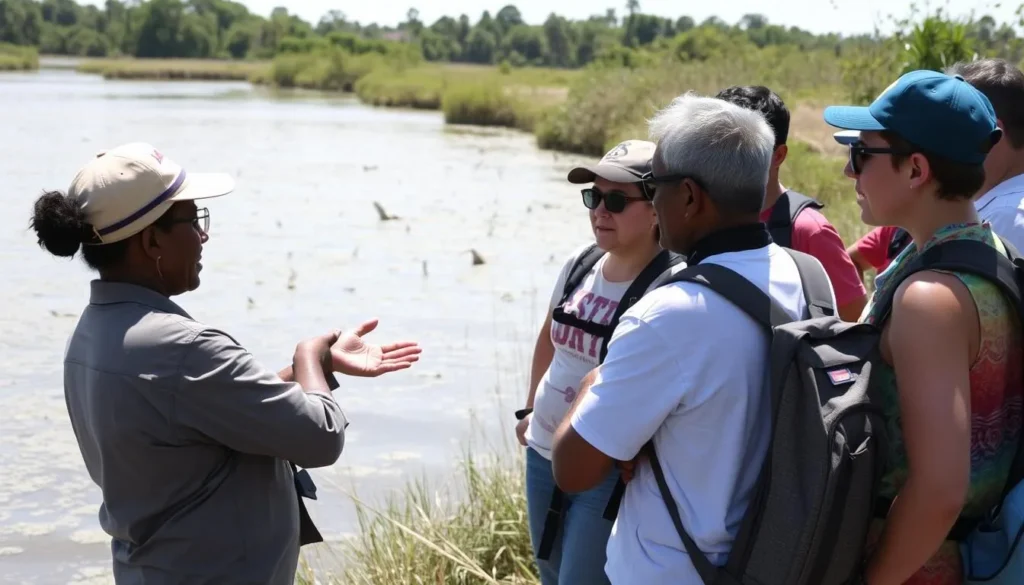
Hiring a knowledgeable local guide is highly recommended. They understand the complex wetland system and can lead you to the best wildlife viewing spots. Many tour operators offer guided that include transportation from nearby towns.
Local Transport
For getting to and from surrounding villages, you may find motorcycle taxis (boda-bodas) available, though they’re less common in this remote area. Having your own vehicle or arranging transport through your accommodation is advisable.
Local Tip: The paths through the marshes can be extremely challenging, especially after rain. Always wear sturdy waterproof boots and be prepared for muddy conditions, even during the dry season.
Check 30,000+ Local Sightseeing Tours Worldwide
✓ Numerous languages and currencies are available
Where to Stay
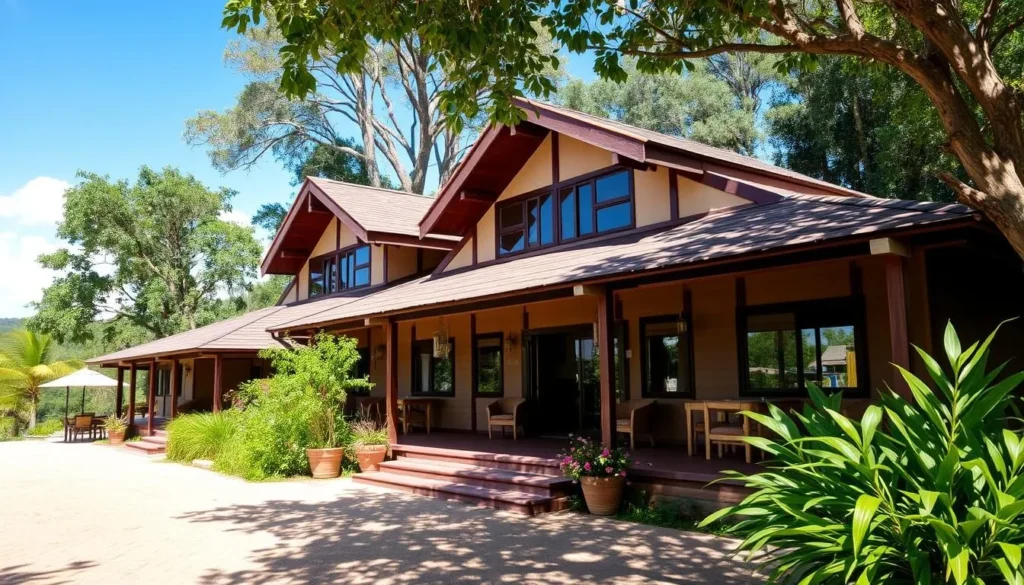
While there are no accommodation facilities directly at Lake Opeta, several options are available in the surrounding areas, particularly in Kumi town and near Sipi Falls. Here are some recommended places to stay:
Kumi Area Lodging
The closest accommodations to Lake Opeta are in Kumi town, about 25 km away:
- Kumi Hotel – Basic but comfortable rooms with restaurant facilities
- The Plains Spring Hotel – Mid-range option with good amenities
- Frontiers Resort Hotel Kumi – More upscale option with better facilities
Sipi Falls Area
For a more scenic stay, consider lodging near Sipi Falls (about 1.5 hours away):
- Rock Garden Sipi – Beautiful views of the falls
- Sipi Backpackers – Budget-friendly option for travelers
- Sipi Travelers Lodge – Comfortable mid-range accommodation
Camping Options
For the adventurous traveler, basic camping can be arranged with prior permission:
- Guided camping experiences with local tour operators
- Basic facilities only – bring your own equipment
- Must be arranged in advance with local authorities
Dining & Local Cuisine
The Lake Opeta region offers authentic Teso cuisine, giving visitors a taste of eastern Ugandan culinary traditions. Most meals are available at your accommodation or in nearby towns, as there are limited dining options directly at the lake.
Local Specialties to Try
- Atap – A millet or sorghum paste served with groundnut sauce
- Malewa – Bamboo shoots, a delicacy in eastern Uganda
- Tilapia – Freshwater fish often caught in local lakes
- Roasted Goat – A popular protein source in the region
- Chapati – Flatbread served with beans or stews
- Posho – Maize flour cooked into a firm porridge
- Local Fruits – Mangoes, jackfruit, and passion fruit
- Bushera – Traditional millet-based drink
Dining Tips
When visiting Lake Opeta, it’s advisable to:
- Pack snacks and water for day trips, as there are no restaurants at the lake
- Arrange meals through your accommodation or tour operator
- Try local markets in Kumi town for fresh produce and authentic snacks
- Be open to trying traditional dishes prepared by local communities

Attractions, Sightseeing & Activities
Lake Opeta offers a range of unique activities centered around its pristine wetland ecosystem and rich biodiversity. Here are the best things to do during your visit:
Birding Expeditions
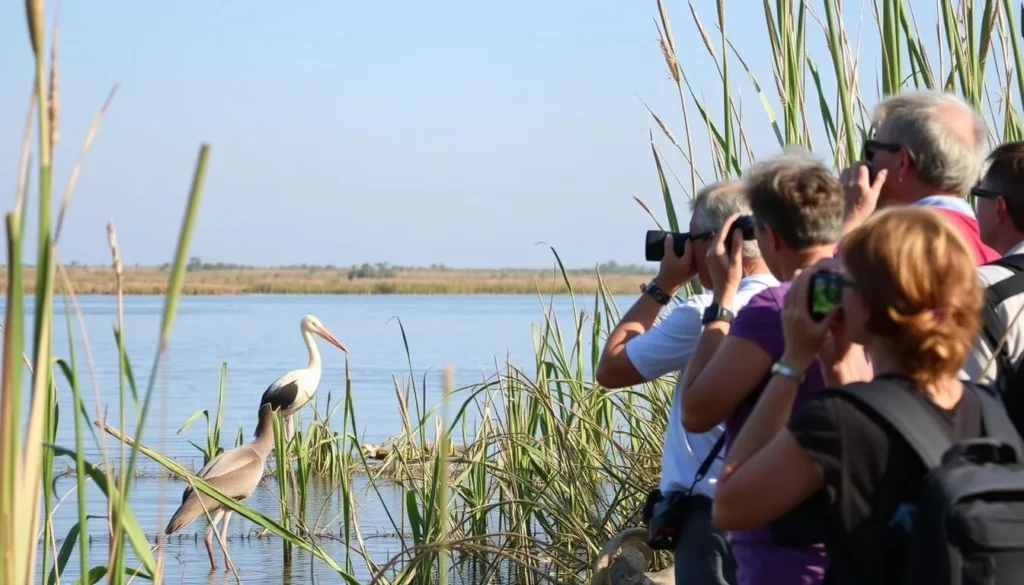
The crown jewel of Lake Opeta activities is undoubtedly bird watching. With over 160 bird species recorded, it’s a paradise for ornithologists and casual bird enthusiasts alike. The lake is especially famous for:
- Fox’s Weaver – Uganda’s only endemic bird species, found exclusively in this region
- Shoebill Stork – The rare and prehistoric-looking bird that draws many visitors
- Papyrus Gonolek – A distinctive species that thrives in the papyrus marshes
- African Pygmy Goose – A colorful and diminutive waterfowl
Guided birding tours typically last 3-4 hours and are best undertaken in the early morning or late afternoon when birds are most active. Don’t forget to bring binoculars and a camera with a good zoom lens!
Boat Safaris Through Papyrus Marshes
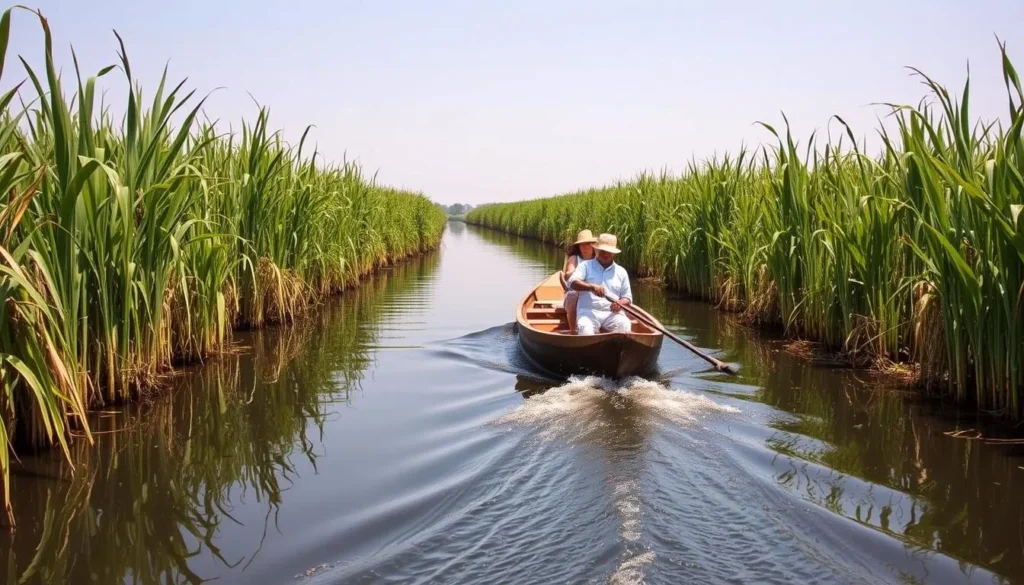
Exploring the intricate network of channels through the thick papyrus marshes is a unique experience. Local guides navigate small boats through these waterways, offering close encounters with the lake’s ecosystem. These boat safaris provide the best opportunity to spot elusive wildlife and access remote areas of the wetland.
Visit to Tisai Island
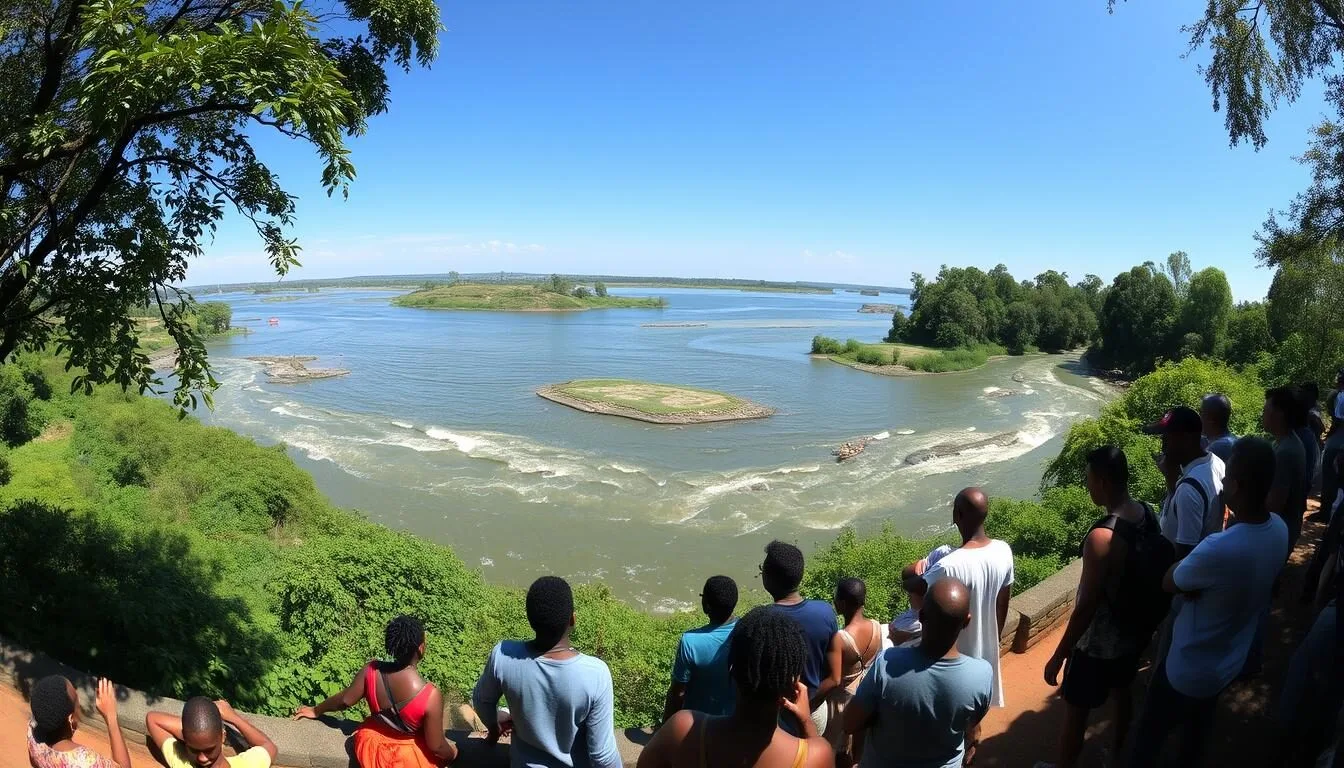
A two-hour boat ride can take you to Tisai Island, navigating through what locals call “the Gate of two lakes” – the corridor connecting Lake Opeta and Lake Bisina. The island offers beautiful landscapes and a glimpse into traditional Teso culture, as some locals still maintain residences there.
Cultural Experiences & Nearby Attractions
Community Tours
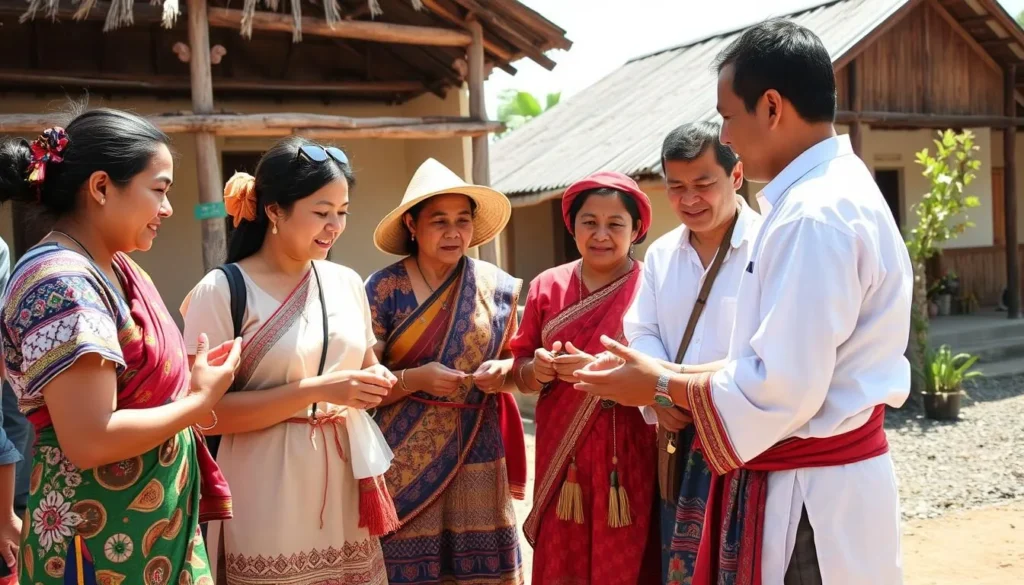
The areas surrounding Lake Opeta are home to Karamojong and Pokot communities. Engaging with these communities offers insight into their traditional lifestyles, agricultural practices, and cultural heritage. Many visitors find these interactions to be among the most memorable aspects of their trip.
Fishing with Locals
Join local fishermen to learn traditional fishing techniques used in the lake. This hands-on experience provides both cultural exchange and the chance to catch species like tilapia and lungfish. The activity is typically led by experienced local fishermen who share their knowledge of sustainable fishing practices.
Nearby Attractions
Pian Upe Wildlife Reserve
Uganda’s second-largest wildlife reserve is located near Lake Opeta. The reserve is home to diverse wildlife including zebras, cheetahs, roan antelopes, and various primate species. It offers activities such as guided nature walks and bird watching in a less-visited setting.
Nyero Rock Paintings
These ancient rock art sites date back over 1,000 years and provide fascinating insights into the region’s prehistoric inhabitants. The geometric paintings are some of the best-preserved rock art in East Africa and are easily accessible from Kumi town.
Sipi Falls
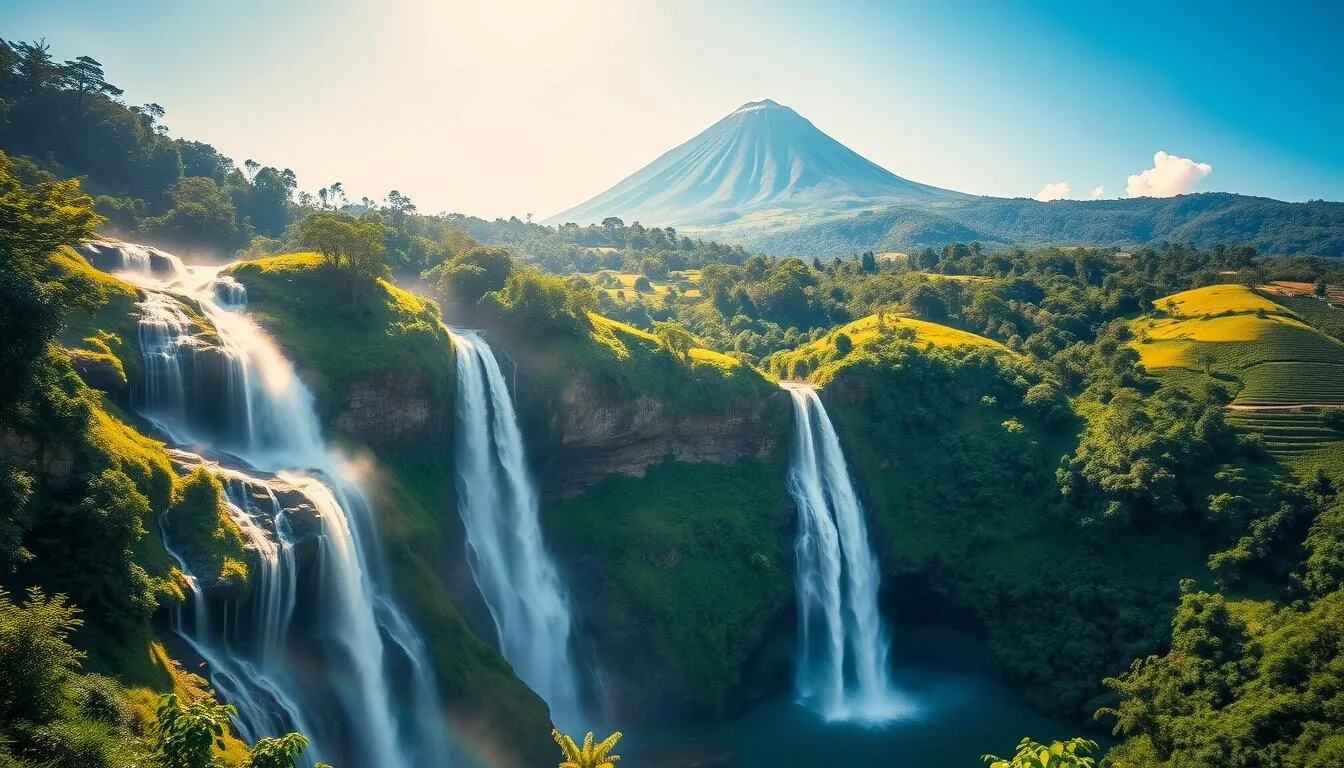
Located on the slopes of Mount Elgon, these spectacular waterfalls offer hiking opportunities, coffee tours, and stunning views. Though about 1.5 hours from Lake Opeta, many visitors combine both destinations in their itinerary.
Wildlife & Outdoor Experiences
Wildlife Viewing
Beyond its renowned birdlife, Lake Opeta supports a variety of wildlife that has adapted to the wetland ecosystem. During your visit, keep an eye out for:
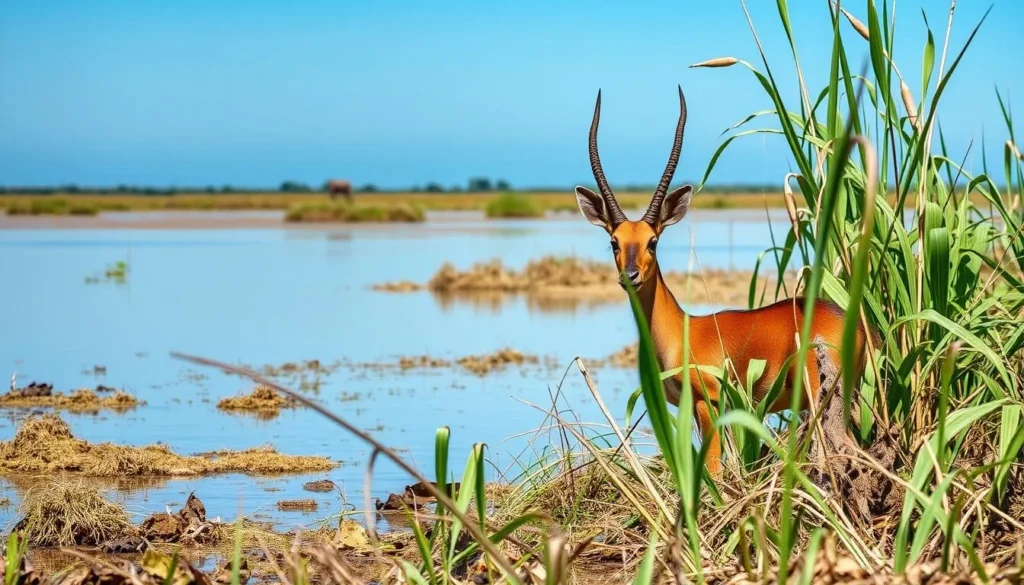
- Sitatunga – A rare swamp-dwelling antelope
- Marsh mongoose and other small mammals
- Various reptiles including monitor lizards
- Occasional zebras and buffaloes from nearby Pian Upe
Photography Opportunities
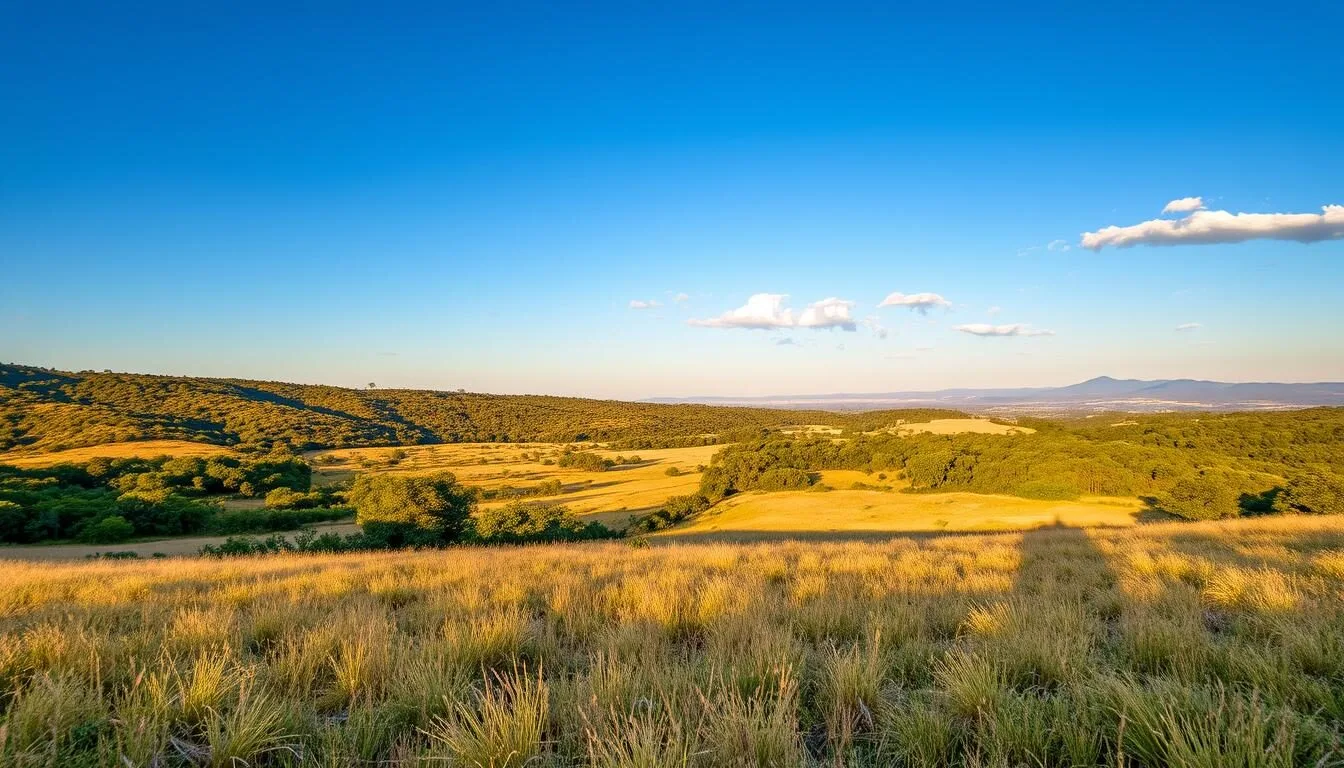
Lake Opeta offers exceptional photography opportunities with its diverse landscapes and wildlife. The golden hours of early morning and late afternoon provide the best lighting for capturing the wetland’s beauty. Consider bringing:
- Telephoto lens for wildlife photography
- Wide-angle lens for landscape shots
- Waterproof camera bag
- Extra batteries and memory cards
Nature Walks
Guided nature walks around the periphery of the wetland allow for a different perspective of the ecosystem. These walks are particularly good for spotting smaller wildlife and understanding the plant diversity of the region. Always use a local guide who can navigate the terrain safely and identify points of interest.
Safety, Etiquette & Local Customs
Safety Considerations
Important Safety Tips:
- Always use a local guide when exploring the wetlands
- Inform your accommodation or tour operator of your plans
- Carry sufficient water and sun protection
- Be aware of your surroundings and follow guide instructions
- Consider travel insurance that covers remote locations
Cultural Etiquette
When interacting with local communities around Lake Opeta:
- Ask permission before taking photographs of people
- Dress modestly, especially when visiting villages
- Greet people with respect – learning a few words in the local language is appreciated
- Support local economies by purchasing crafts or services directly from community members
Environmental Responsibility
Lake Opeta is a fragile ecosystem and Ramsar site of international importance. Help preserve it by:
- Following “leave no trace” principles – take all trash with you
- Staying on designated paths to avoid damaging vegetation
- Maintaining a respectful distance from wildlife
- Supporting conservation initiatives in the area
Visitor Comments About Lake Opeta
“Lake Opeta was the highlight of my Uganda trip. After visiting the more popular national parks, this hidden gem offered a completely different experience. Spotting the Fox’s Weaver was a dream come true for a birding enthusiast like me. The boat ride through papyrus channels felt like traveling through a natural maze. Highly recommend for nature lovers seeking authentic experiences.”
“I wasn’t sure what to expect from Lake Opeta, but it turned out to be magical. The local guide was incredibly knowledgeable about birds and wildlife. We saw a Shoebill Stork from just 20 meters away! The landscape is pristine and untouched by mass tourism. Just be prepared for muddy conditions and bring proper footwear. The community visit was also enlightening.”
“As a photographer, Lake Opeta offered unique opportunities I couldn’t find elsewhere in Uganda. The morning light on the wetlands was spectacular, and the diversity of bird species was impressive. It’s definitely off the beaten path and requires some effort to reach, but that’s part of its charm. The nearby accommodation was basic but comfortable. Worth every minute of the journey!”

Practical Travel Tips
Communication
- Mobile network coverage is limited around the lake
- Consider purchasing a local SIM card in Kampala or Kumi
- Download offline maps before your journey
- Inform someone of your itinerary before heading to remote areas
Money Matters
- Bring sufficient cash as there are no ATMs near the lake
- Ugandan Shillings is the preferred currency
- Negotiate and agree on prices for guides and boats in advance
- Budget for tips for guides and boat operators
Health Considerations
- Carry a basic first aid kit
- Use insect repellent to prevent mosquito bites
- Take malaria prophylaxis as recommended by your doctor
- Drink only bottled or purified water
Packing Essentials
- Waterproof bag for electronics and valuables
- Quick-dry clothing
- Headlamp or flashlight
- Binoculars (essential for birding)
Embrace the Wild Beauty of Uganda’s Hidden Wetland Treasure
Lake Opeta represents Uganda at its most authentic and untamed – a place where rare birds find sanctuary, traditional communities maintain their way of life, and visitors can experience nature in its purest form. While it may require more effort to reach than Uganda’s famous national parks, the rewards of visiting this pristine wetland are immeasurable. From the thrill of spotting Uganda’s only endemic bird to the tranquility of gliding through papyrus channels at sunset, Lake Opeta offers experiences that will stay with you long after you’ve returned home. As tourism in Uganda continues to develop, places like Lake Opeta remind us of the importance of preserving these ecological treasures for future generations. Plan your journey with respect for this delicate ecosystem, and you’ll discover one of East Africa’s most special destinations.