
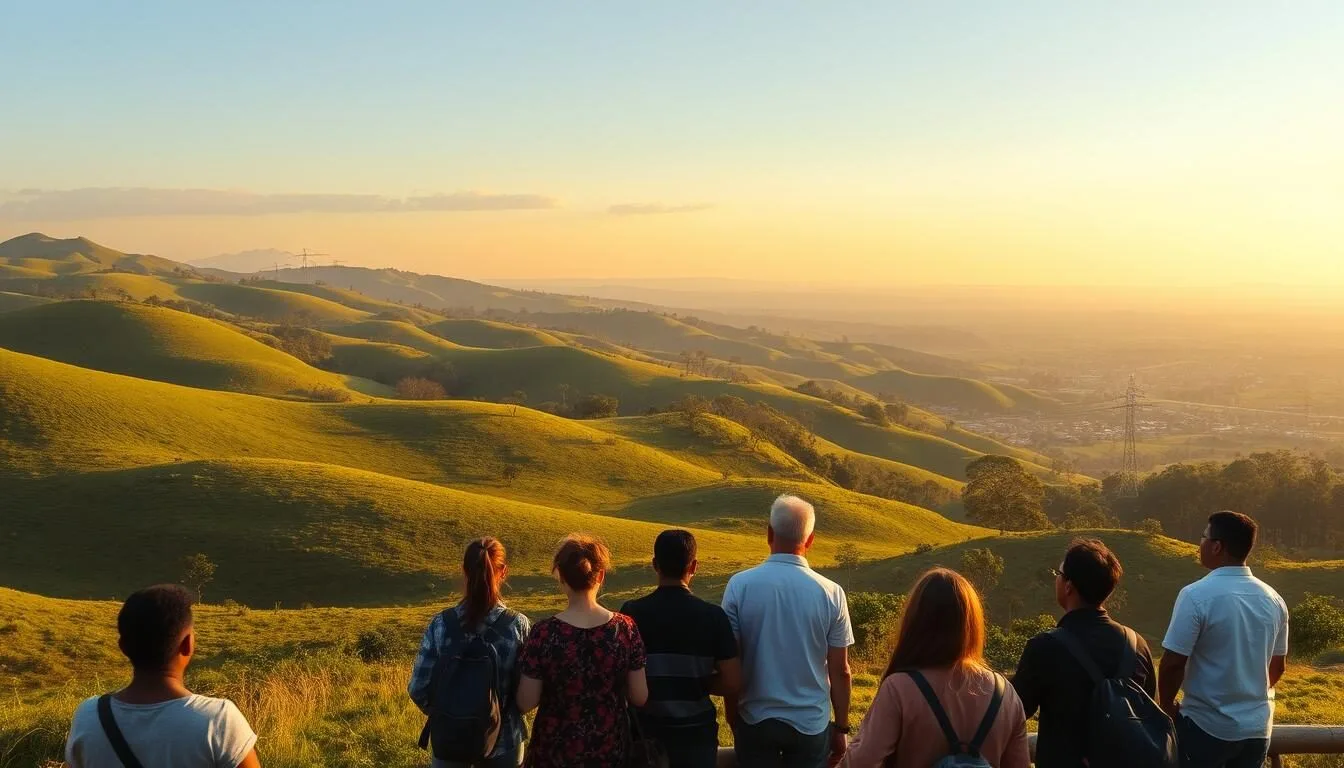
Did you know that Mbarara is home to Uganda’s largest population of Ankole cattle, famous for their massive horns that can span over 2 meters (6.5 feet) from tip to tip? This distinctive breed has shaped the cultural identity of Uganda’s second-largest city, making it a fascinating destination for travelers seeking authentic experiences beyond the typical tourist trail.
Getting There & Planning Your Journey
Mbarara is located approximately 266 km (165 miles) southwest of Kampala, Uganda’s capital city. While Mbarara does have a small airport, most international travelers arrive via Entebbe International Airport near Kampala.
By Air
The most convenient option is to fly into Entebbe International Airport and then take a domestic flight to Mbarara Airport. Alternatively, you can arrange ground transportation from Entebbe to Mbarara.
By Road
From Kampala, you can reach Mbarara by:
- Bus: Companies like Horizon and Swift coaches operate daily services from Qualicell Bus Park or Nakivubo Bus Terminal in Kampala. The journey takes approximately 4-5 hours.
- Private Car: The drive from Kampala takes about 3-4 hours on well-maintained roads.
- Shared Taxi: These depart when full from Kampala’s taxi parks.
Best Time to Visit Mbarara
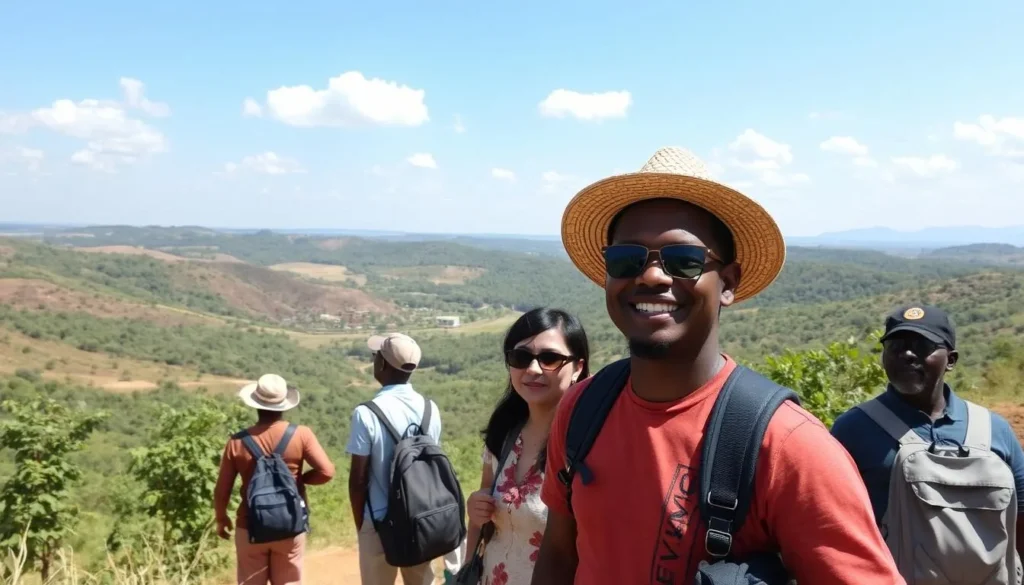
Mbarara enjoys a tropical climate with relatively consistent temperatures year-round. However, rainfall patterns significantly impact travel experiences.
Recommended Months to Visit
- December to February: This dry season offers pleasant temperatures around 26°C (80°F) with minimal rainfall, making it ideal for wildlife viewing and outdoor activities.
- June to August: Another dry period with comfortable temperatures averaging 24°C (75°F), perfect for exploring national parks and cultural sites.
Months to Avoid
- March to May: The long rainy season brings heavy downpours that can make roads difficult to navigate and outdoor activities less enjoyable.
- September to November: The short rainy season with unpredictable weather patterns.
For the best wildlife viewing in nearby Lake Mburo National Park, visit during the dry seasons when animals gather around water sources.
Getting Around Locally
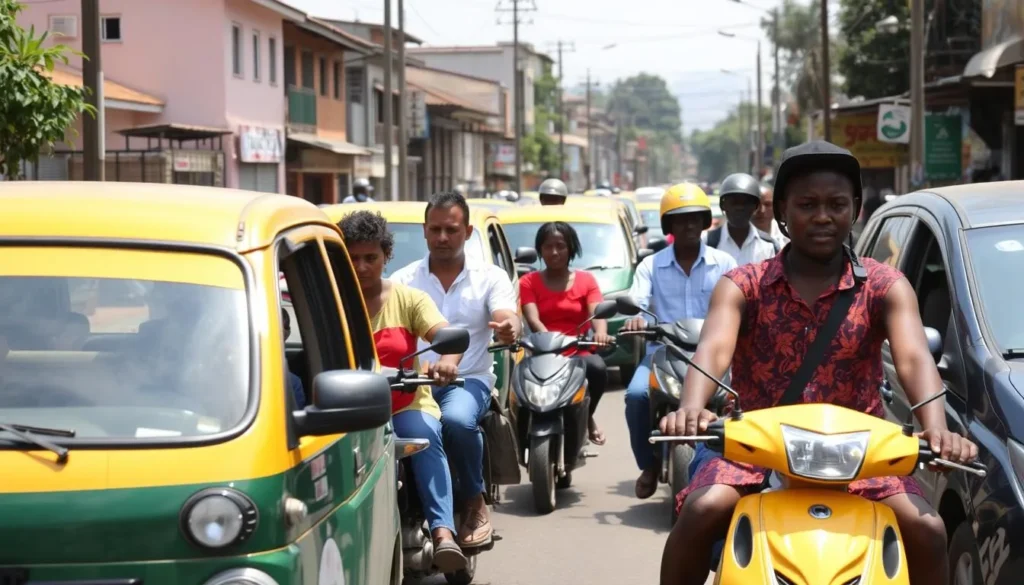
Navigating Mbarara is relatively straightforward with several transportation options available:
Boda Bodas (Motorcycle Taxis)
These ubiquitous motorcycle taxis are the quickest way to get around Mbarara. While convenient, always insist on helmets and negotiate fares before setting off. Expect to pay between 1,000-3,000 UGX (approximately $0.30-$0.80 USD) for short trips within the city.
Taxis and Special Hires
Shared taxis operate on fixed routes throughout the city. For more flexibility, “special hire” taxis (private taxis) can be arranged for half-day or full-day excursions to nearby attractions.
Car Rental
Renting a vehicle gives you the freedom to explore Mbarara and its surroundings at your own pace. Four-wheel drive vehicles are recommended, especially if you plan to visit national parks or travel during rainy seasons.
Where to Stay
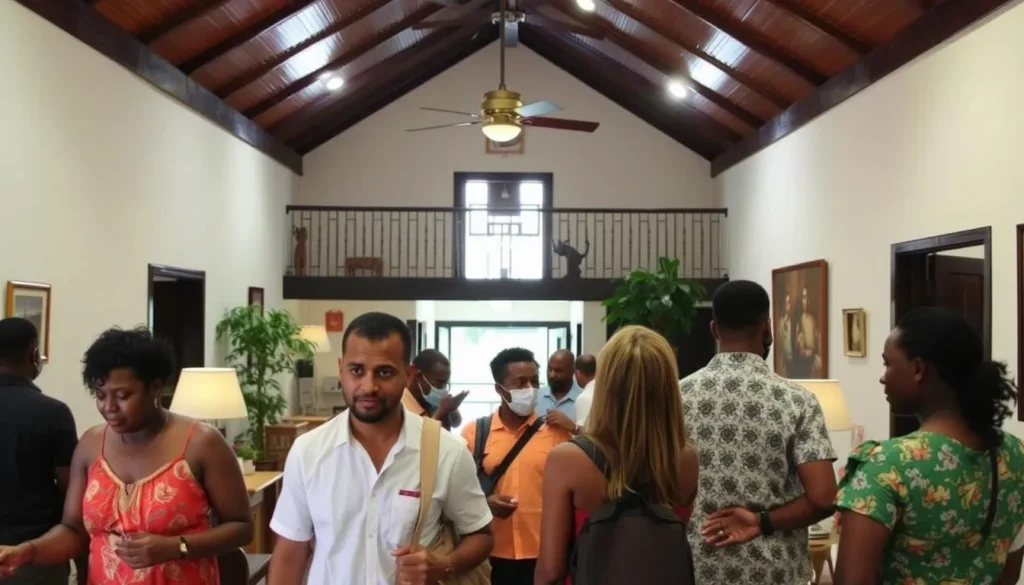
Mbarara offers a range of accommodation options to suit various budgets and preferences:
Luxury Options
- Lake View Resort Hotel: Located on a hillside overlooking a small lake, this hotel offers upscale rooms, a swimming pool, and reliable Wi-Fi.
- Igongo Cultural Centre Hotel: Combines comfortable accommodation with cultural experiences, featuring traditional decor and excellent local cuisine.
Mid-Range Options
- Rwizi Hotel: Centrally located with comfortable rooms and a restaurant serving both local and international dishes.
- Agip Motel: A reliable option with clean rooms, hot water, and a convenient location for exploring the city.
Budget Options
- Oxford Inn: Simple but clean accommodation with friendly staff and basic amenities.
- Numerous guesthouses: Scattered throughout the city offering affordable rooms with shared facilities.
Dining & Local Cuisine
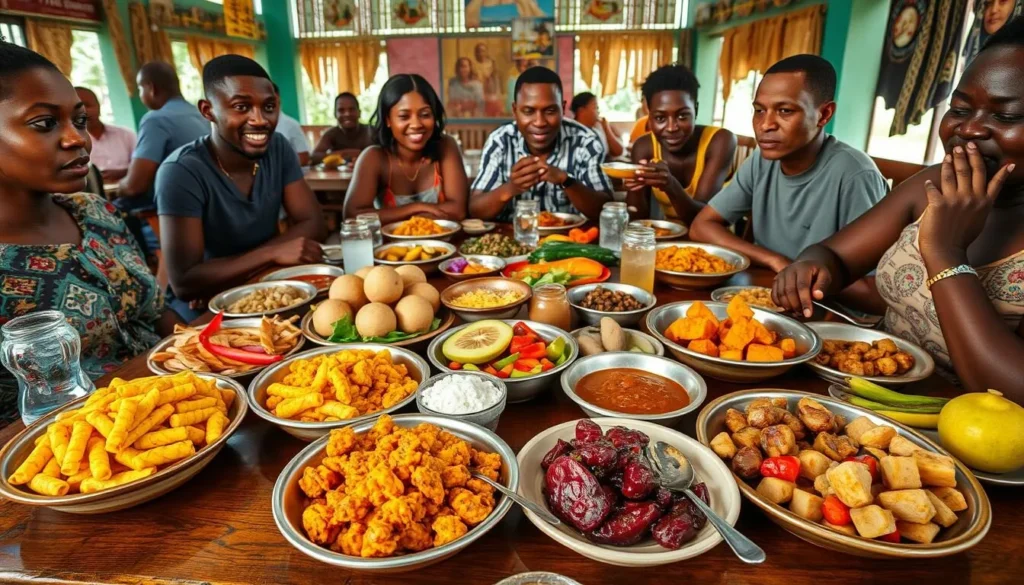
Mbarara’s food scene offers a delightful introduction to Ugandan cuisine with some specialties unique to the Ankole region:
Local Specialties
- Eshabwe: A traditional Ankole delicacy made from ghee (clarified butter) mixed with rock salt and water to create a sauce served with millet bread or matoke (mashed plantains).
- Matoke: Steamed and mashed green plantains, a staple throughout Uganda.
- Fresh Dairy Products: Given Mbarara’s reputation as “the land of milk and honey,” try the local yogurt, cheese, and ghee.
Recommended Restaurants
- Igongo Cultural Centre Restaurant: Offers authentic local dishes in a traditional setting.
- Lakeview Resort Restaurant: Serves both international and Ugandan cuisine with scenic views.
- Mbarara Central Market: For fresh fruits, vegetables, and street food experiences.
Don’t miss trying the local fruit juices made from passion fruit, pineapple, and mango – often fresher and more flavorful than you’ll find elsewhere!
Attractions, Sightseeing & Activities
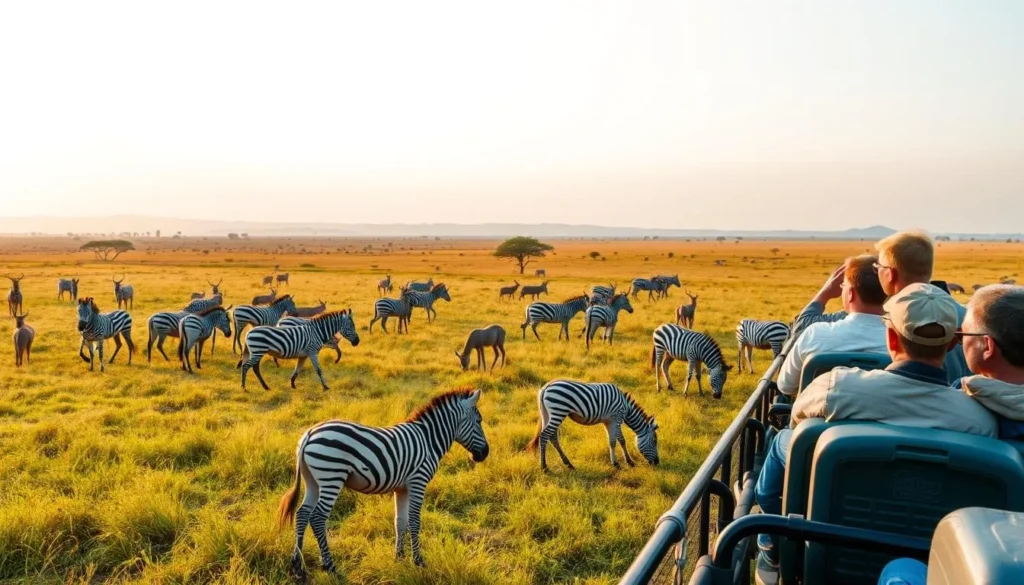
Mbarara serves as an excellent base for exploring southwestern Uganda’s diverse attractions:
Lake Mburo National Park
Located just 30 minutes from Mbarara, this compact national park offers exceptional wildlife viewing opportunities. Home to zebras, impalas, buffaloes, and over 350 bird species, Lake Mburo is the only park in Uganda where you can take walking safaris, horseback safaris, and night game drives. The park’s boat trips on Lake Mburo provide excellent opportunities to spot hippos, crocodiles, and waterbirds.
Igongo Cultural Centre
This cultural hub showcases the heritage of southwestern Uganda’s peoples, particularly the Banyankore. The Eriijukiro Museum houses fascinating exhibits on traditional lifestyles, while the Eitaramiro cultural village demonstrates historical housing and household items. Don’t miss the opportunity to sample traditional foods at the restaurant.
Ankole Long-Horned Cattle Farms
Visit local farms to see the iconic Ankole cattle with their impressive horns that can reach over 2 meters in span. Some farms welcome visitors and offer demonstrations of traditional milking techniques and butter-making.
Museums, Cultural Spots & Festivals
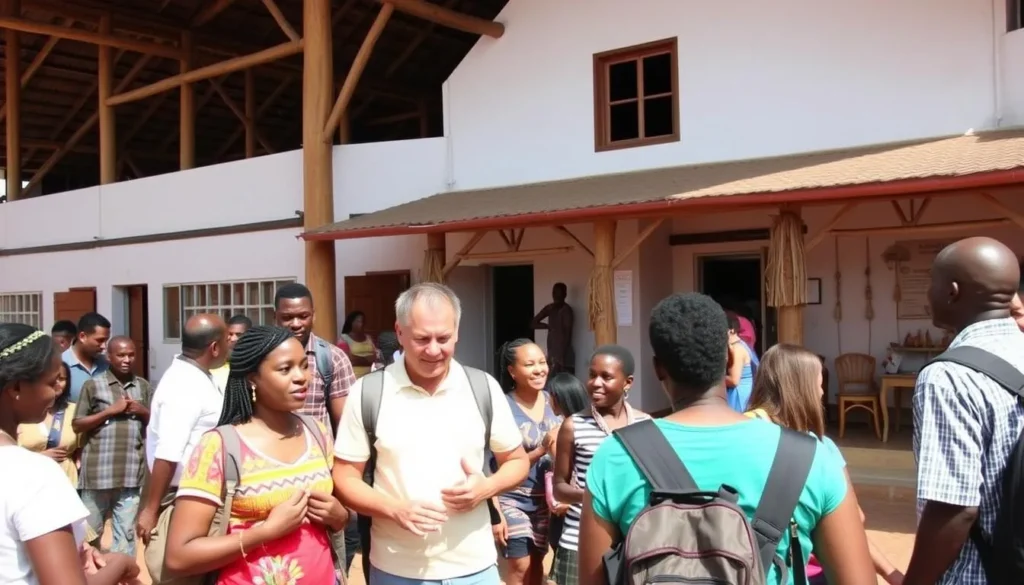
Immerse yourself in the rich cultural heritage of the Ankole region through these cultural experiences:
Sanga Cultural Village
Located near the junction to Lake Mburo National Park, this cultural center focuses specifically on the Bahima people (a subset of the Ankole tribe). Visitors can learn about traditional regalia, tools, and the role of women in Hima society.
Abagabe Royal Tombs
Visit the Nkonkonjeru tombs in Kakika where the last kings (Abagabe) of Ankole are buried, including Omugabe Gasyonga and Omugabe Kahaya II. These sites offer insights into the region’s royal history.
Local Festivals
If your visit coincides with local celebrations, don’t miss the opportunity to experience traditional music, dance, and ceremonies. The annual Ankole Cultural Festival typically held in December showcases traditional performances, food, and crafts.
Sports, Nature & Outdoor Experiences
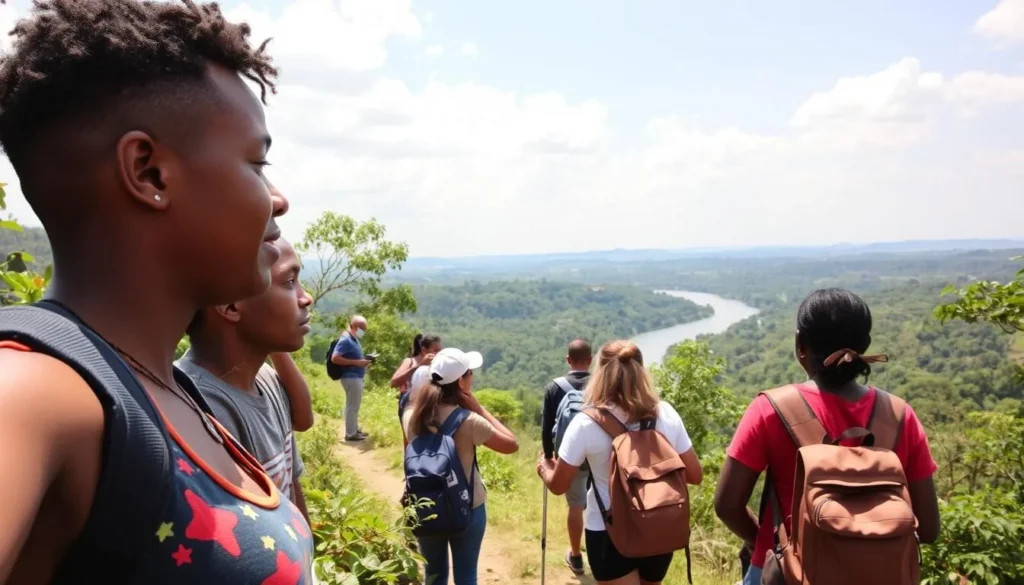
The natural landscapes around Mbarara offer numerous opportunities for outdoor enthusiasts:
River Rwizi Activities
This river flowing through Mbarara provides opportunities for canoeing and fishing. The riverbanks are also excellent for bird watching and spotting small primates in the surrounding vegetation.
Lake Nakivale
Located about 40 km (25 miles) southeast of Mbarara, this lake features sandy beaches and open fields perfect for picnics and relaxation. The surrounding area is home to the Nakivale Refugee Settlement, one of Africa’s oldest refugee camps.
Birding Opportunities
The wetlands and forests around Mbarara attract numerous bird species. Serious birders should visit Lake Mburo National Park where over 350 species have been recorded, including specialties like the African Finfoot, Papyrus Yellow Warbler, and Red-faced Barbet.
Safety, Etiquette & Local Customs
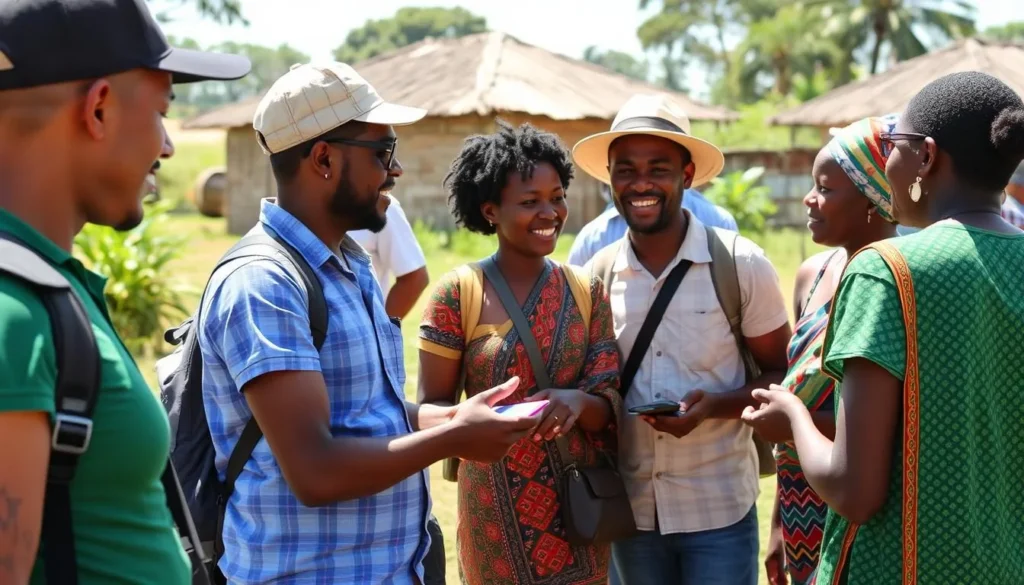
Ensuring a smooth and respectful visit to Mbarara involves understanding local customs and safety considerations:
Safety Tips
- Mbarara is generally safe for tourists, but standard precautions apply – avoid displaying valuables and be vigilant in crowded areas.
- If using boda bodas (motorcycle taxis), always insist on helmets and negotiate fares before departing.
- Carry a copy of your passport while keeping the original in a secure location.
- Have emergency contacts handy, including your country’s embassy in Uganda and local emergency services.
Cultural Etiquette
- Greetings are important – take time to say hello and ask about someone’s well-being before conducting business.
- Dress modestly, especially when visiting rural areas or religious sites.
- Ask permission before photographing people, particularly in villages and cultural sites.
- When visiting homes, it’s customary to remove shoes and accept offered refreshments as a sign of respect.
Local Customs
The Banyankore people have a rich cultural heritage centered around cattle keeping. Showing interest in learning about their traditions will be appreciated. When visiting cultural sites like the Igongo Cultural Centre, consider hiring a local guide who can provide deeper insights into the customs and history of the region.
Visitor Comments About Mbarara
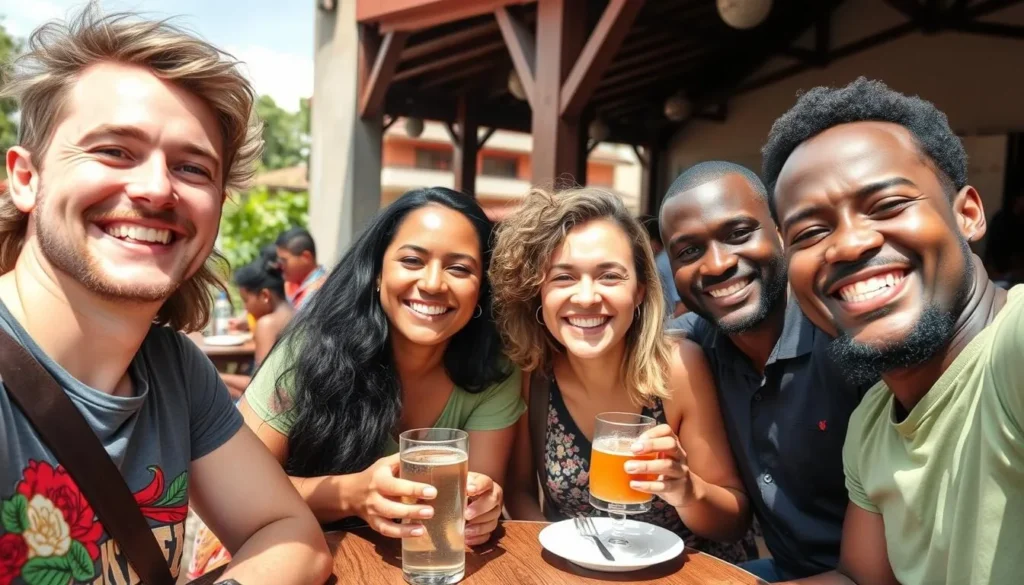
“Mbarara surprised me with its blend of urban amenities and easy access to incredible wildlife. Lake Mburo National Park was the highlight – we saw zebras, impalas, and even spotted a leopard during our night drive! The Igongo Cultural Centre gave us fascinating insights into local traditions. Don’t miss trying eshabwe with fresh millet bread!”
“As someone who’s traveled extensively in East Africa, I found Mbarara to be an excellent base for exploring southwestern Uganda. The locals were incredibly welcoming, and the surrounding countryside with those magnificent long-horned Ankole cattle was picture-perfect. Lake View Resort provided comfortable accommodation with stunning views of the hills.”
“We initially planned to just pass through Mbarara on our way to Bwindi for gorilla trekking, but ended up staying three days! The city itself is developing rapidly but still maintains its charm. The local market was vibrant with fresh produce, and we loved our guided tour of a traditional cattle farm where we learned about the importance of these animals to local culture.”
Practical Travel Tips
Money Matters
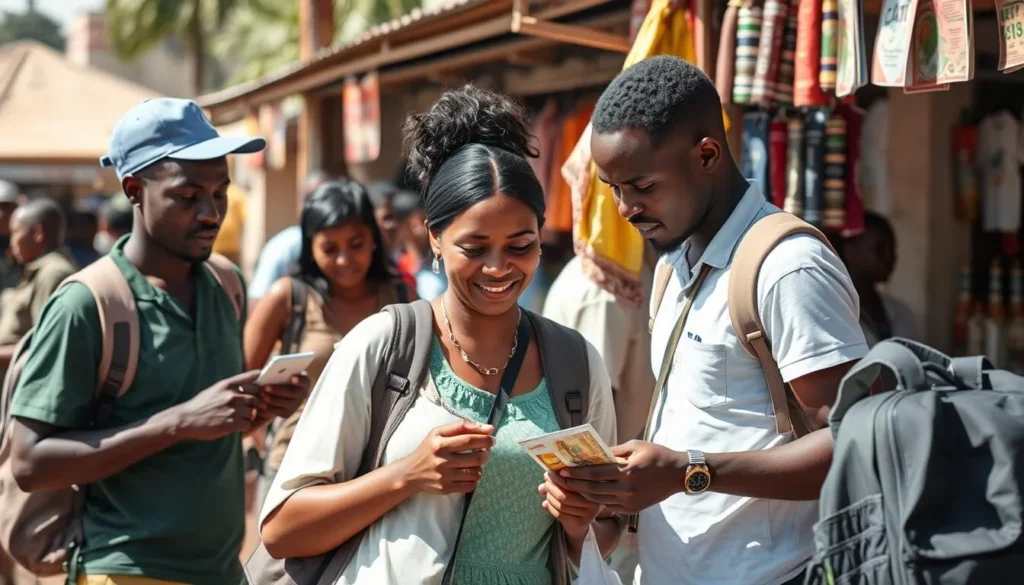
- The Ugandan Shilling (UGX) is the local currency. While major hotels accept credit cards, smaller establishments and markets operate with cash only.
- ATMs are available in Mbarara town, but it’s advisable to carry some cash, especially when visiting rural areas.
- Tipping is not mandatory but appreciated for good service – 5-10% in restaurants and a small amount for guides and drivers.
Communication
- Purchase a local SIM card from providers like MTN or Airtel for affordable data and calls.
- Wi-Fi is available in most hotels and some restaurants, though connection speeds may vary.
- English is widely spoken in Mbarara, especially in tourism-related businesses.
Health Precautions
- Carry insect repellent as mosquitoes can be prevalent, especially near water bodies.
- Drink only bottled or purified water and ensure food is thoroughly cooked.
- Mbarara has several pharmacies and a regional referral hospital for medical emergencies.
- Consult your doctor about necessary vaccinations and malaria prophylaxis before traveling.
Your Ankole Adventure Awaits
Mbarara offers a unique blend of urban convenience and easy access to Uganda’s natural and cultural treasures. Whether you’re tracking wildlife in Lake Mburo National Park, learning about Ankole traditions at the Igongo Cultural Centre, or simply enjoying the hospitality of the local people, Mbarara provides an authentic Ugandan experience away from the more touristy destinations. With its strategic location as a gateway to southwestern Uganda’s attractions, including gorilla trekking in Bwindi Impenetrable Forest, Mbarara deserves more than just a passing visit on your Ugandan itinerary. Pack your sense of adventure and prepare to be charmed by this vibrant city and its surrounding wonders!


0 Comments