Hotels by Trip.com
Flights by Trip.com
While nearly 50,000 adventurers climb Kilimanjaro annually, fewer than 2,000 travelers experience the otherworldly beauty of Mount Baker in Uganda’s Rwenzori Mountains. This hidden gem, standing proudly at 4,843 m (15,889 ft), offers some of Africa’s most spectacular landscapes and challenging treks without the crowds. Often called “Mountains of the Moon,” this UNESCO World Heritage site delivers an experience that seasoned trekkers describe as “the greatest trek you’ve never heard of.”
Getting There & Planning Your Journey
The adventure to Mount Baker begins with reaching Uganda first. Entebbe International Airport (EBB) serves as the main gateway to the country, with connections from major international hubs. From Entebbe, you’ll need to make your way to the western part of Uganda where the Rwenzori Mountains National Park is located.

Most trekkers opt for either a private transfer or public transportation to Kasese town, which takes approximately 6-7 hours from Kampala. From Kasese, it’s a short drive to either the Nyakalengija or Kilembe trailheads, depending on your chosen route.
Important: All treks to Mount Baker require guides, porters, and permits through the Uganda Wildlife Authority or authorized tour operators. Independent hiking is not permitted, so booking in advance is essential.
Best Time to Visit Mount Baker
The Rwenzori Mountains experience a unique climate due to their equatorial location and high elevation. Timing your visit correctly can make a significant difference in your trekking experience.

Recommended Months:
- December to February (Primary dry season)
- June to August (Secondary dry season)
These periods offer the best chance for clear views of the peaks and more stable trail conditions. July tends to be particularly favorable with balanced weather conditions.
Months to Avoid:
- March to May (Heavy rain season)
- September to November (Secondary rain season)
During these months, trails become extremely muddy and slippery. Heavy rainfall can make river crossings dangerous and obscure the magnificent views.
Even during dry seasons, be prepared for variable weather. The mountain creates its own microclimate, and conditions can change rapidly. Temperatures range from 25°C (77°F) in the lower regions to below freezing at higher elevations, especially at night.
Getting Around Locally
Once you’ve reached the trailhead for Mount Baker, your transportation needs will be minimal as the adventure unfolds on foot. However, understanding local transportation options is helpful for getting to and from the national park.
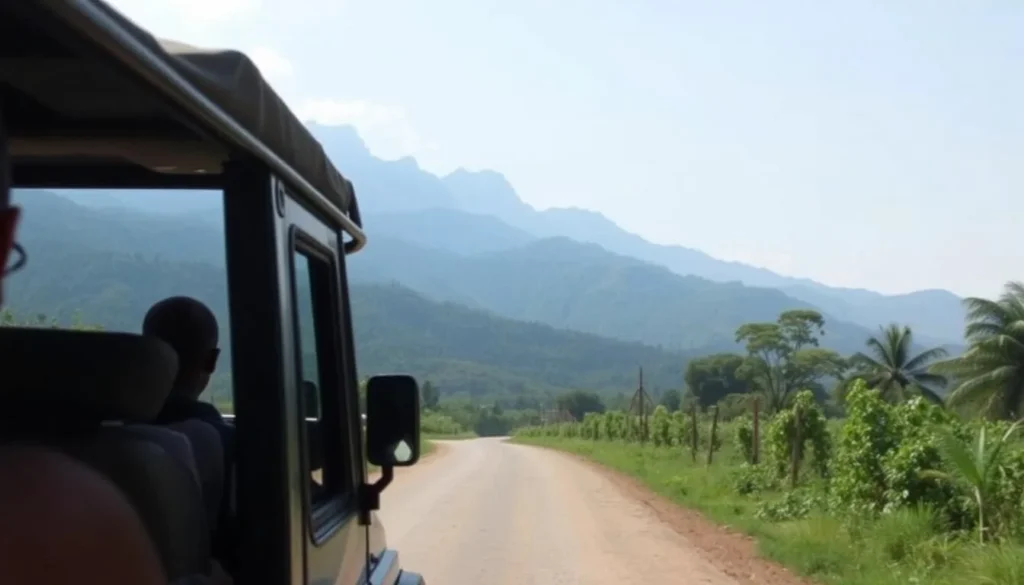
- Private Transfers: The most convenient option is hiring a private vehicle with a driver from Kampala or Entebbe. Many tour operators include this in their packages.
- Rental Cars: Self-driving is possible but challenging due to road conditions. 4×4 vehicles are strongly recommended for the final stretches to the trailheads.
- Public Transportation: Budget travelers can take buses to Kasese town, then hire local taxis to reach the park entrance.
Within the Rwenzori Mountains National Park itself, all exploration is done on foot along established trails with your guides and porters. The trek to Mount Baker typically takes 5-7 days depending on your route and acclimatization schedule.
Check 30,000+ Local Sightseeing Tours Worldwide
✓ Numerous languages and currencies are available
Where to Stay
Accommodation options for Mount Baker trekkers fall into two distinct categories: pre/post-trek lodging near the park and mountain huts/camps during your expedition.

Pre and Post-Trek Accommodations
- Kasese Town: The nearest major town offers various hotels ranging from budget to mid-range. Snow Heights Lodge and Sandton Hotel Kasese are popular choices.
- Park Entrance: Several guesthouses and lodges are located near the trailheads, including Trekkers Hostel in Kilembe and Ruboni Community Camp near Nyakalengija.
- Fort Portal: This charming town is slightly further but offers more upscale accommodation options if you want comfort before or after your trek.
On-Mountain Accommodation
During your trek, you’ll stay in basic mountain huts or camps established along the routes. These include:
- Sine Camp (2,650m): First stop on the Kilembe route with nearby Enock’s Falls
- Kalalama Camp: Located in the Heather-Rapanea Zone
- Bugata Camp: Offers scenic mountain landscapes
- Hunwick’s Camp: High-altitude camp with views of major peaks
- Elena Camp (4,541m): Base for Margherita Peak attempts
- Kitandara Lakes Camp: Beautiful setting near alpine lakes
Mountain huts are basic but functional, typically offering sleeping platforms with mattresses, communal dining areas, and simple toilet facilities. Your tour operator will arrange all on-mountain accommodation as part of your trekking package.
Dining & Local Cuisine
Food experiences on Mount Baker vary dramatically between pre-trek meals in towns and the hearty but simple fare prepared by your trekking team on the mountain.

Local Ugandan Cuisine
Before and after your trek, sample authentic Ugandan dishes in Kasese or Fort Portal:
- Matoke: Steamed and mashed green bananas, a staple food
- Luwombo: Meat or groundnuts steamed in banana leaves
- Posho: Maize flour porridge often served with bean or groundnut stew
- Rolex: Uganda’s popular street food—an egg omelette wrapped in chapati
- Fresh Tropical Fruits: Pineapples, passion fruits, and jackfruits
On-Mountain Meals
During your trek, meals are prepared by your expedition cook:
- Breakfast: Typically porridge, eggs, bread, and tea/coffee
- Lunch: Often packed lunches with sandwiches, fruit, and energy bars
- Dinner: Hearty stews, pasta, rice dishes, and sometimes fresh vegetables
- Snacks: Energy-dense foods like nuts, chocolate, and dried fruits
Most trekking companies can accommodate dietary restrictions with advance notice. Staying well-hydrated is crucial at high altitudes, so expect to drink plenty of tea and treated water throughout your journey.
Attractions, Sightseeing & Activities on Mount Baker
The journey to Mount Baker is filled with incredible natural attractions and activities that make every step of the challenging trek worthwhile.

Main Attractions
- Mount Baker Summit (4,843m): The ultimate goal for many trekkers, offering panoramic views across Uganda and into the Democratic Republic of Congo
- Afro-Montane Forests: Lower elevation zones feature dense forests with unique flora and chances to spot colobus monkeys
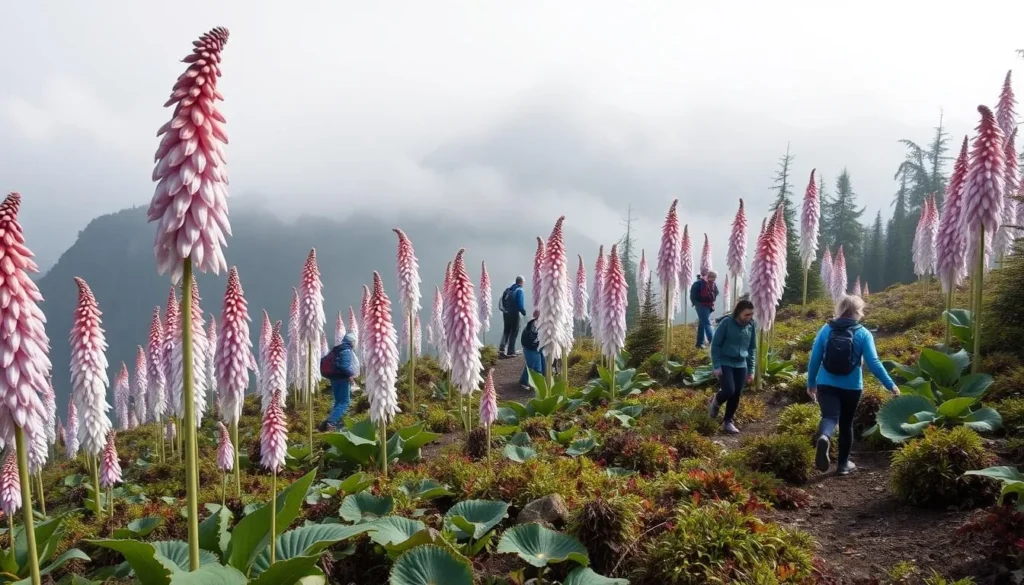
- Giant Lobelia Gardens: Otherworldly landscapes filled with prehistoric-looking giant lobelia plants
- Alpine Bogs: Unique high-altitude wetlands with specialized plant species
- Kitandara Lakes: Beautiful alpine lakes nestled between mountain peaks
- Glaciers: Though rapidly retreating, the remaining glaciers on nearby Mount Stanley are accessible from some routes
Popular Activities
- Multi-Day Trekking: The primary activity, with routes ranging from 5-10 days
- Photography: Capturing the unique landscapes and vegetation zones
- Bird Watching: The Rwenzori Mountains host numerous endemic and rare bird species
- Waterfall Visits: Several routes pass spectacular waterfalls like Enock’s Falls
- Cultural Interactions: Engaging with local guides and learning about the cultural significance of the mountains
Cultural Spots & Local Experiences
While Mount Baker is primarily a natural attraction, the cultural aspects of the region add depth to your trekking experience.
Cultural Highlights
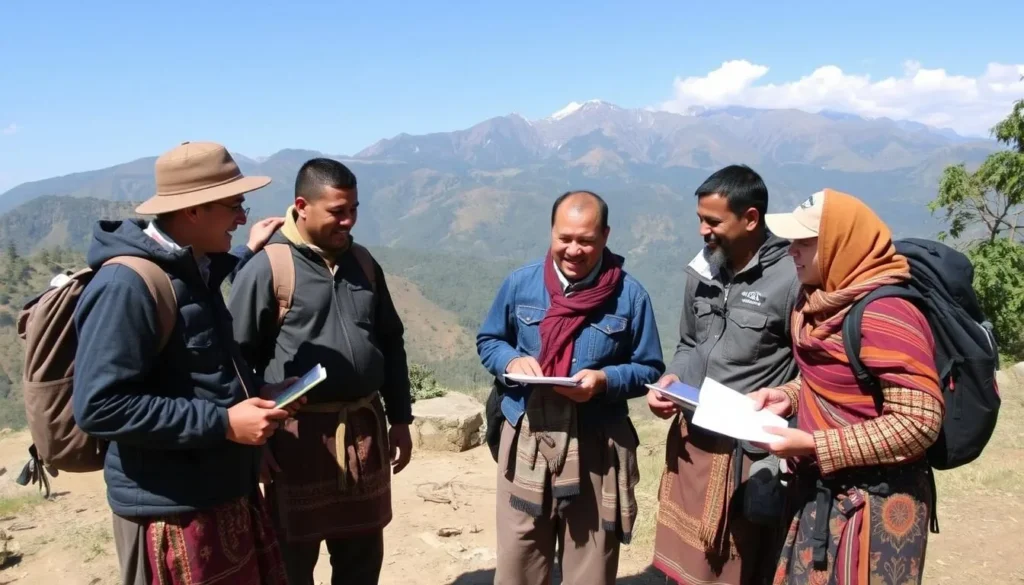
- Bakonzo Community: The indigenous people of the Rwenzori Mountains have a rich cultural heritage tied to these “Mountains of the Moon”
- Traditional Knowledge: Local guides share insights about medicinal plants, weather prediction, and mountain folklore
- Ruboni Community Camp: Near the Nyakalengija trailhead, offering cultural performances and demonstrations
- Kasese Cultural Sites: Visit local markets and community centers before or after your trek
Many trekking companies incorporate cultural elements into their expeditions, allowing visitors to gain a deeper understanding of the mountains’ significance to local communities. Consider spending an extra day before or after your trek to engage with these cultural experiences.
Nature & Outdoor Experiences
The Rwenzori Mountains offer a remarkable progression through distinct ecological zones as you ascend toward Mount Baker, creating one of Africa’s most diverse mountain environments.

Ecological Zones
As you trek toward Mount Baker, you’ll pass through these distinct zones:
- Afro-Montane Forest (1,800-2,500m): Dense forest with tall trees, ferns, and abundant birdlife
- Bamboo Zone (2,500-3,000m): Thick bamboo forests that can be challenging to navigate in wet conditions
- Heather-Rapanea Zone (3,000-3,800m): Characterized by giant heather trees draped in moss
- Afro-Alpine Zone (3,800-4,500m): Home to the iconic giant lobelias, giant groundsels, and unique moorland vegetation
- Nival Zone (above 4,500m): Rocky terrain with minimal vegetation, snow, and ice
Wildlife Encounters
While wildlife is not as abundant as in savanna parks, you might encounter:
- Black-and-white colobus monkeys
- L’Hoest’s monkeys
- Rwenzori turaco (endemic bird species)
- Hyrax (small mammals related to elephants)
- Various endemic amphibians
- Occasionally, evidence of forest elephants at lower elevations
Safety, Etiquette & Local Customs
Trekking Mount Baker requires proper preparation and respect for both the mountain environment and local customs.

Safety Considerations
- Altitude Sickness: Acclimatize properly by following recommended itineraries with gradual ascent
- Weather Conditions: Be prepared for sudden changes in weather, including rain, mist, and cold temperatures
- Trail Conditions: Expect muddy, slippery trails, especially during and after rain
- Equipment: Bring proper gear including waterproof clothing, warm layers, and sturdy footwear (rubber boots are often recommended for lower sections)
- Medical Preparation: Carry a basic first aid kit and any personal medications
Cultural Etiquette
- Respect for Guides: Local guides have invaluable knowledge—listen to their advice
- Porter Treatment: Treat porters with respect and ensure they have proper equipment
- Photography: Ask permission before photographing local people
- Environmental Ethics: Follow Leave No Trace principles and pack out all waste
- Tipping: Budget for tips for your guides and porters (typically 10-15% of trek cost)
Uganda is generally welcoming to visitors, but learning a few basic Swahili or Lukonzo (local language) phrases can enhance your experience and show respect for local culture.
Mount Baker Location
Mount Baker is located in the Rwenzori Mountains National Park in western Uganda, near the border with the Democratic Republic of Congo.
Visitor Comments About Mount Baker
“Mount Baker was the most challenging and rewarding trek I’ve ever done. The landscape transitions from jungle to prehistoric-looking giant lobelias to rocky alpine terrain were like walking through different planets. The local guides were incredible—their knowledge and support made all the difference.”
“As a Ugandan who has hiked many places, I’m still amazed by the beauty of our Rwenzori Mountains. Mount Baker offers the perfect balance of challenge and accessibility. The views from the summit on a clear day are unmatched—you can see across to Congo and the other major peaks. More people should discover this hidden gem.”
“Prepare for mud! I trekked Mount Baker in July and was thankful for the rubber boots our guides recommended. The mountain huts were basic but comfortable enough, and the food was surprisingly good. What stands out most was the otherworldly scenery—like nothing I’ve seen elsewhere in my travels across six continents.”
Practical Travel Tips

Essential Packing List
- Footwear: Waterproof hiking boots AND rubber boots for muddy sections
- Clothing: Moisture-wicking base layers, warm mid-layers, waterproof outer shell
- Sleeping: Warm sleeping bag (comfort rating to -5°C/23°F)
- Sun Protection: Hat, sunglasses, and sunscreen (even in cloudy conditions)
- Hands: Waterproof gloves and warm gloves/mittens for higher elevations
- Trekking Gear: Poles highly recommended for steep, slippery sections
- Headlamp: Essential for early morning summit attempts
- Water Purification: Tablets or filter system
Booking & Logistics
- Permits: Required and typically arranged through your tour operator
- Booking Timeline: Reserve 3-6 months in advance, especially for peak season
- Visa: Most visitors need a Uganda visa, obtainable online or on arrival
- Insurance: Comprehensive travel insurance with high-altitude trekking coverage
- Fitness: Train for 3+ months before your trek with cardio and hill climbing
- Budget: Expect to pay $1,200-2,500 USD for a guided Mount Baker trek (all-inclusive)
Pro Tip: Consider adding an extra acclimatization day to your itinerary. This significantly increases summit success rates and makes the experience more enjoyable. Most operators can customize itineraries upon request.
The Call of Uganda’s Mountains
Mount Baker offers what increasingly few destinations can in today’s world—a genuine wilderness adventure that remains off the beaten path. The combination of challenging terrain, otherworldly landscapes, and rich biodiversity creates an experience that stays with trekkers long after they’ve descended from the mountains.
Whether you’re drawn by the technical challenge of the summit, the unique flora of the Afro-alpine zone, or simply the allure of exploring one of Africa’s best-kept secrets, Mount Baker rewards those willing to make the journey. As climate change continues to affect the region’s glaciers, there’s never been a more important time to witness this remarkable mountain environment while supporting sustainable tourism that benefits local communities.
The Mountains of the Moon are calling—will you answer?
Related Posts
Ziwa Rhino Sanctuary, Uganda: Best Things to Do – Top Picks

Ssese Islands (Lake Victoria), Uganda: Best Things to Do – Top Picks
Source of the Nile (Jinja), Uganda: Best Things to Do – Top Picks
Sipi Falls, Uganda: Best Things to Do – Top Picks
Semuliki National Park, Uganda: Best Things to Do – Top Picks