
Hotels by Trip.com
Flights by Trip.com
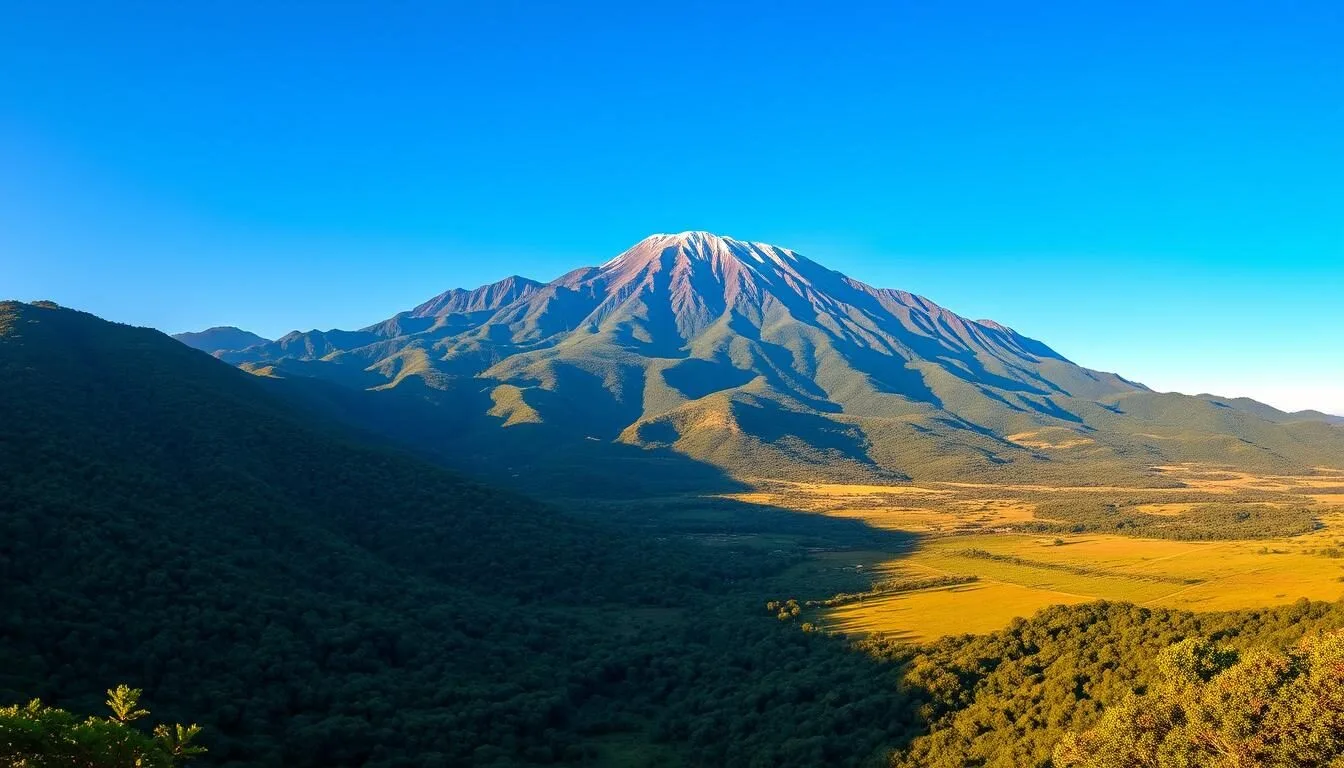
Few travelers realize that Mount Kadam stands at 3,063 meters (10,049 feet), making it one of Uganda’s most significant yet least-visited peaks, offering pristine wilderness untouched by mass tourism. This hidden gem in northeastern Uganda near the Kenyan border provides adventurous travelers with breathtaking panoramic views, unique cultural experiences, and a genuine off-the-beaten-path adventure that few get to experience.
Getting There & Planning Your Journey
Reaching Mount Kadam requires some planning, but the journey itself is part of the adventure. The nearest town to Mount Kadam is Moroto, located approximately 85 kilometers away. From Uganda’s capital, Kampala, you have two main options:
By Road
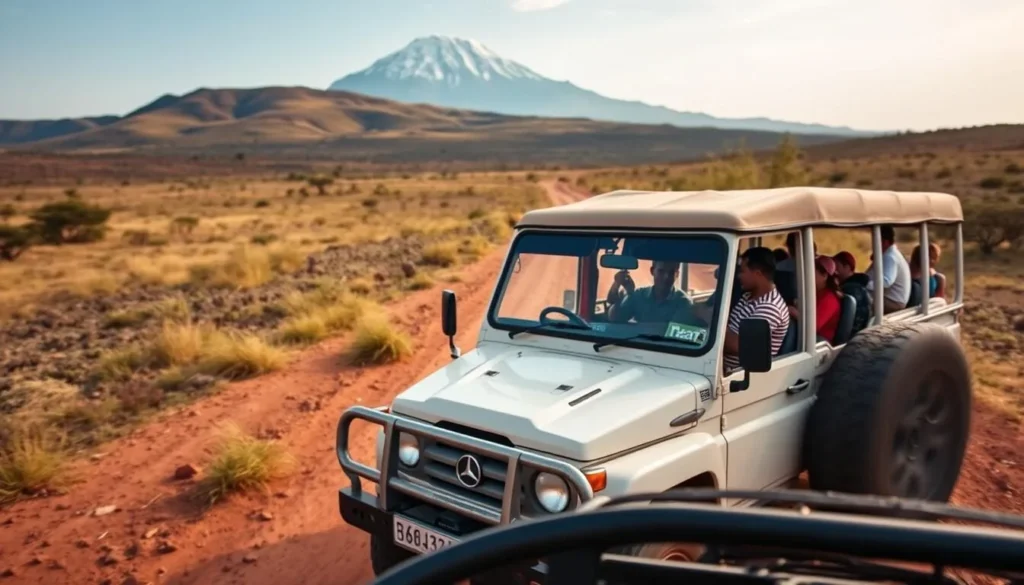
The road journey from Kampala to Moroto takes around six hours and passes through several towns and villages, offering stunning views of the Ugandan countryside. From Moroto, you’ll need to hire a guide and a 4×4 vehicle to reach the base of Mount Kadam, which takes about three more hours.
By Air
For a faster option, you can fly from Entebbe International Airport to either Soroti Airport or Moroto Airstrip. These flights take approximately two hours and offer spectacular aerial views, though they’re more expensive than traveling by road. From either airport, you’ll still need ground transportation to reach Mount Kadam.
Best Time to Visit Mount Kadam
Timing your visit to Mount Kadam is crucial for a safe and enjoyable experience. The mountain has distinct dry and wet seasons that significantly impact trekking conditions.
Recommended Months
- December to February – Primary dry season with clear skies, minimal rainfall, and temperatures around 20-25°C (68-77°F) during the day.
- June to August – Secondary dry season with slightly cooler temperatures and excellent visibility for photography.
Months to Avoid
- March to May – Main rainy season with heavy downpours that make trails muddy, slippery, and potentially dangerous.
- September to November – Secondary rainy season with unpredictable weather patterns.
During the dry seasons, daytime temperatures hover around 20-25°C (68-77°F), while nights can get chilly, dropping to 10-15°C (50-59°F). Pack accordingly with layers that you can add or remove as needed throughout your trek.
Getting Around Locally
Once you’ve reached the Mount Kadam area, you’ll need to consider how to navigate locally. The region has limited transportation infrastructure, but there are several options available:
Check 30,000+ Local Sightseeing Tours Worldwide
✓ Numerous languages and currencies are available
4×4 Vehicles
The most reliable option for navigating the rugged terrain around Mount Kadam. Hiring a 4×4 with a driver who knows the area is highly recommended, as local knowledge is invaluable on the unmarked roads.
Boda Bodas
These motorcycle taxis are commonly used for shorter distances in Uganda. While they can navigate narrow paths, they’re not ideal for longer journeys or carrying trekking equipment.
Guided Tours
Many visitors opt for guided tours that include transportation, eliminating the need to arrange your own local travel. This is often the most hassle-free option.
Where to Stay
Accommodation options around Mount Kadam range from basic to comfortable, with each offering a unique experience of this remote region. Here are your main options:
Camping
For the full wilderness experience, camping on Mount Kadam is popular among trekkers. Designated campsites are located at various points along the trekking routes, including a base camp at 2,400 meters. Basic facilities are provided, and camping equipment can be arranged through tour operators.
Eco Lodges
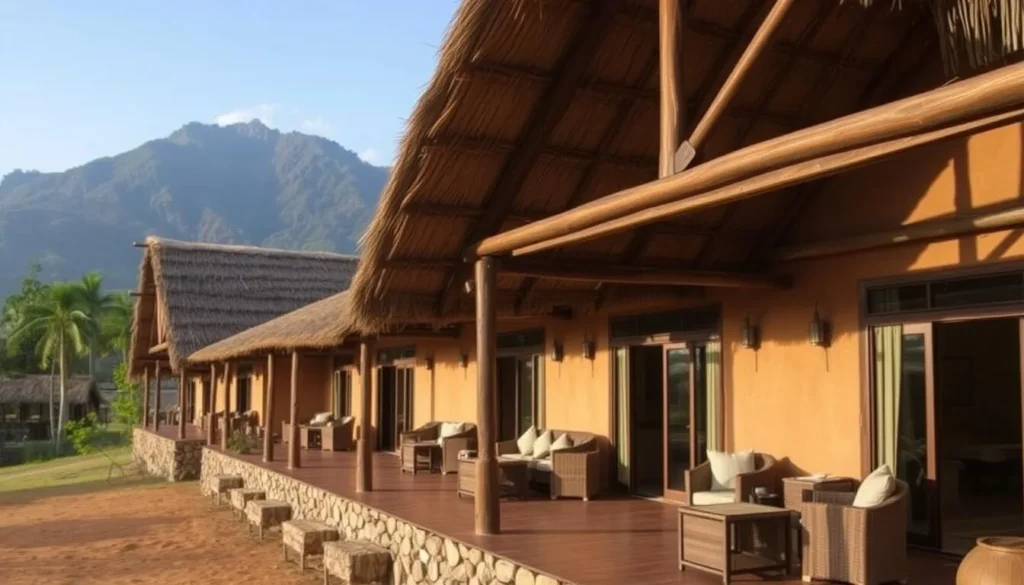
Several eco-friendly lodges have been established near Mount Kadam, offering comfortable accommodation while minimizing environmental impact. These lodges typically feature traditional construction methods and materials, blending harmoniously with the natural surroundings.
Guesthouses
In nearby towns like Nakapiripirit and Moroto, you’ll find modest guesthouses offering basic but clean accommodation. These are good options for the night before starting your trek or after completing it.
Dining & Local Cuisine
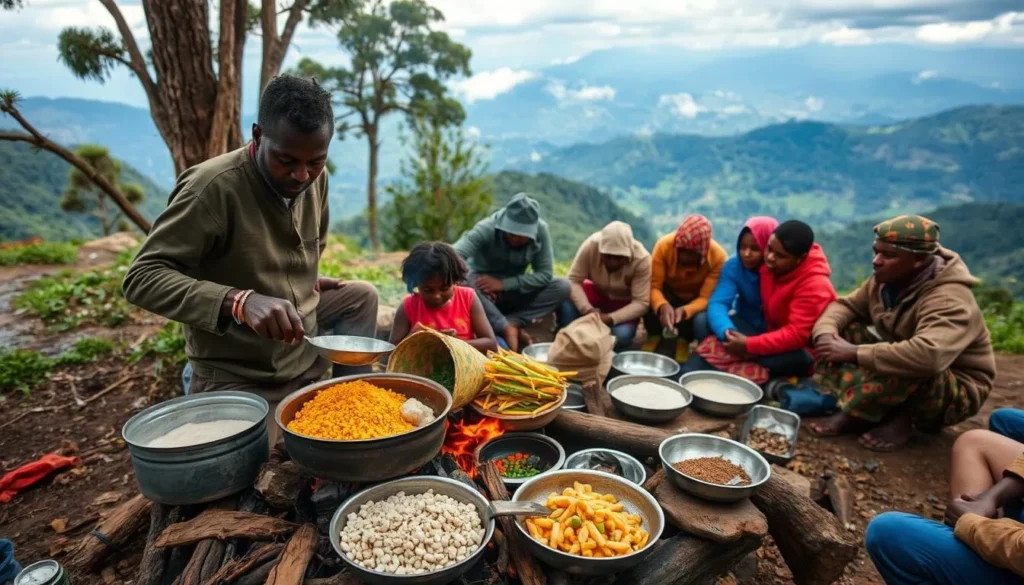
The culinary experience around Mount Kadam offers a taste of authentic Ugandan cuisine with influences from the local Karamojong and Pokot communities. Here’s what to expect:
Local Specialties
- Posho (Ugali) – A thick maize flour porridge that’s a staple throughout Uganda.
- Roasted Goat Meat – A specialty of the Karamojong people, often prepared during celebrations.
- Millet Bread – A dense, nutritious bread made from millet flour.
- Malewa – A traditional bamboo shoot dish popular in eastern Uganda.
- Local Vegetables – Various indigenous vegetables prepared with minimal spices to preserve their natural flavors.
Dining Options
Most visitors to Mount Kadam will have their meals prepared by tour guides or at their accommodation. If you’re camping, experienced cooks typically accompany trekking groups to prepare meals at campsites.
In nearby towns, you’ll find small local restaurants serving traditional Ugandan dishes. These establishments offer an authentic dining experience, though they may have limited menus compared to restaurants in larger cities.
For those staying at lodges, meals are usually included and feature a mix of local and international cuisine to accommodate various preferences.
Attractions, Sightseeing & Activities
Mount Kadam offers a wealth of attractions and activities for the adventurous traveler. From challenging treks to cultural immersion, here are the top things to do:
Summit Trek
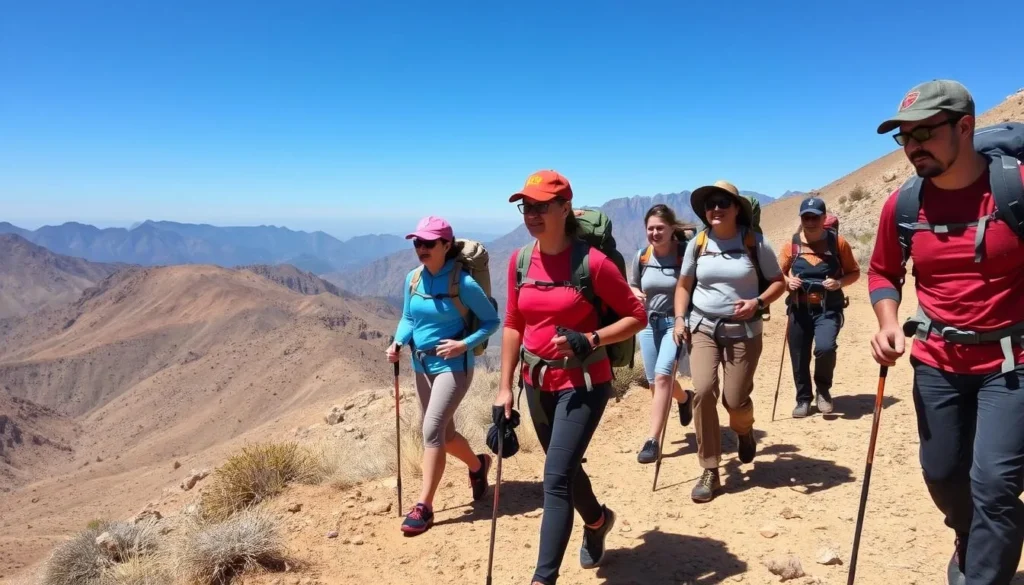
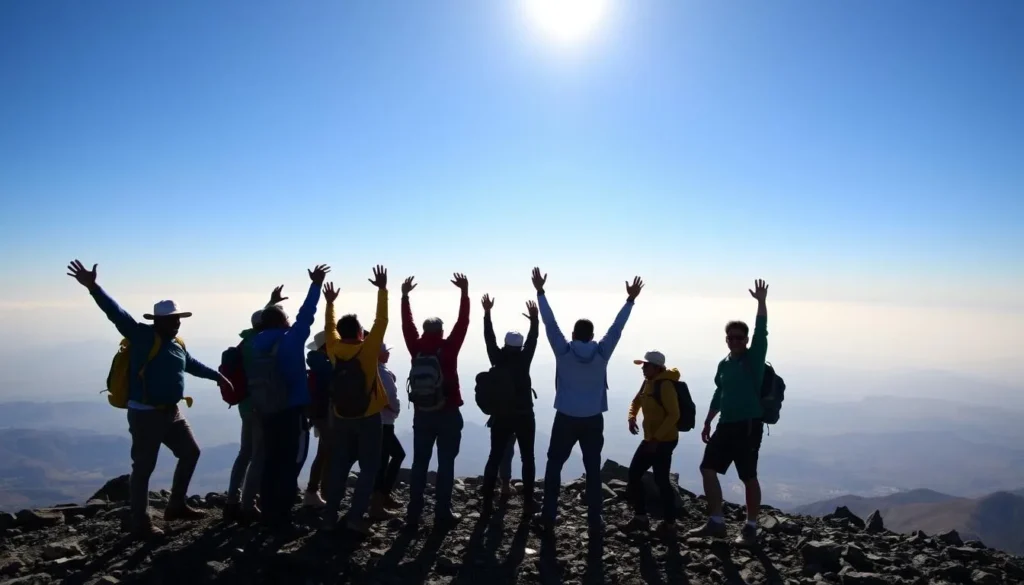
The highlight for many visitors is the trek to Mount Kadam’s summit at 3,063 meters. This challenging hike takes 2-3 days round trip and rewards trekkers with spectacular panoramic views of the surrounding landscapes, including distant views of Mount Elgon and even Mount Kenya on clear days.
Base Camp Trek
For those with limited time or who prefer a less strenuous experience, the trek to the base camp at 2,400 meters is an excellent option. This can be completed in a single day and still offers impressive views and a taste of the mountain’s unique ecosystem.
Wildlife Spotting
Mount Kadam is home to diverse wildlife, including the rare Ugandan Giant Forest Hog, various monkey species, and numerous bird species. Early morning or late afternoon are the best times for wildlife spotting, especially in the forest zones.
Museums, Cultural Spots & Festivals
The Mount Kadam region offers rich cultural experiences, providing insights into the traditional ways of life of several Ugandan ethnic groups:
Cultural Experiences
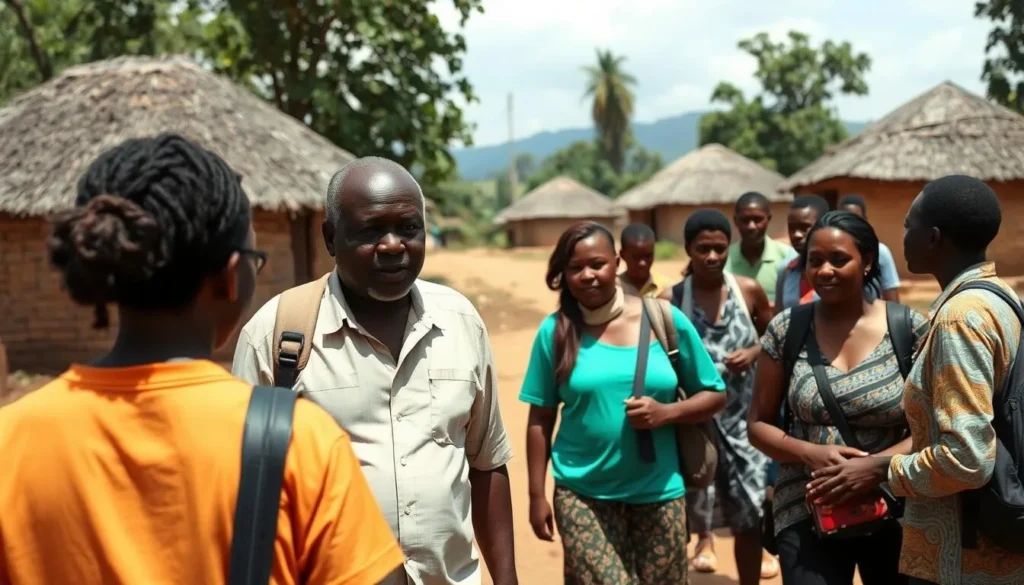
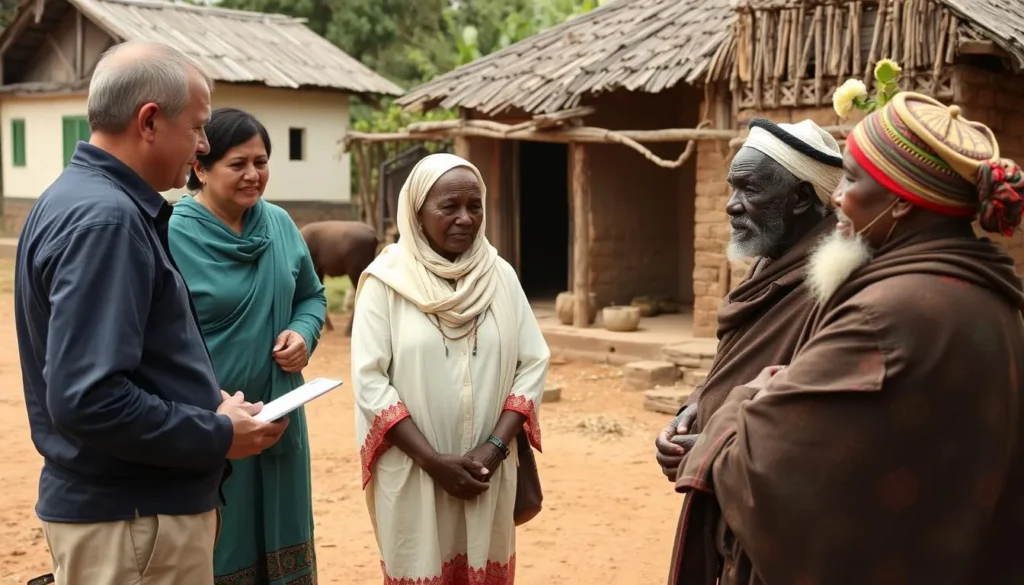
- Village Visits – Several ethnic groups, including the Karamojong, Pokot, Sebei, and Tepeth, live around Mount Kadam. Visiting their villages offers a glimpse into their traditional lifestyles, architecture, and customs.
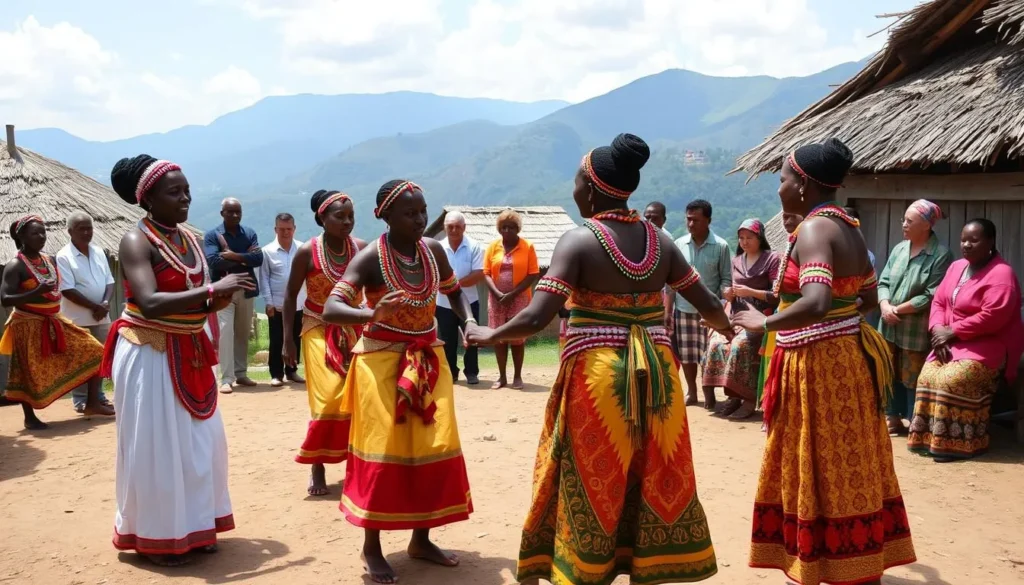
- Traditional Dances – Many communities perform traditional dances that tell stories of their history and culture. These performances are often arranged for visitors through local guides.
- Craft Demonstrations – Local artisans demonstrate traditional crafts such as beadwork, basket weaving, and blacksmithing, with opportunities to purchase handmade souvenirs.
Local Festivals
The communities around Mount Kadam celebrate various traditional festivals throughout the year. These events often coincide with harvests, full moons, or other significant occasions.
The Karamojong celebrate several annual ceremonies, including age-set initiations and harvest festivals. These events feature traditional music, dance, and feasting.
While there are no formal museums in the immediate area, cultural centers in some villages display artifacts and provide information about local history and traditions.
Sports, Nature & Outdoor Experiences
Mount Kadam is a paradise for outdoor enthusiasts, offering diverse experiences in its unique natural environment:
Rock Climbing
The mountain features several rock faces that provide opportunities for climbing at various difficulty levels. The volcanic rock formations offer interesting challenges for experienced climbers, though proper equipment and local guidance are essential.
Bird Watching
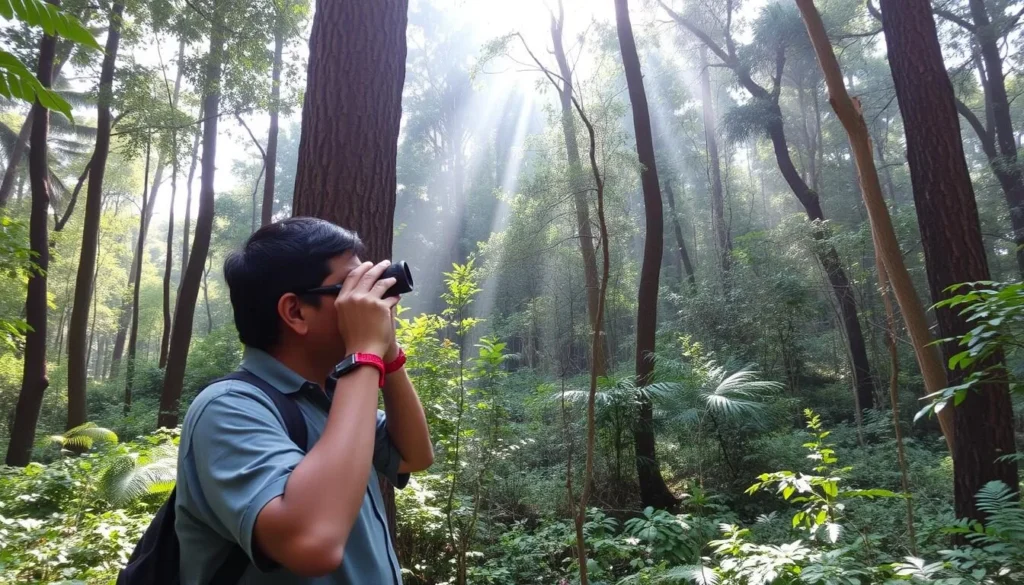
With its diverse habitats ranging from savanna to montane forest, Mount Kadam is home to numerous bird species. Bring binoculars to spot colorful sunbirds, eagles, and various forest species that inhabit different elevation zones.
Photography
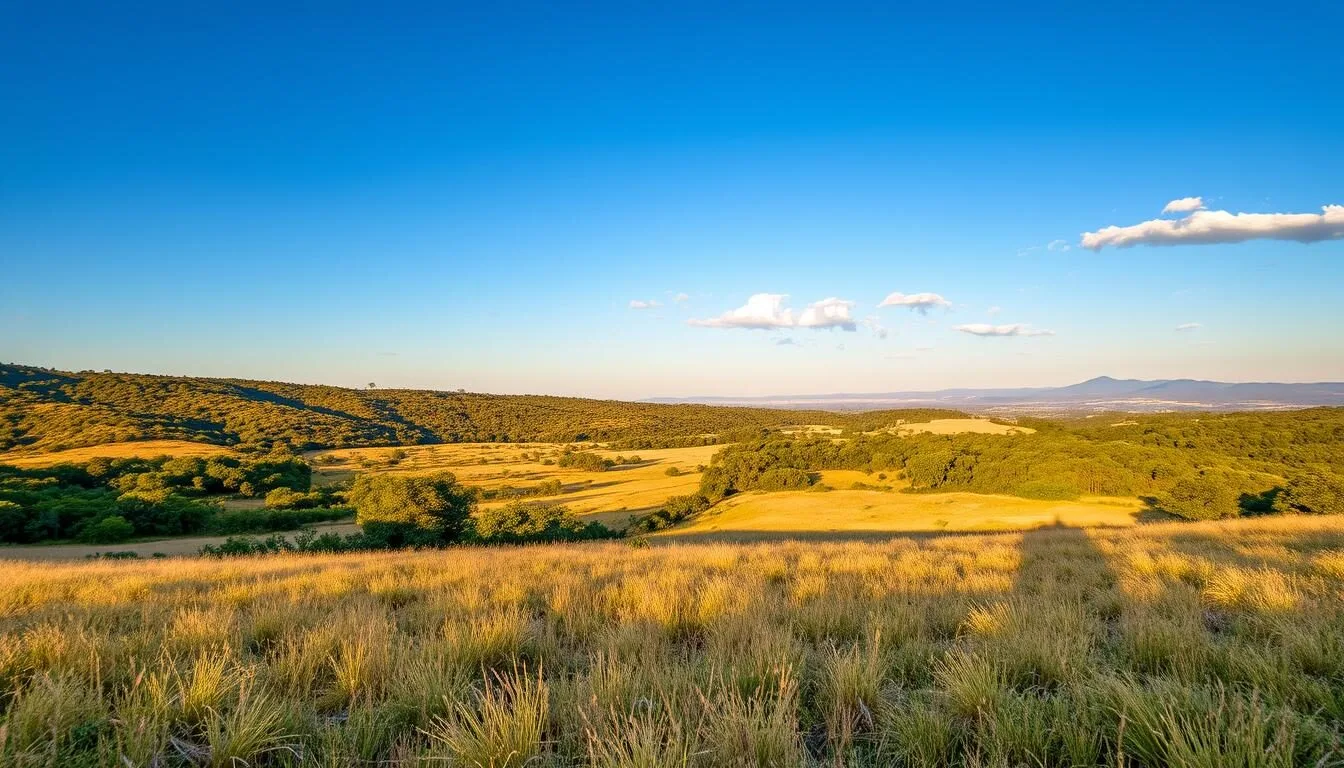
The dramatic landscapes, unique flora, and cultural encounters make Mount Kadam a photographer’s dream. The early morning light on the summit and the golden hour views across the Karamoja plains are particularly spectacular.
Safety, Etiquette & Local Customs
Ensuring a safe and respectful visit to Mount Kadam requires understanding both safety considerations and local cultural norms:
Safety Tips
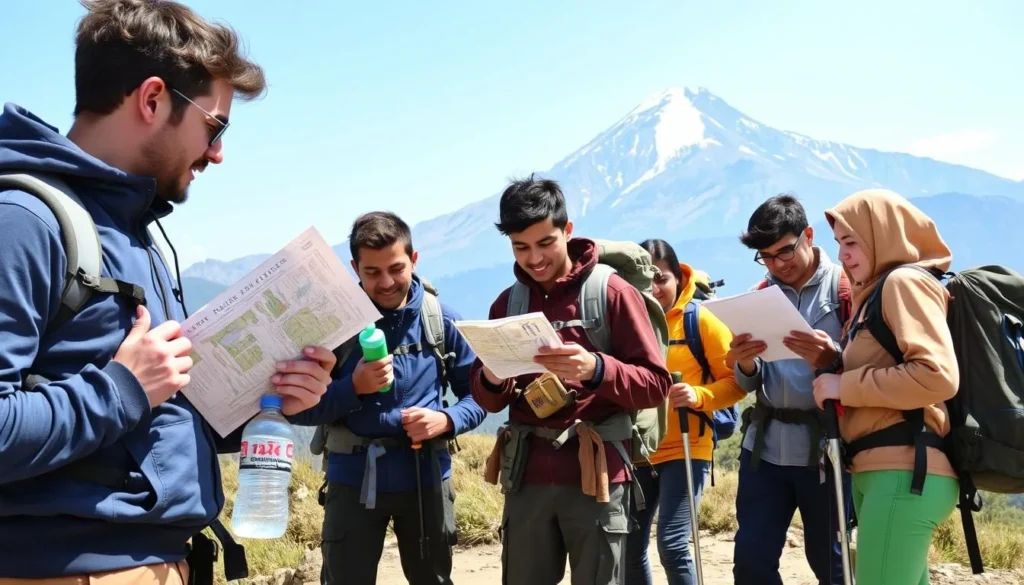
- Never Trek Alone – Always hire a local guide who knows the mountain and can navigate safely.
- Proper Equipment – Bring sturdy hiking boots, weather-appropriate clothing, sufficient water, and first aid supplies.
- Weather Awareness – Check weather forecasts before starting your trek and be prepared for sudden changes, especially during shoulder seasons.
- Altitude Considerations – While not extremely high, Mount Kadam’s elevation can cause mild altitude sickness in some visitors. Acclimatize properly and recognize symptoms.
- Wildlife Precautions – Maintain a safe distance from wild animals and follow your guide’s instructions regarding wildlife encounters.
Cultural Etiquette
- Dress Modestly – The communities around Mount Kadam are traditional. Both men and women should wear clothing that covers shoulders and knees when visiting villages.
- Photography Permission – Always ask before taking photographs of local people or their homes.
- Greetings – Learning a few basic greetings in local languages shows respect and is appreciated by community members.
- Gift Giving – Avoid giving gifts directly to children as it can encourage begging. Instead, contribute to community projects or schools if you wish to help.
- Environmental Respect – Follow Leave No Trace principles, respecting the natural environment and local communities.
Visitor Comments About Mount Kadam
“Mount Kadam was the highlight of my Uganda trip. The trek was challenging but incredibly rewarding. Standing on the summit at sunrise, watching the light spread across the Karamoja plains, was a moment I’ll never forget. The local guides were knowledgeable and friendly, making the experience even more special.”
“As an avid bird watcher, Mount Kadam exceeded my expectations. The diversity of habitats means you encounter different species as you ascend. I spotted over 40 species in just two days! The cultural experiences in the villages were equally fascinating. A true hidden gem in Uganda.”
“The Mount Kadam trek offers the perfect balance of adventure and cultural immersion. While the paths can be challenging, the views are worth every step. What made it special was learning about the local tribes from our guide. If you want an authentic experience away from tourist crowds, this is it.”
Practical Travel Tips
What to Pack
- Hiking Essentials – Sturdy boots, moisture-wicking clothing, rain jacket, hat, and sunglasses.
- Weather Protection – Sunscreen, insect repellent, and a light jacket for cool evenings.
- Health Items – Personal medications, first aid kit, water purification tablets, and hand sanitizer.
- Equipment – Headlamp or flashlight, trekking poles, and a good quality backpack.
- Documentation – Passport, travel insurance details, and emergency contacts.
Practical Information
- Currency – Uganda Shilling (UGX) is the local currency. Bring cash as ATMs are scarce in remote areas.
- Communication – Purchase a local SIM card in Kampala or larger towns for better connectivity.
- Permits – Check with your guide about any required permits for trekking Mount Kadam.
- Language – English is widely spoken, but learning a few phrases in local languages is appreciated.
- Health – Consult your doctor about vaccinations and malaria prophylaxis before traveling.
Your Ugandan Adventure Awaits
Mount Kadam represents Uganda at its most authentic – wild, culturally rich, and relatively untouched by mass tourism. The challenging treks, breathtaking views, and meaningful cultural encounters create an experience that goes beyond typical tourism. Whether you’re watching the sunrise from the summit, learning traditional crafts in a Karamojong village, or spotting unique wildlife in the mountain forests, Mount Kadam offers memories that will stay with you long after you’ve returned home. As Uganda’s tourism continues to develop, this hidden gem may not remain secret for long – making now the perfect time to experience its unspoiled beauty and genuine hospitality.
Related Posts
Ziwa Rhino Sanctuary, Uganda: Best Things to Do – Top Picks

Ssese Islands (Lake Victoria), Uganda: Best Things to Do – Top Picks
Source of the Nile (Jinja), Uganda: Best Things to Do – Top Picks
Sipi Falls, Uganda: Best Things to Do – Top Picks
Semuliki National Park, Uganda: Best Things to Do – Top Picks
Sezibwa Falls, Uganda: Best Things to Do – Top Picks
Coming Soon: Clickable Maps