
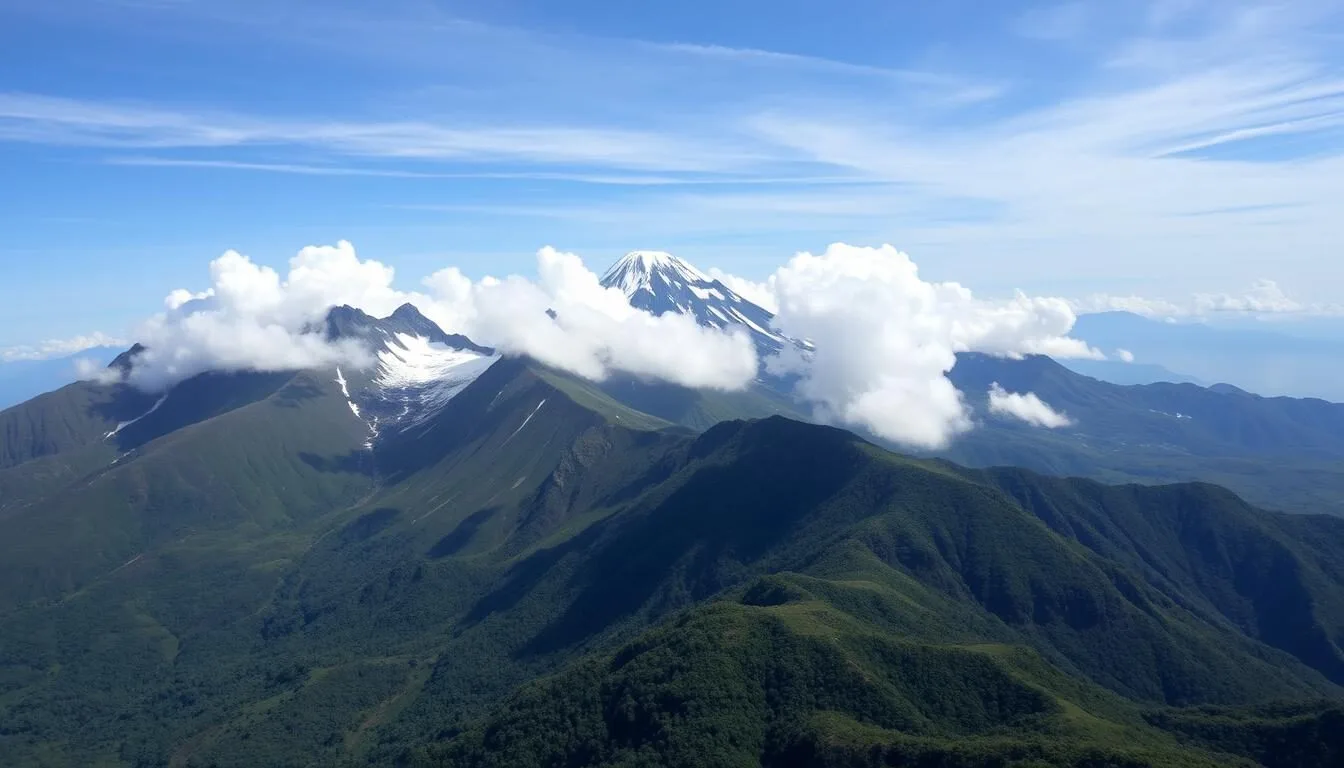
Did you know that Mount Speke, Uganda’s second-highest peak at 4,890 m (16,043 ft), is part of the legendary “Mountains of the Moon” and was named after British explorer John Speke, who discovered the source of the Nile? Unlike most African mountains formed by volcanic activity, Mount Speke was created by tectonic plate collision, resulting in its unique rugged terrain and multiple summits that encircle the breathtaking upper Bujuku Valley.
Getting There & Planning Your Journey
The journey to Mount Speke begins with a flight to Entebbe International Airport (EBB), Uganda’s main gateway. From Entebbe, you’ll need to travel to Kasese, the nearest town to the Rwenzori Mountains National Park where Mount Speke is located. This journey takes approximately 7-8 hours by road.
To enter the Rwenzori Mountains National Park, you’ll need to obtain permits through the Uganda Wildlife Authority. It’s highly recommended to arrange your trek through a reputable tour operator who can handle permit acquisition, provide guides, porters, and necessary equipment.
Best Time to Visit Mount Speke & Weather Tips
The ideal time to visit Mount Speke is during the dry seasons, which run from December to February and June to September. These periods offer the most favorable weather conditions for trekking, with clearer skies and drier trails that make the challenging terrain more manageable.
| Season | Months | Weather Conditions | Recommendation |
| Dry Season (Primary) | December – February | Less rainfall, temperatures 10-20°C (50-68°F) | Highly Recommended |
| Wet Season (Primary) | March – May | Heavy rainfall, slippery trails | Not Recommended |
| Dry Season (Secondary) | June – September | Moderate rainfall, temperatures 8-18°C (46-64°F) | Recommended |
| Wet Season (Secondary) | October – November | Increased rainfall, unpredictable weather | Not Recommended |
Even during dry seasons, be prepared for rain at any time in the Rwenzori Mountains. Temperatures drop significantly with altitude, often reaching near freezing at night at higher elevations. Pack appropriate clothing for cold, wet conditions regardless of when you visit.
Getting Around Locally
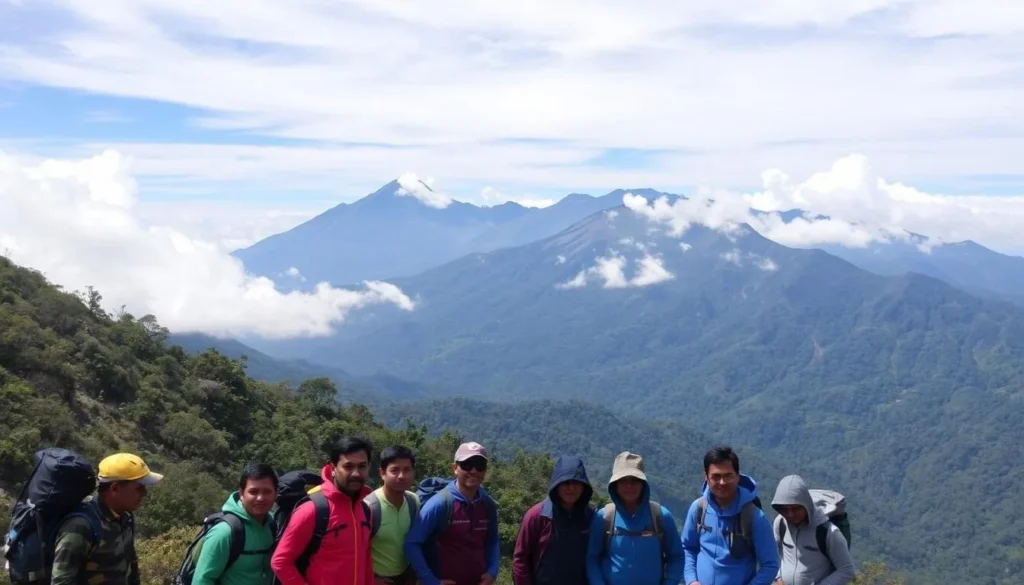
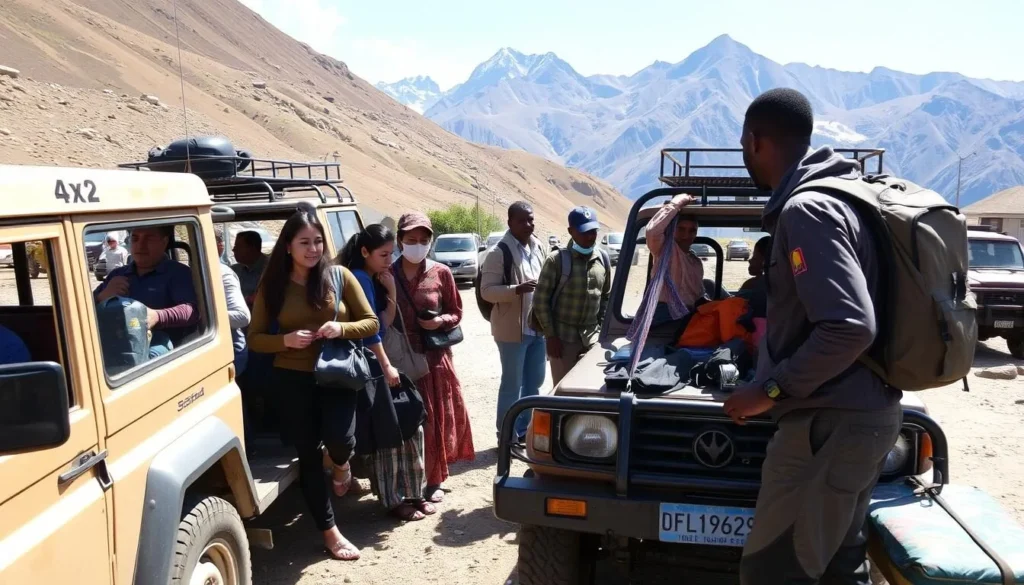
Once you arrive in Kasese, transportation to the Rwenzori Mountains National Park entrance at Nyakalengija can be arranged through your tour operator or by hiring a local taxi. The journey takes about 1-2 hours depending on road conditions.
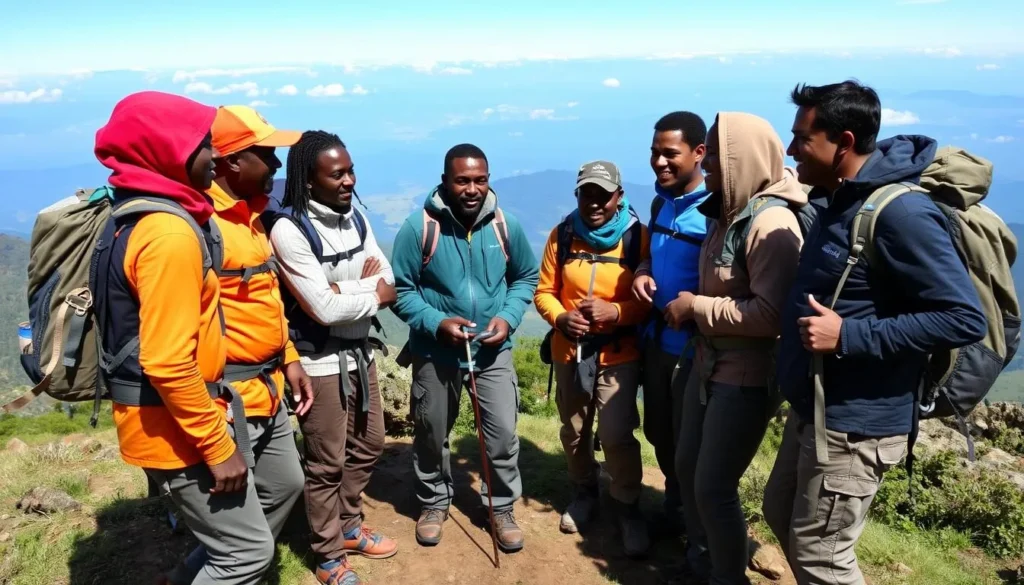
Within the national park, all exploration of Mount Speke is done on foot along established trails. The terrain is challenging, with steep ascents, rocky sections, and potentially muddy paths. Hiring local guides and porters is mandatory and provides valuable support while contributing to the local economy.
Where to Stay
Accommodation options for Mount Speke visitors range from hotels in Kasese town to more basic mountain huts along the trekking routes. Here are your main options:
Kasese Town Accommodations
Before and after your trek, Kasese offers several comfortable hotels and guesthouses. Options like Hotel Margherita and Sandton Hotel Kasese provide clean rooms, hot showers, and restaurants – perfect for recovery after your mountain adventure.
Park Entrance Lodges
Near the park entrance at Nyakalengija, you’ll find basic but comfortable lodges like Rwenzori Turaco View and Rwenzori Backpackers. These provide convenient access to the start of the trekking routes and often offer pre-trek briefings.
Mountain Huts
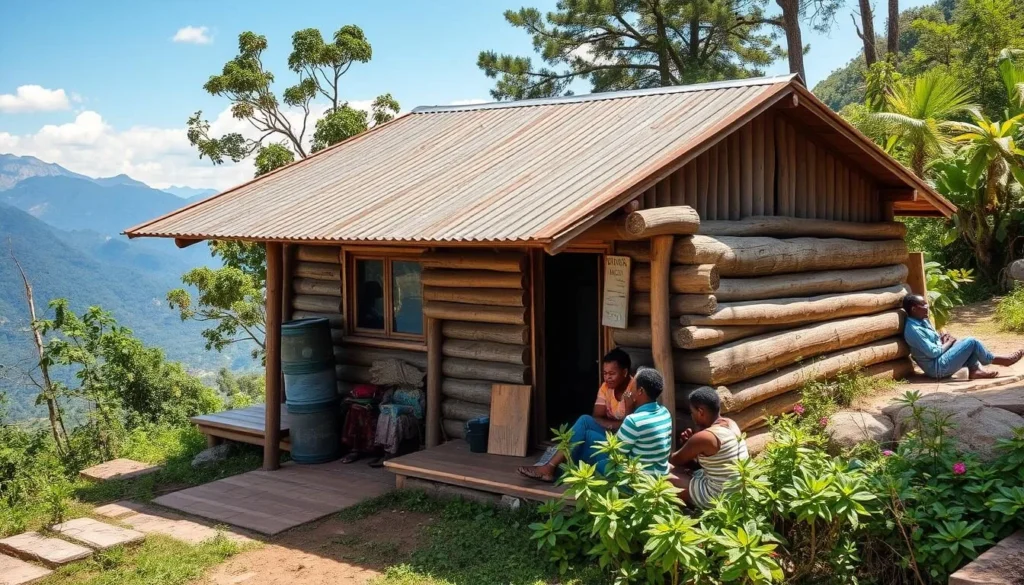
Along the trekking routes to Mount Speke, basic mountain huts provide shelter for overnight stays. These simple structures offer sleeping platforms, basic toilets, and shelter from the elements. Nyabitaba Hut, John Matte Hut, and Bujuku Hut are key stops on the route to Mount Speke.
Dining & Local Cuisine
Food options around Mount Speke vary depending on your location. In Kasese town, you’ll find restaurants serving both Ugandan and international cuisine. Local dishes worth trying include matoke (steamed green bananas), posho (cornmeal), and various meat and bean stews.
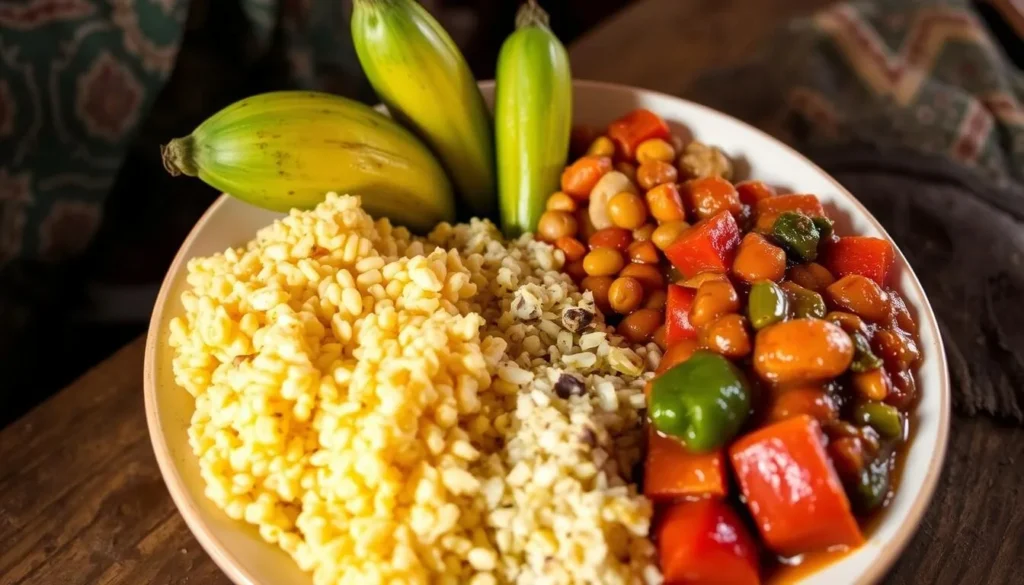
During your trek on Mount Speke, meals are typically prepared by a cook who accompanies your expedition. These meals are hearty and designed to provide energy for trekking, though they’re usually simple dishes that can be prepared in mountain conditions. Most tour operators include all meals in their trekking packages.
It’s advisable to bring some energy bars, nuts, and other snacks to supplement your diet during the trek. Also, carry water purification tablets or a filtration system, as you’ll need to refill water bottles from mountain streams.
Attractions, Sightseeing & Activities
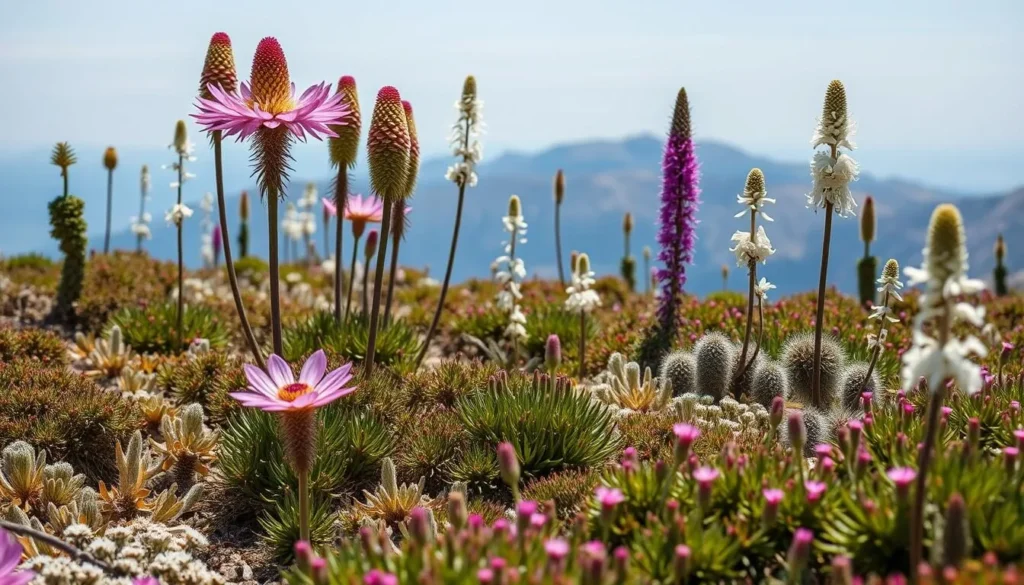
Mount Speke offers a wealth of natural attractions and activities for adventurous travelers:
Museums, Cultural Spots & Festivals
While Mount Speke itself is primarily a natural attraction, the surrounding areas offer cultural experiences worth exploring:
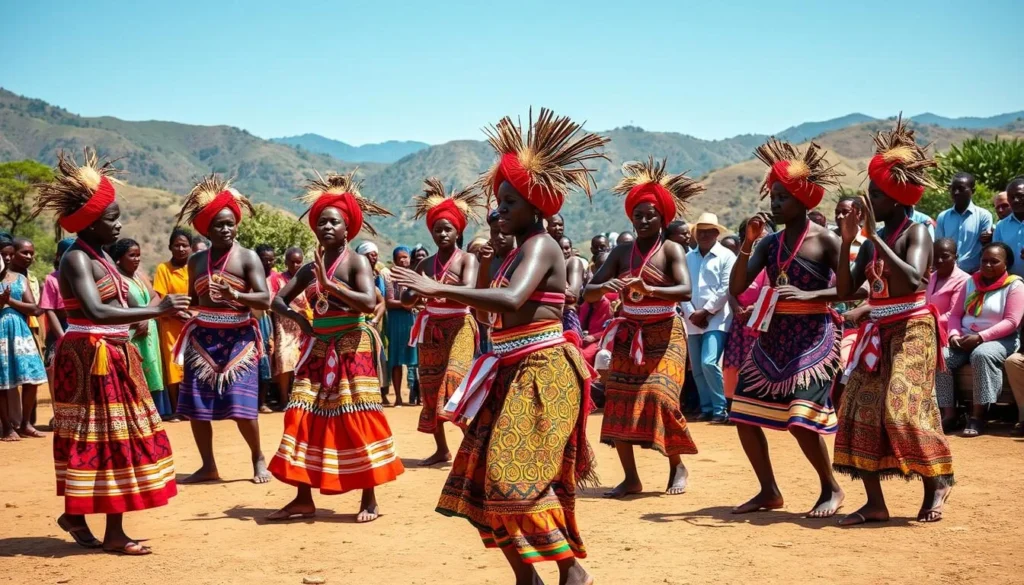
Bakonzo Cultural Heritage
The Bakonzo people are the traditional inhabitants of the Rwenzori region. Their culture, traditions, and relationship with the mountains are fascinating. Some tour operators offer cultural experiences with local Bakonzo communities, including traditional dances, music, and demonstrations of traditional crafts and mountain knowledge.
Kasese Cultural Spots
In Kasese town, you can visit local markets to experience everyday Ugandan life and purchase handmade crafts. The town occasionally hosts cultural events and festivals that celebrate the diverse cultures of western Uganda. Check with your accommodation or tour operator for any events happening during your visit.
The Rwenzori Mountains hold spiritual significance for local communities, who traditionally viewed them as homes of their gods. Learning about these cultural beliefs adds depth to your understanding of Mount Speke and its place in local heritage.
Sports, Nature & Outdoor Experiences
Mount Speke offers some of Africa’s most remarkable outdoor experiences, primarily centered around trekking and mountaineering:
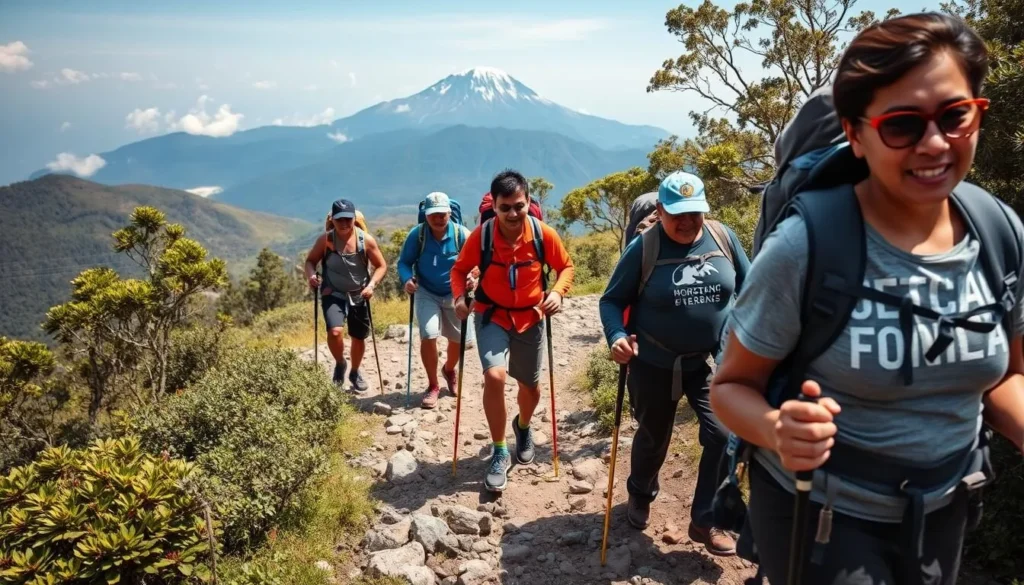
A typical Mount Speke expedition requires at least 5 days, allowing for proper acclimatization to the high altitude. Fitness preparation before your trip is highly recommended, as the terrain is challenging even for experienced hikers.
Safety, Etiquette & Local Customs
Ensuring a safe and respectful visit to Mount Speke requires awareness of several important factors:
Safety Considerations
- Altitude Sickness – A serious risk above 3,000 m (9,842 ft). Acclimatize properly by ascending slowly and staying hydrated. Know the symptoms and be prepared to descend if necessary.
- Weather Hazards – Conditions can change rapidly. Carry appropriate clothing for cold, wet weather regardless of season.
- Trail Conditions – Paths can be extremely slippery and muddy. Quality hiking boots with good ankle support are essential.
- Wildlife – While dangerous animal encounters are rare, follow guide instructions regarding wildlife.
- Communication – Mobile coverage is limited or non-existent. Consider renting a satellite phone for emergencies.
Etiquette & Customs
- Guides & Porters – Treat local staff with respect. Fair tipping (10-15% of the tour cost) is expected and should be budgeted for.
- Environmental Respect – Follow Leave No Trace principles. Pack out all trash and minimize your impact on this fragile ecosystem.
- Photography – Always ask before photographing local people. Some may expect a small payment.
- Dress Code – In villages, modest dress is appreciated (shoulders and knees covered).
- Greetings – Learning a few basic greetings in the local language (Lukonzo) is greatly appreciated.
Visitor Comments About Mount Speke
“The trek to Mount Speke was the most challenging and rewarding experience of my life. The otherworldly vegetation, changing weather, and ultimate summit views were beyond anything I could have imagined. The local guides were incredibly knowledgeable and supportive throughout the journey.”
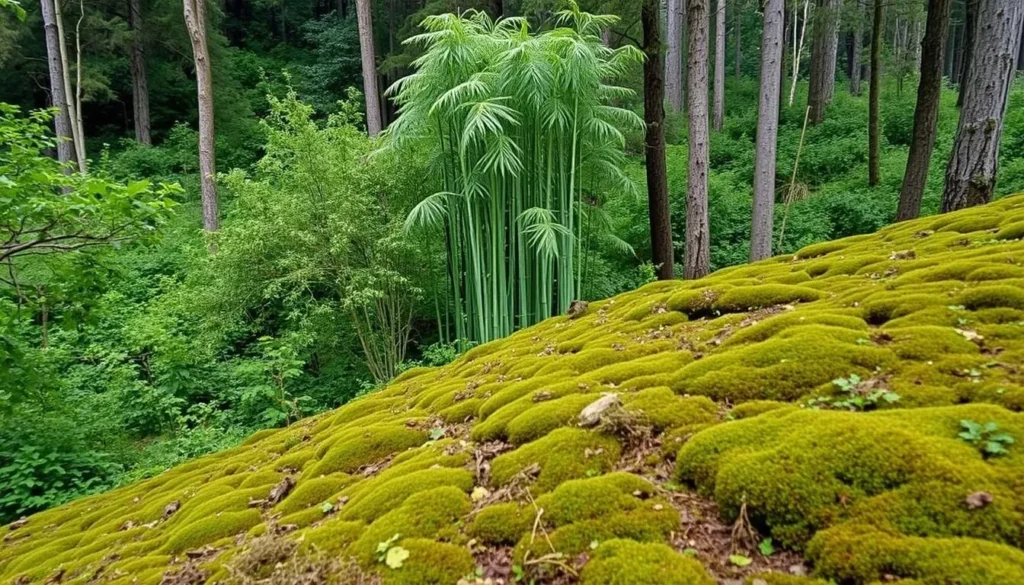
“I was amazed by the distinct vegetation zones we passed through on our way to Mount Speke. From tropical forests to bamboo zones, heather forests, and finally the alpine zone with giant lobelias and groundsels – it felt like traveling through multiple continents in a single trek. Definitely prepare for wet conditions though!”
“Don’t underestimate the physical demands of Mount Speke. The altitude, combined with muddy trails and steep sections, makes it quite challenging. However, the unique landscape and sense of accomplishment made every difficult step worthwhile. The mountain huts were basic but provided welcome shelter after long trekking days.”
Practical Travel Tips
What should I pack for Mount Speke?
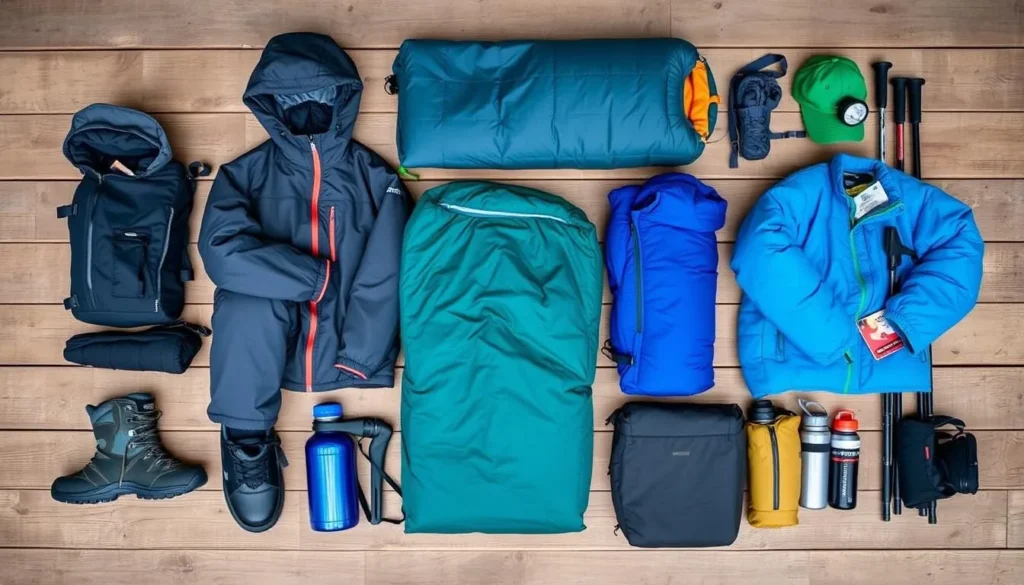
Essential items include: waterproof hiking boots, gaiters, thermal base layers, fleece mid-layers, waterproof jacket and pants, warm hat and gloves, sleeping bag rated for freezing temperatures, headlamp with extra batteries, trekking poles, and personal medications. Your tour operator may provide some equipment, so check what’s included before packing.
How physically demanding is the Mount Speke trek?
The trek to Mount Speke is very demanding, requiring good physical fitness and endurance. Days typically involve 6-8 hours of hiking over challenging terrain at high altitude. Prepare with cardio training, strength exercises, and practice hikes with a loaded backpack for at least 2-3 months before your trip.
What permits do I need?
You’ll need a Rwenzori Mountains National Park entrance permit (approximately $35 USD per day) and a trekking permit. These are typically arranged by your tour operator and included in package prices. Ensure all permits are secured well in advance, especially during peak season.
Is it possible to trek Mount Speke independently?
No, independent trekking is not permitted in the Rwenzori Mountains National Park. All visitors must be accompanied by licensed guides. This requirement ensures safety and provides employment for local communities.
The Call of the Mountains of the Moon
Mount Speke stands as a testament to nature’s grandeur and the enduring spirit of adventure. This majestic peak, with its challenging terrain, unique ecosystems, and breathtaking vistas, offers an experience that transcends ordinary travel. Whether you’re drawn by the thrill of high-altitude trekking, the allure of rare alpine flora, or simply the desire to stand where few have stood before, Mount Speke rewards those who accept its challenge with memories that will last a lifetime. As you plan your journey to this remarkable corner of Uganda, remember that the true value lies not just in reaching the summit, but in embracing every step of the adventure along the way.


0 Comments