

Hotels by Trip.com
Flights by Trip.com
Mount Stanley isn’t just Uganda’s highest peak—it’s actually Africa’s third tallest mountain, with Margherita Peak reaching an astonishing 5,109 meters (16,763 feet), yet remains one of the continent’s least crowded high-altitude destinations. While thousands flock to Kilimanjaro, only a few hundred adventurous souls tackle this magnificent mountain each year, offering you a rare chance to experience pristine alpine wilderness without the crowds.
Getting There & Planning Your Journey
Planning a trip to Mount Stanley requires some preparation, but the rewards are well worth it. The mountain is located in the Rwenzori Mountains National Park in western Uganda, near the border with the Democratic Republic of Congo.
Closest Airports
Your international gateway to Uganda will be Entebbe International Airport (EBB), which receives flights from major airlines including KLM, Brussels Airlines, Emirates, and Qatar Airways. From Entebbe, you have two options:
- Fly to Kasese Airport (about 1 hour), the closest domestic airport to the Rwenzori Mountains
- Take a road transfer to Kasese town (approximately 7-8 hours)
For international travelers, booking flights well in advance is recommended, especially during peak seasons. to find the best deals for your journey.
Entry Requirements
To visit Uganda, most travelers need:
- A valid passport with at least 6 months validity
- Uganda visa (can be obtained online through the official e-visa portal)
- Yellow fever vaccination certificate
- Rwenzori Mountains National Park entry permit
Best Time to Visit Mount Stanley
Timing your visit to Mount Stanley is crucial for both safety and enjoyment. The mountain’s weather patterns can be unpredictable, but there are definitely better seasons for trekking.
Recommended Seasons
- December to February – The primary dry season with clearer skies and more stable weather conditions. This period offers the best visibility for photography and generally safer trekking conditions.
- June to August – The secondary dry season. While there might be occasional rainfall, conditions are generally favorable for trekking. Temperatures can be slightly cooler.
Seasons to Avoid
- March to May – The main rainy season. Heavy rainfall makes trails muddy, slippery, and potentially dangerous. Visibility is often poor, and river crossings can become hazardous.
- September to November – The secondary rainy season. While not as intense as March-May, these months still see significant rainfall that can complicate your trek.

Weather Considerations
Even during the dry seasons, be prepared for rapidly changing weather conditions. Temperatures at higher elevations can drop significantly, especially at night. The summit area can experience freezing temperatures year-round, with occasional snowfall. Always pack layers and waterproof gear regardless of when you visit.
Pro Tip: The best summit days typically occur in January and July when skies are clearest. However, mountain weather is always unpredictable, so build some flexibility into your itinerary if possible.
Getting Around Locally
Once you arrive in the Rwenzori region, you’ll need to navigate to the trailheads and potentially between different areas of interest.
Transportation Options
- Private transfers – Most tour operators include transfers from Kasese to the trailheads as part of their packages. This is the most convenient option.
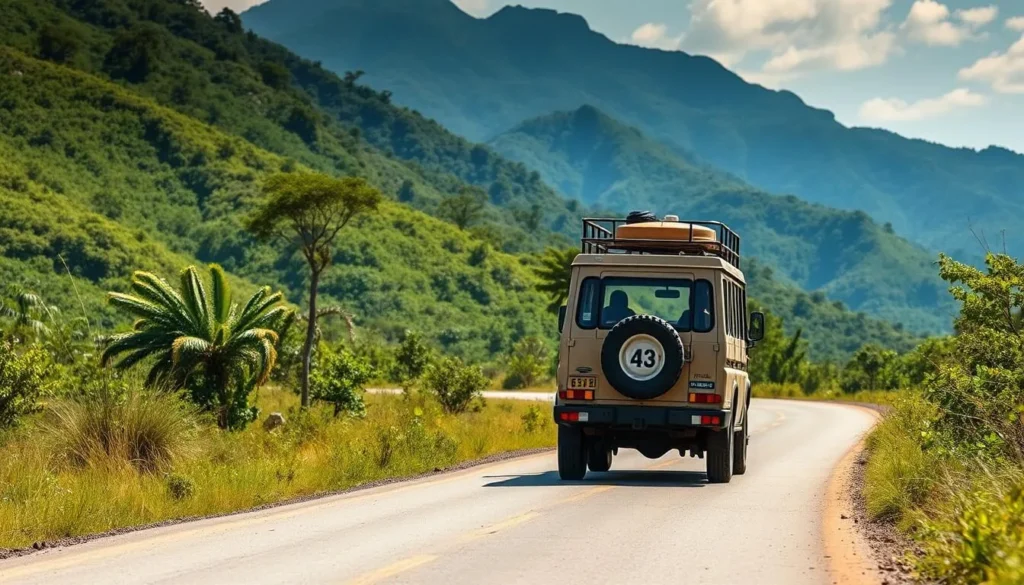
- Rental vehicles – For independent travelers, 4WD vehicles can be rented in Kampala or Entebbe. The roads to the Rwenzori region are paved but can be rough in sections. .
- Public transportation – Budget travelers can use buses or shared taxis to reach Kasese from major cities, then arrange local transport to the trailheads.
On the Mountain
Once you begin your trek, all transportation is on foot. The trails on Mount Stanley vary in difficulty:
- The Central Circuit Trail is the most popular route
- The Kilembe Trail offers an alternative approach
- Porters are available (and recommended) to carry heavy equipment
- Guides are mandatory for all treks in the Rwenzori Mountains
Where to Stay
Accommodation options for Mount Stanley visitors range from comfortable hotels in nearby towns to basic mountain huts during your trek.
Check 30,000+ Local Sightseeing Tours Worldwide
✓ Numerous languages and currencies are available
Before and After Your Trek
Kasese Town
The closest major town to the Rwenzori Mountains offers several good accommodation options:
- Hotel Margherita
- Rwenzori International Hotel
- Sandton Hotel Kasese
Fort Portal
A charming town about 1.5 hours from Kasese with more upscale options:
- Kyaninga Lodge
- Mountains of the Moon Hotel
- Crater Safari Lodge
Entebbe/Kampala
Before flying home, consider staying in:
- Protea Hotel by Marriott Entebbe
- Serena Hotel Kampala
- Mestil Hotel & Residences
On the Mountain
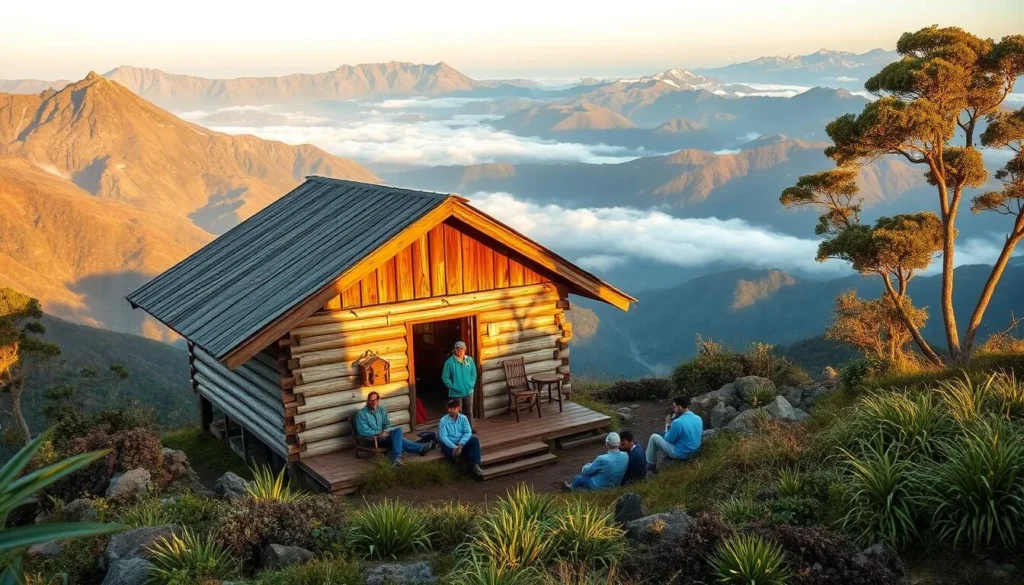
During your trek, you’ll stay in basic mountain huts operated by the Rwenzori Mountaineering Services (RMS) or Rwenzori Trekking Services (RTS). These include:
- Sine Camp (2,596m) – First night accommodation on most treks
- Mutinda Camp (3,588m) – Offers great views and acclimatization opportunities
- Bugata Camp (4,062m) – Higher elevation camp with stunning valley views
- Hunwick’s Camp (3,974m) – Strategic location for summit attempts
- Margherita Camp (4,485m) – Base camp for summit attempts
The huts are basic but functional, with sleeping platforms, mattresses, and sometimes blankets. You’ll need to bring your own sleeping bag. Toilet facilities are typically long-drop latrines located near the huts.
Dining & Local Cuisine
Experiencing Ugandan cuisine is an important part of your Mount Stanley adventure. From local restaurants in nearby towns to meals prepared on the mountain, here’s what to expect.
Local Ugandan Dishes
Before and after your trek, try these traditional Ugandan specialties:
- Matoke – Steamed and mashed green bananas, a staple food
- Luwombo – Meat or groundnut sauce steamed in banana leaves
- Posho – Maize flour porridge, often served with bean or meat stew
- Rolex – A popular street food of chapati wrapped around an egg omelette
- Fresh tropical fruits – Pineapples, mangoes, and passion fruits

Dining on the Mountain
During your trek, meals are typically prepared by your trekking team’s cook. The quality can be surprisingly good considering the remote location:
- Breakfast – Usually includes porridge, eggs, bread, and hot drinks
- Lunch – Often packed lunches with sandwiches, fruit, and energy-dense snacks
- Dinner – Hot meals like pasta, rice dishes, soups, and occasionally meat
Dietary Requirements: Most tour operators can accommodate vegetarian, vegan, and other dietary requirements with advance notice. Be sure to communicate any food allergies or restrictions when booking your trek.
What to Bring
Consider packing some personal snacks for your trek:
- Energy bars and trail mix
- Chocolate and other high-calorie treats
- Electrolyte tablets for your water
- Your favorite tea bags or coffee if you’re particular
Attractions, Sightseeing & Activities
Mount Stanley offers a wealth of attractions and activities beyond just reaching the summit. Here are some of the most remarkable experiences you can have in this unique alpine environment.
Summit Margherita Peak
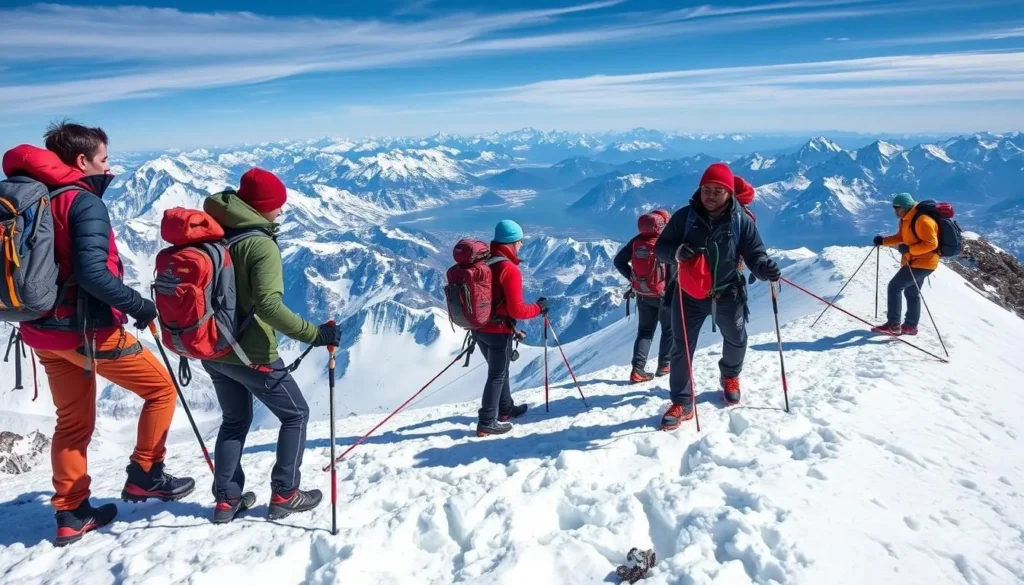
The ultimate achievement on Mount Stanley is reaching Margherita Peak at 5,109 meters (16,763 feet). This challenging climb requires:
- Good physical fitness and prior high-altitude experience
- Technical climbing skills (or willingness to learn with guides)
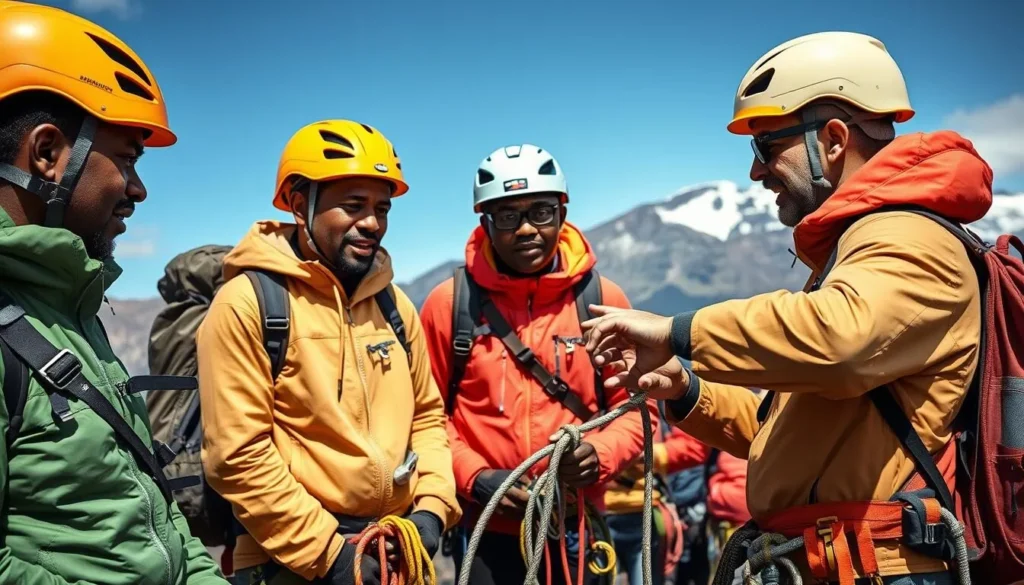
- Use of equipment like crampons, ice axes, and ropes
- 7-10 days for the complete trek (including acclimatization)
Explore the Rwenzori’s Unique Ecosystems
The Rwenzori Mountains feature five distinct vegetation zones as you ascend:
- Montane Forest Zone (1,800-2,500m) – Lush forests with monkeys and colorful birds
- Bamboo Zone (2,500-3,000m) – Thick bamboo forests with unique undergrowth
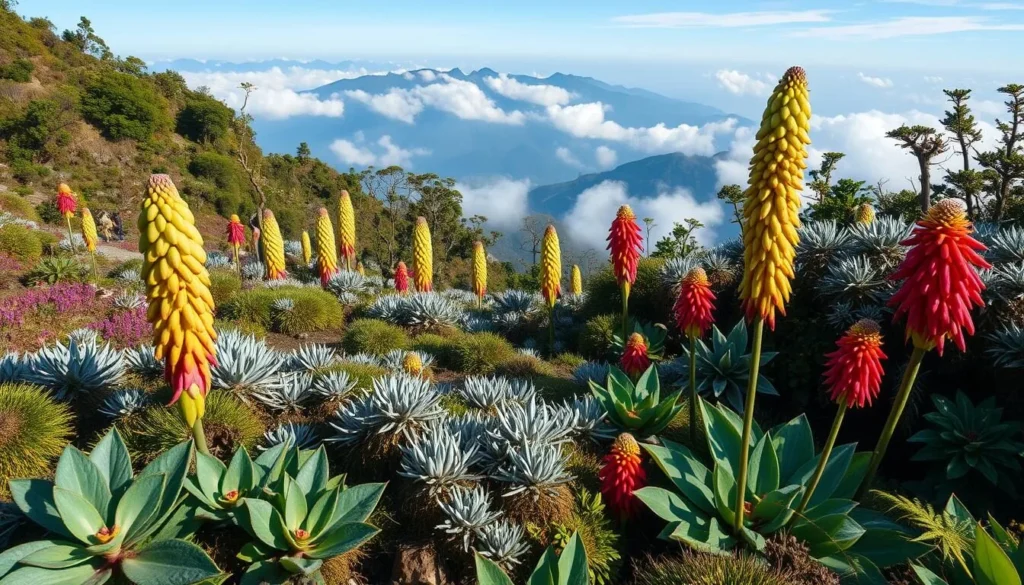
- Heather Zone (3,000-4,000m) – Otherworldly landscapes with giant heather trees draped in moss
- Alpine Zone (4,000-4,500m) – Home to giant lobelias and groundsels, plants found nowhere else on Earth
- Nival Zone (above 4,500m) – Snow, ice, and glaciers near the summit
Other Notable Attractions
- Stanley Plateau – A stunning high-altitude plateau with views of multiple peaks
- Lake Kitandara – A beautiful alpine lake surrounded by steep cliffs
- Elena Glacier – One of the few remaining equatorial glaciers in Africa
- Baker Peak – An alternative summit for those not attempting Margherita
- Mutinda Lookout – Offers spectacular panoramic views at 3,975m
Museums, Cultural Spots & Festivals
While Mount Stanley itself is primarily a natural attraction, the surrounding region offers rich cultural experiences that can complement your mountain adventure.
Local Communities
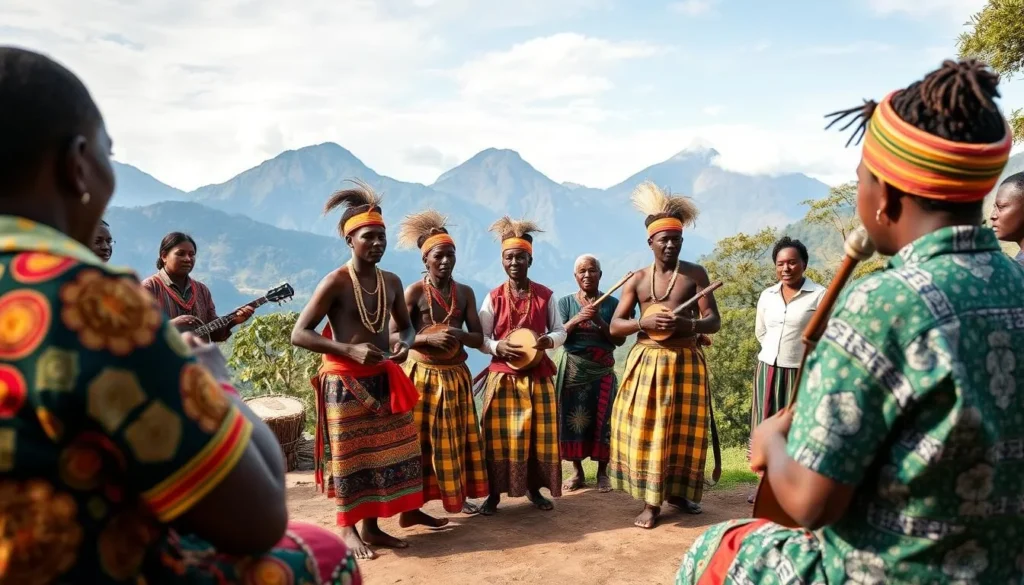
The Rwenzori Mountains are home to the Bakonzo people, who have lived in harmony with the mountains for centuries. Cultural experiences include:
- Village visits – Learn about traditional lifestyles and agricultural practices
- Craft demonstrations – Observe basket weaving, pottery, and other traditional crafts
- Traditional dance performances – Arranged through local cultural groups
- Local markets – Experience everyday life and purchase handmade souvenirs
Museums and Cultural Centers
In nearby towns, you can visit:
- Rwenzori Mountaineering Services Museum (Kilembe) – Displays the history of mountaineering in the region
- Rwenzori Art Foundation (Kasese) – Features local artwork inspired by the mountains
- Tooro Kingdom Palace (Fort Portal) – Learn about the local monarchy and traditions
Festivals and Cultural Events
If your visit coincides with these events, they’re worth experiencing:
- Rwenzori Cultural Festival (September) – Celebrates the heritage of mountain communities
- Empango (Tooro Kingdom coronation anniversary, varies) – Traditional ceremonies and celebrations
- Uganda Martyrs Day (June 3) – Important religious celebration throughout Uganda
Sports, Nature & Outdoor Experiences
Mount Stanley and the surrounding Rwenzori Mountains National Park offer numerous outdoor activities beyond the main summit trek.
Alternative Trekking Routes
If summiting Margherita Peak seems too challenging, consider these alternatives:
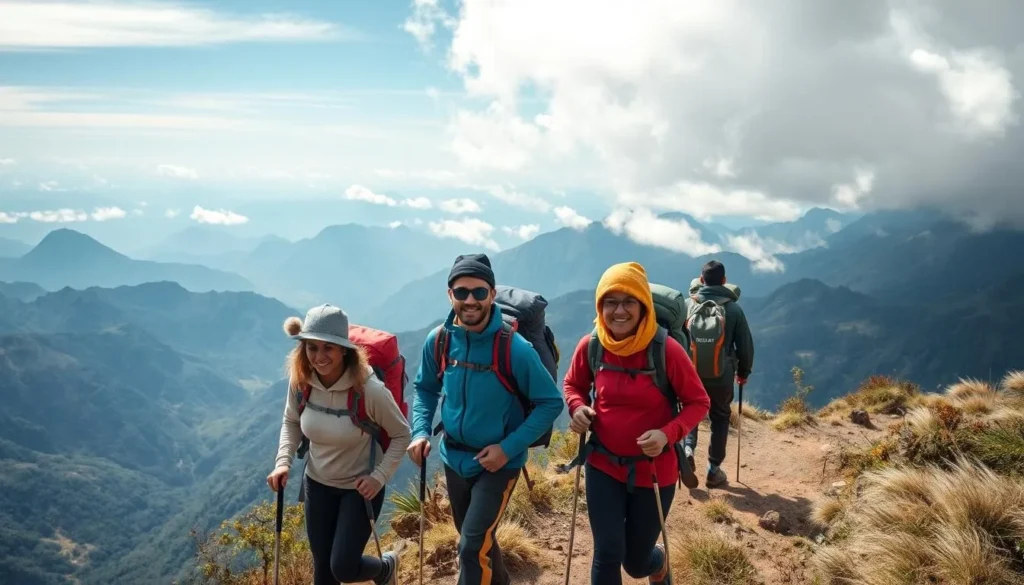
- Central Circuit Trail – A 7-day trek that circles the main peaks without technical climbing
- Mahoma Loop – A 3-day trek ideal for those with limited time
- Kilembe Trail – An alternative route with different scenery and fewer trekkers
Wildlife Viewing
The Rwenzori Mountains are home to diverse wildlife:
- Primates – Black-and-white colobus monkeys, L’Hoest’s monkeys, and blue monkeys
- Birds – Over 217 species, including the Rwenzori turaco and long-crested eagle
- Mammals – Forest elephants, duikers, and hyraxes
- Reptiles – The endemic three-horned chameleon is a highlight

Nearby National Parks
Combine your Mount Stanley trek with visits to these nearby attractions:
- Queen Elizabeth National Park – Famous for tree-climbing lions and abundant wildlife (2 hours from Kasese)
- Kibale Forest National Park – Home to chimpanzees and 12 other primate species (1.5 hours from Fort Portal)
- Semuliki National Park – Features hot springs and lowland forest (2 hours from Fort Portal)
Safety, Etiquette & Local Customs
Ensuring a safe and respectful visit to Mount Stanley requires understanding both mountain safety protocols and local cultural norms.
Mountain Safety
- Guides are mandatory – Never attempt to trek without a licensed guide
- Altitude sickness – Follow proper acclimatization schedules and recognize symptoms
- Weather awareness – Be prepared for sudden changes in weather conditions
- Proper equipment – Bring appropriate clothing and gear for alpine conditions
- Physical preparation – Train adequately before attempting the trek
Important: Comprehensive travel insurance that covers high-altitude trekking and emergency evacuation is absolutely essential for Mount Stanley. Verify that your policy specifically covers activities above 4,000 meters.
Cultural Etiquette
When interacting with local communities, observe these customs:
- Ask permission before taking photographs of people
- Dress modestly when visiting villages (cover shoulders and knees)
- Greet people with a handshake and learn basic Lukonzo phrases
- Remove shoes when entering someone’s home if invited
- Bargain respectfully at markets but don’t be overly aggressive
Environmental Responsibility
Help preserve this pristine environment by:
- Following “Leave No Trace” principles
- Staying on established trails to prevent erosion
- Never picking plants or disturbing wildlife
- Carrying out all trash (including toilet paper)
- Using biodegradable soap and shampoo
Visitor Comments About Mount Stanley
“The trek to Margherita Peak was the most challenging yet rewarding experience of my life. The otherworldly vegetation zones felt like walking through different planets as we ascended. Our guides were exceptional—knowledgeable about both the technical aspects of the climb and the unique ecosystem. The summit day was tough but standing on top of Uganda’s highest point was an indescribable feeling.”
“I’ve trekked in the Alps, Andes, and Himalayas, but the Rwenzori Mountains offered something completely different. The giant lobelias and groundsels create landscapes that seem straight out of a science fiction movie. Mount Stanley’s glaciers are sadly retreating due to climate change, so I’d recommend visiting soon. The local Bakonzo guides shared fascinating cultural insights that enriched the whole experience.”
“For those considering Mount Stanley, proper preparation is essential. The mountain is technically challenging and the weather unpredictable. However, the effort is worth it—we saw almost no other trekkers during our 8-day journey, a stark contrast to the crowds on Kilimanjaro. The mountain huts were basic but comfortable enough, and the food prepared by our cook was surprisingly delicious considering we were at 4,000+ meters!”
Practical Travel Tips
Essential Packing List
Trekking Gear
- Waterproof hiking boots (broken in)
- Gaiters (essential for muddy sections)
- Trekking poles
- Waterproof jacket and pants
- Warm layers (fleece, down jacket)
- Thermal base layers
- Warm hat and gloves
- Sunglasses (UV protection)
- Headlamp with extra batteries
For Summit Attempts
- Mountaineering boots (if not provided)
- Crampons (if not provided)
- Harness (if not provided)
- Warm mittens
- Balaclava or face mask
- Extra warm layers
- High-energy snacks
- Water bottles (insulated)
- Camera (weather-protected)

Health Considerations
- Vaccinations – Yellow fever vaccination is mandatory; consult your doctor about other recommended vaccinations
- Malaria prevention – While malaria risk is low at high elevations, protection is needed in lower areas
- Altitude medication – Discuss Diamox (Acetazolamide) with your doctor for altitude sickness prevention
- Water purification – Bring tablets or a filter system
- First aid kit – Include personal medications, pain relievers, blister treatment, and altitude sickness medication
Communication
- Mobile coverage is limited on the mountain; inform family of your itinerary
- Consider renting a satellite phone or GPS messenger for emergencies
- Learn basic Lukonzo phrases to connect with local guides and porters
- Uganda’s official languages are English and Swahili
Money Matters
- The Ugandan Shilling (UGX) is the local currency
- Bring US dollars in cash (newer bills, post-2009) for park fees and tips
- ATMs are available in Kampala, Entebbe, and Kasese but not in remote areas
- Budget extra for tips: guides ($10-15/day), porters ($5-10/day), cooks ($5-10/day)
Your African Alpine Adventure Awaits
Mount Stanley offers a rare combination of technical challenge, breathtaking beauty, and ecological uniqueness that few mountains in the world can match. From the lush montane forests at its base to the glaciated summit of Margherita Peak, every step of the journey reveals new wonders. Unlike its more famous cousin Kilimanjaro, Mount Stanley remains a path less traveled, offering authentic adventure for those willing to embrace its challenges.
Whether you’re drawn by the allure of standing on Africa’s third-highest peak, fascinated by the otherworldly vegetation zones, or simply seeking an adventure beyond the ordinary tourist trail, Mount Stanley will reward your efforts with experiences that will stay with you for a lifetime. Start planning your journey today, and discover why this magnificent mountain deserves its place among Africa’s greatest natural treasures.
Related Posts
Ziwa Rhino Sanctuary, Uganda: Best Things to Do – Top Picks

Ssese Islands (Lake Victoria), Uganda: Best Things to Do – Top Picks
Source of the Nile (Jinja), Uganda: Best Things to Do – Top Picks
Sipi Falls, Uganda: Best Things to Do – Top Picks
Semuliki National Park, Uganda: Best Things to Do – Top Picks
Sezibwa Falls, Uganda: Best Things to Do – Top Picks
Coming Soon: Clickable Maps