

Home to over 95 mammal species and 610 bird species in just 1,978 square kilometers, Queen Elizabeth National Park boasts the highest biodiversity of any Ugandan park. This wildlife haven offers one of the few places on earth to see tree-climbing lions, alongside elephants, hippos, and chimpanzees—all within stunning landscapes ranging from crater lakes to lush forests.
Getting There & Planning Your Journey
Queen Elizabeth National Park is located in southwestern Uganda, approximately 400 kilometers from Kampala. The journey takes about 6-7 hours by road from the capital city through scenic countryside on generally well-maintained roads.
Nearest Airports
- Entebbe International Airport (EBB) – Uganda’s main international gateway, about 7-8 hours by road from the park
- Kasese Airfield – Small domestic airport about 40 minutes from the park
- Mweya Airstrip – Located within the park for chartered flights
Daily flights operate from Entebbe to Kasese or directly to Mweya Airstrip within the park, reducing travel time to about 1-2 hours. These flights can be relatively expensive but save considerable time.
Combining With Other Destinations
Many visitors combine Queen Elizabeth National Park with other Ugandan highlights:
- Bwindi Impenetrable Forest (gorilla trekking) – 3-4 hour drive
- Kibale Forest National Park (chimpanzee trekking) – 2-3 hour drive
- Rwenzori Mountains National Park – 1-2 hour drive
Best Time to Visit & Weather Tips

Recommended Seasons
Queen Elizabeth National Park is a year-round destination, but certain seasons offer better wildlife viewing opportunities:
Best Months to Visit
- June to September (Dry Season) – Excellent wildlife viewing as animals gather around water sources
- January to February (Dry Season) – Another prime time with less rainfall and good visibility
- December to February – Peak bird watching season with migratory species present
Months to Avoid
- April to May (Heavy Rains) – Some roads become impassable
- October to November (Short Rains) – Unpredictable weather patterns
Weather Patterns
The park experiences a tropical climate with two distinct rainy seasons:
- Temperature: Average daytime temperatures range from 23-25°C (73-77°F)
- Long Rains: March to May
- Short Rains: October to November
- Humidity: Higher during rainy seasons
Pro Tip: Even during dry seasons, pack a light raincoat as brief afternoon showers can occur. Mornings and evenings can be cool, so bring layers for game drives.
Getting Around Locally

Safari Vehicles
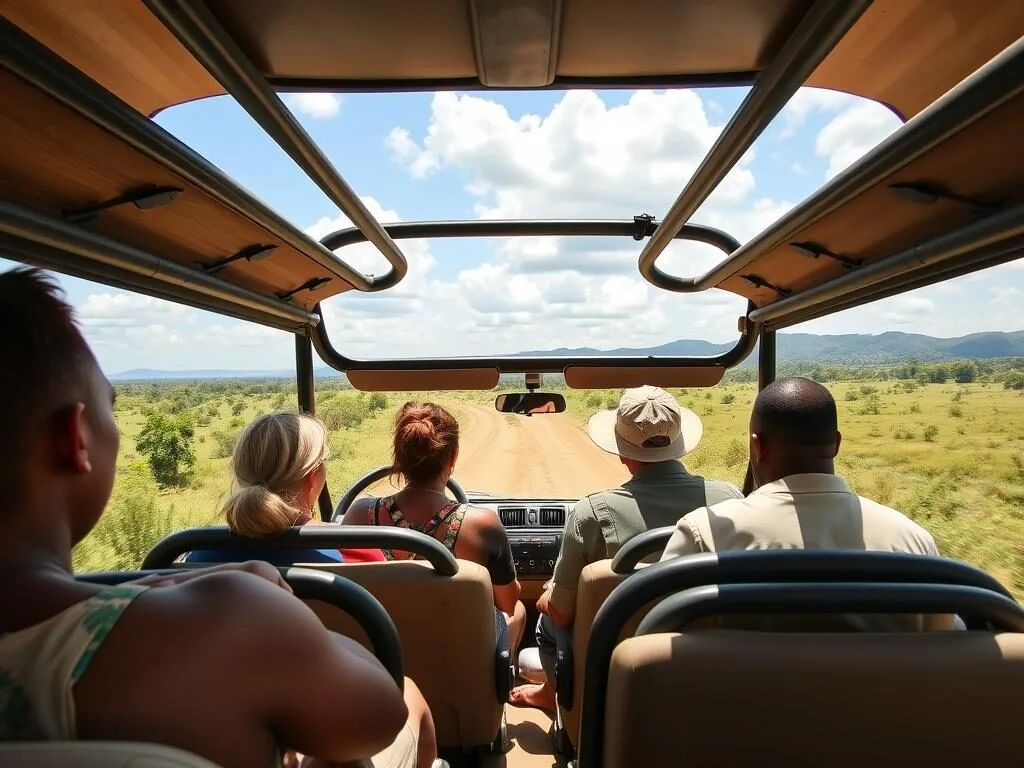
The most common way to explore Queen Elizabeth National Park is by 4×4 safari vehicle. These specially designed vehicles feature:
- Pop-up roofs for unobstructed wildlife viewing
- Elevated seating for better visibility
- Rugged design to handle unpaved park roads
Transportation Options
- Guided Safari Tours: Most visitors opt for organized tours with experienced guides who know the best wildlife spotting locations
- Self-Drive: Possible for experienced drivers with 4×4 vehicles, but a guide is still recommended
- Boat Safaris: Essential for exploring the Kazinga Channel
- Walking Safaris: Available in certain areas with armed rangers
Where to Stay

Queen Elizabeth National Park offers a range of accommodation options to suit different budgets and preferences. Most lodges and camps are strategically located for optimal wildlife viewing.
Luxury Lodges
For those seeking premium comfort and amenities:
- Mweya Safari Lodge – Overlooking Kazinga Channel with pool and spa
- Kyambura Gorge Lodge – Eco-luxury with stunning gorge views
- Ishasha Wilderness Camp – Exclusive tented camp in the tree-climbing lion area
Expect to pay $250-500 USD per night, including meals and some activities.
Mid-Range Options
Comfortable accommodations with good amenities:
- Enganzi Lodge – Beautiful views with comfortable rooms
- Buffalo Safari Lodge – Well-positioned for game drives
- Marafiki Safari Lodge – Charming safari tents with en-suite facilities
Prices range from $100-250 USD per night, usually including meals.
Budget Accommodations
Affordable options for budget-conscious travelers:
- Simba Safari Camp – Simple but comfortable accommodations
- Pumba Safari Cottages – Basic but clean facilities
- UWA Bandas – Simple government-run accommodations
Expect to pay $30-100 USD per night, sometimes with shared facilities.
Dining & Local Cuisine

Lodge Dining
Most visitors eat at their accommodations, as standalone restaurants are limited within the park. Lodge meals typically include:
- Buffet-style breakfast with continental and hot options
- Packed lunches for full-day game drives
- Three-course dinners featuring international and Ugandan dishes
Local Ugandan Specialties
Look for these traditional Ugandan dishes during your stay:
- Matoke – Mashed green plantains, a staple food
- Luwombo – Meat or fish steamed in banana leaves
- Groundnut (peanut) sauce – Rich, creamy sauce served with meat and vegetables
- Posho – Maize flour porridge similar to polenta
- Tilapia – Freshwater fish often served grilled or fried
Dining Tip: Most lodges can accommodate dietary restrictions with advance notice. Be sure to inform your tour operator or lodge about any special requirements before arrival.
Attractions, Sightseeing & Activities
Top 6 Things to Do in Queen Elizabeth National Park

1. Game Drives on Kasenyi Plains
The Kasenyi Plains in the northeast section of the park offer the best game viewing opportunities. Early morning and late afternoon drives provide the best chance to spot:
- Lions hunting Uganda kobs
- Elephants moving between acacia trees
- Leopards (if you’re lucky)
- Buffaloes, hyenas, and various antelope species

2. Boat Safari on Kazinga Channel
This 32-kilometer natural channel connecting Lake Edward and Lake George offers one of Africa’s highest concentrations of hippos and spectacular birdlife.
- 2-hour boat cruises available daily
- See hippos, crocodiles, elephants, and buffaloes
- Over 100 bird species including African fish eagles
- Operated by UWA or Mweya Safari Lodge ($30-40 per person)
3. Tree-Climbing Lions in Ishasha
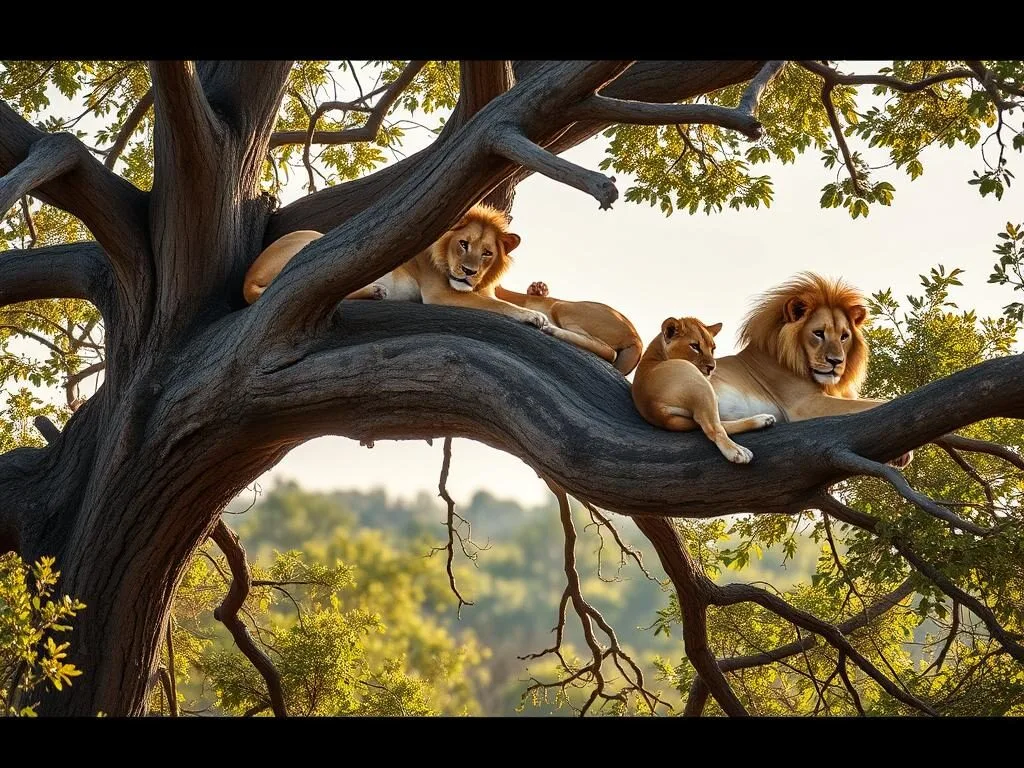
The remote southern Ishasha sector is famous for its unique tree-climbing lions. One of only two places in Africa where lions regularly climb trees.
- Best viewed during midday heat when lions escape to tree branches
- Fig and acacia trees are their favorites
- Requires 3-hour drive from the main park area
- Less crowded than other park sections
4. Chimpanzee Tracking in Kyambura Gorge
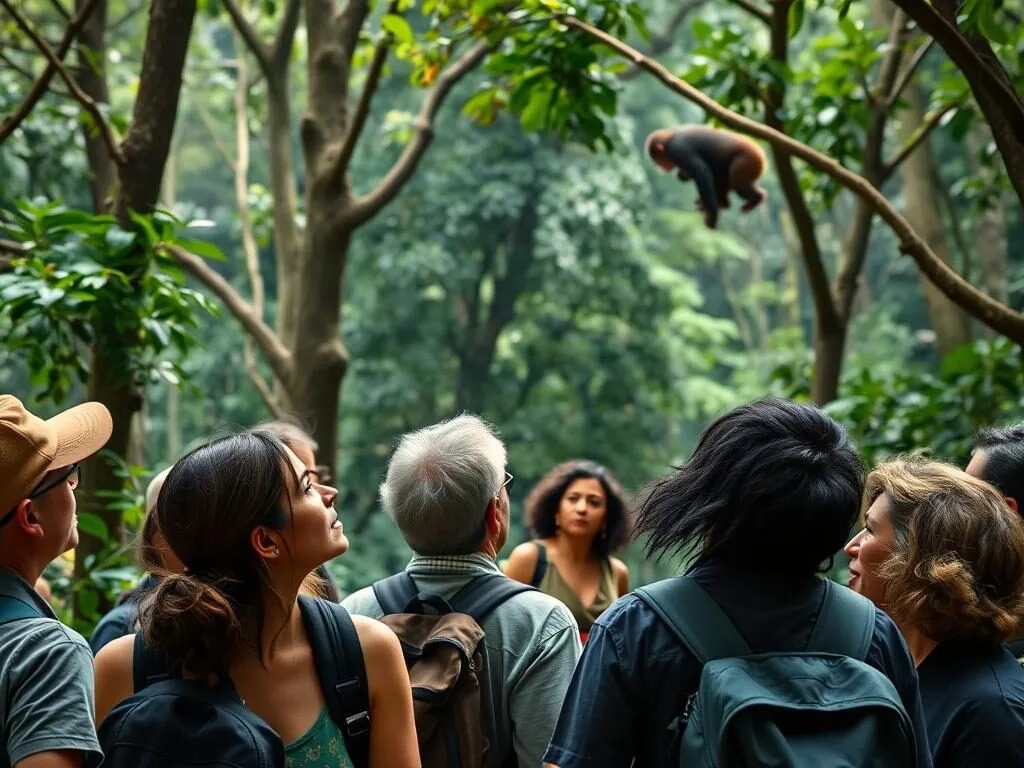
This 100-meter deep forested gorge in the park’s eastern section is home to a small chimpanzee community.
- 3-hour guided hikes with approximately 60% chimp sighting success
- Permits required ($50 per person)
- Morning treks offer best chances
- Also spot other primates and forest birds

5. Explosion Craters
The northern section of the park features a landscape dotted with perfectly formed crater lakes, created by ancient volcanic activity.
- Scenic drives along the crater trail
- Visit traditional salt mining sites at Lake Katwe
- Spectacular views of the Rwenzori Mountains on clear days
- Rich birdlife around crater lakes
6. Maramagambo Forest Nature Walk
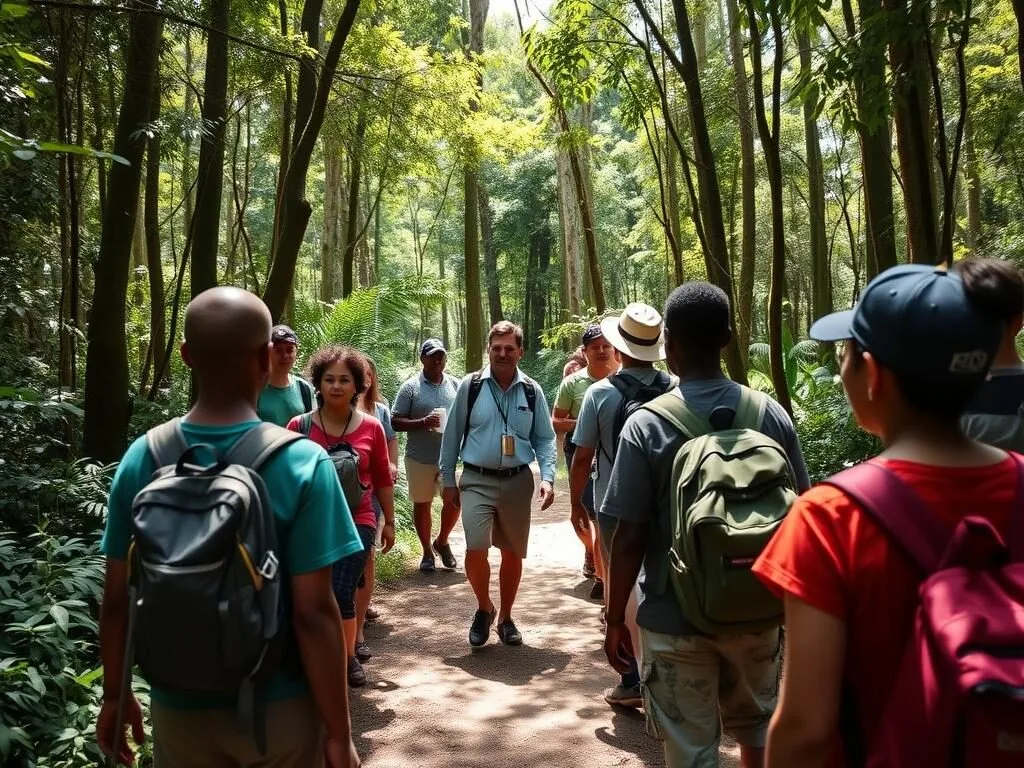
This ancient forest offers a different ecosystem within the park, with guided walks ranging from 2-6 hours.
- See various primate species including black-and-white colobus monkeys
- Visit the bat cave (viewed from a safe distance)
- Spot forest birds among nearly 350 species
- Learn about local legends and medicinal plants
Wildlife Viewing Guide

Mammals
Queen Elizabeth National Park is home to an impressive 95 mammal species, including:
- Big Four – Elephants (3,000+), lions (200+), leopards (250+), and buffaloes (15,000+)
- Hippos – Around 2,000 in Kazinga Channel
- Primates – 10 species including chimpanzees, black-and-white colobus, and red-tailed monkeys
- Antelopes – Uganda kobs (20,000+), topis, waterbucks, bushbucks
- Other – Spotted hyenas, giant forest hogs, warthogs, and Nile crocodiles
Wildlife Tip: Notably absent from the park are giraffes, zebras, rhinos, and cheetahs. Visit other Ugandan parks like Murchison Falls to see these species.
Birdwatching Paradise
With over 610 recorded bird species, the park is a birder’s dream destination:
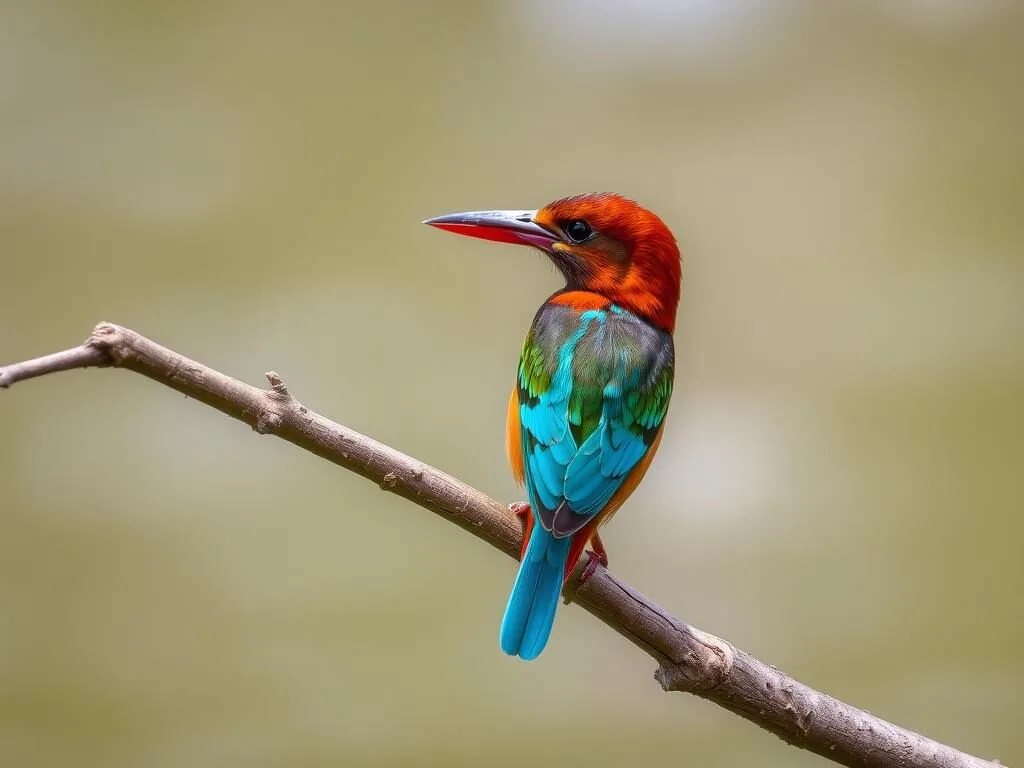
- Waterbirds – Flamingoes, pelicans, herons, kingfishers, and the elusive shoebill stork
- Raptors – 54 species including eagles, vultures, and kestrels
- Forest Birds – Turacos, sunbirds, and cuckoos
- Savannah Birds – Larks, plovers, and bustards
December to February is peak birding season when migratory species from Europe and North Africa are present.
Cultural Experiences & Local Communities
Community Visits
Several communities around the park offer cultural experiences:
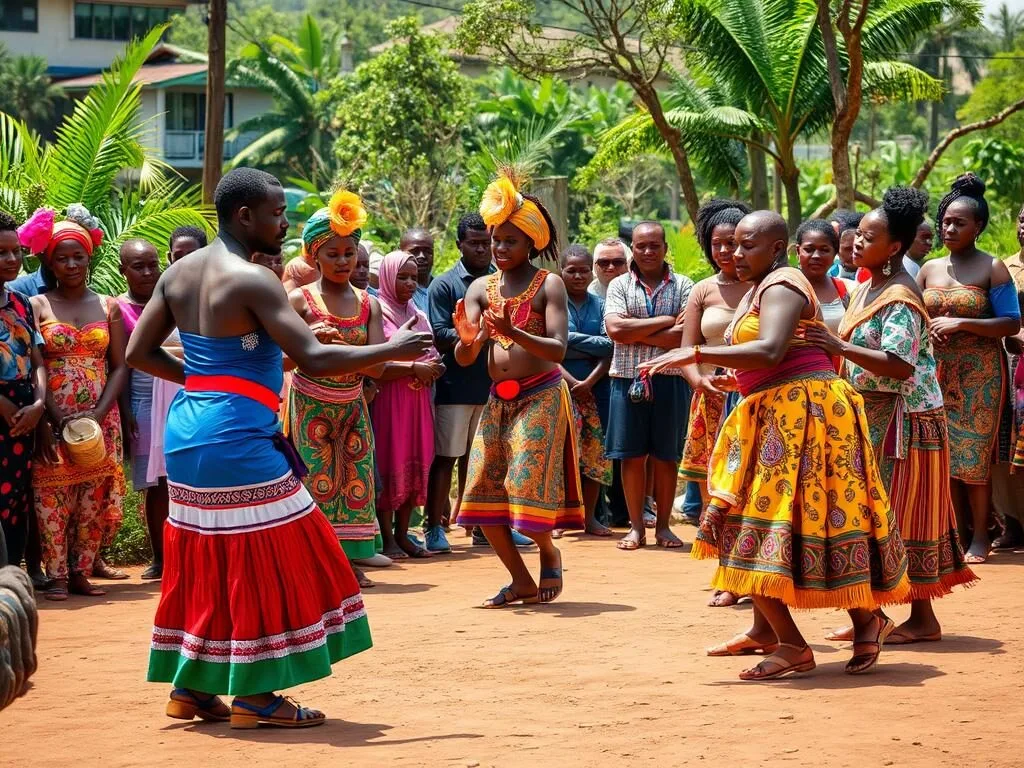
- Kikorongo Women Community – Traditional crafts and dance performances
- Katwe Salt Lake Community – Learn about centuries-old salt mining techniques
- Leopard Village – Traditional homestead visits and cultural demonstrations
Cultural Activities
Enhance your wildlife safari with these cultural experiences:
- Traditional dance performances showcasing local rhythms and customs
- Craft workshops where you can learn basket weaving or beadwork
- Community walks to learn about daily life in rural Uganda
- Visit to local schools supported by tourism initiatives
Cultural Tip: Many lodges can arrange community visits with advance notice. These experiences provide valuable income to local communities and help support conservation efforts.
Safety, Etiquette & Local Customs
Safari Safety
- Always follow ranger and guide instructions
- Remain in vehicles during game drives unless instructed otherwise
- Maintain safe distances from wildlife
- Never feed or attempt to touch wild animals
- Stay hydrated and use sun protection
- Carry insect repellent and wear long sleeves/pants, especially in evenings
Important: Queen Elizabeth National Park is generally safe, but it’s wildlife territory. Hippos and elephants can be particularly dangerous if approached. Never walk around lodges at night without an escort.
Cultural Etiquette
- Ask permission before photographing local people
- Dress modestly when visiting communities (shoulders and knees covered)
- Greet people with a handshake and learn basic Luganda phrases
- Support local communities by purchasing crafts and participating in cultural activities
Health Precautions
- Yellow fever vaccination is required for entry to Uganda
- Malaria prophylaxis is recommended
- Drink only bottled or purified water
- Travel with a basic first aid kit
Visitor Comments About Queen Elizabeth National Park
“The Kazinga Channel boat safari was the highlight of our Uganda trip. We saw hundreds of hippos, elephants bathing, and more birds than I could count. The tree-climbing lions were elusive, but our guide’s persistence paid off on our second day. Absolutely worth the journey!”
“We stayed at Mweya Safari Lodge with views over the channel – spectacular sunsets! The chimp trek in Kyambura Gorge was challenging but rewarding. We only saw the chimps briefly, but the gorge itself was magical. Pack good hiking boots and be prepared for steep terrain.”
“Don’t miss the Explosion Craters – they’re less talked about but incredibly scenic. Our guide was knowledgeable about both wildlife and local culture. The diversity of landscapes within one park is amazing – from savannah to forest to lakes. Three days felt just right to experience it all.”
Practical Travel Tips
What to Pack
- Neutral-colored clothing (avoid bright colors and blue, which attracts tsetse flies)
- Lightweight, long-sleeved shirts and pants
- Hat, sunglasses, and high-SPF sunscreen
- Binoculars and camera with zoom lens
- Insect repellent with DEET
- Light raincoat or poncho
- Comfortable walking shoes and hiking boots
Photography Tips
- Bring extra memory cards and batteries
- A lens with at least 200mm zoom is recommended for wildlife
- Use a bean bag or window mount to stabilize your camera
- Early morning and late afternoon offer the best light
- Consider bringing a waterproof camera cover
- Ask permission before photographing local people
Money & Communications
- Uganda’s currency is the Ugandan Shilling (UGX)
- Bring US dollars (2013 or newer) for park fees and some lodges
- ATMs available in nearby towns but not in the park
- Mobile network coverage is limited but available at major lodges
- Consider purchasing a local SIM card in Kampala
- Most lodges have Wi-Fi, though it may be slow
Your Ugandan Wildlife Adventure Awaits
Queen Elizabeth National Park offers a perfect blend of classic African safari experiences with unique attractions like tree-climbing lions and chimpanzee trekking. From the hippo-filled waters of Kazinga Channel to the mist-shrouded Kyambura Gorge, each day brings new wonders in this biodiverse paradise. Whether you’re a wildlife enthusiast, bird watcher, or cultural explorer, Uganda’s premier national park promises unforgettable encounters in breathtaking landscapes. Pack your binoculars, charge your camera, and prepare for an adventure that will stay with you long after you’ve returned home.
The above is subject to change.
Check back often to TRAVEL.COM for the latest travel tips and deals.


0 Comments