
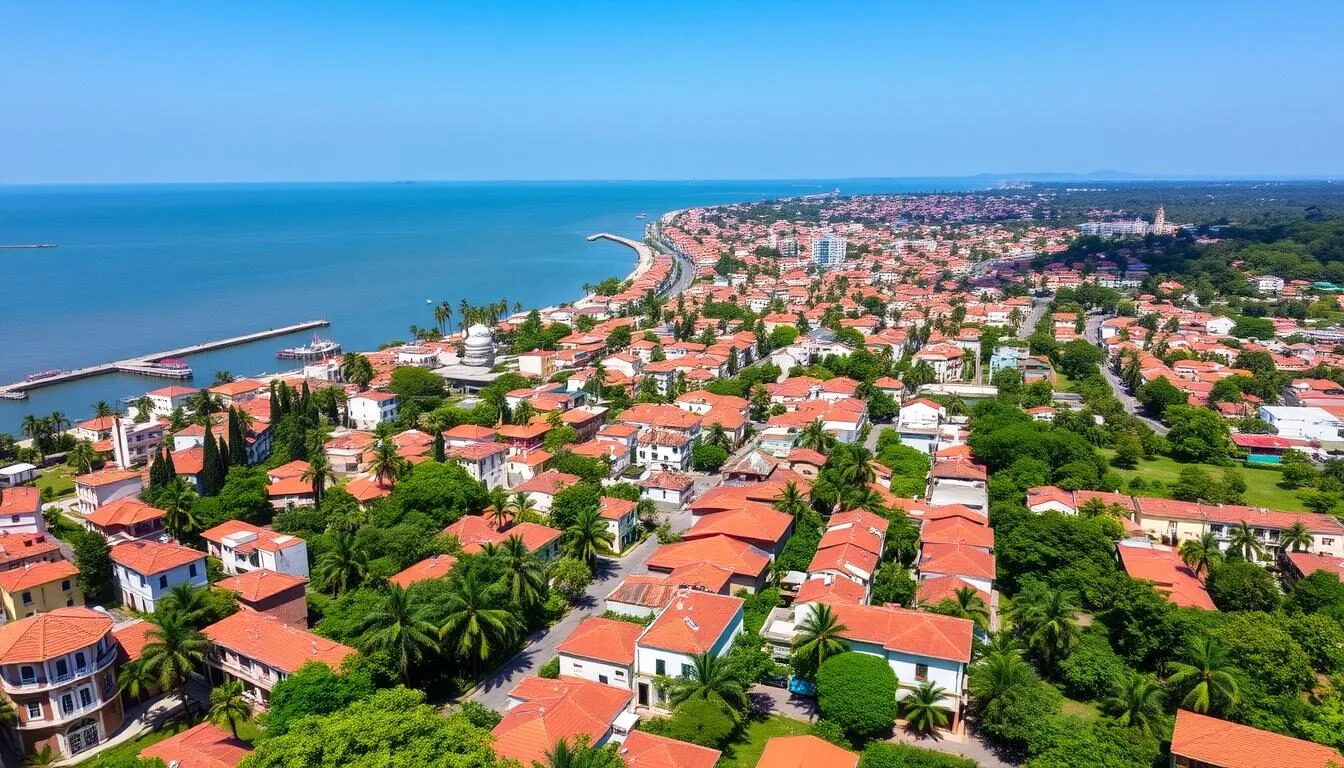
Did you know that Panaji is one of the few capital cities in the world where you can walk from a 16th-century Portuguese church to a pristine beach in just 15 minutes? As India’s smallest state capital, Panaji packs an incredible diversity of experiences into its compact size. This charming city where the Mandovi River meets the Arabian Sea offers a fascinating blend of Portuguese colonial heritage, vibrant local culture, and laid-back Goan lifestyle that embodies the famous local concept of “susegad” – contented and relaxed living.
Whether you’re drawn to colorful heritage buildings in Fontainhas, the tantalizing aromas of authentic Goan cuisine, or the serene beauty of nearby beaches, Panaji offers a refreshing alternative to Goa’s more touristy beach destinations. Let’s explore this captivating capital city and discover why it deserves a prominent place on your Goan itinerary.
Getting There & Planning Your Journey
Panaji is well-connected to the rest of India and international destinations through two airports. The older Dabolim International Airport (GOI) is located approximately 30 km (18.6 miles) from Panaji, while the newer Mopa International Airport is about 35 km (21.7 miles) away. Both airports offer convenient access to Goa’s capital city.
From Dabolim Airport
Pre-paid taxis are available at the airport, with fares to Panaji ranging from ₹800-1,200 (approximately $10-15). The journey takes about 45 minutes, depending on traffic. For budget travelers, Kadamba Transport Corporation operates public buses from the airport to Panaji’s main bus stand for around ₹100 ($1.25), though they run less frequently.
From Mopa Airport
The newer international airport offers similar taxi services to Panaji, with fares ranging from ₹1,000-1,500 ($12-18). Public buses also connect Mopa to Panaji, with tickets costing approximately ₹150 ($1.80).
By Train
The nearest major railway station is Karmali, about 13 km (8 miles) from Panaji. Other options include Thivim (25 km/15.5 miles) and Vasco da Gama (30 km/18.6 miles). From these stations, taxis and auto-rickshaws are readily available to take you to Panaji.
By Bus
Panaji’s Kadamba Bus Stand serves as a hub for buses from major cities in neighboring states like Mumbai, Pune, Bangalore, and Hyderabad. These overnight buses offer a budget-friendly option for reaching Goa’s capital.
Best Time to Visit & Weather Tips
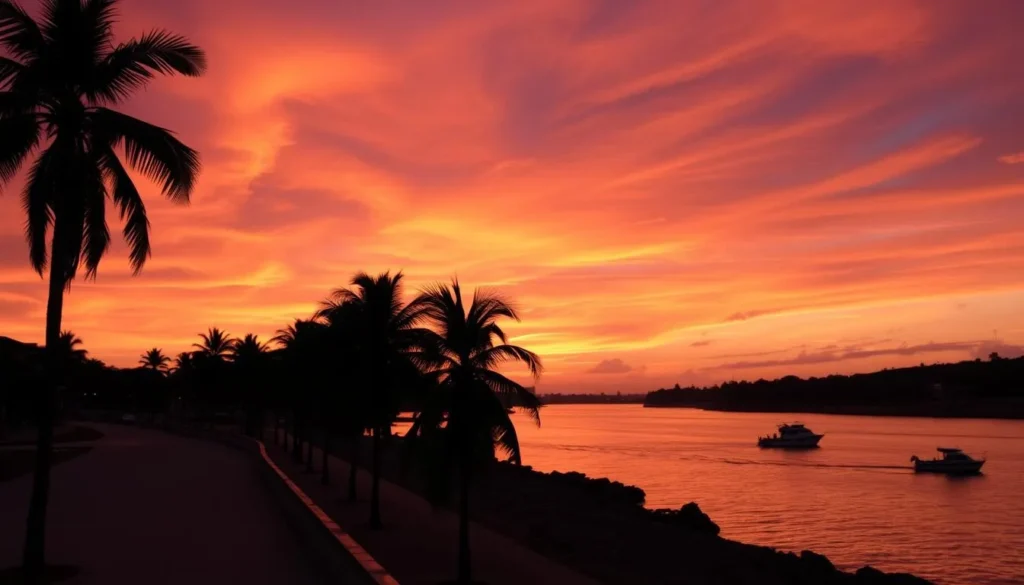
Panaji experiences a tropical climate with distinct seasons that can significantly impact your travel experience. Choosing the right time to visit is crucial for enjoying the city’s outdoor attractions and cultural experiences comfortably.
Best Months to Visit Panaji
- November to February (Peak Season): The most pleasant time with temperatures ranging from 21°C to 32°C (70°F to 90°F). Clear skies, low humidity, and perfect weather for exploring outdoor attractions make this the ideal time to visit. However, expect higher accommodation prices and more tourists.
- March to May (Shoulder Season): Temperatures rise to 25°C to 35°C (77°F to 95°F). While it gets increasingly hot, this period offers fewer crowds and better deals on accommodations. Early March is still quite pleasant.
- October (Post-Monsoon): A good alternative with temperatures around 24°C to 32°C (75°F to 90°F). The landscape is lush green after the monsoons, and tourist numbers are lower than peak season.
Months to Avoid
- June to September (Monsoon Season): Heavy rainfall with average precipitation of 250-300 cm (98-118 inches). Many outdoor activities are limited, and some establishments close temporarily. However, if you enjoy the rain and lush green landscapes, monsoon has its own charm with significantly lower prices.
Weather Tips
During the dry season (November-May), pack light cotton clothing, sunscreen, sunglasses, and a hat for protection against the sun. If visiting during monsoon (June-September), bring a sturdy umbrella, waterproof footwear, and quick-drying clothes. A light jacket or shawl can be useful year-round for evening sea breezes or air-conditioned restaurants.
Getting Around Locally
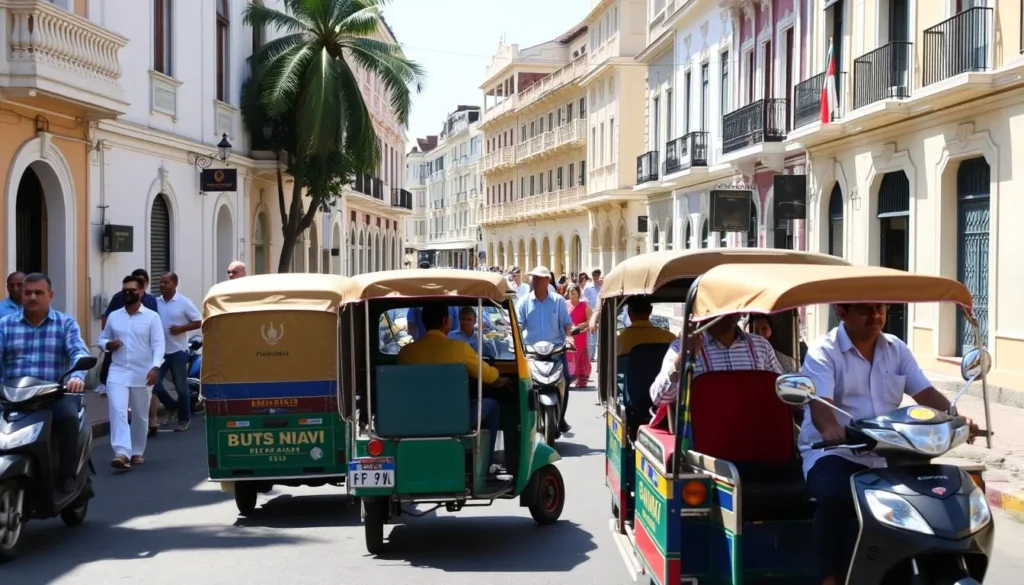
Panaji’s compact size makes it one of the most walkable capital cities in India. Many of the main attractions, particularly in the Fontainhas area, are within walking distance of each other. However, there are several convenient options for getting around when needed.
Walking
The most enjoyable way to explore Panaji is on foot, especially in the historic Fontainhas quarter and along the riverfront promenade. The city’s relatively flat terrain and pedestrian-friendly streets make walking a pleasant option for most travelers.
Auto Rickshaws
These three-wheeled vehicles are readily available throughout Panaji. While they don’t use meters, short trips within the city typically cost between ₹50-150 ($0.60-1.80). Always negotiate the fare before starting your journey.
Taxis
Conventional taxis are available but less common than auto rickshaws. App-based services like Goa Miles (Goa’s local taxi app) offer a convenient alternative with fixed pricing. For a full day of sightseeing, expect to pay around ₹2,000-2,500 ($24-30).
Rent a Scooter or Motorcycle
A popular option among tourists, renting a two-wheeler gives you the freedom to explore at your own pace. Rentals cost approximately ₹300-500 ($3.60-6) per day. An international driving permit is technically required, and helmets are mandatory by law.
Bicycles
Several hotels and rental shops offer bicycles for around ₹150-250 ($1.80-3) per day. This eco-friendly option is perfect for exploring the flatter parts of the city and nearby areas.
Public Buses
Kadamba Transport Corporation operates local buses connecting Panaji to nearby beaches and attractions. These are extremely budget-friendly, with fares starting from just ₹10 ($0.12), though they can be crowded during peak hours.
Ferry Services
Ferries operate across the Mandovi River, connecting Panaji to villages on the northern bank. The Panaji-Betim ferry is particularly useful and costs just ₹5-10 ($0.06-0.12) per person.
Where to Stay
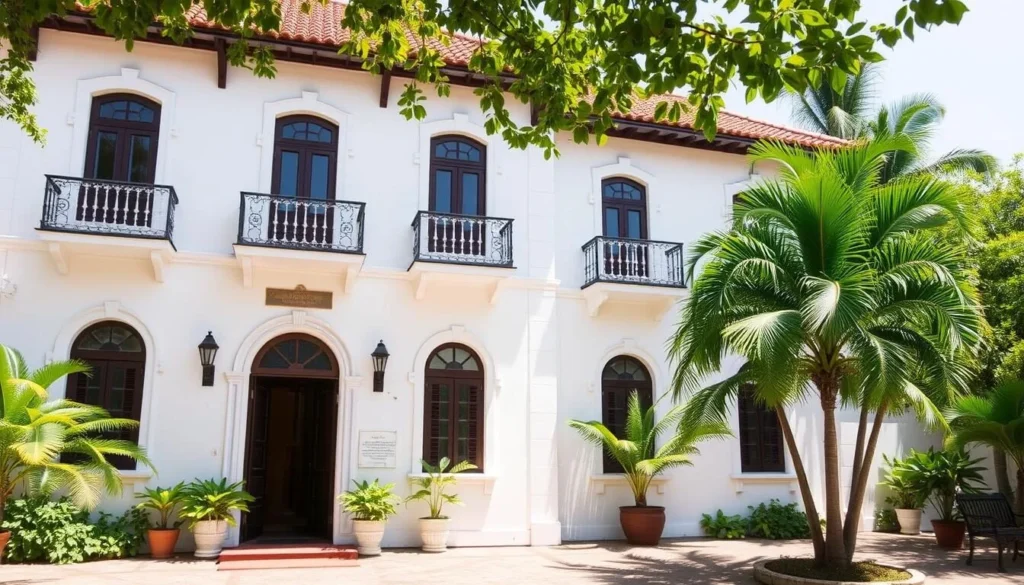
Panaji offers a diverse range of accommodation options to suit every budget and preference. From heritage boutique hotels in restored Portuguese mansions to modern luxury resorts and budget-friendly guesthouses, you’ll find something that enhances your Goan experience.
Luxury Accommodations
- Riverfront Resorts: Several upscale hotels along the Mandovi River offer stunning views, swimming pools, and full-service spas. Expect to pay ₹8,000-15,000 ($95-180) per night.
- Heritage Luxury Hotels: Beautifully restored Portuguese mansions converted into boutique hotels, offering an authentic colonial experience with modern amenities. Prices range from ₹6,000-12,000 ($72-144) per night.
Mid-Range Options
- Boutique Guesthouses: Particularly in the Fontainhas area, these charming properties offer character and comfort at reasonable prices, typically ₹2,500-5,000 ($30-60) per night.
- Business Hotels: Modern accommodations catering to both business and leisure travelers, usually located in the city center with easy access to attractions. Prices range from ₹3,000-6,000 ($36-72) per night.
Budget Accommodations
- Backpacker Hostels: Several hostels offer dormitory beds from ₹500-800 ($6-10) per night and private rooms from ₹1,200-2,000 ($14-24).
- Family-Run Guesthouses: Simple but clean accommodations run by local families, providing an authentic experience for ₹1,000-2,000 ($12-24) per night.
Best Areas to Stay
- Fontainhas (Latin Quarter): The historic heart of Panaji, perfect for those who want to immerse themselves in the city’s Portuguese heritage and be within walking distance of many attractions.
- Miramar: A beachfront area offering a mix of relaxation and easy access to the city center, just a short drive away.
- City Center: Convenient location near the main bus stand, markets, and government buildings, ideal for those who prioritize accessibility.
- Dona Paula: A quieter area with sea views and upscale resorts, about 7 km (4.3 miles) from central Panaji.
Booking in advance is highly recommended during the peak season (November to February) when the best accommodations fill up quickly. Many properties offer discounts for longer stays, so it’s worth inquiring if you plan to use Panaji as a base for exploring Goa.
Dining & Local Cuisine
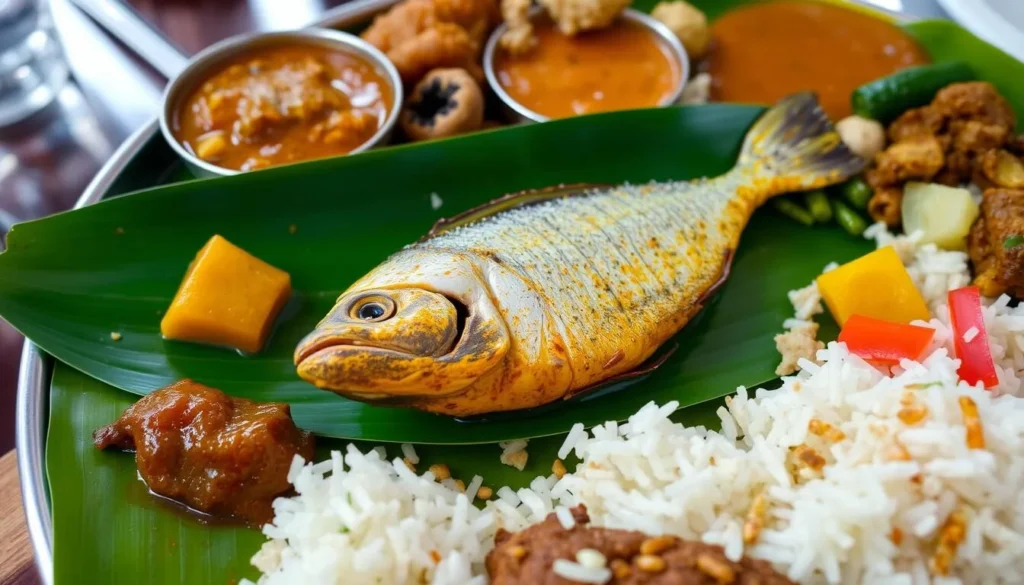
Panaji offers a delectable culinary scene that reflects Goa’s unique cultural heritage – a fascinating fusion of Portuguese influences and local Konkani traditions. From traditional fish curry rice to Portuguese-inspired dishes like sorpotel and bebinca, the city’s food scene is a highlight of any visit.
Must-Try Goan Dishes
- Fish Curry Rice: The quintessential Goan meal featuring coconut-based curry with local fish, served with red rice.
- Xacuti: A complex curry made with roasted coconut and a blend of spices, typically prepared with chicken or lamb.
- Vindaloo: A spicy curry with Portuguese origins, traditionally made with pork marinated in vinegar and garlic.
- Sorpotel: A rich pork dish with Portuguese roots, made with various cuts of meat and offal in a tangy, spiced sauce.
- Bebinca: A traditional layered dessert made with coconut milk, eggs, and ghee – a must-try sweet treat.
- Feni: Goa’s potent local spirit distilled from either cashew apples or coconut palm, often enjoyed with lime and soda.
Where to Eat in Panaji
Traditional Goan Restaurants
- Authentic Fish Thali Joints: Several small, local restaurants serve traditional fish thalis for ₹150-300 ($1.80-3.60), offering an authentic and budget-friendly meal.
- Family-Run Goan Eateries: These establishments serve home-style Goan cuisine passed down through generations, with main dishes priced between ₹200-400 ($2.40-4.80).
Bakeries and Cafes
- Portuguese-Inspired Bakeries: Don’t miss trying Goan breads like pao and poee, along with Portuguese pastries at the city’s historic bakeries, some dating back to the early 20th century.
- Contemporary Cafes: A growing number of modern cafes serve excellent coffee, breakfast options, and light meals, perfect for a relaxed morning or afternoon break.
International and Fusion Cuisine
- Upscale Dining: Several restaurants offer contemporary interpretations of Goan cuisine alongside international dishes, with prices ranging from ₹800-2,000 ($10-24) per person.
- Riverside Restaurants: Enjoy dinner with views of the Mandovi River at one of the many establishments along the waterfront.
Dining Tips
Seafood is freshest during non-monsoon months (October to May). Many restaurants close for a few hours in the afternoon, especially the smaller, family-run establishments. Reservations are recommended for popular restaurants during peak tourist season. For the most authentic experience, look for places frequented by locals rather than those catering exclusively to tourists.
Attractions, Sightseeing & Activities
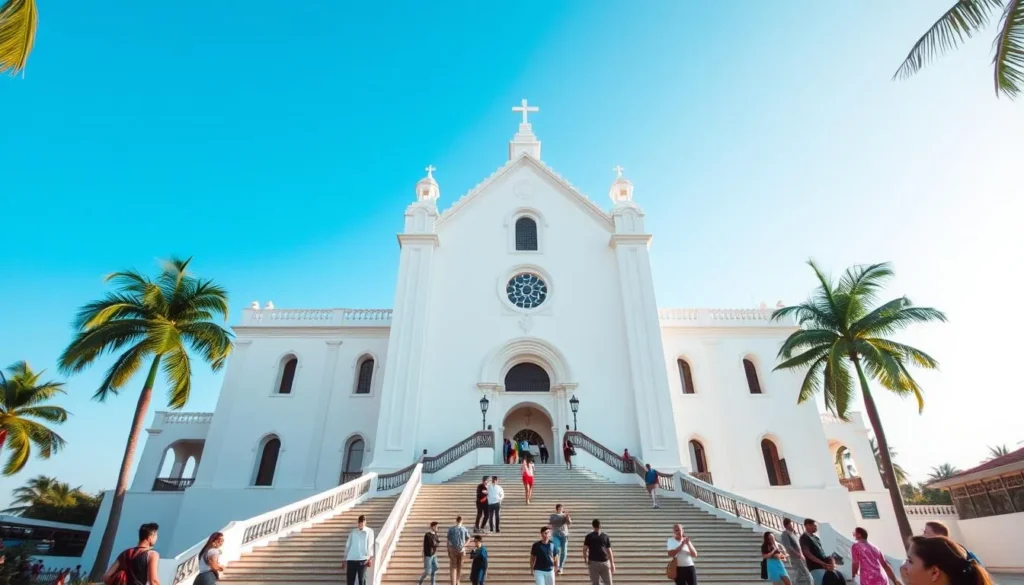
Panaji packs an impressive array of attractions into its compact size. From Portuguese colonial architecture to riverside promenades and cultural institutions, the city offers diverse experiences that showcase Goa’s unique heritage and contemporary culture.
Historic and Architectural Highlights
- Our Lady of the Immaculate Conception Church: This iconic white church with its distinctive symmetrical staircase dates back to 1541. Originally built as a chapel for sailors, it was expanded in the 17th century and remains one of Panaji’s most photographed landmarks.
- Fontainhas (Latin Quarter): Wander through narrow lanes lined with colorful Portuguese-style houses featuring ornate balconies and red-tiled roofs. This UNESCO-recognized heritage zone offers a glimpse into Goa’s colonial past.
- Adil Shah Palace: Once the residence of Goa’s Muslim ruler before Portuguese conquest, this historic building now houses government offices and occasionally hosts art exhibitions.
- Maruti Temple: Dedicated to the Hindu monkey god Hanuman, this bright orange temple sits atop Altinho hill and offers panoramic views of Panaji.
- Mahalaxmi Temple: An important Hindu temple dedicated to the goddess of wealth, featuring traditional Goan temple architecture.
Cultural Attractions
- Goa State Museum: Housing artifacts that trace Goa’s history from prehistoric times through the Portuguese era to the present day.
- Kala Academy: Goa’s premier cultural center hosting music performances, art exhibitions, and theatrical productions throughout the year.
- Houses of Goa Museum: Located just outside Panaji, this unique museum showcases the evolution of Goan architecture and home design.
Waterfront Experiences
- Mandovi River Promenade: A picturesque walkway along the riverfront, perfect for evening strolls and watching the sunset.
- River Cruises: Hour-long cruises on the Mandovi River offer views of the city skyline and often include cultural performances.
- Miramar Beach: Located at the confluence of the Mandovi River and the Arabian Sea, this urban beach is just 3 km (1.9 miles) from the city center.
- Dona Paula Viewpoint: A popular spot offering panoramic views of the Arabian Sea and the meeting point of the Zuari and Mandovi rivers.
Markets and Shopping
- Municipal Market: A vibrant local market selling fresh produce, spices, textiles, and handicrafts.
- 18th June Road: Panaji’s main shopping street, lined with stores selling everything from traditional Goan souvenirs to contemporary fashion.
Museums, Cultural Spots & Festivals
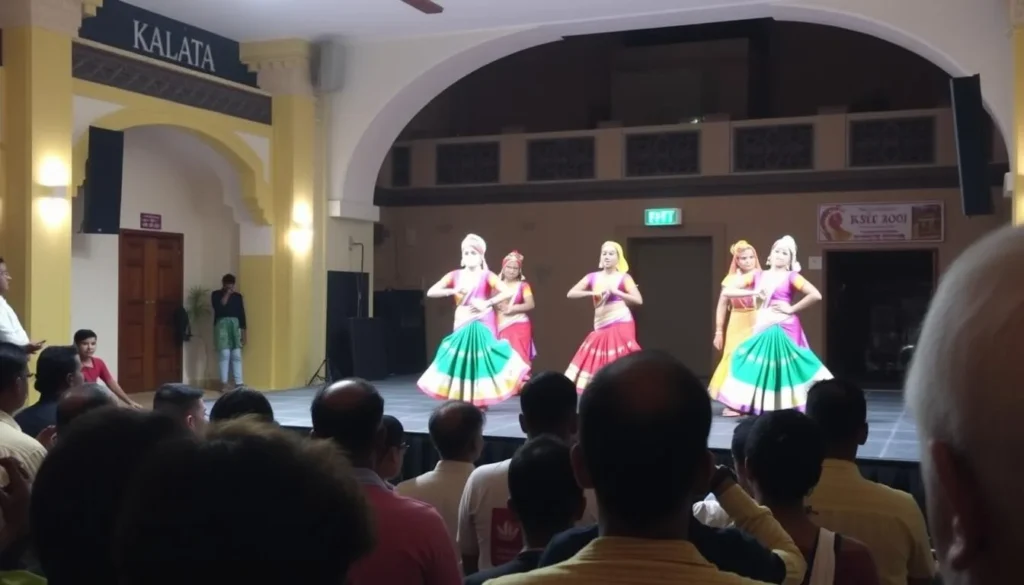
Panaji serves as Goa’s cultural hub, offering visitors a deeper understanding of the region’s rich heritage through its museums, cultural institutions, and vibrant festivals that blend Portuguese influences with local traditions.
Museums and Galleries
- Goa State Museum: Located in the EDC Complex, this comprehensive museum features sections on Goan history, natural heritage, religious art, and cultural artifacts. Entry fee: ₹50 ($0.60).
- Archaeological Museum: Housed in the former St. Francis of Assisi Convent in nearby Old Goa, this museum displays portraits of Portuguese governors, colonial-era artifacts, and Hindu temple sculptures.
- Christian Art Museum: Also in Old Goa, this specialized museum showcases religious art from the Portuguese era, including paintings, sculptures, and liturgical objects.
- Goa Science Centre & Planetarium: An interactive science museum with exhibits on various scientific principles and regular planetarium shows, perfect for families.
Cultural Institutions
- Kala Academy: Goa’s premier cultural center hosts music concerts, dance performances, theater productions, and art exhibitions throughout the year.
- Institute Menezes Braganza: A cultural institution with a library housing rare books and manuscripts, occasionally hosting literary events and exhibitions.
- Sunaparanta Centre for the Arts: Located in Altinho, this contemporary art gallery features changing exhibitions by local and international artists, along with a charming café.
Major Festivals
- Carnival (February/March): Panaji comes alive during this pre-Lenten celebration featuring colorful parades, music, dance, and elaborate floats – a unique Portuguese legacy in India.
- Shigmo (March): A Hindu spring festival with street parades, folk dances, and traditional music performances.
- Feast of St. Francis Xavier (December 3): A significant religious celebration centered around Old Goa’s Basilica of Bom Jesus, attracting pilgrims from across India and beyond.
- International Film Festival of India (November): One of Asia’s oldest film festivals, hosted annually in Panaji, screening international and Indian cinema.
- Feast of Our Lady of the Immaculate Conception (December 8): The church’s annual feast features religious processions, fair stalls, and celebrations.
Cultural Experiences
- Heritage Walks: Several organizations offer guided walks through Fontainhas and other historic areas, providing insights into Panaji’s architectural and cultural heritage.
- Cooking Classes: Learn to prepare traditional Goan dishes from local chefs who share the secrets of this unique cuisine.
- Music Performances: Experience Goan musical traditions ranging from Portuguese-influenced fado to local folk music at various venues around the city.
Many cultural events in Panaji are seasonal, so check local listings during your visit. The tourist information center near the Old Secretariat building provides updated information on current exhibitions and performances.
Sports, Nature & Outdoor Experiences
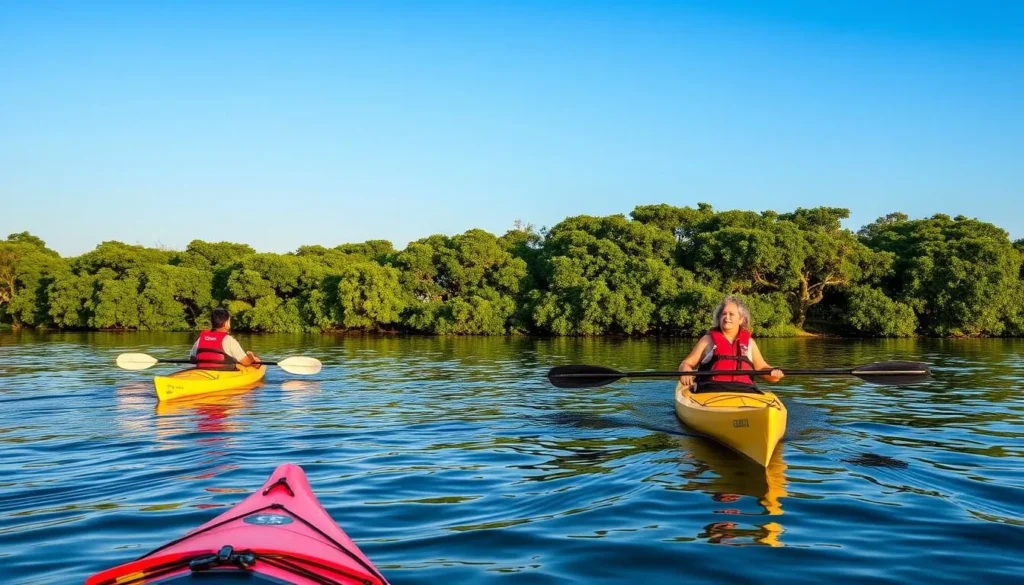
While Panaji is known for its cultural and historical attractions, the city and its surroundings offer plenty of opportunities for nature lovers and outdoor enthusiasts. From river activities to nearby wildlife sanctuaries, there’s no shortage of ways to enjoy Goa’s natural beauty.
Water Activities
- Kayaking: Explore the Mandovi River and its tributaries by kayak, with guided tours available that take you through mangrove forests. Prices start from ₹1,000 ($12) per person.
- Sailing: Several operators offer sailing experiences on the Mandovi River, from short trips to day-long excursions.
- Fishing: Join local fishermen for traditional fishing experiences in the river or sea, available through specialized tour operators.
- Stand-Up Paddleboarding: A popular activity in the calmer waters near Panaji, with equipment rentals and lessons available.
Nature Exploration
- Dr. Salim Ali Bird Sanctuary: Located on Chorao Island, just a short ferry ride from Panaji, this mangrove sanctuary is home to numerous bird species, including kingfishers, egrets, and seasonal migratory birds.
- Mangrove Boardwalk: A newly developed eco-tourism initiative near Panaji that allows visitors to walk through mangrove forests and learn about this crucial ecosystem.
- Butterfly Conservatory: Located in Ponda, about 30 km (18.6 miles) from Panaji, this sanctuary houses numerous butterfly species in a natural setting.
Island Exploration
- Divar Island: Accessible by ferry from Ribandar (near Panaji), this peaceful island offers a glimpse of rural Goan life, old Portuguese houses, and the Church of Our Lady of Piety.
- Chorao Island: Besides the bird sanctuary, this island features traditional Goan villages and historic churches worth exploring.
Parks and Recreation
- Garcia de Orta Gardens: A central park in Panaji with walking paths, fountains, and a statue of the Portuguese physician and naturalist it’s named after.
- Campal Gardens: A riverside park perfect for morning walks or evening relaxation.
- Cycling: Rent bicycles to explore Panaji and its surroundings at a leisurely pace, with several operators offering guided cycling tours.
Nearby Beaches
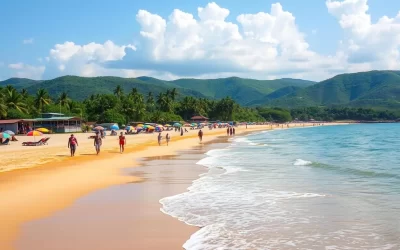
- Miramar Beach: The closest beach to Panaji, just 3 km (1.9 miles) from the city center, offering views of Fort Aguada across the bay.
- Bambolim Beach: A relatively quiet beach about 7 km (4.3 miles) from Panaji, less crowded than many of Goa’s more famous beaches.
- Siridao Beach: A small, secluded beach known for its shells and peaceful atmosphere, located about 12 km (7.5 miles) from the city.
For most outdoor activities, the best time is during the dry season from November to May. Many water-based activities are suspended during the monsoon months (June to September) due to rough conditions.
Safety, Etiquette & Local Customs
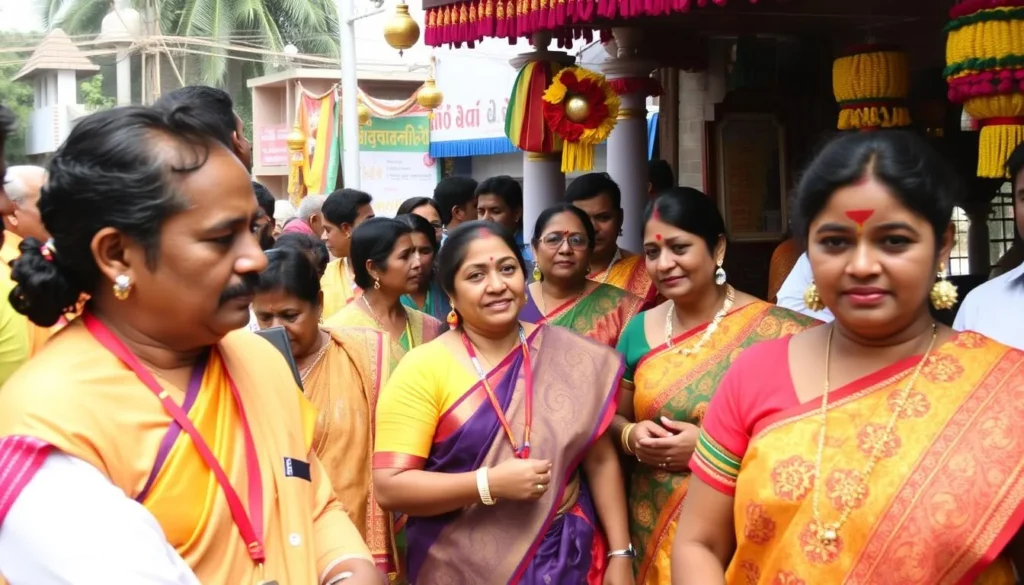
Panaji is generally a safe destination for travelers, but as with any tourist location, it’s important to be aware of local customs, etiquette, and safety considerations to ensure a smooth and respectful visit.
Safety Tips
- General Safety: Panaji has relatively low crime rates compared to many other Indian cities. However, standard precautions like safeguarding valuables and being aware of your surroundings are always advisable.
- Beach Safety: If visiting nearby beaches, be cautious of strong currents, especially during monsoon season. Always heed warning flags and lifeguard instructions.
- Road Safety: If renting a vehicle, be aware that traffic in Goa can be chaotic. Wear helmets on two-wheelers (it’s the law) and avoid driving at night if possible.
- Health Precautions: Drink bottled or filtered water. Use mosquito repellent, especially during dawn and dusk hours. Panaji has several good medical facilities if needed.
Local Etiquette
- Dress Code: While Goa is more relaxed than many parts of India, modest dress is still appreciated when visiting religious sites. Cover shoulders and knees when entering churches or temples.
- Photography: Always ask permission before photographing locals, especially during religious ceremonies. Some religious sites may prohibit photography inside.
- Bargaining: Negotiating prices is common in markets, but do so respectfully. Start at about 60-70% of the initial asking price and work toward a mutually acceptable figure.
- Tipping: A service charge is often included in restaurant bills. If not, 10% is a standard tip. Small tips are appreciated by hotel staff and tour guides.
Cultural Awareness
- Religious Respect: Goa has significant Hindu, Catholic, and Muslim populations. Respect all religious practices and remove shoes when entering places of worship.
- “Susegad”: This Goan concept roughly translates to a relaxed, contented attitude toward life. Embracing this philosophy means being patient and not rushing through experiences.
- Language: Konkani is the official language, but most people in tourist areas speak English. Learning a few basic Konkani phrases is appreciated by locals.
- Alcohol Culture: While Goa has a more relaxed attitude toward alcohol than many Indian states, public intoxication is frowned upon. Drink responsibly.
Local Laws to Be Aware Of
- Beach Regulations: Drinking alcohol on beaches is officially prohibited, though enforcement varies.
- Photography Restrictions: Avoid photographing government buildings, airports, and military installations.
- Environmental Rules: Littering carries fines in Goa. Dispose of waste properly and avoid single-use plastics where possible.
Goans are generally friendly and welcoming to tourists. Approaching interactions with respect and an open mind will enhance your experience and help you connect with the local culture.
Visitor Comments About Panaji
“Panaji was the unexpected highlight of our Goan adventure! While most tourists head straight to the beaches, we spent three days exploring this charming capital. The colorful buildings of Fontainhas transported us to Portugal, and the local food was incredible – don’t miss the fish thalis at the small local restaurants. The city is so walkable, and everyone we met was genuinely friendly and eager to share their culture.”
“As someone who’s visited Goa multiple times, I finally decided to spend more time in Panaji instead of just passing through. What a revelation! The architecture is stunning, especially the Church of Our Lady of the Immaculate Conception. Take the time to visit the local bakeries for Portuguese-influenced pastries and breads. The Mandovi River cruise at sunset was magical, and the city has a relaxed vibe that’s different from the beach areas.”
“We visited Panaji during the Carnival in February, and it was an explosion of color, music, and joy! The parades were spectacular, with elaborate costumes and floats. Even outside of festival time, there’s so much to see – the museums, the old Portuguese quarter, and the riverside promenade. Don’t rush through Panaji on your way to the beaches – it deserves at least two full days of exploration.”
Additional Nearby Destinations

Panaji serves as an excellent base for exploring other fascinating destinations in Goa. Here are some noteworthy places within easy reach of the capital city:
Old Goa (10 km / 6.2 miles)
Once the magnificent capital of Portuguese India, Old Goa is now a UNESCO World Heritage Site featuring impressive churches and cathedrals. Don’t miss the Basilica of Bom Jesus (housing the remains of St. Francis Xavier), the imposing Sé Cathedral, and the Church of St. Francis of Assisi. A half-day trip from Panaji by taxi, auto-rickshaw, or local bus.
Reis Magos Fort (8 km / 5 miles)
Located across the Mandovi River, this recently restored fort offers panoramic views of Panaji and the river. Built in 1551, it later served as a prison before being converted into a cultural center. The nearby Reis Magos Church is also worth visiting.
Ancestral Goa (18 km / 11.2 miles)
Also known as “Big Foot,” this cultural center showcases traditional Goan village life through exhibits, demonstrations, and a large footprint-shaped laterite rock formation. Perfect for understanding rural Goan culture and traditions.
Ponda Spice Plantations (30 km / 18.6 miles)
The region around Ponda is known for its spice plantations, where you can tour farms growing pepper, cardamom, cinnamon, cloves, and nutmeg. Many plantations offer guided tours followed by traditional Goan meals prepared with fresh spices.
North Goa Beaches (15-25 km / 9.3-15.5 miles)
The famous beaches of North Goa are within easy reach of Panaji. Calangute and Baga offer vibrant beach shack culture and water sports, while Anjuna and Vagator are known for their scenic beauty and relaxed atmosphere. Morjim and Ashwem provide quieter alternatives with opportunities for wildlife spotting.
Dudhsagar Waterfalls (60 km / 37.3 miles)
One of India’s tallest waterfalls at 310 meters (1,017 feet), Dudhsagar is spectacular during and immediately after the monsoon season. A day trip from Panaji involves a combination of driving and trekking through the jungle.
Divar and Chorao Islands
These river islands are accessible by ferry from near Panaji. Divar features old Portuguese houses and the Church of Our Lady of Piety, while Chorao is home to the Dr. Salim Ali Bird Sanctuary. Both offer a glimpse into rural Goan life away from tourist crowds.
Aguada Fort (15 km / 9.3 miles)
Built in 1612 to guard the entrance to the Mandovi River, Fort Aguada features a four-story lighthouse (the oldest in Asia) and impressive ramparts. The views of the Arabian Sea from the fort are spectacular, especially at sunset.
Practical Travel Tips
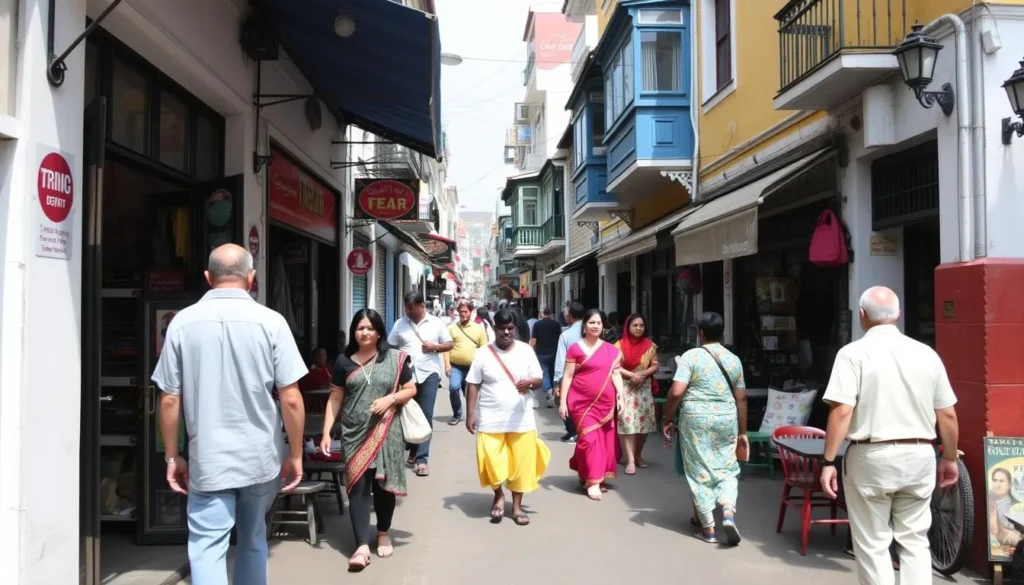
Money Matters
- Currency: Indian Rupee (₹). ATMs are widely available in Panaji, and many establishments accept credit cards, though smaller shops and restaurants may be cash-only.
- Banking Hours: Most banks are open Monday to Friday from 10:00 AM to 3:30 PM and Saturday from 10:00 AM to 1:00 PM.
- Tipping: Not mandatory but appreciated. 10% is standard in restaurants if service charge isn’t included.
Communication
- Mobile Connectivity: Major Indian networks like Airtel, Jio, and Vodafone have good coverage in Panaji. Tourist SIM cards are available with proper identification (passport and visa).
- Internet Access: Most hotels, cafes, and restaurants offer free Wi-Fi. Internet cafes are also available for those without personal devices.
- Language: Konkani is the official language, but English is widely spoken in tourist areas. Hindi, Marathi, and Portuguese are also understood by many.
Health and Emergency
- Emergency Numbers: Police: 100, Ambulance: 108, Tourist Police: 1800-832-3224
- Hospitals: Goa Medical College in Bambolim (near Panaji) is the main government hospital. Several private hospitals and clinics are also available in the city.
- Pharmacies: Well-stocked pharmacies are found throughout Panaji, with many medications available over the counter that might require prescriptions elsewhere.
Practical Information
- Electricity: 230V, 50Hz with round pin plugs (types C, D, and M). Bring an adapter if needed.
- Business Hours: Most shops open around 9:30 AM and close by 8:00 PM. Many small businesses observe a siesta break from 1:00 PM to 4:00 PM, especially in non-tourist areas.
- Tourist Information: The Goa Tourism Development Corporation (GTDC) has an office near the Old Secretariat building in Panaji, offering maps, brochures, and assistance.
- Water: Stick to bottled or filtered water. Most hotels and restaurants use purified water for ice and food preparation.
Transportation Tips
- Local Buses: Kadamba Transport Corporation buses are inexpensive but can be crowded. Look for the destination displayed on the front of the bus.
- Auto Rickshaws: Negotiate fares before starting your journey, as they don’t use meters.
- Motorcycle/Scooter Rental: Requires a valid driving license. Always wear a helmet and carry your rental documents.
- Taxis: App-based services like Goa Miles offer more transparent pricing than traditional taxis.
Embrace the Charm of Goa’s Captivating Capital
Panaji may not boast the fame of Goa’s beaches or the pulsating energy of its nightlife, but this charming capital offers something equally valuable – an authentic glimpse into the soul of Goa. As you wander through the colorful streets of Fontainhas, savor the complex flavors of Goan cuisine, or watch the sunset paint the Mandovi River in golden hues, you’ll discover a city that perfectly balances its Portuguese colonial legacy with vibrant Indian traditions.
Whether you’re using it as a base to explore wider Goa or dedicating several days to uncover its own treasures, Panaji rewards those who take the time to appreciate its laid-back rhythm and cultural depth. From architectural splendors to culinary delights, from riverside promenades to cultural performances, Panaji invites you to experience the true essence of Goa beyond the beaches and parties.
As the locals might say, embrace the “susegad” spirit – slow down, savor each moment, and let Panaji’s unique charm work its magic on you. You may arrive as a curious visitor, but you’ll leave with the heart of a Goan, forever enchanted by this small but captivating capital city.
The above is subject to change.
Check back often to TRAVEL.COM for the latest travel tips and deals.

0 Comments