Hotels by Trip.com
Flights by Trip.com
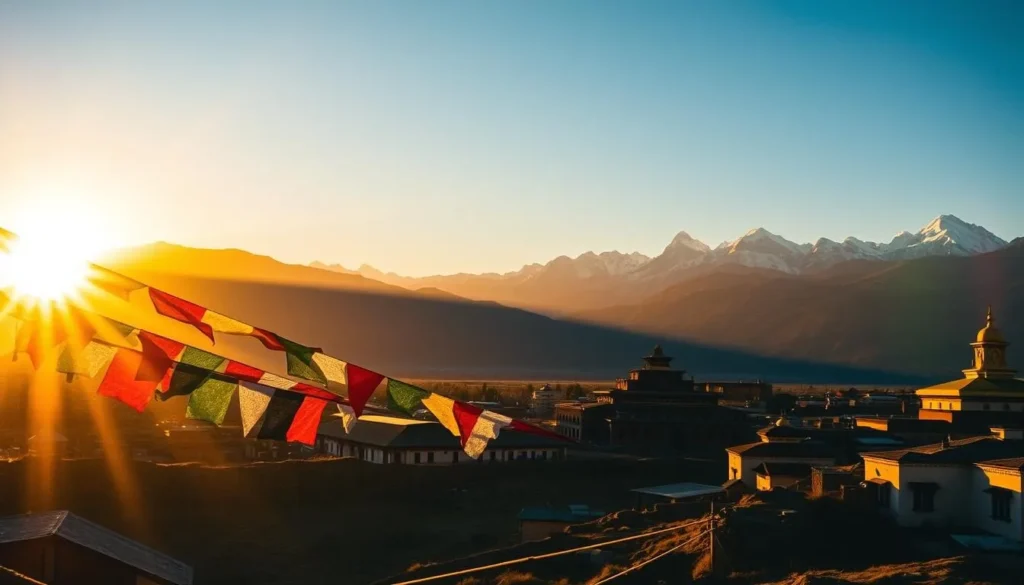
Did you know that Leh sits at a breathtaking altitude of 3,500 m (11,483 ft), making it one of the world’s highest inhabited cities where oxygen levels are 35% lower than at sea level? This ancient Himalayan kingdom, nestled between the Karakoram and Himalayan mountain ranges, offers travelers a unique blend of stunning landscapes, rich Buddhist culture, and adventure opportunities that can’t be found anywhere else on earth.
Getting There & Planning Your Journey
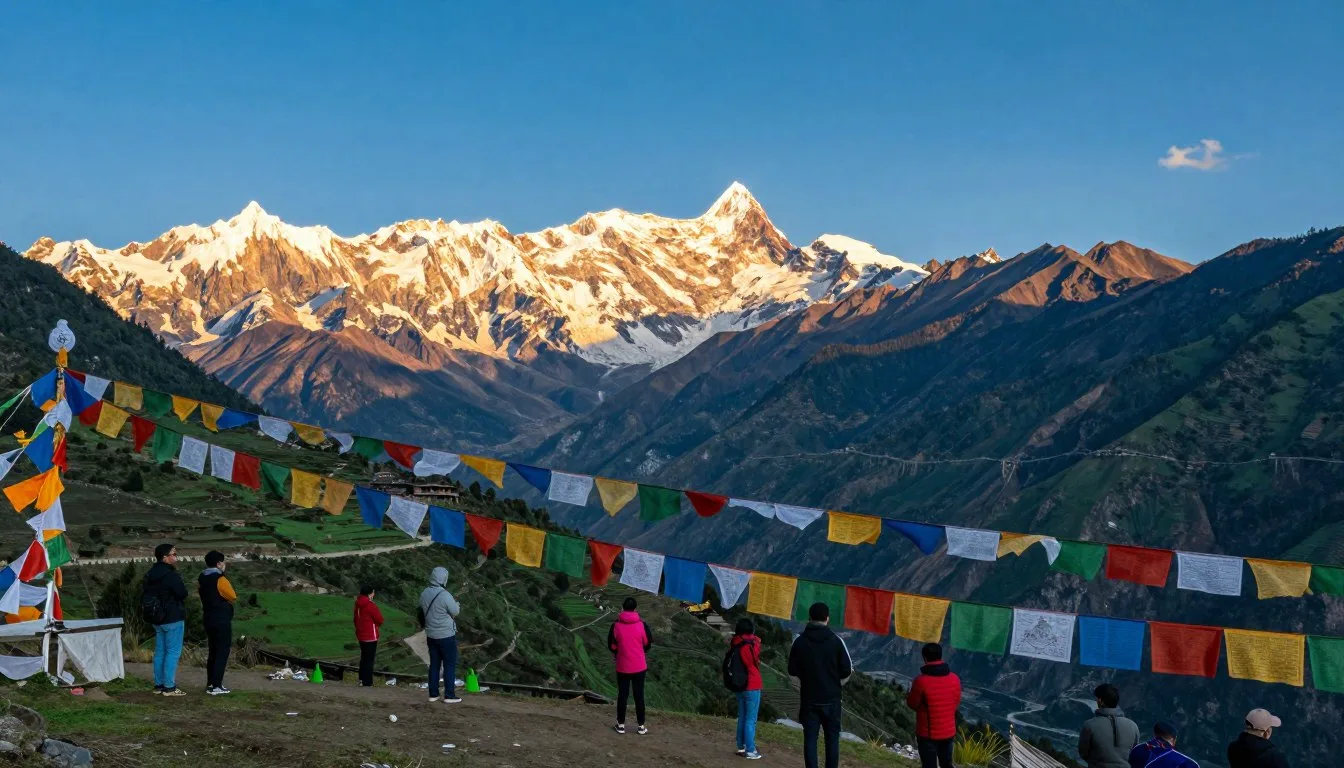
Reaching this high-altitude paradise requires some planning, but the journey is well worth the effort. As you approach by air, you’ll be treated to some of the most spectacular mountain views imaginable, with snow-capped peaks stretching as far as the eye can see.
By Air
Flying is the most convenient way to reach Leh. Kushok Bakula Rimpochee Airport connects Leh with major Indian cities like Delhi, Mumbai, and Srinagar. Flights operate year-round but are subject to weather conditions, especially in winter. Morning flights offer the best views and fewer chances of weather-related cancellations.
By Road
For the adventurous, reaching Leh by road is an experience in itself. Two main highways connect Leh to the rest of India: the Manali-Leh Highway (473 km) and the Srinagar-Leh Highway (434 km). Both routes offer breathtaking scenery but are only open from May/June to October/November, depending on snow conditions.
Manali-Leh Highway
- Distance: 473 km (294 miles)
- Travel time: 2 days (recommended)
- Best time: July to September
- Highest point: Tanglang La Pass at 5,328 m (17,480 ft)
- Passes through: Rohtang Pass, Baralacha La, More Plains
Srinagar-Leh Highway
- Distance: 434 km (270 miles)
- Travel time: 2 days (recommended)
- Best time: June to October
- Highest point: Fotu La Pass at 4,108 m (13,478 ft)
- Passes through: Sonamarg, Zoji La, Drass, Kargil
Permits and Documentation
Foreign nationals need an Inner Line Permit (ILP) to visit certain areas around Leh, including popular destinations like Pangong Lake and Nubra Valley. Indian tourists need a Protected Area Permit for some restricted areas. These can be obtained in Leh or applied for online through the official Ladakh website.
Pro Tip: Apply for your Inner Line Permit online at least 2 weeks before your trip to save time in Leh. If applying in person, bring multiple passport-sized photos and photocopies of your ID/passport.
Best Time to Visit & Weather Tips
Leh experiences extreme climate variations throughout the year. The region remains largely inaccessible during winter, while summer brings pleasant temperatures and the peak tourist season. Each season offers a unique perspective of this mountain paradise.
| Season | Months | Temperature | Pros | Cons |
| Summer | June to August | 15°C to 30°C (59°F to 86°F) | Perfect weather for sightseeing, all attractions open, vibrant local festivals | Peak tourist season, higher prices, crowded attractions |
| Spring | April to May | 10°C to 20°C (50°F to 68°F) | Blooming wildflowers, fewer tourists, moderate temperatures | Some high passes may still be closed, occasional rain |
| Autumn | September to October | 5°C to 15°C (41°F to 59°F) | Clear skies, perfect for photography, fewer tourists | Temperatures begin to drop, some establishments start closing |
| Winter | November to March | -15°C to 5°C (5°F to 41°F) | Snow-covered landscapes, authentic local experience, Chadar Trek (frozen river trek) | Extremely cold, limited accessibility, many attractions closed |
Weather Tip: Leh experiences dramatic temperature variations between day and night. Even in summer, temperatures can drop significantly after sunset. Always carry a warm layer regardless of when you visit.
Acclimatization is Essential
Due to Leh’s high altitude, acclimatization is crucial to prevent altitude sickness. Plan to rest for at least 24-48 hours upon arrival before engaging in any strenuous activities. Drink plenty of water, avoid alcohol, and consider medications like Diamox after consulting with your doctor.
“Give your body time to adjust to Leh’s thin air. The mountains have stood for millennia – they’ll wait an extra day for you to explore them safely.”
Check 30,000+ Local Sightseeing Tours Worldwide
✓ Numerous languages and currencies are available
Getting Around Locally
Navigating Leh and its surrounding areas requires some planning, especially when visiting remote attractions. The mountainous terrain means travel times can be longer than expected, but the journey itself is often as spectacular as the destination.
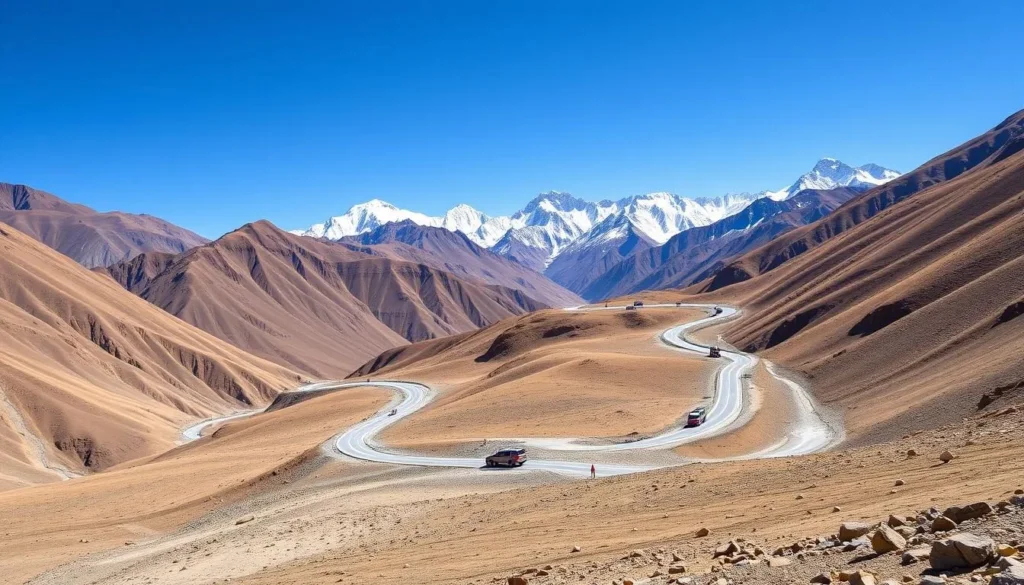
Taxis and Shared Jeeps
Taxis are the most convenient way to explore Leh and surrounding areas. You can hire a taxi for a day or specific destinations. Rates are typically fixed by the local taxi union. Shared jeeps are a more economical option for popular routes and operate when they have enough passengers.
Motorcycles and Bicycles
For adventure enthusiasts, renting a motorcycle is a popular option. Royal Enfield bikes are widely available for rent in Leh. Mountain bikes can also be rented for exploring the town and nearby areas. Remember that riding at high altitudes requires experience and proper acclimatization.
Public Transport
Public buses connect Leh to nearby villages and towns, but services are limited and schedules can be unreliable. They’re best for budget travelers with flexible itineraries. The main bus station is located near the main market in Leh.
Local Insight: For visiting popular attractions like Pangong Lake or Nubra Valley, hiring a taxi for 2-3 days is more practical than returning to Leh each night, saving both time and money on the long mountain journeys.
Walking in Leh Town
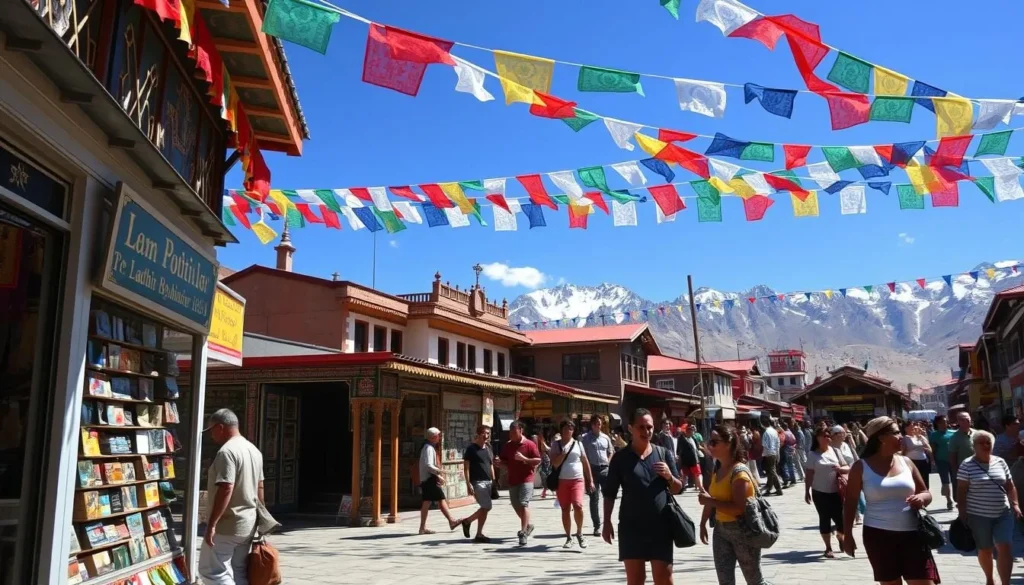
Leh’s main town is compact and easily explored on foot. The main market, Leh Palace, and several monasteries within town limits are all within walking distance of each other. Just remember to take it slow due to the altitude.
Where to Stay
Leh offers a wide range of accommodation options to suit every budget and preference. From luxury hotels with stunning mountain views to authentic homestays where you can experience local culture, there’s something for every type of traveler.
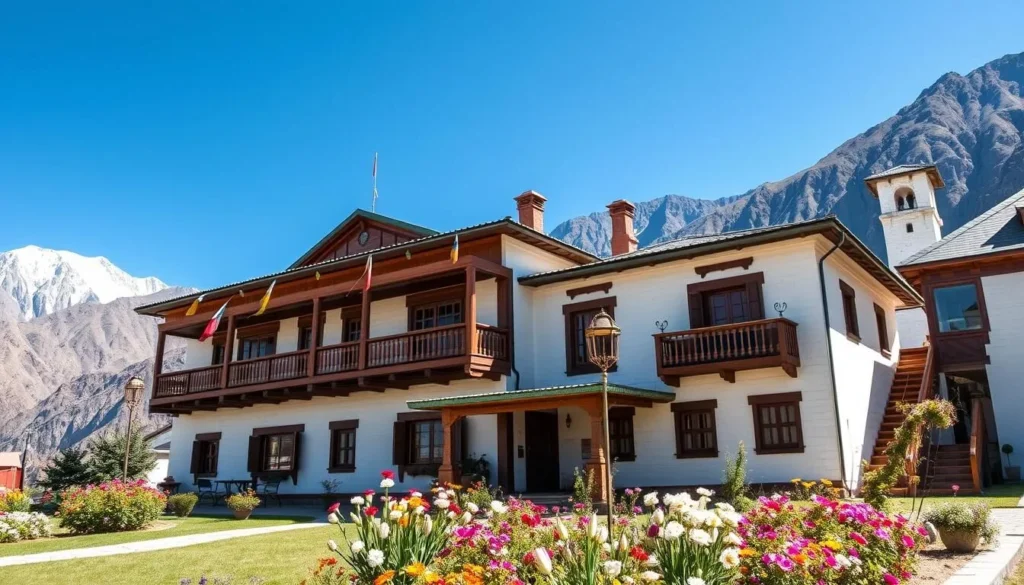
Leh Town
Staying in Leh town provides easy access to restaurants, shops, and local attractions. It’s also the best place to acclimatize before venturing to higher altitudes. The town offers the widest range of accommodation options, from budget guesthouses to luxury hotels.
Luxury
- The Grand Dragon Hotel
- Hotel Ladakh Palace
- The Zen Ladakh
Expect modern amenities, stunning views, and excellent service. Prices range from ₹12,000-20,000 ($145-240) per night.
Mid-Range
- Hotel Ladakh Himalayan Retreat
- The Bodhi Tree
- Hotel Omasila
Comfortable accommodations with good amenities. Prices range from ₹4,000-8,000 ($50-100) per night.
Budget
- Zeejeed Palace
- Sponbo Guest House
- Himalayan Retreat Guest House
Simple but clean rooms with basic amenities. Prices range from ₹1,000-3,000 ($12-36) per night.
Homestays: The Authentic Experience
For an authentic cultural experience, consider staying with a local Ladakhi family. Homestays offer simple accommodations, home-cooked meals, and invaluable cultural insights. Many villages around Leh, including Stok, Shey, and Nimmu, offer registered homestay programs.
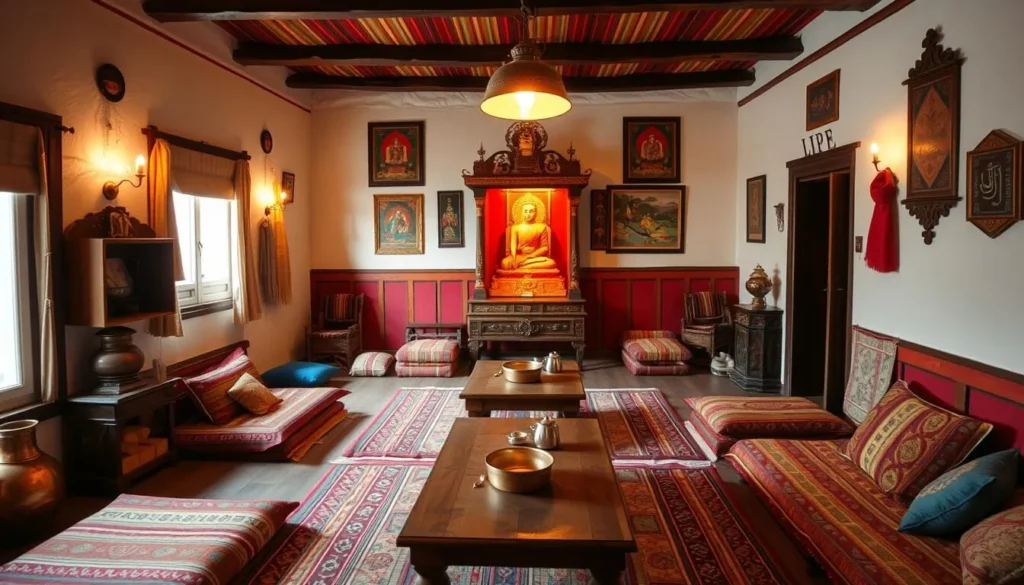
Unique Accommodations
For a truly memorable stay, consider these unique accommodation options in and around Leh:
Luxury Camps
At destinations like Pangong Lake and Nubra Valley, luxury camps offer comfortable tents with proper beds, attached bathrooms, and excellent meals. The Ultimate Travelling Camp and Pangong Retreat are popular options.
Eco Resorts
Properties like Nimmu House and Lchang Nang Retreat focus on sustainability while offering comfortable accommodations in beautiful settings. These places often grow their own organic produce and use solar energy.
Booking Tip: During peak season (June-August), accommodations fill up quickly. Book at least 2-3 months in advance to secure your preferred option. Many places offer discounts for longer stays.
Dining & Local Cuisine
Ladakhi cuisine reflects the harsh mountain environment and Buddhist cultural influences. The food is hearty, nutritious, and designed to provide energy in the high-altitude climate. Exploring local dishes is an essential part of experiencing Leh’s culture.
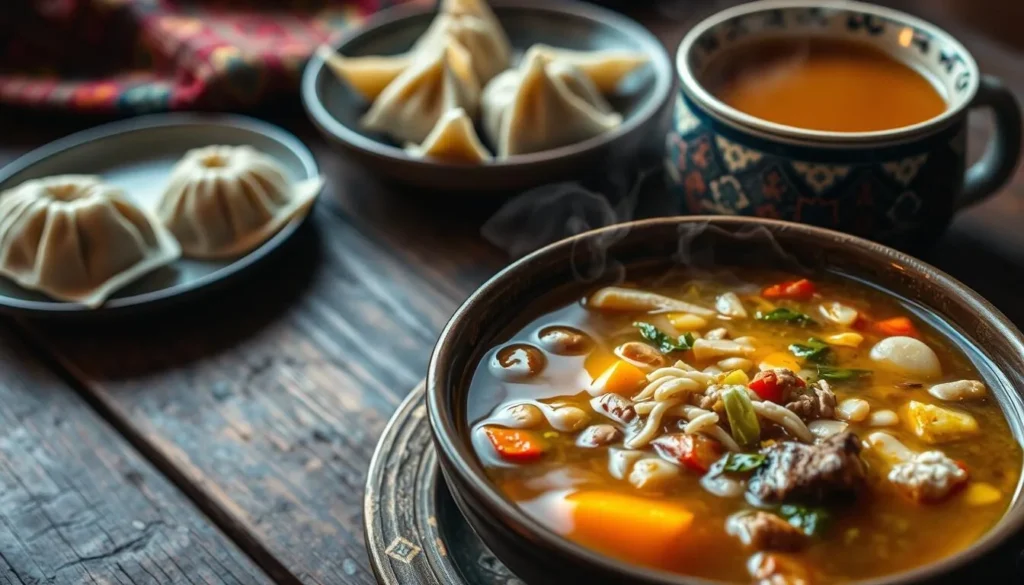
Must-Try Local Dishes
Thukpa
A hearty noodle soup with vegetables and meat, perfect for Ladakh’s cold climate. Variations include gyathuk (with wheat noodles) and thenthuk (with hand-pulled flat noodles).
Momos
Steamed or fried dumplings filled with vegetables or meat, served with spicy chutney. A staple throughout the Himalayan region and a favorite quick meal in Leh.
Butter Tea (Po Cha)
A traditional beverage made with tea leaves, yak butter, and salt. It’s an acquired taste for visitors but provides essential energy and warmth at high altitudes.
More Local Specialties
- Skyu: A pasta dish with thumb-sized pieces of dough cooked with vegetables and meat
- Chhutagi: Bow-tie shaped pasta cooked with vegetables in a flavorful broth
- Khambir: Local bread typically served with butter tea for breakfast
- Chhang: A mild alcoholic beverage made from fermented barley
- Apricot Jam: Made from locally grown apricots, a specialty of the region
Where to Eat in Leh
Leh town offers a variety of dining options, from local eateries serving authentic Ladakhi cuisine to restaurants catering to international tastes. Here are some recommended places to eat:
Local and Tibetan Cuisine
- Tibetan Kitchen: Authentic Tibetan dishes in a cozy setting
- Amdo Cafe: Great for momos and thukpa with reasonable prices
- Gesmo Restaurant: Popular for breakfast and Tibetan specialties
- Lala’s Cafe: Charming spot with garden seating and local dishes
International and Fusion
- Bon Appetit: French bakery and cafe with excellent pastries
- Lamayuru Restaurant: Wide menu including Indian, Chinese, and Continental
- Summer Harvest: Farm-to-table concept with organic ingredients
- World Garden Cafe: Vegetarian and vegan options in a garden setting
Dining Tip: Restaurants in Leh often have longer waiting times than you might expect, especially during peak season. Plan accordingly and be patient – the food is worth the wait!
Attractions, Sightseeing & Activities
Leh and its surrounding areas offer a wealth of attractions that showcase the region’s natural beauty, rich cultural heritage, and spiritual significance. From ancient monasteries perched on hilltops to stunning high-altitude lakes, there’s something to captivate every traveler.
Must-Visit Monasteries
Ladakh’s Buddhist monasteries (gompas) are not just religious centers but also repositories of ancient art, culture, and history. Many are perched dramatically on hilltops, offering spectacular views of the surrounding landscapes.
Thiksey Monastery
Often compared to the Potala Palace in Tibet, this 12-story monastery complex houses a 15m (49 ft) tall statue of Maitreya Buddha. The morning prayer ceremony (6-7 AM) is particularly memorable.
Distance from Leh: 19 km (12 miles)
Hemis Monastery
The largest and wealthiest monastery in Ladakh, famous for its annual Hemis Festival in June/July. The monastery museum contains a remarkable collection of ancient artifacts.
Distance from Leh: 45 km (28 miles)
Diskit Monastery
Located in Nubra Valley, this monastery features a massive 32m (105 ft) statue of Maitreya Buddha. The panoramic views of the valley from here are spectacular.
Distance from Leh: 120 km (75 miles)
Other notable monasteries include Alchi (one of the oldest with unique murals), Lamayuru (dramatically set in a moonscape), and Spituk (offering great views of the Indus Valley).
Spectacular Lakes
Pangong Lake
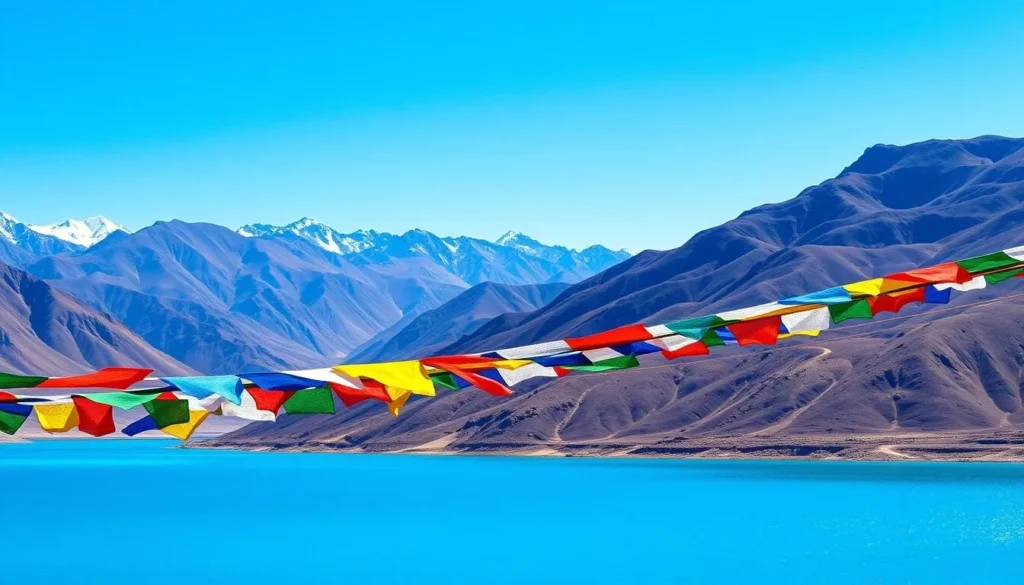
This stunning high-altitude lake changes colors throughout the day, from azure to turquoise to deep blue. At 4,350 m (14,270 ft), the lake extends from India to Tibet, with 60% of it in Chinese territory. Made famous by Bollywood films, it’s one of Ladakh’s most iconic sights.
Distance from Leh: 160 km (99 miles)
Travel time: 5-6 hours one way
Tso Moriri Lake
Less visited than Pangong but equally beautiful, this high-altitude lake at 4,522 m (14,836 ft) is surrounded by mountains and home to numerous bird species. The journey takes you through stunning landscapes and remote villages.
Distance from Leh: 240 km (149 miles)
Travel time: 6-7 hours one way
Unique Landscapes
Nubra Valley
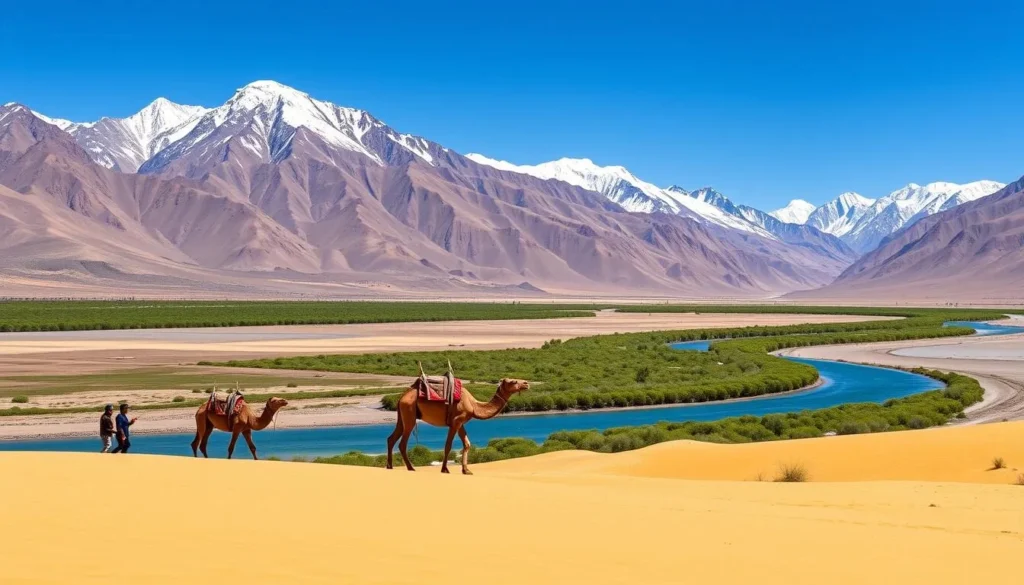
Known as the “Valley of Flowers,” Nubra features a surreal landscape where sand dunes meet green oases with the Karakoram mountains as backdrop. Don’t miss the Bactrian camel rides at Hunder.
Highlight: Sand dunes and double-humped camels at Hunder
Magnetic Hill
A natural wonder where vehicles appear to roll uphill when placed in neutral. While it’s actually an optical illusion, it’s still a fun experience and offers great views of the surrounding landscape.
Highlight: The optical illusion and surrounding views
Zanskar Valley
One of the most remote regions in Ladakh, offering pristine landscapes, ancient monasteries, and traditional villages largely untouched by modern influences.
Highlight: Phugtal Monastery built into a cliff face
Historical Sites
Leh Palace
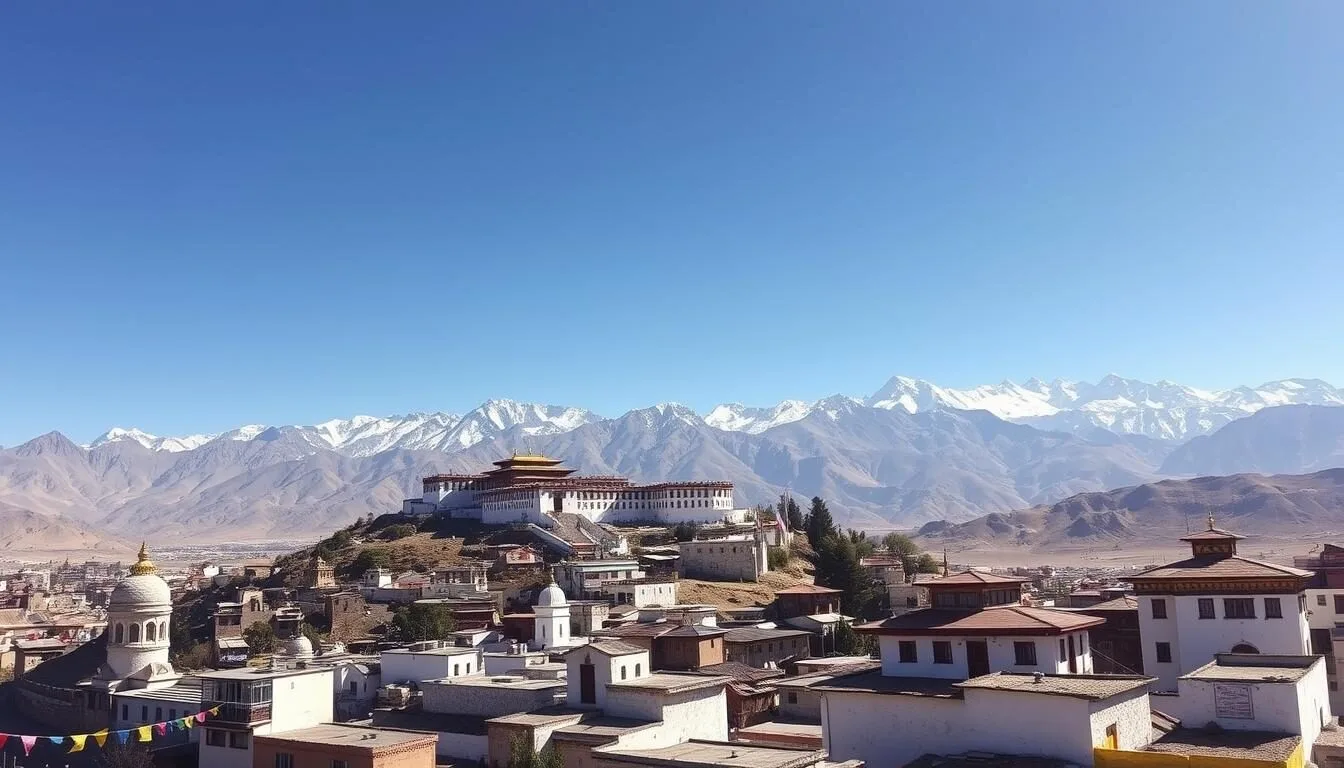
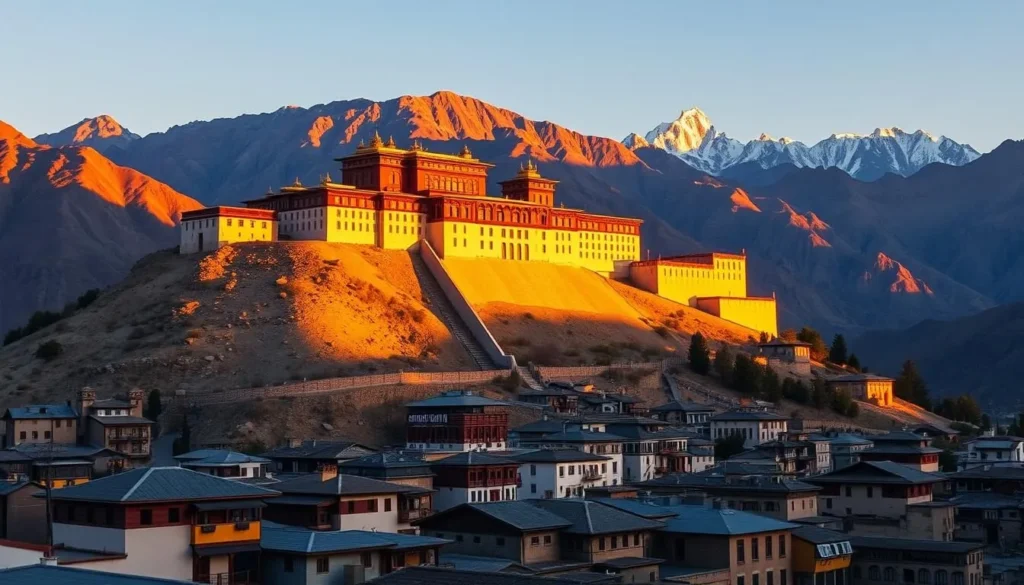
Built in the 17th century, this nine-story palace offers panoramic views of Leh and surrounding mountains. Though largely in ruins, it provides fascinating insights into the royal history of Ladakh. The architecture resembles Tibet’s Potala Palace.
Check 30,000+ Local Sightseeing Tours Worldwide
✓ Numerous languages and currencies are available
Shanti Stupa
A gleaming white Buddhist stupa built in 1991 to promote world peace. Located on a hilltop, it offers spectacular views of Leh town and the surrounding mountains, especially at sunset. The stupa contains relics of the Buddha.
Museums, Cultural Spots & Festivals
Ladakh’s rich cultural heritage is preserved in its museums, cultural centers, and vibrant festivals. These offer visitors a deeper understanding of the region’s history, traditions, and way of life that has evolved over centuries in this high-altitude desert.
Museums and Cultural Centers
Hall of Fame
A museum maintained by the Indian Army that commemorates the soldiers who lost their lives in the Indo-Pak wars. It also showcases Ladakhi culture, history, and wildlife. The exhibits on the Siachen Glacier, the world’s highest battlefield, are particularly moving.
Central Asian Museum
Located in the heart of Leh’s old town, this museum is housed in a traditional Ladakhi mansion. It showcases artifacts from the Silk Route era, highlighting Leh’s importance as a trading hub between Tibet, Central Asia, and India.
Other cultural spots include the Ladakh Arts and Media Organization (LAMO), which hosts exhibitions and cultural events in a beautifully restored heritage building, and the Ladakh Ecological Development Group, which promotes sustainable development and traditional ecological knowledge.
Major Festivals
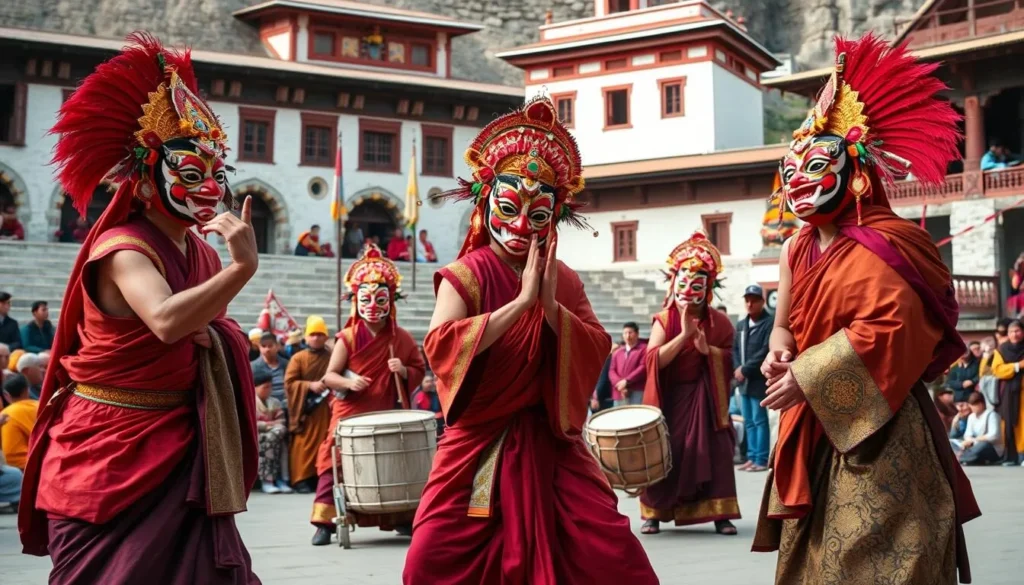
Ladakhi festivals (tseschu) are vibrant celebrations featuring masked dances, music, and religious ceremonies. They offer a unique glimpse into local Buddhist traditions and are a photographer’s delight.
| Festival | Timing | Location | Highlights |
| Hemis Festival | June/July (10th and 11th day of the Tibetan lunar month) | Hemis Monastery | The largest and most famous festival in Ladakh, featuring masked dances that represent the victory of good over evil |
| Losar | December/January (Tibetan New Year) | Throughout Ladakh | New Year celebrations with family gatherings, special meals, and monastery visits |
| Ladakh Festival | September (1-15) | Leh and surrounding villages | Cultural processions, traditional music and dance, archery competitions, and polo matches |
| Phyang Tsedup | July/August | Phyang Monastery | Sacred masked dances and the display of a giant thangka (Buddhist painting) |
Festival Tip: If your travel dates coincide with a major festival, book accommodations well in advance as they fill up quickly. Arrive at the monastery early to get a good viewing spot for the dances.
Cultural Experiences
Traditional Crafts
Visit local workshops to see artisans creating traditional Ladakhi crafts like thangka paintings, wood carvings, and pashmina weaving. The Ladakh Art Palace in Leh offers demonstrations and sells authentic handicrafts.
Cooking Classes
Learn to prepare traditional Ladakhi dishes like momos and thukpa. Several guesthouses and cultural centers in Leh offer cooking classes where you can learn about local ingredients and techniques.
Monastery Stays
Some monasteries offer simple accommodations for visitors who want to experience monastic life. This provides a unique opportunity to observe daily rituals and learn about Buddhist philosophy.
Sports, Nature & Outdoor Experiences
Ladakh’s dramatic landscapes provide the perfect backdrop for adventure and outdoor activities. From challenging treks to peaceful river rafting, there are options for every fitness level and interest. The region’s unique geography offers experiences that can’t be found elsewhere in India.
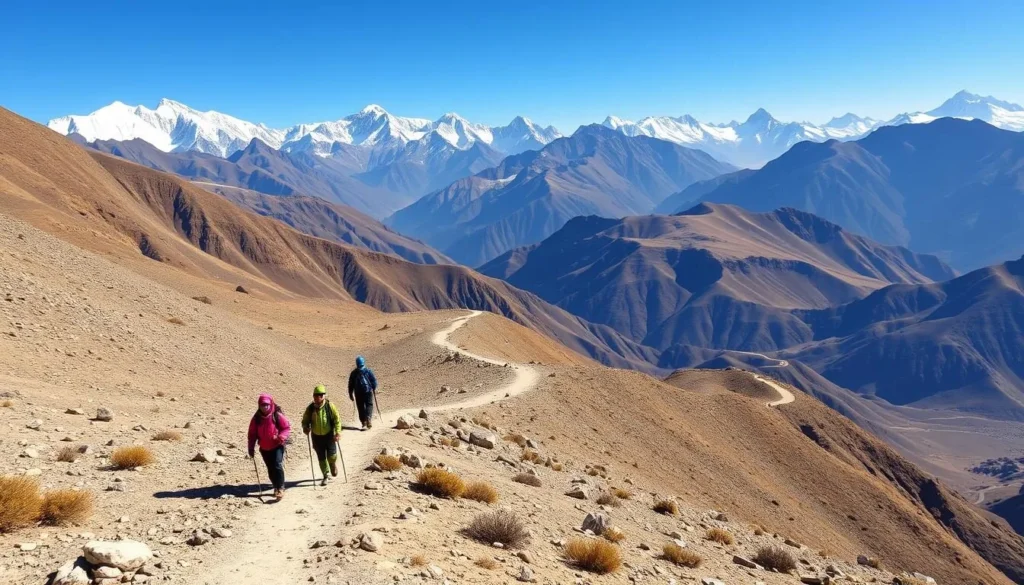
Trekking
Ladakh offers some of the most spectacular trekking routes in the world, ranging from easy day hikes to challenging multi-day expeditions. The best trekking season is from June to September when mountain passes are free of snow.
Markha Valley Trek
One of the most popular treks in Ladakh, taking you through traditional villages, high mountain passes, and stunning landscapes. Duration: 6-8 days. Difficulty: Moderate.
Chadar Trek
A unique winter trek on the frozen Zanskar River. Trekkers walk on the ice while surrounded by towering canyon walls. Duration: 8-9 days. Difficulty: Challenging. Season: January-February only.
Stok Kangri Trek
For experienced trekkers, this challenging route leads to the summit of Stok Kangri (6,153 m/20,187 ft). Duration: 9-10 days. Difficulty: Very challenging.
Water Adventures
River Rafting
The Zanskar and Indus rivers offer exciting rafting opportunities with rapids ranging from Grade I to IV. The most popular stretch is from Chilling to Nimmu on the Zanskar River, offering breathtaking views of the canyon. Season: June to August.
Kayaking
For experienced kayakers, Ladakh’s rivers provide a challenging and scenic playground. Equipment can be rented in Leh, and guided expeditions are available for various skill levels.
Mountain Biking
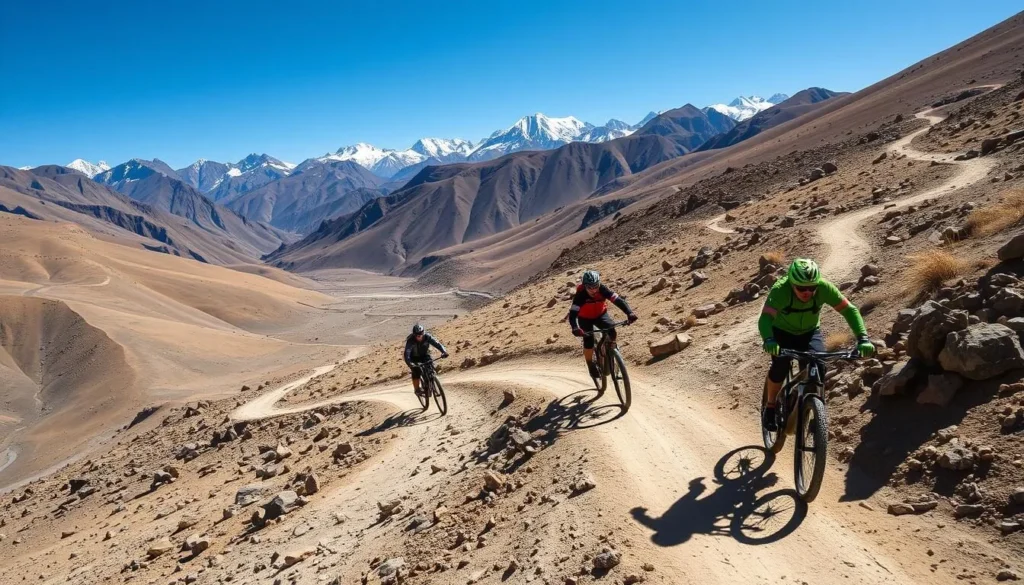
Ladakh’s high-altitude roads and passes offer thrilling mountain biking routes. The most popular is the Manali-Leh highway, but there are also shorter routes around Leh. Bikes can be rented in Leh, and several operators offer guided mountain biking tours.
Other Outdoor Activities
Camel Safaris
Ride double-humped Bactrian camels across the sand dunes of Nubra Valley, a unique experience that combines the desert landscape with views of snow-capped mountains.
Stargazing
Ladakh’s clear skies and minimal light pollution make it an ideal location for stargazing. Several camps and hotels offer telescope facilities and guided stargazing sessions.
Wildlife Spotting
Ladakh is home to rare species like the snow leopard, Tibetan wolf, and blue sheep. The Hemis National Park offers wildlife spotting opportunities, especially during winter months.
Adventure Tip: Always ensure you’re properly acclimatized before undertaking any strenuous activity in Ladakh. Even fit individuals can experience altitude sickness if they push too hard too soon.
Safety, Etiquette & Local Customs
Understanding local customs and being prepared for Ladakh’s unique challenges will enhance your experience and show respect for the local culture. The region’s high altitude and remote location require special considerations for a safe and enjoyable visit.
Altitude Sickness Prevention
Altitude sickness (Acute Mountain Sickness or AMS) is a serious concern in Ladakh due to the high elevation. Symptoms include headache, nausea, dizziness, and fatigue. Take these precautions:
- Spend at least 24-48 hours acclimatizing in Leh before any strenuous activity or traveling to higher altitudes
- Stay hydrated by drinking plenty of water (at least 3-4 liters daily)
- Avoid alcohol and smoking during the first few days
- Consider taking Diamox (acetazolamide) after consulting with your doctor
- Ascend gradually when visiting higher areas like Khardung La or Chang La passes
- If symptoms persist or worsen, descend to a lower altitude immediately and seek medical help
Medical Alert: Leh has limited medical facilities. The SNM Hospital in Leh can handle basic emergencies, but serious conditions may require evacuation to Delhi. Always carry travel insurance that covers high-altitude trekking and emergency evacuation.
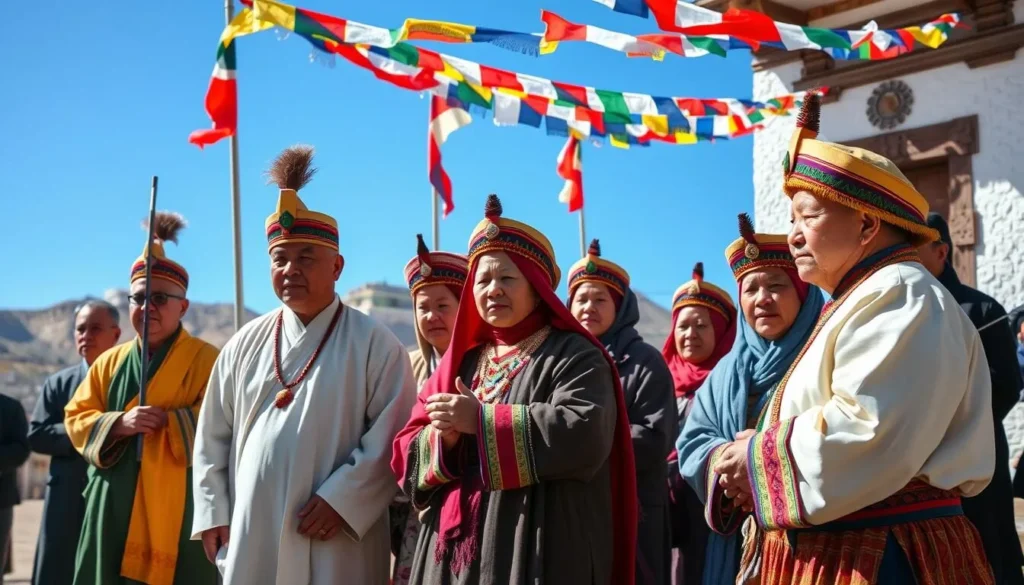
Cultural Etiquette
Monastery Etiquette
- Remove shoes before entering prayer halls
- Ask permission before taking photographs inside
- Speak softly and avoid touching religious artifacts
- Dress modestly (cover shoulders and knees)
- Walk clockwise around religious structures (stupas, mani walls)
- Don’t point feet toward altars or monks
General Customs
- Greet locals with “Julley” (hello/goodbye/thank you)
- Ask permission before photographing people
- Accept food and drink with both hands as a sign of respect
- Remove hat when greeting elderly people
- Public displays of affection are considered inappropriate
- Respect water sources; Ladakh is a water-scarce region
Responsible Tourism
Ladakh’s fragile ecosystem and traditional way of life face challenges from increasing tourism. Practice responsible tourism by:
- Using refillable water bottles and water purification methods instead of buying plastic bottles
- Carrying all non-biodegradable waste back to Leh for proper disposal
- Using eco-friendly accommodations that practice water conservation
- Supporting local businesses and homestays
- Respecting wildlife and maintaining distance from animals
- Using biodegradable toiletries and sunscreen
“Take nothing but pictures, leave nothing but footprints, kill nothing but time.”
Practical Travel Tips
These practical tips will help you navigate the unique challenges of traveling in Ladakh and ensure a smooth, enjoyable experience in this remote Himalayan region.
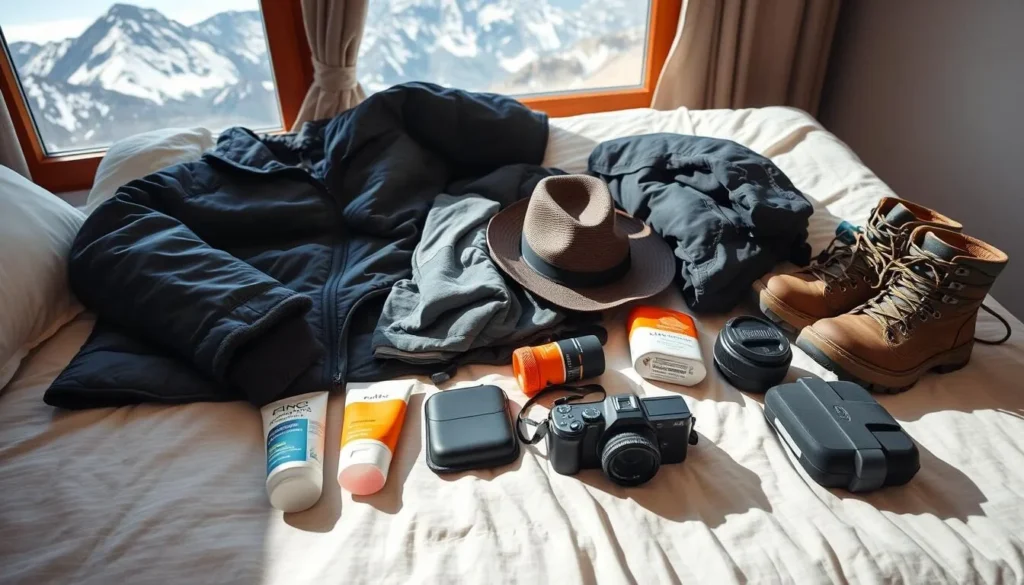
What to Pack
Clothing
- Layered clothing (temperatures vary dramatically)
- Warm jacket (even in summer for evenings)
- Thermal underwear (essential in spring/autumn/winter)
- Sun hat and sunglasses with UV protection
- Good walking shoes/hiking boots
- Gloves and warm hat (for high passes)
Health & Protection
- High SPF sunscreen (UV radiation is intense)
- Lip balm with sun protection
- Personal medications
- First aid kit with altitude sickness medication
- Moisturizer (the air is extremely dry)
- Wet wipes (water can be scarce)
Other Essentials
- Reusable water bottle with purification method
- Headlamp or flashlight (power outages are common)
- Power bank (for charging devices)
- Camera with extra batteries
- Small daypack for excursions
- Cash (ATMs are limited and often out of service)
Money Matters
- ATMs are available in Leh town but can be unreliable and often run out of cash
- Carry sufficient cash, especially when traveling to remote areas
- Credit cards are accepted at higher-end hotels and restaurants in Leh but rarely elsewhere
- Bargaining is expected in markets but should be done respectfully
- Tipping (10-15%) is appreciated for guides, drivers, and in restaurants
Connectivity
Internet and mobile connectivity in Ladakh is limited and often unreliable:
- BSNL and Airtel provide the best coverage in Leh and major towns
- Remote areas have little to no mobile connectivity
- Wi-Fi is available in most hotels and cafes in Leh but is typically slow
- Inform family and friends about your itinerary in advance, as you may be unreachable in remote areas
- Download offline maps, translation apps, and entertainment before your trip
Planning Tip: Most guesthouses and hotels in Leh can arrange permits, transportation, and guided tours. Often, booking these services locally is more economical than pre-booking online.
Health Considerations
- Consult your doctor before traveling to high altitudes, especially if you have heart or lung conditions
- Drink only bottled or purified water
- Be cautious with street food, especially if you’re not accustomed to it
- The sun is extremely strong – use sun protection even on cloudy days
- Carry a basic medical kit including pain relievers, bandages, and altitude sickness medication
Conclusion
Leh and the surrounding regions of Ladakh offer a travel experience unlike any other in the world. From ancient monasteries perched on rocky outcrops to the ever-changing blues of high-altitude lakes, from the warm hospitality of Ladakhi people to the stark beauty of the mountain desert landscape – this is a destination that touches the soul of every traveler.
The challenges of traveling in this remote Himalayan region – the thin air, the rugged terrain, the extreme temperatures – are more than compensated by the rewards: moments of profound peace in centuries-old monasteries, the thrill of crossing high mountain passes, and starlit nights of unimaginable clarity.
As you plan your journey to this “Land of High Passes,” remember that Ladakh moves at its own pace. Embrace the slower rhythm, take time to acclimatize, and allow yourself to be fully present in this extraordinary place where ancient traditions and breathtaking landscapes create memories that will last a lifetime.