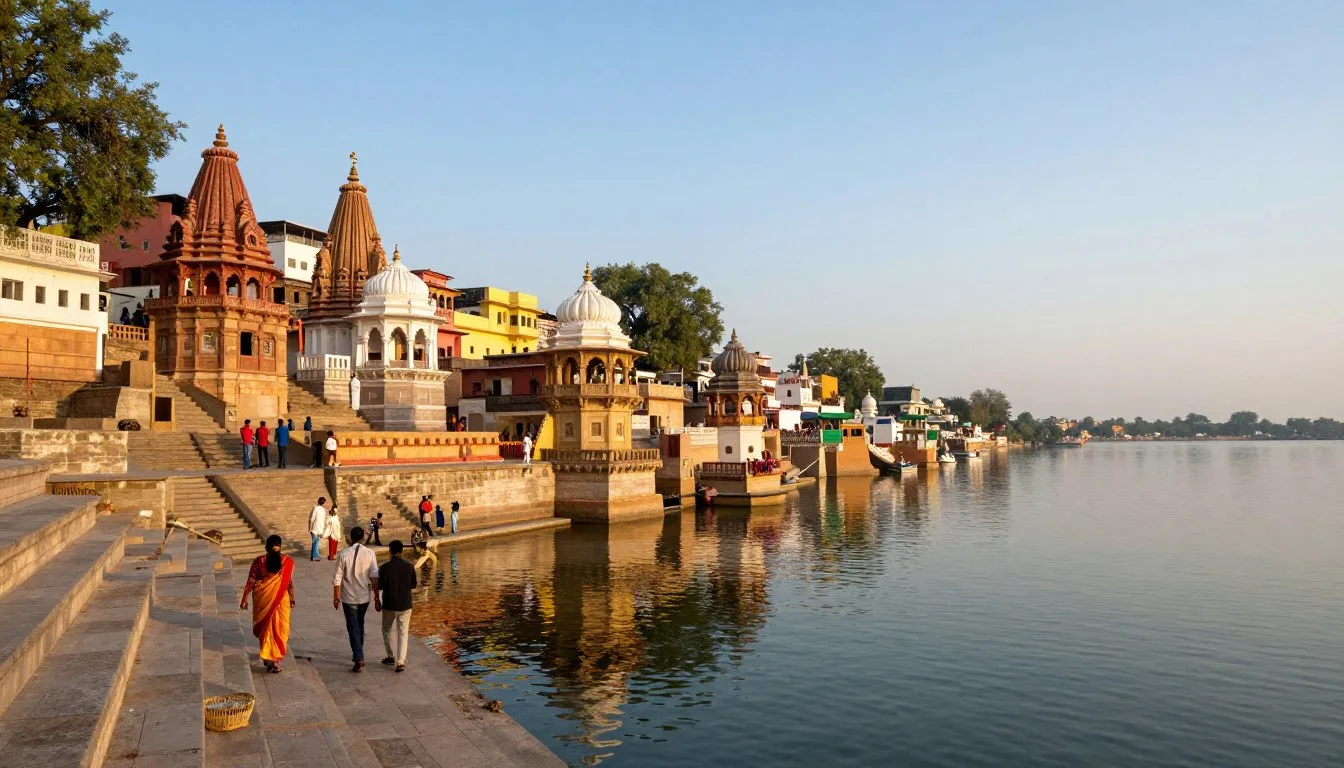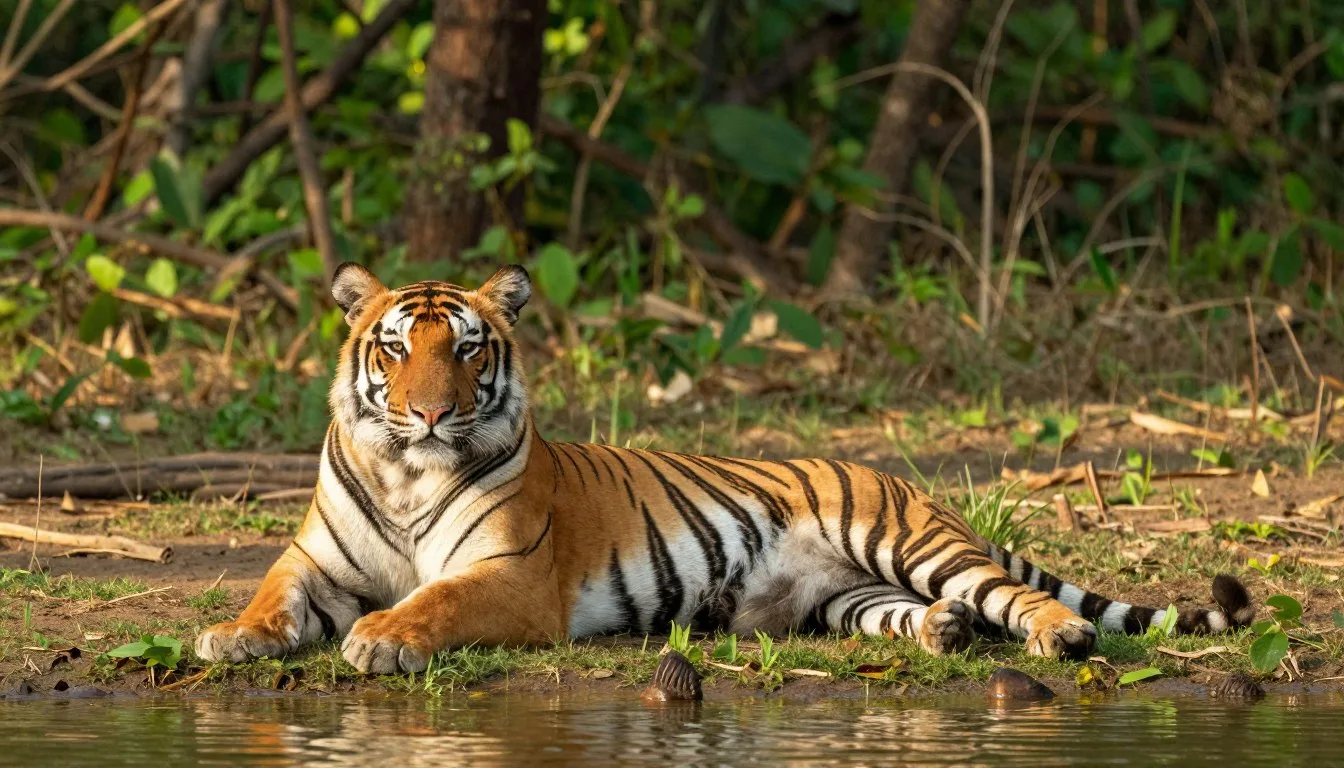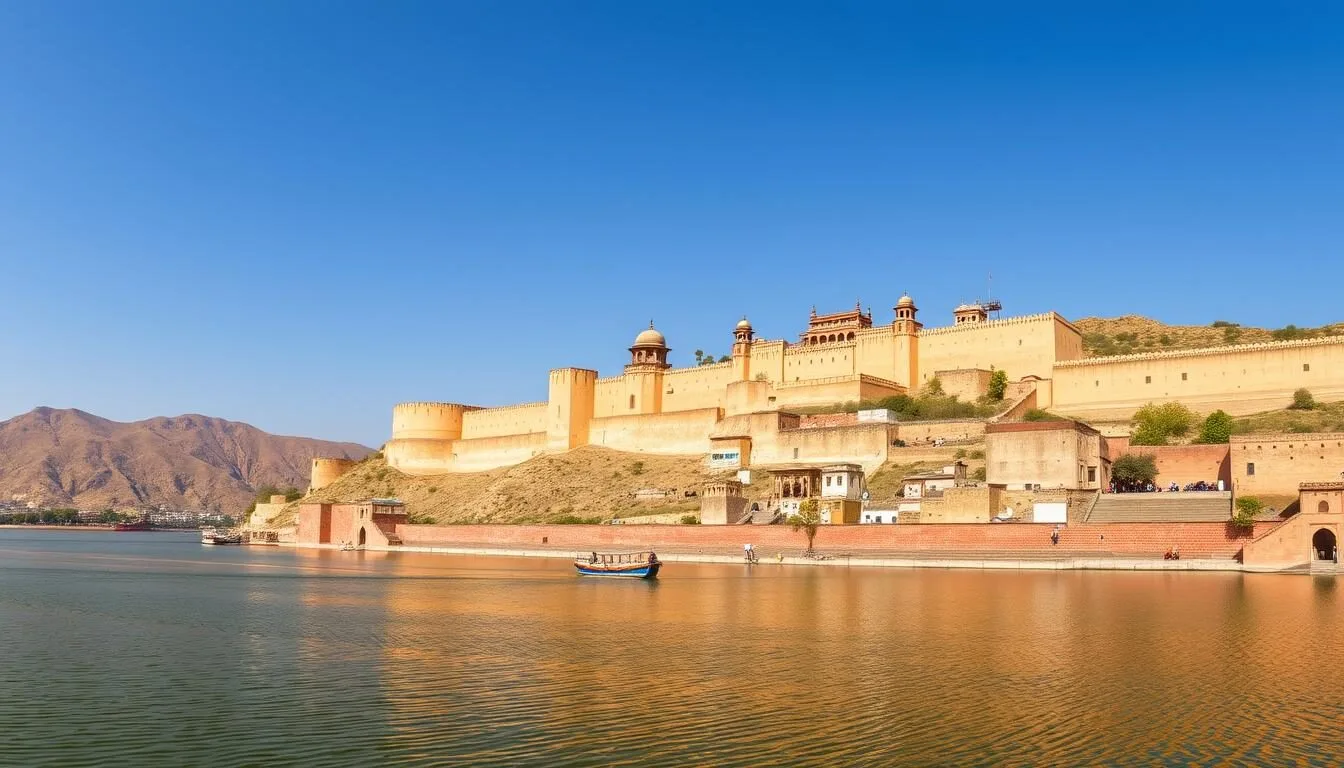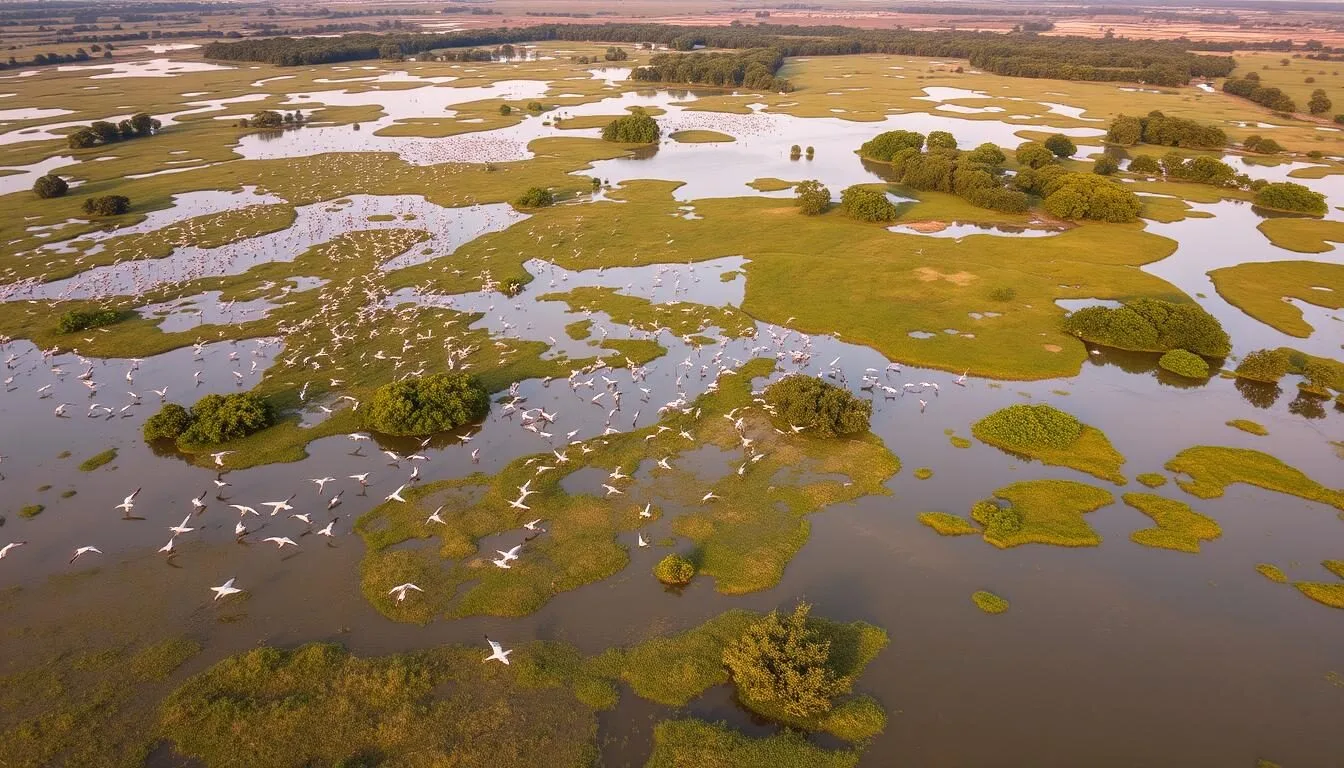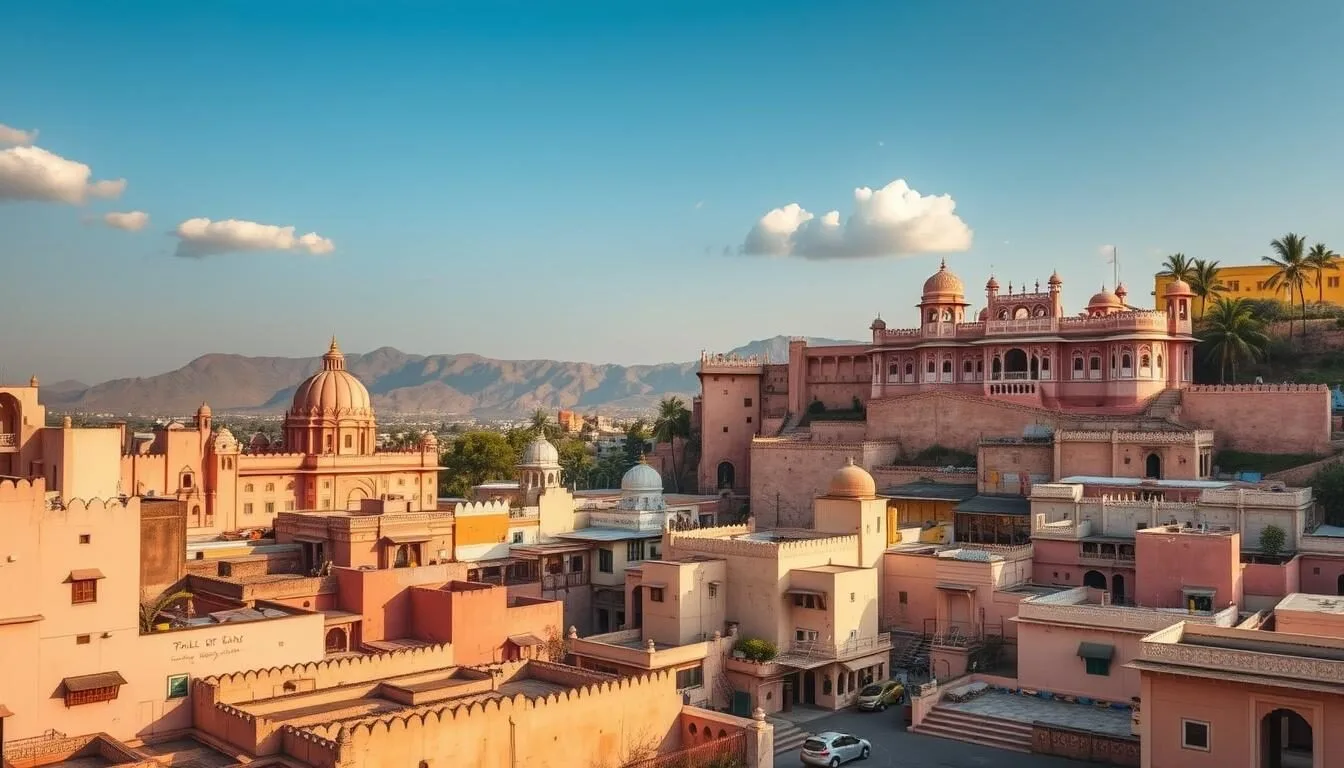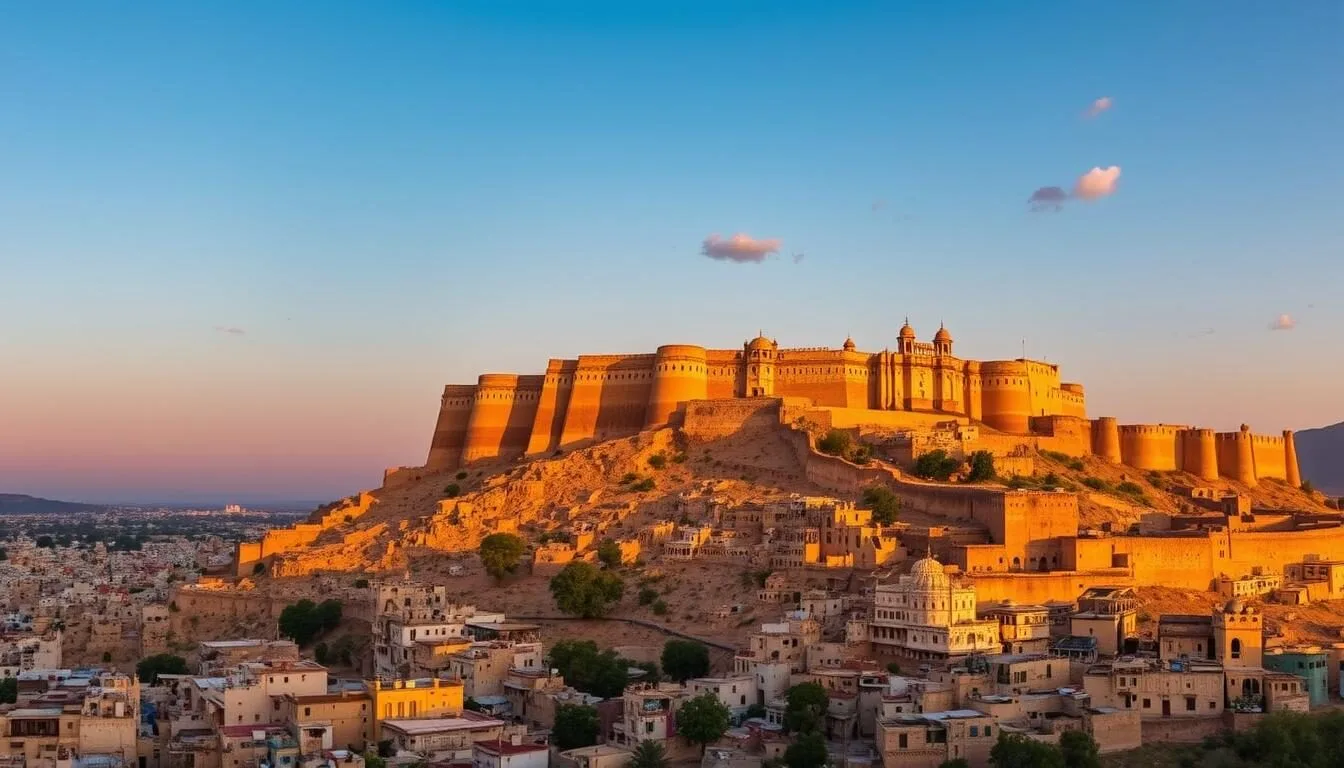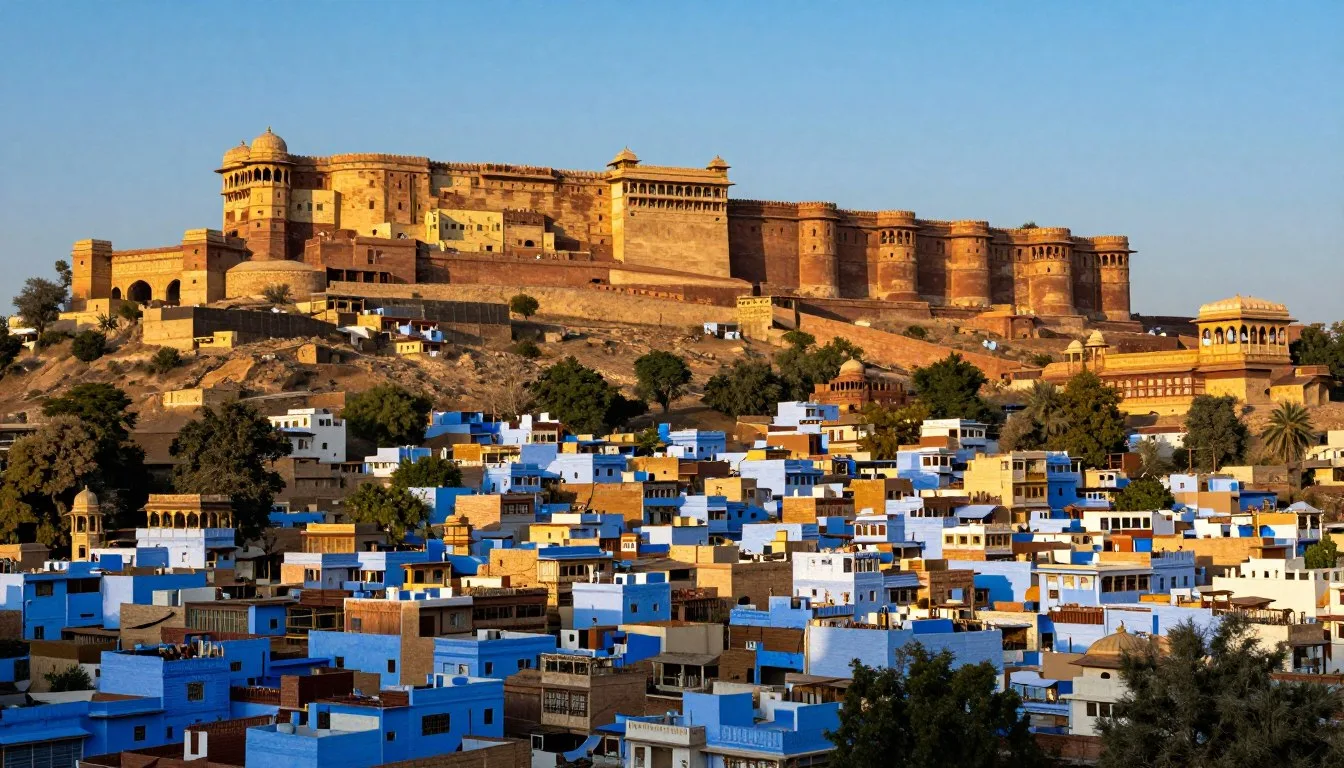
Over fifteen million travelers visit Rajasthan each year, yet most rush through Jodhpur in just one day. This ancient desert city deserves far more attention. The second largest city in Rajasthan holds secrets that reveal themselves slowly to patient explorers.
Jodhpur owes its name to Rao Jodha, the Rathore ruler who founded this city in 1459 AD. He chose a rocky outcrop in the Thar Desert to build what would become one of India’s most magnificent fortified cities.
The Blue City beckons with massive forts, intricate temples, and bustling markets. Ancient stepwells hide in quiet neighborhoods. Street food vendors serve dishes passed down through generations. Every corner tells a story of royal heritage and desert survival.
This comprehensive guide unlocks Jodhpur’s treasures. You will discover practical travel tips, hidden gems, and authentic experiences. From navigating the old city to finding the best viewpoints, this resource helps you plan an unforgettable journey through the heart of Rajasthan.
Getting There and Planning Your Journey
Jodhpur welcomes visitors through multiple transportation options. The city sits well connected to major Indian destinations. Planning your arrival route determines your first impressions of this desert gateway.
By Air
Jodhpur Airport serves as the primary air gateway. Located just 5 km (3 miles) from the city center, this domestic airport connects to major Indian cities. Direct flights operate from Delhi, Mumbai, Jaipur, and Bangalore.
The airport handles approximately 800,000 passengers annually. Flight frequency increases during peak tourist season from October through March. Booking flights two months in advance typically yields better prices.
Jaipur International Airport provides an alternative entry point. Located 335 km (208 miles) from Jodhpur, this larger airport offers more international connections. The drive from Jaipur takes approximately five hours through scenic Rajasthan countryside.
By Train
Jodhpur Junction stands as one of India’s busiest railway stations. Over 150 trains pass through daily, connecting the city to the entire Indian railway network. The station features impressive architecture worth photographing.
Major trains include the Mandore Express from Delhi and the Suryanagari Express from Mumbai. Sleeper class provides budget travel options. AC coaches offer comfortable overnight journeys. Book tickets at least one month ahead during peak season.
By Road
National Highway 62 connects Jodhpur to surrounding cities. State transport buses run regular services from Jaipur, Udaipur, and Jaisalmer. Private bus operators provide additional options with varying comfort levels.
Hiring a car with driver remains popular for flexible travel. The journey from Jaipur costs between 4,000 and 6,000 rupees for a full day. Roads maintain good condition throughout the year, though monsoon travel requires extra caution.
Travel Tip: Purchase a Rajasthan tourism pass if visiting multiple cities. This pass offers discounted entry to state monuments and museums across Rajasthan. Available at major railway stations and tourist offices.
Best Time to Visit and Weather Tips
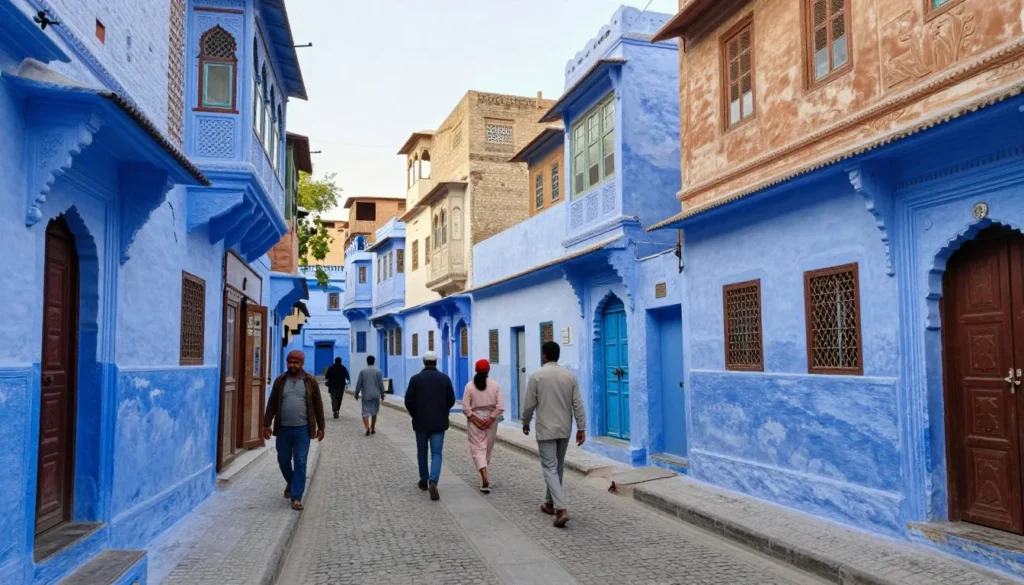
Desert climate shapes every Jodhpur experience. Temperature swings between seasons dramatically affect comfort levels. Understanding weather patterns helps you pack correctly and plan activities wisely.
Best Time to Visit Jodhpur
October through March offers ideal visiting conditions. Daytime temperatures range from 20°C to 28°C (68°F to 82°F). Nights turn pleasantly cool, perfect for rooftop dining and evening walks through markets.
November and February stand out as peak months. Clear skies guarantee stunning photographs of Mehrangarh Fort. Hotels fill quickly during this period, so advance bookings become essential.
Monsoon season runs from July through September. Rainfall remains light compared to other Indian regions. The desert landscape transforms briefly into green patches. Fewer tourists mean better hotel rates and quieter attractions.
Seasons to Avoid
April through June brings extreme heat. Temperatures soar above 45°C (113°F) regularly. Walking becomes uncomfortable after 10 AM. Most tourists avoid this period entirely.
May records the highest temperatures of the year. The city empties of visitors. While hotels slash prices by 50 percent, the heat makes sightseeing challenging. Air conditioning becomes necessary rather than optional.
Notable Annual Festivals
The Marwar Festival celebrates Rajasthani folk culture each October. Traditional music, dance performances, and camel parades fill the streets. The festival coincides with the full moon night, creating magical atmospheres around ancient monuments.
Contact Rajasthan Tourism at +91 141 511 0598 for exact festival dates. Programs change annually based on the lunar calendar. Book accommodations three months ahead during festival periods.
The Rajasthan International Folk Festival transforms Mehrangarh Fort each October. Musicians from around the world perform in courtyards and palaces. The five day event showcases incredible acoustics within fort chambers.
Diwali lights up Jodhpur spectacularly in October or November. The entire blue city glows with oil lamps and fireworks. Markets overflow with sweets and decorations. This remains one of India’s most photogenic celebrations.
The Nagaur Cattle Fair occurs each February in nearby Nagaur, just 135 km (84 miles) from Jodhpur. Over 70,000 animals trade hands. Traditional competitions, folk performances, and camel races entertain thousands of visitors.
Peak Season Benefits
- Pleasant weather for outdoor exploration
- All attractions and services fully operational
- Cultural festivals and events happening
- Best photography conditions
Off Season Advantages
- Hotel rates drop by 40 to 60 percent
- Fewer crowds at major monuments
- Authentic local interactions increase
- Easier restaurant reservations
Getting Around Locally
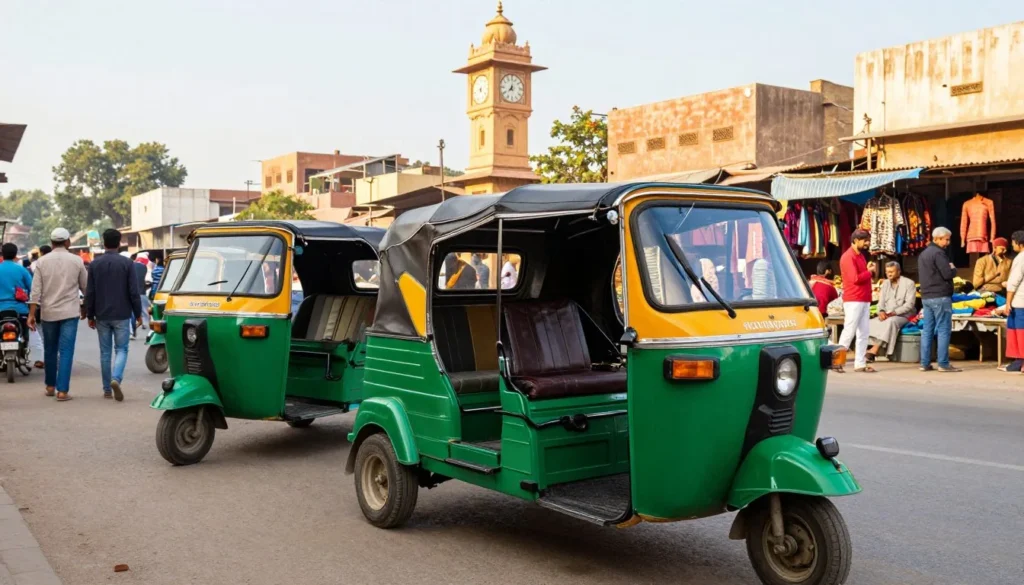
Navigating Jodhpur requires understanding available transport options. The old city features narrow lanes unsuitable for large vehicles. Modern areas offer wider roads and organized traffic patterns.
Auto Rickshaws
Auto rickshaws dominate local transport. These three wheeled vehicles zip through traffic efficiently. Fares start at 30 rupees for short distances. Always negotiate prices before starting your journey.
Smartphone apps like Ola and Uber operate in Jodhpur. App based rides remove haggling stress. Prices remain consistent and slightly lower than traditional rickshaw negotiations. Service quality improves with rated drivers.
Taxis and Car Rentals
Full day taxi hire costs between 1,500 and 2,500 rupees. This option suits travelers visiting multiple sites in one day. Drivers often speak basic English and know popular tourist routes well.
Self drive car rentals exist but require confidence navigating Indian traffic. International driving permits become mandatory. Local driving customs differ significantly from Western norms. Hiring a driver adds only 500 rupees daily and reduces stress considerably.
Walking the Old City
Walking remains the best way to explore Jodhpur’s historic center. The blue city reveals hidden temples, stepwells, and local life only visible on foot. Comfortable shoes prove essential on uneven cobblestone streets.
Morning walks before 9 AM offer cooler temperatures and softer light. Afternoons get hot, making walking uncomfortable from noon to 4 PM. Evening strolls capture golden hour photography and vibrant market activity.
Bicycle and Scooter Options
Several shops near the Clock Tower rent bicycles for 100 to 200 rupees daily. Cycling works well for flat areas but the old city’s hills challenge casual riders. Electric scooters provide easier hill climbing at 400 rupees per day.
Traffic congestion peaks between 9 AM and 11 AM, then again from 5 PM to 7 PM. Plan cycling trips outside these windows. Always wear helmets, though local enforcement remains minimal.
Where to Stay
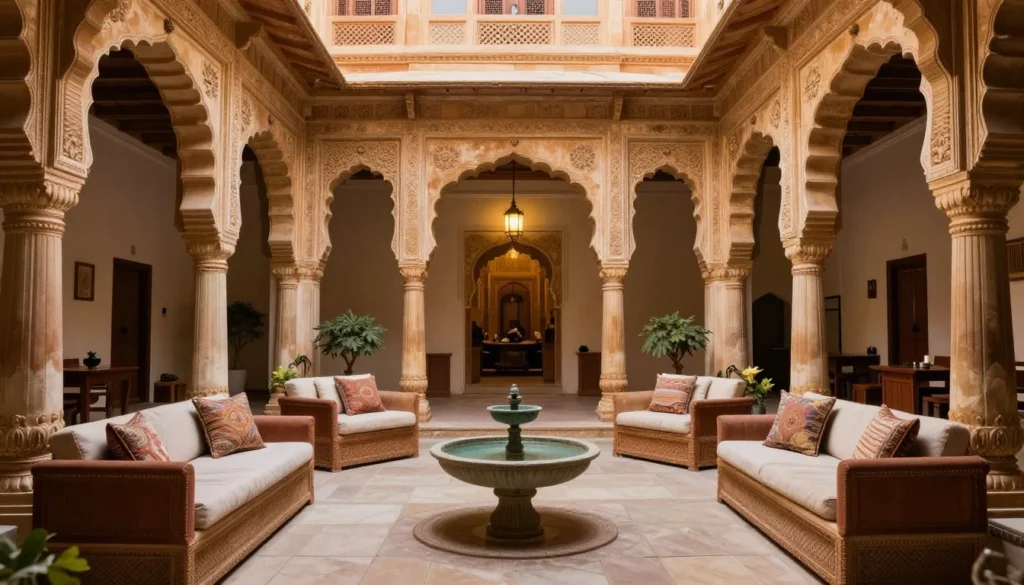
Jodhpur offers accommodation ranging from budget hostels to palace hotels. Location choices significantly impact your experience. The old city provides authentic atmosphere while new areas offer modern conveniences.
Heritage Hotels
Former palaces and mansions transformed into hotels showcase royal Rajasthani living. Umaid Bhawan Palace ranks among the world’s best palace hotels. Room rates start at 40,000 rupees per night. The palace museum and magnificent architecture justify splurging for special occasions.
Mid range heritage properties cluster around the old city. These converted havelis feature carved courtyards, antique furniture, and rooftop restaurants. Prices range from 3,000 to 8,000 rupees nightly. Many include breakfast and fort views.
Budget Accommodations
Backpacker hostels near Navchokiya offer dorm beds from 300 rupees. Private rooms start at 800 rupees. Most provide free wifi, breakfast, and travel advice. Social atmospheres help solo travelers meet others.
Guest houses in the blue city area charge 1,000 to 2,000 rupees for clean, simple rooms. Family run establishments often include home cooked meals. Staying with local families provides cultural insights beyond typical tourist experiences.
Modern Hotels
International hotel chains operate properties near the airport and railway station. Prices range from 4,000 to 12,000 rupees nightly. Facilities include swimming pools, gyms, and business centers. These suit travelers prioritizing comfort over character.
Location Considerations
Staying within walking distance of Mehrangarh Fort maximizes sightseeing time. The area around Gulab Sagar offers excellent access to markets and restaurants. Noise levels vary, so request quiet rooms if needed.
Properties near Umaid Bhawan Palace provide peaceful surroundings and green spaces. The trade off involves longer travel times to old city attractions. Taxis become necessary rather than optional.
Booking Tip: Reserve rooftop rooms for spectacular fort views. Many hotels charge the same rate regardless of view quality. Specifically request rooms facing Mehrangarh Fort when booking. Early morning sunrises over the fort create unforgettable moments.
Dining and Local Cuisine
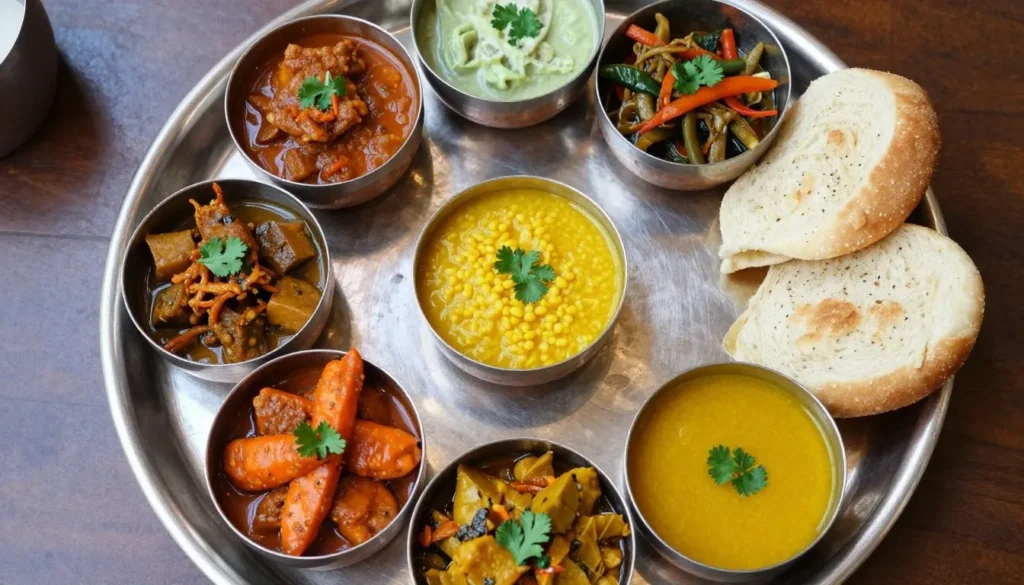
Jodhpur cuisine reflects desert ingredients and royal culinary traditions. Spice levels run high across most dishes. Vegetarian options dominate menus, though meat preparations showcase local specialties.
Must Try Dishes
Mirchi bada stands as Jodhpur’s signature street food. Large green chilies stuffed with spiced potato, then battered and deep fried. The snack pairs perfectly with sweet and tangy chutneys. Vendors near the Clock Tower serve the best versions.
Makhaniya lassi achieves legendary status among dairy lovers. This thick yogurt drink gets topped with generous amounts of saffron and cream. Shri Mishrilal Hotel has served this specialty since 1927. One glass costs just 60 rupees.
Pyaaz kachori delivers crispy pastry filled with spiced onion mixture. Best enjoyed fresh and hot during breakfast hours. Pair it with tangy tamarind chutney and green chili for authentic flavor combinations.
Gatte ki sabzi features gram flour dumplings in yogurt based curry. This Rajasthani staple appears in most traditional thali meals. The preparation method dates back centuries to times when fresh vegetables remained scarce in the desert.
Restaurant Recommendations
On The Rocks restaurant offers fort views alongside excellent food. Located near Gulab Sagar, this spot serves both Indian and continental cuisine. Reserve sunset tables two days ahead during peak season. Main courses range from 400 to 800 rupees.
Indique restaurant sits atop Pal Haveli. The rooftop location provides stunning Mehrangarh Fort panoramas. Traditional Rajasthani dishes receive modern presentations. Expect to spend 1,200 to 1,800 rupees per person including drinks.
Jhankar Choti Haveli serves authentic home style cooking. This family run establishment focuses on traditional recipes passed through generations. The intimate setting seats only twenty diners. Meals cost 600 to 1,000 rupees per person.
Street Food Areas
The Clock Tower area transforms into food heaven after sunset. Dozens of vendors sell snacks, sweets, and chai. Mawa kachori, samosas, and rabri stand out among offerings. Hygiene standards vary, so choose busy stalls with high turnover.
Sardar Market near the Clock Tower specializes in traditional sweets. Makhania lassi, rabri, and ghewar attract crowds daily. Prices remain incredibly affordable, with most items under 100 rupees. The area gets extremely crowded on weekends.
Dining Customs
Most restaurants open from 11 AM to 11 PM. Lunch service peaks between noon and 2 PM. Dinner crowds arrive after 8 PM. Making reservations helps during peak tourist season, especially for rooftop restaurants with limited seating.
Tipping customs suggest 10 percent for good service. Many establishments add service charges to bills automatically. Always check your receipt before adding extra tips. Cash payments remain preferred at smaller restaurants.
Attractions, Sightseeing and Activities
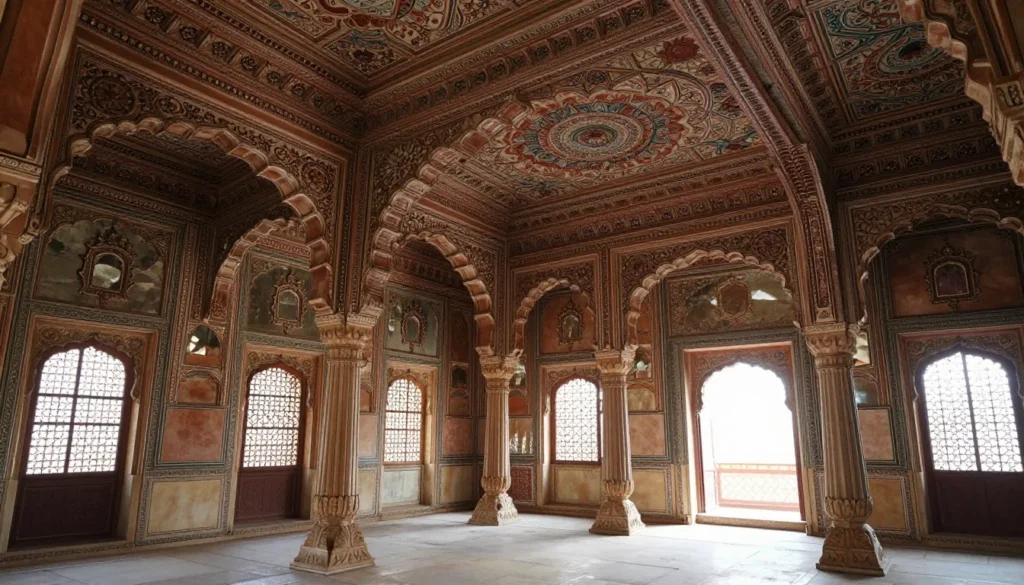
Jodhpur packs remarkable attractions into a compact area. Ancient forts dominate skylines while hidden stepwells surprise explorers. The city blends architectural grandeur with everyday local life seamlessly.
Mehrangarh Fort
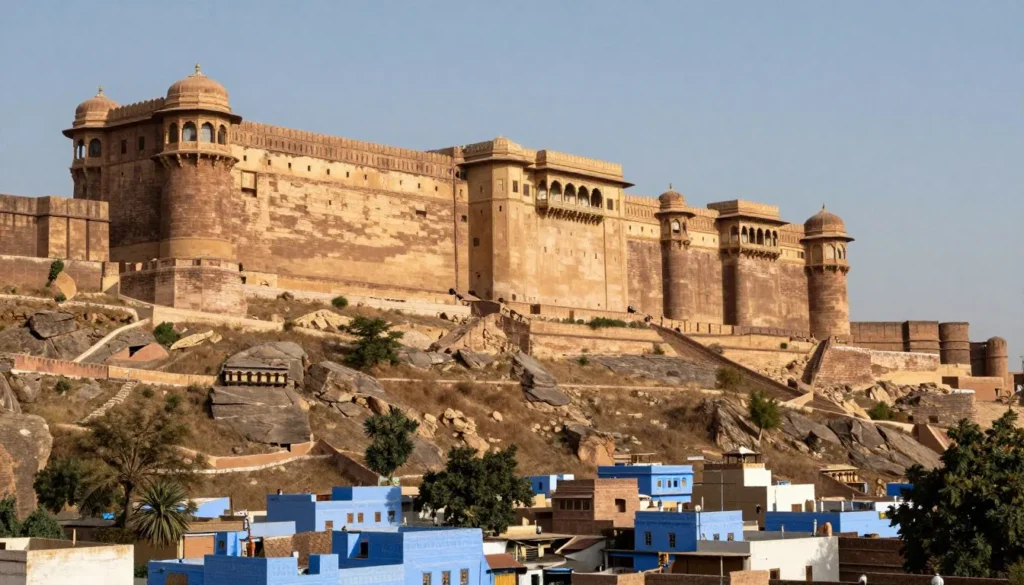
Mehrangarh Fort towers 122 m (400 feet) above the city. This massive structure ranks among India’s largest forts. Construction began in 1459 and continued for centuries. Thick walls rise up to 36 m (118 feet) high in places.
Seven gates mark the ascent to the fort. Jai Pol commemorates victory over Jaipur armies. Cannonball marks still visible on Loha Pol tell stories of historic battles. The climb takes approximately twenty minutes from the base.
The Mehrangarh Museum inside houses an extraordinary collection. Royal palanquins, weapons, paintings, and costumes fill elaborate palace rooms. Sheesh Mahal features intricate mirror work covering walls and ceilings. Phool Mahal showcases gold leaf decorations and period furnishings.
Audio guides cost 200 rupees and dramatically enhance understanding. The narration includes fascinating historical details and architectural explanations. Allow three to four hours minimum for thorough exploration.
Fort entry costs 600 rupees for foreigners, 100 rupees for Indian nationals. The ticket includes museum access and basic audio guide. Opening hours run from 9 AM to 5 PM daily. Visit early morning for cooler temperatures and better lighting.
Jaswant Thada
This white marble memorial sits just below Mehrangarh Fort. Built in 1899 for Maharaja Jaswant Singh II, the structure glows ethereally in sunlight. Intricate marble latticework creates delicate shadow patterns throughout the day.
Beautifully maintained gardens surround the main cenotaph. Small gazebos offer shaded resting spots with lake views. The peaceful atmosphere contrasts sharply with nearby fort crowds. Entry costs 50 rupees.
Umaid Bhawan Palace
One third of this massive palace operates as a luxury hotel. Another section houses a museum open to public visitors. The remaining portion serves as the royal family’s private residence.
Construction employed 3,000 workers over fifteen years during the 1930s. The palace contains 347 rooms, making it one of the world’s largest private residences. Art Deco interiors blend Western and Indian design elements beautifully.
The museum displays royal memorabilia, vintage cars, and historical photographs. Entry costs 100 rupees. Gardens surrounding the palace create pleasant walking areas. Photography restrictions apply inside museum sections.
Clock Tower and Sardar Market
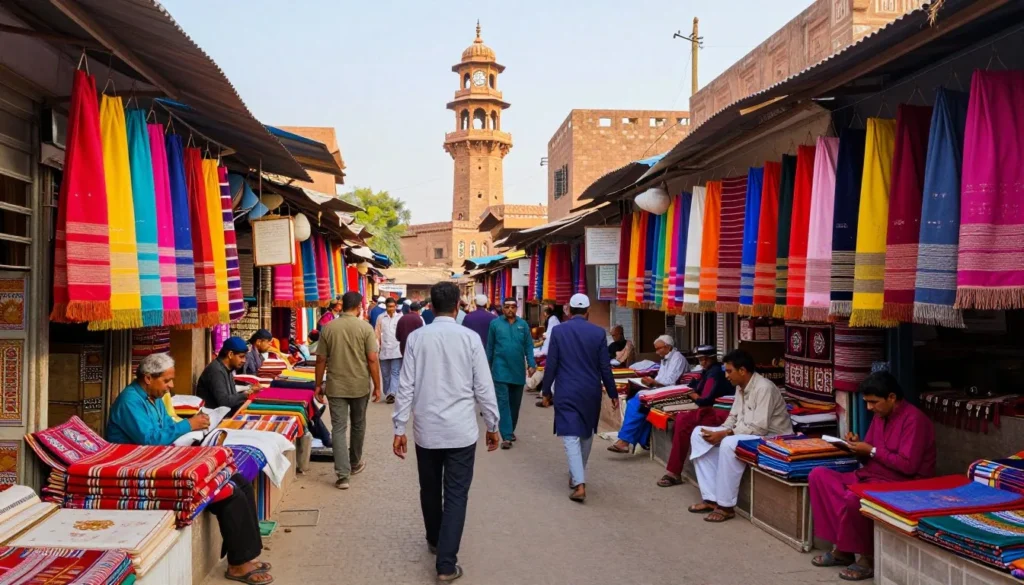
The Clock Tower marks Jodhpur’s commercial heart. Markets radiate outward in all directions from this central point. Built during the reign of Maharaja Sardar Singh, the tower serves as a useful navigation landmark.
Sardar Market offers an authentic shopping experience. Narrow lanes overflow with textiles, spices, handicrafts, and jewelry. Bargaining remains expected and enjoyable. Start negotiations at 40 percent of the quoted price.
Vegetable and spice markets operate from early morning. The sensory overload of colors, smells, and sounds captivates photographers. Late afternoon brings cooler temperatures and golden light perfect for street photography.
Toorji Ka Jhalra Stepwell
This restored stepwell dates back to the 1740s. Intricate carvings cover multiple levels descending to the water. The geometric patterns and symmetry create stunning visual compositions. The site offers incredible photo opportunities, especially during late afternoon.
Cafes now surround the stepwell, providing relaxation spots with views. The area has transformed from forgotten ruin to popular hangout. No entry fee applies. Visit early morning before tour groups arrive.
Rao Jodha Desert Rock Park
This restored ecological area spreads across 72 hectares (178 acres) at Mehrangarh Fort’s base. Native plants and walking trails showcase Thar Desert ecology. Over 200 plant species thrive in this protected zone.
Guided nature walks operate twice daily at 7 AM and 4 PM. The two hour tours cost 400 rupees including entry. Specialized bird watching walks attract photography enthusiasts. Sunset views from various points within the park rank among Jodhpur’s finest.
Museums, Cultural Spots and Festivals
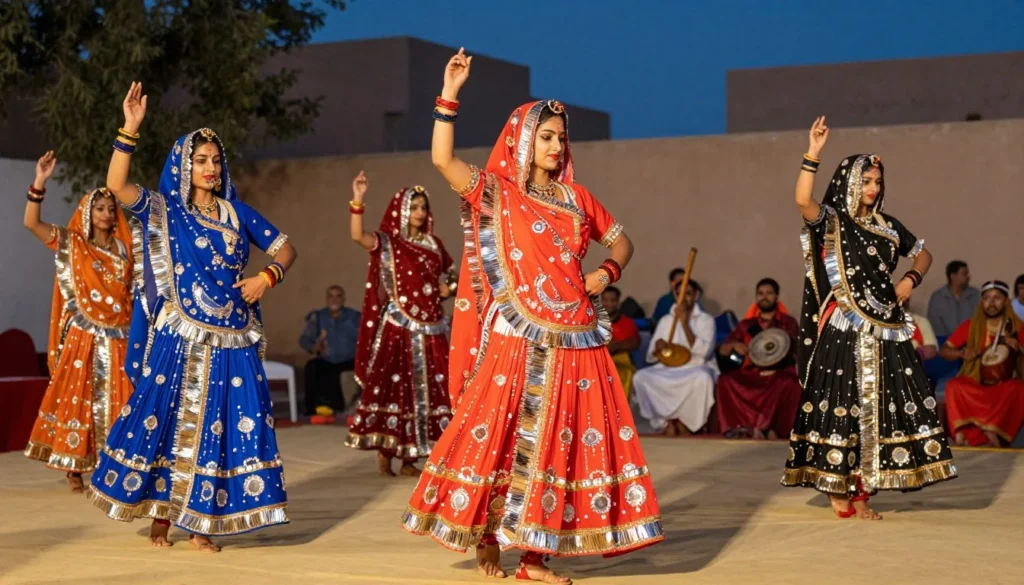
Jodhpur’s cultural scene extends far beyond monuments. Living traditions continue through music, dance, and festivals. Understanding local customs enriches every interaction.
Museums Worth Visiting
The Mehrangarh Museum Trust maintains the fort’s extensive collections. Separate galleries focus on arms, paintings, royal cradles, and costumes. The Turban Gallery displays over 400 different styles of traditional Rajasthani headwear.
Umaid Bhawan Palace Museum showcases Art Deco era luxury. Vintage Rolls Royce cars, hunting trophies, and period furniture fill exhibition rooms. The collection provides insights into royal lifestyle during British colonial times.
Government Museum near Umaid Public Gardens houses archaeological artifacts and local crafts. Entry costs just 20 rupees. The collection includes sculptures, paintings, and manuscripts dating back centuries. Opening hours run from 10 AM to 4:30 PM except Fridays.
Traditional Arts and Crafts
Jodhpur maintains strong textile traditions. Bandhani tie dye work achieves intricate patterns through skilled hand tying techniques. Workshops near Sojati Gate welcome visitors to observe craftspeople at work.
Traditional puppet makers cluster around the old city area. Kathputli puppets feature elaborate costumes and expressive faces. Many artisans sell directly from home workshops. Prices range from 500 to 5,000 rupees depending on size and detail.
Music and Dance Traditions
Folk music performances occur regularly at heritage hotels and cultural centers. The haunting melodies of traditional instruments like the kamaycha create atmospheric evenings. Many hotels arrange private performances for 2,000 to 5,000 rupees.
Kalbelia dance, a UNESCO recognized art form, originated among Rajasthan’s nomadic communities. Dancers wear traditional black skirts decorated with silver embroidery. The serpentine movements mesmerize audiences. Cultural shows at Mehrangarh Fort feature these performances during festivals.
Religious and Spiritual Sites
The region contains numerous important temples. Chamunda Mataji Temple sits within Mehrangarh Fort itself. Devotees climb hundreds of steps for darshan. The temple atmosphere buzzes with religious energy, especially during morning arati ceremonies.
Mandore Gardens house ancient temples and cenotaphs. Located 9 km (5.6 miles) north of Jodhpur, this former capital predates the current city. The Hall of Heroes features colorful painted statues of Rajasthani folk deities.
Temples and Spiritual Experiences
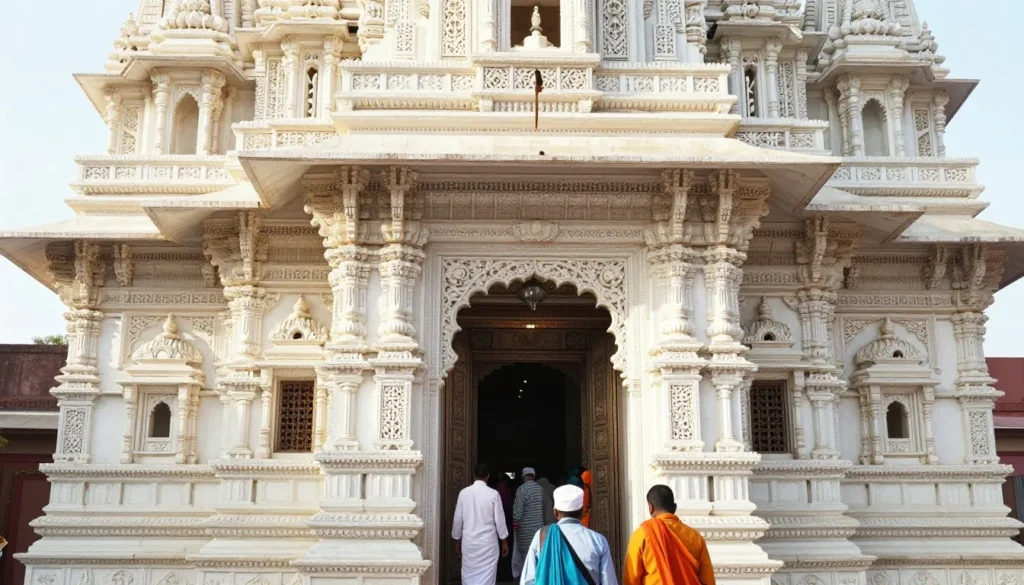
Jodhpur’s spiritual landscape includes temples representing multiple faiths. Ancient structures showcase remarkable craftsmanship. Modern temples continue building traditions using contemporary techniques.
Jain Temples
Jodhpur hosts several important Jain temples known for exceptional architecture. These sacred places welcome respectful visitors regardless of faith. Modest dress codes apply, requiring covered shoulders and knees.
The largest complex of Jain temples sits in Osian, 65 km (40 miles) from Jodhpur. Eight beautifully carved temples date from the 8th to 12th centuries. Intricate stone work covers every surface. The main Mahavira Temple features a stunning pillared hall.
Parshwanath Temple in the old city displays elaborate marble work. Morning arati ceremonies offer powerful spiritual experiences. Photographers should request permission before shooting. The temple remains open from 6 AM to 7 PM daily.
Hindu Temples
Chamunda Mataji Temple draws thousands of devotees weekly. Located inside Mehrangarh Fort, this temple honors the patron goddess of Jodhpur’s rulers. The climb involves steep steps but incredible fort views reward the effort.
Kaal Bhairav Temple near the Gate of Jalori attracts devotees seeking blessings. Legend states the deity protects the city from evil forces. The temple’s atmosphere becomes particularly charged during evening prayers.
Temple Etiquette
Remove shoes before entering any temple premises. Leather items including belts often require removal at Jain temples. Designated shoe storage areas charge small fees of 5 to 10 rupees.
Photography permissions vary by temple. Always ask before taking pictures. Some temples prohibit cameras entirely. Others allow exterior shots but ban interior photography. Respect these rules without argument.
Menstruating women may face entry restrictions at certain Hindu temples. This traditional practice continues despite modern debates. Plan temple visits accordingly to avoid awkward situations.
Spiritual Practices
Morning meditation sessions occur at various temples and spiritual centers. The Mehrangarh Fort rooftop offers unofficial sunrise yoga spots. Some heritage hotels organize morning sessions for guests.
Temple prasad consists of blessed food distributed after ceremonies. Accept offerings with right hand only. Eat a small portion to show respect even if not hungry. The gesture acknowledges the blessing being shared.
Nature and Outdoor Experiences
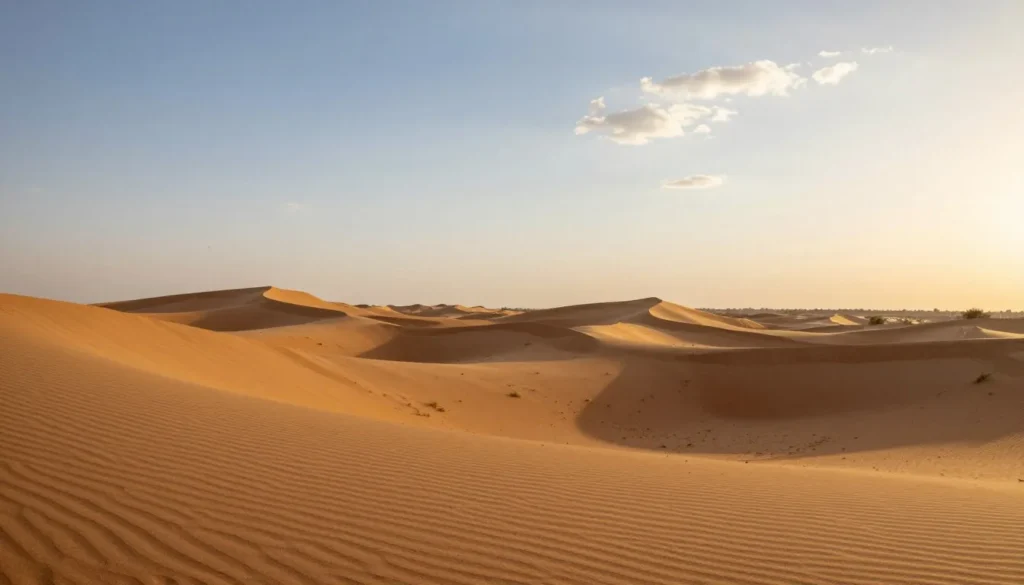
Desert surroundings shape Jodhpur’s natural experiences. The arid landscape supports surprising biodiversity. Several protected areas showcase regional ecology successfully.
Desert Adventures
Osian village provides the closest desert experience to Jodhpur. Sand dunes begin just beyond the ancient temples. Camel safaris range from one hour sunset rides to overnight desert camping. Prices start at 1,500 rupees for short trips.
Full day desert excursions include village visits, camel rides, and traditional meals. Most operators provide vegetarian Rajasthani food cooked over open fires. Expect to pay 3,500 to 5,000 rupees per person including transportation from Jodhpur.
Overnight desert camping creates magical experiences under star filled skies. Simple tent camps offer basic facilities. Luxury desert resorts provide comfortable beds and attached bathrooms. Prices range from 4,000 to 15,000 rupees per night.
Kaylana Lake
This artificial lake covers 84 hectares (207 acres) west of Jodhpur. Built in 1872, the reservoir serves as a popular sunset viewing spot. Local families picnic along the shores during cooler months.
Migratory birds visit the lake from November through February. Species include Siberian cranes, flamingos, and various ducks. The area attracts serious bird watchers during peak migration periods.
Boating facilities operate during tourist season. Paddle boats rent for 100 rupees per thirty minutes. The lake appears most scenic during late afternoon when soft light enhances surroundings. Monsoon rains dramatically increase water levels.
Balsamand Lake
Located 5 km (3 miles) from the city center, this lake dates to 1159 AD. Lush gardens surround the water body spanning 100 hectares (247 acres). The former summer palace now operates as a heritage hotel.
Peacocks roam freely through the gardens. Early morning visits offer the best wildlife viewing opportunities. The peaceful setting provides relief from city noise and heat.
Desert Rock Park
Rao Jodha Desert Rock Park demonstrates successful ecological restoration. Previously degraded land now supports thriving native plant communities. Over 80 plant species documented include several rare varieties.
Walking trails wind through volcanic rock formations. Information boards explain local geology and ecology. The park serves as an outdoor classroom for understanding desert adaptation strategies.
Professional photographers frequent the park during golden hours. Rocky outcrops create dramatic foregrounds for fort photographs. Sunset shoots from specific viewpoints yield spectacular results.
Desert Safety: Desert temperatures drop significantly after sunset. Bring warm layers for evening activities. Dehydration happens quickly in dry desert air. Drink water frequently even when not feeling thirsty. Sun protection including hats and high SPF sunscreen becomes essential for outdoor activities.
Travel With Children
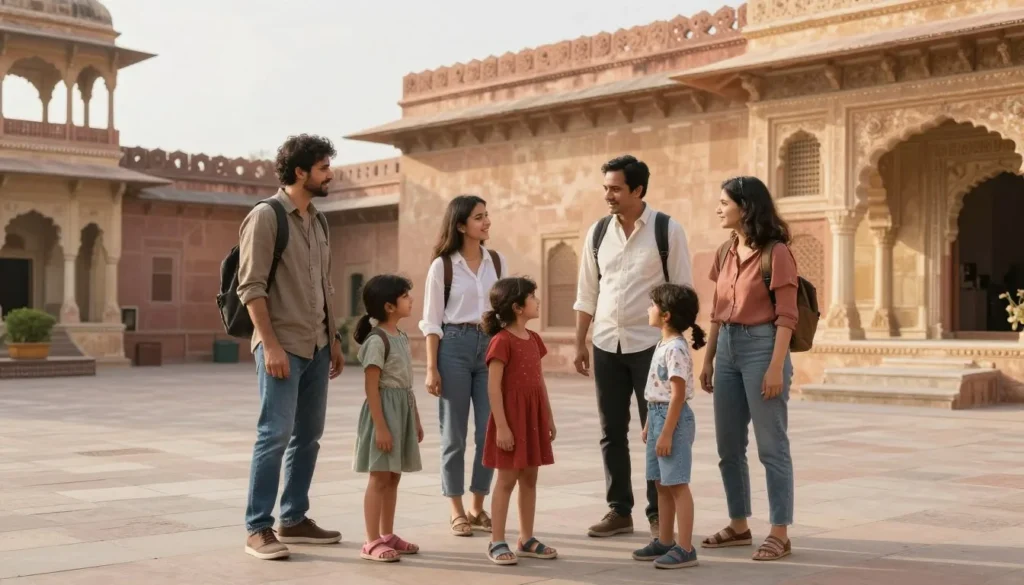
Jodhpur welcomes families with children warmly. Many attractions suit young travelers well. Planning around heat and walking distances ensures comfortable family experiences.
Child Friendly Attractions
Mehrangarh Fort fascinates children with its massive size and historic artifacts. The audio guide stories capture young imaginations. Allow frequent rest breaks as the fort involves considerable walking. The museum sections stay cooler than open courtyards.
Flying Fox zip lining across Mehrangarh Fort thrills older children and teens. Six zip lines span 400 m (1,312 feet) total distance. Minimum age restrictions apply at 10 years old. The experience costs 1,500 rupees per person. Advance booking proves essential during peak season.
Umaid Bhawan Palace gardens provide open spaces for children to run safely. The museum’s vintage car collection particularly interests young boys. The palace maintains a playground area for hotel guests, though public visitors may access gardens.
Practical Considerations
Stroller navigation proves difficult through the old city’s narrow lanes and steps. Baby carriers work far better for young children. Many restaurants and shops lack changing facilities. Carrying necessary supplies becomes important.
Most restaurants happily accommodate children with plain rice, dal, and bread. Street food hygiene varies considerably. Stick to busy vendors with obvious high turnover. Avoid raw salads and pre cut fruits from street stalls.
Educational Opportunities
Jodhpur’s living history creates natural learning moments. Children grasp concepts of desert adaptation, historic battles, and royal life through direct observation. The city serves as an engaging outdoor classroom.
Craft workshops allow children to try traditional techniques. Several shops near the Clock Tower offer short demonstrations of block printing, puppet making, or jewelry crafting. These hands on activities create lasting memories.
Timing Activities
Schedule outdoor sightseeing during cooler morning hours before 11 AM. Return to air conditioned accommodations during peak afternoon heat. Resume activities after 4 PM when temperatures moderate.
Children tire more quickly in heat than adults. Plan one major activity per day rather than packing schedules tightly. Build in rest time and swimming pool access at your accommodation.
Money Saving Tips
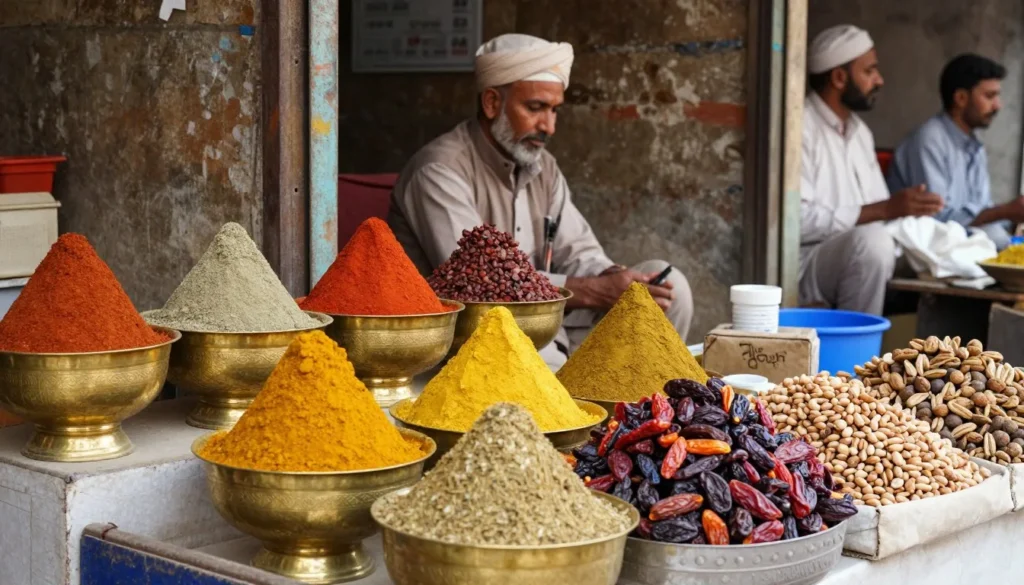
Budget conscious travelers find excellent value in Jodhpur. Strategic planning dramatically reduces costs without sacrificing experiences. Several free or low cost options provide authentic cultural immersion.
Free Attractions
Walking the blue city costs nothing and offers unforgettable experiences. Getting lost in narrow lanes reveals hidden temples, stepwells, and local life. Sunrise photography sessions from various viewpoints require only time investment.
The Clock Tower area provides free entertainment through its constant activity. Watch craftspeople work, observe market transactions, and absorb the vibrant atmosphere. Evening chai at roadside stalls costs 10 rupees and includes people watching opportunities.
Toorji Ka Jhalra stepwell charges no entry fee. The restored structure looks spectacular at any time of day. Surrounding cafes allow nursing one drink for hours while enjoying the view.
Accommodation Savings
Booking directly with hotels often yields better rates than online platforms. Call properties and negotiate prices, especially during low season. Many family run guest houses reduce rates for longer stays beyond three nights.
Dormitory beds in backpacker hostels cost 300 to 500 rupees nightly. These budget options include free breakfast, wifi, and travel advice. The social atmosphere helps solo travelers connect with others for shared transport costs.
Food on a Budget
Street food provides excellent value and authentic flavors. A filling meal of kachori, samosa, and chai costs under 100 rupees. Thali restaurants serve unlimited traditional meals for 150 to 250 rupees.
Local dhabas frequented by residents offer better value than tourist focused restaurants. Point to what others eat if unsure about ordering. The food tastes authentic and prices remain honest.
Shopping at local markets rather than touristy areas cuts grocery costs significantly. Bottled water costs 20 rupees at markets versus 50 rupees near monuments. Fruits, snacks, and drinks always cost less away from main tourist zones.
Transport Savings
Sharing auto rickshaws with other travelers heading the same direction halves costs. Staying within walking distance of major attractions eliminates most transport expenses. Renting bicycles for 100 rupees daily provides cheap, flexible mobility.
City buses run frequently and cost just 10 to 20 rupees per ride. Routes connect all major areas though schedules remain somewhat unpredictable. Ask locals which bus number serves your destination.
Smart Shopping
Markets away from tourist areas charge local prices. Nehru Bazaar and Tripolia Bazaar offer similar products at 30 to 50 percent less than shops near the Clock Tower. Bargaining remains expected everywhere except fixed price government emporiums.
Rajasthan government emporiums guarantee quality and fair fixed prices. Compare prices here before shopping elsewhere. This establishes baseline values for bargaining at other shops.
Daily Budget Breakdown
- Budget traveler: 1,200 to 1,800 rupees per day
- Mid range traveler: 3,000 to 5,000 rupees per day
- Luxury traveler: 10,000+ rupees per day
- Includes accommodation, food, transport, and entry fees
Cost Cutting Strategies
- Visit during shoulder season for lower hotel rates
- Eat where locals eat for authentic prices
- Walk instead of taking auto rickshaws
- Buy snacks and water from local markets
Safety and Local Customs
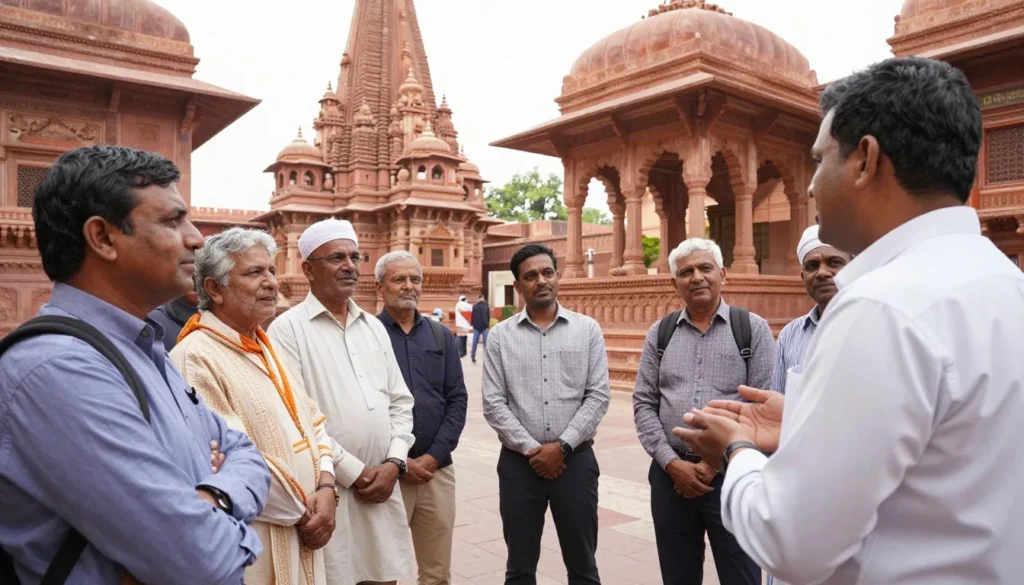
Jodhpur ranks among India’s safer cities for tourists. Understanding local customs prevents awkward situations. Common sense precautions keep travelers secure while respecting cultural norms.
General Safety
Violent crime targeting tourists remains extremely rare. Petty theft including pickpocketing occurs occasionally in crowded markets. Keep valuables secured in front pockets or bags held firmly. Expensive jewelry attracts unnecessary attention.
Solo female travelers should exercise normal urban caution. Dress modestly to avoid unwanted attention. Avoid isolated areas after dark. Many women travelers report feeling comfortable walking during daytime hours throughout the old city.
Transportation scams sometimes target newcomers. Agree on auto rickshaw fares before starting trips. Some drivers claim hotels are closed to redirect business to commission paying establishments. Ignore such claims and insist on your chosen destination.
Health Precautions
Drink only bottled or purified water throughout your stay. Avoid ice in drinks unless certain of water source. Brush teeth using bottled water rather than tap water.
Street food poses some risk to sensitive stomachs. Choose vendors with obvious high customer turnover. Food sitting out for hours breeds bacteria. Hot, freshly prepared items carry less risk than room temperature foods.
Heat exhaustion affects unprepared visitors regularly. Symptoms include dizziness, headaches, and nausea. Stay hydrated constantly. Rest during peak afternoon heat. Seek shade frequently when outdoors.
Cultural Sensitivity
Dress modestly, especially when visiting religious sites. Men should wear long pants rather than shorts. Women should cover shoulders and knees minimally. Loose fitting cotton clothing provides comfort in heat while respecting local norms.
Public displays of affection make locals uncomfortable. Hold hands discreetly if necessary but avoid kissing or embracing publicly. Married couples face fewer issues than unmarried pairs, though discretion remains advisable for all.
Photography etiquette requires asking permission before photographing people. Many locals happily pose after being asked politely. Others prefer privacy. Respect refusals graciously without argument.
Religious Customs
Remove shoes before entering temples, mosques, and some heritage sites. Left hands remain culturally considered unclean. Use right hands for eating, greeting, and giving or receiving items.
Pointing feet toward religious images or people causes offense. Sit cross legged or with feet tucked underneath when seated on floors. This prevents accidental disrespect.
Some temples restrict entry during menstruation periods. This traditional practice continues despite modern debates. Women should plan temple visits accordingly or inquire discreetly about specific temple policies.
Emergency Contacts
Tourist police operate a helpline at 1363 for visitor assistance. English speaking operators handle complaints and provide guidance. Police stations exist throughout the city with varying English proficiency levels.
Mahatma Gandhi Hospital provides emergency medical services. Located on Residency Road, the facility offers 24 hour care. Private hospitals like Medipulse Hospital maintain higher standards for serious issues.
Keep your embassy contact information readily available. US citizens can contact the Consular Agency in Jaipur at +91 141 222 0733. UK citizens reach the Mumbai Consulate at +91 22 6650 2222.
Visitor Comments About Jodhpur
O.W., Yeovil: “Jodhpur exceeded every expectation. The blue city looks even more magical in person than in photographs. Mehrangarh Fort absolutely dominates the skyline in the most spectacular way. We spent three days exploring and still felt we barely scratched the surface. The food scene particularly impressed us, from street vendors to rooftop restaurants. Local people showed genuine warmth and helpfulness throughout our visit. The desert landscape surrounding the city creates an otherworldly atmosphere unlike anywhere else we have traveled.”
R.V., Middletown: “Walking through the old city feels like stepping back in time. Every turn revealed another stunning view or hidden temple. The Clock Tower market area buzzed with energy and authentic local life. We appreciated how tourist infrastructure existed without overwhelming the genuine character of the place. Staying in a heritage haveli made the experience even more special. The rooftop breakfast views of the fort became the highlight of each morning. Heat during our April visit proved challenging, but early morning exploration worked perfectly.”
G.T., Shiraz: “Jodhpur represents everything we hoped to find in Rajasthan. The architecture ranges from massive fort walls to delicate marble temples. We discovered incredible stepwells almost by accident while wandering narrow lanes. The cultural performances at our hotel showcased traditional music and dance beautifully. Shopping in local markets required bargaining skills but yielded beautiful textiles and crafts. Three days felt adequate to see major sites while still having time to simply absorb the atmosphere. The city deserves more than a quick stopover between other destinations.”
Additional Nearby Destinations
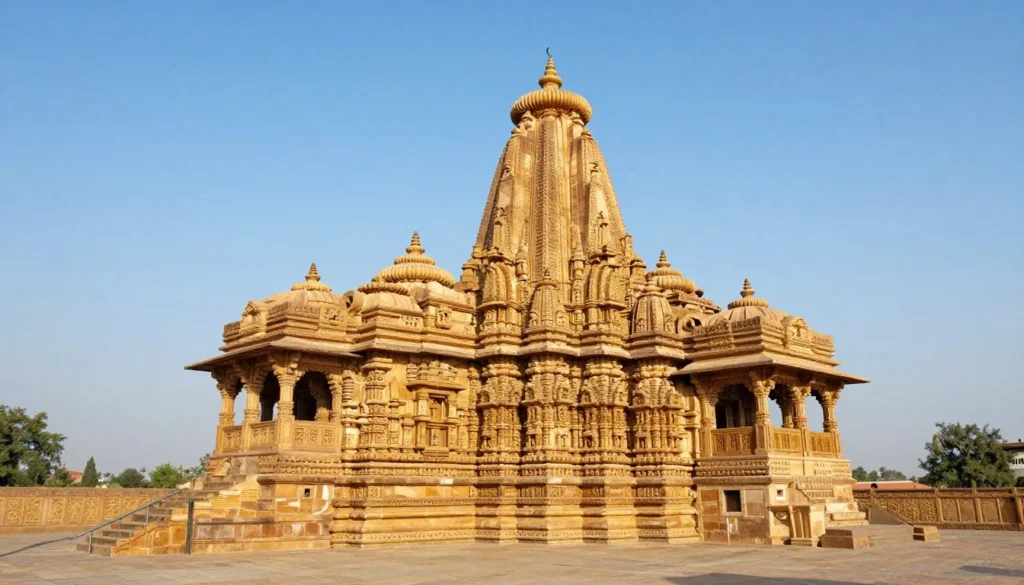
Jodhpur serves as an excellent base for exploring surrounding regions. Several remarkable destinations lie within day trip distance. Combining multiple cities creates comprehensive Rajasthan experiences.
Osian Desert Town
Located 65 km (40 miles) north of Jodhpur, Osian houses ancient temples and desert landscapes. The town contains eight beautifully preserved Jain temples and several Hindu temples. Architecture dates from the 8th to 12th centuries.
Mahavira Temple showcases the finest sculptural work. Intricate carvings cover every pillar and wall surface. The complex includes several smaller shrines worth exploring. Entry remains free though donations support maintenance.
Osian marks where serious sand dunes begin. Camel safaris depart directly from the temple area. The journey takes about ninety minutes by car from Jodhpur. Combined temple visits and desert experiences create fulfilling day trips.
Jaisalmer Golden City
Jaisalmer sits 285 km (177 miles) west of Jodhpur. This desert fortress city features yellow sandstone architecture glowing golden in sunlight. The living fort contains shops, hotels, and residential areas within ancient walls.
The drive takes approximately five hours through stark desert landscape. Overnight stays allow exploration of the fort, havelis, and desert camps. Combined Jodhpur Jaisalmer itineraries remain popular among travelers.
Udaipur Lake City
Udaipur lies 254 km (158 miles) south of Jodhpur. Known as the City of Lakes, this romantic destination features elaborate palaces and scenic water bodies. Lake Pichola and its island palaces create postcard perfect scenes.
The six hour drive passes through Aravalli mountain ranges. The landscape changes from desert to greener, hillier terrain. Many travelers visit both cities during Rajasthan tours. Three to four days in each location provides adequate time.
Pushkar Holy City
Pushkar sits 190 km (118 miles) east of Jodhpur. This sacred Hindu pilgrimage town surrounds a holy lake. Over 400 temples dot the small area. The town maintains a peaceful, spiritual atmosphere distinct from larger cities.
Pushkar Camel Fair transforms the town each November. This massive event draws hundreds of thousands of visitors. Booking accommodations requires planning six months ahead during the fair period.
Bikaner Camel City
Bikaner lies 251 km (156 miles) north of Jodhpur. This less visited city features impressive forts and the famous Karni Mata Rat Temple. Junagarh Fort rivals Mehrangarh in architectural splendor.
The city produces excellent handicrafts and sweets. Bikaneri bhujia enjoys fame throughout India. The camel breeding farm attracts animal lovers. The five hour drive makes day trips possible though overnight stays allow deeper exploration.
Practical Travel Tips
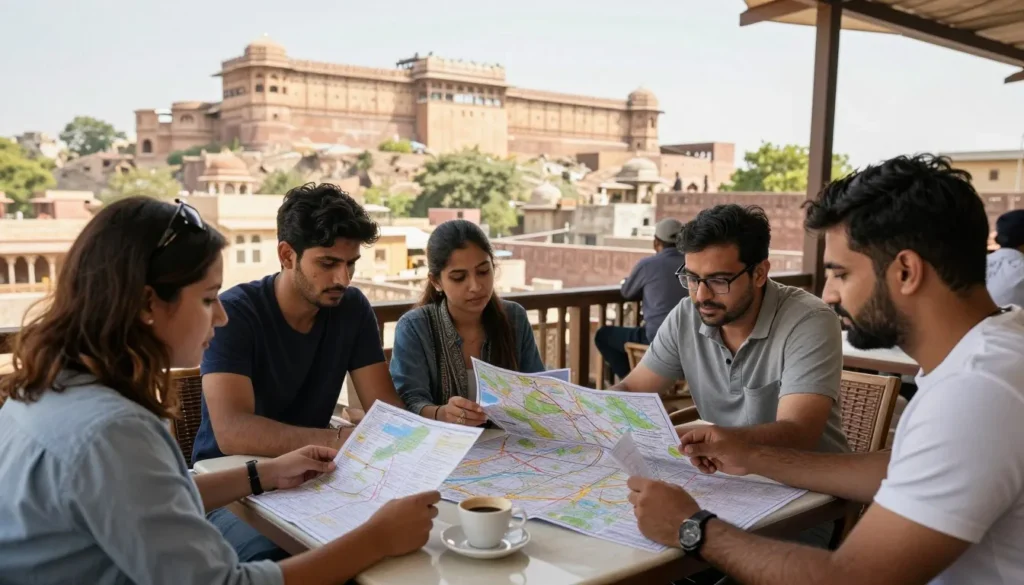
Successful Jodhpur trips require preparation and local knowledge. These practical tips smooth common challenges. Understanding local systems prevents frustration and saves time.
Money Matters
ATMs cluster around the Clock Tower and railway station areas. Most accept international cards. Daily withdrawal limits typically cap at 10,000 to 20,000 rupees. Small denomination notes prove most useful for daily transactions.
Credit cards work at hotels, upscale restaurants, and some shops. Many establishments add 2 to 3 percent surcharges for card payments. Cash remains king for street food, auto rickshaws, and small purchases.
Exchange rates at hotels typically offer poor value. Authorized money changers near tourist areas provide better rates. Always count money carefully before leaving exchange counters. Keep receipts for reconverting unused rupees.
Communication
Indian SIM cards provide affordable mobile data and calling. Airtel, Jio, and Vodafone maintain good coverage in Jodhpur. Tourist SIM cards require passport copies and photographs. The activation process takes 24 to 48 hours.
Most cafes and restaurants offer free wifi. Speeds vary considerably. Heritage hotels sometimes struggle with connectivity due to thick stone walls. Download offline maps before arriving.
English proficiency varies widely. Tourist area workers generally communicate adequately. Learning basic Hindi phrases helps in markets and residential areas. Google Translate assists in difficult situations.
Packing Essentials
Lightweight cotton clothing works best year round. Layers prove useful as temperatures fluctuate between day and night. A scarf serves multiple purposes from sun protection to temple head covering.
Comfortable walking shoes with good grip handle uneven surfaces and stairs. Flip flops or sandals slip on and off easily at temples. A small daypack carries water, sunscreen, and purchases.
High SPF sunscreen becomes essential. Indian brands work fine and cost less than importing. Bring any prescription medications from home. Pharmacies stock common medicines but familiar brands may differ.
Photography Tips
Golden hours from 6 AM to 8 AM and 5 PM to 7 PM provide optimal lighting. Harsh midday sun washes out colors and creates hard shadows. The blue city looks most vibrant in soft morning light.
Mehrangarh Fort permits photography with basic cameras. Professional equipment including tripods may require additional fees. Interior museum sections restrict flash photography. Respect posted signage.
Ask permission before photographing people. Offering to show them the photo often breaks ice and builds rapport. Some people request small payments for posed photos. Decide your comfort level with this practice.
Language Basics
Hindi serves as the primary language. Marwari, the local dialect, predominates in older city areas. English works in tourist zones. Learning simple phrases shows respect and opens friendly interactions.
Namaste (Hello), Dhanyavaad (Thank you), and Kitna paisa (How much money) cover essential situations. Numbers help when bargaining. Pointing to numbers written on paper bridges language gaps.
Staying Connected
Internet cafes exist near the railway station and Clock Tower. Charges run 30 to 50 rupees per hour. Quality and speed vary. These work adequately for checking emails or booking tickets.
WhatsApp serves as the primary communication tool across India. Most businesses, hotels, and tour operators respond fastest through WhatsApp messages. Install the app before arriving if not already using it.
Best Photo Spots: Mehrangarh Fort ramparts at sunrise, Toorji Ka Jhalra stepwell in late afternoon, Clock Tower market during evening rush, blue city lanes from various elevated viewpoints, Jaswant Thada at sunset. Each location offers unique lighting conditions at different times. Plan photography sessions around optimal timing for best results.
Your Desert Adventure Awaits
Jodhpur stands ready to captivate your senses and challenge your expectations. The Blue City offers far more than Instagram worthy photographs. Every lane holds stories. Every fort wall witnessed centuries of history. Every meal carries generations of culinary tradition.
The desert landscape shapes everything here, from architecture to cuisine to daily rhythms. Massive fort walls protected ancient kingdoms. Intricate stepwells harvested precious water resources. These engineering marvels continue inspiring awe today.
Your Jodhpur journey creates memories extending beyond typical tourism. Market negotiations teach patience. Temple visits deepen cultural understanding. Desert sunsets remind us of nature’s grandeur. Local interactions reveal India’s legendary hospitality.
The time you spend wandering blue painted lanes transforms how you see travel. Jodhpur rewards curious explorers who venture beyond obvious attractions. Hidden courtyards, neighborhood temples, and family run restaurants provide authentic experiences guidebooks cannot fully capture.
Start planning your adventure today. The city of sun and sand calls to travelers seeking substance alongside beauty. Mehrangarh Fort stands eternal against desert skies. The stepwells await your discovery. Street vendors prepare their ancient recipes. Jodhpur promises experiences that will stay with you long after returning home.