Hotels by Trip.com
Flights by Trip.com
Did you know that Ranthambore National Park boasts one of the highest chances of spotting wild Bengal tigers in their natural habitat, with success rates reaching nearly seventy percent during peak season? This remarkable statistic makes it one of the best wildlife destinations in the world. The park derives its name from the ancient Ranthambore Fort, a UNESCO World Heritage Site that towers majestically within the park boundaries and dates back to the tenth century.
Nestled in southeastern Rajasthan, Ranthambore National Park offers an extraordinary blend of history, wildlife, and natural beauty. This former hunting ground of the Maharajas of Jaipur transformed into a wildlife sanctuary in 1955 and became one of Project Tiger’s first reserves in 1973. Today, it stands as a testament to successful conservation efforts.
Whether you dream of photographing elusive tigers, exploring ancient stone ruins, or immersing yourself in diverse ecosystems, Ranthambore delivers unforgettable experiences. This comprehensive guide covers everything you need to plan your perfect visit to this remarkable national park.
Getting There & Planning Your Journey
Reaching Ranthambore National Park is straightforward with multiple transportation options available. The park is located near the town of Sawai Madhopur in Rajasthan, making it accessible from major Indian cities.
Closest Airports
The nearest major airport is Jaipur International Airport, located approximately 180 kilometers (112 miles) from Ranthambore. This well-connected airport receives domestic flights from Delhi, Mumbai, Bangalore, and other major cities. International travelers typically connect through Delhi or Mumbai.
Alternatively, you can fly into Indira Gandhi International Airport in Delhi, situated about 400 kilometers (249 miles) away. While farther, Delhi offers more international flight options and frequent connections.
By Train
Sawai Madhopur Railway Station sits just eleven kilometers (seven miles) from the park entrance. This station connects to major cities including Delhi, Jaipur, Mumbai, and Kota. Many visitors prefer the overnight train from Delhi, which arrives early morning, perfect for safari timing.
By Road
Well-maintained highways connect Ranthambore to surrounding cities. The drive from Jaipur takes approximately three and a half hours, while Delhi is about seven hours away. Private taxis, rental cars, and state-run buses offer convenient road transport options.
Park Contact Information: For general inquiries and visitor information, contact the Ranthambore National Park office.
Best Time to Visit & Weather Tips
Best Time to Visit Ranthambore National Park
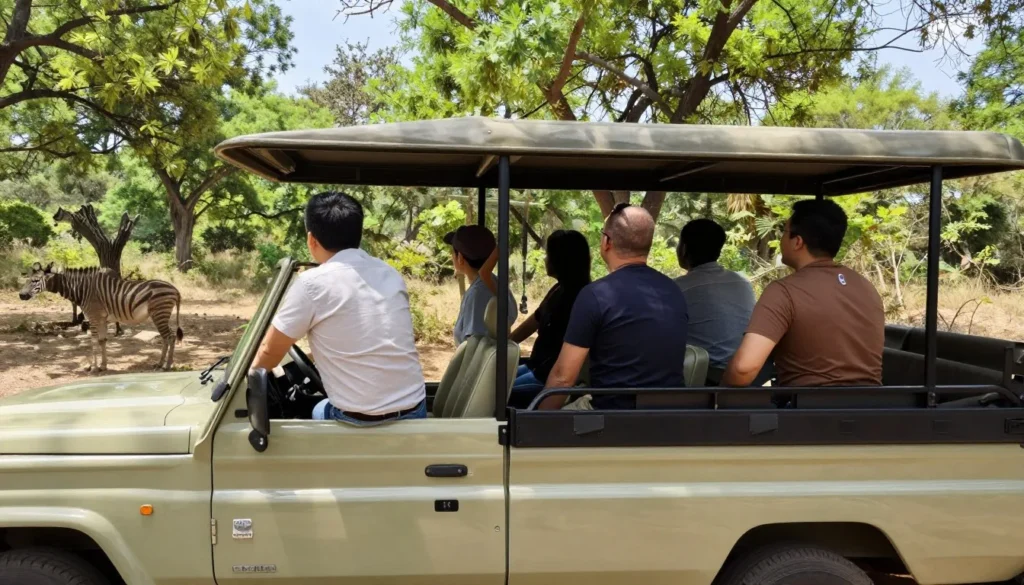
The optimal time to visit Ranthambore National Park spans from October through April. During these months, the weather remains pleasant, and wildlife sightings increase significantly. The park officially closes during the monsoon season from July to September.
October to November
Early winter offers comfortable temperatures ranging from 10°C to 30°C (50°F to 86°F). The landscape remains lush from recent monsoons, and animals begin emerging more frequently near water bodies. This period sees moderate tourist crowds, making safari bookings easier.
December to February
Winter brings the coolest temperatures, dropping to 5°C (41°F) at night and reaching around 25°C (77°F) during the day. This is considered the best time for tiger sightings as the dry vegetation provides clearer views. However, early morning safaris can be quite cold, so layered clothing is essential.
March to June
Summer temperatures soar to 45°C (113°F), making safaris challenging. However, this season offers the highest probability of tiger sightings as animals congregate around limited water sources. April through June are particularly rewarding for dedicated wildlife enthusiasts willing to brave the heat.
Check 30,000+ Local Sightseeing Tours Worldwide
✓ Numerous languages and currencies are available
Months to Avoid
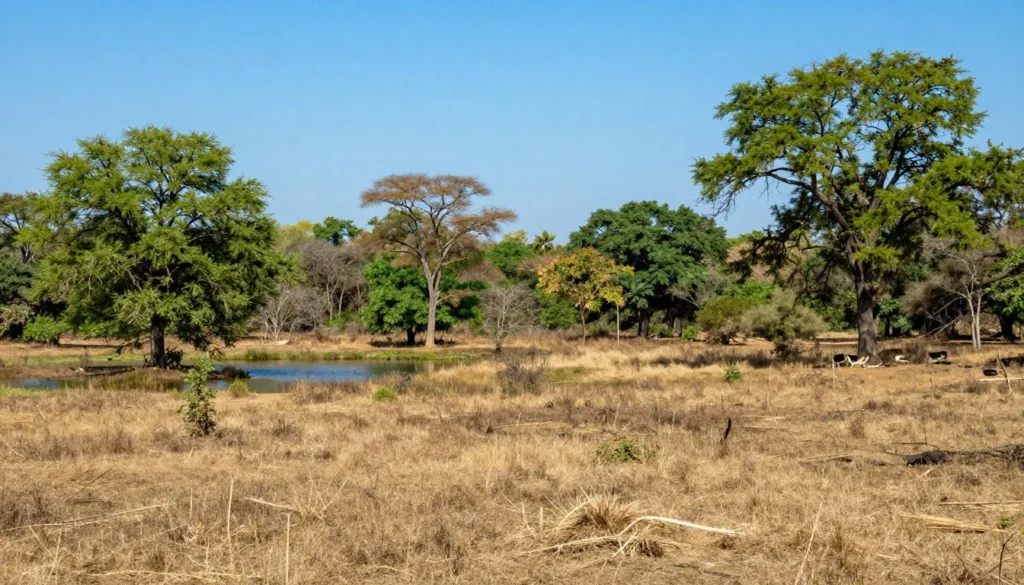
The park remains closed from July through September during monsoon season. Heavy rainfall makes roads impassable, and the dense vegetation obscures wildlife viewing. Additionally, many hotels and lodges close during this period.
Weather Tips
- Carry sunscreen, hats, and sunglasses year-round as the sun can be intense
- Pack warm layers for winter mornings, especially for early safaris starting at 6:30 AM
- Bring plenty of water during summer visits to stay hydrated
- Dress in neutral colors (khaki, brown, green) to blend with the environment
- Avoid bright clothing that might disturb wildlife
Notable Annual Festivals
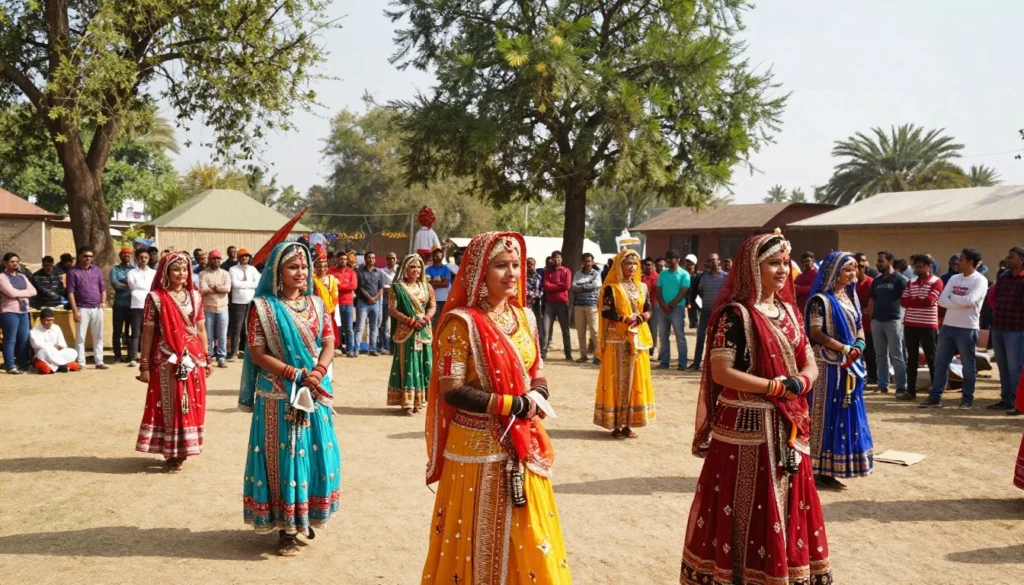
The region surrounding Ranthambore National Park celebrates several vibrant festivals that offer cultural immersion opportunities for visitors. These events showcase Rajasthan’s rich heritage and traditions.
Ganesh Chaturthi at Ranthambore Fort
Every September, thousands of devotees visit the ancient Trinetra Ganesh Temple inside Ranthambore Fort. This temple is one of the oldest Ganesh temples in Rajasthan and draws pilgrims from across India. The festival creates a unique atmosphere where spirituality meets wilderness.
Dussehra Festival
Sawai Madhopur celebrates Dussehra with grand processions and cultural performances throughout October. The festival commemorates the victory of good over evil with dramatic reenactments of the Ramayana and spectacular fireworks displays.
Ranthambore Festival
Held annually in January, the Ranthambore Festival celebrates the region’s wildlife and culture. The event features folk music, traditional dance performances, craft exhibitions, and discussions on conservation efforts. This three-day festival takes place in Sawai Madhopur.
Festival Planning Tip: Hotel prices increase during major festivals, and safari bookings fill quickly. Reserve accommodations and safaris at least two months in advance if planning to visit during festival periods.
Getting Around Locally
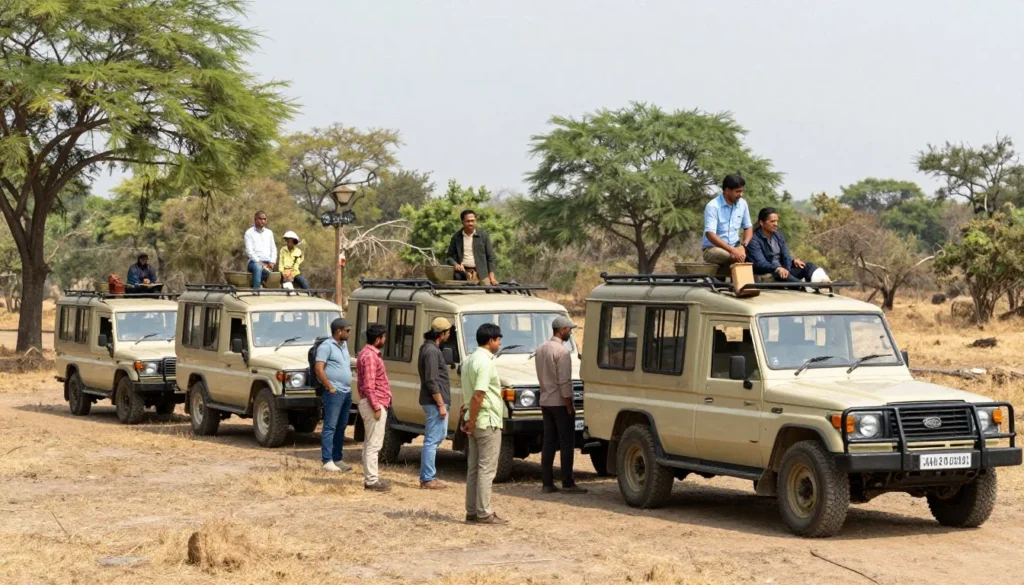
Navigating Ranthambore and the surrounding areas requires understanding the available transportation options. The park itself has specific vehicle requirements, while the town of Sawai Madhopur offers various local transport choices.
Within the National Park
Only authorized safari vehicles can enter Ranthambore National Park. Visitors choose between open-top jeeps accommodating six passengers or larger canters that hold twenty people. Jeeps provide better viewing angles and flexibility, while canters offer more budget-friendly options.
The park divides into ten zones, each requiring separate permits. Safari routes are predetermined, and vehicles follow strict timing schedules. Morning safaris run from October to January between 6:30 AM to 10:00 AM, while afternoon safaris operate from 2:30 PM to 6:00 PM.
Around Sawai Madhopur
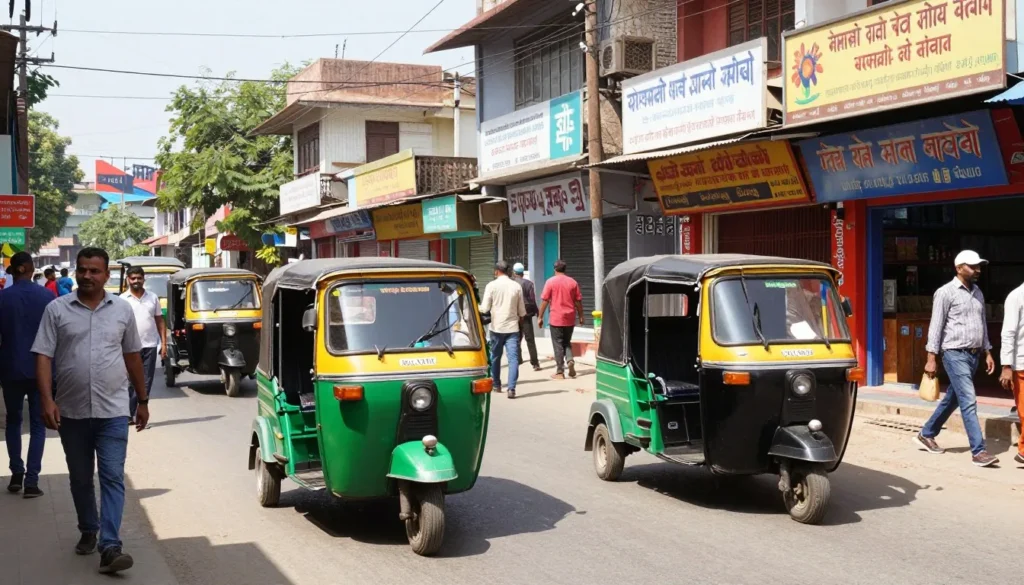
Auto-rickshaws serve as the primary local transport in Sawai Madhopur. These three-wheeled vehicles are perfect for short distances between hotels, restaurants, and the railway station. Always negotiate fares before starting your journey.
Many hotels provide complimentary shuttle services to the park gates. Confirm this amenity when booking your accommodation, as it eliminates early morning transportation hassles.
Bicycle Rentals
Several shops near the main market rent bicycles for exploring Sawai Madhopur town. Cycling offers an economical and environmentally friendly way to experience local life and visit nearby villages.
Where to Stay
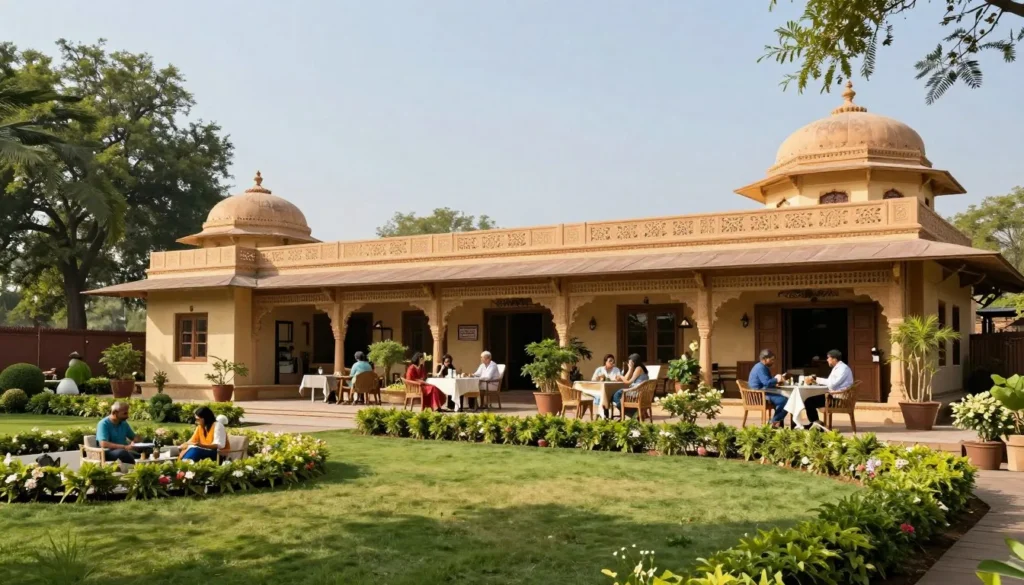
Ranthambore offers diverse accommodation options ranging from budget guesthouses to luxury wildlife resorts. Most lodging concentrates in Sawai Madhopur town and along the road between the railway station and park gates.
Luxury Resorts
High-end properties feature spacious rooms, swimming pools, spa facilities, and multi-cuisine restaurants. Many luxury resorts position themselves on large estates bordering the park, offering glimpses of wildlife from your balcony. These properties typically include naturalist-led walks, cultural performances, and premium safari arrangements.
Expect to pay between $150 to $400 per night for luxury accommodations. Peak season rates from December through March command premium pricing.
Mid-Range Hotels
Comfortable hotels with modern amenities provide excellent value for money. Most include air-conditioned rooms, attached bathrooms, WiFi, and on-site dining. Several properties in this category feature swimming pools and organize safaris for guests.
Mid-range options typically cost between $50 to $150 per night. These hotels often offer the best balance of comfort and affordability.
Budget Guesthouses
Sawai Madhopur has numerous family-run guesthouses and homestays. While basic, these accommodations provide clean rooms, home-cooked meals, and personalized service. Owners often share valuable local knowledge and assist with safari bookings.
Budget stays range from $15 to $50 per night, making them ideal for backpackers and budget-conscious travelers.
Booking Tips
- Reserve accommodations two to three months ahead during peak season
- Choose hotels closer to park gates to minimize early morning travel time
- Verify whether safari bookings are included or assisted by the property
- Check if airport or railway station transfers are complimentary
- Read recent reviews focusing on cleanliness and customer service
Dining & Local Cuisine

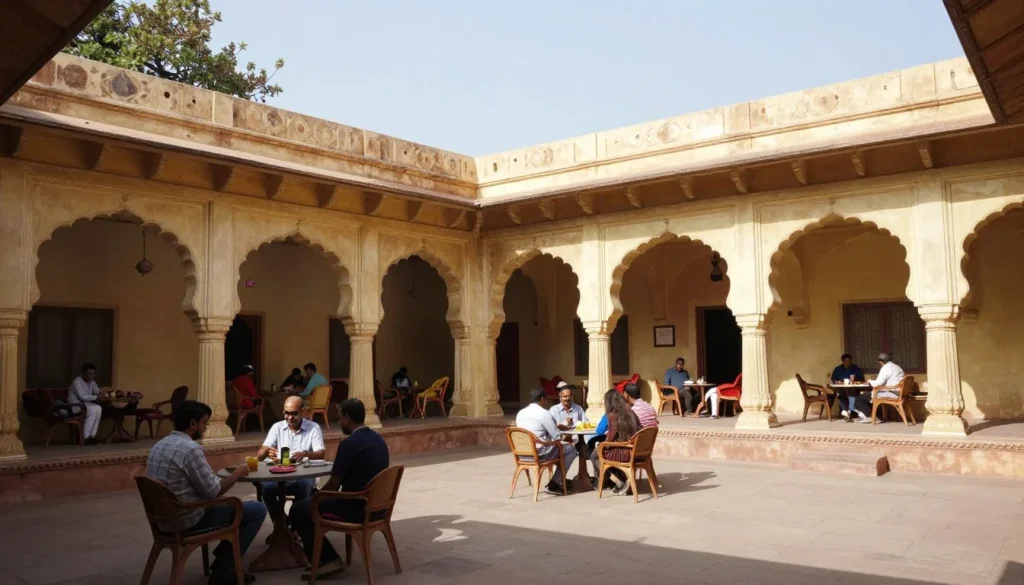
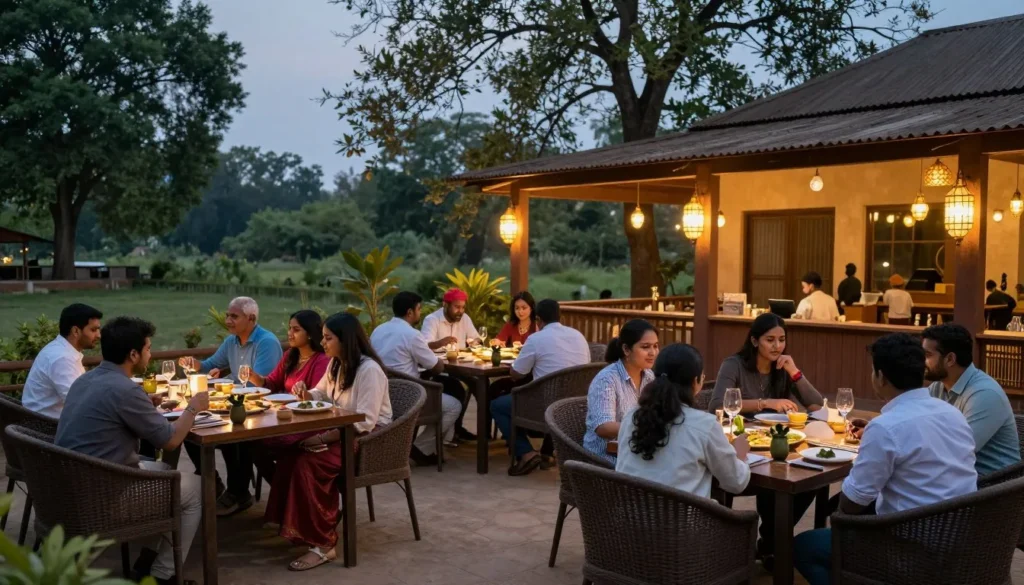
Sawai Madhopur and surrounding areas offer delicious Rajasthani cuisine alongside familiar Indian and international dishes. The local food scene provides opportunities to experience authentic flavors and traditional cooking methods.
Traditional Rajasthani Dishes
Dal Baati Churma stands as Rajasthan’s signature dish. Hard wheat rolls called baati are baked over coals, then crushed and mixed with clarified butter. This accompanies dal (lentil curry) and churma (sweetened crushed wheat). The combination delivers rich, satisfying flavors.
Laal Maas, a fiery red meat curry, showcases the region’s bold spicing. Tender mutton simmers in a sauce made with red chilies, yogurt, and aromatic spices. This dish pairs perfectly with bajra roti (millet flatbread).
Gatte ki Sabzi features gram flour dumplings cooked in spiced yogurt gravy. This vegetarian specialty appears on most restaurant menus and provides a tasty introduction to Rajasthani cooking.
Where to Eat
Most hotels and resorts offer in-house dining with set menus or buffets. These typically include both North Indian and continental options. Quality varies significantly, so check recent guest reviews.
Sawai Madhopur town has several standalone restaurants serving authentic local food. Small family-run establishments often provide the most genuine culinary experiences at reasonable prices.
Street Food
Local markets come alive in the evening with street food vendors. Samosas, kachoris, and pakoras make excellent snacks. Fresh fruit juice stalls offer refreshing drinks, particularly welcome during hot weather.
Food Safety: Stick to bottled water throughout your visit. Choose busy restaurants where food turnover is high. Avoid raw salads and unpeeled fruits from street vendors if you have a sensitive stomach.
Attractions, Sightseeing & Activities
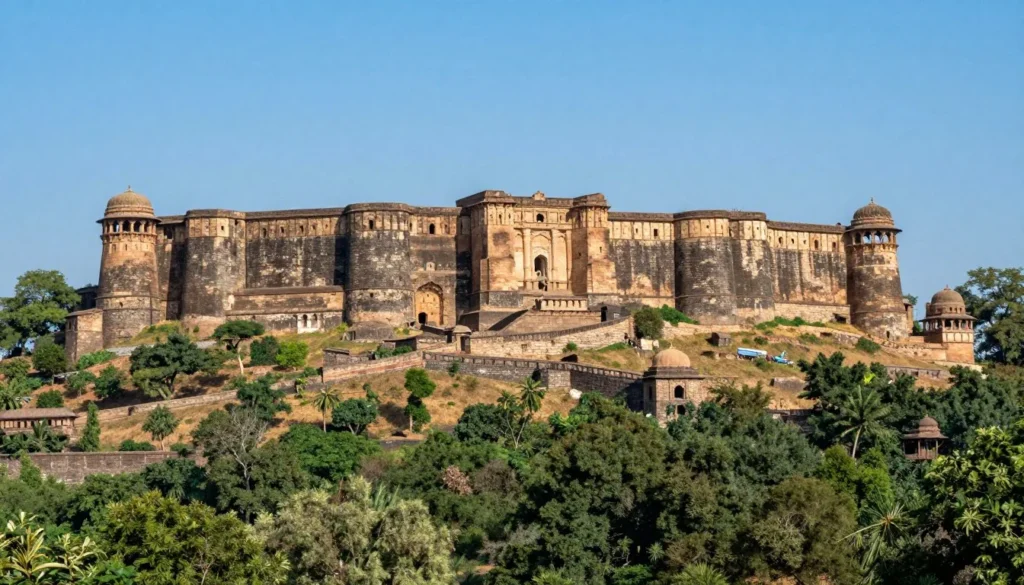
Ranthambore National Park offers far more than just tiger spotting. The region combines wildlife encounters with historical exploration and cultural experiences, creating a multifaceted destination.
Wildlife Safaris
Safari experiences form the heart of any Ranthambore visit. The park’s ten zones each offer unique landscapes and wildlife opportunities. Zones three, four, and five are considered prime tiger territory, though sightings occur throughout the park.
Morning safaris provide cooler temperatures and active wildlife. Animals emerge to drink at water bodies, and the soft morning light creates perfect photography conditions. Afternoon safaris offer different behavioral patterns, with predators often becoming active as temperatures cool.
Each safari lasts approximately three and a half hours. Experienced naturalists accompany all vehicles, sharing knowledge about animal behavior, bird species, and the ecosystem. Their trained eyes spot camouflaged animals that untrained visitors might miss.
Ranthambore Fort
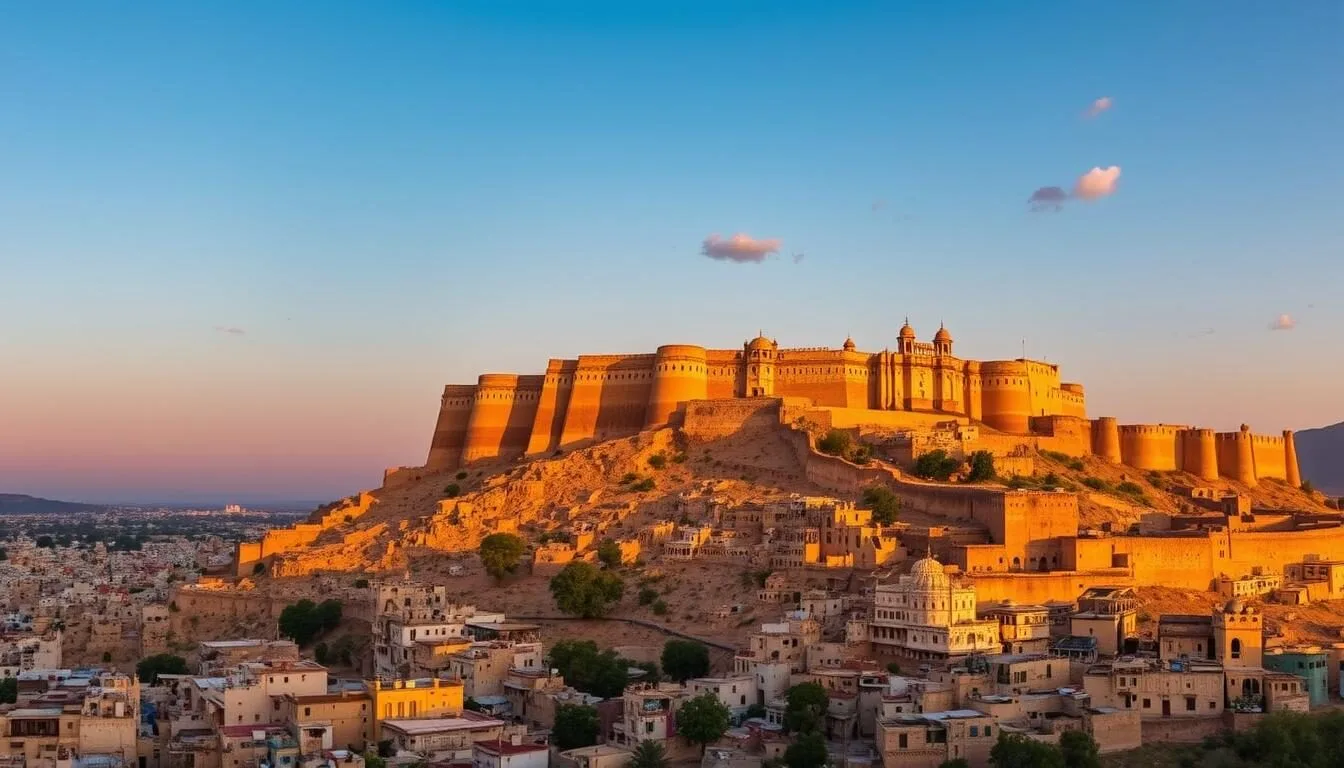
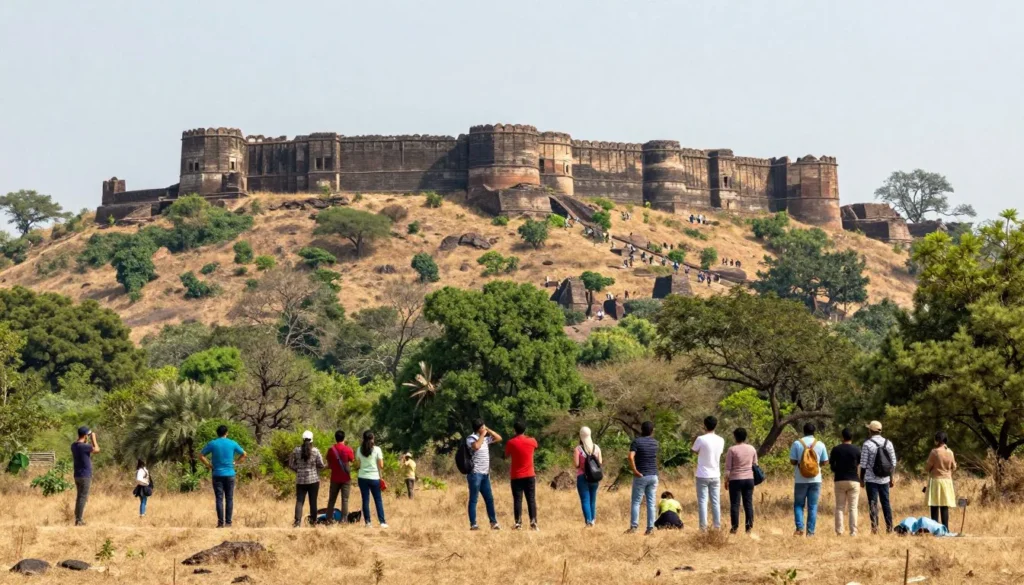
This UNESCO World Heritage Site predates the national park by centuries. The massive fort complex sprawls across the hilltop, featuring ancient temples, reservoirs, and panoramic viewpoints. The climb to the fort takes about forty minutes on foot or fifteen minutes by vehicle.
Inside the fort walls, the Trinetra Ganesh Temple attracts both pilgrims and tourists. This ancient shrine is believed to be self-manifested and holds special significance for devotees. The fort also contains Jain temples and remnants of royal palaces.
The fort’s strategic position offers breathtaking views across the national park. Wildlife spotting from the fort ramparts provides a different perspective than ground-level safaris.
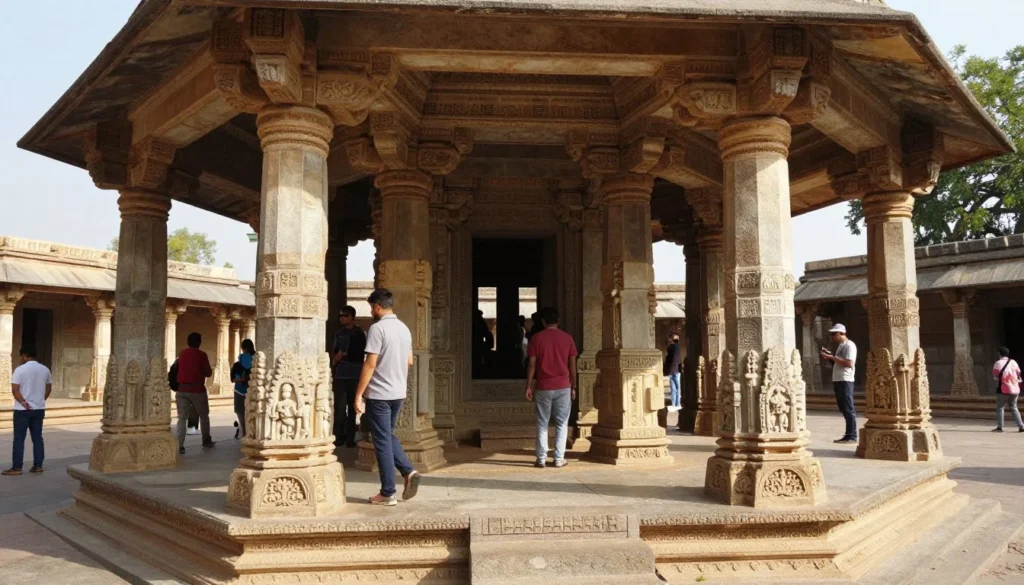
Padam Talao Lake
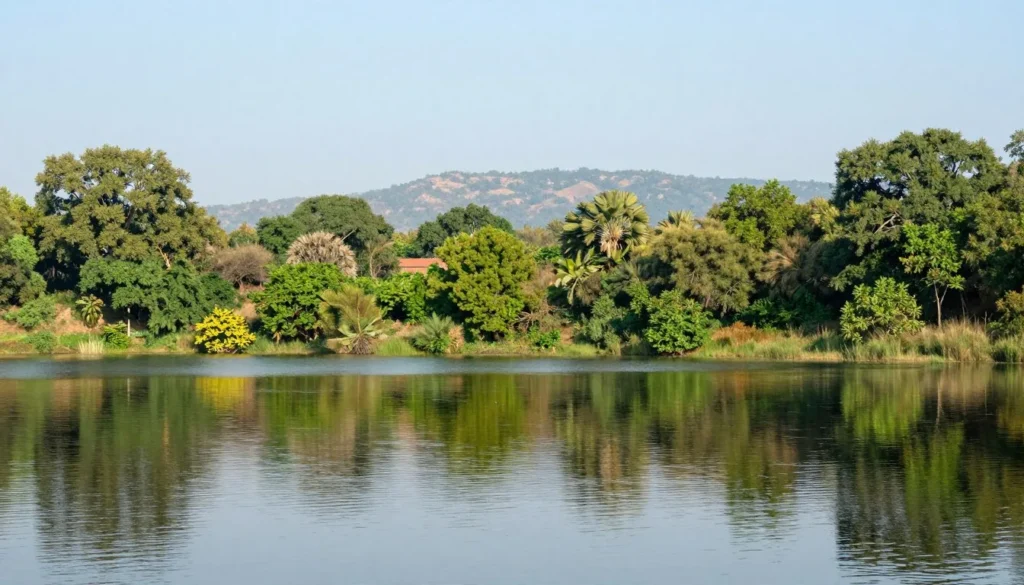
This large lake within the park serves as a crucial water source for wildlife. The picturesque Jogi Mahal, a forest rest house, sits on its banks. Tigers frequently visit this lake, making it one of the best spots for sightings.
The lake’s calm waters create mirror-like reflections of surrounding cliffs and the fort. Photographers find endless opportunities here, especially during golden hour.
Surwal Lake
Located just outside the park boundaries, Surwal Lake attracts numerous migratory bird species from November through March. Bird watchers spot flamingos, pelicans, and various duck species here. The lake offers peaceful nature walks away from safari crowds.
Kachida Valley
This valley within zone nine features stunning landscape diversity. Panthers, sloth bears, and various antelope species inhabit this area. The valley’s cliffs attract birds of prey, making it excellent for raptor watching.
Museums, Cultural Spots & Festivals
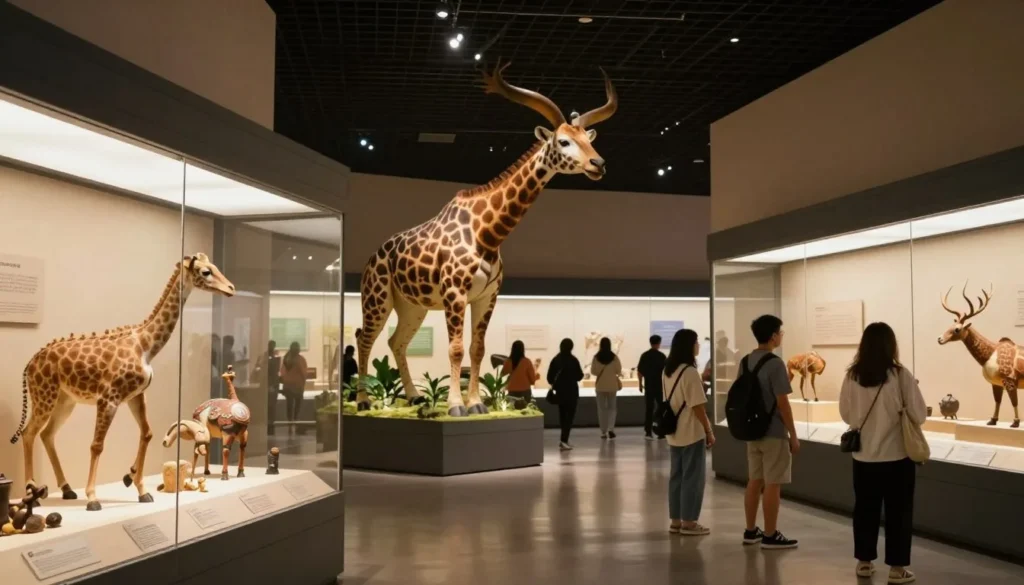
Beyond natural wonders, Ranthambore’s region preserves rich cultural heritage through museums, traditional crafts, and living customs. These attractions provide context for understanding the area’s history and conservation efforts.
Regional Museum Sawai Madhopur
This small but informative museum showcases the region’s natural history and cultural heritage. Exhibits include taxidermy specimens, historical photographs documenting Project Tiger’s evolution, and artifacts from the area’s royal past.
The museum opens Tuesday through Sunday from 10:00 AM to 5:00 PM. Entry fees are nominal, and guided tours provide detailed explanations of exhibits. The air-conditioned space offers welcome respite during hot afternoons.
Local Craft Villages
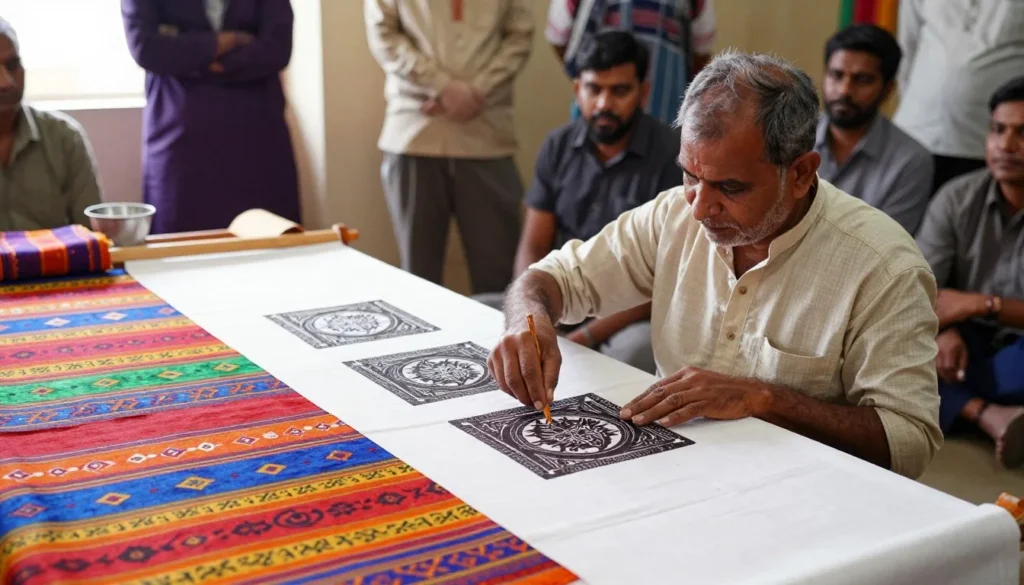
Several villages near Ranthambore National Park specialize in traditional crafts. Artisans create block-printed textiles, leather goods, and pottery using centuries-old techniques. Visiting these villages supports local economies and provides authentic cultural experiences.
Khilchipur village, about twenty kilometers from Sawai Madhopur, is famous for its colorful block-printed fabrics. Watching artisans hand-carve wooden blocks and precisely stamp patterns onto cloth offers fascinating insights into traditional methods.
Dastkar Ranthambhore
This non-profit organization works with local women, teaching traditional crafts and creating sustainable livelihoods. Their workshop and retail space showcases beautiful handmade products including quilts, bags, and home decor items. All purchases directly support rural women artisans.
Evening Cultural Programs
Many hotels and resorts organize evening cultural performances featuring traditional Rajasthani music and dance. Kalbeliya dancers perform their serpentine movements, while musicians play traditional instruments like the sarangi and dholak.
These programs typically last sixty to ninety minutes and include dinner. The performances provide entertaining introductions to Rajasthan’s vibrant performing arts traditions.
Nature & Outdoor Experiences
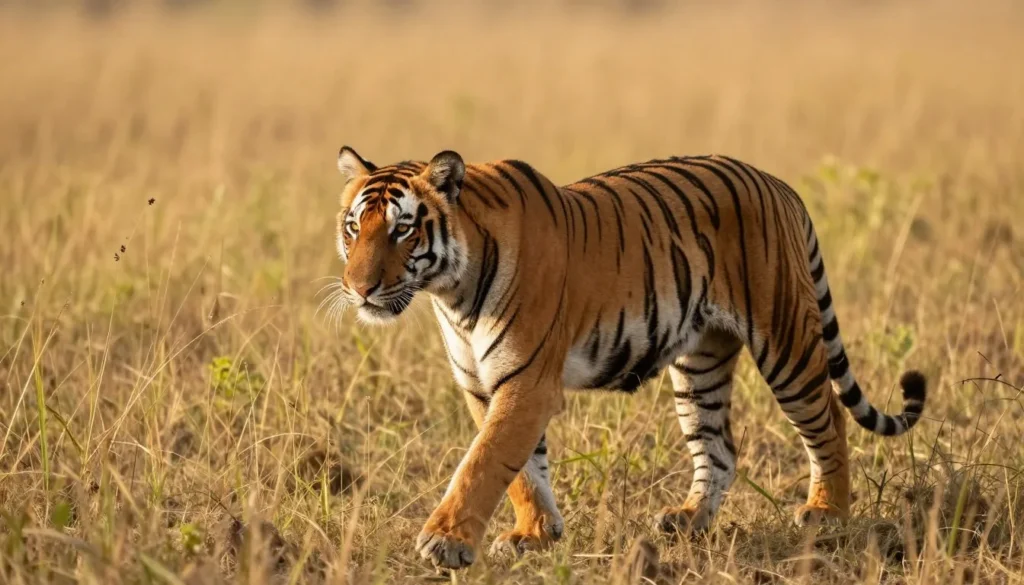
Ranthambore National Park encompasses 1,334 square kilometers (515 square miles) of diverse habitats. This variety creates homes for an incredible array of wildlife and supports numerous outdoor activities beyond standard safaris.
Tiger Encounters
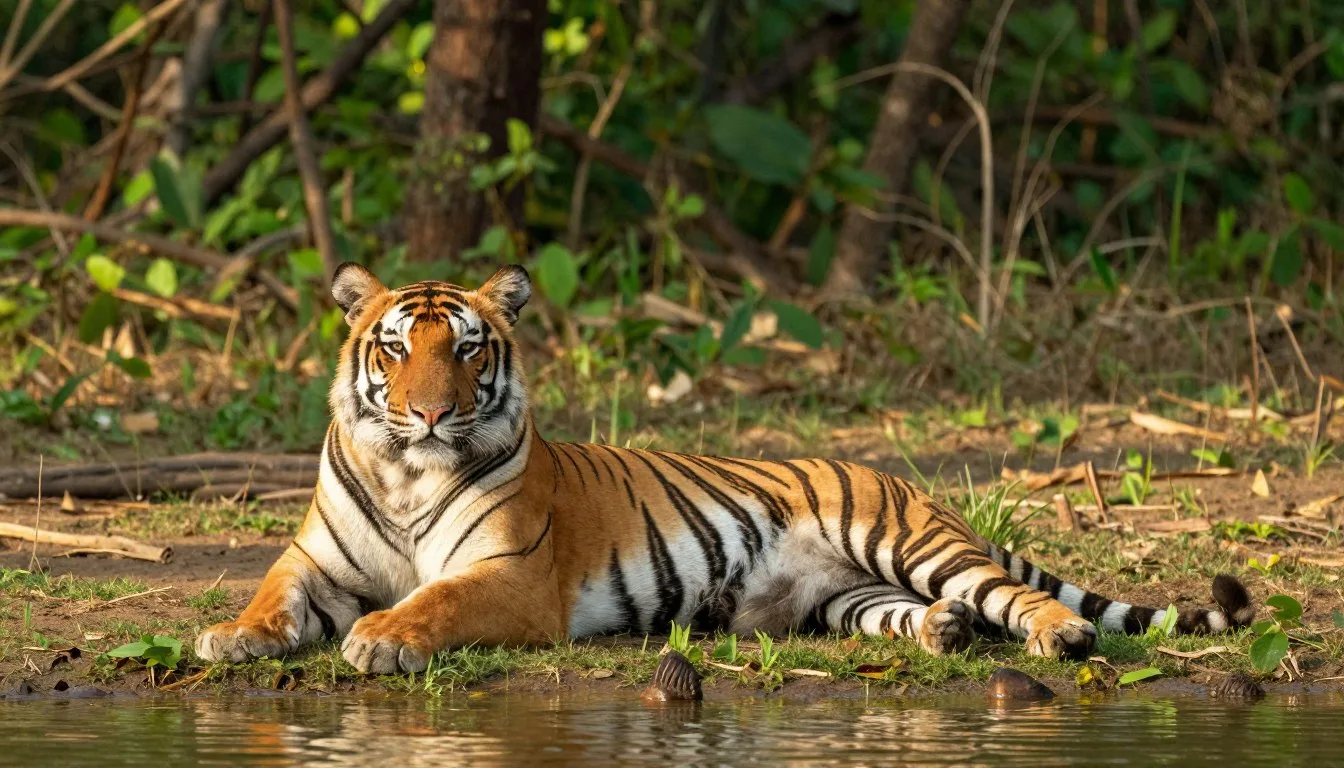
Bengal tigers reign as Ranthambore’s star attractions. The park currently supports approximately seventy tigers, among the highest densities in India. Unlike many reserves where tigers remain elusive, Ranthambore’s big cats are relatively habituated to safari vehicles, enabling remarkable viewing opportunities.
Famous tigresses like Machli (who lived to twenty years), Noor, and Riddhi have become wildlife celebrities. Their territories, hunting behaviors, and family dynamics are well-documented, adding narrative richness to sightings.
Tigers hunt primarily at dawn and dusk, making early morning and late afternoon safaris most productive. However, sightings can occur anytime as these apex predators patrol their territories throughout the day.
Other Wildlife Species
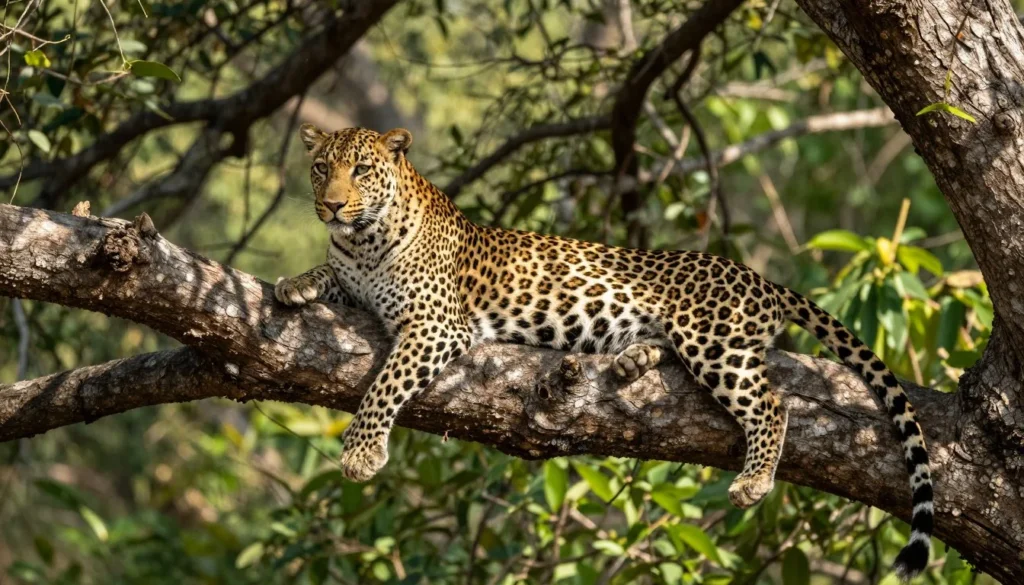
Beyond tigers, the park hosts leopards, though these secretive cats are harder to spot. Sloth bears inhabit rocky outcrops and forest areas, particularly visible during summer when they feed on tendu tree fruits.
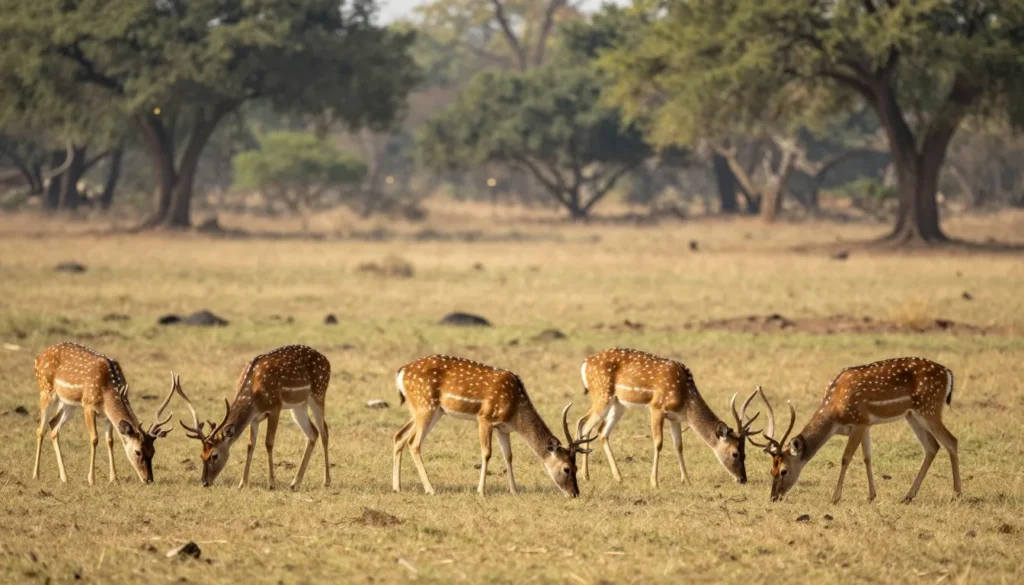
The park supports healthy populations of spotted deer, sambar deer, nilgai, and wild boar. These herbivores provide essential prey for predators while creating dynamic viewing opportunities themselves.
Marsh crocodiles bask along lakeshores, growing up to four meters (thirteen feet) long. These ancient reptiles add prehistoric drama to water body observations.
Bird Watching Paradise
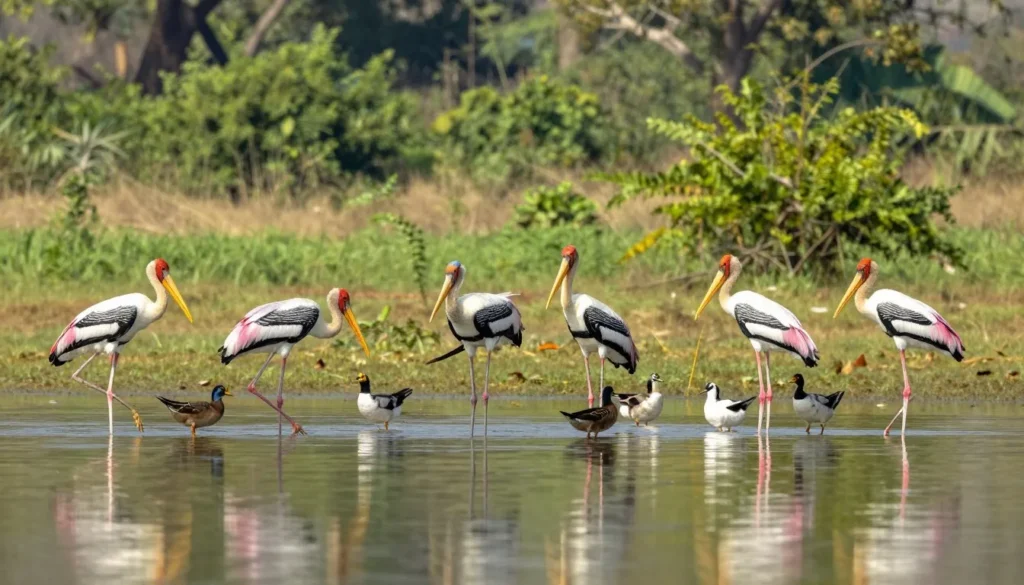
Over three hundred bird species inhabit Ranthambore, making it a premier bird watching destination. The varied habitats from dry deciduous forests to wetlands support incredible avian diversity.
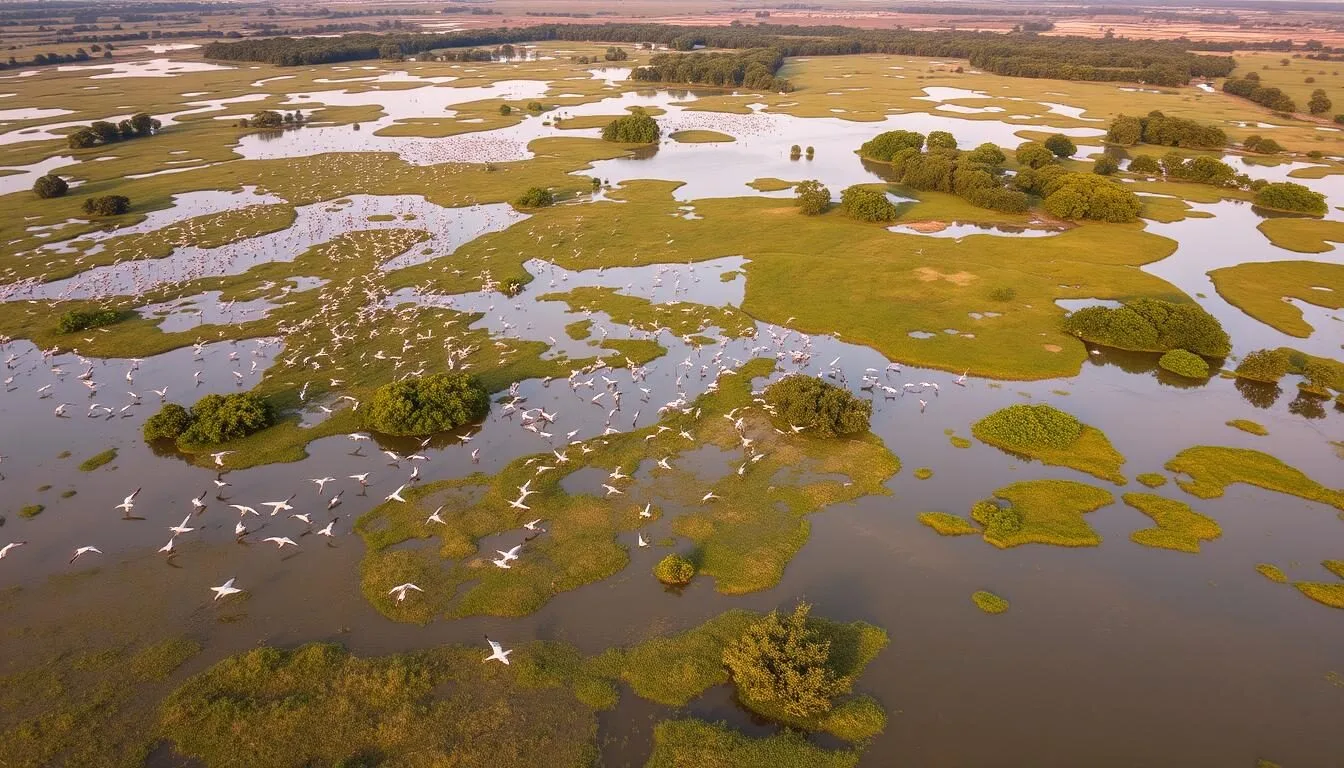
Painted storks, spoonbills, and cormorants nest in large colonies around lakes. Crested serpent eagles soar overhead while Indian pittas hop through undergrowth. Winter brings migratory species including common cranes and various waterfowl.
Serious birders should explore quieter zones where bird activity exceeds tiger traffic. Early morning hours provide the best opportunities as birds are most vocal and active.
Nature Walks
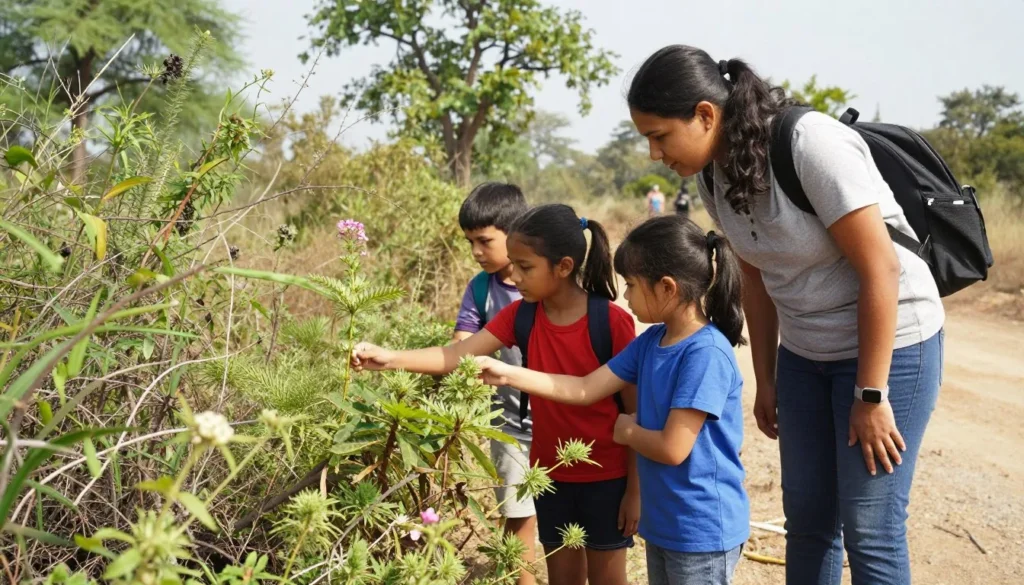
While core safari zones restrict walking, buffer areas around the park permit guided nature walks. These walks focus on smaller wildlife, plant identification, and understanding ecosystem dynamics.
Experienced naturalists lead walks explaining medicinal plants, animal tracks, and forest interdependencies. This intimate experience complements vehicle-based safaris and deepens ecological understanding.
Photography Opportunities
Ranthambore ranks among the world’s best wildlife photography destinations. The dramatic landscapes, historic structures, and habituated wildlife create ideal conditions for capturing stunning images.
Telephoto lenses (300mm to 600mm) are essential for wildlife photography. Morning and evening light provides flattering illumination, while midday harsh light can create dramatic high-contrast images.
Lakes and Water Bodies
Three major lakes dot the park landscape. Padam Talao, the largest, covers approximately 337 hectares (833 acres). Raj Bagh Talao and Malik Talao offer additional water sources crucial for wildlife during dry seasons.
These lakes support aquatic ecosystems including fish, turtles, and water birds. The surrounding vegetation attracts herbivores, which in turn draw predators, creating wildlife congregation points.
Travel With Children

Ranthambore National Park welcomes families and offers enriching experiences for children. Wildlife encounters create lasting memories and foster environmental awareness. However, successful family visits require thoughtful planning.
Age Considerations
Children under five years old may struggle with safari duration and sitting still requirements. The park permits children of all ages, but consider your child’s temperament and attention span. Six years and older typically enjoy safaris more fully.
Some luxury resorts offer childcare services, allowing parents to take turns on safaris while younger children stay engaged with supervised activities.
Safari Tips for Families
Book private jeep safaris rather than shared canters for family flexibility. Private vehicles allow bathroom breaks, snack stops, and the freedom to accommodate children’s needs.
Bring quiet entertainment for wait times between sightings. Coloring books, small toys, and nature identification guides keep children occupied. Explain safari etiquette beforehand, emphasizing quiet behavior and sudden movement avoidance.
Morning safaris often work better for younger children as they’re well-rested and more patient. Afternoon heat can make children irritable and less enjoyable for everyone.
Educational Opportunities
Wildlife encounters provide incredible learning opportunities. Prepare children before safaris by reading age-appropriate books about tigers, Indian wildlife, and conservation. Many resorts maintain small libraries with wildlife books.
Encourage children to maintain safari journals, drawing animals they see and recording observations. This activity extends engagement beyond the safari itself.
Check 30,000+ Local Sightseeing Tours Worldwide
✓ Numerous languages and currencies are available
Safety Considerations
- Apply sunscreen liberally and reapply every two hours during safaris
- Ensure children wear hats and comfortable, covered clothing for sun protection
- Pack plenty of water and healthy snacks to maintain energy levels
- Teach children to never lean out of vehicles or make sudden movements
- Supervise children constantly around hotel pools and water features
Kid-Friendly Activities
Beyond safaris, many resorts organize nature walks, village visits, and craft workshops suitable for children. These activities provide variety and prevent safari fatigue.
Fort exploration appeals to adventurous children, combining history lessons with physical activity. The climb and exploration satisfy energetic kids while adults appreciate the cultural significance.
Money Saving Tips
Ranthambore can accommodate various budgets with smart planning. These strategies help maximize experiences while minimizing expenses.
Visit During Shoulder Season
October to November and late March offer excellent wildlife viewing with significantly lower accommodation rates compared to peak season. Hotels often discount rates by thirty to fifty percent during these periods.
Safari availability increases during shoulder months, eliminating premium charges for last-minute bookings. Weather remains pleasant, making these months ideal for budget-conscious travelers.
Choose Canter Safaris
Shared canter safaris cost approximately one-third the price of private jeeps. While jeeps offer better viewing flexibility, canters provide similar wildlife encounters at budget-friendly rates.
Canter safaris work well for solo travelers or couples willing to share experiences with others. The social aspect can enhance the adventure through shared excitement.
Book Directly
Contact hotels directly rather than using booking platforms to avoid commission fees. Many properties offer discounts for direct bookings, multi-night stays, or advance reservations.
Package deals combining accommodation and safaris often provide better value than booking separately. Compare options carefully to find the best overall deal.
Eat Local
Explore restaurants in Sawai Madhopur town rather than relying solely on hotel dining. Local eateries serve authentic food at fraction of resort prices. A thali meal in town costs roughly two hundred rupees compared to eight hundred at upscale hotels.
Pack snacks and water bottles for safaris rather than purchasing from hotel shops where prices are inflated.
Share Transportation
Split taxi costs with other travelers when transferring from airports or railway stations. Many guesthouses coordinate shared transfers for arriving guests.
Use auto-rickshaws for local travel instead of hotel taxis. A trip from town to park gates costs around one hundred rupees by auto-rickshaw versus three hundred by hotel taxi.
Limit Safari Numbers
While tempting to book multiple safaris, two or three carefully timed ones often suffice for satisfying wildlife encounters. Focus quality over quantity to control costs.
Free activities like fort exploration, village walks, and bird watching around hotel properties provide enriching experiences without additional expense.
Budget Planning: A comfortable three-day Ranthambore trip including mid-range accommodation, two safaris, meals, and transfers costs approximately $300 to $400 per person. Budget travelers can manage $150 to $200, while luxury seekers should budget $600 to $1000.
Safety & Local Customs
Understanding safety protocols and local customs ensures a respectful, secure Ranthambore visit. Most concerns are easily managed with awareness and preparation.
Wildlife Safety
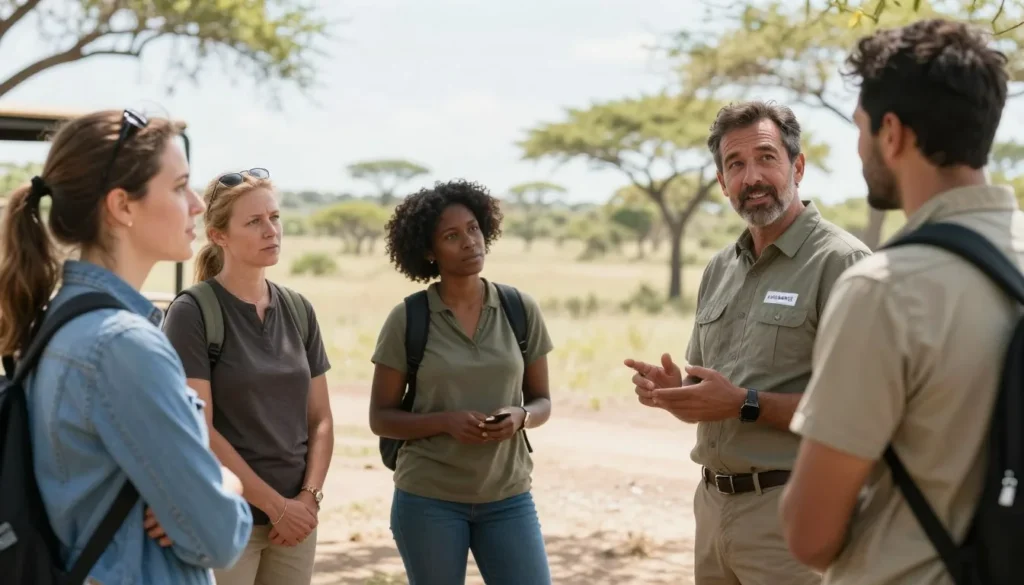
Always remain inside safari vehicles during park visits. Tigers and other wildlife are unpredictable, and vehicle safety depends on staying seated. Never attempt to exit vehicles for closer photographs or any other reason.
Maintain respectful distances from all animals. Your guide will position vehicles appropriately. Pressuring guides for dangerous proximity puts everyone at risk.
Keep voices low during safaris. Loud noises disturb animals and reduce sighting opportunities. Flash photography is strictly prohibited as it stresses wildlife.
General Safety
Ranthambore and Sawai Madhopur are generally safe destinations. Exercise standard precautions like securing valuables, avoiding isolated areas after dark, and using registered transportation.
Drink only bottled water and avoid ice in beverages. Water-borne illnesses can ruin vacations, so consistent hydration vigilance is essential.
Carry basic medications including anti-diarrheal medicine, pain relievers, and any prescription medications. The nearest major hospital is in Jaipur, so self-sufficiency for minor issues is important.
Emergency Contacts:
Police Emergency: 100
Medical Emergency: 108
Fire Emergency: 101
Cultural Sensitivity
Rajasthan is culturally conservative. Dress modestly when visiting temples or villages. Shoulders and knees should be covered as a sign of respect.
Always ask permission before photographing local people. Many appreciate a polite request and small donation. Never photograph without consent.
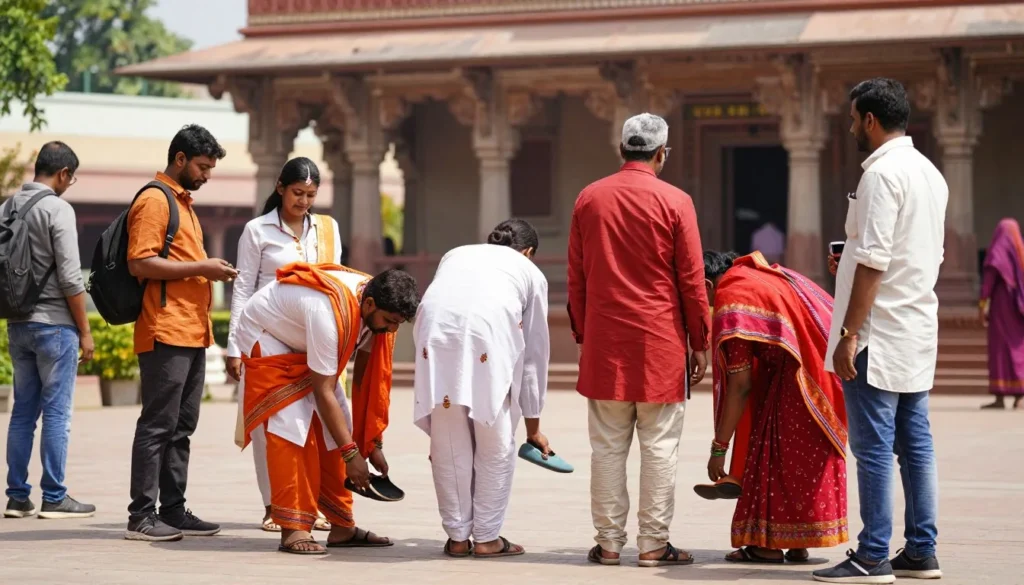
Remove shoes before entering temples and religious sites. This universal Indian custom shows respect for sacred spaces.
Environmental Responsibility
Carry all trash out from safaris and dispose of it properly. Never litter within the park or surrounding areas. Plastic bags are banned throughout Rajasthan, so bring reusable bags.
Respect park rules and boundaries. Designated zones exist to minimize human impact on wildlife habitats. Compliance ensures conservation success for future generations.
Support conservation efforts through responsible tourism choices. Select operators and accommodations committed to environmental sustainability and community welfare.
Visitor Comments About Ranthambore National Park

Travelers from around the world share their Ranthambore experiences, offering valuable insights for future visitors. Here are genuine perspectives from recent guests.
“Ranthambore exceeded every expectation. We spotted three different tigers during our two safaris, including a mother with two cubs at a water hole. The fort exploration added historical depth to the wildlife experience. Our naturalist guide’s knowledge was exceptional, identifying over forty bird species and explaining the ecosystem dynamics. The combination of wildlife, history, and Rajasthani culture creates something truly special.”
“As a family destination, Ranthambore delivered perfectly. Our eight-year-old daughter was captivated from the first safari. The jeep driver was patient with her endless questions, and spotting a tiger became the highlight of our India trip. We stayed at a mid-range resort with a pool, which was essential for afternoon downtime. The cultural performance one evening was entertaining, and local food was delicious. We’ll definitely return when the kids are older.”
“Traveling solo on a budget, I found Ranthambore very manageable. The guesthouse I chose was basic but clean, and the owner helped arrange shared jeep safaris. I didn’t see tigers on my safaris, but the variety of other wildlife was impressive. Leopards, sloth bears, and countless deer made for exciting viewing. The fort visit was free and offered panoramic views. I spent more time here than planned because the atmosphere was so relaxing and the people so welcoming.”
Additional Nearby Destinations
Ranthambore’s location in eastern Rajasthan positions it perfectly for exploring other remarkable destinations. These nearby places complement a Ranthambore visit and create comprehensive Rajasthan experiences.
Jaipur – The Pink City
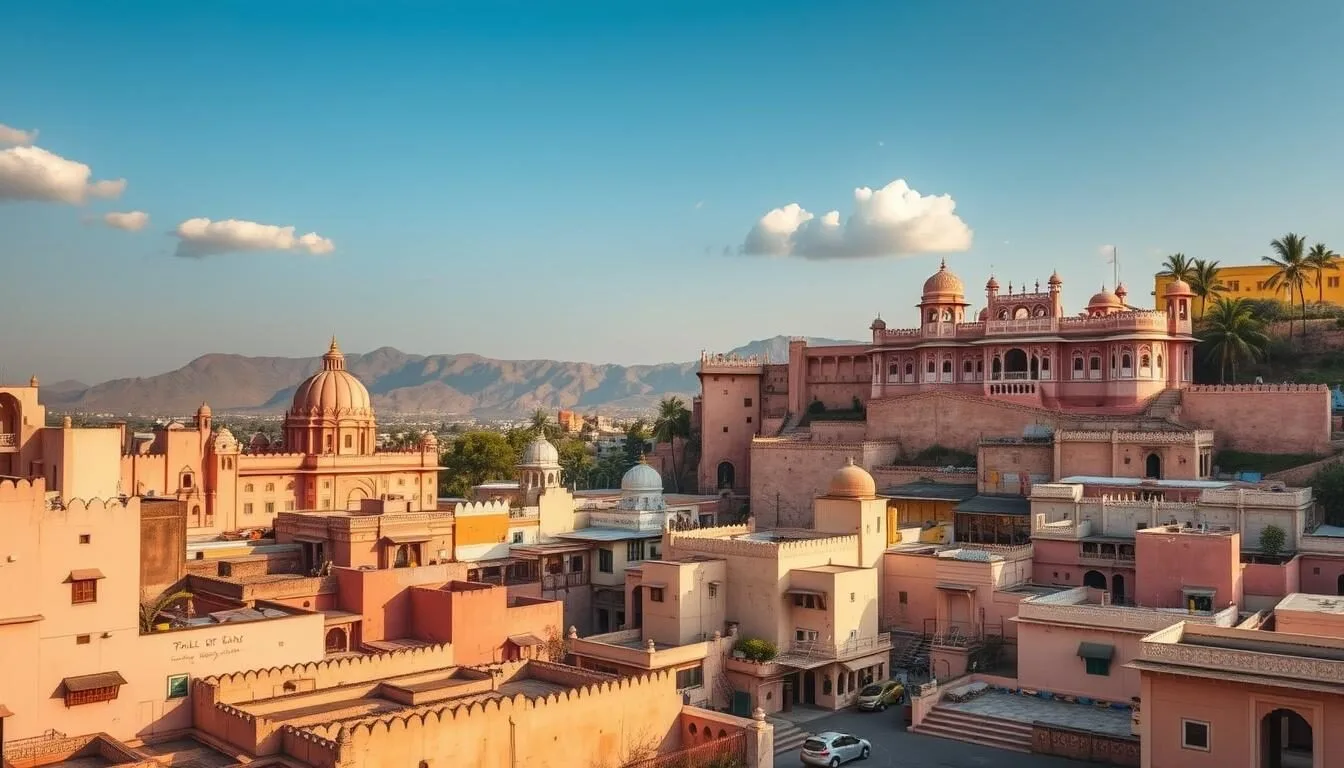
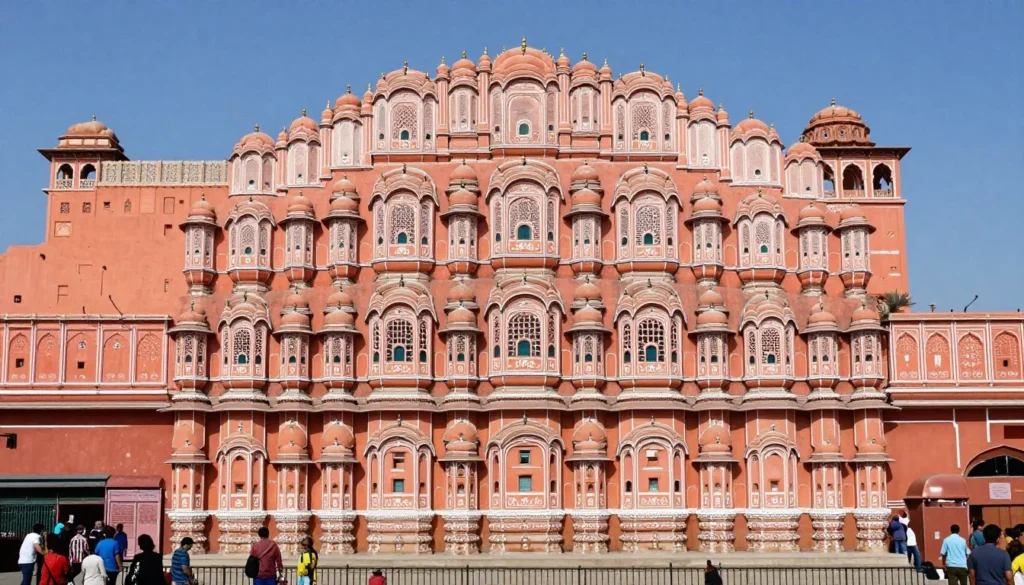
Located 180 kilometers (112 miles) from Ranthambore, Jaipur serves as Rajasthan’s capital and gateway city. This UNESCO World Heritage Site showcases magnificent palaces, historic forts, and vibrant bazaars.
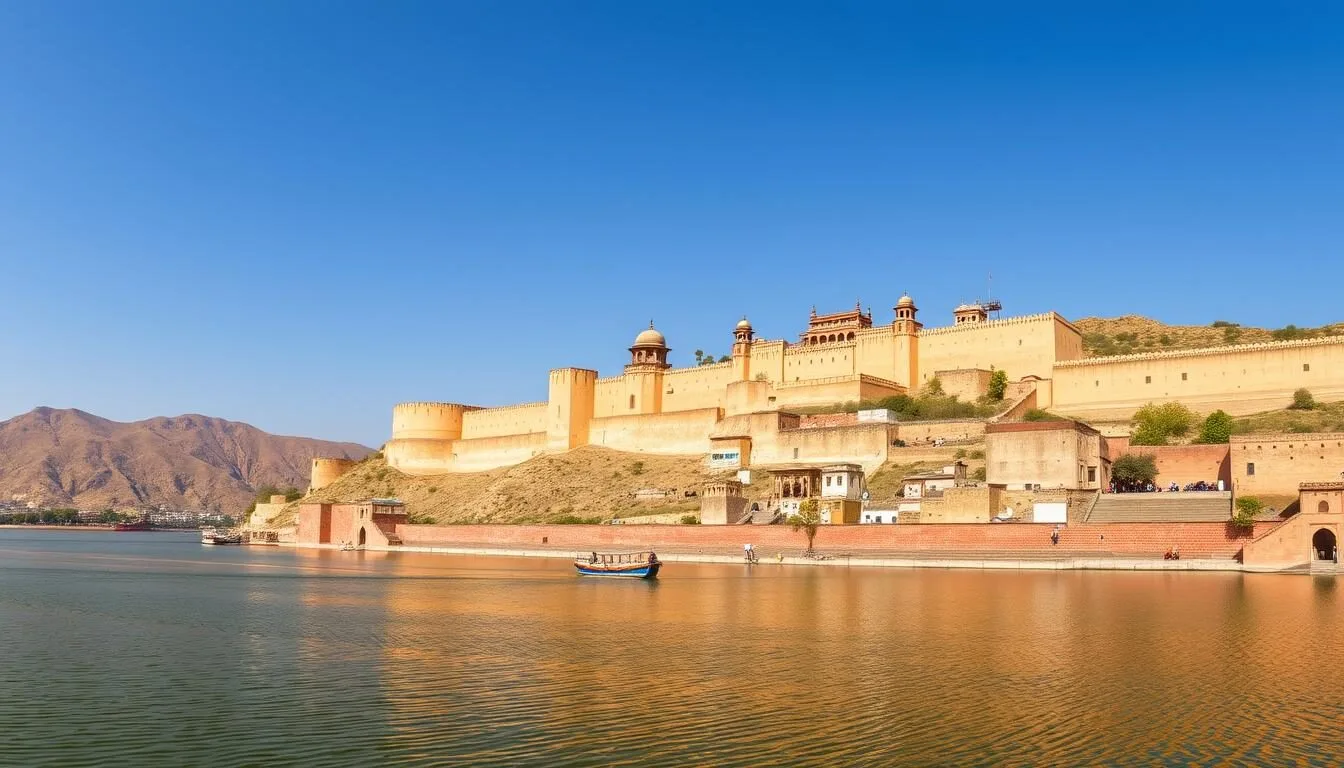
The Amber Fort, City Palace, and Hawa Mahal rank among India’s most photographed monuments. Shopping for textiles, jewelry, and handicrafts provides authentic cultural immersion. Jaipur requires minimum two to three days for proper exploration.
Bharatpur – Keoladeo National Park
This world-famous bird sanctuary sits approximately 230 kilometers (143 miles) from Ranthambore. Over 370 bird species inhabit this UNESCO World Heritage Site, making it a must-visit for serious birders.
Winter months bring thousands of migratory birds including the rare Siberian crane. Bicycle tours through the park provide intimate wildlife encounters in peaceful settings.
Bundi
This charming town lies 150 kilometers (93 miles) south of Ranthambore. Bundi remains relatively undiscovered compared to other Rajasthan destinations, offering authentic experiences without tourist crowds.
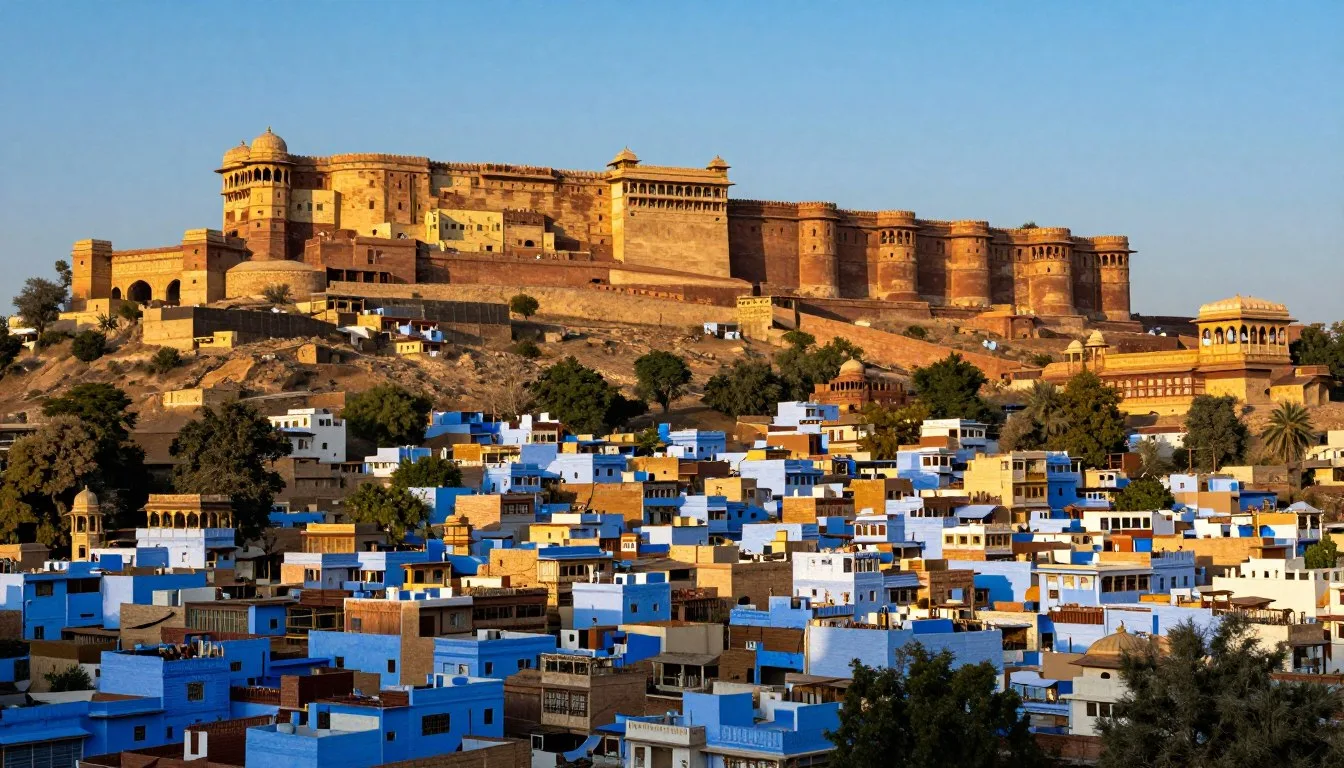
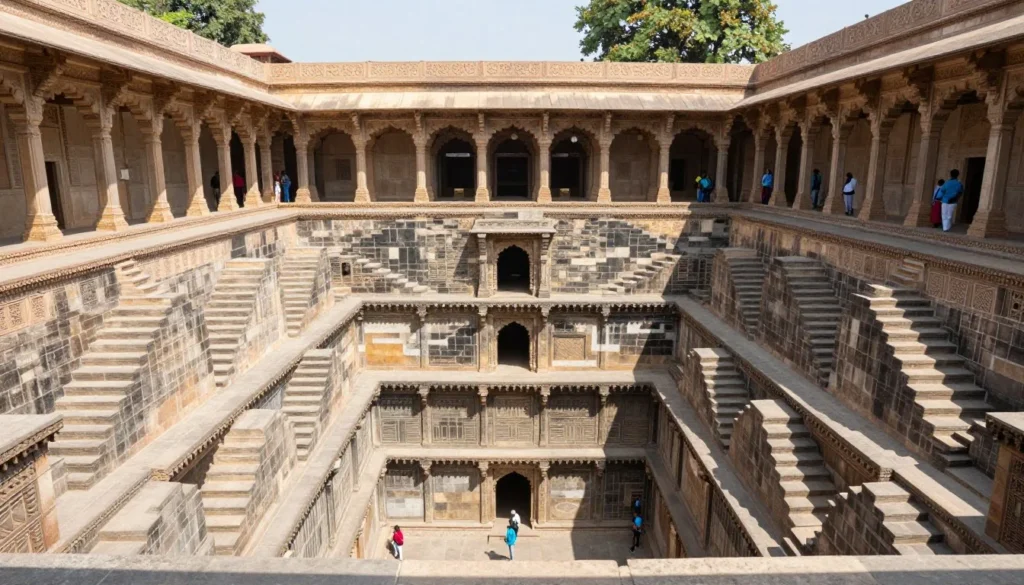
The impressive Taragarh Fort, beautiful step wells, and ornate palaces showcase Rajput architecture. Bundi’s blue houses and narrow lanes create postcard-perfect scenes ideal for photography enthusiasts.
Pushkar
Sacred Pushkar sits 220 kilometers (137 miles) west of Ranthambore. This holy town centers around Pushkar Lake, one of Hinduism’s most sacred sites. The town hosts India’s largest camel fair every November.
Over four hundred temples, colorful markets, and spiritual atmosphere create unique experiences. Pushkar’s laid-back vibe appeals to travelers seeking relaxation after wildlife adventures.
Combining Destinations
A ten to fourteen day circuit combining Ranthambore, Jaipur, and one or two additional destinations creates comprehensive Rajasthan experiences. Good road and rail connections make multi-destination trips practical.
Consider visiting Ranthambore mid-trip rather than first or last. This positioning provides exciting wildlife experiences while breaking up cultural sightseeing intensity.
Practical Travel Tips

These practical tips address common questions and help ensure smooth Ranthambore experiences from planning through departure.
Safari Bookings
Safari permits release online ninety days before the visit date. Book immediately when bookings open, especially for peak season travel. Popular zones sell out within hours during high season.
Foreign nationals pay higher permit fees than Indian citizens. Current rates are approximately 1,600 rupees for Indians and 2,500 rupees for foreigners per safari, plus vehicle charges.
Zone allocation is random unless you book through tour operators who may have zone preferences. Each zone offers unique landscapes and wildlife possibilities, so any assignment can yield great experiences.
What to Pack
- Binoculars for distant wildlife viewing and bird watching
- Camera with telephoto lens (300mm minimum) for wildlife photography
- Neutral-colored clothing in layers for varying temperatures
- Sunscreen, sunglasses, and wide-brimmed hat for sun protection
- Insect repellent for evenings and forest areas
- Comfortable walking shoes for fort exploration
- Reusable water bottle to minimize plastic waste
- Power bank for charging devices during safaris
- Basic first-aid kit including anti-diarrheal medication
Money Matters
Sawai Madhopur has several ATMs, though they occasionally run out of cash during peak season. Withdraw sufficient cash upon arrival to avoid inconvenience.
Major hotels accept credit cards, but smaller establishments and restaurants prefer cash. Always carry small denomination notes for auto-rickshaws, street vendors, and tips.
Tipping is customary. Safari guides and drivers appreciate 200-300 rupees per person for excellent service. Hotel staff expect 50-100 rupees for helpful assistance.
Internet and Connectivity
Mobile signals work reliably in Sawai Madhopur town but are absent inside the national park. Embrace the digital detox during safaris and appreciate undistracted wildlife experiences.
Most hotels offer WiFi, though speeds can be slow. Download maps, guides, and entertainment before your trip to avoid connectivity frustration.
Language
Hindi is the primary language, though English is widely understood in tourist areas. Learning basic Hindi phrases enhances interactions and shows cultural respect. “Namaste” (hello), “Dhanyavaad” (thank you), and “Kitna?” (how much?) prove particularly useful.

Health Precautions
Consult travel medicine specialists six to eight weeks before departure. Recommended vaccinations typically include hepatitis A, typhoid, and routine immunizations. Discuss malaria prophylaxis, though Ranthambore is low-risk compared to other Indian regions.
Purchase comprehensive travel insurance covering medical emergencies and evacuation. Quality healthcare requires traveling to Jaipur, so insurance provides essential peace of mind.
Best Photography Practices
Respect wildlife while photographing. Never ask drivers to approach animals too closely or disturb natural behaviors for better shots. Ethical photography prioritizes animal welfare over image collection.
Shoot in RAW format for maximum post-processing flexibility. Morning and evening light provides optimal conditions, but don’t neglect midday opportunities. Harsh light creates dramatic contrast ideal for specific artistic visions.
Check 30,000+ Local Sightseeing Tours Worldwide
✓ Numerous languages and currencies are available
Bring extra memory cards and batteries. Cold mornings drain battery life quickly, and exciting sightings generate hundreds of frames.
Your Ranthambore Adventure Awaits
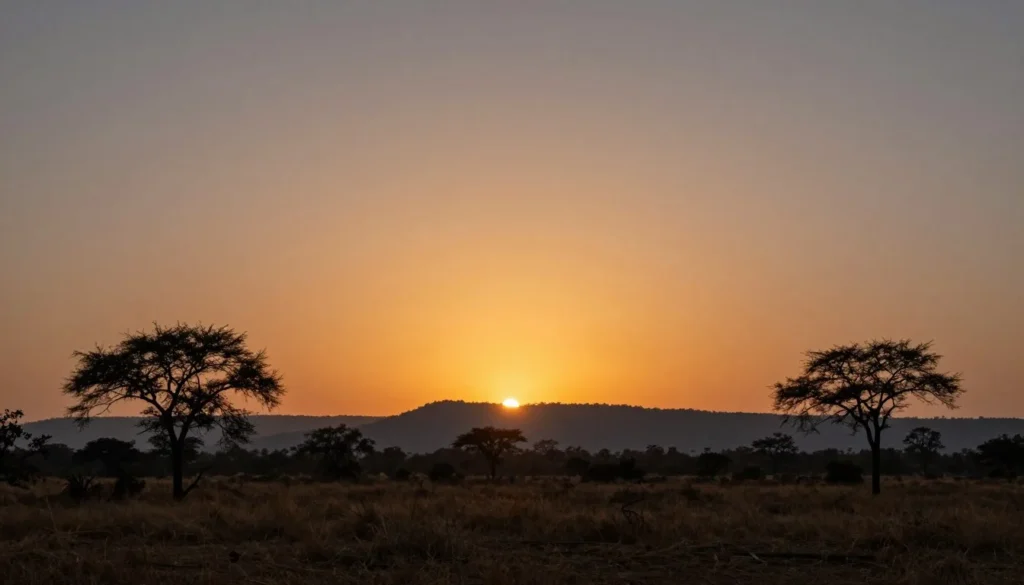
Ranthambore National Park offers something truly magical – a rare opportunity to witness wild Bengal tigers in their natural kingdom while exploring centuries of history and immersing yourself in Rajasthan’s vibrant culture. From the moment your safari jeep enters those forest gates to the final glimpse of Ranthambore Fort’s ancient ramparts, every experience enriches your understanding of nature’s delicate balance.
The park’s success story demonstrates conservation’s power when communities, governments, and visitors work together. Your visit supports these ongoing efforts while creating memories that last a lifetime. Whether you’re captivated by a tigress teaching her cubs to hunt, mesmerized by hundreds of birds taking flight at sunset, or simply absorbed in the peaceful beauty of lakes reflecting ancient cliffs, Ranthambore delivers transformative experiences.
The diverse wildlife, rich history, warm hospitality, and stunning landscapes combine to create a destination unlike any other. From budget travelers to luxury seekers, from solo adventurers to family groups, Ranthambore welcomes everyone with open arms and endless possibilities.
Start planning your journey today. The tigers of Ranthambore are waiting to share their world with you, and adventure beckons from every forest trail and fortified rampart. Your story in this incredible place is ready to be written.