
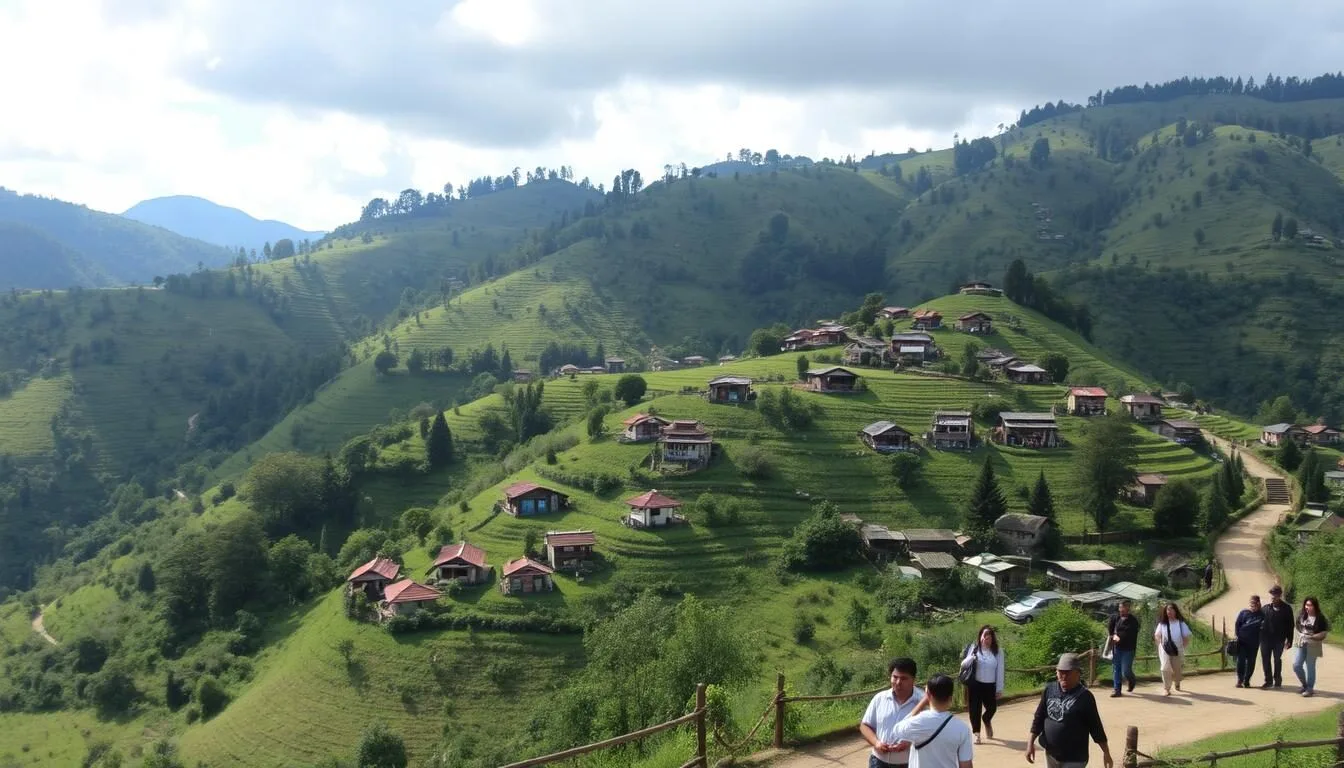
Did you know that Nagaland is home to 16 distinct tribes, each with their own unique language, customs, and traditional attire? This northeastern Indian state, often called the “Land of Festivals,” boasts the third-highest forest cover in India, with over 90% of its population practicing Christianity—making it a fascinating cultural anomaly in predominantly Hindu India. Nestled in the eastern Himalayas, Nagaland offers travelers an extraordinary blend of pristine landscapes, vibrant tribal heritage, and experiences you simply won’t find anywhere else in the world.
Getting There & Planning Your Journey
The most convenient way to reach Nagaland is by flying into Dimapur Airport, the state’s only commercial airport. Direct flights connect Dimapur to major Indian cities like Kolkata, Guwahati, and Delhi. From Dimapur, the state capital Kohima is approximately 74 km (46 miles) away, a journey of about 2-3 hours by road.
Alternatively, train services connect Dimapur to various parts of India, with the journey from Delhi taking approximately 38 hours. For budget travelers, this can be a cost-effective option with sleeper class fares starting from ₹790 ($9.50) and air-conditioned class from ₹3,050 ($36.50).
When planning your journey, remember that all visitors to Nagaland (including Indian nationals from other states) require an Inner Line Permit (ILP). Foreign nationals need a Protected Area Permit (PAP). These can be obtained online through the official Nagaland government portal or at designated offices in major cities like Kolkata, Guwahati, and Delhi.
Best Time to Visit & Weather Tips
The ideal time to visit Nagaland is between October and May, when the weather is pleasant and most outdoor activities are accessible. This period can be further divided into specific seasons, each offering unique experiences:
| Season | Months | Temperature | Highlights | Recommendation |
| Winter | November-February | 5-24°C (41-75°F) | Hornbill Festival (Dec 1-10), clear skies, excellent visibility | Highly Recommended |
| Spring | March-May | 15-30°C (59-86°F) | Blooming flowers in Dzukou Valley, Aoling Festival (April) | Recommended |
| Monsoon | June-September | 20-32°C (68-90°F) | Lush landscapes, fewer tourists, budget accommodations | Not Recommended (landslide risk) |
| Autumn | October | 15-28°C (59-82°F) | Post-monsoon greenery, comfortable temperatures | Recommended |
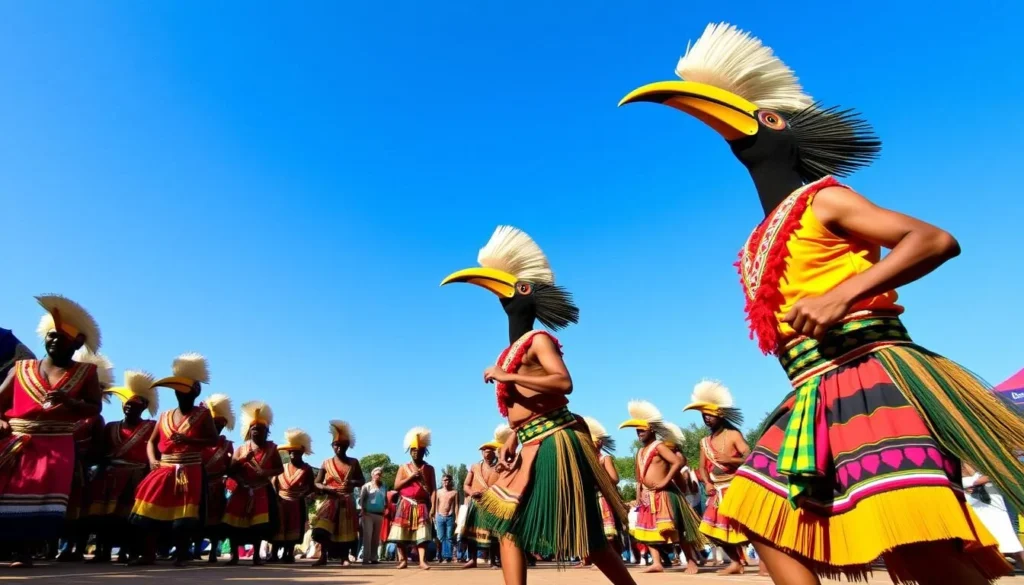
Winter is particularly special in Nagaland, as it coincides with the renowned Hornbill Festival, celebrated annually from December 1-10. This “Festival of Festivals” showcases the cultural richness of all 16 Naga tribes in one location, making it an ideal time for cultural enthusiasts to visit.
Pack layers regardless of when you visit, as temperatures can vary significantly between day and night, especially in higher elevations. During winter months, warm clothing is essential, while light cotton clothes with a light jacket work well for spring and autumn. If visiting during monsoon season (despite the risks), bring waterproof gear and sturdy footwear.
Getting Around Locally
Navigating Nagaland requires some planning due to its mountainous terrain and limited public transportation infrastructure. Here are your best options for getting around:
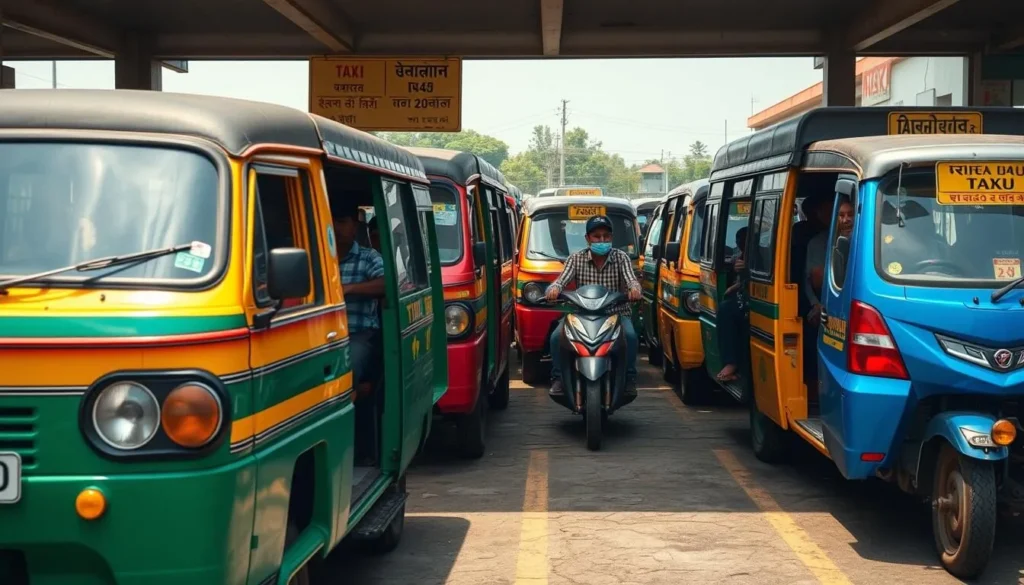
- Shared Taxis: The most common form of public transport between towns and villages. These typically depart when full from designated stands in major towns. Fares are reasonable, but comfort is basic.
- Private Taxis: Available for hire in major towns like Kohima and Dimapur. While more expensive than shared taxis, they offer convenience and comfort for exploring remote areas. Expect to pay ₹1,500-2,500 ($18-30) per day.
- State Buses: The Nagaland State Transport operates limited services between major towns. These are economical but often crowded and run on fixed schedules.
- Motorcycle Rentals: Available in Kohima and Dimapur for adventurous travelers. Rates start from ₹800 ($10) per day. A valid driving license is required.
- Walking: Within towns like Kohima, walking is often the best way to explore local markets and neighborhoods, though be prepared for steep inclines.
For travel between districts, hiring a private vehicle with a local driver is recommended, especially if visiting remote villages or trekking sites. Most accommodations can arrange transportation, often at better rates than you’ll find independently.
Road conditions vary significantly across the state, with some routes becoming impassable during monsoon season. Always allow extra time for journeys, particularly in mountainous areas where average speeds rarely exceed 30-40 km/h (18-25 mph).
Where to Stay
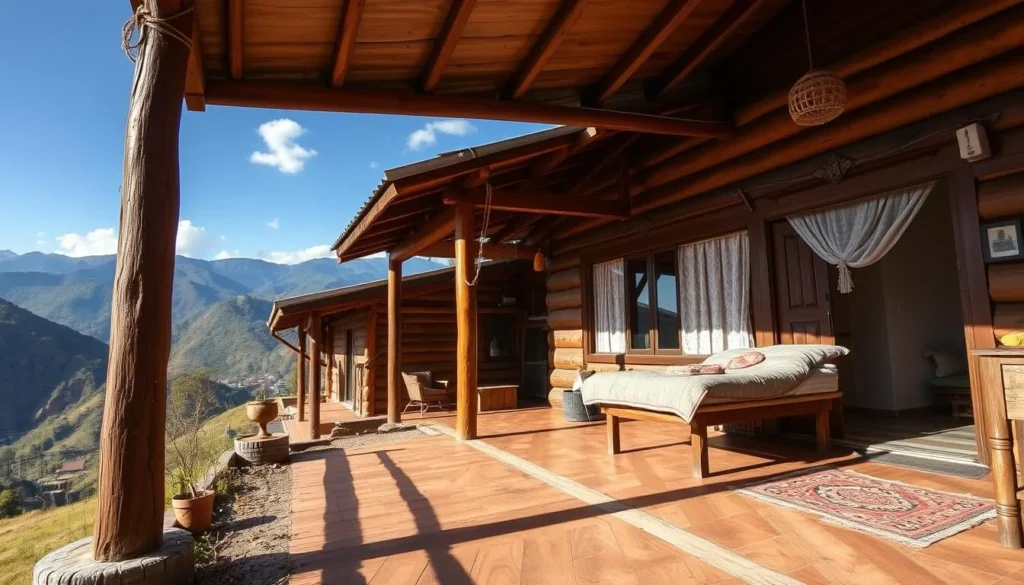
Nagaland offers a range of accommodation options to suit different budgets and preferences, though luxury options are limited outside of Kohima and Dimapur. Here’s what you can expect:
Budget Options
Government circuit houses and inspection bungalows offer basic but clean accommodations from ₹500-1,000 ($6-12) per night. Advance booking through government offices is required. Youth hostels in Kohima and Dimapur provide dormitory-style accommodations for ₹300-600 ($3.50-7) per night.
Mid-Range Options
Small hotels and guesthouses in major towns offer comfortable rooms with basic amenities for ₹1,500-3,000 ($18-36) per night. Many include breakfast and have attached restaurants. The Hotel Japfü and Vivor Hotel in Kohima are popular choices in this category.
Premium Options
Kohima and Dimapur have a few higher-end hotels with modern amenities, priced between ₹4,000-15,000 ($48-180) per night. The Heritage in Kohima and Hotel Acacia in Dimapur offer quality accommodations with restaurants, Wi-Fi, and room service.
For a more authentic experience, consider homestays in traditional villages like Khonoma, Dzüleke, and Tuophema. These typically cost ₹1,000-2,000 ($12-24) per night including meals, and offer invaluable cultural insights and home-cooked Naga cuisine. Most homestays can be arranged through local tour operators or directly via phone.
During the Hornbill Festival in December, accommodations throughout Kohima fill up quickly, with prices often doubling. Booking at least 2-3 months in advance is essential for this period.
Dining & Local Cuisine
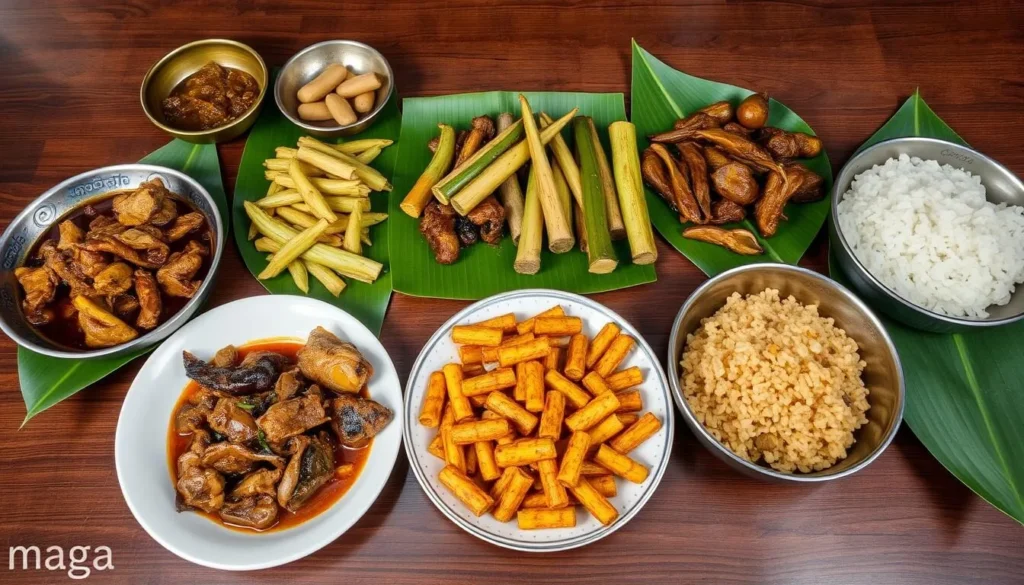
Naga cuisine is a carnivore’s delight, characterized by simple cooking methods, minimal spices, and generous use of the infamous bhoot jolokia (ghost pepper)—one of the world’s hottest chillies. Here are some must-try dishes and dining experiences:
Signature Dishes
- Smoked Pork: The quintessential Naga dish, often cooked with axone (fermented soybean), bamboo shoots, or raja mircha (king chili).
- Galho: A comforting rice porridge cooked with meat and vegetables, similar to khichdi.
- Bamboo Shoot Dishes: Fresh or fermented bamboo shoots feature prominently in Naga cooking, adding a distinctive flavor.
- Akibiye: A flavorful preparation of colocasia leaves cooked with meat and fermented fish.
- Zutho: Traditional rice beer with a slightly sour taste, served in bamboo containers.
Where to Eat
Kohima
The Nagaland Kitchen, Orami, and Chingtsuong Restaurant offer authentic Naga cuisine in comfortable settings. For a more local experience, visit the Naga Bazaar where food stalls serve traditional dishes at affordable prices.
Dimapur
Tibetan Kitchen, Ozone Café, and Footprint Café serve both Naga specialties and pan-Indian cuisine. The Hongkong Market area has numerous small eateries offering local food at reasonable prices.
Village homestays often provide the most authentic culinary experiences, with meals prepared using traditional methods and locally sourced ingredients. Many villages also have small eateries serving simple but delicious local fare.
Vegetarians may find limited options in traditional Naga cuisine, though most restaurants in urban areas offer vegetarian dishes. It’s advisable to communicate dietary restrictions clearly when dining at local establishments or homestays.
Dining Tip: Naga food can be extremely spicy. When ordering, you can request adjustments to the spice level. Most establishments are happy to accommodate.
Attractions, Sightseeing & Activities
Kohima: The Cultural Capital
Begin your Nagaland exploration in the state capital, perched at 1,444 m (4,738 ft) above sea level. Key attractions include:
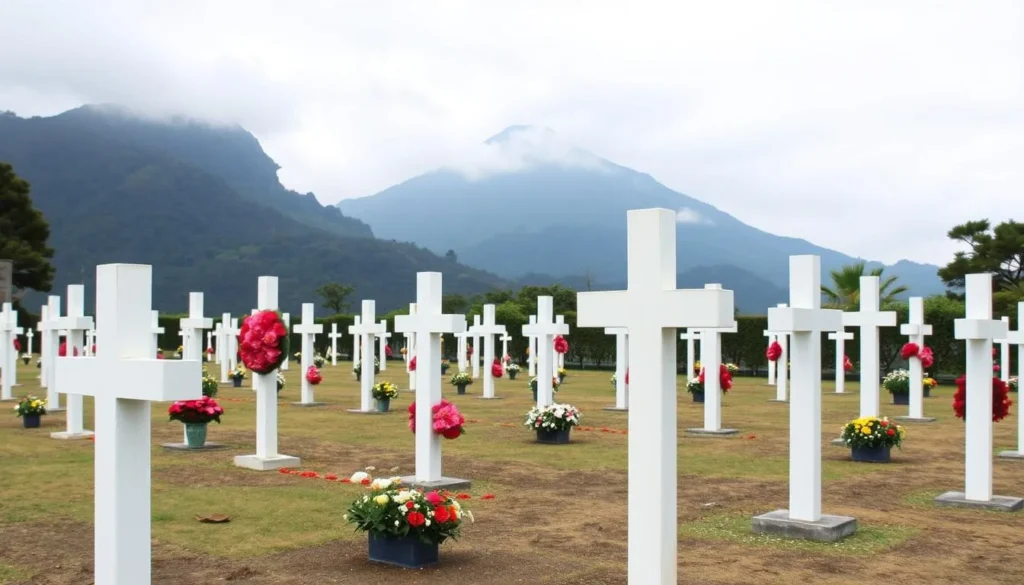
- Kohima War Cemetery: A poignant memorial to the soldiers who died during the Battle of Kohima in World War II. The cemetery offers panoramic views of the city and contains 1,420 Commonwealth burials.
- Nagaland State Museum: Houses an impressive collection of tribal artifacts, weapons, costumes, and handicrafts that showcase the rich cultural heritage of the Naga tribes.
- Kohima Cathedral: Asia’s largest cathedral, an architectural marvel with beautiful stained glass windows and peaceful surroundings.
- Naga Heritage Village at Kisama: Located 12 km from Kohima, this living museum showcases traditional Naga houses, artifacts, and cultural displays. It’s also the venue for the annual Hornbill Festival.
Dimapur: Gateway to Nagaland
As Nagaland’s commercial hub and entry point, Dimapur offers several interesting sites:
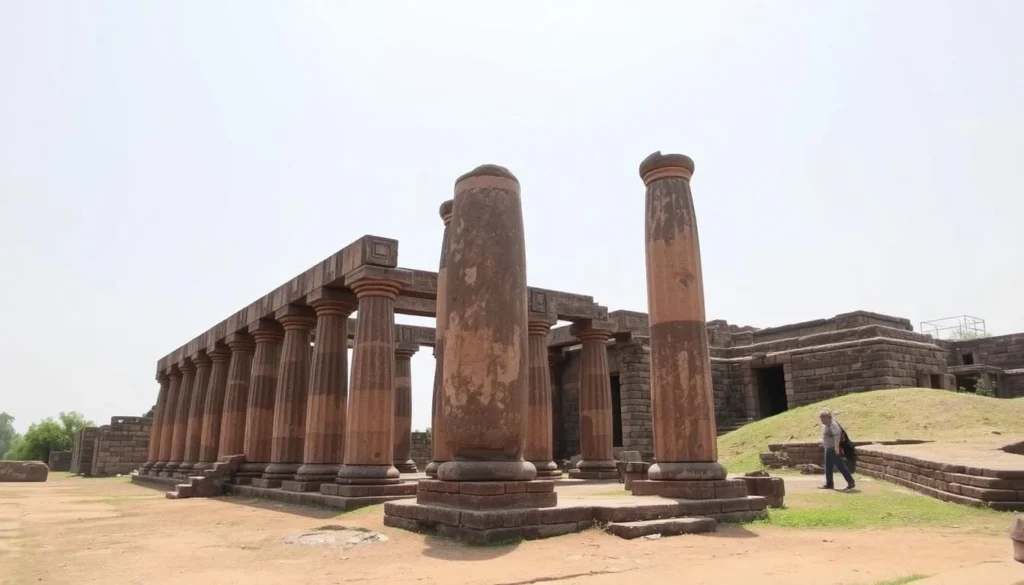
- Kachari Ruins: Dating back to the 10th century, these ancient monoliths and stone structures are remnants of the Dimasa Kachari kingdom.
- Triple Falls: A picturesque three-tiered waterfall surrounded by lush forest, perfect for nature lovers.
- Rangapahar Reserve Forest: Home to diverse flora and fauna, offering nature walks and wildlife spotting opportunities.
- Hongkong Market: A vibrant shopping area where you can find everything from traditional handicrafts to imported goods.
Mokokchung: Heart of Ao Tribal Culture
This picturesque town is the cultural center of the Ao tribe and offers authentic insights into tribal life:
- Ungma Village: One of the oldest and largest Ao villages, known for its traditional houses and cultural heritage.
- Longkhum Village: Famous for its panoramic views and traditional crafts, particularly shawl weaving.
- Mopungchuket Village: Known as the “village of love and harmony,” featuring a beautiful lake and traditional Ao houses.
Museums, Cultural Spots & Festivals
The Hornbill Festival: Nagaland’s Cultural Showcase
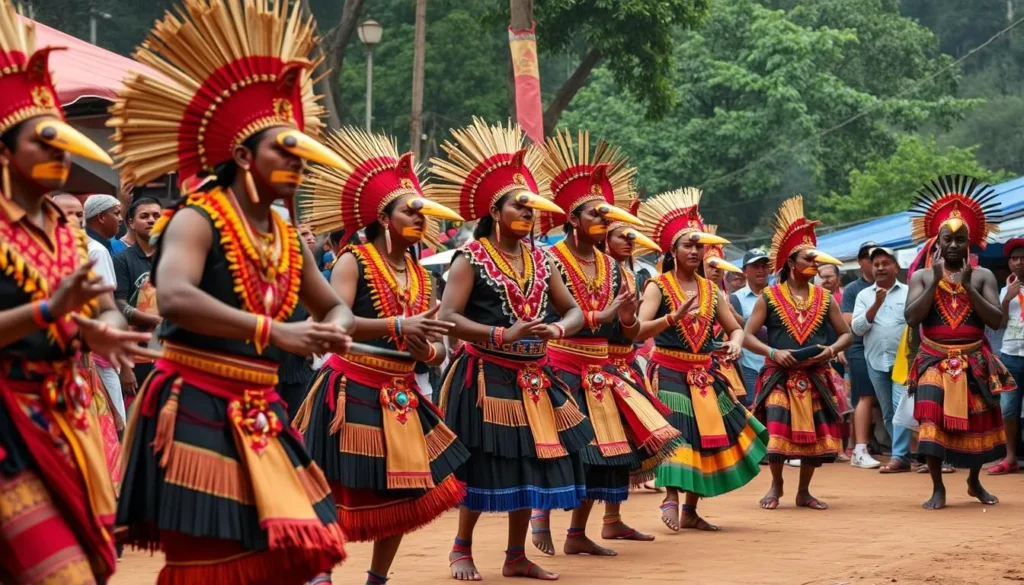
Held annually from December 1-10 at the Naga Heritage Village in Kisama, the Hornbill Festival is Nagaland’s flagship cultural event. This “Festival of Festivals” brings together all 16 Naga tribes for a spectacular celebration of indigenous traditions through:
- Traditional dance performances from each tribe
- Indigenous music showcases and competitions
- Craft demonstrations and exhibitions
- Traditional games and sports
- Food festivals featuring authentic tribal cuisine
- Naga Morungs (traditional communal houses) representing each tribe
The festival attracts visitors from across India and around the world. If your travel coincides with this period, it’s an unmissable experience that offers a comprehensive introduction to Naga culture.
Other Notable Festivals
| Festival | Tribe | Month | Highlights |
| Aoling Festival | Konyak | April | Spring festival with vibrant dances, traditional games, and feasting |
| Moatsu Festival | Ao | May | Three-day celebration after sowing season with folk songs and dances |
| Tuluni Festival | Sumi | July | Harvest festival featuring traditional rice beer and community feasts |
| Sekrenyi Festival | Angami | February | Purification festival with rituals, games, and ceremonial dances |
Cultural Museums and Centers
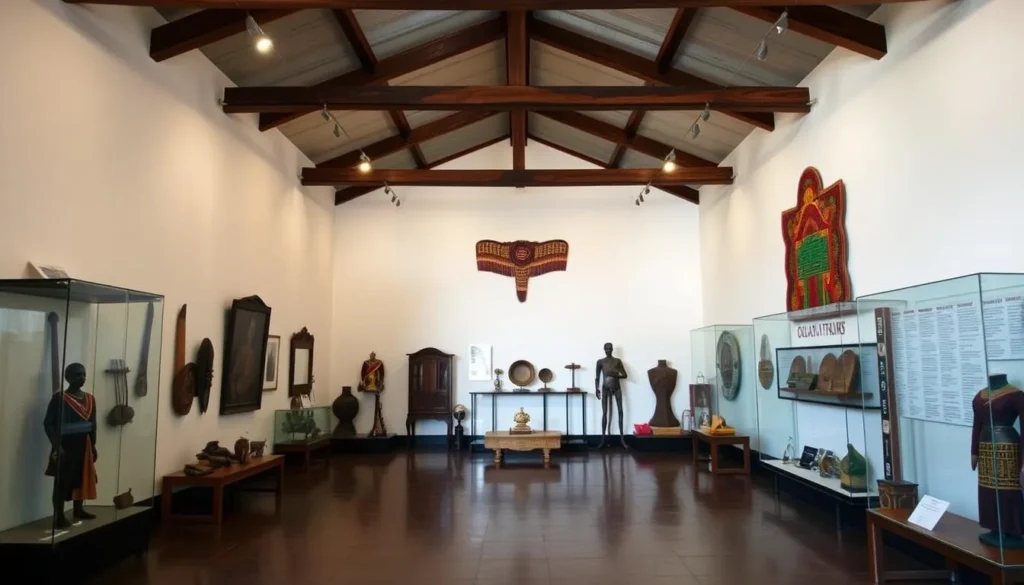
Beyond the Nagaland State Museum in Kohima, several cultural institutions offer insights into Naga heritage:
- Morung Exhibition Center (Kohima): Showcases traditional architecture and living spaces of different Naga tribes.
- Mokokchung Village Museum: Dedicated to preserving and displaying Ao tribal artifacts and cultural items.
- Khonoma Nature Conservation and Tragopan Sanctuary: Beyond conservation, this site preserves the cultural heritage of the Angami tribe.
Nature & Outdoor Experiences
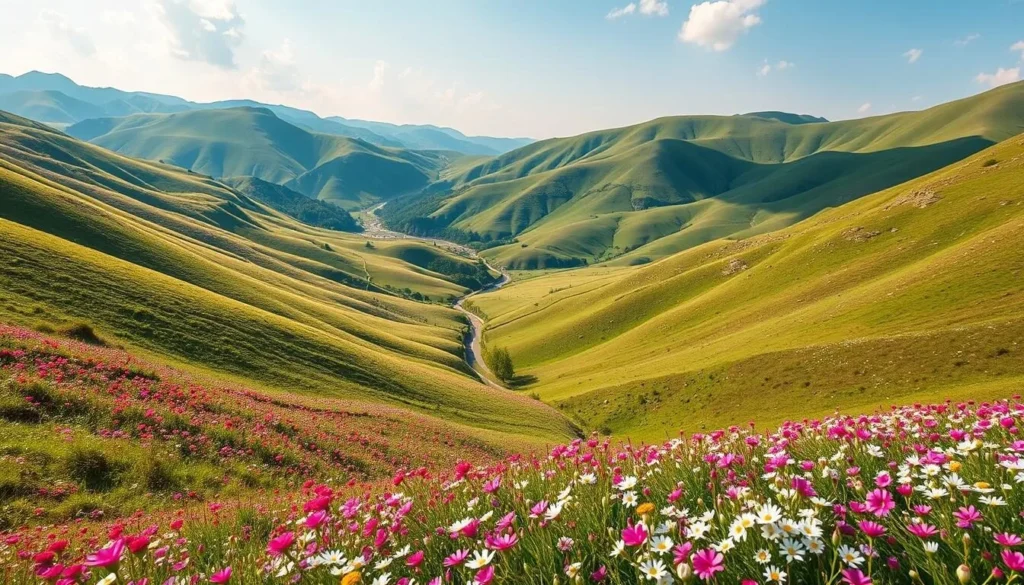
Dzukou Valley: The Valley of Flowers
Located at the border of Nagaland and Manipur at an altitude of 2,452 m (8,045 ft), Dzukou Valley is famous for its natural beauty and the rare Dzukou lily that blooms in late spring/early summer. The valley features gently rolling hills, lush meadows, and crystal-clear streams.
Trekking options include:
- Zakhama Route: Shorter but steeper, taking 3-4 hours to reach the valley
- Viswema Route: Longer but gentler ascent, taking 5-6 hours
Basic accommodation is available at the rest house in the valley, but camping equipment can also be brought along. The best time to visit is from June to September when the valley is at its greenest, or April when the Dzukou lilies bloom.
Mount Saramati: Nagaland’s Highest Peak
Standing tall at 3,826 m (12,552 ft), Mount Saramati in Kiphire district offers a challenging trek for adventure enthusiasts. The trek typically starts from Thanamir village and takes 2-3 days to complete. From the summit, you can enjoy panoramic views of both India and Myanmar.
Wildlife Sanctuaries and National Parks
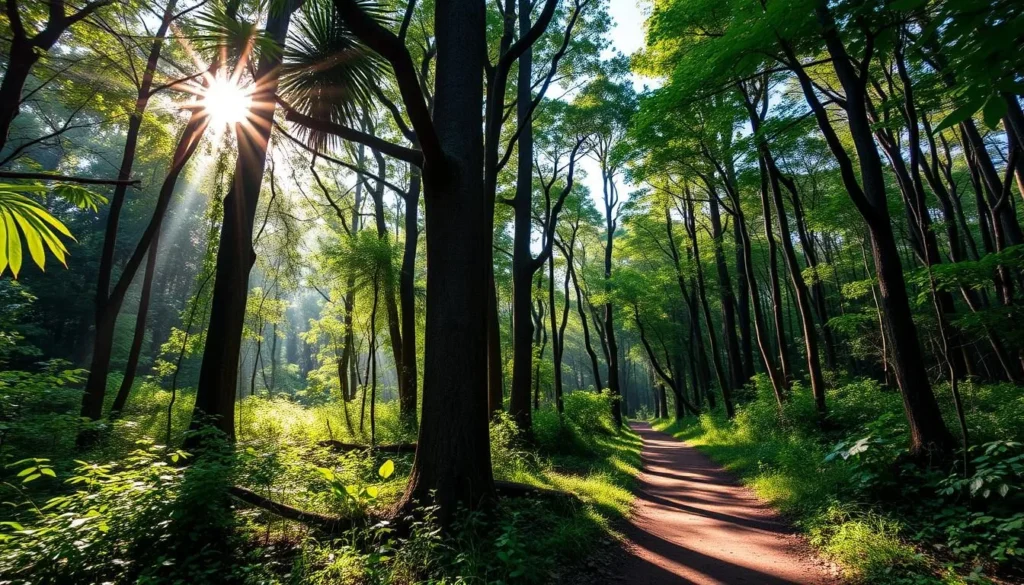
Nagaland’s protected areas offer excellent opportunities for wildlife enthusiasts:
Ntangki National Park
Covering 202 sq km (78 sq miles) in Peren district, this park is home to rare species including hoolock gibbons, sloth bears, tigers, and various bird species. The park features dense forests, grasslands, and several water bodies.
Fakim Wildlife Sanctuary
Located in Kiphire district, this small sanctuary spanning 6.4 sq km (2.5 sq miles) is known for its rich biodiversity, including the endangered blyth’s tragopan, a rare pheasant species. The sanctuary also harbors leopards, serows, and numerous butterfly species.
Khonoma: India’s First Green Village
Located 20 km from Kohima, Khonoma is renowned for its sustainable practices and conservation efforts. The village banned hunting and logging in 1998, creating a community-protected forest area that now serves as a model for eco-tourism. Visitors can explore terraced rice fields, trek through protected forests, and learn about traditional conservation practices from the Angami tribe.
Safety, Etiquette & Local Customs
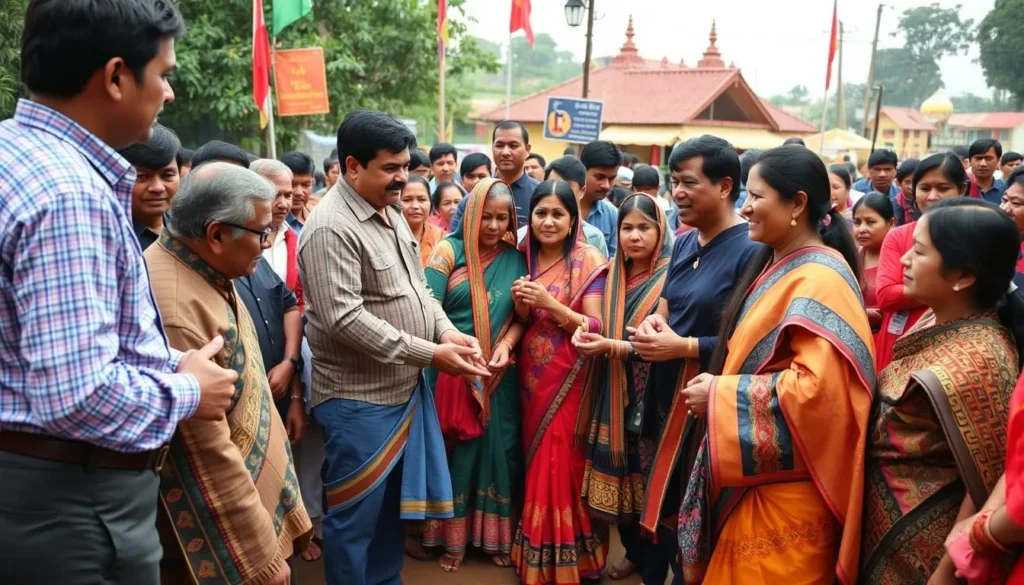
Safety Considerations
Nagaland is generally safe for tourists, but some precautions are advisable:
- Always carry your Inner Line Permit (ILP) or Protected Area Permit (PAP) and identification documents.
- Avoid traveling after dark, especially in remote areas, due to poor road conditions rather than security concerns.
- During monsoon season (June-September), be aware of potential landslides and road closures.
- Inform your accommodation about trekking plans and expected return times when venturing into remote areas.
- Basic medical facilities are available in major towns, but comprehensive healthcare is limited. Carry a basic first-aid kit and any personal medications.
Cultural Etiquette
Respecting local customs will enhance your experience and interactions:
- Ask permission before photographing people, especially during religious ceremonies or in villages.
- Remove shoes before entering homes and religious buildings.
- Dress modestly, especially when visiting villages and religious sites. Shorts and sleeveless tops may be considered inappropriate in traditional settings.
- When invited to a home, it’s customary to bring a small gift (fruits, sweets, or beverages are appropriate).
- Respect tribal customs and traditions, which may vary significantly between different Naga communities.
Local Customs and Practices
Understanding some aspects of Naga culture can enrich your travel experience:
- Christianity is the predominant religion, with Sunday being observed as a day of rest in many villages.
- Each tribe has its own language, though English and Nagamese (a creole language) are widely understood.
- Traditional gender roles are still observed in many communities, particularly in rural areas.
- Sharing meals is an important social custom; accepting food or drink offered is considered respectful.
- Tribal councils (often called “Hohos”) play an important role in village governance and dispute resolution.
Visitor Comments About Nagaland
“The Hornbill Festival exceeded all my expectations—16 tribes showcasing their unique cultures in one place! Beyond the festival, I was captivated by Dzukou Valley’s pristine beauty and the warm hospitality in every village we visited. Nagaland offers an authentic cultural experience that’s increasingly rare in our globalized world.”
“As someone who’s traveled extensively across Asia, Nagaland stands out for its untouched natural beauty and distinctive tribal cultures. The traditional Naga cuisine was a revelation—simple yet incredibly flavorful. Trekking in Dzukou Valley felt like discovering a hidden paradise. Just be prepared for basic infrastructure in remote areas.”
“Khonoma village was the highlight of my Nagaland trip. Staying with a local family, learning about their sustainable practices, and hiking through community-protected forests gave me hope for conservation efforts worldwide. The terraced fields are as beautiful as any I’ve seen in Southeast Asia, but without the crowds. Don’t miss this green village!”
Additional Nearby Destinations
While exploring Nagaland, consider these nearby destinations that complement your northeastern India adventure:
Assam
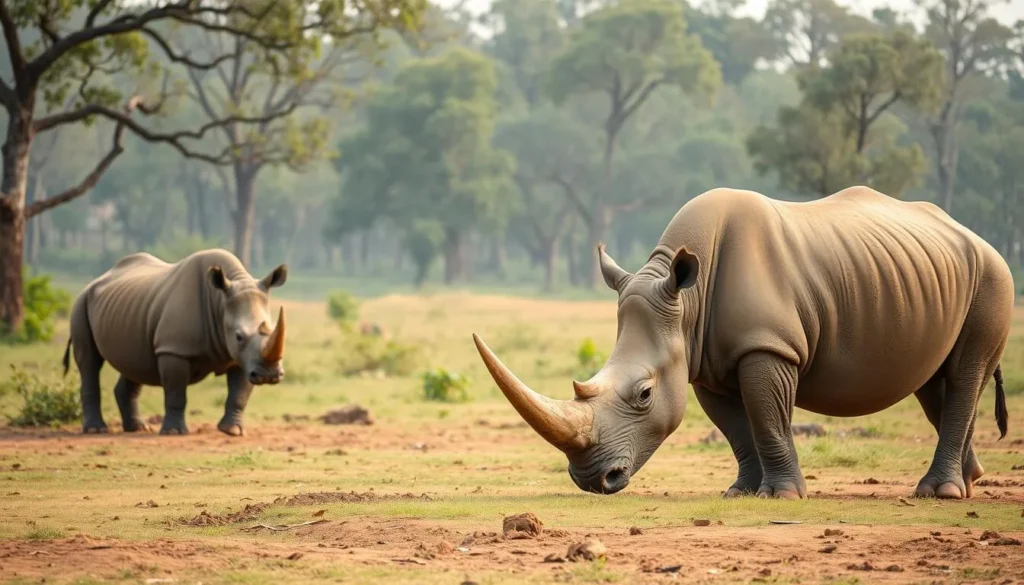
Bordering Nagaland to the west, Assam is famous for Kaziranga National Park (a UNESCO World Heritage site home to two-thirds of the world’s one-horned rhinoceros) and its renowned tea plantations. The distance from Dimapur to Kaziranga is approximately 200 km (124 miles), a journey of about 4-5 hours.
Manipur
Southeast of Nagaland, Manipur is known for Loktak Lake (the largest freshwater lake in Northeast India) and its unique floating islands called phumdis. The capital, Imphal, is approximately 140 km (87 miles) from Kohima, a journey of about 4 hours.
Meghalaya
Known as the “abode of clouds,” Meghalaya features living root bridges, stunning waterfalls, and some of Asia’s deepest caves. Shillong, the capital, is approximately 280 km (174 miles) from Dimapur, a journey of about 6-7 hours.
These neighboring states, along with Arunachal Pradesh, Mizoram, and Tripura, form the culturally rich and naturally diverse Northeast India region, often referred to as the “Seven Sisters.” Each state offers distinctive landscapes, tribal cultures, and experiences that can be combined into a comprehensive northeastern India itinerary.
Practical Travel Tips
Essential Information
- Currency: Indian Rupee (INR). ATMs are available in Kohima and Dimapur but can be scarce in remote areas. Carry sufficient cash when traveling to villages.
- Language: English is widely spoken in urban areas and tourist destinations. Nagamese serves as a lingua franca among different tribes.
- Connectivity: Mobile network coverage is good in major towns but can be patchy in remote areas. BSNL, Airtel, and Jio have the best coverage across the state.
- Electricity: 230V, 50Hz with Indian-style round pin plugs (Types C, D, and M). Power outages can occur, so a portable power bank is useful.
Packing Essentials
- Layered clothing suitable for variable temperatures
- Sturdy walking shoes or hiking boots for trekking
- Rain gear (especially if traveling during or near monsoon season)
- Insect repellent and sunscreen
- Basic first-aid kit and personal medications
- Reusable water bottle with purification capability
- Flashlight or headlamp (power outages are common)
Shopping Tips
Nagaland offers unique handicrafts and souvenirs that make meaningful mementos:
- Naga Shawls: Each tribe has distinctive patterns and colors. These handwoven textiles make excellent souvenirs.
- Bamboo and Cane Products: From utility items to decorative pieces, these showcase exceptional craftsmanship.
- Traditional Jewelry: Naga tribal jewelry featuring beads, shells, and metal work is both beautiful and culturally significant.
- Woodcarvings: Intricate wooden artifacts depicting tribal motifs and daily life scenes.
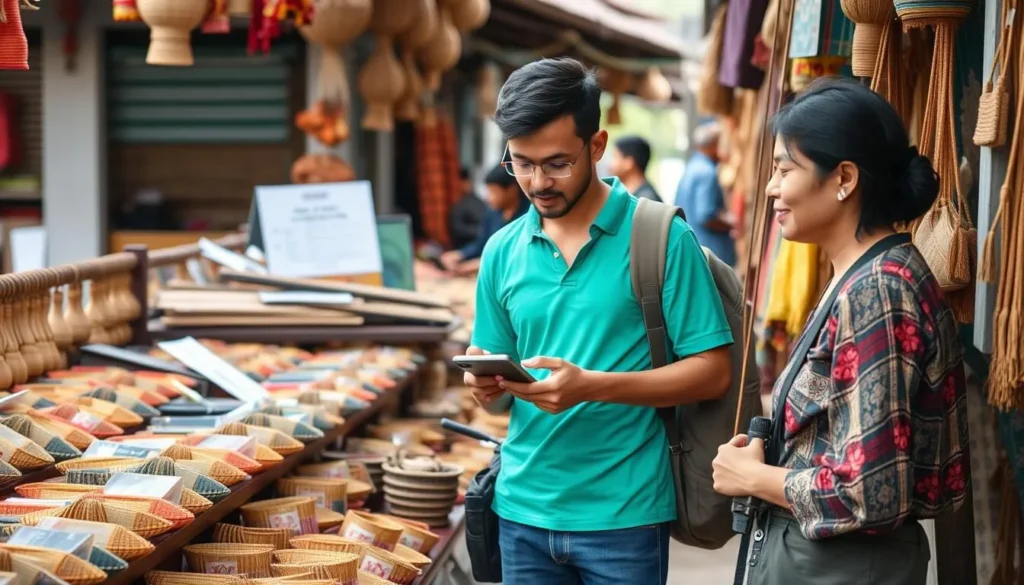
The best places to shop include the Naga Bazaar in Kohima, the Handicraft Emporium near the State Museum, and the craft stalls during the Hornbill Festival. Bargaining is acceptable in local markets but not in government emporiums where prices are fixed.
Embrace the Extraordinary: Your Nagaland Adventure Awaits
Nagaland offers a travel experience unlike any other in India—or perhaps the world. From the vibrant cultural tapestry of its 16 distinct tribes to the untouched natural beauty of its mountains and valleys, this northeastern frontier state rewards intrepid travelers with authentic experiences increasingly rare in our homogenized world. Whether you’re witnessing the spectacular Hornbill Festival, trekking through the ethereal Dzukou Valley, or sharing a meal with villagers in a traditional morung, Nagaland’s unique blend of natural splendor, living traditions, and warm hospitality creates memories that will last a lifetime. As you plan your journey to this extraordinary corner of India, prepare to step off the beaten path and into a world where ancient traditions thrive alongside stunning landscapes—a true adventure for the culturally curious traveler.
The above is subject to change.
Check back often to TRAVEL.COM for the latest travel tips and deals.

0 Comments