

Did you know that Delhi, the heart of India’s National Capital Territory, houses an astonishing 1,200+ heritage buildings and three UNESCO World Heritage Sites within a single urban area? As one of the world’s oldest continuously inhabited cities, Delhi stands as a living museum where 5,000 years of history blend seamlessly with modern metropolitan energy.
The National Capital Territory of India spans 1,484 square kilometers and offers an unparalleled journey through time. From magnificent Mughal architecture to bustling bazaars, from serene gardens to world-class museums, this vibrant region beckons travelers with its rich tapestry of experiences.
Whether you’re drawn to ancient monuments, culinary adventures, or cultural immersion, the National Capital Territory promises an extraordinary adventure that will engage all your senses and leave you with unforgettable memories.
Getting There & Planning Your Journey
The National Capital Territory is easily accessible through Indira Gandhi International Airport (DEL), one of Asia’s busiest and most modern airports. Located about 16 km (10 miles) from central Delhi, it handles over 900 flights daily and connects to major cities worldwide.
Most international visitors require a visa to enter India. E-visas are available for citizens of over 150 countries and can be applied for online through the official Indian government portal. Processing typically takes 3-5 business days, so plan accordingly.
Closest Airports
- Indira Gandhi International Airport (DEL) – The primary gateway to Delhi
- Hindon Airport (HDO) – A smaller airport in Ghaziabad, primarily serving domestic flights
From the airport, you have several transportation options to reach your accommodation:
- Delhi Airport Express Metro – The fastest option, reaching New Delhi Railway Station in just 20 minutes
- Prepaid Taxis – Available at designated counters with fixed rates
- Ride-hailing Services – Uber and Ola operate extensively throughout Delhi
- Airport Shuttles – Many hotels offer pickup services (inquire when booking)
For a smooth arrival experience, consider arranging airport pickup through your hotel, especially if arriving late at night. This eliminates the need to negotiate with taxi drivers when you’re tired from your journey.
Best Time to Visit & Weather Tips
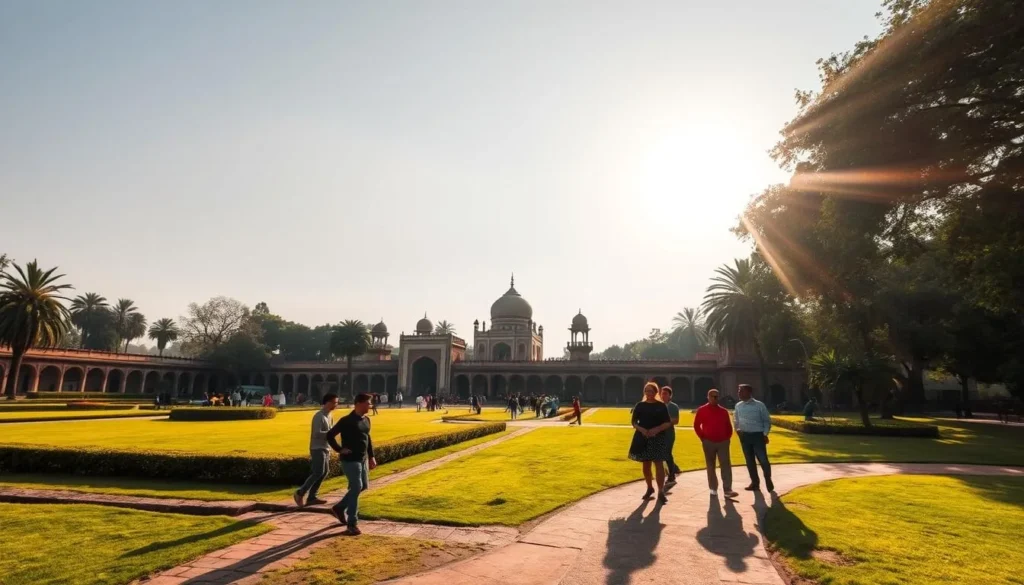
The National Capital Territory experiences distinct seasons, each offering a different experience for visitors. Timing your visit can significantly impact your comfort and enjoyment.
Recommended Seasons
- October to March – The ideal time to visit with pleasant temperatures ranging from 20-25°C (68-77°F). Winter months (December-February) can be chilly in the mornings and evenings with temperatures occasionally dropping to 5-10°C (41-50°F), so pack layers.
- February to March – Perfect for experiencing local festivals like Holi (Festival of Colors) which typically falls in March.
Seasons to Avoid
- April to June – Extreme heat with temperatures regularly exceeding 40°C (104°F), sometimes reaching 45-48°C (113-118°F).
- July to September – Monsoon season brings high humidity and unpredictable rainfall, though prices are lower and attractions less crowded.
- November – Often experiences poor air quality due to seasonal agricultural burning and festival fireworks.
| Season | Months | Temperature Range | Considerations |
| Winter | December-February | 5-20°C (41-68°F) | Ideal for sightseeing, pack warm clothes for mornings/evenings |
| Spring | March-April | 18-35°C (64-95°F) | Pleasant initially, gets hot by late April |
| Summer | May-June | 35-48°C (95-118°F) | Extremely hot, not recommended |
| Monsoon | July-September | 25-35°C (77-95°F) | Humid with unpredictable rainfall |
| Autumn | October-November | 15-30°C (59-86°F) | Pleasant, but potential air quality issues in November |
If visiting during winter (December-February), pack a light jacket or shawl for evenings. For summer visits, lightweight, breathable clothing is essential, along with sun protection and a water bottle. During monsoon season, carry an umbrella or raincoat and wear waterproof footwear.
Getting Around Locally
The National Capital Territory offers diverse transportation options to suit every budget and preference. Navigating this sprawling urban area is easier than you might expect, thanks to an extensive public transit network.

Delhi Metro
The Delhi Metro is the backbone of public transportation in the National Capital Territory and the most efficient way to avoid traffic congestion. With over 285 stations and 10 color-coded lines, it connects most major attractions and neighborhoods.
- Operating hours: 6:00 AM to 11:00 PM
- Fares: ₹10-60 (approximately $0.12-0.75) depending on distance
- Tourist cards available: 1-day (₹200) and 3-day (₹500) unlimited travel options
- Women-only carriages available for added safety
- Air-conditioned and remarkably clean
Buses
Delhi Transport Corporation (DTC) operates an extensive bus network with over 3,700 buses. While less comfortable than the metro, buses reach areas not covered by the rail system and are incredibly affordable.
- Fares: ₹5-25 ($0.06-0.30) depending on distance
- Green (air-conditioned) and red (non-AC) buses available
- Crowded during peak hours
Auto-Rickshaws and Cycle-Rickshaws
Auto-rickshaws (tuk-tuks) are three-wheeled vehicles ideal for short distances. Cycle-rickshaws are human-powered and suitable for navigating narrow lanes in areas like Old Delhi.
- Auto-rickshaws: Metered fares start at ₹25 for first 2 km, then ₹8 per km
- Cycle-rickshaws: Negotiate price before riding, typically ₹20-50 for short trips
- Always agree on fare before starting your journey if meter isn’t used
Ride-Hailing Services
Uber and Ola provide convenient, air-conditioned transportation throughout the National Capital Territory. These services offer the advantage of fixed pricing and no need for cash transactions.
“Delhi’s metro system transformed my experience of the city. Clean, efficient, and incredibly affordable—it made exploring the sprawling capital territory so much easier than I expected.”
For first-time visitors, the Delhi Metro is highly recommended for daytime travel between major attractions. For early morning or late evening journeys, pre-booked taxis or ride-hailing services offer greater security and peace of mind.
Where to Stay
The National Capital Territory offers accommodation options for every budget and preference, from luxury five-star hotels to budget-friendly guesthouses. Your choice of neighborhood will significantly impact your experience, so consider what attractions you plan to visit most.

Luxury Accommodations
For those seeking premium experiences, Delhi’s five-star hotels offer world-class amenities, exceptional service, and often, historical significance.
- Connaught Place/Lutyens’ Delhi – The Imperial, The Claridges, Le Meridien
- South Delhi – The Leela Palace, The Oberoi, The Lodhi
- Price Range: ₹15,000-40,000 ($180-480) per night
Mid-Range Options
Comfortable hotels with good amenities at reasonable prices can be found throughout the National Capital Territory.
- Karol Bagh – Hotel Regent Grand, Hotel Jivitesh
- Greater Kailash – Bloom Rooms, FabHotel Olive
- Aerocity (near airport) – Holiday Inn, Ibis
- Price Range: ₹3,000-8,000 ($36-96) per night
Budget Accommodations
Travelers on a tight budget will find numerous affordable options that provide basic comforts.
- Paharganj (near New Delhi Railway Station) – Hotel Amax Inn, Bloomrooms
- Majnu ka Tilla (Tibetan Colony) – Guest houses and hostels
- Price Range: ₹800-2,500 ($10-30) per night
Recommended Areas
| Area | Best For | Pros | Cons |
| Connaught Place | First-time visitors | Central location, shopping, dining, metro connectivity | Higher prices, busy area |
| South Delhi | Luxury travelers | Upscale, quieter, near historical sites | Expensive, farther from Old Delhi attractions |
| Paharganj | Budget travelers | Affordable, near railway station, backpacker-friendly | Crowded, can be noisy |
| Karol Bagh | Shopping enthusiasts | Markets, mid-range hotels, metro access | Congested streets |
| Aerocity | Airport proximity | Modern hotels, convenient for short stays | Isolated from main attractions |
For first-time visitors to the National Capital Territory, staying near Connaught Place offers the best balance of convenience, safety, and accessibility. From here, you can easily reach most major attractions via metro, and you’ll find plenty of dining and shopping options within walking distance.
Dining & Local Cuisine
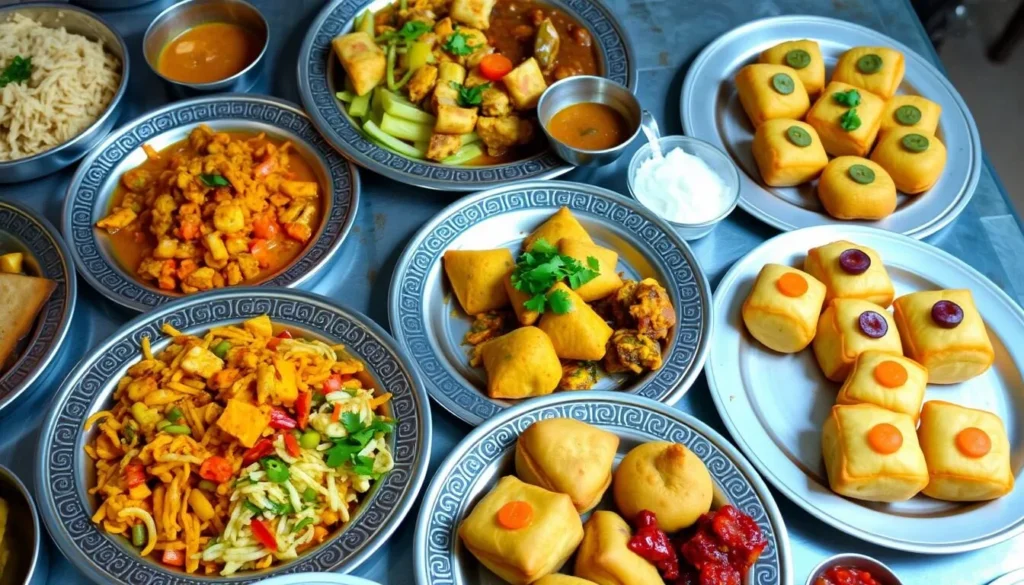
The National Capital Territory is a paradise for food lovers, offering everything from royal Mughlai cuisine to street food delicacies. Delhi’s food scene reflects its status as a melting pot of cultures from across India and beyond.
Must-Try Local Specialties
- Butter Chicken – Creamy tomato-based curry with tender chicken, originated at Delhi’s Moti Mahal restaurant
- Chole Bhature – Spiced chickpea curry served with fluffy fried bread
- Paratha – Stuffed flatbreads with fillings like potato, paneer, or minced meat
- Chaat – Savory snacks combining crispy elements with tangy, sweet, and spicy flavors
- Kebabs – Especially seekh kebabs and kakori kebabs, perfected during the Mughal era
- Daulat ki Chaat – A winter delicacy of milk foam topped with saffron and pistachios
Street Food Hotspots
Delhi’s street food is legendary, offering authentic flavors at incredibly affordable prices. These areas are particularly famous for their food offerings:
- Chandni Chowk – Especially Paranthe Wali Gali for stuffed parathas and Giani’s for kulfi
- Connaught Place – Keventers for milkshakes and Saravana Bhavan for South Indian dosas
- Khan Market – Khan Chacha for kebab rolls and Big Chill for desserts
- Karim’s (near Jama Masjid) – Legendary for Mughlai cuisine since 1913
- Dilli Haat – Food stalls representing cuisines from different Indian states
“The food tour through Old Delhi was the highlight of my trip to the National Capital Territory. From crispy jalebis to melt-in-your-mouth kebabs, every bite told a story of Delhi’s rich culinary heritage.”
Fine Dining Experiences
For special occasions or a taste of luxury, Delhi offers exceptional fine dining options:
- Indian Accent – Contemporary Indian cuisine, consistently ranked among Asia’s best restaurants
- Bukhara – Famous for North-West Frontier cuisine, especially the dal bukhara
- Spice Route – Pan-Asian cuisine in a stunning setting at The Imperial hotel
- Varq – Modern Indian dining at The Taj Mahal Hotel
Dining Tips
- Street food is delicious but choose vendors with high turnover and clean preparation areas
- Bottled water is recommended for visitors
- Many restaurants are vegetarian-only; those serving meat often don’t serve beef
- A service charge is often included in restaurant bills; additional tipping is optional
- For authentic local experiences, consider a guided food tour in Old Delhi
Whether you’re sampling street food in the narrow lanes of Old Delhi or enjoying refined cuisine in a luxury hotel, the National Capital Territory offers culinary experiences that will remain among your most vivid travel memories.
Attractions, Sightseeing & Activities
The National Capital Territory boasts an incredible concentration of historical monuments, cultural landmarks, and urban experiences. From UNESCO World Heritage Sites to vibrant markets, here are the must-visit attractions that showcase the region’s rich heritage.
UNESCO World Heritage Sites
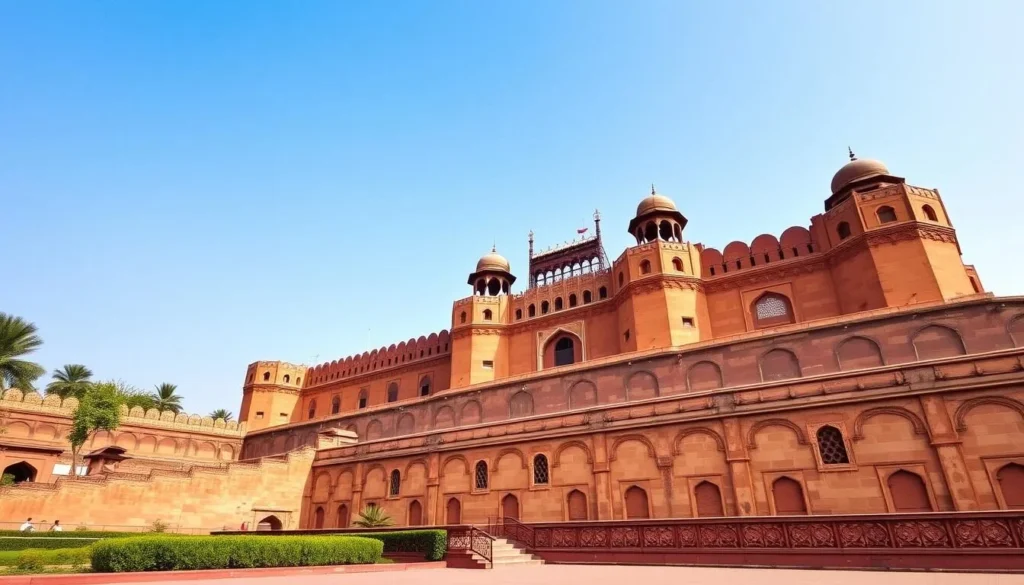
- Red Fort (Lal Qila) – This massive red sandstone fort, built in 1648, was the main residence of Mughal emperors for nearly 200 years. Don’t miss the evening sound and light show that brings its history to life.
- Qutub Minar – The world’s tallest brick minaret (73 m/240 ft) dates back to 1193 and is surrounded by ancient ruins, including the rust-resistant Iron Pillar.
- Humayun’s Tomb – Built in 1570, this magnificent garden tomb was the architectural inspiration for the Taj Mahal and showcases Persian-influenced Mughal design.
Historical Monuments
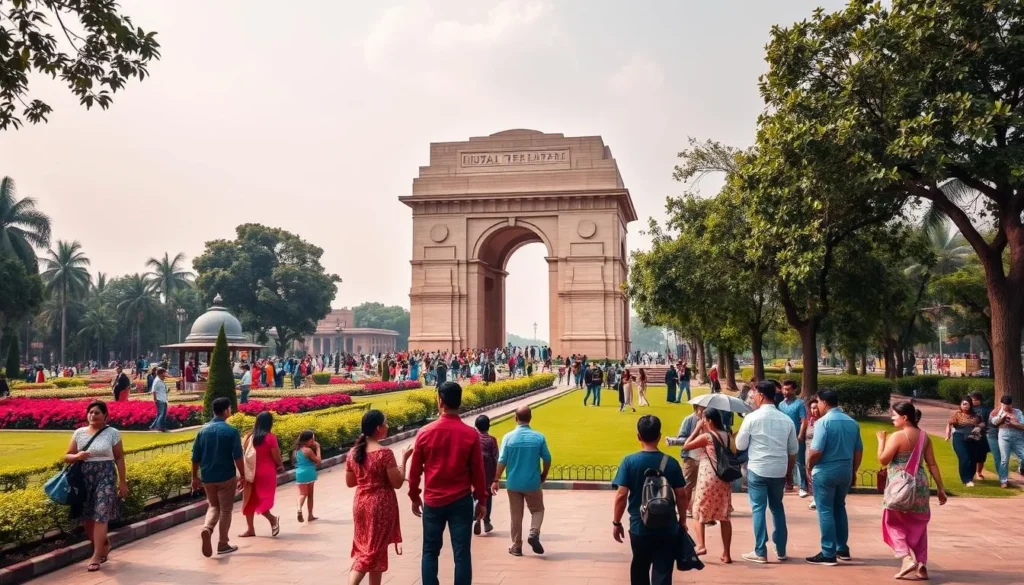
- India Gate – This 42 m (138 ft) war memorial honors Indian soldiers who died in World War I and is surrounded by beautiful gardens.
- Jama Masjid – India’s largest mosque can accommodate 25,000 worshippers and offers panoramic views of Old Delhi from its southern minaret.
- Rashtrapati Bhavan – The President’s official residence is a massive 340-room mansion with spectacular Mughal Gardens open to visitors during February-March.
- Akshardham Temple – Though modern (completed in 2005), this elaborate Hindu temple complex showcases traditional craftsmanship with over 20,000 carved figures.
Markets and Shopping

- Chandni Chowk – One of Asia’s oldest and busiest markets, offering everything from spices and textiles to electronics and street food.
- Dilli Haat – An open-air craft market featuring artisans from across India, with regional food stalls and cultural performances.
- Khan Market – Upscale shopping area with boutiques, bookstores, and international brands, plus excellent cafés and restaurants.
- Sarojini Nagar – Famous for budget fashion and export surplus clothing, perfect for bargain hunters.
Parks and Gardens
- Lodhi Garden – A serene 36-hectare (90-acre) park containing 15th-century tombs and monuments, popular with morning walkers and picnickers.
- Sunder Nursery – Recently restored 16th-century heritage park with Mughal gardens, water features, and over 300 tree species.
- Garden of Five Senses – A 8-hectare (20-acre) park designed to stimulate all five senses with distinct themed areas.
“Humayun’s Tomb at sunset was magical—the red sandstone glowed in the evening light, and the symmetrical gardens created such a peaceful atmosphere away from Delhi’s busy streets. Don’t miss this UNESCO site when visiting the National Capital Territory.”
To make the most of your sightseeing, consider starting early in the morning (around 8-9 AM) to avoid crowds and afternoon heat. Many monuments are closed on Mondays, so plan accordingly. A guided tour can greatly enhance your understanding of Delhi’s complex history and architectural significance.
Museums, Cultural Spots & Festivals
Beyond its monuments, the National Capital Territory offers rich cultural experiences through its museums, performing arts venues, and vibrant festivals that showcase India’s diverse heritage.
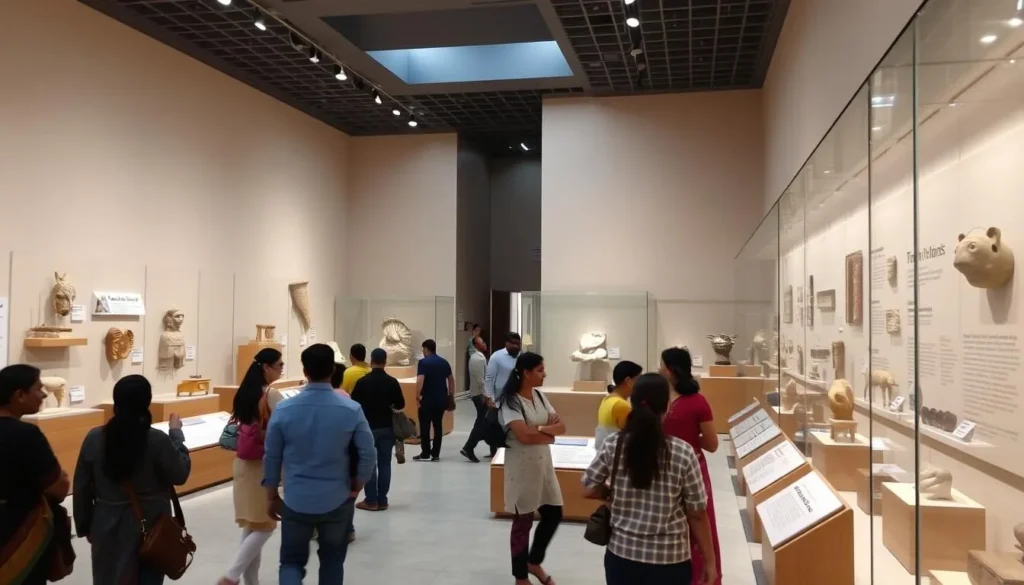
Top Museums
- National Museum – Houses over 200,000 artifacts spanning 5,000 years of Indian cultural heritage, including the famous Dancing Girl bronze from Mohenjo-daro.
- National Gallery of Modern Art – Showcases Indian modern art from the 1850s onwards in a beautiful colonial building.
- Crafts Museum – Displays traditional crafts from across India with artisans often demonstrating their skills on-site.
- Gandhi Smriti – The house where Mahatma Gandhi spent his final days, now a museum dedicated to his life and principles.
- Indira Gandhi Memorial Museum – The former residence of Prime Minister Indira Gandhi, preserved as it was at the time of her assassination.
Cultural Centers
- India Habitat Centre – A cultural complex hosting art exhibitions, performances, film screenings, and lectures.
- Kamani Auditorium – Premier venue for classical music, dance performances, and theatrical productions.
- Triveni Kala Sangam – Cultural institution offering classes in Indian classical arts and regular exhibitions.
Major Festivals
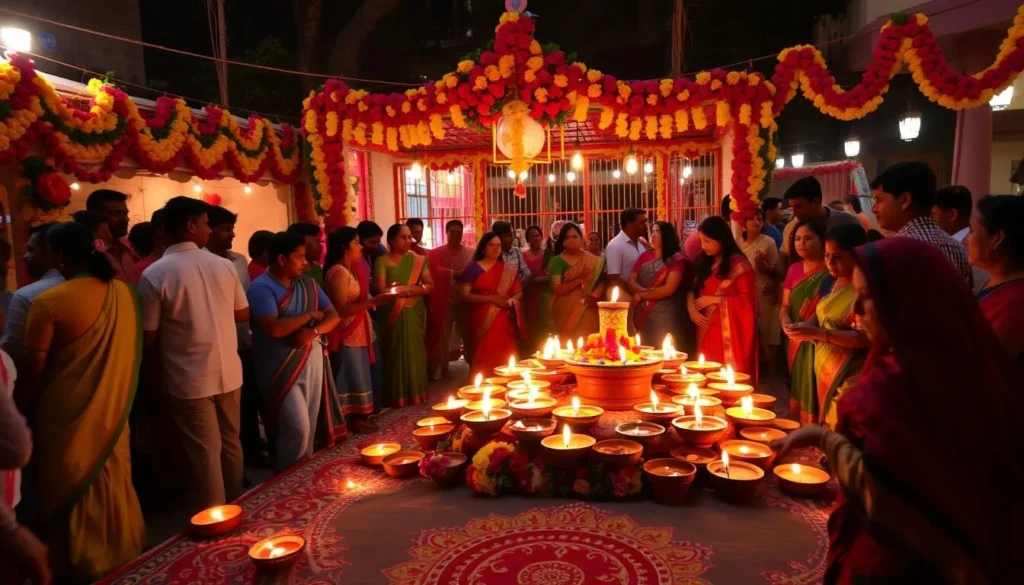
The National Capital Territory celebrates numerous festivals throughout the year, offering visitors a chance to experience India’s rich cultural traditions:
| Festival | Month | Description |
| Republic Day | January 26 | Grand parade along Rajpath showcasing India’s military might and cultural diversity |
| Holi | March (varies) | Festival of colors where people playfully throw colored powders and water |
| Dussehra | October (varies) | Celebrates the victory of good over evil with effigies burned at various locations |
| Diwali | October/November (varies) | Festival of lights with homes decorated with oil lamps, fireworks, and family gatherings |
| Qutub Festival | November/December | Classical music and dance performances against the backdrop of Qutub Minar |
Cultural Experiences
- Kathak Dance Performance – Experience classical North Indian dance at Kamani Auditorium or Triveni Kala Sangam.
- Sufi Music at Nizamuddin Dargah – Thursday evenings feature qawwali performances at this 14th-century shrine.
- Cooking Classes – Learn to prepare authentic Delhi cuisine through workshops offered by various culinary schools.
- Heritage Walks – Join guided walks through historic neighborhoods like Shahjahanabad (Old Delhi) or Lutyens’ Delhi.
Many museums are closed on Mondays, and some require separate camera fees if you wish to take photographs. For the best cultural immersion, check local event listings in publications like Delhi Times or websites such as DelhiEvents.com to find performances and exhibitions during your visit.
Nature & Outdoor Experiences
While the National Capital Territory is primarily known for its urban landscape and historical monuments, it also offers surprising green spaces and outdoor experiences that provide a refreshing contrast to the bustling city.
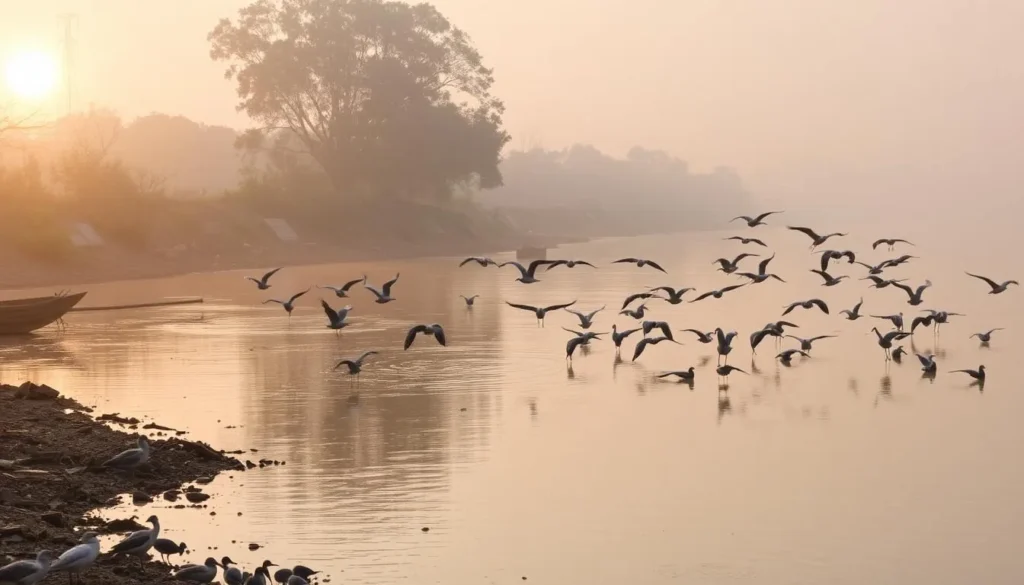
Parks and Biodiversity
- Yamuna Biodiversity Park – A 457-hectare (1,129-acre) ecological restoration project that has transformed a degraded area into a thriving ecosystem with over 200 bird species.
- Aravalli Biodiversity Park – Former mining site now restored with native flora, offering nature trails and bird watching opportunities.
- Asola Bhatti Wildlife Sanctuary – A 6,874-hectare (16,986-acre) protected area on Delhi’s southern edge with nilgai antelope, jackals, and over 200 bird species.
Gardens and Recreational Spaces
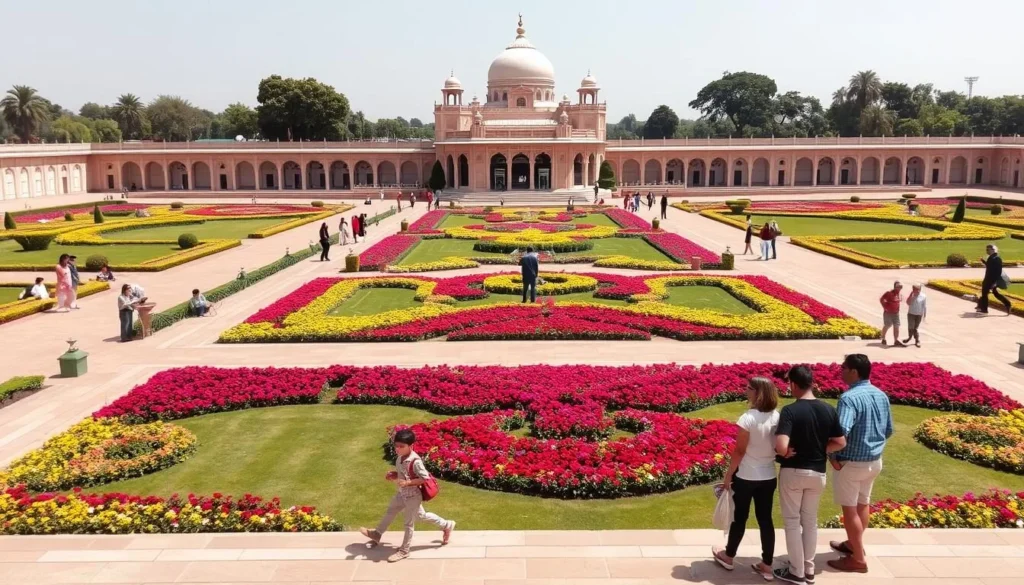
- Mughal Gardens – The meticulously maintained gardens at Rashtrapati Bhavan, open to the public for approximately one month each year (usually February-March).
- Nehru Park – A 80-hectare (198-acre) park in the diplomatic area, popular for morning walks and outdoor concerts.
- Buddha Jayanti Park – Peaceful park with a sacred Bodhi tree sapling gifted by the Sri Lankan government.
Outdoor Activities
- Cycling Tours – Early morning guided bicycle tours of Old Delhi or Lutyens’ Delhi offer a unique perspective.
- Boating – Paddle boating at India Gate’s man-made lake or Old Fort Lake provides a relaxing break.
- Bird Watching – The Okhla Bird Sanctuary, on the Yamuna River, attracts over 300 bird species, including winter migratory birds.
- Picnicking – Lodhi Garden and Deer Park are popular spots for family picnics, especially on weekends.
Day Trips to Natural Areas
- Sultanpur National Park – Located 50 km (31 miles) from Delhi, this bird sanctuary is home to over 250 species.
- Damdama Lake – About 60 km (37 miles) south of Delhi, offering boating, nature walks, and adventure activities.
- Aravalli Hills – The ancient mountain range provides hiking opportunities and rural landscapes just outside the city.
For the best outdoor experiences, plan your activities for early morning or late afternoon, especially during warmer months. Many parks open at sunrise and are perfect for morning exercises like yoga or tai chi, which you might see locals practicing.
Safety, Etiquette & Local Customs
Understanding local customs and following safety guidelines will enhance your experience in the National Capital Territory and help you navigate this diverse urban area with confidence.
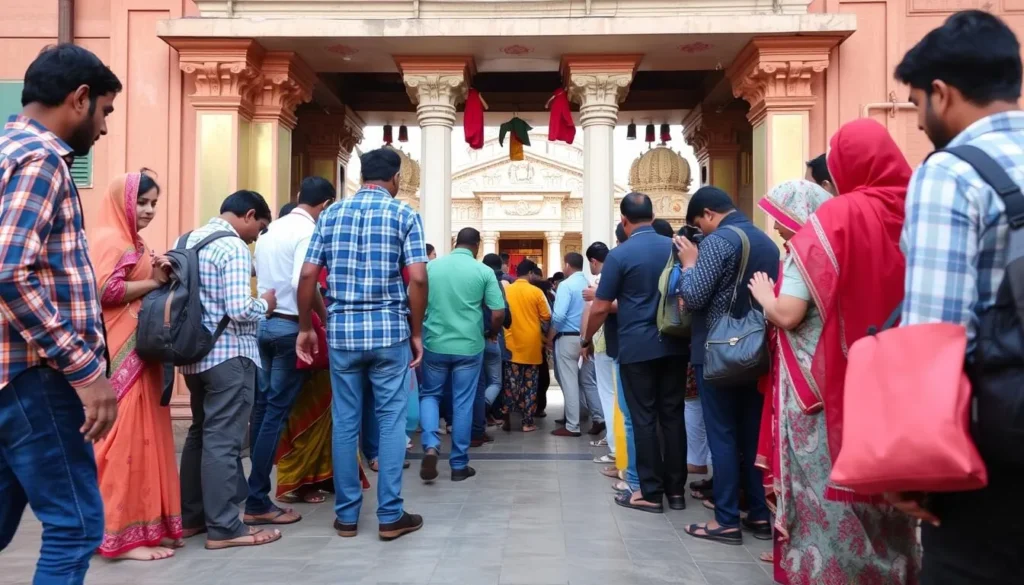
Safety Tips
- Use registered taxis or ride-hailing apps rather than hailing unknown vehicles, especially at night
- Keep valuables secure and be vigilant in crowded areas like markets and tourist sites
- Carry a photocopy of your passport and visa, keeping originals in your hotel safe
- Drink only bottled or filtered water and be cautious with street food if you have a sensitive stomach
- Women travelers should consider using women’s compartments on the metro and dress modestly, especially at religious sites
- Have your hotel’s address written in Hindi to show taxi drivers
Cultural Etiquette
- Greetings – “Namaste” with palms pressed together is a respectful greeting
- Religious Sites – Remove shoes before entering temples and mosques; cover your head in Sikh gurdwaras and some mosques
- Dress Code – Modest clothing is appreciated, especially at religious sites; shoulders and knees should be covered
- Photography – Ask permission before photographing people, and note that photography is restricted in some monuments and museums
- Public Behavior – Public displays of affection are generally frowned upon
Local Customs
- Eating – Traditionally, food is eaten with the right hand (left hand is considered unclean); however, utensils are widely available
- Bargaining – Expected in markets, but not in fixed-price shops; start at 40-50% of the initial asking price
- Tipping – 10% is standard in restaurants if service charge isn’t included; small tips for porters and drivers are appreciated
- Removing Shoes – Remove shoes when entering homes as well as places of worship
Health Precautions
- Consult your doctor about recommended vaccinations before traveling
- Carry basic medications, including remedies for stomach upset
- Use sunscreen and stay hydrated, especially during summer months
- Consider wearing a mask in areas with heavy pollution, particularly in winter
The National Capital Territory is generally safe for tourists who exercise normal precautions. Tourist police booths are available at major attractions, and the emergency number for police assistance is 100. For medical emergencies, dial 102 for an ambulance.
Visitor Comments About National Capital Territory
“My week exploring the National Capital Territory was a sensory feast. The contrast between Old Delhi’s narrow lanes and New Delhi’s wide boulevards tells the story of India’s evolution. Don’t miss Humayun’s Tomb at sunset—the light on the red sandstone is magical. And the metro system makes getting around surprisingly easy, even for first-time visitors.”
“As a history buff, I was overwhelmed by the sheer number of significant sites in the National Capital Territory. Three UNESCO World Heritage Sites in one city! The Red Fort’s scale is impressive, but I found Qutub Minar’s intricate carvings even more fascinating. Take the time to hire knowledgeable guides who can explain the historical context—it makes all the difference.”
“Delhi’s food scene alone is worth the trip to the National Capital Territory. From high-end restaurants to street food stalls, every meal was an adventure. The paranthe wali gali in Chandni Chowk serves the most delicious stuffed breads I’ve ever tasted. And don’t miss the kebabs near Jama Masjid—they’re life-changing! Just remember to pace yourself; there’s so much to try.”
Additional Nearby Destinations
The National Capital Territory serves as an excellent base for exploring other remarkable destinations in northern India. These nearby locations make perfect day trips or short extensions to your Delhi itinerary.
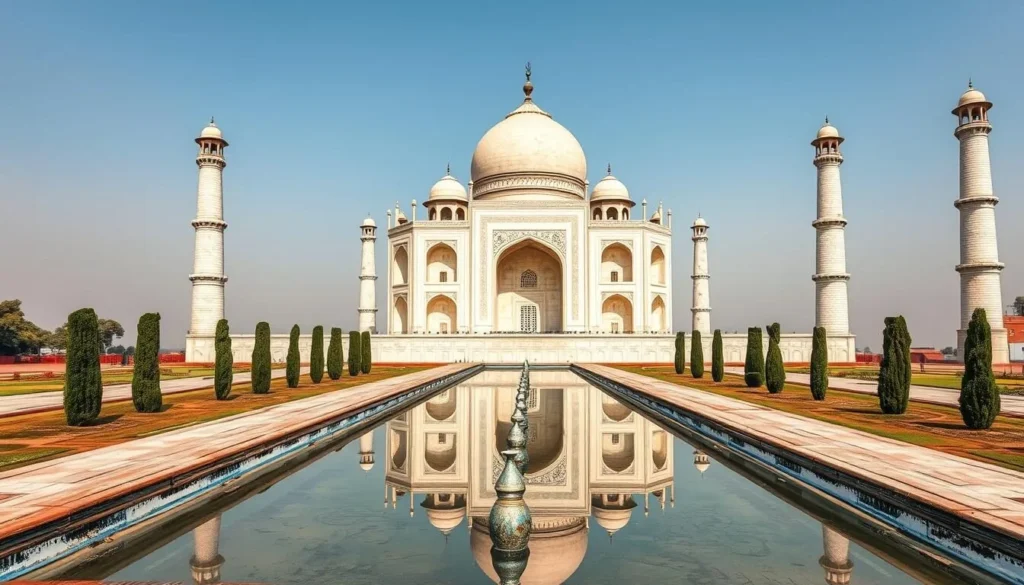
Agra (230 km / 143 miles)
- Home to the Taj Mahal, one of the world’s most famous monuments
- Agra Fort, another UNESCO World Heritage Site with impressive Mughal architecture
- Fatehpur Sikri, the abandoned Mughal capital with remarkably preserved buildings
- Accessible via express train (2 hours) or by car (3-4 hours)
Jaipur (280 km / 174 miles)
- Known as the “Pink City” for its distinctive terracotta-colored buildings
- Amber Fort, a magnificent hilltop complex overlooking Maota Lake
- City Palace, Hawa Mahal (Palace of Winds), and Jantar Mantar observatory
- Accessible by train (4-5 hours) or car (5-6 hours)
Rishikesh (240 km / 149 miles)
- Spiritual center on the banks of the Ganges River, famous for yoga and meditation
- Adventure activities including white water rafting and hiking
- Evening Ganga Aarti ceremony at Triveni Ghat
- Accessible by train to Haridwar then taxi (6-7 hours total) or by car (5-6 hours)
Neemrana (120 km / 75 miles)
- Historic town featuring the 15th-century Neemrana Fort Palace, now a heritage hotel
- Flying fox zipline adventure and cultural performances
- Perfect for an overnight getaway from Delhi
- Accessible by car (2-3 hours)
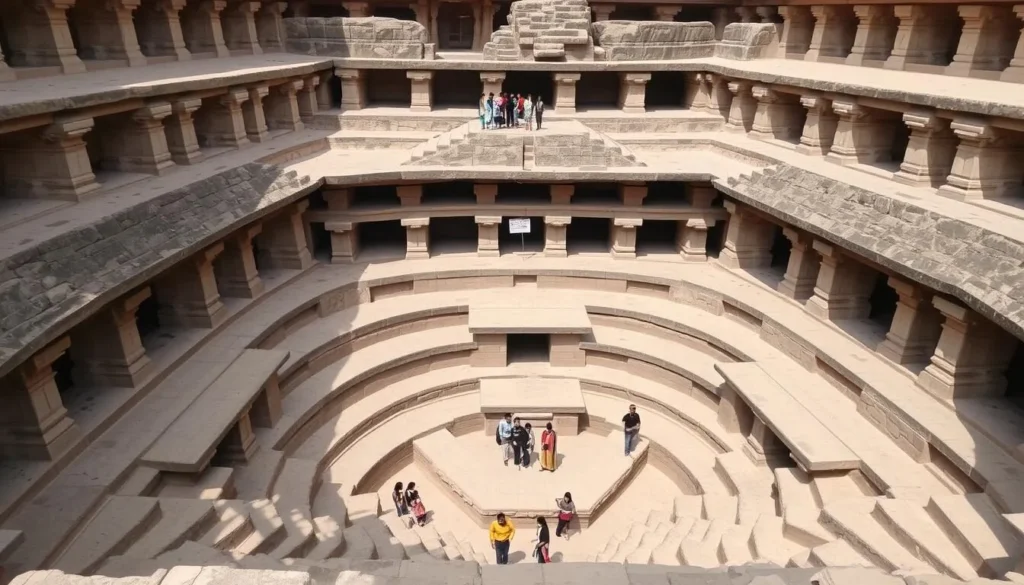
The “Golden Triangle” circuit of Delhi-Agra-Jaipur is one of India’s most popular tourist routes, offering a perfect introduction to the region’s history and culture. If time permits, consider spending at least one night in each destination rather than rushing through on day trips.
Practical Travel Tips
These practical suggestions will help you navigate the National Capital Territory with greater ease and make the most of your visit to this dynamic region.

Money Matters
- The Indian currency is the Rupee (₹). ATMs are widely available in Delhi.
- Major hotels and restaurants accept credit cards, but carry cash for markets and smaller establishments.
- Notify your bank of your travel plans to prevent card blocks on international transactions.
- Keep small denominations handy for taxis, tips, and small purchases.
Communication
- Purchase a local SIM card at the airport for affordable data and calls (passport and photo required).
- Download offline maps and translation apps before your trip.
- Basic Hindi phrases are appreciated, though English is widely spoken in tourist areas.
- Save your hotel’s phone number and address in both English and Hindi.
Transportation Hacks
- Download the Delhi Metro app for route planning and schedules.
- Consider purchasing a Metro Smart Card for frequent travel (₹200 refundable deposit).
- Use ride-hailing apps like Uber or Ola for convenience and fixed pricing.
- For day trips, consider hiring a driver for the entire day rather than making separate arrangements.
Time-Saving Tips
- Purchase monument tickets online to avoid queues (Archaeological Survey of India website).
- Group attractions by area to minimize travel time.
- Visit popular sites like the Taj Mahal on weekdays to avoid weekend crowds.
- Consider hiring a guide for efficient navigation of complex historical sites.
Packing Essentials
- Comfortable walking shoes for exploring monuments and uneven surfaces
- Modest clothing that covers shoulders and knees for religious sites
- Scarf or shawl for women (useful for covering head when required)
- Hat, sunglasses, and sunscreen
- Hand sanitizer and tissues
- Reusable water bottle with filter
Planning your daily itinerary with consideration for Delhi’s traffic patterns can save significant time. Avoid road travel during peak hours (8-10 AM and 5-8 PM) when possible, and consider scheduling visits to attractions in the same area on the same day.
Your Delhi Adventure Awaits
The National Capital Territory of India offers a journey through time unlike any other destination. From the majestic monuments of the Mughal era to the colonial grandeur of Lutyens’ Delhi, from bustling ancient bazaars to peaceful garden retreats, this region presents a fascinating tapestry of experiences that will captivate your senses and enrich your understanding of India’s complex heritage.
As you explore the layers of history, savor the diverse culinary traditions, and interact with the warm local culture, you’ll discover that Delhi is not merely a stopover on the way to other Indian destinations—it is a vibrant, multifaceted destination worthy of deep exploration in its own right.
Whether you’re marveling at the intricate carvings of Qutub Minar, bargaining for treasures in Chandni Chowk, or simply watching the sunset paint Humayun’s Tomb in golden hues, the National Capital Territory promises memories that will stay with you long after your journey ends. Pack your curiosity and sense of adventure—Delhi awaits with open arms.
The above is subject to change.
Check back often to TRAVEL.COM for the latest travel tips and deals.

0 Comments