

Hotels by Trip.com
Flights by Trip.com
Varanasi is considered one of the world’s oldest continuously inhabited cities, with archaeological evidence suggesting it has been lived in for over 3,000 years. This sacred city on the banks of the Ganges River isn’t just a destination—it’s a profound spiritual experience that has drawn pilgrims, seekers, and curious travelers for millennia. From witnessing ancient rituals at dawn to exploring labyrinthine alleyways filled with temples, Varanasi offers a glimpse into traditions that have remained largely unchanged for centuries.
Getting There & Planning Your Journey
Reaching Varanasi has become increasingly convenient in recent years. The city is served by Lal Bahadur Shastri International Airport (VNS), located about 26 km (16 miles) from the city center. Direct flights connect Varanasi to major Indian cities including Delhi, Mumbai, and Kolkata, as well as international destinations like Bangkok and Kathmandu.
For a more authentic Indian experience, consider arriving by train. Varanasi Junction (BSB) is well-connected to major cities across India, with regular services from Delhi (approximately 12-14 hours), Kolkata (about 14 hours), and Mumbai (24-28 hours). The railway station is just 6 km (3.7 miles) from the main ghats area.
When planning your journey, allow at least 2-3 days to fully experience Varanasi. Many travelers find themselves extending their stay once they arrive, captivated by the city’s spiritual energy and endless discoveries around every corner. If possible, include at least one sunrise and one sunset in your itinerary—these are magical times when the city truly comes alive along the riverfront.
Best Time to Visit & Weather Tips
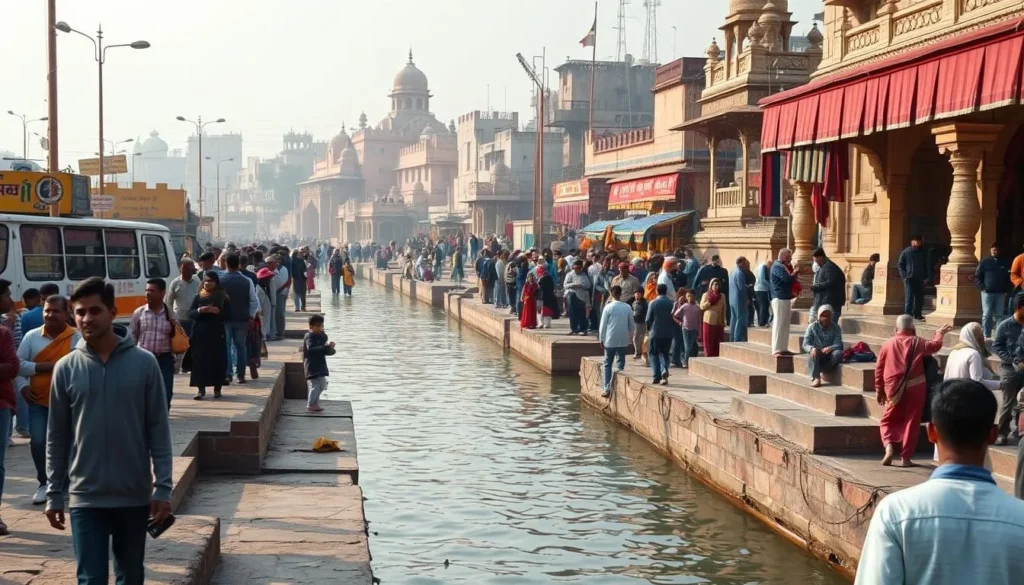
Best Time to Visit Varanasi
The ideal time to visit Varanasi is during the cooler months from October to March when temperatures range from 5°C to 25°C (41°F to 77°F). This period offers comfortable weather for exploring the city’s ghats, temples, and narrow lanes without the extreme heat or monsoon rains.
- October to November (Post-Monsoon): Pleasant temperatures between 15°C to 30°C (59°F to 86°F) with clear skies. This is also festival season, with Dev Deepavali (the festival of lights) being a spectacular time to visit.
- December to February (Winter): The peak tourist season with cool, sometimes misty mornings and comfortable daytime temperatures ranging from 5°C to 20°C (41°F to 68°F). Pack layers as evenings can be quite chilly.
- March (Early Spring): Temperatures begin to rise but remain pleasant between 15°C to 30°C (59°F to 86°F). The famous Holi festival typically falls in March, offering a colorful cultural experience.
Seasons to Avoid
If possible, avoid visiting during these challenging periods:
- April to June (Summer): Extremely hot with temperatures often reaching 45°C (113°F), making sightseeing uncomfortable and potentially dangerous.
- July to September (Monsoon): Heavy rainfall can cause flooding of the Ganges, making the ghats inaccessible and creating slippery conditions. Humidity is also very high during this period.
If you must visit during summer or monsoon, plan indoor activities during peak heat hours (11 AM to 4 PM) and carry appropriate rain gear and sturdy footwear.
Getting Around Locally

Navigating Varanasi’s ancient streets is part of the experience, but it requires some patience and flexibility. The city’s layout is notoriously confusing, with narrow winding lanes that often lead to unexpected places. Here are the best ways to get around:
Walking
The most authentic way to experience Varanasi is on foot, especially in the old city and along the ghats. The narrow lanes (some barely 2 meters or 6.5 feet wide) are often inaccessible to vehicles. Walking allows you to discover hidden temples, local markets, and authentic street food that you might otherwise miss. Just be prepared for crowds, occasional cow traffic, and the need to watch your step.
Auto-Rickshaws (Tuk-tuks)
These three-wheeled vehicles are perfect for medium-distance travel within the city. They’re abundant, relatively inexpensive, and can navigate through traffic efficiently. Always negotiate the fare before starting your journey—expect to pay around 100-200 INR (1.20-2.40 USD) for short trips within the city.
Cycle Rickshaws
For shorter distances, especially near the ghats, cycle rickshaws offer a slower but environmentally friendly option. They’re ideal for leisurely exploration of less crowded areas. Rates are similar to auto-rickshaws but may be slightly less.
Boat Rides
Traveling along the Ganges by boat is not just a mode of transportation but an essential Varanasi experience. Boats can take you from one ghat to another, offering unique perspectives of the riverfront. Rates vary based on duration and time of day (sunrise/sunset rides are more expensive), typically ranging from 500-1,500 INR (6-18 USD) per hour depending on boat size and whether it’s shared or private.
Taxis and Ride-Sharing
For longer distances or trips to the airport, pre-paid taxis or app-based services like Ola are available. These are more comfortable but also more expensive than other options. A taxi to the airport costs approximately 800-1,000 INR (10-12 USD).
Check 30,000+ Local Sightseeing Tours Worldwide
✓ Numerous languages and currencies are available
Navigation Tip: Download an offline map of Varanasi before your trip, as the maze-like streets can be confusing even for experienced travelers. Many guesthouses and hotels offer free maps of the main areas.
Where to Stay
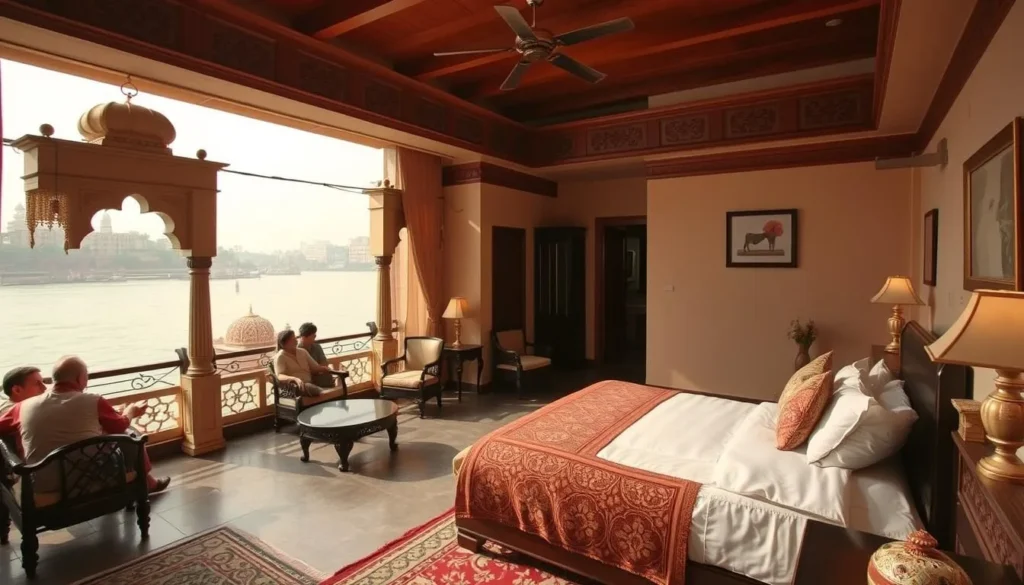
Choosing where to stay in Varanasi significantly impacts your experience. The city offers accommodations for every budget, from simple guesthouses to luxury heritage properties. Here are the best areas and options:
Along the Ghats
Staying near the ghats puts you at the heart of Varanasi’s spiritual life. This area offers immediate access to the riverside ceremonies, boat rides, and the atmospheric old city.
- Luxury: BrijRama Palace and Taj Nadesar Palace offer opulent accommodations in historic buildings with stunning river views and exceptional service.
- Mid-range: Hotel Alka and Ganges View Hotel provide comfortable rooms with character, many featuring balconies overlooking the Ganges.
- Budget: Numerous guesthouses like Sahi River View Guesthouse and Shiva Ganges View offer simple but clean rooms at affordable rates, often with shared bathrooms.
Assi Ghat Area
This southern area is slightly removed from the main hustle but still within walking distance of major attractions. It’s popular with long-term visitors and has a more relaxed atmosphere.
- Mid-range: Zostel Varanasi and Banaras Paying Guest House offer good value with modern amenities.
- Budget: Stops Hostel and Moustache Varanasi provide dormitory and private rooms in social settings, perfect for meeting other travelers.
Cantonment (Modern Varanasi)
Located away from the old city, this area offers modern amenities, wider streets, and is closer to the railway station and airport.
- Luxury: Radisson Hotel Varanasi and Ramada Plaza JHV offer international standards with swimming pools and full-service restaurants.
- Mid-range: Hotel Surya and Hotel Meraden Grand provide comfortable accommodations with modern facilities at reasonable rates.
“For the full Varanasi experience, I recommend staying near the ghats. Waking up to the sounds of temple bells and morning prayers creates an immediate connection to this ancient city’s rhythm.”
Dining & Local Cuisine
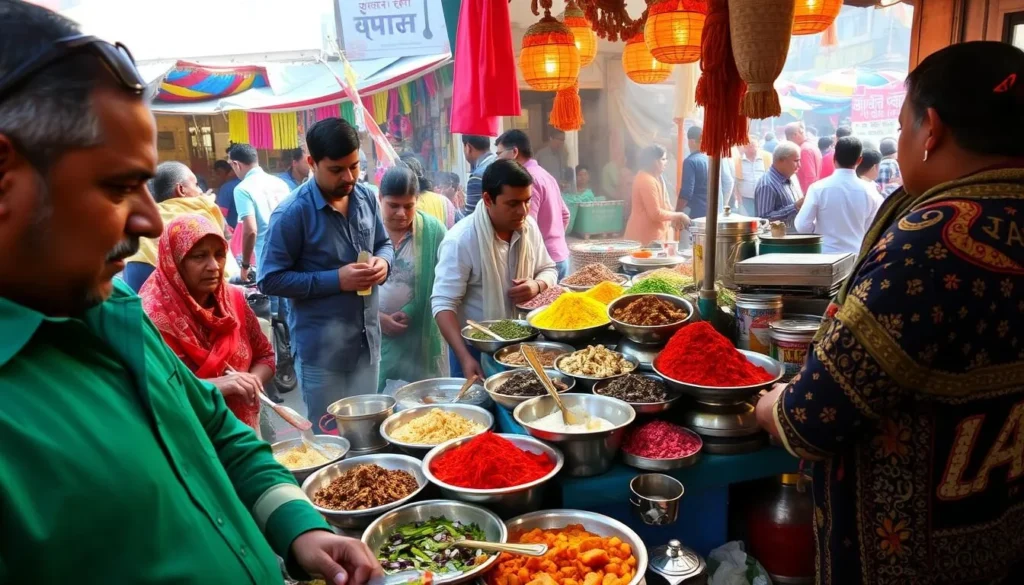
Varanasi’s culinary scene is as rich and diverse as its cultural heritage. The city offers everything from simple street food to elaborate thalis (platters), with influences from both North Indian and Bengali cuisines. Here’s what you shouldn’t miss:
Must-Try Local Specialties
- Banarasi Paan: A digestive treat made of betel leaf filled with areca nut, slaked lime, and various spices. The “meetha” (sweet) variety is perfect for beginners.
- Lassi: Varanasi is famous for its creamy yogurt drinks, especially at the Blue Lassi Shop, which offers over 80 varieties. The mango and saffron lassis are particularly delicious.
- Kachori Sabzi: Deep-fried pastry filled with spiced lentils or peas, served with a tangy potato curry. A popular breakfast item available at numerous street stalls.
- Tamatar Chaat: A unique Varanasi specialty featuring tangy tomatoes with a mix of spices, best tried at Deena Chat Bhandar near Dashashwamedh Ghat.
- Malaiyo: A winter delicacy (available November to February) made from milk foam, saffron, and pistachios. It has a cloud-like texture that melts in your mouth.
Where to Eat
Street Food
The lanes around Dashashwamedh Ghat and Godowlia Market offer the most authentic street food experiences. For the best chaat (savory snacks), head to Kashi Chat Bhandar or Deena Chat Bhandar.
Restaurants
- Aadha Aadha: A rooftop restaurant offering both Indian and international cuisine with views of the city.
- Darbhanga: Located in the BrijRama Palace, this upscale restaurant serves traditional Banarasi cuisine in a regal setting.
- Brown Bread Bakery: Popular with travelers, offering a mix of Indian and Western dishes in a relaxed setting.
- Pizzeria Vaatika Cafe: When you need a break from Indian food, this place serves excellent wood-fired pizzas in a garden setting.
Cafes
Varanasi has a growing cafe culture, particularly around Assi Ghat. Spots like Open Hand Cafe and Cafe Karma offer good coffee, baked goods, and Wi-Fi—perfect for planning your day’s adventures.
Dining Etiquette: In traditional settings, it’s customary to eat with your right hand. If you’re not comfortable with this, it’s perfectly acceptable to ask for cutlery. Many restaurants catering to tourists will provide utensils automatically.
Attractions, Sightseeing & Activities
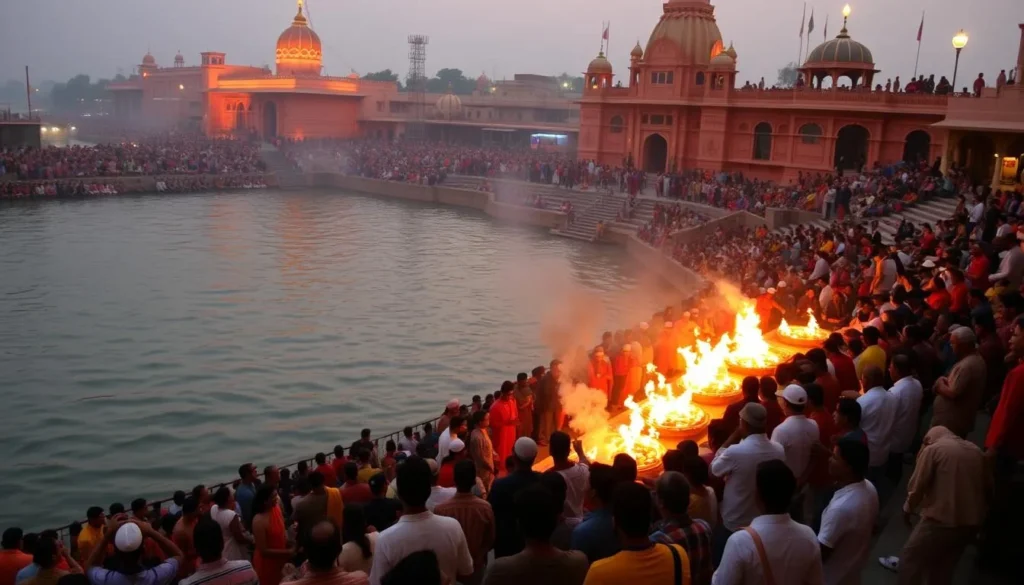
Varanasi offers a wealth of experiences that go beyond typical sightseeing. Here are the essential activities and attractions that showcase the best things to do in Varanasi India:
The Ghats of Varanasi
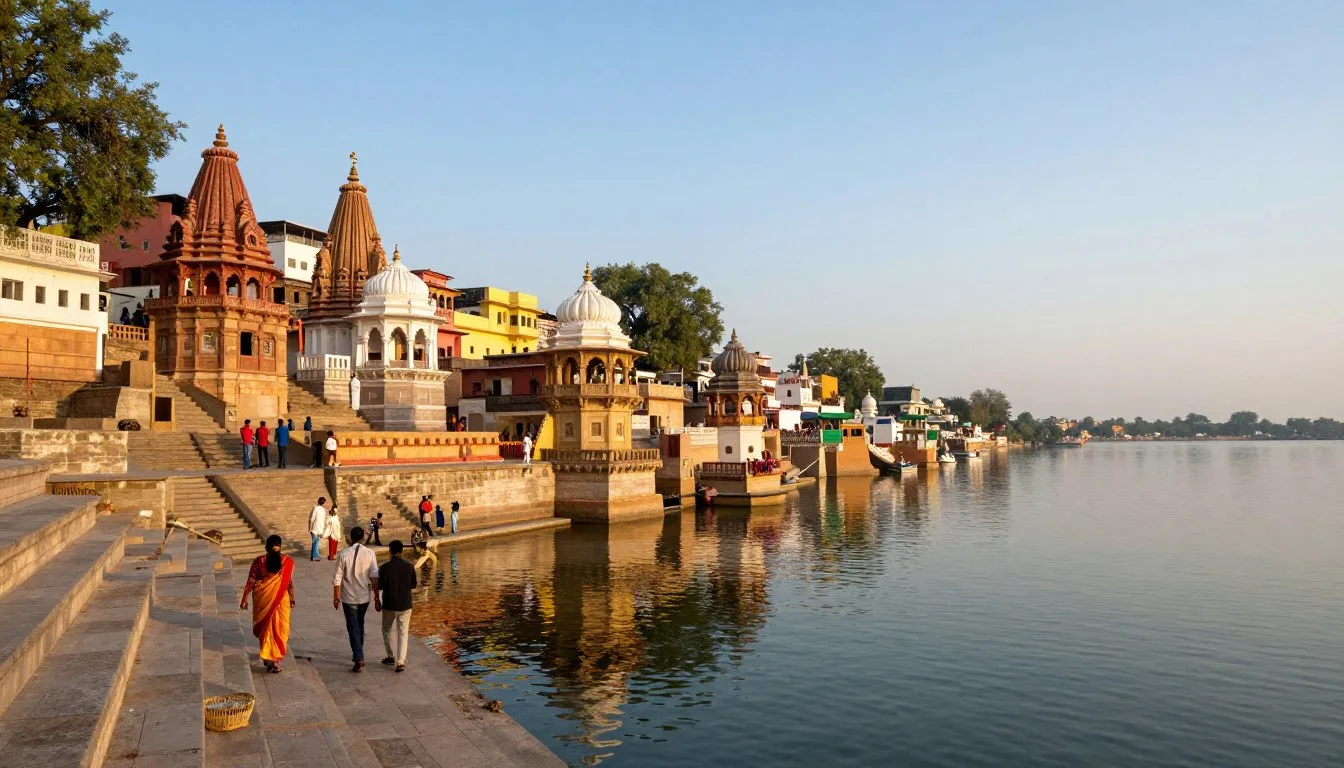
With 88 ghats stretching along the western bank of the Ganges, each with its own character and significance, exploring these riverside steps is a must. The most notable include:
- Dashashwamedh Ghat: The most vibrant and important ghat, famous for its evening Ganga Aarti ceremony.
- Assi Ghat: A more relaxed area popular with students and long-term visitors, known for morning yoga sessions and the confluence of the Assi River with the Ganges.
- Manikarnika Ghat: The main cremation ghat where funeral pyres burn continuously. While photography is prohibited, observing from a respectful distance offers profound insights into Hindu beliefs about life and death.
- Darbhanga Ghat: One of the most photogenic ghats with its impressive Darbhanga Palace (now a luxury hotel) providing a stunning backdrop.
Boat Rides on the Ganges
Experiencing Varanasi from the water offers a unique perspective and is considered one of the best things to do in Varanasi India. Two optimal times for boat rides are:
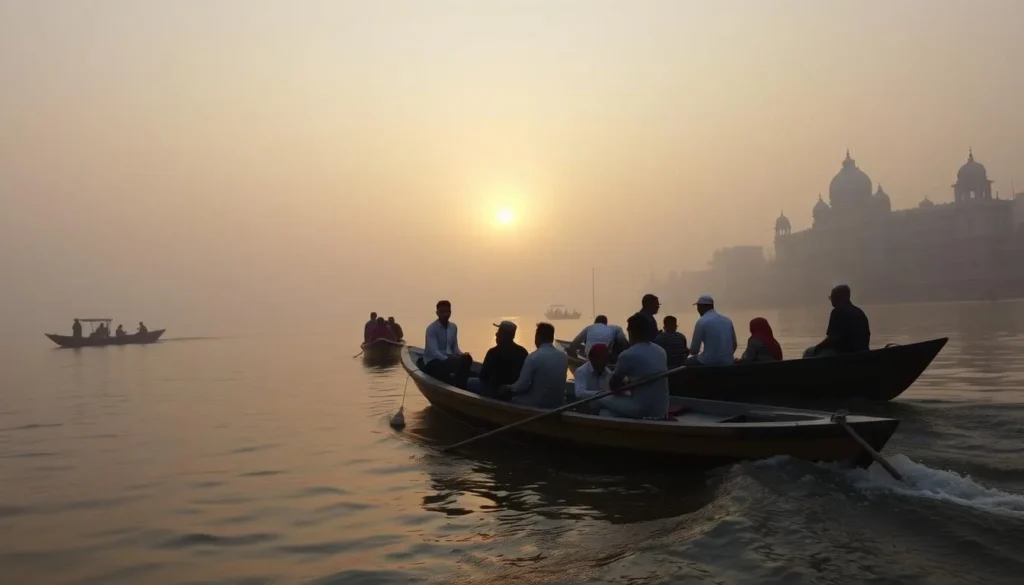
- Sunrise Boat Ride: Starting around 5:30 AM, these rides allow you to witness the city awakening as thousands of pilgrims descend upon the ghats for morning rituals. The soft golden light makes this particularly magical for photography.
- Sunset Boat Ride: Evening rides culminate with views of the Ganga Aarti ceremony at Dashashwamedh Ghat, where you can watch the choreographed ritual from the water.
A typical boat ride costs between 500-1,500 INR (6-18 USD) depending on duration, boat size, and whether it’s shared or private. Always negotiate the price before boarding.
Ganga Aarti Ceremony
This elaborate ritual performed every evening at Dashashwamedh Ghat is a mesmerizing spectacle of devotion. Young priests in matching outfits perform synchronized movements with large flaming lamps, accompanied by bells, drums, and Sanskrit chants. The ceremony begins around 6:45 PM and lasts about 45 minutes.
For the best experience, arrive at least 30-45 minutes early to secure a good viewing spot, or watch from a boat on the river. The ceremony also takes place at Assi Ghat each morning at sunrise on a smaller scale.

Exploring the Old City
The labyrinthine lanes behind the ghats form one of the oldest continuously inhabited urban areas in the world. Getting purposefully lost here is one of the best things to do in Varanasi India. You’ll discover:
- Hidden Temples: Tucked away in narrow alleys, these smaller shrines often offer more authentic glimpses of daily worship than the major temples.
- Local Markets: Vibrant bazaars selling everything from silk sarees to brass items, spices, and religious paraphernalia.
- Traditional Crafts: Watch artisans practicing centuries-old crafts, including silk weaving in the Muslim quarter of Bhadaini.
Consider hiring a local guide for this exploration—they can provide cultural context and help navigate the confusing streets while avoiding tourist traps.
Important Temples & Cultural Sites

Varanasi houses thousands of temples, earning it the nickname “City of Temples.” While you can’t visit them all, these significant sites offer insights into the city’s spiritual importance:
Kashi Vishwanath Temple
Dedicated to Lord Shiva, this is one of the most sacred Hindu temples and a must-visit among the best things to do in Varanasi India. The current structure, with its gold-plated spire, was rebuilt in the 18th century. Non-Hindus can enter but must present identification. Expect thorough security checks and long queues, especially during religious festivals.
Durga Kund Temple (Monkey Temple)
This striking red temple dedicated to Goddess Durga is known for its architectural beauty and the monkeys that inhabit its grounds. Built in the 18th century, it features a pond (kund) believed to have been created by the goddess herself.
Tulsi Manas Temple
Built in 1964 on the site where the poet Tulsidas is said to have written the Ramcharitmanas (a retelling of the Ramayana), this white marble temple features scenes from the epic carved on its walls. Unlike many Hindu temples, it welcomes visitors of all faiths.
Alamgir Mosque
Also known as Beni Madhav Ka Darera, this mosque was built by Mughal Emperor Aurangzeb in the 17th century. Its impressive structure combines Hindu and Islamic architectural elements and offers panoramic views of the Ganges from its riverside location.
Sarnath Archaeological Site
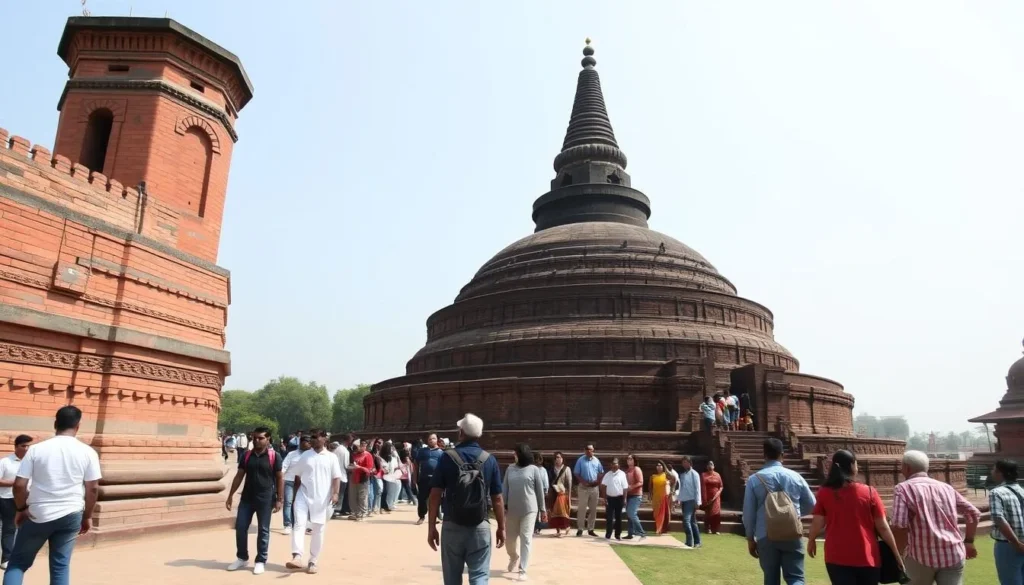
Located just 10 km (6.2 miles) from Varanasi, Sarnath is where Buddha delivered his first sermon after attaining enlightenment. The site includes the Dhamek Stupa, ancient monastery ruins, and the excellent Archaeological Museum housing Buddhist relics, including the famous Lion Capital of Ashoka (India’s national emblem).
Bharat Kala Bhavan Museum
Located within Banaras Hindu University, this museum houses an impressive collection of miniature paintings, sculptures, textiles, and archaeological artifacts spanning 1,000 years of Indian art history.
Temple Etiquette: Remove shoes before entering temples (bring socks for hot stone floors), dress modestly (covering shoulders and knees), and avoid leather items in some temples. Photography may be restricted inside main sanctums.
Festivals & Cultural Events

Varanasi’s calendar is filled with vibrant festivals that offer visitors extraordinary cultural experiences. If possible, time your visit to coincide with one of these celebrations:
Dev Deepavali (November)
Occurring 15 days after Diwali on the full moon night (Kartik Purnima), this “Festival of Lights of the Gods” is uniquely celebrated in Varanasi. All 88 ghats are illuminated with over a million earthen lamps, creating a breathtaking spectacle. The riverfront comes alive with music, dance performances, and elaborate processions.
Maha Shivaratri (February/March)
As the city of Lord Shiva, Varanasi celebrates this festival with particular fervor. Thousands of pilgrims visit the Kashi Vishwanath Temple, and the ghats host all-night vigils with devotional music and dance. The procession of wedding parties representing Shiva’s marriage to Parvati is a highlight.
Holi (March)
The famous festival of colors is celebrated enthusiastically in Varanasi, with the added tradition of bhang (a cannabis-infused drink) being openly sold and consumed. The celebrations begin the evening before with Holika Dahan (bonfire) and continue the next day with color throwing and music.
Ganga Mahotsav (November)
This five-day cultural festival celebrates the Ganges River with classical music and dance performances by renowned artists from across India. Most performances take place on specially constructed stages near Dashashwamedh Ghat.
Buddha Purnima (April/May)
Celebrating Buddha’s birth, enlightenment, and death, this festival is particularly significant in nearby Sarnath. Processions, prayer meetings, and sermons mark the occasion, with the archaeological site beautifully decorated.
“Experiencing a festival in Varanasi adds an entirely new dimension to your visit. The city’s already vibrant energy multiplies, and you’ll witness traditions that have been practiced for centuries.”
Nature & Outdoor Experiences
While Varanasi is primarily known for its cultural and spiritual significance, there are several ways to connect with nature and enjoy outdoor activities during your visit:
Ganges River Experiences
Beyond the standard boat rides, consider these unique ways to experience the sacred river:
- Sunrise Yoga: Join morning yoga sessions at Assi Ghat, where local and visiting practitioners gather to salute the sun as it rises over the Ganges.
- Longer River Excursions: For those with more time, extended boat trips can take you to less-visited areas upstream or downstream from the main ghats.
- Swimming: While not recommended due to pollution, you’ll see locals bathing in designated areas. If you wish to connect with the sacred waters, a symbolic touch to your forehead is a safer alternative.
Parks and Gardens
- Banaras Hindu University Campus: This sprawling 1,300-acre campus offers peaceful walking paths, gardens, and green spaces—a welcome respite from the city’s intensity.
- Deer Park at Sarnath: The site where Buddha gave his first sermon is now a serene park with free-roaming deer, reminiscent of the ancient deer park that existed during Buddha’s time.
Bird Watching
The Ganges attracts numerous bird species, especially during winter months (November to February). Early morning boat rides offer opportunities to spot migratory birds including Siberian gulls, cormorants, and occasionally, the Gangetic dolphin.
Rural Excursions
Several operators offer day trips to nearby villages, providing glimpses into rural life along the Ganges. These excursions typically include walking tours, interactions with local artisans, and sometimes meals with local families.
Eco-Friendly Tip: Consider participating in one of the regular ghat clean-up initiatives organized by local environmental groups. It’s a meaningful way to give back to this sacred city.
Safety, Etiquette & Local Customs

Navigating Varanasi respectfully and safely enhances your experience while honoring this sacred city’s traditions. Here are essential guidelines:
Safety Considerations
- Water Safety: Don’t drink tap water or consume ice from unknown sources. Stick to bottled water with sealed caps.
- Food Safety: Choose busy food stalls with high turnover and where you can see food being freshly prepared. Consider vegetarian options, which are abundant and reduce the risk of foodborne illness.
- Ghats Safety: The steps can be slippery, especially near the water. Wear appropriate footwear and be cautious, particularly during monsoon season.
- Scams Awareness: Be wary of “guides” offering special ceremonies or claiming certain ghats are closed. Research common scams before your trip and arrange services through reputable sources.
- Modest Dress: Both men and women should dress conservatively, covering shoulders and knees, especially when visiting temples or walking through residential areas.
Cultural Etiquette
- Photography: Always ask permission before photographing people, especially during religious ceremonies. Photography is strictly prohibited at cremation ghats.
- Temple Etiquette: Remove shoes before entering temples (bring socks for hot floors), don’t touch religious artifacts unless invited to do so, and follow the direction of movement (usually clockwise around shrines).
- Cremation Ghats: Observe from a respectful distance. Don’t take photographs, point, or make loud comments. These are deeply personal moments for families.
- Holy Men: If you wish to photograph sadhus (holy men), it’s customary to offer a small donation (50-100 INR). Some may request more, so agree on the amount beforehand.
- Physical Contact: Public displays of affection are considered inappropriate. When greeting locals, use the traditional “namaste” gesture rather than handshakes.
Local Customs
Understanding these cultural nuances will help you navigate Varanasi more respectfully:
- Sacred Cows: Cows are considered sacred and roam freely throughout the city. Give them right of way and never disturb or touch them.
- Right Hand Usage: The left hand is traditionally considered unclean. Use your right hand for eating, giving or receiving objects, and touching people.
- Bargaining: Negotiating prices is expected in markets, but do so respectfully. Start at about 50-60% of the initial asking price and work toward a mutually acceptable figure.
- Shoes: Beyond temples, removing shoes is customary when entering homes and some shops. Watch what locals do and follow their lead.
Visitor Comments About Varanasi
R.R., Ciudad Juárez
“Varanasi was the most intense and spiritually moving place I’ve ever visited. The morning boat ride along the Ganges as the sun rose was absolutely magical—watching the city wake up with all the rituals happening along the ghats. I recommend staying at least three days to really absorb the atmosphere. Don’t rush through it like I initially planned to. And definitely try the lassis at Blue Lassi Shop—the mango one was heavenly after a long day of walking!”
M.O., Waterford
“I was initially overwhelmed by Varanasi’s intensity, but by the second day, I found myself completely captivated. The evening Aarti ceremony at Dashashwamedh Ghat was a highlight—the synchronization of the priests, the sounds of bells and chants, and the devotion of everyone present created an atmosphere I’ll never forget. My advice: hire a local guide for at least one day. Our guide showed us hidden temples and explained rituals that we would have completely missed or misunderstood on our own.”
K.I., Fayetteville
“Varanasi challenged and changed me in ways I didn’t expect. Witnessing the openness around death at the burning ghats made me reflect deeply on my own cultural attitudes. Beyond the spiritual aspects, I was surprised by how much I enjoyed the food—the street chaat was incredible, especially at Kashi Chat Bhandar. The narrow alleyways of the old city were like a maze, but getting lost led to some of my favorite discoveries. Just be prepared for the sensory overload and approach everything with an open mind.”
Practical Travel Tips

These practical tips will help you navigate Varanasi more smoothly and make the most of your visit:
Essential Items to Pack
- Comfortable Walking Shoes: You’ll do a lot of walking on uneven surfaces.
- Modest Clothing: Lightweight, breathable fabrics that cover shoulders and knees.
- Portable Water Filter or Purification Tablets: As an eco-friendly alternative to buying plastic bottles.
- Hand Sanitizer and Wet Wipes: For maintaining hygiene on the go.
- Dust Mask: Useful for boat rides early morning when there’s smoke from cremation ghats or during dusty days.
- Portable Toilet Paper: Not commonly provided in public restrooms.
- Small Flashlight: Power outages are common, and many alleyways are poorly lit at night.
Money Matters
- ATMs: Available in the main areas, but not always reliable. Withdraw cash in larger cities before arriving if possible.
- Small Bills: Keep a supply of smaller denominations (10, 20, 50, 100 rupee notes) for small purchases, offerings, and tips.
- Credit Cards: Accepted at higher-end hotels and restaurants but not widely used in smaller establishments or for street food.
Connectivity
- SIM Cards: Available for purchase at the airport or in city shops (passport and photo required). Airtel and Jio offer good coverage.
- Wi-Fi: Most hotels and many cafes offer free Wi-Fi, though connection speeds vary considerably.
- Offline Maps: Download Google Maps for offline use before your trip, as navigation can be challenging.
Health Considerations
- Medical Facilities: Sir Sunderlal Hospital at Banaras Hindu University offers good care for emergencies.
- Vaccinations: Consult your doctor about recommended vaccinations several weeks before your trip.
- Air Quality: Varanasi can have poor air quality, especially in winter. Those with respiratory issues should take precautions.
Time Management
- Early Mornings: Rise early (5 AM) to experience the ghats at their most atmospheric and before the heat of the day.
- Afternoon Rest: Plan for a break during the hottest part of the day (1-4 PM), especially in summer months.
- Buffer Days: Add an extra day to your planned itinerary to allow for unexpected discoveries or delays.
The Eternal City Awaits Your Journey
Varanasi defies simple description—it must be experienced to be truly understood. This ancient city on the banks of the Ganges offers a profound journey into the heart of Indian spirituality, challenging visitors to confront fundamental questions about life and death while immersing themselves in traditions that have continued unbroken for millennia.
Whether you’re watching the golden light of dawn illuminate the ghats, losing yourself in the labyrinthine old city, or sitting in quiet contemplation as evening prayers unfold along the river, Varanasi offers moments of extraordinary beauty and insight. It may not always be comfortable—the city can be overwhelming, chaotic, and confronting—but those who approach it with an open heart and mind often find it to be one of the most transformative destinations they’ve ever experienced.
As Mark Twain once observed, Varanasi is “older than history, older than tradition, older even than legend, and looks twice as old as all of them put together.” Yet somehow, it remains vibrantly alive, continuing to captivate travelers just as it has for thousands of years. The best things to do in Varanasi India aren’t just activities to check off a list—they’re gateways to understanding one of humanity’s most enduring and spiritual places.
Related Posts

Coming Soon: Clickable Maps