Hotels by Trip.com
Flights by Trip.com
Did you know that despite being just 5,780 km² (2,232 square miles) in size—smaller than the state of Delaware—Bali packs in over 10,000 temples, 20 active volcanoes, and welcomes nearly 6 million international tourists annually? This Indonesian paradise offers an astonishing concentration of natural beauty, cultural richness, and spiritual energy that few destinations can match. Even with just 3 days to explore, you can experience the island’s essence—from mist-shrouded temples and emerald rice terraces to pristine beaches and vibrant cultural performances.
While planning a short visit might seem challenging, this comprehensive Bali Island 3-day itinerary will help you maximize your time, ensuring you experience the perfect balance of cultural immersion, natural wonders, and relaxation. Whether you’re a first-time visitor or returning to explore new corners of this magical island, our day-by-day guide will help you craft an unforgettable Balinese adventure.
Getting There & Planning Your Journey
Ngurah Rai International Airport is your gateway to Bali Island
Your Bali adventure begins at Ngurah Rai International Airport (DPS) in Denpasar, the island’s main gateway. With direct flights from major Asian hubs and connecting flights from around the world, reaching this tropical paradise is relatively straightforward. from neighboring countries like Singapore, Malaysia, and Australia typically take 2-6 hours, while flights from Europe or North America require at least one connection.
Before departing, ensure you have:
- A passport valid for at least six months beyond your arrival date
- Proof of onward travel (return or connecting flight)
- Indonesian rupiah (IDR) or major credit cards for expenses
- Travel insurance covering medical emergencies
- Appropriate clothing for temples (covering shoulders and knees)
Upon arrival, you’ll find the airport well-equipped with ATMs, currency exchange services, SIM card vendors, and transportation options. For a stress-free arrival, consider pre-arranging airport transfers through your or booking a reputable taxi service.
Best Time to Visit & Weather Tips
Bali’s dry season (May-September) offers perfect beach weather and clear skies
Bali experiences a tropical climate with two distinct seasons: dry (May to September) and wet (October to April). For a 3-day itinerary, timing your visit strategically can significantly impact your experience.
Dry Season (May-September)
- Average temperatures: 23-31°C (73-88°F)
- Low humidity and minimal rainfall
- Perfect for outdoor activities and beach time
- Peak tourist season with higher prices
- Best for hiking, temple visits, and water sports
Wet Season (October-April)
- Average temperatures: 24-32°C (75-90°F)
- Brief, heavy afternoon showers
- Lush, vibrant landscapes and fewer tourists
- Lower accommodation rates and better deals
- Best for rice terrace views and cultural experiences
For a short 3-day visit, the dry season (particularly June through August) offers the most reliable weather for exploring. However, if you don’t mind occasional afternoon showers and prefer fewer crowds, the shoulder seasons of May and September provide an excellent balance of good weather and value.
Packing Tip: Regardless of when you visit, pack light, breathable clothing, sun protection (hat, sunglasses, reef-safe sunscreen), a light rain jacket or umbrella, and modest attire for temple visits. The tropical climate means you’ll be comfortable in lightweight clothing year-round.
Getting Around Locally
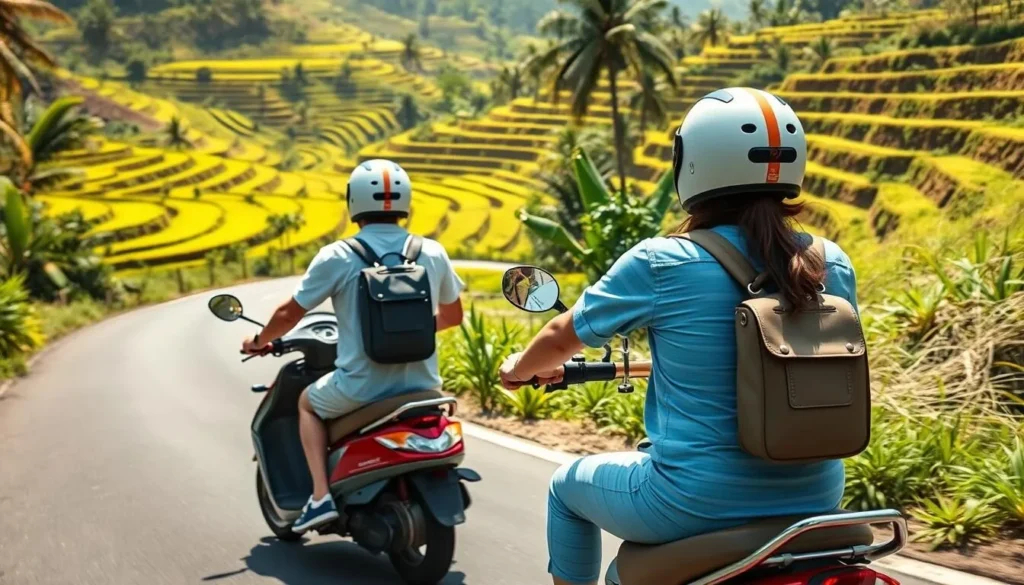
Renting a scooter is a popular way to explore Bali, though traffic can be challenging for inexperienced riders
Navigating Bali efficiently is crucial when you only have 3 days to explore. The island offers several transportation options, each with its advantages and considerations:
✓ Check 30,000+ Local Sightseeing Tours Worldwide
Private Driver (Recommended for Short Visits)
Hiring a private driver is the most convenient option for a 3-day itinerary. For approximately 500,000-700,000 IDR per day (about $32-45 USD), you’ll get a comfortable car with AC and a knowledgeable local guide who can customize routes, avoid traffic, and offer cultural insights. Most drivers speak English and can suggest hidden gems not found in guidebooks.
Scooter Rental
For the adventurous traveler, renting a scooter costs around 50,000-70,000 IDR per day ($3-5 USD). While offering flexibility and the ability to navigate traffic jams, Bali’s chaotic roads can be challenging and potentially dangerous for inexperienced riders. Always wear a helmet, carry an international driving permit, and check your travel insurance coverage.
Ride-Hailing Apps
Grab and GoJek are available in most tourist areas, offering affordable transportation. However, be aware that these services face restrictions in some areas, particularly around Ubud, where local taxi cooperatives hold strong influence.
Local Taxis
Blue Bird Group taxis are reputable and use meters. In areas where ride-hailing apps are restricted, local taxi stands are your primary option, though prices are typically higher and require negotiation.
Traffic Alert: Bali’s traffic can be extremely congested, especially around Denpasar, Kuta, and during rush hours. Always allow extra time for journeys between destinations, particularly when traveling between different regions of the island.
Where to Stay
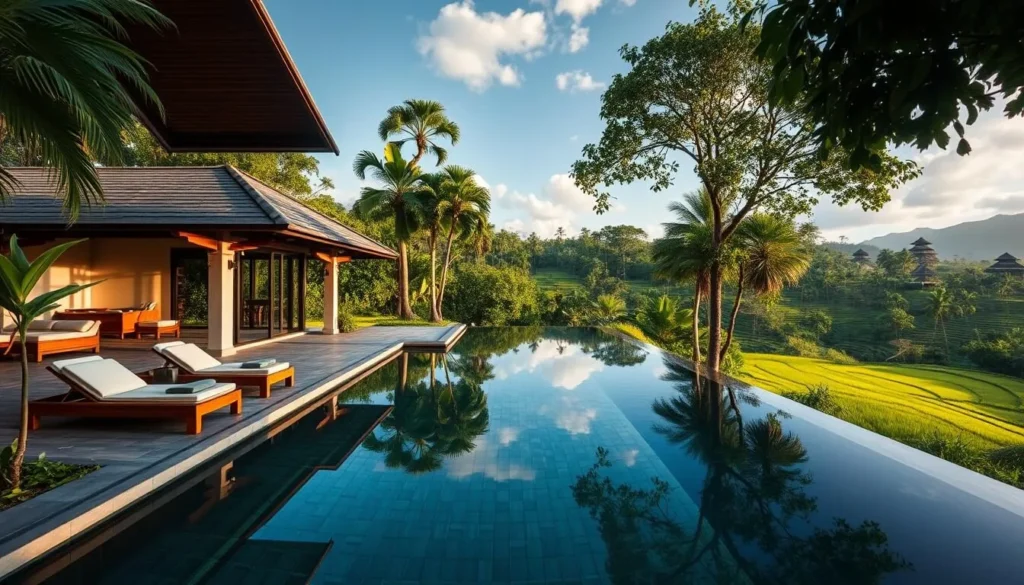
Ubud offers stunning jungle villas with private pools and rice terrace views
With only 3 days in Bali, choosing the right accommodation location is crucial to maximize your time. Each region offers distinct experiences, and your choice should align with your itinerary priorities:
Ubud (Cultural Heart)
Perfect for: Cultural immersion, rice terrace views, spiritual experiences
Pros: Central location for exploring temples, waterfalls, and rice terraces; peaceful atmosphere; excellent dining options
Cons: No beach access; 1.5-2 hour drive from the airport
Price range: $30-500+ per night
Recommended for: First-time visitors focused on culture and nature
Seminyak/Canggu (Trendy Beach Areas)
Perfect for: Beach time, surfing, nightlife, shopping, dining
Pros: Vibrant atmosphere; excellent restaurants and cafes; beautiful sunsets; proximity to airport (30-45 minutes)
Cons: Busy and developed; further from cultural attractions
Price range: $40-600+ per night
Recommended for: Beach lovers, foodies, and nightlife enthusiasts
Nusa Dua/Jimbaran (Luxury Resorts)
Perfect for: Relaxation, family-friendly beaches, water sports
Pros: Clean beaches; resort amenities; quieter atmosphere; close to airport (15-30 minutes)
Cons: Isolated from authentic Balinese culture; resort bubble feeling
Price range: $60-800+ per night
Recommended for: Luxury seekers and those prioritizing relaxation
Accommodation Strategy for a 3-Day Visit
For a short 3-day itinerary, consider these approaches:
- Single Base Strategy: Choose one central location (Ubud recommended) and take day trips. This minimizes packing/unpacking and transit time.
- Split Stay Strategy: Spend 2 nights in Ubud for cultural experiences and 1 night in a beach area for contrast.
Accommodation types range from budget homestays and guesthouses (starting at $20-30 per night) to mid-range boutique hotels ($50-150) and luxury villas or resorts ($200+). Many offer traditional Balinese architecture, lush gardens, and excellent service regardless of price point.
Bali Island 3-day Itinerary: Day-by-Day Guide
Map of Bali Island showing key locations featured in this 3-day itinerary
With only 3 days to explore Bali, this carefully crafted itinerary balances cultural experiences, natural wonders, and relaxation to give you a comprehensive taste of the island. Each day focuses on a different aspect of Bali’s charm, allowing you to experience its diverse offerings efficiently.
Day 1: Cultural Heart (Ubud and Surroundings)

Tegalalang Rice Terrace showcases Bali’s ancient agricultural traditions and stunning landscapes
Begin your Bali adventure in Ubud, the island’s cultural and spiritual center, where you’ll experience traditional arts, sacred temples, and stunning natural landscapes.
Morning: Sacred Monkey Forest & Ubud Palace
- 7:00 AM: Early breakfast at your accommodation
- 8:00 AM: Visit the Sacred Monkey Forest Sanctuary (Rp 80,000/~$5 USD) before crowds arrive. Explore ancient temples while observing playful macaques in their natural habitat. Keep valuables secure and avoid direct eye contact with monkeys.
- 10:00 AM: Stroll to nearby Ubud Palace (Puri Saren) to admire traditional Balinese architecture and royal heritage. Free entry.
- 11:00 AM: Browse the adjacent Ubud Art Market for handcrafted souvenirs, textiles, and artwork. Practice your bargaining skills!
Afternoon: Rice Terraces & Waterfalls
- 12:30 PM: Lunch at a local warung (traditional eatery) for authentic Balinese cuisine
- 2:00 PM: Visit Tegalalang Rice Terrace (Rp 15,000/~$1 USD) to witness the island’s iconic emerald-green stepped rice fields and traditional subak irrigation system
- 4:00 PM: Cool off at Tegenungan Waterfall (Rp 20,000/~$1.30 USD), where you can swim in the refreshing natural pool beneath cascading waters
Evening: Traditional Performance & Dinner
- 6:30 PM: Return to Ubud for a traditional Balinese dance performance at Ubud Palace (Rp 100,000/~$6.50 USD)
- 8:00 PM: Enjoy dinner at one of Ubud’s renowned restaurants like Locavore, Hujan Locale, or a more budget-friendly option like Warung Babi Guling Ibu Oka for Bali’s famous suckling pig
Day 2: Island Adventure (Nusa Penida Day Trip)
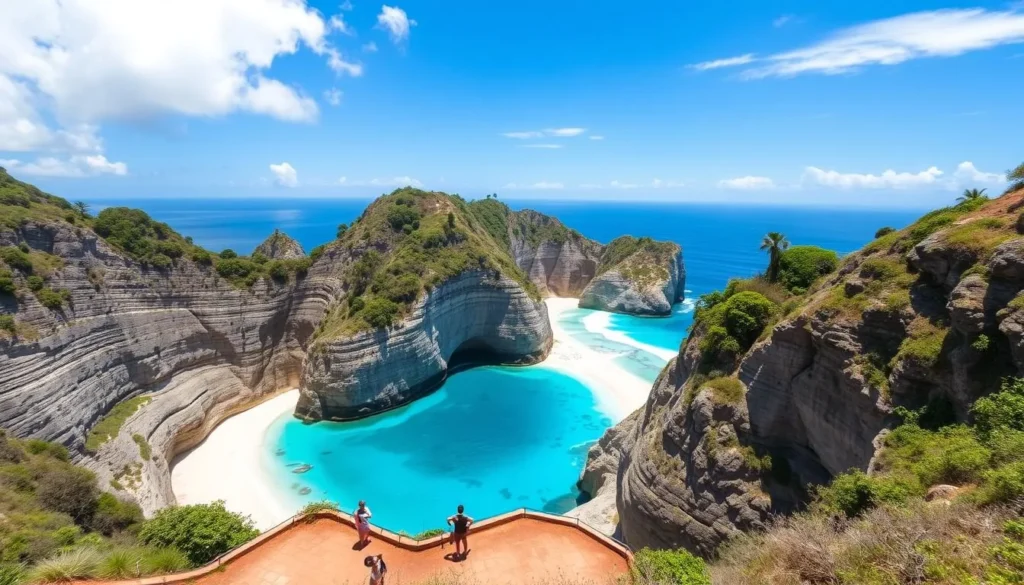
Kelingking Beach on Nusa Penida offers one of Bali’s most dramatic coastal landscapes
Escape the mainland for a day trip to Nusa Penida, a rugged island paradise just 45 minutes by speedboat from Bali. Known for its dramatic cliffs, pristine beaches, and untouched beauty, this day will provide stunning contrast to your cultural experiences.
Morning: Journey to Nusa Penida
- 6:30 AM: Early breakfast at your accommodation
- 7:30 AM: Transfer to Sanur Harbor (arrange through your hotel or private driver)
- 8:30 AM: Speedboat to Nusa Penida (Rp 300,000-350,000/~$19-22 USD round trip)
- 9:15 AM: Arrive at Nusa Penida and meet your pre-arranged tour guide/driver (Rp 600,000-800,000/~$38-51 USD for a full-day tour)
Afternoon: Island Exploration
- 9:30 AM: Visit Kelingking Beach viewpoint, home to the famous “T-Rex” cliff formation
- 11:30 AM: Explore Angel’s Billabong natural infinity pool and nearby Broken Beach (Pasih Uug)
- 1:00 PM: Lunch at a local warung with ocean views
- 2:30 PM: Relax and snorkel at Crystal Bay, known for its clear waters and marine life
- 4:00 PM: Return to the harbor for your speedboat back to Bali
Evening: Beachside Relaxation
- 5:30 PM: Arrive back in Sanur
- 6:30 PM: Transfer to a beach club in Seminyak or Canggu (like Potato Head, Finns, or La Brisa) for sunset cocktails and dinner with ocean views
- 9:00 PM: Return to your accommodation or explore Seminyak’s nightlife if energy permits
Alternative Option: If sea conditions are rough or you prefer to stay on the mainland, substitute this day with a trip to Uluwatu Temple for its dramatic cliff-top setting and famous Kecak fire dance at sunset, followed by a seafood dinner at Jimbaran Bay.
Day 3: Temples & Volcanoes (North & East Bali)

Pura Ulun Danu Beratan temple appears to float on Lake Bratan in Bali’s mountainous north
Your final day explores Bali’s volcanic landscapes and most photogenic temples, taking you through the island’s northern and eastern regions for a diverse range of experiences.
Morning: Mountain Temples
- 5:00 AM: Optional sunrise hike up Mount Batur (Rp 400,000-600,000/~$25-38 USD with guide) for spectacular views. This requires a 2:00 AM departure from Ubud.
- OR 7:00 AM: Breakfast at your accommodation if skipping the hike
- 8:30 AM: Visit Pura Ulun Danu Beratan, the iconic “floating temple” on Lake Bratan (Rp 75,000/~$4.80 USD)
- 10:30 AM: Explore the picturesque Handara Gate, an iconic Balinese entrance (Rp 30,000/~$1.90 USD for photos)
- 11:30 AM: Visit Jatiluwih Rice Terraces, a UNESCO World Heritage site with panoramic views (Rp 40,000/~$2.60 USD)
Afternoon: Eastern Treasures
- 1:00 PM: Lunch at a local restaurant with mountain views
- 2:30 PM: Visit Tirta Empul Temple to observe Balinese purification rituals at the sacred spring (Rp 50,000/~$3.20 USD)
- 4:00 PM: Stop at a coffee plantation to sample Luwak coffee and other local varieties
Evening: Sunset Farewell
- 5:30 PM: Arrive at Tanah Lot Temple, perched dramatically on an offshore rock (Rp 60,000/~$3.80 USD)
- 6:30 PM: Witness a spectacular sunset at this iconic location
- 8:00 PM: Farewell dinner at a nearby restaurant with ocean views
Time-Saving Tip: This day covers significant distances. Consider booking a private driver (Rp 700,000-900,000/~$45-58 USD) for the day to maximize efficiency and comfort. Alternatively, join an organized tour that includes multiple destinations.
Dining & Local Cuisine
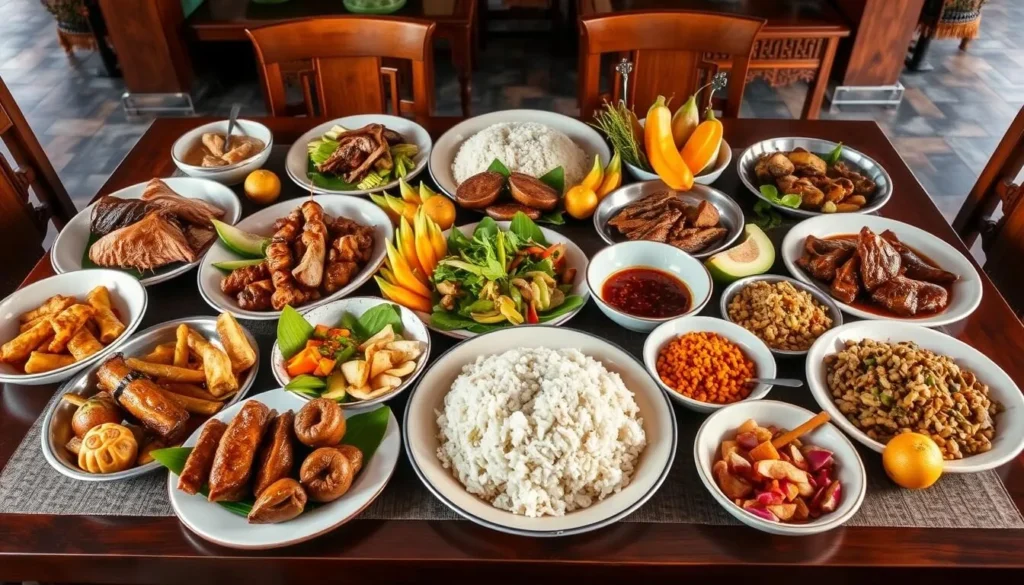
A traditional Balinese feast showcases the island’s diverse culinary traditions
Balinese cuisine is a highlight of any visit to the island, blending complex flavors, aromatic spices, and fresh ingredients. During your 3-day stay, make time to sample these authentic dishes:
Must-Try Balinese Dishes
Savory Specialties
- Babi Guling: Succulent spit-roasted suckling pig with crispy skin and spiced meat (try at Ibu Oka in Ubud)
- Bebek Betutu: Slow-cooked duck in rich Balinese spices, traditionally wrapped in banana leaves
- Nasi Campur: Mixed rice plate with small portions of various dishes—perfect for sampling multiple flavors
- Lawar: Minced meat salad with vegetables, coconut, and rich spices (available in both meat and vegetarian versions)
- Sate Lilit: Minced fish or meat satay wrapped around lemongrass sticks and grilled
Refreshing Options
- Jamu: Traditional herbal drink with turmeric, ginger, and other healing ingredients
- Bali Kopi: Strong, locally grown coffee often served with a thick layer of grounds at the bottom
- Es Campur: Colorful shaved ice dessert with jellies, fruits, and sweet syrup
- Fresh Fruit Juices: Watermelon, papaya, mango, and dragon fruit juices are available everywhere
- Arak: Local rice or palm liquor (approach with caution as quality varies)
Dining Options for Every Budget
Budget-Friendly (Under Rp 50,000/$3.20 USD)
- Warungs: Local eateries serving authentic, inexpensive meals
- Night Markets: Try Gianyar Night Market for local street food
- Nasi Campur Stalls: Quick, affordable mixed rice plates
Mid-Range (Rp 50,000-150,000/$3.20-9.60 USD)
- Casual Restaurants: Naughty Nuri’s (ribs), Warung Babi Guling Ibu Oka (suckling pig)
- Cafés: Habitat Café, Milk & Madu, Clear Café
- Beach Clubs: La Plancha, La Brisa (daytime menu)
Fine Dining (Rp 150,000+/$9.60+ USD)
- Upscale Restaurants: Locavore, Mozaic, Hujan Locale
- Resort Dining: Kayuputi at St. Regis, Sundara at Four Seasons
- Sunset Venues: Rock Bar, Finn’s Beach Club
Food Safety Tip: Stick to bottled water and avoid ice in smaller establishments. For street food, choose busy stalls with high turnover and proper food handling. “Bali belly” can quickly derail a short trip, so take reasonable precautions while still enjoying the local cuisine.
Attractions, Sightseeing & Activities

The famous Bali swing offers thrilling views over the jungle canopy and rice terraces
Beyond the highlights included in our 3-day itinerary, Bali offers countless attractions and activities. If you have specific interests or want to customize your experience, consider these additional options:
Cultural Experiences
- Balinese Cooking Class: Learn to prepare local specialties with market tours and hands-on instruction (Rp 350,000-500,000/$22-32 USD)
- Silver Jewelry Workshop: Create your own silver jewelry in Celuk Village with master craftsmen
- Batik Making: Design and create traditional batik fabric using ancient wax-resist techniques
- Traditional Healing Session: Experience Balinese spiritual healing with a local healer (balian)
Adventure Activities
- White Water Rafting: Navigate class II-III rapids on the Ayung or Telaga Waja rivers (Rp 500,000-700,000/$32-45 USD)
- Bali Swing: Soar over jungle canopies on giant swings for Instagram-worthy photos (Rp 300,000-500,000/$19-32 USD)
- ATV Rides: Explore off-road trails through rice fields, jungles, and traditional villages
- Canyoning: Descend waterfalls, jump into natural pools, and slide down river canyons
Wellness & Relaxation
- Traditional Balinese Massage: Experience healing touch therapy with aromatic oils (Rp 100,000-500,000/$6.40-32 USD)
- Yoga Classes: Join sessions at renowned studios like Yoga Barn or Radiantly Alive in Ubud
- Flower Baths: Soak in petal-filled tubs with stunning jungle or rice field views
- Sound Healing: Participate in gong baths and sound therapy sessions for deep relaxation
Museums, Cultural Spots & Festivals
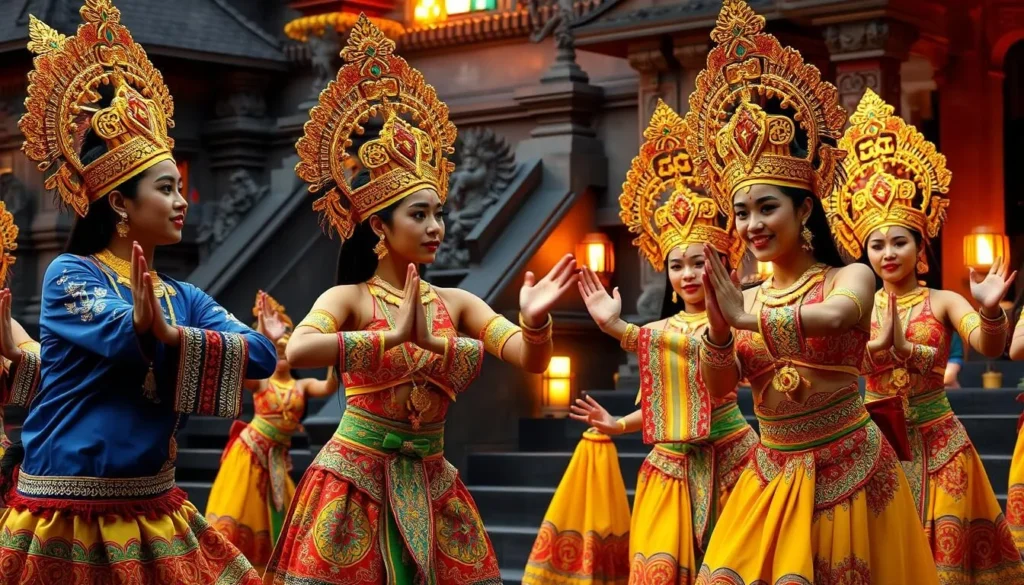
Traditional Legong dancers perform at a temple ceremony, showcasing Bali’s rich cultural heritage
Bali’s cultural richness extends beyond its temples and natural landscapes. The island offers numerous museums, art galleries, and cultural events that provide deeper insights into Balinese traditions and contemporary expressions.
Museums & Galleries
- ARMA Museum (Ubud): Houses an extensive collection of traditional and contemporary Balinese art
- Neka Art Museum (Ubud): Showcases the evolution of Balinese painting styles through different periods
- Setia Darma House of Masks and Puppets (near Ubud): Displays over 1,300 masks and puppets from around Indonesia and the world
- Blanco Renaissance Museum (Ubud): The former home and studio of flamboyant Spanish artist Antonio Blanco
- Bali Museum (Denpasar): The island’s oldest museum featuring archaeological artifacts and cultural exhibits
Cultural Performances
Even on a short 3-day visit, experiencing a traditional Balinese performance is highly recommended:
Dance Forms
- Legong: Graceful dance performed by young girls in elaborate costumes
- Barong: Mythological lion-like creature representing good, battling Rangda (evil)
- Kecak: “Monkey Dance” performed by dozens of men chanting in chorus (best at Uluwatu Temple)
- Fire Dance: Dramatic performance involving trance and walking on hot coals
Where to Watch
- Ubud Palace: Nightly performances at 7:30 PM (Rp 100,000/$6.40 USD)
- Uluwatu Temple: Kecak dance at sunset with dramatic cliff backdrop (Rp 150,000/$9.60 USD)
- ARMA Museum: High-quality performances in a proper theater setting
- Batubulan Village: Morning Barong performances
Festivals & Ceremonies
Bali’s calendar is filled with colorful ceremonies and festivals. If your visit coincides with any of these events, they offer authentic cultural experiences:
- Galungan & Kuningan: Major 10-day festival celebrating the victory of good over evil (occurs every 210 days)
- Nyepi (Day of Silence): Balinese New Year observed with complete silence, even tourists must remain in their hotels
- Bali Arts Festival: Month-long celebration (June-July) featuring performances, exhibitions, and parades
- Temple Anniversaries (Odalan): Each temple celebrates its anniversary every 210 days with elaborate decorations and ceremonies
Cultural Tip: When attending any ceremony or entering a temple, always wear a sarong and sash (often available for rent or loan at the entrance). Dress modestly, covering shoulders and knees, and behave respectfully. Ask permission before photographing people during ceremonies.
Sports, Nature & Outdoor Experiences

Canggu’s beaches offer excellent surfing opportunities for beginners and experienced surfers alike
Bali’s diverse landscapes provide the perfect playground for outdoor enthusiasts. From world-class surfing to jungle trekking, the island offers activities for every interest and skill level.
Water Activities
- Surfing: Catch waves at Kuta (beginners), Canggu, Uluwatu, or Padang Padang (advanced)
- Snorkeling: Explore vibrant coral reefs at Blue Lagoon, Menjangan Island, or Nusa Penida
- Scuba Diving: Discover the USS Liberty Shipwreck in Tulamben or the manta ray cleaning stations around Nusa Penida
- Stand-Up Paddleboarding: Enjoy calm waters at Sanur Beach or Nusa Dua
- Waterfall Jumping: Take the plunge at Aling-Aling Waterfall’s natural slides and pools
Land Adventures
- Sunrise Trekking: Climb Mount Batur (1,717 m/5,633 ft) for spectacular sunrise views over Lake Batur
- Mountain Biking: Descend from Mount Batur through villages, coffee plantations, and rice fields
- Jungle Trekking: Explore the lush Munduk region with its hidden waterfalls and spice plantations
- Campuhan Ridge Walk: Take an easy scenic hike through rolling hills near Ubud
- Cycling Tours: Pedal through rural villages and rice fields on guided bicycle tours
Wildlife Encounters
While Bali isn’t known for large wildlife, there are several opportunities to observe and interact with animals:
- Bali Safari and Marine Park: See over 100 species in a safari-like setting
- Sacred Monkey Forest: Observe macaques in their natural habitat (already included in Day 1)
- Bali Bird Park: Home to over 1,000 birds from 250 species
- Manta Ray Snorkeling: Swim with these gentle giants around Nusa Penida (seasonal)
- Turtle Conservation: Visit hatcheries in Serangan or Kuta to learn about protection efforts
Ethical Tourism Note: We recommend avoiding elephant rides, dolphin shows, and attractions where animals perform or are kept in poor conditions. Instead, support ethical wildlife experiences that prioritize animal welfare and conservation.
Safety, Etiquette & Local Customs
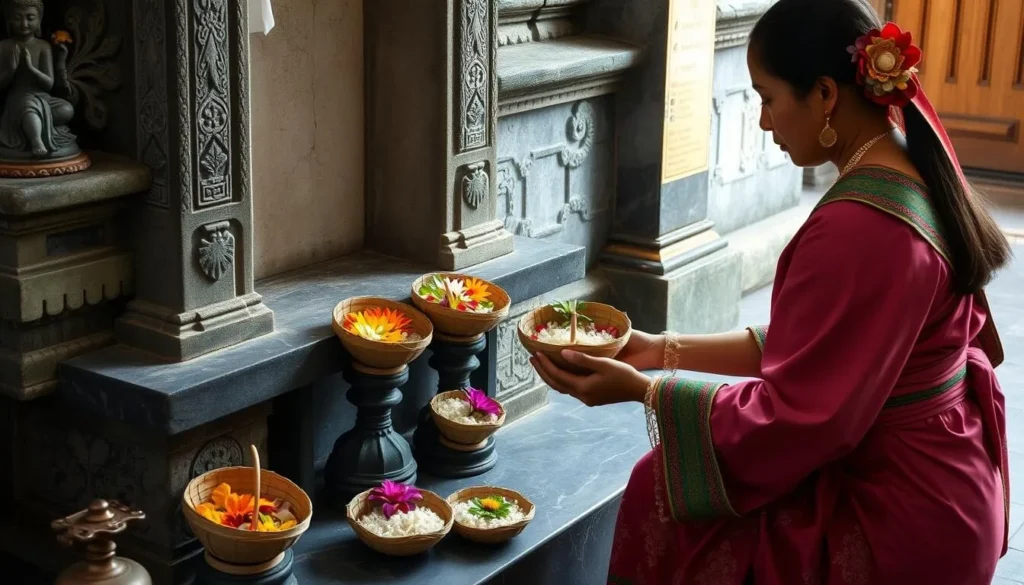
Daily offerings (canang sari) are an important part of Balinese Hindu spiritual practice
Understanding local customs and practicing appropriate etiquette will enrich your Bali experience and show respect for the island’s unique culture. Here are essential guidelines for a harmonious visit:
Cultural Etiquette
- Temple Visits: Wear a sarong and sash (usually available for rent/loan at entrances); women should not enter temples during menstruation
- Offerings (Canang Sari): Don’t step on the small flower offerings placed on sidewalks and entrances
- Head Height: The head is considered sacred in Balinese culture; avoid touching people’s heads, and don’t sit higher than holy objects
- Left Hand: Considered unclean; use your right hand for giving, receiving, eating, or touching
- Photography: Always ask permission before photographing ceremonies or individuals, especially during religious events
- Modest Dress: Cover shoulders and knees when visiting temples or villages (beach attire is fine for coastal areas)
Safety Considerations
- Traffic: Roads can be chaotic; exercise extreme caution when crossing streets or riding scooters
- Water Safety: Respect warning flags at beaches; strong currents and rip tides are common
- Hydration: Drink plenty of bottled water in the tropical climate to prevent dehydration
- Mosquitoes: Use repellent to protect against dengue fever, especially during dawn and dusk
- Valuables: Keep important documents and excess cash in your hotel safe
- Scams: Be wary of overly friendly strangers offering “special deals” or unauthorized money changers
Health Tips
- Drinking Water: Stick to bottled water; avoid tap water and ice in smaller establishments
- Food Safety: Choose busy restaurants with high turnover; be cautious with street food
- Sun Protection: Use high SPF sunscreen, wear hats, and limit direct sun exposure between 10 AM-4 PM
- Medical Care: BIMC Hospital (Kuta) and Siloam Hospitals (Denpasar) offer international-standard care
- Travel Insurance: Ensure your policy covers medical evacuation and adventure activities
Important Phone Numbers:
Tourist Police: 0361 754 599
Emergency: 112
Medical Emergency: 118
Bali International Medical Centre: 0361 761 263
Practical Travel Tips
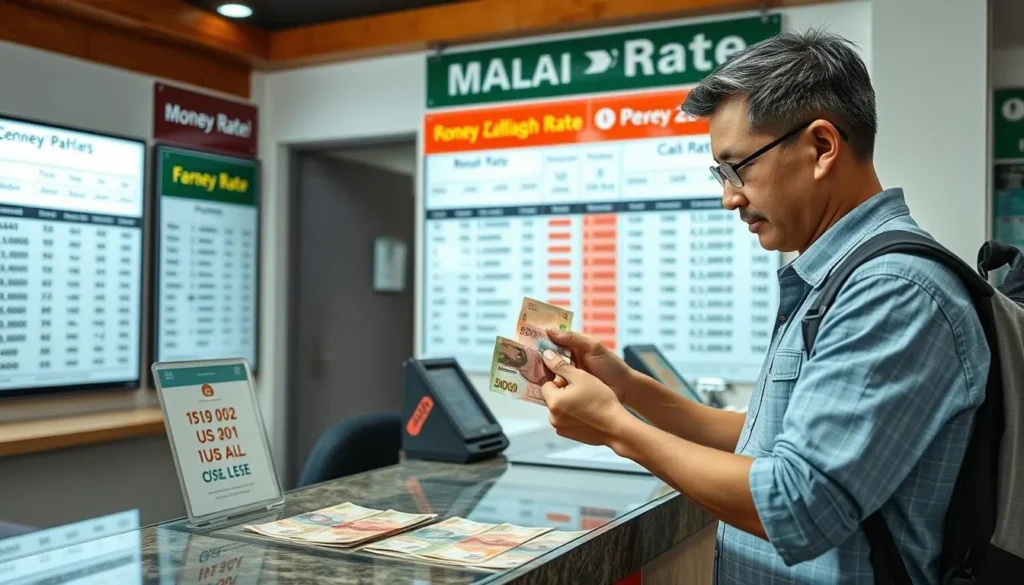
Exchange currency at reputable money changers with clear rate displays to avoid scams
These practical tips will help you navigate logistics and make the most of your 3-day Bali adventure:
Money Matters
- Currency: Indonesian Rupiah (IDR); approximately 15,500 IDR = 1 USD (rates fluctuate)
- ATMs: Widely available in tourist areas; look for those attached to banks for security
- Credit Cards: Accepted at most hotels and upscale restaurants; smaller businesses may be cash-only
- Money Changers: Use reputable exchanges with clear rate displays; count notes carefully
- Tipping: Not mandatory but appreciated; 5-10% at restaurants if service charge isn’t included
Connectivity
- SIM Cards: Available at the airport and convenience stores (Telkomsel offers good coverage)
- Wi-Fi: Most accommodations and cafés offer free Wi-Fi, though speed varies
- Power: Indonesia uses 230V, 50Hz with European-style round pin plugs (Type C/F)
- Apps: Download Grab, GoJek, WhatsApp, Google Maps, and Google Translate before arrival
Packing Essentials
- Clothing: Lightweight, breathable fabrics; modest options for temple visits
- Footwear: Comfortable walking sandals, flip-flops, and closed shoes for trekking
- Sun Protection: High SPF sunscreen, hat, sunglasses, and light cover-ups
- Rain Gear: Light raincoat or umbrella, especially during wet season
- Health Items: Mosquito repellent, basic first aid kit, prescription medications
- Electronics: Universal adapter, portable charger, waterproof case for phone
Time-Saving Tips
- Early Starts: Begin your day by 7-8 AM to avoid crowds and midday heat
- Strategic Booking: Reserve popular restaurants and activities in advance
- Traffic Planning: Allow extra time for journeys, especially during rush hours
- Airport Departure: Arrive 3 hours before international flights; traffic to the airport can be unpredictable
- Departure Tax: Now included in most airline tickets; confirm with your carrier
Is 3 days enough time to experience Bali?
While 3 days is enough to experience Bali’s highlights, it requires strategic planning. Focus on one or two regions rather than trying to see the entire island. This itinerary balances cultural experiences, natural attractions, and relaxation to give you a taste of Bali’s diverse offerings. For a more comprehensive experience, 5-7 days would be ideal.
What’s the best area to stay for a short visit?
For a 3-day visit, Ubud makes an excellent base due to its central location and proximity to many cultural attractions. If beach time is a priority, consider Seminyak or Canggu, which offer a good balance of beaches, dining, and reasonable access to day trips. Avoid staying in different areas each night, as packing and transit time will eat into your limited schedule.
Do I need a visa to visit Bali?
Many nationalities (including the US, UK, Australia, and most EU countries) can enter Indonesia visa-free for up to 30 days. This cannot be extended. If you plan to stay longer or have a passport from a country not eligible for visa-free entry, you’ll need to arrange a visa in advance. Always check the latest requirements before traveling.
Conclusion: Your Bali Adventure Awaits
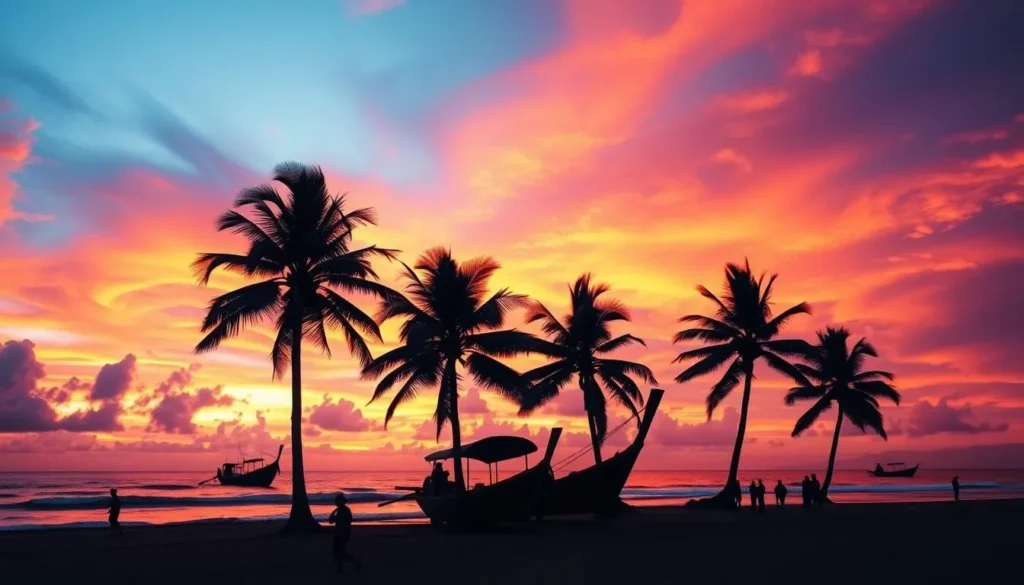
Bali’s magical sunsets create perfect moments to reflect on your island journey
Three days in Bali may seem brief, but with this carefully crafted itinerary, you’ll experience the island’s essence—from spiritual temples and emerald rice terraces to dramatic coastlines and vibrant cultural traditions. Each day offers a different facet of Bali’s multidimensional character, ensuring a well-rounded introduction to the Island of the Gods.
✓ Check 30,000+ Local Sightseeing Tours Worldwide
As you navigate sacred temples, cool off beneath cascading waterfalls, and witness fiery sunsets over ancient shrines, you’ll understand why Bali captures the hearts of travelers worldwide. The island’s unique blend of natural beauty, rich cultural heritage, and warm hospitality creates an experience that resonates long after your departure.
While this 3-day itinerary provides a taste of Bali’s magic, it inevitably leaves many treasures unexplored. Consider it an introduction—a first chapter in what may become a lifelong love affair with this extraordinary island. Many travelers find themselves planning their return before they’ve even departed.
Whether you’re seeking spiritual renewal, adventure, cultural immersion, or simply a beautiful backdrop for relaxation, Bali delivers with abundant generosity. Embrace the island’s rhythm, respect its traditions, and allow yourself to be transformed by the unique energy that makes Bali not just a destination, but a feeling that stays with you forever.
Selamat jalan! (Safe travels!)