

Hotels by Trip.com
Flights by Trip.com
Did you know that Bali celebrates over 60 major festivals annually, with some dating back more than a thousand years? This Indonesian paradise isn’t just about pristine beaches and lush rice terraces – it’s a vibrant cultural hub where ancient traditions blend with modern celebrations. From the eerie silence of Nyepi to the colorful chaos of Galungan, Bali’s festivals offer travelers a unique window into the island’s soul. Whether you’re planning your first visit or returning to explore deeper, timing your trip around these Bali Island festivals in Indonesia can transform a typical vacation into an unforgettable cultural immersion.
Getting to Bali & Planning Your Journey
Bali’s Ngurah Rai International Airport (DPS) in Denpasar serves as the main gateway to the island, welcoming flights from major cities across Asia, Australia, the Middle East, and some European destinations. Direct flights are available from hubs like Singapore, Kuala Lumpur, Bangkok, Sydney, and Dubai. For travelers from North America or Europe, connecting flights are typically required.
When planning your trip around Bali Island festivals Indonesia has to offer, keep in mind that many celebrations follow the Balinese Pawukon calendar, which is based on a 210-day cycle. This means festivals don’t always fall on the same dates each year. Before booking, check the latest festival schedule, as dates can shift. It’s also wise to book accommodations well in advance, as prices tend to increase during major festivals like Nyepi and Galungan.
Most nationalities can enter Indonesia visa-free for up to 30 days. If you plan to stay longer to experience multiple festivals, consider applying for a visa in advance. Remember to check that your passport has at least six months of validity from your planned departure date.
Best Time to Visit & Weather Tips
Bali enjoys a tropical climate with two distinct seasons: dry (April to October) and wet (November to March). The best time to experience Bali Island festivals Indonesia offers is during the dry season when temperatures hover between 26-31°C (79-88°F) with lower humidity and minimal rainfall.
However, many significant festivals occur throughout the year, so your ideal timing might depend on which celebrations you want to experience. For instance, Nyepi (Day of Silence) usually falls in March, while the Bali Arts Festival runs from mid-June to mid-July.
| Season | Months | Temperature | Notable Festivals | Tourism Level |
| Dry Season (Peak) | June – August | 27-31°C (81-88°F) | Bali Arts Festival, Bali Kite Festival | Very High |
| Dry Season (Shoulder) | April – May, September – October | 26-30°C (79-86°F) | Galungan (varies), Ubud Food Festival | Moderate |
| Wet Season | November – March | 24-29°C (75-84°F) | Nyepi, Chinese New Year | Low (except holidays) |
If you’re visiting during the wet season, pack a lightweight rain jacket and plan indoor activities for the afternoons when showers are most common. During the dry season, bring sun protection, as the tropical sun can be intense. Regardless of when you visit, light, breathable clothing is essential, along with modest attire for temple visits during religious festivals.
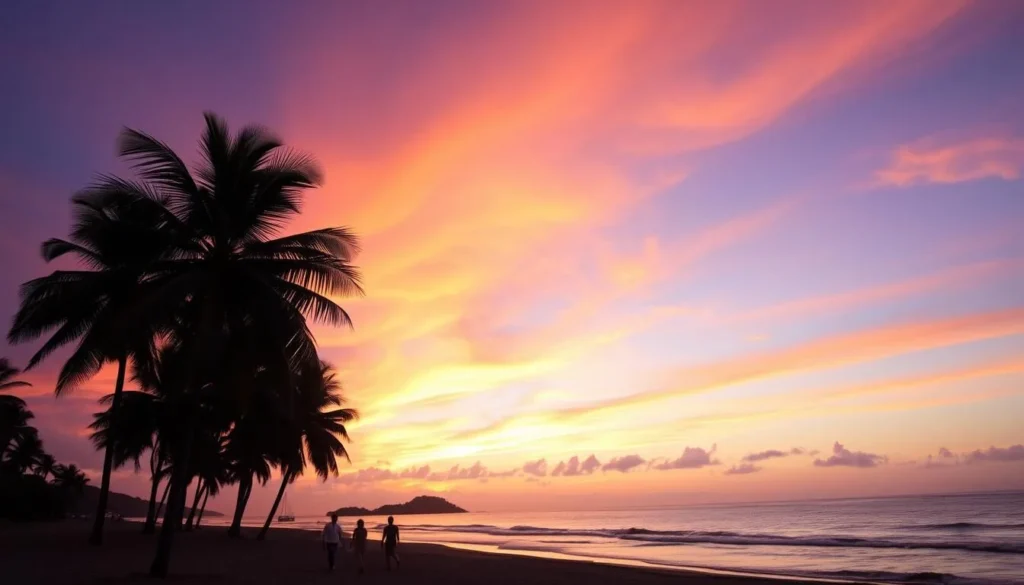
Getting Around Locally
Navigating Bali during festival periods requires some planning, as roads near celebration venues can become congested. Here are your best transportation options:
Scooter Rental
The most flexible way to explore Bali is by renting a scooter, which costs around 50,000-70,000 IDR (approximately $3-5 USD) per day. This option gives you the freedom to navigate through traffic jams that often form during festivals. However, you’ll need an international driving permit and confidence in riding in sometimes chaotic traffic conditions.
Private Driver
For comfort and convenience, hiring a private driver is ideal. Rates typically range from 500,000-800,000 IDR ($35-55 USD) for a full day. Drivers often serve as informal guides and can provide valuable insights about local festivals. This option is particularly recommended when traveling between different regions to attend various Bali Island festivals Indonesia hosts.
✓ Check 30,000+ Local Sightseeing Tours Worldwide
Ride-Hailing Apps
Gojek and Grab operate throughout Bali and offer affordable transportation. These apps are particularly useful for shorter journeys within towns. However, be aware that some areas have restrictions on pick-up locations, especially around popular tourist spots and during major festivals.
Rental Cars
If you prefer driving yourself but want more protection than a scooter offers, rental cars are available. This option provides air-conditioned comfort and space for festival shopping. An international driving permit is required.
During major Bali Island festivals Indonesia celebrates, such as Nyepi or Galungan, be aware that transportation options may be limited. On Nyepi (Day of Silence), all transportation stops for 24 hours, and everyone must remain indoors. Plan accordingly by staying near the festival you wish to attend or arranging accommodation that allows you to observe the celebrations without extensive travel.
Where to Stay
Choosing the right accommodation location can significantly enhance your festival experience in Bali. Each region offers different advantages depending on which Bali Island festivals Indonesia celebrations you plan to attend.
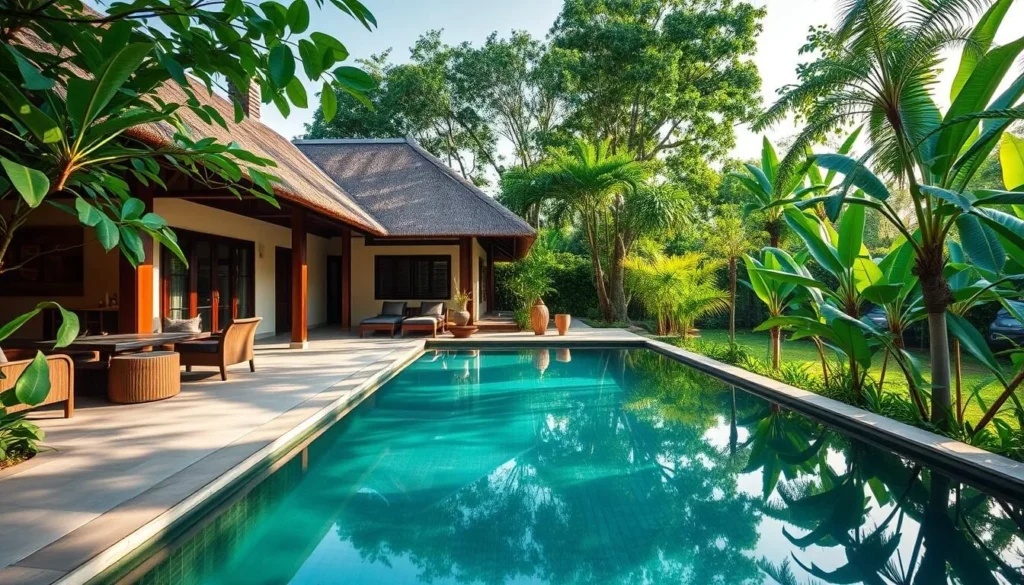
Ubud
The cultural heart of Bali, Ubud is ideal for those interested in traditional arts and spiritual festivals. Stay here to experience the Ubud Food Festival, Ubud Writers & Readers Festival, and Bali Spirit Festival. Accommodations range from budget homestays (200,000 IDR/$14 USD) to luxury resorts (3,000,000+ IDR/$210+ USD).
Denpasar & Sanur
Bali’s capital and nearby Sanur beach are excellent bases for the Bali Arts Festival, Bali Kite Festival, and Sanur Village Festival. These areas offer convenient access to the airport and reasonable accommodation prices, with mid-range hotels from 500,000 IDR ($35 USD) per night.
Seminyak & Canggu
These trendy beach areas host modern music festivals and events like Ultra Beach Bali. They offer stylish boutique hotels and villas, typically ranging from 700,000-2,000,000 IDR ($50-140 USD) per night, with excellent dining and nightlife options.
During major Bali Island festivals Indonesia celebrates, accommodation prices can increase by 30-50%, especially in areas close to festival venues. Book at least 3-4 months in advance if your trip coincides with Nyepi, Galungan, or the Bali Arts Festival. Many hotels and villas offer special festival packages that include transportation to events and sometimes even ceremonial clothing rental for guests who wish to participate more fully in the celebrations.
Dining & Local Cuisine
Balinese festivals are as much about food as they are about ceremonies and performances. Many celebrations feature special dishes that are only prepared during particular festivals, making your culinary experiences as memorable as the events themselves.
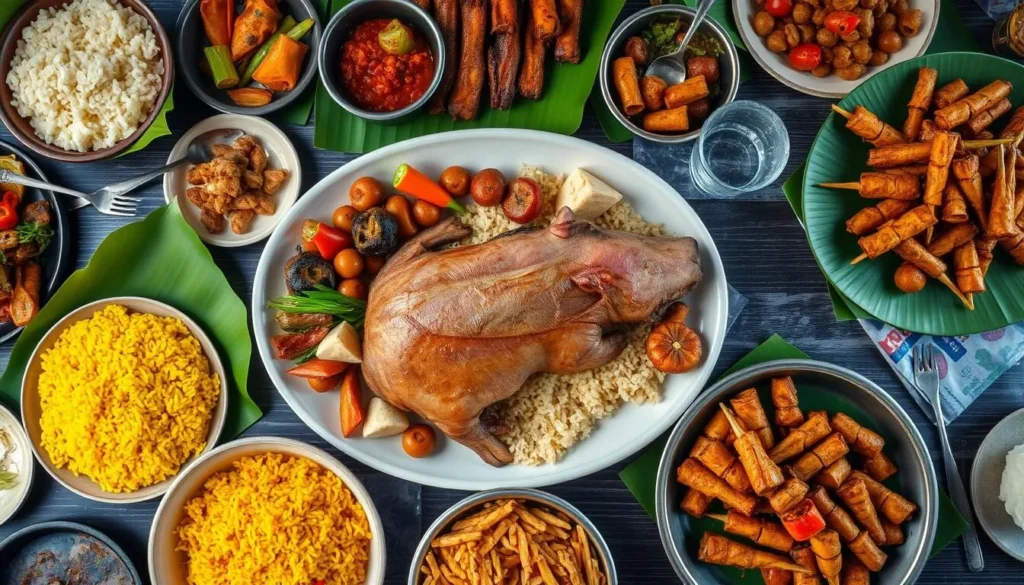
Must-Try Festival Foods
During the Ubud Food Festival, one of the most anticipated Bali Island festivals Indonesia hosts for culinary enthusiasts, you can attend cooking demonstrations, food tours, and special dinners prepared by renowned chefs. This is an excellent opportunity to learn about Balinese cooking techniques and ingredients.
Festival Dining Tips
Water is generally not safe to drink from taps in Bali. During festivals when you’ll be out exploring for extended periods, carry bottled water or a refillable bottle with a purification system. Many eco-friendly establishments now offer water refill stations to reduce plastic waste.
Top Bali Island Festivals Indonesia Celebrates
Bali’s festival calendar is packed year-round with celebrations that range from solemn religious ceremonies to exuberant artistic showcases. Here are the most significant festivals worth planning your trip around:

Nyepi (Day of Silence)
When: March (varies annually, March 19, 2026)
Bali’s New Year celebration begins with exorcism rituals and spectacular Ogoh-Ogoh parades (giant demon effigies) the evening before. Then, the entire island observes 24 hours of complete silence. No one leaves their homes, no fires or lights are lit, and even the airport closes. This period of self-reflection creates an eerily beautiful experience unlike any other festival in the world.
Galungan & Kuningan
When: Occurs every 210 days (November 19-29, 2025)
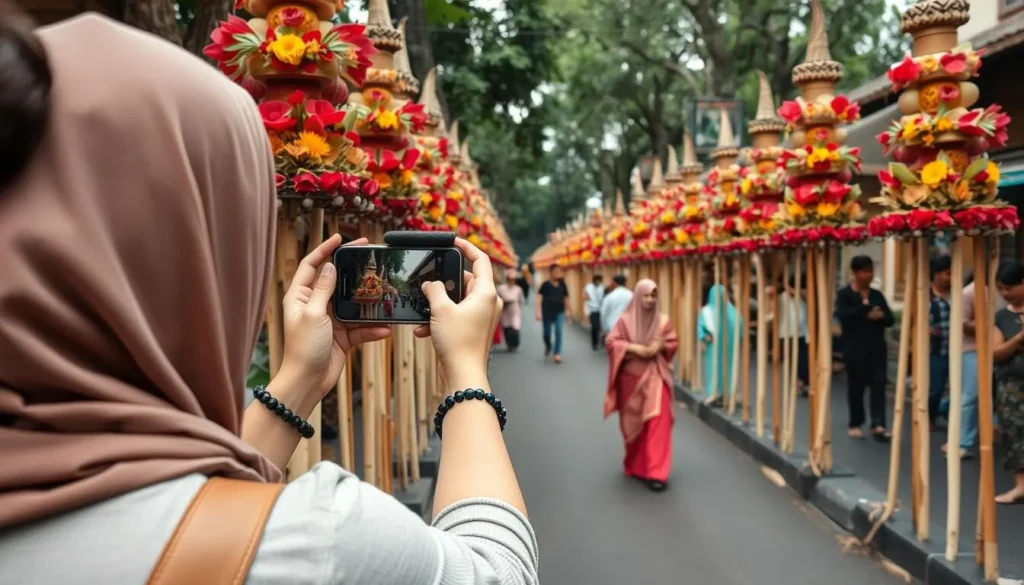
This 10-day celebration marks the time when ancestral spirits visit the Earth. Streets throughout Bali are decorated with penjor (tall, curved bamboo poles adorned with offerings). Families dress in their finest traditional clothes to visit temples and make offerings. The final day, Kuningan, is when the spirits return to their realm. This is one of the most visually stunning Bali Island festivals Indonesia celebrates.
Bali Arts Festival
When: Mid-June to Mid-July (June 15-July 13, 2026)
A month-long celebration of Balinese arts and culture held in Denpasar. The festival opens with a spectacular parade and continues with daily performances of music, dance, and drama. Art exhibitions, craft demonstrations, and competitions showcase the island’s rich artistic heritage. This is the largest cultural event in Bali and offers visitors an immersive experience of traditional and contemporary Balinese arts.
Bali Kite Festival
When: July-August (varies with wind conditions)
During the windy season, the skies above Padanggalak Beach near Sanur fill with enormous, colorful kites, some spanning over 10 meters. Teams from different villages compete with traditional designs like bebean (fish-shaped), janggan (bird with long tails), and pecukan (leaf-shaped). The festival originated as an agrarian ritual to send messages to the Hindu gods to bring abundant crops.
Bali Spirit Festival
When: April (April 22-26, 2026)
A global celebration of yoga, dance, and music in Ubud that attracts wellness enthusiasts from around the world. The festival features workshops with renowned yoga teachers, healing sessions, sound baths, ecstatic dance, and live music performances. This modern festival embodies the Balinese philosophy of Tri Hita Karana – living in harmony with spiritual, social, and natural environments.
Ubud Food Festival
When: Late May/Early June (May 30-June 1, 2026)
Indonesia’s leading culinary event showcases the country’s diverse cuisines through cooking demonstrations, food tours, workshops, and markets. The festival brings together celebrated chefs, food producers, restaurateurs, and food writers to celebrate Indonesia’s rich culinary heritage and innovative food scene. Special events include long-table dinners in spectacular settings around Ubud.
Ubud Writers & Readers Festival
When: October (October 29-November 2, 2025)
Southeast Asia’s leading literary event brings together writers, artists, thinkers, and performers from around the world. The festival features panel discussions, workshops, book launches, poetry slams, film screenings, and cultural performances. Each year focuses on a different theme exploring literature, social issues, and cultural exchange.
Saraswati Day
When: Every 210 days (September 6, 2025)
This beautiful celebration honors Saraswati, the goddess of knowledge and arts. Books and educational tools are blessed with flowers, and students participate in special ceremonies. It’s a colorful festival where you’ll see offerings of yellow flowers (Saraswati’s symbolic color) at temples, homes, and schools throughout Bali.
Tumpek Landep
When: Every 210 days (varies)
A unique ceremony where Balinese bless metal objects and vehicles. Originally focused on traditional weapons like keris (daggers), it has evolved to include cars, motorcycles, and even computers. You’ll see vehicles decorated with colorful fabrics and offerings, and special ceremonies at temples dedicated to technology and transportation.

Many smaller, local festivals occur throughout the year in villages across Bali. These temple anniversaries (odalan) happen every 210 days according to the Balinese calendar and are authentic celebrations where visitors are usually welcome. Ask locally about upcoming temple festivals during your stay to experience these less touristy but deeply meaningful Bali Island festivals Indonesia preserves at the community level.
Cultural Attractions & Temple Etiquette
Beyond the scheduled festivals, Bali’s temples (pura) are the center of cultural and religious life. When visiting these sacred sites, especially during festivals, proper etiquette is essential.
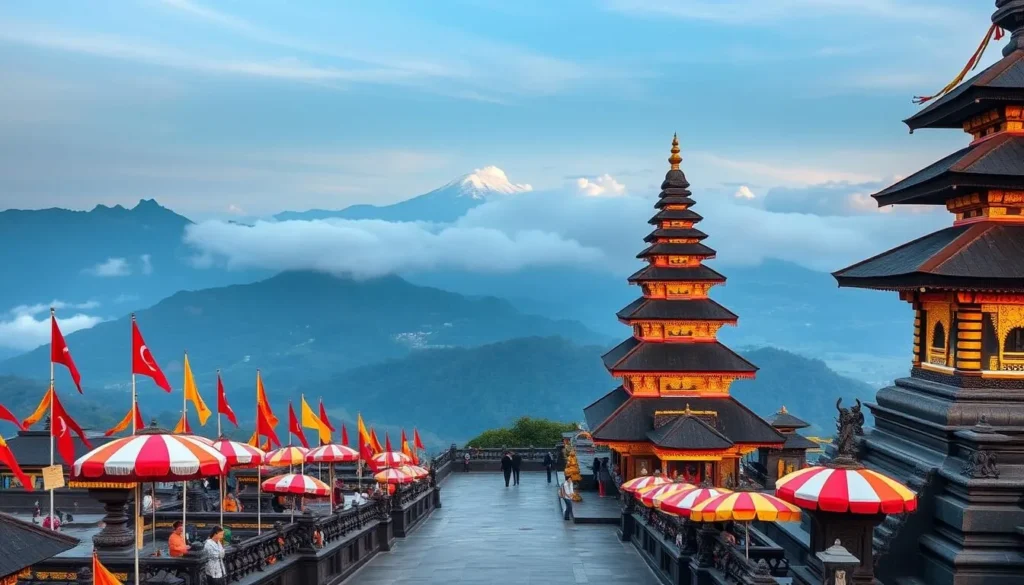
Must-Visit Temples for Festival Experiences
Pura Besakih (Mother Temple)
Bali’s largest and most important temple complex, located on the slopes of Mount Agung. Major ceremonies like Betara Turun Kabeh bring thousands of devotees here. The temple is particularly active during the tenth month of the Balinese calendar when every Hindu family on the island should make a pilgrimage here.
Pura Ulun Danu Beratan
This iconic lakeside temple in Bedugul hosts the month-long Ulun Danu Beratan Festival in July, featuring daily processions and performances. The temple honors Dewi Danu, the goddess of lakes and rivers, making it central to Bali’s water-related ceremonies.
Pura Tirta Empul
Famous for its holy spring water, this temple near Ubud becomes especially significant during purification ceremonies like Melasti before Nyepi. Visitors can observe (and sometimes participate in) ritual bathing ceremonies that are believed to cleanse the body and soul.
Pura Uluwatu
Perched dramatically on a cliff, this temple hosts one of the best daily kecak fire dance performances at sunset. During major festivals, special ceremonies take place here with the stunning ocean backdrop adding to the spiritual atmosphere.
Temple Etiquette During Festivals
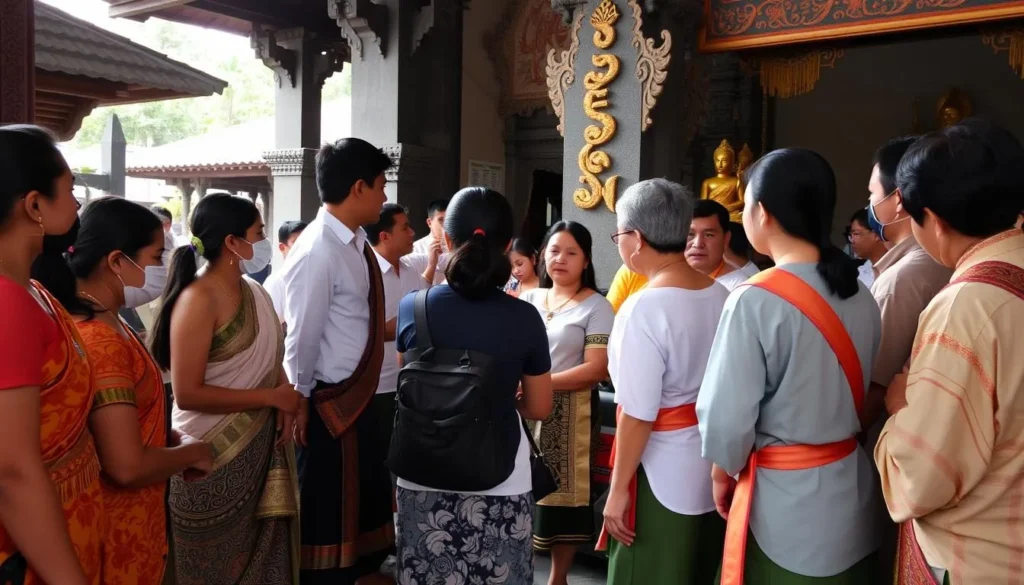
During major Bali Island festivals Indonesia celebrates, many temples become extremely busy with both local worshippers and tourists. Consider hiring a local guide who can explain the significance of the ceremonies and help you navigate appropriate behavior. This enhances your experience while ensuring you don’t inadvertently cause offense.
Outdoor Activities & Nature Experiences
While cultural festivals are a highlight of any Bali trip, the island’s natural beauty offers the perfect complement to your festival experiences. Many outdoor activities in Bali have spiritual significance and can deepen your understanding of the island’s cultural landscape.
Mount Batur Sunrise Trek
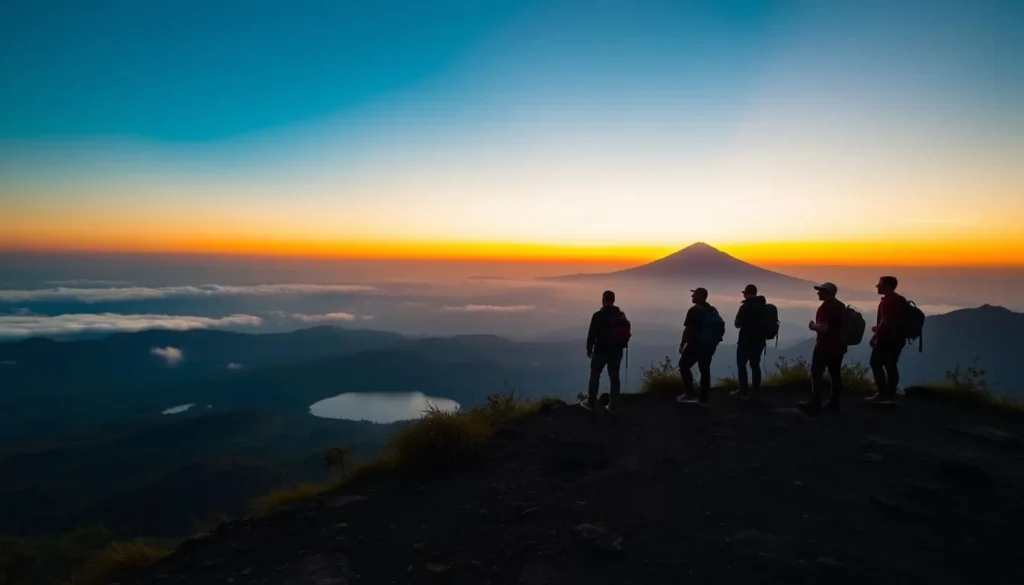
This active volcano (1,717 m / 5,633 ft) is considered sacred in Balinese culture. A pre-dawn hike to witness sunrise from the summit offers spectacular views and spiritual significance. During full moon periods, special ceremonies may take place at the temple near the crater. The 2-hour climb is moderately challenging but accessible to most reasonably fit travelers.
✓ Check 30,000+ Local Sightseeing Tours Worldwide
Rice Terrace Walks
The UNESCO-listed rice terraces of Jatiluwih and the popular Tegallalang terraces near Ubud showcase Bali’s ancient subak irrigation system, which is tied to temple networks and water ceremonies. During the rice growing cycle, you might witness special agricultural rituals that honor Dewi Sri, the rice goddess. These ceremonies ensure a successful harvest and demonstrate the deep connection between Balinese spirituality and agriculture.
Sacred Waterfalls
Waterfalls like Sekumpul, Gitgit, and Tegenungan are not just natural attractions but also spiritual sites where purification ceremonies sometimes take place. These powerful natural features are believed to have cleansing properties and are occasionally incorporated into festival rituals, particularly those related to water and purification.
Beach Activities with Cultural Connections
Bali’s beaches host several important festivals and ceremonies throughout the year:
Melasti Ceremony
Held a few days before Nyepi, this purification ritual takes place on beaches across Bali. Temple heirlooms are carried in procession to the sea, where they are ritually cleansed. Visitors can respectfully observe these colorful processions at beaches like Sanur, Kuta, and Seminyak.
Surfing
Beyond being a popular sport, surfing in Bali has cultural dimensions. Many surf spots are near important temples, and local surfers often make offerings before entering the water. During the Bali Kite Festival season, you can surf while colorful traditional kites fill the sky above – a uniquely Balinese experience.
When planning outdoor activities around Bali Island festivals Indonesia celebrates, be aware that some natural areas may be closed for ceremonies on specific days. Always check with local guides or your accommodation about any temporary closures or special events that might affect your plans. Conversely, timing your outdoor adventures to coincide with certain festivals can create magical experiences, such as hiking through rice fields during harvest ceremonies or visiting waterfalls during water blessing rituals.
Safety, Etiquette & Local Customs
Understanding and respecting Balinese customs enhances your festival experience while ensuring you don’t inadvertently cause offense. The Balinese are generally very tolerant of foreign visitors, but they deeply appreciate those who make an effort to honor their traditions.
Important Festival Etiquette
Safety Considerations During Festivals
Participating in Ceremonies
Many Bali Island festivals Indonesia celebrates welcome respectful visitor participation:
The Balinese concept of Tri Hita Karana – harmony between humans, nature, and the divine – underlies many festival practices. By approaching ceremonies with respect and mindfulness, you honor this philosophy and create more meaningful cultural exchanges.
Practical Travel Tips for Festival Visitors
Planning a trip around Bali Island festivals Indonesia hosts requires some additional preparation to ensure a smooth experience. Here are essential practical tips to help you make the most of your festival-focused visit:
Money Matters
Communication
Health & Comfort
Festival Planning Essentials
Remember that experiencing Bali Island festivals Indonesia celebrates is about cultural immersion rather than just spectating. Approach each event with curiosity, respect, and openness to create meaningful connections with the island’s rich traditions and warm-hearted people.
Embracing the Spirit of Bali Through Its Festivals
Bali’s festivals offer far more than colorful photo opportunities – they provide windows into the island’s soul, where ancient traditions continue to thrive alongside modern life. From the profound silence of Nyepi to the joyous celebrations of Galungan, these events reveal the deep spiritual connections that shape Balinese culture.
By timing your visit to coincide with these Bali Island festivals Indonesia treasures, you’ll experience the destination on a deeper level than most travelers ever do. You’ll witness communities coming together, families honoring ancestors, artists showcasing centuries-old traditions, and an entire island expressing gratitude for life’s blessings.
As you plan your journey to this extraordinary island, remember that the most rewarding experiences often come from respectful participation rather than mere observation. Bring an open heart, a curious mind, and a willingness to step outside your comfort zone. In return, Bali will reveal its most authentic self – a place where every ceremony, offering, and ritual dance tells a story that has been unfolding for generations.
Are you ready to dance with dragons at a Balinese festival, meditate in complete silence as a new year dawns, or witness the sky filled with enormous traditional kites? The Island of the Gods awaits, with its calendar full of celebrations that will transform your vacation into a life-changing cultural immersion.

Related Posts

Way Kambas National Park, Indonesia: Best Things to Do – Top Picks
Wasur National Park, Indonesia: Best Things to Do – Top Picks

West Bali National Park, Indonesia: Best Things to Do – Top Picks

Tesso Nilo National Park, Indonesia: Best Things to Do – Top Picks
Tegal, Indonesia: Best Things to Do – Top Picks
Ujung Kulon National Park, Indonesia: Best Things to Do – Top Picks
Coming Soon: Clickable Maps