Hotels by Trip.com
Flights by Trip.com
Did you know that Indonesia has over 17,000 islands, but only one official currency? The Indonesian Rupiah (IDR) might seem intimidating at first with its large denominations—where a simple meal could cost you 50,000 of something—but don’t worry! With approximately 15,000 IDR equaling just 1 USD, you’ll quickly get used to being a “millionaire” during your Indonesian adventure. This comprehensive Indonesia travel currency guide will help you navigate everything from ATM withdrawals to digital payments across this stunning archipelago.
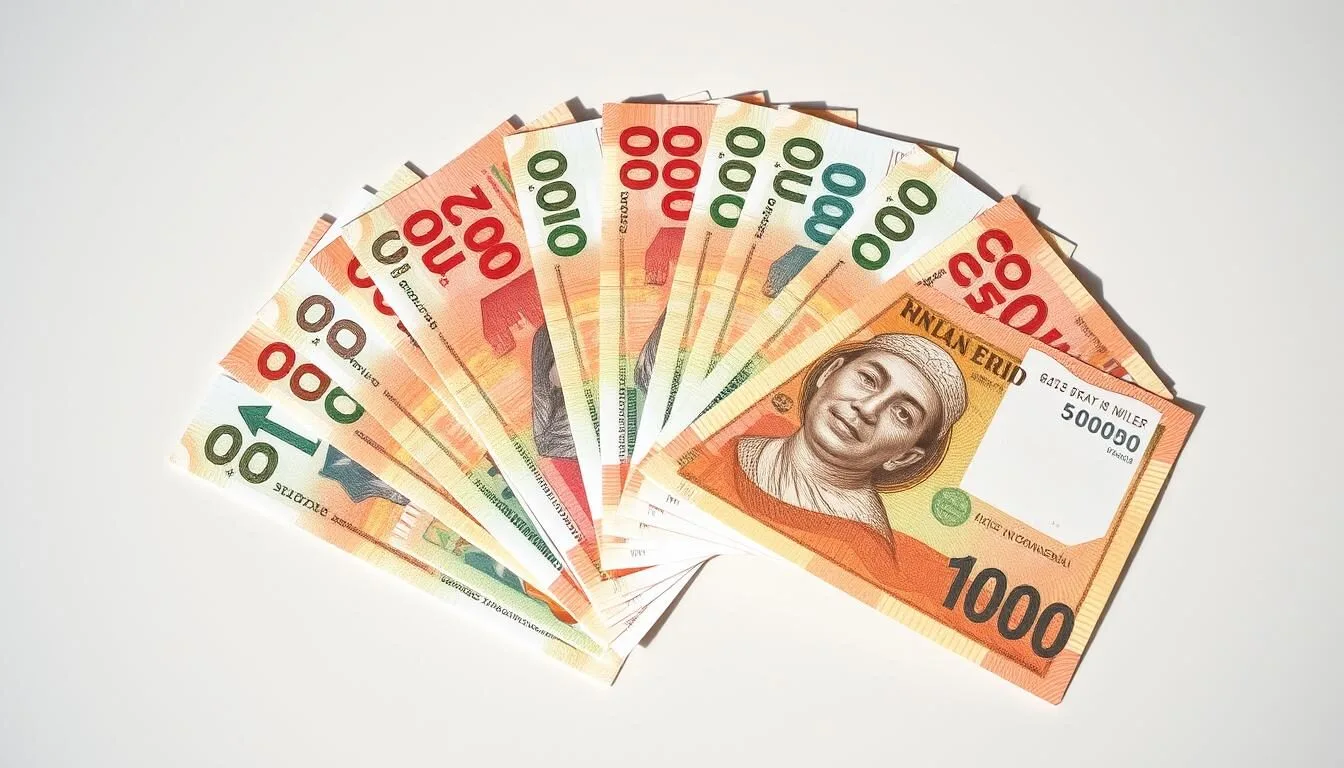
Indonesian Rupiah banknotes in various denominations
Understanding the Indonesian Rupiah (IDR)
The Indonesian Rupiah (IDR) is the official currency of Indonesia, symbolized as “Rp.” Bank Indonesia, the country’s central bank, issues and manages the currency. The name “rupiah” derives from the Sanskrit word “rupyakam,” meaning silver.
Banknotes and Coins
Indonesian currency comes in several denominations that you’ll encounter during your travels:
Banknotes:
- Rp1,000 (yellow)
- Rp2,000 (gray)
- Rp5,000 (brown/orange)
- Rp10,000 (purple)
- Rp20,000 (green)
- Rp50,000 (blue)
- Rp100,000 (red/pink)
Coins:
- Rp50
- Rp100
- Rp200
- Rp500
- Rp1,000
Note: The smaller coins (Rp50-200) are rarely used in daily transactions.
Indonesians use specific terms for larger amounts:
- 1,000 = 1 ribu
- 1 million = 1 juta
- 1 billion = 1 miliar
- 1 trillion = 1 triliun
The exchange rate is approximately 15,000 IDR to 1 USD, though rates fluctuate daily. This means that 100,000 IDR—the largest banknote—is worth around $6-7 USD.
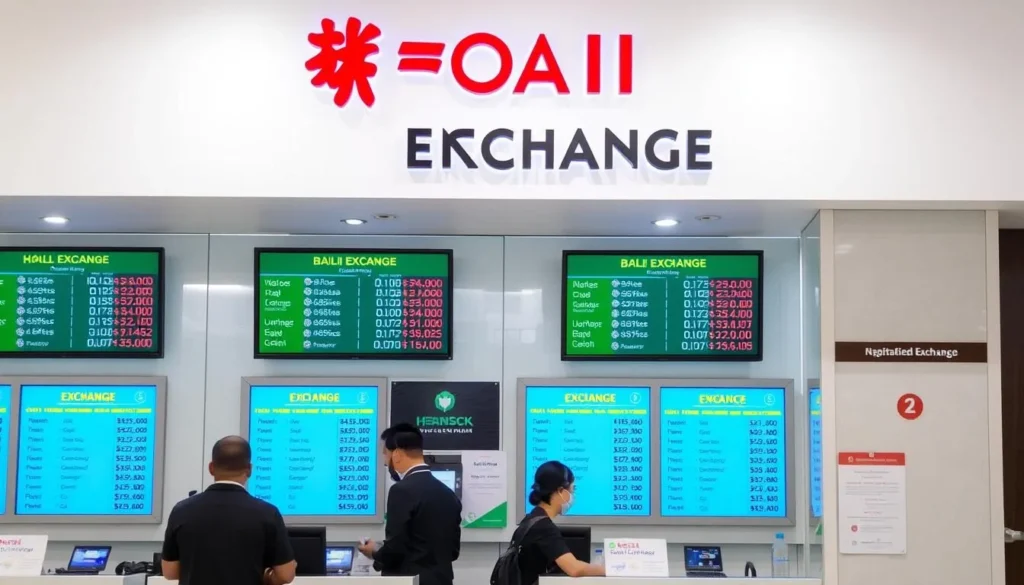
7 Tips for Exchanging Money in Indonesia
Getting the best value when exchanging your home currency for Indonesian rupiah requires some strategy. Here are seven essential tips to help you maximize your money:
1. Research Current Exchange Rates
Before exchanging any money, check the latest exchange rates online using currency converter tools. This knowledge will help you identify fair offers and avoid unfavorable rates. Western Union’s currency converter and XE Currency are reliable resources for checking current rates.
2. Avoid Airport and Hotel Exchanges
While convenient, currency exchange services at airports and hotels typically offer the poorest rates. If you need immediate cash upon arrival, withdraw a small amount from an ATM at the airport, then find a reputable money changer in town for larger exchanges.
Check 30,000+ Local Sightseeing Tours Worldwide
✓ Numerous languages and currencies are available
Warning: Be extremely cautious with street money changers, especially in tourist areas like Kuta or Seminyak in Bali. Many employ sleight-of-hand tactics to shortchange tourists.
3. Use ATMs for Better Rates
ATMs often provide better exchange rates than currency exchange services. Look for ATMs from reputable banks like Bank Central Asia (BCA), Bank Mandiri, or Bank Negara Indonesia (BNI). When withdrawing, always choose to be charged in the local currency (IDR) rather than your home currency to avoid dynamic currency conversion fees.
4. Notify Your Bank Before Traveling
Contact your bank before your trip to inform them of your travel plans. This prevents your card from being frozen due to suspected fraudulent activity when used abroad. Ask about international ATM fees and whether your bank has partnerships with any Indonesian banks that might offer reduced fees.
5. Bring Small Denominations
Many small vendors and warungs (local eateries) have difficulty providing change for large bills like Rp100,000. Keep smaller denominations (Rp10,000, Rp20,000) handy for minor purchases.
6. Count Your Money Carefully
Always count your money immediately after any exchange transaction, before leaving the counter. Check that notes aren’t torn or damaged, as these may be difficult to use later.
7. Consider a Travel Money Card
Prepaid travel cards allow you to load your home currency and convert it to IDR at competitive rates. These cards often have lower fees than traditional debit cards for international transactions.
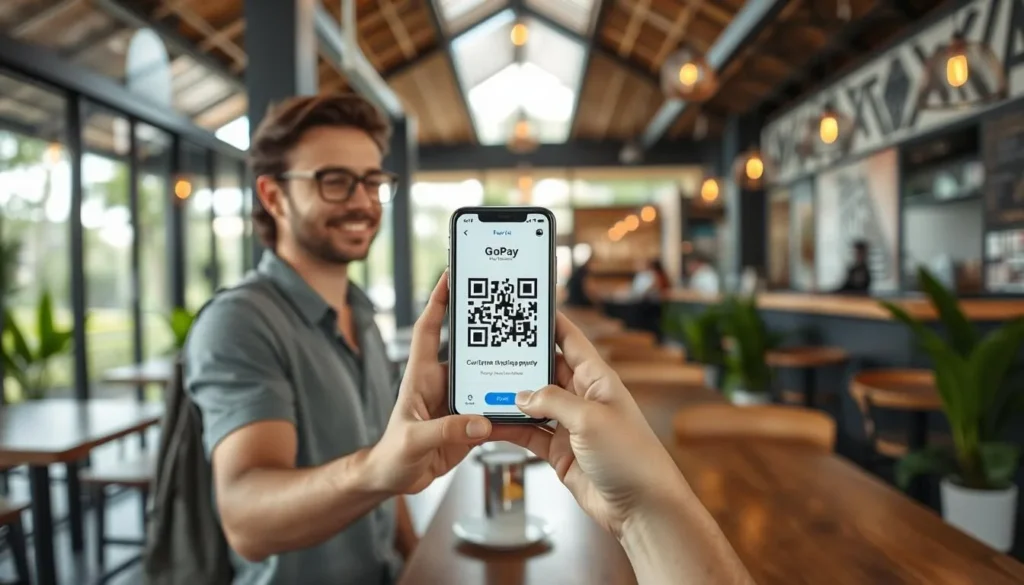
Digital Payments in Indonesia
While cash remains king in many parts of Indonesia, digital payment options are rapidly growing, especially in urban areas and tourist destinations.
Credit and Debit Cards
International credit and debit cards (particularly Visa and Mastercard) are widely accepted at hotels, shopping malls, and upscale restaurants in major tourist areas. American Express has more limited acceptance. Some important considerations:
- Many establishments charge a 2-3% surcharge for card payments
- Always check if your card charges foreign transaction fees (typically 1-3%)
- When given the option, always choose to pay in Indonesian Rupiah rather than your home currency to avoid poor conversion rates
- Smaller businesses, street vendors, and establishments in remote areas generally accept cash only
Mobile Payment Apps
Indonesia has seen explosive growth in digital payment platforms. The most popular include:
GoPay
Connected to the popular Gojek super-app, GoPay allows payments for transportation, food delivery, and at many physical stores.
OVO
Widely accepted at shopping malls, restaurants, and online merchants. Partners with the Grab ride-hailing service.
DANA
Another popular e-wallet with broad merchant acceptance, especially for online shopping.
While these apps are primarily designed for Indonesian residents with local bank accounts, tourists can sometimes use them through partnerships with their accommodations or by having a local friend help set up an account.
Traveler Tip: For longer stays in Indonesia, consider asking your accommodation if they can help you set up a local e-wallet. Some higher-end hotels offer this service for guests staying more than a week.
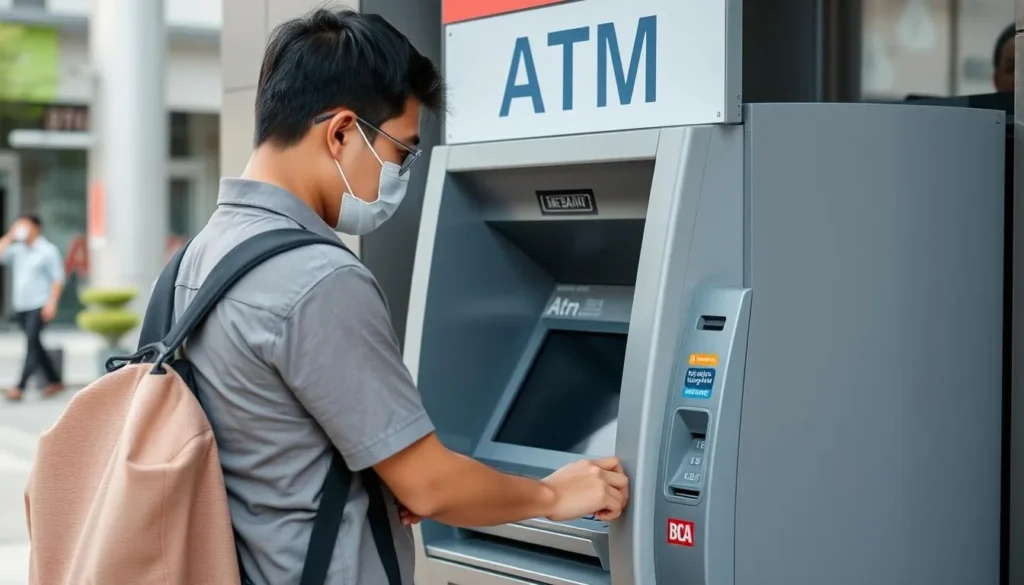
Using ATMs in Indonesia
ATMs are widely available in cities, tourist areas, and shopping malls throughout Indonesia. They offer a convenient way to access cash, often with better exchange rates than currency exchange services.
ATM Tips and Precautions
- Indonesian ATMs typically dispense Rp50,000 and Rp100,000 notes only
- Most ATMs have withdrawal limits between Rp1,250,000 and Rp3,000,000 (approximately $80-$200 USD) per transaction
- Daily withdrawal limits are usually around Rp6,000,000 ($400 USD)
- Use ATMs located inside banks or shopping malls for added security
- Cover the keypad when entering your PIN
- Be aware that many Indonesian ATMs charge a fee of Rp25,000-50,000 ($1.50-$3 USD) per transaction, in addition to any fees your home bank may charge
- Always take your card after completing your transaction—Indonesian ATMs typically dispense cash before returning your card
Recommended Banks
Not all ATMs reliably accept international cards. These banks generally have the best track record with foreign cards:
- Bank Central Asia (BCA)
- Bank Mandiri
- Bank Negara Indonesia (BNI)
- CIMB Niaga
- Permata Bank
Security Alert: Check ATMs for any suspicious devices or card skimmers before inserting your card. If something looks unusual or the card slot feels loose, find another ATM.
Avoiding Common Currency Scams
Unfortunately, tourists can be targets for various money-related scams in Indonesia. Here’s how to protect yourself:
Money Changer Scams
The most common currency scams occur at unauthorized money changers:
- Sleight of hand: Exchangers may count notes in front of you, then quickly remove some before handing them over
- Miscounting: Deliberately miscounting notes, especially with large denominations
- Hidden fees: Advertising “zero commission” but offering poor exchange rates
- Damaged notes: Giving you torn or damaged notes that may be difficult to use later
How to Identify Legitimate Money Changers
Look for these signs of reputable exchange services:
- Official-looking premises with proper signage and business licenses displayed
- Clear digital displays showing current exchange rates
- Transparent counters where all transactions are visible
- Staff who count money clearly in front of you
- No hidden fees or unusual requirements
“Always count your money twice before leaving the counter. If something feels off about a money changer, trust your instincts and go elsewhere.”
Other Common Scams
- Short-changing: Vendors giving incorrect change, counting on tourists’ unfamiliarity with the currency
- Dynamic currency conversion: Merchants offering to charge your card in your home currency at unfavorable rates
- “Broken meter” taxis: Drivers claiming meters are broken to charge inflated flat rates
Budgeting for Your Indonesian Trip
Understanding typical costs in Indonesia will help you budget effectively for your trip. Here’s a breakdown of what you might expect to spend in Indonesian Rupiah:
Accommodation (per night)
| Type | Price Range (IDR) | Approximate USD |
| Hostel/Guesthouse | 100,000 – 200,000 | $7 – $13 |
| Budget Hotel | 300,000 – 600,000 | $20 – $40 |
| Mid-range Hotel | 700,000 – 1,500,000 | $45 – $100 |
| Luxury Resort | 2,000,000+ | $130+ |
Food and Drinks
| Item | Price Range (IDR) | Approximate USD |
| Street Food Meal | 15,000 – 30,000 | $1 – $2 |
| Local Restaurant Meal | 40,000 – 80,000 | $3 – $5 |
| Western Restaurant Meal | 100,000 – 200,000 | $7 – $13 |
| Local Beer | 30,000 – 50,000 | $2 – $3 |
| Coffee | 20,000 – 40,000 | $1.30 – $2.60 |
Transportation
| Type | Price Range (IDR) | Approximate USD |
| GoJek/Grab Bike (short ride) | 15,000 – 30,000 | $1 – $2 |
| GoJek/Grab Car (short ride) | 40,000 – 80,000 | $3 – $5 |
| Daily Scooter Rental | 60,000 – 100,000 | $4 – $7 |
| Daily Car Rental (with driver) | 500,000 – 800,000 | $33 – $53 |
Activities and Attractions
| Activity | Price Range (IDR) | Approximate USD |
| Temple Entrance Fee | 30,000 – 50,000 | $2 – $3 |
| Museum Entrance | 40,000 – 100,000 | $3 – $7 |
| Guided Day Tour | 500,000 – 1,000,000 | $33 – $67 |
| Spa Treatment (1 hour) | 150,000 – 400,000 | $10 – $27 |
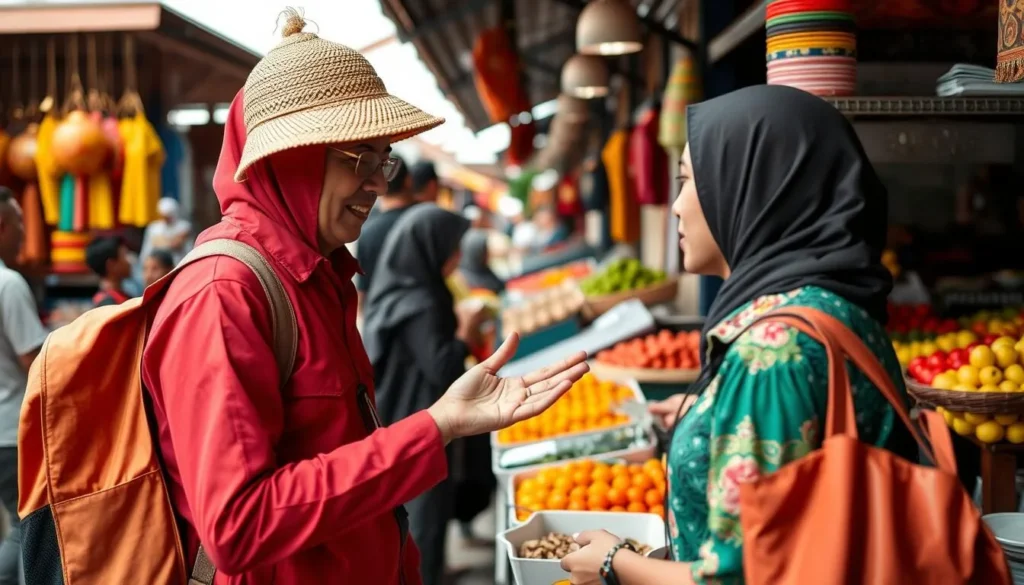
Cultural Etiquette with Money in Indonesia
Understanding local customs regarding money will help you navigate financial transactions respectfully:
Handling Money
- Use your right hand when giving or receiving money, as the left hand is considered unclean in Indonesian culture
- Count your change discreetly rather than displaying large amounts of cash publicly
- Keep money in good condition—torn or heavily creased notes may be refused
- When receiving change, it’s polite to say “terima kasih” (thank you)
Bargaining
Bargaining is common in markets and with street vendors, but should be done respectfully:
- Start by offering 50-60% of the initial asking price
- Negotiate with a smile and maintain a friendly attitude
- Be prepared to walk away if you can’t reach an agreeable price
- Don’t bargain at established stores with fixed prices or for essential services
Tipping
Tipping isn’t traditionally expected in Indonesia, but has become more common in tourist areas:
- Restaurants: Many add a 5-10% service charge; if not, a 5-10% tip is appreciated
- Hotels: 10,000-20,000 IDR for porters and housekeeping staff
- Tour guides: 50,000-100,000 IDR per day for good service
- Taxi drivers: Rounding up the fare is sufficient
- Spa services: 10-15% for good service
Cultural Note: In some parts of Bali, you might notice small offerings (canang sari) that include a few coins or small bills. These are religious offerings and should never be touched or removed.
Emergency Money Options
Even with careful planning, financial emergencies can happen. Here are your options if you run into money troubles in Indonesia:
If You Lose Your Card
- Contact your bank immediately to report the loss and request a replacement
- Most international banks can ship replacement cards to your accommodation in Indonesia (typically takes 3-5 business days)
- Keep your bank’s international emergency contact number saved offline
Wire Transfers
Money transfer services are widely available in Indonesia:
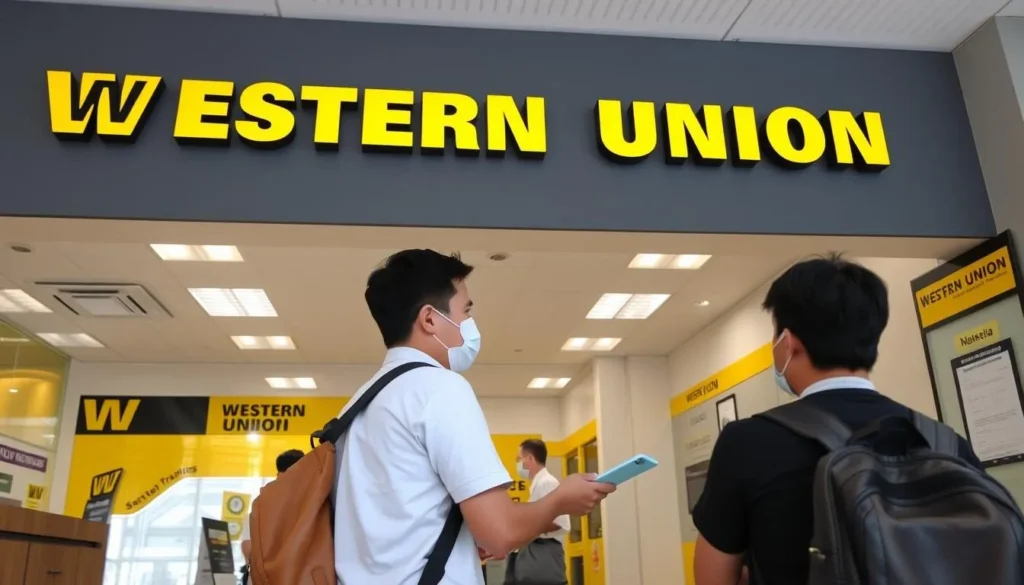
- Western Union has numerous locations throughout Indonesia
- MoneyGram is also available in many cities
- You’ll need your passport for identification when collecting funds
Embassy Assistance
In extreme emergencies, your country’s embassy or consulate may be able to help:
- They can sometimes facilitate emergency funds from family members
- Some embassies offer small emergency loans to citizens in dire situations
- They can help contact family members to arrange financial assistance
Emergency Preparation Tip: Before traveling, scan copies of your passport, visa, and both sides of your credit/debit cards. Store these securely in cloud storage you can access from anywhere.
Exploring Indonesia
Indonesia spans a vast archipelago with diverse landscapes and cultures. This map highlights major destinations where you’ll be using the Indonesian Rupiah during your travels.
Major tourist destinations across Indonesia
Final Tips for Managing Money in Indonesia
Navigating Indonesia’s currency system might seem daunting at first, but with these guidelines, you’ll handle your finances confidently throughout your journey:
- Carry a mix of cash and cards for flexibility
- Keep smaller bills handy for daily purchases and transportation
- Store larger amounts and spare cards securely at your accommodation
- Always check your bills and change carefully
- Use trusted ATMs and money changers
- Monitor exchange rates through a currency app
- Keep some emergency cash separate from your main funds
With its stunning landscapes, rich cultural heritage, and warm hospitality, Indonesia offers incredible value for travelers. Understanding the Indonesian Rupiah and local payment customs will help you focus on what matters most—immersing yourself in the breathtaking experiences this archipelago has to offer. From the volcanic peaks of Java to the pristine beaches of Bali and the traditional villages of Sumatra, your Indonesian adventure awaits!