Hotels by Trip.com
Flights by Trip.com
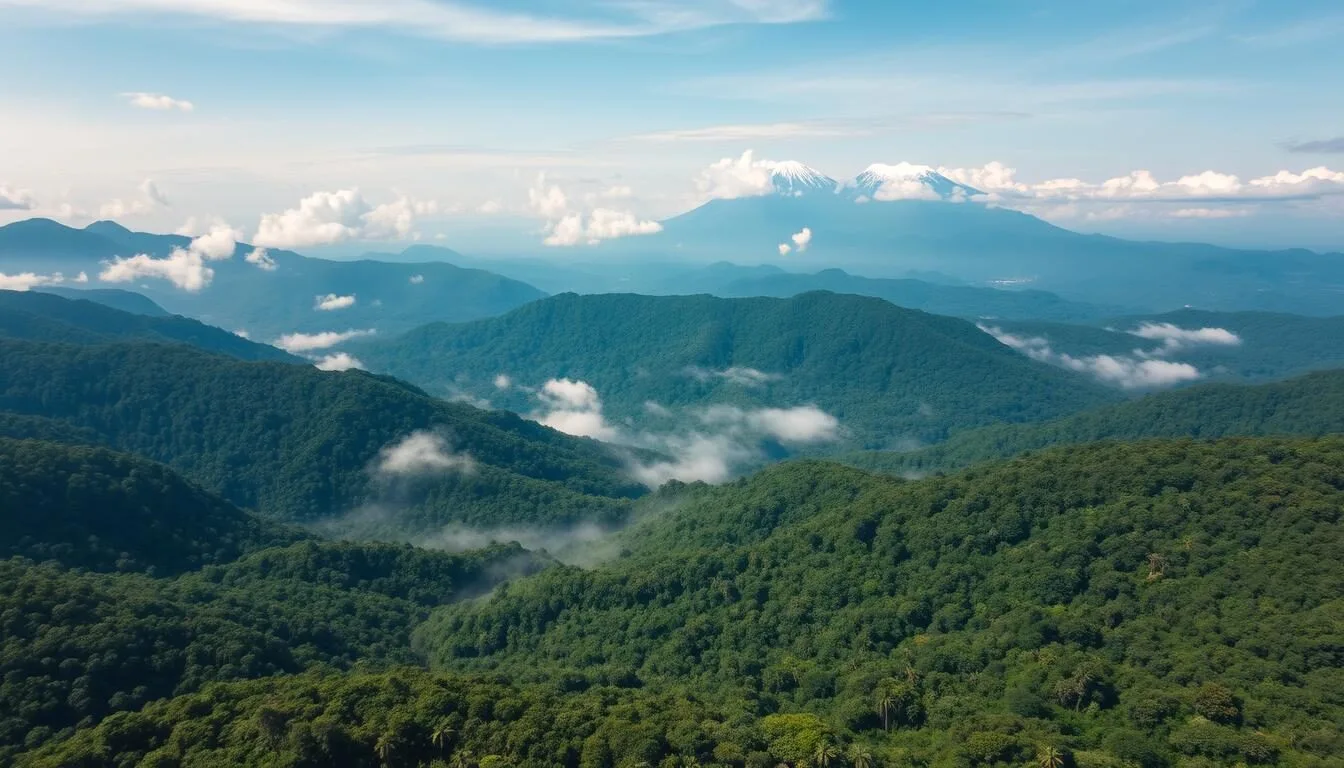
Did you know that Lorentz National Park is the only place on Earth where you can experience a continuous, intact ecosystem stretching from snow-capped mountains to tropical marine environments? As Southeast Asia’s largest protected area at 2.5 million hectares, this UNESCO World Heritage Site in Papua, Indonesia, offers one of the planet’s last great wildernesses and highest levels of biodiversity.
Overview of Lorentz National Park
Lorentz National Park, located in eastern Papua (formerly Irian Jaya), extends 200 km along the central Pegunung Maoke mountain range and stretches 120-170 km south across extensive lowland plains to the Arafura Sea. Declared a UNESCO World Heritage Site in 1999, the park is recognized for its exceptional natural beauty and ecological significance.
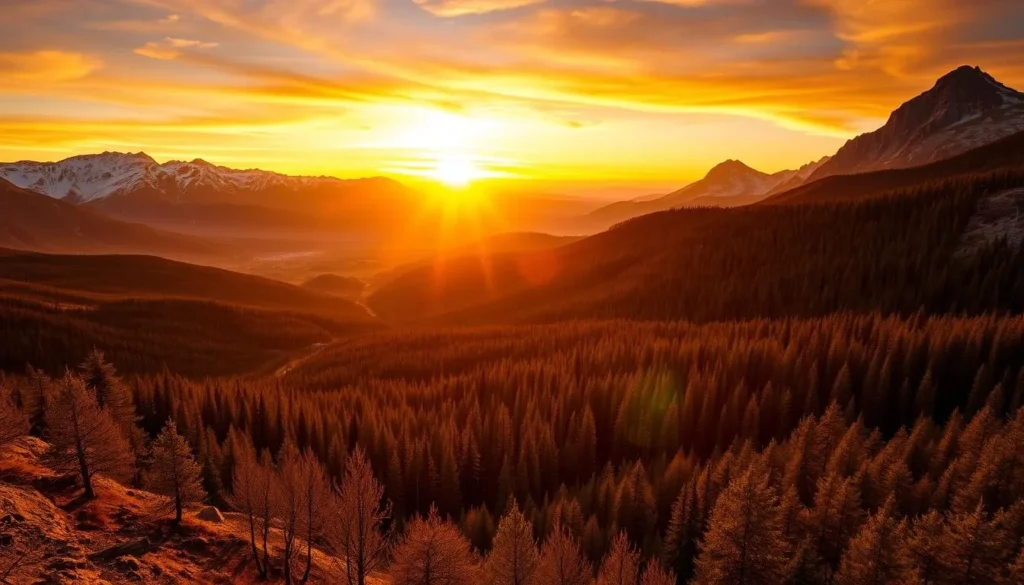
What makes Lorentz truly unique is its incredible altitudinal range – from sea level to 5,030 meters at Puncak Jaya (Carstensz Pyramid), the highest peak between the Himalayas and the Andes. This dramatic elevation gradient creates an astonishing diversity of ecosystems, from coastal mangroves and extensive wetlands to alpine tundra and equatorial glaciers.
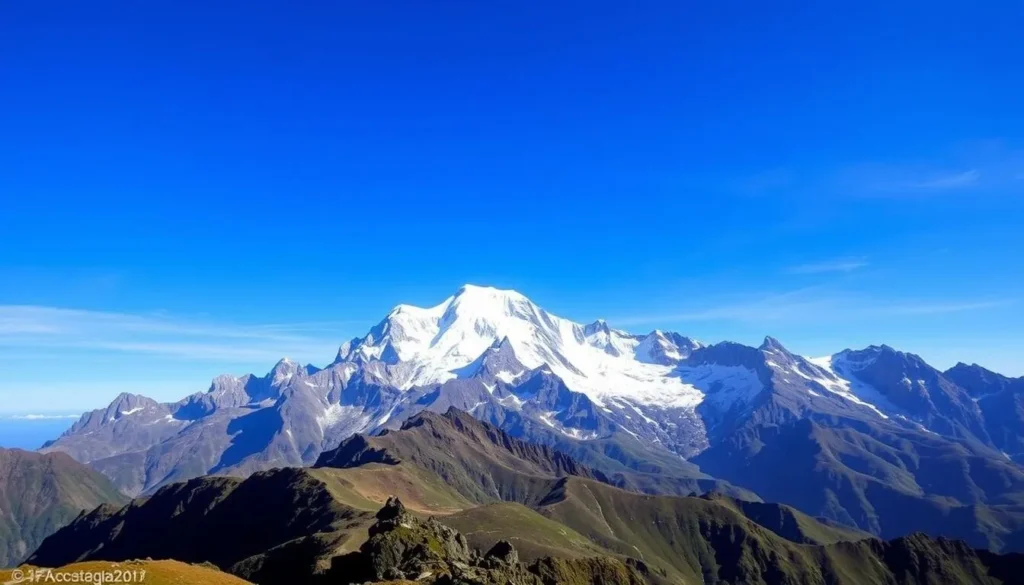
The park is home to remarkable biodiversity, including 64 known mammal species (with potentially up to 100 species), 650 bird species (72% of Papua’s total bird population), 150,000 insect species, and countless plant species. Many of these are endemic to the region, making Lorentz a critical conservation area.
Getting There & Planning Your Journey
Reaching Lorentz National Park requires careful planning due to its remote location and limited infrastructure. The journey is challenging but rewarding for adventurous travelers seeking pristine wilderness experiences.
Flight Options
The first step is flying to Papua. International travelers typically arrive at Jakarta or Bali, then take domestic flights to either Jayapura (Papua’s capital) or Timika. From these cities, smaller aircraft operate to towns near the park boundaries:
- From Jayapura, connect to Wamena (for northern access)
- From Timika, you can access the western part of the park
- Charter flights may be necessary for more remote entry points
Required Permits
Visiting Lorentz National Park requires several permits:
- Surat Jalan (travel permit) from the local police
- Park entry permit from the National Park office
- Special permits for trekking or mountaineering activities
- Permission from local tribal communities if visiting their territories
These permits should be arranged well in advance through a reputable tour operator familiar with the region. Independent travel is extremely difficult and not recommended due to the remote nature of the park and complex logistics.
Best Time to Visit & Weather Tips
Lorentz National Park has a humid tropical climate with significant rainfall throughout the year. Understanding the seasonal patterns will help you plan a more enjoyable visit.
Seasonal Considerations
The park experiences two main seasons:
- Dry Season (May to October): Generally considered the best time to visit, with relatively less rainfall and better trekking conditions. Temperatures in the lowlands range from 29-32°C, while highland areas can be much cooler.
- Wet Season (November to April): Characterized by heavy rainfall, especially in the lowlands. This can make travel difficult due to flooded rivers and muddy trails. However, the landscapes are at their most lush during this period.
Temperature Variations
Due to the extreme elevation differences within the park, temperatures vary dramatically:
✓ Check 30,000+ Local Sightseeing Tours Worldwide
- Coastal lowlands: Hot and humid (29-32°C)
- Mid-elevations: Moderate temperatures (15-25°C)
- Alpine zones: Cold, especially at night (can drop below freezing)
- Summit areas: Below freezing, with snow and ice present year-round on the highest peaks
Pack accordingly for these temperature variations if you plan to explore different elevation zones. Layered clothing is essential for highland treks.
Getting Around Locally
Movement within Lorentz National Park is challenging due to its vast size, rugged terrain, and limited infrastructure. Most exploration requires guides and specialized transportation.
Transportation Options
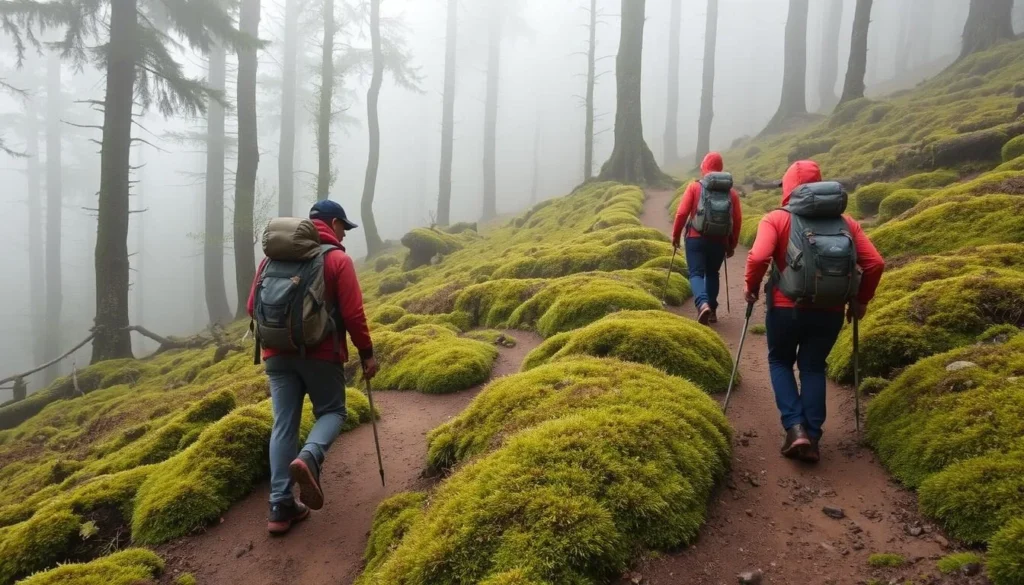
- Guided Trekking: The primary way to explore the highland areas. Trails range from moderate day hikes around Lake Habbema to challenging multi-day expeditions.
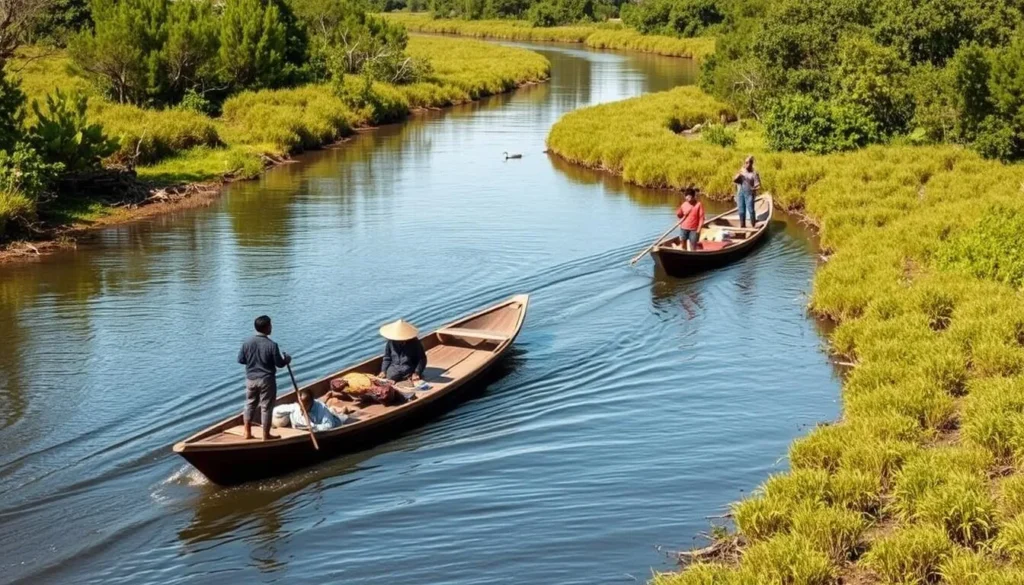
- Boat Travel: Essential for navigating the extensive river systems and coastal areas in the southern lowlands.
- Air Travel: Small airstrips serve some communities within and around the park. Charter flights can be arranged for specific locations.
- Vehicle Access: Extremely limited. The few roads that exist are primarily in the northern section near Wamena and Lake Habbema.
Guided Tours
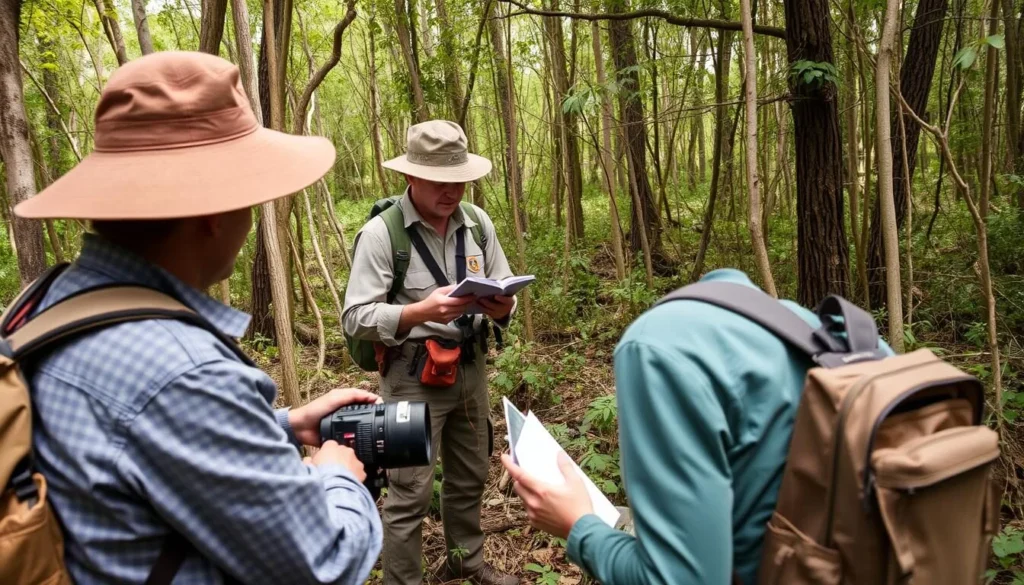
Due to the challenging terrain and remote nature of the park, guided tours are strongly recommended and often necessary. Local guides provide invaluable knowledge about:
- Safe navigation through difficult terrain
- Wildlife spotting and identification
- Cultural protocols when visiting indigenous communities
- Emergency procedures in this remote environment
Where to Stay
Accommodation options within and around Lorentz National Park are limited and basic. Advance planning is essential, especially for visits to remote areas.
Accommodation Options
Gateway Towns
- Wamena: The main highland town north of the park offers several basic hotels and guesthouses. This is the primary staging point for highland expeditions.
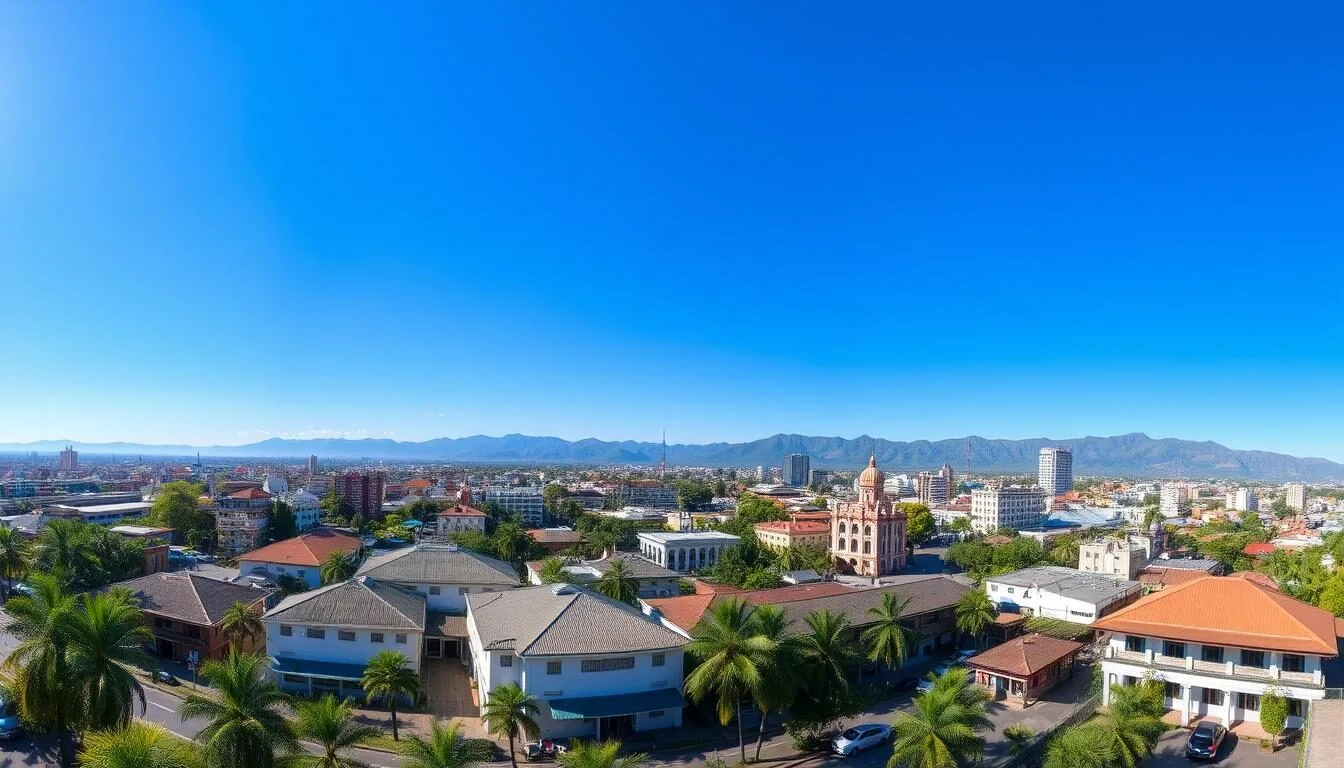
- Timika: Located west of the park, this mining town has more developed accommodation options, including some business-class hotels.
- Agats: The main town in the Asmat region provides basic guesthouses for those exploring the southern coastal areas.
Within the Park
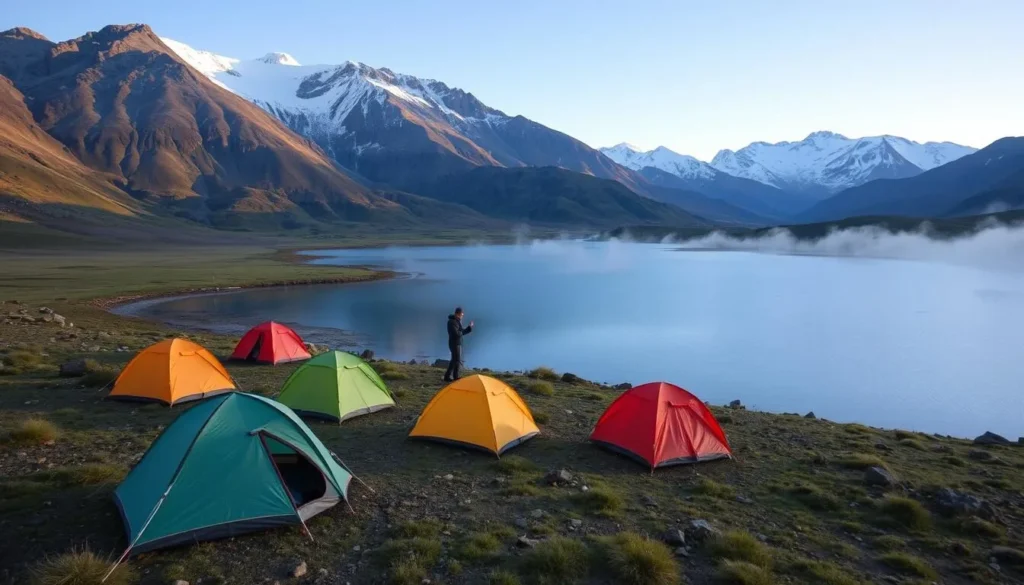
- Camping: For trekking expeditions, camping is the primary accommodation option. Tour operators typically provide camping equipment.
- Village Homestays: Some indigenous communities offer basic homestay accommodations. These provide unique cultural experiences but have very limited facilities.
- Research Stations: Occasionally, arrangements can be made to stay at research facilities within the park, though these are primarily for scientific purposes.
Dining & Local Cuisine
Culinary options in and around Lorentz National Park reflect the traditional practices of local indigenous communities and the limited infrastructure of the region.
Food Options
- Gateway Towns: Wamena and Timika offer small restaurants serving Indonesian cuisine and some Western options. These are the best places to enjoy prepared meals before entering the park.
- Expedition Meals: For treks and expeditions, tour operators typically provide meals prepared by guides. These usually consist of simple but nutritious Indonesian dishes adapted for trail cooking.
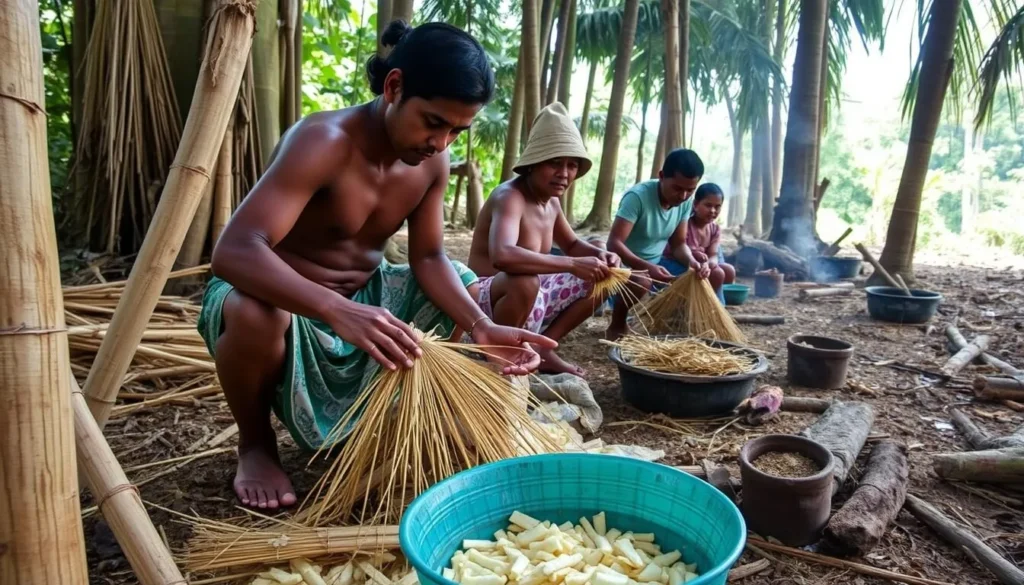
- Indigenous Foods: When visiting local communities, you may have opportunities to try traditional foods like sago (a starch extracted from palm stems), which is a staple for many lowland communities.
Dining Tips
When planning your visit to Lorentz National Park, keep these dining considerations in mind:
- Stock up on non-perishable snacks and energy foods in larger towns before entering the park
- Carry water purification methods as safe drinking water is limited
- Inform your tour operator of any dietary restrictions well in advance
- Be open to trying local foods when offered, as this is an important part of the cultural experience
- Pack out all food waste to minimize environmental impact
Attractions, Sightseeing & Activities
Lorentz National Park offers extraordinary natural attractions across its diverse ecological zones. Here are some of the most remarkable sights and experiences:
Highland Attractions
- Puncak Jaya (Carstensz Pyramid): Indonesia’s highest peak and one of the famed “Seven Summits.” Climbing requires technical mountaineering skills and special permits.
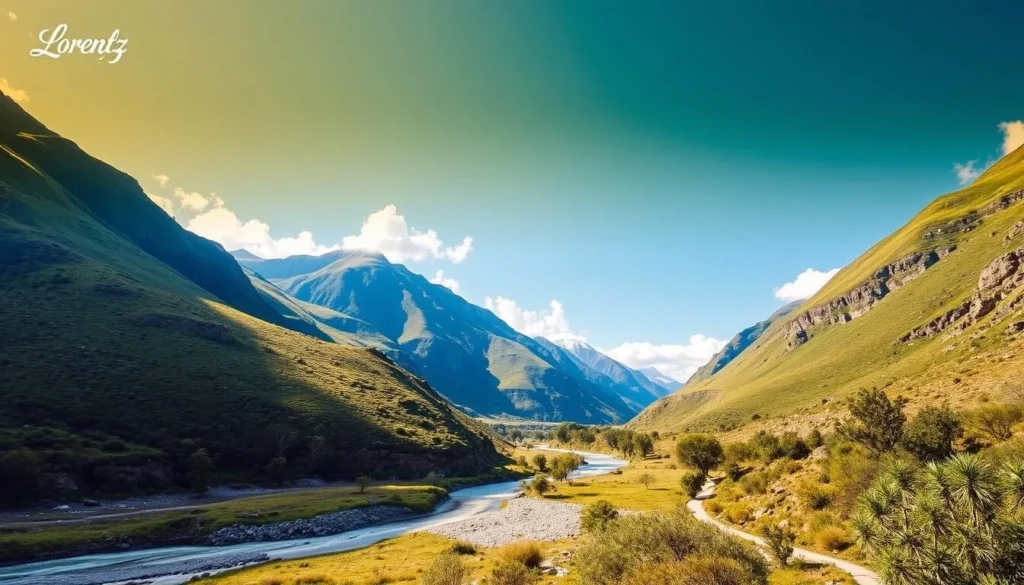
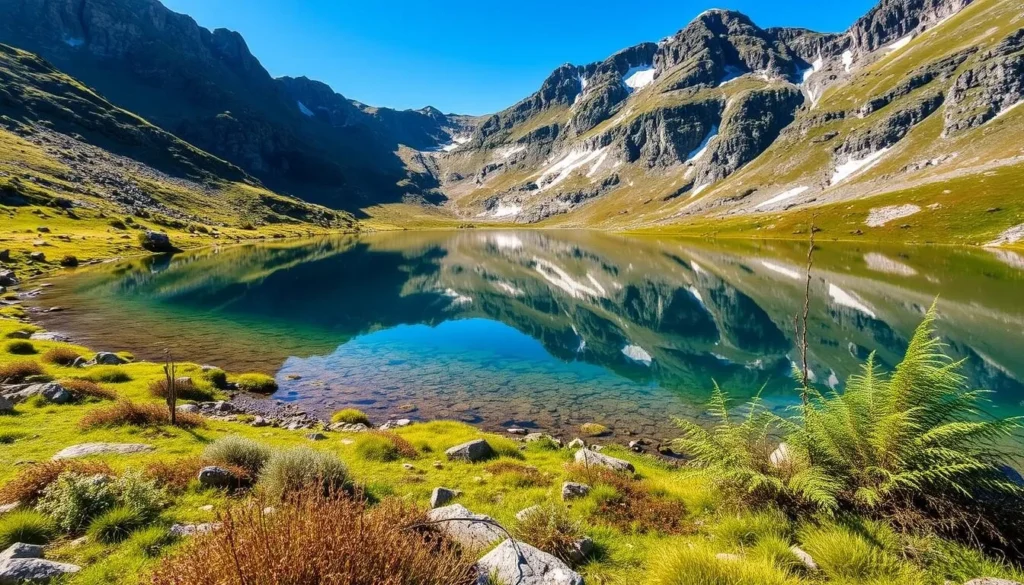
- Lake Habbema: A beautiful alpine lake at 3,225 meters elevation, surrounded by unique subalpine vegetation including tree ferns and alpine meadows.
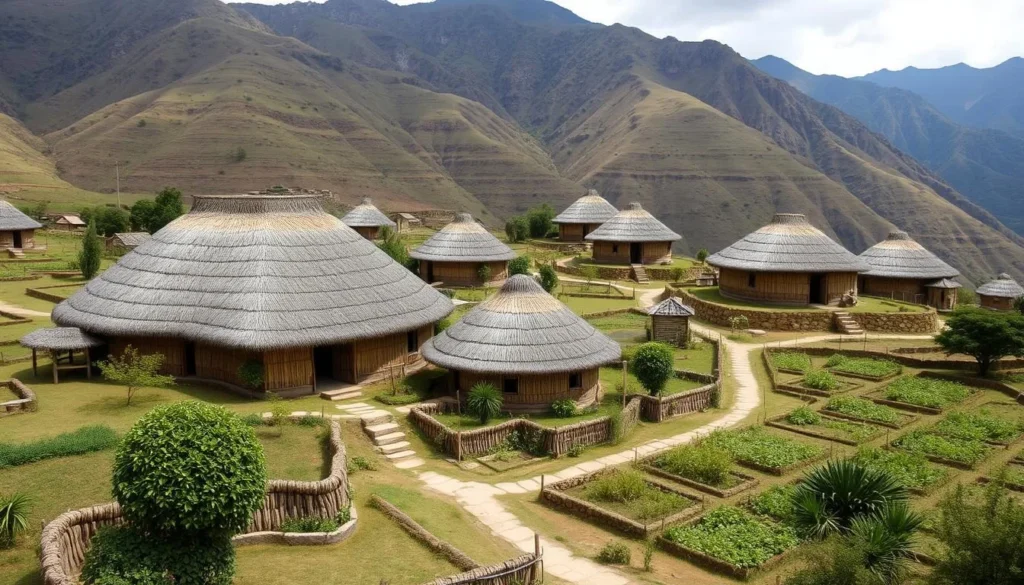
- Baliem Valley: While technically just outside the park boundaries, this spectacular valley with its traditional Dani villages is often combined with park visits.
- Alpine Ecosystems: Explore unique high-altitude environments with specialized plant communities found nowhere else on Earth.
Lowland Attractions
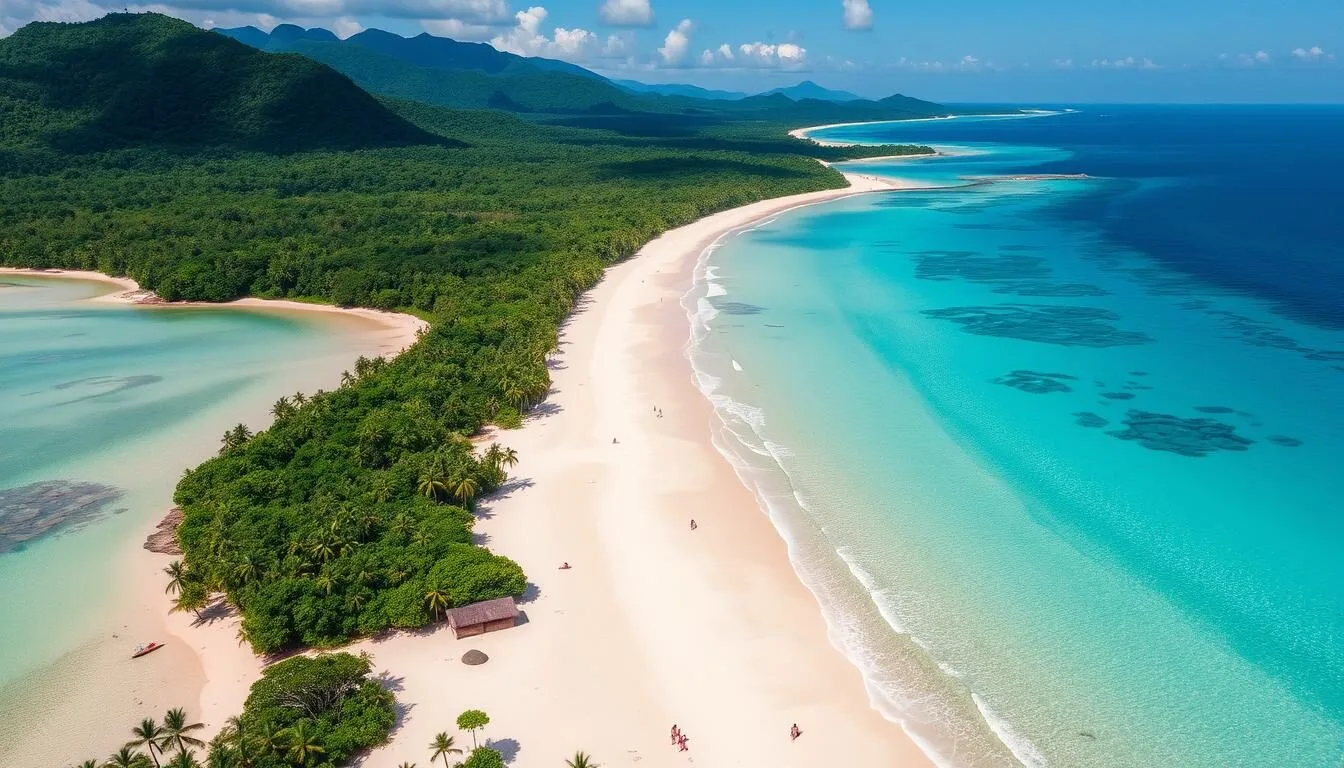
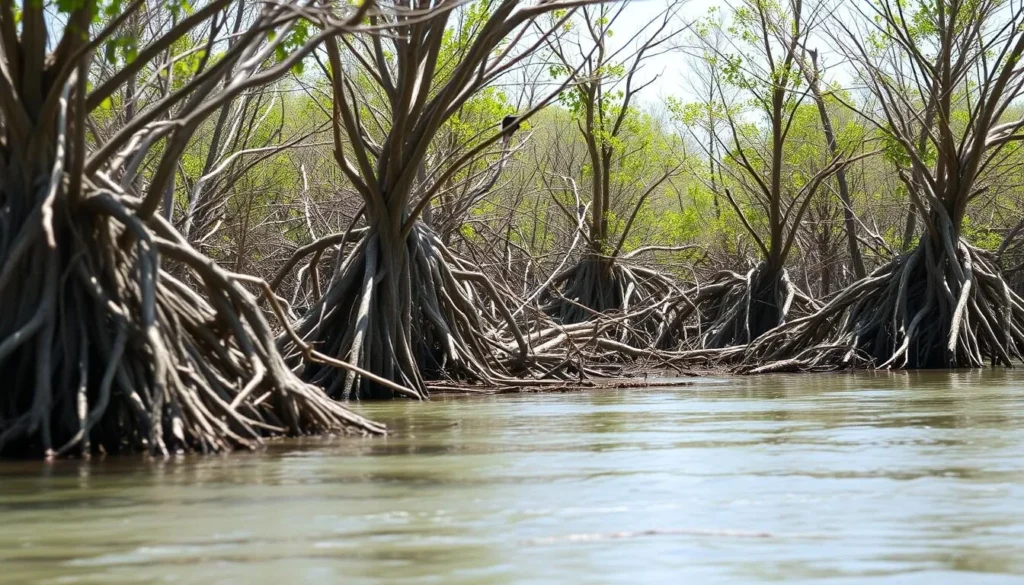
- Coastal Mangroves: Explore one of the world’s most extensive and diverse mangrove ecosystems.
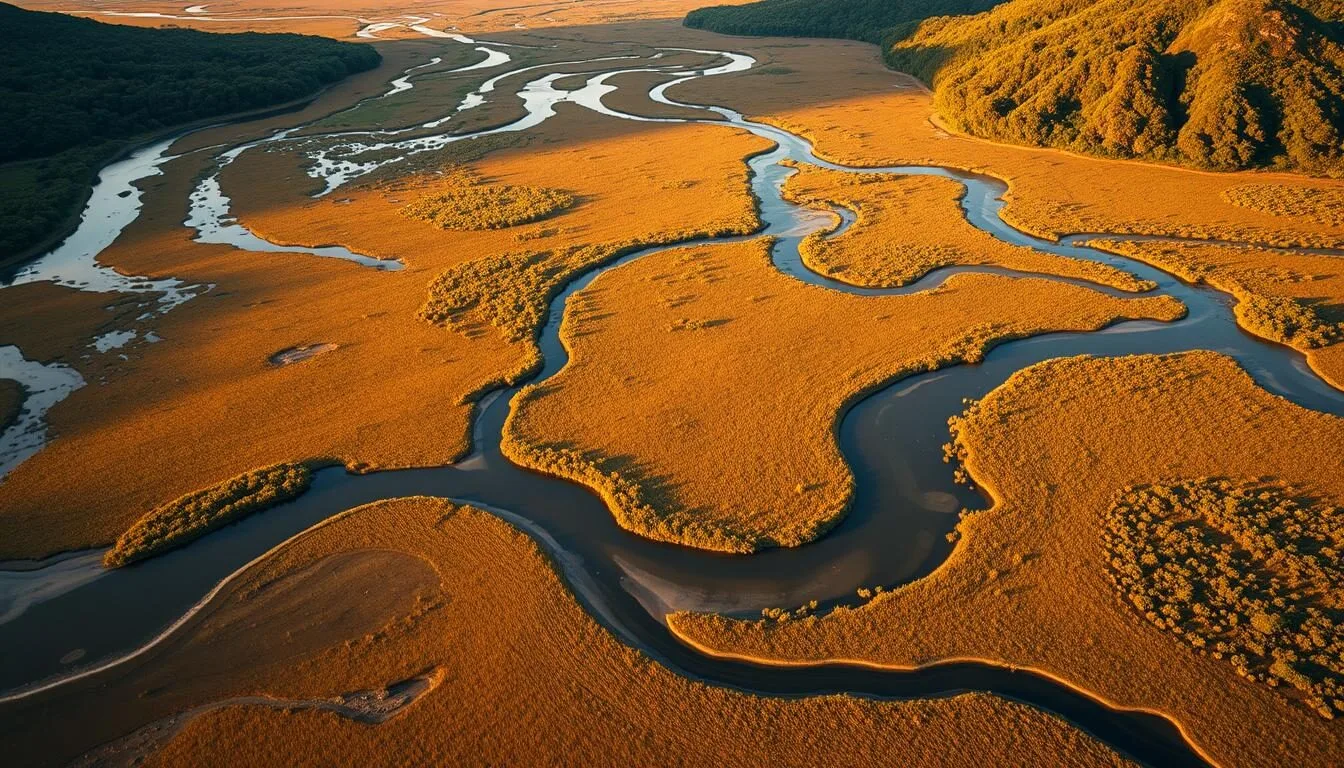
- Freshwater Swamp Forests: Navigate through pristine wetlands that support incredible biodiversity.
- River Systems: The park contains numerous major rivers that can be explored by boat, offering glimpses of wildlife and traditional riverside communities.
- Asmat Region: Visit the homeland of the Asmat people, renowned for their elaborate woodcarvings and traditional culture.
Wildlife Viewing Opportunities
Lorentz National Park is home to an extraordinary array of wildlife, with many species found nowhere else on Earth. The park’s isolation and vast size have allowed unique evolutionary developments and high levels of endemism.
Notable Wildlife
Mammals
- Tree Kangaroos: The park is home to several species, including the rare Dingiso tree kangaroo discovered only in 1994
- Echidnas: Both the short-beaked and the endemic western long-beaked echidna can be found here
- Cuscus: Several species of these marsupials inhabit the forests
- Flying Foxes: Large fruit bats that play an important role in forest ecology
Birds
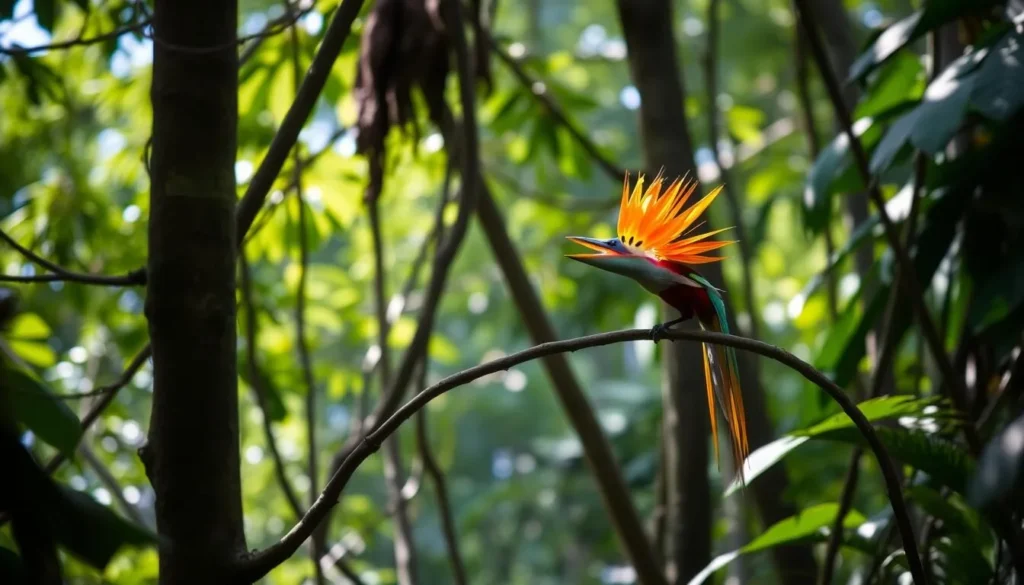
- Birds of Paradise: At least 12 species of these spectacular birds can be found in the park
- Southern Cassowary: This large flightless bird inhabits the lowland forests
- Alpine Species: Unique birds like the Snow Mountain robin and quail live in the high-altitude zones
- Hornbills, Parrots, and Kingfishers: The park hosts an incredible diversity of colorful bird species
Wildlife Viewing Tips
- Early morning and late afternoon offer the best wildlife viewing opportunities
- Local guides are essential for locating and identifying wildlife
- Bring quality binoculars and a camera with a zoom lens
- Move quietly and wear neutral colors to avoid disturbing animals
- Be patient – many species are elusive and require time to observe
Cultural Experiences & Indigenous Communities
Lorentz National Park is home to eight distinct indigenous tribal groups who have maintained their traditional lifestyles for thousands of years. These communities have deep spiritual connections to the land and possess invaluable knowledge about the park’s ecosystems.
Indigenous Communities
- Highland Groups: The Amungme, Nduga, and Western Dani peoples inhabit the mountainous regions, practicing rotational agriculture centered around sweet potatoes and taro.
- Lowland Groups: The Asmat, Kamoro, and Sempan peoples live in the coastal and swamp regions, relying on fishing, sago harvesting, and hunting.

Cultural Experiences
Visitors to Lorentz National Park have opportunities to learn about and engage with these unique cultures:
- Visit traditional villages with proper permissions and local guides
- Observe traditional crafts such as the world-famous Asmat woodcarvings
- Learn about sustainable resource management practices that have allowed these communities to thrive for millennia
- Understand the deep spiritual connections between the people and their environment
Cultural Respect Guidelines
When visiting indigenous communities, it’s essential to follow these guidelines:
- Always obtain proper permissions before visiting villages
- Follow your guide’s instructions regarding appropriate behavior and taboos
- Ask before taking photographs of people or cultural sites
- Bring small gifts as a gesture of respect when visiting communities (your guide can advise on appropriate items)
- Be mindful that these are living communities, not tourist attractions
Safety, Etiquette & Local Customs
Visiting Lorentz National Park requires careful preparation and awareness of safety considerations, local customs, and appropriate behavior in this remote wilderness area.
Safety Considerations
- Remote Location: The park is extremely remote with limited communication, transportation, and medical facilities. Comprehensive travel insurance with evacuation coverage is essential.
- Health Precautions: Malaria is present in lowland areas. Consult a travel medicine specialist before your trip for appropriate vaccinations and medications.
- Altitude Sickness: When visiting highland areas, allow time for acclimatization to prevent altitude sickness.
- Wildlife Hazards: While dangerous wildlife encounters are rare, follow your guide’s instructions regarding safe behavior in the forest.
- Weather Risks: Be prepared for sudden weather changes, especially in mountain areas where conditions can deteriorate rapidly.
Important Safety Tip: Never travel in Lorentz National Park without experienced local guides. The combination of challenging terrain, limited infrastructure, and complex navigation makes independent travel extremely dangerous.
Cultural Etiquette
Respecting local customs is essential when visiting Lorentz National Park:
- Dress modestly, especially when visiting villages
- Ask permission before photographing people or cultural sites
- Remove shoes when entering homes if requested
- Accept food or drink offerings as a sign of respect
- Follow local guides’ instructions regarding sacred sites and taboos
- Be patient and flexible with timing and schedules
Practical Travel Tips
These practical tips will help you prepare for a successful visit to Lorentz National Park:
What to Pack
- Clothing: Lightweight, quick-dry clothing for lowlands; warm layers for highlands; good hiking boots; rain gear
- Health Items: First aid kit; insect repellent; sunscreen; water purification; personal medications
- Equipment: Headlamp or flashlight; multi-tool; binoculars; camera with extra batteries; dry bags for electronics
- Documents: Passport copies; permits; insurance information; emergency contacts
Communication
Communication options are extremely limited within the park:
- Cell phone coverage is non-existent in most of the park
- Satellite phones are recommended for emergency communication
- Inform someone of your itinerary before entering remote areas
- Establish communication protocols with your guide before departure
Money Matters
- Bring sufficient cash in Indonesian Rupiah for your entire trip
- ATMs are available only in larger towns like Wamena and Timika
- Credit cards are rarely accepted in the region
- Budget for unexpected expenses such as weather delays
Conservation Challenges & Responsible Tourism
Lorentz National Park faces several conservation challenges that visitors should be aware of. By practicing responsible tourism, you can help protect this extraordinary wilderness for future generations.
Conservation Challenges
- Mining Pressure: The mountains contain valuable mineral deposits, creating ongoing pressure for resource extraction.
- Road Development: New roads threaten to fragment habitats and introduce invasive species.
- Climate Change: The park’s glaciers are retreating rapidly, with significant implications for alpine ecosystems.
- Invasive Species: Introduction of non-native fish and plants threatens native biodiversity.
- Limited Management Resources: The park’s vast size and remote location make effective management challenging.
Responsible Tourism Practices
As a visitor, you can minimize your impact by following these guidelines:
- Travel with reputable operators who follow environmental best practices
- Stay on established trails to minimize vegetation damage
- Pack out all waste, including biodegradable items
- Avoid introducing non-native species by cleaning gear between locations
- Respect wildlife by maintaining appropriate distances and not feeding animals
- Support local communities through appropriate purchases and cultural respect
- Consider contributing to conservation organizations working in the region
Conclusion: Experiencing Earth’s Last Great Wilderness
Lorentz National Park represents one of our planet’s last great wildernesses – a place where natural processes continue largely undisturbed and where extraordinary biodiversity thrives. From snow-capped peaks to vast mangrove forests, from rare tree kangaroos to spectacular Birds of Paradise, the park offers unparalleled opportunities to experience nature at its most pristine.
While visiting Lorentz requires careful planning and preparation, the rewards are immeasurable. The chance to witness ecosystems found nowhere else on Earth, to learn from indigenous cultures with deep connections to the land, and to explore landscapes of breathtaking beauty makes Lorentz National Park a truly exceptional destination for adventurous travelers.