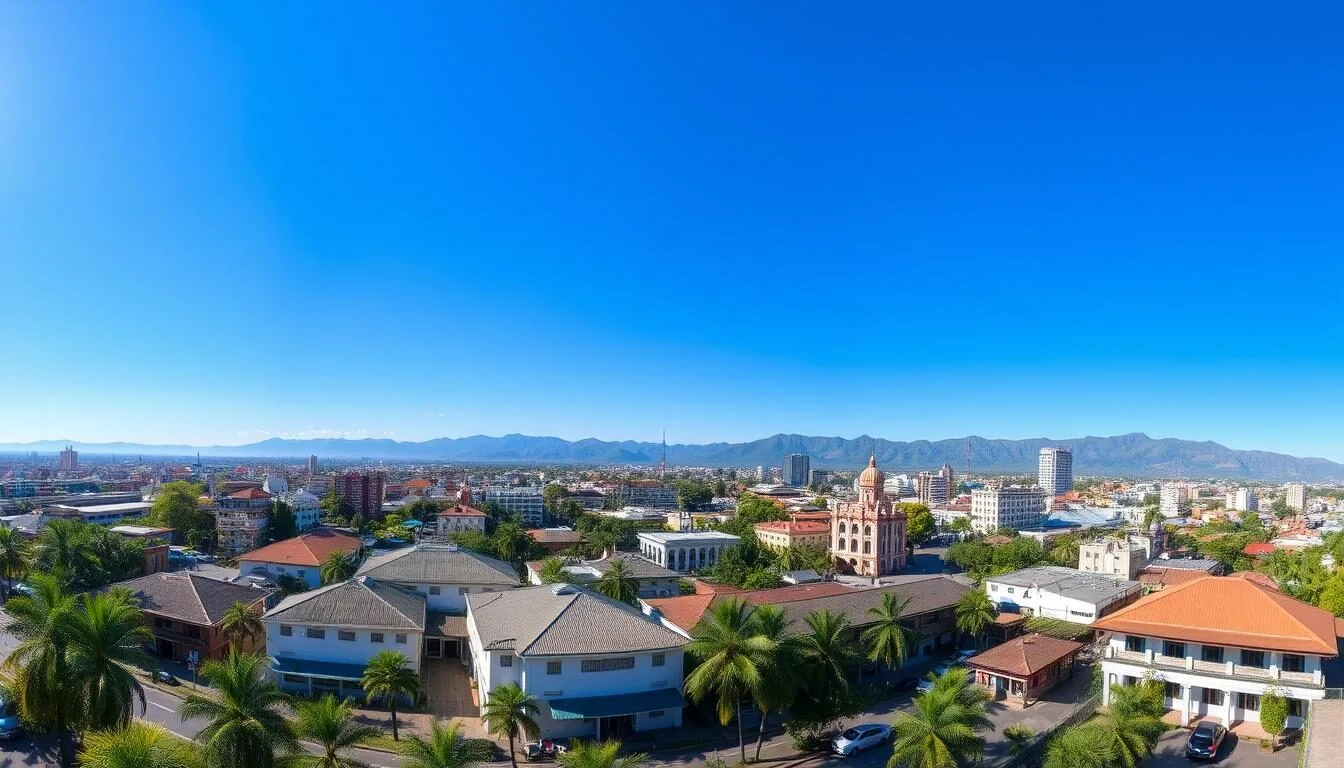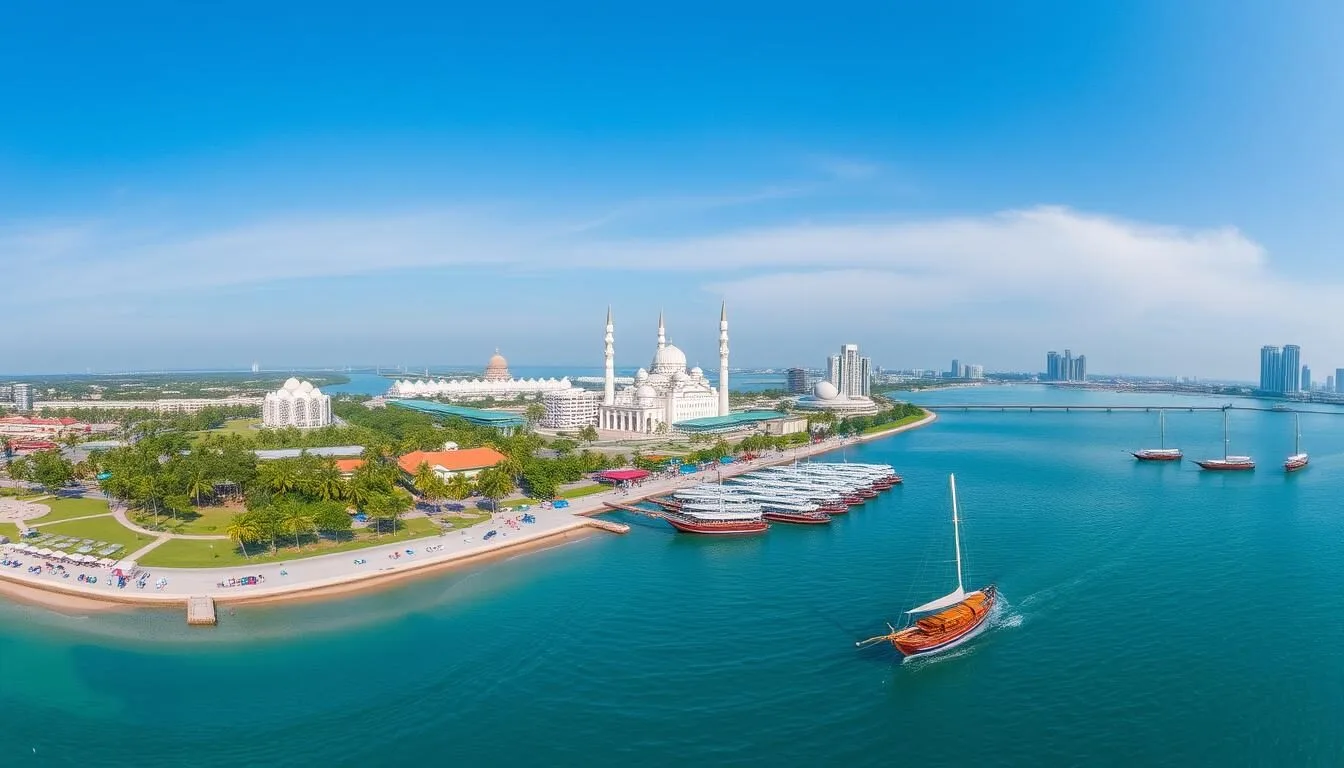
Did you know that Makassar was once Southeast Asia’s most powerful maritime trading hub? Known as the “Gateway to Eastern Indonesia,” this vibrant coastal city served as the capital of the mighty Gowa Sultanate, controlling the region’s lucrative spice trade for centuries before European colonization. Today, this fascinating historical legacy blends with modern development, creating a destination that offers travelers a unique glimpse into Indonesia beyond the typical tourist trail.
Getting There & Planning Your Journey
Makassar is served by Sultan Hasanuddin International Airport, which connects to major Indonesian cities and some international destinations. Direct flights from Jakarta take approximately 2 hours, while flights from Bali’s Denpasar airport take around 1 hour and 15 minutes.
Most travelers need a visa to enter Indonesia. Depending on your nationality, you may qualify for a Visa on Arrival (VOA) or need to apply in advance. The Indonesian Rupiah (IDR) is the local currency, and while credit cards are accepted at larger establishments in Makassar, it’s advisable to carry cash for smaller vendors and transportation.
Best Time to Visit & Weather Tips
Makassar has a tropical climate with two distinct seasons: dry (May to October) and wet (November to April). The best time to visit is during the dry season when temperatures average 26°C to 32°C (79°F to 90°F) with lower humidity and rainfall.
| Season | Months | Temperature | Rainfall | Tourism Activity |
| Dry Season (Peak) | June – September | 27°C – 32°C (81°F – 90°F) | Low | High |
| Shoulder Season | May, October | 26°C – 31°C (79°F – 88°F) | Moderate | Moderate |
| Wet Season | November – April | 25°C – 30°C (77°F – 86°F) | High | Low |
Even during the dry season, it’s wise to pack light, breathable clothing, sun protection, and a light rain jacket for occasional showers. If visiting during the wet season, plan indoor activities for the afternoons when rainfall is typically heaviest.
Getting Around Locally
Navigating Makassar offers a blend of traditional and modern transportation options. The city is relatively compact, making it easy to explore many central attractions.
Transportation Options
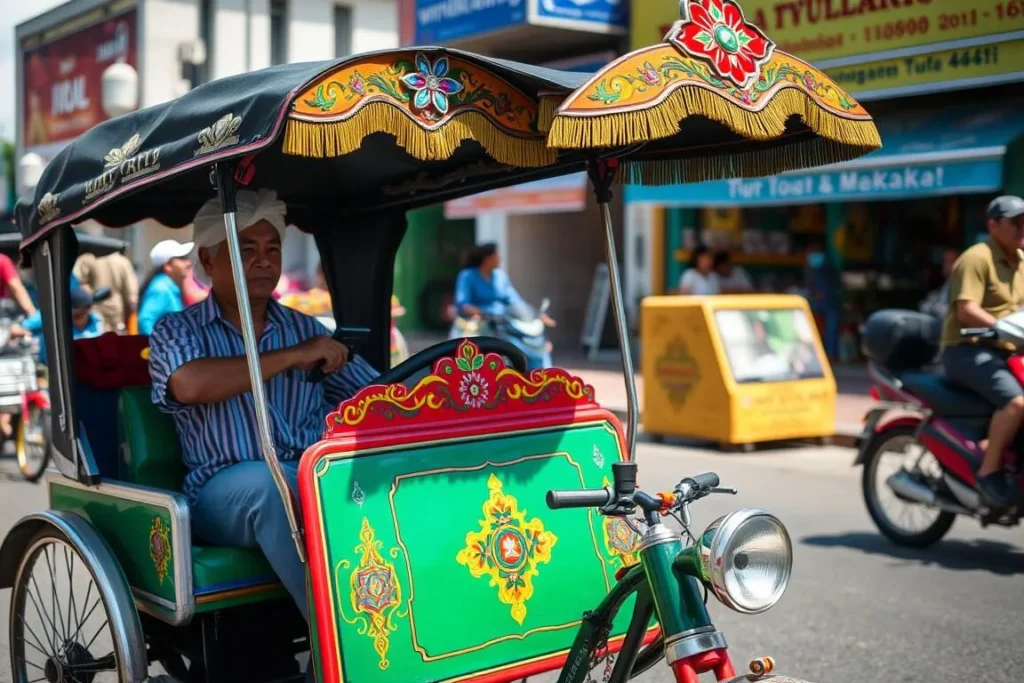
- Becak (Pedicab): These colorful three-wheeled rickshaws are perfect for short distances in the city center. Negotiate the fare before riding, typically 10,000-20,000 IDR for short trips.
- Ride-hailing apps: Grab and Gojek offer convenient and affordable transportation. Both provide car and motorcycle options, with motorcycles being faster for navigating traffic.
- Pete-pete: These local minivans follow set routes throughout the city. While inexpensive (around 5,000 IDR per ride), they can be challenging for non-Indonesian speakers to navigate.
- Taxis: Blue Bird is the most reliable taxi company, with metered fares. Flag drop starts at 7,000 IDR.
For travelers planning to explore attractions outside the city like Bantimurung Waterfall or Rammang-Rammang, hiring a car with driver for the day (around 500,000-700,000 IDR) is the most convenient option.
Where to Stay
Makassar offers accommodations for every budget, from international luxury chains to local guesthouses. Most visitors prefer staying near Losari Beach or in the city center for convenient access to attractions and dining options.
Budget Options
Affordable guesthouses and hostels near Losari Beach start from 150,000 IDR ($10) per night. Look for properties like OYO hotels and local homestays that offer clean rooms with basic amenities.
Mid-Range Options
For 400,000-800,000 IDR ($25-50) per night, you can enjoy comfortable hotels like Ibis Makassar City Center or Swiss-Belinn Panakkukang with modern amenities and convenient locations.
Luxury Options
Premium hotels like Four Points by Sheraton and Melia Makassar offer upscale accommodations from 1,000,000 IDR ($65+) with excellent facilities, restaurants, and often stunning harbor views.
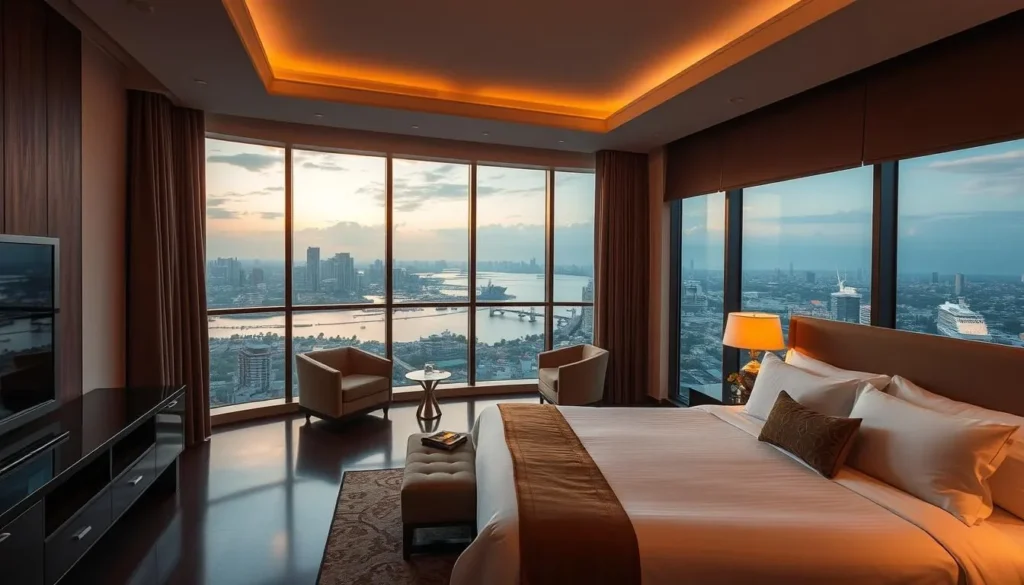
Booking in advance is recommended, especially during peak tourist season (June-August) and around Indonesian holidays. Most hotels offer airport transfers for an additional fee, which can be a convenient option for late arrivals.
Dining & Local Cuisine
Makassar’s culinary scene is a highlight for many visitors, offering distinctive flavors that reflect the city’s maritime heritage and cultural influences. South Sulawesi cuisine is known for its bold flavors, fresh seafood, and unique preparation methods.
Must-Try Local Dishes
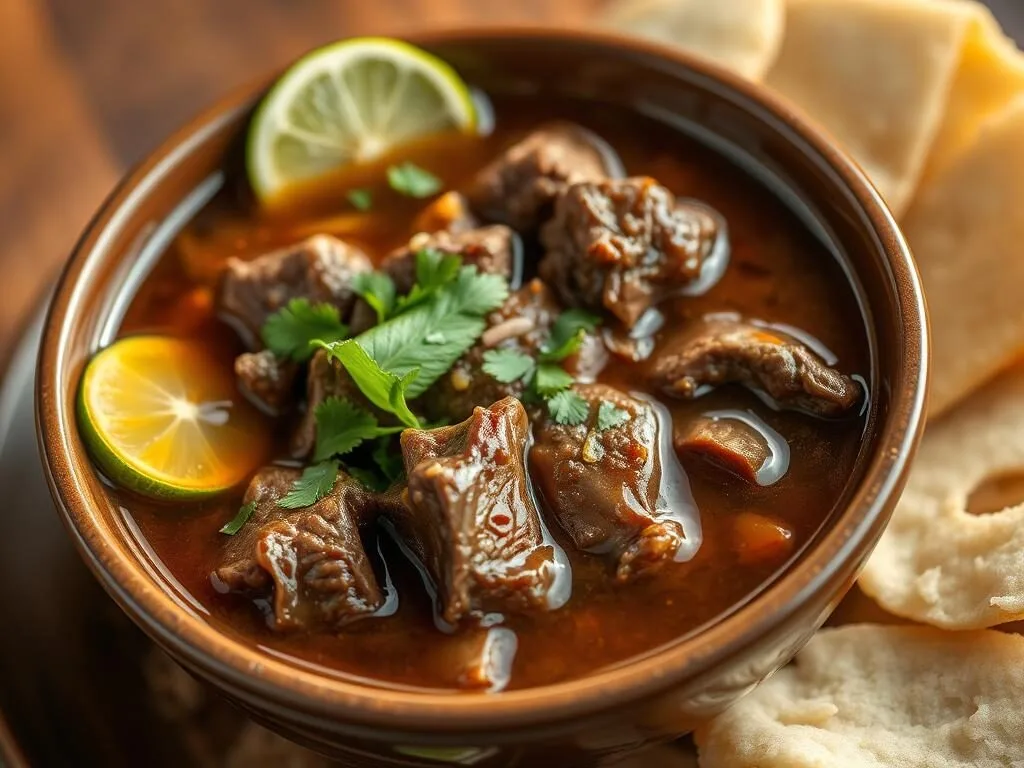
- Coto Makassar: A rich beef soup made with a complex blend of spices and nuts, typically served with ketupat (rice cakes) and a squeeze of lime.
- Sop Konro: Flavorful beef rib soup with a dark broth infused with kluwak nuts, creating a distinctive earthy flavor.
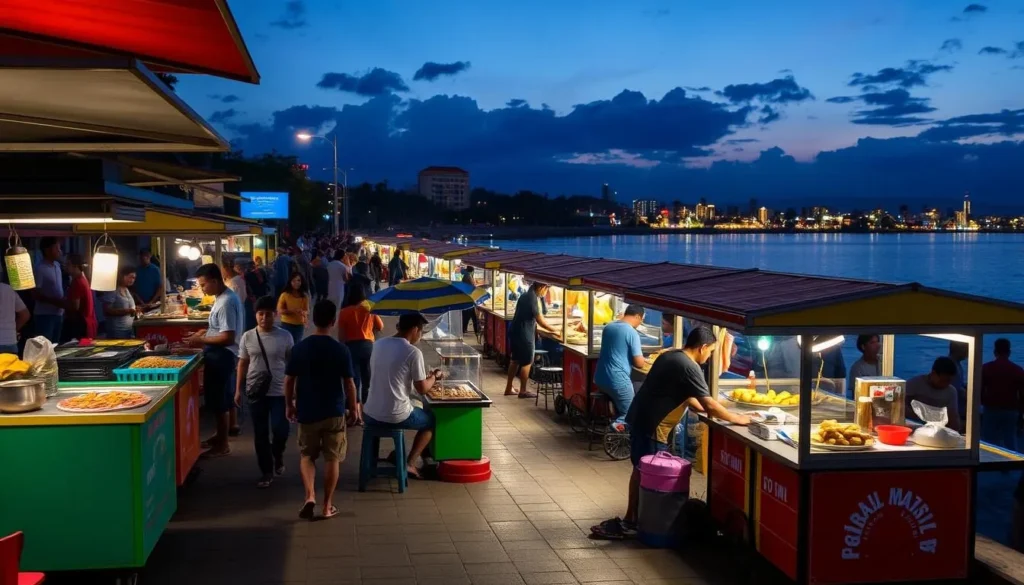
- Pisang Epe: Grilled flattened bananas topped with palm sugar sauce and chocolate or cheese – a popular street dessert found along Losari Beach.
- Pallubasa: Similar to Coto but with a thicker consistency and often topped with a raw egg yolk that cooks in the hot broth.
- Es Pisang Ijo: Green banana wrapped in rice flour dough, served with coconut milk, syrup, and shaved ice – a refreshing local dessert.
Where to Eat
Street Food
Losari Beach promenade comes alive in the evening with food stalls selling local specialties. The night market near Paotere Harbor offers fresh seafood at reasonable prices.
Local Restaurants
Coto Nusantara and Rumah Makan Pallubasa Serigala are authentic local eateries serving traditional Makassar dishes at affordable prices (30,000-50,000 IDR per meal).
Upscale Dining
Makassar’s luxury hotels offer fine dining options with both international and Indonesian cuisine. Panorama Restaurant at Melia Makassar provides stunning harbor views with your meal.
Attractions, Sightseeing & Activities
Makassar offers a fascinating blend of historical sites, cultural landmarks, and natural beauty. From Dutch colonial architecture to pristine island getaways, there’s something for every type of traveler.
Historical Sites
Fort Rotterdam
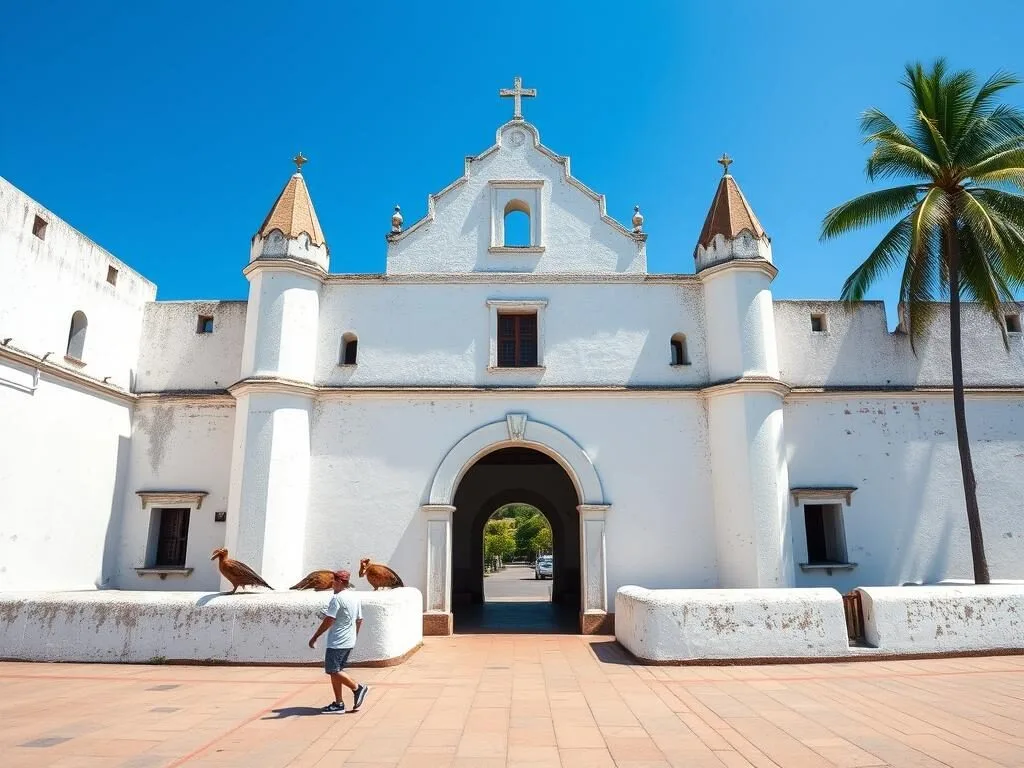
This well-preserved 17th-century Dutch fortress was built atop an existing fort of the Gowa Kingdom. Inside, you’ll find 13 buildings including the La Galigo Museum, which houses artifacts showcasing South Sulawesi’s rich cultural heritage. The fort’s distinctive turtle-shaped design symbolizes stability and resilience.
Entrance fee: Free for the fort grounds, 7,500 IDR for the museum
Hours: 8:00 AM – 6:00 PM daily (Museum: 8:00 AM – 12:00 PM, closed Mondays)
Somba Opu Fort
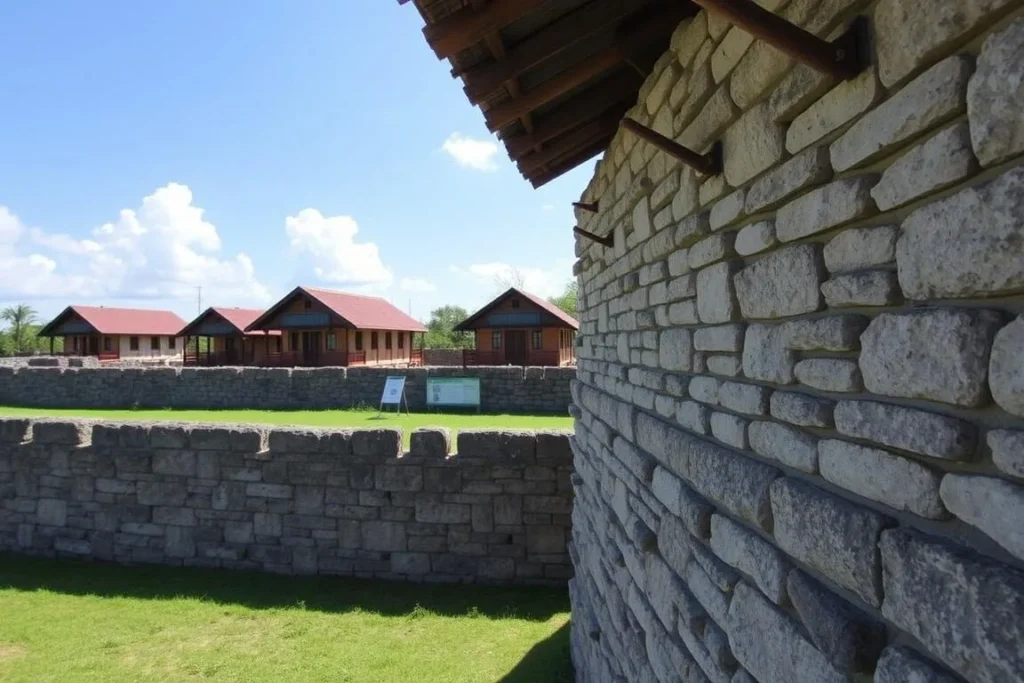
Located on a triangle-shaped island formed by the Jeneberang River, this partially reconstructed fort was once the strongest fortification built by Indonesians. Built around 1545, it served as the second residence of the Gowa kings until its destruction by the Dutch in 1669. Today, the site features restored walls and an open-air museum showcasing traditional houses from various South Sulawesi ethnic groups.
Regular cultural performances are held in the Baruga Somba Opu, offering visitors a glimpse into local traditions. The small Karaeng Pattingalloang museum displays artifacts from the Somba Opu historical era.
City Landmarks
Losari Beach
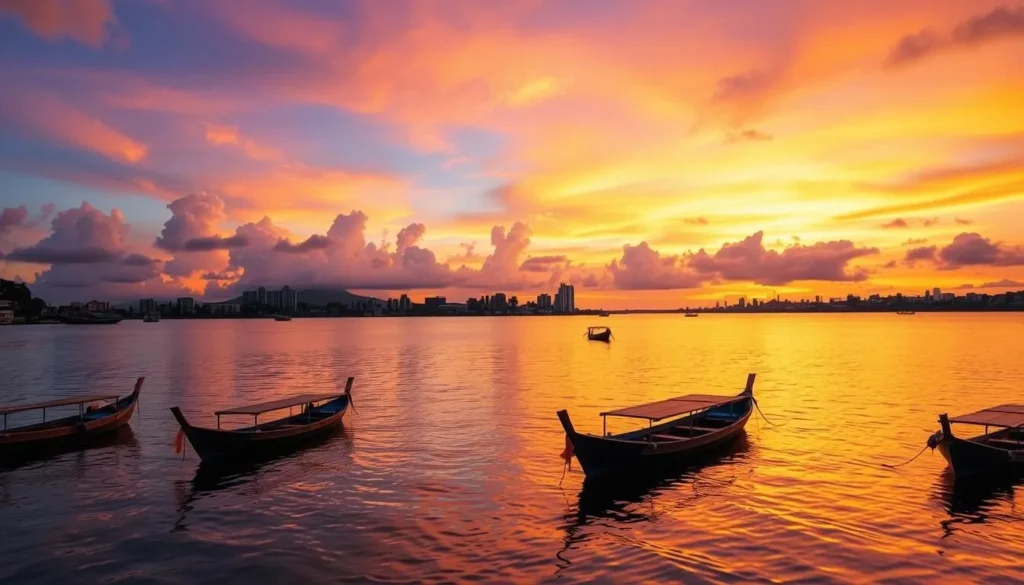
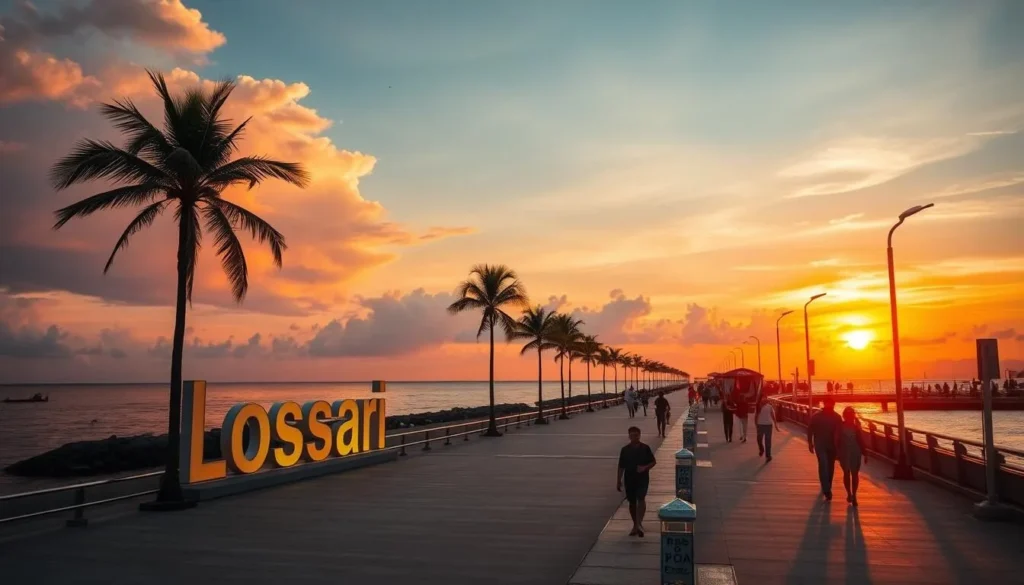
Despite its name, Losari Beach is actually a scenic waterfront promenade rather than a swimming beach. This popular gathering spot offers stunning sunset views over the Makassar Strait and is lined with food stalls selling local delicacies. The large “Pantai Losari” sign makes for a perfect photo opportunity.
The best time to visit is late afternoon when locals come out to enjoy the cooler temperatures and street food vendors set up their stalls. Don’t miss trying pisang epe (grilled banana with palm sugar sauce) – a Makassar specialty found along the promenade.
99 Dome Mosque (Masjid 99 Kubah)
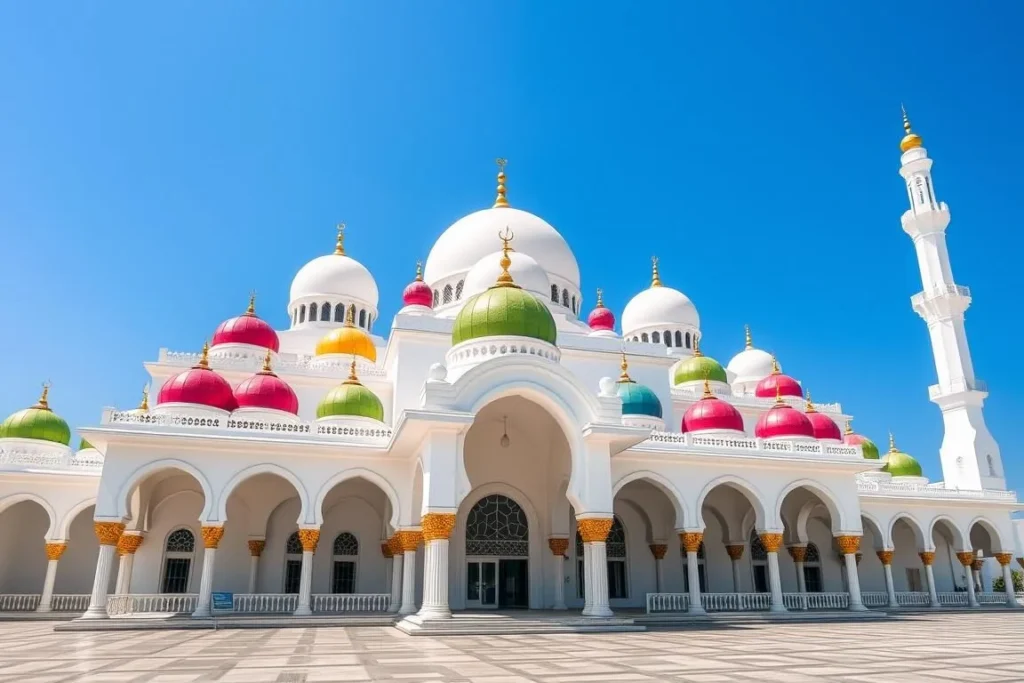
This striking architectural masterpiece is one of Makassar’s newest landmarks. Located within walking distance from Losari Beach, the mosque features 99 colorful domes representing the 99 names of Allah in Islam. Spanning three stories, it can accommodate up to 13,075 worshippers, making it both a spiritual and architectural marvel.
The mosque is situated within the Lego-Lego culinary complex, allowing visitors to combine their visit with sampling local cuisine. Non-Muslim visitors are welcome outside prayer times but should dress modestly and remove shoes before entering.
Island Hopping Adventures
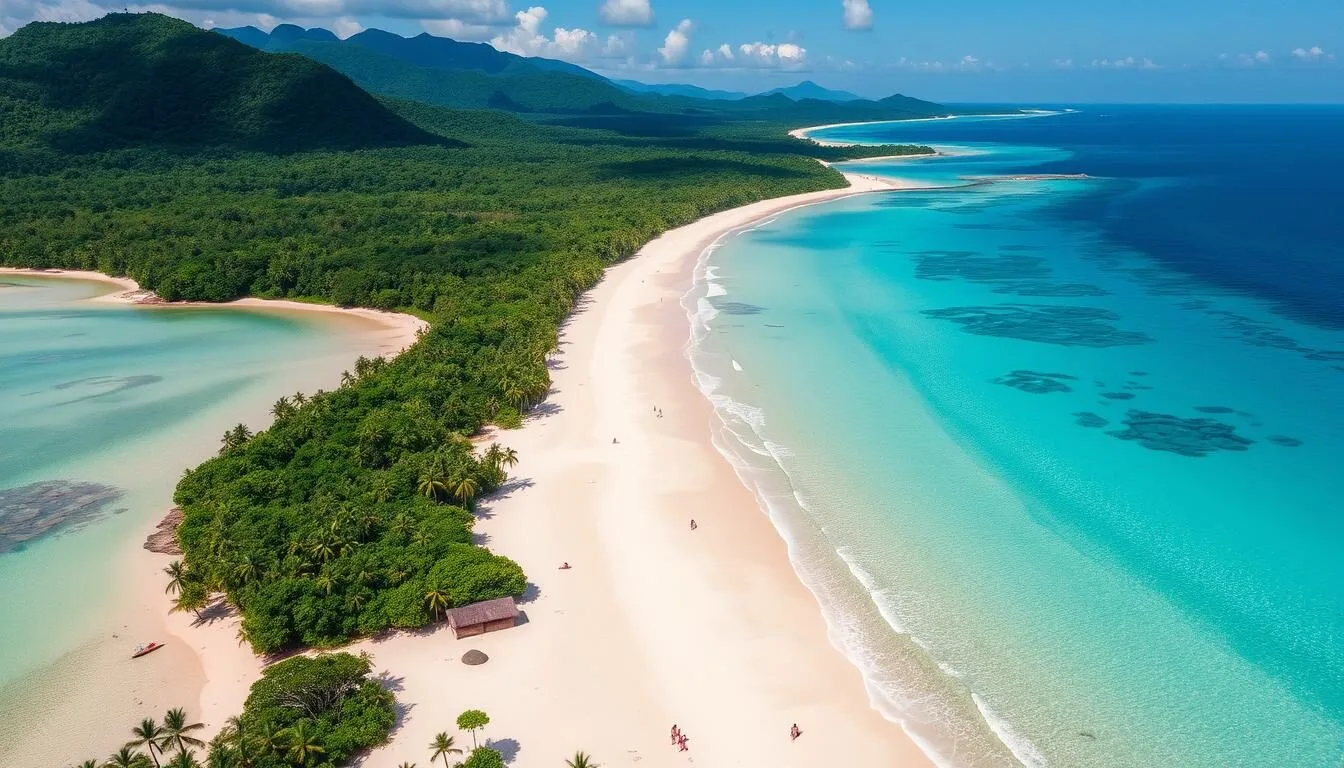
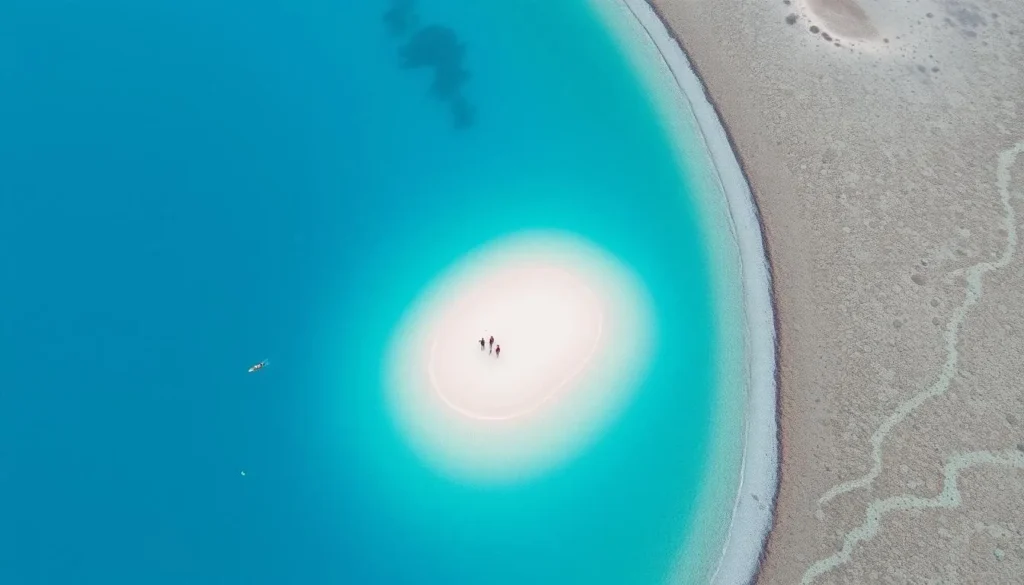
One of the highlights of visiting Makassar is exploring the nearby Spermonde Archipelago, a collection of coral islands with pristine beaches and excellent snorkeling opportunities. These islands make perfect day trips from the city.
Samalona Island
Just 8 km west of Makassar, this small forested island offers white sand beaches and clear waters perfect for snorkeling. Basic accommodations are available for overnight stays, though most visitors come for day trips.
Travel time: 30-45 minutes by boat
Boat fare: 400,000-500,000 IDR for a round trip (negotiable)
Kodingareng Keke Island
This uninhabited sand cay located 14 km from Makassar features powdery white sand and crystal-clear waters. The surrounding coral reefs make it ideal for snorkeling and diving. There are no facilities, so bring your own supplies.
Travel time: 1 hour by boat
Best visited: Combined with Samalona in a day trip
Barrang Caddi Island
This inhabited island offers a glimpse into traditional fishing village life alongside beautiful beaches. Visitors can interact with locals and enjoy fresh seafood prepared by island residents.
Travel time: 45-60 minutes by boat
Highlights: Cultural experience and seafood
Island Hopping Tips
- Arrange boat trips from Losari Beach or near Fort Rotterdam where boat captains wait for customers.
- Negotiate the price before departing – expect to pay 400,000-800,000 IDR for a full-day island hopping tour.
- Bring sunscreen, water, snacks, and snorkeling gear (though gear can often be rented).
- Start early (around 7-8 AM) to maximize your time on the islands and avoid afternoon winds.
- Consider booking through your hotel for more reliable service, though at a higher price.
Day Trips from Makassar
While Makassar itself offers plenty to explore, some of South Sulawesi’s most spectacular attractions lie just a few hours from the city. These day trips showcase the region’s natural beauty and cultural richness.
Bantimurung-Bulusaraung National Park
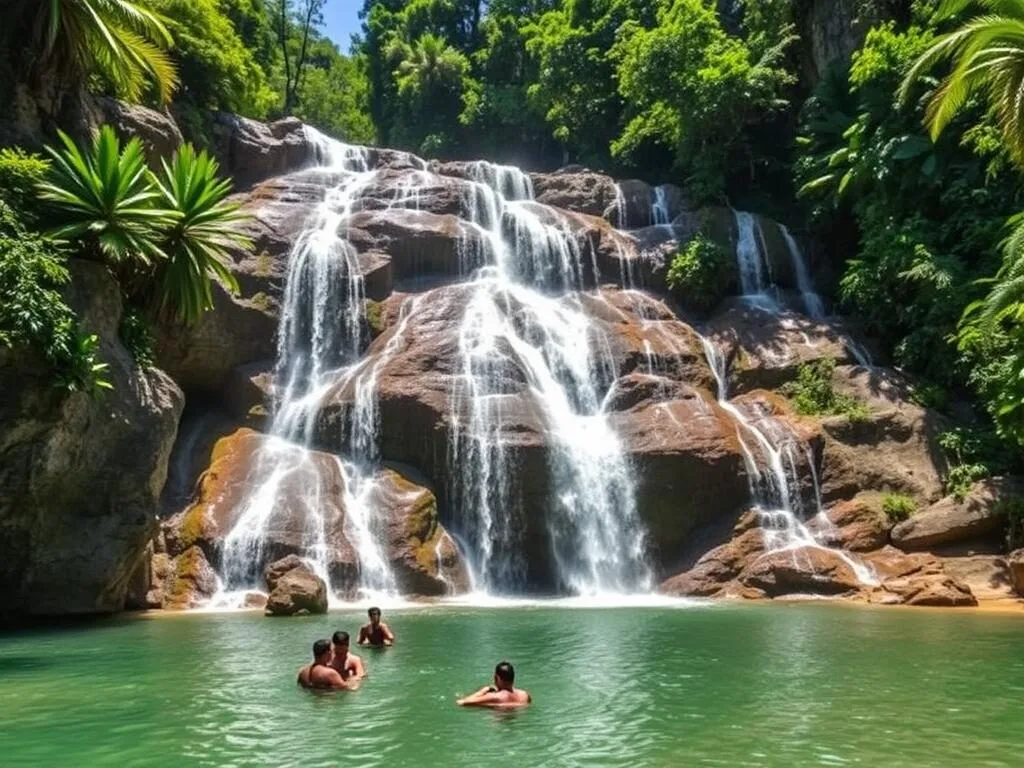
Located 50 km northeast of Makassar (about 1.5 hours by car), this national park is famous for its stunning karst formations, caves, and the 15-meter high Bantimurung Waterfall. The park earned the nickname “Kingdom of Butterflies” from British naturalist Alfred Russel Wallace due to its remarkable butterfly diversity.
Visitors can swim in the refreshing pool beneath the waterfall, explore limestone caves with impressive stalactite and stalagmite formations, and visit the butterfly museum. The park spans three ecosystems across its 43,750 hectares, making it a paradise for nature lovers.
Entrance fee: 15,000 IDR
Best visited: Weekdays to avoid crowds
Rammang-Rammang Karst Area
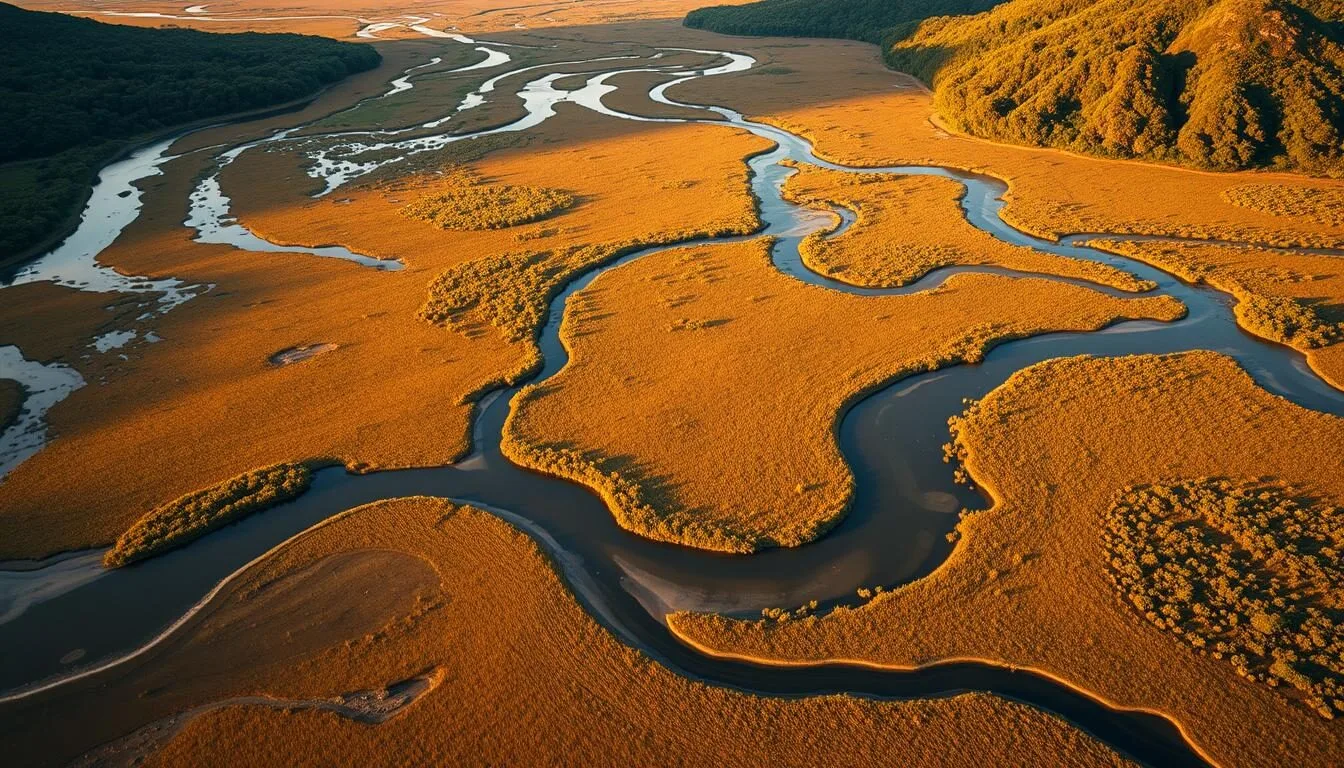
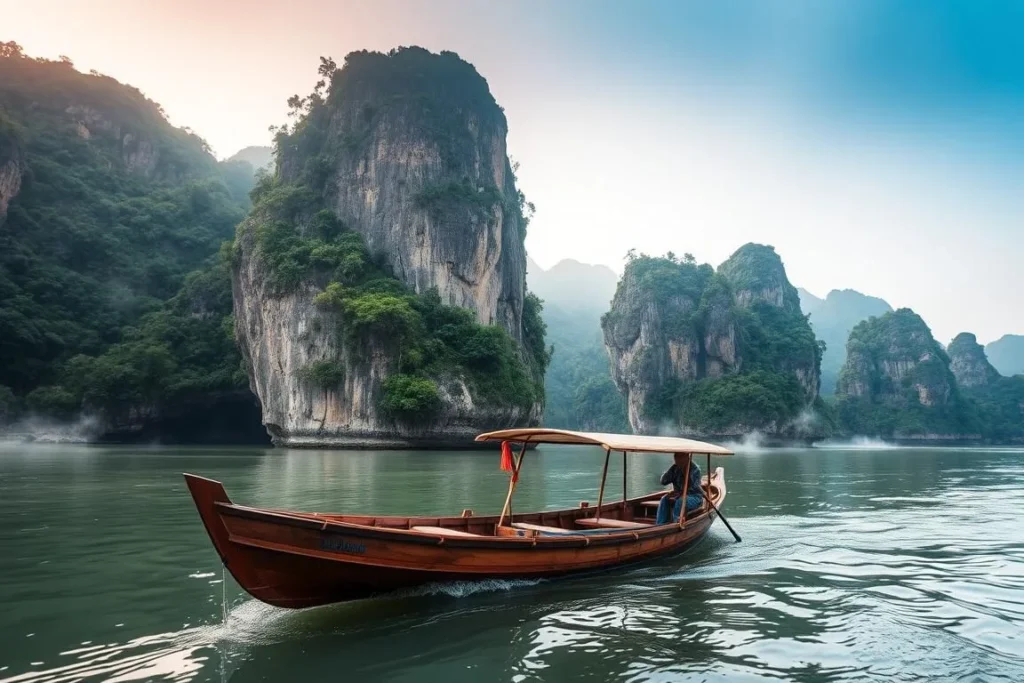
Just 40 km north of Makassar, Rammang-Rammang offers one of the most spectacular karst landscapes in Indonesia. The journey begins with a peaceful boat ride along the Pute River, surrounded by towering limestone cliffs that create a dramatic scenery reminiscent of Guilin in China or Halong Bay in Vietnam.
After the boat ride, visitors can trek through traditional villages nestled among the karst formations, explore caves with ancient rock art, and enjoy panoramic views from various vantage points. The area is still relatively undiscovered by international tourists, offering an authentic experience of South Sulawesi’s natural beauty.
Boat fare: 100,000 IDR per boat (up to 5 people)
Best time: Early morning for the best lighting and fewer visitors
Planning Longer Trips
If you have more time, consider extending your journey to Tana Toraja (8 hours from Makassar), famous for its unique funeral ceremonies and traditional houses. Many tour operators in Makassar offer 3-4 day packages to this culturally rich highland region.
Practical Travel Tips
Safety & Etiquette
- Makassar is generally safe, but exercise normal precautions against petty theft in crowded areas.
- Dress modestly when visiting religious sites – shoulders and knees should be covered.
- Remove shoes before entering mosques and someone’s home.
- Ask permission before photographing locals, especially in rural areas.
- Tipping is not expected but appreciated for good service (10% is generous).
Communication
- Bahasa Indonesia is the official language, but English is limited outside tourist areas.
- Learning basic phrases like “terima kasih” (thank you) is appreciated.
- Purchase a local SIM card at Telkomsel’s official office for reliable connectivity.
- Download offline maps and translation apps before your trip.
- Many restaurants and hotels offer free Wi-Fi, though connection quality varies.
Health & Comfort
- Drink only bottled water and avoid ice in smaller establishments.
- Carry hand sanitizer and toilet paper as public facilities may lack these.
- Pack lightweight, breathable clothing suitable for hot, humid weather.
- Bring insect repellent, especially if visiting rural areas or islands.
- Siesta Makassar Hospital provides quality care for travelers if needed.
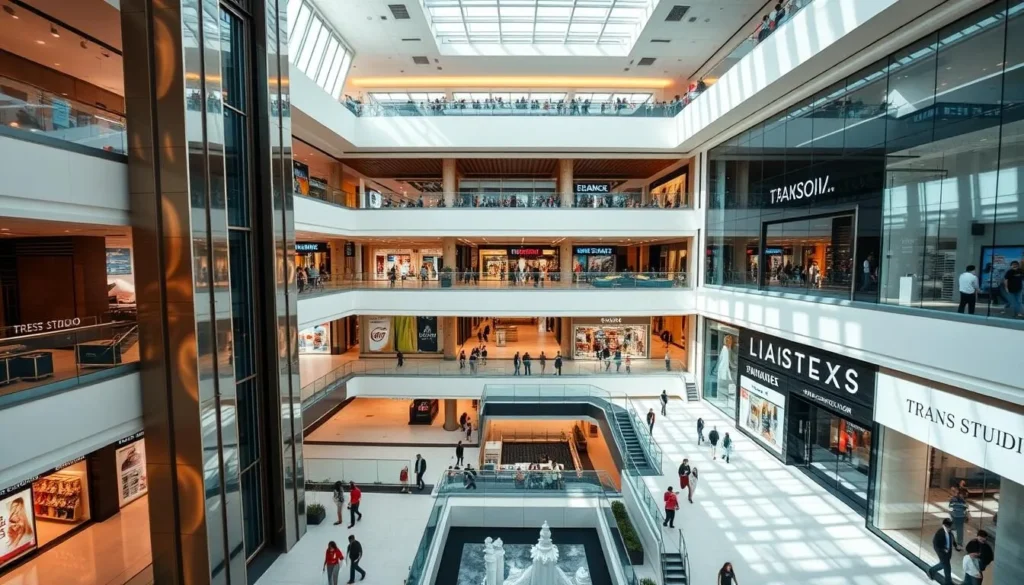
Shopping & Souvenirs
Makassar offers diverse shopping experiences from traditional markets to modern malls. For souvenirs, consider these local specialties:
- Silk Sarongs: South Sulawesi is famous for its silk weaving, particularly from the Bugis and Makassar ethnic groups.
- Miniature Phinisi Boats: Handcrafted wooden replicas of traditional Sulawesi sailing vessels.
- Local Spices: Packaged versions of the unique spice blends used in Makassar cuisine.
- Coffee: Toraja coffee from the highlands of South Sulawesi is among Indonesia’s finest.
Popular shopping destinations include:
- Trans Studio Mall: The largest mall in Eastern Indonesia with international brands and entertainment options.
- Pasar Sentral: Makassar’s main market for textiles, spices, and everyday goods.
- Somba Opu Street: Known for handicrafts and souvenirs.
Ready to Explore Makassar?
From its fascinating maritime history and colonial architecture to pristine island getaways and distinctive culinary traditions, Makassar offers travelers an authentic glimpse into Eastern Indonesia beyond the typical tourist trail. As the gateway to South Sulawesi’s cultural and natural wonders, this vibrant coastal city rewards visitors with unique experiences and warm hospitality.
Whether you’re tracing the footsteps of ancient seafaring kingdoms at Fort Rotterdam, savoring the bold flavors of Coto Makassar, or snorkeling in the crystal-clear waters surrounding Samalona Island, Makassar promises memories that will last long after your journey ends. Pack your sense of adventure and discover why this historic port city deserves a prominent place on your Indonesian travel itinerary!