
Hotels by Trip.com
Flights by Trip.com
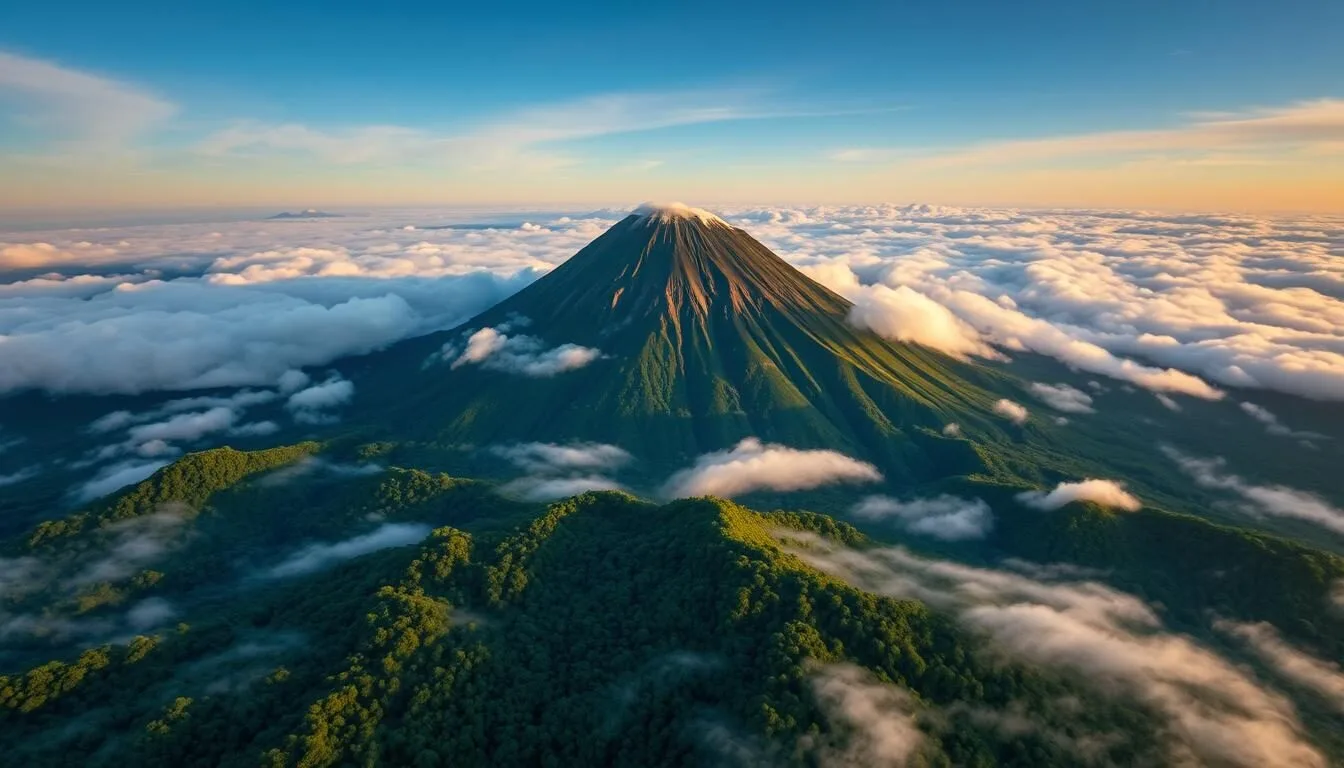
Towering at 3,805 meters above sea level, Mount Kerinci isn’t just Indonesia’s highest volcano—it’s the tallest active volcano in all of Southeast Asia, surpassing even Japan’s iconic Mount Fuji in height. This majestic giant, nestled within the lush Kerinci Seblat National Park in Sumatra, offers intrepid travelers a chance to conquer one of the region’s most challenging and rewarding peaks. With its straight-up ridge trail that demands respect and determination, Kerinci promises not just a physical challenge but also unparalleled views that stretch all the way to the Indian Ocean on clear days.
Getting There & Planning Your Journey
Reaching Mount Kerinci requires some planning, as it’s located in a relatively remote part of Sumatra. The journey is part of the adventure, taking you through beautiful landscapes and rural Indonesian communities.
Flight Options
The most common route to Mount Kerinci starts with flying to one of these gateway cities:
- Fly to Minangkabau International Airport in Padang, West Sumatra (most popular option)
- Fly to Sultan Thaha Airport in Jambi City (alternative option)
- Wings Air now offers daily flights to Kerinci from Jambi City
Overland Journey
From your arrival airport, you’ll need to continue overland:
- From Padang: 8-10 hour drive to Kersik Tuo village (at the foot of Mount Kerinci)
- From Jambi City: 10-11 hour drive to Kersik Tuo
- From Bukittinggi: Approximately 9 hour drive to Kersik Tuo
The roads can be winding and challenging, especially the route from Padang. Consider hiring a private driver or joining a tour group to navigate this journey. While public transportation options exist, they’re less reliable and comfortable for travelers unfamiliar with the region.
Best Time to Visit & Weather Tips
Mount Kerinci’s weather patterns can significantly impact your trekking experience. Understanding the seasonal variations will help you plan a safer and more enjoyable trip.
Dry Season (May to September)
This is generally considered the best time to climb Mount Kerinci:
- Lower rainfall means drier trails and better visibility
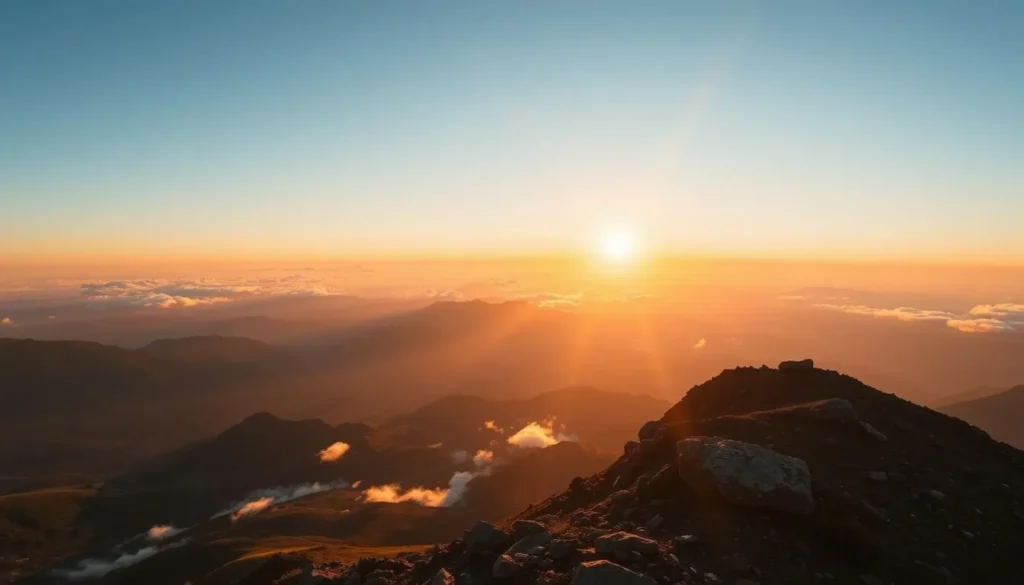
- Higher chance of clear summit views and seeing the crater
- July and August typically offer the most reliable weather
- Temperatures remain cool, especially at higher elevations
Wet Season (October to April)
While climbing is possible year-round, the wet season presents additional challenges:
- Trails become muddy and slippery, increasing difficulty
- Mist and clouds can obscure views, especially at the summit
- Rain can make camping conditions less comfortable
- Brief dry periods still occur—check local forecasts
Weather Tip: Regardless of when you visit, temperatures at the summit can approach freezing, especially before dawn. Pack layers, including a warm hat, gloves, and a waterproof jacket, even during the dry season.
It’s also advisable to avoid weekends and Indonesian public holidays when possible, as the mountain can become crowded with local students and hikers, particularly at the campsites.
Getting Around Locally
Once you’ve reached the Kerinci region, you’ll need to navigate locally to access the trailhead and explore the surrounding areas.
Kersik Tuo Village
This small village serves as the main base for Mount Kerinci climbers:
- Located at the foot of Mount Kerinci
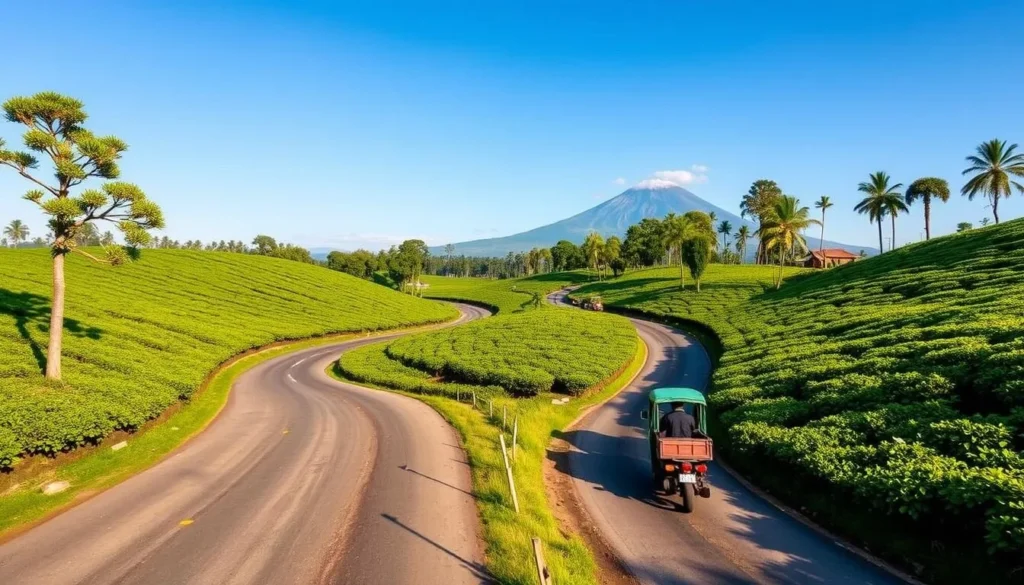
- Surrounded by beautiful tea plantations
- Has basic accommodations, small restaurants, and shops
- Most trekking guides and porters are based here
Local Transportation Options
Getting around the Kerinci area typically involves:
Check 30,000+ Local Sightseeing Tours Worldwide
✓ Numerous languages and currencies are available
- Ojek (motorcycle taxis) for short distances
- Small trucks or vans to reach the trailhead (10-15 minute ride from Kersik Tuo)
- Chartered cars for exploring other attractions in the region
- Walking is feasible within Kersik Tuo village itself
Most homestays and guesthouses can help arrange transportation to the trailhead. If you’re joining an organized trek, transportation is typically included in the package.
Where to Stay
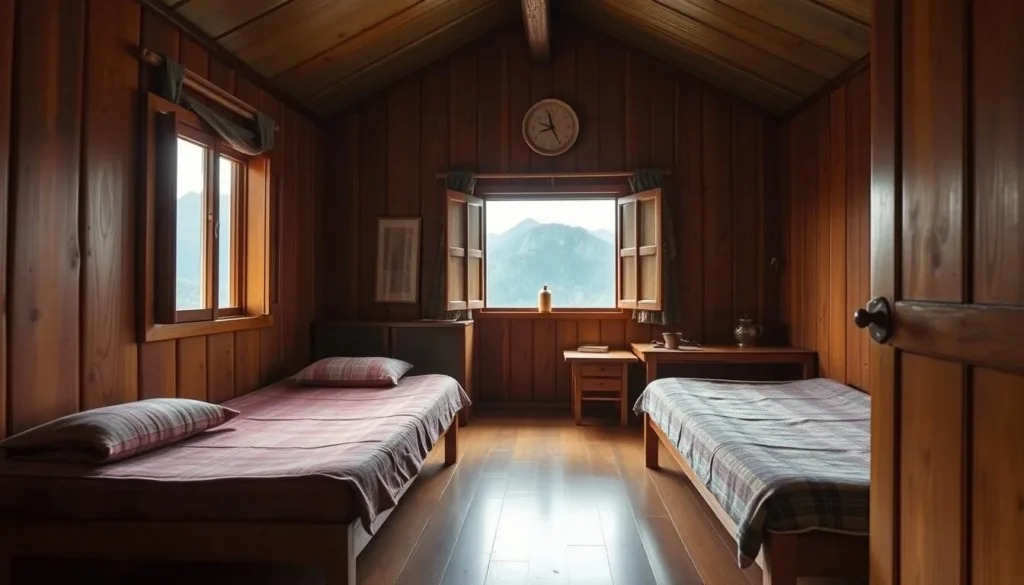
Accommodation options around Mount Kerinci are limited but sufficient for trekkers. Most visitors stay in Kersik Tuo village before and after their climb.
Homestays and Guesthouses
The most common accommodation options include:
- Local homestays run by families (basic but comfortable)
- Simple guesthouses with private or shared rooms
- Most offer hot showers (a welcome luxury after the trek)
- Many include meals featuring local cuisine
- Prices typically range from IDR 150,000-300,000 per night
Mountain Camping
During your trek, you’ll be camping on the mountain:
- Most treks involve camping at Shelter 3 (3,350m)
- Tents, sleeping bags, and mats are typically provided by guides
- Campsites are basic with no facilities
- Temperatures can approach freezing at night
- Guides will help set up camp and prepare meals
Accommodation Tip: Book your post-trek accommodation in advance, as options are limited in Kersik Tuo. After a challenging climb, you’ll appreciate having a confirmed place to rest and recover.
Dining & Local Cuisine
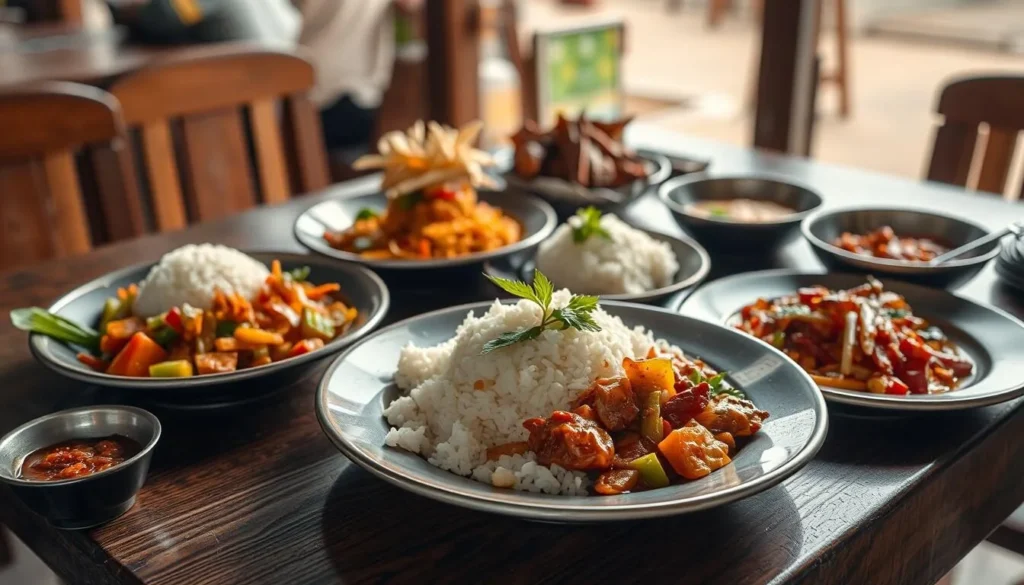
The Kerinci region offers simple but flavorful local cuisine, with an emphasis on spicy dishes that reflect Sumatran culinary traditions.
Local Specialties
While in the Kerinci area, try these regional dishes:
- Dendeng Batokok – Thinly sliced, smoked beef with spices
- Gulai Ikan – Fish curry with local herbs and spices
- Sambal Lado – Spicy chili condiment served with most meals
- Nasi Goreng – Indonesian fried rice, often served for breakfast
- Rendang – Slow-cooked beef in coconut milk and spices
Dining Options
Food options around Mount Kerinci are limited but adequate:
- Small warung (local eateries) in Kersik Tuo village
- Homestay-provided meals (often the most convenient option)
- Simple cafeterias serving basic Indonesian dishes
- Tea shops offering local tea from surrounding plantations
On the Mountain
During your trek, meals are typically:
- Prepared by your guide or porter
- Simple but filling (rice, noodles, eggs, vegetables)
- Hot drinks like tea and coffee
- Supplemented by snacks you bring yourself
Food Tip: If you have dietary restrictions (vegetarian, vegan, allergies), communicate these clearly when booking your trek. While options are limited, guides can usually accommodate basic dietary needs with advance notice.
Attractions, Sightseeing & Activities
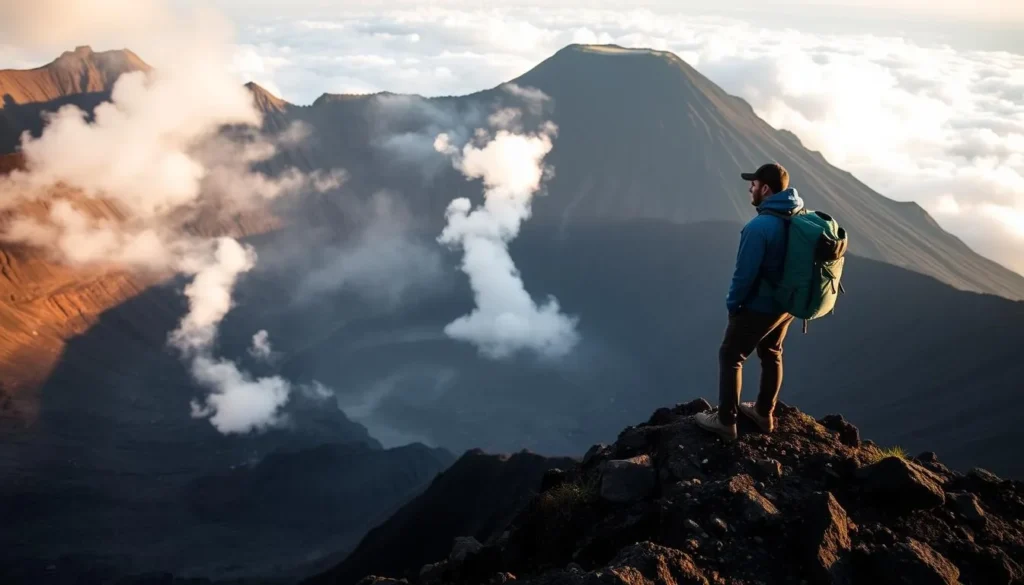
While the main attraction is undoubtedly climbing Mount Kerinci itself, the surrounding region offers several other noteworthy experiences.
Mount Kerinci Trek
The primary activity is the 2-3 day trek to the summit:
- Day 1: Hike from the entrance gate to Shelter 3 (7-8 hours)
- Day 2: Pre-dawn summit attempt, then descent (10-12 hours total)
- Optional Day 3: For those wanting a more relaxed pace
- Summit rewards include views of the active crater and panoramic vistas
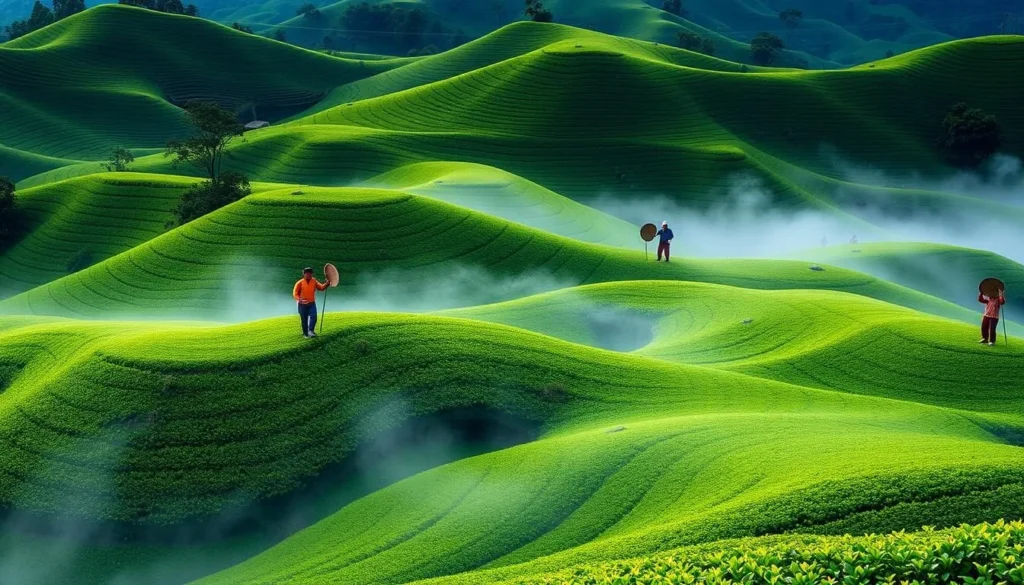
Kayu Aro Tea Plantation
The world’s largest tea plantation surrounds the base of Mount Kerinci:
- Stunning landscapes of rolling tea fields
- Opportunities for photography and walking tours
- Tea factory visits can sometimes be arranged
- Local tea shops offering fresh products
Other Nearby Attractions
If you have extra time in the region, consider visiting:
- Lake Gunung Tujuh – The highest crater lake in Southeast Asia
- Rawa Bento Wetlands – Beautiful wetland ecosystem
- Telun Berasap Waterfall – Impressive waterfall in the rainforest
- Night Safari – Opportunity to spot nocturnal wildlife
Cultural Spots & Local Traditions
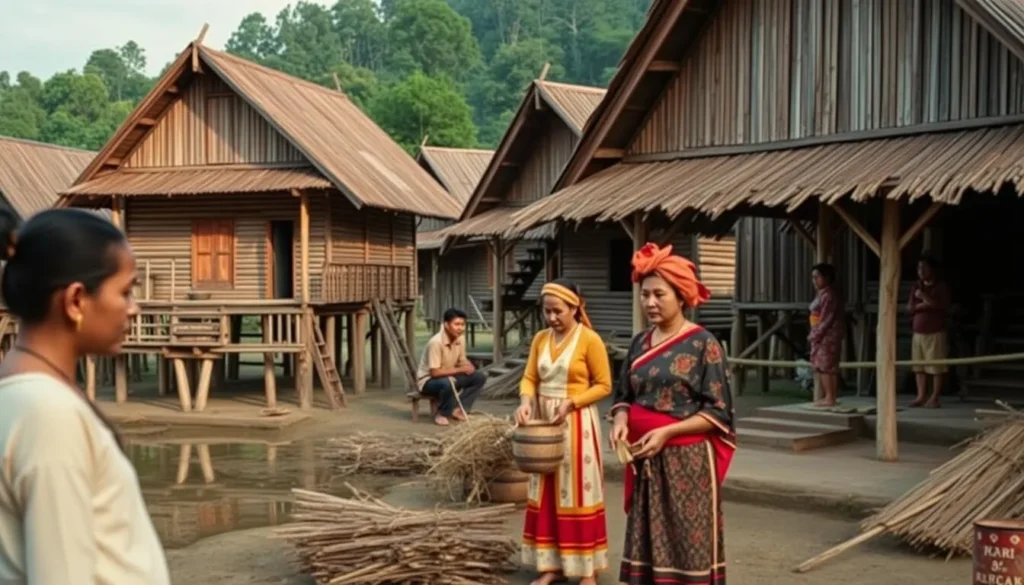
The Kerinci region is home to unique cultural traditions that have been preserved for generations, offering visitors a glimpse into authentic Sumatran life.
Kerinci Cultural Heritage
The local Kerinci people maintain distinct traditions:
- Traditional wooden houses built on stilts
- Ancient Incung script, one of Indonesia’s oldest writing systems
- Traditional farming practices visible in surrounding villages
- Local handicrafts including woven bamboo products
Village Tours
Several villages around Mount Kerinci welcome visitors:
- Guided tours to traditional villages can be arranged
- Opportunities to meet local families and learn about daily life
- Agricultural demonstrations of rice and vegetable farming
- Coffee plantation visits to see traditional processing methods
Cultural Tip: When visiting villages, dress modestly and ask permission before taking photographs of people. Small gifts like fruit or school supplies for children are appreciated but not expected.
Festivals and Celebrations
If your timing aligns, you might witness local celebrations:
- Kenduri Sko – Traditional Kerinci harvest festival
- Tabot Festival – Islamic cultural celebration
- Local wedding ceremonies with traditional music and dance
- Religious holidays celebrated with community gatherings
Sports, Nature & Outdoor Experiences

Beyond the main trek, Kerinci Seblat National Park offers numerous opportunities for nature enthusiasts and adventure seekers.
Wildlife Spotting
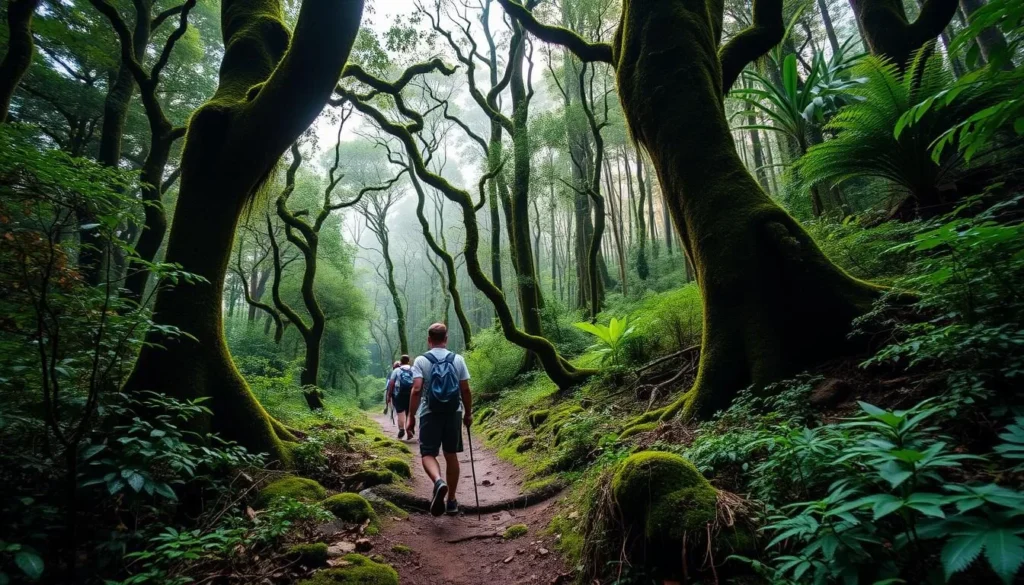
The national park is home to remarkable biodiversity:
- Siamang gibbons with their distinctive calls
- Yellow-handed Mitered Langurs (endemic orange leaf monkeys)
- Over 370 bird species including hornbills and eagles
- Sumatran tigers (extremely rare to spot)
- Various reptiles including the Boulenger’s Tree Agama
Jungle Trekking
Alternative treks in the region include:
- Multi-day jungle expeditions deeper into the national park
- Guided night walks to spot nocturnal creatures
- Treks to Lake Gunung Tujuh (requires separate permit)
- Waterfall hikes to hidden cascades
Photography Opportunities
The region offers exceptional photography subjects:
- Sunrise above the clouds from Mount Kerinci summit
- Volcanic landscapes and crater views
- Misty tea plantations in early morning light
- Macro photography of unique rainforest flora
- Night sky photography (minimal light pollution)
Safety, Etiquette & Local Customs
Ensuring a safe and respectful visit to Mount Kerinci requires understanding both the physical challenges and cultural context of the region.
Trekking Safety
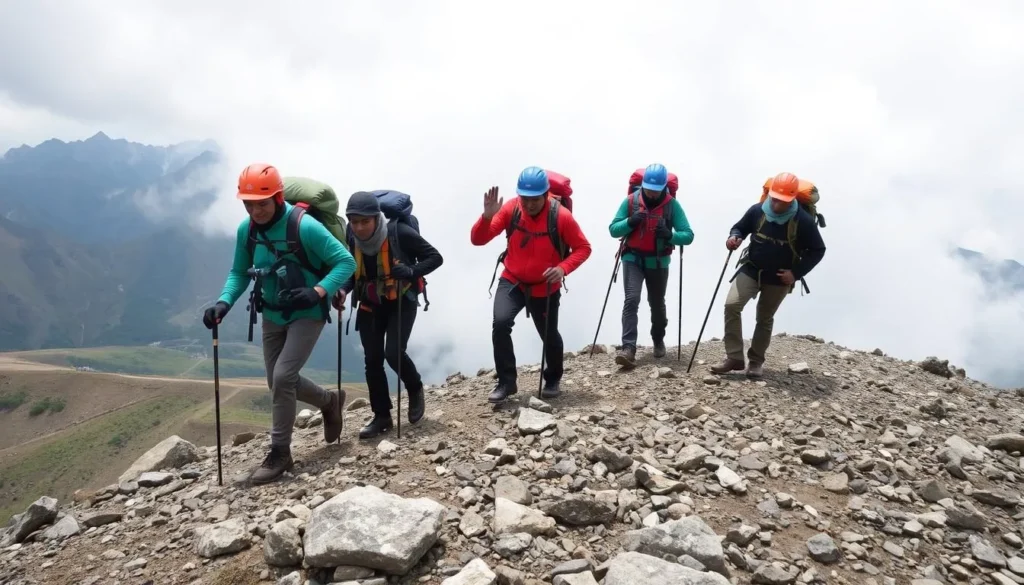
Mountain climbing comes with inherent risks:
- Always trek with an experienced local guide
- Obtain proper permits through your guide or tour operator
- Carry sufficient water and high-energy snacks
- Pack appropriate clothing for cold summit temperatures
- Be aware of altitude sickness symptoms and prevention
- Check volcanic activity reports before your climb
Safety Alert: Mount Kerinci is an active volcano. Always follow your guide’s instructions regarding safety at the crater. Volcanic activity can change rapidly, and guides monitor conditions closely.
Cultural Etiquette
Respecting local customs enhances your experience:
- Indonesia is predominantly Muslim—dress modestly in villages
- Remove shoes before entering homes if invited
- Use your right hand for eating and passing objects
- Ask permission before photographing people
- Learn basic Indonesian phrases as a courtesy
Environmental Responsibility
Help preserve this pristine environment:
- Pack out all trash (no disposal facilities on the mountain)
- Stay on established trails to prevent erosion
- Do not collect plants or disturb wildlife
- Use biodegradable soap if washing in streams
- Consider supporting local conservation initiatives
Practical Travel Tips
These practical tips will help you prepare for a successful journey to Mount Kerinci and the surrounding region.
Essential Packing List
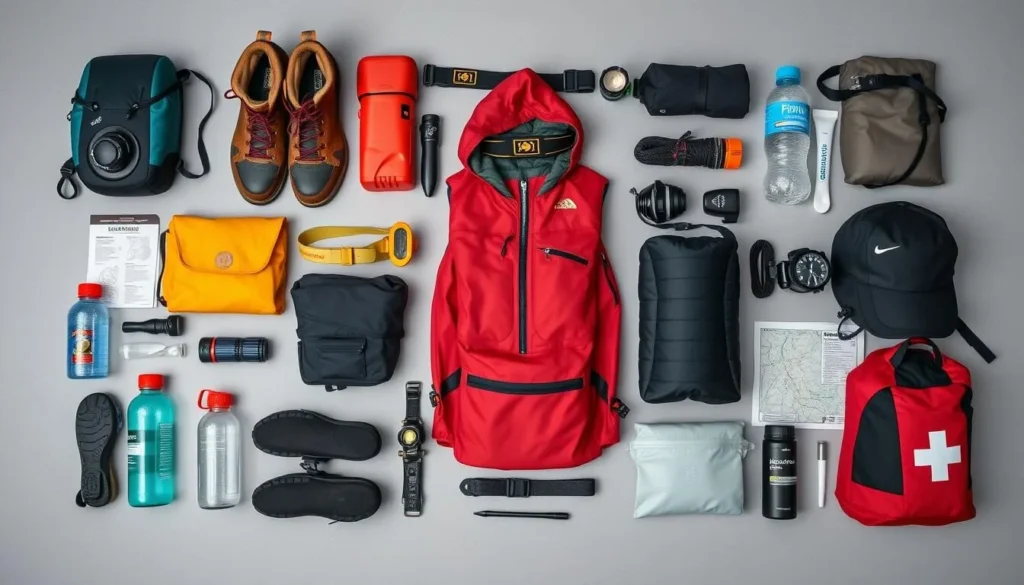
For your Mount Kerinci trek, be sure to bring:
- Waterproof hiking boots with good ankle support
- Quality trekking socks (multiple pairs)
- Quick-dry pants and shirts (long sleeves recommended)
- Warm layers including a fleece or down jacket
- Waterproof jacket and rain cover for your backpack
- Hat, gloves, and beanie for summit temperatures
- Headlamp with extra batteries (essential for pre-dawn summit)
- Personal first aid kit including blister treatment
- Sunscreen and insect repellent
- Reusable water bottle (1.5-2L capacity)
- Trekking poles (optional but helpful for descent)
Money & Connectivity
Prepare for limited services in the Kerinci region:
- Bring sufficient cash (IDR) as ATMs are scarce
- No credit card facilities in smaller villages
- Mobile signal is limited on the mountain
- Download offline maps before your trip
- Consider a local SIM card in larger cities before arrival
Permit Information: Trekking permits for Mount Kerinci cost approximately IDR 150,000-250,000 per person (prices subject to change). Your guide will typically arrange this for you as part of their service.
Health Considerations
Take these health precautions for your trip:
- Consult your doctor about altitude sickness prevention
- Bring any prescription medications in original packaging
- Pack stomach remedies for potential digestive issues
- Use water purification tablets or filters if needed
- Consider travel insurance with evacuation coverage
Ready for the Summit?
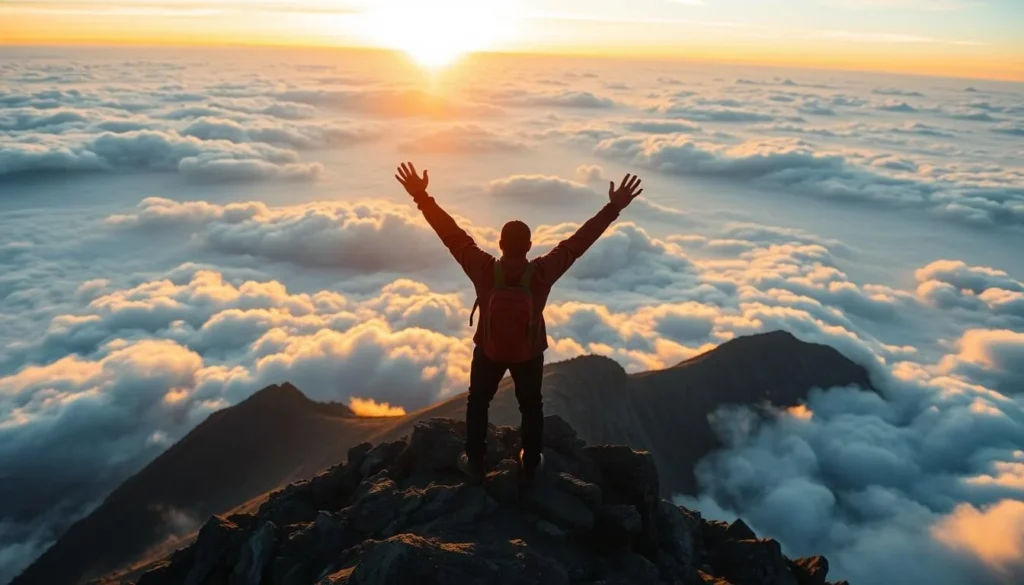
Mount Kerinci offers one of Southeast Asia’s most rewarding trekking experiences for those willing to embrace its challenges. From the moment you first glimpse its imposing silhouette rising above the tea plantations to the triumphant feeling of standing at its summit watching the sunrise above the clouds, Kerinci creates memories that last a lifetime.
While reaching this remote destination requires effort, the journey through Sumatra’s landscapes, cultures, and natural wonders is as enriching as the climb itself. Whether you’re drawn by the thrill of conquering Southeast Asia’s tallest volcano, the chance to explore pristine rainforest, or the opportunity to experience authentic Indonesian culture away from tourist crowds, Mount Kerinci rewards your adventurous spirit.
Pack your hiking boots, prepare for changing weather, and set out to discover one of Indonesia’s most magnificent natural treasures. The crater awaits, and the view from the top is worth every step of the journey.
Related Posts

Way Kambas National Park, Indonesia: Best Things to Do – Top Picks
Wasur National Park, Indonesia: Best Things to Do – Top Picks

West Bali National Park, Indonesia: Best Things to Do – Top Picks

Tesso Nilo National Park, Indonesia: Best Things to Do – Top Picks
Tegal, Indonesia: Best Things to Do – Top Picks
Ujung Kulon National Park, Indonesia: Best Things to Do – Top Picks
Coming Soon: Clickable Maps