Hotels by Trip.com
Flights by Trip.com
Home to one of the highest densities of wild orangutans on the planet, Mount Palung National Park shelters approximately 2,500 of these endangered great apes—roughly 10% of Borneo’s remaining wild orangutan population. This pristine rainforest sanctuary in West Kalimantan offers nature enthusiasts a rare glimpse into one of Earth’s most biodiverse ecosystems, where ancient dipterocarp trees tower over a complex tapestry of mangroves, peat swamps, and montane forests.
Getting There & Planning Your Journey
Reaching Mount Palung National Park requires some planning, as it’s located in a remote part of West Kalimantan on the island of Borneo. The journey is part of the adventure, taking you through rural Indonesia and offering glimpses of local life before arriving at this natural paradise.
International Access
Your journey begins with a flight to Pontianak, the capital of West Kalimantan. International travelers typically connect through Jakarta or Kuala Lumpur. From Pontianak, you’ll need to reach the town of Ketapang, which serves as the gateway to Mount Palung.
Local Transportation
From Pontianak, you have two main options to reach Ketapang:
- By air: A one-hour flight from Pontianak to Ketapang (flights operate daily)
- By water: A 6-7 hour speedboat journey along the coast
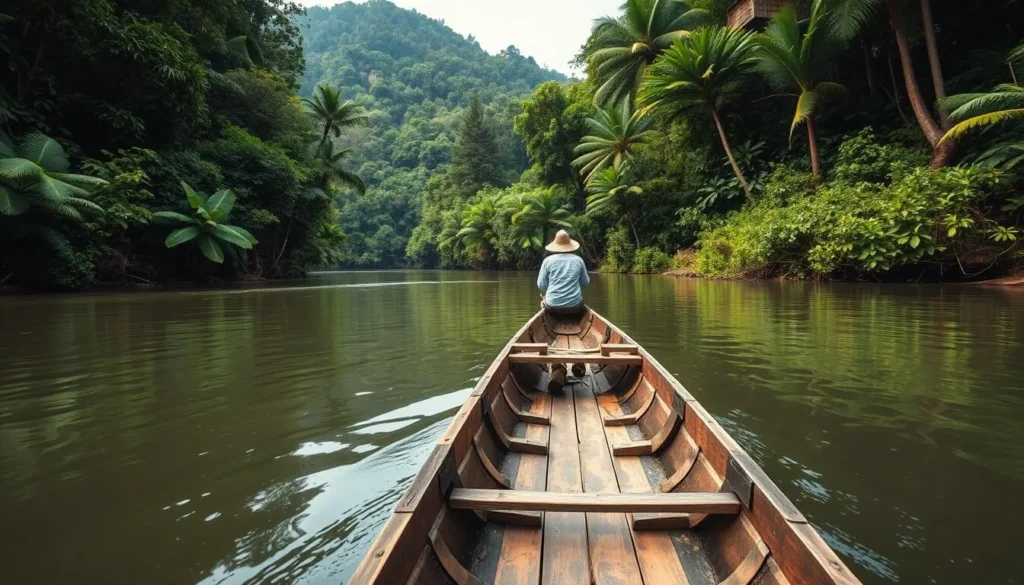
From Ketapang, you’ll need to travel to Sukadana (approximately 2 hours by car), which is the main entry point to the national park. The final leg of the journey involves a 6-hour boat ride on a traditional longboat or sampan to reach the park itself.
Required Permits
All visitors must obtain permits to enter Mount Palung National Park. These can be arranged through the park office in Ketapang or through tour operators. You’ll need to present valid identification and pay the entrance fee, which helps support conservation efforts in the park.
Park Office Contact: Balai Taman Nasional Gunung Palung, Jl. Gajah Mada, Desa Kalinilam, Kecamatan Delta Pawan, Ketapang, West Kalimantan. Email: btn_gunungpalung@yahoo.co.id
Best Time to Visit & Weather Tips
Mount Palung National Park experiences a tropical climate with high humidity and rainfall throughout the year. However, certain months offer more favorable conditions for exploring this rainforest paradise.
Dry Season (June to September)
The dry season from June to September is generally considered the best time to visit Mount Palung. During these months, rainfall is reduced to approximately 100mm per month, making hiking trails more accessible and river journeys more predictable. Wildlife viewing opportunities are also enhanced as animals frequently visit water sources.
Wet Season (October to May)
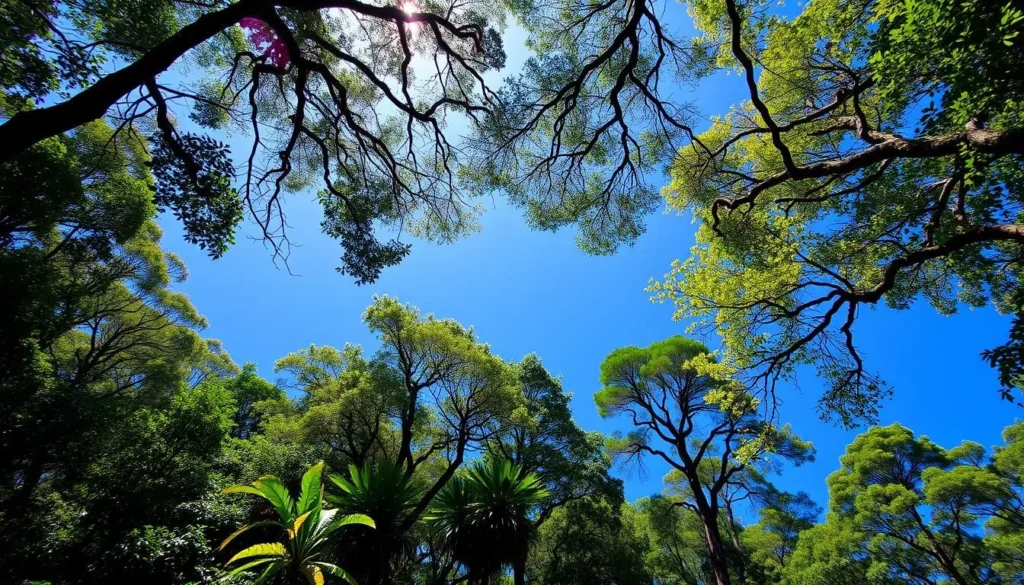
The wet season brings heavier rainfall, particularly between November and February. While this can make some trails muddy and challenging, it also transforms the forest into a lush, vibrant ecosystem. The wet season coincides with the fruiting period (October to January), which attracts more orangutans and other wildlife as they feed on the abundant fruit.
Dry Season Benefits
- More accessible trails
- Easier river navigation
- Less mud and leeches
- More comfortable camping conditions
Wet Season Challenges
- Muddy, slippery trails
- Unpredictable river levels
- More mosquitoes and leeches
- Potential for flooded campsites
What to Pack
Regardless of when you visit, be prepared for the rainforest environment with these essentials:
Check 30,000+ Local Sightseeing Tours Worldwide
✓ Numerous languages and currencies are available
- Lightweight, quick-dry clothing (long sleeves and pants for protection)
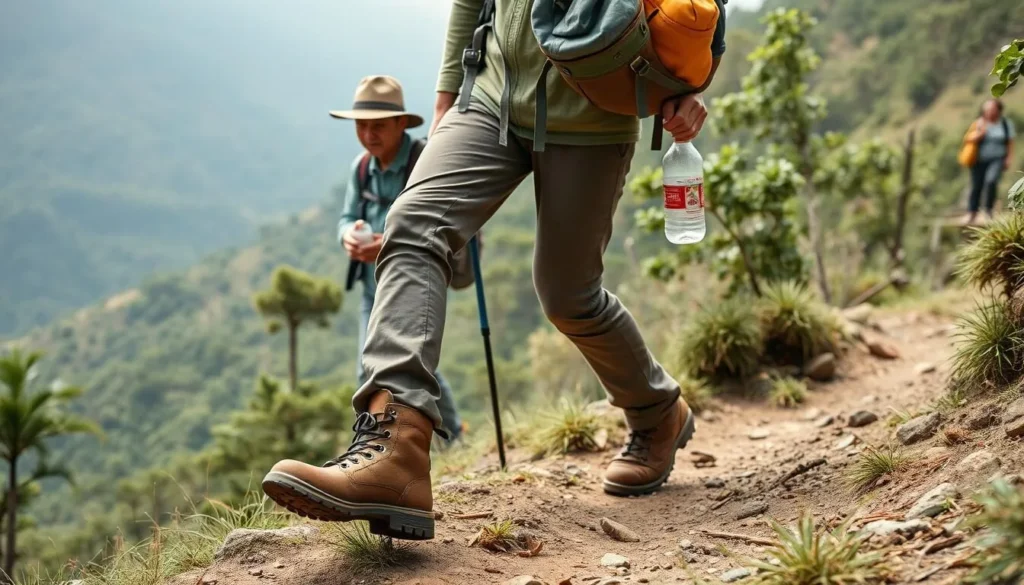
- Sturdy hiking boots with good grip
- Rain gear (even in the dry season)
- High-concentration DEET insect repellent
- Leech socks or repellent
- Reusable water bottle and water purification method
- Headlamp or flashlight
- Basic first aid kit
Getting Around Locally
Once you’ve reached Mount Palung National Park, your exploration options are primarily limited to walking and boating. The park’s remote nature and conservation focus mean there are no roads within the protected area.
Guided Treks
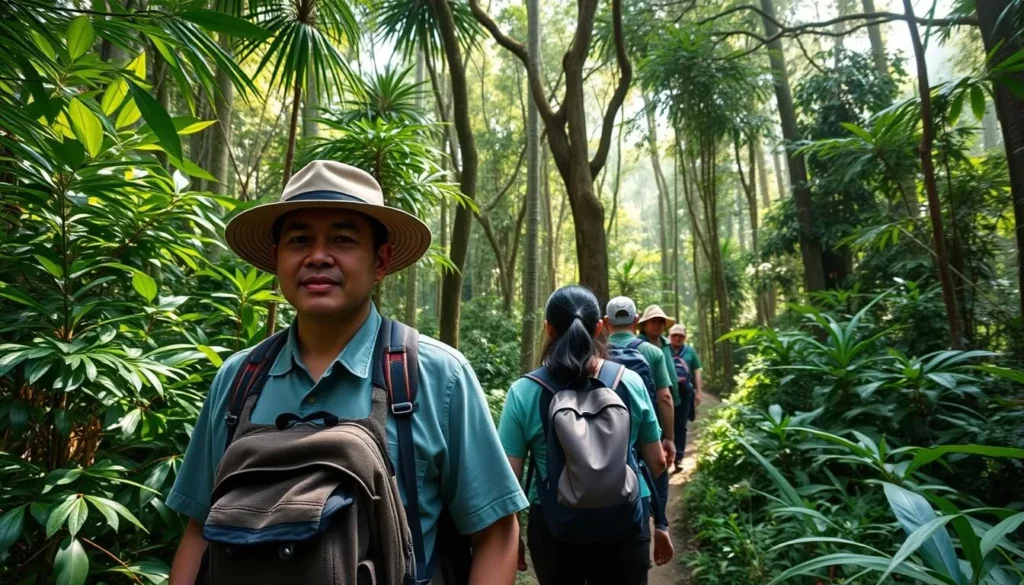
All visitors must be accompanied by an official park guide when exploring Mount Palung. These knowledgeable local guides are essential not only for navigation but also for spotting wildlife and explaining the complex ecosystem. Guides can be arranged through the park office in Ketapang or via tour operators.
Tip: When selecting a guide, look for those certified by the Indonesia Tourist Guides Association (ITGA-HPI) and ask about their experience with wildlife spotting and knowledge of orangutan behavior.
River Exploration
The rivers that flow through Mount Palung offer another way to explore the park. Traditional longboats or sampans can be hired for journeys along the Matan River and its tributaries, providing access to different ecosystems and wildlife viewing opportunities.
Where to Stay
Accommodation options around Mount Palung National Park are limited and basic, reflecting the remote nature of this wilderness area. The park aims to minimize human impact on the forest, so don’t expect luxury resorts or extensive facilities.
Inside the Park
For the most immersive experience, you can stay within the national park boundaries. Options include:
Basic Bungalows
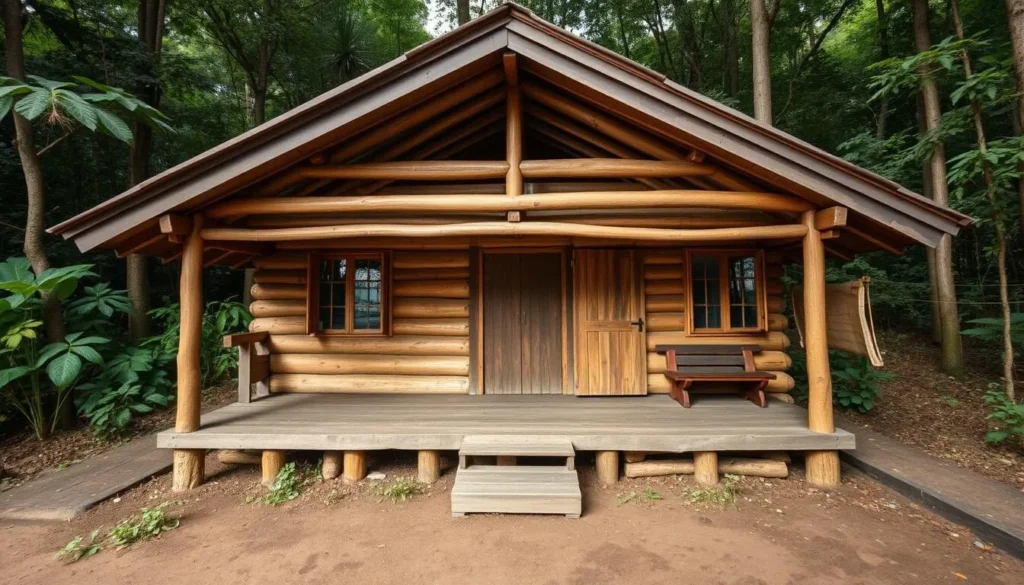
Simple wooden structures with minimal amenities. Most have no electricity or running water, offering a true back-to-nature experience. These are typically located near research stations or ranger posts.
Camping
For the adventurous, camping is permitted at designated sites within the park. You’ll need to bring all your own equipment and supplies. Guides can help identify suitable locations and assist with setup.
Outside the Park
More comfortable accommodation can be found in the towns of Ketapang and Sukadana:
Ketapang
As the main gateway city, Ketapang offers several small hotels and guesthouses with basic amenities including air conditioning, private bathrooms, and restaurants. These make a good base before and after your park visit.
Sukadana
This smaller town closer to the park entrance has a few simple guesthouses and homestays. Staying here puts you closer to the park and offers a glimpse into local life.
Note: Advance booking is highly recommended, especially during the dry season (June-September) when visitor numbers are higher. Many accommodations can help arrange park permits and guides.
Dining & Local Cuisine
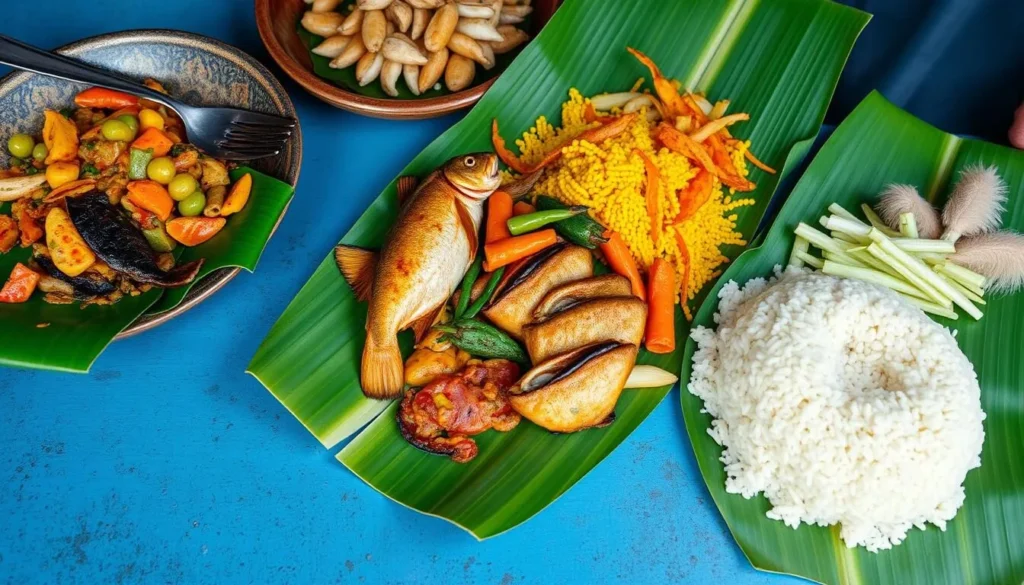
The culinary experience around Mount Palung National Park reflects the cultural diversity of West Kalimantan, with influences from Malay, Chinese, and indigenous Dayak traditions. While dining options within the park are extremely limited, the surrounding towns offer a taste of authentic Bornean cuisine.
Within the Park
If staying inside the national park, you’ll need to be self-sufficient with food:
- Most guided tours include meal preparation
- Simple meals of rice, vegetables, and occasionally fish are typical
- Bring non-perishable snacks and energy foods
- Water purification is essential (tablets, filters, or boiling)
Local Specialties
In Ketapang and Sukadana, look for these regional dishes:
Nasi Gunting
A specialty of West Kalimantan featuring rice with beef in a rich broth, topped with fried shallots and fresh herbs.
Bubur Pedas
A spicy rice porridge with fish or chicken, vegetables, and local herbs—perfect for breakfast before a day of trekking.
Ikan Asam Pedas
Freshwater fish cooked in a sour and spicy tamarind-based sauce, typically served with rice.
Dining Tips
When eating in the towns near Mount Palung, keep these tips in mind:
- Small warungs (family-owned eateries) often offer the most authentic local food
- Fresh seafood is abundant in coastal Ketapang
- Most meals are centered around rice with various side dishes
- Vegetarian options may be limited but can usually be arranged
- Bring cash, as credit cards are rarely accepted in smaller establishments
For multi-day treks in the park, discuss meal arrangements with your guide beforehand. They can help organize provisions and may prepare traditional forest foods that indigenous communities have eaten for generations.
Attractions, Sightseeing & Activities
Mount Palung National Park offers a wealth of natural attractions and activities for the adventurous traveler. From wildlife encounters to breathtaking landscapes, the park showcases the incredible biodiversity of Borneo’s rainforests.
Wildlife Watching
The park’s star attraction is undoubtedly its population of wild orangutans. Unlike rehabilitation centers elsewhere in Borneo, Mount Palung offers the chance to observe these great apes in their natural habitat.

Beyond orangutans, the park is home to an impressive array of wildlife:
- Proboscis monkeys with their distinctive long noses
- White-handed gibbons swinging through the canopy
- Hornbills, including the magnificent rhinoceros hornbill
- Sun bears, the world’s smallest bear species
- Flying squirrels, flying lizards, and even flying snakes
- Rare black orchids along the Matan River
Trekking & Hiking
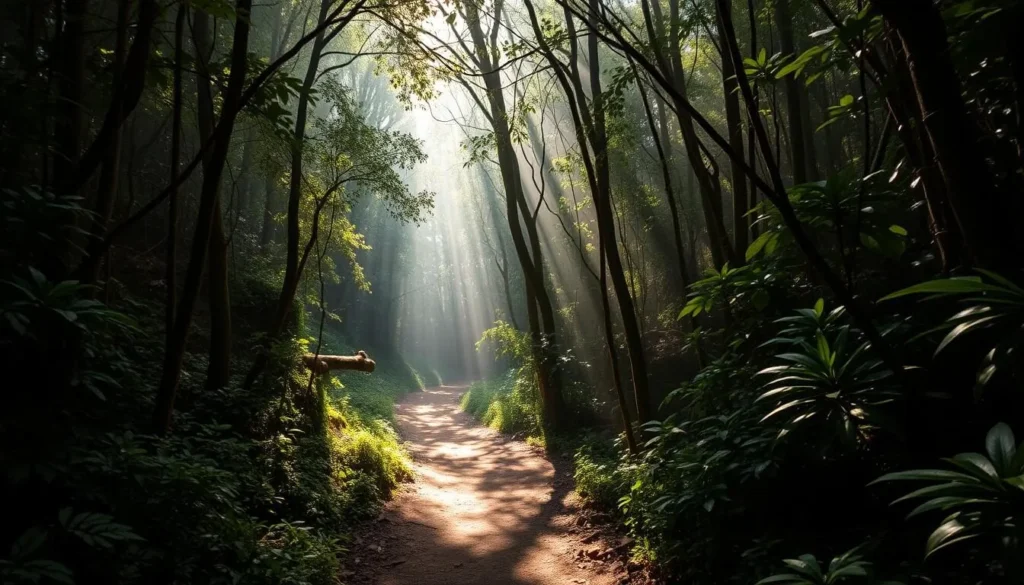
The park offers several hiking trails through different ecosystems, from coastal mangroves to montane forests. Popular routes include:
Mount Palung Summit Trek
A challenging multi-day hike to the park’s namesake peak, offering panoramic views of the surrounding landscape. The trek passes through several forest types, showcasing the park’s ecological diversity.
Cabang Panti Research Station Trail
This trail leads to one of the park’s main research facilities, where scientists study orangutan behavior. The route offers excellent wildlife spotting opportunities.
Matan River Trail
Following the river’s edge, this more accessible trail is ideal for spotting black orchids and aquatic wildlife. During flowering season (February-April), the rare black orchids bloom along the riverbanks.
River Experiences
The rivers flowing through Mount Palung offer another perspective on the park’s ecosystems:
- Boat trips along the Matan River to spot wildlife along the banks
- Visits to hidden waterfalls accessible only by water
- Traditional fishing experiences with local guides
- River swimming in designated safe areas
Unique Ecosystems
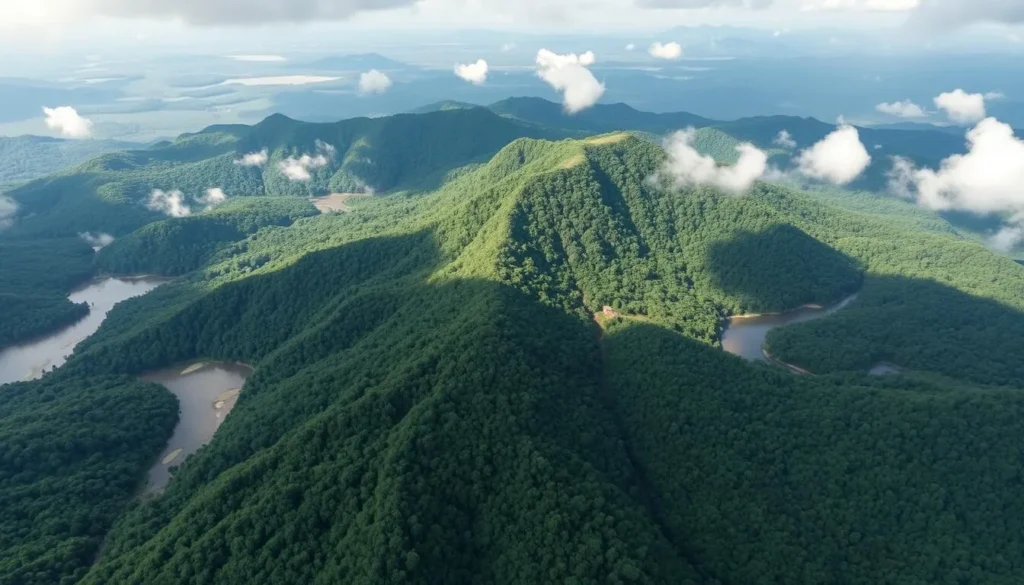
One of Mount Palung National Park’s most remarkable features is its diverse range of ecosystems packed into a relatively small area. The park encompasses eight distinct forest types, each supporting different plant and animal communities.
Mangrove Forests
Along the coastal edges, salt-tolerant mangroves create a unique ecosystem where land meets sea. These forests protect the coastline from erosion and serve as nurseries for many marine species. Look for proboscis monkeys, which are particularly fond of mangrove habitats.
Peat Swamp Forests
These waterlogged forests grow on deep layers of partially decomposed plant material. The acidic, nutrient-poor conditions create a challenging environment where specialized plants thrive. Peat swamps are crucial carbon sinks, helping to mitigate climate change.
Lowland Dipterocarp Forests
Dominated by towering dipterocarp trees reaching heights of over 60 meters, these forests form the heart of the park. They support the highest biodiversity, including most of the park’s orangutan population. The complex canopy structure creates numerous ecological niches.
Montane Forests
At higher elevations, the vegetation changes to shorter trees covered in mosses and epiphytes. The cooler, misty conditions support unique plant communities not found at lower elevations. These forests play a vital role in capturing water and regulating the park’s hydrology.
Mount Palung’s diverse ecosystems make it an important research site for scientists studying rainforest ecology, climate change, and primate behavior. Several research stations within the park contribute to our understanding of these complex environments.
Cultural Experiences
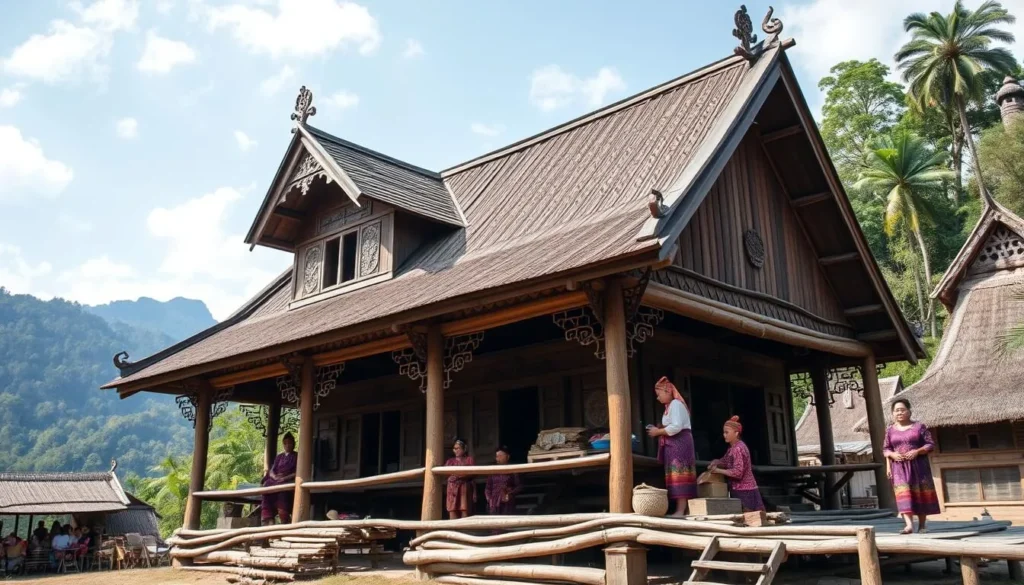
The areas surrounding Mount Palung National Park are home to various indigenous Dayak communities who have lived in harmony with the forest for generations. Engaging with these communities offers valuable insights into traditional forest knowledge and sustainable living practices.
Village Visits
Several Dayak villages near the park welcome respectful visitors. These experiences typically include:
- Tours of traditional longhouses, communal dwellings that can house multiple families
- Demonstrations of traditional crafts such as weaving and woodcarving
- Opportunities to learn about medicinal plants and forest products
- Cultural performances featuring traditional music and dance
Traditional Knowledge
Local guides often share traditional ecological knowledge that has been passed down through generations. This might include:
- Identification of edible and medicinal plants
- Traditional hunting and fishing techniques
- Navigation methods using natural landmarks
- Weather prediction based on natural signs
When visiting local communities, always follow your guide’s advice regarding appropriate behavior and photography. Some cultural sites may have specific protocols or restrictions.
Conservation & Research
Mount Palung National Park is not only a tourist destination but also an important conservation area and research site. Understanding the ongoing efforts to protect this ecosystem can enrich your visit and inspire support for preservation initiatives.
Orangutan Research
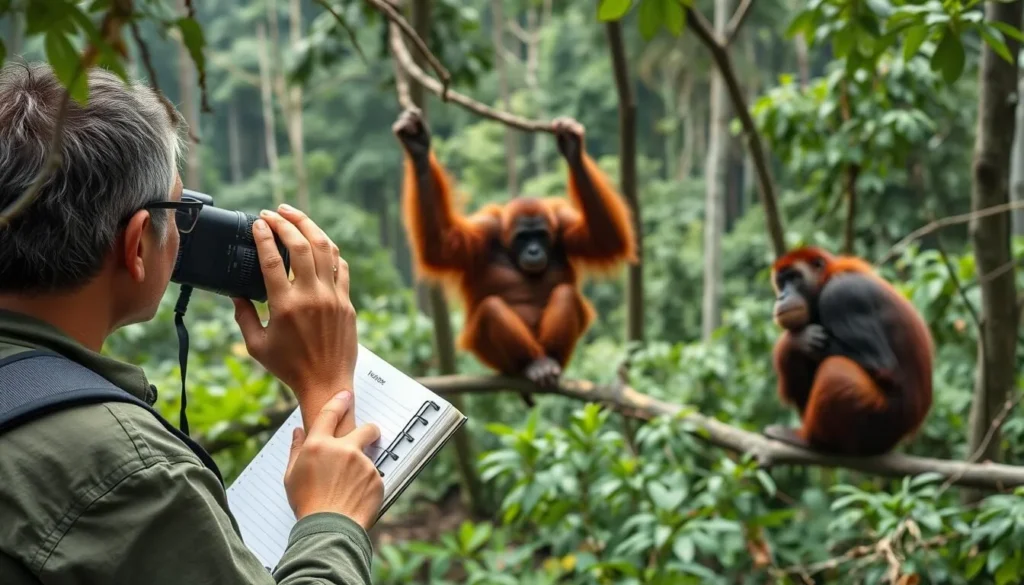
The park hosts one of the longest-running studies of wild orangutans, providing crucial data on their behavior, ecology, and conservation needs. Researchers at Cabang Panti Research Station have been monitoring the orangutan population since 1994, documenting their feeding patterns, reproductive behavior, and response to environmental changes.
Conservation Challenges
Despite its protected status, Mount Palung faces several threats:
- Illegal logging that fragments habitat and disrupts wildlife corridors
- Agricultural encroachment along park boundaries
- Climate change affecting rainfall patterns and forest health
- Limited resources for effective enforcement and management
Community Involvement
Successful conservation in Mount Palung increasingly involves local communities as partners. Several initiatives focus on:
- Alternative livelihood development to reduce dependence on forest resources
- Environmental education programs in surrounding villages
- Training local residents as park rangers and guides
- Sustainable agriculture practices that minimize forest impact
Visitors can support conservation efforts by following park rules, hiring local guides, respecting wildlife viewing guidelines, and considering donations to organizations working in the area.
Safety, Etiquette & Local Customs
Visiting Mount Palung National Park safely and respectfully requires awareness of both natural hazards and cultural considerations. Following these guidelines will help ensure a positive experience for you and minimal impact on the park.
Check 30,000+ Local Sightseeing Tours Worldwide
✓ Numerous languages and currencies are available
Health & Safety
The remote location and tropical environment present several health considerations:
- Consult a travel doctor before your trip for recommended vaccinations
- Bring a well-stocked first aid kit, as medical facilities are limited
- Use insect repellent to protect against mosquitoes that may carry diseases
- Drink only purified or bottled water
- Watch for leeches in wet areas (leech socks or repellent are recommended)
- Move carefully on slippery trails, especially during the rainy season
Wildlife Etiquette
Responsible wildlife viewing protects both animals and visitors:
- Maintain a minimum distance of 10 meters from orangutans and other primates
- Never feed wildlife, as this alters natural behavior and can spread disease
- Keep noise to a minimum to avoid disturbing animals
- Follow your guide’s instructions regarding wildlife encounters
- Do not use flash photography around animals
Cultural Respect
The communities around Mount Palung have rich cultural traditions that deserve respect:
- Ask permission before photographing local people
- Dress modestly, especially when visiting villages
- Remove shoes when entering homes or longhouses
- Learn a few basic Indonesian phrases as a courtesy
- Respect sacred sites and follow any specific protocols
Always follow the “leave no trace” principles: pack out all trash, stay on designated trails, and avoid removing any natural or cultural items from the park.
Practical Travel Tips
These final practical tips will help you prepare for a smooth and enjoyable visit to Mount Palung National Park.
Communication
Connectivity is limited in and around the park:
- Mobile phone coverage is spotty and generally unavailable within the park
- Consider renting a satellite phone for emergency communication
- Inform someone of your itinerary before entering remote areas
- Learn basic Indonesian phrases to communicate with locals
Money Matters
Financial preparation is essential for this remote destination:
- Bring sufficient Indonesian Rupiah in cash, as ATMs are only available in larger towns
- Small denominations are useful for local purchases
- Credit cards are rarely accepted outside major hotels in Ketapang
- Budget for guide fees, boat transportation, and park permits

Packing Essentials
Beyond the weather-appropriate clothing mentioned earlier, consider these items:
- Waterproof bag or case for electronics and documents
- Binoculars for wildlife spotting (essential for orangutan viewing)
- Camera with zoom lens and extra batteries
- Biodegradable soap and toiletries
- Portable water filter or purification tablets
- Lightweight towel that dries quickly
- Headlamp or flashlight with extra batteries
Ready for Your Mount Palung Adventure?
Mount Palung National Park offers a rare glimpse into one of Earth’s most precious ecosystems—a place where wild orangutans still swing freely through ancient forests and the complex web of rainforest life continues largely undisturbed. While reaching this remote paradise requires effort, the rewards are immeasurable: intimate wildlife encounters, breathtaking landscapes, and the profound sense of connection that comes from experiencing one of our planet’s last great wildernesses.
Whether you’re tracking orangutans through dipterocarp forests, gliding along rivers bordered by rare black orchids, or learning traditional knowledge from indigenous communities, Mount Palung promises the kind of authentic, transformative experiences that define truly meaningful travel. As you plan your journey to this extraordinary corner of Borneo, remember that your visit can help support conservation efforts that protect this irreplaceable natural treasure for generations to come.