
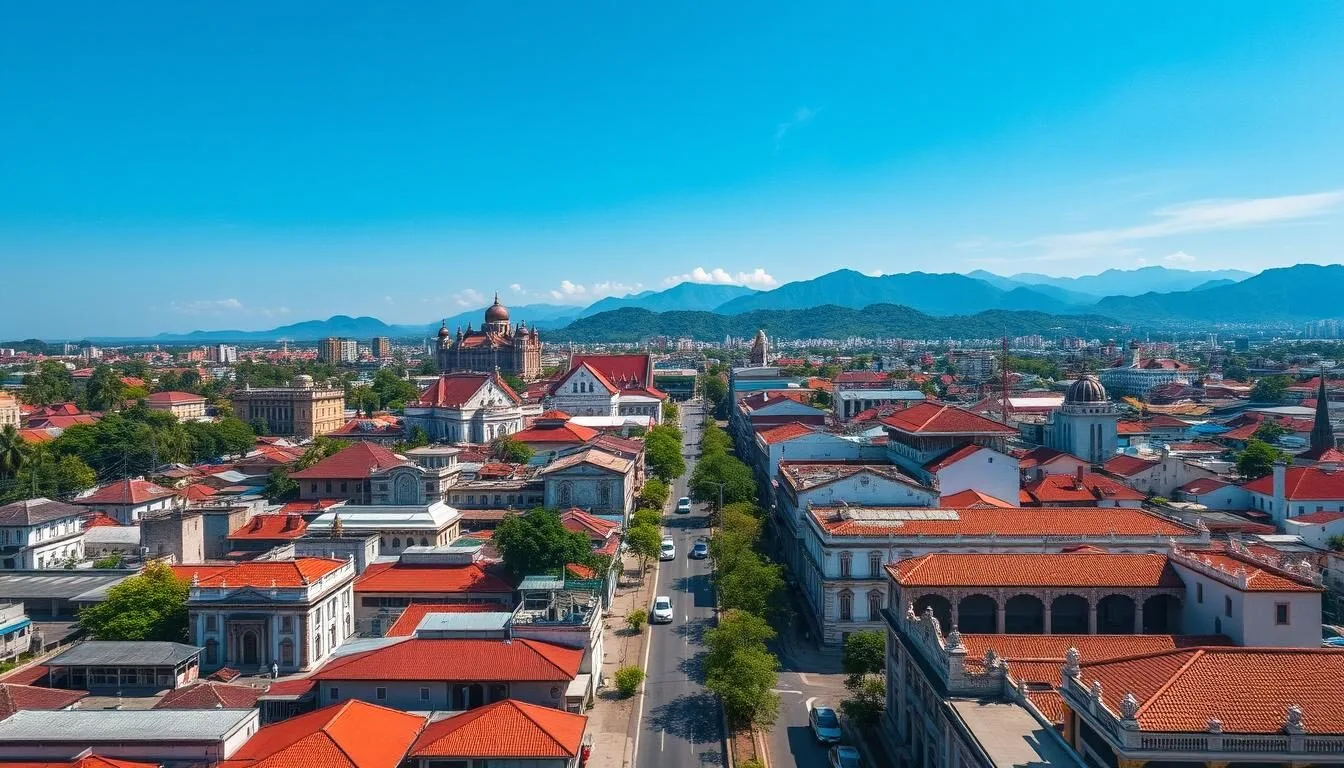
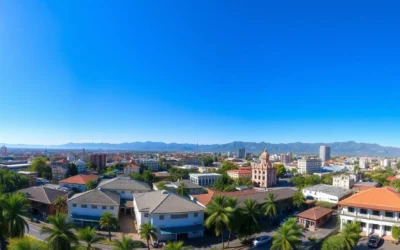
Did you know that Pematangsiantar is home to one of the tallest Kwan Im (Goddess of Mercy) statues in Indonesia, standing at an impressive 22.8 meters (74.8 feet) high? This hidden gem in North Sumatra is Indonesia’s second-largest city in the province, yet remains relatively undiscovered by international tourists. With its rich Batak culture, colonial architecture, and strategic location just 50 km from the famous Lake Toba, Pematangsiantar offers authentic Indonesian experiences without the crowds of more popular destinations.
Getting There & Planning Your Journey
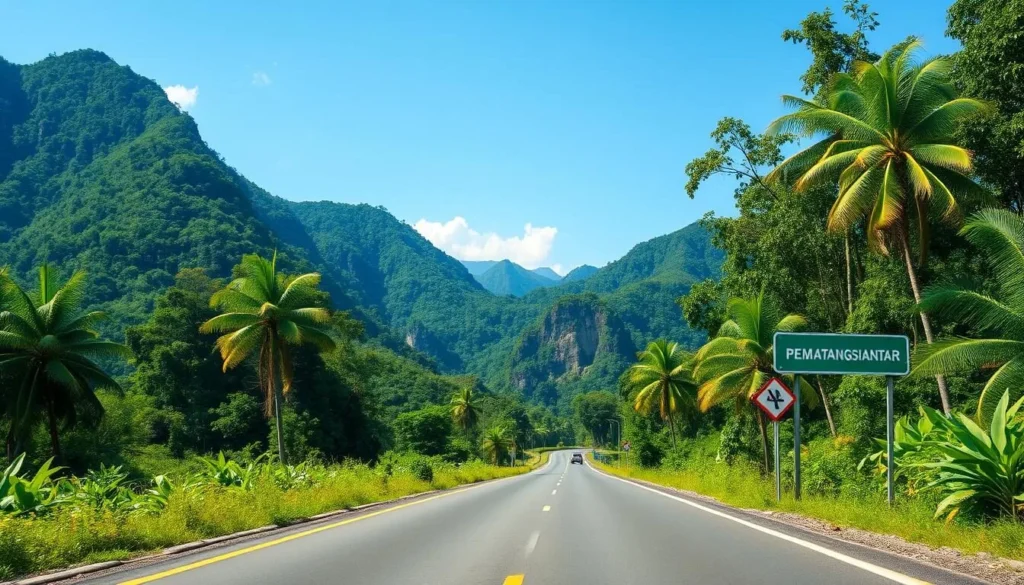
Pematangsiantar is located 128 km from Medan, the capital city of North Sumatra. Most international travelers will first arrive at Kualanamu International Airport in Medan, which offers connections to major cities across Southeast Asia.
Transportation Options from Medan to Pematangsiantar
By Shared Taxi
The most convenient option is taking a shared taxi from Medan, costing around Rp40,000-50,000 (approximately $2.50-3.20) per person. The journey takes about 2 hours along well-maintained roads. Taxis depart regularly throughout the day from various points in Medan.
By Train
For a more scenic and authentic experience, take the Siantar Express train from Medan station to Siantar station. Tickets cost approximately Rp22,000 ($1.40), and the journey takes around 4 hours. Trains depart daily from Medan at 14:00 and from Siantar at 06:20.
By Bus
Budget travelers can opt for the large buses connecting Medan to Pematangsiantar. Buses depart from Amplas bus terminal in Medan, with tickets costing Rp18,000-22,000 ($1.15-1.40). The journey takes approximately 2-3 hours depending on traffic conditions.
By Private Car
For maximum flexibility, consider renting a car in Medan. The recently completed toll road makes the journey faster and more comfortable than ever before. This option is ideal for families or groups traveling together.
Best Time to Visit & Weather Tips
Pematangsiantar enjoys a tropical rainforest climate with consistent temperatures throughout the year. Being located near the equator, the city experiences warm weather with high humidity year-round.
| Season | Months | Temperature | Rainfall | Recommendation |
| Dry Season (Best Time) | May to September | 24-30°C (75-86°F) | Moderate | Ideal for sightseeing and outdoor activities |
| Wet Season | October to April | 23-29°C (73-84°F) | Heavy | Good for budget travelers, but prepare for afternoon showers |
| Shoulder Season | April and October | 24-30°C (75-86°F) | Variable | Fewer tourists and reasonable weather |
What to Pack
- Lightweight, breathable clothing
- Rain jacket or umbrella (especially during wet season)
- Comfortable walking shoes
- Sun protection (hat, sunglasses, sunscreen)
- Modest clothing for temple visits
- Insect repellent
- Reusable water bottle
- Basic first aid supplies
Getting Around Locally
Exploring Pematangsiantar is part of the adventure, with several unique local transportation options that add to the charm of your visit.
Becak
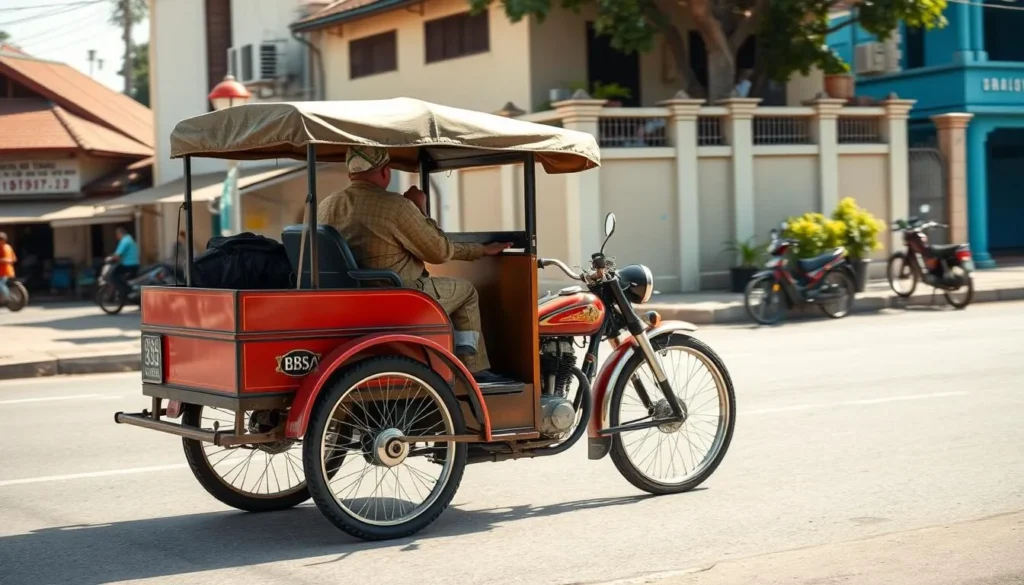
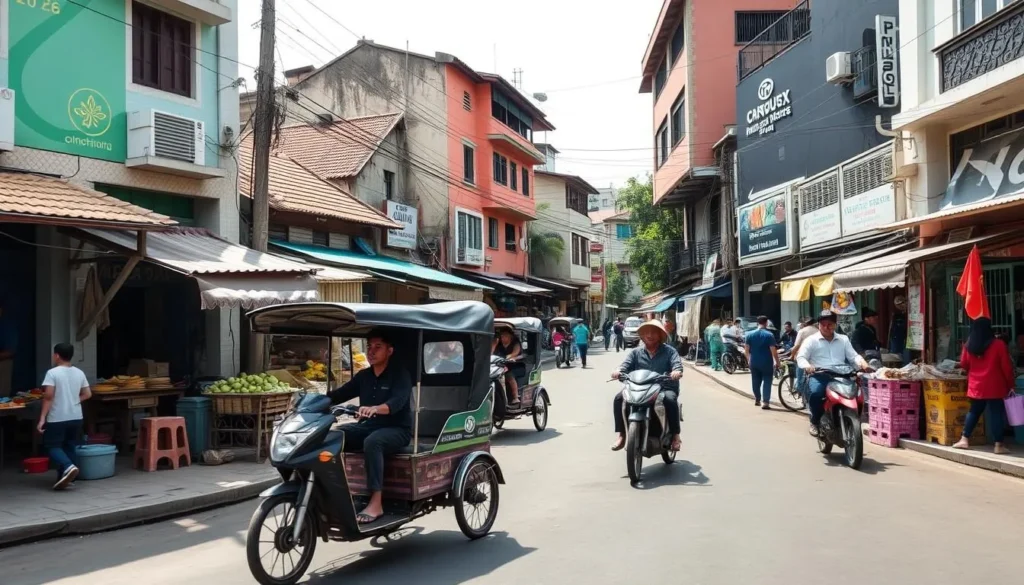
The most iconic way to get around Pematangsiantar is by becak (pronounced “bey-chak”). These unique motorized rickshaws are powered by vintage Birmingham Small Arms Company (BSA) motorcycles with a capacity of 500cc. Each becak is uniquely decorated and recognized by its distinctive loud sound. A typical ride costs around Rp20,000 ($1.30) for a 3 km journey.
Minibus (Angkot)
For budget travelers, minibuses (locally known as angkot) are the cheapest option at only Rp3,000 ($0.20) per ride. These colorful shared vans follow set routes throughout the city. While there are no official schedules or maps, locals are usually happy to help you find the right one.
Rental Options
For more independence, you can rent a motorbike from local guesthouses like Siantar Guesthouse. A classic 150cc Vespa costs around Rp60,000 ($3.85) per day. This option gives you the freedom to explore both the city and surrounding areas at your own pace.
Where to Stay
Pematangsiantar offers a range of accommodation options to suit different budgets and preferences. While not as extensive as major tourist destinations, you’ll find comfortable places to stay during your visit.
Luxury & Mid-Range
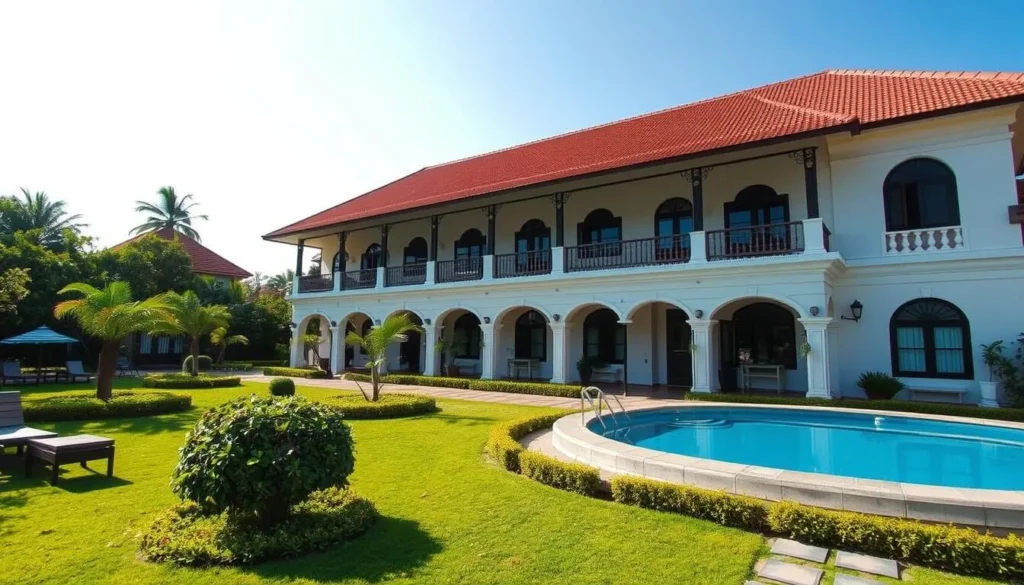
Siantar Hotel is the most established accommodation in the city, offering comfortable rooms, a swimming pool that’s open to the public, and a small gym. The Grand Mega Hotel, opened in 2010, provides modern amenities including free WiFi, air conditioning, hot water, TV, and en-suite bathrooms in each room.
Budget Options
For travelers on a budget, Siantar Guesthouse near the bus station in Siatas Barita offers a relaxed atmosphere with a garden. Owned by a German traveler, it provides beds for less than Rp20,000 ($1.30) per night. Several small guesthouses (losmen) can also be found in the city center area, such as those on Jl. Cokro.
Alternative Stays
The church-owned Wisma Tuluy north of the city center (Jl. Gunung Simanuk-manuk) offers very clean accommodations. Some traditional homestays are also available for those looking to experience local hospitality and culture firsthand.
Dining & Local Cuisine
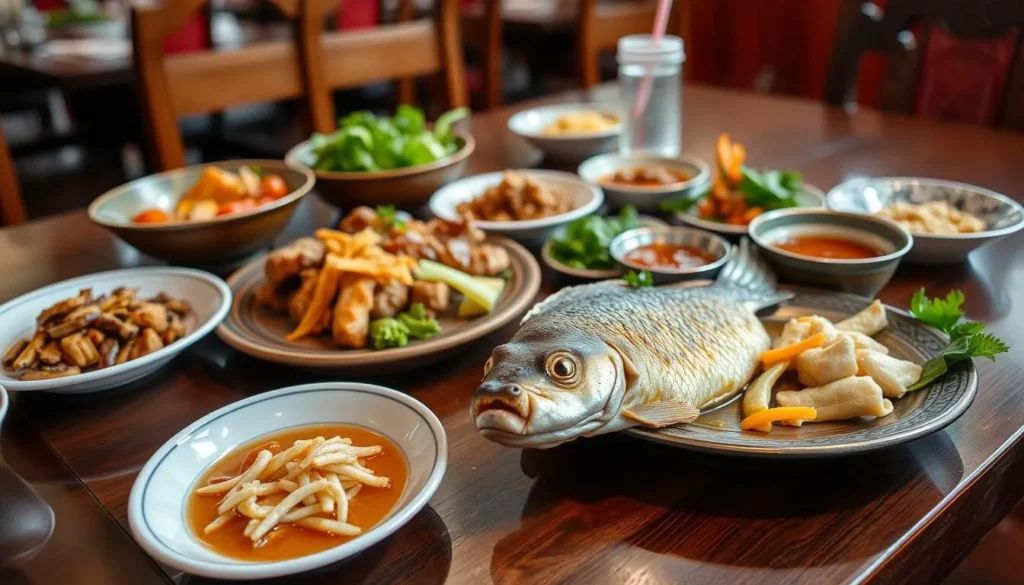
Pematangsiantar’s food scene reflects its diverse cultural heritage, with Batak, Chinese, and Javanese influences creating a unique culinary landscape. The city is known for several specialty dishes that are must-tries for any visitor.
Must-Try Local Specialties
Batak Cuisine
- Babi Panggang – Small pieces of roast pork with a special blood sauce, a favorite among the Batak people
- Ikan Mas Arsik – Goldfish cooked in a rich blend of spices and herbs
- Saksang – Pork cooked in its own blood with local spices
- Tuak – A traditional alcoholic beverage made from sugar palm or coconut
Chinese Influence
- Mie Keriting Siantar – A local variation of wonton noodles, famous throughout the region
- Roti Ganda – The most famous souvenir food from Pematangsiantar, a plain pillow bread spread with Kaya (coconut jam)
- Kok Tong Kopitiam – Traditional coffee served in the Chinese style
Other Local Favorites
- Teng-teng Candy – A crunchy sweet made from sugar, peanuts, and sesame seeds, available at Toko A1 Asli, one of the city’s oldest confectionery shops
- Badak – A root beer/sarsaparilla style soft drink that’s popular across Sumatra, with its headquarters in Pematangsiantar
Where to Eat
The best places to experience local cuisine are along Jl. Surabaya, which connects the two main roads of the city. This street offers an array of Kedai (eating houses) and Kopi Tiam (coffee houses) serving Chinese and Chinese-Indonesian fusion foods. The food market between the main roads (Merdeka and Sutomo) is also worth a visit for fresh produce and local delicacies.
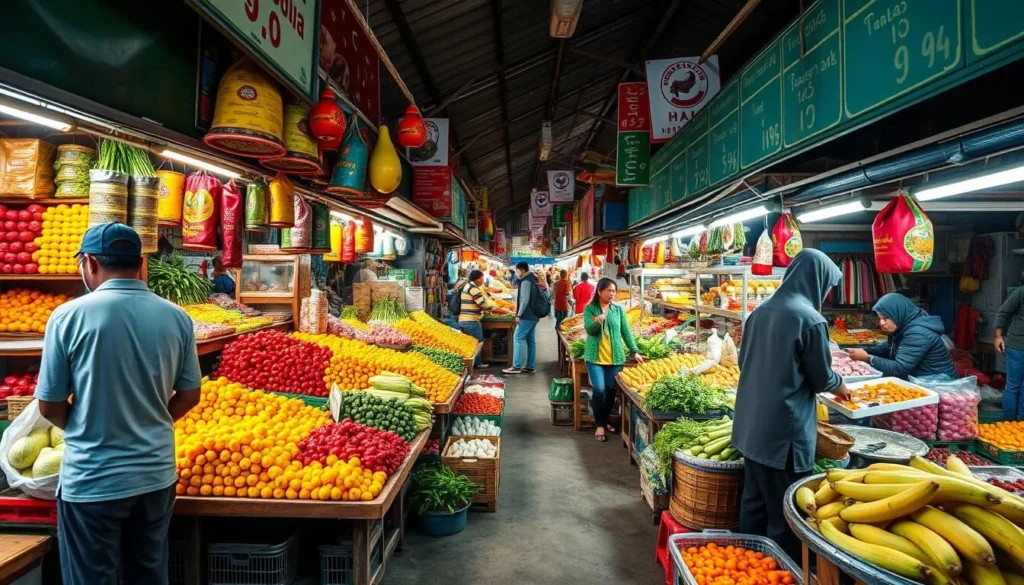
Halal Food Tip: While Pematangsiantar is known for its pork dishes, halal food is readily available throughout the city. Look for nasi padang, satay, and bakso sellers, which are scattered across Pematangsiantar and serve delicious halal options.
Attractions, Sightseeing & Activities
Pematangsiantar offers a variety of attractions that showcase its cultural heritage, natural beauty, and unique character. From religious sites to zoological gardens, there’s something for every type of traveler.
Top Attractions
Vihara Avalokitesvara Temple
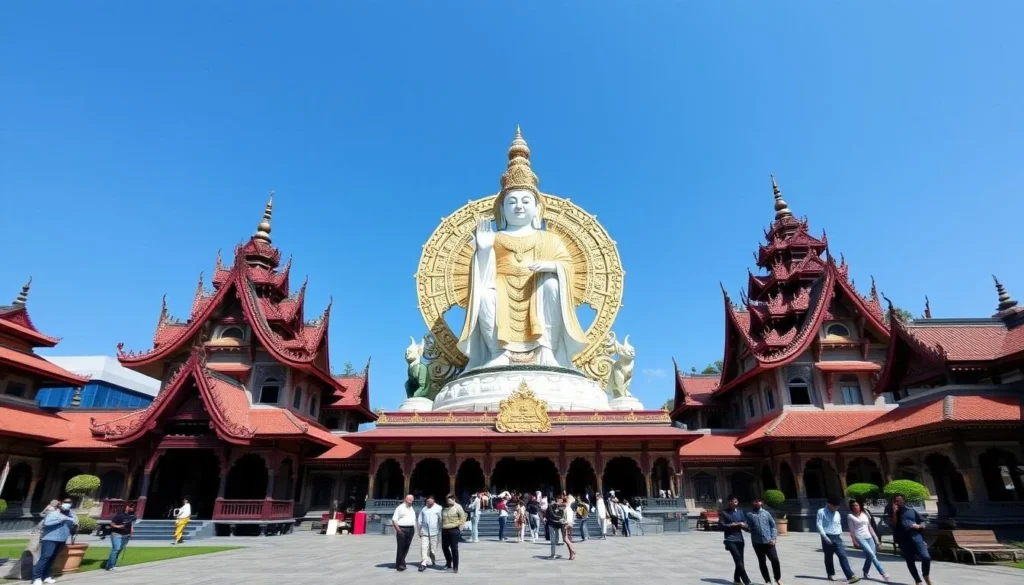
This Buddhist temple houses the impressive Statue of Kwan Im (Goddess of Mercy), standing at 22.8 meters (74.8 feet) high—the tallest of its kind in Indonesia. The temple complex is accessible from Jl. Pane and features a bridge across the Bah Bolon River connecting the new complex to the site of the old temple, which was destroyed in a fire in 2008.
Pematangsiantar Zoo
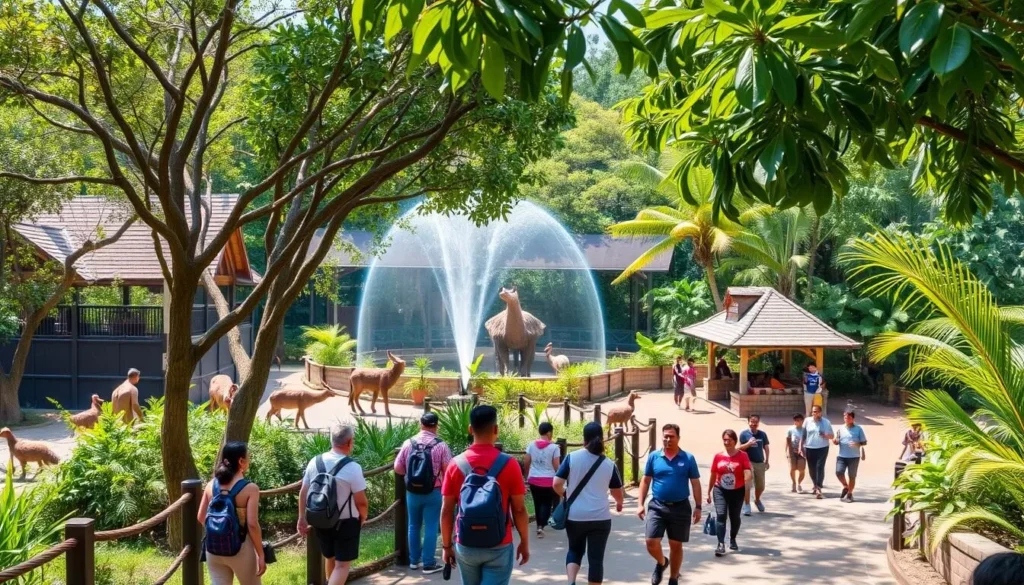
Known locally as Taman Hewan Pematangsiantar, this is the only zoo worth visiting in North Sumatra. It boasts a good collection of Indonesian native animals, particularly birds, tigers, and apes. The zoo grounds feature abundant tropical trees and plants, some quite old. Conveniently located close to the city center, it’s within walking distance of the main roads. Entrance fee: Rp25,000 ($1.60) per person, with children under 3 free.
Sidamanik Tea Plantation
Located about a 30-minute drive southwest of the city, this vast tea plantation offers beautiful landscapes and insights into tea production. The rolling hills covered in tea plants make for excellent photo opportunities and a refreshing escape from the city.
Other Notable Sights
- Colonial Architecture – Explore the colonial-era villas and buildings around the city center, including the Balai Kota (old city hall), the hospital director’s houses, and the post office
- Siantar Waterpark – A fun destination for families with children
- Siantar Becak Statue – A monument to the city’s iconic mode of transportation
- Horas Market – Experience local commerce and find unique souvenirs
- Simalungun Museum – Learn about the region’s cultural heritage
- Zoologi Museum – Complement your zoo visit with this educational facility
- Siantar Botanic Park – Enjoy the diverse plant life of the region
Day Trips from Pematangsiantar
Pematangsiantar’s strategic location makes it an excellent base for exploring the surrounding region, including the famous Lake Toba.
Lake Toba & Parapat
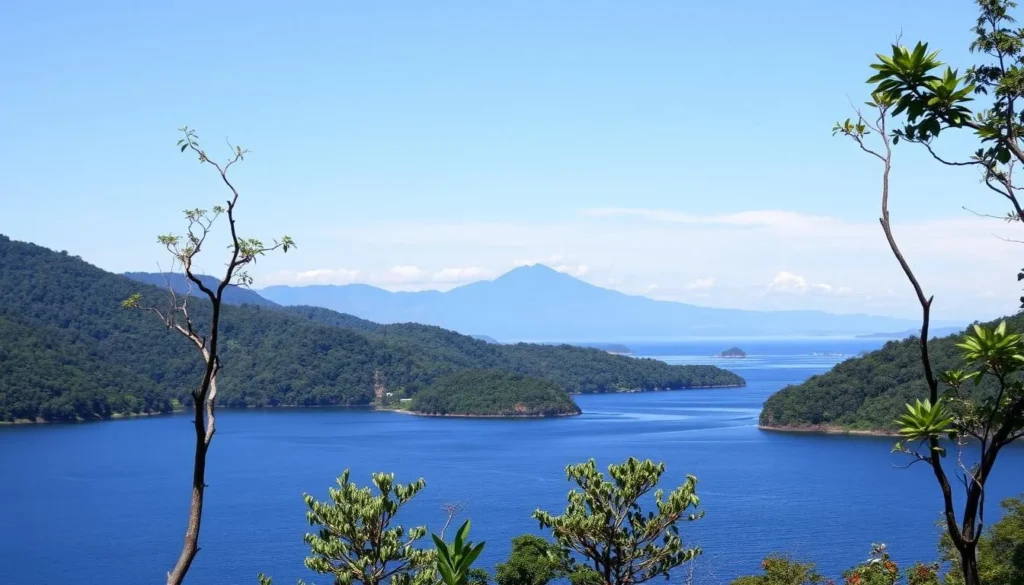
Just 50 km from Pematangsiantar, Parapat is the gateway to Lake Toba, the largest volcanic lake in the world. From Parapat, you can take a ferry to Samosir Island in the middle of the lake to experience traditional Batak culture. The journey from Pematangsiantar to Parapat takes about an hour by car or public transportation.
Natural Hot Springs
About 15 minutes south of the city center (direction Sibolga), you’ll find natural springs and fountains where you can relax in small pools. These thermal waters are believed to have healing properties and offer a refreshing break from sightseeing.
Timbang Galung
This historical area was one of the first settlements of Chinese immigrants in the region. Today, it offers insights into the multicultural heritage of Pematangsiantar and features some interesting architecture and local businesses.
Practical Travel Tips
Make your visit to Pematangsiantar smoother with these essential tips and cultural insights.
Language
The major languages in Pematangsiantar are Indonesian and Batak. While some locals in the tourism industry speak basic English, it’s helpful to learn a few Indonesian phrases. The Chinese community speaks Hokkien and Hainanese, and many Indians speak Tamil.
Cultural Etiquette
Unlike much of Indonesia, Pematangsiantar has a Christian majority (51.25%), with Muslims making up 43.9% of the population. This means alcohol is more openly available than in other parts of Indonesia. However, it’s still important to dress modestly when visiting religious sites and to respect local customs.
Money & Costs
The Indonesian Rupiah (IDR) is the local currency. ATMs are available in the city center, but it’s advisable to carry cash for smaller establishments. Pematangsiantar is generally an affordable destination, with budget accommodations starting from Rp20,000 ($1.30) per night and meals from Rp15,000-30,000 ($1-2).
Safety Information
- Pematangsiantar is generally a safe city for tourists
- Take standard precautions against petty theft, especially in crowded areas
- Drink bottled water to avoid stomach issues
- Be cautious when crossing streets, as traffic can be unpredictable
- If using a becak, agree on the price before starting your journey
- Keep important documents and valuables secure
Local Tip: When buying a bottle of the local “Badak” soft drink, you’ll pay a deposit of about Rp6,000 which will be returned when you bring back the empty bottle!
Ready to Explore Pematangsiantar?
Pematangsiantar offers a genuine slice of North Sumatran life, away from the tourist crowds. With its unique blend of cultures, fascinating history, and proximity to natural wonders like Lake Toba, this city deserves a spot on your Indonesian itinerary. Whether you’re riding a vintage becak through the streets, sampling local delicacies, or admiring the towering Kwan Im statue, Pematangsiantar provides authentic experiences that showcase the diversity and charm of Indonesia.

0 Comments