Hotels by Trip.com
Flights by Trip.com
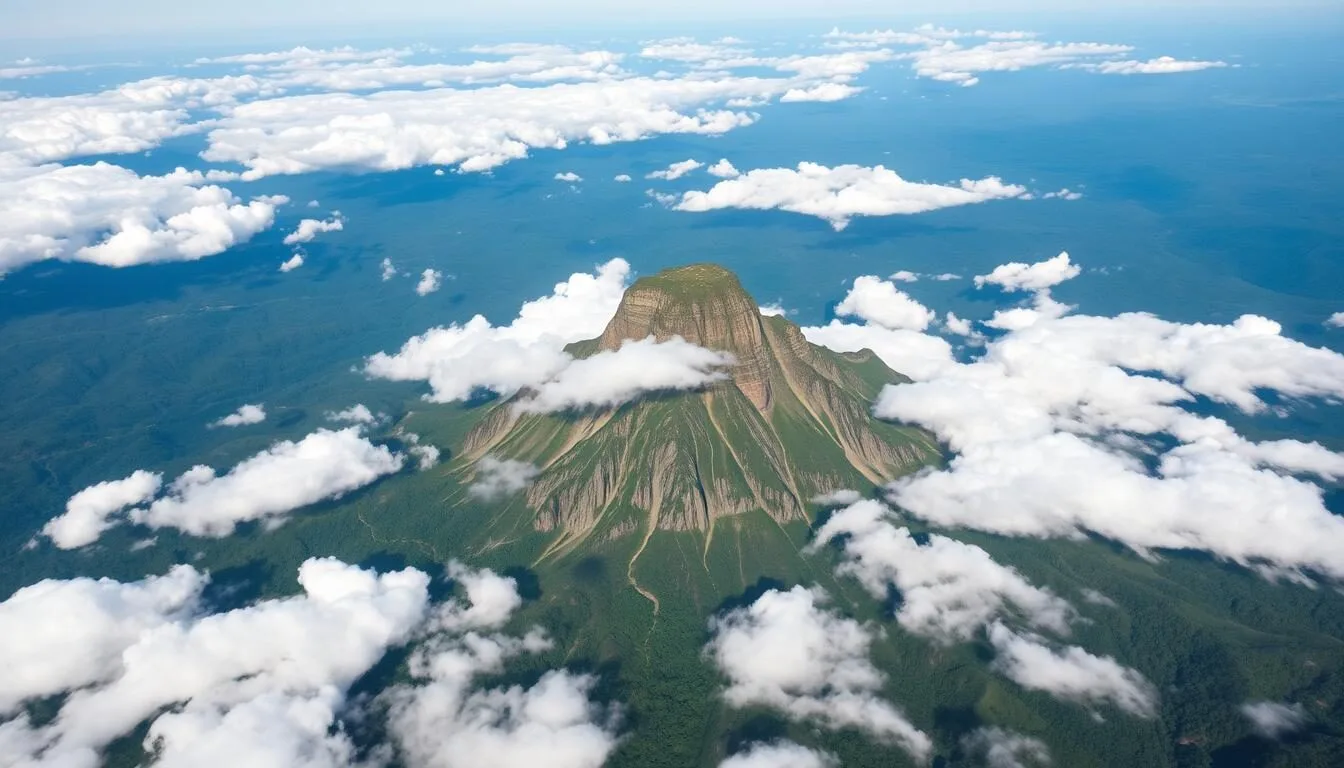
Did you know that Puncak Jaya Mountain (also called Carstensz Pyramid) is the only place on earth where you can find glaciers in a tropical region just 4 degrees south of the equator? Standing tall at 4,884 m (16,024 ft), this limestone marvel is not only Indonesia’s highest peak but also the tallest mountain between the Himalayas and the Andes. As one of the prestigious Seven Summits (the highest mountains on each continent), Puncak Jaya offers adventurers a truly unique expedition through equatorial rainforests to a snow-capped summit.
Getting There & Planning Your Journey
Reaching Puncak Jaya is an adventure in itself. The mountain is located in the remote Papua province of Indonesia, requiring careful planning and preparation.
Flight Routes
Your journey begins with international flights to Indonesia. Most travelers fly into Jakarta or Bali first, then connect to Timika (the gateway city to Puncak Jaya) via domestic flights.
- International flight to Jakarta or Bali
- Domestic flight to Timika (Moses Kilangin Airport)
- Charter flight from Timika to Sugapa or Ilaga (depending on your trekking route)
Flight schedules to Timika can be limited, so booking well in advance is essential. The final leg to the mountain villages often involves small aircraft that are weather-dependent.
Permits and Regulations
Climbing Puncak Jaya requires several permits that can be challenging to obtain:
- Surat Jalan (travel permit) from the Indonesian police
- Climbing permit from the Ministry of Forestry
- Local tribal permissions
Most climbers arrange these permits through expedition companies, as the process can be complex and time-consuming. Expect to apply at least 2-3 months before your planned trip.
Best Time to Visit & Weather Tips
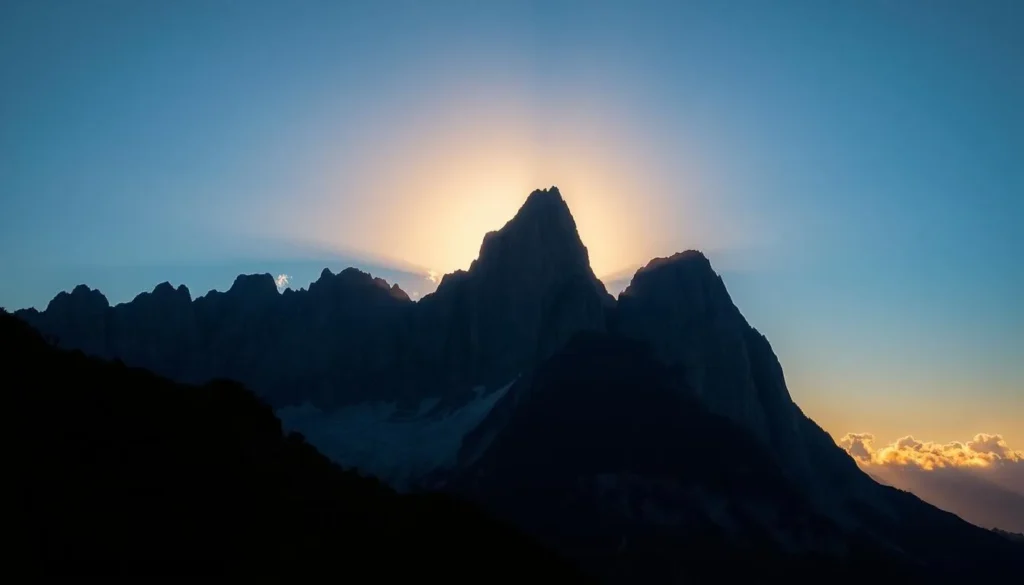
Puncak Jaya’s equatorial location means it doesn’t experience traditional seasons, but there are definitely better times to visit than others.
Optimal Climbing Seasons
The best months to climb Puncak Jaya are during the relatively drier periods:
- April to November (primary climbing season)
- September to November (optimal conditions with less rainfall)
Even during the “dry” season, expect some rain as this is a tropical region. The mountain can be climbed year-round, but the wet season (December to March) brings significantly more precipitation, making trails muddy and climbing conditions more challenging.
Temperature and Weather Conditions
Despite being near the equator, temperatures vary dramatically with elevation:
| Elevation | Daytime Temperature | Nighttime Temperature | Weather Notes |
| Lowlands (0-1,000 m) | 25-32°C (77-90°F) | 20-25°C (68-77°F) | Hot, humid, frequent rain |
| Mid-mountain (1,000-3,000 m) | 15-25°C (59-77°F) | 5-15°C (41-59°F) | Moderate, misty mornings |
| Base Camp (4,200 m) | 5-15°C (41-59°F) | 0-5°C (32-41°F) | Cold, windy, possible snow |
| Summit (4,884 m) | 0-10°C (32-50°F) | -5 to 0°C (23-32°F) | Very cold, strong winds |
Weather can change rapidly on the mountain. Be prepared for sudden storms, especially in the afternoon. The summit ridge can be particularly exposed to strong winds.
Getting Around Locally
Once you’ve reached Papua, transportation becomes more basic and challenging. Here’s what to expect:
From Timika to Trailheads
Depending on your chosen route, you’ll need to reach either Sugapa or Ilaga from Timika:
- Small charter flights (weather-dependent)
- Helicopter transfers (expensive but faster)
- Local transportation from villages to trailheads (motorcycles, 4WD vehicles)
Most expedition companies arrange all local transportation as part of their packages. If planning independently, be prepared for irregular schedules and potential delays.
On the Mountain
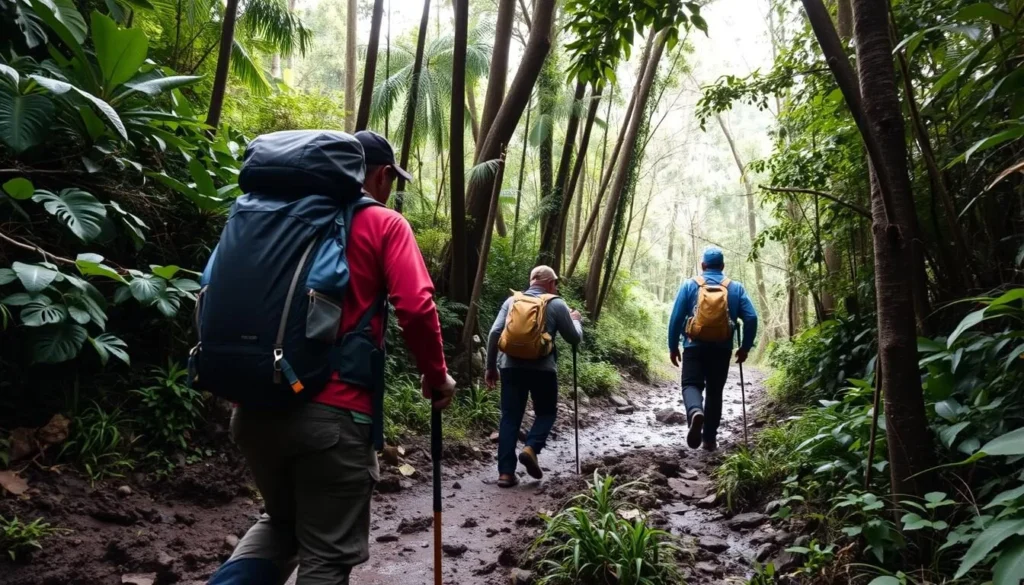
Once on the trekking routes, all travel is on foot. The journey typically involves:
- 5-7 days trekking through jungle to reach base camp
- 1-2 days for summit attempt
- 3-5 days return trek
Porters are essential for carrying camping equipment, food, and climbing gear. Most expeditions maintain a ratio of at least one porter for each climber.
Where to Stay
Accommodation options for a Puncak Jaya expedition vary greatly depending on your location along the journey.
In Timika
Before and after your expedition, you’ll likely stay in Timika:
- Rimba Papua Hotel – The most popular option for climbers
- Swiss-Belhotel Timika – Offers more Western-style amenities
- Hotel Serayu – Budget-friendly option with basic facilities
Most hotels in Timika are basic by international standards but provide clean rooms and necessary amenities. Pre-booking is essential as options are limited.
During the Trek and Climb
On the mountain itself, accommodation is basic:
- Village homestays (during approach trek)
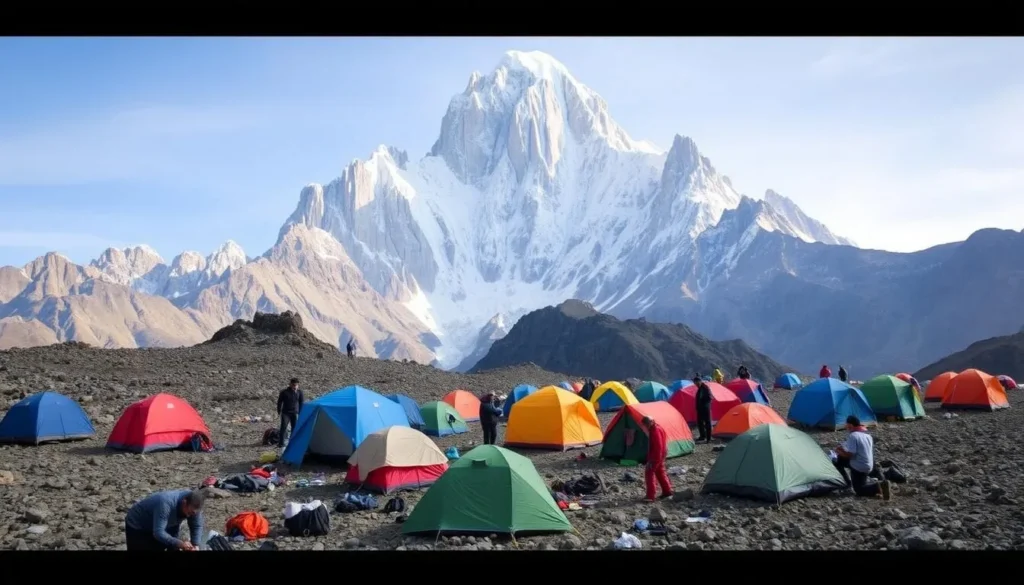
- Camping in tents (throughout most of the journey)
- Base camp facilities (simple tents on rocky ground)
Expedition companies provide all camping equipment, including tents, sleeping bags, and sleeping pads. Quality varies between operators, so check what’s included when booking your trip.
Dining & Local Cuisine
Food options vary significantly between urban areas and the mountain expedition.
In Timika
Timika offers a mix of Indonesian and basic international cuisine:
- Warung Makan Padang – Traditional Indonesian food
- Rumah Makan Sulawesi – Seafood and local specialties
- Hotel restaurants – More Western-friendly options
Try local Papuan specialties like papeda (sago porridge), ikan kuah kuning (yellow fish soup), and various dishes featuring sweet potatoes, which are a staple in the region.
On the Expedition
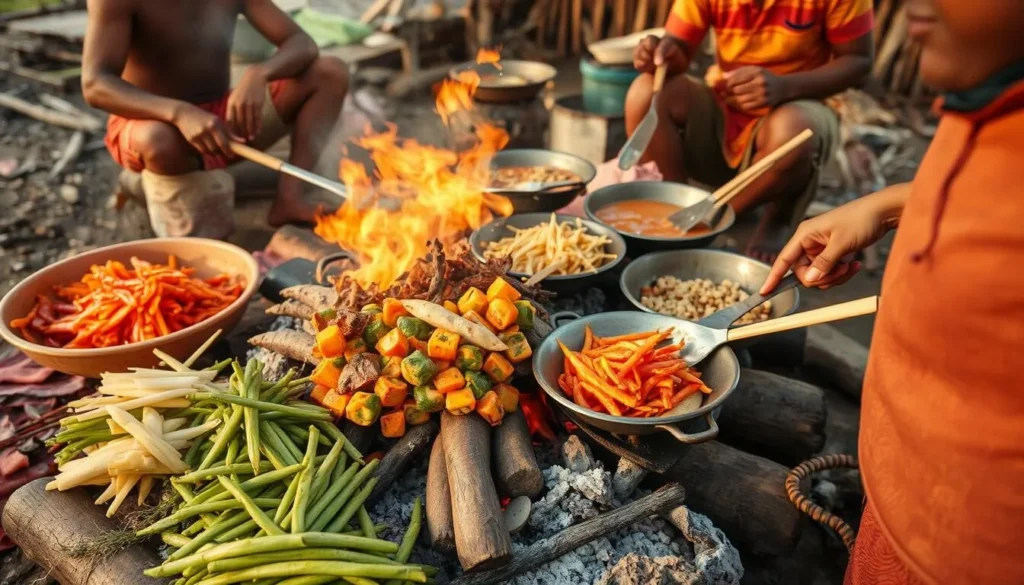
During the trek and climb, food is prepared by expedition cooks:
- Breakfast: Porridge, eggs, bread, coffee/tea
- Lunch: Sandwiches, energy bars, dried fruits, nuts
- Dinner: Rice, pasta, canned meat/fish, soups
Food quality depends on your expedition company. Higher-end operators provide more varied and nutritious meals. Many climbers bring favorite snacks and energy supplements from home to complement provided meals.
Attractions, Sightseeing & Activities
While the main attraction is undoubtedly the mountain itself, there are several notable experiences along the journey.
The Summit Experience
The highlight of any Puncak Jaya expedition is reaching the summit:
- Technical rock climbing (rated AD – Assez Difficile)
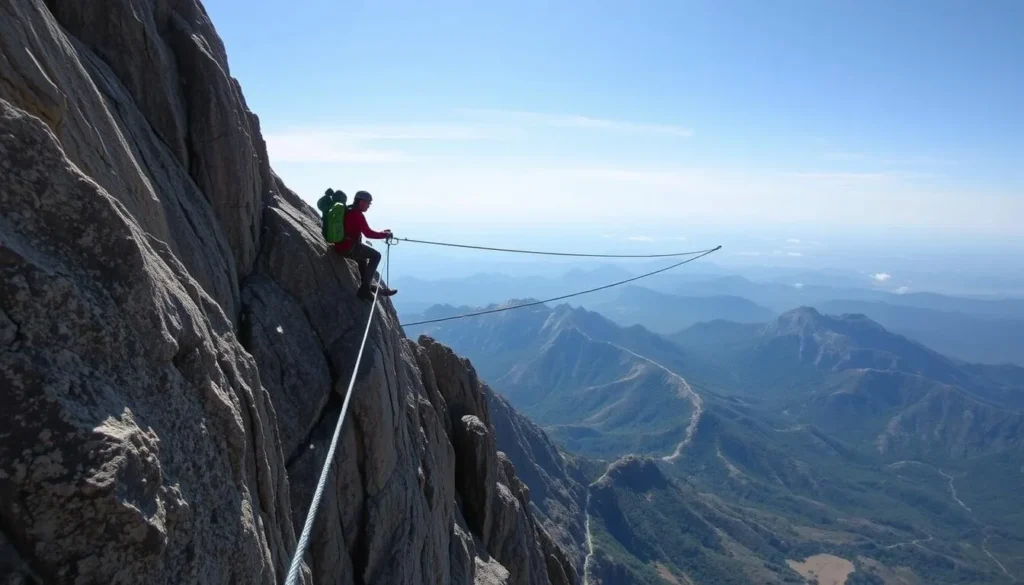
- Famous Tyrolean traverse (rope bridge crossing)
- 360-degree views from the highest point in Oceania
- Seven Summits achievement for those collecting continental high points
The climb requires basic rock climbing skills and comfort with exposure. Most expeditions use fixed ropes on the more challenging sections.
Along the Trekking Route
The journey to base camp offers unique experiences:
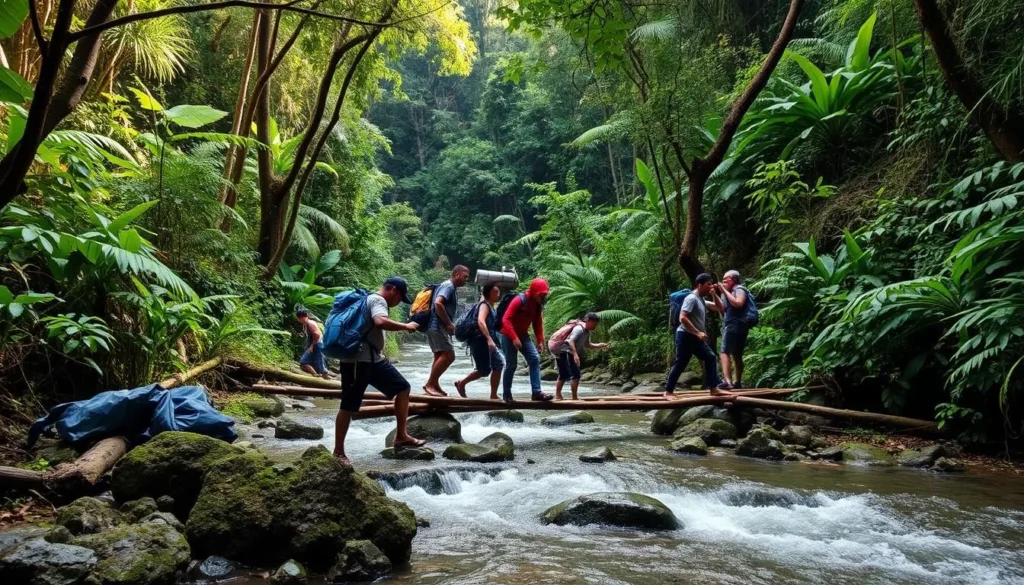
- Trekking through pristine equatorial rainforest
- Crossing rivers and navigating challenging terrain
- Spectacular mountain views as you gain elevation
- Diverse ecosystems from jungle to alpine environments
Many climbers find the trek to base camp as memorable as the climb itself, with its rich biodiversity and challenging terrain.
Museums, Cultural Spots & Festivals
The Papua region offers rich cultural experiences, though formal museums are limited in the remote areas near Puncak Jaya.
Cultural Encounters
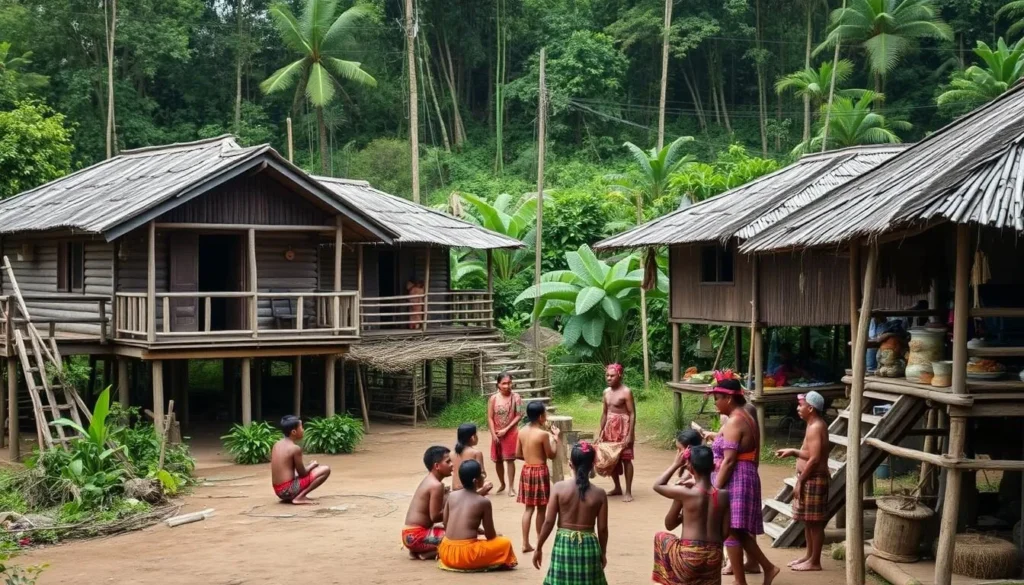
The trek to Puncak Jaya passes through territories of various indigenous groups:
- Dani people – Known for their traditional farming practices
- Moni tribe – Inhabit areas around the mountain
- Amungme people – Traditional owners of the Puncak Jaya region
Interactions with local communities should always be respectful. Many villages welcome visitors, but photography should only be taken with permission, and local customs should be observed.
Cultural Sites
While not museums in the traditional sense, cultural points of interest include:
- Traditional villages along trekking routes
- Local markets in Timika
- Museum Loka Budaya in Jayapura (if your itinerary includes the provincial capital)
Some expedition companies include cultural experiences as part of their programs, with opportunities to learn about traditional ways of life from local guides.
Sports, Nature & Outdoor Experiences
Beyond the main climbing objective, the Puncak Jaya region offers numerous outdoor experiences.
Wildlife and Nature
The ecosystems around Puncak Jaya host remarkable biodiversity:
- Bird watching – Papua is home to numerous bird species, including Birds of Paradise
- Unique flora – From lowland rainforest to alpine vegetation
- Glaciers – The last remaining tropical glaciers in the region (rapidly retreating due to climate change)
Bring binoculars and a good camera with zoom lens to capture wildlife sightings. Early mornings offer the best opportunities for bird watching.
Additional Activities
For those with extra time in Papua, consider:
- Baliem Valley trekking (if visiting Wamena)
- Lorentz National Park exploration (UNESCO World Heritage site)
- Local fishing experiences with indigenous guides
These additional activities typically require separate arrangements and permits. Most expedition companies can help organize extensions to your main Puncak Jaya trip.
Safety, Etiquette & Local Customs
Safety considerations and cultural awareness are particularly important when visiting this remote region.
Mountain Safety
Climbing Puncak Jaya involves significant risks that require preparation:
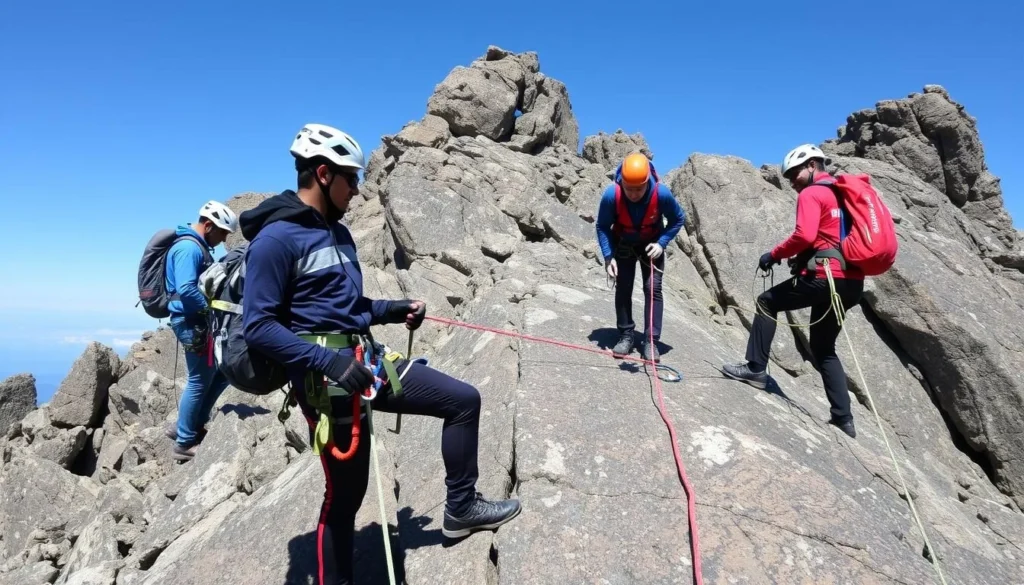
- Technical climbing skills – Basic rock climbing experience is essential
- Proper equipment – Climbing harness, helmet, carabiners, and appropriate clothing
- Altitude awareness – Acclimatization is crucial to prevent altitude sickness
- Weather monitoring – Conditions can change rapidly
Always climb with experienced guides who know the mountain and can make appropriate safety decisions. Solo climbing is not recommended and often not permitted.
Cultural Considerations
Respecting local customs is essential when traveling through indigenous territories:
- Ask permission before taking photographs of local people
- Dress modestly when visiting villages
- Follow guides’ instructions regarding appropriate behavior
- Small gifts of useful items (not money) may be appreciated in villages
Some areas may require traditional ceremonies or permissions from local leaders. Your expedition company should handle these arrangements.
Practical Travel Tips
These practical considerations will help ensure a successful Puncak Jaya expedition.
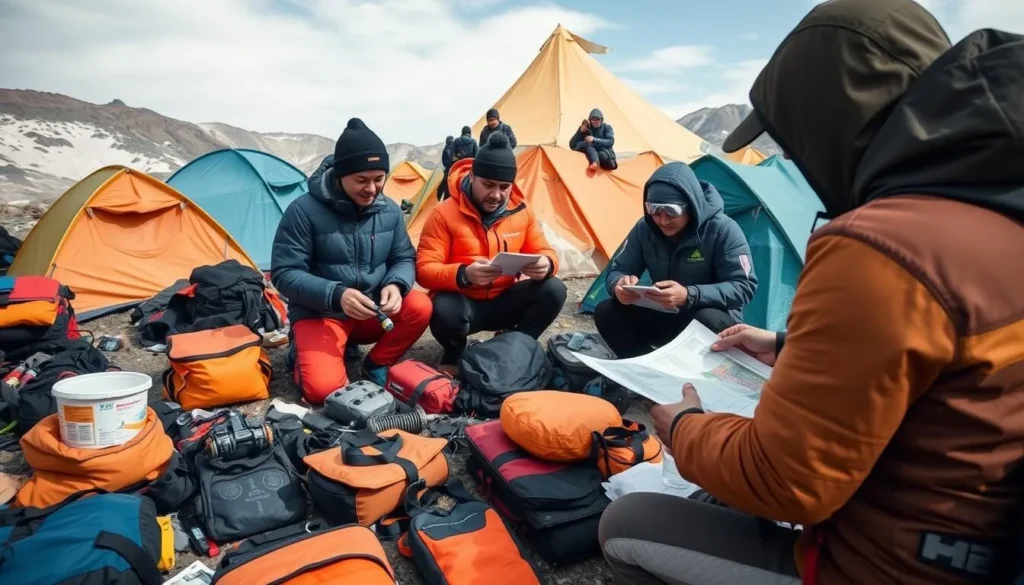
Essential Equipment
Beyond standard trekking gear, specific items for Puncak Jaya include:
Trekking Phase
- Waterproof hiking boots with good ankle support
- Gaiters for muddy trails
- Quick-dry clothing (multiple layers)
- High-quality rain gear
- Trekking poles
Climbing Phase
- Climbing harness and helmet
- Carabiners and belay device
- Warm layers (fleece, down jacket)
- Climbing gloves
- Headlamp with extra batteries
Most expedition companies provide a detailed equipment list. Some technical climbing gear may be available for rent.
Health Considerations
Prepare for health challenges in this remote region:
- Vaccinations – Consult a travel doctor for required immunizations
- Malaria prophylaxis – Essential for lowland areas
- Water purification – Bring tablets or filters
- First aid kit – Include altitude sickness medication
- Travel insurance – Must cover high-altitude mountaineering and evacuation
Medical facilities are extremely limited in the region. Comprehensive evacuation insurance is absolutely essential for any Puncak Jaya expedition.
Pro Tip: Many regular travel insurance policies exclude mountaineering above certain altitudes. Confirm that your policy specifically covers technical climbing at elevations up to 5,000 meters.
Ready for the Adventure of a Lifetime?
Puncak Jaya Mountain offers one of the world’s most unique mountaineering experiences—combining tropical jungles, indigenous cultures, and technical alpine climbing in one extraordinary journey. While challenging to access and climb, the rewards of standing atop Oceania’s highest peak and experiencing Papua’s remarkable landscapes make it an unforgettable adventure for those willing to venture far from the beaten path.
Whether you’re an experienced mountaineer adding to your Seven Summits collection or an adventurous traveler seeking a truly remote experience, Puncak Jaya delivers an expedition that few will ever experience. Start planning your journey today, and prepare for an adventure that will challenge you physically while offering cultural and natural experiences found nowhere else on Earth.