
Hotels by Trip.com
Flights by Trip.com
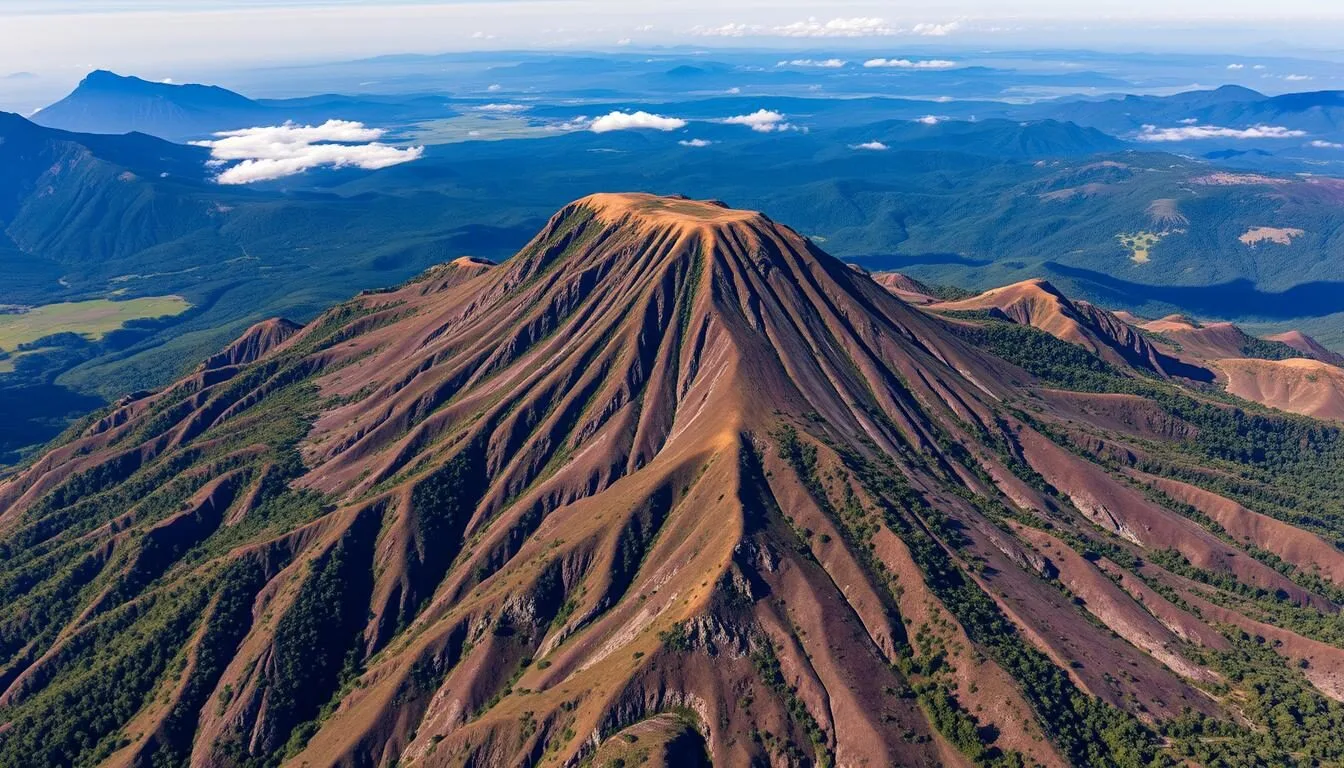
Did you know that Puncak Trikora was once covered by equatorial glaciers until 1962? Standing at 4,750 m (15,584 ft), this majestic peak in Papua province is the third highest mountain in Indonesia and offers one of the most remote and rewarding trekking experiences in Southeast Asia. Once known as Wilhelmina Peak during Dutch colonial times, Puncak Trikora now beckons adventurous souls to explore its pristine wilderness and experience the untouched beauty of Papua’s central highlands.
Getting There & Planning Your Journey
Reaching Puncak Trikora requires careful planning due to its remote location. The journey typically begins with a flight to Jayapura, the capital of Papua province, followed by a connecting flight to Wamena in the Baliem Valley. From Wamena, you’ll need to arrange transportation to Lake Habbema, which serves as the starting point for most treks to Puncak Trikora.
Due to the sensitive political situation in Papua, all foreign visitors require a special permit (surat jalan) to travel in the region. These permits can be obtained in Jayapura, but it’s recommended to arrange them in advance through a tour operator who specializes in Papua expeditions. Most trekkers opt for guided expeditions that handle all logistics, permits, and provide experienced guides familiar with the mountain.
Best Time to Visit & Weather Tips
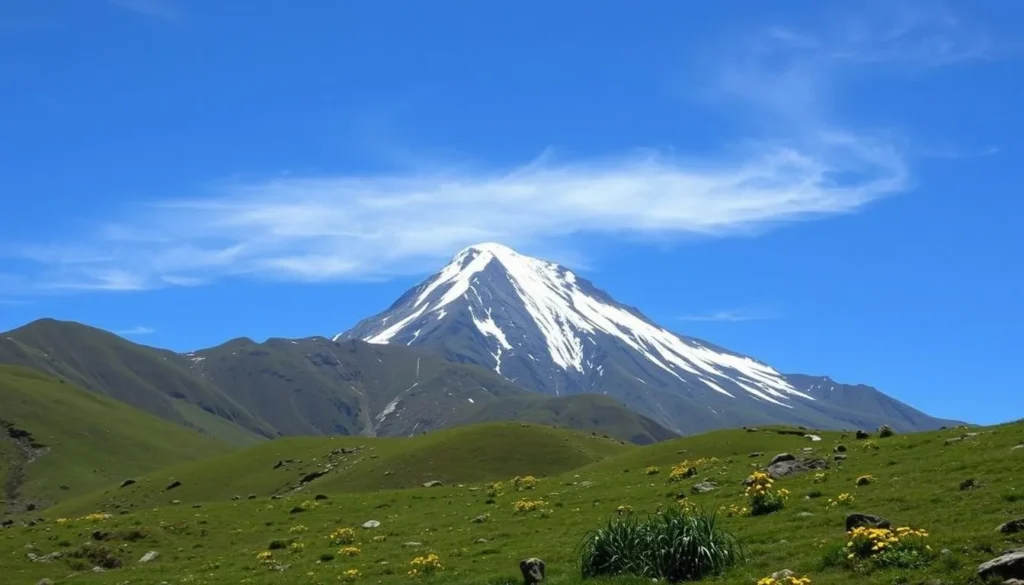
The best time to trek Puncak Trikora is during the dry season from June to September when rainfall is minimal and visibility is optimal. During these months, temperatures at the base (around Lake Habbema) range from 5°C to 15°C (41°F to 59°F) during the day, dropping to near freezing at night.
As you ascend, temperatures decrease significantly. Near the summit, expect temperatures between -5°C and 5°C (23°F to 41°F) during the day and well below freezing at night. Despite being near the equator, the high altitude means cold conditions year-round, so proper cold-weather gear is essential.
Weather Tip: Even during the dry season, afternoon clouds and sudden rain showers are common in Papua’s highlands. Always be prepared with waterproof gear and plan summit attempts for early morning when skies are typically clearest.
Getting Around Locally
Once in Wamena, transportation options are limited. Most expeditions to Puncak Trikora include 4WD vehicle transfers to Lake Habbema. From there, all exploration is on foot through alpine meadows, forests, and rocky terrain.
The trek from Lake Habbema to Puncak Trikora typically takes 4-5 days one way, with established camping spots along the route. The famous Somalak Cave, used by expeditions since 1905, serves as an important shelter and camping point during the trek.
Where to Stay
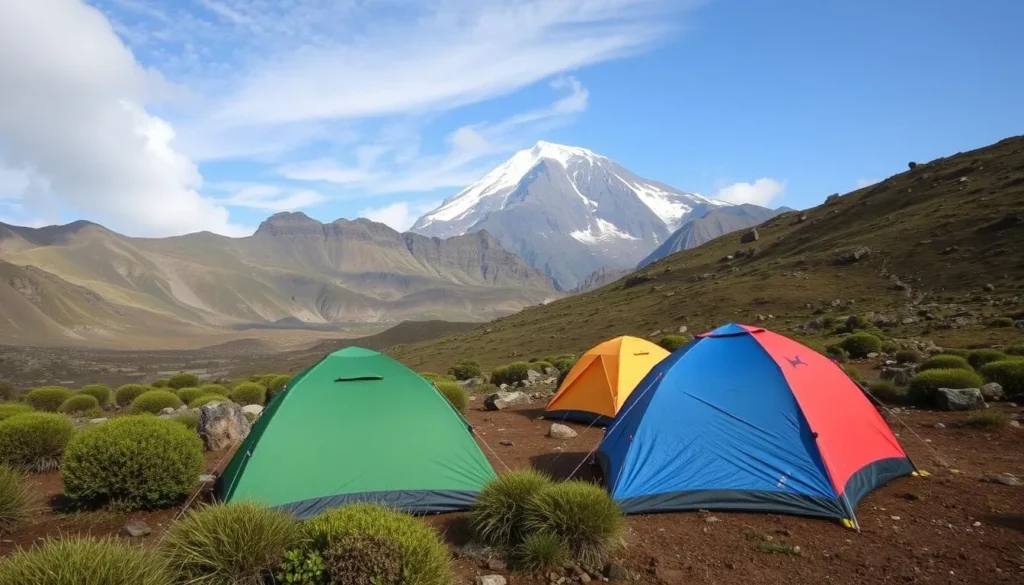
Accommodation options for a Puncak Trikora expedition are divided between pre/post-trek stays in Wamena and camping during the trek itself:
In Wamena:
- Hotel Baliem Pilamo – Basic but comfortable rooms with hot water
- Baliem Valley Resort – Mid-range option with better amenities
- Yahama Hotel – Budget-friendly option close to the market
During the Trek:
- Wamera Camp (3,200m) – First camping spot after Lake Habbema
- Somalak Cave (3,800m) – Historic natural shelter used by expeditions
- High Camp (4,200m) – Final camp before summit attempt
Most trekking expeditions provide all camping equipment, including tents, sleeping mats, and cooking gear. However, you should bring your own sleeping bag rated for temperatures below freezing, as nights at higher elevations can be extremely cold.
Dining & Local Cuisine
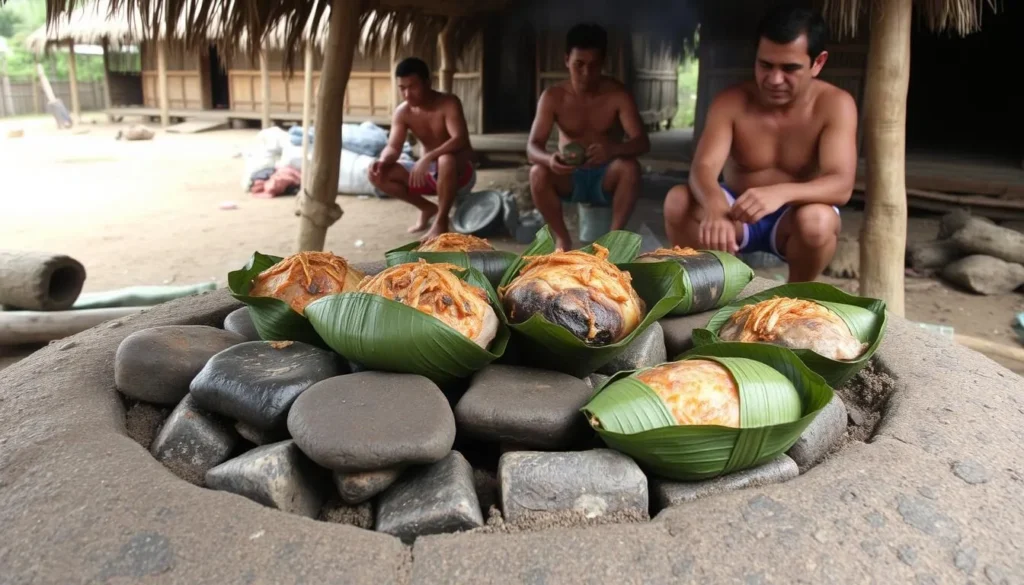
In Wamena, you’ll find several small restaurants serving Indonesian staples like nasi goreng (fried rice) and mie goreng (fried noodles). For a taste of authentic Papuan cuisine, look for restaurants offering:
- Bakar Batu – A traditional earth oven cooking method where meat and vegetables are cooked with hot stones
- Papeda – A glue-like sago porridge served with yellow fish soup
- Udang Selingkuh – Freshwater prawns cooked with local spices
During the trek, meals are typically prepared by your expedition’s cook. These usually consist of high-energy foods like rice, pasta, and canned proteins supplemented with some fresh vegetables carried from Wamena. Hot drinks like tea, coffee, and soup are essential for warming up in the cold mountain environment.
Food Tip: Bring some of your favorite snacks and energy bars from home, as options in Wamena are limited. Chocolate, nuts, and dried fruits are excellent high-energy treats for the trek.
✓ Check 30,000+ Local Sightseeing Tours Worldwide
Attractions, Sightseeing & Activities
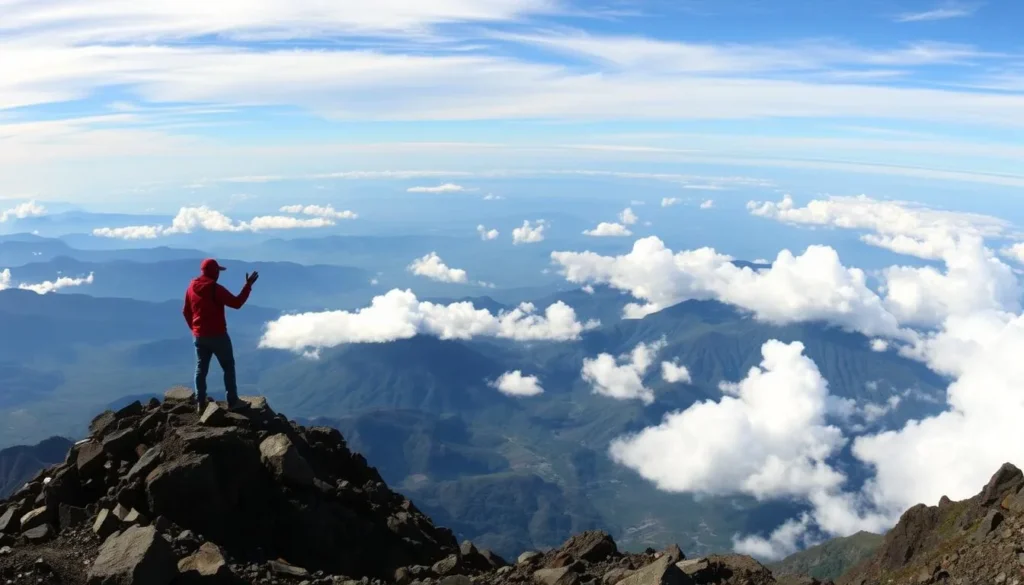
Summit Experience
The main attraction is undoubtedly reaching the summit of Puncak Trikora. The final ascent involves some technical rock climbing, requiring proper equipment and experience. From the top, you’ll be rewarded with breathtaking panoramic views of Papua’s central highlands, including distant glimpses of other peaks like Carstensz Pyramid and Puncak Mandala on clear days.
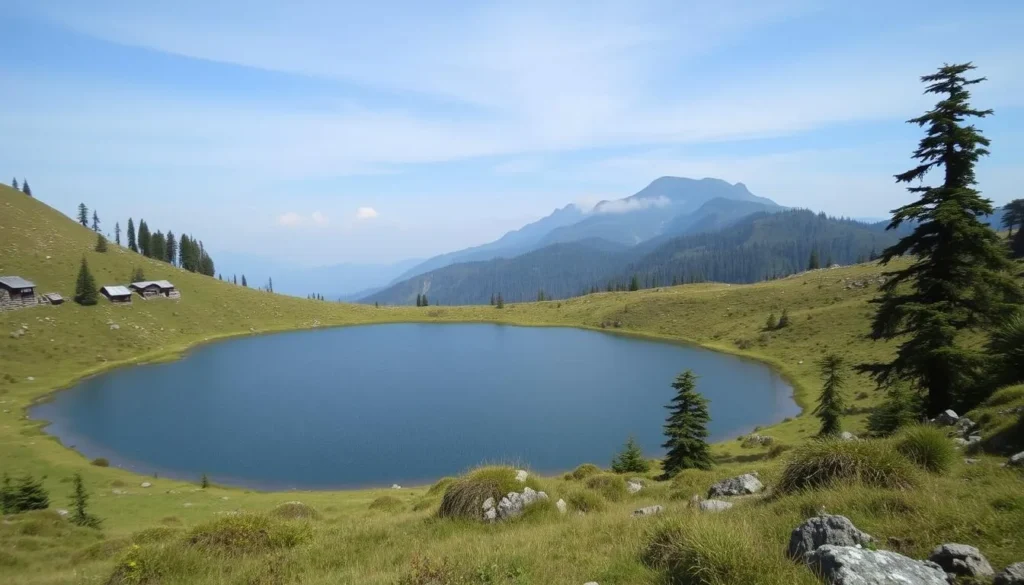
Lake Habbema
This alpine lake at 3,225m (10,580 ft) is surrounded by unique high-altitude grasslands and stunted forests. The lake was named during the 1909 Lorentz expedition and serves as both the starting point for Trikora treks and a destination in its own right.
Alpine Ecosystems
The trek passes through several distinct ecosystems, from montane forests with tree ferns to alpine meadows and rocky outcrops. The unique flora includes rhododendrons, orchids, and the distinctive tree ferns that create an almost prehistoric landscape.
Cultural Spots & Festivals
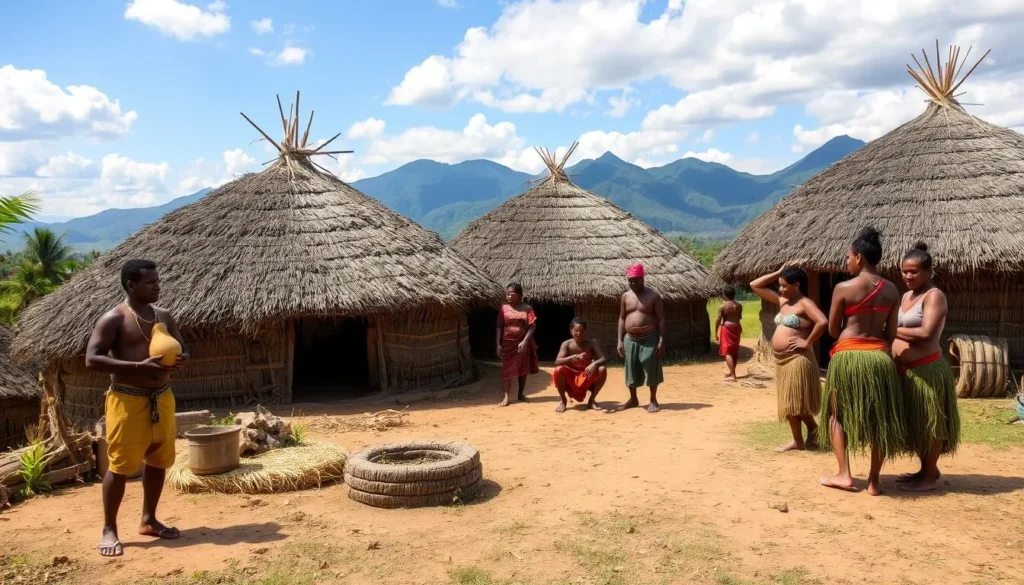
Baliem Valley Villages
Before or after your Trikora expedition, exploring the traditional villages of the Dani people in the Baliem Valley offers invaluable cultural insights. The Dani maintain many of their traditional practices, including distinctive circular homes called honai and traditional dress.
Baliem Valley Festival
If your visit coincides with August, don’t miss the Baliem Valley Festival (usually held in the second week of August). This cultural celebration features mock tribal warfare, traditional dances, and demonstrations of local crafts and skills from various Papuan tribes.
Wamena Market
The central market in Wamena provides a glimpse into local life, with vendors selling fresh produce, handcrafts, and everyday items. It’s an excellent place to observe the interaction between traditional highland cultures and modern influences.
Cultural Tip: When visiting villages, it’s customary to bring small gifts like tobacco or betel nut for the village elders. Always ask permission before taking photographs of local people, and consider making a small donation to the community.
Sports, Nature & Outdoor Experiences
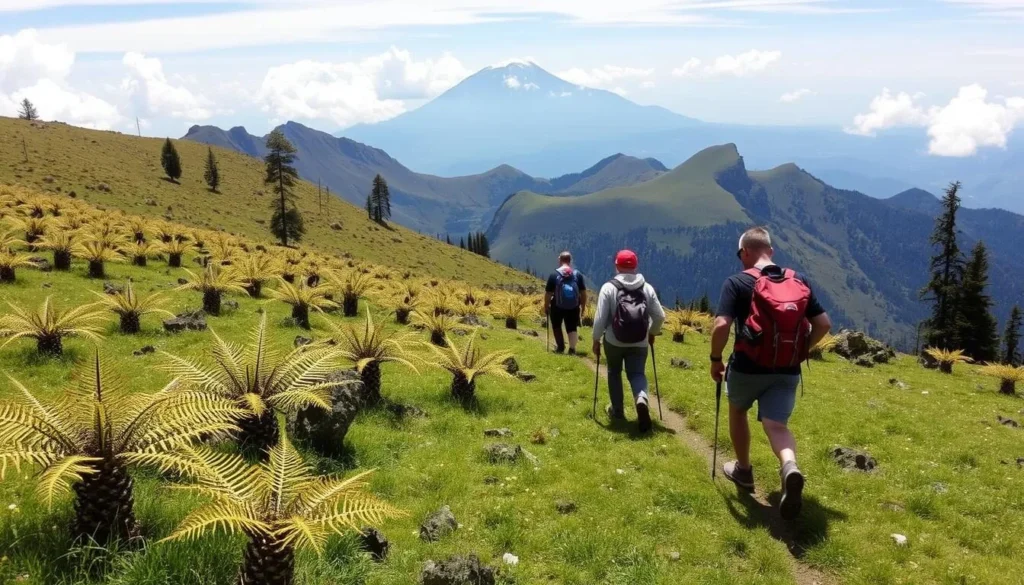
Trekking Routes
The standard route to Puncak Trikora from Lake Habbema takes 4-5 days one way. For those seeking additional challenges, extended itineraries can include visits to neighboring valleys or combining with treks to other peaks in the region.
Wildlife Observation
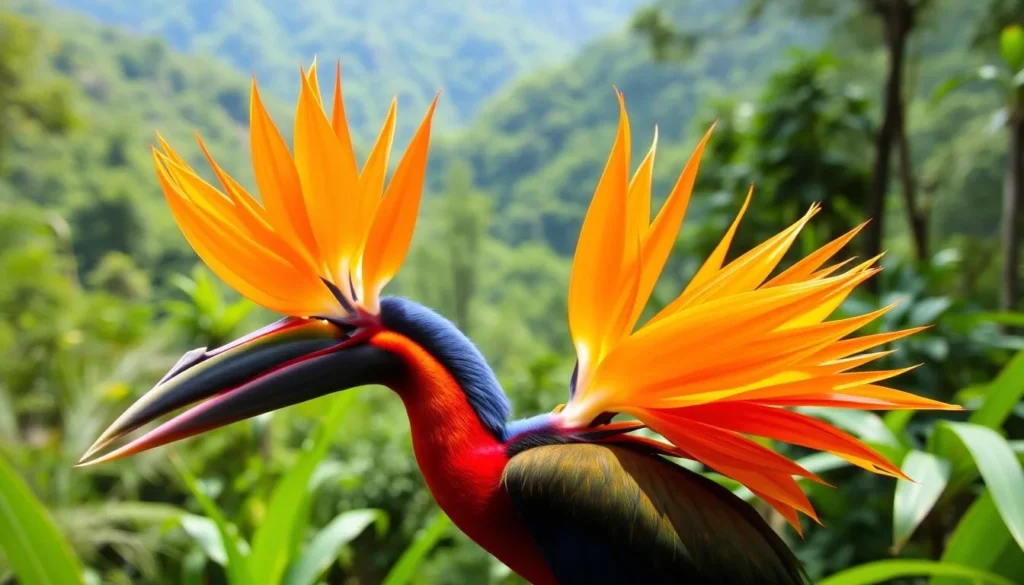
The remote highlands around Puncak Trikora host unique wildlife including birds of paradise, tree kangaroos, and numerous endemic bird species. Early mornings at Lake Habbema offer particularly good birdwatching opportunities.
Photography
The dramatic landscapes, unique flora, and cultural encounters make this region a photographer’s paradise. The changing light on the mountains, especially at sunrise and sunset, creates spectacular photo opportunities.
Star Gazing
The minimal light pollution in this remote region makes for exceptional stargazing. The clear mountain air and high altitude provide stunning views of the southern hemisphere night sky.
Safety, Etiquette & Local Customs
Safety Considerations
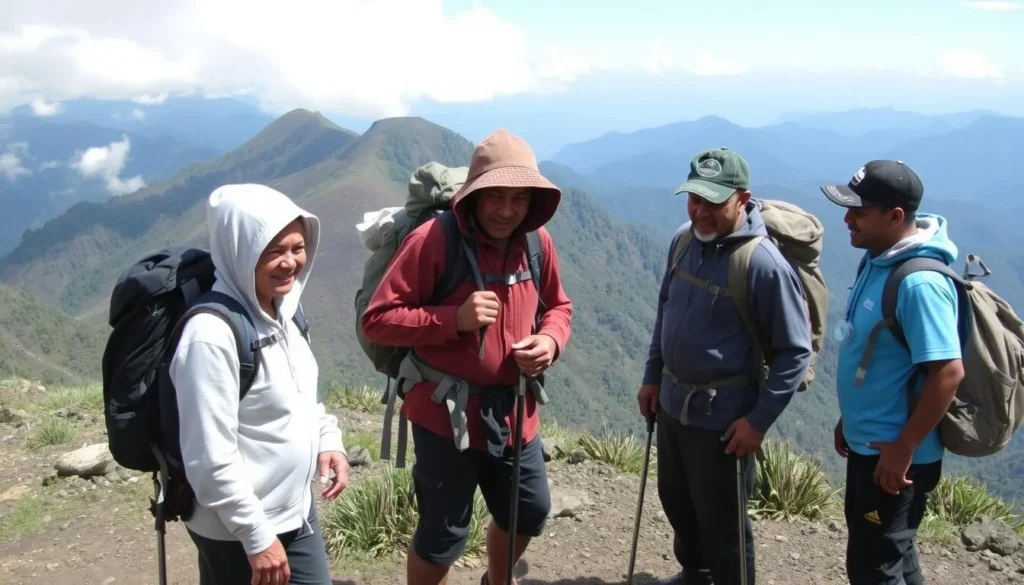
Trekking to Puncak Trikora presents several safety challenges:
- Altitude sickness – Proper acclimatization is essential, with gradual ascent and rest days built into itineraries
- Weather conditions – Sudden changes in weather can occur; always be prepared with appropriate gear
- Remoteness – Medical facilities are extremely limited; comprehensive travel insurance with evacuation coverage is mandatory
- Political sensitivity – Stay informed about the current situation in Papua and follow all permit requirements
Cultural Etiquette
When interacting with local communities:
- Dress modestly when visiting villages
- Ask permission before taking photographs of people
- Learn a few basic phrases in Indonesian or local languages
- Respect traditional customs and ceremonies
- Follow your guide’s advice regarding appropriate behavior
Important: The political situation in Papua can be complex. Avoid discussions about Papuan independence or taking photographs of government buildings, police, or military personnel.
Practical Travel Tips
Essential Packing List
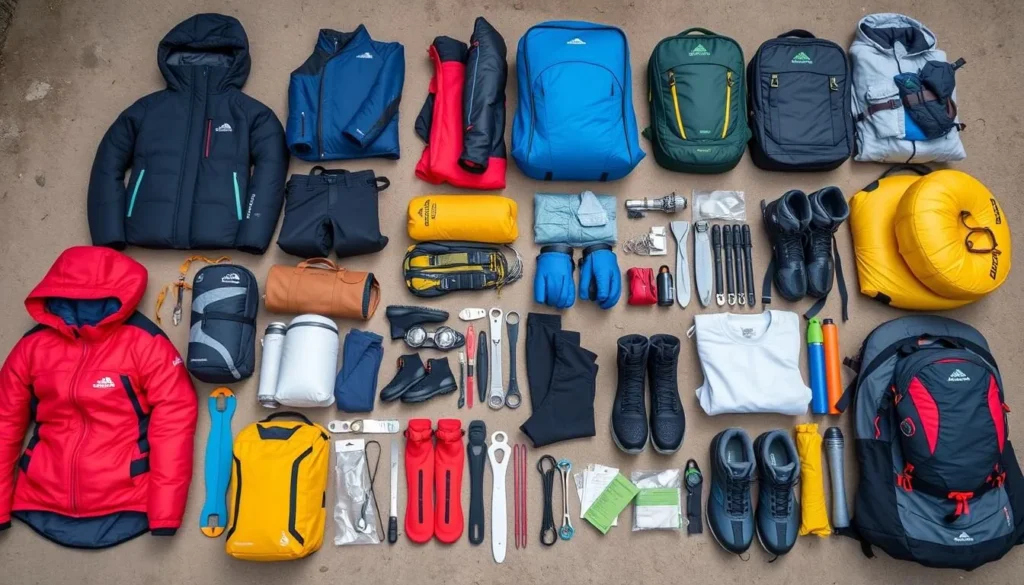
- Sleeping bag rated for temperatures below freezing
- Waterproof and windproof outer layers
- Thermal base layers and insulating mid-layers
- Sturdy hiking boots with ankle support
- Climbing harness, helmet, and basic climbing equipment (if attempting the summit)
- Headlamp with spare batteries
- Water purification method
- First aid kit including altitude sickness medication
- High-energy snacks
Permits and Documentation
All visitors to Papua require:
- Valid passport with at least 6 months validity
- Indonesian visa (available on arrival for many nationalities)
- Special travel permit (surat jalan) for Papua
- Trekking permits for the Puncak Trikora area
Connectivity
Cell phone coverage is limited to Wamena and non-existent on the mountain. Satellite phones are recommended for emergency communication during the trek. Inform family and friends of your itinerary and expected communication blackout periods.
Conclusion
Puncak Trikora offers an extraordinary adventure for those willing to venture into one of Indonesia’s most remote and pristine wilderness areas. The combination of challenging trekking, unique alpine ecosystems, and cultural encounters makes it a truly unforgettable experience. While not for the faint-hearted or unprepared, the rewards of standing atop this majestic peak and gazing across the roof of Papua are immeasurable. With proper planning, preparation, and respect for both the mountain and local cultures, your Puncak Trikora expedition will surely rank among your most treasured travel memories.
Related Posts

Way Kambas National Park, Indonesia: Best Things to Do – Top Picks
Wasur National Park, Indonesia: Best Things to Do – Top Picks

West Bali National Park, Indonesia: Best Things to Do – Top Picks

Tesso Nilo National Park, Indonesia: Best Things to Do – Top Picks
Tegal, Indonesia: Best Things to Do – Top Picks
Ujung Kulon National Park, Indonesia: Best Things to Do – Top Picks
Coming Soon: Clickable Maps