

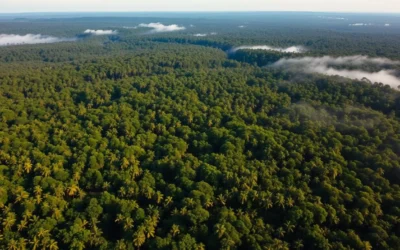
Spanning an impressive 105,000 hectares, Rawa Aopa Watumohai National Park is one of Indonesia’s most ecologically diverse yet least-visited treasures. As Southeast Sulawesi’s crown jewel, this remarkable park is the only place in Indonesia where you can experience three distinct ecosystems in one location: lush wetlands, sprawling savanna, and dense tropical rainforest. Home to over 300 bird species and endangered animals like the anoa (dwarf buffalo), this hidden paradise offers adventurous travelers a rare glimpse into Indonesia’s untamed wilderness.
Getting There & Planning Your Journey
Reaching this natural wonder requires some planning, but the journey is well worth the effort. The park is located in Southeast Sulawesi province, approximately 80 km (50 miles) from Kendari, the provincial capital.
By Air
The nearest airport is Haluoleo Airport (KDI) in Kendari, which receives daily flights from Jakarta, Makassar, and other major Indonesian cities. From Kendari, you’ll need to arrange ground transportation to the park.
By Land
From Kendari, you can reach the park by:
- Public bus to Tinanggea (2-3 hours), followed by ojek (motorcycle taxi) to the park entrance (30 minutes)
- Rented car or taxi directly to the park (approximately 2 hours)
- Organized tour with transportation included
Best Time to Visit & Weather Tips
The park experiences a tropical climate with distinct wet and dry seasons that affect your visit experience.
Dry Season (June to September)
The ideal time to visit is during the dry season when trails are more accessible and wildlife viewing opportunities are abundant. Temperatures typically range from 24°C to 32°C (75°F to 90°F) with lower humidity.
Wet Season (November to March)
The wet season brings heavy rainfall, making some trails muddy and difficult to navigate. However, this period transforms the wetlands into their most vibrant state. Temperatures remain similar but with higher humidity.
Packing Tip: Regardless of when you visit, bring lightweight, quick-drying clothes, sturdy hiking shoes, insect repellent, sunscreen, and a rain jacket. A good pair of binoculars is essential for wildlife spotting.
Getting Around Locally
Navigating within and around the park requires some planning due to its remote location and size.
Within the Park
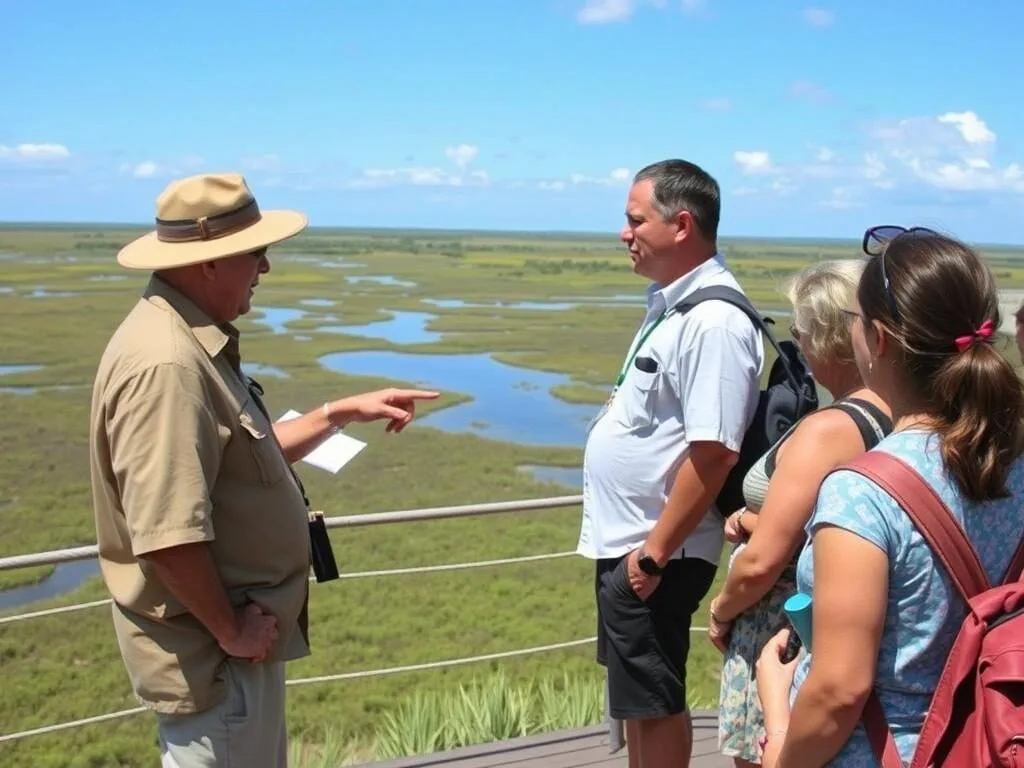
- Guided tours are highly recommended and often necessary to access certain areas
- Hiking is the primary mode of transportation on established trails
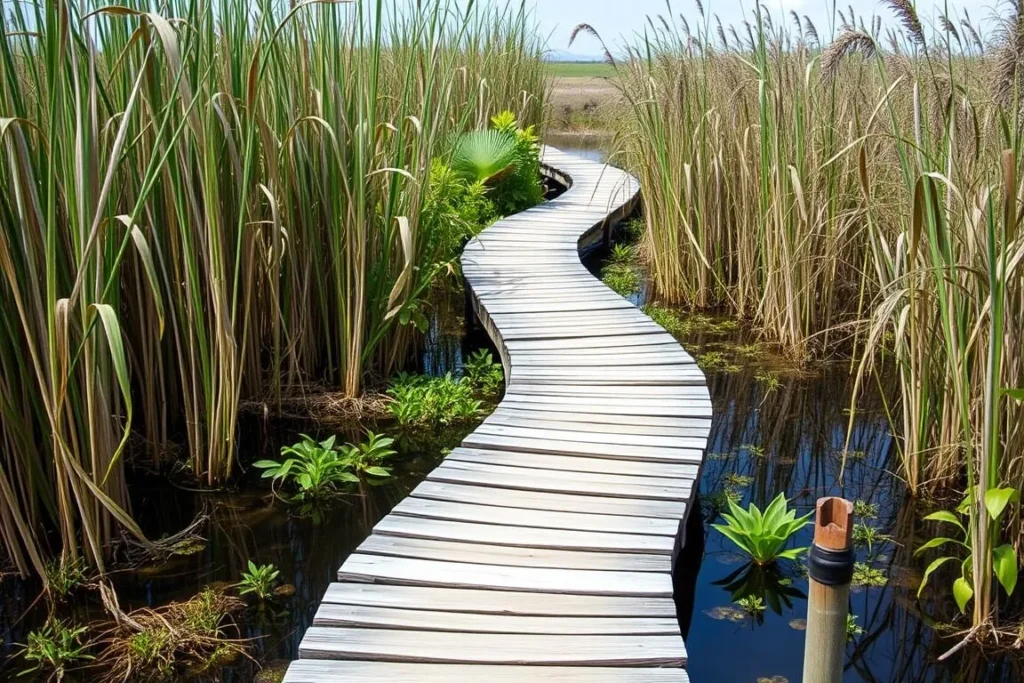
- Boat tours are available for exploring the wetland areas
- Some sections can be explored on foot with a park ranger
Around the Park
For exploring nearby villages and attractions:
- Ojek (motorcycle taxis) are readily available for short distances
- Local guides can arrange transportation between points of interest
- Having your own vehicle provides maximum flexibility
Where to Stay
Accommodation options near Rawa Aopa Watumohai National Park are limited but sufficient for adventurous travelers.
Park Guesthouses
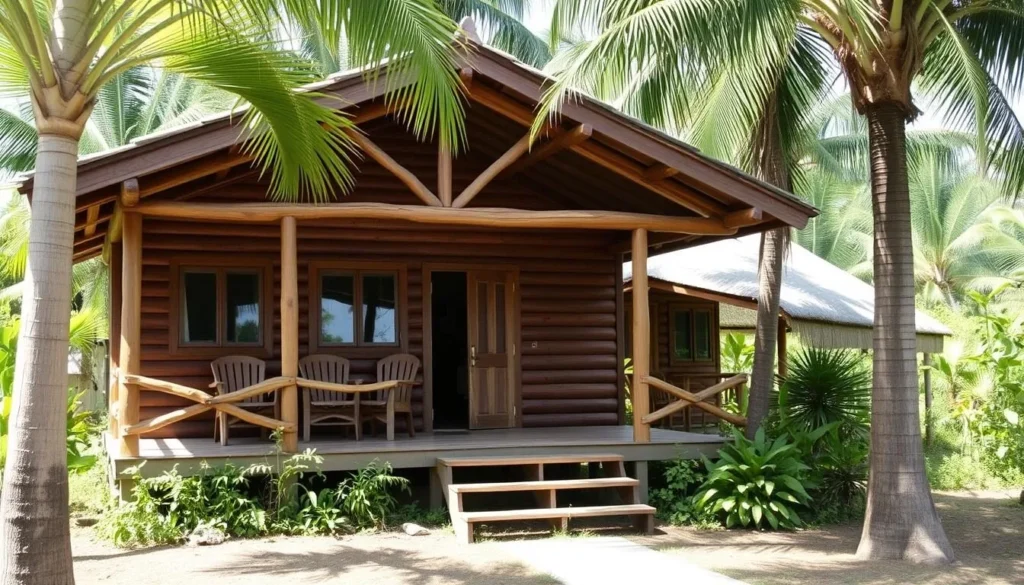
Basic accommodations are available near the park headquarters in Tinanggea. These simple rooms provide essential amenities and are perfect for those wanting to maximize their time in the park.
Homestays
Several villages surrounding the park offer homestay experiences with local families. This option provides cultural immersion alongside comfortable, no-frills lodging.
Kendari Hotels
For those preferring more comfort, staying in Kendari (about 2 hours away) offers more amenities and hotel options, though it requires daily commuting to the park.
Dining & Local Cuisine
The culinary experience around Rawa Aopa Watumohai reflects Southeast Sulawesi’s rich cultural heritage and abundant seafood.
What to Try
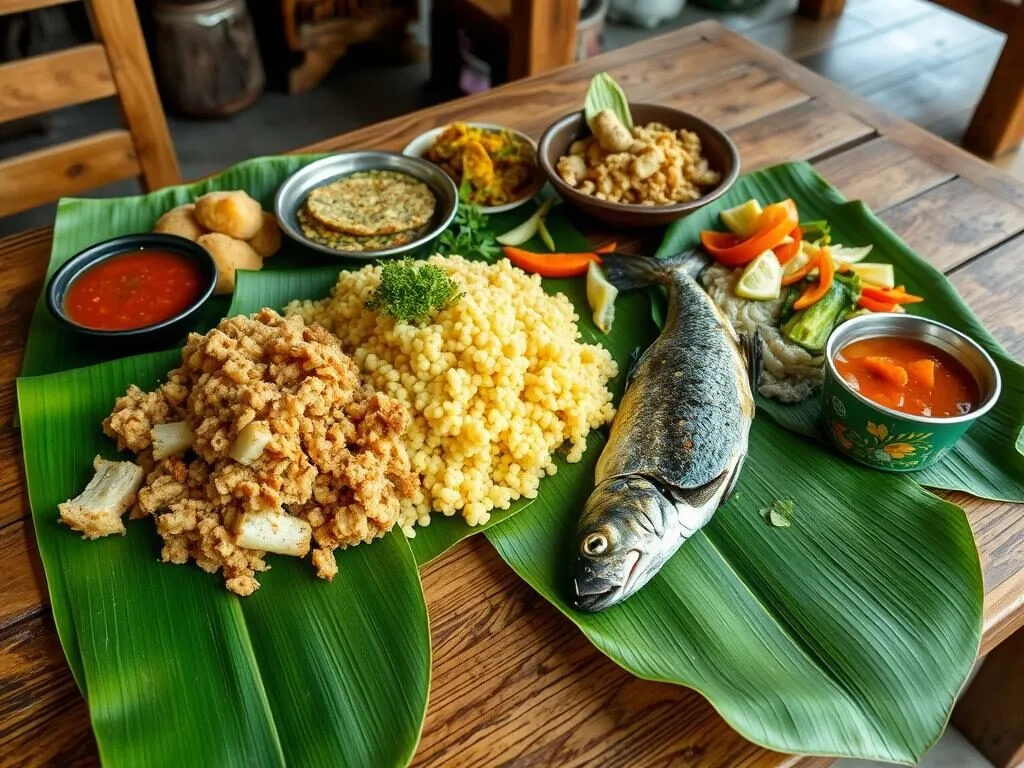
- Kasuami – A staple food made from processed cassava, often served with fish
- Sinonggi – Sago palm starch pudding served with fish soup and vegetables
- Parende – Spicy fish soup with local herbs and vegetables
- Pisang Epe – Grilled banana with palm sugar and coconut
Where to Eat
Dining options near the park are limited to:
- Small warungs (local eateries) in Tinanggea serving simple Indonesian dishes
- Homestay meals prepared by local families
- Park guesthouses offering basic meals with advance notice
- Kendari city for more diverse restaurant options
Traveler’s Tip: Consider bringing some snacks and water for your park excursions, as food options within the park are extremely limited.
Attractions, Sightseeing & Activities in Rawa Aopa Watumohai National Park
The park offers diverse ecosystems and activities that showcase its natural beauty and biodiversity.
Wetland Exploration
The Rawa Aopa wetlands form the heart of the park and offer exceptional wildlife viewing opportunities:
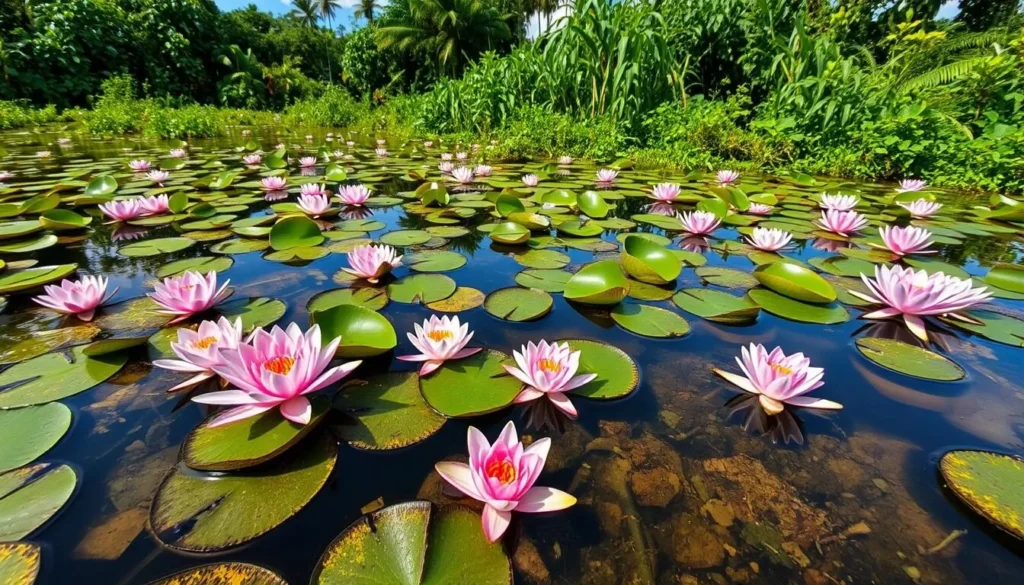
- Boat tours through lily-covered waters
- Birdwatching from Harapan Island observation point
- Photography of unique wetland flora
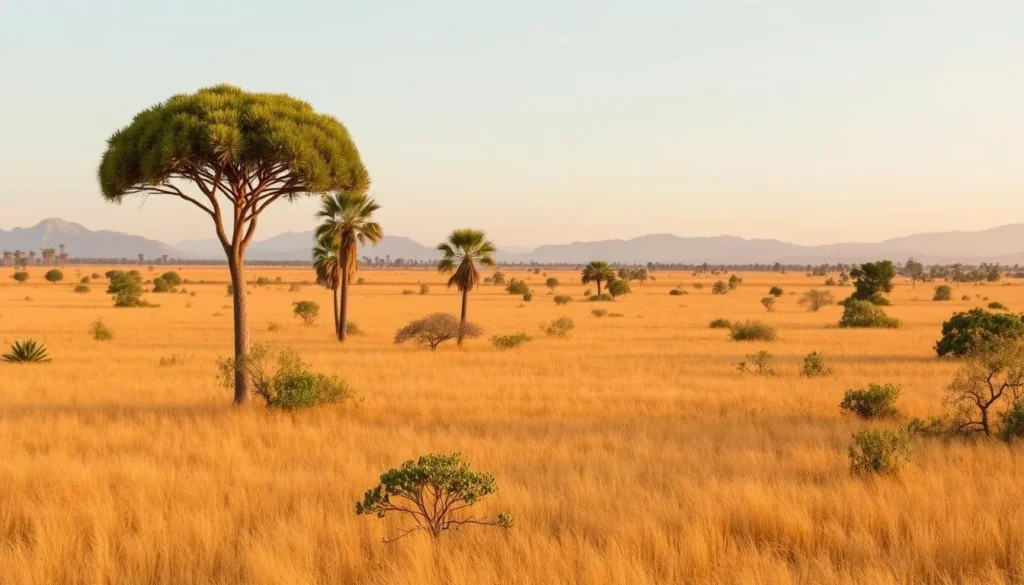
Savanna Trekking
The park’s savanna areas provide a stark contrast to the wetlands:
- Guided walks through palm-dotted grasslands
- Wildlife spotting, including deer and wild boar
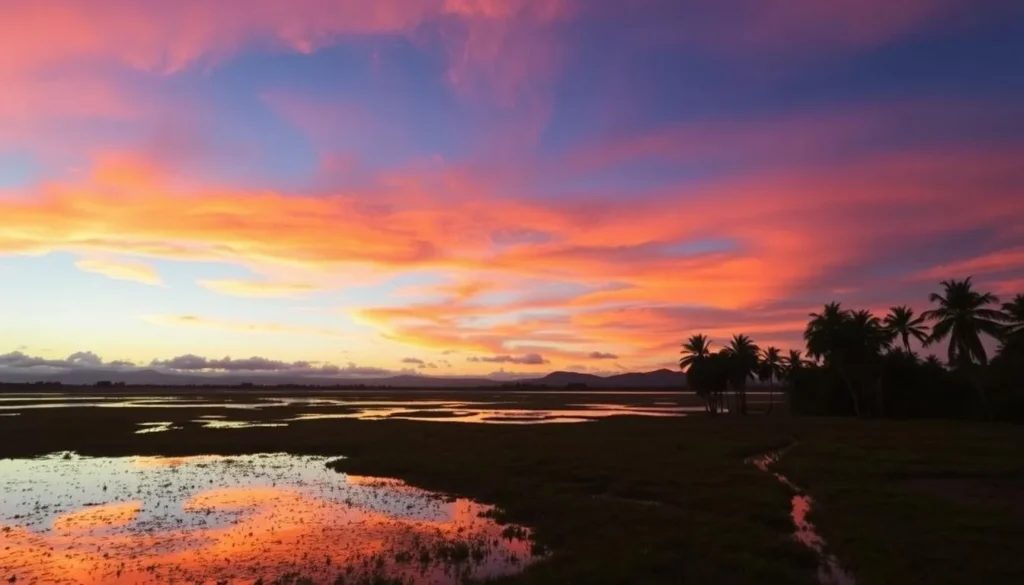
- Stunning sunrise and sunset photography
Rainforest Hiking
The mountainous regions offer challenging trails through dense tropical forest:
- Trek to Mount Watumohai (550 m) for panoramic views
- Explore the higher elevation forests of Mount Mendoke (980 m)
- Search for endemic plant species and wildlife

Wildlife & Nature Experiences
Rawa Aopa Watumohai National Park is a biodiversity hotspot with numerous opportunities for wildlife enthusiasts.
Bird Watching
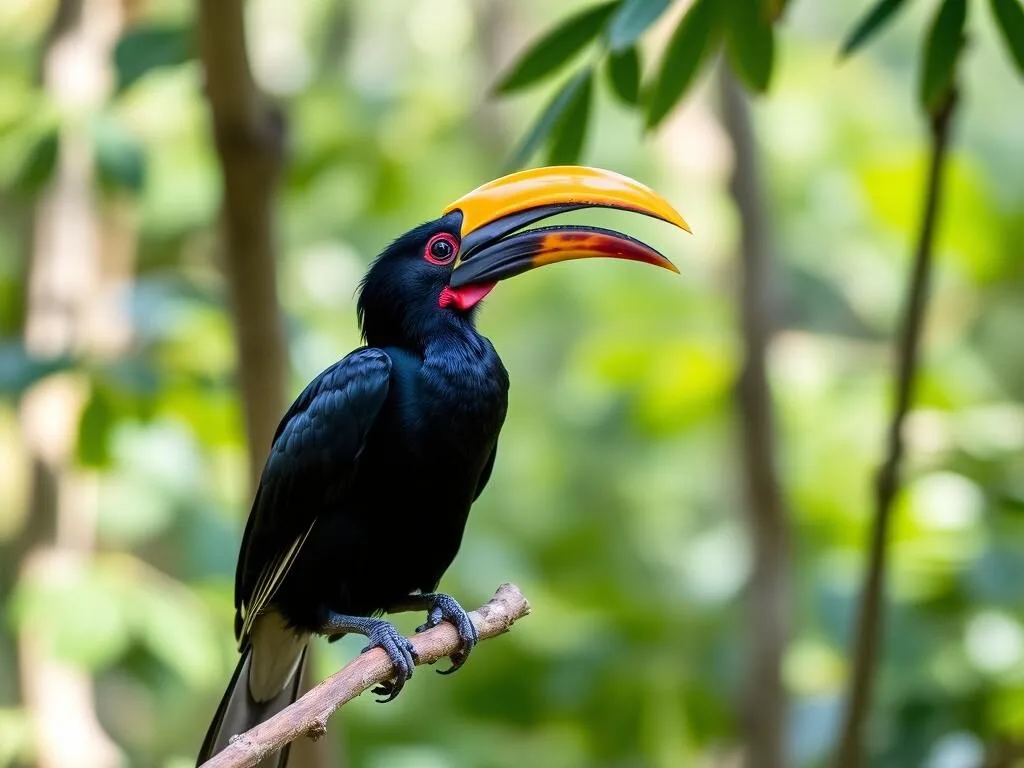
The park is a paradise for bird watchers with over 300 species recorded:
- Endemic species like the Sulawesi hornbill and Knobbed hornbill
- Migratory waterbirds in the wetlands
- Early morning is the best time for birdwatching
Mammals
Though sometimes elusive, the park is home to several interesting mammal species:
- Anoa (dwarf buffalo) – an endangered species endemic to Sulawesi
- Babirusa (pig-deer) – a unique wild pig with distinctive tusks
- Various monkey species including the Sulawesi macaque
Flora
The diverse ecosystems support an impressive variety of plant life:
- Mangrove forests along coastal areas
- Water lilies and aquatic plants in the wetlands
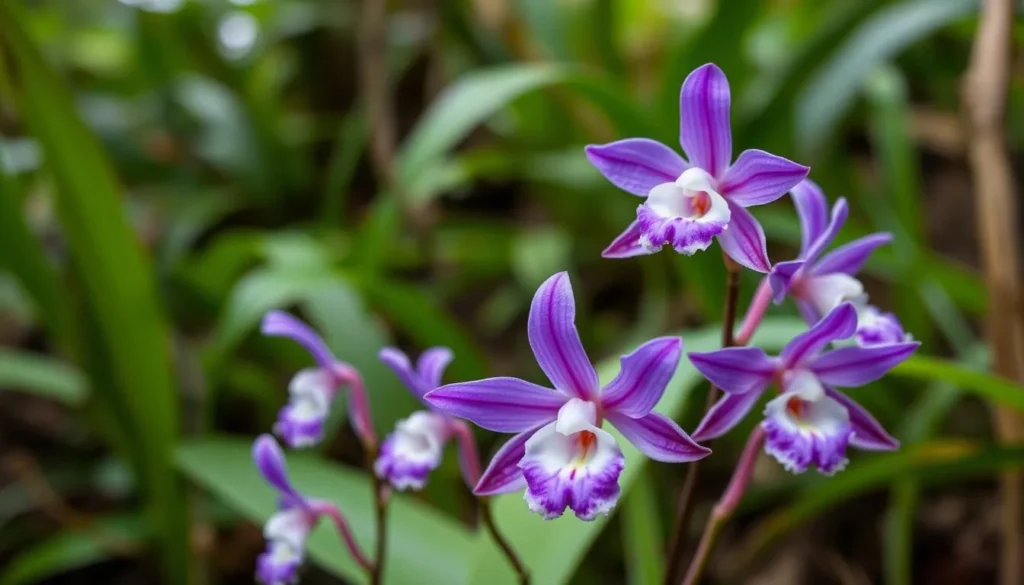
- Endemic orchids and medicinal plants in the rainforest
Practical Travel Tips
Park Permits & Fees
Visitors need to obtain permits at the park headquarters in Tinanggea:
- Foreign visitors: IDR 150,000 (approximately $10 USD) per person
- Local visitors: IDR 5,000 per person
- Camera fee: IDR 50,000
- Guide services: IDR 200,000-300,000 per day
Safety Considerations
To ensure a safe visit:
- Always hire a local guide for park exploration
- Bring sufficient water and sun protection
- Use insect repellent to prevent mosquito bites
- Inform someone of your itinerary if hiking
- Carry basic first aid supplies
Cultural Etiquette
When interacting with local communities around the park:
- Ask permission before photographing people
- Dress modestly, especially when visiting villages
- Remove shoes when entering homes
- Learn a few basic Indonesian phrases
Experience the Untamed Beauty of Rawa Aopa Watumohai
Rawa Aopa Watumohai National Park offers a rare opportunity to experience Indonesia’s incredible biodiversity away from the tourist crowds. From its sprawling wetlands to its mountain rainforests, this hidden gem rewards adventurous travelers with authentic natural experiences and memories to last a lifetime. While reaching and exploring the park requires some effort, the untouched landscapes and unique wildlife encounters make it well worth the journey for nature enthusiasts and photographers alike.

0 Comments