

Did you know that Siberut Island National Park is home to 65% of Indonesia’s endemic mammal species, with four endangered primates found nowhere else on Earth? This UNESCO Biosphere Reserve, located in the Mentawai Islands off Sumatra’s west coast, offers one of the world’s last glimpses into an ancient way of life where indigenous traditions have remained largely unchanged for centuries.
Siberut Island National Park Overview
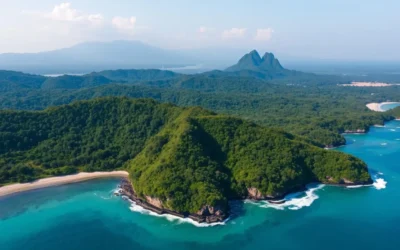
Covering approximately 1,905 square kilometers (735 square miles), Siberut National Park constitutes much of Siberut Island, the largest of the Mentawai Archipelago. Located about 150 km (93 miles) off Sumatra’s western coast, this pristine rainforest sanctuary was designated a UNESCO Biosphere Reserve to protect its exceptional biodiversity and cultural significance.
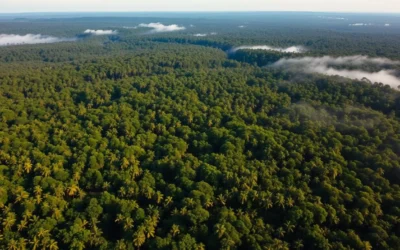
The park features diverse ecosystems including lowland rainforests, mangroves, peat swamps, and coastal areas. With elevations rarely exceeding 500 meters (1,640 feet), the terrain is crisscrossed by numerous rivers and streams that serve as natural highways through the dense jungle. Towering dipterocarp trees create a magnificent canopy that can reach up to 60 meters (197 feet) in height.
Beyond its natural wonders, Siberut is the ancestral homeland of the indigenous Mentawai people, who maintain traditional animistic beliefs and a sustainable way of life that has remained largely unchanged for centuries.
Getting There & Planning Your Journey
Reaching Siberut Island requires some planning, but the journey is part of the adventure. Here’s how to get there:
From Jakarta or Other Major Cities
- Fly to Minangkabau International Airport in Padang, West Sumatra (approximately 1 hour 45 minutes from Jakarta)
- From Padang, take a 1-hour drive to either Muara Padang or Bungus Harbor
- From Muara Padang, take a speedboat (4 hours) to Muara Siberut
- Alternatively, from Bungus Harbor, take a regular ferry (10 hours) to Muara Siberut
Essential Travel Documents
- Valid passport with at least 6 months validity
- Indonesian visa (available on arrival for many nationalities)
- National Park entrance permit (can be arranged through tour operators or at the park office in Padang)
- Travel insurance covering remote locations and evacuation

Best Time to Visit & Weather Tips
Siberut Island has a tropical climate with high humidity and rainfall throughout the year, but some seasons offer better conditions for visitors:
| Season | Months | Weather Conditions | Recommendation |
| Dry Season (Best) | May to September | Less rainfall, temperatures 24-32°C (75-90°F), humidity 70-90% | Ideal for trekking and cultural visits |
| Shoulder Season | April and October | Moderate rainfall, temperatures 23-31°C (73-88°F) | Good option with fewer visitors |
| Wet Season | November to March | Heavy rainfall, potential flooding, temperatures 22-30°C (72-86°F) | Not recommended for most visitors |
Packing Essentials
- Lightweight, quick-dry clothing (long sleeves and pants for protection)
- Waterproof jacket or poncho
- Sturdy hiking boots or trail shoes
- Water sandals for river crossings
- Wide-brimmed hat and sunglasses
- High-SPF sunscreen and insect repellent
- Water purification tablets or filter
- First aid kit with anti-malarial medication
- Waterproof bag for electronics
- Headlamp or flashlight with extra batteries
Getting Around Locally
Navigation within Siberut National Park requires local knowledge and often involves a combination of boat travel and jungle trekking:
River Travel
The island’s numerous rivers serve as natural highways. Dugout canoes and longboats are the primary means of transportation between coastal villages and interior settlements. Most guided tours include boat transfers as part of the package.
Jungle Trekking
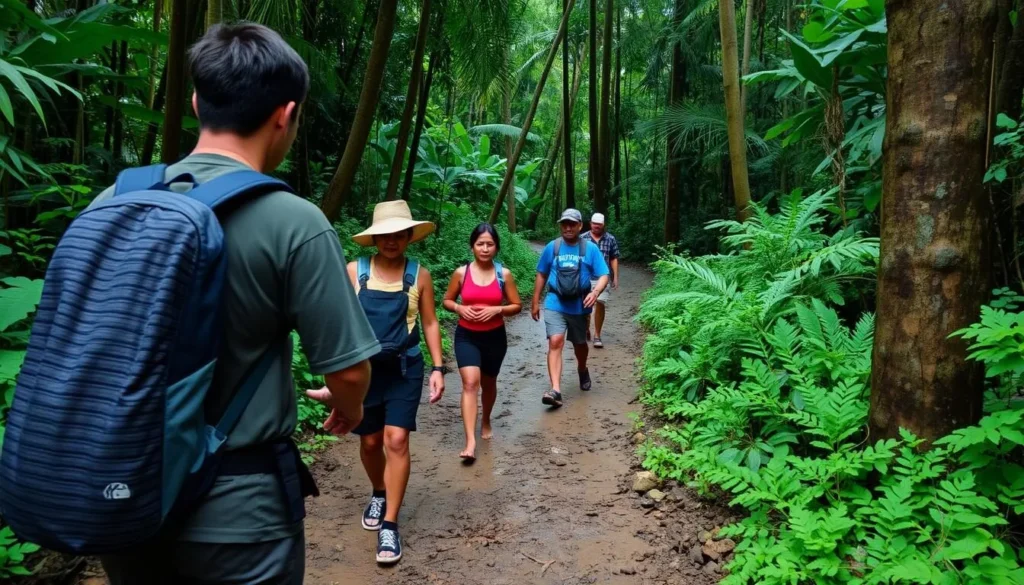
Exploring the interior requires trekking through dense jungle on muddy trails. Paths can be challenging and often involve river crossings. A local guide is essential not only for navigation but also for cultural interpretation and wildlife spotting.
Local Guides
Hiring a Mentawai guide is mandatory for park exploration. Guides can be arranged through tour operators in Padang or at the park office in Muara Siberut. Choose experienced guides who speak your language and understand conservation principles.
Local Insight: The Mentawai people often travel barefoot through the jungle, which helps with grip on muddy surfaces. While visitors should wear appropriate footwear, be prepared for your shoes to get very muddy!
Where to Stay
Accommodation options in and around Siberut National Park are limited but provide authentic experiences:

Traditional Uma Homestays
For the most authentic experience, stay in a traditional Mentawai Uma (longhouse) with a local family. Accommodations are basic with sleeping mats on wooden floors, no electricity, and shared facilities. This immersive option provides unique cultural insights and typically includes meals prepared by your host family.
Eco-Lodges
A few eco-lodges operate on the fringes of the national park, offering slightly more comfortable accommodations while maintaining environmental sustainability. These typically feature private rooms with mosquito nets, shared bathrooms with basic facilities, and common areas for dining and relaxation.
Muara Siberut Guesthouses
In the port town of Muara Siberut, several simple guesthouses cater to travelers. While basic, they offer amenities like electricity, running water, and sometimes even Wi-Fi. These are good options for the night before or after your jungle trek.
“Staying in a traditional Uma longhouse was the highlight of my Siberut experience. Falling asleep to the sounds of the jungle and waking to the calls of gibbons created memories I’ll never forget.”
Dining & Local Cuisine
Food options in Siberut National Park reflect the island’s isolation and the Mentawai people’s traditional lifestyle:

Traditional Mentawai Cuisine
The Mentawai diet centers around locally sourced ingredients with minimal processing:
- Sago – The staple carbohydrate extracted from sago palm pith, often prepared as a porridge or baked into cakes
- Freshwater Fish – Caught from local rivers and typically grilled or boiled
- Wild Boar – Hunted sustainably and prepared for special occasions
- Taro and Sweet Potatoes – Cultivated in small gardens and prepared in various ways
- Bananas and Coconuts – Common fruits that supplement the diet
- Forest Vegetables – Various edible leaves and shoots gathered from the jungle
Dining Etiquette: When eating with Mentawai families, follow their lead. Food is often shared communally, and it’s polite to accept what’s offered. Eating is typically done with hands, so wash before meals (if water is available). Always thank your hosts for their hospitality.
What to Expect
Visitors should adjust their expectations regarding food variety and preparation methods. Meals in traditional villages are simple and repetitive, focusing on nutrition rather than culinary diversity. Tour operators typically bring supplementary food supplies for visitors, including rice, noodles, eggs, and canned goods.
In Muara Siberut, a few simple warung (small restaurants) serve Indonesian staples like nasi goreng (fried rice), mie goreng (fried noodles), and grilled fish. These provide more familiar options before and after jungle treks.
Attractions, Sightseeing & Activities
Siberut Island National Park offers a wealth of natural and cultural experiences:

Wildlife Encounters
Siberut is renowned for its unique endemic species, particularly primates:
- Kloss’s Gibbon – This small, entirely black gibbon is known for its haunting morning calls that echo through the forest
- Siberut Macaque – An endemic species with distinctive facial features found only on this island
- Mentawai Langur – Also known as the pig-tailed langur, this critically endangered primate has a unique appearance
- Mentawai Flying Squirrel – A nocturnal mammal that glides between trees in the forest canopy
- Mentawai Scops Owl – A small, endemic owl species best spotted during night walks

Natural Attractions
The park’s diverse ecosystems offer several notable natural features:
- Ulukubuk Waterfall – A sacred site for the Mentawai people with crystal-clear cascading waters
- Pristine Rivers – The Saibi, Simalegi, and Siberut rivers offer opportunities for canoeing and wildlife spotting
- Mangrove Forests – Coastal areas feature extensive mangrove ecosystems that protect the shoreline
- Dipterocarp Forests – Towering trees create an impressive canopy reaching up to 60 meters (197 feet)
- Coastal Beaches – Secluded beaches where rivers meet the sea offer peaceful relaxation spots
Cultural Experiences
The indigenous Mentawai people are one of Indonesia’s most fascinating cultural groups, maintaining traditional animistic beliefs and practices:
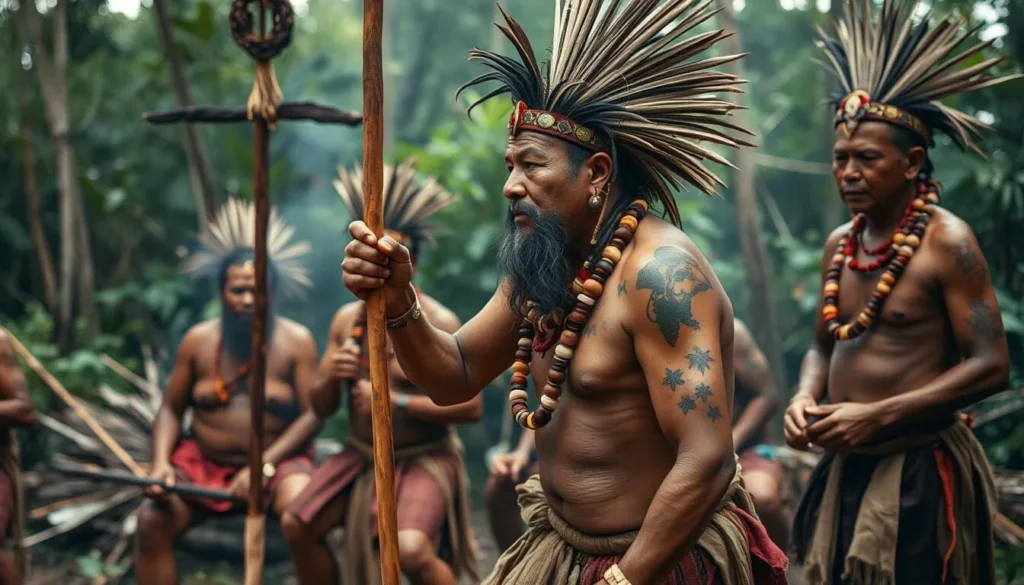
Mentawai Cultural Highlights
- Uma Longhouses – Traditional communal dwellings that serve as the center of Mentawai social life
- Sikerei Shamans – Spiritual leaders who maintain balance between the human and spirit worlds
- Turuk Ceremonies – Ritual dances and ceremonies that often involve trance states and animal sacrifices
- Traditional Tattoos – Though less common now, traditional tattoos were once an important marker of Mentawai identity
- Traditional Crafts – Observe the creation of beaded ornaments, woven baskets, and tools
- Medicinal Plant Knowledge – Learn about the extensive botanical knowledge preserved by the Mentawai people
Respectful Tourism: When visiting Mentawai communities, always ask permission before taking photographs, dress modestly, and follow your guide’s instructions regarding appropriate behavior. The Mentawai people welcome respectful visitors, but their homes are not museums—they are living cultural spaces.

Outdoor Adventures
Siberut Island National Park offers numerous activities for nature enthusiasts and adventure seekers:

Jungle Trekking
Multi-day treks through the rainforest are the most popular activity in Siberut. Routes vary in difficulty and duration, from one-day excursions to week-long expeditions. Treks typically include river crossings, wildlife spotting, and visits to traditional villages.
River Canoeing
Exploring Siberut’s rivers by traditional dugout canoe offers a peaceful way to observe wildlife and scenery. Guided canoe trips range from a few hours to full-day adventures, with opportunities to spot primates, birds, and reptiles along the riverbanks.
Birdwatching
With numerous endemic and rare bird species, Siberut is a paradise for birdwatchers. Early morning and late afternoon excursions offer the best chances to spot species like the Mentawai scops owl, Siberut hill partridge, and various kingfishers and hornbills.
Night Walks
Guided night walks reveal Siberut’s nocturnal creatures, including flying squirrels, slow lorises, and various amphibians and insects. The sounds of the jungle at night create an unforgettable sensory experience.
Photography
Siberut offers endless opportunities for nature, wildlife, and cultural photography. The challenging lighting conditions of the rainforest require proper equipment and techniques, but the results can be spectacular.
Surfing
While not within the national park itself, the waters surrounding the Mentawai Islands are world-renowned for surfing. Several breaks near Siberut attract surfers from around the globe, particularly during the dry season.
Safety, Etiquette & Local Customs
Visiting Siberut Island National Park requires preparation and respect for both the environment and local cultures:

Health & Safety
- Consult a travel doctor before your trip for recommended vaccinations and malaria prophylaxis
- Bring a comprehensive first aid kit as medical facilities are extremely limited
- Drink only purified or boiled water and be cautious with food hygiene
- Use insect repellent and wear long sleeves and pants to prevent insect bites
- Be prepared for high humidity, frequent rainfall, and challenging terrain
- Always trek with an experienced guide who knows the area and can communicate with local communities
Cultural Etiquette
- Dress modestly when visiting villages (shoulders and knees covered)
- Ask permission before taking photographs of people or cultural activities
- Remove shoes when entering an Uma longhouse
- Accept offered food or drink as a gesture of goodwill
- Bring small gifts like tobacco, betel nut, or fishing hooks as tokens of appreciation
- Respect sacred sites and follow your guide’s instructions regarding taboo areas
- Learn a few basic phrases in Indonesian or the Mentawai language
Practical Travel Tips
Make the most of your Siberut Island National Park experience with these essential tips:

Communication & Connectivity
Cell phone coverage is extremely limited in Siberut National Park, with signal available only in Muara Siberut and some coastal areas. Internet access is similarly restricted. Inform family and friends of your itinerary before departing, and consider renting a satellite phone for emergency communication if venturing deep into the jungle.
Money Matters
There are no ATMs or banking facilities in Siberut National Park. Bring sufficient Indonesian Rupiah cash for your entire stay, including extra for emergencies. Most transactions in villages are cash-only, and credit cards are not accepted. Store money in waterproof containers, as humidity and river crossings can damage paper currency.
Sustainable Tourism
Practice responsible tourism to help preserve Siberut’s unique environment and culture:
- Choose tour operators with demonstrated commitment to conservation and community support
- Pack out all non-biodegradable waste
- Use biodegradable soap and shampoo
- Minimize plastic usage and dispose of waste properly
- Support local guides and communities through fair compensation
- Respect wildlife by maintaining appropriate distances and not disturbing natural behaviors
Experience the Magic of Siberut Island National Park
Siberut Island National Park offers a rare glimpse into a world where ancient traditions meet pristine wilderness. From encounters with endemic primates swinging through the canopy to meaningful cultural exchanges with the Mentawai people, a journey to this remote paradise promises unforgettable experiences for the adventurous traveler.
As one of Indonesia’s last frontiers of biodiversity and cultural heritage, Siberut deserves not only our visit but also our respect and protection. By traveling responsibly and supporting conservation efforts, we can help ensure that this extraordinary place remains intact for generations to come.
Are you ready to discover a world where ancient traditions meet untamed wilderness? Start planning your Siberut adventure today!



0 Comments