Hotels by Trip.com
Flights by Trip.com
Did you know Singaraja was Bali’s capital for over 300 years during Dutch colonial rule? While southern Bali beaches overflow with tourists, this northern coastal gem remains delightfully authentic, offering a glimpse into Bali’s rich history and natural beauty that most visitors never experience. With its black sand beaches, stunning waterfalls, and fascinating colonial architecture, Singaraja invites travelers to discover a different side of the Island of Gods.
Getting There & Planning Your Journey
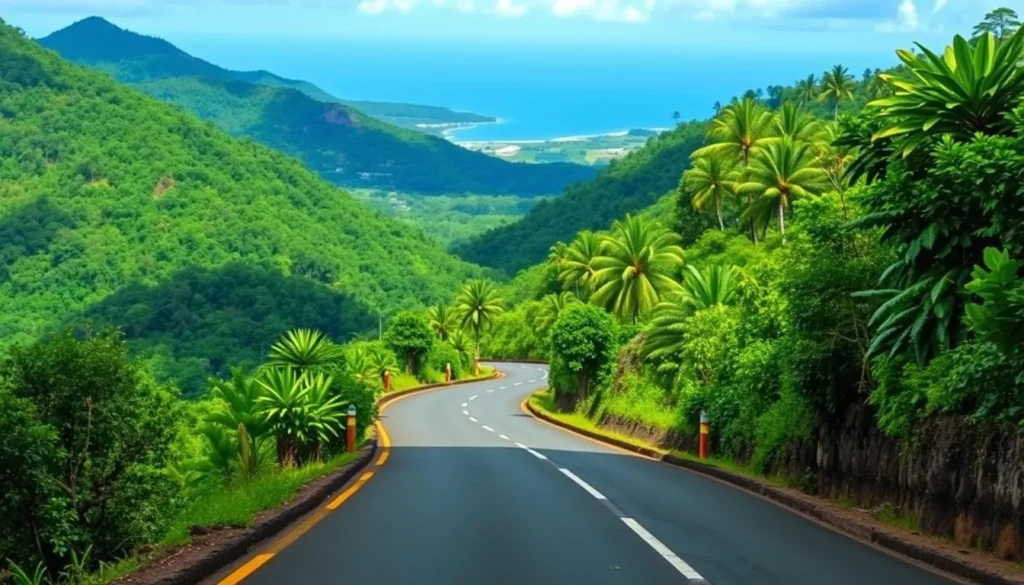
Singaraja is located approximately 80 km (50 miles) north of Bali’s Ngurah Rai International Airport. The journey takes about 2.5-3 hours by car, winding through scenic mountain roads and offering breathtaking views along the way.
From Denpasar/South Bali
- By car: The most convenient option is hiring a private driver or renting a car. The route passes through Bedugul and offers stunning views of Lake Bratan.
- By shuttle bus: Several companies operate shuttle services from popular tourist areas like Kuta, Seminyak, and Ubud to Lovina Beach (near Singaraja).
- By public bus: Budget travelers can take a bemo (local minivan) from Denpasar’s Batubulan terminal to Singaraja, though this option takes longer and involves several transfers.
From East Bali
- By car: From Amed or Candidasa, the coastal road to Singaraja offers beautiful ocean views and passes through traditional villages.
- By motorcycle: Experienced riders might enjoy the freedom of exploring the northern coast by motorcycle, though the roads can be winding.
Best Time to Visit & Weather Tips
Singaraja enjoys a tropical climate with distinct wet and dry seasons. The northern coast is generally drier than southern Bali, making it pleasant to visit year-round.
| Season | Months | Weather | Tourism | Recommendation |
| Dry Season | May to September | Sunny, 25-32°C (77-90°F), low humidity | Peak season, busier but still less crowded than South Bali | Ideal for outdoor activities and waterfall visits |
| Wet Season | October to April | Occasional rain showers, 24-31°C (75-88°F), higher humidity | Lower season, fewer tourists | Better deals, lush landscapes, waterfalls at full flow |
| Shoulder Season | April-May, September-October | Transitional, generally pleasant with occasional showers | Moderate visitor numbers | Great balance of good weather and fewer crowds |
Local Tip: Even during the dry season, it’s wise to bring a light rain jacket when visiting the mountain areas around Singaraja, as microclimates can create unexpected showers.
Getting Around Locally
Navigating Singaraja and its surrounding attractions requires some planning, as public transportation is limited compared to southern Bali.
Rental Vehicles
Renting a scooter (around 70,000-100,000 IDR/day) or car with driver (500,000-700,000 IDR/day) offers the most flexibility for exploring Singaraja and nearby attractions. Many accommodations can arrange rentals for you.
Blue Bemos
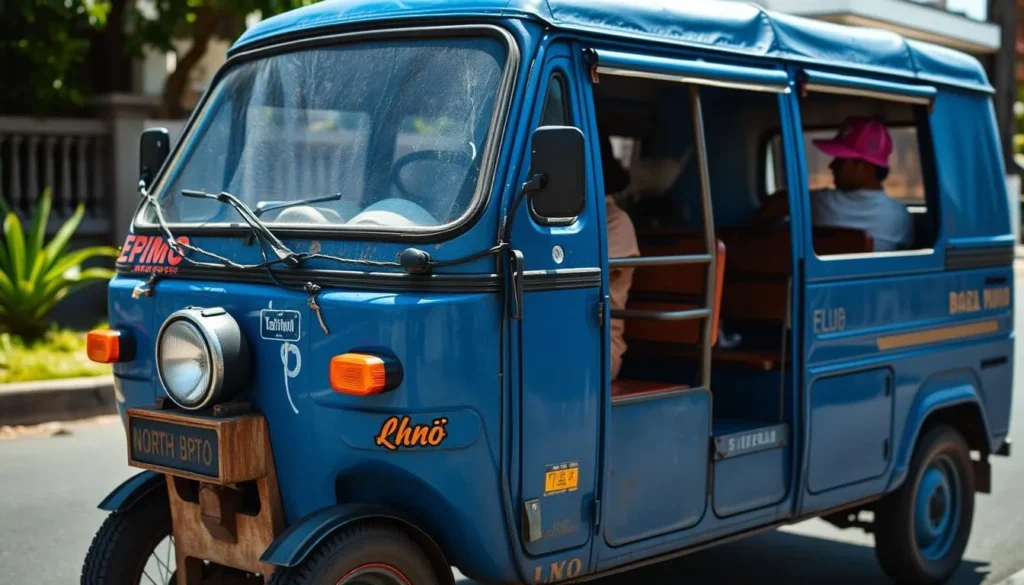
These local minivans are Singaraja’s signature public transport. They run set routes throughout the city and to nearby villages for about 5,000-10,000 IDR per trip. Flag them down anywhere along their route.
Ride-Hailing Apps
Grab and Gojek operate in Singaraja, offering convenient and affordable transportation options. Download these apps before your trip for easy booking of rides around town.
Safety Note: If renting a scooter, always wear a helmet, carry your international driving permit, and drive cautiously. Bali’s roads can be challenging for inexperienced riders.
Where to Stay
Singaraja offers a range of accommodation options, though they tend to be more modest and authentic compared to the luxury resorts of South Bali. Many visitors choose to stay in nearby Lovina Beach, which is technically part of the Singaraja area.
Lovina Beach Area
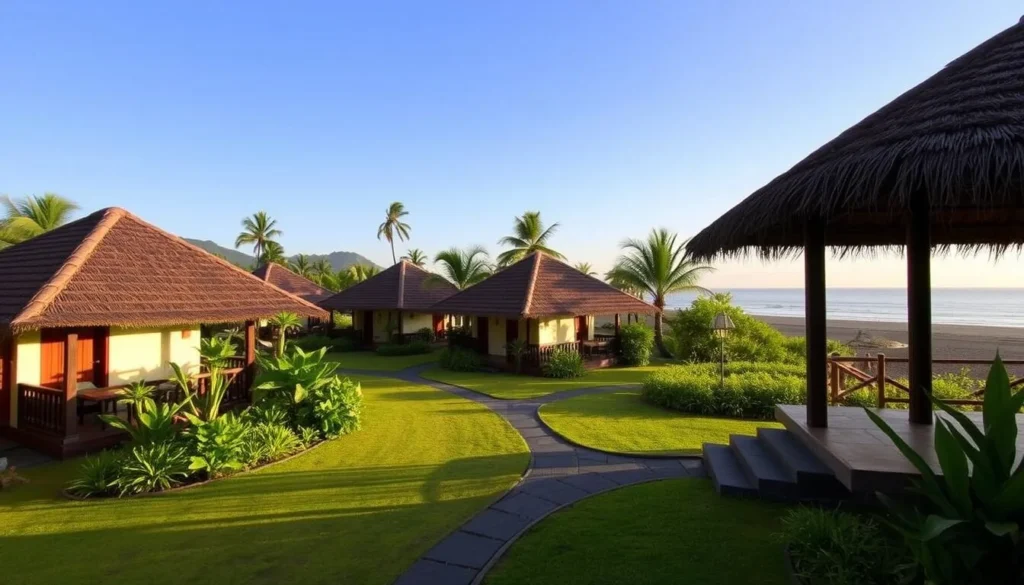
Most popular area for tourists, offering beachfront resorts, mid-range hotels, and budget guesthouses. Prices range from 300,000 IDR to 2,000,000 IDR per night. Enjoy dolphin watching tours right from your doorstep.
Singaraja City Center
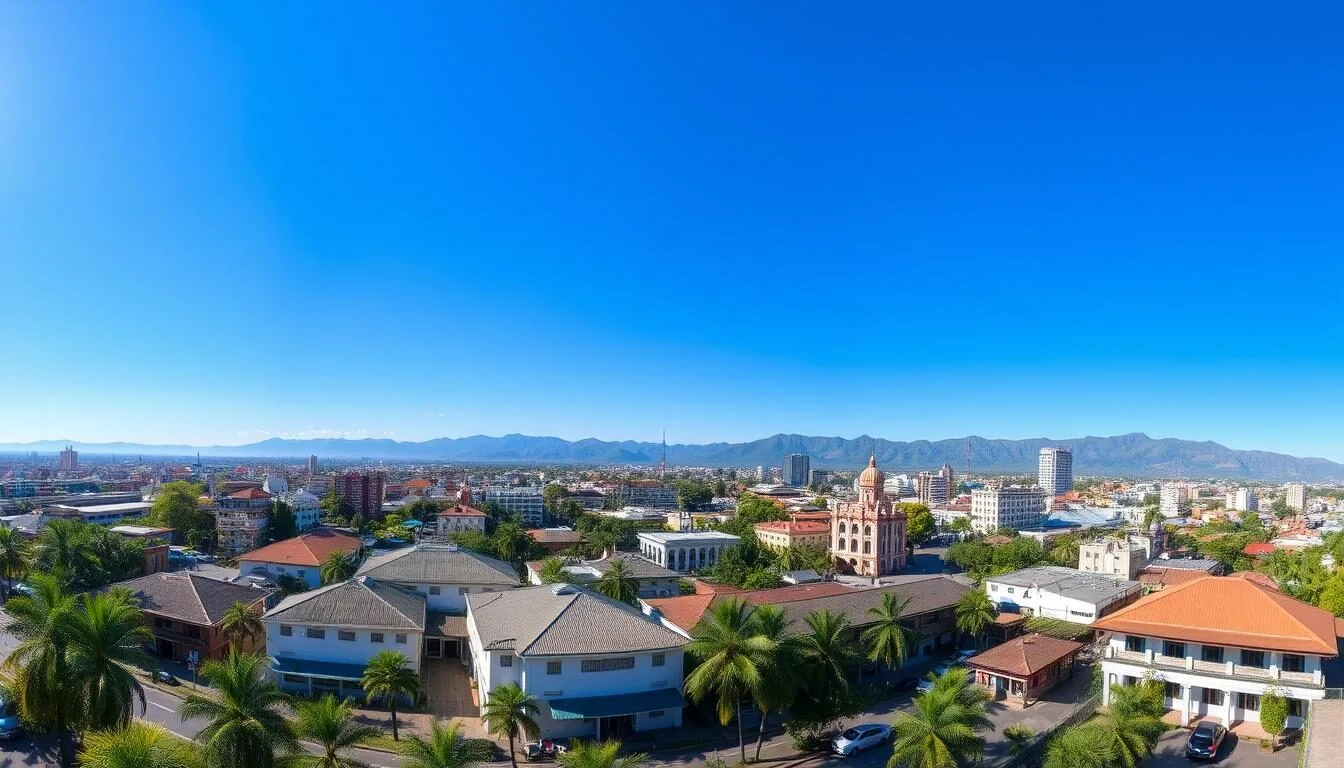
Stay in the heart of the former colonial capital with easy access to historical sites, local markets, and authentic restaurants. Accommodations here are typically budget to mid-range, from 200,000 IDR to 800,000 IDR per night.
Mountain Retreats
For a cooler climate and stunning views, consider staying in the mountains south of Singaraja. These retreats offer a peaceful escape with easy access to waterfalls and traditional villages.
✓ Check 30,000+ Local Sightseeing Tours Worldwide
Dining & Local Cuisine
Singaraja offers an authentic taste of Balinese cuisine with less international influence than southern tourist areas. The region is known for its fresh seafood and unique local specialties.
Must-Try Local Dishes
- Babi Guling – Balinese roast suckling pig, often spicier in North Bali than in the south.
- Pepes Ikan – Fish marinated in Balinese spices, wrapped in banana leaf and grilled.
- Sate Lilit – Minced seafood or meat satay molded around lemongrass sticks.
- Tum Ayam – Steamed chicken mixed with Balinese spices in banana leaf packages.
- Jukut Urab – Mixed vegetable salad with grated coconut and Balinese spices.
Where to Eat
- Pasar Anyar – Singaraja’s main market offers authentic local street food at unbeatable prices.
- Warung Bambu Pemaron – Traditional Balinese cuisine in a rustic setting.
- Lovina Beach Restaurants – Seafood restaurants along the beach offer fresh catches with sunset views.
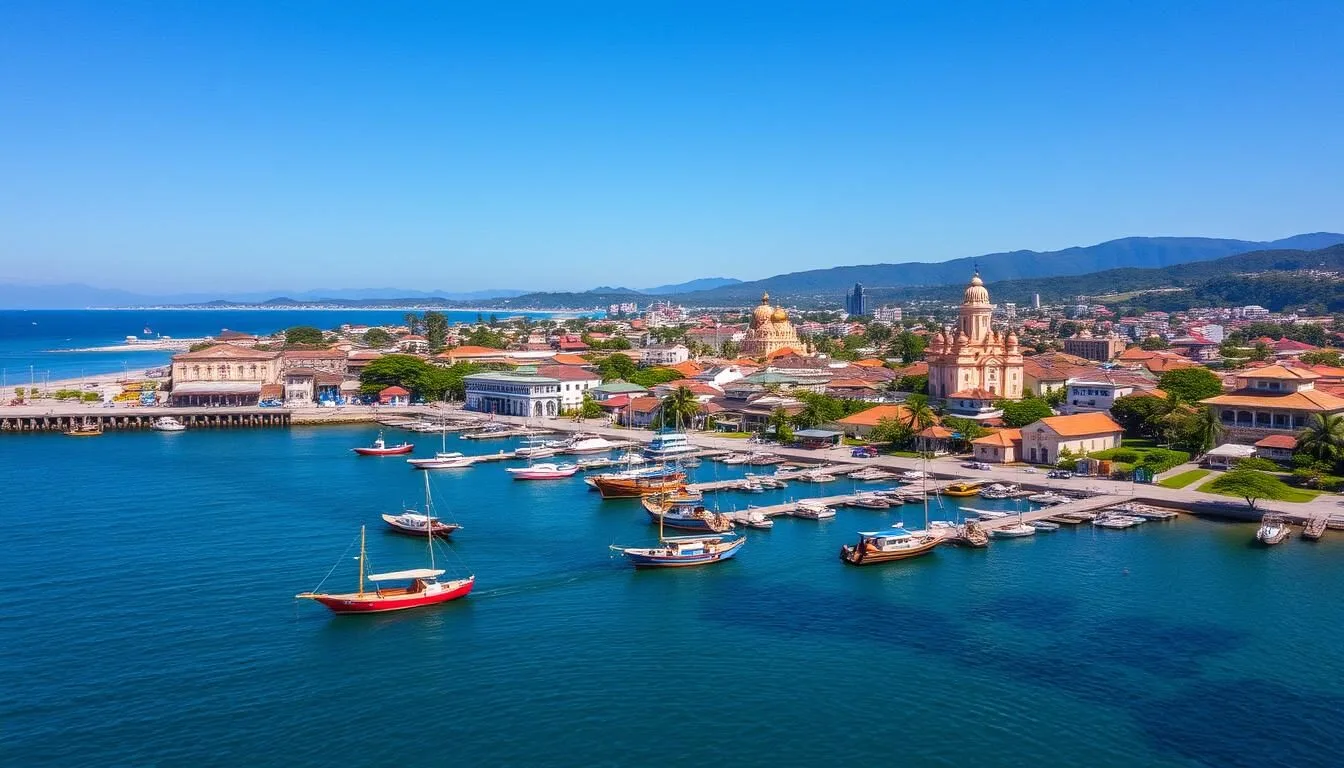
- Pelabuhan Buleleng – The old harbor area features restaurants on a pier with ocean views.

Dining Tip: Most authentic local warungs (small family-owned restaurants) don’t have fixed opening hours. For the best experience, eat lunch between 12-2 PM and dinner before 8 PM when food is freshest.
Top Attractions & Sightseeing
Singaraja offers a perfect blend of natural wonders, historical sites, and cultural experiences without the crowds found in southern Bali.
Lovina Beach
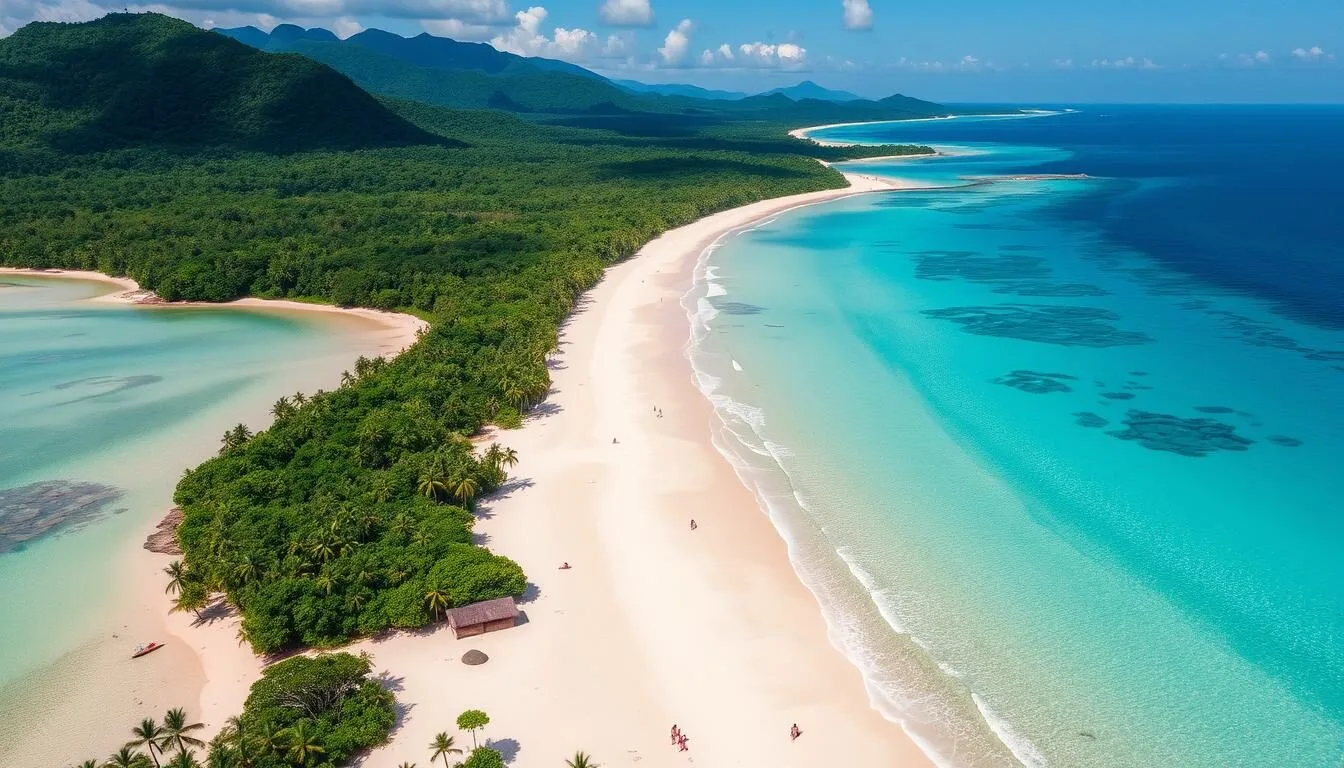
Known for its black volcanic sand and calm waters, Lovina Beach is perfect for swimming and relaxation. The area’s main draw is early morning dolphin watching tours, where you can spot wild dolphins in their natural habitat.

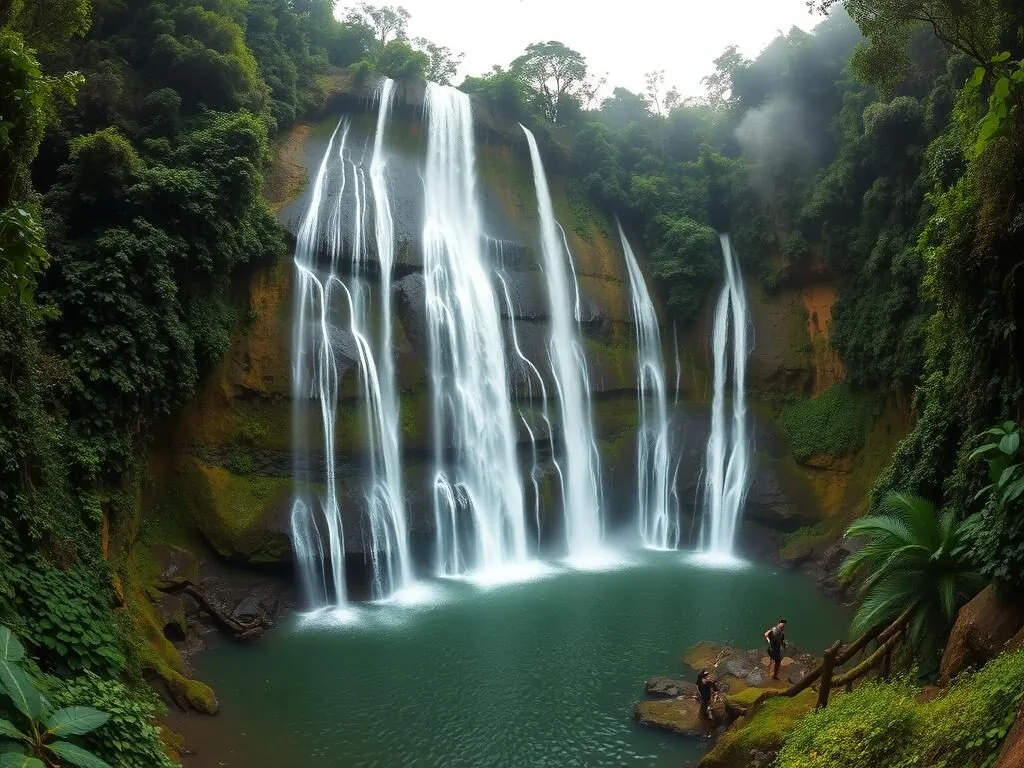
Gitgit Waterfall
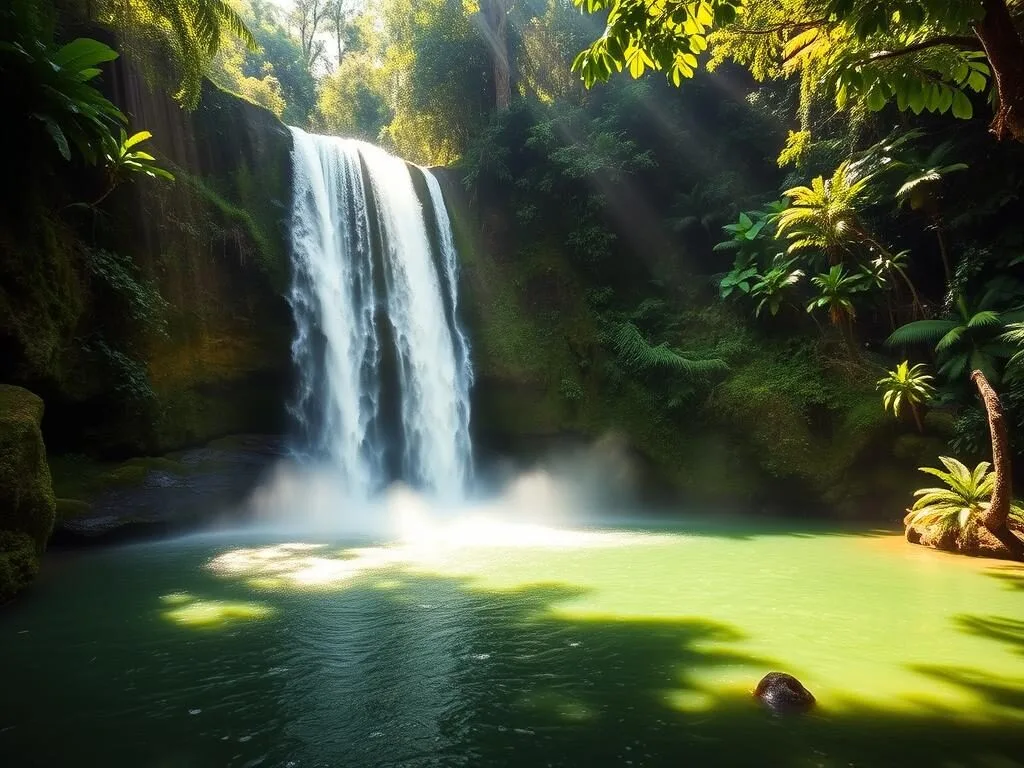
Just 10 km south of Singaraja, this spectacular 40-meter (131 ft) waterfall is surrounded by lush tropical forest. The moderate 20-minute hike to reach it takes you through coffee plantations and jungle paths.
Sekumpul Waterfall
Often called Bali’s most beautiful waterfall, Sekumpul is actually a cluster of seven waterfalls hidden in a lush valley. The challenging trek to reach it rewards visitors with breathtaking views and natural swimming pools.
Historical & Cultural Sites
As Bali’s former colonial capital, Singaraja boasts a rich historical heritage that blends Dutch influence with traditional Balinese culture.
Gedong Kirtya
This unique library houses thousands of lontar (palm leaf manuscripts) containing ancient Balinese wisdom, literature, and religious texts. Founded during Dutch colonial times, it’s one of the few places where you can see how traditional Balinese knowledge was preserved.

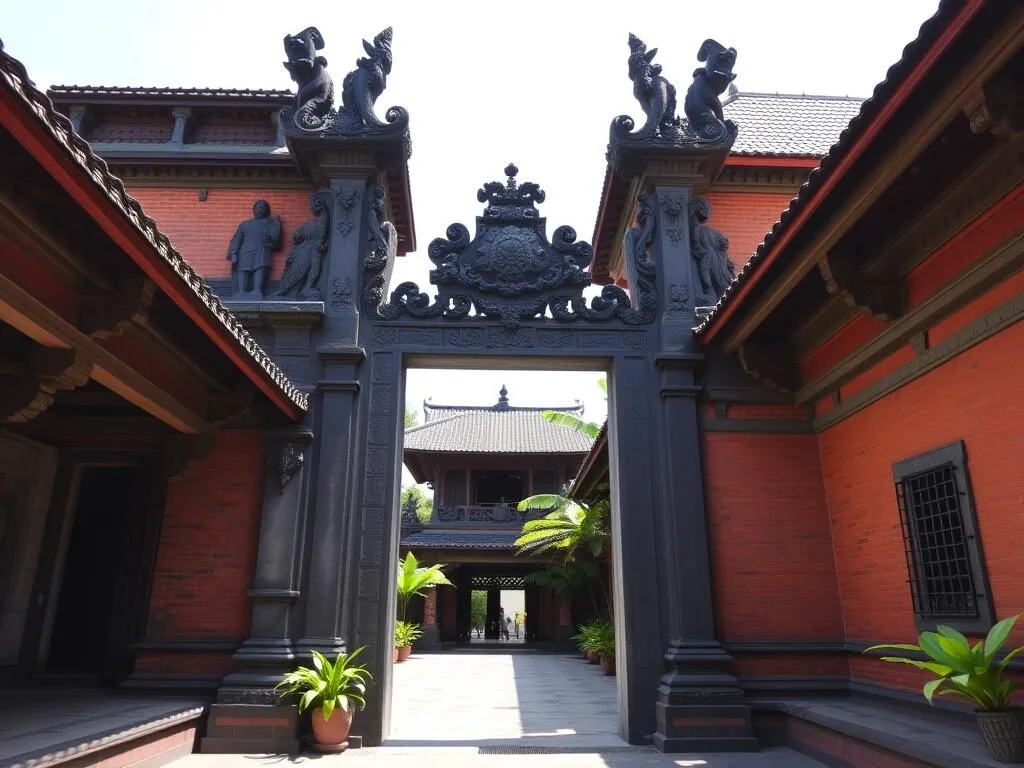
Puri Agung Singaraja
The former royal palace showcases traditional Balinese architecture with hints of Dutch colonial influence. Though smaller than some of Bali’s other royal palaces, it offers a glimpse into North Bali’s royal history without the crowds.
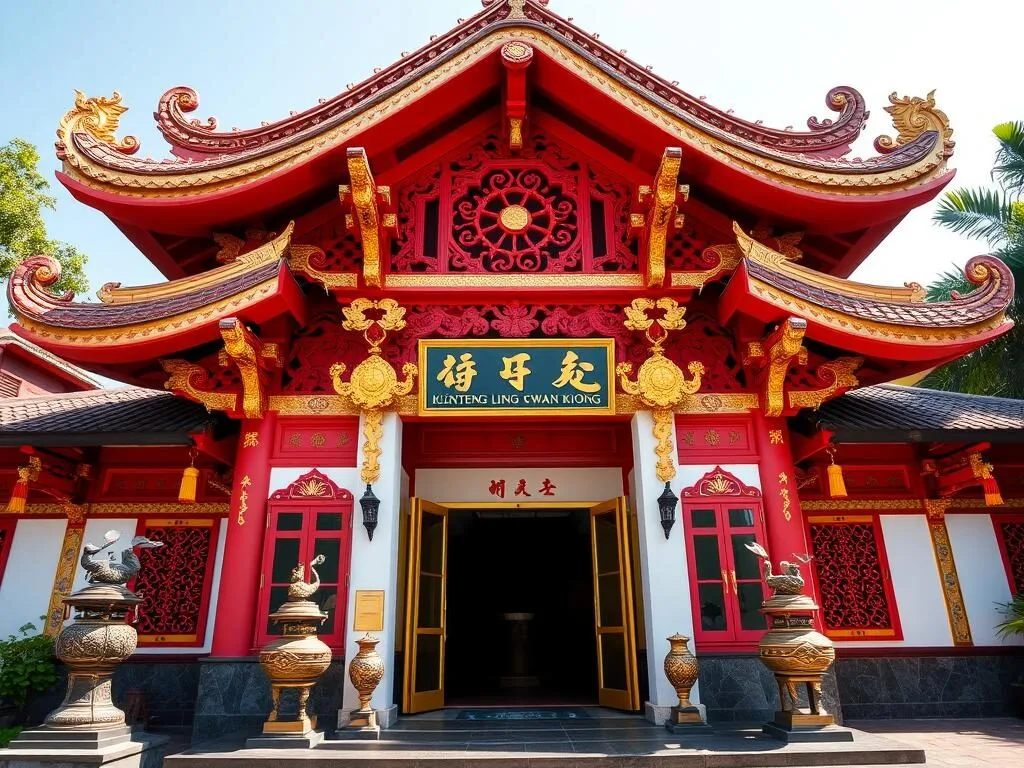
Klenteng Ling Gwan Kiong
This beautifully preserved Chinese temple dates back to 1873 and reflects the multicultural history of Singaraja. With its vibrant red and gold decorations and seaside location, it’s both a cultural and visual highlight of the city.
“Singaraja offers a fascinating glimpse into Bali’s colonial past and multicultural heritage that you simply won’t find in the island’s more touristy southern regions.”
Nature & Outdoor Experiences
The region surrounding Singaraja is blessed with natural beauty, from volcanic mountains to coral reefs, offering plenty of outdoor adventures.
Water Activities
- Dolphin Watching – Early morning boat trips from Lovina Beach offer the chance to see wild dolphins.
- Snorkeling & Diving – The coral reefs off Lovina Beach are home to colorful fish and marine life.
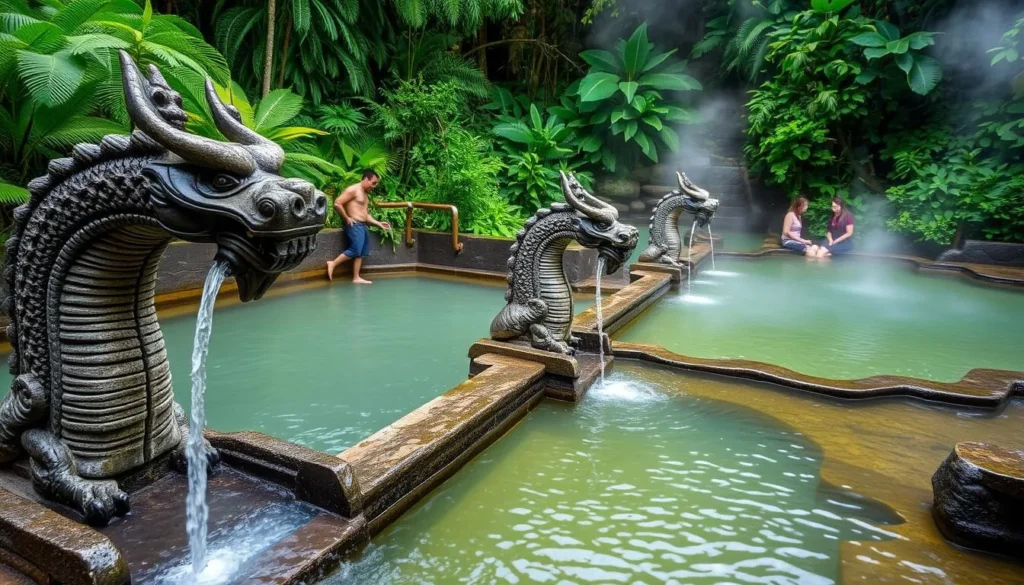
- Banjar Hot Springs – Natural hot springs with stone-carved spouts in a lush jungle setting.
- Waterfall Swimming – Many of the area’s waterfalls have natural pools perfect for swimming.

Land Adventures
- Jungle Trekking – Guided hikes through the lush forests to hidden waterfalls.
- Munduk Plantation Tours – Learn about coffee, clove, and cacao cultivation in the highlands.
- Brahma Vihara Arama – Bali’s largest Buddhist monastery offers peaceful gardens and mountain views.
- Lemukih Rice Terraces – Less crowded than Ubud’s famous terraces but equally beautiful.
Why Choose Singaraja for Nature Experiences
- Fewer crowds than southern Bali attractions
- More authentic interaction with local communities
- Lower prices for guided tours and activities
- Diverse ecosystems from mountains to coral reefs
- Cooler climate in the mountain areas
Challenges to Consider
- More travel time required from the airport
- Less developed tourism infrastructure
- Fewer English-speaking guides (though still available)
- Some attractions require moderate physical fitness
- Rainy season can make some trails muddy and slippery
Unique Experiences in Singaraja
Beyond the standard attractions, Singaraja offers several unique experiences that provide deeper insight into local culture and traditions.
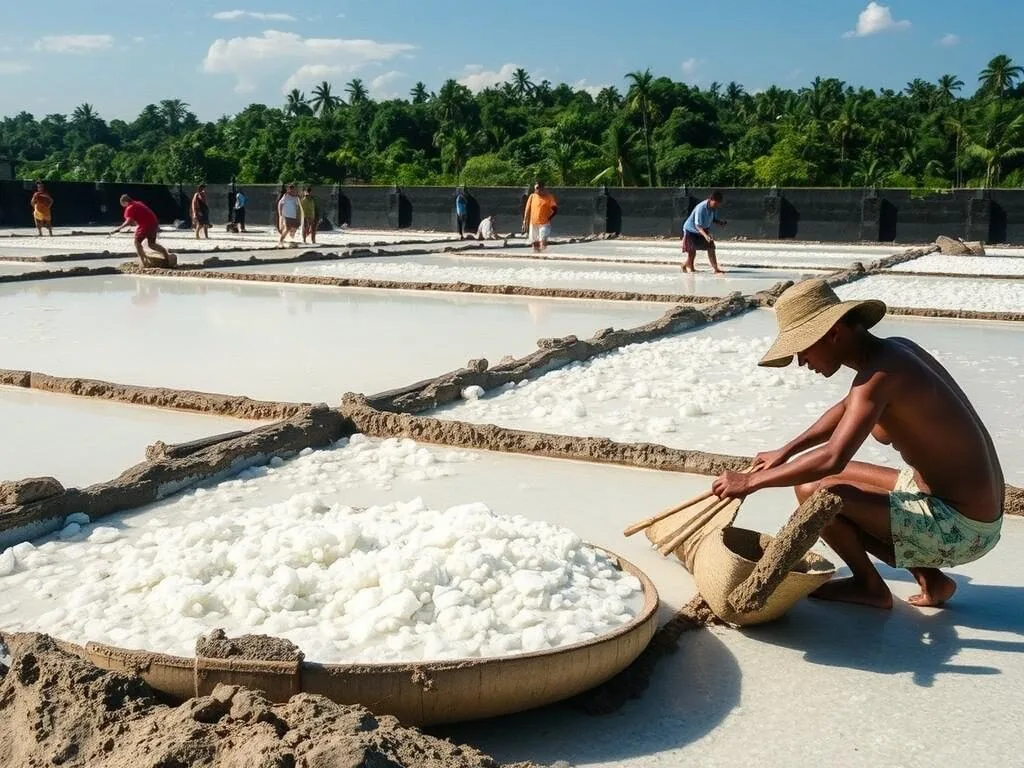
Traditional Salt Making
Visit the traditional salt farms in Tejakula village where salt is still harvested using ancient techniques passed down through generations. Watch as farmers filter seawater through volcanic sand and dry it in the sun to create Bali’s famous sea salt.
Singaraja Market Experience
Explore Pasar Anyar, Singaraja’s main market, where locals shop for everything from fresh produce to traditional crafts. Unlike the tourist markets in South Bali, this authentic market offers a genuine glimpse into daily Balinese life and the opportunity to sample local snacks.

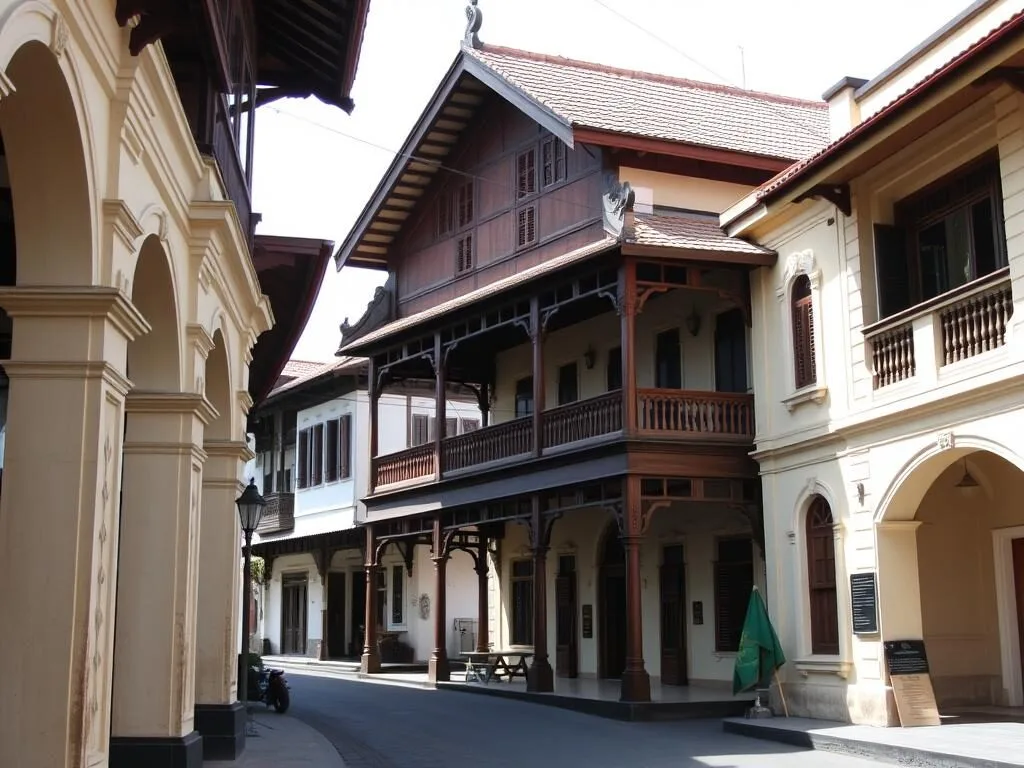
Colonial Walking Tour
Take a self-guided walking tour of Singaraja’s colonial district, where Dutch-era buildings line the streets. Highlights include the old harbor, former colonial offices, and Gedong Kirtya. The area around Jalan Erlangga offers the best examples of colonial architecture.
Is Singaraja worth visiting if I only have a week in Bali?
Absolutely! Even a day trip or overnight stay in Singaraja will give you a completely different perspective on Bali. The contrast between the touristy south and the more authentic north is striking, and many travelers consider their time in Singaraja to be the highlight of their Bali experience.
How many days should I spend in Singaraja?
For a good experience, 2-3 days is ideal. This gives you enough time to explore the city’s historical sites, visit a few waterfalls, enjoy Lovina Beach, and perhaps take a dolphin watching tour. If you’re interested in more in-depth exploration or trekking, consider staying 4-5 days.
Is Singaraja safe for tourists?
Yes, Singaraja is generally very safe for tourists. Crime rates are low, and the locals are friendly and helpful. As with any destination, take normal precautions with your belongings. The biggest safety concerns are related to road safety if you’re driving or riding a scooter, and water safety when swimming or participating in water activities.
Practical Travel Tips
Make the most of your Singaraja experience with these helpful local insights and practical advice.
Money & Costs
- ATMs are available in Singaraja city and Lovina Beach, but less common in rural areas.
- Credit cards are accepted at larger hotels and restaurants but bring cash for smaller establishments and markets.
- Prices are generally 30-40% lower than in South Bali tourist areas.
- Bargaining is expected at markets and with local drivers, but always do so respectfully.
Communication
- Basic English is understood in tourist areas, but less so than in South Bali.
- Learning a few basic Indonesian phrases will be greatly appreciated by locals.
- Mobile coverage is good in Singaraja city and Lovina, but can be spotty in mountain areas.
- Most accommodations and many cafes offer free Wi-Fi.
Cultural Etiquette
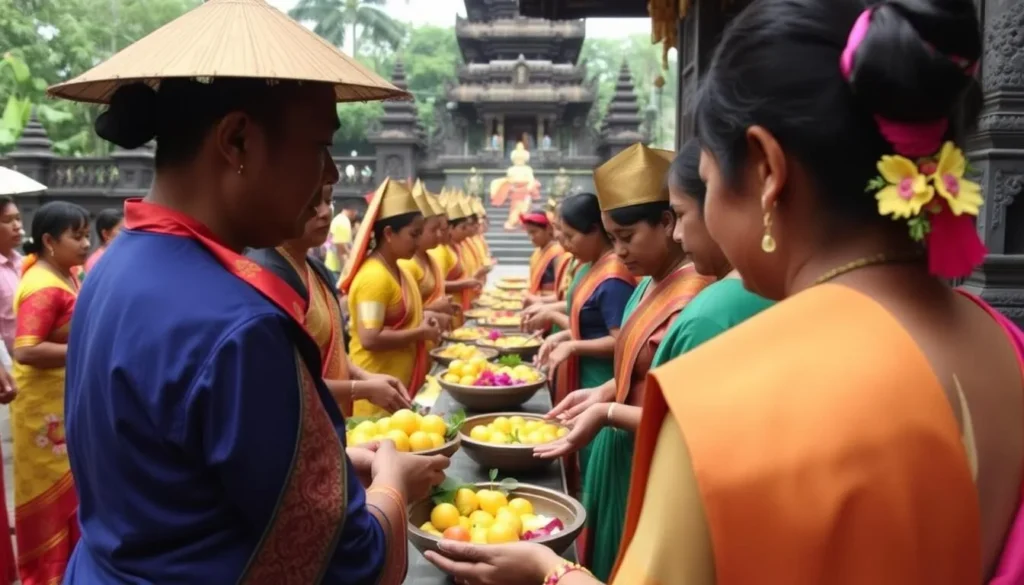
- Dress modestly when visiting temples (shoulders and knees covered).
- Remove shoes before entering homes, temples, and some shops.
- Use your right hand for giving or receiving items.
- Ask permission before photographing locals, especially during ceremonies.
- The traditional Balinese greeting is to place palms together at chest level and slightly bow.
Health & Safety
- Bring mosquito repellent, especially for evening activities.
- Sunscreen is essential, even on cloudy days.
- Drink bottled or purified water only.
- Basic medical facilities are available in Singaraja, but serious conditions may require evacuation to Denpasar.
- Travel insurance with medical coverage is highly recommended.
Packing Tip: In addition to your beach essentials, pack a light sweater or jacket for the cooler mountain areas, modest clothing for temple visits, and good walking shoes for waterfall treks. A dry bag is useful for protecting electronics during waterfall visits or boat trips.
Day Trips from Singaraja
Singaraja’s central location in North Bali makes it an excellent base for exploring nearby attractions.
Bedugul Highland
About 1 hour south of Singaraja, this cool mountain region is home to the iconic Ulun Danu Beratan Temple (floating temple), Bali Botanical Garden, and three scenic crater lakes. The area’s strawberry farms and traditional markets are also worth exploring.
Menjangan Island
Part of West Bali National Park, this small uninhabited island offers some of Bali’s best snorkeling and diving with crystal clear waters and vibrant coral gardens. Day trips from Singaraja take about 1.5 hours to reach the departure point.
Amed & Tulamben
These fishing villages on Bali’s northeast coast (about 2 hours from Singaraja) are famous for world-class diving, including the USAT Liberty shipwreck. The black sand beaches and laid-back atmosphere make for a pleasant day trip.
Ready for Your Singaraja Adventure?
Singaraja offers a refreshing alternative to Bali’s crowded tourist hotspots. With its rich colonial history, stunning natural attractions, and authentic cultural experiences, this former capital provides a deeper understanding of Bali’s diverse heritage. Whether you’re swimming beneath cascading waterfalls, watching dolphins at sunrise, or wandering through historic streets, Singaraja rewards travelers willing to venture beyond the typical tourist trail.
As you plan your journey to this northern gem, remember that the true magic of Singaraja lies in its unhurried pace and genuine connections with local culture. Take your time, embrace the authentic Bali, and create memories that go far beyond the standard tropical paradise postcard.