Taka Bonerate National Park, Indonesia: Best Things to Do – Top Picks

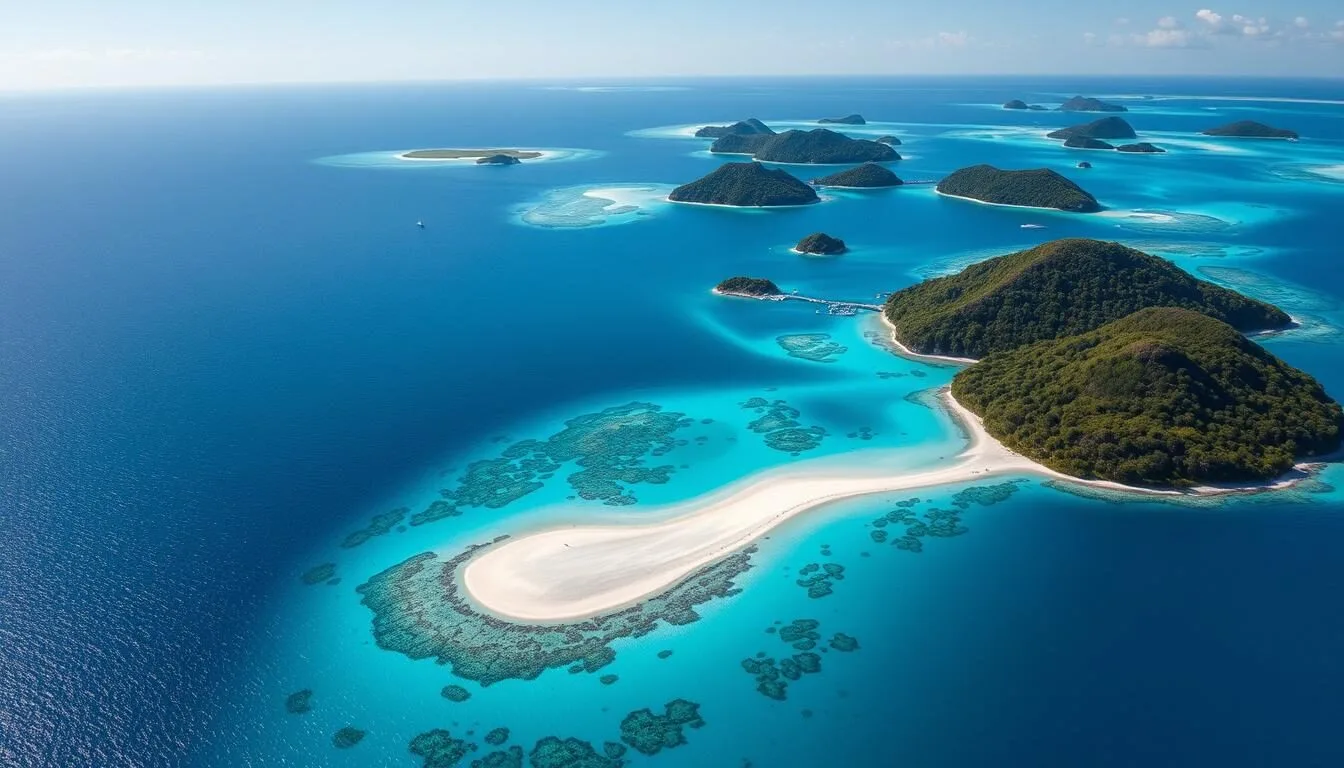
Aerial view of Taka Bonerate National Park showing the massive atoll formation with small islands and turquoise waters

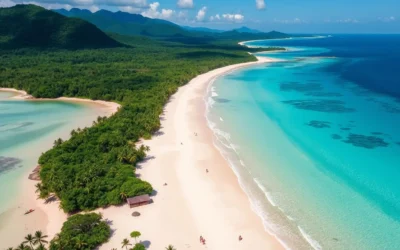
Home to the third-largest atoll in the world, Taka Bonerate National Park spans an impressive 530,765 hectares of pristine marine paradise in South Sulawesi, Indonesia. This hidden gem offers a breathtaking underwater landscape with over 360 species of coral and 500 species of fish, creating one of the most biodiverse marine environments on the planet. Far from the tourist crowds, this remote sanctuary promises an authentic adventure for those willing to make the journey.

Getting There & Planning Your Journey

Reaching this remote paradise requires some planning, but the reward is well worth the effort. The journey typically involves multiple legs of travel, starting with a flight to Makassar, the capital of South Sulawesi.

From Jakarta/Bali to Makassar

Several airlines offer daily flights from major Indonesian cities to Sultan Hasanuddin International Airport in Makassar. This first leg takes approximately 2-2.5 hours from Jakarta or Bali.

Find the best deals on flights to Makassar, your gateway to Taka Bonerate.

From Makassar to Selayar Island

You have two options for the second leg:

  • By Air: Take a 35-minute Wings Air flight from Makassar to Selayar Island (Aeroppala Airport). Currently, there’s only one morning flight at 8:55 AM, so plan accordingly.
  • By Land & Sea: Travel by car or bus from Makassar to Tanjung Bira (4-5 hours), then take a ferry to Pamatata Harbor on Selayar Island (2 hours).
  • Final Leg: Selayar to Taka Bonerate

    From Selayar Island, you’ll need to take a car to Pattumbukan Harbor (1-2 hours), then board a boat to the islands within Taka Bonerate National Park. The boat journey takes 4-5 hours and reaches either Rajuni or Tinabo Island, the main bases for exploring the park.

    For a smoother journey, consider renting a car in Makassar or Selayar to navigate between airports, harbors, and accommodations with greater flexibility.

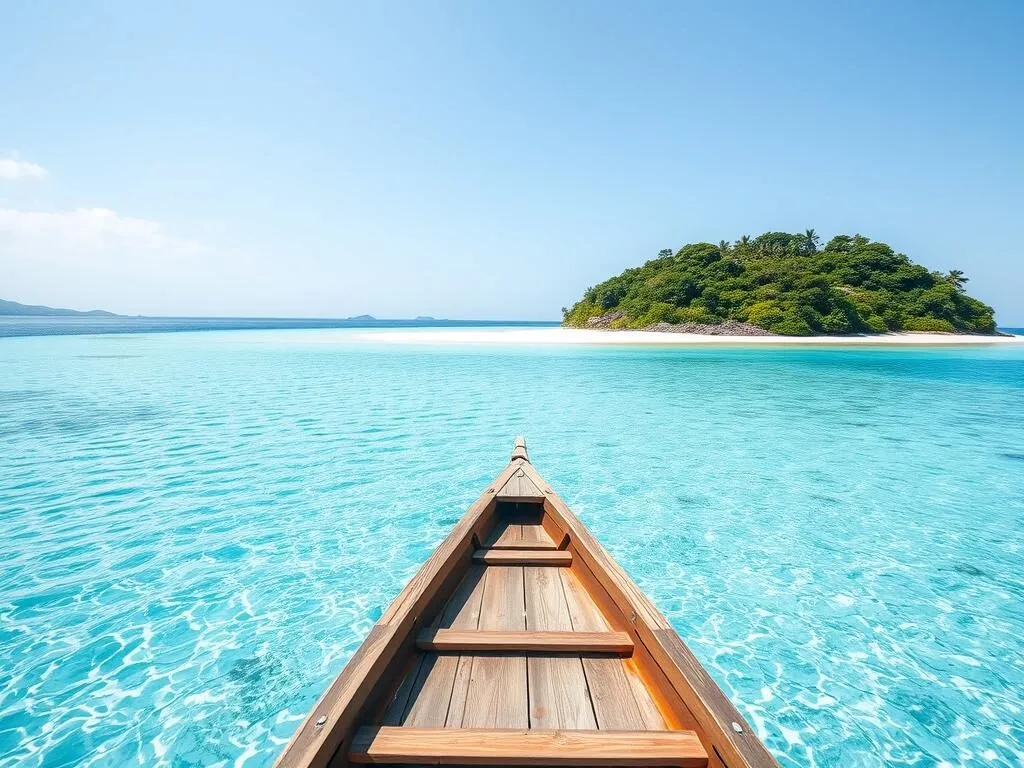
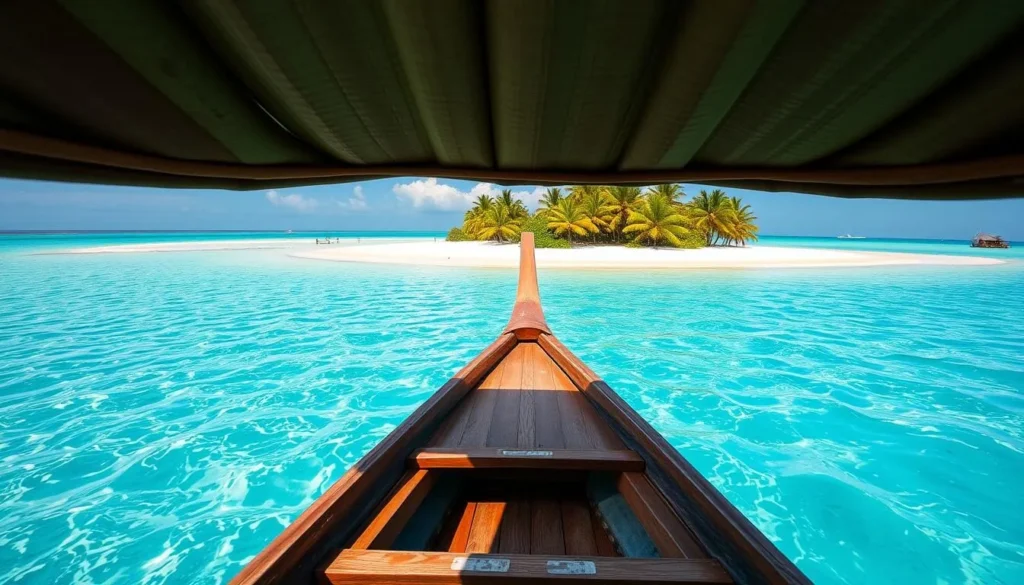
    Traditional wooden boat approaching Tinabo Island in Taka Bonerate National Park with turquoise waters and white sand beaches

    Best Time to Visit & Weather Tips

    The ideal time to visit Taka Bonerate National Park is during the dry season, from April to November, when seas are calmer and visibility for diving and snorkeling is at its best.

    Season Months Weather Sea Conditions Recommendation
    Peak Season April – June, October – November 26-32°C (79-90°F), Sunny Calm, excellent visibility Highly recommended
    Shoulder Season July – September 24-30°C (75-86°F), Mostly sunny Moderate, good visibility Recommended
    Wet Season December – March 25-31°C (77-88°F), Rain showers Rough, reduced visibility Not recommended

    During the west monsoon (December-March), waves can reach heights of two meters or more, causing ferry services to be suspended. Always check weather conditions before finalizing your travel dates.

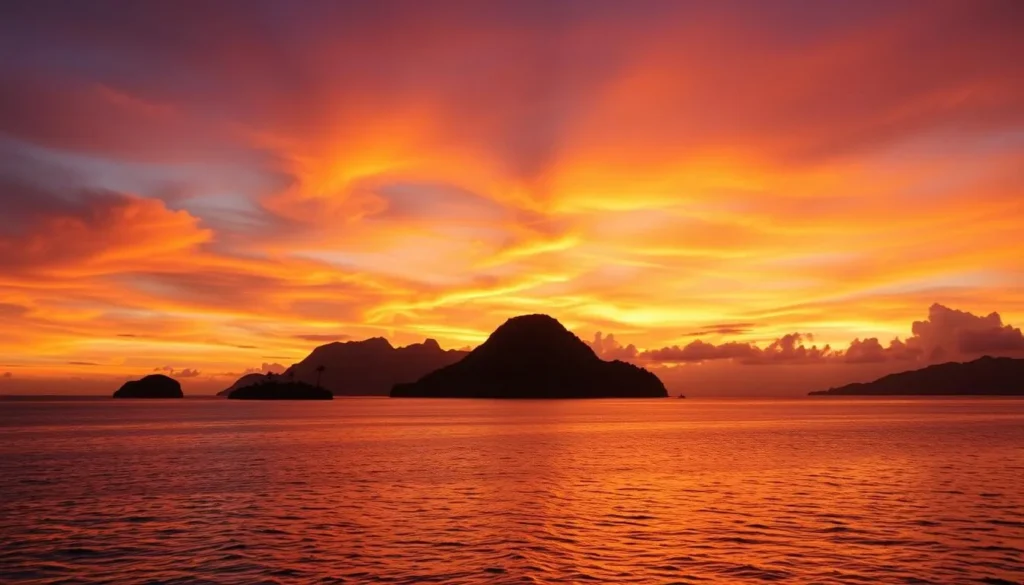
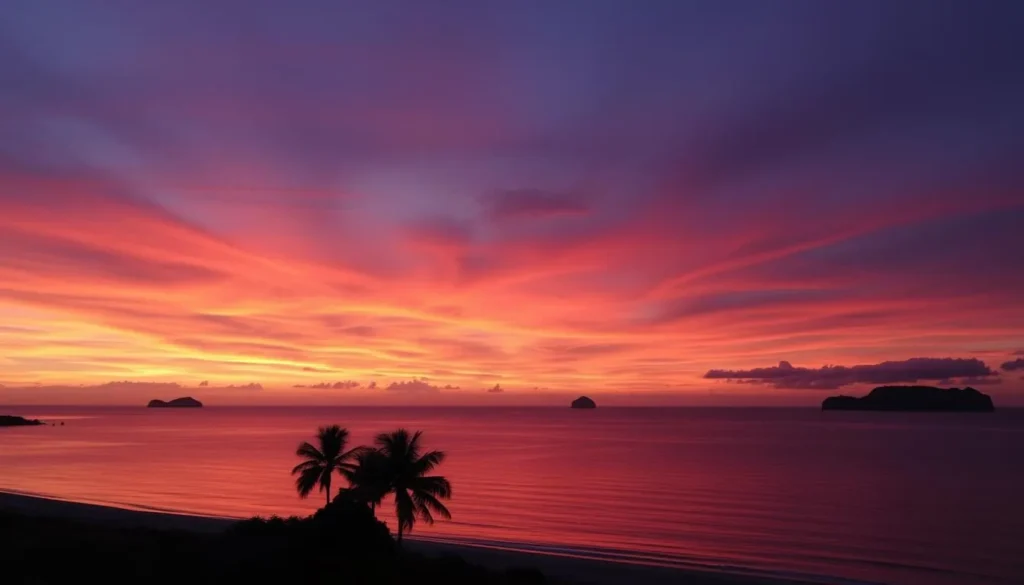
    Sunset view over Taka Bonerate National Park with silhouettes of small islands and orange-purple sky

    Getting Around Locally

    Once you’ve reached the islands of Taka Bonerate National Park, your primary mode of transportation will be boats. Here’s what you need to know about navigating this marine paradise:

    Island Hopping

    Local wooden boats are the main transportation between islands. Your homestay or guide can arrange day trips to various snorkeling spots, beaches, and neighboring islands. A typical island-hopping tour visits 3-5 different locations throughout the day.

  • Boat Rental: Expect to pay around 800,000-1,200,000 IDR ($50-80 USD) per day for a boat with captain that can accommodate 4-6 people.
  • Shared Boats: If traveling solo or as a couple, ask your accommodation about joining shared boat trips to reduce costs.
  • On the Islands

    The islands are small enough to explore on foot. Tinabo Island, one of the main bases for visitors, can be walked around in less than an hour. Some key points:
  • No motorized vehicles are available on most islands
  • Bring comfortable walking shoes for beach and forest paths
  • Pack a flashlight for evening walks, as islands have minimal lighting
  • Book guided tours with experienced local captains who know the best snorkeling spots and hidden gems of the national park.

    Where to Stay

    Accommodation options in Taka Bonerate are limited to basic homestays on a few inhabited islands. Don’t expect luxury resorts, but the simplicity adds to the authentic experience of this remote paradise.

    Tinabo Island

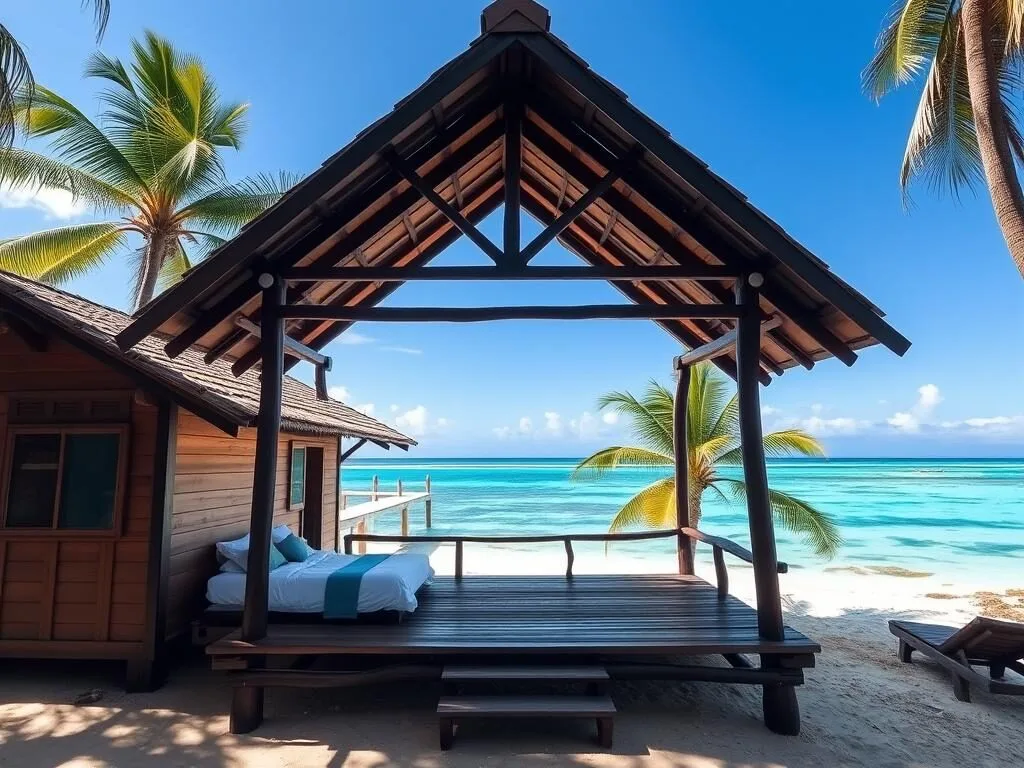
    Simple wooden homestay on Tinabo Island with ocean view and palm trees

    The most popular base for visitors, Tinabo feels like a private island with only one homestay operation. The national park headquarters is also located here. Accommodations are basic but clean, with stunning beachfront locations.

    Recommended

    Rajuni Island

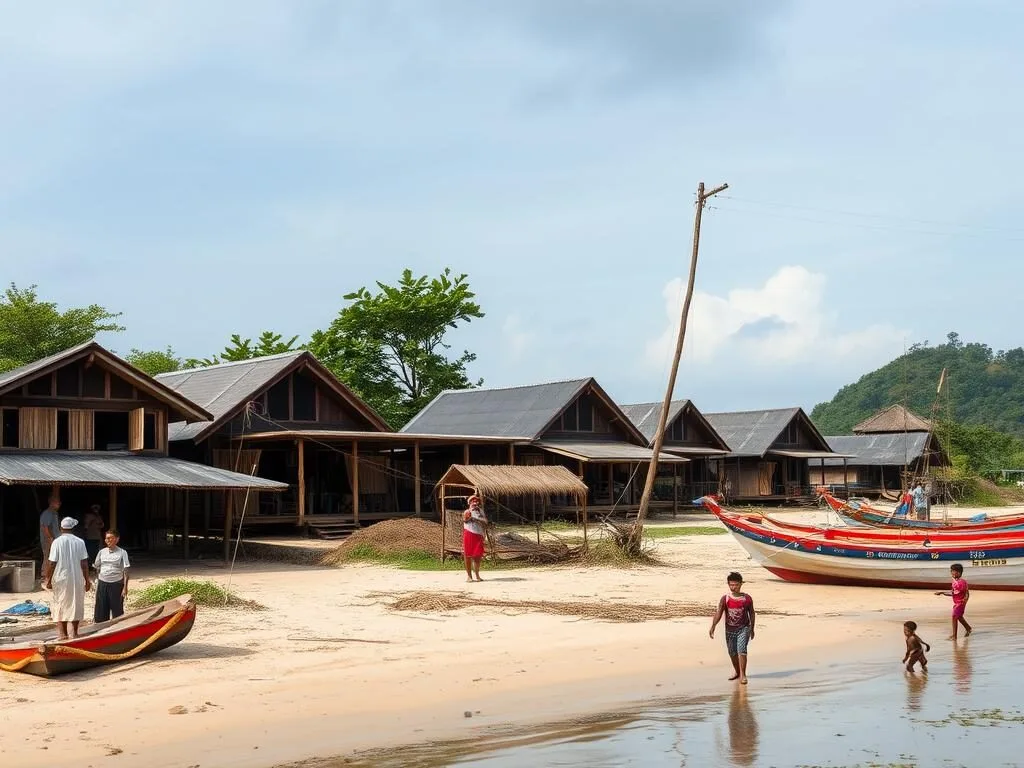
    Local village on Rajuni Island with multiple homestay options and daily life scenes

    More populated than Tinabo, Rajuni offers several homestay options and a glimpse into local island life. You’ll see children playing, fishermen at work, and experience the authentic culture of the islands.

    Family-friendly

    Selayar Island

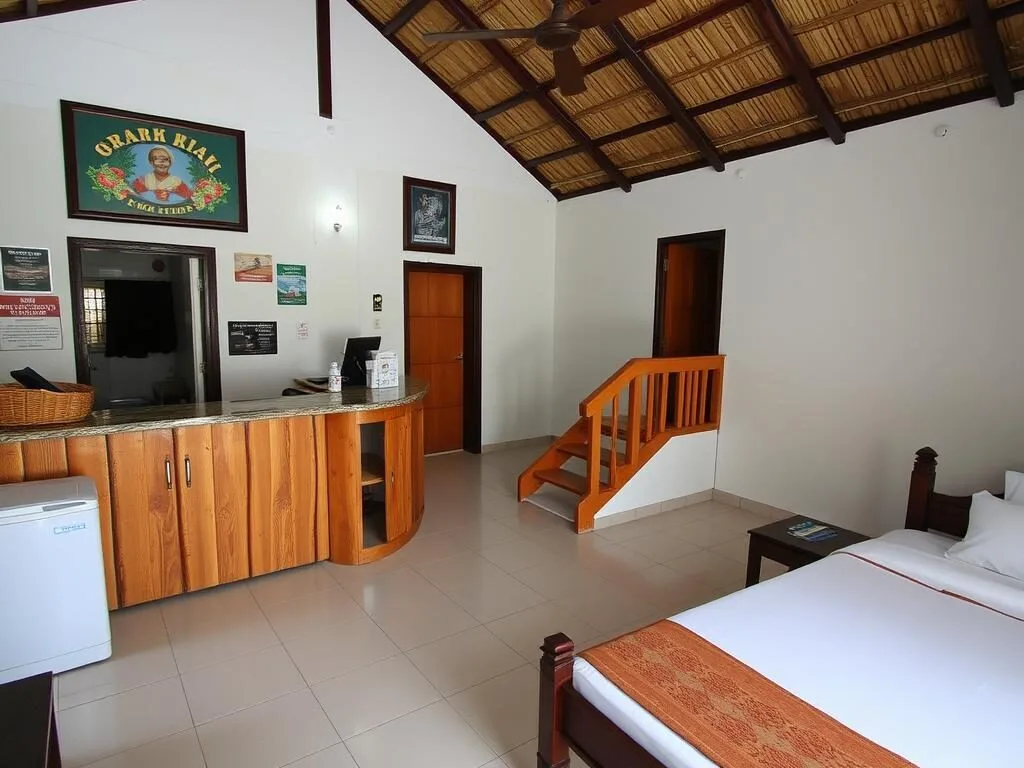
    Small hotel in Benteng town on Selayar Island with basic amenities

    Before or after your Taka Bonerate adventure, you’ll likely need to stay on Selayar Island. The town of Benteng offers several small hotels and guesthouses with more amenities than the park islands.

    Gateway

    All accommodations within the park are basic. Expect shared bathrooms, limited electricity (often from generators running only in the evening), and simple bedding. The trade-off is waking up to stunning ocean views and pristine beaches right at your doorstep.

    Book accommodations on Selayar Island or arrange homestays within Taka Bonerate National Park.

    Dining & Local Cuisine

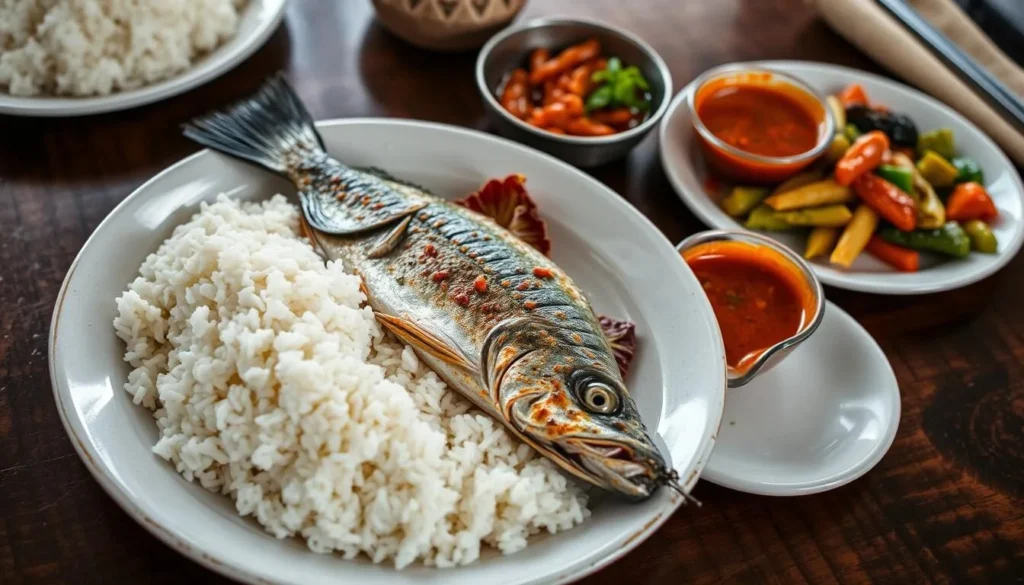
    The remote location of Taka Bonerate means dining options are limited but authentic. Most meals are prepared by your homestay hosts and feature incredibly fresh seafood caught the same day.

    Fresh seafood dinner prepared at a homestay in Taka Bonerate with grilled fish, rice, and vegetables

    What to Expect

  • Freshly Caught Seafood: Fish, squid, and shellfish prepared in various local styles
  • Rice: The staple accompaniment to most meals
  • Local Vegetables: Simple preparations of whatever is available locally
  • Sambal: Spicy chili condiments that add flavor to dishes
  • Tropical Fruits: Mangoes, bananas, and other seasonal fruits
  • Dining Arrangements

    There are no restaurants on the smaller islands within the park. Meals are typically:

  • Included in your homestay package
  • Served family-style at set times
  • Prepared using basic cooking facilities
  • Made with ingredients sourced locally or brought from Selayar
  • On Selayar Island, you’ll find small local restaurants (warungs) in Benteng town serving Indonesian favorites.

    Pro Tip: If you have specific dietary requirements or food allergies, communicate these clearly when booking your homestay. Consider bringing some supplementary snacks if you have particular needs, as options are limited once you’re in the park.

    Attractions, Sightseeing & Activities

    Taka Bonerate National Park offers world-class marine experiences in a pristine, uncrowded environment. The park’s main attractions revolve around its spectacular underwater ecosystem and island landscapes.

    Snorkeling

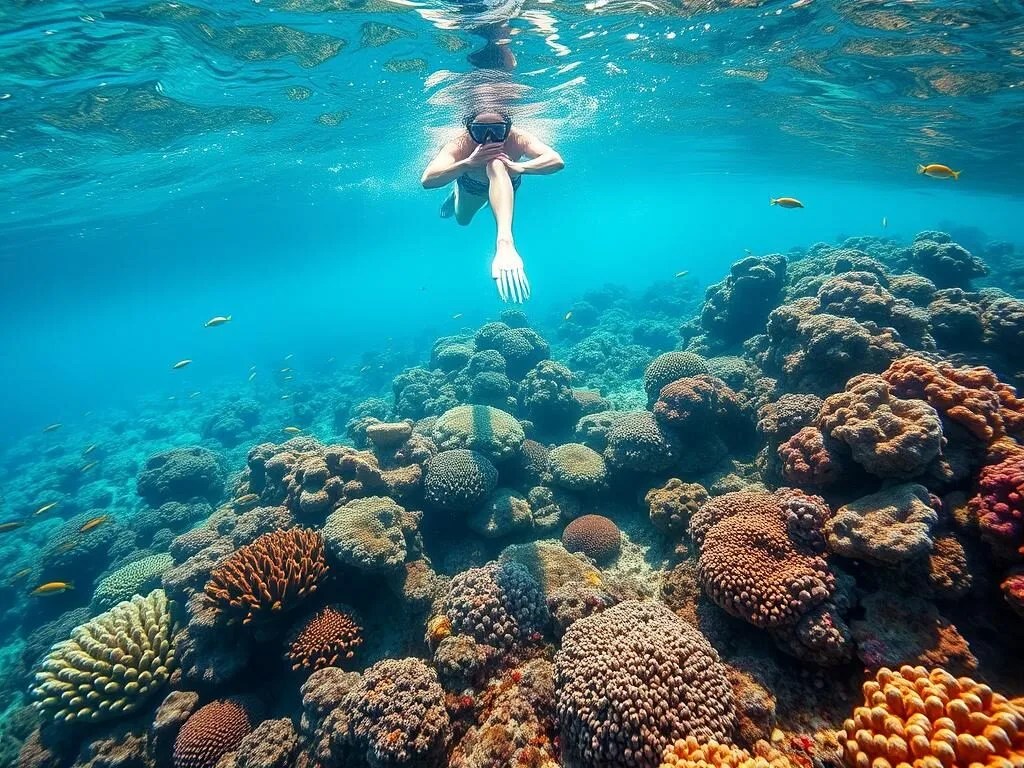
    Person snorkeling above vibrant coral reef in clear waters of Taka Bonerate

    With shallow reefs accessible right from the beaches, snorkeling is the most popular activity. Expect to see hundreds of fish species, vibrant coral formations, and possibly turtles and reef sharks. Top spots include the reefs around Tinabo, Latondu, and Belang-Belang islands.

    Scuba Diving

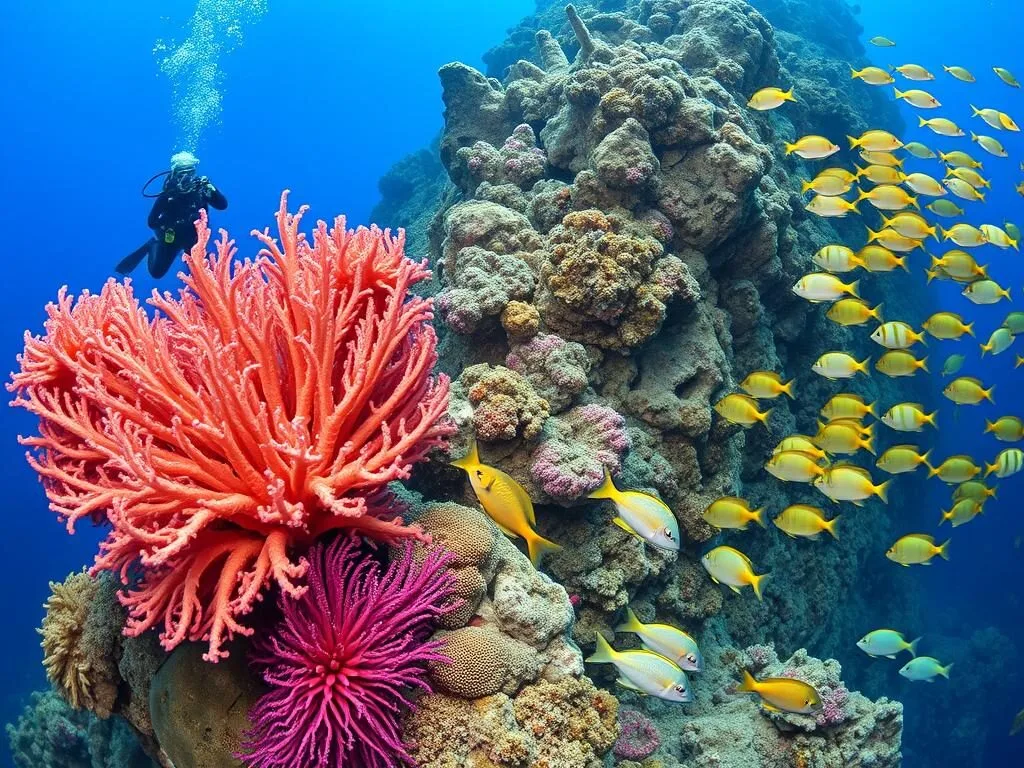
    Scuba diver exploring coral wall with sea fans and tropical fish in Taka Bonerate

    For certified divers, Taka Bonerate offers over 50 dive sites with walls, drop-offs, and extensive reef systems. Highlights include encounters with manta rays, reef sharks, and the incredible diversity of macro life. Arrange diving equipment and guides in advance as there are no dive centers within the park.

    Island Hopping

    Small boat approaching a pristine beach on one of Taka Bonerate's uninhabited islands

    With 21 islands in the park, island hopping is a must-do activity. Visit uninhabited islands with pristine beaches, explore different snorkeling spots, and enjoy picnic lunches on secluded shores. Full-day boat trips typically visit 3-5 islands.

    Beach Exploration

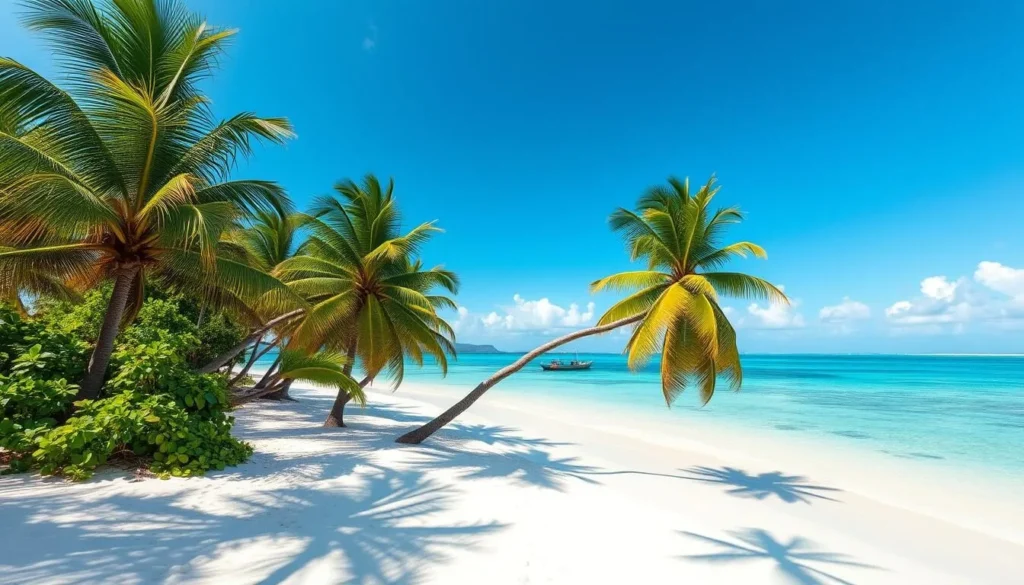
    White sand beach with palm trees and clear waters on Tinabo Island

    The islands feature stunning white-sand beaches perfect for relaxation. Tinabo Island’s main beach is particularly beautiful, with powdery sand and crystal-clear waters. Take leisurely walks around the islands to discover hidden coves and scenic viewpoints.

    Photography

    Photographer capturing sunset over small islands in Taka Bonerate National Park

    The combination of turquoise waters, white beaches, and lush vegetation creates perfect photography opportunities. Sunrise and sunset are particularly magical, with the sun painting the sky in vibrant hues over the scattered islands and atolls.

    Book guided snorkeling tours, diving excursions, and island-hopping trips with experienced local guides.

    Cultural Experiences & Local Communities

    Beyond its natural beauty, Taka Bonerate offers fascinating cultural encounters with the Bajo people (Sea Gypsies) and Bugis communities who have inhabited these waters for generations.

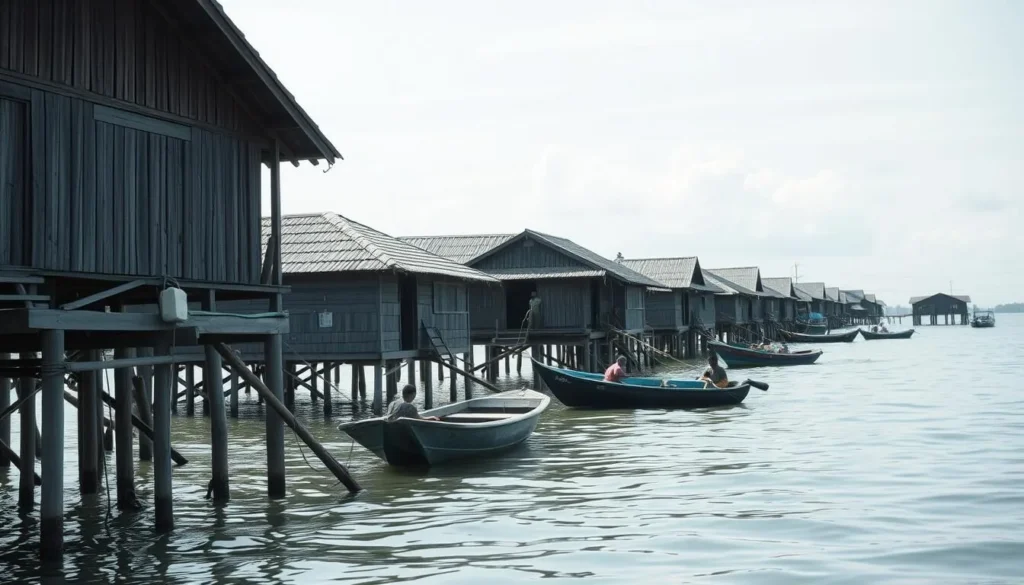
    Traditional Bajo stilt houses built over water in a village near Taka Bonerate

    Bajo Communities

    The Bajo people, often called “Sea Gypsies,” have a unique maritime culture where life revolves entirely around the ocean. Traditionally semi-nomadic, many Bajo now live in permanent stilt villages built over the water.

  • Observe traditional fishing techniques passed down through generations
  • Learn about their deep knowledge of marine ecosystems
  • Witness their remarkable free-diving abilities
  • Experience their warm hospitality and seafaring traditions
  • Bugis Culture

    The Bugis people of South Sulawesi are renowned seafarers and boat builders. Their traditional pinisi schooners are an iconic symbol of Indonesian maritime heritage.

  • See traditional boat-building techniques on Selayar Island
  • Learn about pinisi construction, recognized by UNESCO as intangible cultural heritage
  • Experience local customs and traditions in villages
  • Taste authentic Bugis cuisine with its unique flavors and spices
  • Visiting local communities offers a glimpse into sustainable maritime lifestyles that have existed for centuries. These communities maintain traditional ecological knowledge that has allowed them to live in harmony with the marine environment.

    – Local Conservation Guide

    Practical Travel Tips

    Preparing for a trip to this remote destination requires some special considerations. Here are essential tips to ensure a smooth and enjoyable experience:

    What to Pack

  • Reef-safe sunscreen (essential for protecting coral)
  • Snorkeling gear (mask, snorkel, fins)
  • Quick-dry clothing and swimwear
  • Insect repellent
  • Headlamp or flashlight (limited electricity)
  • Power bank for charging devices
  • Basic first aid kit
  • Cash (no ATMs in the park)
  • Health & Safety

  • Bring any necessary medications (no pharmacies in the park)
  • Consider seasickness medication for boat journeys
  • Stay hydrated in the tropical climate
  • Use reef-safe sunscreen to protect both your skin and the coral
  • Follow guide instructions when in the water
  • Respect marine life – observe but don’t touch
  • Communication

  • Mobile signal is limited or non-existent on most islands
  • No WiFi available in the park
  • Inform family/friends of your itinerary before departure
  • Learn basic Indonesian phrases to communicate with locals
  • Consider a satellite phone for emergency communication
  • Conservation Note: Taka Bonerate’s ecosystem is fragile and under protection. Never touch or stand on coral, avoid collecting shells or marine specimens, and take all trash with you when leaving islands. Support local conservation efforts by respecting park rules and hiring local guides who understand sustainable tourism practices.

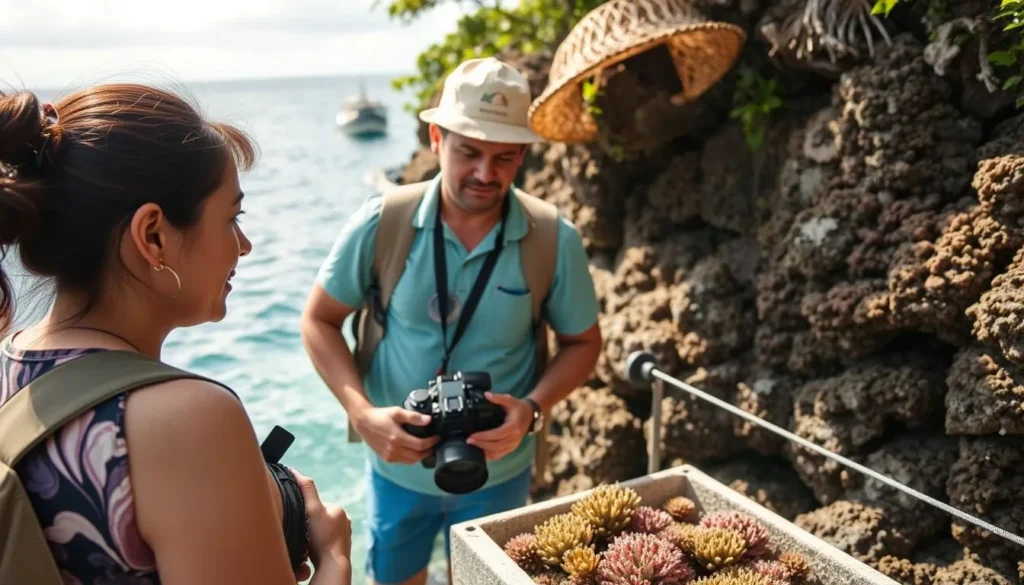
    Tourist with local guide learning about coral conservation efforts in Taka Bonerate

    Experience the Magic of Taka Bonerate

    Taka Bonerate National Park represents one of Indonesia’s last pristine marine frontiers. The journey to reach this remote paradise may be challenging, but those who make the effort are rewarded with extraordinary natural beauty, world-class snorkeling and diving, and authentic cultural experiences far from the tourist crowds.

    From swimming alongside vibrant coral formations to relaxing on powdery white beaches, from learning about Bajo maritime traditions to witnessing spectacular island sunsets, Taka Bonerate offers unforgettable experiences that connect visitors with both nature and culture in profound ways.

    Start planning your adventure to one of Indonesia’s most spectacular marine destinations.

    Sunset view from a beach in Taka Bonerate National Park with silhouettes of islands on the horizon

    The above is subject to change.

    Check back often to TRAVEL.COM for the latest travel tips and deals.

    0 Comments

    Related Posts

    Tegal, Indonesia: Best Things to Do – Top Picks

    Tegal, Indonesia: Best Things to Do – Top Picks

    Did you know that Tegal is home to one of Java's most distinctive food cultures, where the local "warteg" (Warung Tegal) food stalls have become so popular they've spread throughout Indonesia? This small coastal city in Central Java might not be on most international...