Hotels by Trip.com
Flights by Trip.com
Did you know that Tasikmalaya is home to over 200 traditional Sundanese weaving workshops and is considered the handicraft capital of West Java? This hidden gem in Indonesia offers travelers a glimpse into authentic Sundanese culture while being surrounded by stunning volcanic landscapes and traditional villages that have remained unchanged for centuries.
Getting There & Planning Your Journey
Tasikmalaya is located in West Java province, approximately 380 km from Jakarta and 120 km from Bandung. The city serves as an important transportation hub on Java’s southern route (National Road 3).
By Air
The most convenient way to reach Tasikmalaya is by flying to Halim Perdana Kusuma Airport in Jakarta, then continuing your journey by train or car. Currently, there is limited direct air service to Tasikmalaya with only one flight per day from Jakarta.
By Train
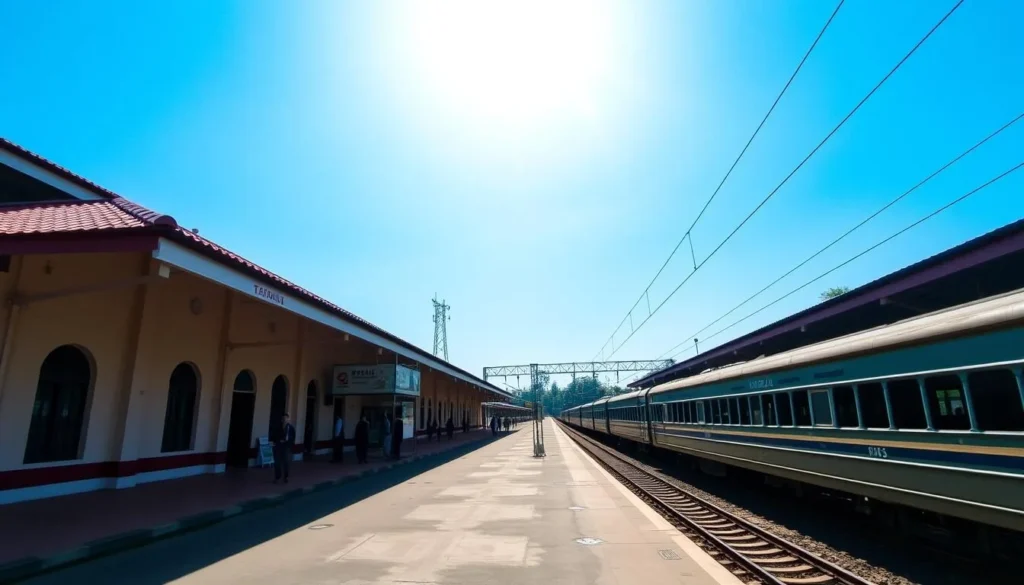
Tasikmalaya is well-connected by rail, with Tasikmalaya Railway Station serving as a major stop on the southern Java line. There are six economy class trains daily from Bandung (Kiaracondong station), with two beginning in Jakarta. Additionally, six business/executive class trains operate daily from Bandung Central Station.
By Bus
Frequent bus services connect Tasikmalaya to major cities across Java. The main terminal, Indihiang Bus Terminal, is located on the northwestern side of the city. Buses run regularly from Jakarta’s Kampung Rambutan and Lebak Bulus terminals, as well as from Bandung’s Cicaheum terminal.
By Car
If driving from Bandung, you’ll need to take the road over the Nagreg mountain pass. The journey takes approximately 2.5-3 hours in good traffic conditions, though congestion is common on the mountain pass road.
Best Time to Visit & Weather Tips
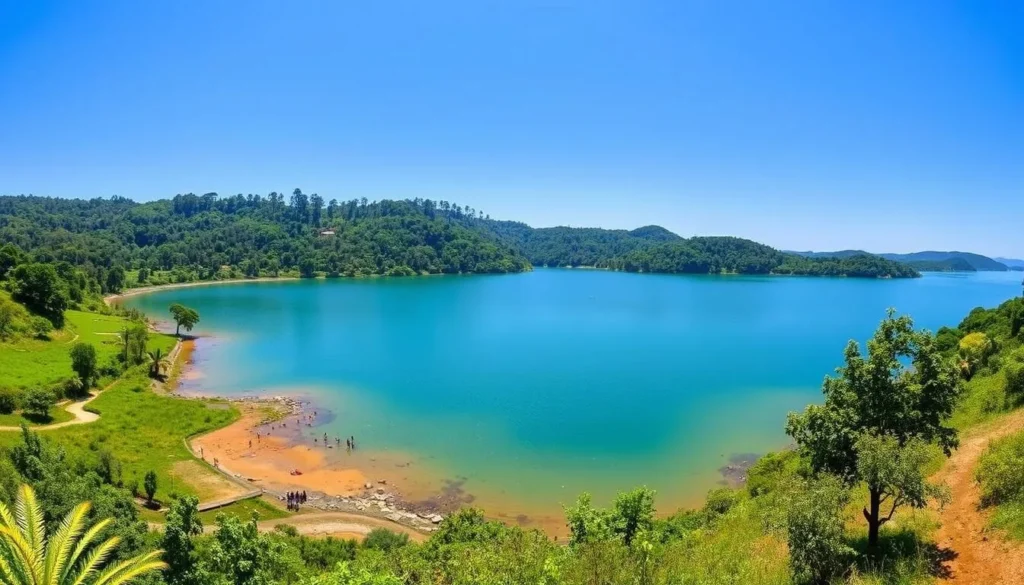
Tasikmalaya has a tropical monsoon climate with distinct wet and dry seasons. The best time to visit is during the dry season from May to September when rainfall is minimal and temperatures are pleasant.
| Season | Months | Temperature | Rainfall | Notes |
| Dry Season | May – September | 23-32°C (73-90°F) | Low | Ideal for outdoor activities and exploring Mount Galunggung |
| Wet Season | October – April | 22-30°C (72-86°F) | High | Afternoon thunderstorms common; lush landscapes but some activities may be limited |
| Peak Tourist Season | June – August | 24-31°C (75-88°F) | Very Low | Higher accommodation prices; advance booking recommended |
Even during the dry season, it’s advisable to pack light rain gear as brief showers can occur. The region’s elevation means evenings can be cooler, so bringing a light jacket is recommended, especially if you plan to visit Mount Galunggung or other highland areas.
Getting Around Locally
Navigating Tasikmalaya is relatively straightforward with several transportation options available to visitors:
Angkot (Public Minivans)
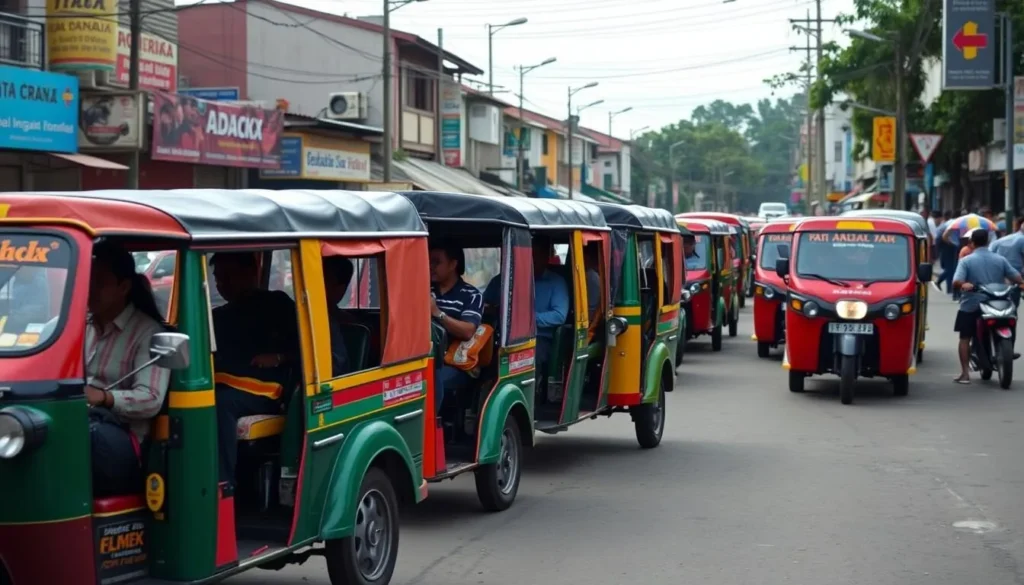
These colorful minivans are the most common form of public transportation in Tasikmalaya. They follow fixed routes throughout the city and are an affordable way to get around. Simply flag one down and tell the driver where you want to get off.
Becak (Cycle Rickshaw)
For shorter distances, becak (three-wheeled cycle rickshaws) provide a traditional and environmentally friendly way to explore the city. Be sure to negotiate the fare before starting your journey.
Delman (Horse Carriage)
These traditional horse-drawn carriages can be found in certain areas of the city and offer a unique way to experience Tasikmalaya’s streets. They’re particularly popular for leisurely rides around the city center.
Rental Cars & Drivers
For maximum flexibility, especially when exploring attractions outside the city like Kampung Naga or Mount Galunggung, renting a car with a driver is highly recommended. Local drivers know the best routes and can provide valuable insights about the region.
Check 30,000+ Local Sightseeing Tours Worldwide
✓ Numerous languages and currencies are available
Where to Stay
Tasikmalaya offers a range of accommodation options to suit different budgets and preferences. Most hotels are concentrated in the city center, providing easy access to local attractions and amenities.
Luxury Options
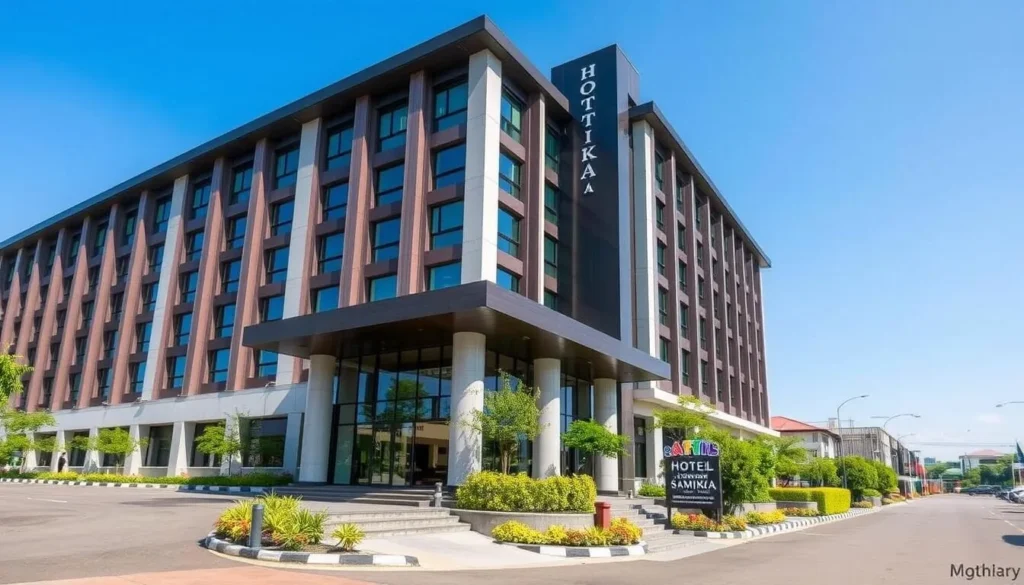
Hotel Santika Tasikmalaya stands out as the city’s premier luxury option, offering modern rooms, a swimming pool, fitness center, and excellent dining options. With its central location on Jalan Yudanegara, it provides a comfortable base for exploring the city.
Mid-Range Hotels
Aston Inn Tasikmalaya offers good value with comfortable rooms and convenient amenities. Located on Jl. RE Martadinata, it provides easy access to the city’s attractions. Other solid mid-range options include Grand Dafam Tasikmalaya and Horison Tasikmalaya.
Budget Accommodations
For budget travelers, Hotel O Syariah near Universitas Siliwangi offers clean, basic rooms at very affordable rates. Hotel Merdeka near the train station is another economical option, ideal for travelers prioritizing location over luxury.
Dining & Local Cuisine

Tasikmalaya’s culinary scene offers a delicious introduction to Sundanese cuisine, known for its fresh ingredients and vibrant flavors. The city is particularly famous for its unique local specialties.
Must-Try Local Dishes
Dining Areas
The area around Alun-Alun Kota Tasik (city square) offers numerous dining options, from street food stalls to sit-down restaurants. For a more upscale experience, the restaurants within Hotel Santika and other major hotels offer both Indonesian and international cuisine.
Local Tip: Many restaurants in Tasikmalaya close relatively early (around 9 PM), so plan your dinner accordingly. Street food vendors often stay open later, particularly around the city square.
Attractions, Sightseeing & Activities
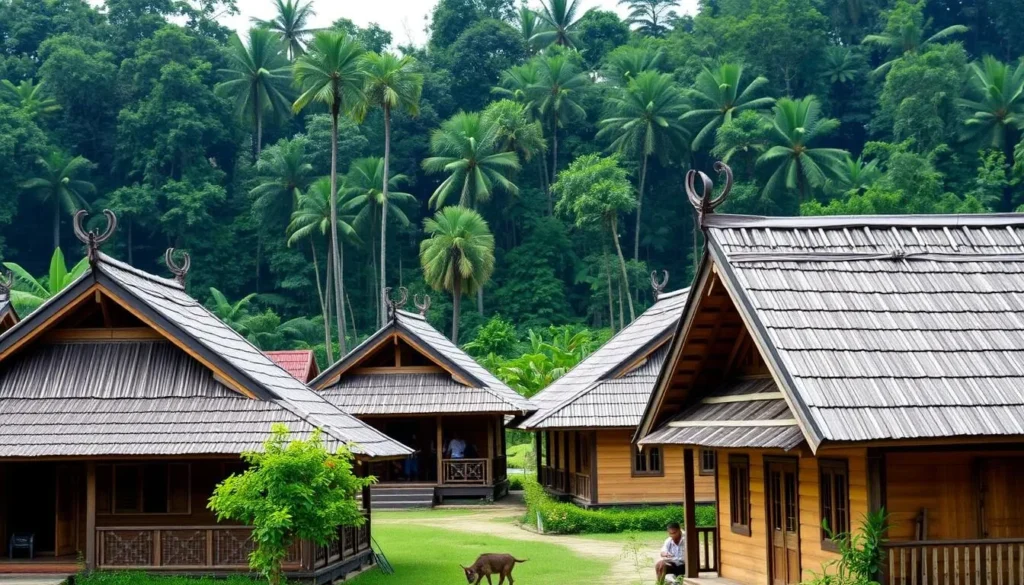
Tasikmalaya offers a fascinating blend of natural wonders, cultural experiences, and historical sites. Here are the must-visit attractions in and around the city:
Cultural Attractions
Kampung Naga
Located about 25 km west of Tasikmalaya city in the Salawu district, this traditional village offers a glimpse into ancient Sundanese culture. The community lives with traditional simplicity and environmental wisdom, maintaining customs that have remained unchanged for centuries. The village’s unique architecture features uniform wooden houses with distinctive roofs, all facing the same direction. Visitors can explore the village with a local guide to learn about their sustainable lifestyle and cultural practices.
Makam Pamijahan
This religious site in Bantarkalong district (about 45 km south of Tasikmalaya) houses the tomb of Syeikh Abdul Muhyi, a renowned Islamic missionary. It’s an important pilgrimage site for Muslims and offers insights into the region’s religious history and cultural heritage.
Natural Attractions
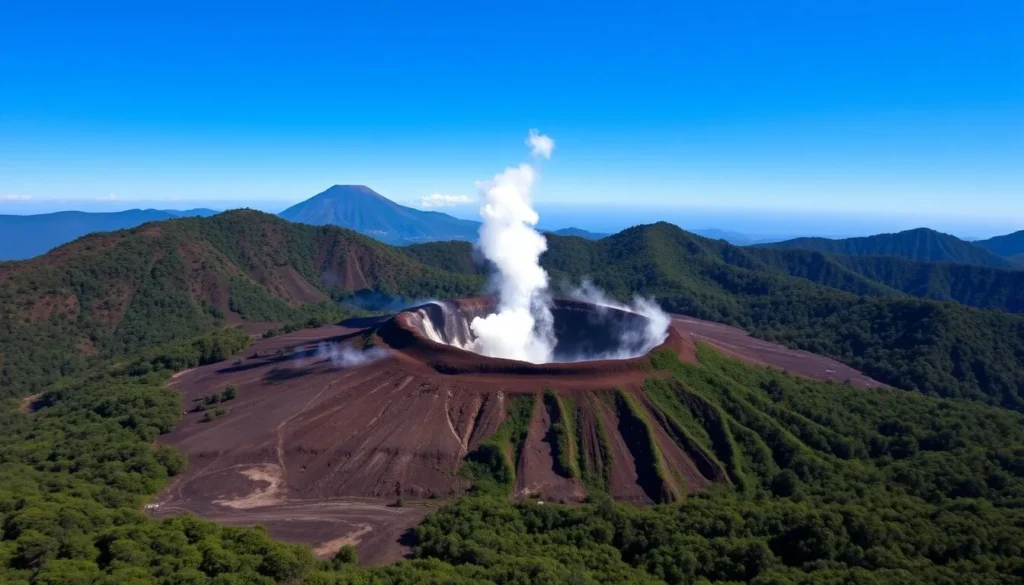
Mount Galunggung
This active volcano (2,168 m / 7,113 ft) towers over Tasikmalaya on its western side. The 1982 eruption transformed the landscape, creating stunning scenery that now attracts visitors. Hiking trails lead to the crater, offering breathtaking views and the opportunity to bathe in natural hot springs. The hike takes approximately 2-3 hours from the base and is of moderate difficulty.
Situ Gede
This small natural lake on the western edge of the city (Mangkubumi district) provides a peaceful retreat from urban life. Visitors can enjoy boating, fishing, or simply relaxing by the water. The surrounding area features food stalls selling local snacks and refreshments.
Museums, Cultural Spots & Festivals
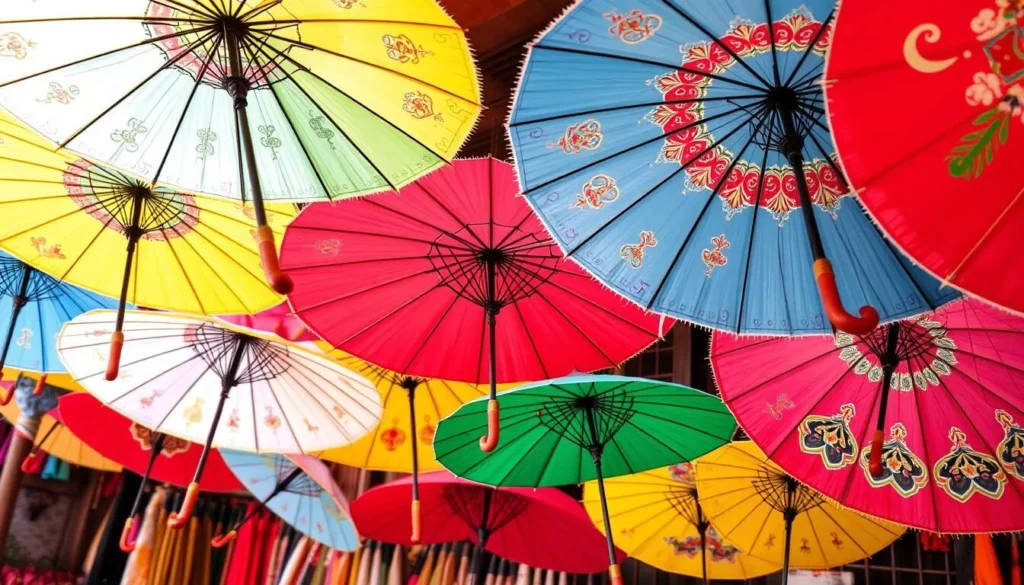
Tasikmalaya’s rich cultural heritage is reflected in its traditional crafts, religious sites, and vibrant festivals.
Traditional Crafts
Rajapolah Craft Center
Located in the northern part of Tasikmalaya, Rajapolah is famous for its traditional wood crafts and bamboo products. Visitors can watch artisans at work and purchase handmade souvenirs directly from the craftspeople.
Payung Tasik (Tasik Umbrellas)
These beautifully hand-painted traditional umbrellas are one of Tasikmalaya’s most distinctive crafts. Several workshops around the city offer demonstrations of the painstaking process involved in creating these colorful works of art.
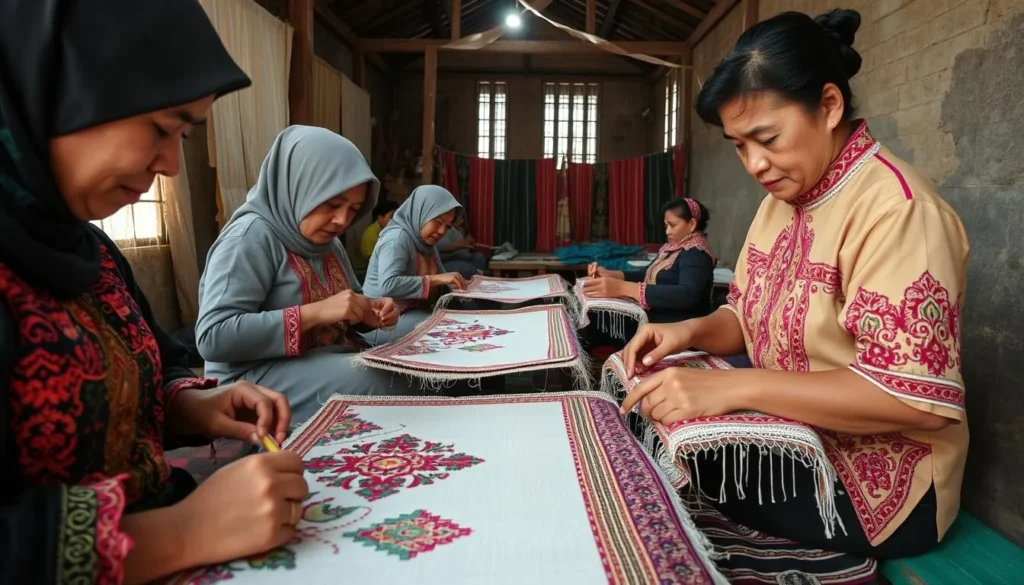
Bordir Tasik (Tasik Embroidery)
The Kawalu district is renowned for its traditional embroidery, featuring intricate designs that have been passed down through generations. Visitors can tour workshops to see the creation process and purchase high-quality embroidered products as souvenirs.
Religious Sites
Masjid Agung Tasikmalaya (Grand Mosque) stands as an impressive architectural landmark in the city center. Its distinctive design blends traditional and modern elements, making it both a place of worship and a cultural attraction.
Annual Festivals
Sports, Nature & Outdoor Experiences
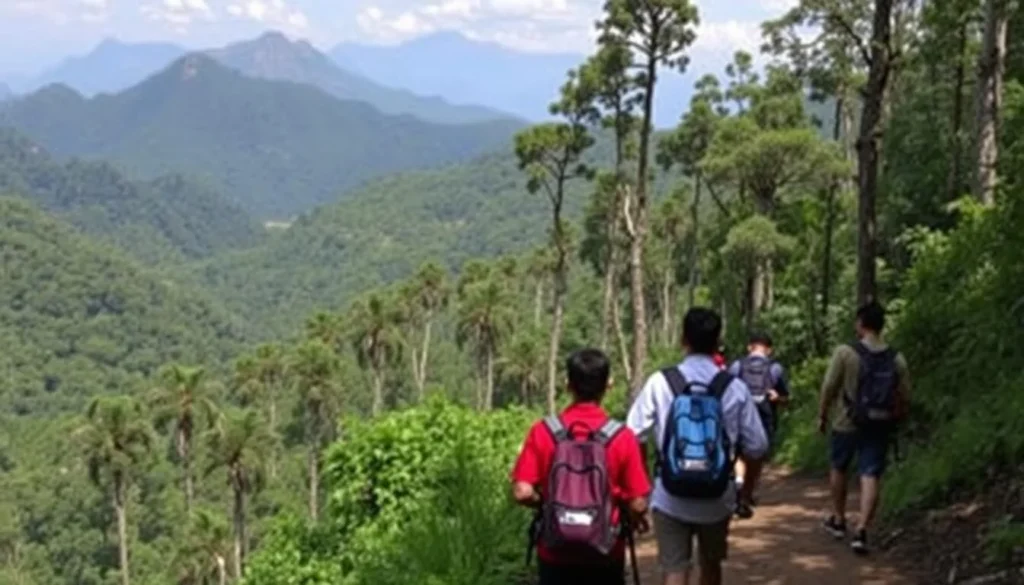
The natural landscape surrounding Tasikmalaya offers numerous opportunities for outdoor adventures and nature experiences.
Hiking & Trekking
Beyond Mount Galunggung, the region offers several hiking trails through forests and rural landscapes. Local guides can be arranged through hotels or tour operators to explore these less-traveled paths.
Hot Springs
The volcanic activity in the region has created several natural hot springs. The springs near Mount Galunggung are particularly popular for their therapeutic mineral waters, offering a relaxing experience after a day of hiking.
Rural Cycling
The countryside around Tasikmalaya, with its rice paddies, villages, and forest patches, provides excellent terrain for cycling enthusiasts. Bikes can be rented in the city, and some hotels offer guided cycling tours.
Photography
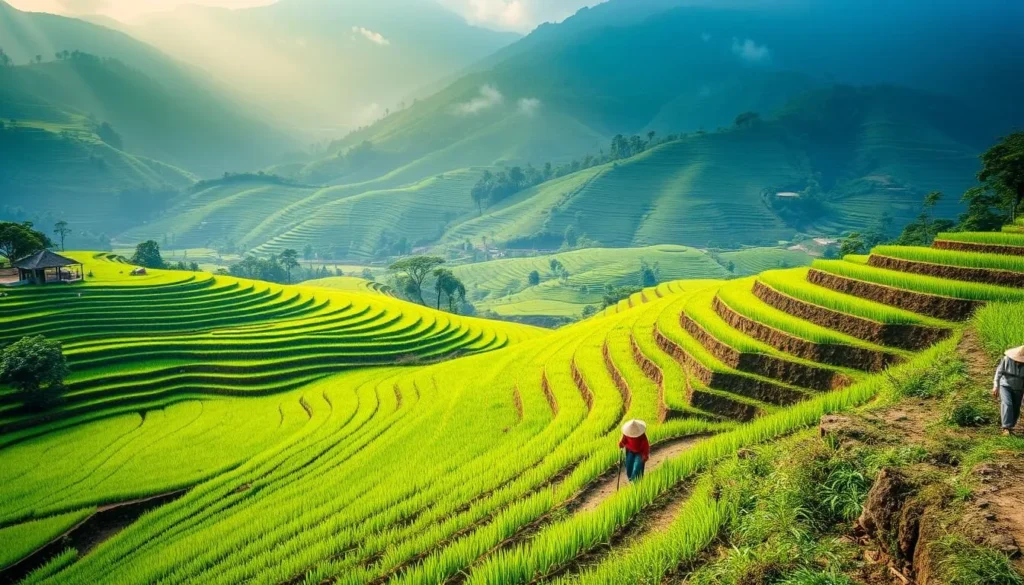
The diverse landscapes, from volcanic craters to traditional villages and rice terraces, make Tasikmalaya a paradise for photography enthusiasts. Early morning and late afternoon offer the best lighting conditions for capturing the region’s natural beauty.
Safety, Etiquette & Local Customs
Tasikmalaya is generally a safe destination for travelers, but as with any travel experience, it’s important to be aware of local customs and safety considerations.
Cultural Respect
Health & Safety
Volcanic Activity: Mount Galunggung is an active volcano. Before planning a visit, check current activity reports and follow all safety guidelines provided by local authorities.
Practical Travel Tips
Language
While Bahasa Indonesia is the official language, many locals in Tasikmalaya speak Sundanese as their first language. English is not widely spoken outside of major hotels and tourist areas. Learning a few basic Indonesian phrases can greatly enhance your experience.
Money
The Indonesian Rupiah (IDR) is the local currency. ATMs are available in the city center, but it’s advisable to carry cash when visiting rural areas or traditional markets. Credit cards are accepted at larger hotels and some restaurants but are not universally accepted.
Internet & Connectivity
Mobile coverage is good in Tasikmalaya city, but can be spotty in rural areas. Local SIM cards with data packages are inexpensive and can be purchased at convenience stores with proper identification.
Shopping Tips
Tasikmalaya is renowned for its handicrafts, making it an excellent place for souvenir shopping. The best items to purchase include:
Bargaining is expected in markets and small shops but should be done respectfully. Start by offering about 60-70% of the asking price and work toward a mutually acceptable figure.
Ready to Explore Tasikmalaya?
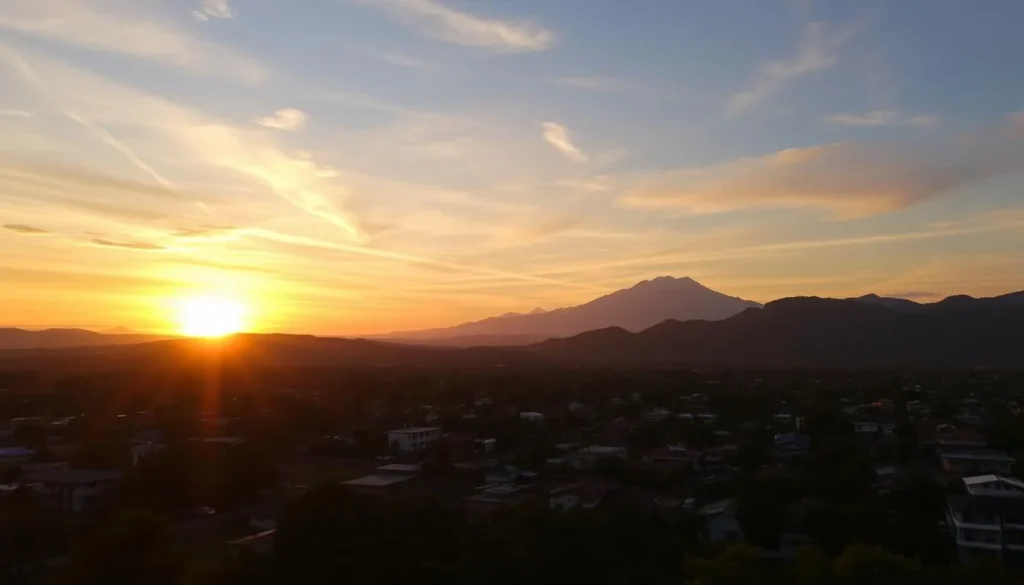
Tasikmalaya offers travelers a unique opportunity to experience authentic Sundanese culture, traditional crafts, and natural beauty away from Indonesia’s more crowded tourist destinations. From the preserved traditions of Kampung Naga to the volcanic landscapes of Mount Galunggung, this hidden gem in West Java rewards those willing to venture off the beaten path.
Whether you’re fascinated by traditional crafts, eager to explore volcanic landscapes, or simply looking to experience a less-touristed side of Indonesia, Tasikmalaya provides a genuine cultural immersion that will leave you with lasting memories and a deeper appreciation of Indonesia’s diverse heritage.