

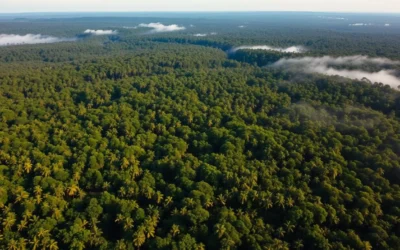
Home to one of the last wild Sumatran elephant herds, Way Kambas National Park shelters fewer than 250 of these critically endangered giants within its 1,300 km² (500 mi²) of protected rainforest. Established in 1989, this vital conservation area in Lampung province represents one of Sumatra’s most important wildlife sanctuaries, where visitors can witness remarkable conservation efforts firsthand while exploring pristine swamp forests and lowland rainforest habitats.
Way Kambas stands as a crucial sanctuary for some of Indonesia’s most endangered species. Despite facing challenges from poaching and illegal logging in past decades, the park has emerged as a conservation success story. Today, it protects not only Sumatran elephants but also critically endangered Sumatran rhinos, tigers, and over 400 bird species in their natural habitat.
This comprehensive guide will help you plan an unforgettable journey to this remarkable destination, from practical travel logistics to the most rewarding wildlife experiences available to visitors.
Getting There & Planning Your Journey

Reaching Way Kambas requires some planning, but the journey is well worth the effort. Most visitors arrive via Bandar Lampung, the capital city of Lampung province in southern Sumatra.
By Air
The nearest airport is Radin Inten II Airport in Bandar Lampung, which receives domestic flights from Jakarta, Medan, and other major Indonesian cities. From Jakarta, flights to Bandar Lampung take approximately 30-40 minutes.
By Land and Sea
Budget travelers can take a bus from Jakarta to Merak (3-4 hours), then a ferry to Bakauheni in Lampung (2 hours), followed by another bus to Bandar Lampung (2 hours). From Bandar Lampung, it’s a 2-3 hour drive to Way Kambas National Park.
Park Transportation
Most ecolodges and tour operators offer transfer services from Bandar Lampung to the park. If you prefer independence, consider renting a car with a driver, as navigating rural Sumatran roads can be challenging for foreigners.
Best Time to Visit & Weather Tips

Way Kambas has a tropical climate with distinct wet and dry seasons that influence wildlife viewing opportunities and accessibility.
Dry Season (May to September)
The dry season from May through September offers the most reliable weather for visiting Way Kambas. Temperatures typically range from 23°C to 32°C (73°F to 90°F) with lower humidity. This period provides better conditions for wildlife viewing as animals gather around water sources, and trails remain accessible. July and August are particularly popular for birdwatching.
Wet Season (October to April)
The wet season brings frequent afternoon downpours, with November to February experiencing the heaviest rainfall. While this can limit accessibility to some areas, the forest comes alive with lush vegetation, and you’ll encounter fewer visitors. Temperatures remain warm at 22°C to 30°C (72°F to 86°F), but humidity levels increase significantly.
Wildlife Viewing Considerations
For optimal wildlife viewing, consider visiting at the transition periods—late April/early May or late September/early October. During these times, the landscape remains green while water levels are manageable for boat safaris along the Way Kanan River.
Getting Around Locally

Exploring Way Kambas requires guided transportation, as independent travel within the park is restricted for safety and conservation reasons.
Guided Jeep Tours
The primary way to explore the park’s interior is via 4WD vehicles with an official guide. A 13km jeep track runs through the heart of the park, offering access to key wildlife viewing areas. Most lodges arrange these excursions as part of their packages.
River Safaris
Boat trips along the Way Kanan River provide excellent wildlife viewing opportunities, especially for primates, birds, and occasionally larger mammals like elephants. These typically last 2-3 hours and are best scheduled for early morning or late afternoon when animals are most active.
Walking Trails
Short guided walks are available near the Way Kanan Substation and around the Elephant Conservation Center. These must be done with park rangers for safety, as the forest is home to potentially dangerous wildlife including tigers and elephants.
Where to Stay

Accommodation options near Way Kambas range from basic park facilities to comfortable ecolodges that cater specifically to wildlife enthusiasts.
Satwa Elephant Ecolodge
Located just 500 meters from the park entrance, this popular ecolodge offers comfortable rooms with en-suite bathrooms, air conditioning, and screened windows. The lodge specializes in wildlife tours and can arrange all necessary permits and guides. Their knowledgeable staff includes experienced bird and mammal guides who lead specialized excursions.
Way Kanan Substation Guesthouse
For budget travelers and those seeking a more immersive experience, the park’s substation offers basic rooms with shared facilities. You’ll need to bring your own mosquito net and food supplies or arrange for rangers to cook meals for an additional fee. The advantage is being right in the heart of the park for early morning and late evening wildlife viewing.
Bandar Lampung Hotels
If you prefer more amenities, staying in Bandar Lampung and making day trips to the park is possible, though less convenient. The city offers a range of accommodations from budget guesthouses to mid-range hotels with modern facilities.
Dining & Local Cuisine

Dining options within Way Kambas are limited, but you’ll find authentic local cuisine in the surrounding villages and at ecolodges.
Lodge Dining
Most visitors eat at their accommodation, with ecolodges like Satwa offering full-board packages. Meals typically feature Indonesian cuisine with some Western options. The lodges can also prepare packed breakfasts and lunches for full-day excursions into the park.
Local Specialties
When venturing into nearby villages, try Lampung specialties such as seruit (grilled fish with sambal), gulai taboh (vegetable curry), and tempoyak (fermented durian sauce). The region is known for its spicy flavors, with many dishes incorporating the famous Lampung black pepper.
Self-Catering
If staying at the park’s substation, you’ll need to bring supplies or arrange for rangers to prepare meals. Some visitors bring portable cooking equipment for longer stays. The nearest town with shops and small restaurants is about 20 minutes from the park entrance.
Traveler Tip: Bring a reusable water bottle and snacks for day trips. Most lodges provide unlimited drinking water, and having energy-boosting snacks is essential during long wildlife viewing sessions.
Attractions, Sightseeing & Activities

Way Kambas offers unique wildlife experiences focused on conservation and natural habitats. Here are the must-visit attractions:
Elephant Conservation Center (ECC)
Established in the 1980s, the center houses domesticated Sumatran elephants used for conservation work, patrol, and ecotourism. Visitors can observe these magnificent creatures up close, learn about conservation efforts, and sometimes witness training sessions. The center also features a hospital facility for treating injured wild elephants.
Sumatran Rhino Sanctuary (SRS)
This specialized breeding facility plays a crucial role in saving the critically endangered Sumatran rhino from extinction. While the sanctuary isn’t regularly open to the public, special visits can sometimes be arranged through tour operators with advance notice. The sanctuary houses several rhinos in large, natural enclosures that mimic their forest habitat.
Way Kanan River Cruises
Boat trips along the Way Kanan River offer excellent opportunities to spot wildlife including primates, birds, and occasionally larger mammals. The peaceful journey through forest and swamp habitats provides a different perspective on the park’s ecosystems.
Rawa Gajah Swamp
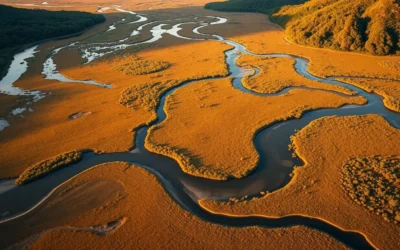
This open swamp area is one of the best places to observe wild elephants, deer, and water birds. Accessible by boat and a short hike, the area features observation towers that overlook the grasslands where wildlife gathers, especially during the dry season.
Wildlife Watching Opportunities

Way Kambas is a wildlife enthusiast’s paradise, offering opportunities to observe some of Southeast Asia’s most endangered species in their natural habitat.
Mammals
The park is home to an impressive diversity of mammals. Commonly sighted species include long-tailed macaques, pig-tailed macaques, Siamang gibbons, and various deer species. With patience and luck, visitors might spot more elusive creatures like Malayan sun bears, Asian tapirs, or even the rare Sumatran tiger. Night drives often reveal leopard cats, civets, and flying squirrels.
Birds
With over 400 recorded species, Way Kambas ranks among Southeast Asia’s premier birdwatching destinations. The park shelters rare species like the Storm’s stork, white-winged wood duck, and various hornbills. Night excursions offer chances to spot frogmouths, owls, and nightjars, making it particularly popular with serious birders.
Reptiles and Amphibians
The park’s rivers and swamps support a variety of reptiles, including the endangered false gharial crocodile. Various monitor lizards, pythons, and colorful tree frogs can be spotted during guided walks, especially after rainfall.
“Way Kambas offers some of the best night wildlife viewing in Southeast Asia. The diversity of nocturnal species is remarkable, from flying lemurs to slow lorises and palm civets.”
Outdoor Adventures

Beyond wildlife observation, Way Kambas offers several outdoor activities that allow visitors to experience the park’s diverse ecosystems.
Night Safaris
Evening spotlighting excursions along the park’s main jeep track provide opportunities to see nocturnal wildlife. These trips typically depart around sunset and last 2-3 hours, with guides using spotlights to locate animals by their eyeshine. Night safaris often reveal species rarely seen during daylight hours.
Jungle Trekking
Guided walks through the forest offer a more intimate experience with the park’s ecosystem. These range from short 1-2 hour trails near the Way Kanan Substation to longer hikes for the more adventurous. All treks must be accompanied by park rangers for safety.
Photography
Way Kambas provides exceptional photography opportunities for both wildlife and landscape enthusiasts. The varied habitats, from riverine forests to open swamps, offer diverse backdrops. Early morning and late afternoon provide the best light conditions, with mist often adding atmosphere to river scenes.
Practical Travel Tips

What to Pack
Health and Safety
While Way Kambas is generally safe for visitors, some precautions are necessary:
Permits and Fees
Visitors to Way Kambas need to pay an entrance fee (approximately IDR 150,000-250,000 for foreign visitors) and must be accompanied by an official guide within the park. Most lodges and tour operators handle these arrangements as part of their packages. Special permits may be required for photography or research purposes.
Important: Way Kambas is a protected conservation area. Respect wildlife by maintaining appropriate distances, never feeding animals, and following all park regulations. Take nothing but photographs, leave nothing but footprints.
Conservation and Responsible Tourism

Visiting Way Kambas isn’t just about wildlife viewing—it’s also an opportunity to support critical conservation efforts that protect some of Earth’s most endangered species.
Current Conservation Projects
The park houses several important initiatives, including the Sumatran Rhino Sanctuary’s breeding program, which has successfully produced calves in recent years. The Elephant Response Unit (ERU) works to mitigate human-elephant conflict around the park’s boundaries, while Rhino Protection Units conduct regular anti-poaching patrols.
How Visitors Can Help
Your visit directly contributes to conservation through park fees, but you can make an additional impact by:
Sustainable Tourism Practices
Choose tour operators and accommodations that demonstrate commitment to sustainability. The best providers employ local staff, minimize waste, and actively contribute to conservation efforts. Ask about their environmental policies before booking.
Plan Your Way Kambas Adventure

Way Kambas National Park offers a rare glimpse into the wild heart of Sumatra, where conservation efforts are making a tangible difference for endangered species. Whether you’re tracking elephants through swamp forests, spotting rare birds along the Way Kanan River, or learning about rhino conservation, this remarkable park delivers authentic wildlife experiences that few destinations can match.
By visiting responsibly, you not only create lasting memories but also contribute to the protection of this precious ecosystem. Pack your binoculars, bring your sense of adventure, and prepare to be amazed by the natural wonders of Way Kambas.



0 Comments