Hotels by Trip.com
Flights by Trip.com
Here’s something that might surprise you: Reykjavik is the world’s northernmost capital city, yet geothermal energy keeps its streets so warm that snow rarely sticks around for long. The city gets its name from the Icelandic words “reykja” (smoke) and “vík” (bay), named by Norse settler Ingólfur Arnarson in 874 AD when he saw steam rising from the area’s hot springs.
This compact capital offers an incredible mix of natural wonders and urban culture. You’ll find everything from stunning northern lights displays to cutting-edge art museums.
The combination of Icelandic traditions and modern innovation creates a travel experience unlike anywhere else. Whether you’re soaking in geothermal pools or exploring volcanic landscapes just minutes from downtown, Reykjavik serves as your perfect base.
This comprehensive guide covers everything you need to plan an unforgettable trip to Iceland’s vibrant capital city.
Getting There & Planning Your Journey
Keflavik International Airport (KEF) serves as Iceland’s main gateway. It sits about 50 km (31 miles) southwest of Reykjavik.
The airport handles flights from North America, Europe, and beyond. Most international visitors arrive here before continuing to the capital.
Several transportation options connect the airport to downtown Reykjavik. The journey takes approximately 45 minutes regardless of your choice.
Airport Transfer Options
- Airport shuttle buses – Frequent departures, affordable rates, drop-off at major hotels
- Private taxi services – Direct door-to-door service, higher cost but convenient
- Rental cars – Freedom to explore beyond the city, available at airport terminals
- Hotel transfers – Some accommodations offer pickup services for guests
Reykjavik Domestic Airport (RKV) operates closer to downtown. This smaller facility handles internal Icelandic flights and some regional connections.
Most travelers prefer booking flights that arrive in morning or early afternoon. This timing allows you to settle in and start exploring on your first day.
Travel Tip: Book airport transfers in advance during peak summer months (June-August) and winter northern lights season (September-March) to ensure availability and better rates.
The time difference matters when planning your arrival. Iceland operates on Greenwich Mean Time (GMT) year-round with no daylight saving time changes.
Pack layers regardless of season. Weather can shift dramatically within hours, even during summer months.
Best Time to Visit & Weather Tips
Best Time to Visit Reykjavik
Summer months from June through August offer the most pleasant weather conditions. Temperatures range from 10°C to 15°C (50°F to 59°F).
Check 30,000+ Local Sightseeing Tours Worldwide
✓ Numerous languages and currencies are available
This period brings nearly 24 hours of daylight. The midnight sun allows for extended sightseeing and outdoor activities.
However, summer also means peak tourist season. Expect higher prices and crowded attractions throughout the city.
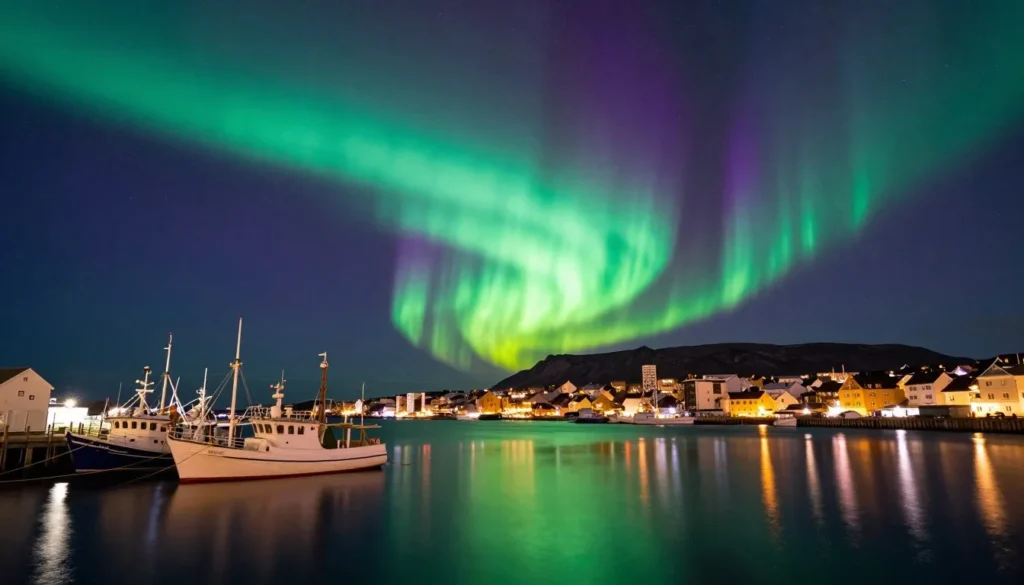
September through March provides the best opportunity to see northern lights. Dark winter nights create ideal viewing conditions for this natural phenomenon.
Winter temperatures hover around 0°C to 4°C (32°F to 39°F). The cold feels manageable thanks to geothermal heating throughout the city.
Seasons to Consider Carefully
April and May bring unpredictable weather patterns. You might experience rain, wind, and occasional snow all in one day.
November through February offer the shortest daylight hours. The sun rises around 11:00 AM and sets by 4:00 PM.
Strong winds can occur year-round. They sometimes force temporary closures of attractions and hiking trails for safety.
Weather Preparation Essentials
- Waterproof outer layer – Rain can appear suddenly any time of year
- Warm base layers – Thermal underwear helps even in summer evenings
- Sturdy walking shoes – Waterproof boots work best for exploring
- Wind-resistant jacket – Essential protection against Iceland’s persistent breezes
- Sunglasses – Bright reflections off ice and water can strain eyes
The shoulder seasons of May and September offer good value. Fewer crowds and moderate prices make these months attractive for budget-conscious travelers.
Check weather forecasts daily during your stay. Conditions change rapidly and can affect your planned activities significantly.
Notable Annual Festivals
Reykjavik hosts numerous cultural events throughout the year. These festivals showcase Icelandic music, art, food, and traditions.
The city comes alive during these celebrations. Locals and visitors gather to experience Iceland’s vibrant cultural scene.
Major Festival Events
Iceland Airwaves
This internationally renowned music festival takes place each November. It features emerging and established artists across multiple venues.
The event transforms downtown Reykjavik into a music lover’s paradise. Concerts happen in clubs, bars, record stores, and even churches.
Festival dates: Early November (typically first week)
Reykjavik Arts Festival
Held biennially in May, this celebration showcases theater, dance, music, and visual arts. International and Icelandic artists collaborate on unique performances.
The festival spans two weeks with events across the city. Many performances incorporate Iceland’s natural landscapes and cultural heritage.
Contact: +354 590 1550
Food and Fun Festival
Taking place each February, this culinary event highlights Icelandic cuisine. Top restaurants offer special menus featuring local ingredients and traditional recipes.
The festival celebrates Iceland’s unique food culture. Visitors can sample everything from fresh seafood to adventurous traditional dishes.
Duration: Late February to early March
Reykjavik Pride
August brings one of the country’s largest celebrations. The Pride festival attracts thousands of participants with parades, concerts, and cultural events.
The week-long event culminates in a massive downtown parade. Rainbow colors fill the streets as the entire city joins the celebration.
Contact: +354 551 5868
Culture Night occurs every August on the first Saturday. Museums, galleries, and shops stay open late with special programming.
The winter lights festival brightens dark February days. Light installations and cultural events help combat the winter blues.
Festival Planning: Book accommodations well in advance for major festivals. Hotels fill quickly, and prices increase during popular events.
Getting Around Locally
Reykjavik’s compact size makes navigation simple. Most major attractions sit within walking distance of the city center.
The downtown area stretches just a few kilometers. You can easily explore on foot during daylight hours.
Public Transportation
Strætó operates the city’s public bus system. Buses run frequently throughout Reykjavik and surrounding areas.
Single tickets cost around 490 ISK when purchased onboard. The Strætó app offers slightly discounted fares and route planning.
Buses typically operate from early morning until 11:00 PM on weekdays. Weekend and holiday schedules may vary.
- Buy the Reykjavik City Card for unlimited bus travel plus museum entries
- Exact change works best as drivers have limited bills
- Major routes connect downtown with residential neighborhoods
- Bus stops display clear route numbers and schedules
Bicycle Options
Bike rental shops operate throughout the city center. Cycling offers an eco-friendly way to explore during good weather.
Dedicated bike paths connect major areas. The flat terrain in central Reykjavik makes cycling accessible for most fitness levels.
Wind can make cycling challenging on certain days. Check conditions before setting out on longer rides.
Taxi Services
Taxis operate 24 hours throughout Reykjavik. Meters calculate fares, eliminating haggling concerns.
Expect higher costs compared to other European cities. A short downtown trip typically runs 2,000-3,000 ISK.
Hailing taxis on the street works less reliably than calling or using apps. BSR Taxi operates a widely-used booking service at +354 561 0000.
Car Rental Considerations
Renting a car makes sense if you plan day trips beyond Reykjavik. The city center itself doesn’t require a vehicle.
Parking downtown can be limited and metered during business hours. Most hotels charge additional fees for parking spaces.
Four-wheel drive vehicles become necessary for winter travel or highland adventures. Standard cars suffice for paved roads around the capital area.
Where to Stay
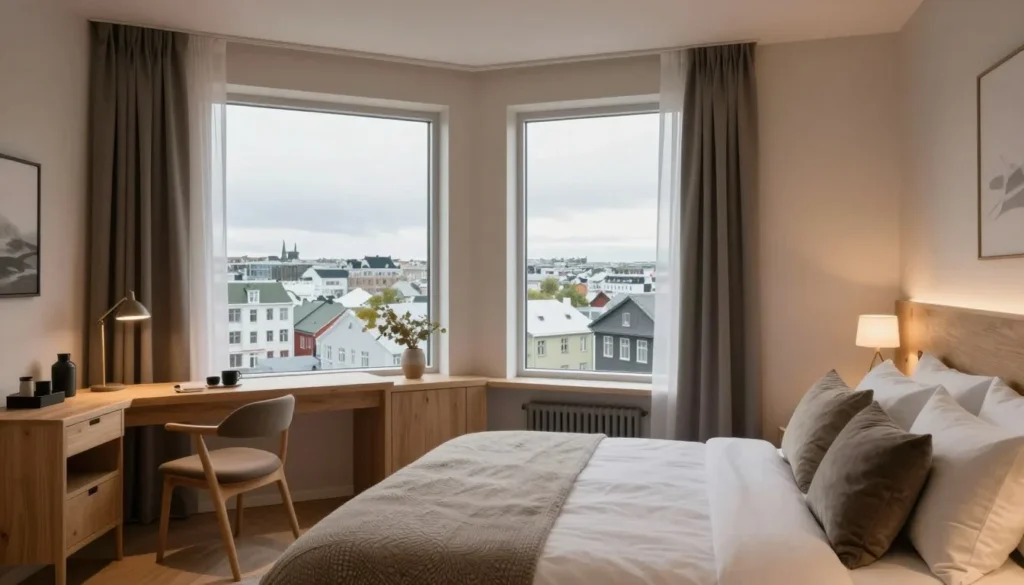
Reykjavik offers accommodations ranging from budget hostels to luxury hotels. Your choice depends on budget, preferred location, and travel style.
The downtown area provides easy access to restaurants, bars, and attractions. Staying central means less time commuting and more time exploring.
Accommodation Types
Hotels in the city center cater to various budgets. Expect to pay premium prices for prime locations near Hallgrímskirkja church or the harbor.
Guesthouses offer more intimate settings with personal touches. Many Icelandic families operate these smaller establishments in residential neighborhoods.
Hostels provide budget-friendly options with shared facilities. Private rooms are available alongside traditional dormitory-style accommodations.
Apartment rentals work well for longer stays or families. Having a kitchen helps reduce food costs in this expensive city.
Recommended Neighborhoods
101 Downtown District
The heart of Reykjavik’s action sits in this postal code area. You’ll find the best concentration of restaurants, shops, and nightlife.
- Walking distance to major attractions
- Highest concentration of hotels and guesthouses
- Most expensive accommodation options
- Can be noisy on weekend nights
Old Harbor Area
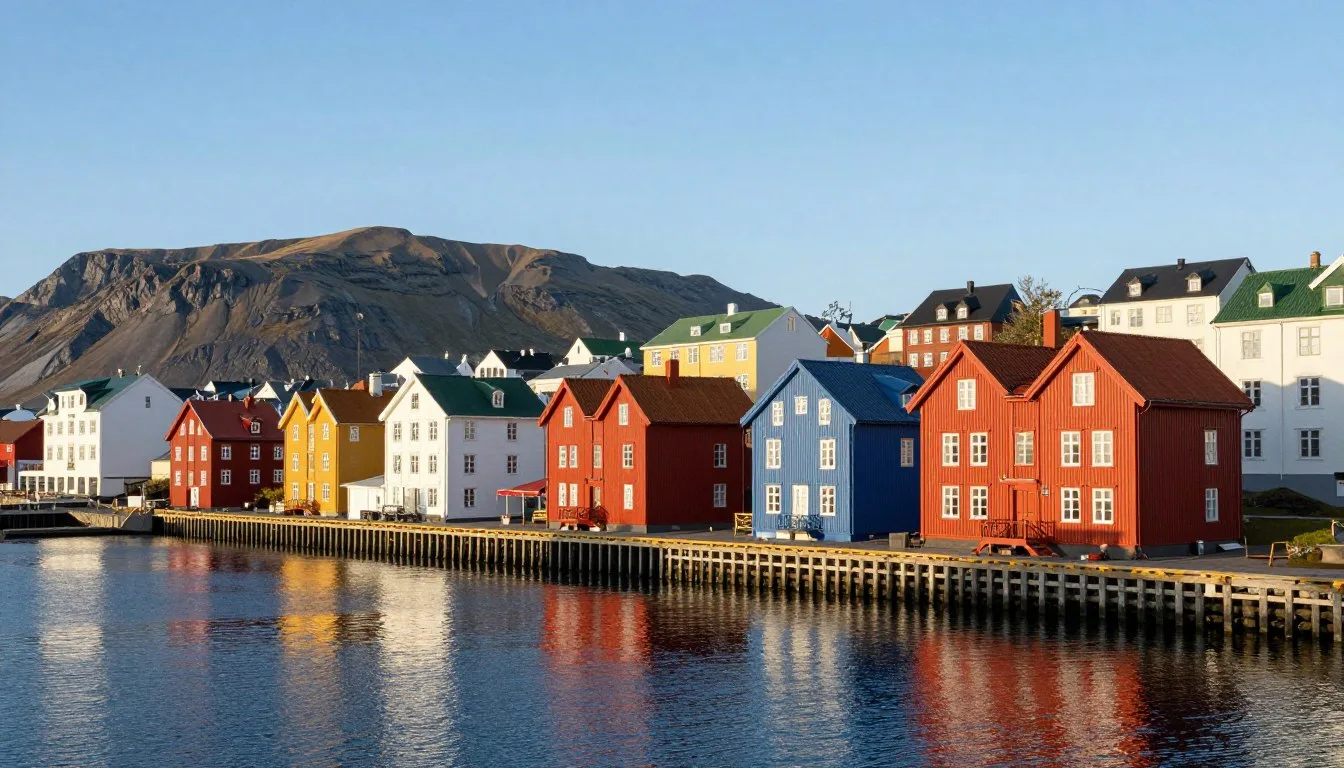
This waterfront district combines maritime charm with modern amenities. The area has transformed into a trendy neighborhood in recent years.
- Close to whale watching tours and boat trips
- Excellent seafood restaurants nearby
- Slightly quieter than downtown center
- Good selection of mid-range hotels
Laugardalur Valley
This eastern district offers more space and lower prices. The area features parks, sports facilities, and a popular geothermal pool.
- Better value for budget travelers
- Family-friendly environment
- Requires bus or car to reach downtown
- Access to largest swimming pool complex
Vesturbær Neighborhood
West Reykjavik provides a residential atmosphere close to the city center. The area appeals to those seeking local experiences.
- Authentic neighborhood feel
- Proximity to Hallgrímskirkja church
- Mix of guesthouses and apartments
- Short walk to downtown attractions
Book accommodations several months ahead for summer travel. The best options fill quickly between June and August.
Winter bookings can sometimes be made closer to travel dates. However, Christmas and New Year periods require advance planning.
Accommodation Tip: Many hotels include breakfast in their rates. This inclusion provides significant savings given Reykjavik’s high restaurant prices.
Contact hotel reception desks for tour booking assistance. Most properties maintain relationships with local tour operators and can arrange activities.
Dining & Local Cuisine
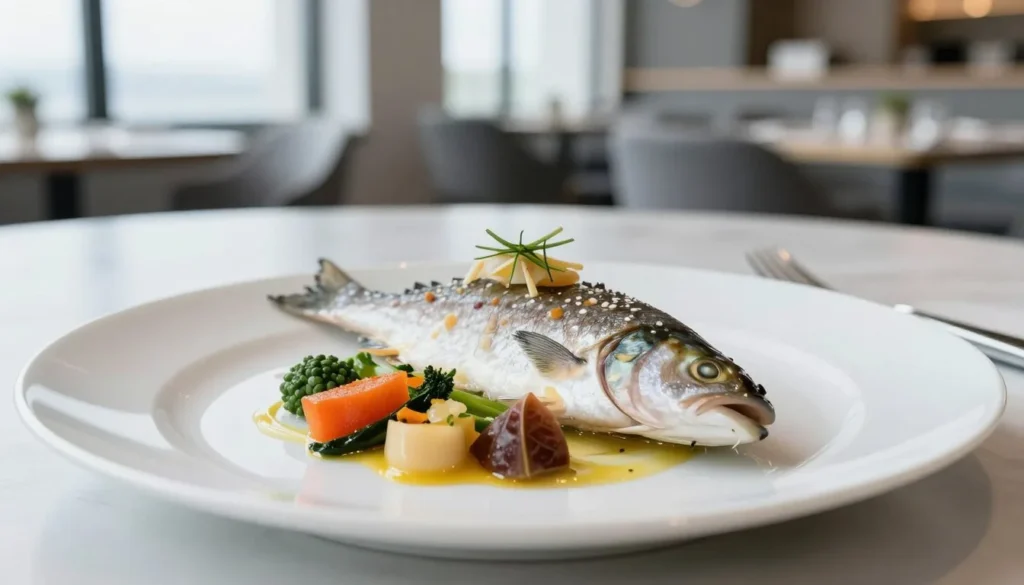
Icelandic cuisine reflects the country’s maritime heritage and harsh climate. Fresh seafood dominates many menus alongside lamb and unique local specialties.
Reykjavik’s food scene has evolved dramatically in recent years. The city now features everything from traditional eateries to innovative Nordic restaurants.
Must-Try Icelandic Dishes
Fresh fish appears on nearly every menu in town. Cod, haddock, and Arctic char come straight from surrounding waters daily.
Lamb dishes showcase Iceland’s free-range farming traditions. The animals graze on wild herbs and grasses, creating distinctive flavors.
Skyr resembles thick yogurt but technically qualifies as cheese. This high-protein dairy product has sustained Icelanders for centuries.
- Plokkfiskur – Comforting fish stew with potatoes and béchamel sauce
- Kjötsúpa – Hearty lamb soup perfect for cold days
- Harðfiskur – Dried fish strips eaten as snacks with butter
- Kleinur – Sweet twisted donuts enjoyed with coffee
Where to Eat
The famous Bæjarins Beztu hot dog stand has served locals since 1937. This downtown institution offers Iceland’s favorite fast food at budget prices.
Grandi Mathöll food hall brings together multiple vendors under one roof. The Old Harbor location features diverse options from sushi to pizza.
Fine dining restaurants showcase new Nordic cuisine using Icelandic ingredients. Expect creative presentations and seasonal menus at higher price points.
Traditional restaurants preserve historic recipes and cooking methods. These establishments offer authentic experiences in cozy settings.
Dining Culture and Customs
Icelanders typically eat dinner late by some standards. Restaurants fill up between 7:00 PM and 9:00 PM on most evenings.
Tipping isn’t expected in Reykjavik restaurants. Service charges are included in menu prices already.
Many restaurants close between lunch and dinner service. Plan accordingly if you need a meal during afternoon hours.
Budget Dining Tip: Lunch specials offer the same quality as dinner for significantly lower prices. Many restaurants serve dagens lunch or daily specials weekdays from 11:30 AM to 2:00 PM.
Craft beer culture has exploded in recent years. Local breweries produce innovative beers using Icelandic water and ingredients.
Coffee shops outnumber bars in the city center. Icelanders consume more coffee per capita than almost any other nation.
Grocery stores provide economical alternatives to restaurant meals. Bonus and Krónan chains offer the best prices on staples.
Check 30,000+ Local Sightseeing Tours Worldwide
✓ Numerous languages and currencies are available
Attractions, Sightseeing & Activities
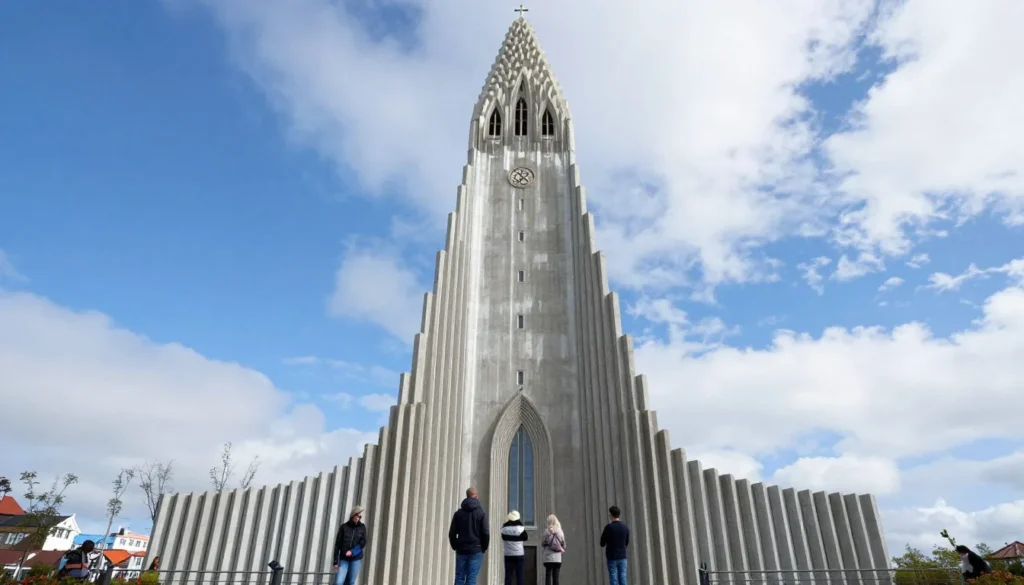
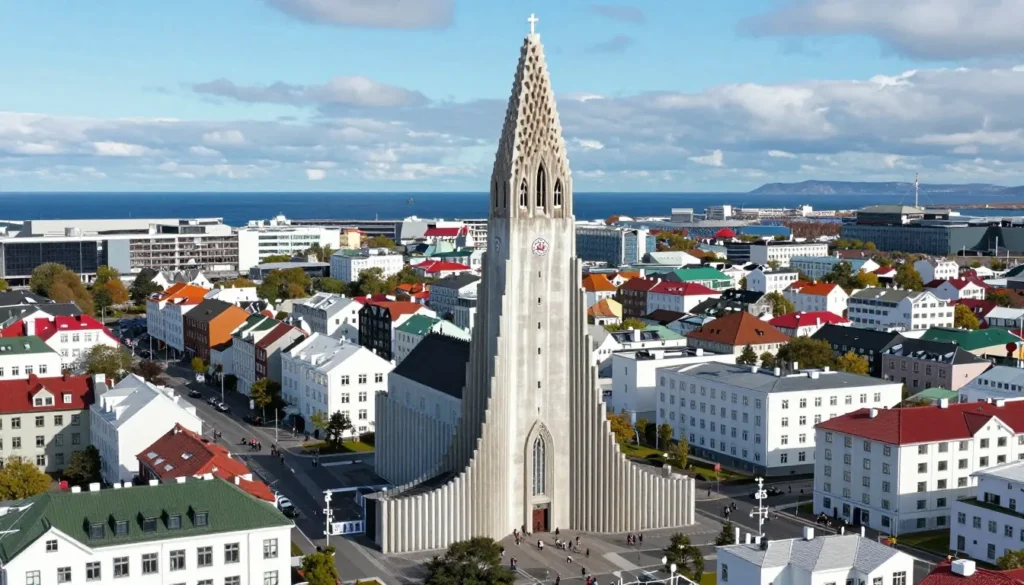
Hallgrímskirkja church dominates the Reykjavik skyline from its hilltop position. This Lutheran parish church stands 74.5 m (244 feet) tall.
The building took 41 years to complete, finishing in 1986. Its design mimics the basalt columns found throughout Iceland’s volcanic landscapes.
An elevator carries visitors to the tower observation deck. The panoramic views encompass the entire city and surrounding mountains.
A statue of Leif Erikson stands before the church entrance. The United States gifted this monument in 1930 to commemorate the Icelandic parliament’s 1,000th anniversary.
Harpa Concert Hall
The award-winning Harpa concert hall opened in 2011 on the waterfront. Its geometric glass facade reflects light in constantly changing patterns.
The building houses four concert halls of varying sizes. The Iceland Symphony Orchestra and Icelandic Opera call this venue home.
Free walking tours explain the architecture and acoustics daily. The building remains open to visitors even without concert tickets.
Evening concerts range from classical music to contemporary performances. The venue’s design creates exceptional sound quality throughout.
Sun Voyager Sculpture
This stainless steel sculpture sits along the waterfront west of downtown. The dreamboat design suggests a vessel of dreams and discovery.
Artist Jón Gunnar Árnason created the work in 1990. The sculpture has become one of Reykjavik’s most photographed landmarks.
The location offers stunning views across Faxaflói Bay. Mount Esja provides a dramatic backdrop on clear days.
Sunset transforms the sculpture into a glowing silhouette. Many photographers gather here during golden hour for perfect shots.
City Pond and Park
Tjörnin pond occupies the heart of downtown Reykjavik. This small lake covers about 5.3 hectares (13.1 acres).
Dozens of bird species make their home here year-round. Ducks, geese, and swans glide across the water expecting handouts from visitors.
The surrounding park provides peaceful green space. Walking paths circle the entire pond in about 20 minutes.
Reykjavik City Hall sits on the pond’s northern shore. The modern building houses city offices and includes a large 3D map of Iceland.
Laugavegur Shopping Street
This main shopping street runs through the heart of downtown. You’ll find everything from international brands to local Icelandic designers.
Colorful buildings line both sides of the pedestrian-friendly street. Many date back to the early 20th century.
Weekends bring the most activity with locals and tourists browsing shops. The street transforms into a nightlife hub after dark.
Side streets branch off with additional boutiques and galleries. Exploring these areas reveals hidden gems away from crowds.
Museums, Cultural Spots & Festivals
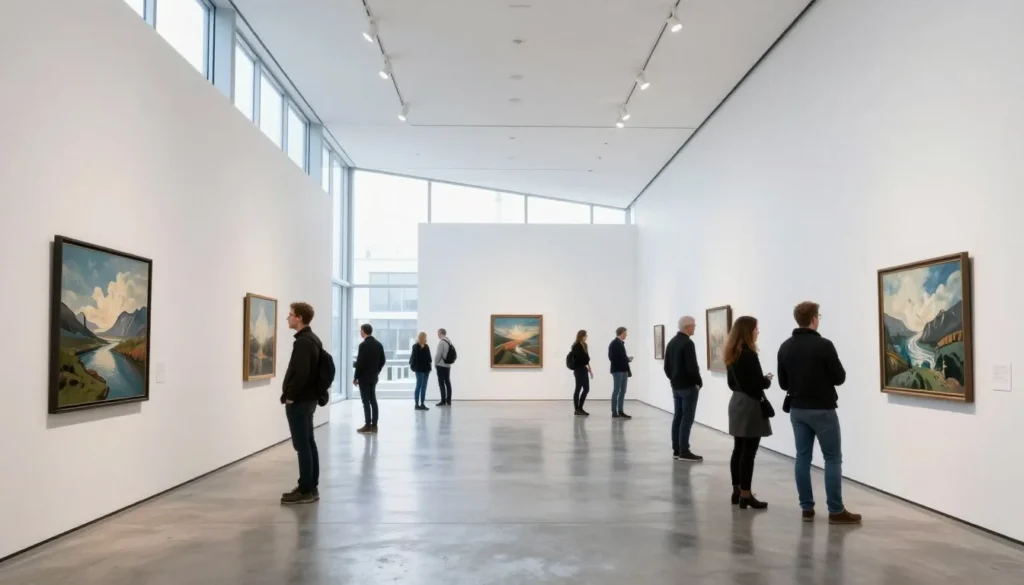
The National Museum of Iceland chronicles the country’s history from settlement to modern times. Permanent exhibitions display artifacts spanning over 1,000 years.
The museum building itself dates to the 19th century. Collections include Viking-age objects, medieval manuscripts, and contemporary cultural items.
Admission costs around 2,000 ISK for adults. The museum opens daily except Mondays during winter months.
Perlan Museum and Observation Deck
Perlan sits atop Öskjuhlíð hill in distinctive dome-shaped buildings. The complex houses an interactive museum about Iceland’s natural wonders.
An indoor ice cave recreates the experience of exploring a glacier. The planetarium shows presentations about northern lights and astronomy.
The observation deck provides 360-degree views of Reykjavik. Glass railings ensure unobstructed photographs of the surroundings.
Rotating exhibitions explore topics from volcanic activity to whale biology. The hands-on displays appeal to both adults and children.
Settlement Exhibition
This underground museum preserves a 10th-century Viking longhouse. Archaeological excavations revealed the structure during downtown construction work.
The exhibition uses technology to bring Viking-age Reykjavik to life. Interactive displays explain daily life during Iceland’s settlement period.
Actual artifacts from the site remain in their original positions. Walkways allow close examination without disturbing archaeological context.
Audio guides provide detailed information in multiple languages. The compact museum requires about one hour to explore thoroughly.
Reykjavik Art Museum
Three separate buildings comprise the city’s art museum system. Each location focuses on different aspects of Icelandic and international art.
Hafnarhús in the old harbor features contemporary exhibitions. The former warehouse building provides industrial-chic gallery spaces.
Kjarvalsstaðir showcases works by beloved Icelandic artist Jóhannes Kjarval. The modernist building sits in Miklatún park surrounded by gardens.
Ásmundarsafn displays sculptures by Ásmundur Sveinsson in his former studio. The unusual dome building reflects the artist’s experimental architectural vision.
A single ticket grants access to all three museum locations. The pass remains valid for one year from purchase date.
Museum Pass: The Reykjavik City Card includes admission to most major museums plus unlimited bus travel. Cards are available for 24, 48, or 72 hours starting from first use.
Nature & Outdoor Experiences
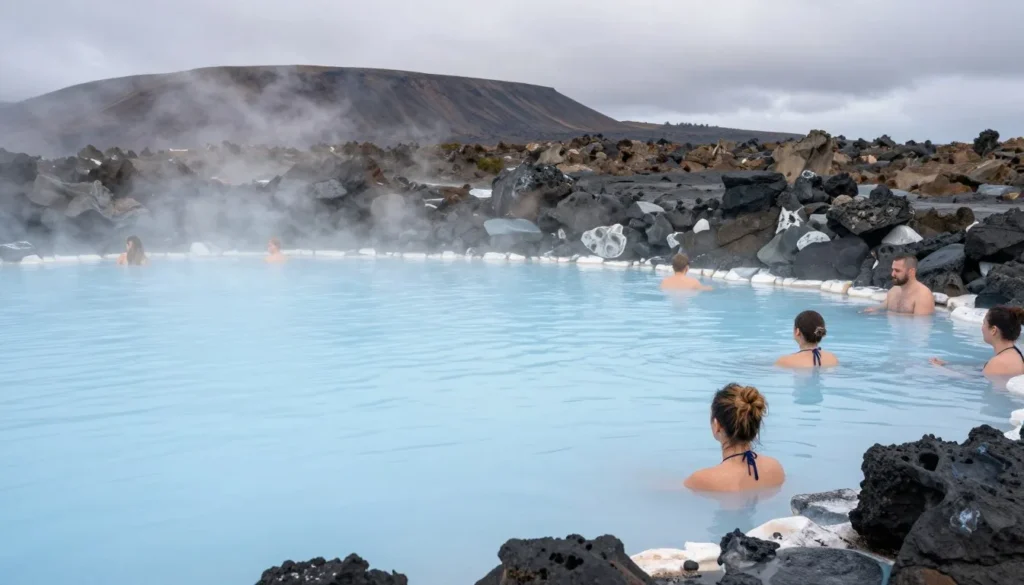
Iceland’s capital offers remarkable access to natural wonders. You can experience geothermal pools, volcanic landscapes, and coastal beauty without leaving the metropolitan area.
Geothermal Swimming Pools
Public pools form central gathering places in Icelandic culture. Locals visit these facilities year-round for exercise, relaxation, and socializing.
Laugardalslaug represents the largest pool complex in Reykjavik. The facility includes an Olympic-size pool, hot tubs, steam rooms, and waterslides.
Sundhöllin pool operates in the city center since 1937. This historic indoor facility offers a more intimate swimming experience.
All pools maintain strict hygiene rules requiring thorough showering before entry. Swimwear must be removed for the pre-swim shower.
Water temperatures in hot tubs range from 38°C to 44°C (100°F to 111°F). The main swimming pools stay around 29°C (84°F).
- Bring your own towel to save rental fees
- Expect to pay around 1,000 ISK for adult admission
- Many pools open as early as 6:30 AM for morning swimmers
- Hot tubs serve as social spaces where locals chat and relax
Whale Watching Tours
The Old Harbor serves as the departure point for whale watching excursions. Tours operate year-round though summer months offer highest success rates.
Minke whales appear most frequently in Faxaflói Bay. Humpback whales, dolphins, and porpoises also inhabit these waters.
Tours typically last three to four hours on the water. Warm clothing proves essential even during summer as ocean breezes create chill.
Most operators provide flotation suits for extra warmth. These specialized garments make the experience comfortable in any weather.
Success rates for whale sightings exceed 90 percent during peak season. Operators often offer complimentary second trips if no whales appear.
Northern Lights Viewing
Aurora borealis displays occur from September through March in Iceland. Dark winter nights provide optimal conditions for viewing this phenomenon.
The lights result from solar particles interacting with Earth’s magnetic field. Green, pink, and purple colors dance across the night sky.
Light pollution in downtown Reykjavik reduces visibility. Tour operators drive to darker locations outside the city for better viewing.
Successful sightings depend on solar activity, weather, and darkness. Tours monitor conditions and sometimes reschedule when prospects look poor.
Patience proves essential when hunting northern lights. The aurora appears unpredictably and may require hours of waiting.
Nearby Nature Escapes
Mount Esja rises 914 m (2,999 feet) across the bay from Reykjavik. The mountain offers hiking trails ranging from easy walks to challenging climbs.
The trailhead sits about 30 minutes from downtown by car or bus. Several marked paths accommodate different fitness levels and time constraints.
Views from the summit encompass Reykjavik, the ocean, and surrounding mountains. Clear days allow visibility for dozens of kilometers.
Grótta Island Lighthouse sits at the western tip of the Seltjarnarnes peninsula. The area offers excellent northern lights viewing close to town.
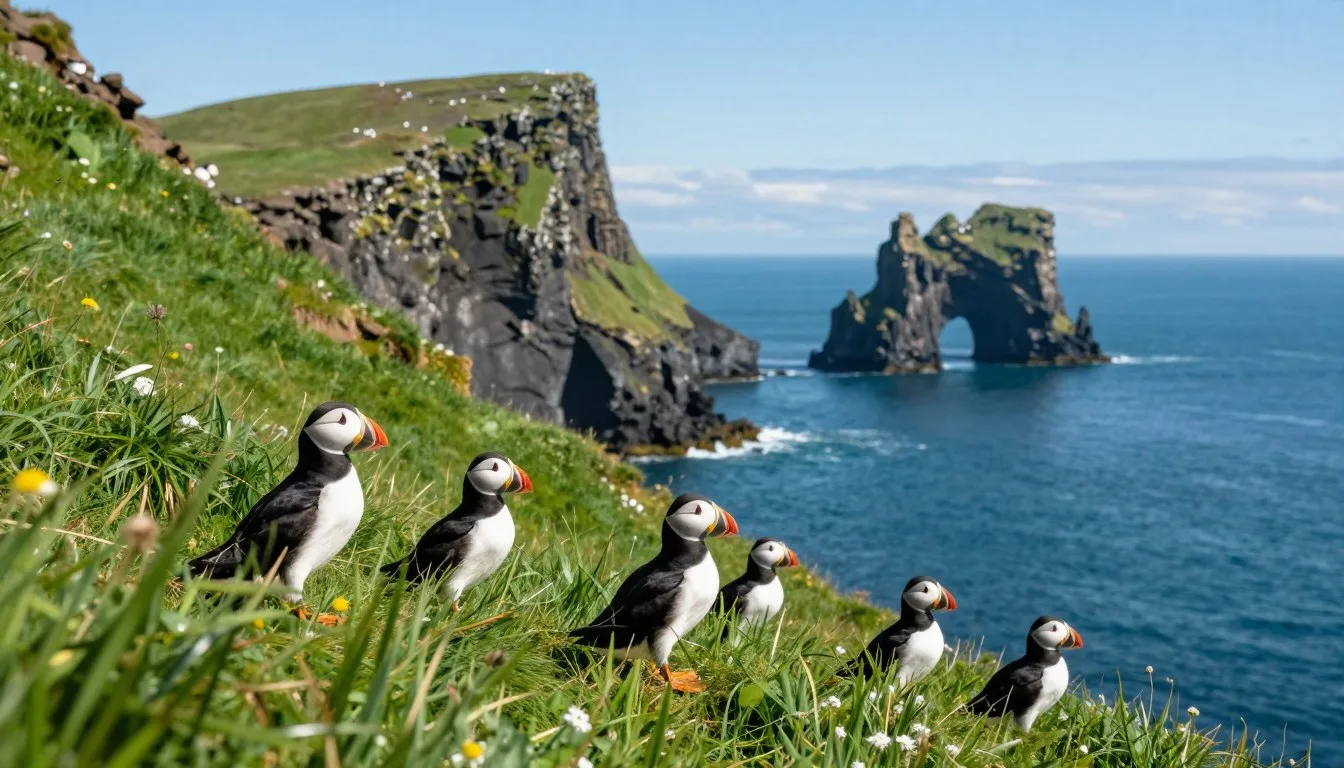
Walking paths circle the small island during low tide. Seabirds nest here during summer months creating lively natural scenes.
Travel With Children

Reykjavik welcomes families with numerous child-friendly attractions and activities. The compact city size makes navigation simple even with young travelers.
Icelanders embrace children in public spaces. Restaurants, museums, and transportation accommodate families without hesitation.
Family Attractions
The Reykjavik Zoo and Family Park combines animal exhibits with amusement rides. Farm animals mingle with Arctic species in outdoor enclosures.
Small children particularly enjoy the seal and reindeer exhibits. The adjacent playground features Icelandic-themed play structures.
Whales of Iceland exhibition displays life-size models of 23 whale species. The interactive museum helps children understand marine life around Iceland.
Audio guides designed for young visitors explain whale biology and behavior. Touch screens and hands-on displays maintain engagement throughout the visit.
Aurora Reykjavik provides northern lights education through immersive experiences. The exhibition works well for families who may not see actual aurora.
Check 30,000+ Local Sightseeing Tours Worldwide
✓ Numerous languages and currencies are available
Outdoor Activities for Families
Public swimming pools offer entertainment for all ages. The waterslides and hot tubs at Laugardalslaug appeal especially to children.
Most pools include shallow areas perfect for young swimmers. Lifeguards maintain constant supervision of all pool zones.
The Reykjavik Botanic Gardens provide peaceful spaces for family walks. Children can run freely through meadows and along winding paths.
A small duck pond attracts waterfowl year-round. Kids enjoy feeding the birds with appropriate food purchased at the garden shop.
Practical Family Travel Tips
- Many restaurants offer children’s menus with familiar options
- Public restrooms throughout the city include changing tables
- Strollers navigate easily on Reykjavik’s well-maintained sidewalks
- Most museums provide reduced admission for children or free entry under certain ages
Dress children in layers just as you would dress yourself. Weather changes quickly and indoor spaces stay very warm.
Pack snacks for outings as child-friendly food costs add up quickly. Grocery stores stock familiar international brands alongside Icelandic products.
Family Tip: The Reykjavik City Card offers excellent value for families visiting multiple attractions. Children often receive discounted card rates.
Money Saving Tips
Iceland ranks among Europe’s most expensive destinations. Strategic planning helps stretch your budget further in Reykjavik.
The Icelandic króna (ISK) serves as the local currency. Credit cards are accepted almost everywhere, even for small purchases.
Accommodation Savings
Hostels and guesthouses provide significantly cheaper alternatives to hotels. Private rooms in hostels often cost less than half the price of hotel rooms.
Booking apartments with kitchens allows self-catering options. Preparing some meals yourself creates substantial savings on food costs.
Consider staying slightly outside the downtown core. Locations near bus routes offer easy access while charging lower nightly rates.
Food and Dining Budget Strategies
Supermarket shopping cuts food costs dramatically compared to restaurants. Bonus and Krónan chains offer the most competitive prices.
Take advantage of lunch specials at restaurants. The same meal costs considerably more during dinner hours.
Fill up on hotel breakfast when included. Many properties offer generous buffets that sustain you through lunchtime.
Bakeries sell affordable sandwiches and pastries perfect for quick meals. These options beat fast food prices while offering better quality.
- Happy hour specials reduce drink prices at many bars from 4:00 PM to 7:00 PM
- Food halls offer diverse options at moderate prices under one roof
- Tap water is safe, delicious, and free throughout Iceland
- Grocery stores sell hot dogs for fraction of tourist stand prices
Activity and Transportation Savings
Free walking tours operate daily in downtown Reykjavik. Knowledgeable guides work for tips, making these tours budget-friendly.
Many museums offer free admission one day per month. Check individual museum websites for specific free-entry schedules.
The Reykjavik City Card pays for itself quickly if you visit multiple attractions. Calculate whether the card suits your planned activities.
Walking replaces paid transportation for most downtown destinations. The city center remains compact and pedestrian-friendly.
Public buses cost less than taxis while providing reliable service. Download the Strætó app for route planning and slight fare discounts.
Money Saver: Visit during shoulder seasons (May or September) for lower accommodation rates and fewer crowds while still enjoying decent weather.
Safety & Local Customs
Reykjavik ranks among the world’s safest capital cities. Violent crime remains exceptionally rare, and visitors face minimal security concerns.
Petty theft can occur in crowded tourist areas. Exercise normal precautions with valuables and bags.
Safety Considerations
Weather poses the primary safety concern for visitors. Conditions change rapidly, especially during winter months.
Sidewalks become slippery when icy. Walk carefully and wear appropriate footwear with good traction.
Strong winds can knock people off balance. Secure loose items and brace yourself during particularly gusty conditions.
Emergency services respond quickly throughout Reykjavik. Dial 112 for police, fire, or medical emergencies.
- Download the 112 Iceland app for emergency assistance with GPS location sharing
- Keep phone charged when exploring outdoors in case you need help
- Inform someone of your plans when venturing outside the city
- Check weather forecasts before outdoor activities
Cultural Customs and Etiquette
Icelanders value equality and informality in social interactions. First names are used almost universally, even in professional settings.
Punctuality matters in Icelandic culture. Arrive on time for tours, reservations, and appointments.
Shoes come off when entering Icelandic homes. Many swimming pool changing rooms also require bare feet.
Loud behavior in public spaces is generally frowned upon. Icelanders tend toward reserved demeanor in most situations.
Tipping is not customary or expected. Service charges are included in prices at restaurants and for services.
Environmental Responsibility
Icelanders take environmental protection seriously. Respect nature and follow all posted guidelines at natural sites.
Stay on marked paths when hiking. Fragile vegetation takes years to recover from footsteps in sensitive areas.
Dispose of trash properly in designated bins. Littering faces steep fines and social disapproval.
Don’t disturb wildlife or approach animals too closely. Maintain safe distances and observe from afar.
Cultural Note: Icelanders strongly believe in hidden people or elves. While many don’t literally believe, the folklore remains an important cultural touchstone deserving respectful acknowledgment.
Visitor Comments About Reykjavik
“The combination of modern city life and easy access to nature impressed me most. We watched northern lights just 20 minutes from our hotel, then enjoyed incredible restaurants downtown. The people were welcoming and everyone spoke perfect English.”
“I worried about the high prices before visiting, but strategic planning made our budget work. Shopping at grocery stores for some meals and taking advantage of happy hours helped enormously. The city itself exceeded every expectation with its vibrant culture and stunning surroundings.”
“Reykjavik surprised us with how walkable and manageable it felt. We covered most major attractions on foot over three days. The geothermal pools became our favorite evening activity after sightseeing. Don’t skip the local swimming culture – it’s a genuine part of Icelandic life.”
Additional Nearby Destinations
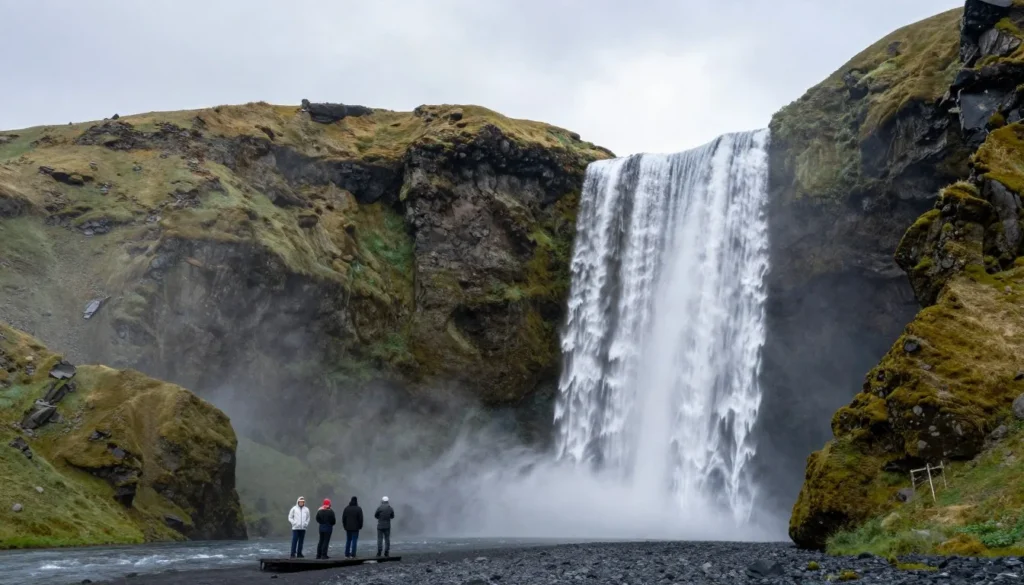
Reykjavik serves as an ideal base for exploring Iceland’s most famous natural attractions. Many world-class sites lie within easy day trip distance.
Golden Circle Route
This popular tourist circuit covers about 300 km (186 miles) from Reykjavik. The route visits three major natural wonders in one day trip.
Þingvellir National Park holds historical and geological significance. The site marks where North American and Eurasian tectonic plates drift apart.
Iceland’s original parliament convened here in 930 AD. Walking paths explore the rift valley and historic assembly grounds.
Geysir geothermal area features erupting hot springs. Strokkur geyser shoots water 15-20 m (49-66 feet) high every few minutes.
Gullfoss waterfall thunders into a dramatic canyon. The two-tiered falls drop a total of 32 m (105 feet).
Blue Lagoon
This world-famous geothermal spa sits about 45 minutes from Reykjavik. The milky-blue waters maintain temperatures around 37-39°C (99-102°F) year-round.
The lagoon forms part of a lava field fed by geothermal seawater. Mineral-rich waters are said to benefit skin conditions.
Advance reservations are absolutely essential. The facility limits daily visitors and often sells out weeks ahead.
The location between the airport and Reykjavik makes it convenient for arrival or departure day visits.
South Coast Adventures
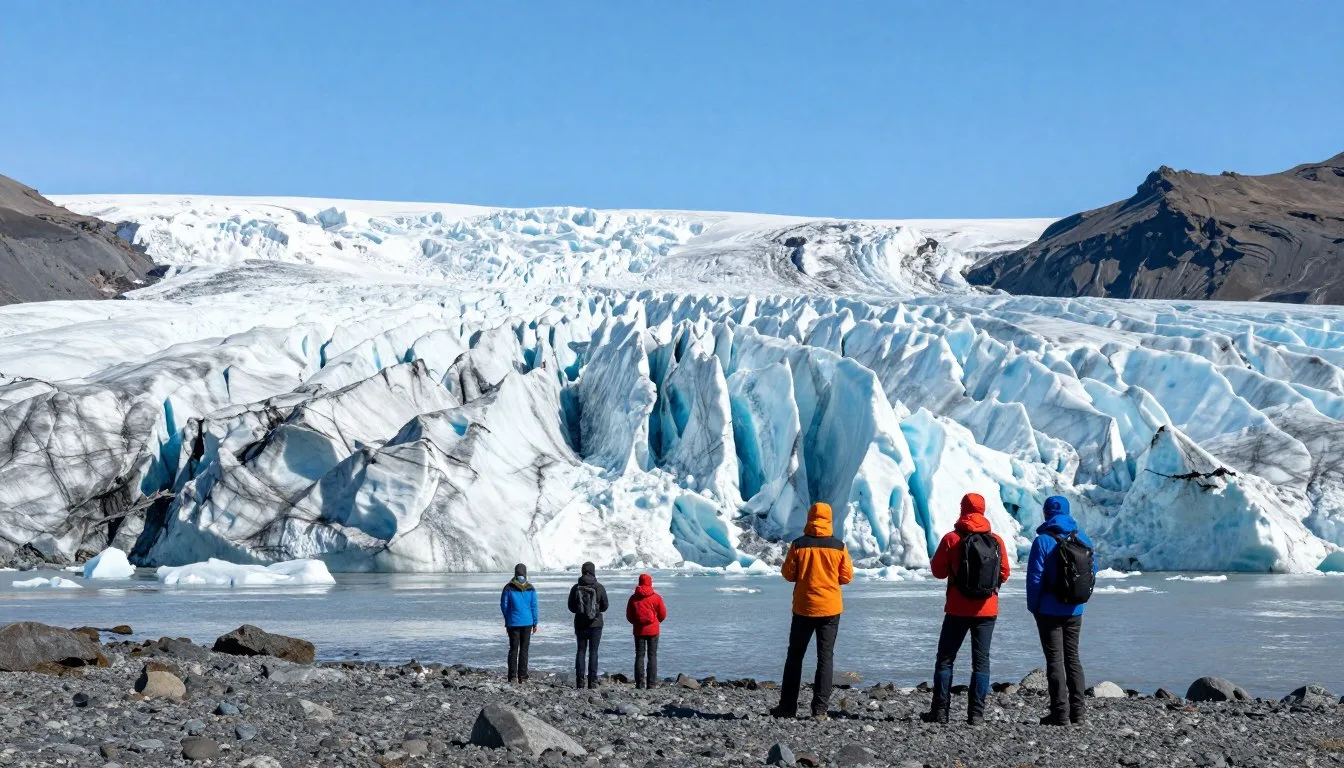
The drive along Iceland’s south coast reveals dramatic landscapes. Black sand beaches, glaciers, and waterfalls line the route.
Seljalandsfoss waterfall allows visitors to walk behind the falling water. Bring waterproof clothing as spray soaks everyone nearby.
Skógafoss creates a powerful 60 m (197 feet) cascade. Stairs lead to viewing platforms above the falls.
Reynisfjara black sand beach features remarkable basalt columns. Strong waves make swimming dangerous, but the scenery is stunning.
These destinations require full day trips from Reykjavik. Tour operators offer organized excursions, or you can rent a car and explore independently.
Reykjanes Peninsula
This volcanic peninsula extends southwest of Reykjavik into the Atlantic. The landscape features geothermal areas, cliffs, and lighthouse views.
The Bridge Between Continents symbolically spans the Mid-Atlantic Ridge. You can walk from North America to Europe in just a few steps.
Gunnuhver geothermal area displays powerful mud pools and steam vents. Wooden walkways allow safe viewing of volcanic activity.
The entire peninsula makes an excellent half-day excursion. Many visitors explore the area while traveling to or from the airport.
Practical Travel Tips
These essential details help smooth your Reykjavik experience. Small preparations make significant differences in travel enjoyment.
Language and Communication
Icelandic serves as the official language, but English proficiency is nearly universal. Most signs include English translations, especially in tourist areas.
Younger Icelanders often speak multiple languages fluently. Don’t hesitate to ask for help or directions in English.
Learning a few basic Icelandic phrases shows respect. “Takk” (thank you) and “góðan daginn” (good day) are appreciated.
Money Matters
ATMs are widely available throughout Reykjavik. Machines dispense Icelandic króna and offer competitive exchange rates.
Credit cards work almost everywhere including taxis, buses, and public restrooms. Carrying large amounts of cash is unnecessary.
Some establishments add small fees for credit card transactions. These charges are usually minimal and clearly posted.
Currency exchange offices in the city center typically offer less favorable rates than ATM withdrawals. Banks provide better exchange rates during business hours.
Internet and Phone Service
Free WiFi is available at most hotels, cafés, and public spaces. Connection speeds generally prove reliable and fast.
Tourist information centers offer free internet access. The main office sits on Aðalstræti in the city center.
Local SIM cards work well for visitors needing constant connectivity. Mobile providers offer tourist-friendly prepaid options.
EU visitors can use their home plans without roaming charges. Other international visitors should check roaming rates before arrival.
Check 30,000+ Local Sightseeing Tours Worldwide
✓ Numerous languages and currencies are available
Health and Medical Services
Tap water is safe to drink throughout Iceland. The water tastes pure and comes from protected glacial sources.
Pharmacies called “apótek” sell over-the-counter medications. Pharmacists speak English and can recommend appropriate treatments.
Medical care meets high standards but costs can be substantial. Travel insurance is strongly recommended for all visitors.
The emergency number 112 connects to medical services. Emergency rooms treat urgent cases regardless of payment ability.
Shopping and Business Hours
Most shops open around 10:00 AM and close by 6:00 PM on weekdays. Saturday hours often end earlier around 4:00 PM.
Sunday shopping is limited with many stores closed. Larger supermarkets and tourist shops maintain Sunday hours.
Restaurants typically close between lunch and dinner. Plan meals accordingly or visit establishments serving all day.
Alcohol sales face restrictions in Iceland. Vínbúðin state stores hold monopoly on wine and spirits sales with limited hours.
What to Pack
- Waterproof jacket and pants
- Warm layers including fleece or wool
- Sturdy waterproof boots
- Swimsuit for geothermal pools
- Sunglasses and sunscreen
- Power adapter for European outlets
- Reusable water bottle
- Camera with extra batteries
Items Not to Pack
- Heavy winter coats unless visiting mid-winter
- Umbrella (wind makes them useless)
- Formal business attire
- Excessive amounts of cash
- Hair dryers (hotels provide them)
- Hiking boots if not planning serious trails
- Raw meat or dairy (customs prohibits)
- Excessive luggage (travel light)
Your Icelandic Adventure Awaits
Reykjavik stands ready to exceed your expectations with its unique blend of nature and culture. Few cities offer such easy access to dramatic landscapes alongside thriving urban experiences.
The compact capital lets you wake up in a comfortable hotel, explore world-class museums, soak in geothermal pools, and chase northern lights all in a single day. Every season brings different magic to this northernmost capital.
Start planning your journey to discover why travelers fall in love with Iceland’s creative, welcoming capital. Your Reykjavik adventure promises memories that last a lifetime.