Hotels by Trip.com
Flights by Trip.com
Every year, over 400,000 visitors explore the Snaefellsnes Peninsula, yet remarkably, this stunning region sees only a fraction of the crowds that flood Iceland’s famous Golden Circle. What many travelers don’t realize is that this 90-kilometer stretch of dramatic coastline offers virtually every iconic Icelandic landscape in one compact area. The peninsula takes its name from Snaefellsjokull, the mystical glacier-capped volcano that Jules Verne chose as the entry point to the center of the Earth in his famous novel.
This comprehensive guide reveals everything you need to know about visiting one of Iceland’s most rewarding destinations. From black sand beaches and towering sea cliffs to charming fishing villages and volcanic craters, the Snaefellsnes Peninsula delivers an authentic Icelandic experience without the tour bus traffic.
Getting There and Planning Your Journey
Reaching the Snaefellsnes Peninsula is straightforward from Reykjavik. Most visitors arrive at Keflavik International Airport (KEF), located about 50 kilometers west of the capital. The airport serves as Iceland’s primary international hub. For domestic connections, Reykjavik Airport (RKV) handles smaller aircraft, though most travelers heading to the peninsula drive directly from Keflavik.
The journey from Reykjavik to the peninsula covers approximately 190 kilometers and takes around two hours via Route 1 (the Ring Road) before turning onto Route 54. This scenic drive passes through varied terrain. You’ll notice the landscape shifting from urban areas to wide lava fields dotted with Icelandic horses.
Many visitors wonder whether to base themselves in Reykjavik and make a day trip or stay overnight on the peninsula. The answer depends on your travel style. A day trip allows you to see major highlights but feels rushed. Staying at least one night, preferably two days, lets you explore at a comfortable pace and experience the area during different lighting conditions.
The entire peninsula can be circumnavigated in a long day of driving. However, this approach misses the essence of the place. Early morning light on the north coast cliffs and evening glow on Kirkjufell mountain create photographic opportunities impossible to capture on a rushed itinerary.
Consider weather patterns when planning your route. The peninsula extends far into the Atlantic, making it exposed to changing conditions. Winds can be particularly strong along the coast. Always check road conditions before departure, especially during winter months when some secondary roads may close temporarily.
Fuel stations exist in the main town of Stykkisholmur and the larger settlement of Grundarfjordur. Fill your tank before heading to more remote areas. Cell phone coverage remains generally reliable along main roads, though some coastal sections may have limited service.
Best Time to Visit and Weather Tips
Best Time to Visit Snaefellsnes Peninsula
Summer months from June through August offer the most reliable weather and longest daylight hours. During this period, temperatures average 10°C to 13°C (50°F to 55°F), and you’ll experience nearly 24 hours of daylight. This season provides ideal conditions for hiking, photography, and exploring coastal areas. The trade-off comes with higher accommodation prices and more visitors at popular sights.
September and May represent shoulder season sweet spots. Visitor numbers drop significantly while weather remains relatively mild. Early September often delivers stunning autumn colors across the lava fields. May brings emerging greenery and active bird colonies along the cliffs. Temperatures during these months range from 5°C to 10°C (41°F to 50°F).
Winter visits from November through March appeal to those seeking northern lights and dramatic storm-watching. The Snaefellsnes Peninsula sits within the aurora viewing zone, and winter darkness provides excellent opportunities. However, be prepared for harsh conditions. Temperatures drop to -2°C to 3°C (28°F to 37°F), and storms can close roads unexpectedly. Some attractions become inaccessible.
April and October fall into the unpredictable category. You might encounter beautiful spring weather or winter conditions. These months work well for flexible travelers who can adjust plans based on daily forecasts. Accommodation rates drop during these periods, offering budget advantages.
Peak Season Advantages (Jun-Aug)
- Extended daylight for maximum exploration time
- Warmest temperatures and most stable weather
- All roads and attractions fully accessible
- Active wildlife including abundant seabirds
- Full service availability at all facilities
Peak Season Challenges (Jun-Aug)
- Higher accommodation and tour prices
- More visitors at popular viewpoints
- Advance booking essential for lodging
- Longer waits at restaurants during meal times
- No northern lights visibility
Notable Annual Festivals
The Snaefellsnes Peninsula hosts several cultural events worth timing your visit around. The Stykkisholmur Summer Festival occurs in early August, celebrating local music and arts. Contact the Stykkisholmur Tourist Information Center at +354 433 8120 for current year dates and programming details.
Check 30,000+ Local Sightseeing Tours Worldwide
✓ Numerous languages and currencies are available
Fisherman’s Day celebrations happen across coastal villages in early June, honoring Iceland’s maritime heritage. Grundarfjordur and Olafsvik both host traditional festivities including boat competitions and seafood feasts. These authentic community events provide insight into local culture.
The Snaefellsnes Peninsula Winter Festival takes place in February, featuring ice sculpture competitions and northern lights viewing events. Though weather can be challenging, this festival offers a unique winter cultural experience. Contact Snaefellsjokull National Park Visitor Center at +354 436 6860 for festival information.
Getting Around Locally
Renting a car provides the most practical way to explore the Snaefellsnes Peninsula. Public transportation options remain extremely limited, with only occasional bus service connecting major towns. The peninsula road network consists primarily of Route 54, which circles the entire area, and Route 574, which runs along the southern coast.
Most rental vehicles handle the main roads easily during summer. However, several notable attractions require driving on gravel roads marked with F-designations. These roads mandate four-wheel-drive vehicles and remain closed during winter. Examples include some approaches to coastal viewpoints and remote beaches.
The complete peninsula circuit covers approximately 200 kilometers. Driving the entire loop without stops takes about three hours. Realistically, plan for a full day minimum to include major stops. Two days allows thorough exploration without feeling rushed.
Parking at most attractions is free but can be limited during peak summer months. Arrive early at popular locations like Kirkjufell mountain and Djupalonssandur beach. Some sites have designated parking areas a short walk from the main viewpoint.
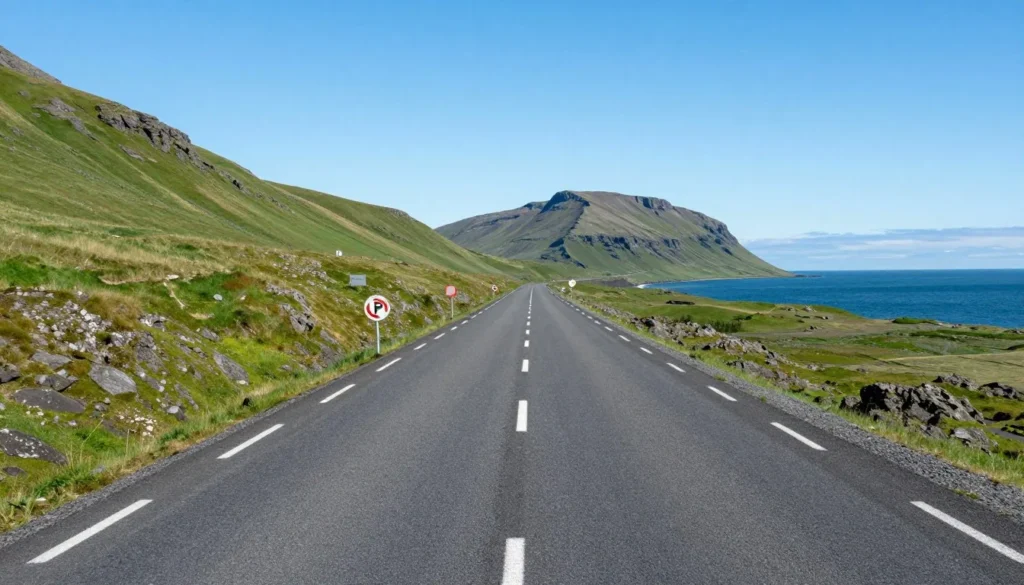
Gas stations operate in Stykkisholmur, Grundarfjordur, and Olafsvik. Always fuel up when passing these towns rather than waiting until your tank runs low. Some stations close early in the evening, particularly during winter months. Credit cards work at automated pumps, though having a PIN-enabled card helps.
Winter driving on the peninsula requires experience with snow and ice conditions. Roads can become impassable during storms. The Icelandic Road and Coastal Administration website (road.is) provides real-time conditions. Never attempt to cross closed roads, even if they appear passable. Conditions can deteriorate rapidly.
Consider renting a vehicle with studded tires between November and April. These provide essential traction on icy roads. Many rental companies include them automatically during winter, but confirm when booking. GPS navigation works reliably, though having a physical map as backup makes sense in areas with limited cell coverage.
Where to Stay
Accommodation on the Snaefellsnes Peninsula ranges from luxury hotels to budget guesthouses and campgrounds. Your choice depends on budget, travel dates, and desired amenities. The peninsula lacks major hotel chains, instead offering characterful locally-owned properties that enhance the authentic experience.
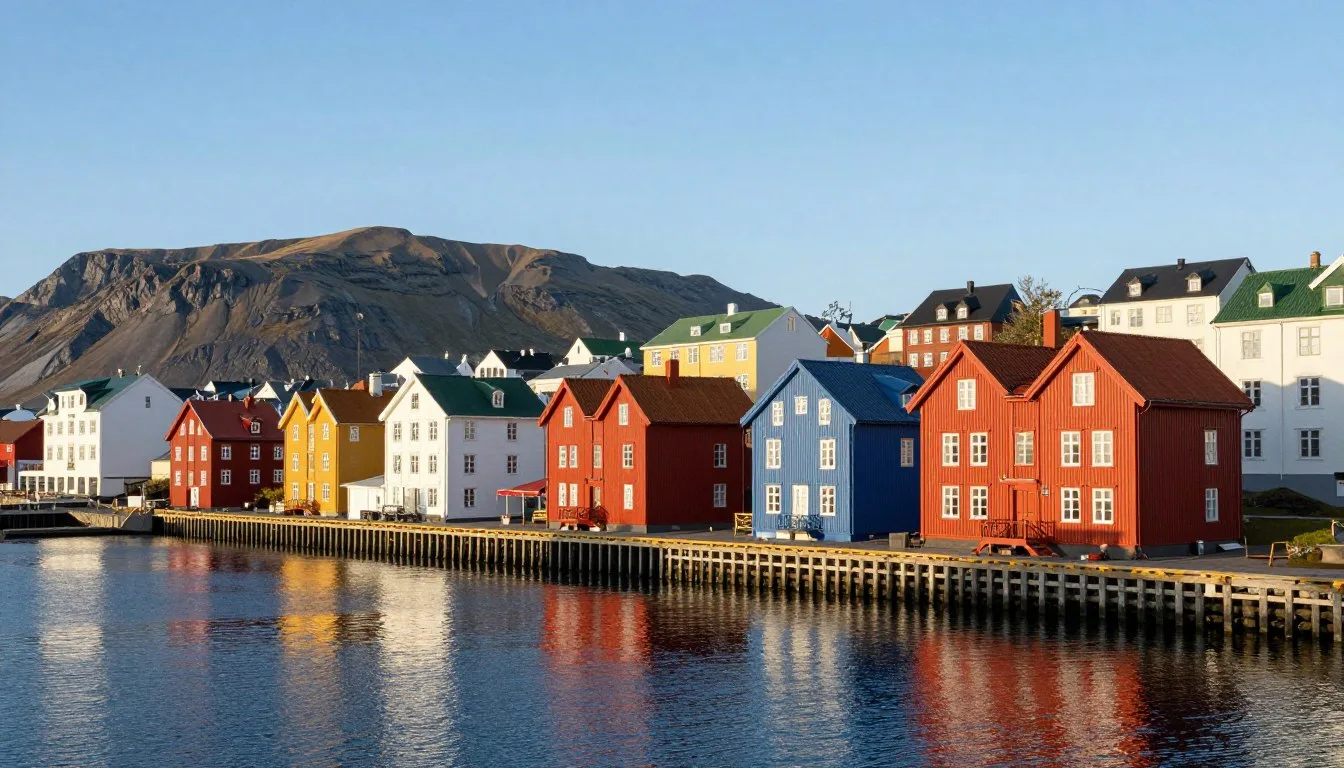
Stykkisholmur serves as the largest town and offers the widest accommodation selection. This historic fishing village on the north coast provides excellent access to both peninsula coasts. Several guesthouses occupy renovated historic buildings near the harbor. The town has restaurants, supermarkets, and services, making it a practical base.
Grundarfjordur has grown popular due to its proximity to Kirkjufell mountain. This small town offers several hotels and guesthouses with mountain views. The location works well for photographers wanting to shoot Kirkjufell during different times of day. Grundarfjordur has limited dining options, so staying here works best if you plan to cook some meals.
Olafsvik and Hellissandur on the peninsula’s western tip provide quieter alternatives. These fishing villages have fewer tourists and lower prices than more popular areas. The location suits travelers wanting to explore Snaefellsjokull National Park thoroughly. Expect basic amenities rather than luxury facilities.
Budget Options
Guesthouses and hostels across the peninsula offer clean, comfortable rooms at reasonable rates. Most include shared bathrooms and kitchens. Expect to pay 8,000 to 15,000 ISK per night for a double room during summer.
Camping represents the most economical choice. Several campsites operate from May through September, charging 1,500 to 2,000 ISK per person nightly. Facilities typically include toilets, showers, and cooking areas. The Stykkisholmur campsite offers the best amenities.
Mid-Range Choices
Country hotels and larger guesthouses provide private bathrooms and breakfast. These properties balance comfort with value, charging 20,000 to 35,000 ISK per night for doubles. Many occupy scenic locations with mountain or ocean views.
Farm stays offer unique experiences where you can interact with hosts and learn about Icelandic rural life. Rooms are simple but comfortable, and many farms serve home-cooked meals featuring local ingredients. Prices align with other mid-range options.
Premium Stays
The peninsula has limited luxury accommodation, but a few properties deliver exceptional experiences. These boutique hotels offer designer interiors, gourmet restaurants, and spa facilities. Expect rates from 45,000 ISK upward per night.
Some high-end properties feature private cottages with hot tubs and panoramic views. These work well for special occasions or travelers wanting extra privacy and comfort. Many luxury options require minimum two-night stays during peak season.
Book accommodation well in advance for June through August visits. Popular properties fill months ahead. Shoulder season offers more flexibility, and you can sometimes secure last-minute deals. Winter accommodation requires less advance planning due to lower visitor numbers.
Many guesthouses and smaller hotels close during winter months from October through April. Always verify operating dates when booking outside summer season. Camping is generally only viable from late May through early September due to weather conditions.
Dining and Local Cuisine
The Snaefellsnes Peninsula’s dining scene reflects its fishing heritage. Seafood dominates menus, with catches brought in daily by local boats. Fresh fish, langoustine, scallops, and other marine delicacies appear prepared simply to highlight their quality. This authentic approach differs from tourist-focused Reykjavik restaurants.
Stykkisholmur offers the peninsula’s best restaurant selection. Several establishments serve traditional Icelandic dishes alongside international options. Narfeyrarstofa, housed in a historic building, specializes in seafood and lamb dishes. Sjavarpakkhusid occupies a converted warehouse overlooking the harbor, serving fresh fish and local beer.
Grundarfjordur has fewer dining options but makes up for limited choice with quality. Bjargarsteinn Mathus serves hearty portions of fish and chips, lamb stew, and other comfort food. The small restaurant gets busy during summer evenings, so arrive early or expect to wait.
Smaller villages often have just one restaurant or cafe. These humble establishments serve simple but satisfying meals. Don’t expect extensive menus or gourmet presentations. Instead, you’ll find honest food prepared by people who’ve cooked these dishes their entire lives.
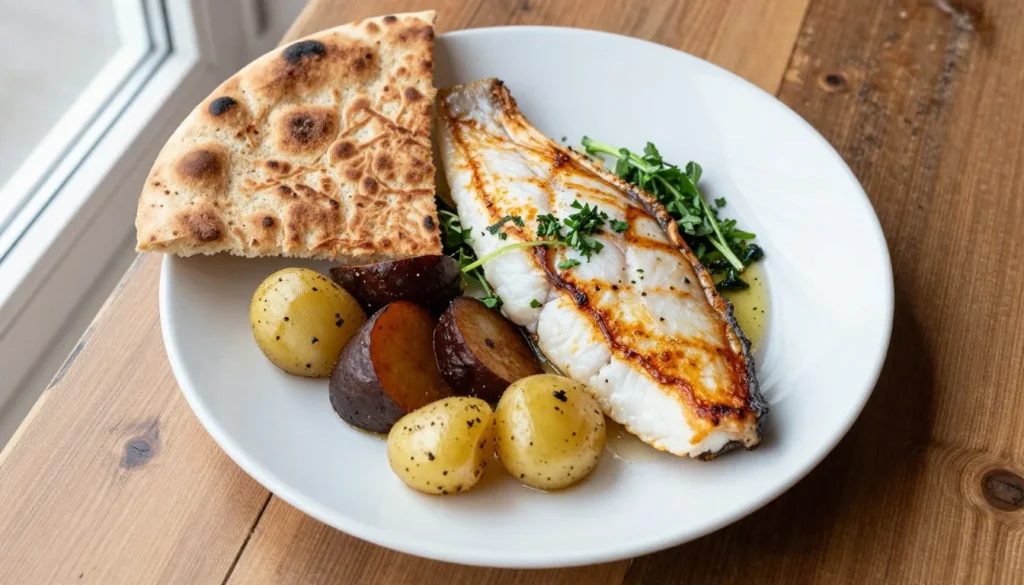
Supermarkets in Stykkisholmur, Grundarfjordur, and Olafsvik stock groceries for those staying in self-catering accommodation. Prices run higher than Reykjavik supermarkets due to transportation costs. Stock up on basics before leaving the capital if you plan to cook frequently. Local stores do carry essentials including bread, dairy, meat, and produce.
Traditional Icelandic specialties worth trying include plokkfiskur (fish stew), hangikjot (smoked lamb), and skyr (thick yogurt). More adventurous eaters might sample hakarl (fermented shark) or hrutspungar (pickled ram’s testicles), though these acquired tastes aren’t for everyone. Most restaurants serve familiar European dishes if traditional options seem too exotic.
Expect restaurant meals to cost 3,000 to 6,000 ISK for main courses. This aligns with Iceland’s general price levels. Lunch specials and soup-and-bread combinations offer better value, typically around 2,000 ISK. Alcohol prices are particularly high due to government taxation. A beer costs 1,000 to 1,500 ISK in restaurants.
Coffee culture thrives even in small peninsula villages. Cafes serve excellent coffee and homemade cakes. These establishments provide welcome breaks during long drives and offer chances to interact with locals. Many cafes also sell local crafts and woolens.
Attractions, Sightseeing and Activities
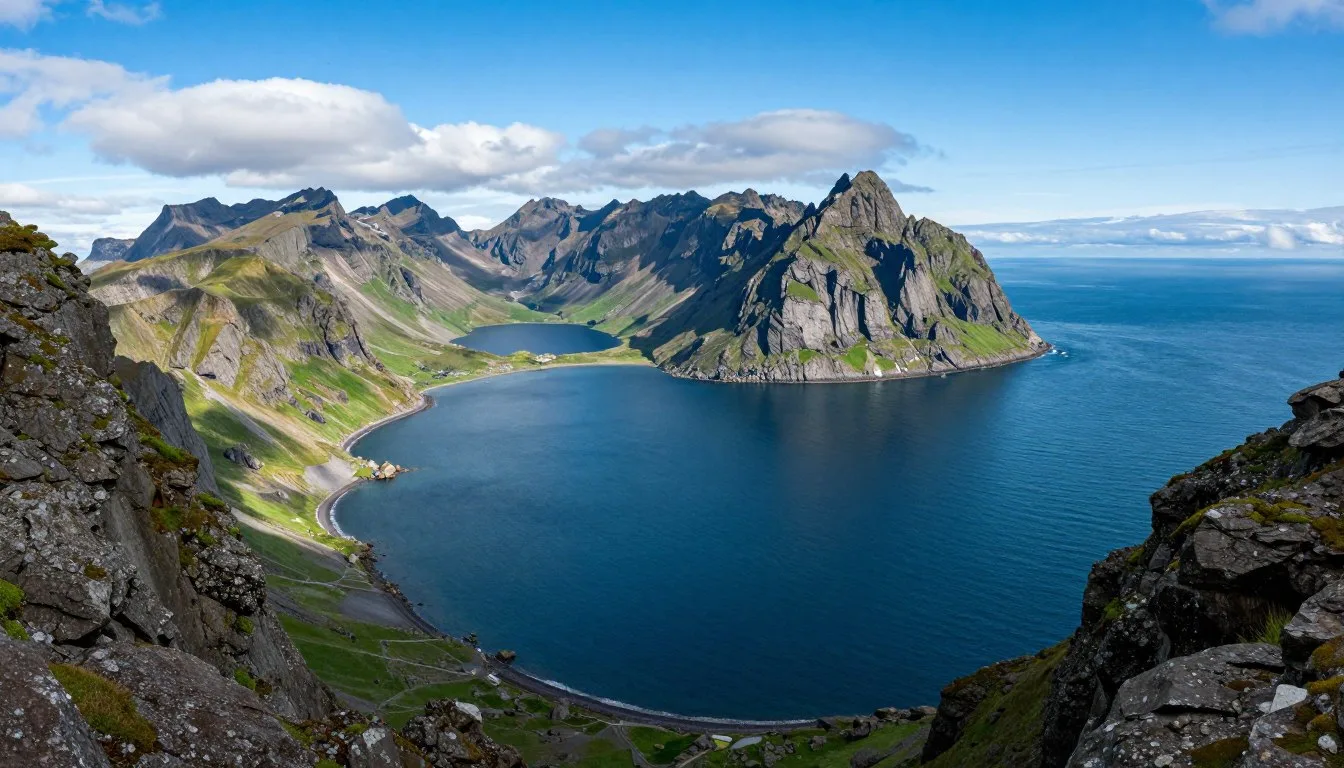
The Snaefellsnes Peninsula packs remarkable diversity into a relatively compact area. Often called “Iceland in miniature,” the region showcases nearly every landscape type found throughout the country. This concentration of natural wonders makes it possible to experience dramatic variety within a single day of exploration.
Kirkjufell Mountain
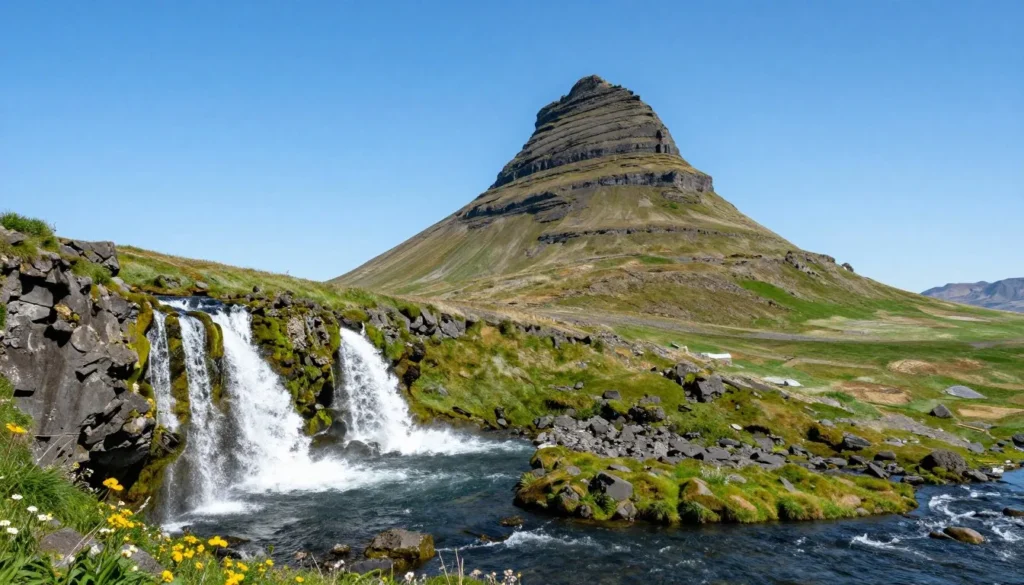
Kirkjufell stands as the peninsula’s most photographed landmark. This distinctive 463-meter peak rises abruptly from flat coastal land near Grundarfjordur. Its unusual shape, resembling a church steeple from certain angles, has made it instantly recognizable. The mountain gained additional fame appearing in several Game of Thrones episodes.
The adjacent Kirkjufellsfoss waterfall completes the iconic composition. Photographers gather here during golden hour to capture the mountain reflected in the foreground cascade. The scene looks spectacular during any season, though each offers different character. Summer brings green surroundings and midnight sun light, while winter adds northern lights dancing overhead.
A hiking trail leads to Kirkjufell’s summit, though the climb requires good fitness and shouldn’t be attempted in poor weather. The path gains elevation quickly and includes some exposed sections. Most visitors enjoy the mountain from designated viewpoints along the road where parking and paths make access easy.
Snaefellsjokull National Park
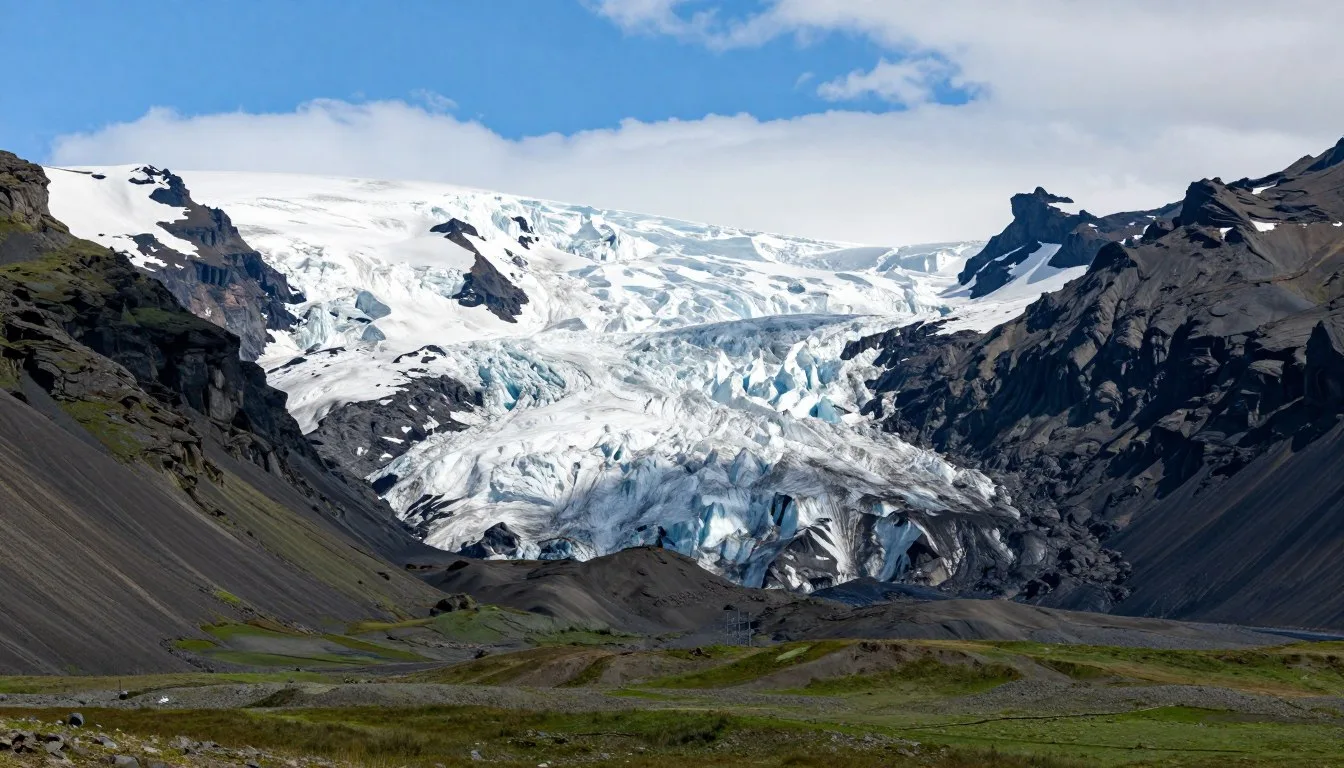
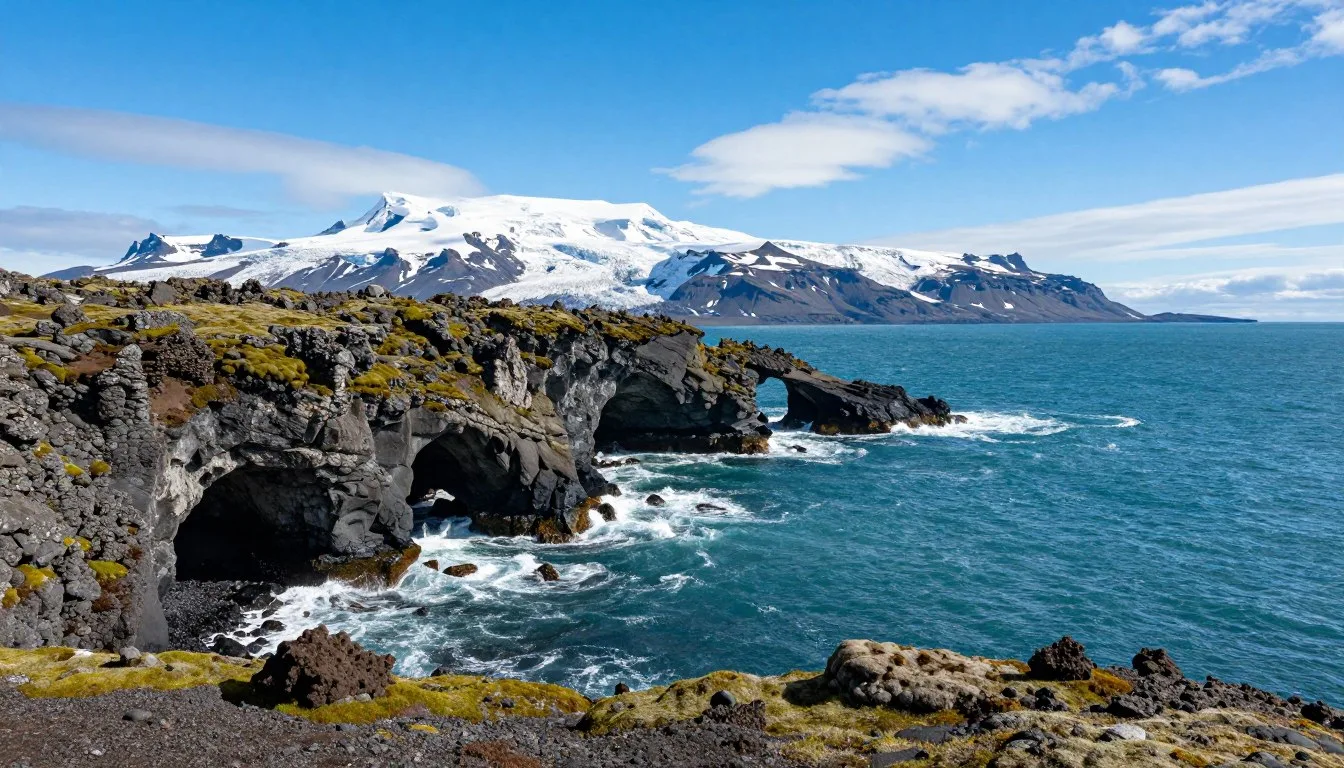
Snaefellsjokull glacier dominates the peninsula’s western end. This ice-capped stratovolcano reaches 1,446 meters and provides the park’s centerpiece. Jules Verne chose this glacier as the entrance to Earth’s center in his novel “Journey to the Center of the Earth,” forever linking it with adventure and mystery.
The national park encompasses the glacier and surrounding lava fields, craters, and coastline. Several marked hiking trails explore the area’s volcanic features. The park visitor center near Hellissandur provides information, maps, and current conditions. Rangers lead occasional guided walks during summer months.
Driving up the glacier requires a 4×4 vehicle and should only be attempted with local knowledge. Most visitors enjoy views from lower elevations where the massive ice cap creates a dramatic backdrop. On clear days, the glacier can be seen from Reykjavik, 120 kilometers away.
Djupalonssandur Black Beach
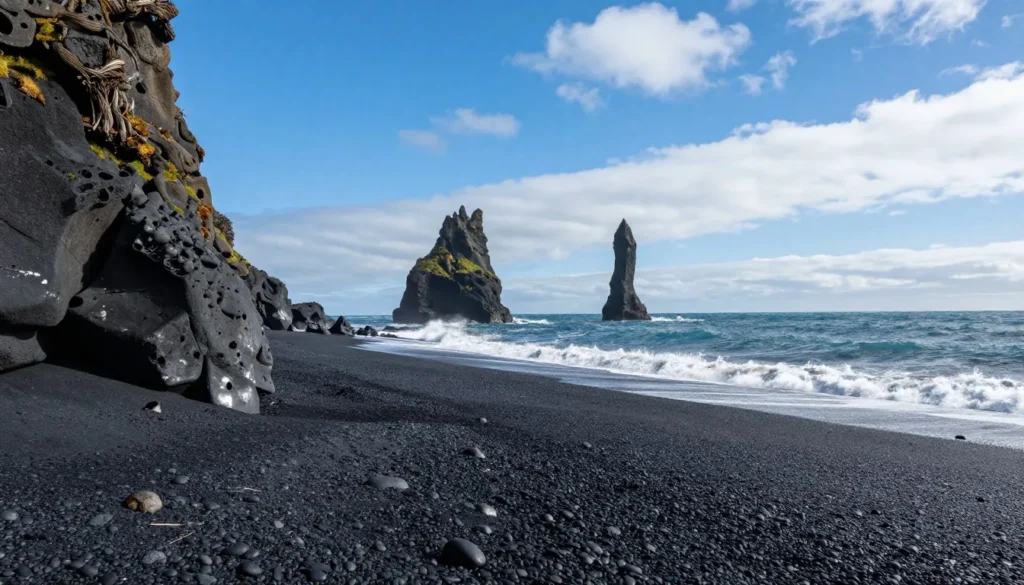
This black pebble beach demonstrates Iceland’s volcanic origins dramatically. The beach occupies a small cove surrounded by twisted lava formations that create an otherworldly atmosphere. Smooth black stones cover the shore, polished by centuries of Atlantic waves.
Four lifting stones sit near the beach, remnants of tests once used to determine fishermen’s strength. The stones range from 23 to 154 kilograms. Historical markers explain how fishermen had to lift specific stones to qualify for boat crews. These cultural artifacts add historical context to the scenic location.
Rusted remains of a British trawler wrecked here in 1948 scatter across the lava. The twisted metal creates haunting sculptures against the black stones. Information signs tell the tragic story of the ship’s loss and rescue attempts. The wreckage serves as a sobering reminder of the ocean’s power.
Arnarstapi and Hellnar Coastal Walk
These two tiny villages anchor opposite ends of a spectacular coastal trail. The 2.5-kilometer path follows dramatic sea cliffs where basalt columns and rock arches create natural sculptures. Atlantic waves crash against the formations, sending spray high into the air during storms.
Arnarstapi features a stone arch and statue of Bardur Snaefellsas, a legendary half-troll figure from Icelandic sagas. The area includes a small harbor and several guesthouses. A café serves refreshments to hikers completing the coastal walk.
Hellnar occupies an even smaller footprint but offers a cozy café in a restored building overlooking the ocean. The village sits beneath towering cliffs where seabirds nest during summer months. The bird colonies create constant activity and noise.
The coastal trail between these villages provides the peninsula’s best easy hike. The path remains relatively flat and well-maintained, suitable for most fitness levels. Allow one to two hours for the walk, longer if you pause frequently for photographs. The cliffs and rock formations change constantly, providing new compositions around every bend.
Londrangar Basalt Cliffs
These dramatic rock pinnacles rise 75 meters from the ocean like massive church organs. The basalt columns, remnants of an ancient volcanic crater, create one of the peninsula’s most striking geological features. The formations change appearance depending on viewing angle and light conditions.
A parking area and short walking path provide access to viewpoints. The cliffs attract rock climbers during summer months, though climbing requires technical skills and equipment. Most visitors admire the formations from designated viewpoints where the scale becomes apparent.
Seabirds including fulmars and kittiwakes nest on the cliff faces during breeding season from May through July. Their calls fill the air, and watching them navigate the updrafts provides entertainment. Bring binoculars for better views of the nesting sites high on the cliffs.
Raudfeldsgja Gorge
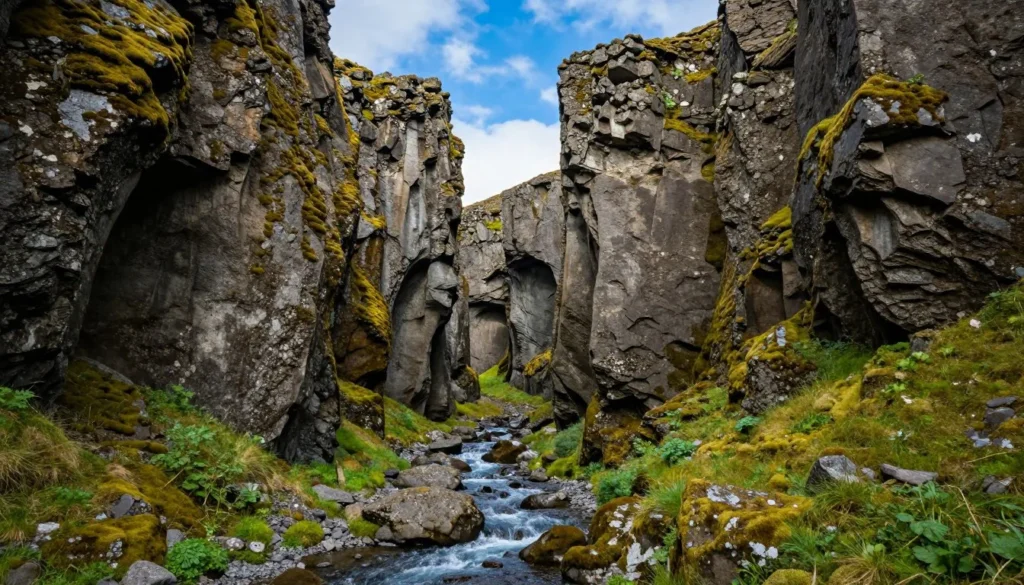
This narrow ravine cuts into the mountainside near the village of Arnarstapi. The gorge extends back into the cliff face, with a stream flowing through its depths. According to legend, the ravine was formed when a man pushed his two nephews off the cliff in anger.
Visitors can wade into the gorge following the stream, though the passage becomes increasingly narrow and dark. The experience feels adventurous but requires waterproof boots and caution on slippery rocks. Most people explore the first 20 to 30 meters before the walls close in too tightly.
Parking exists at the roadside, and a short walk across a field leads to the gorge entrance. The site attracts fewer visitors than major attractions, providing a more intimate experience. Visit during low water periods for easiest access into the ravine.
Ytri Tunga Seal Beach
This golden sand beach hosts a seal colony visible year-round from the shore. Harbor seals and grey seals haul out on rocks at the beach’s eastern end, particularly during June and July when pups are born. The seals tolerate observers who maintain respectful distances.
The beach stretches for several hundred meters, offering pleasant walking even if seals aren’t immediately visible. The sand’s golden color contrasts beautifully with the typical black Icelandic beaches, making it photographically distinctive. Driftwood scattered along the high tide line adds character.
Access requires turning off Route 54 onto a gravel road and driving several kilometers to the parking area. The road handles normal cars during summer but may become challenging after heavy rain. Once parked, a short walk across grassland leads to the beach.
Museums, Cultural Spots and Festivals
The Snaefellsnes Peninsula’s museums focus on maritime heritage and local history. These small institutions provide insight into how communities adapted to Iceland’s challenging environment. Don’t expect large metropolitan museums. Instead, you’ll find intimate collections lovingly curated by people passionate about preserving local stories.
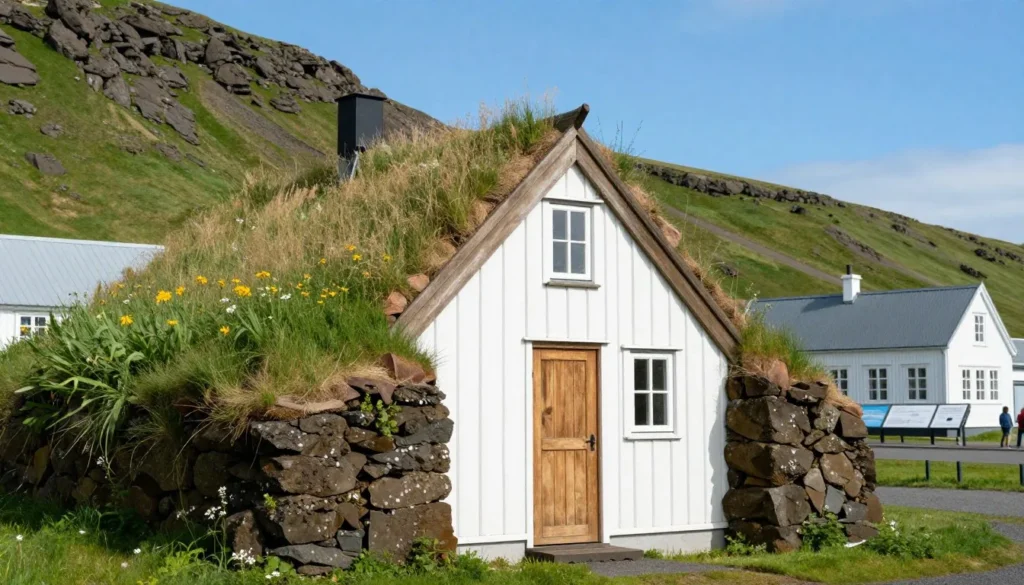
The Norwegian House in Stykkisholmur, one of Iceland’s oldest timber buildings, houses the town’s regional museum. Exhibits cover local history from settlement times through the 20th century. The building itself, constructed in 1832, demonstrates imported Norwegian timber architecture that was common before Iceland developed modern construction methods. The museum opens daily during summer, with limited winter hours. Admission costs 1,000 ISK for adults.
Bjarnarhofn Shark Museum near Stykkisholmur offers a unique experience. This working shark farm still produces hakarl (fermented shark) using traditional methods. The museum explains this ancient preservation technique and Iceland’s shark fishing history. Visitors can tour the processing facilities and sample hakarl if they dare. The pungent smell alone provides an unforgettable experience. The museum operates year-round by appointment. Contact +354 438 1581 for visits.
Pakkhus Museum in Olafsvik occupies a restored warehouse building from 1844. Exhibits focus on the town’s fishing industry and its role in Iceland’s maritime commerce. The collection includes fishing equipment, boat models, and photographs documenting village life across generations. The museum provides an intimate look at how fishing shaped these coastal communities. Summer opening hours run from 11:00 to 17:00 daily.
The Library of Water in Stykkisholmur represents contemporary art meeting landscape. American artist Roni Horn transformed a former library into an installation featuring water collected from Iceland’s major glaciers. The minimalist space includes floor-to-ceiling windows overlooking the harbor. The combination of art, landscape views, and contemplative atmosphere creates an unusual museum experience. Entry costs 1,000 ISK and the space opens daily in summer.
Volcanic lava caves near Hellissandur offer guided tours into underground passages formed during ancient eruptions. Vatnshellir cave descends 35 meters into multi-colored lava tubes created 8,000 years ago. The 45-minute guided tours run year-round and require booking in advance. The experience provides geological education in a dramatic setting. Tours cost around 3,950 ISK for adults and helmets and flashlights are provided.
Local churches throughout the peninsula merit visits for their architecture and settings. The black church at Budir stands isolated in a lava field, creating a striking image. Built in 1848, the simple timber structure demonstrates traditional Icelandic church design. The church grounds overlook the coast and Snaefellsjokull glacier. The building remains consecrated and hosts occasional weddings and services.
Nature and Outdoor Experiences
The Snaefellsnes Peninsula delivers exceptional outdoor experiences across varied terrain. From gentle coastal walks to challenging glacier hikes, the area accommodates different activity levels. The concentration of natural features means you can enjoy multiple distinct environments within short distances.
Hiking Opportunities
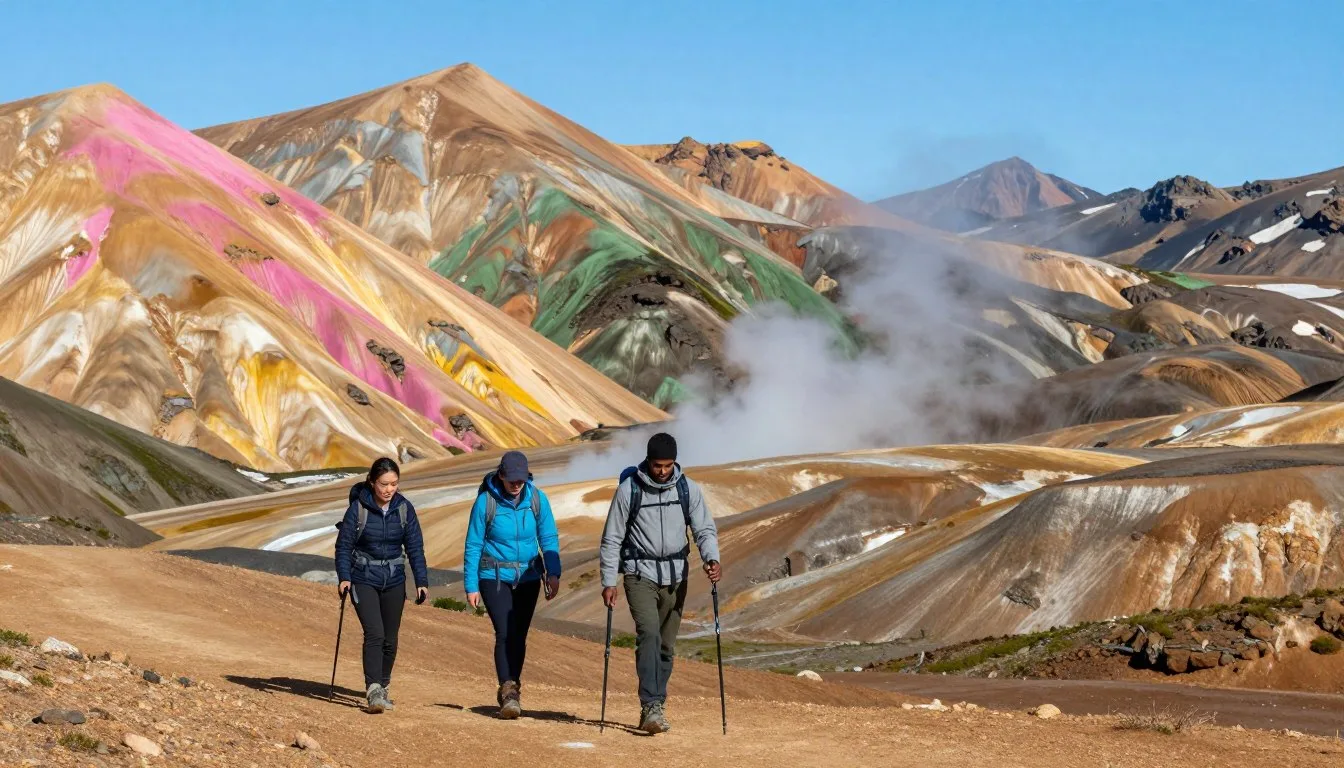
Numerous trails explore the peninsula’s diverse landscapes. The previously mentioned Arnarstapi to Hellnar coastal path remains the most popular easy walk. Its 2.5-kilometer distance and minimal elevation gain suit families and casual hikers. The dramatic coastal scenery makes this short hike particularly rewarding.
More ambitious hikers can tackle Kirkjufell mountain’s summit trail. The route climbs steeply from the parking area, gaining 450 meters over approximately 1.5 kilometers. The final sections cross exposed terrain requiring good weather and proper equipment. The summit provides spectacular panoramic views across the peninsula and surrounding ocean. Allow three to four hours for the round trip.
Within Snaefellsjokull National Park, multiple trails explore volcanic features. The Skardsvik beach trail leads through lava fields to a golden sand beach. The relatively flat 2-kilometer path takes about one hour round trip. Saxholl crater near the park visitor center has stairs to the rim where you can peer into the volcanic depression and enjoy 360-degree views.
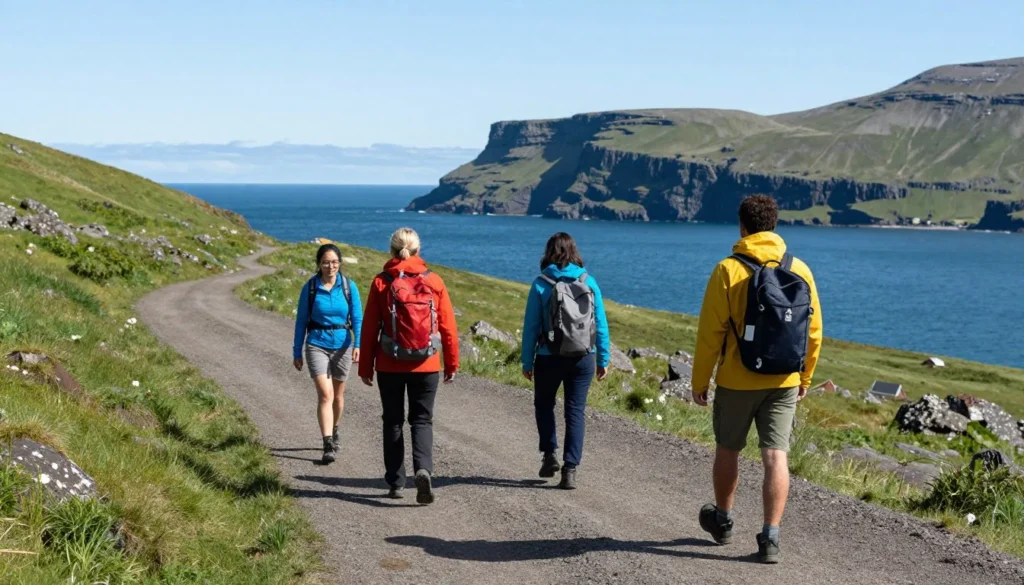
Always check weather forecasts before hiking. Conditions change rapidly, and fog can roll in unexpectedly, reducing visibility to meters. Proper footwear is essential as lava rock creates uneven, sometimes sharp surfaces. Even short hikes require sturdy shoes rather than sandals or light sneakers.
Kayaking and Water Activities
The peninsula’s coastal waters and sheltered bays offer kayaking opportunities from May through September. Several operators run guided tours from Stykkisholmur and Grundarfjordur. These typically last two to three hours and require no previous kayaking experience. Guides provide equipment including drysuits for cold water protection.
Tours often include paddling among small islands where seabirds nest and seals rest on rocks. The water perspective reveals coastal caves and rock formations invisible from land. Calm mornings provide the best conditions, as afternoon winds can create choppy water. Most operators set minimum age requirements around 12 to 14 years.
Fishing charters operate from several peninsula harbors. Both deep-sea fishing for cod and haddock and sea angling for smaller species are available. Trips range from a few hours to full days. The boats provide all equipment and typically prepare fresh catches on board. These excursions offer insight into Iceland’s fishing industry while providing dinner ingredients.
Wildlife Watching
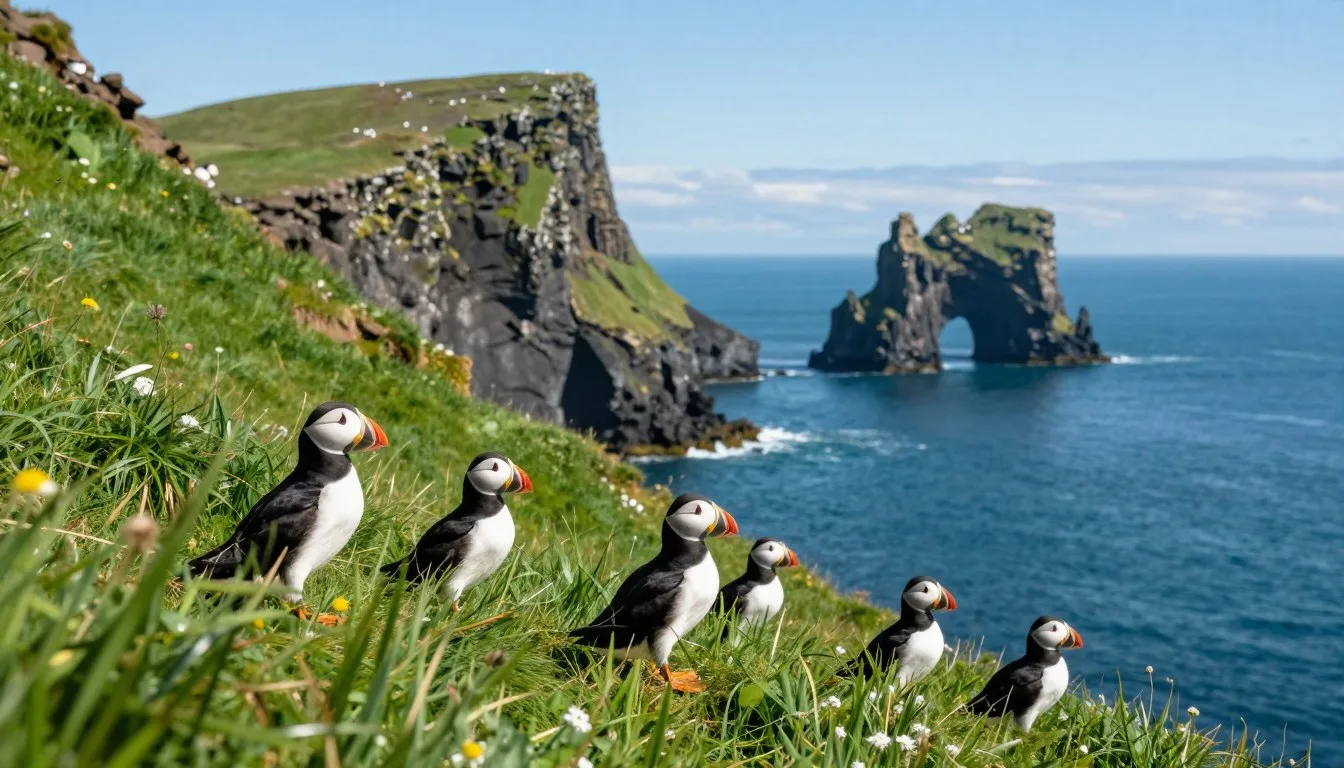
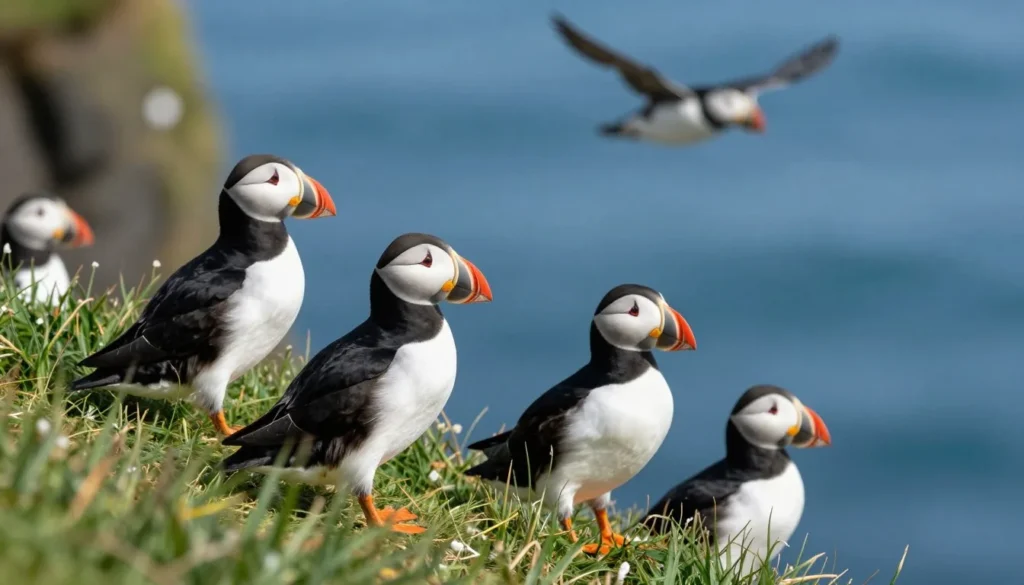
Birdwatching on the peninsula peaks from May through July when millions of seabirds arrive to nest. Cliffs around Arnarstapi, Hellnar, and Londrangar host colonies of fulmars, kittiwakes, guillemots, and razorbills. The constant activity and cacophony create an immersive wildlife experience. Puffins nest in some areas, though colonies are smaller than on dedicated puffin islands.
Arctic terns nest in many coastal areas and aggressively defend their territories. These elegant birds perform dramatic dive-bombing displays if you approach nests. While alarming, the behavior rarely results in actual contact. Simply give nesting areas wide berth or raise your hand above your head when walking through colonies. The terns target the highest point.
Seal colonies at Ytri Tunga and other beaches allow close observation of these marine mammals. Harbor seals are more common, though grey seals also appear. June and July bring seal pups, making beach visits particularly engaging. Maintain at least 20 meters distance to avoid disturbing the animals. Binoculars help observe behavior without approaching too closely.
Check 30,000+ Local Sightseeing Tours Worldwide
✓ Numerous languages and currencies are available
Whale watching tours depart from Olafsvik and occasionally from Stykkisholmur. The waters around the peninsula support several whale species including minke, humpback, and occasionally orcas. Tours run from April through October with summer months offering the most reliable sightings. The three-hour excursions have high success rates, though no sighting can be guaranteed with wild animals.
Photography Locations
The Snaefellsnes Peninsula ranks among Iceland’s top photography destinations. The concentration of dramatic landscapes within a compact area allows capturing varied images during a single trip. Light conditions change throughout the day, making locations worth revisiting.
Kirkjufell with Kirkjufellsfoss provides the classic composition that attracts photographers worldwide. Early morning and evening light create the most dramatic effects. During winter, northern lights frequently appear above the mountain, creating opportunities for stunning nightscapes. A tripod is essential for low-light and long-exposure photography.
The black church at Budir surrounded by lava fields creates a minimalist composition. The isolated structure against the stark landscape appeals to architectural and landscape photographers alike. Different weather conditions dramatically alter the mood. Stormy skies add drama, while clear conditions emphasize the church’s isolation.
Londrangar basalt cliffs photograph well from multiple angles. The changing light throughout the day creates different contrasts and textures on the columnar basalt. Sunset often brings warm tones that complement the rock’s natural colors. A telephoto lens helps isolate individual formations and compress perspective.
Travel With Children
The Snaefellsnes Peninsula welcomes families and offers experiences suitable for various ages. The compact geography means shorter drives between attractions, reducing time spent confined in vehicles. Many sights require minimal walking, making them accessible even for younger children.
Beaches provide natural playgrounds where children can explore tide pools, collect shells, and play in the sand. Ytri Tunga seal beach particularly engages young visitors who delight in watching seals. The animals’ antics provide entertainment while teaching respect for wildlife. Building stone towers on black pebble beaches at Djupalonssandur creates simple fun requiring no equipment.
Short, easy hikes like the Arnarstapi to Hellnar coastal path work well for families. The varied scenery holds children’s interest better than monotonous trails. Regular breaks to examine rock formations or watch birds prevent boredom. The relatively flat terrain means even small legs can complete the walk.
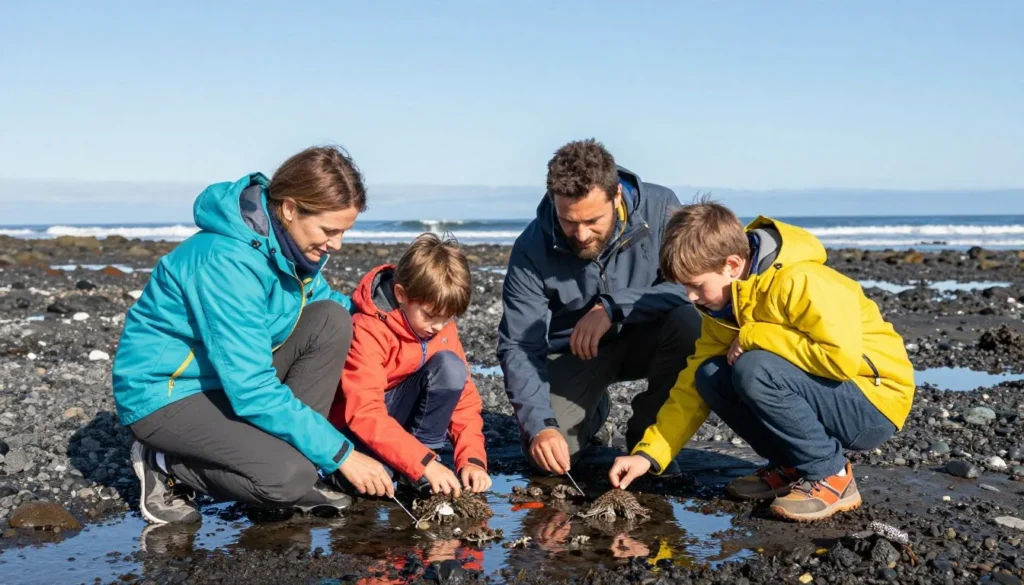
Many guesthouses and hotels provide family rooms sleeping four or more people. These often cost less than booking separate rooms. Some properties offer playgrounds or game rooms. When booking, specify traveling with children as some smaller guesthouses cater primarily to adult travelers.
Restaurants generally welcome children, though high chairs may not always be available. Icelandic cuisine includes familiar options like fish and chips that appeal to less adventurous young palates. Many establishments offer smaller portions at reduced prices. Bringing snacks for between meals makes sense, as restaurants outside main towns have limited hours.
Car rental companies provide child safety seats, though booking these in advance ensures availability. Iceland strictly enforces child restraint laws. Children under 135 centimeters tall must use appropriate car seats or booster seats. Rental companies charge daily fees for seats, so bringing your own saves money on extended trips.
Weather can change rapidly, making appropriate clothing essential. Dress children in layers that can be adjusted as conditions shift. Waterproof outer layers and sturdy shoes handle Iceland’s unpredictable weather. Even summer days can turn wet and windy. Extra clothes in the car provide backup when children get wet or dirty.
Money Saving Tips
Iceland’s reputation for high prices is well-deserved, but strategic planning reduces costs significantly. The Snaefellsnes Peninsula offers some savings opportunities compared to heavily touristed areas like the Golden Circle. Implementing several budget strategies together creates meaningful savings.
Self-catering accommodation dramatically reduces food costs. Guesthouses and apartments with kitchens allow preparing breakfasts and packed lunches. Stock up on groceries in Reykjavik before heading to the peninsula where selection is limited and prices slightly higher. Preparing two meals daily yourself while eating one restaurant meal provides good balance between savings and convenience.
Visit during shoulder seasons in May or September when accommodation rates drop 30 to 50 percent compared to peak summer. Weather remains generally acceptable, and major attractions stay accessible. You’ll encounter fewer crowds, enhancing the experience while stretching your budget. Some tour operators also reduce prices during slower periods.
Budget Accommodation Strategies
- Book guesthouses instead of hotels for basic comfort at lower prices
- Consider camping if visiting June through August when weather is most reliable
- Reserve accommodations weeks or months in advance for better rates
- Look for properties offering free breakfast to save on morning meals
- Share rooms when traveling with friends or family to split costs
Transportation Savings
- Rent the smallest vehicle adequate for your needs rather than upgrading unnecessarily
- Fill fuel tanks at the least expensive stations before entering more remote areas
- Avoid expensive fuel station convenience stores for snacks and drinks
- Consider renting for just the days needed if combining with Reykjavik sightseeing
- Share rental costs and fuel expenses when traveling with others
Pack snacks, drinks, and basic lunch supplies to avoid expensive roadside cafes. A cooler with sandwiches, fruit, and beverages prevents impulse purchases at tourist locations where prices increase significantly. Many scenic viewpoints make ideal picnic spots with better views than restaurant windows.
Most Snaefellsnes Peninsula attractions charge no entrance fees. Unlike many tourist destinations, you can enjoy Iceland’s natural wonders without paying admission. Museums charge modest fees compared to international standards. The few paid experiences like cave tours represent worthwhile investments rather than budget-busters.
Avoid currency exchange offices and airport ATMs which offer poor rates and high fees. Use credit cards for major purchases as they typically provide better exchange rates than cash transactions. When withdrawing cash, use bank ATMs rather than independent machines that charge premium fees. Icelandic businesses widely accept credit cards, even for small purchases.
Free activities provide many of the peninsula’s best experiences. Hiking costs nothing beyond transportation to trailheads. Beach walks, viewpoints, and wildlife watching require no fees. With proper planning, paid activities can be limited to a few special experiences rather than every outing.
Safety and Local Customs
Iceland ranks among the world’s safest countries, and the Snaefellsnes Peninsula maintains this standard. Violent crime remains virtually nonexistent. However, nature presents real hazards that require awareness and preparation. Understanding local customs ensures respectful interactions with residents and other visitors.
Natural Hazards
Weather creates the primary safety concern. Conditions change rapidly, and storms can develop with little warning. Always check forecasts before heading out and monitor conditions throughout the day. The website en.vedur.is provides detailed Icelandic weather information. If conditions deteriorate significantly, postpone activities rather than pushing forward.
Ocean waves present serious danger along the peninsula’s exposed coastline. “Sneaker waves” larger than preceding waves can surge unexpectedly, sweeping people off rocks or beaches. Never turn your back on the ocean when near the water. Several drownings and injuries occur annually when visitors underestimate wave power. Maintain safe distances from the surf line.
Lava fields contain uneven surfaces with sharp edges that can cause falls and cuts. Stick to marked trails rather than wandering across lava formations. The rock provides poor footing, and gaps between formations can trap feet or twist ankles. Proper hiking boots with ankle support reduce injury risk significantly.
Road conditions during winter require experienced drivers familiar with ice and snow. If you lack this experience, consider visiting during warmer months or hiring drivers familiar with conditions. Never attempt closed roads regardless of how passable they appear. Rescues in remote areas are expensive and potentially dangerous for rescue personnel.
Environmental Responsibility
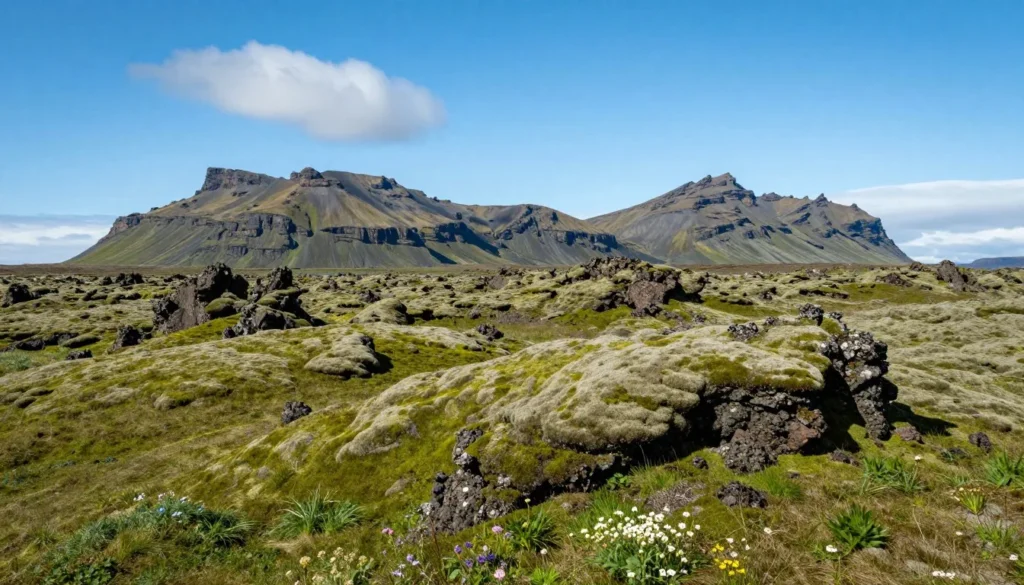
Iceland emphasizes environmental protection, and visitors must minimize their impact. Stay on marked trails and paths rather than creating new routes across fragile vegetation. Moss-covered lava grows extremely slowly, and footprints can remain visible for decades. Damaged vegetation takes years or even decades to recover in Iceland’s harsh climate.
Leave no trace principles apply throughout the peninsula. Pack out all trash as bins are scarce outside main towns. Never leave food waste or toilet paper in nature. If facilities aren’t available, bury human waste at least 200 meters from water sources and pack out toilet paper. These standards protect Iceland’s pristine environment.
Respect private property boundaries. Some stunning viewpoints exist on private land where owners have graciously allowed access. Irresponsible behavior including littering or trespassing beyond permitted areas can result in access being revoked. Gates and fences exist for reasons related to farming operations. Always close gates after passing through.
Cultural Customs
Icelanders appreciate directness and informality. The culture lacks strict hierarchies found in some societies. Address everyone by first names rather than titles. This applies even to officials and business owners. The casual approach reflects egalitarian social values.
Remove shoes when entering Icelandic homes and many guesthouses. This custom keeps interiors clean given Iceland’s frequently muddy and wet outdoor conditions. Look for shoes left at entrances as signals this expectation applies. Hosts appreciate this simple courtesy.
Tipping isn’t expected in Iceland as service charges are included in prices. Restaurants, taxis, and hotels don’t anticipate additional gratuities. Exceptional service can be acknowledged with tips, but it’s optional rather than obligatory. This differs significantly from North American customs where tipping is effectively mandatory.
Photography of people requires consideration. While photographing strangers isn’t illegal, it’s polite to ask permission, particularly for close-up portraits. Most Icelanders don’t mind appearing in background shots of landscapes. However, photographing someone as a primary subject without asking seems invasive.
Visitor Comments About Snaefellsnes Peninsula
“We spent two days exploring the peninsula and wished we’d allocated more time. Every turn revealed another spectacular view. Kirkjufell at sunset exceeded our high expectations, and the seal beach delighted our children. The variety of landscapes felt like touring multiple countries. Less crowded than the Golden Circle but equally impressive. We’ll definitely return to explore areas we missed.”
“As someone who’s traveled extensively, the Snaefellsnes Peninsula ranks among my favorite destinations. The dramatic coastline and mountains create photographer’s paradise. I particularly enjoyed the small fishing villages where you can experience authentic Icelandic culture away from tourist crowds. Road conditions were excellent, and we had no difficulty navigating in our rental car. The black church at Budir against the lava field created an image I’ll never forget.”
“Visiting in September gave us beautiful weather and virtually empty attractions. We hiked the coastal trail from Arnarstapi to Hellnar completely alone, something impossible during summer peak. The autumn colors across the lava fields added unexpected beauty. Our guesthouse in Stykkisholmur cost half the summer rate. For budget travelers willing to risk slightly less predictable weather, shoulder season delivers incredible value. The peninsula exceeded every expectation.”
Additional Nearby Destinations
The Snaefellsnes Peninsula’s location makes it an excellent base for exploring western Iceland. Several worthwhile destinations lie within easy driving distance, allowing multi-day itineraries that maximize your time in this region.
The Westfjords region begins just north of the peninsula. This remote area features some of Iceland’s most dramatic fjords and tallest sea cliffs. Latrabjarg cliffs host millions of nesting seabirds including Iceland’s largest puffin colony. The Westfjords receive fewer visitors due to greater distance from Reykjavik and challenging roads. However, those who make the journey discover Iceland’s wildest landscapes. Plan at least three additional days for a meaningful Westfjords exploration.
Reykjavik, Iceland’s capital, sits about two hours south. The city offers museums, restaurants, shopping, and nightlife absent from the peninsula. Hallgrimskirkja church, Harpa concert hall, and the old harbor area rank among top attractions. Many visitors combine several days in Reykjavik with peninsula exploration. The capital also serves as a base for Golden Circle day trips.
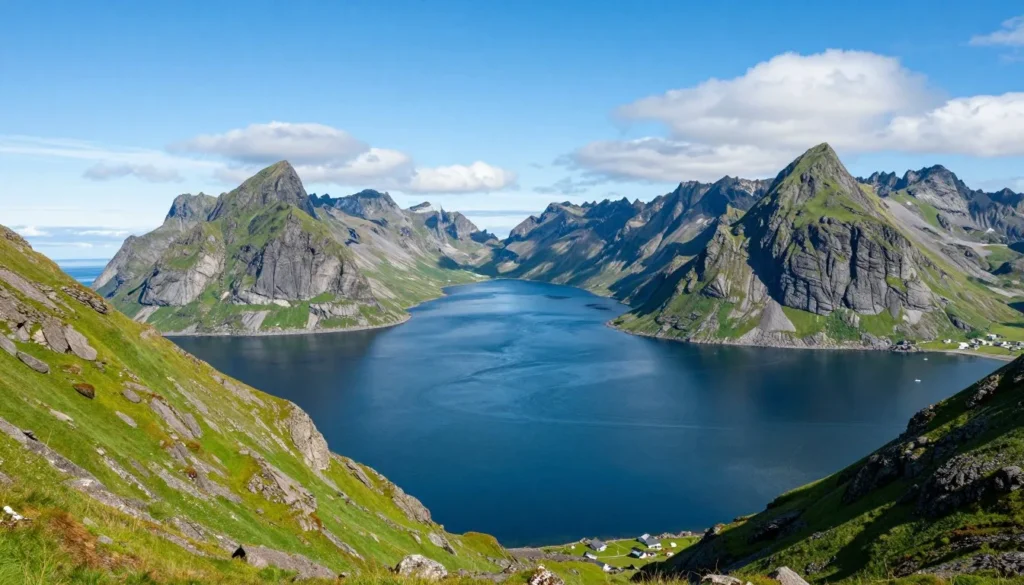
The Golden Circle, Iceland’s most famous tourist route, lies southeast of the peninsula. This circuit includes Thingvellir National Park, Geysir geothermal area, and Gullfoss waterfall. The three major stops can be visited in a day trip from Reykjavik. However, the Golden Circle attracts massive crowds during summer. Visiting early morning or late evening reduces congestion. Most travelers complete the Golden Circle before or after exploring Snaefellsnes rather than combining them in a single trip.
Borgarfjordur region between Reykjavik and the peninsula contains several attractions worth stopping at en route. Hraunfossar and Barnafoss waterfalls demonstrate unique geological features. Deildartunguhver, Europe’s highest-flow hot spring, produces 180 liters per second of boiling water. The Krauma geothermal baths offer a less crowded alternative to the Blue Lagoon. These stops break up the drive between Reykjavik and Snaefellsnes.
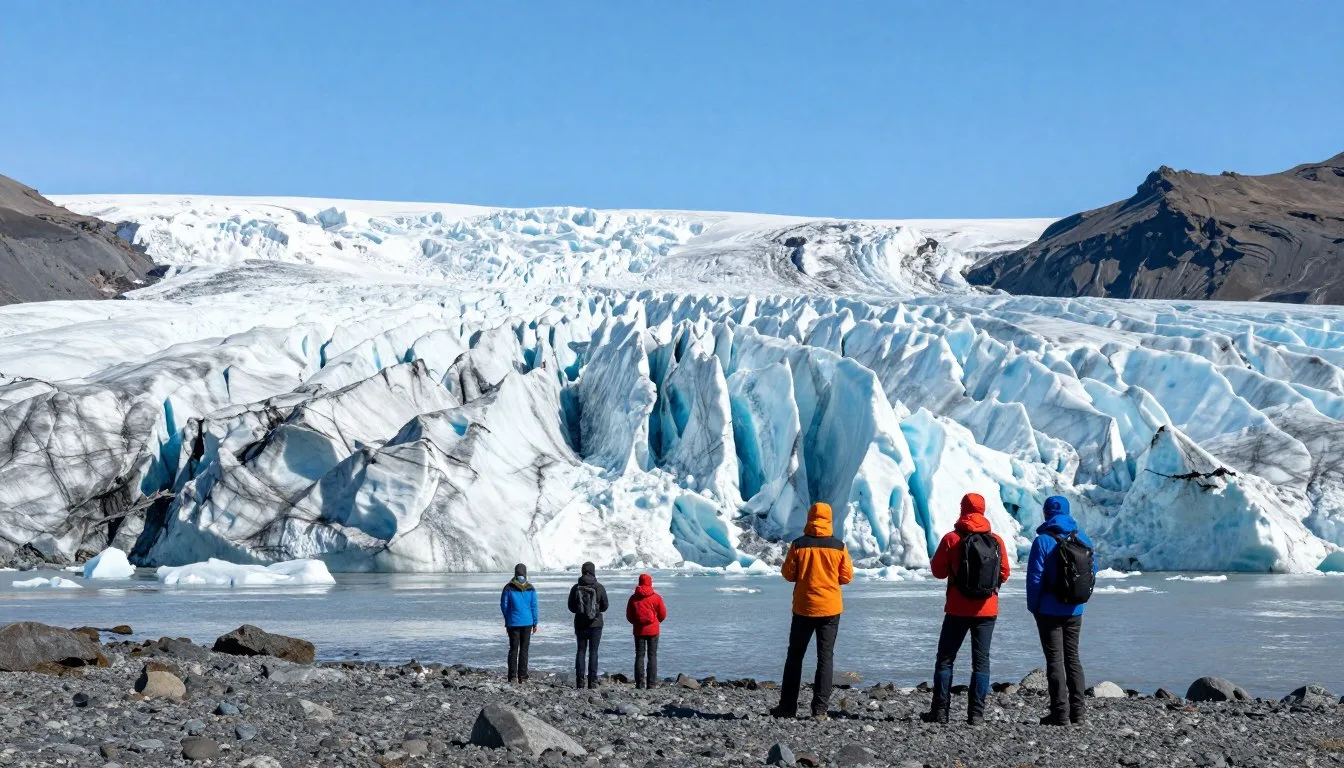
Husafell in Borgarfjordur serves as a base for exploring Langjokull glacier ice caves. Winter tours venture into man-made tunnels carved into the glacier’s interior. The bright blue ice creates otherworldly environments. Summer visitors can experience glacier hiking and snowmobiling. Husafell is located about 90 minutes from the peninsula and makes an interesting overnight addition to longer itineraries.
Practical Travel Tips
Successful Snaefellsnes Peninsula trips require preparation beyond booking flights and accommodation. These practical considerations help ensure smooth, enjoyable experiences while avoiding common pitfalls that catch unprepared visitors.
Packing Essentials
Iceland’s weather demands layered clothing systems regardless of season. Start with moisture-wicking base layers that keep you dry. Add insulating mid-layers like fleece or wool that retain warmth even when wet. Top with waterproof, windproof outer shells. This system adapts to rapidly changing conditions. Temperatures can swing 10°C or more within hours.
Sturdy waterproof hiking boots rank as the single most important clothing item. Iceland’s terrain punishes inadequate footwear. Trails cross lava fields, muddy paths, and stream crossings. Ankle support prevents injuries on uneven surfaces. Break in boots before your trip to avoid blisters. Bring backup shoes for evenings and indoor wear.
Pack more warm clothes than seems necessary, especially for visits outside summer months. Even August evenings can be chilly, particularly near the coast where winds increase perceived coldness. Wool or synthetic materials perform better than cotton which loses insulating properties when wet. Bring hats and gloves even during summer.
- Waterproof jacket and pants
- Warm fleece or wool mid-layer
- Long-sleeve shirts and long pants
- Warm hat and light gloves
- Hiking boots and backup shoes
- Sunglasses and sunscreen
- Swimsuit for hot springs
- Insect repellent for midges
Summer Packing (Jun-Aug)
- Heavy insulated winter coat
- Thermal base layers top and bottom
- Thick warm hat and winter gloves
- Waterproof winter boots with traction
- Scarf or neck gaiter
- Hand and toe warmers
- Ice cleats for walking on ice
- Thermos for hot drinks
Winter Packing (Nov-Mar)
Technology and Communication
Most modern smartphones work in Iceland, though verify international roaming costs before departure. Icelandic carriers use standard European frequencies. Data roaming charges can accumulate quickly. Consider purchasing local SIM cards for extended stays. These provide data at reasonable rates and local phone numbers. Major providers include Siminn, Vodafone, and Nova.
Download offline maps before leaving Reykjavik. Google Maps allows downloading regional maps for offline use. This ensures navigation capability in areas with limited cell coverage. The maps.me app provides another offline option specifically designed for travelers. Having both provides backup if one fails.
Power outlets in Iceland use European-style two-pin plugs at 230 volts. North American devices require both plug adapters and voltage converters unless the device supports 230 volts. Modern phone and laptop chargers typically handle both voltages automatically. Check device specifications before plugging in to avoid damage.
Bring portable phone chargers for long days of sightseeing and photography. Cold weather drains batteries faster than normal. Having backup power ensures you can navigate and take photos throughout the day. Car chargers provide additional charging opportunities during drives between locations.
Health and Medical Considerations
Iceland requires no special vaccinations for entry. The country maintains high health and sanitation standards. Tap water throughout Iceland is safe to drink and often tastes better than bottled options. Fill reusable water bottles from taps rather than purchasing single-use plastic bottles.
European Health Insurance Card holders receive medical care on the same terms as Icelandic residents. Other visitors should verify their health insurance covers international travel. Medical care in Iceland is excellent but expensive for those paying out of pocket. Travel insurance covering medical expenses provides peace of mind.
Pharmacies (apotek) in larger towns stock common medications. However, selection is limited compared to urban pharmacies. Bring adequate supplies of prescription medications plus extras in case of travel delays. Keep medications in original containers with prescriptions to facilitate customs clearance.
Motion sickness can affect passengers on rough coastal roads or boat tours. Over-the-counter medications like Dramamine help prevent symptoms. Take preventive doses before activities rather than waiting for symptoms to develop. Ginger candies provide natural alternatives some travelers prefer.
Money and Payments
Iceland operates as a largely cashless society. Credit and debit cards are accepted virtually everywhere, including small cafes and rural guesthouses. Contactless payment works throughout the country. Many businesses prefer cards over cash due to security and convenience. Some establishments refuse cash entirely.
Despite widespread card acceptance, carrying some Icelandic kronur cash makes sense for emergencies. ATMs in Stykkisholmur and other larger towns dispense local currency. Withdraw modest amounts rather than large sums you’ll need to exchange back later. Unused kronur can be difficult to exchange after leaving Iceland.
Inform your bank and credit card companies about Iceland travel dates. This prevents fraud alerts that can freeze your cards when foreign charges appear. Note customer service phone numbers for your financial institutions. Having these readily accessible helps resolve any payment issues quickly.
Prices in Iceland include all taxes. The amount shown is what you pay without additional charges added at purchase. This contrasts with North American practices of adding sales tax at checkout. Services include built-in service charges, eliminating confusion about appropriate tipping amounts.
Internet and Connectivity
Most accommodations provide free WiFi, though speeds and reliability vary. Larger hotels generally offer better connections than small guesthouses. Rural properties may have slower speeds suitable for email but challenging for video streaming. Download entertainment content before leaving Reykjavik if you plan to stream movies or shows.
Public WiFi exists in some cafes and visitor centers but isn’t universally available. Don’t assume free internet access at every stop. This makes having a local SIM card or international data plan more valuable. Staying connected helps with navigation and checking weather forecasts.
Your Snaefellsnes Adventure Awaits
The Snaefellsnes Peninsula stands ready to reveal Iceland’s extraordinary landscapes in concentrated form. From the moment Kirkjufell mountain rises into view to your final glimpse of Snaefellsjokull glacier in the rearview mirror, this remarkable place delivers experiences that justify its “Iceland in miniature” reputation. Every black beach walked, every fishing village explored, and every coastal cliff admired adds another layer to your understanding of this volcanic island nation.
Whether you spend one day rushing past highlights or a week thoroughly exploring every corner, the peninsula rewards visitors with authentic Icelandic experiences. The combination of natural wonders, cultural insights, and practical accessibility creates a destination that satisfies diverse travel styles. Your Iceland journey wouldn’t be complete without experiencing this special corner of the island where glaciers meet the sea and ancient lava fields stretch toward the horizon.