Hotels by Trip.com
Flights by Trip.com
More than 40 percent of visitors to Ireland never venture beyond Dublin and the well-trodden tourist trails. Yet those who do discover Connemara find themselves in one of Europe’s last truly wild places. This remote western region rewards adventurous travelers with landscapes that seem almost impossibly beautiful.
The name Connemara derives from the Irish “Conmhaícne Mara,” meaning “descendants of Conmhac by the sea.” This ancient tribal territory has retained its Gaelic character for centuries. Today it remains one of Ireland’s most authentic regions.
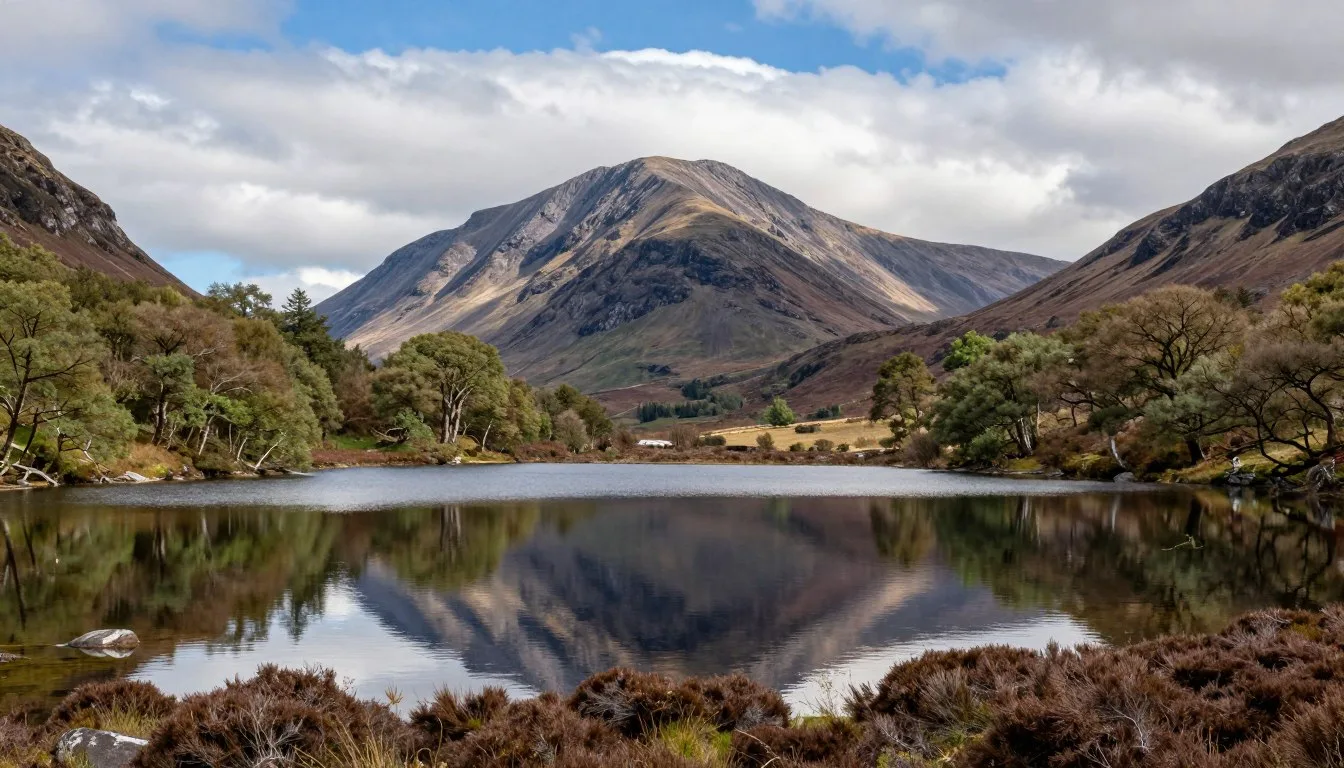
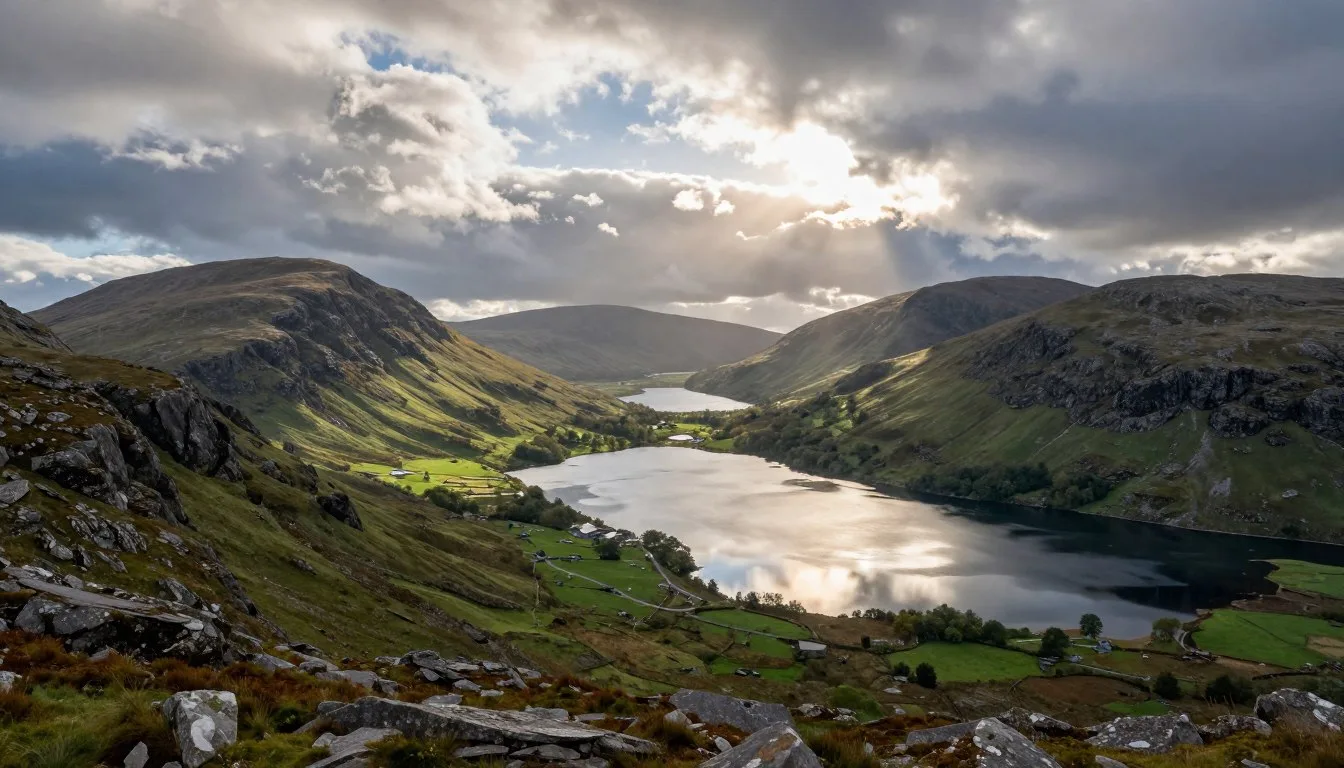
Stretching across western County Galway, Connemara offers a rare combination of rugged mountains, pristine beaches, and traditional Irish culture. The area beckons outdoor enthusiasts and culture seekers alike. From hiking the Twelve Bens to exploring coastal villages, this guide reveals everything you need to plan an unforgettable journey.
Getting There and Planning Your Journey
Shannon Airport serves as the closest international gateway to Connemara. Located 90 km (56 miles) south of Galway, Shannon receives direct flights from North America and major European cities. The drive from Shannon to Connemara takes approximately 90 minutes through scenic Irish countryside.
Ireland West Airport Knock provides another convenient option. Situated just 80 km (50 miles) from Connemara, Knock handles flights from the United Kingdom and select European destinations. This smaller airport often means shorter queues and faster processing times.
Dublin Airport, while farther away at 250 km (155 miles), offers the widest selection of international connections. The journey takes three hours by car through central Ireland. Many visitors combine a Dublin city stay with their Connemara adventure for a more comprehensive Irish experience.
Transportation Options
Rental cars provide maximum flexibility for exploring Connemara’s scattered attractions. Book vehicles in advance during summer months when demand peaks. International driving permits may be required for non-EU licenses.
Bus Éireann operates regular coach services from Galway City to various Connemara towns. Routes 419 and 420 serve Clifden and surrounding areas daily. Journey times vary from 90 minutes to two hours depending on the route.
Planning Timeline
Book accommodation three to six months ahead for July and August visits. These peak months see Connemara at its busiest. Last-minute travelers often face limited options and inflated prices.
Reserve rental cars eight weeks before arrival during high season. Early booking secures better vehicle selection and competitive rates. Consider manual transmission vehicles as they typically cost 30 percent less than automatics.
Allow minimum four days to experience Connemara properly. This timeframe permits visits to major attractions without constant rushing. Week-long stays enable deeper exploration of hidden gems and off-the-beaten-path locations.
Best Time to Visit Connemara and Weather Tips
Check 30,000+ Local Sightseeing Tours Worldwide
✓ Numerous languages and currencies are available
Best Time to Visit Connemara
May through September represents the optimal window for visiting Connemara. During these months, daylight extends past 21:00 in midsummer. Longer days maximize sightseeing opportunities and outdoor activities across the region.
Late spring (May to June) brings spectacular wildflower displays across Connemara’s bogs and meadows. Temperatures range from 12°C to 16°C (54°F to 61°F). Rainfall occurs less frequently than in winter months, though showers remain possible on any given day.
September offers excellent value and pleasant conditions. Tourist crowds thin considerably after mid-month. Weather remains mild with temperatures around 14°C to 17°C (57°F to 63°F). The landscape takes on golden autumn hues that photographers particularly appreciate.
Months to Avoid: November through February brings Connemara’s harshest weather. Atlantic storms batter the coast regularly during winter. Many tourist facilities close entirely from November to March. Days remain short with sunset occurring before 17:00 in December.
Weather Patterns and Preparation
Connemara’s Atlantic location creates notoriously changeable weather. Four seasons can occur in a single day here. Pack layers including waterproof jackets regardless of season. Local wisdom suggests preparing for rain even when forecasts predict sunshine.
Summer temperatures rarely exceed 20°C (68°F). Cool Atlantic breezes moderate heat even on sunny days. Evening temperatures drop to 10°C to 12°C (50°F to 54°F). Bring warm clothing for after-dark activities and early morning excursions.
Wind presents the most underestimated weather factor. Coastal areas experience regular strong breezes that increase the chill factor significantly. Windproof outer layers prove essential for hiking Diamond Hill or walking the Sky Road coastal route.
- Pack waterproof hiking boots with good ankle support
- Bring quick-dry clothing rather than cotton fabrics
- Include sunscreen (UV levels surprise many visitors)
- Carry a small backpack for storing removed layers
Notable Annual Festivals
The Connemara Pony Show occurs annually in August at Clifden. This prestigious event celebrates Ireland’s native pony breed. Contact organizers at +353 95 21863 for specific dates and admission details.
Clifden Arts Festival transforms the town each September. Week-long celebrations feature traditional music, art exhibitions, and literary events. The festival typically runs during the second week of September. Contact +353 95 21844 for programme information.
The Connemara Marathon takes place in April, attracting runners worldwide. The scenic course winds through Connemara National Park and surrounding countryside. Registration opens six months in advance. Contact race organizers at +353 95 21379 for entry details.
Getting Around Locally in Connemara
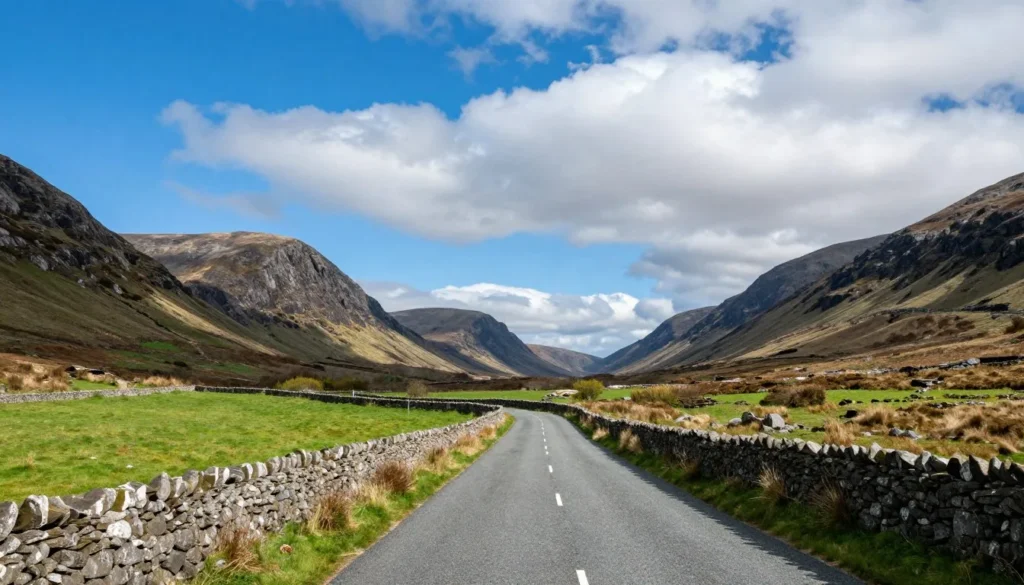
Driving remains the most practical way to explore Connemara’s dispersed attractions. The region’s public transport network serves only main routes. Rental cars grant freedom to discover hidden beaches and remote mountain trails at your own pace.
Roads throughout Connemara vary from modern highways to narrow country lanes. The N59 forms the main arterial route through the region. Secondary roads often feature passing places rather than two full lanes. Drive cautiously on unfamiliar roads, especially in wet conditions.
Driving Essentials
Ireland drives on the left side of the road. This presents an adjustment for North American and European mainland visitors. Allow extra time initially for adapting to left-side driving and right-side steering wheels.
Speed limits appear in kilometres per hour. Rural roads typically permit 80 km/h (50 mph). Many winding Connemara roads require much slower speeds for safety. Trust local drivers’ pace as they know the roads well.
Fuel Considerations
Petrol stations scatter thinly across Connemara. Fill up in larger towns like Clifden or Letterfrack. Many rural stations close Sundays and evenings. Never let your fuel tank drop below quarter full when exploring remote areas.
Parking Guidance
Most Connemara attractions offer free parking. Connemara National Park provides ample space near the visitor centre. Popular spots like Dog’s Bay Beach can fill completely on sunny summer weekends. Arrive before 11:00 to secure spaces at peak times.
Alternative Transport Options
Cycling suits experienced riders comfortable with hilly terrain and variable weather. The area features stunning cycling routes but demands good fitness levels. Bike rentals are available in Clifden and Roundstone. Book ahead during summer months.
Organized tours provide stress-free sightseeing for those preferring not to drive. Multiple companies operate day trips from Galway City covering Connemara highlights. Tours typically last eight to ten hours and include transportation and guide services.
Taxis serve Connemara’s main towns but prove expensive for extensive sightseeing. Pre-book vehicles for specific times, especially in smaller villages. Local taxi numbers are available at accommodation reception desks and tourist information centres.
Where to Stay in Connemara
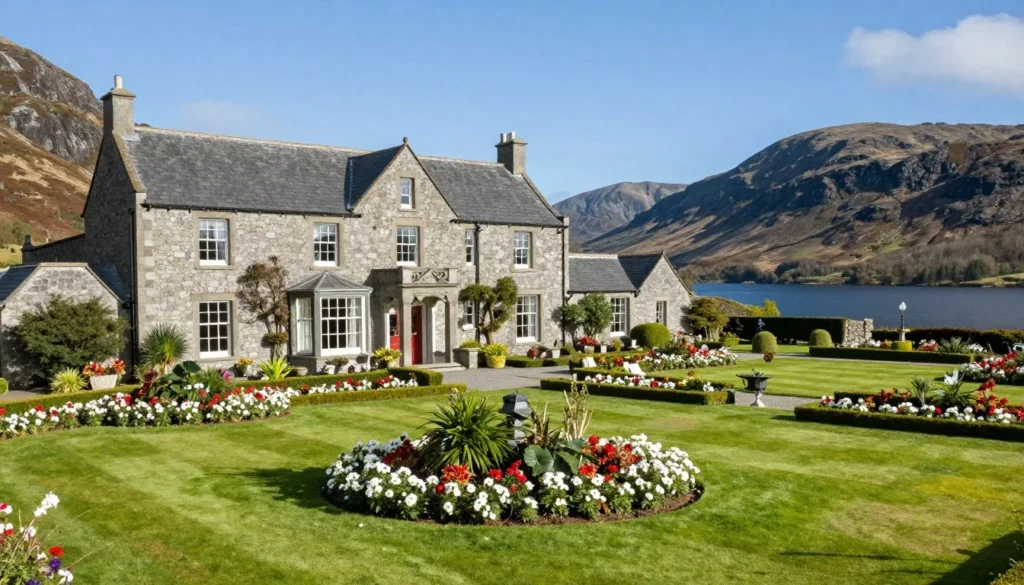
Clifden serves as Connemara’s unofficial capital and most popular base. This vibrant town offers extensive accommodation choices from luxury hotels to budget hostels. Central location provides easy access to Connemara National Park, Sky Road, and coastal attractions throughout the area.
Letterfrack village sits adjacent to Connemara National Park entrance. This tiny settlement attracts hikers and nature enthusiasts seeking mountain access. Limited accommodation means booking months ahead for summer visits. The peaceful atmosphere appeals to visitors prioritizing tranquility over nightlife.
Roundstone combines authentic fishing village character with tourist amenities. Positioned on Connemara’s southern coast, this picturesque town overlooks Bertraghboy Bay. Accommodation includes family-run guesthouses and traditional Irish pubs with rooms. The location suits travelers exploring coastal routes and beaches.
Luxury Hotels
Ballynahinch Castle Hotel offers five-star elegance on a 450-hectare estate. Historic manor house features period furnishings and modern amenities. River fishing and estate walks included. Rates from €280 per night.
Abbeyglen Castle Hotel provides boutique luxury in Clifden. Family-owned property features individually designed rooms. Award-winning restaurant serves local seafood. Indoor pool and spa facilities available.
Mid-Range Options
Station House Hotel in Clifden delivers comfort and value. Modern rooms include all standard amenities. Central location enables walking to restaurants and shops. Off-street parking included. Rates from €120 per night.
Doonmore Hotel in Inishbofin Island offers waterfront views and traditional hospitality. Small-scale property emphasizes personal service. Restaurant features island-caught seafood daily. Ferry from Cleggan included.
Budget Stays
Clifden Hostel provides clean dormitory and private rooms from €25 per person. Kitchen facilities enable self-catering. Common areas encourage guest interaction. Luggage storage and laundry available.
Numerous B&Bs throughout Connemara offer authentic Irish hospitality from €60 per room. Generous traditional breakfasts included. Hosts provide local knowledge and touring advice. Book directly for best rates.
Camping and Alternative Lodging
Connemara Caravan and Camping Park near Letterfrack welcomes tents and motorhomes. Facilities include hot showers, laundry, and electric hook-ups. Sites from €20 nightly. Open April through September only.
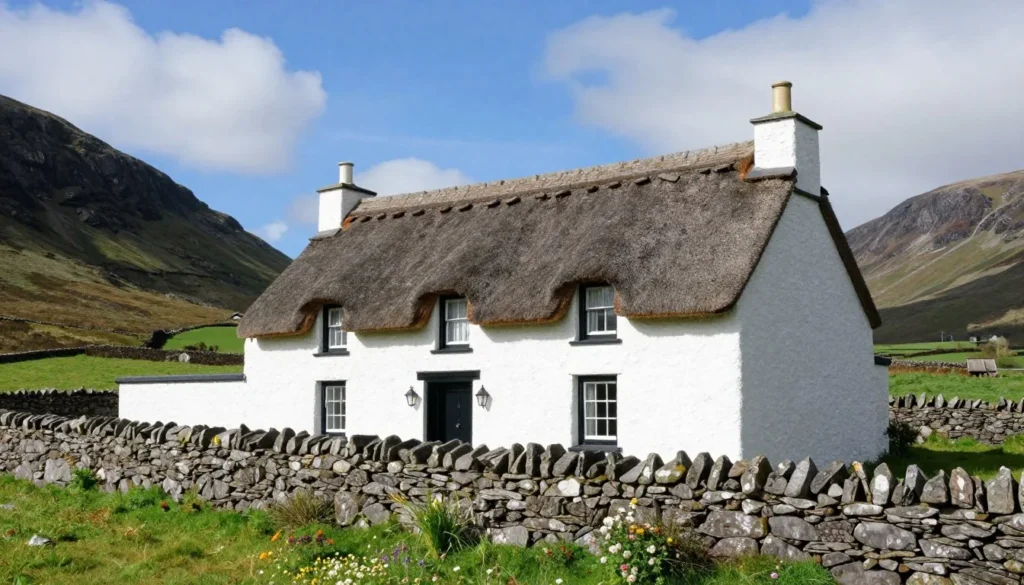
Self-catering cottages provide excellent value for families and groups. Weekly rentals start from €600 in shoulder season. Properties range from traditional stone cottages to modern purpose-built homes. Many feature spectacular views and private gardens.
Dining and Local Cuisine in Connemara
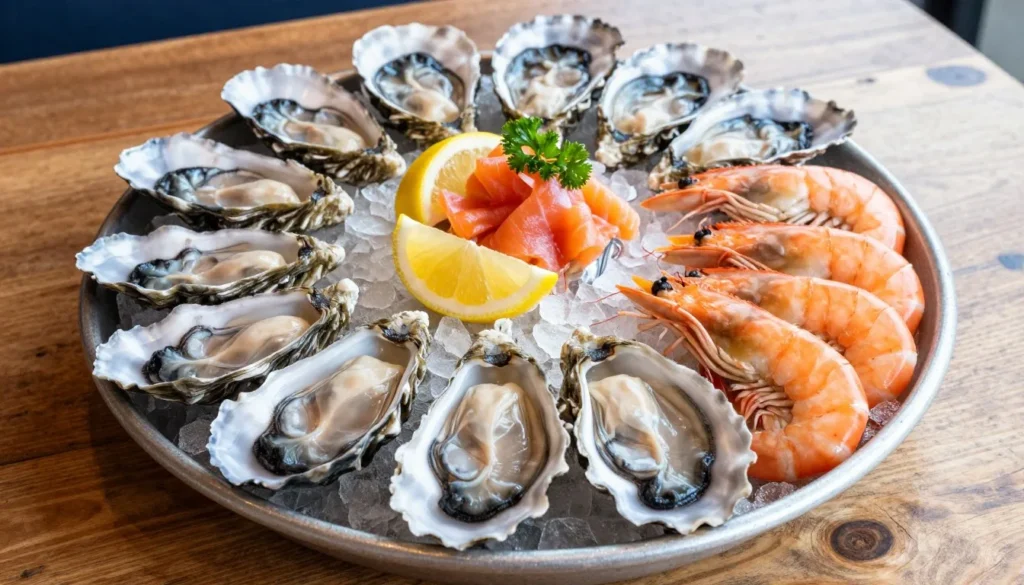
Connemara’s cuisine centers on exceptional seafood harvested from Atlantic waters. Local catches include lobster, crab, mussels, and salmon. Many restaurants source directly from fishing boats that dock daily. Freshness defines the dining experience here.
Connemara lamb ranks among Ireland’s finest meats. Sheep graze salt marshes and mountain slopes, imparting distinctive flavor. Traditional preparation involves slow roasting with root vegetables and herbs. Nearly every restaurant features lamb on their menu.
Essential Connemara Dishes
Seafood chowder appears on menus throughout Connemara. This creamy soup combines multiple fish varieties with potatoes and herbs. Each establishment guards their unique recipe. Sample versions from different venues to find your favorite.
Irish soda bread accompanies most meals. This traditional quick bread uses bicarbonate of soda rather than yeast. Dense texture and slightly sweet flavor pair perfectly with butter and jam. Bakeries throughout Connemara produce fresh loaves daily.
Where to Eat Well
Mitchell’s Restaurant in Clifden serves modern Irish cuisine using local ingredients. Seasonal menu changes weekly. Reservations essential for dinner service. Mains from €22 to €35.
O’Dowd’s Seafood Bar in Roundstone offers casual dining with harbour views. Family-run establishment since 1840s. Famous for fish and chips and fresh oysters. No reservations accepted.
Kylemore Abbey Tea House provides light lunches in Victorian walled garden. Scones with jam and cream are specialty. Beautiful setting complements simple menu. Open to abbey visitors only.
Local Food Products
Connemara Smokehouse produces award-winning smoked salmon. Visitors can tour facility and purchase directly. Traditional smoking methods create distinctive flavor. Located near Ballyconneely.
Connemara Hamper preserves seasonal jams and chutneys. Small-batch production uses organic ingredients where possible. Products available in select shops. Makes excellent gifts to bring home.
Drinking Culture
Traditional Irish pubs form social hubs in every Connemara town. These establishments serve Guinness alongside local craft beers. Many host live traditional music sessions several nights weekly. Arrive early on music nights as venues fill quickly.
Connemara Whiskey distillery opened recently near Clifden. Tours explain production process and include tastings. The peated single malt reflects regional character. Book tours online to guarantee availability.
Tea drinking remains integral to Irish culture. Expect offers of tea in shops, guest houses, and even garages. Barry’s Tea dominates local preference. The ritual provides genuine opportunity to chat with locals and gather inside information.
Attractions, Sightseeing and Activities in Connemara
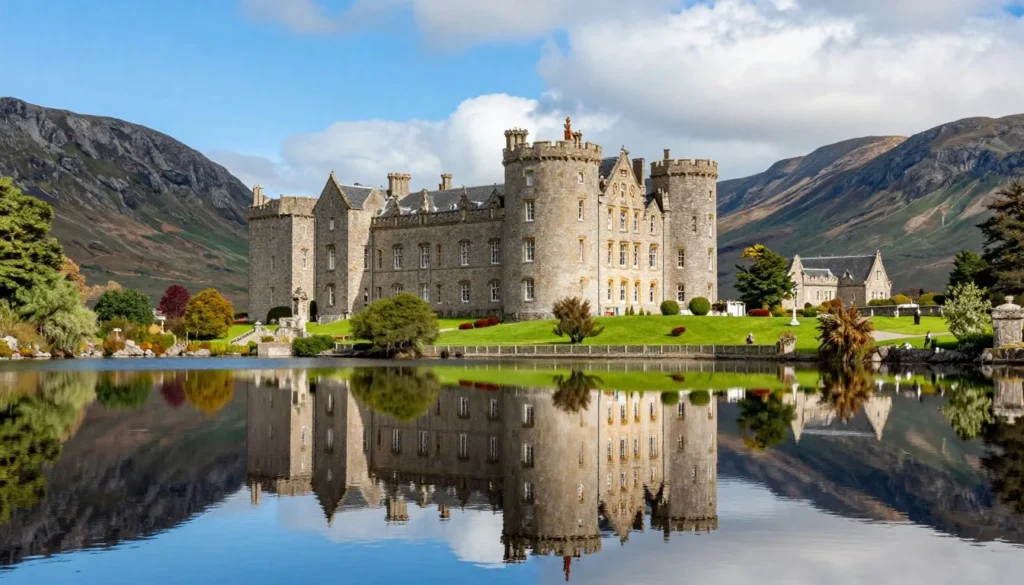
Kylemore Abbey stands as Connemara’s most photographed landmark. This Victorian castle overlooks a pristine lake against mountain backdrop. Benedictine nuns have occupied the abbey since 1920, maintaining its Gothic splendor. Visitors can tour reception rooms, neo-Gothic church, and restored Victorian walled gardens spanning 2.4 hectares (6 acres).
The abbey opens daily from 09:00 to 17:00 year-round with extended summer hours until 19:00. Admission costs €15 for adults, €12 for seniors, and €7 for children. Allow two to three hours for comprehensive exploration. The on-site restaurant serves lunch and afternoon tea with abbey views.
Connemara National Park Adventures
Connemara National Park protects 2,957 hectares (7,300 acres) of mountains, bogs, and grasslands. The park showcases Western Ireland’s unique ecosystem. Four marked trails range from easy 30-minute walks to challenging mountain hikes. All trails begin at the visitor centre near Letterfrack.
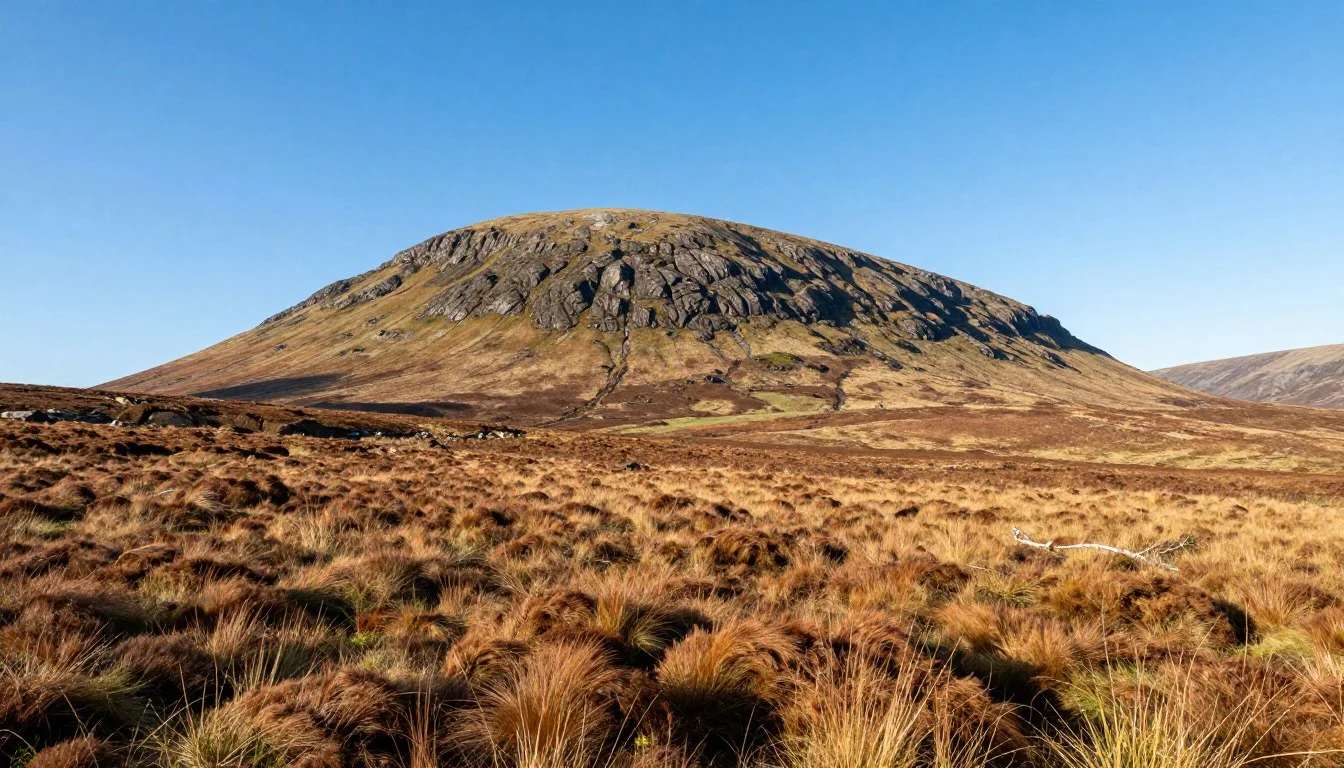
Diamond Hill trail ranks as the park’s premier hiking route. This 7 km (4.3 miles) loop climbs 445 metres (1,460 feet) to spectacular summit views. The ascent takes 90 minutes for moderately fit hikers. Clear days reveal views extending to the Twelve Bens mountain range and Atlantic coastline.
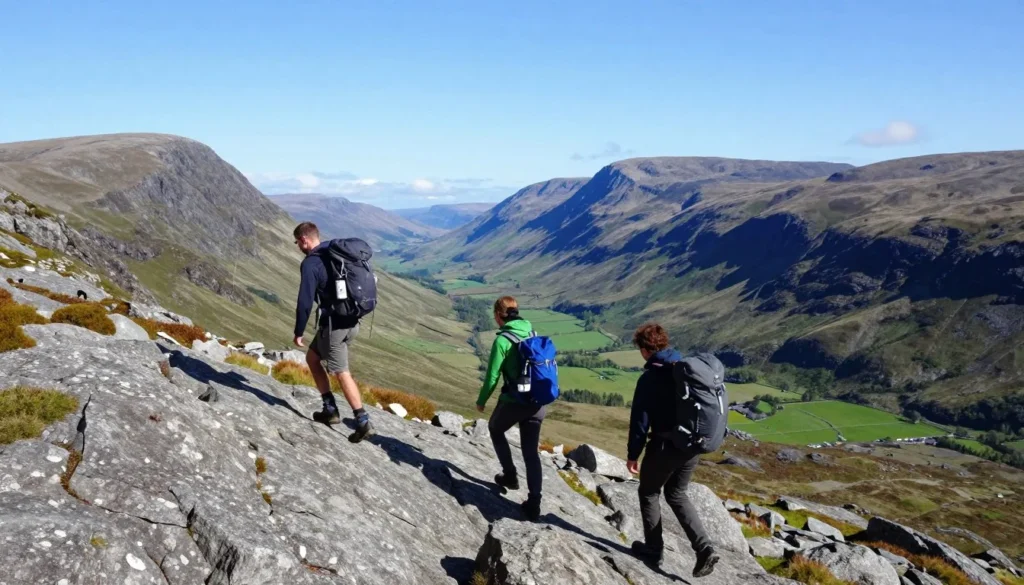
The visitor centre provides free admission and informative exhibits on local ecology and history. Knowledgeable staff offer hiking advice and weather updates. Audio-visual presentations run every 30 minutes. Centre opens from 09:00 to 17:30 daily March through October.
Park Tip: Start hikes before 11:00 to avoid afternoon crowds and potential weather deterioration. Carry water, snacks, and waterproofs regardless of morning conditions. Weather can change rapidly at higher elevations.
Sky Road Scenic Drive
Sky Road forms a 16 km (10 mile) loop west of Clifden town. This narrow coastal road climbs hillsides offering breathtaking Atlantic views. The complete circuit takes 30 minutes driving without stops. Budget two hours to fully appreciate viewpoints and photo opportunities.
Start the drive from Clifden’s western edge following signposts. The route splits into upper and lower roads. Take the upper road first for superior views. Numerous informal pull-offs enable safe stopping. Avoid large vehicles as passing places are limited on steep sections.
Sunset drives along Sky Road create magical experiences. Golden hour light illuminates the coastline dramatically. Arrive 90 minutes before sunset to complete the circuit during optimal lighting. Summer sunsets occur after 21:00, providing plenty of evening viewing time.
Exploring Killary Fjord
Killary Fjord stretches 16 km (10 miles) inland from the Atlantic Ocean. Ireland’s only true fjord forms a natural border between County Galway and County Mayo. Steep mountain slopes plunge directly into 45-metre-deep waters creating dramatic scenery.
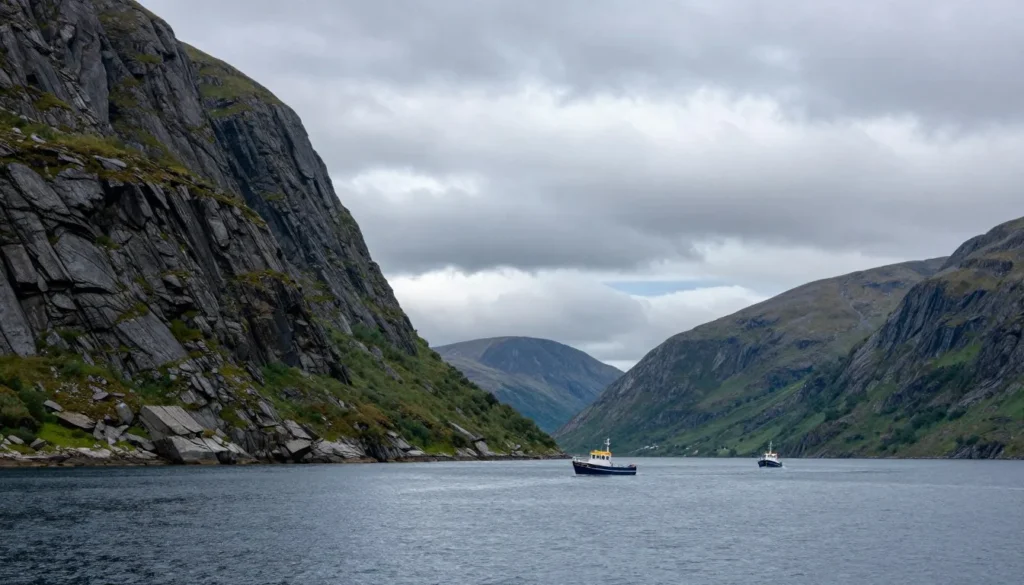
Boat tours operate from Leenane village at the fjord’s eastern end. Ninety-minute cruises explore the full length while guides explain local history and wildlife. Dolphins and seals appear regularly. Tours run daily April through October at 10:30, 12:30, 14:30, and 16:30. Adult tickets cost €28, children €14.
The Wild Atlantic Way coastal route follows Killary’s northern shore. Stop at multiple viewpoints for photography. The road surface varies from smooth tarmac to rough sections. Drive slowly to appreciate scenery and watch for sheep on the road.
The Twelve Bens Mountain Range
The Twelve Bens form Connemara’s dramatic mountain spine. These quartzite peaks rise sharply from surrounding boglands. Experienced hillwalkers tackle multiple summits in single day expeditions. Benbaun, the highest peak, reaches 729 metres (2,392 feet).
Mountain hiking requires proper preparation and equipment. Bring detailed maps and compass as trails are often unmarked. Weather deteriorates rapidly at elevation. Inform someone of your planned route before departing. Consider hiring local guides for first Twelve Bens experiences.
Several access points serve the range. Car parks near Benlettery and Recess provide starting points. Expect bog walking before reaching rocky slopes. Waterproof boots with ankle support prove essential. Allow six to eight hours for single peak ascents including descent time.
Museums, Cultural Spots and Festivals
Connemara Heritage and History Centre in Clifden chronicles regional history through multimedia exhibits. Displays cover Neolithic settlements through modern times. Particular focus on Great Famine period and its devastating impact on Connemara. Admission €5, open daily 10:00 to 17:00 March through October.
Dan O’Hara’s Homestead recreates 19th-century Connemara life. This open-air museum features restored cottage and farm buildings. Costumed interpreters demonstrate traditional crafts and farming methods. The adjacent heritage centre explains emigration history. Combined ticket €12 adults, €7 children. Located 8 km (5 miles) east of Clifden.
Traditional Music Scene
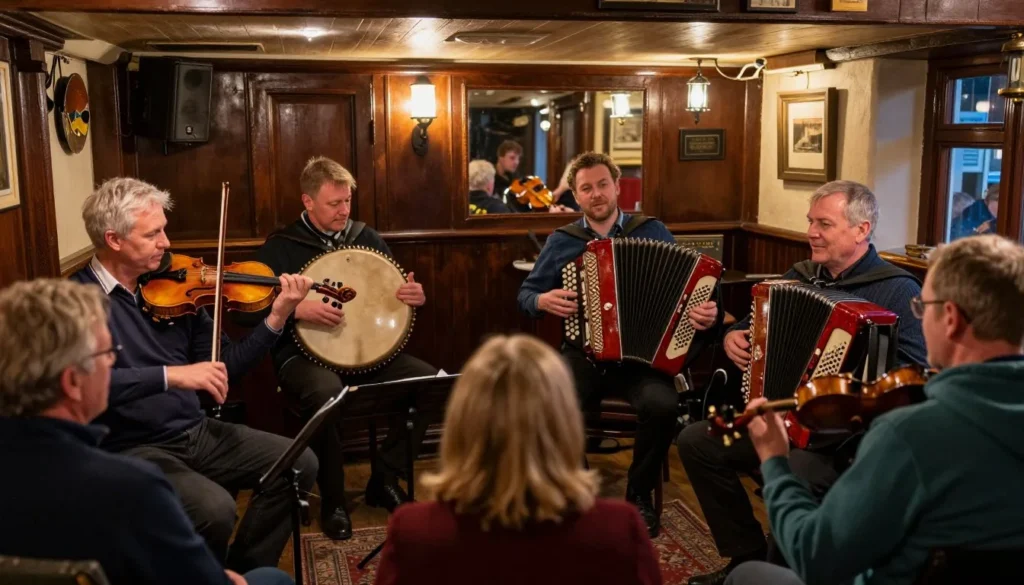
Traditional Irish music thrives in Connemara pubs year-round. Spontaneous sessions occur more frequently than scheduled performances. Local musicians gather several nights weekly particularly during summer months. No cover charges for these informal gatherings though purchasing drinks is expected.
Lowry’s Bar in Clifden hosts sessions Tuesday, Thursday, and Saturday nights from 21:30. Mannion’s Bar in Clifden features music Wednesday through Saturday evenings. Ti Joe Watty’s pub in Carna offers traditional sessions Friday and Saturday nights. Times vary slightly so confirm locally or call ahead.
Connemara Arts
Roundstone Musical Instruments crafts traditional Irish bodhráns. Watch artisans create these frame drums using centuries-old techniques. Small showroom displays finished instruments. Owner Malachy Kearns often demonstrates playing techniques. Free admission, located on Roundstone main street.
Clifden Station House Museum occupies the old railway station. Exhibits document the Galway-Clifden railway line that operated 1895-1935. Original station features and vintage railway equipment preserved. Small but informative collection. Admission by donation, open May through September.
Check 30,000+ Local Sightseeing Tours Worldwide
✓ Numerous languages and currencies are available
Gallery Visits
Joyce’s Art Gallery in Roundstone showcases paintings by local artists. Landscapes and seascapes dominate the collection. Purchase original works or prints. Owner Fergus Joyce often present to discuss pieces. Free browsing, weekdays 10:00 to 17:00.
Clifden Arts Week Gallery occupies a converted church. Rotating exhibitions feature photography, painting, and sculpture. Themed shows change monthly. Free admission during regular hours. Located near Clifden town centre market square.
Cultural Festivals and Events
Connemara Sea Week celebrates maritime heritage each June. Week-long festival includes traditional boat racing, seafood tastings, and coastal walks. Events spread across multiple villages. Most activities free or low-cost. Contact Letterfrack visitor centre +353 95 41054 for annual schedule.
The Connemara Mussel Festival takes place in Tully each April. This small-scale event attracts seafood lovers for mussel-tasting competitions and cooking demonstrations. Live music accompanies the festivities. Admission €5 includes samples. Exact dates vary annually based on mussel season.
Nature and Outdoor Experiences in Connemara
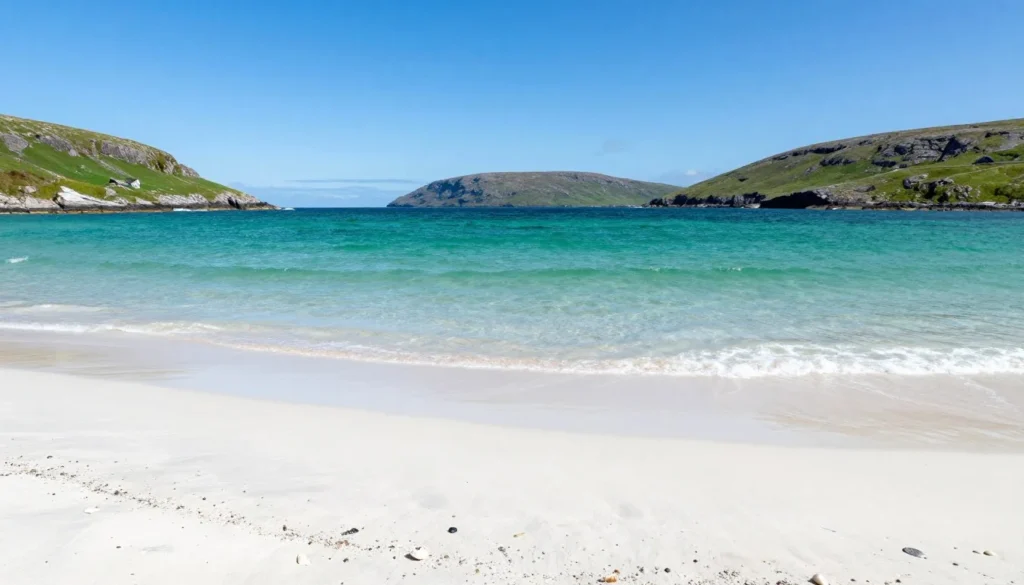
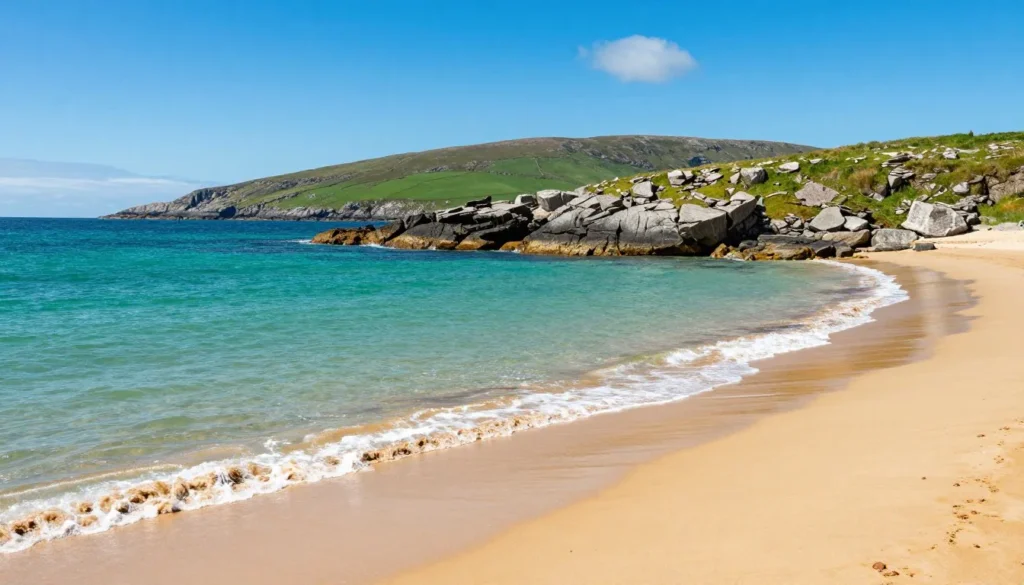
Dog’s Bay Beach ranks among Ireland’s most beautiful coastal spots. This horseshoe-shaped bay features pure white sand composed entirely of crushed shells. Shallow turquoise waters remain relatively warm by Irish standards. The beach sits just west of Roundstone village with free parking available nearby.
Gurteen Bay adjoins Dog’s Bay separated only by a narrow sandy isthmus. Both beaches offer safe swimming during calm conditions. Strong currents develop when Atlantic swells build. No lifeguard service operates so swim cautiously. The twin beaches attract photographers particularly during late afternoon golden hour.
Coastal Walks and Beaches
Omey Island becomes accessible on foot during low tide. Walk across sandy tidal flats to reach this inhabited island. Ancient church ruins and Celtic cross monuments reward explorers. Check tide times carefully as rising water cuts off return route. Allow three hours minimum for comfortable exploration.
Glassilaun Beach offers remote beauty requiring effort to reach. Park at road’s end then walk 20 minutes across fields. This west-facing beach delivers spectacular sunsets. Strong waves make swimming inadvisable. The quiet location ensures solitude even in peak season.
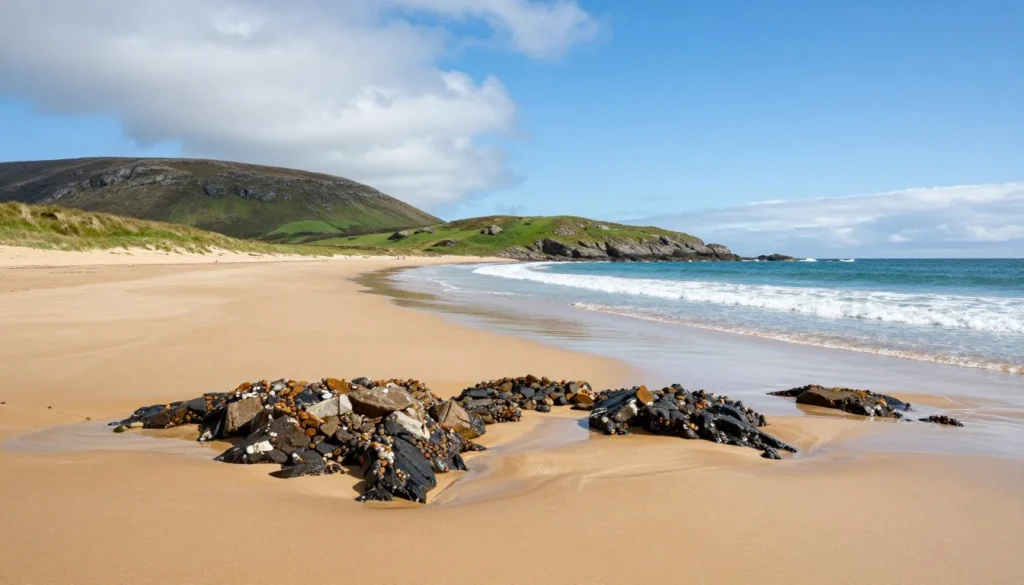
Renvyle Beach combines sand and shingle in a sheltered cove. Shallow waters suit families with young children. The beach faces north toward Clare Island. Facilities include small car park and nearby pub. Connemara ponies sometimes graze dunes behind the beach.
Beach Safety: Atlantic conditions change rapidly. Strong rip currents develop unexpectedly. Never swim alone and stay close to shore. Cold water temperatures below 15°C (59°F) require wetsuits for extended swimming. Watch children constantly near water.
Hiking and Walking Trails
The Western Way long-distance trail traverses Connemara over 50 km (31 miles). This moderate route crosses mountains, bogs, and coastal areas. Complete thru-hikers typically take three days. Day walkers can tackle individual sections. Trail surfaces vary from gravel paths to rough mountain terrain.
Derrygimlagh Loop Trail follows 5 km (3 miles) of boardwalk through blanket bog. This easy walk near Clifden explores unique wetland ecosystem. Information panels explain bog ecology and wildlife. The route commemorates Marconi’s first transatlantic radio station and Alcock and Brown’s 1919 flight landing. Free access with car park.
Pine Island Trail near Letterfrack winds 3 km (1.9 miles) through mature woodlands. Well-maintained paths suit all fitness levels. The route circles Pine Island offering lake views. Native red squirrels inhabit the forest. Allow 60 to 90 minutes for leisurely completion. Access from Connemara National Park road.
Wildlife Watching
Connemara’s varied habitats support diverse wildlife. Otters fish in freshwater lakes and coastal inlets. Patient observers spot these elusive mammals at dawn and dusk. The best viewing areas include Ballynahinch Lake and Cashel Bay.
Grey seals haul out on rocks around Omey Island and Inishbofin. These curious creatures often approach kayakers and boat passengers. Breeding season occurs in autumn when pups appear on beaches. Observe from distance without disturbing colonies.
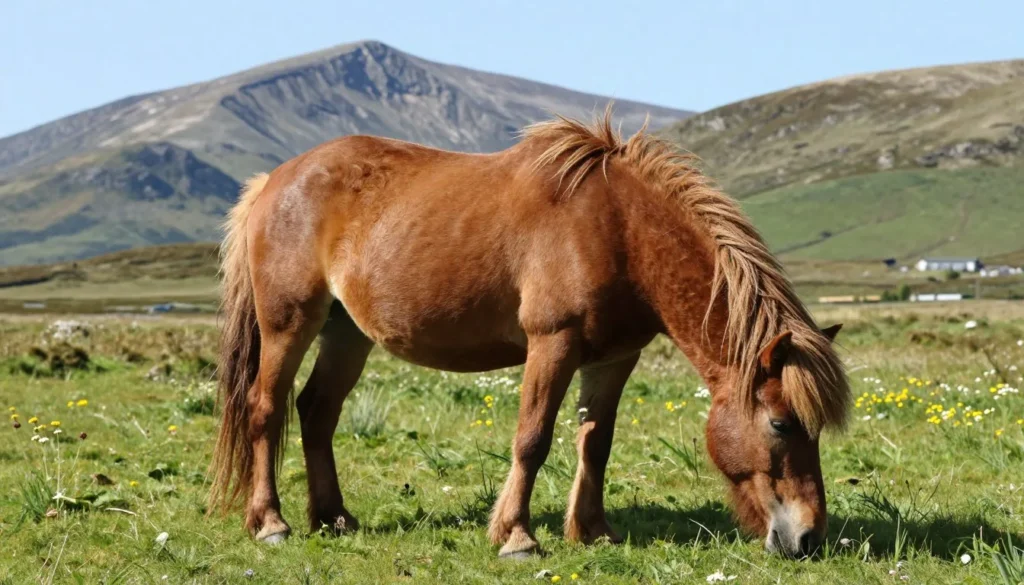
Connemara ponies roam semi-wild throughout the region. These hardy native ponies developed in harsh mountain conditions. Grey coloring predominates though other colors occur. Observe from vehicles or roadside to avoid disturbing grazing animals. Never feed wildlife as this disrupts natural behaviors.
Birdwatchers record over 200 species across Connemara’s habitats. Peregrine falcons nest on mountain cliffs. Corncrakes return each summer to hay meadows. Seabird colonies thrive on offshore islands. Bring binoculars and field guides to maximize identification opportunities.
Water Activities
Kayaking allows intimate exploration of Connemara’s indented coastline. Numerous islands, caves, and inlets reward paddlers. Several outfitters offer guided tours and equipment rental. Experience levels from beginner to advanced accommodated. Half-day tours from €50, full-day expeditions €85.
Scuba diving reveals underwater landscapes including kelp forests and rocky reefs. Visibility averages 10 metres (33 feet) depending on conditions. Water temperatures require drysuits year-round. Several dive operators work from Cleggan and Clifden. All equipment available for rental. Two-dive trips from €90.
Stand-up paddleboarding has grown popular on Connemara’s sheltered bays. Calm morning conditions suit beginners learning balance and technique. Rental boards available hourly from €25. Lessons offered by water sports centres. Ballyconneely and Roundstone provide ideal locations for first attempts.
Travel With Children in Connemara
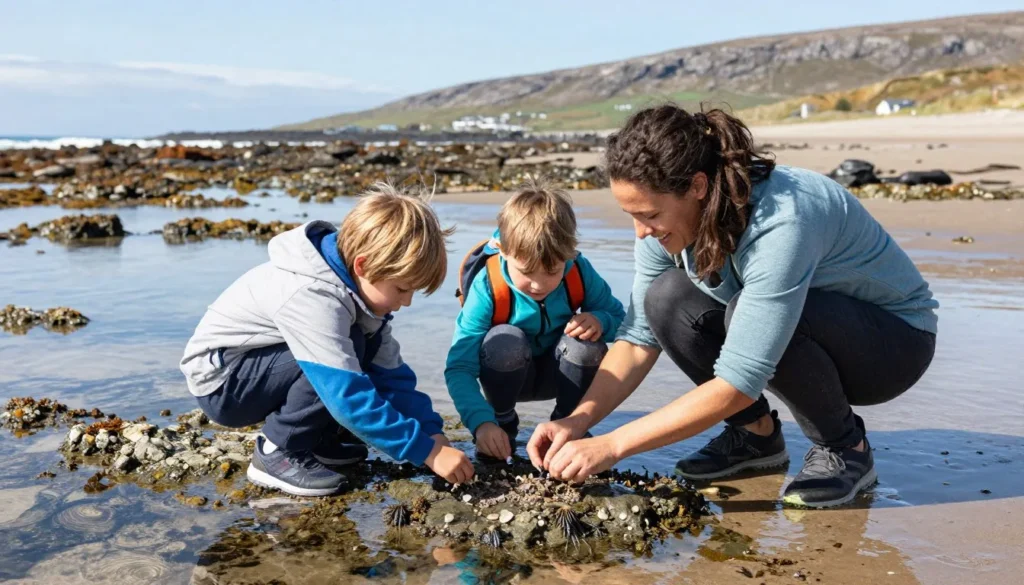
Connemara suits family travel with children of all ages. Wide beaches provide safe play areas. Gentle hiking trails accommodate short legs. Interactive museums engage young minds. The region’s relaxed pace reduces vacation stress for parents.
Kylemore Abbey captivates children with castle architecture and woodland walks. Young visitors particularly enjoy the Victorian walled garden with hidden paths and secret corners. The on-site tearoom offers child-friendly menu options. Allow extra time as children often want to explore every room.
Family-Friendly Activities
Rock pooling at low tide entertains children for hours. Dog’s Bay and Gurteen Bay feature excellent tide pools teeming with sea life. Bring small nets and buckets for catching and observing. Always supervise children closely near water. Return creatures to their pools before departing.
Connemara National Park’s lower trails suit families with young children. The Ellis Wood Nature Trail covers just 1 km (0.6 miles) on flat terrain. Identification guides help children spot native plants and animals. The visitor centre offers activity sheets for junior rangers. Admission remains free for all ages.
Rainy Day Options
Connemara Heritage and History Centre includes hands-on exhibits children enjoy. Interactive displays explain traditional life through activities kids can try themselves. Average visit lasts 60 to 90 minutes. Café serves hot chocolate and snacks.
Swimming pools operate in Clifden and Letterfrack. Both facilities welcome visitors for small admission fees. Indoor leisure centres provide alternatives when weather prevents outdoor activities. Call ahead for public swim times.
Dining With Kids
Most Connemara restaurants welcome children and provide kids’ menus. Portions suit smaller appetites with familiar options. High chairs available at major establishments. Informal cafés and chip shops offer quick, budget-friendly meals.
Picnicking works well for families. Supermarkets in Clifden stock picnic supplies. Many scenic spots include picnic tables. Pack extra layers as outdoor temperatures feel cooler than expected. Carry rubbish bags to maintain area cleanliness.
Practical Considerations
Baby changing facilities exist at major attractions and larger restaurants. Remote areas and small villages lack these amenities. Carry portable changing mat and supplies. Plan stops at visitor centres and larger establishments.
Car seats are legally required for children under 150 cm (4’11”) height. Rental companies provide seats for additional €10 per day. Book seats when reserving vehicles as availability is limited. Bring your own seat to guarantee proper fit.
Accommodation varies in child-friendliness. Many B&Bs welcome families with children. Some upscale properties restrict young guests. Confirm policies when booking. Self-catering cottages provide most flexibility and space for families. Kitchen facilities enable preparing familiar meals.
Money Saving Tips for Connemara
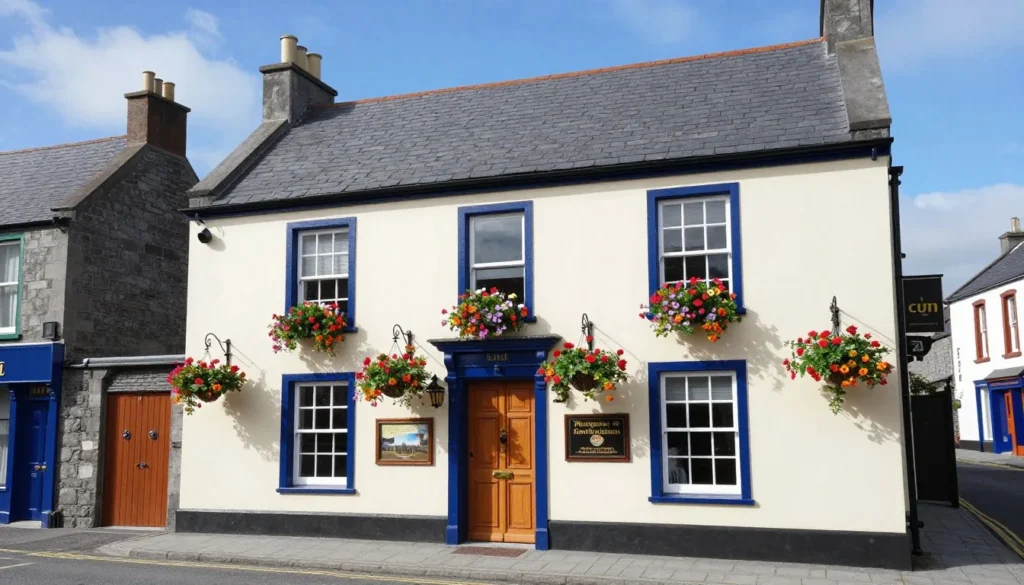
Visit during shoulder seasons for significant savings. May, June, and September offer pleasant weather with rates 30 to 40 percent below peak summer prices. Accommodation and car rental costs drop substantially. Attractions remain open with shorter queues and fewer crowds.
Self-catering accommodation dramatically reduces food costs. Weekly cottage rentals provide full kitchens and dining facilities. Shop at Supervalu or Aldi supermarkets in Clifden for groceries. Prepare breakfasts and pack picnic lunches. Dine out selectively for dinner only.
Free Activities and Attractions
Most beaches, mountain walks, and scenic drives cost nothing. Connemara’s natural beauty provides free entertainment. The Sky Road loop offers spectacular views without admission charges. Sunset watching from Dog’s Bay costs nothing but delivers priceless memories.
Connemara National Park charges no entry fees. All hiking trails and visitor centre exhibits remain free. Traditional music sessions in pubs require only beverage purchase. Church services welcome visitors and often feature beautiful music and architecture.
- Download offline maps before arrival to avoid data roaming charges
- Fill water bottles from taps (Irish water is safe and delicious)
- Book accommodation directly rather than through booking sites
- Visit free galleries and craft shops in towns
- Take advantage of happy hour drink specials before 19:00
Budget-Friendly Dining
Lunch menus offer better value than dinner at most restaurants. Main courses cost €4 to €6 less at midday. Portion sizes remain substantial. Early bird specials between 17:00 and 18:30 reduce dinner costs by 20 to 30 percent.
Takeaway fish and chips feed families economically. Portions are generous enough for sharing. Average cost €8 to €10 per person. Many chippers offer meal deals combining multiple items at reduced prices.
Bakeries sell inexpensive sandwiches, scones, and pastries perfect for picnic lunches. Fresh bread and locally made treats provide authentic tastes. Costs average €5 to €7 per person. Stock up in morning for day trips.
Transportation Savings
Book rental cars eight weeks ahead for best rates. Manual transmission vehicles cost significantly less than automatics. Choose smallest vehicle suitable for your group. Fuel efficiency improves dramatically with smaller cars on Connemara’s hilly roads.
Join someone else’s organized tour rather than hiring private guides. Shared day trips from Galway cost €35 to €45 per person. Private guides charge €200 plus per day. Group tours include transportation eliminating rental car costs.
Cycling suits budget travelers comfortable with physical exertion. Bike rentals cost €20 to €25 daily. Many accommodation providers offer free bicycle use. Cycling eliminates fuel costs entirely. Weather dependence represents the main drawback for this option.
Safety and Local Customs in Connemara
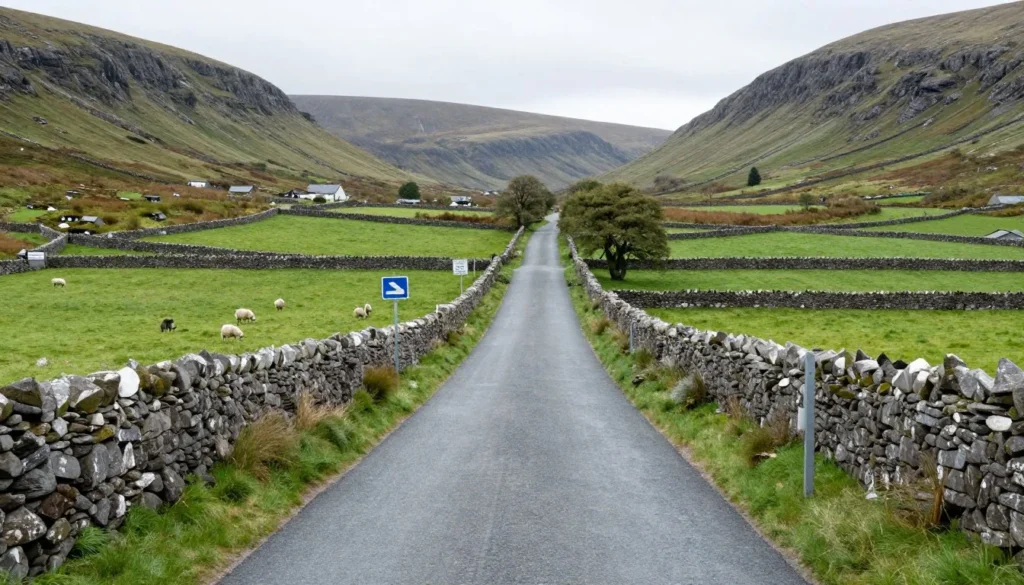
Connemara ranks as one of Europe’s safest travel destinations. Violent crime remains extremely rare. Property theft occurs occasionally in tourist areas during peak season. Exercise standard precautions with valuables. Lock vehicles and accommodation. Don’t leave belongings visible in parked cars.
Emergency services respond reliably throughout Connemara. Dial 112 or 999 for urgent assistance. Mobile phone coverage reaches most populated areas. Signal becomes spotty in remote mountain valleys. Download offline maps before venturing into backcountry areas.
Road Safety Considerations
Narrow winding roads present the main safety challenge. Single-track lanes with passing places are common. Drive slowly and yield to oncoming traffic at wider spots. Watch for sheep, cattle, and horses on unfenced roads. Animals have right of way everywhere.
Wet road surfaces become slippery when rain follows dry spells. Reduce speed by 20 percent in wet conditions. Standing water accumulates in roadside depressions. Slow down approaching puddles to avoid aquaplaning. Take extra care during the frequent weather transitions.
Important: Never drink and drive. Ireland enforces strict blood alcohol limits. Penalties include large fines, driving bans, and possible imprisonment. Designated drivers or taxi services provide safe alternatives after visiting pubs.
Weather-Related Safety
Mountain weather changes rapidly and dramatically. Conditions at sea level don’t predict summit weather. Carry extra layers, waterproofs, and emergency supplies on all hikes. Turn back if clouds descend or wind strengthens. Rescues in Connemara’s remote mountains take hours to organize.
Bog walking requires awareness of terrain hazards. Deep wet areas can swallow boots. Stick to established paths when possible. Walking poles provide stability on uneven ground. Waterproof footwear proves essential year-round.
Coastal areas experience powerful Atlantic waves. Never turn your back on the sea. Rogue waves appear without warning. Keep safe distance from cliff edges especially in windy conditions. Wet rocks become incredibly slippery.
Cultural Customs and Etiquette
Irish people value politeness and friendly conversation. Greet people you encounter with “Hello” or “How are you?” Shop staff expect acknowledgment when entering stores. Queue discipline is strictly observed. Wait your turn patiently in all situations.
Tipping practices follow moderate expectations. Add 10 to 12 percent for good restaurant service. Round up taxi fares to nearest euro. Tip hotel porters €1 to €2 per bag. Bar staff don’t expect tips for poured pints. Leave small change from rounds as gesture.
Pub culture follows unwritten rules. Order and pay for drinks at the bar rather than waiting for table service. Rounds are customary when drinking in groups. Buy a round when it’s your turn. Refusing rounds can cause offense.
Photography remains welcome almost everywhere. Ask permission before photographing individuals. Some attractions prohibit photography inside buildings. Respect signage regarding restrictions. Drone use requires permission from landowners and may violate local regulations.
Environmental Responsibility
Leave No Trace principles apply throughout Connemara. Carry out all rubbish including organic waste. Stick to marked paths to prevent erosion. Keep dogs on leads near livestock. Close all gates after passing through. Respect private property even when no fences exist.
Wild camping requires landowner permission. Designated campsites provide legal alternatives. Campfires are generally prohibited due to fire risk and vegetation damage. Use camping stoves for cooking. Never pick wildflowers or disturb wildlife.
Visitor Comments About Connemara
“The raw beauty of Connemara exceeded every expectation. We spent a week hiking the trails and exploring hidden beaches. Sky Road at sunset remains the most breathtaking drive I’ve experienced anywhere. The locals were incredibly welcoming and shared their favorite spots generously. Can’t wait to return.”
“Connemara offered everything our family wanted from an Irish vacation. Our children loved exploring rock pools and spotting wildlife. The restaurants served delicious food without being pretentious. Weather proved unpredictable but added to the adventure. Diamond Hill hike challenged us but the summit views made every step worthwhile.”
Check 30,000+ Local Sightseeing Tours Worldwide
✓ Numerous languages and currencies are available
“After visiting Ireland’s popular tourist sites, Connemara felt authentically Irish. The landscape possesses a wild character lost elsewhere. Traditional music sessions in Clifden pubs created magical evenings. Kylemore Abbey and the national park were highlights. I appreciated having a rental car for exploring at our own pace.”
Additional Nearby Destinations from Connemara
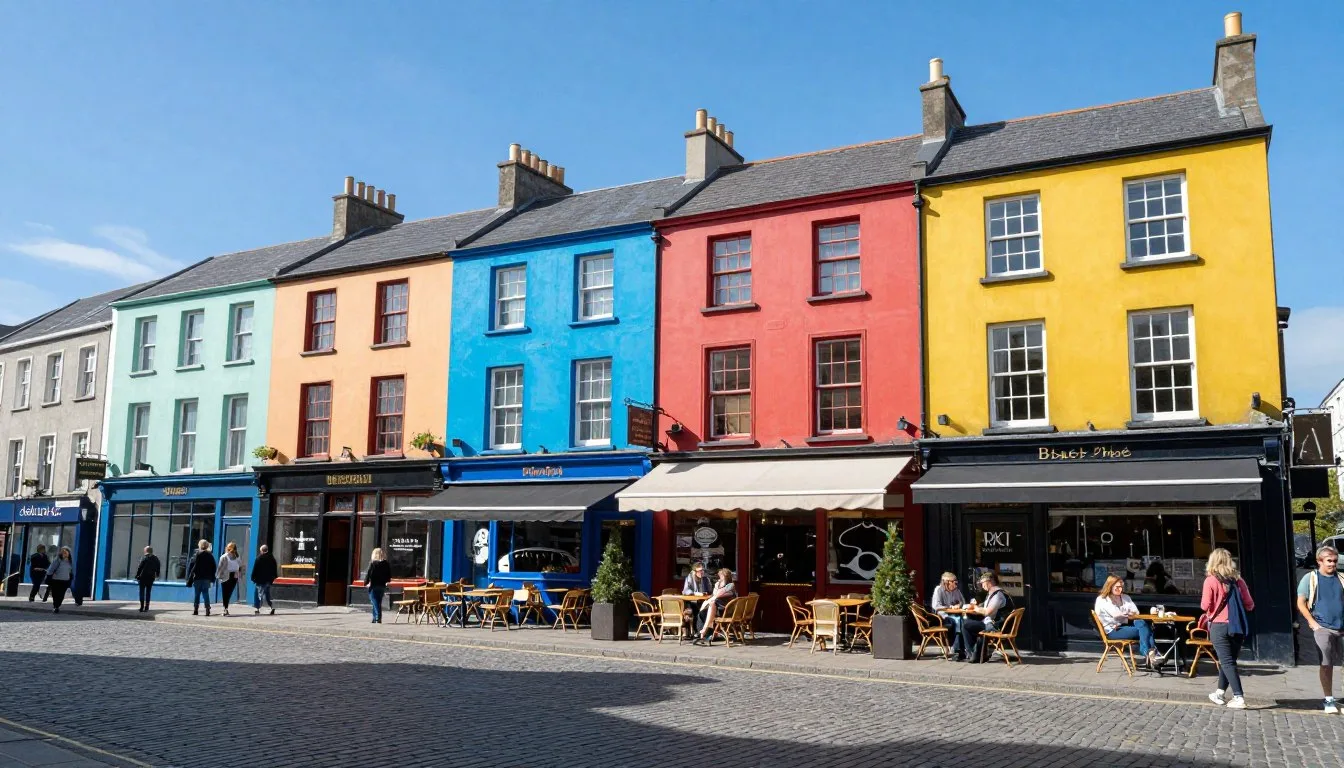
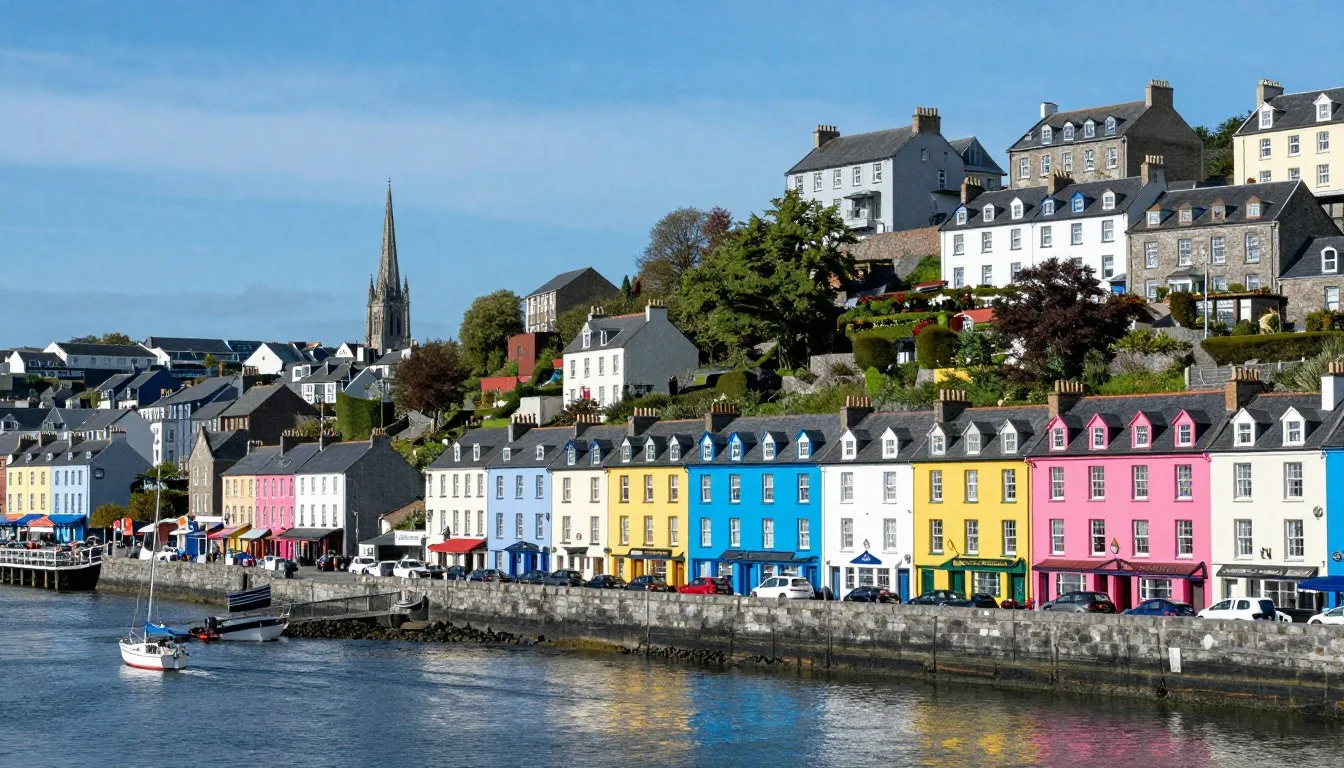
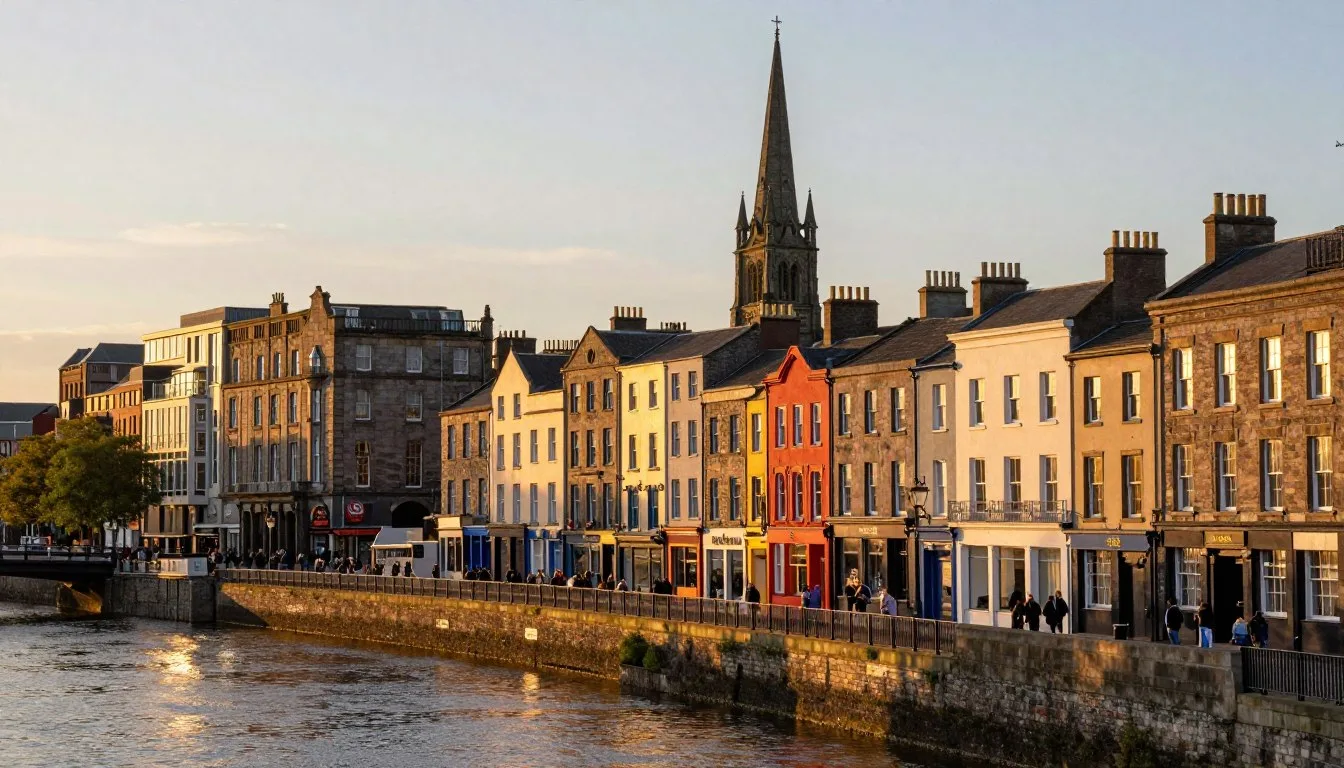
Galway City lies just 80 km (50 miles) east of Clifden. This vibrant university city combines medieval architecture with contemporary culture. Colorful shop fronts line pedestrian streets. Street performers entertain crowds in Eyre Square. Allow full day or overnight stay for proper exploration.
The city’s Latin Quarter buzzes with pubs, restaurants, and boutiques. Traditional music fills venues nightly. Saturday market on Market Street sells local produce, crafts, and street food. Galway makes an excellent base for day trips into Connemara or serves as bookend to Connemara stays.
The Aran Islands
Three Aran Islands sit 48 km (30 miles) southwest of Connemara’s coast. Ferries depart Rossaveal near Galway reaching Inishmore in 40 minutes. These limestone islands preserve ancient Celtic culture and archaeological sites. Irish language remains the primary tongue spoken here.
Inishmore, the largest island, features Dún Aonghasa fort perched on 100-metre cliffs. This prehistoric stone fort dates back 3,000 years. The dramatic location creates unforgettable impressions. Island bikes or pony carts provide traditional transport. Day trips prove sufficient though overnight stays reveal quieter island character.
Westport and Croagh Patrick
Westport town in County Mayo sits 60 km (37 miles) north of Letterfrack. This Georgian planned town features tree-lined mall and colorful shopfronts. Excellent restaurants and traditional pubs line the streets. The town serves as gateway to Croagh Patrick pilgrimage mountain.
Croagh Patrick rises 764 metres (2,507 feet) above Clew Bay. Ireland’s holiest mountain attracts pilgrims and hikers year-round. The strenuous climb takes 2 to 3 hours ascending loose scree paths. Summit chapel and panoramic views reward efforts. Annual pilgrimage occurs last Sunday in July when thousands make the ascent.
The Burren and Cliffs of Moher
The Burren’s lunar limestone landscape lies 100 km (62 miles) south through County Clare. This unique geological region supports rare Arctic-Alpine plants. Stone walls divide grey karst pavements. Ancient dolmens and ring forts dot the landscape.
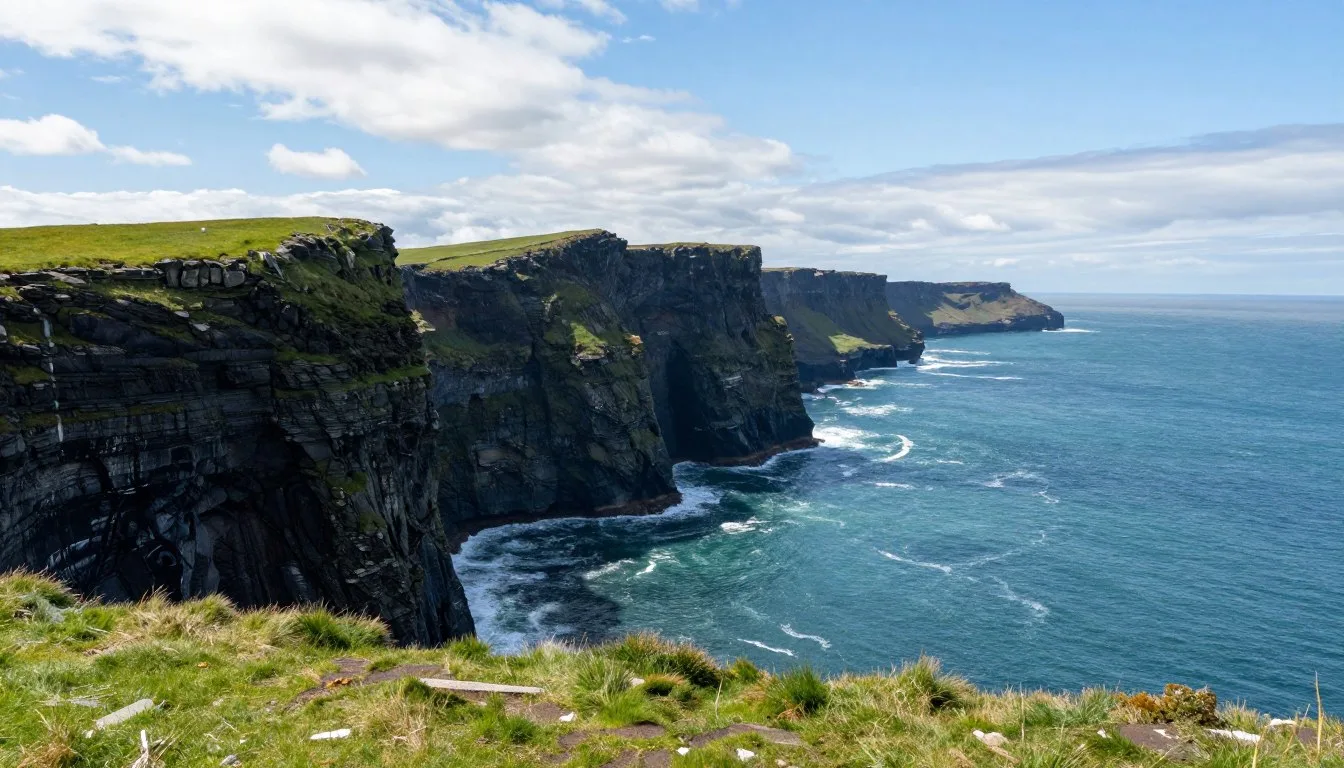
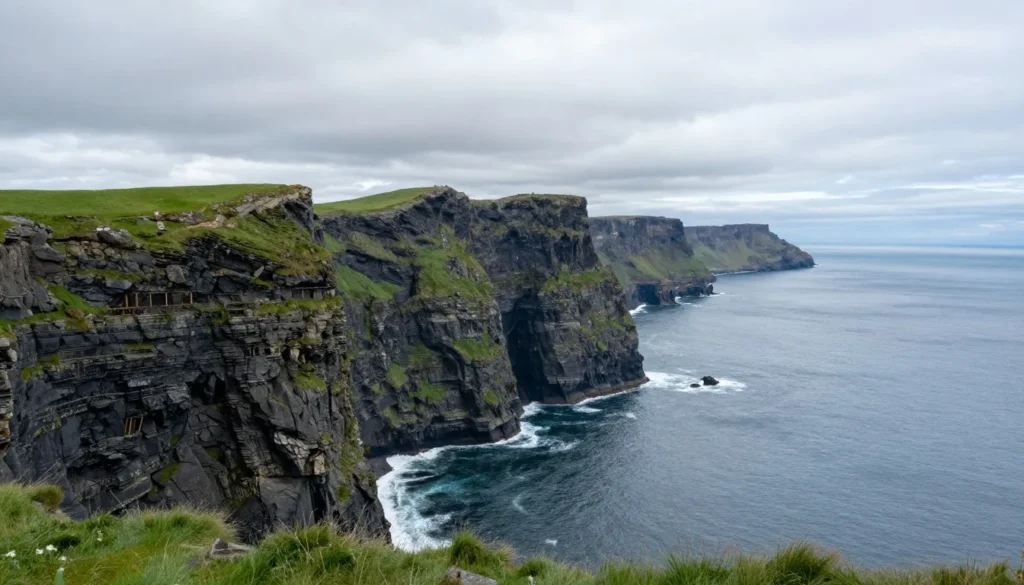
Cliffs of Moher rank among Ireland’s most visited natural attractions. These dramatic sea cliffs rise 214 metres (702 feet) above the Atlantic. Eight-kilometre cliff face stretches from Hag’s Head to Branaunmore. Visitor centre includes exhibitions and viewing platforms. Arrive early or late to avoid midday coach tour crowds.
Achill Island
Ireland’s largest island connects to mainland Mayo via short bridge. Achill offers spectacular beaches including Keem Bay and Golden Strand. The Atlantic Drive provides stunning coastal views. Deserted village at Slievemore evokes Ireland’s difficult history. Located 90 km (56 miles) north of Connemara.
Joyce Country
This mountainous region between Connemara and Lough Corrib takes its name from early Irish clan. Remote valleys and pristine lakes characterize the landscape. Lough Nafooey offers exceptional trout fishing. Quiet roads suit cyclists seeking challenging routes. Direct connection to eastern Connemara.
Practical Travel Tips for Connemara
Ireland uses the euro currency. ATMs are readily available in Clifden, Letterfrack, and larger villages. Smaller settlements lack banking facilities entirely. Withdraw sufficient cash before exploring remote areas. Credit cards are widely accepted though some small businesses prefer cash.
Electrical outlets follow UK-style three-pin plugs with 230V power. North American visitors require plug adapters and voltage converters for appliances. Purchase adapters before departure as local availability is limited. Most modern electronics include dual-voltage capability needing only plug adapters.
Communication and Internet
Mobile phone coverage reaches most populated areas through major Irish networks. Remote valleys and mountains experience no signal. Don’t rely on phones for mountain navigation. Download offline maps before departing urban areas. Most accommodations provide WiFi though speeds vary considerably.
Purchase Irish SIM cards at convenience stores for extended stays. Data packages start around €20 for 20GB monthly allowance. This option proves cheaper than international roaming charges. Bring unlocked phone to use local SIM cards.
Time Zone: Ireland observes Irish Standard Time (IST), equivalent to GMT+0. Daylight saving moves clocks forward one hour late March through late October. Check current time difference with your home location before travel.
Health and Medical Matters
European Health Insurance Cards (EHIC) provide EU citizens access to Irish healthcare. Visitors from outside Europe should carry comprehensive travel insurance. Limited medical facilities exist in Connemara itself. Serious cases require transfer to Galway University Hospital.
Pharmacies in Clifden and other towns provide over-the-counter medications and prescription services. Bring adequate supplies of prescription medicines. Carry copies of prescriptions in case replacement becomes necessary. Tick awareness matters as Lyme disease occurs in Ireland. Check for ticks after walking through long grass or vegetation.
Language Considerations
English is universally spoken throughout Connemara. Irish (Gaelic) remains the first language for some locals, particularly in designated Gaeltacht regions. Road signs appear in both languages. Place names sometimes differ between English and Irish versions causing occasional confusion.
Learning basic Irish phrases shows respect for local culture. “Dia dhuit” (JEE-uh gwit) means hello. “Go raibh maith agat” (guh-rev mah UH-gut) expresses thanks. Locals appreciate efforts to use their language even if pronunciation proves challenging.
Packing Essentials
- Waterproof jacket with hood (essential year-round)
- Layered clothing for temperature fluctuations
- Sturdy waterproof hiking boots with good tread
- Sunscreen and sunglasses (UV levels surprise visitors)
- Small daypack for hikes and excursions
- Reusable water bottle and snacks
- Camera with extra batteries and storage cards
- Plug adapters for electronic devices
- Basic first aid supplies
- Binoculars for wildlife and scenery viewing
Best Resources
Visit the Connemara Chamber of Tourism website for updated accommodation and event listings. Local tourist offices in Clifden and Letterfrack provide free maps and current information. Staff offer personalized recommendations based on interests and available time.
Download ViewRanger or OSI Maps apps for detailed trail navigation. These digital mapping tools work offline once data downloads. Paper maps remain valuable backup. Ordnance Survey Ireland produces excellent detailed maps covering the entire region.
Weather forecasts from Met Éireann (Irish Meteorological Service) provide accurate predictions. Mountain weather can differ significantly from coastal conditions. Check forecasts morning of planned hikes. Satellite imagery helps predict approaching fronts.
Your Connemara Adventure Awaits
Connemara stands apart as Ireland’s most captivating region. Raw natural beauty combines with authentic culture creating travel experiences that linger long after departure. Whether hiking Diamond Hill’s rocky trails, driving the spectacular Sky Road, or simply absorbing the atmosphere in a traditional pub, Connemara delivers moments of genuine magic.
The region rewards those who venture beyond Ireland’s typical tourist circuits. Every winding road reveals new vistas. Each conversation with locals provides insights into Irish life. The ever-changing weather adds character rather than hindrance. Connemara’s wild spirit calls to adventurers seeking landscapes that stir the soul.
Start planning your Connemara journey today. This remarkable corner of Ireland promises memories that will inspire return visits. The mountains, beaches, and people await your discovery. Your Irish adventure begins where the wild Atlantic meets the ancient land of Connemara.