Hotels by Trip.com
Flights by Trip.com
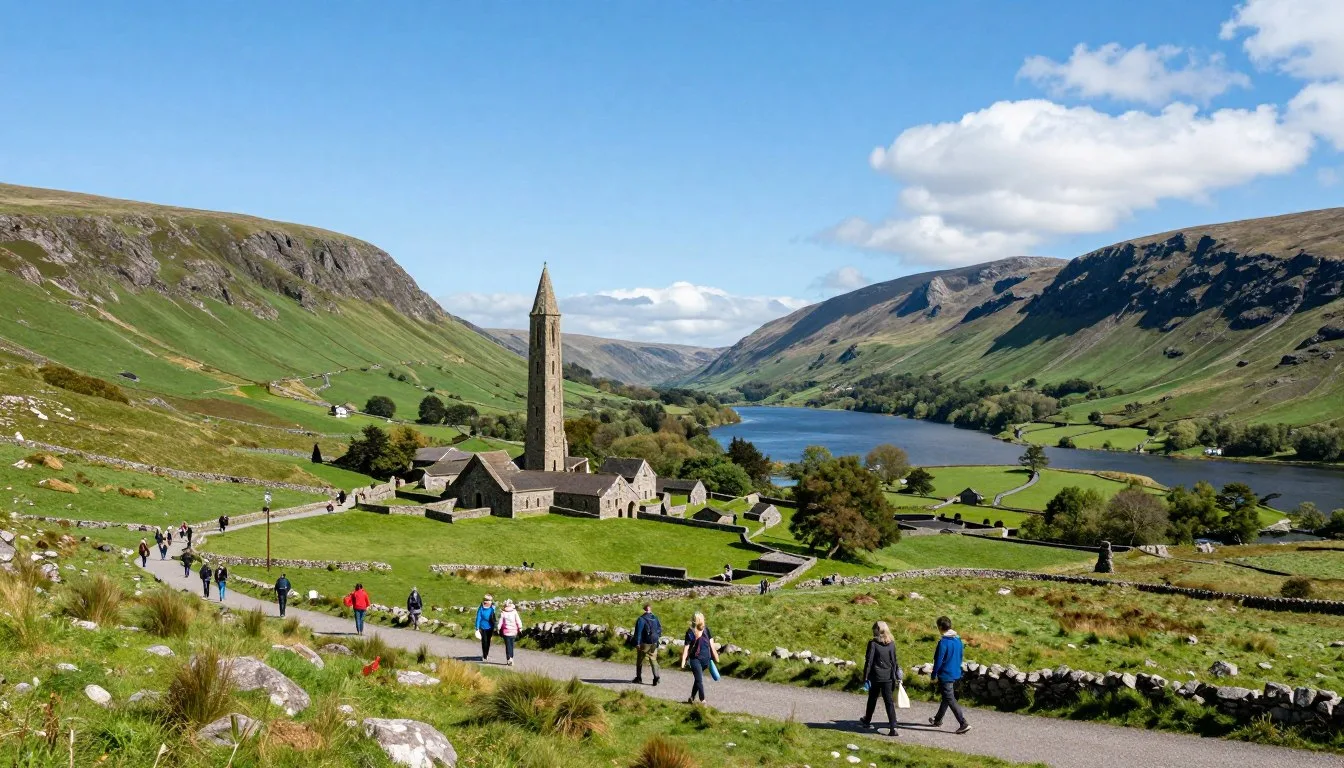
Over one million people visit Glendalough each year, making it one of Ireland’s most beloved destinations despite its remote location in the Wicklow Mountains. The name Glendalough comes from the Irish “Gleann Dá Loch,” meaning “Valley of the Two Lakes,” referring to the stunning Upper Lake and Lower Lake that define this magical place.
This ancient monastic settlement was founded in the sixth century by Saint Kevin. He sought solitude in this valley and established what would become one of Ireland’s most important centers of learning and spirituality.
Today, Glendalough offers visitors a unique combination of history, spirituality, and natural beauty. The monastic ruins stand as silent witnesses to over 1,400 years of Irish heritage whilst the surrounding Wicklow Mountains National Park provides endless opportunities for outdoor adventures.
Getting There and Planning Your Journey
Getting to Glendalough requires some planning, but the journey through the Wicklow Mountains is part of the experience. The site sits approximately 50 kilometers south of Dublin in County Wicklow.
Closest Airports
Dublin Airport is your main gateway to Glendalough. It sits about 60 kilometers north of the valley and serves flights from across Europe and North America.
The journey from Dublin Airport to Glendalough takes roughly one and a half hours by car. You can also fly into Cork Airport, though this sits much farther south and requires a longer drive of approximately two and a half hours.
Getting There by Car
Driving offers the most flexibility for your Ireland road trip. From Dublin city center, take the M11 motorway south towards Wexford.
Exit at junction 10 and follow the R755 through Laragh village. The road winds through spectacular mountain scenery before reaching the Glendalough valley.
Parking is available at the visitor center. The main car park charges six euros for the day during peak season. Arrive early during summer months as the parking area fills quickly by mid-morning.
Public Transport Options
St Kevin’s Bus Service operates daily routes from Dublin to Glendalough. The bus departs from St Stephen’s Green in Dublin city center twice daily.
The journey takes approximately one hour and thirty minutes. You can contact St Kevin’s Bus at +353 1 281 8119 for current schedules and prices.
During summer, additional services run to accommodate increased visitor numbers. Book your seat in advance during peak travel periods to guarantee space on your preferred departure.
Best Time to Visit and Weather Tips
Best Time to Visit Glendalough
Late spring through early autumn offers the most reliable weather for exploring Glendalough. May, June, and September provide the ideal balance of pleasant temperatures and fewer crowds compared to peak summer months.
Check 30,000+ Local Sightseeing Tours Worldwide
✓ Numerous languages and currencies are available
These shoulder months deliver comfortable hiking conditions with temperatures ranging from fifteen to twenty degrees Celsius (59-68°F). The valley displays vibrant green landscapes whilst tourist numbers remain manageable.
July and August bring the warmest weather but also the largest crowds. Winter visits from November through February can be rewarding for those seeking solitude, though expect shorter days and colder, wetter conditions with temperatures between five and ten degrees Celsius (41-50°F).
Months to Consider Avoiding: Late October through March brings the highest rainfall and shortest daylight hours. Many walking trails become muddy and slippery during this period. December and January see the site close early, with limited daylight for exploration.
Weather Patterns
The Wicklow Mountains create their own microclimate. Weather can change rapidly even during summer.
Rain showers arrive with little warning. Pack waterproof clothing regardless of the forecast when you visit Glendalough.
Morning mist often blankets the valley during spring and autumn. This creates atmospheric conditions for photography but can obscure mountain views. The mist typically clears by late morning as temperatures rise.
Notable Annual Festivals
The Wicklow Mountains National Park hosts several events throughout the year that enhance any visit to the area. These celebrations showcase Irish culture, outdoor recreation, and local traditions.
- Glendalough Heritage Week (August): Week-long celebration featuring guided tours, traditional music, and historical presentations about the monastic settlement
- Wicklow Way Walking Festival (May): Multi-day hiking event with guided walks through the Wicklow Mountains including routes through Glendalough valley
- St Kevin’s Feast Day (June 3rd): Annual commemoration of the valley’s founder with special services and historical talks at the monastic site
Contact the Glendalough Visitor Centre at +353 404 45425 for current festival schedules and participation details. Many events require advance registration, particularly during peak visitor season.
Getting Around Locally
The Glendalough valley itself is compact and best explored on foot. The monastic site sits within easy walking distance of the main car park and visitor center.
Well-maintained pathways connect the Lower Lake area with the monastic ruins. The walk from the visitor center to the Upper Lake takes approximately thirty minutes at a leisurely pace.
Walking the Valley
Most visitors spend three to five hours exploring the main attractions. The terrain remains relatively flat around the lakes and monastic city, making it accessible for most fitness levels.
Wear comfortable walking shoes with good grip. Even paved paths can become slippery after rain.
For longer hikes into the surrounding mountains, allow a full day. The Wicklow Way passes through Glendalough and offers numerous trail options ranging from short walks to challenging mountain routes.
Accessibility Considerations
The visitor center provides wheelchair-accessible facilities including restrooms and the exhibition space. A paved pathway extends from the center to the monastic site, allowing wheelchair access to the Round Tower and cathedral ruins.
The upper valley trails prove more challenging for those with mobility limitations. Rocky paths and steep sections make wheelchair access difficult beyond the Lower Lake area.
Where to Stay
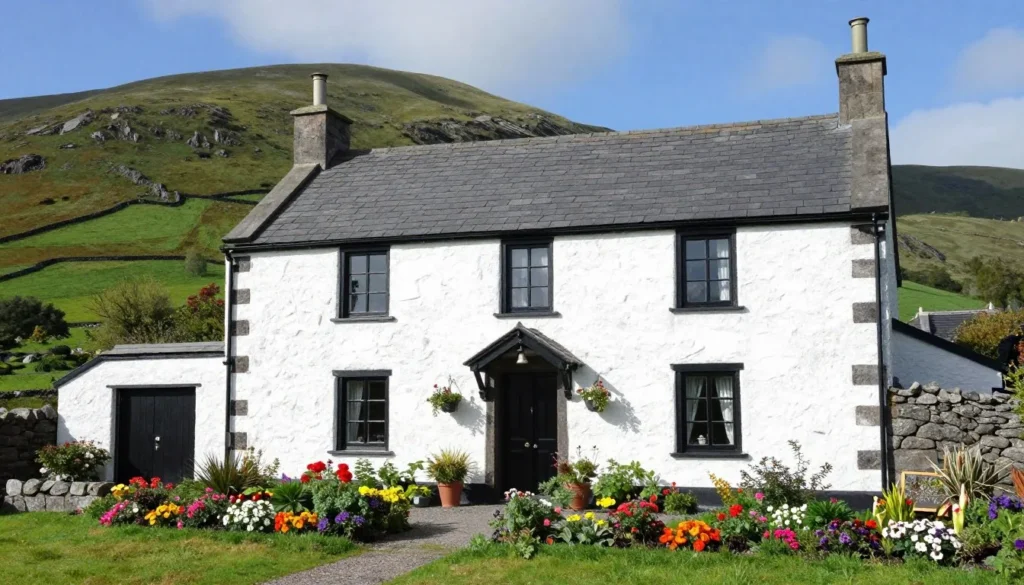
Accommodation options near Glendalough range from cozy bed and breakfasts to luxury hotels. The nearby village of Laragh provides the closest lodging, sitting just two kilometers from the monastic site.
Laragh and Nearby Villages
Laragh village offers several guesthouses and small hotels within walking distance of Glendalough. These family-run establishments provide authentic Irish hospitality and hearty breakfasts to fuel your day of exploration.
The village of Roundwood sits ten kilometers north and features additional accommodation choices. This higher-altitude village claims to be Ireland’s highest village and provides stunning views across the Wicklow Mountains.
Rathdrum and Ashford lie fifteen kilometers east and offer more extensive hotel options whilst maintaining easy access to the Glendalough valley for day trips.
Wicklow Town Options
Wicklow town sits on the coast about thirty kilometers east of Glendalough. This historic town provides a wider range of accommodation from budget hostels to upscale hotels.
Staying in Wicklow town allows you to combine your Glendalough visit with coastal experiences. The drive to the valley takes approximately forty minutes through scenic mountain roads.
Camping and Self-Catering
Several campsites operate in the Wicklow Mountains area during summer months. These sites provide basic facilities for tent camping and motorhome parking.
Self-catering cottages scattered throughout County Wicklow offer excellent value for families or groups planning an extended stay. These properties typically require minimum bookings of three to seven nights.
Booking Tip: Reserve accommodation well in advance for summer visits, particularly for weekends and bank holidays. Many smaller properties have limited rooms and fill quickly during peak season.
Dining and Local Cuisine
Dining options near Glendalough reflect the rural character of the Wicklow Mountains. Most restaurants focus on traditional Irish fare using locally sourced ingredients.
Glendalough Hotel and Laragh
The Glendalough Hotel sits near the valley entrance and serves lunch and dinner in its restaurant. The menu features Irish classics including lamb stew, fresh fish, and locally reared beef.
Laragh village hosts several cafes and pubs serving casual meals. These establishments offer sandwiches, soups, and hot meals perfect for refueling after a morning of walking.
Wicklow Heather Restaurant in Laragh provides more formal dining with an emphasis on seasonal Irish ingredients. Reservations are recommended for dinner service, particularly on weekends.
Picnic Provisions
Many visitors choose to picnic in the valley. Small shops in Laragh stock basic provisions including sandwiches, snacks, and drinks.
For better selection, shop in Wicklow town or Dublin before your visit. Designated picnic areas near both lakes provide scenic spots to enjoy your meal.
Remember to carry out all rubbish. The national park operates a strict leave-no-trace policy to protect the valley’s natural beauty.
Traditional Irish Specialties
Don’t miss the opportunity to try traditional Irish soda bread, often served with butter and smoked salmon. Local pubs serve hearty Irish stew, perfect for warming up after a day in the mountains.
Wicklow lamb features on many menus throughout the area. The sheep graze on mountain pastures, producing exceptionally flavorful meat.
Attractions, Sightseeing, and Activities
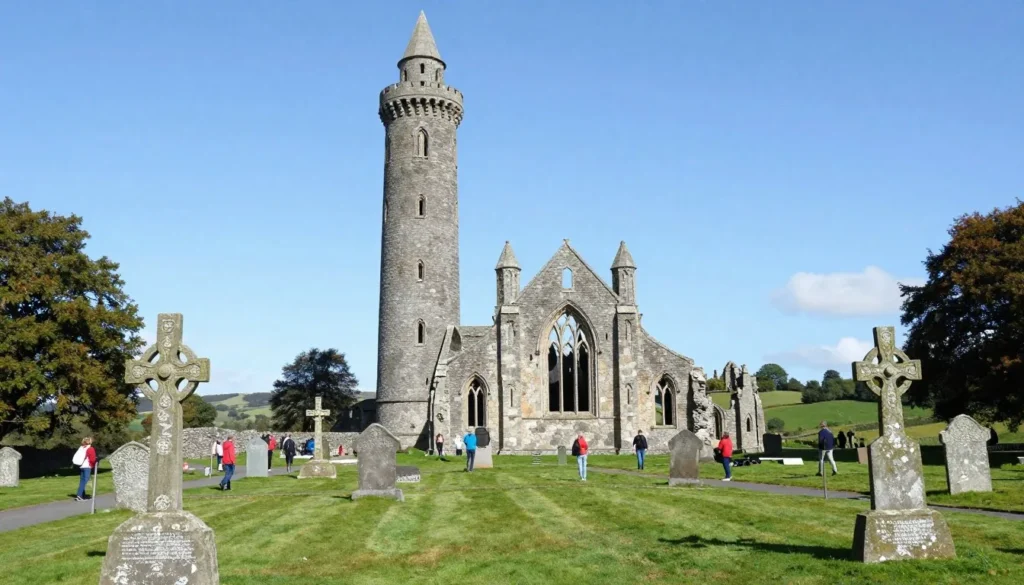
The Monastic Settlement
The monastic city forms the historical heart of Glendalough. Saint Kevin established this religious community in the sixth century, and it flourished for over six hundred years as a center of learning and pilgrimage.
The Round Tower dominates the skyline at thirty-three meters (110 feet) tall. This perfectly preserved structure dates from the tenth century and served as both a bell tower and refuge during Viking raids.
The cathedral ruins showcase the largest church in the complex. Stone archways and window frames hint at the building’s former grandeur when it served as the spiritual center of the monastic site.
Saint Kevin’s Church
Often called Saint Kevin’s Kitchen due to its distinctive round tower resembling a chimney, this small stone church represents one of Ireland’s best-preserved early medieval buildings. The steep stone roof has survived over a thousand years of Irish weather.
The building’s compact size reflects early Irish church architecture. Monks gathered here for daily prayers in the cramped interior space.
The Gateway and Crosses
The stone gateway marks the original entrance to the monastic city. Visitors pass through the same archway that pilgrims used over a millennium ago.
Several high crosses stand throughout the site. These elaborately carved stone monuments display intricate Celtic patterns and biblical scenes, showcasing the artistic skills of medieval Irish craftsmen.
The Reefert Church
A short walk up the valley leads to Reefert Church, a smaller ruin overlooking the Upper Lake. This peaceful spot served as a burial place for local chieftains.
The location offers stunning views back down the valley. Many visitors find this quieter area perfect for contemplation away from the busier lower monastic site.
Visitor Centre Information: The Glendalough Visitor Centre opens daily from mid-March through October from 9:30 AM to 6:00 PM, with reduced winter hours from 9:30 AM to 5:00 PM. Admission costs five euros for adults, with reduced rates for seniors and children. Contact +353 404 45425 for current opening times and admission prices.
Museums, Cultural Spots, and Festivals
The Glendalough Visitor Centre houses an excellent exhibition explaining the monastic settlement’s history. Audio-visual presentations bring the medieval period to life through reconstructions and historical accounts.
Interpretive Displays
Interactive displays detail daily life in the monastery. Learn how monks copied manuscripts, tended gardens, and welcomed pilgrims from across Europe.
Scale models show how the site appeared during its peak in the eleventh century. These reconstructions help visitors visualize the bustling community that once filled the valley.
Archaeological finds from excavations around the site provide tangible connections to the past. Tools, pottery fragments, and religious artifacts reveal details about medieval Irish life.
Guided Tours
Heritage guides offer walking tours of the monastic site during summer months. These knowledgeable locals share stories and historical details that bring the ruins to life.
Tours typically last forty-five minutes to one hour. They depart from the visitor center at scheduled times throughout the day.
Special evening tours occasionally run during summer, offering a different perspective on the site as the setting sun casts long shadows across the ancient stones.
Nature and Outdoor Experiences
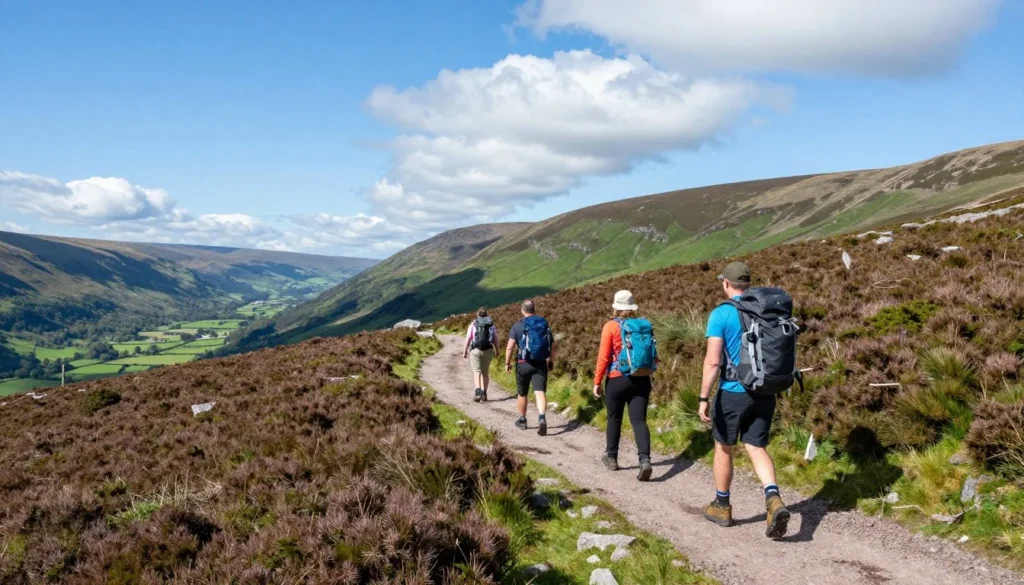
The Upper Lake and Lower Lake
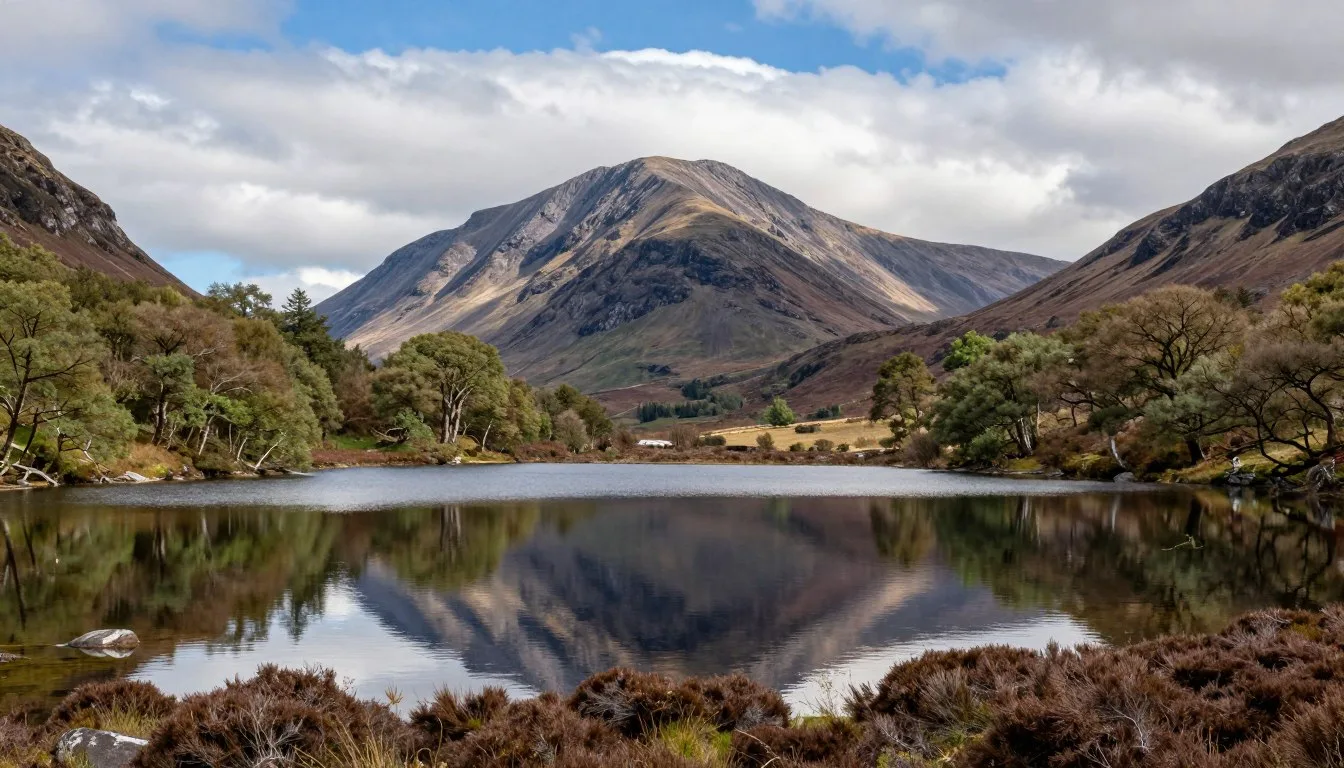
The two glacial lakes give Glendalough its name and provide stunning natural focal points. The Upper Lake sits deeper in the valley, surrounded by steep forested slopes and rocky cliffs.
A well-maintained path follows the northern shore of the Upper Lake. This scenic walk takes approximately forty-five minutes and offers constantly changing views across the water.
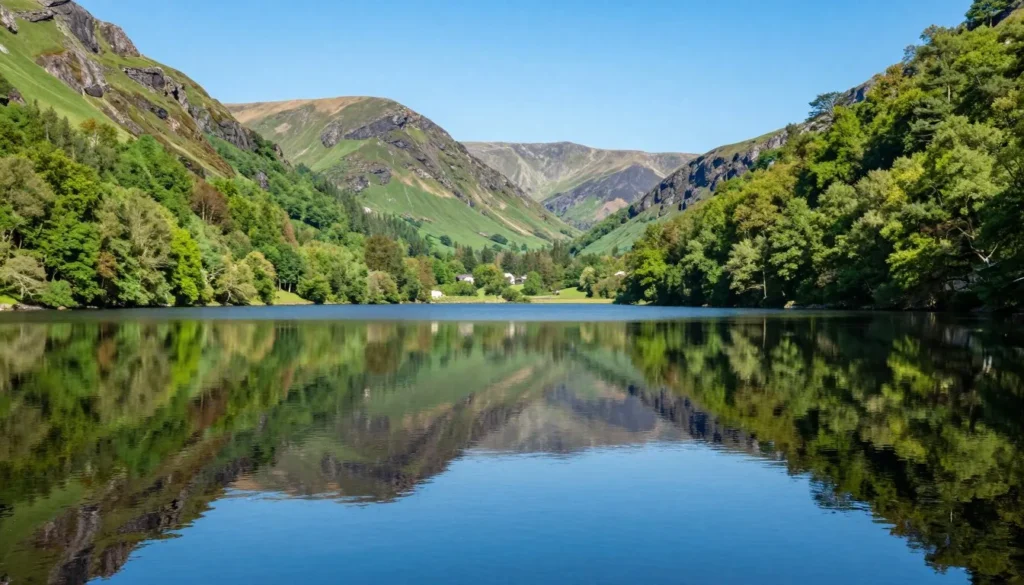
The Lower Lake sits closer to the monastic site. Its calmer waters reflect the surrounding hills on still days, creating perfect photography conditions.
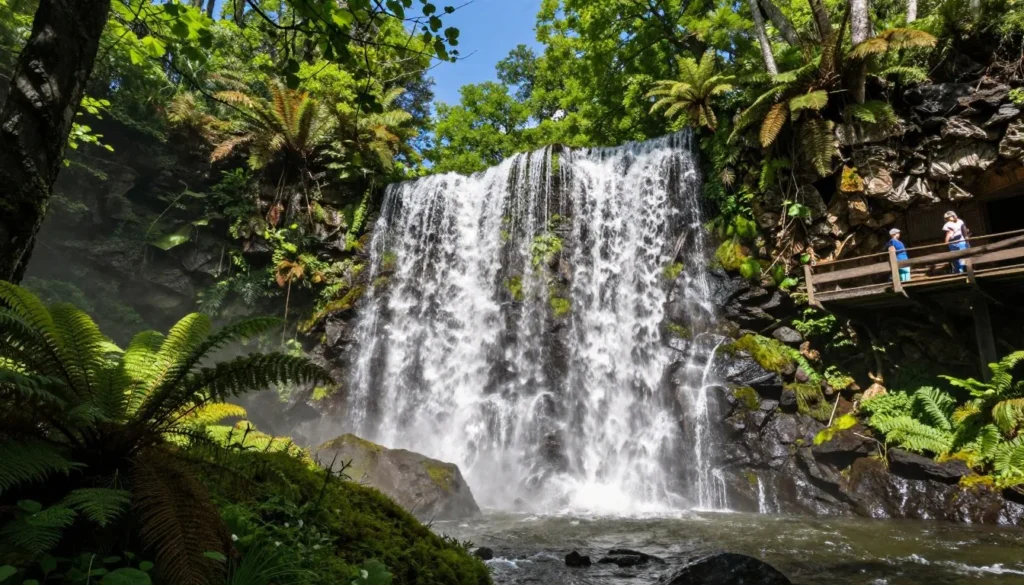
Poulanass Waterfall
The Poulanass Waterfall cascades down a rocky ravine just a short walk from the main site. Follow the marked trail from the upper car park to reach this beautiful natural feature in about fifteen minutes.
The waterfall flows most impressively after periods of rain. The sound of rushing water and the cool mist create a refreshing atmosphere even on warm summer days.
The surrounding woodland provides habitat for numerous bird species. Listen for the distinctive calls of jays, robins, and thrushes amongst the trees.
Hiking Trails
The Wicklow Way long-distance walking trail passes directly through Glendalough. This 127-kilometer route stretches from Dublin suburbs to County Carlow.
Day walkers can tackle sections of the Wicklow Way without committing to the full route. The stretch from Glendalough to Glenmalure valley provides a challenging but rewarding seven-hour hike through spectacular mountain scenery.
Spink Mountain Loop
The Spink walk ranks among Ireland’s most dramatic hikes. This circular route climbs steeply up the cliffs above the Upper Lake before following the ridge line.
The trail offers breathtaking views down into the valley and across to the surrounding peaks. Allow four to five hours for the complete loop of approximately eleven kilometers.
This walk suits experienced hikers only. The initial climb proves steep and the ridge section includes significant exposure to heights.
Camaderry Mountain
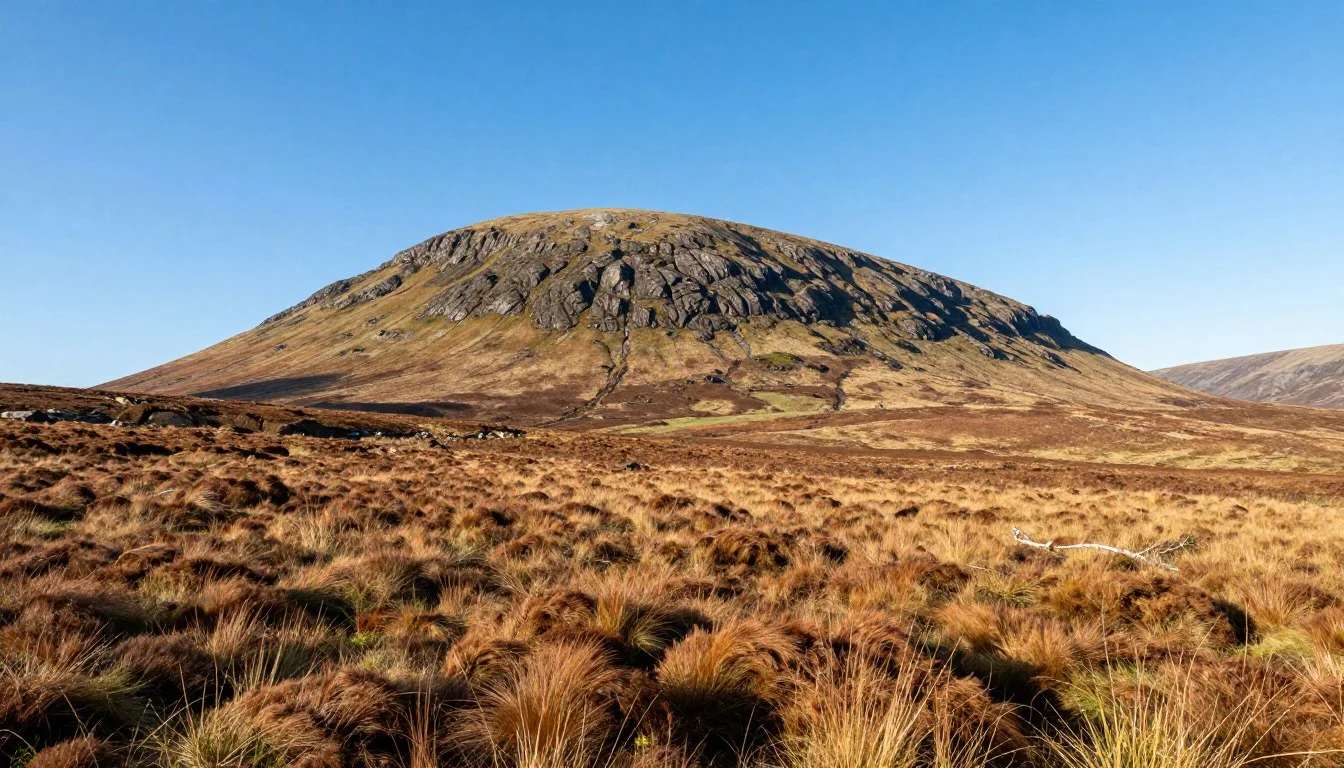
For a less challenging mountain experience, Camaderry provides excellent views with a more gradual ascent. The summit sits at 698 meters (2,290 feet) and offers panoramic vistas across the Wicklow Mountains.
The round trip from Glendalough takes approximately four hours. The path becomes rough and boggy in places, particularly after wet weather.
Wildlife Watching
The Glendalough valley supports diverse wildlife. Fallow deer roam the wooded slopes, though they remain shy and are most often spotted early in the morning or at dusk.
Red squirrels inhabit the pine forests around the Upper Lake. These native Irish mammals are becoming increasingly rare, making sightings particularly special.
Birdwatchers should look for peregrine falcons nesting on the cliff faces above the valley. These magnificent raptors hunt smaller birds across the moorland surrounding the lakes.
The Wicklow Mountains National Park
Glendalough sits within the Wicklow Mountains National Park, which covers over 20,000 hectares (49,400 acres) of mountain, moorland, and woodland. This protected area preserves some of Ireland’s most important upland habitats.
Check 30,000+ Local Sightseeing Tours Worldwide
✓ Numerous languages and currencies are available
The national park supports rare plant communities including alpine species found nowhere else in Ireland. Purple heather blankets the moorland in late summer, creating spectacular displays of color.
Several other valleys within the park offer similar beauty with fewer visitors. Consider exploring Glenmalure or the Glen of Imaal if you seek greater solitude.
Travel With Children
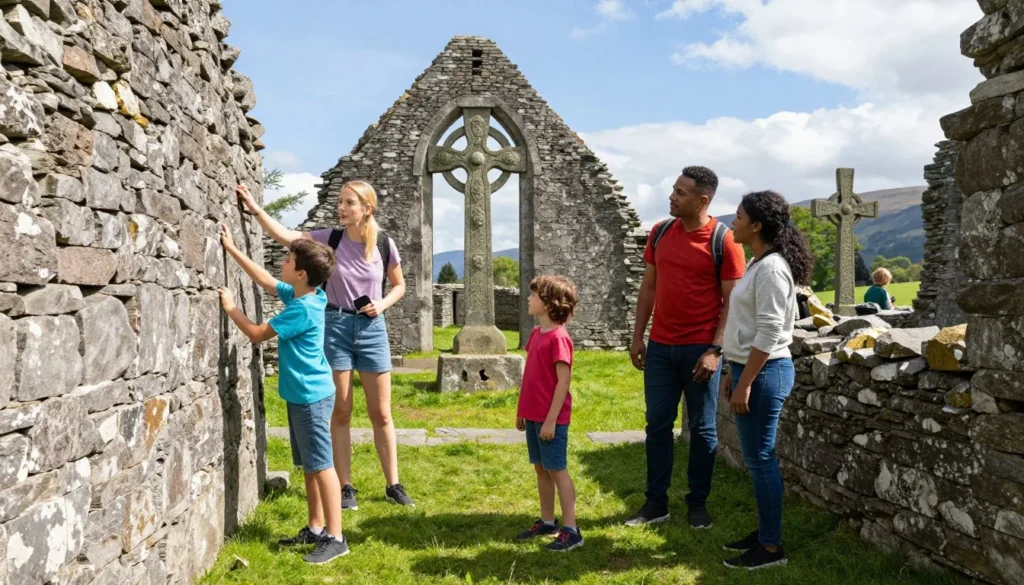
Glendalough makes an excellent family destination. The combination of history, nature, and outdoor activity appeals to children of various ages.
Child-Friendly Activities
Children enjoy exploring the monastic ruins, imagining life in medieval times. The Round Tower particularly captures young imaginations with its height and narrow doorway high above ground level.
The visitor center offers a family-friendly exhibition with interactive elements designed for younger visitors. Allow thirty to forty-five minutes to explore the displays before heading outside.
The walk around the Lower Lake provides an easy, flat route suitable for families with young children or pushchairs. This circular path takes about forty-five minutes at a relaxed pace with stops for photographs.
Safety Considerations
Supervise children carefully around the lakes and streams. The water remains cold year-round and currents can be deceptive.
Ancient stone structures have uneven surfaces and unexpected drops. Keep children close when exploring the ruins to prevent falls or injuries.
The steep mountain trails prove unsuitable for very young children. Stick to the valley floor paths if traveling with children under six years old.
Facilities for Families
Baby-changing facilities are available at the visitor center. Restrooms are located near the main car park and remain open during visitor center hours.
Cafes in Laragh village welcome families and offer children’s menus. High chairs are typically available though it’s wise to call ahead during busy periods.
Money Saving Tips
Visiting Glendalough doesn’t require a large budget. Several strategies help you experience the valley whilst controlling costs.
Free Activities
Walking the valley and exploring the monastic ruins remains free. You can spend an entire day hiking the trails and photographing the lakes without spending anything.
The visitor center charges admission, but you can skip this expense and still appreciate the outdoor site. Information boards throughout the monastic settlement provide historical context.
Pack a picnic lunch rather than purchasing food at cafes or restaurants. Small shops in Laragh offer better value than tourist-oriented establishments near the site entrance.
Transport Savings
Share car hire costs if traveling in a group. Petrol expenses split between several people often cost less than individual bus tickets.
The Kevin Bus offers good value compared to organized tours. You get the same transport whilst avoiding the markup associated with guided tour packages.
Consider visiting as part of a longer Ireland road trip itinerary. This maximizes the value of car rental costs by spreading them across multiple destinations.
Accommodation Value
Staying in Wicklow town or further afield often costs significantly less than Laragh village. The thirty-minute drive saves money whilst maintaining easy access to the valley.
Visit during shoulder seasons (May, June, September) when accommodation prices drop compared to peak summer rates. You’ll also encounter smaller crowds at the site itself.
Self-catering accommodation provides the best value for families or groups staying multiple nights. Cooking your own meals dramatically reduces daily expenses.
Free Parking Alternative: Limited free parking exists along the road approaching the valley, though spaces fill quickly. Arriving before 9:00 AM gives you the best chance of finding a spot and avoids the six-euro parking charge.
Safety and Local Customs
Glendalough and the surrounding Wicklow Mountains area remain safe for visitors. Standard precautions and awareness of mountain conditions ensure an enjoyable visit.
Mountain Safety
Weather in the Wicklow Mountains changes rapidly. Carry waterproof clothing and extra layers even when forecasts predict good conditions.
Tell someone your planned route and expected return time before setting out on longer hikes. Mobile phone coverage proves unreliable in remote valley areas.
Wear appropriate footwear with good ankle support and grip. Even well-maintained trails become slippery after rain, and mountain paths include rocky sections.
Carry adequate water and high-energy snacks. The nearest shops sit in Laragh village, requiring a walk of at least thirty minutes from the upper valley.
Respecting the Site
The monastic settlement remains an active archaeological site. Do not climb on ruins or remove any stones or artifacts.
Many visitors consider Glendalough a spiritual place. Maintain respectful behavior, particularly near the cathedral and churches where some people come for quiet reflection.
The valley serves as an important wildlife habitat. Stay on marked paths to avoid disturbing nesting birds or damaging sensitive plant communities.
Local Etiquette
Irish people value politeness and friendly conversation. Don’t be surprised if locals strike up conversations or offer directions and recommendations.
Pub etiquette involves ordering at the bar rather than waiting for table service. This applies even in establishments serving food.
Tipping customs follow British norms. Leave ten to fifteen percent in restaurants if service isn’t included, though tipping isn’t expected in pubs for drinks only.
Visitor Comments About Glendalough
“Glendalough exceeded all our expectations. The monastic ruins transported us back in time whilst the surrounding mountains provided spectacular hiking. We spent an entire day here and still felt we could have explored more. The valley combines history, spirituality, and natural beauty in a way I’ve never experienced elsewhere. Absolutely worth the journey from Dublin.”
“As someone who’s traveled extensively throughout Europe, Glendalough ranks among my favorite destinations. The preservation of the medieval structures is remarkable, and the setting is simply breathtaking. We walked to the Upper Lake and then climbed partway up the Spink trail for incredible views back down the valley. The combination of accessible history and challenging hiking makes this place special. I’d recommend arriving early to beat the crowds and experience the valley at its most peaceful.”
“Visiting Glendalough with our two children proved to be a highlight of our Ireland road trip. The kids loved exploring the ancient ruins and learning about the monks who lived here over a thousand years ago. The walks around the lakes were manageable for our seven and nine-year-old, and the scenery kept everyone engaged. We packed a picnic and spent most of the day here. The visitor center exhibition helped put everything into context before we explored outside. A truly magical place that appeals to all ages.”
Additional Nearby Destinations
The Wicklow Mountains region offers numerous attractions within easy driving distance of Glendalough. Consider extending your trip to explore these nearby sites.
Powerscourt Estate
Located approximately forty kilometers north of Glendalough, Powerscourt features magnificent gardens ranked among Europe’s finest. The estate sits at the foot of Sugarloaf Mountain and includes formal Italian gardens, Japanese gardens, and woodland walks.
The nearby Powerscourt Waterfall drops 121 meters (397 feet), making it Ireland’s tallest waterfall. Allow two to three hours to explore the estate grounds thoroughly.
Avoca Village
The village of Avoca lies about twenty-five kilometers southeast of Glendalough. This charming settlement became famous as the filming location for the television series “Ballykissangel.”
Avoca Handweavers operates Ireland’s oldest working mill here. Watch weavers creating traditional textiles and browse the extensive shop featuring Irish crafts and foods.
Wicklow Gaol
In Wicklow town, the eighteenth-century gaol offers fascinating insights into Ireland’s troubled history. Interactive exhibits detail the harsh conditions prisoners endured during the Great Famine and the 1798 Rebellion.
Guided tours run throughout the day, each lasting approximately one hour. The gaol opens year-round with extended hours during summer months.
Russborough House
This Palladian mansion sits thirty kilometers northwest of Glendalough near Blessington. The house contains an impressive art collection including works by Vermeer, Goya, and Rubens.
The parkland surrounding the house offers pleasant walks and a maze that delights children. Several waymarked trails loop through the grounds, taking between thirty minutes and two hours to complete.
Dublin City
Ireland’s capital sits just fifty kilometers north and makes an excellent base for exploring Glendalough whilst enjoying urban attractions.
- Trinity College and the Book of Kells
- Guinness Storehouse and Temple Bar district
- Dublin Castle and Christ Church Cathedral
- National Museum and Gallery of Ireland
Kilkenny City
This medieval city lies approximately eighty kilometers south and represents another worthwhile addition to your Ireland road trip itinerary.
- Kilkenny Castle and medieval mile
- St Canice’s Cathedral and Round Tower
- Craft workshops and design studios
- Traditional pubs with live music sessions
Practical Travel Tips
Currency and Payments
Ireland uses the euro as its currency. Most establishments accept credit and debit cards, though carrying some cash proves useful for small purchases and parking fees.
ATMs are available in Wicklow town and larger villages. Laragh has no ATM, so withdraw cash before arriving at Glendalough if you plan to park or purchase refreshments.
Mobile Coverage and WiFi
Mobile phone coverage remains patchy in the Glendalough valley, particularly in the upper reaches near the lakes. Don’t rely on your phone for navigation on mountain trails.
The visitor center offers free WiFi during opening hours. Several cafes and pubs in Laragh provide internet access to customers.
What to Pack
Essential items for your Glendalough visit include waterproof jacket and trousers, comfortable walking boots with ankle support, and layers of clothing to adjust to changing temperatures.
Bring a refillable water bottle, sun cream (even on cloudy days), and insect repellent during summer months. Midges can be bothersome near the lakes during warm, still conditions.
A detailed map proves invaluable if attempting longer hikes. Ordnance Survey map number 56 covers the Wicklow Mountains area at 1:50,000 scale.
Photography Tips
Early morning light creates magical conditions in the valley. Mist often hangs over the lakes at dawn, producing atmospheric photographs.
The Round Tower photographs particularly well from the cemetery area, with Celtic crosses providing interesting foreground elements. Visit during golden hour (the hour before sunset) for warm, flattering light on the ancient stones.
Bring a polarizing filter if you’re a serious photographer. This helps manage reflections on the lakes and increases color saturation in landscape shots.
Accessibility Information
The visitor center and monastic site offer good wheelchair access on paved pathways. Accessible toilets are available at the visitor center.
The lakeside walks and mountain trails prove challenging for wheelchair users due to uneven terrain and steep gradients. Contact the visitor center at +353 404 45425 to discuss specific accessibility needs before your visit.
Emergency Contacts: In case of emergency, dial 112 or 999. These numbers work from any phone, including mobiles without credit. Mountain rescue services can be activated through these numbers if accidents occur on hiking trails.
Your Journey Awaits in the Valley of Two Lakes
Glendalough stands as one of Ireland’s most enchanting destinations where ancient history and natural splendor combine in perfect harmony. The monastic ruins whisper stories of saints and scholars whilst the Wicklow Mountains frame the valley in ever-changing displays of light and weather.
Whether you spend a few hours wandering the Lower Lake shore or dedicate several days to exploring remote mountain trails, Glendalough offers experiences that linger long after you depart. The valley rewards those who rise early to catch dawn light on the Round Tower and those who linger into evening to watch shadows lengthen across the ruins.
Pack your walking boots, charge your camera, and prepare to step back over a thousand years into Ireland’s fascinating past. Glendalough awaits with open arms, ready to share its timeless beauty with all who make the journey to this special corner of County Wicklow.