Hotels by Trip.com
Flights by Trip.com
The Iveragh Peninsula welcomes over 1.2 million tourists each year, making it one of Ireland’s most visited regions. Yet remarkably, many travellers stick to the main road and miss the peninsula’s hidden treasures.
This rugged finger of land in County Kerry derives its name from the Irish “Uíbh Ráthach,” meaning “descendants of Rathach,” referring to an ancient Gaelic tribe who settled this dramatic coastal area centuries ago.
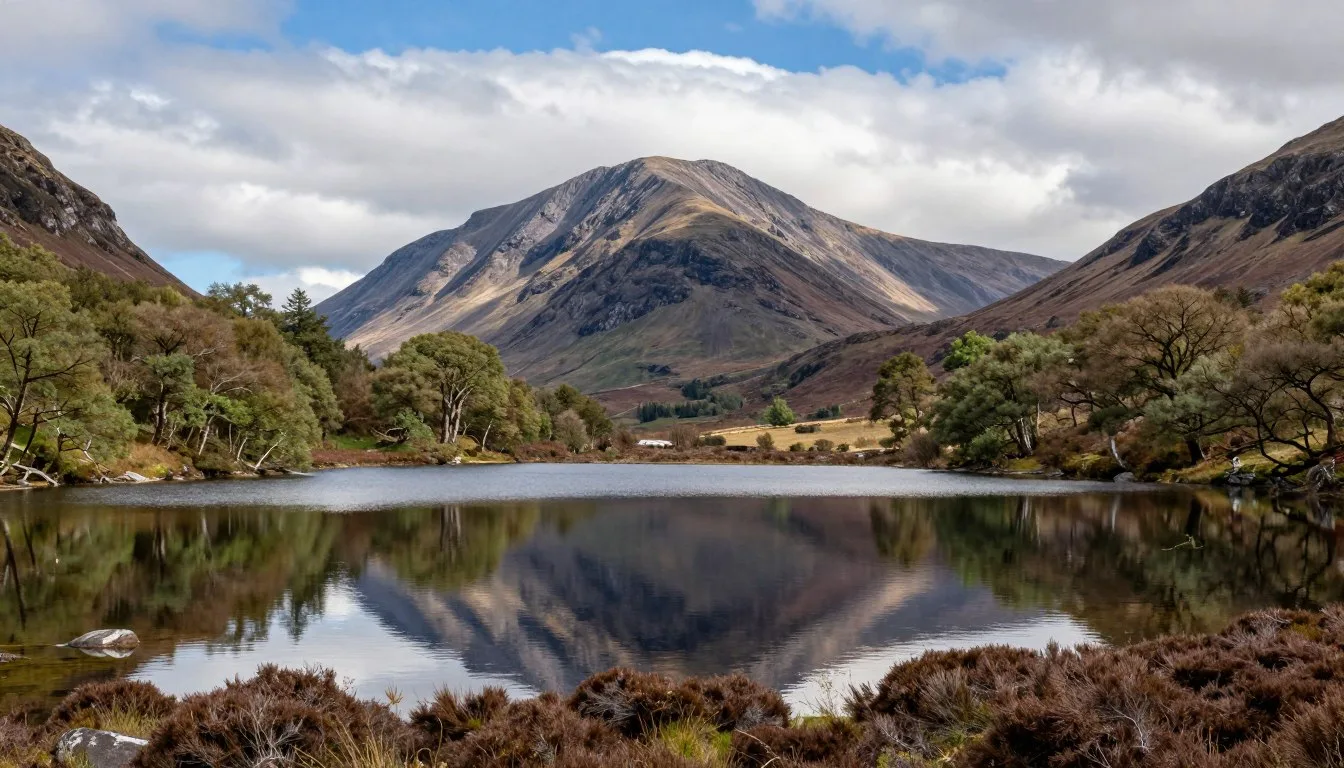
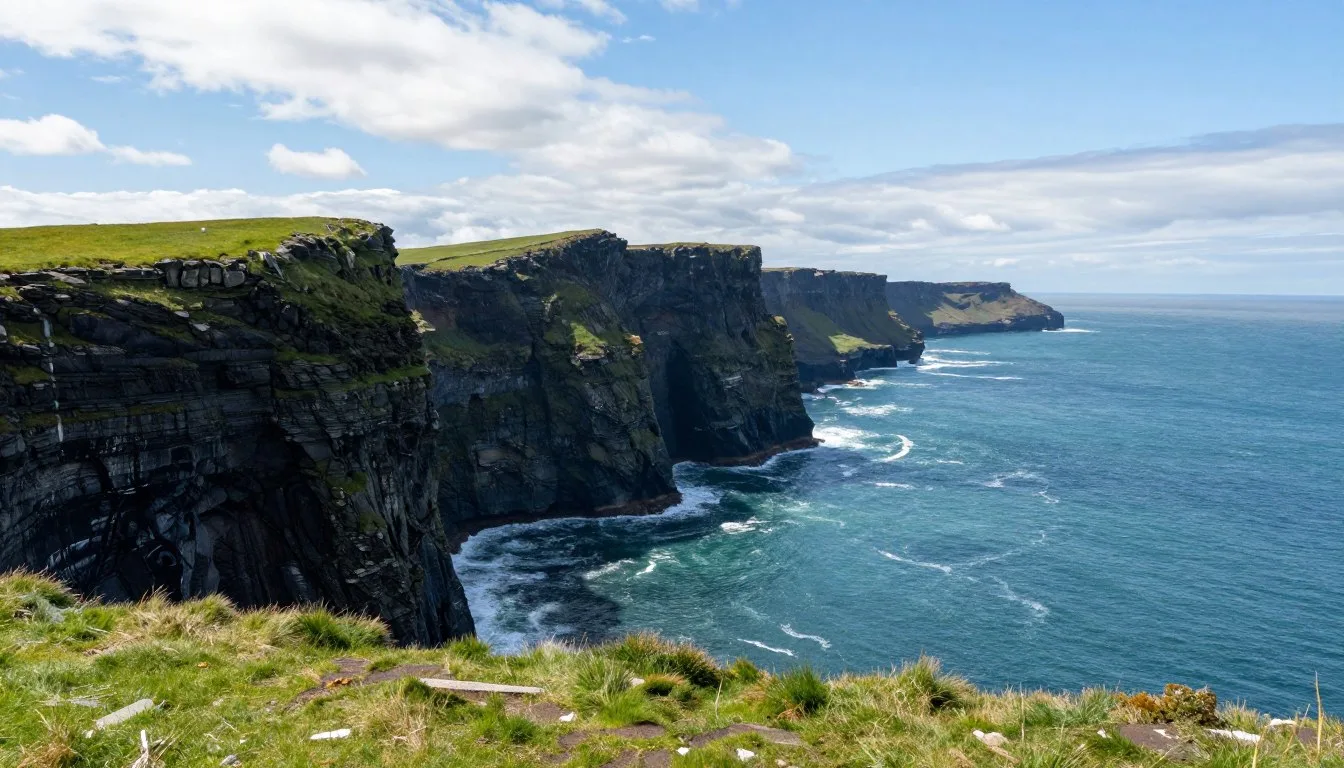
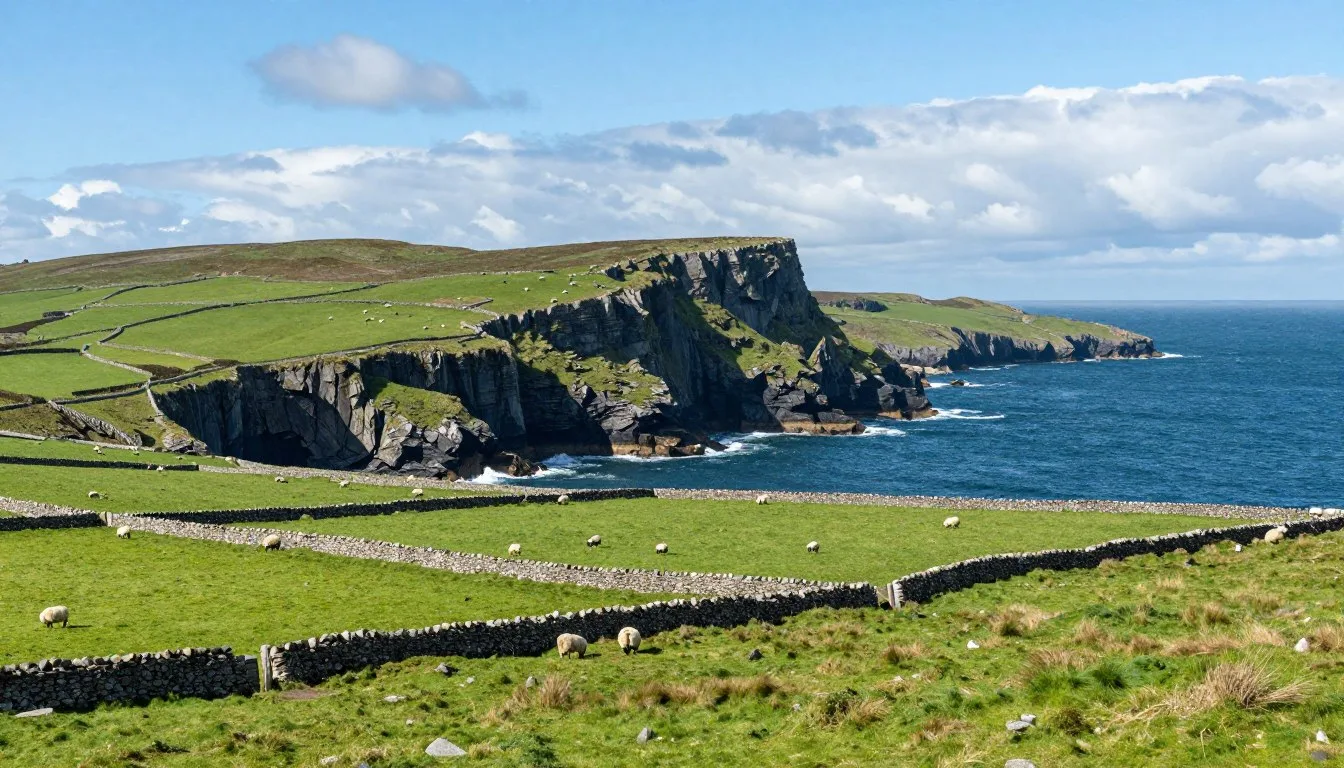
The peninsula stretches approximately 50 kilometres into the Atlantic Ocean, creating a landscape where mountains meet the sea in spectacular fashion. Ancient stone circles dot the countryside, while remote villages preserve a way of life that has remained largely unchanged for generations.
Getting There and Planning Your Journey
The closest major airport is Kerry Airport, located just 15 kilometres from Killarney town. This regional hub offers direct flights from several European cities during peak season.
Cork Airport provides another excellent option, situated approximately 90 kilometres from the peninsula. This larger facility maintains year-round international connections and offers more frequent services.
Shannon Airport lies roughly 110 kilometres north of the Iveragh Peninsula. Many North American visitors prefer this gateway due to its transatlantic flight options and convenient motorway access.
Most travellers hire a car upon arrival, as public transportation around the peninsula remains limited. The journey from any of these airports takes between one and two hours, depending on your chosen base.
Plan your trip during shoulder seasons to avoid the summer crowds that flock to the Ring of Kerry. The landscape reveals different moods throughout the year, each offering unique rewards for those willing to explore beyond the main tourist trail.
Best Time to Visit and Weather Tips
Best Time to Visit Iveragh Peninsula
May through June offers the ideal window for visiting the Iveragh Peninsula. Days grow longer, wildflowers blanket the hillsides, and temperatures hover between 12°C and 16°C (54°F to 61°F).
September delivers another prime period, with warmer ocean temperatures and generally stable weather. The summer crowds have departed, yet most facilities remain open.
Avoid late November through February unless you enjoy dramatic storms and limited daylight. Many attractions close during these months, and coastal roads can become impassable during severe weather.
Weather Patterns and Preparation
The Atlantic climate brings frequent changes throughout the day. Locals often say you can experience four seasons in a single afternoon on the peninsula.
Pack layers regardless of when you visit. A waterproof jacket proves essential, even during summer months when sudden showers sweep across the landscape.
Check 30,000+ Local Sightseeing Tours Worldwide
✓ Numerous languages and currencies are available
Wind speeds increase dramatically along exposed coastal sections of the Ring of Kerry. Secure any loose items and exercise caution when opening car doors at scenic viewpoints.
Notable Annual Festivals
The Cahersiveen Festival of Music and the Arts transforms the town each August, celebrating traditional Irish music, dance, and cultural heritage. Contact the festival organisers at +353 66 947 2724 for programme details.
Puck Fair in Killorglin, held every August, represents one of Ireland’s oldest festivals. This three-day celebration dates back over 400 years and features traditional music, street entertainment, and the crowning of a wild goat as king.
The Skellig Ring Spring Lamb Festival occurs each May, showcasing local lamb dishes and traditional farming practices. This community event offers visitors an authentic taste of peninsula life.
Getting Around Locally
Driving yourself provides the greatest freedom to explore the peninsula at your own pace. The Ring of Kerry road stretches 179 kilometres around the coast, requiring at least one full day to complete properly.
Tour buses travel the ring road clockwise to prevent traffic congestion on narrow sections. Independent drivers should consider going anticlockwise during peak season to avoid delays.
Bus Éireann operates limited services connecting major towns on the peninsula. Routes run less frequently than in urban areas, making this option suitable mainly for those staying in one place.
Cycling enthusiasts tackle the Ring of Kerry over several days, though the route demands good fitness levels and experience with hill climbing. Support services and luggage transfer companies operate throughout the area.
Boat trips from Portmagee, Cahersiveen, and Valentia Island offer unique perspectives of the coastline. These excursions range from short harbour tours to full-day expeditions around the Skellig Islands.
Where to Stay
Killarney Base
Killarney town offers the widest range of accommodation on the peninsula, from budget hostels to luxury hotels. This bustling centre provides excellent restaurants and serves as an ideal base for day trips around the ring road.
- Largest selection of hotels and guesthouses
- Best dining and entertainment options
- Easy access to Killarney National Park
- Can feel crowded during peak season
Coastal Villages
Smaller settlements like Waterville, Cahersiveen, and Portmagee deliver authentic experiences away from tourist crowds. These communities offer charming guesthouses and traditional pubs where locals still gather each evening.
- Quieter atmosphere and local character
- Spectacular coastal views from accommodations
- Lower prices than Killarney
- Fewer dining choices available
Rural Farmstays
Working farms across the peninsula welcome guests, providing immersive experiences in agricultural life. Many farms raise sheep on the mountain slopes and offer hearty breakfasts featuring their own produce.
- Authentic rural Irish experience
- Home-cooked meals with local ingredients
- Peaceful countryside settings
- Remote locations requiring own transport
Island Accommodation
Valentia Island connected by bridge provides unique accommodation options with island atmosphere yet easy mainland access. The settlement offers several quality guesthouses and self-catering cottages.
- Island character with convenient access
- Dramatic coastal scenery
- Historic sites and walking trails nearby
- Limited evening entertainment options
Dining and Local Cuisine
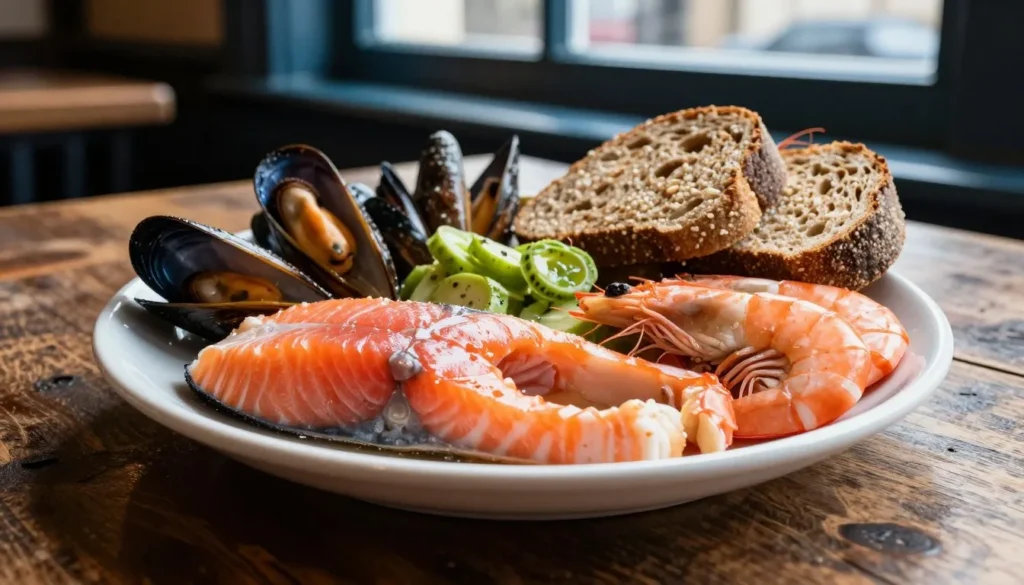
Fresh seafood dominates menus across the peninsula, with fishing boats landing daily catches in harbours around the coast. Local restaurants prepare mackerel, salmon, and crab using traditional recipes passed down through generations.
Kerry lamb raised on mountain pastures develops distinctive flavour from the wild grasses and herbs. Spring lamb season brings special menus to restaurants throughout the area.
Traditional pubs serve hearty stews, fish and chips, and boxty—a potato pancake unique to Irish cuisine. These establishments often host live music sessions where locals play traditional instruments.
Farmers’ markets in Killarney and Cahersiveen showcase artisan cheeses, smoked fish, and organic vegetables. These weekly gatherings provide opportunities to meet producers and sample regional specialities.
Several award-winning restaurants have emerged in recent years, elevating local ingredients through contemporary cooking techniques. Book well ahead during summer months to secure tables at these popular establishments.
Attractions, Sightseeing and Activities
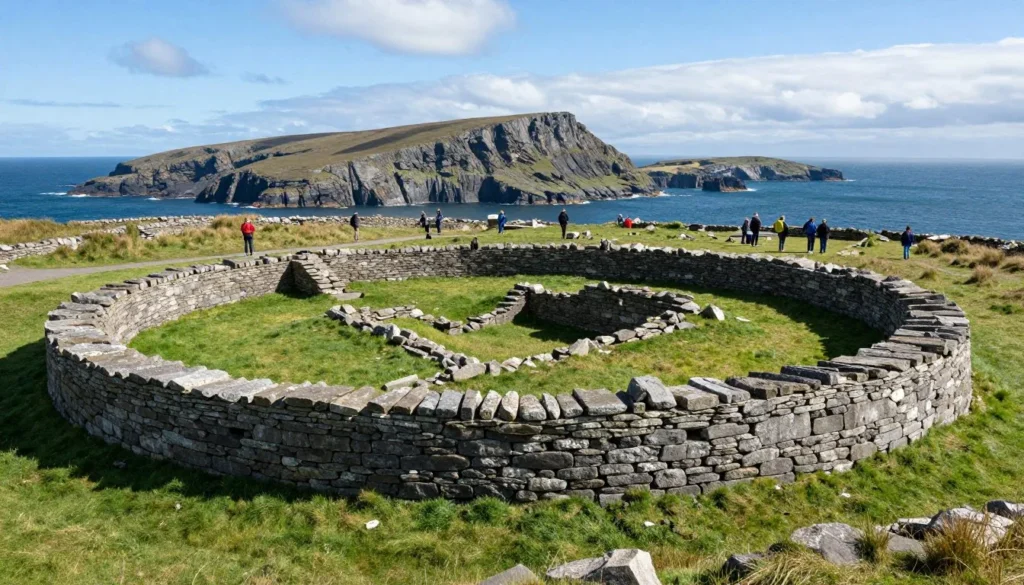
The Ring of Kerry
This world-famous scenic road circles the entire peninsula, passing through diverse landscapes that shift from coastal vistas to mountain passes. The route takes minimum four hours to drive without stops, though most visitors spend a full day exploring viewpoints and villages along the way.
Ladies View offers one of the most photographed panoramas in Ireland, where five lakes stretch below surrounded by mountains. Queen Victoria’s ladies-in-waiting supposedly gave this spot its name during their 19th-century visit.
Moll’s Gap presents another spectacular viewpoint at 260 metres elevation, where the road cuts through the Macgillycuddy’s Reeks mountain range. On clear days, views extend across three counties.
Ancient Stone Sites
The Staigue Fort ranks among Ireland’s finest examples of prehistoric stone construction. This circular stronghold stands nearly 6 metres high, built without mortar over 2,000 years ago using precisely fitted stones.
Standing stones mark the landscape across the peninsula, with particularly fine examples near Waterville. These ancient monuments served purposes still debated by archaeologists today.
Ogham stones bearing Ireland’s earliest form of writing appear throughout the area. The distinctive linear script carved on stone edges dates from the 4th to 7th century.
Historic Towns and Villages
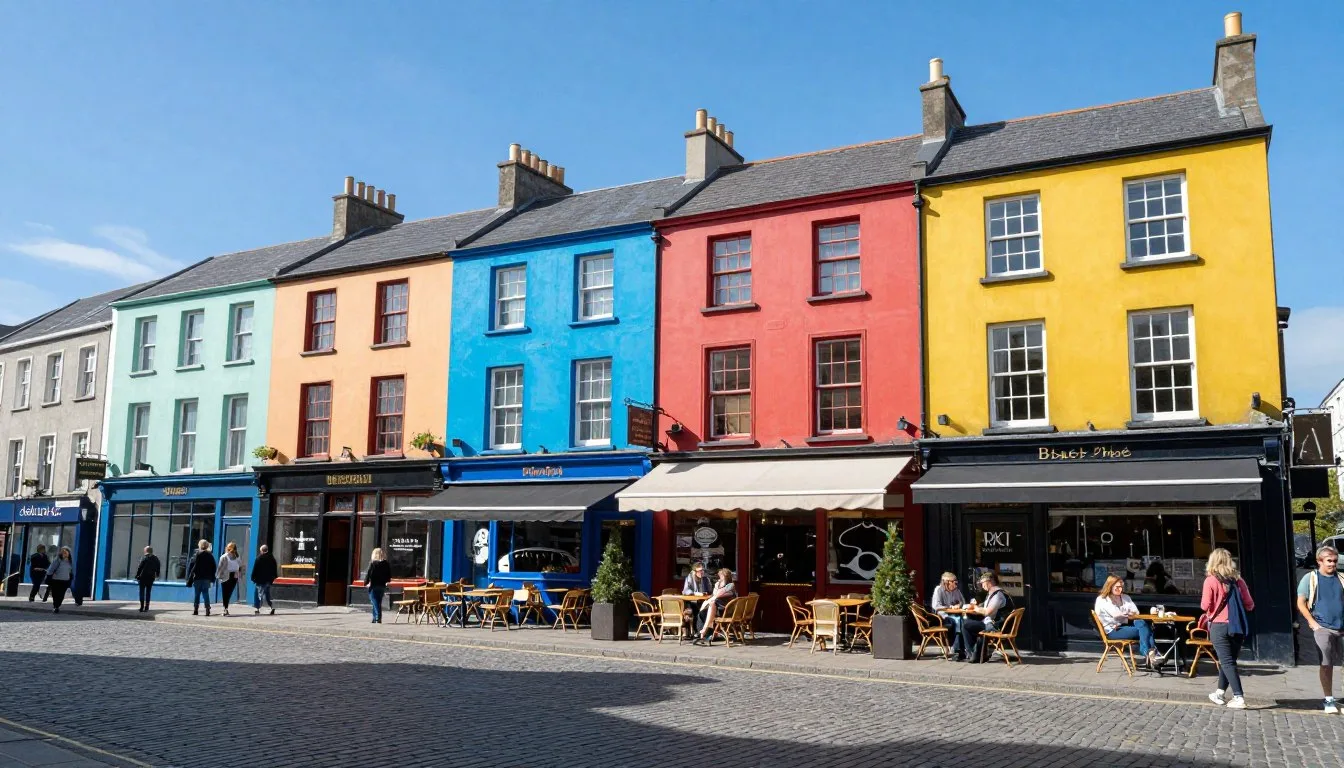
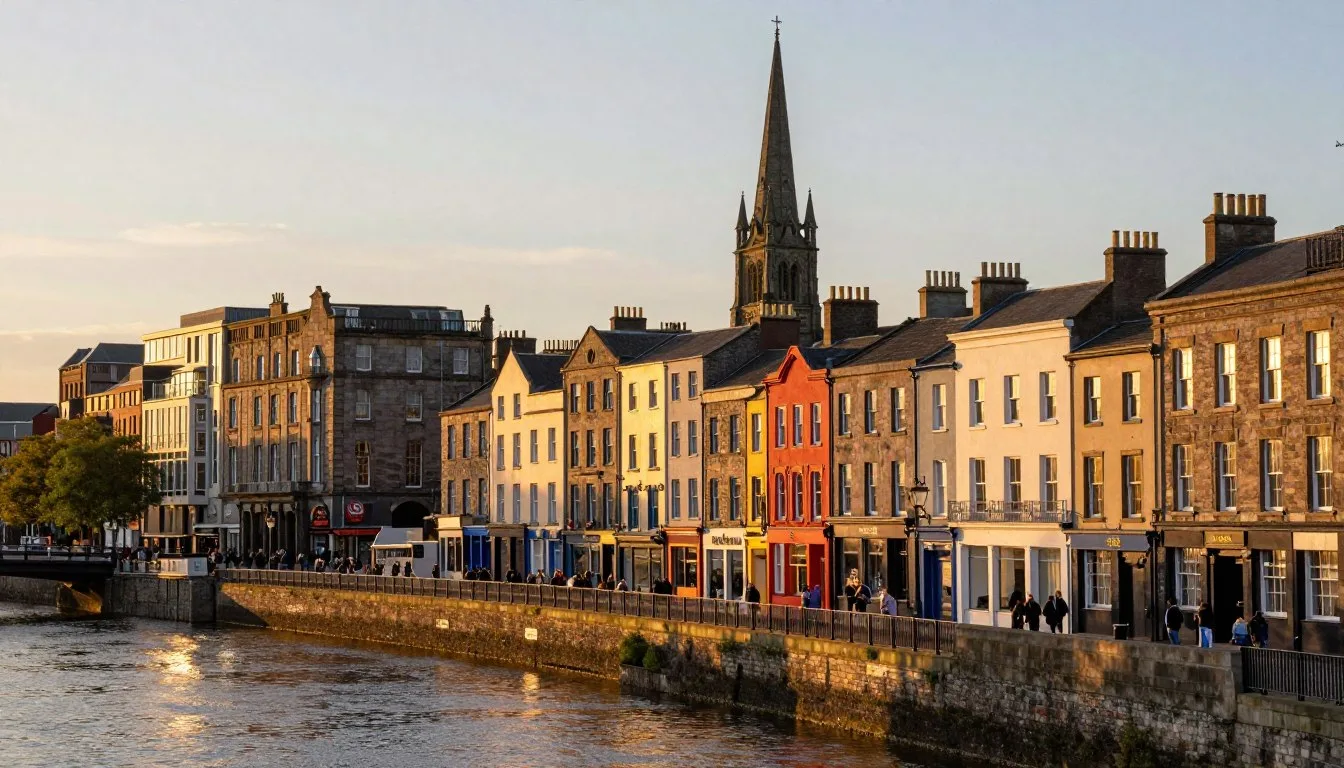
Kenmare serves as the southern gateway to the peninsula, with colorful shopfronts lining streets laid out in an X-pattern. This planned town dates from 1670 and maintains considerable Georgian architecture.
Cahersiveen, the largest town on the western coast, played a significant role in Irish history. The Heritage Centre occupies a former Royal Irish Constabulary barracks and tells the story of local hero Daniel O’Connell.
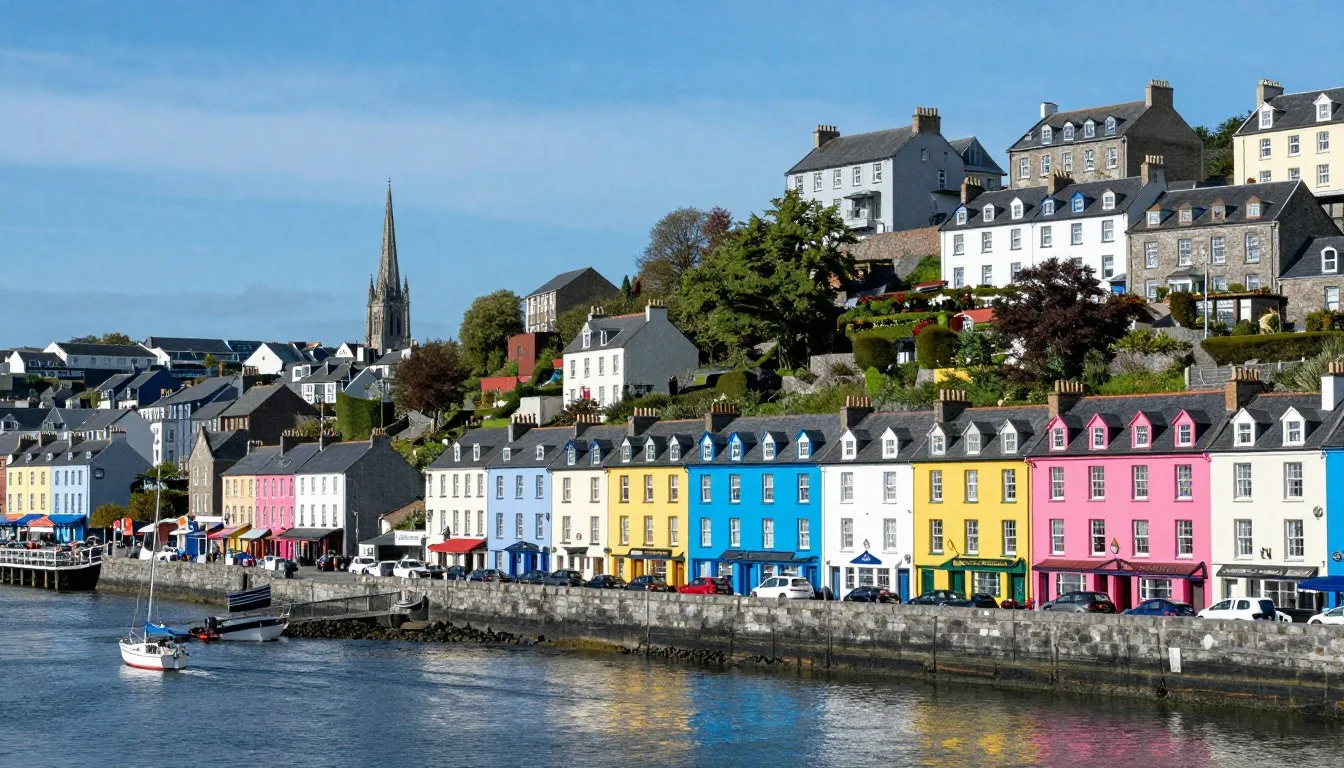
Sneem village earned fame for its brightly painted houses and two village squares connected by a bridge over the River Sneem. Sculptural works by internationally recognized artists dot the settlement.
Museums, Cultural Spots and Festivals
The Skellig Experience Visitor Centre on Valentia Island provides comprehensive exhibits about the UNESCO World Heritage Site. Interactive displays explain monastic life on the remote rock and showcase the area’s wildlife.
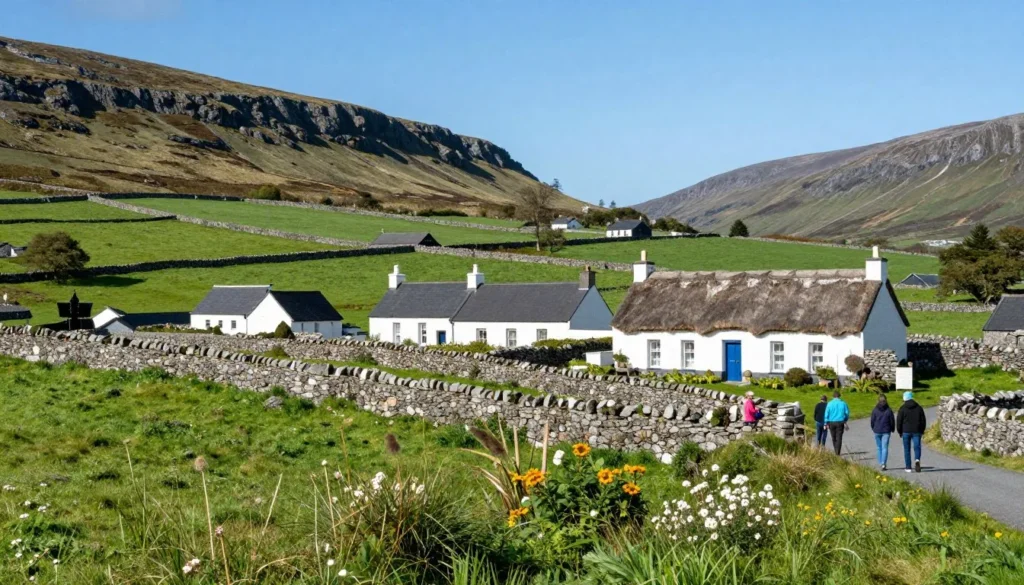
Kerry Bog Village Museum near Glenbeigh recreates 19th-century rural life through authentic thatched cottages. The site demonstrates traditional crafts and houses Kerry bog ponies, a rare native breed.
Derrynane House belonged to Daniel O’Connell, the 19th-century political leader who secured Catholic emancipation. The mansion contains original furnishings and personal items, while surrounding gardens stretch down to a sheltered beach.
Traditional music sessions occur nightly in pubs throughout the peninsula during summer months. These informal gatherings welcome visitors who wish to listen or participate in the music-making.
Art galleries in Kenmare and Waterville showcase works inspired by the peninsula’s dramatic landscape. Local artists capture the ever-changing light and moods of this coastal environment.
Nature and Outdoor Experiences
Mountain Walking
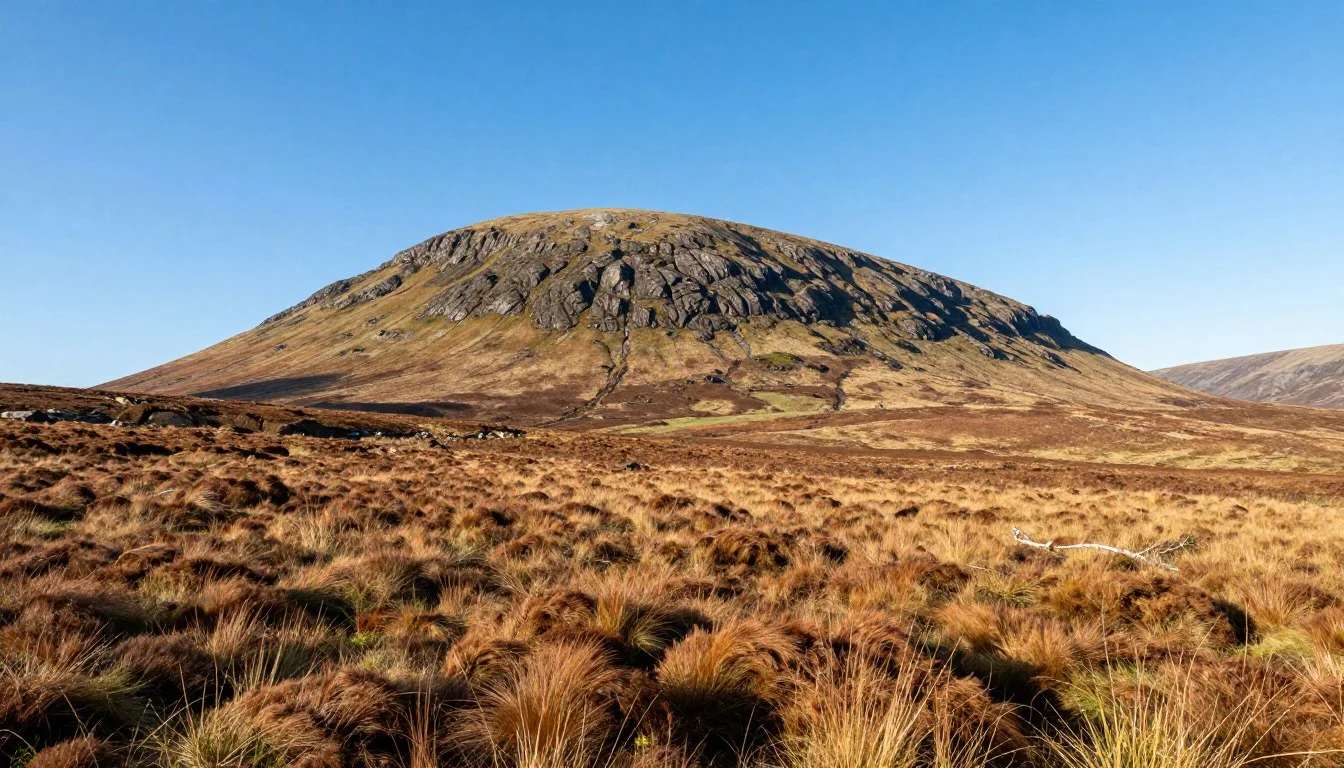
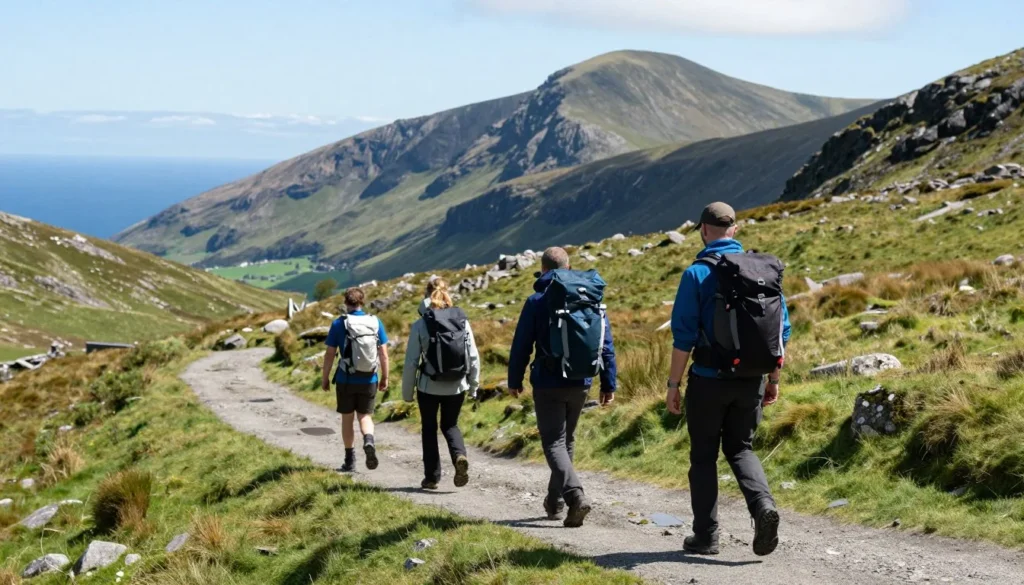
Carrauntoohil, Ireland’s highest peak at 1,038 metres (3,406 feet), challenges experienced hill walkers. Several routes ascend the mountain, with the Devil’s Ladder being the most direct but also the most demanding.
The Kerry Way long-distance walking trail circles much of the peninsula over 200 kilometres. This waymarked route can be completed in sections or as a full nine-day trek.
Geokaun Mountain on Valentia Island offers easier walks with rewarding views. A road climbs nearly to the summit at 266 metres (873 feet), where panoramas encompass the Skellig Islands and mainland coast.
Coastal Experiences
Derrynane Beach stretches for over a kilometre along a sheltered bay surrounded by sand dunes. During low tide, you can walk across to Abbey Island where monastic ruins occupy a peaceful setting.
Kayaking tours from Portmagee explore sea caves and coastal wildlife habitats. Puffins nest on nearby islands during summer, while seals haul out on rocks throughout the year.
The Skelligs, two dramatic rock islands rising from the Atlantic, hosted an early Christian monastery from the 6th to 12th century. Weather-dependent boat trips land on Skellig Michael, where stone beehive huts cling to the mountainside.
Wildlife Watching
Seabird colonies thrive on cliff faces around the peninsula coast. Gannets, razorbills, and kittiwakes nest in large numbers, creating spectacular displays during breeding season.
Red deer roam Killarney National Park on the eastern edge of the peninsula. These native animals, Ireland’s largest land mammals, are most active during early morning and evening hours.
Whale and dolphin sightings occur regularly offshore, particularly during summer months. Minke whales, fin whales, and various dolphin species frequent the rich feeding grounds.
Travel With Children
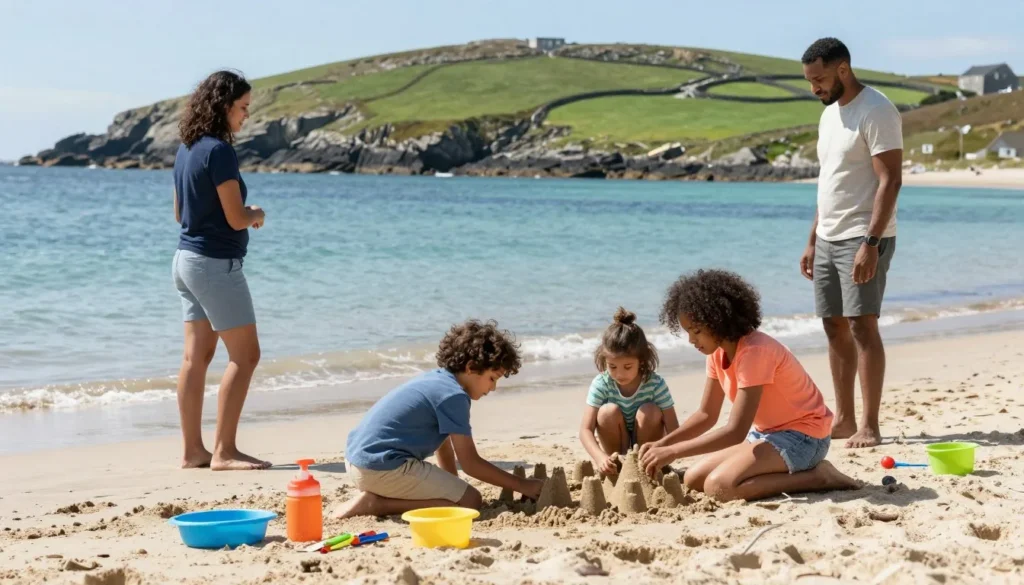
Many beaches around the peninsula offer safe swimming and rock pooling at low tide. Derrynane and Rossbeigh strands prove particularly suitable for families, with shallow waters and lifeguard supervision during summer.
The Bog Village Museum engages children through hands-on experiences with traditional tools and animals. Young visitors enjoy meeting the Kerry bog ponies and exploring the thatched cottages.
Shorter walking trails accommodate families with young children. The Valentia Island cliff walk takes about two hours and includes interesting geological features that captivate curious minds.
Many restaurants provide children’s menus and welcome families throughout the day. Pubs that serve food typically accommodate children until early evening hours.
Playgrounds exist in larger towns, though outdoor attractions and beaches provide the main entertainment for visiting families. Pack rain gear and indoor activity options for inevitable wet days.
Money Saving Tips
Visit during shoulder seasons when accommodation prices drop significantly. May, June, and September offer pleasant weather at rates considerably lower than July and August.
Self-catering accommodation allows you to prepare your own meals using ingredients from local markets and shops. Many supermarkets stock excellent Irish produce at reasonable prices.
Petrol costs add up quickly when driving the ring road. Fill your tank in larger towns where prices run lower than at remote rural stations.
Many of the peninsula’s best attractions remain free to visit. Beaches, mountain walks, and ancient stone sites require no admission fees.
Picnicking at scenic viewpoints saves money while offering memorable experiences. Local bakeries sell fresh bread and pastries perfect for outdoor meals.
Some museums and heritage sites offer family tickets that reduce costs for groups. Ask about these options when purchasing admission.
Safety and Local Customs
Mountain weather changes rapidly, catching unprepared walkers by surprise. Check forecasts before heading out and turn back if conditions deteriorate.
Coastal paths can become slippery after rain. Wear appropriate footwear with good grip and stay back from cliff edges where erosion weakens the ground.
Rural roads twist and turn with limited visibility. Drive slowly and pull into passing places when meeting oncoming vehicles on narrow sections.
Swimming in the Atlantic requires caution due to strong currents and cold water temperatures. Choose beaches with lifeguard supervision and always swim between the flags.
Irish people value friendly conversation and genuine interest in their communities. Take time to chat with locals in shops and pubs rather than rushing through encounters.
Tipping practices follow moderate standards. Round up taxi fares and leave 10-15% in restaurants where service charge is not included.
Pub culture remains central to social life on the peninsula. Buying a round for your group is customary when drinking in company.
Visitor Comments About Iveragh Peninsula
“The landscape exceeded every expectation. We spent five days exploring tiny roads off the main ring and discovered places that felt completely untouched by time. The stone forts and ancient sites scattered across the countryside made history feel remarkably close.”
“Weather proved unpredictable but that added to the dramatic atmosphere. One moment sunshine lit the ocean in brilliant blue, the next moment clouds swept across the mountains creating moody scenes. The locals were incredibly welcoming and shared stories about the area that no guidebook could provide.”
“We stayed in a small village on the coast rather than Killarney and felt we experienced the real Ireland. Morning walks along empty beaches, evenings in the local pub listening to traditional music, and conversations with farmers who have worked the same land for generations made this trip unforgettable.”
Check 30,000+ Local Sightseeing Tours Worldwide
✓ Numerous languages and currencies are available
Additional Nearby Destinations
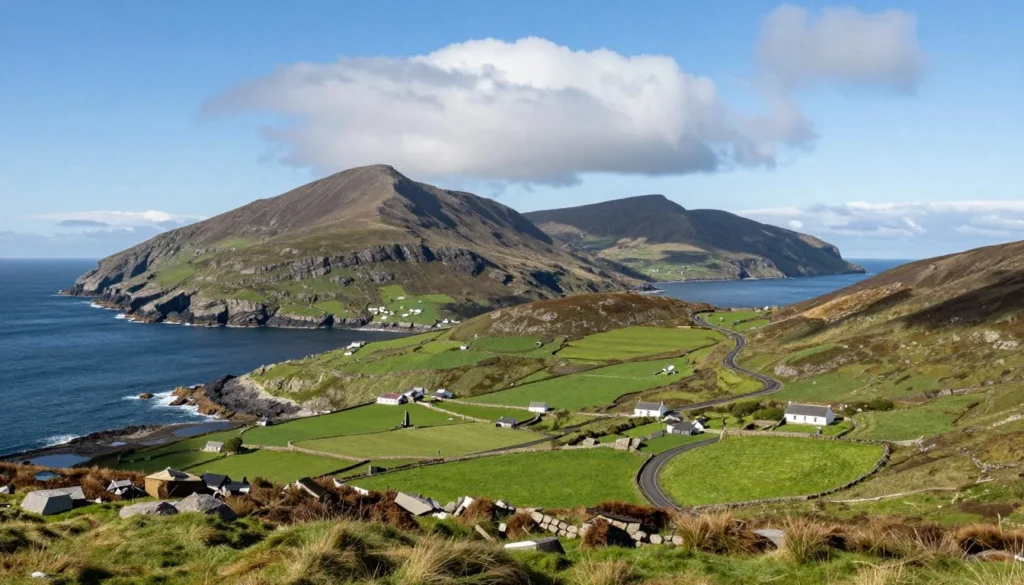
The Dingle Peninsula extends northward from Tralee, offering equally spectacular scenery with a more compact touring route. This Gaeltacht region preserves Irish language traditions alongside ancient archaeological sites.
Killarney National Park encompasses 10,000 hectares of mountains, lakes, and native woodland on the eastern edge of the Iveragh Peninsula. The park shelters Ireland’s only wild red deer herd and contains numerous Victorian-era estates.
The Beara Peninsula stretches southwest into Cork County, providing dramatic coastal scenery with fewer tourists than the Ring of Kerry. The Healy Pass road crosses the Caha Mountains, delivering breathtaking views.
Tralee town lies an hour’s drive north and serves as Kerry’s county seat. The town hosts the famous Rose of Tralee festival each August and provides urban amenities not found on the rural peninsula.
Inch Beach extends for 5 kilometres along Dingle Bay, creating one of Ireland’s most impressive strands. This Blue Flag beach attracts surfers, walkers, and horse riders year-round.
Practical Travel Tips
The Euro serves as Ireland’s currency. ATMs operate in all towns, though fees for international cards can add up. Consider withdrawing larger amounts less frequently.
Mobile phone coverage remains generally reliable along the main Ring of Kerry road. Remote mountain areas and some coastal sections lose signal entirely.
Shops in villages often close on Sundays and during midday hours. Stock up on essentials in larger towns before heading to rural areas.
Electrical outlets use the UK-style three-pin plug at 230 volts. Bring appropriate adapters for your devices.
Pharmacies in towns stock most common medications, though prescriptions from other countries require validation by an Irish doctor. Carry adequate supplies of prescription medicines.
Public toilets exist in towns and at major tourist sites, but can be scarce along rural roads. Restaurants and petrol stations usually accommodate visitors.
Photography opportunities appear constantly on the peninsula. Arrive at popular viewpoints early morning or late evening to avoid crowds and capture the best light.
Your Iveragh Peninsula Adventure Awaits
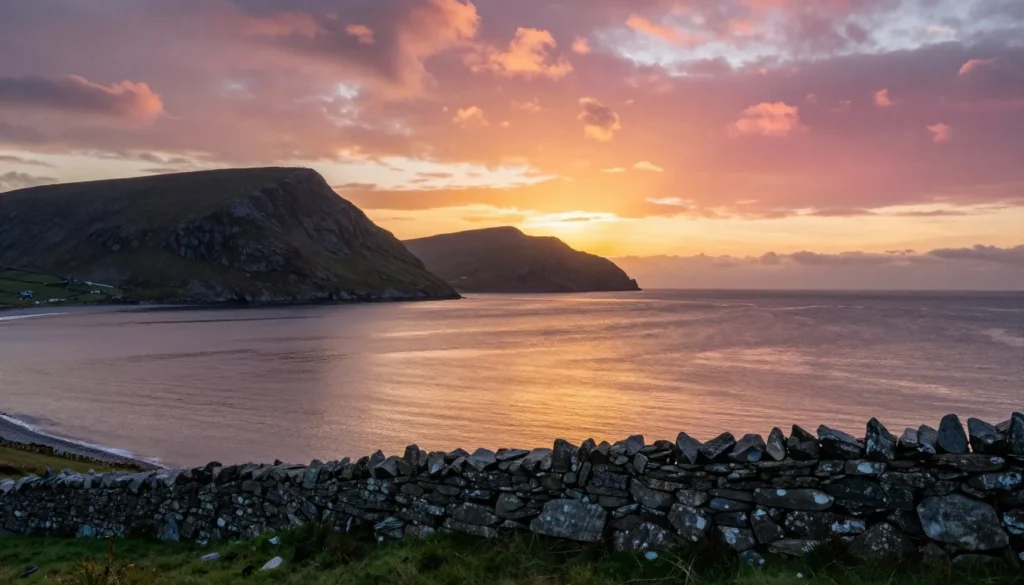
The Iveragh Peninsula reveals Ireland’s soul through its ancient stones, rugged mountains, and communities that maintain traditions stretching back centuries. Each bend in the road brings new discoveries, whether dramatic coastal vistas or quiet villages where life moves to rhythms unchanged by modern haste.
This place demands time and attention rather than rushed sightseeing. The peninsula rewards those who venture beyond the main tourist trail, offering encounters with landscapes and people that leave lasting impressions.
Pack your rain jacket, bring your curiosity, and prepare for a journey that connects you to the raw beauty and enduring spirit of Ireland’s southwest coast. The Iveragh Peninsula waits to share its stories with those ready to listen.