Hotels by Trip.com
Flights by Trip.com
More than 200,000 visitors explore Tralee each year, yet most travelers racing along the Ring of Kerry miss this authentic Irish town entirely. That’s their loss. Tralee offers something rare in modern Ireland—a place where locals still outnumber tourists and genuine Irish culture thrives beyond the postcard clichés.
The name Tralee comes from the Irish “Trá Lí,” meaning “strand of the Lee River.” This historic town sits at the head of Tralee Bay in County Kerry, where the Lee River meets the Atlantic Ocean.
This comprehensive travel guide reveals the best attractions, hidden gems, and practical planning details you need to experience Tralee like a local. From the stunning Tralee Bay Wetlands to the legendary Rose of Tralee Festival, you’ll discover why this Kerry County town deserves a prominent spot on your Ireland itinerary.
Getting There & Planning Your Journey
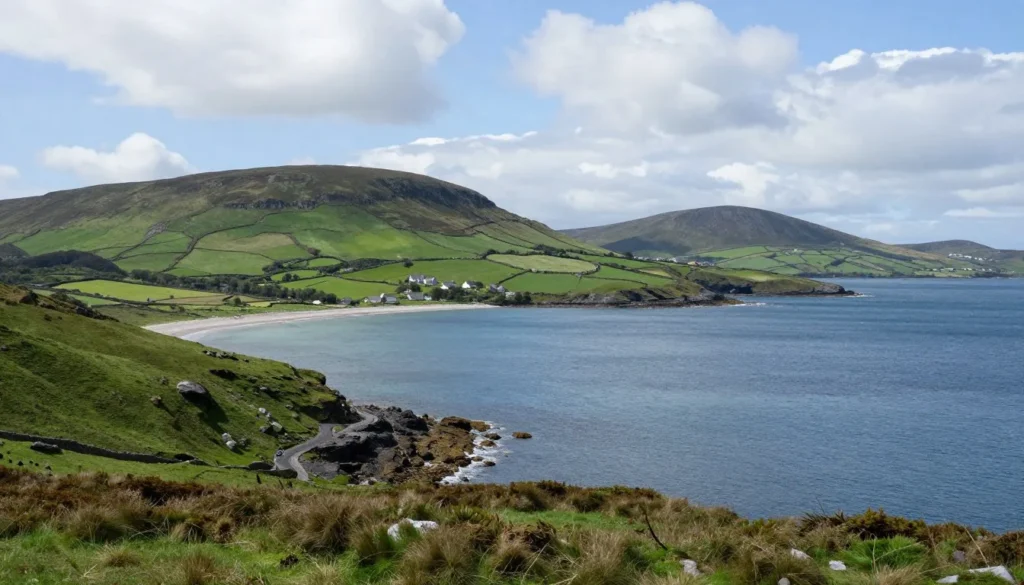
Reaching Tralee from the United States requires some planning, but the journey proves straightforward once you understand your options. The town’s location in southwest Ireland makes it accessible from several major airports.
Closest Airports to Tralee
Kerry Airport (KIR) sits just 24 km (15 miles) from Tralee town and offers the most convenient access. This small regional airport handles flights from Dublin and some European cities. From Kerry Airport, you can reach Tralee in about 20 minutes by taxi or rental car.
Cork Airport (ORK) provides more international connections and lies 110 km (68 miles) from Tralee. The drive takes approximately 90 minutes through scenic Irish countryside. Shannon Airport (SNN) sits 100 km (62 miles) away and offers direct transatlantic flights from several US cities, making it popular for American visitors.
Dublin Airport (DUB) serves as Ireland’s main international hub. While it’s 350 km (217 miles) from Tralee, many travelers choose this option for better flight connections and competitive pricing. The drive takes about four hours, or you can take a direct bus service.
Planning Tip: Book connecting flights through Dublin with at least three hours between arrivals for international connections. Irish weather can cause delays, and this buffer prevents missed connections.
Transportation from Airports
Bus Éireann operates regular coach services connecting all major airports to Tralee. The service from Shannon Airport runs multiple times daily and takes about two hours. From Cork Airport, expect a journey of around two and a half hours.
Rental cars offer maximum flexibility for exploring Kerry County and the Dingle Peninsula. All airports have major rental agencies on-site. Reserve your vehicle well in advance during summer months and festival periods. Remember that Ireland drives on the left side of the road.
Private transfer services cost more but provide door-to-door convenience. Several companies operate from Kerry, Cork, and Shannon airports. Expect to pay between €80-150 depending on distance and vehicle size.
Best Time to Visit & Weather Tips
Tralee’s maritime climate brings mild temperatures year-round, but the weather varies significantly by season. Understanding these patterns helps you pack appropriately and plan activities around the best conditions.
Best Months to Visit Tralee
May through September offers the most reliable weather for exploring Tralee and Kerry County. These months bring longer daylight hours, warmer temperatures between 15-20°C (59-68°F), and the lowest rainfall probability. Late May and June provide spectacular scenery as wildflowers blanket the countryside and hedgerows burst with color.
✓ Check 30,000+ Local Sightseeing Tours Worldwide
August hosts the famous Rose of Tralee Festival, drawing huge crowds to town. Hotel prices spike and availability drops during this week. Book accommodations at least six months ahead if you plan to attend. The festival atmosphere electrifies the entire town, but expect crowded restaurants and pubs each night.
September and early October deliver pleasant autumn weather with fewer tourists. The landscape glows with golden hues, and you’ll find better rates on lodging. Water temperatures remain swimmable for the hardy at Tralee Bay through September.
Months to Avoid or Approach with Caution
November through February brings the wettest, darkest months to Tralee. While temperatures rarely drop below 5°C (41°F), the persistent rain and short days limit outdoor activities. Daylight hours shrink to just seven or eight hours in December and January.
March and April see improving conditions but remain unpredictable. You might encounter brilliant sunny days or week-long rain spells. Pack layers and waterproof gear if you visit during these shoulder months. The upside includes lower prices and authentic local experiences without tourist crowds.
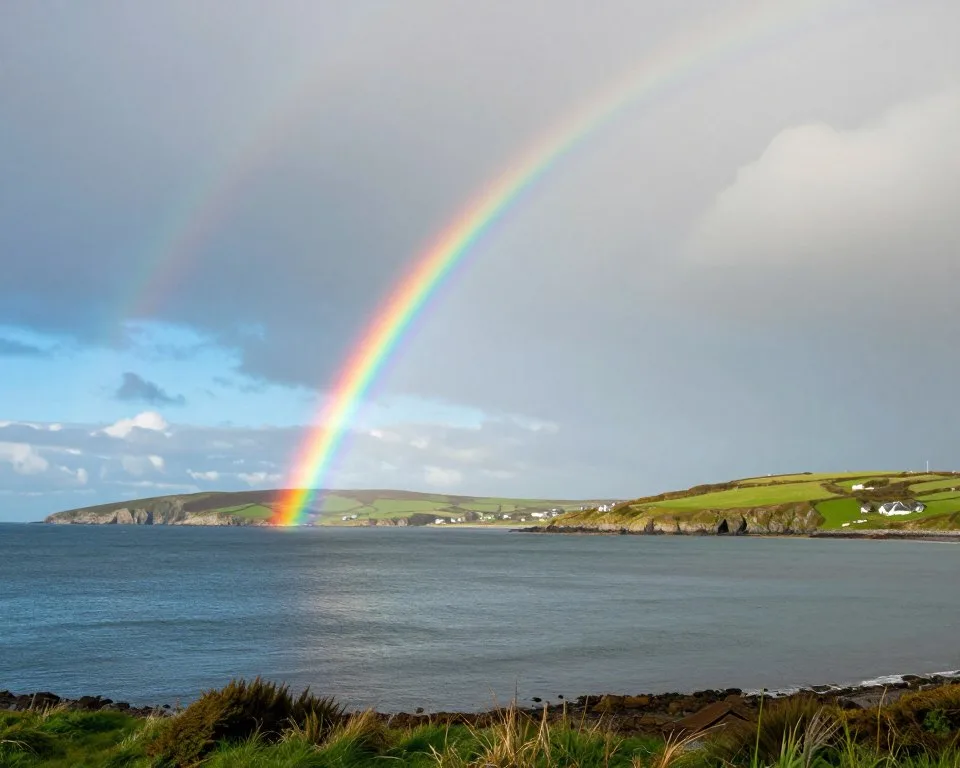
Weather Reality Check: Irish weather changes rapidly regardless of season. Always carry a waterproof jacket and prepare for “four seasons in one day.” The local saying “if you don’t like the weather, wait five minutes” applies throughout the year in Tralee.
What to Pack for Tralee Weather
Layer your clothing regardless of when you visit. Start with moisture-wicking base layers, add insulating mid-layers, and top with a quality waterproof jacket. Skip the umbrella—Kerry’s frequent winds make them useless. Invest in a good rain jacket with a hood instead.
Comfortable waterproof walking shoes prove essential. The town’s cobblestone streets and muddy country trails demand sturdy footwear. Bring one nice outfit for evening dining, but leave fancy shoes at home. Tralee maintains a casual atmosphere even in upscale restaurants.
Notable Annual Festivals

Tralee’s festival calendar brings the town to life throughout the year. These celebrations showcase Irish culture, music, and traditions while creating memorable experiences for visitors.
Rose of Tralee International Festival
The Rose of Tralee International Festival dominates late August each year, typically running for five or six days. This cultural celebration has crowned young women of Irish descent from around the world since 1959. The festival extends far beyond the pageant itself, featuring street entertainment, concerts, parades, and carnival rides.
The entire town transforms during festival week. Pubs overflow with live traditional music every night. Street performers entertain crowds along the main thoroughfares. Local families host Rose contestants in their homes, creating a genuine community atmosphere that sets this festival apart from typical pageants.
Tralee Bay Wetlands Summer Fest
This newer celebration takes place in July at the Tralee Bay Wetlands Eco and Activity Park. The weekend festival combines outdoor activities, environmental education, and family entertainment. Activities include kayaking demonstrations, nature walks, wildlife presentations, and children’s workshops.
The festival promotes environmental awareness while showcasing Kerry County’s natural beauty. Local conservation groups set up information booths. Food vendors offer regional specialties. The relaxed atmosphere makes this event perfect for families seeking a break from traditional tourist activities.
Tralee International Festival
September brings this smaller but charming festival celebrating international culture. Various countries present music, dance, and culinary traditions. Past festivals have featured performances from Spain, Poland, Brazil, and numerous other nations.
The festival takes place in venues throughout Tralee town, including the National Concert Hall and outdoor stages in town park. Entry to most events remains free, making this an accessible way to experience global cultures without leaving Kerry County.

Christmas in Tralee
Late November through early January transforms Tralee into a winter wonderland. The town center sparkles with thousands of lights. Local businesses compete for the best window displays. A traditional Christmas market operates in the Square on weekends, selling crafts, gifts, and seasonal treats.
New Year’s Eve brings street celebrations with live music and fireworks over Tralee Bay. Many pubs host special céilí dances where locals teach visitors traditional Irish dancing. The festive atmosphere provides an authentic Irish Christmas experience away from Dublin’s tourist crowds.
Getting Around Locally
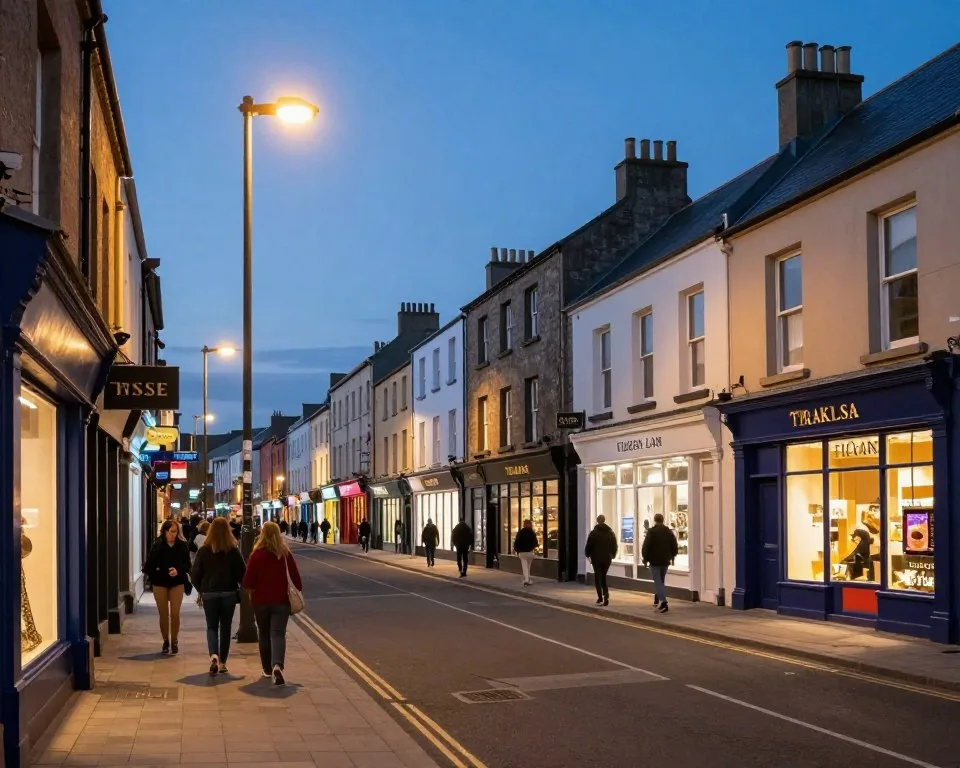
Tralee’s compact town center makes walking the easiest way to reach most attractions, restaurants, and shops. The pedestrian-friendly layout means you can cover the main area in fifteen or twenty minutes on foot. However, exploring the wider Kerry County region requires additional transportation.
Walking Around Tralee Town
The town center radiates from the Square, where most visitors orient themselves. From here, you can walk to Kerry County Museum, the Rose Garden, and the main shopping district within five minutes. Tralee Town Park sits about a ten-minute stroll from the center along a pleasant tree-lined path.
Sidewalks throughout Tralee remain in good condition, though some historic streets feature uneven cobblestones. The town’s flat terrain makes walking easy for most fitness levels. Street signs clearly mark major attractions and directions to key locations.
Local Bus Services
Bus Éireann operates local routes connecting Tralee town with surrounding communities and attractions. Route 270 runs to Ballyheigue Beach and passes near Tralee Bay Wetlands. Route 275 heads toward Dingle Peninsula with stops at scenic viewpoints along the way.
Buses run less frequently than in larger cities. Check schedules carefully and plan your return journey before heading out. Most routes operate hourly during peak times but may run only three or four times daily to smaller destinations. Single fares typically cost between €3-8 depending on distance.
Taxi and Ride Services
Several taxi companies serve Tralee, with ranks located near the Square and outside major hotels. Fares operate on metered rates, starting around €4 plus €1.50 per kilometer during day hours. Night rates increase by roughly 40 percent after 8 PM.
Book taxis in advance for early morning airport runs or late-night returns from distant restaurants. Most drivers accept cash only, though some now take cards. Tipping isn’t mandatory but rounding up to the nearest euro shows appreciation for good service.
Car Rental and Driving
Renting a car provides maximum flexibility for exploring Ring Kerry, Dingle Peninsula, and Slea Head. Several agencies operate offices in Tralee town center. Expect to pay €40-80 per day depending on vehicle size and season. Book early for better rates and vehicle selection.
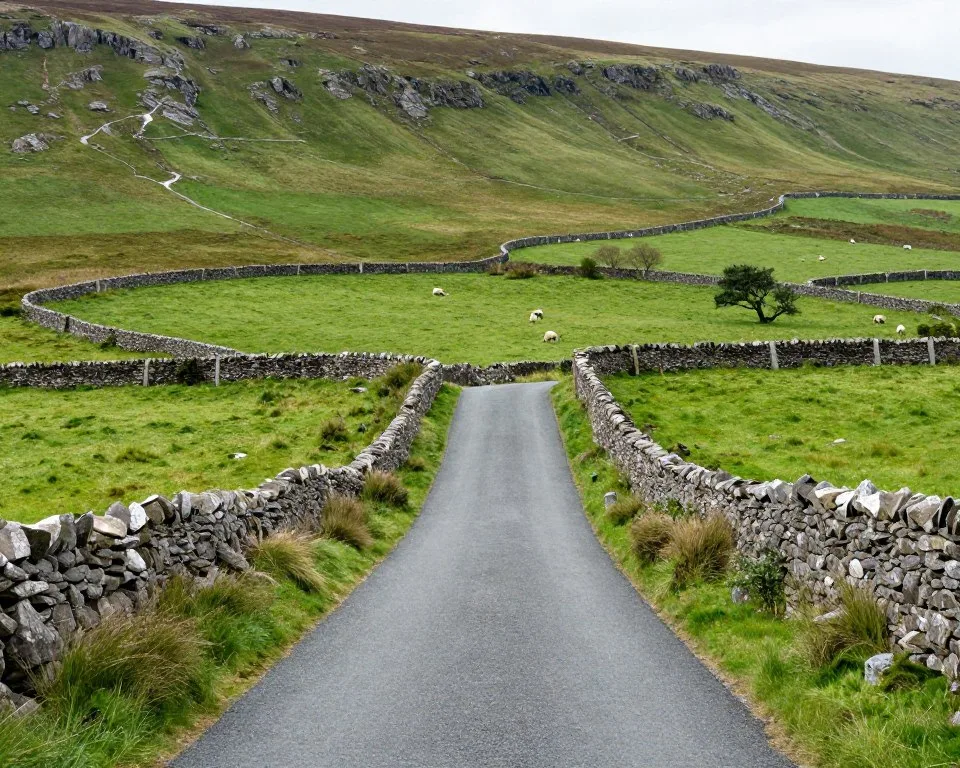
Irish roads require adjustment for American drivers. Narrow country lanes, left-side driving, and roundabouts demand full attention. Practice in town before tackling rural routes. Allow extra travel time—winding Kerry roads rarely permit speeds above 60 km/h (37 mph) despite higher posted limits.
Parking Advisory: Tralee town center uses disc parking in most central areas. Purchase discs from newsagents or tourist shops. Display the correct time on your disc or risk a €40 fine. Several pay-and-display lots near the Square charge around €1 per hour.
Bicycle Rental
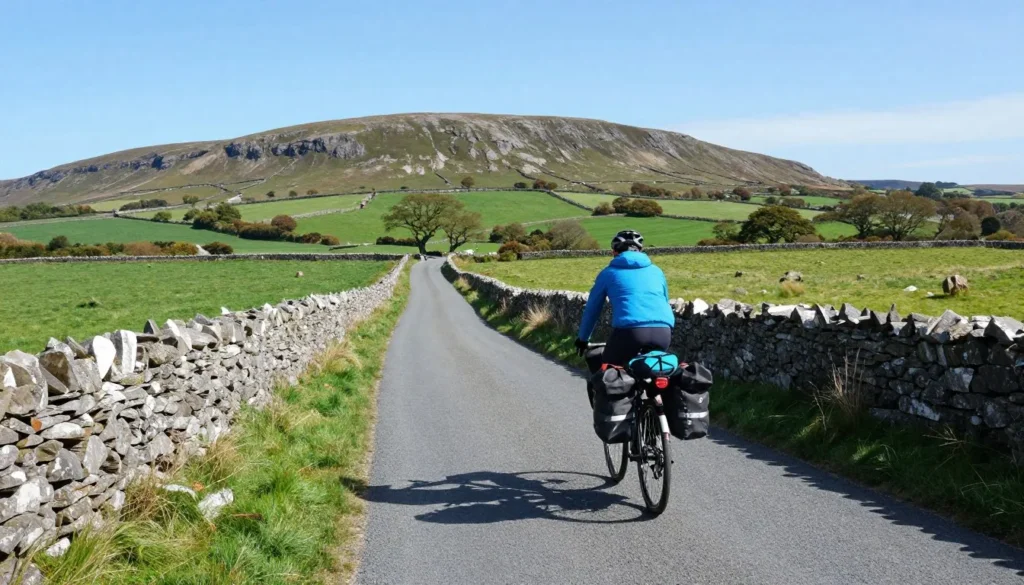
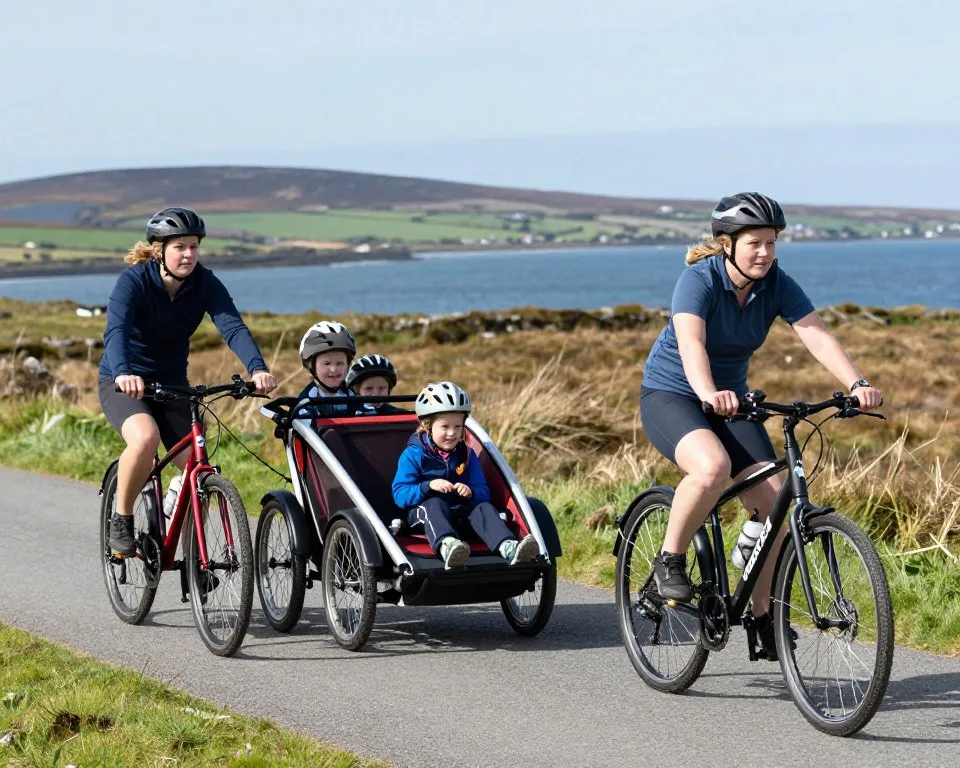
Cycling suits Tralee’s relatively flat terrain and offers an eco-friendly way to explore the area. Bike rental shops charge approximately €20-25 per day or €80-100 per week. Most provide helmets, locks, and route maps as standard equipment.
The Tralee to Fenit Greenway provides a scenic 14 km (8.7 mile) car-free cycling and walking route along the bay. This flat, paved path suits all ages and fitness levels. The route passes through the wetlands area and offers stunning coastal views.


Where to Stay
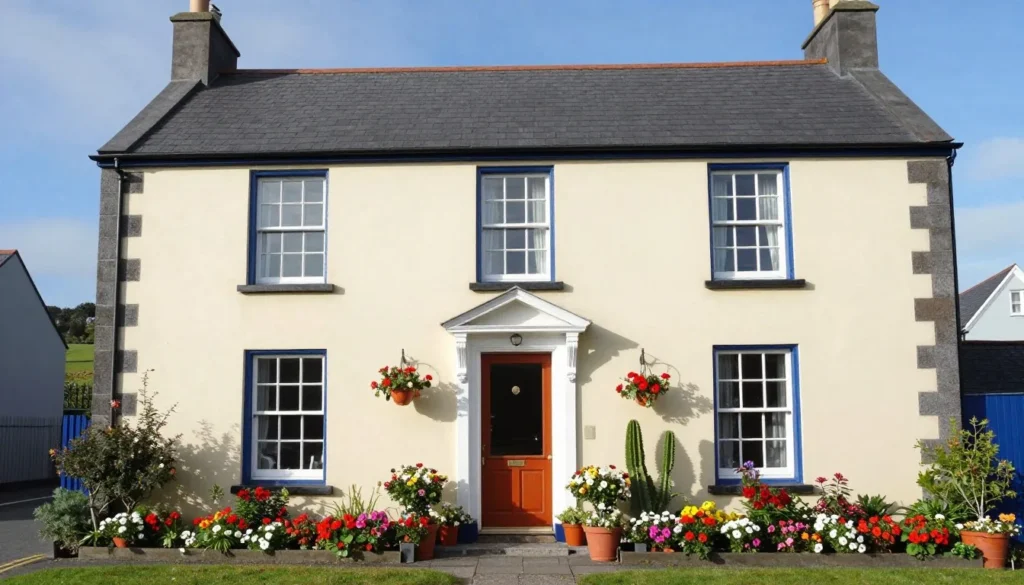
Tralee offers diverse lodging options from budget hostels to luxury hotels. Your choice depends on budget, preferred location, and travel style. Most accommodations cluster around the town center or near Tralee Bay, placing attractions within easy reach.
Hotels in Tralee Town
Several full-service hotels operate in or near the town center. These establishments typically offer private bathrooms, on-site restaurants, and modern amenities. Expect to pay €100-180 per night for a standard double room during peak season. Off-season rates drop by 30-40 percent.
The Ashe Hotel sits in the heart of town near the Square. This family-run hotel combines modern comfort with traditional Irish hospitality. Rooms feature contemporary decor and comfortable beds. The hotel’s restaurant serves reliable Irish and international cuisine.
The Brandon Hotel provides larger-scale accommodations with extensive facilities. An indoor pool, fitness center, and spa offer relaxation after long days exploring Kerry County. The location near Tralee Town Park makes this hotel popular with families. Rooms accommodate up to four people comfortably.
Bed and Breakfast Accommodations
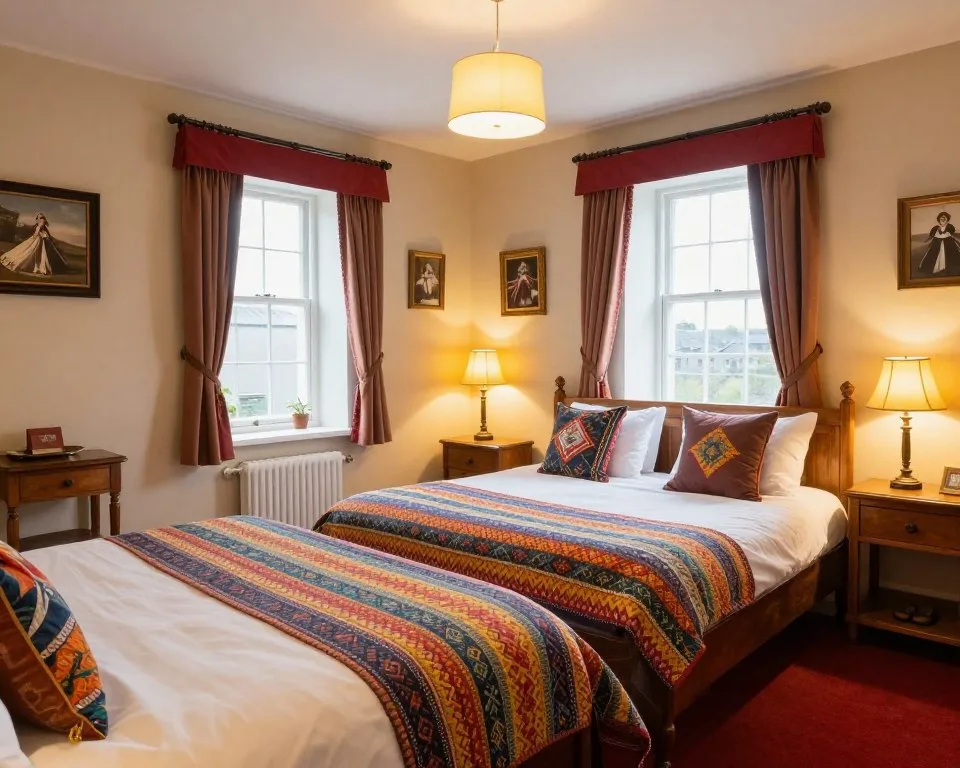
Irish bed and breakfasts provide authentic experiences and excellent value. Tralee hosts numerous B&Bs run by welcoming local families. Rates typically range from €60-90 per room including a substantial Irish breakfast. The morning meal alone saves €15-20 per person daily.
B&B hosts often share insider knowledge about the area. They recommend restaurants locals prefer, suggest scenic drives tourists miss, and provide practical tips for navigating Kerry County. This personal touch enriches your Tralee experience beyond what hotels deliver.
Most B&Bs require advance booking, especially during summer months and festival periods. Many don’t accept credit cards, so confirm payment options when reserving. Check-in times tend to be strict—usually between 4-7 PM. Communicate arrival times clearly to avoid inconvenience.
Self-Catering Apartments and Cottages
Rental apartments and cottages suit longer stays or families seeking more space and cooking facilities. Weekly rentals range from €500-1200 depending on size, location, and amenities. This option proves economical for groups splitting costs and preparing some meals at home.
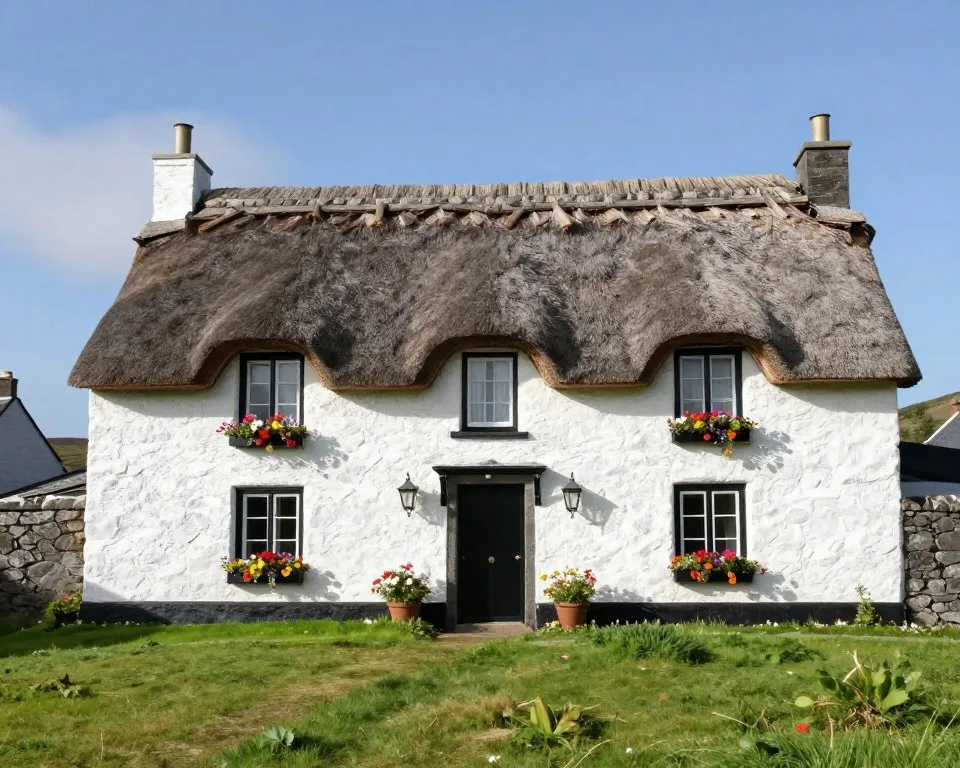
Several agencies manage vacation rentals around Tralee and throughout Kerry County. Properties range from modern town apartments to traditional thatched cottages in the countryside. Most include full kitchens, washing machines, and living areas. Minimum stays typically require three to seven nights.
Budget Options and Hostels
Budget travelers find several hostel options in Tralee offering dorm beds from €20-30 per night. Private rooms cost €50-70, providing affordable alternatives to hotels with shared facilities. Hostels typically include kitchen access, common areas, and social atmospheres popular with young travelers.
Finnegan’s Hostel occupies a Georgian building near the town center. This independently run hostel maintains clean facilities and a friendly vibe. The location places guests within walking distance of restaurants, pubs, and attractions. Free WiFi and luggage storage come standard.
Booking Tip: Reserve accommodations at least three months ahead for July and August visits. Rose of Tralee Festival week in late August requires six to twelve months advance booking. Last-minute travelers during peak season often find only expensive options or must stay in nearby towns.

Dining & Local Cuisine
Tralee’s food scene reflects Kerry County’s agricultural heritage and coastal location. Fresh seafood, grass-fed lamb, and locally sourced produce appear on most menus. The town blends traditional Irish cooking with modern culinary trends, offering options from casual pub grub to sophisticated dining experiences.
Traditional Irish Food in Tralee
Start your Kerry County culinary journey with traditional Irish breakfast. This hearty meal includes eggs, bacon, sausages, black and white pudding, grilled tomatoes, and toast. Most B&Bs and hotels serve this substantial breakfast, fueling full days of exploration. The meal keeps you satisfied until mid-afternoon, saving money on lunch.
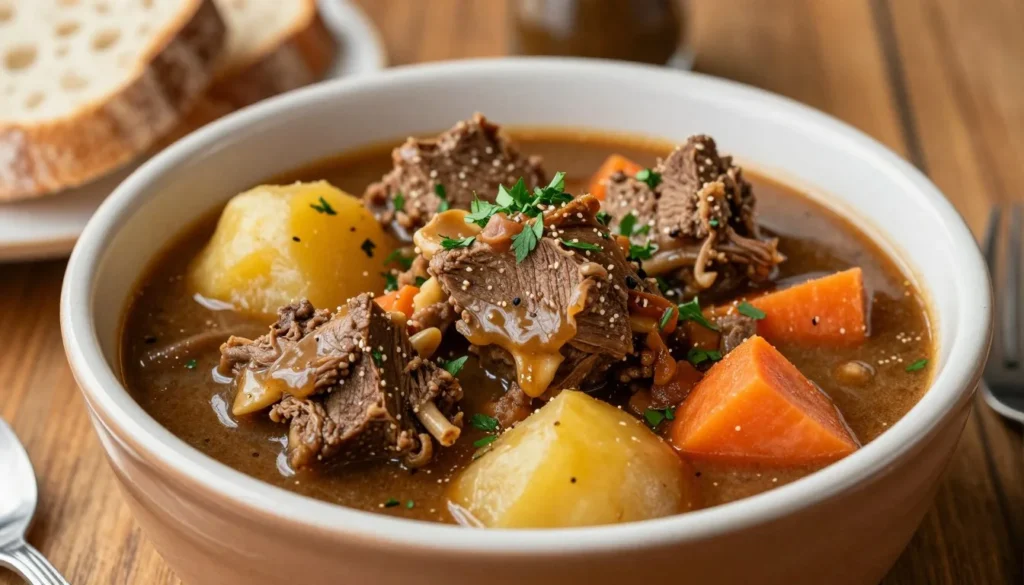
Irish stew remains a menu staple in Tralee pubs and restaurants. This comfort food combines lamb, potatoes, carrots, and onions in a rich broth. Each establishment guards its own recipe, with some adding barley or using beef instead of lamb. Order this hearty dish on rainy days when you need warming from inside out.
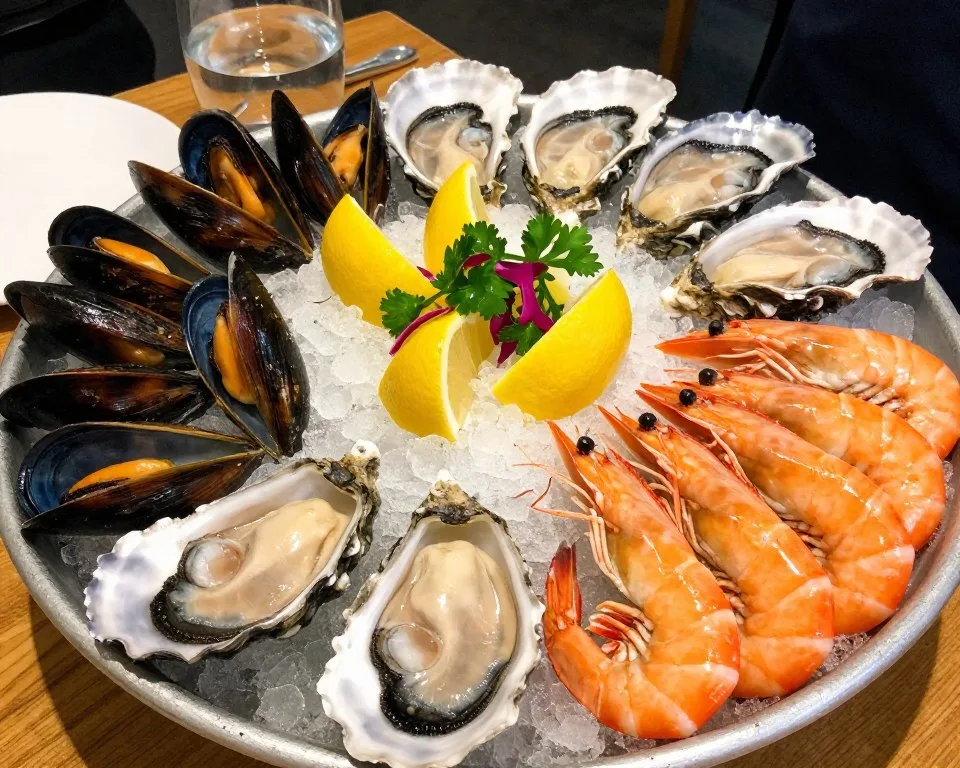
Seafood chowder showcases Tralee Bay’s bounty. Local versions feature salmon, cod, and shellfish in a creamy potato-based soup. Many restaurants serve this as a starter, but the generous portions often satisfy as a main course with fresh brown bread for dipping.
Where to Eat Good Food in Tralee
The town offers dining options for every budget and preference. Several restaurants cluster around the Square and along Castle Street. Most establishments serve lunch from noon to 3 PM and dinner from 5:30 PM onwards. Reservations help during summer evenings and weekends year-round.
Pubs serve food throughout the day and into the evening. These casual venues deliver reliable Irish classics at reasonable prices. Main courses typically cost €14-20. The atmosphere in traditional pubs beats formal restaurants for experiencing authentic Irish culture. Live music many nights adds entertainment to your meal.
Several cafés around town serve excellent coffee, fresh pastries, and light lunches. These spots prove perfect for quick breakfasts before exploring or afternoon breaks between activities. Expect to pay €6-12 for sandwiches or salads with coffee.
Local Specialty: Try Dingle Pie, a savory pastry filled with lamb, vegetables, and herbs. This Kerry County specialty appears on many Tralee menus. The flaky crust and rich filling make this dish a satisfying lunch option.
Pub Culture and Evening Meals
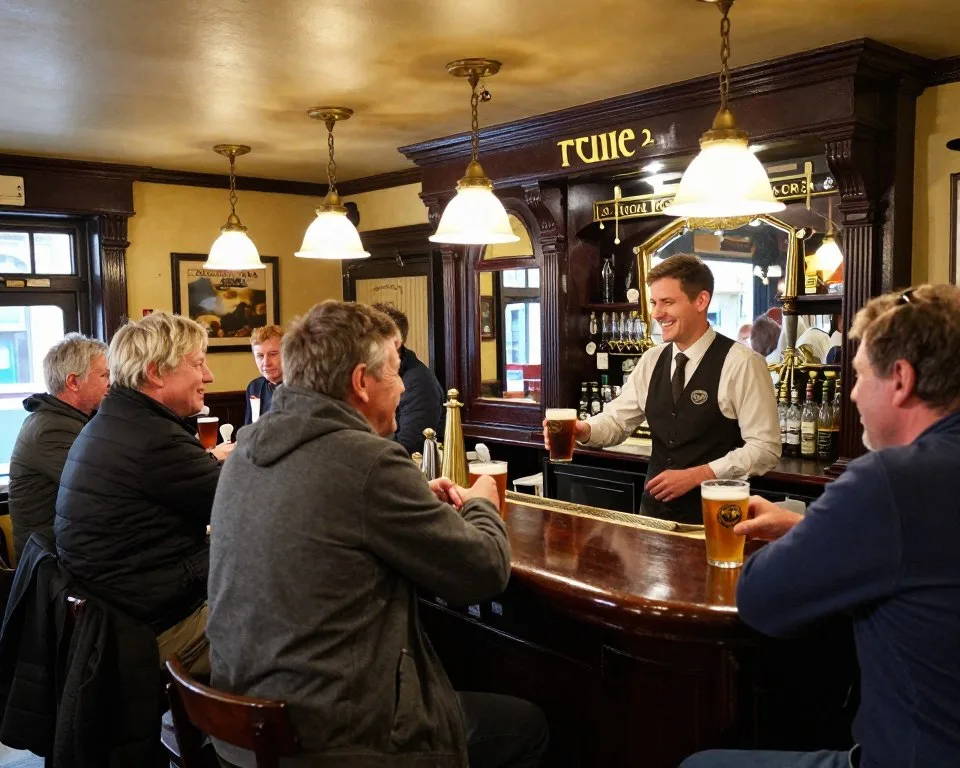
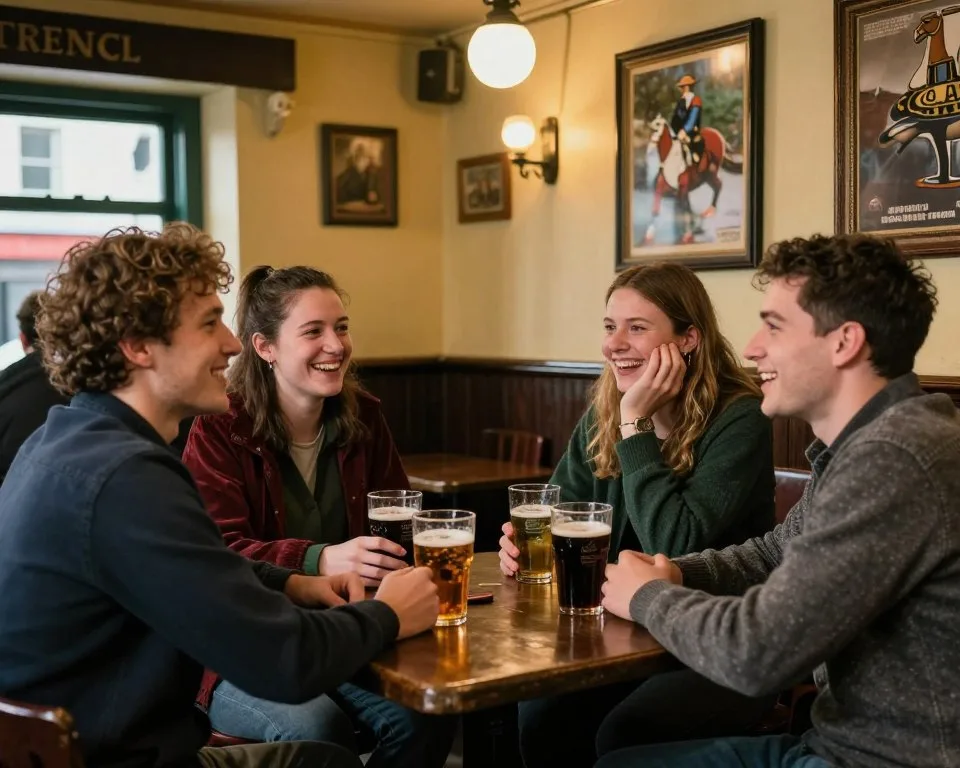
Tralee’s pub scene thrives seven nights a week. These establishments function as community gathering places where locals socialize, share news, and enjoy live music. Many pubs serve food until 9 or 10 PM, later than most restaurants in town.
Traditional music sessions happen spontaneously in various pubs throughout the week. Musicians gather informally to play fiddles, tin whistles, bodhráns, and accordions. These sessions create magical evenings where music, conversation, and good food combine into quintessential Irish experiences.
Pub etiquette differs from American bars. Order drinks at the bar rather than waiting for table service. Pay for each round as you order unless you open a tab. Tipping isn’t mandatory but appreciated—leave €1-2 per round or 10 percent on food bills.
Special Dietary Needs
Vegetarian and vegan options have improved significantly in recent years. Most restaurants now offer at least one or two plant-based main courses. Cafés typically stock non-dairy milk alternatives. However, traditional pubs may struggle with vegan requests beyond chips and salad.
Gluten-free diners find good options in Tralee. Many establishments mark gluten-free items on menus or prepare dishes to order. Irish potatoes naturally feature heavily in local cuisine, providing filling alternatives to bread-based meals. Always inform servers about allergies or dietary restrictions when ordering.
Attractions, Sightseeing & Activities
Tralee packs impressive variety into a compact area. Historic sites, natural attractions, and cultural venues provide entertainment for several days. The town functions as an excellent base for exploring Ring Kerry and Dingle Peninsula while offering plenty of activities within walking distance.
Blennerville Windmill
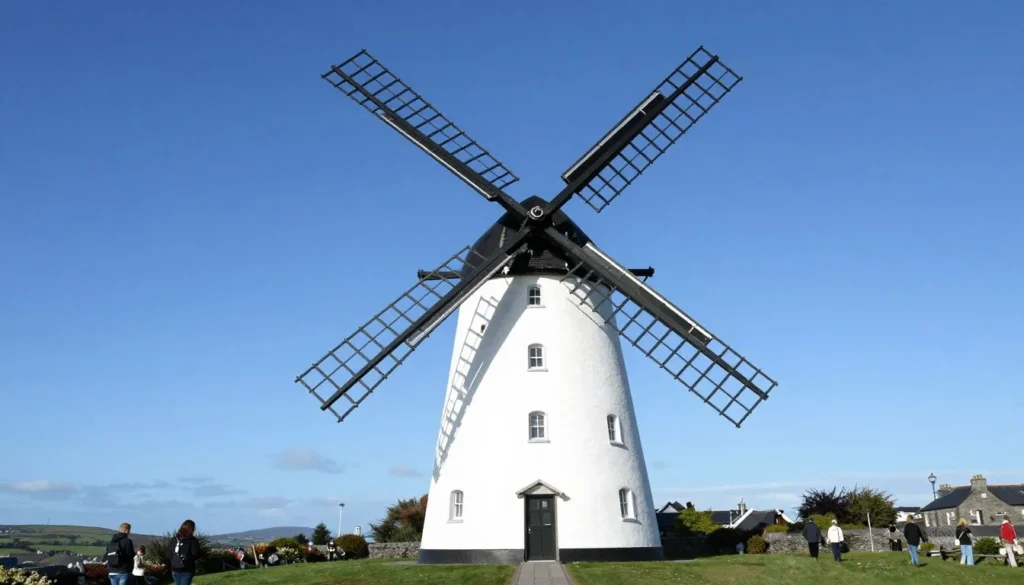
This restored 19th-century windmill stands 5 km (3 miles) west of Tralee town center along the bay. At 21 m (69 feet) tall, Blennerville Windmill ranks as the largest working windmill in Ireland and Britain. The structure operated commercially until 1850, grinding grain for local farmers and bakers.
The visitor center explains milling processes and displays traditional equipment. Climb the steep stairs inside the tower for panoramic views across Tralee Bay toward the Dingle Peninsula mountains. The surrounding area includes pleasant walking paths along the water and a small craft village.
Opening hours run from 10 AM to 5 PM daily during summer months, with reduced winter schedules. Entry costs approximately €5 for adults. The windmill sits beside the Tralee-Fenit Greenway, making it accessible by bicycle as well as car.
Rose Garden Memorial
This peaceful garden near the town park honors the Rose of Tralee Festival’s history and legacy. Manicured flower beds bloom with hundreds of rose varieties from spring through autumn. Stone pathways wind through the gardens, creating quiet spots for contemplation away from busy streets.
Bronze plaques commemorate each year’s Rose of Tralee winner since the festival began. The garden proves popular with local families who use the space for picnics and leisurely afternoon strolls. Entry remains free year-round. The best blooming period runs from June through September.
Kerry County Museum
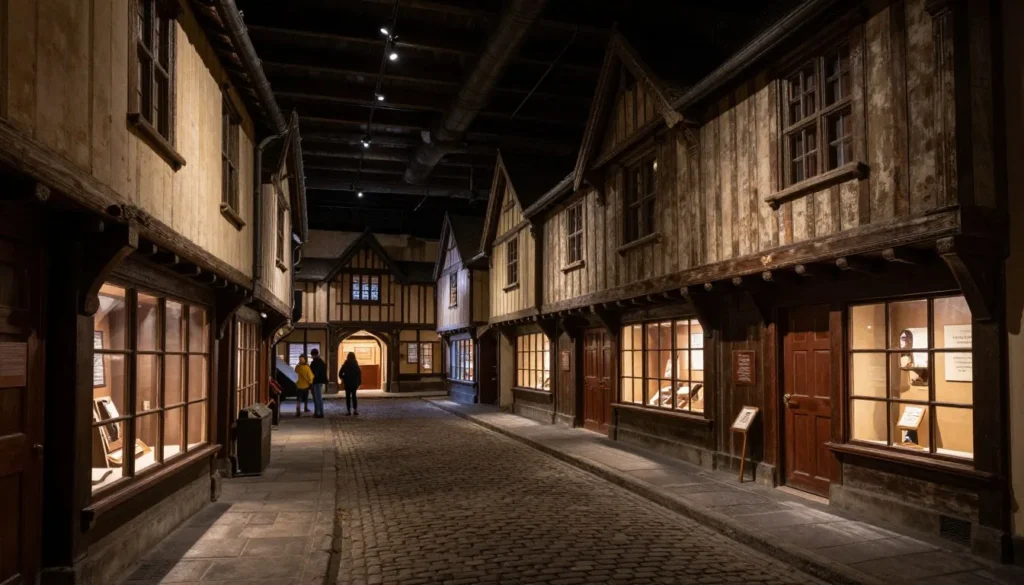
Located in the town center near the Square, Kerry County Museum brings Kerry’s history to life through innovative exhibits and interactive displays. The museum’s Medieval Experience recreates a realistic 15th-century street scene complete with authentic sounds, smells, and period architecture.
Archaeological displays showcase artifacts from Kerry County spanning 8,000 years of human habitation. The modern section examines social changes from the 18th century through modern times, including the Great Famine’s devastating impact on the region. Allow at least 90 minutes to explore the exhibits properly.
Opening hours run from 10 AM to 5 PM Tuesday through Saturday, with limited Sunday hours in summer. Adult admission costs approximately €7. The museum shop sells quality Irish crafts and books about Kerry history.
Aqua Dome
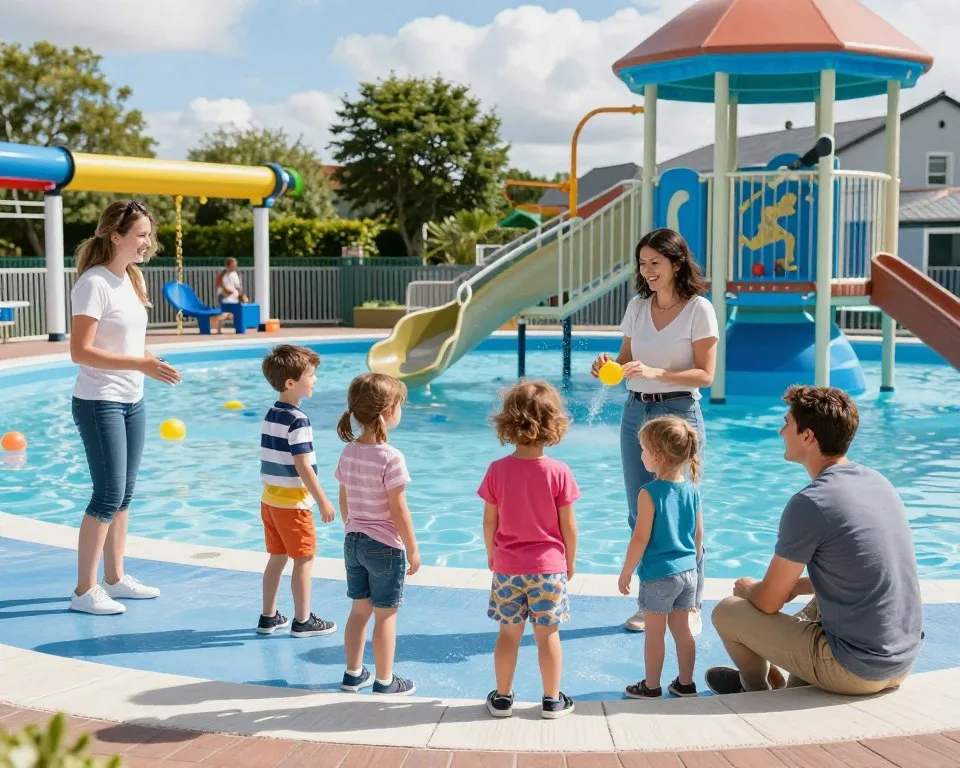
This popular water park and leisure center provides family entertainment regardless of weather conditions. The Aqua Dome features multiple pools, water slides, wave machines, and spa facilities. The tropical temperature makes swimming comfortable even during winter months.
Different sections cater to various ages. Young children enjoy the shallow play areas with gentle slides and water features. Teenagers prefer the fast slides and wave pool. Adults appreciate the quieter spa area with saunas, steam rooms, and jacuzzis. The complex also includes a fitness center and cafe.
Day passes cost around €14 for adults and €11 for children. Family tickets provide better value for groups. The facility gets crowded on rainy days and during school holidays. Arrive early or visit during weekday mornings for the best experience.
St. John’s Church
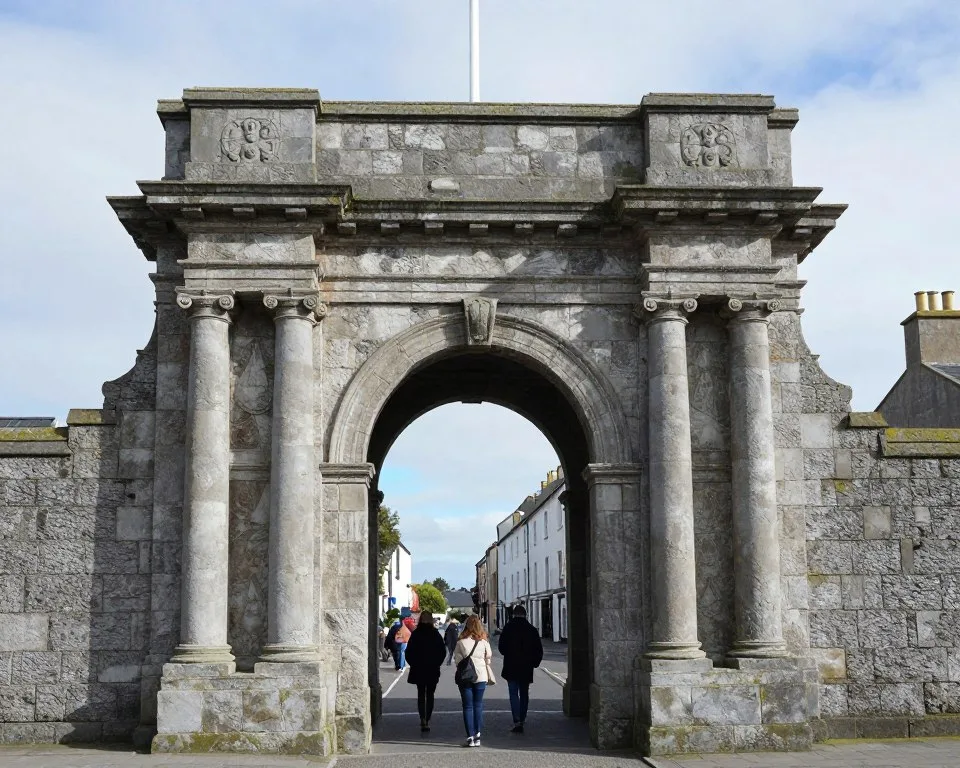
This Gothic Revival church dominates Tralee’s skyline with its 61 m (200 foot) spire. Built between 1870-1890, St. John’s showcases impressive stained glass windows and ornate interior details. The church remains an active parish serving the local Catholic community.
Visitors may explore the interior outside of Mass times. The building’s scale and craftsmanship demonstrate the importance of faith in 19th-century Irish life. The church anchors the town center and serves as a useful landmark for navigation around Tralee.
Museums, Cultural Spots & Festivals
Beyond Kerry County Museum, Tralee supports several cultural venues celebrating Irish heritage through performance, art, and education. These institutions preserve traditional customs while nurturing contemporary creativity.
Siamsa Tíre National Folk Theatre
Ireland’s National Folk Theatre operates year-round from its purpose-built venue in Tralee. Siamsa Tíre, which translates as “entertainment of the land,” presents traditional Irish music, dance, and storytelling through professional theatrical productions. Performances blend authentic folk traditions with modern staging techniques.
The summer season runs from May through September with shows several nights per week. Productions change periodically, featuring different aspects of Irish rural life and celebration. The high-energy performances include accomplished musicians playing traditional instruments and dancers executing complex choreography.
✓ Check 30,000+ Local Sightseeing Tours Worldwide
Tickets cost approximately €20-25 per person. Shows last about 90 minutes without intermission. Book seats in advance during summer months, especially during Rose of Tralee Festival week. The intimate theater creates close connections between performers and audiences.
Tralee Bay Wetlands Centre
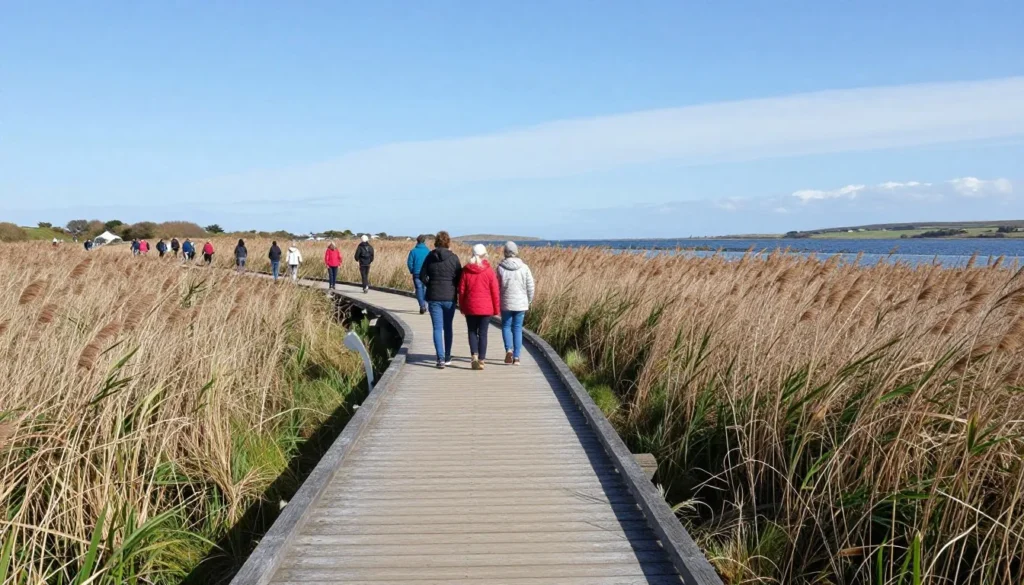
This eco-facility combines environmental education with outdoor recreation across 12 hectares (30 acres) of protected wetland habitat. The center promotes conservation while providing family-friendly activities. Boardwalks traverse the wetlands, allowing close observation of birds and plant life without disturbing ecosystems.
The Tralee Bay Wetlands visitor center houses interactive exhibits explaining wetland ecology and the area’s importance for migratory birds. Staff members lead guided nature walks during summer months. The site also offers boat tours through the wetlands when water levels permit.
Entry to the wetlands area costs about €5 for adults with reduced rates for children and families. The site opens daily from 9 AM to 5 PM year-round, weather permitting. Bring binoculars for better wildlife viewing. The flat, accessible trails suit all mobility levels.
Gallery at Town Hall
Tralee Town Hall hosts rotating art exhibitions featuring local and regional artists. Shows change every four to six weeks, displaying paintings, sculptures, photography, and mixed media works. The gallery promotes Kerry’s thriving arts community while providing free cultural programming for residents and visitors.
The space opens during regular business hours Monday through Friday. Weekend hours vary depending on exhibitions and events. Entry remains free, though donations support programming and future exhibitions. Check current shows before visiting, as quality varies with different artists.
Cultural Walking Tours
Several local guides offer historical walking tours exploring Tralee’s heritage. These 90-minute walks cover the town center, highlighting significant buildings, sharing local legends, and explaining Kerry County’s complex history. Guides provide context about the Great Famine, Irish independence struggles, and cultural traditions.
Tours typically cost €10-15 per person and run several times weekly during summer. Some guides accept private bookings for custom tours focusing on specific interests. These walks provide excellent introductions to Tralee, especially for first-time visitors wanting historical background.
Nature & Outdoor Experiences

Kerry County’s natural beauty surrounds Tralee on all sides. From coastal trails to forested parks, outdoor enthusiasts find abundant opportunities for hiking, cycling, and wildlife observation. The mild climate permits year-round activities, though summer offers the most comfortable conditions.
Tralee Town Park
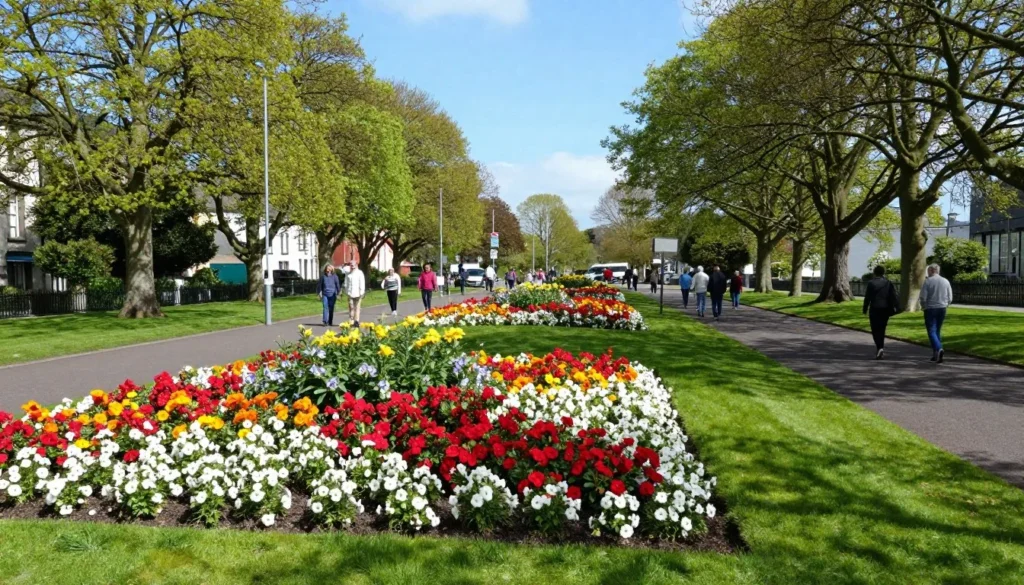
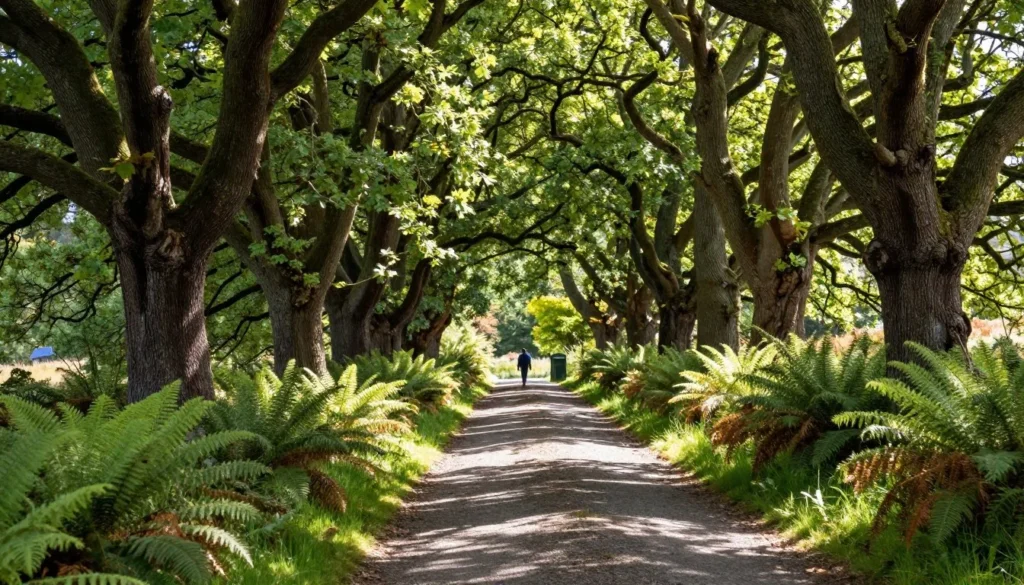
This 14-hectare (35-acre) Victorian park sits along the banks of the Canal Walk, about 10 minutes on foot from the town center. Mature trees shade winding pathways. Manicured lawns provide space for picnics and games. The rose garden blooms spectacularly from June through September with hundreds of varieties in riot of color.
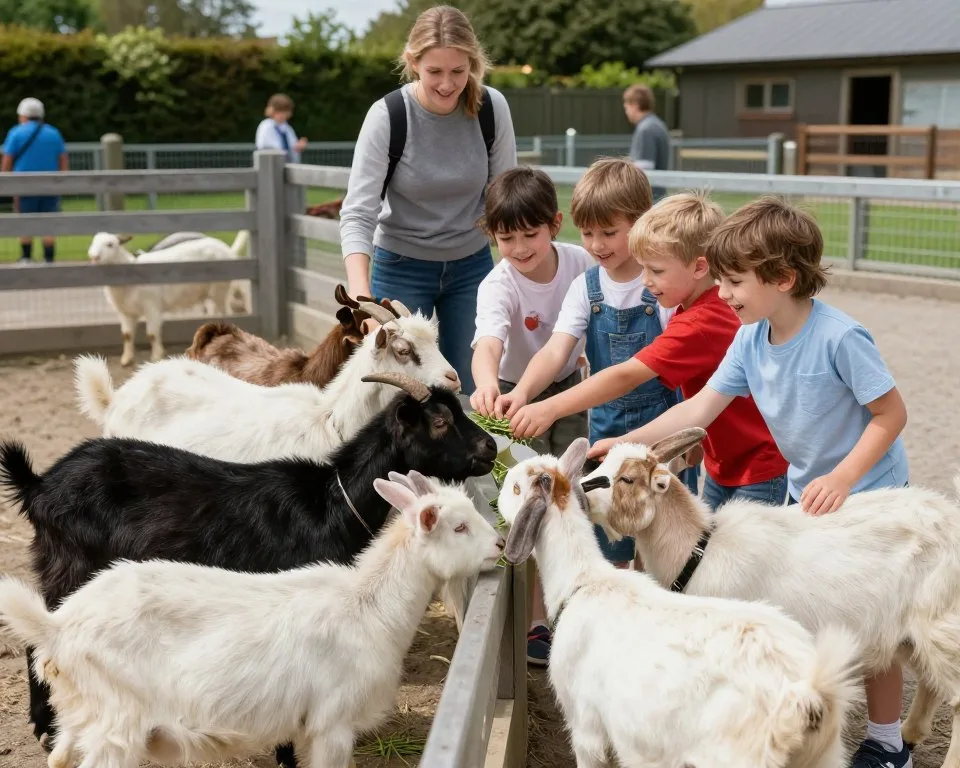
Children enjoy the modern playground with equipment for various ages. A small petting zoo houses domestic animals including goats, rabbits, and chickens. The miniature railway operates on summer weekends, giving kids rides around the park’s perimeter.
The park opens daily from dawn until dusk with no admission fee. Well-maintained paths make the park accessible for wheelchairs and strollers. Local families fill the space on sunny weekends, creating a friendly atmosphere. Public restrooms near the playground serve visitors.
Ballyseedy Woods
Located 3 km (1.9 miles) south of Tralee, Ballyseedy Woods offers peaceful forest walks through mixed woodland. Marked trails range from easy 30-minute loops to longer hikes through varied terrain. The forest floor erupts with bluebells in spring, creating stunning displays under the tree canopy.
The site includes historical significance as the location of a tragic Civil War incident in 1923. A memorial commemorates those who died. Despite this somber history, the woods provide tranquil settings for reflection and nature observation. Bird watchers spot numerous species throughout the year.
Access remains free with a small parking area near the entrance. The main trails stay relatively dry year-round, but wear appropriate footwear after rainy periods. The forest lies within easy reach by bicycle or a short drive from Tralee town.
Dingle Peninsula Day Trips
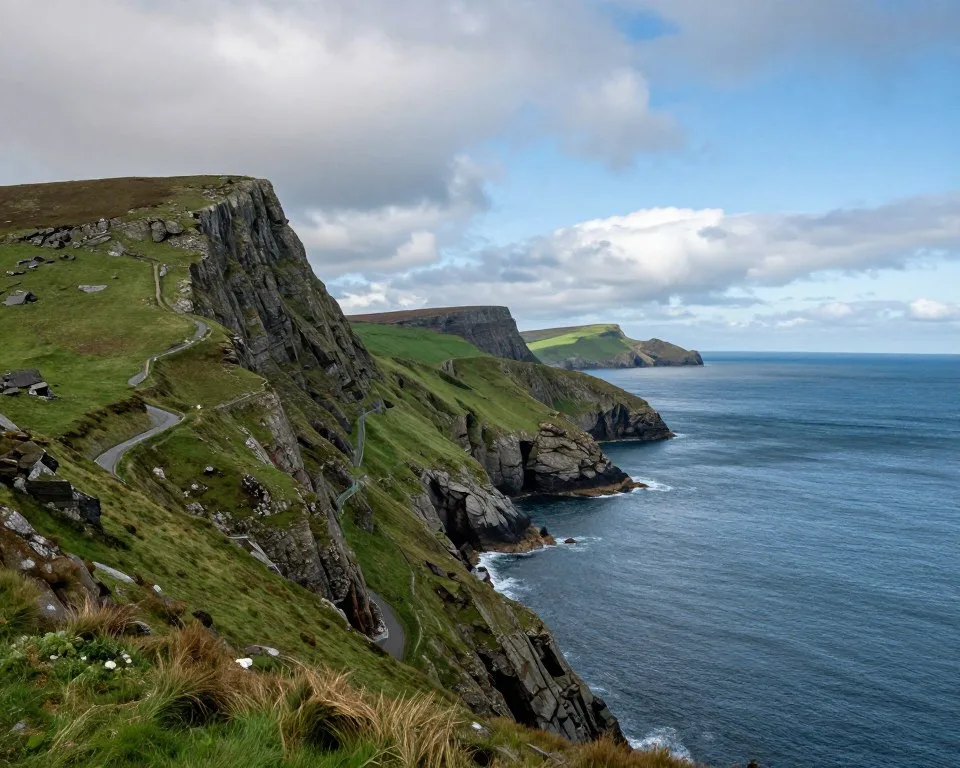
The spectacular Dingle Peninsula begins just 20 km (12 miles) west of Tralee. This mountainous projection offers some of Ireland’s most dramatic coastal scenery. The full Slea Head Drive loops around the peninsula’s western end, passing ancient ruins, cliff-top views, and traditional villages.
Plan a full day for the Dingle Peninsula circuit. The drive covers about 50 km (31 miles) but demands slow speeds on narrow, winding roads. Stop frequently for photos, short walks, and village exploration. The town of Dingle itself deserves at least two or three hours for lunch and wandering colorful streets.
Highlights include Connor Pass, the highest mountain pass in Ireland offering breathtaking views when weather cooperates. Slea Head provides stunning vistas across the Atlantic toward the Blasket Islands. Ancient beehive huts and stone forts dot the landscape, remnants of early Christian settlements.
Ring of Kerry Access
Tralee sits at the northeastern end of the famous Ring of Kerry driving route. This 179 km (111 mile) circuit ranks among Ireland’s most popular tourist attractions. The route traverses mountains, coastline, lakes, and charming villages throughout Kerry County.
Most visitors complete the Ring in a long day, though rushing diminishes the experience. Consider breaking the journey with an overnight stay in Kenmare or Killarney. Drive clockwise to flow with tour bus traffic and gain better parking at viewpoints.
Key stops include Ladies View overlooking Killarney’s lakes, Moll’s Gap mountain pass, colorful Sneem village, and Skellig Ring coastal detour. The route delivers constantly changing scenery with photo opportunities around every bend. Start early to avoid crowds and allow flexibility for spontaneous stops.
Water Activities at Tralee Bay
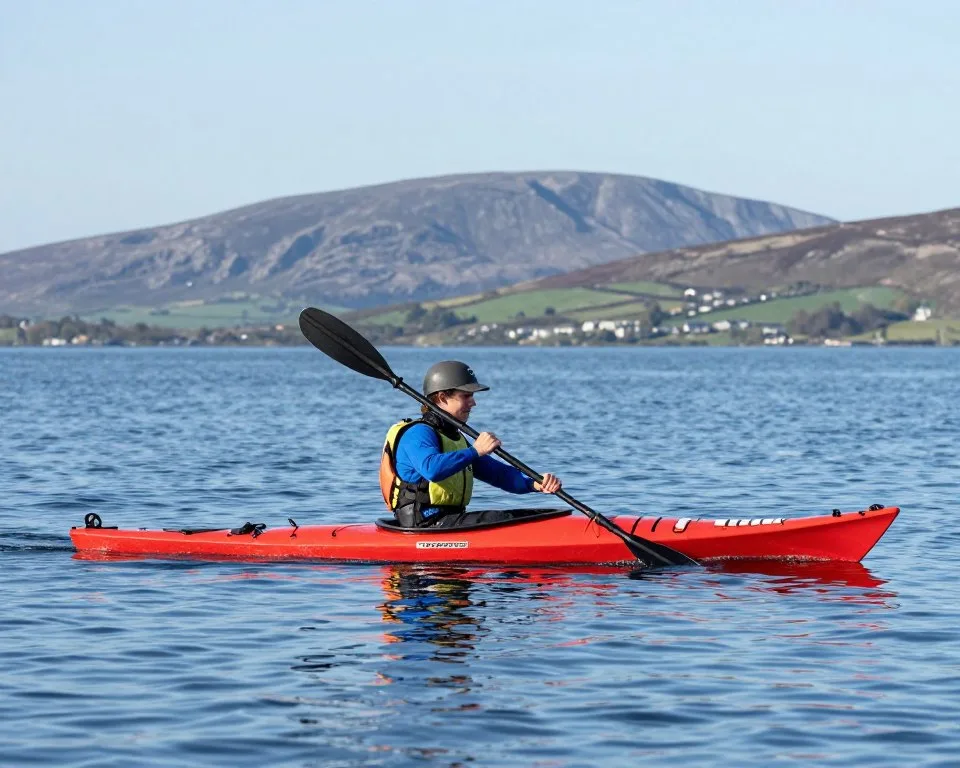
Tralee Bay’s sheltered waters support various water sports and activities. The calm conditions suit kayaking, stand-up paddleboarding, and windsurfing. Several operators run from Fenit Harbor, about 10 km (6 miles) west of Tralee town.
Kayak rentals cost approximately €20-30 per hour or €60-80 for half-day adventures. Guided tours explore the bay’s coastline and wildlife. Seals frequently appear near boats, and seabirds wheel overhead. No previous kayaking experience is required for the gentler tours.
Swimming from beaches around the bay attracts hardy souls during summer months. Water temperatures reach only 14-16°C (57-61°F) even in August. The main beach at Fenit offers lifeguard supervision during July and August weekends. Prepare for cold water and strong tides.
Travel With Children

Tralee welcomes families with numerous child-friendly attractions and accommodations. The compact town size reduces transit time between activities. Irish culture embraces children in public spaces, making restaurants and pubs comfortable for families during daytime hours.
Best Activities for Young Children
The Aqua Dome tops most families’ lists for rainy-day entertainment. Young children spend hours in the shallow pools and gentle slides. The warm water and tropical temperature make swimming comfortable regardless of outdoor weather. Consider visiting during weekday mornings to avoid weekend crowds.
Tralee Town Park offers free outdoor fun with playgrounds, walking paths, and the petting zoo. Pack a picnic lunch to extend your visit. The miniature railway provides affordable entertainment on summer weekends. Kids burn energy running across the lawns while parents relax on benches.
Blennerville Windmill fascinates children with its massive turning sails and historical milling equipment. The short climb up the tower suits most elementary-age kids. The surrounding green space lets children run around after touring the windmill itself.
Family-Friendly Dining Options
Most Tralee restaurants accommodate families, though formal establishments may feel uncomfortable with young children during dinner service. Pubs welcome families until early evening, typically around 7 PM. Many pubs offer children’s menus with smaller portions at reduced prices.
Several cafes around town provide high chairs and changing facilities. These casual spots serve child-friendly food like toasted sandwiches, chips, and pasta dishes. The relaxed atmosphere makes meals with young children less stressful than formal restaurant settings.
Many accommodations offer family rooms sleeping four or five people in one space. B&Bs often provide cots or extra beds for young children at no additional charge. Always confirm family room availability when booking, as these rooms exist in limited numbers.
Practical Considerations for Families
Irish weather demands careful packing for children. Bring waterproof jackets for everyone regardless of season. Layer children’s clothing so you can adjust for temperature changes throughout the day. Comfortable waterproof shoes prove essential for exploring Tralee’s streets and countryside trails.
Most public restrooms in Ireland lack changing tables. Plan diaper changes at your accommodation or family-friendly venues. Carry wipes and hand sanitizer for situations where facilities prove inadequate. Many cafes allow restroom use for customers only.
Stroller-friendly routes exist throughout Tralee town center, though some historic streets feature cobblestones or uneven surfaces. The Tralee-Fenit Greenway provides excellent paved paths for strollers and young cyclists. Baby-wearing equipment offers more flexibility than strollers for exploring uneven terrain.
Educational Opportunities
Kerry County Museum engages children with interactive exhibits explaining local history. The Medieval Experience particularly captures young imaginations with realistic street scenes and period details. Allow kids to explore at their own pace rather than rushing through exhibits.
Tralee Bay Wetlands Centre teaches environmental concepts through hands-on activities. Children enjoy spotting birds and learning about wetland ecosystems. The visitor center includes discovery areas designed for young learners. Summer programs offer special activities for kids during school holidays.
Money Saving Tips

Tralee offers reasonable value compared to Dublin or popular tourist towns, but costs still add up quickly. Smart travelers employ strategies to stretch budgets without sacrificing experiences. A few simple choices significantly reduce overall trip expenses.
Accommodation Savings
Book B&B accommodations instead of hotels. The substantial Irish breakfast included in B&B rates saves €15-20 per person on morning meals. This hearty breakfast often keeps you satisfied until mid-afternoon, eliminating lunch costs entirely.
Visit during shoulder seasons—April, May, September, or October. Accommodation rates drop 30-40 percent compared to peak summer months. You’ll encounter fewer crowds at attractions while enjoying milder weather than winter brings. Many businesses offer reduced off-season pricing.
Self-catering accommodations suit groups and longer stays. Split weekly rental costs between multiple travelers. Preparing some meals in your accommodation significantly reduces food expenses. Stock up on breakfast supplies, sandwich ingredients, and snacks at local supermarkets.
Transportation Budget Strategies
Walk whenever possible within Tralee town. Most attractions sit within 20 minutes on foot from the center. This approach costs nothing while providing better local perspectives than driving everywhere. You’ll discover interesting shops and cafes hidden from the main tourist areas.
Use the Tralee-Fenit Greenway for free coastal access. This paved path connects town to the bay and Blennerville Windmill without requiring transportation costs. Rent bicycles for economical exploration beyond walking distance. Daily bike rentals cost less than a single taxi ride.
Book rental cars for specific day trips rather than your entire stay. You don’t need a vehicle for exploring Tralee town itself. Rent cars only for Ring Kerry or Dingle Peninsula excursions. This approach saves daily parking fees and rental charges for unused days.
Dining and Food Strategies
Eat your main meal at lunch rather than dinner. Many restaurants offer set lunch menus with two or three courses at lower prices than evening equivalents. Portions remain generous, satisfying appetites until lighter evening snacks suffice.
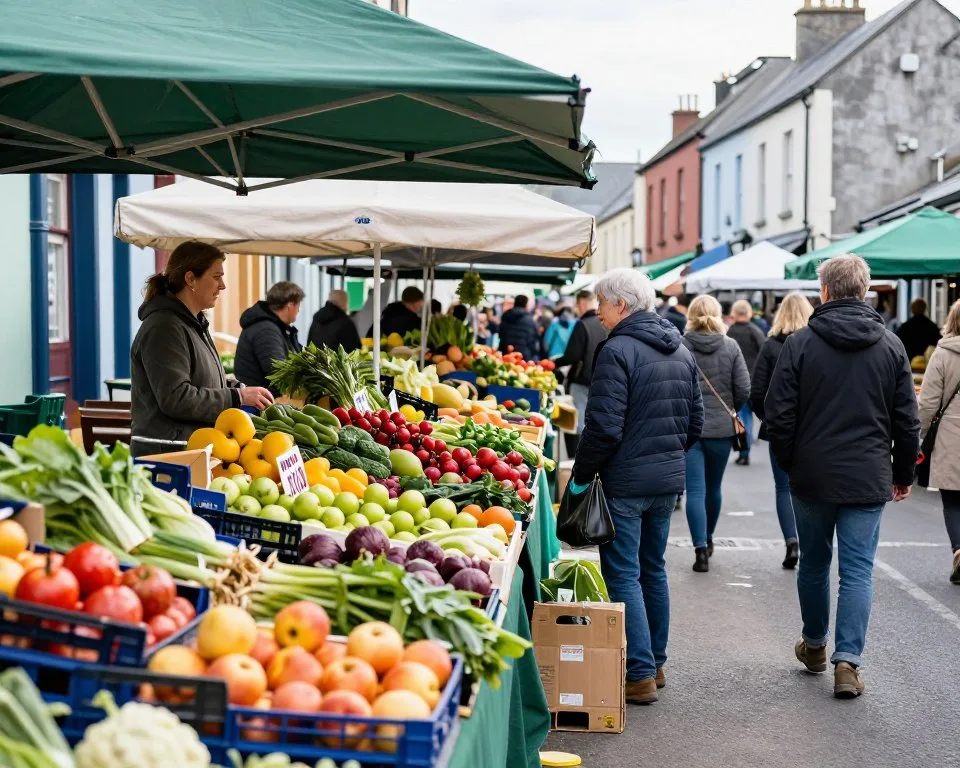
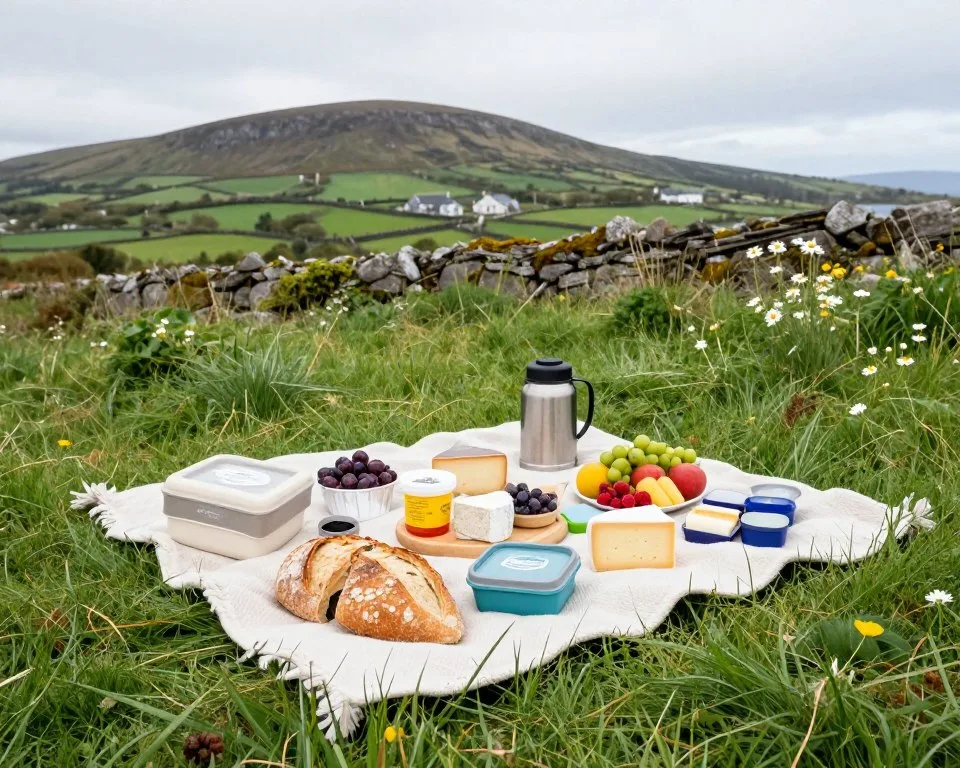
Shop at Tesco, Lidl, or Aldi supermarkets for groceries. These chains offer significantly lower prices than convenience stores. Prepare picnic lunches for day trips. Irish cheese, fresh bread, and fruit make satisfying meals for a fraction of restaurant costs.
Drink tea or coffee at your accommodation rather than paying café prices multiple times daily. Beverages represent hidden budget drains. Many B&Bs provide tea-making facilities in rooms. Carry a refillable water bottle rather than buying bottled water repeatedly.
Free Entertainment: Seek out traditional music sessions in Tralee pubs. Many establishments host free live music several nights weekly. You’ll experience authentic Irish culture without paying admission. Buy a pint or two to support the venue while enjoying world-class entertainment.
Attraction and Activity Savings
Visit free attractions before paid venues. Tralee Town Park, rose gardens, and several walking trails charge no admission. St. John’s Church welcomes visitors without fees. These experiences provide genuine insights into local life and culture.
Purchase combination tickets when visiting multiple paid attractions. Some venues offer discounted family passes or multi-site tickets providing better value than individual entries. Ask about available package deals at ticket counters.
Check for early-bird or off-peak pricing at major attractions. The Aqua Dome and some tour operators reduce rates during slower periods. Morning sessions often cost less than afternoon time slots. These strategic bookings maintain quality while lowering costs.
Safety & Local Customs
Tralee ranks as a safe destination with low crime rates typical of Irish towns. Most visitors experience no security issues beyond minor inconveniences. Understanding local customs helps you navigate social situations confidently while showing respect for Irish culture.
General Safety Considerations
Violent crime remains extremely rare in Tralee. Petty theft occasionally occurs in crowded areas or tourist spots. Use common sense precautions—don’t leave bags unattended, keep valuables out of sight in parked cars, and remain aware of surroundings in crowded pubs late at night.
Emergency services respond quickly throughout Kerry County. Dial 999 or 112 for police, fire, or ambulance services. These numbers work from any phone including mobiles without credit. The nearest hospital with emergency services operates in Tralee town center.
Irish roads present the biggest safety concern for American visitors. Adjust to left-side driving carefully. Narrow country lanes and winding mountain roads demand constant attention. Pull over to let faster traffic pass rather than feeling pressured to speed. Many accidents involve tourists unfamiliar with Irish road conditions.
Health and Medical Services
Tralee General Hospital provides emergency and urgent care services 24 hours daily. Several pharmacies operate in the town center for minor health issues and prescription needs. Pharmacists offer free advice about treating common ailments.
EU citizens receive healthcare at reduced rates through reciprocal agreements. American travelers should verify their health insurance covers international treatment or purchase travel medical coverage. Medical care costs less than US rates but still represents significant expenses without insurance.
Tap water throughout Tralee meets safe drinking standards. No special precautions regarding food safety prove necessary. Irish food safety regulations mirror or exceed US standards. Eat confidently at restaurants and street food vendors.
Irish Social Customs
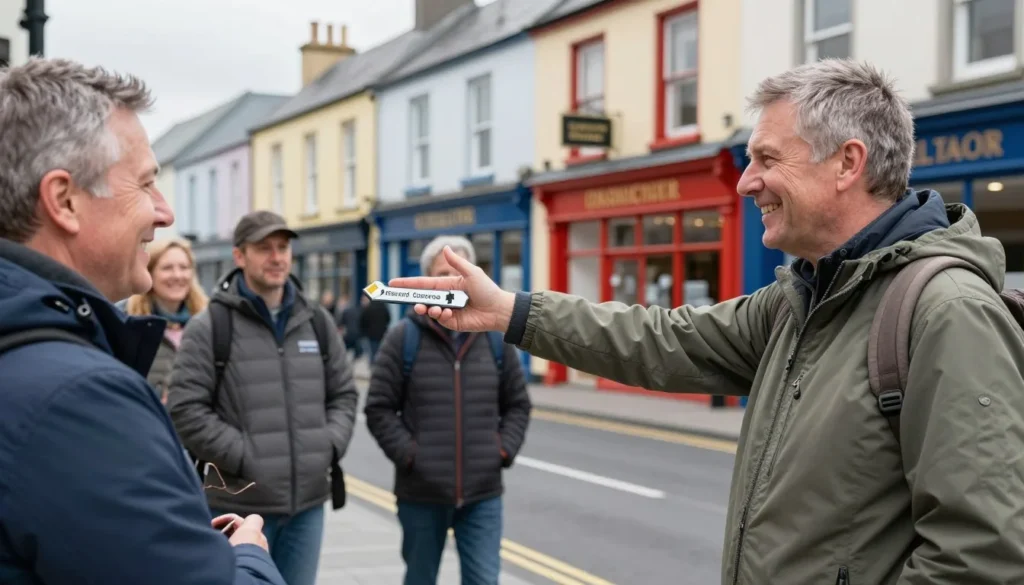
Irish people value friendly conversation and humor. Don’t be surprised when strangers strike up chats in queues, shops, or on buses. This friendliness represents genuine hospitality rather than ulterior motives. Respond warmly to maintain the positive social atmosphere.
Pub etiquette matters in Irish culture. Order and pay for drinks at the bar rather than waiting for table service. When drinking in groups, participate in “rounds” where each person buys drinks for everyone in turn. Refusing rounds or failing to reciprocate appears rude.
Tipping practices differ from American standards. Restaurant bills don’t automatically include service charges. Leave 10-12 percent for good service in table-service restaurants. Café counter service and pubs require no tips, though coins in tip jars show appreciation. Taxi drivers appreciate rounding fares up to the nearest euro.
Language Note: English serves as the primary language in Tralee, though you’ll see Irish (Gaelic) on road signs and official documents. Locals appreciate when visitors attempt basic Irish phrases like “Dia dhuit” (hello) or “Go raibh maith agat” (thank you), but everyone speaks English fluently.
Appropriate Dress and Behavior
Tralee maintains a casual dress code even in nicer restaurants. Smart casual attire suits most situations. Leave formal business wear at home. However, Irish people do dress neatly for evening outings—avoid wearing obviously athletic clothing to restaurants and pubs after dark.
Churches welcome visitors but expect respectful behavior and modest clothing. Remove hats when entering religious buildings. Keep voices low and refrain from eating or drinking inside churches. Photography policies vary—look for posted signs or ask permission before taking pictures.
Irish humor includes self-deprecation, sarcasm, and teasing among friends. Don’t take offense at gentle joking. However, avoid sensitive topics like politics, religion, or Irish-English history with strangers. These subjects carry complex emotions best navigated by locals.
Weather Preparedness
Rapid weather changes catch unprepared visitors daily. Carry waterproof outerwear whenever leaving accommodations regardless of morning conditions. Sudden rain showers appear without warning throughout the year. Layered clothing allows adjustment for temperature fluctuations between indoor and outdoor spaces.
✓ Check 30,000+ Local Sightseeing Tours Worldwide
Strong winds affect coastal areas around Tralee Bay regularly. Secure loose items when walking near the water. Umbrellas prove useless in Kerry’s winds—invest in a quality rain jacket with a hood instead. Mind weather warnings during winter months when Atlantic storms bring dangerous conditions.
Visitor Comments About Tralee
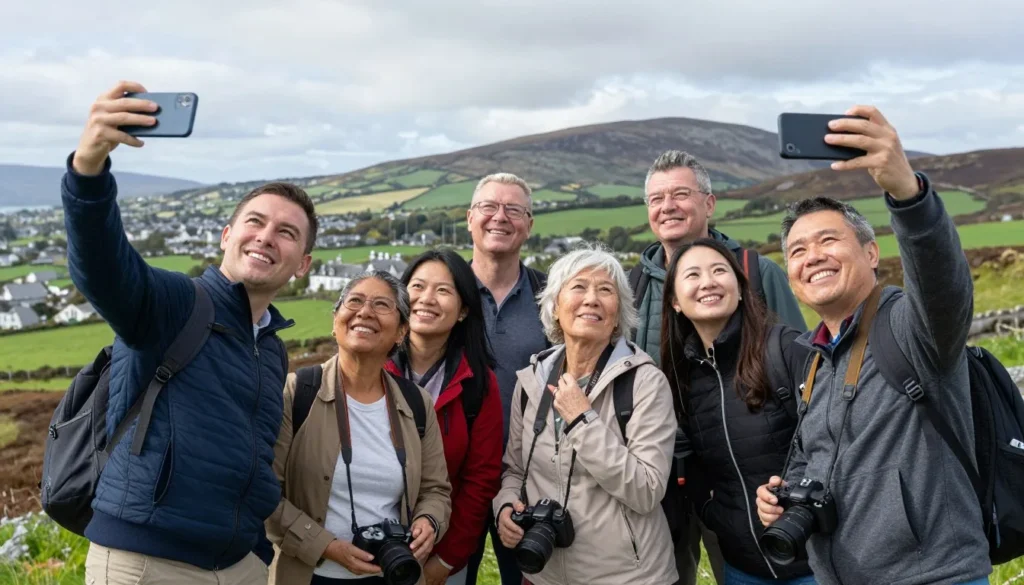
Hearing from travelers who’ve experienced Tralee firsthand provides valuable perspectives. These authentic comments reflect common themes visitors discover during their Kerry County adventures.
“Tralee exceeded our expectations in every way. We initially planned just one night as a base for exploring Ring Kerry, but the town’s charm convinced us to extend our stay. The locals treated us like family at our B&B, recommending hidden spots tourists never find. The Tralee Bay Wetlands became our favorite morning walk—we saw herons, swans, and even a seal one morning. Don’t rush through Tralee on your way to more famous destinations. This authentic Irish town deserves proper attention.”
“As someone who’s visited Ireland multiple times, Tralee offered refreshing authenticity. No tacky souvenir shops clogging every corner. Real Irish people going about daily life alongside visitors. We stumbled into a traditional music session at a local pub where musicians welcomed my daughter to try the bodhrán drum. Kerry County Museum provided excellent historical context before we explored the Dingle Peninsula. The food scene impressed us too—we ate incredibly well for reasonable prices. Tralee proves you don’t need to visit famous tourist traps to experience genuine Irish culture.”
“Our family spent four days in Tralee with kids aged six and nine. The Aqua Dome saved us on two rainy afternoons—both children had a blast. Tralee Town Park became our daily destination with the playground, petting zoo, and plenty of space for running around. Blennerville Windmill fascinated the kids more than we expected. The bike path to Fenit let us explore the coast safely as a family. Accommodations and restaurants welcomed children without making us feel intrusive. We found Tralee much more relaxing and affordable than Dublin for a family vacation.”
Additional Nearby Destinations
Tralee’s central Kerry County location provides easy access to some of Ireland’s most spectacular scenery. Several world-famous attractions sit within an hour’s drive. Plan extra days to explore these nearby destinations properly.
Killarney and National Park
Killarney town lies 32 km (20 miles) southeast of Tralee along the N22. This tourist hub serves as gateway to Killarney National Park, Ireland’s first national park protecting 10,000 hectares (25,000 acres) of mountains, lakes, and oak forests. The park includes Muckross House, Ross Castle, and stunning lakeside scenery.
Plan a full day or more for Killarney. The town offers numerous restaurants, shops, and accommodations. Traditional jaunting cars (horse-drawn carriages) transport visitors through the national park’s traffic-free roads. Hiking trails range from easy lakeside strolls to challenging mountain climbs.
Killarney gets extremely crowded during summer, especially when cruise ships dock in nearby Cobh. Visit early morning or late afternoon to avoid peak tourist times. The town’s commercial atmosphere contrasts sharply with Tralee’s authenticity—expect higher prices and more tourist-focused businesses.
Dingle Town
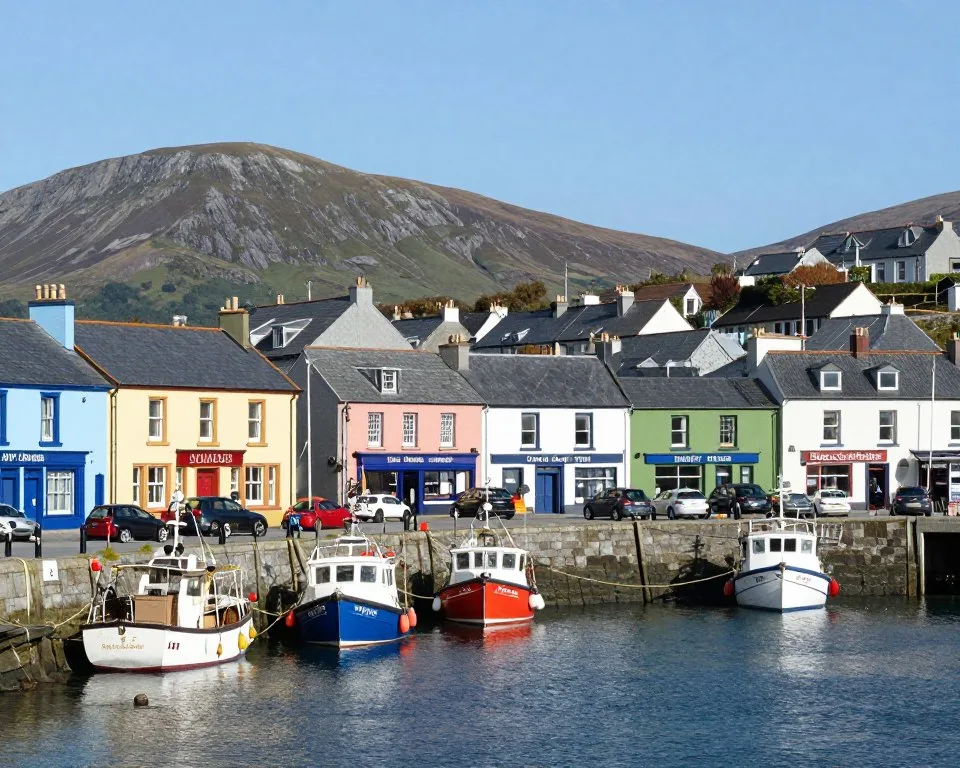
This colorful fishing village sits 48 km (30 miles) west of Tralee at the end of the Dingle Peninsula. The town gained fame through its resident dolphin Fungie, though the animal disappeared in 2020. Dingle maintains its appeal through excellent restaurants, traditional pubs with nightly music, and stunning coastal surroundings.
The drive from Tralee crosses Connor Pass, Ireland’s highest mountain pass with breathtaking views on clear days. The narrow, winding road demands careful driving but rewards with spectacular scenery. Allow three hours minimum for Dingle including driving time, though a full day permits proper exploration.
Dingle’s compact town center fills with quality craft shops, galleries, and cafés. The working harbor adds authentic character missing from purpose-built tourist villages. Multiple ancient archaeological sites dot the surrounding peninsula, including beehive huts and early Christian ruins.
Inch Beach
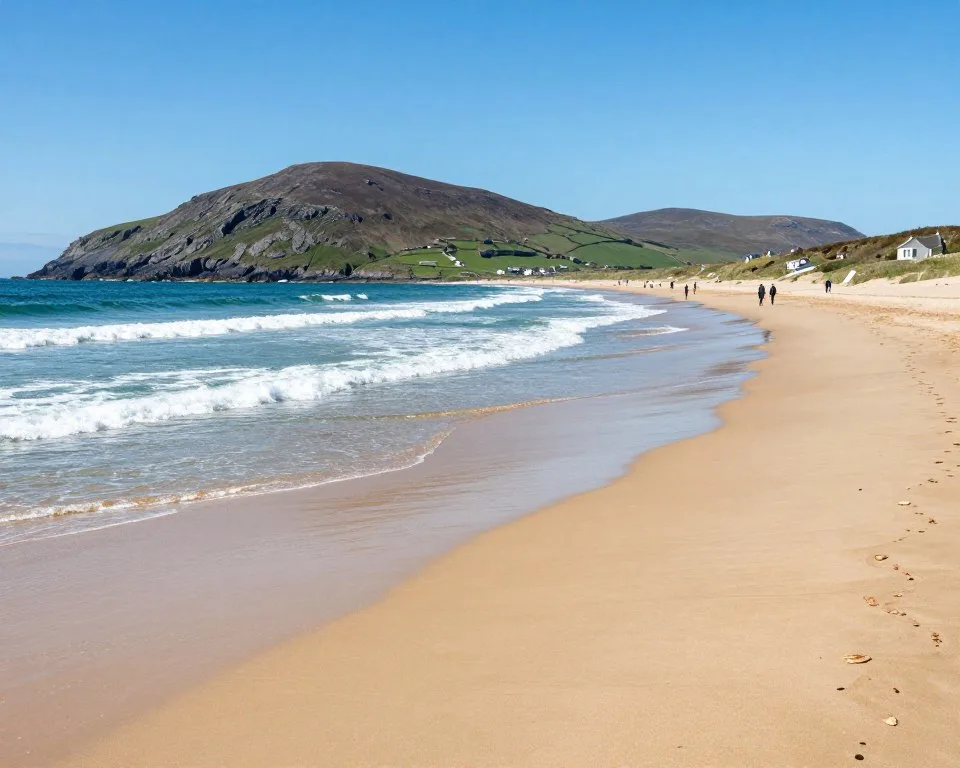
This 5 km (3 mile) long sandy beach stretches along Dingle Bay 24 km (15 miles) west of Tralee. Inch Beach ranks among Ireland’s finest beaches, offering dramatic mountain backdrops and Atlantic waves popular with surfers. Several films including “Ryan’s Daughter” filmed scenes on this photogenic strand.
The beach suits all ages for walking, beachcombing, or swimming (for the hardy—water remains cold year-round). A small café near the parking area serves basic meals and hot drinks. Visit during low tide when the exposed sand extends furthest. Strong undertows make swimming dangerous in some areas—obey safety signs.
Slea Head Drive
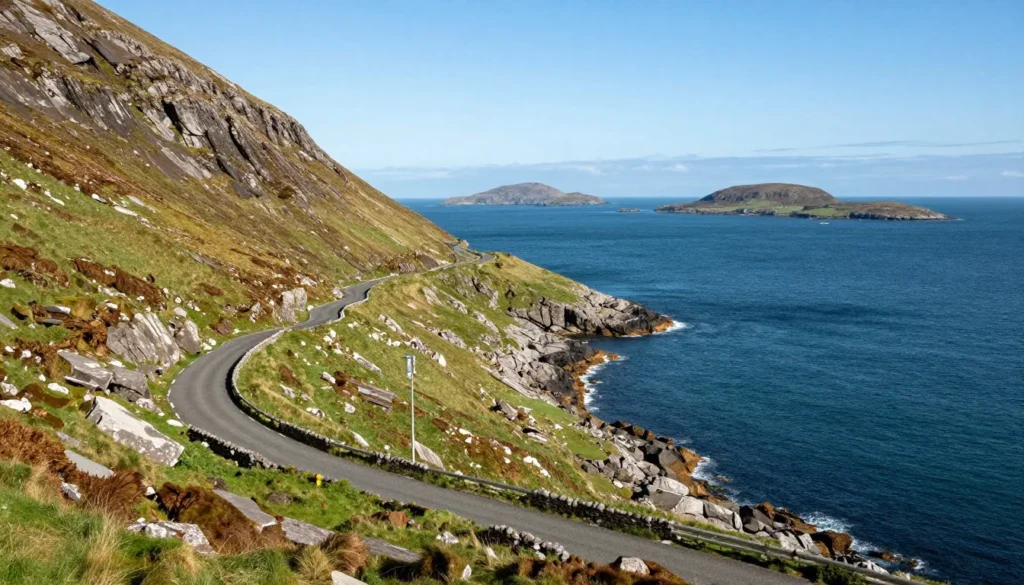
This 50 km (31 mile) coastal circuit around the western Dingle Peninsula delivers continuously stunning scenery. The route passes through Irish-speaking villages, past ancient ruins, and along dramatic cliff edges with ocean views. Drive clockwise from Dingle town for the best coastal perspectives.
Key stops include Dunquin Pier, where currach boats once ferried passengers to the Blasket Islands. Coumeenoole Beach provides a dramatic cove setting. The Blasket Centre museum explains the now-abandoned islands’ unique literary tradition. Multiple viewing points offer sweeping Atlantic vistas toward North America.
Allow four to five hours minimum for the complete circuit including photo stops. The narrow roads prohibit large vehicles and demand slow speeds. Pull over frequently to let faster traffic pass. Some sections feature steep drops with minimal barriers—exercise caution.
Practical Travel Tips
These final practical details help smooth your Tralee experience. Small preparations prevent common frustrations and let you focus on enjoying your Kerry County adventure.
Money and Currency
Ireland uses the euro as official currency. Exchange rates fluctuate, but US dollars typically convert to slightly less euro value. Exchange money before departure or withdraw euros from Irish ATMs upon arrival. ATMs provide better exchange rates than currency exchange services at airports.
Credit cards work throughout Tralee at hotels, restaurants, and shops. However, smaller B&Bs and some rural businesses accept cash only. Carry €100-200 in cash for these situations and small purchases. Visa and Mastercard enjoy widest acceptance. American Express faces more limited acceptance.
Notify your bank before traveling to prevent fraud blocks on your cards. Irish transactions may trigger security alerts. Confirm your PIN works for Irish ATMs—some US cards require four-digit codes while others allow longer PINs that don’t function internationally.
Mobile Phones and Internet
Most US mobile phones work in Ireland through international roaming, though charges can shock unwary travelers. Contact your carrier before departure to understand rates and temporary international plans. Some carriers offer daily or weekly packages providing much better value than standard roaming charges.
Purchase an Irish SIM card for longer stays or heavy phone use. Several carriers sell prepaid SIM cards starting around €20 with included data and call minutes. You’ll need an unlocked phone to use Irish SIM cards. WiFi coverage reaches most accommodations, restaurants, and cafés throughout Tralee.
Electrical Adapters and Voltage
Ireland uses 230-volt electricity with three-pronged UK-style plugs. American 110-volt devices require both plug adapters and voltage converters unless they’re dual-voltage. Most modern electronics (phones, laptops, cameras) include dual-voltage power supplies—check device specifications before packing converters.
Purchase plug adapters before departure. Irish shops sell them, but availability varies and prices exceed US rates. Bring multiple adapters if you charge several devices simultaneously. Many accommodations provide limited electrical outlets, especially in older B&Bs.
Booking Accommodations and Tours
Reserve accommodations three to six months ahead for summer visits. Rose of Tralee Festival week requires even earlier booking—start searching a year in advance. Shoulder season and winter visits allow more flexibility, though some B&Bs close entirely from November through March.
Direct booking sometimes costs less than reservation websites. Many Irish B&Bs don’t list on major platforms. The local tourist office provides accommodation lists and can help with last-minute bookings. However, appearing without reservations during summer usually results in driving to neighboring towns seeking available rooms.
What to Pack
Pack layers rather than bulky heavy clothing. The mild Irish climate rarely requires winter coats, but you’ll need warm sweaters and waterproof outerwear. Rain gear proves essential year-round. Bring clothes you don’t mind getting muddy—Irish countryside trails can turn remarkably messy after rain.
Comfortable walking shoes matter more than fashionable footwear. You’ll walk miles daily exploring Tralee town and surrounding areas. Waterproof hiking boots suit countryside excursions. Leave room in luggage for purchases—you’ll find Irish sweaters and crafts worth bringing home.
Local Tourist Information
Tralee’s tourist information office operates in the town center near the Square. Staff provide free maps, attraction information, and accommodation assistance. The office stocks brochures for Kerry County attractions and can answer questions about current events and festival schedules.
Opening hours typically run from 9 AM to 5:30 PM Monday through Saturday, with limited Sunday hours during summer. Winter schedules reduce to weekdays only. Stop here early in your visit to gather information and plan your time efficiently.
Start Your Tralee Adventure
Tralee rewards visitors who venture beyond Ireland’s beaten tourist paths. This authentic Kerry County town delivers genuine Irish experiences without overwhelming crowds or inflated prices. From the stirring history at Kerry County Museum to the natural beauty of Tralee Bay Wetlands, from traditional music sessions in welcoming pubs to scenic drives through spectacular countryside, Tralee offers diverse attractions satisfying varied interests.
The town provides an ideal base for exploring Ring Kerry and Dingle Peninsula while maintaining its own distinct character and worthy attractions. Friendly locals share their knowledge generously, helping visitors discover hidden gems and authentic experiences. Whether you spend two days or a full week, Tralee reveals new layers of Irish culture and natural beauty.
Pack your waterproof jacket, bring your sense of adventure, and prepare for the warm welcome that defines Kerry hospitality. Tralee awaits with open arms and countless stories to share. Your Irish journey begins where the mountains meet the bay and authentic Ireland still thrives.